29 Gadgets From the ’70s Found in Basements Today
Somewhere below ground level in a surprising number of houses, an unplugged relic from the decade is still sitting exactly where it was set down decades ago, half-buried under holiday decorations and boxes nobody has opened in years. Most of it stopped working long before anyone thought to throw it away.
None of it was cheap when it was new, which explains why so much of it survived instead of heading straight to a curbside pickup. Replacing a gadget used to be a real financial decision, not an annual upgrade cycle.
8-Track Tape Player
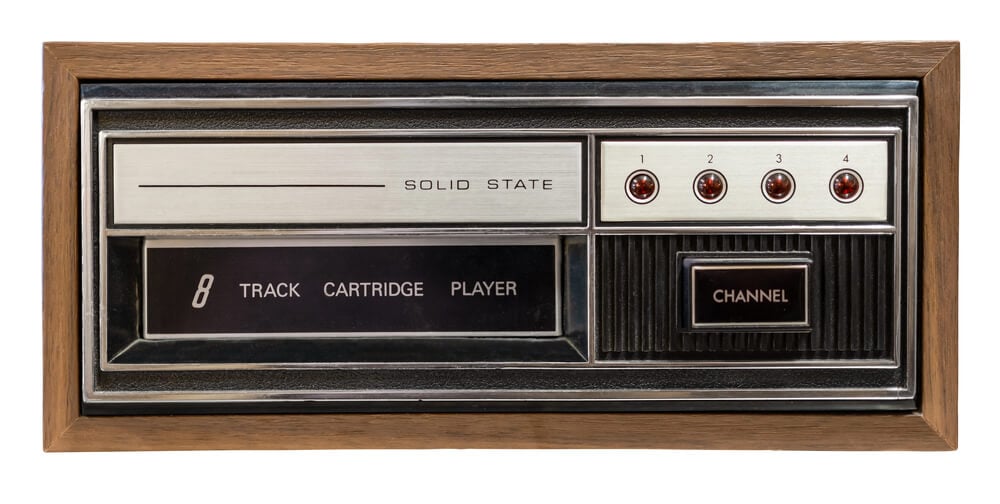
A bulky cartridge format that clicked audibly between programs mid-song, this technology dominated car stereos and home systems through most of the decade before cassette tapes made it obsolete almost overnight, leaving stacks of cartridges with nothing left to play them on.
Mood Ring

A thin band set with a heat-sensitive stone that shifted color based on the wearer’s skin temperature, marketed as a window into emotional state despite having no real connection to mood at all, became one of the decade’s most recognizable novelty accessories.
Pong Console
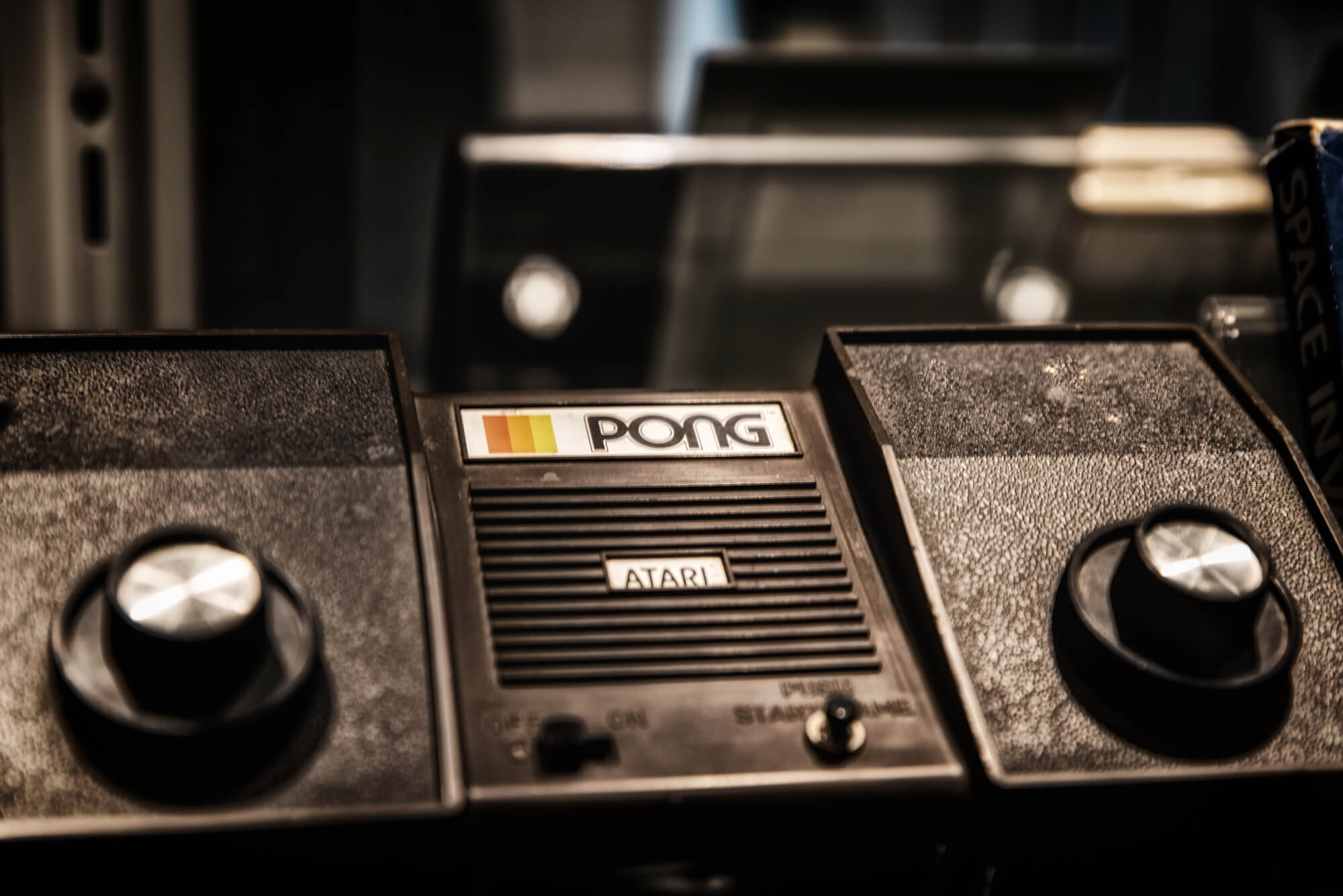
Atari’s home version of its arcade hit arrived in 1975 with a single game built directly into the hardware, requiring nothing more than a television connection to produce two paddles and a bouncing square that felt genuinely new at the time.
CB Radio
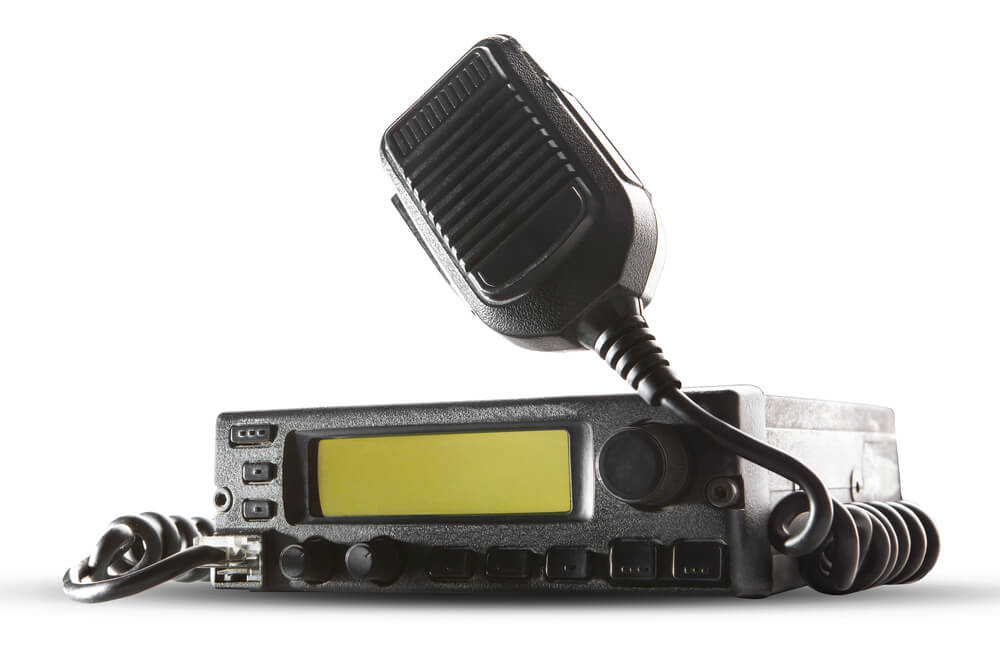
Citizens band radio became a mainstream craze by the middle of the decade, driven partly by trucking culture and partly by a wave of movies and songs about life on the open road, leaving many households with a base unit long after the trend faded.
Rotary Phone
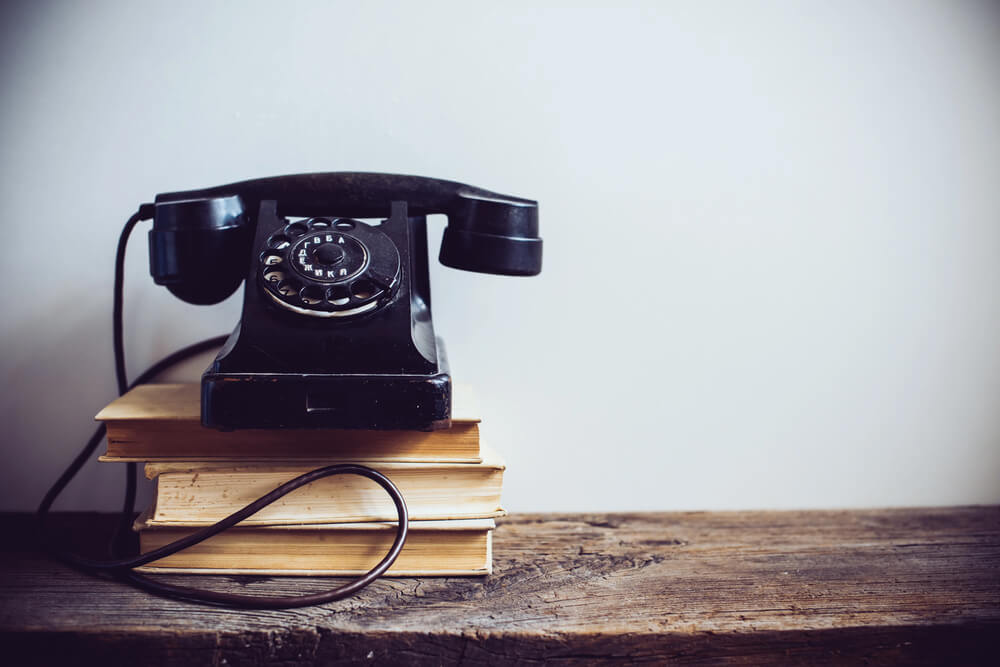
A dial that had to be spun manually for each digit, with a satisfying mechanical return after every number, sat on countless kitchen walls until push-button models made the design feel suddenly slow by comparison.
Polaroid SX-70 Camera
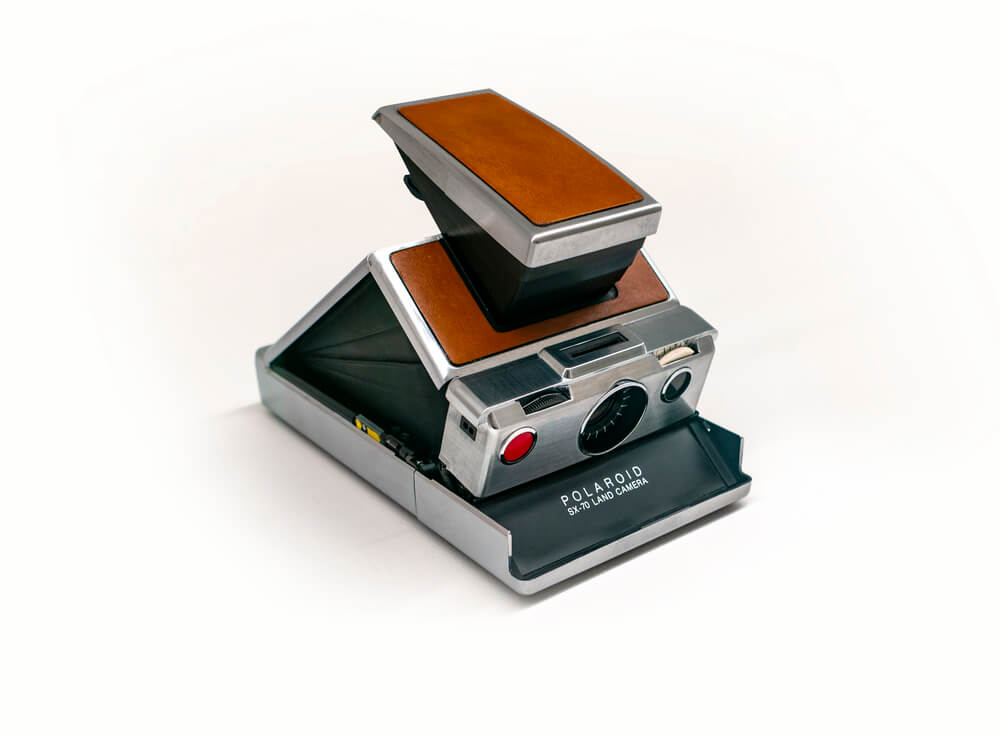
Folding flat for storage and ejecting a self-developing photograph that visibly emerged into full color over several minutes, this camera turned instant photography into a genuine cultural phenomenon after its 1972 release.
Lava Lamp
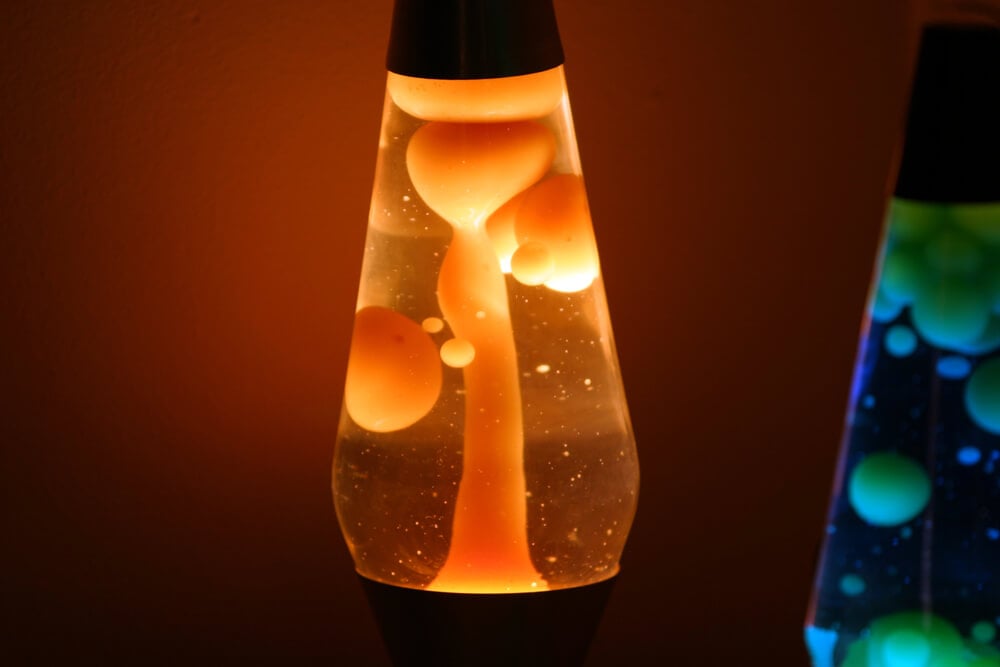
Colored wax suspended in liquid, heated by a bulb at the base until it slowly rose and fell in shifting blobs, became a fixture of bedroom decor throughout the decade and has proven remarkably durable in storage.
Waterbed

A vinyl mattress filled with heated water promised a genuinely different sleeping experience and became a surprisingly common bedroom fixture by the decade’s end, though the associated frame and heater components rarely survive as well as the memory of owning one.
Reel-to-Reel Tape Recorder
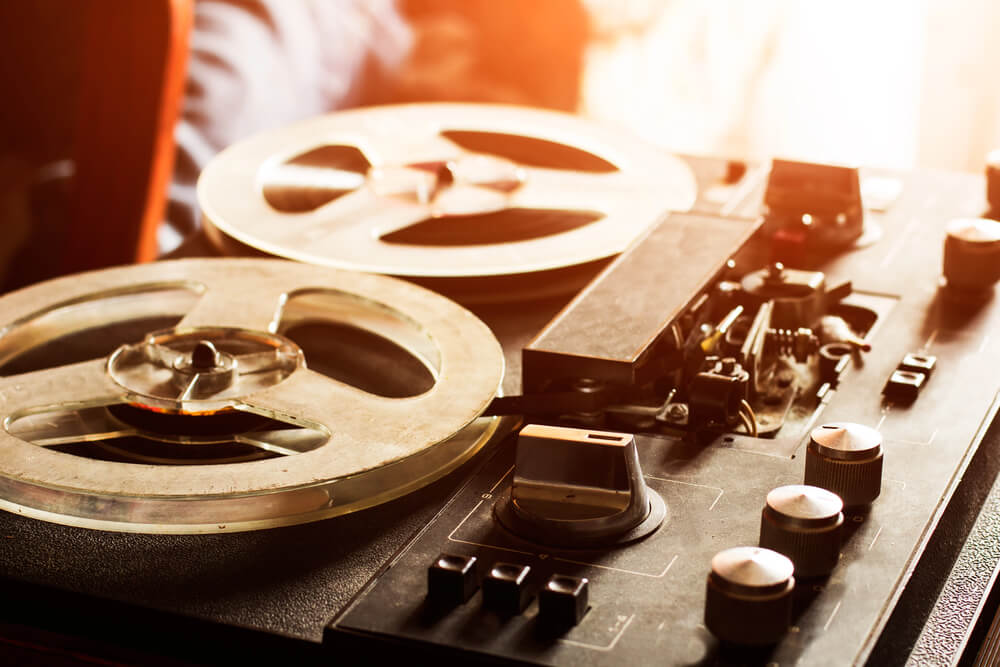
Open spools of magnetic tape threaded manually through a playback head produced some of the highest home audio quality available at the time, though the format’s complexity made it a hobbyist’s tool more than a casual household item.
Sony Walkman
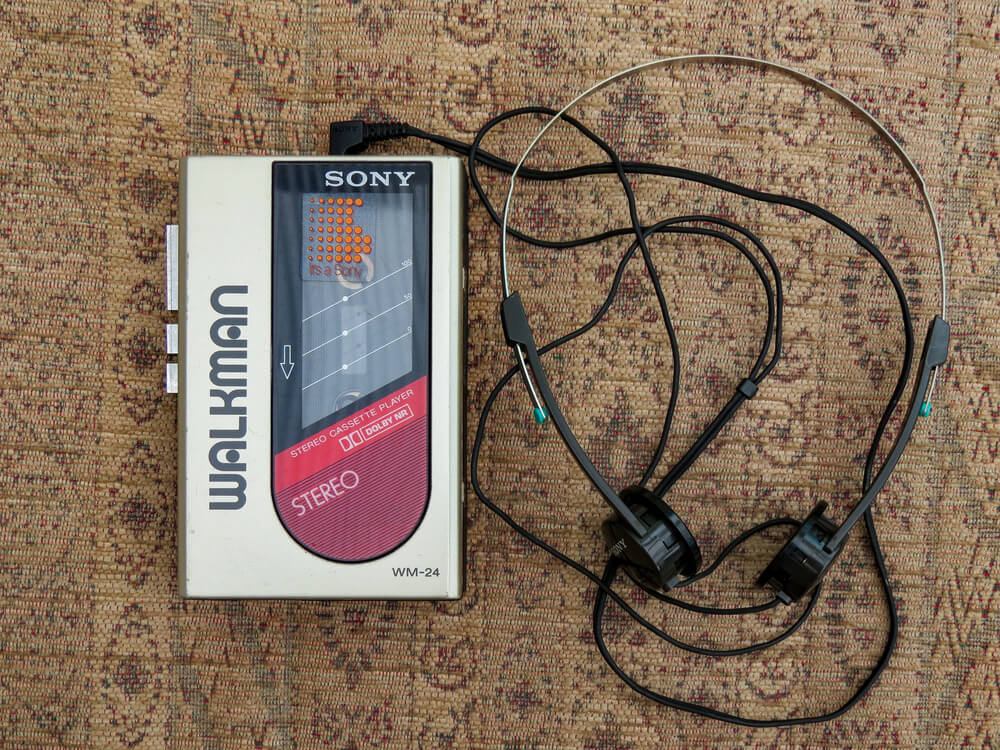
Arriving right at the decade’s close in 1979, this portable cassette player let music travel outside the living room for the first time in a genuinely practical way, launching a format of personal audio that reshaped how an entire generation listened to music.
Atari 2600
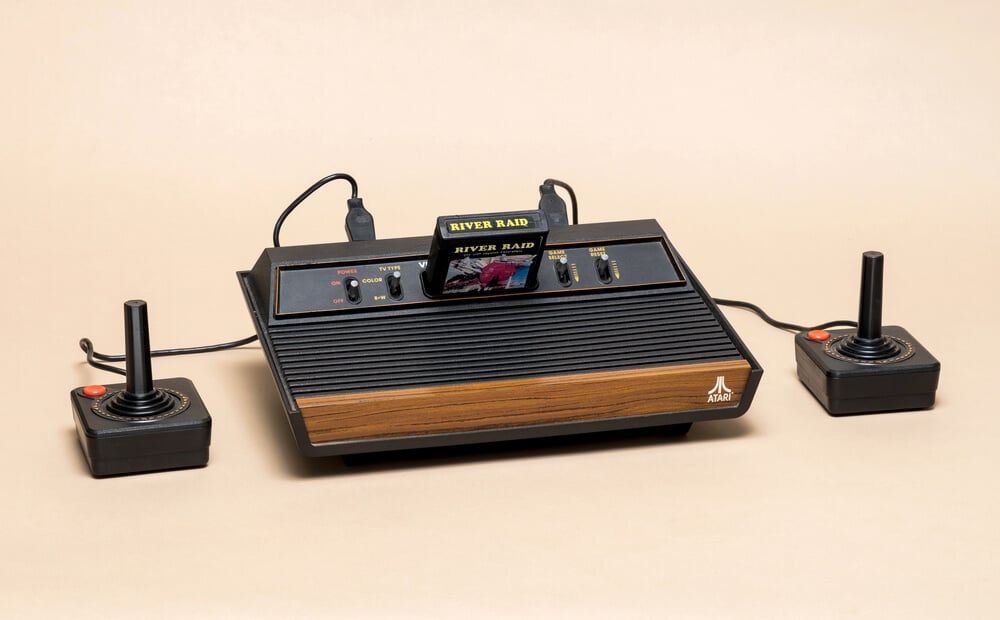
Interchangeable game cartridges brought a rotating library of titles into the living room beginning in 1977, a novel concept at the time that eventually filled countless basement boxes with cartridges long after the console itself stopped being hooked up.
LED Digital Watch
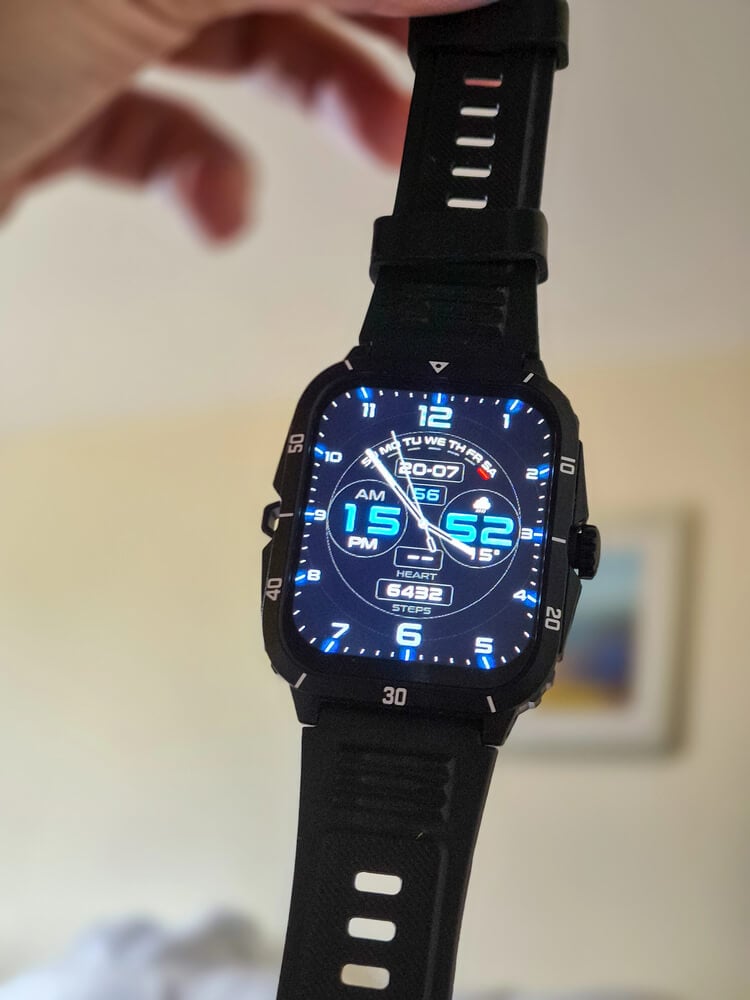
Early digital watches required pressing a button just to see the time, since the red LED display drained the battery too quickly to stay lit continuously, a limitation that seems almost comical compared to how casually the format is used now.
Calculator Watch
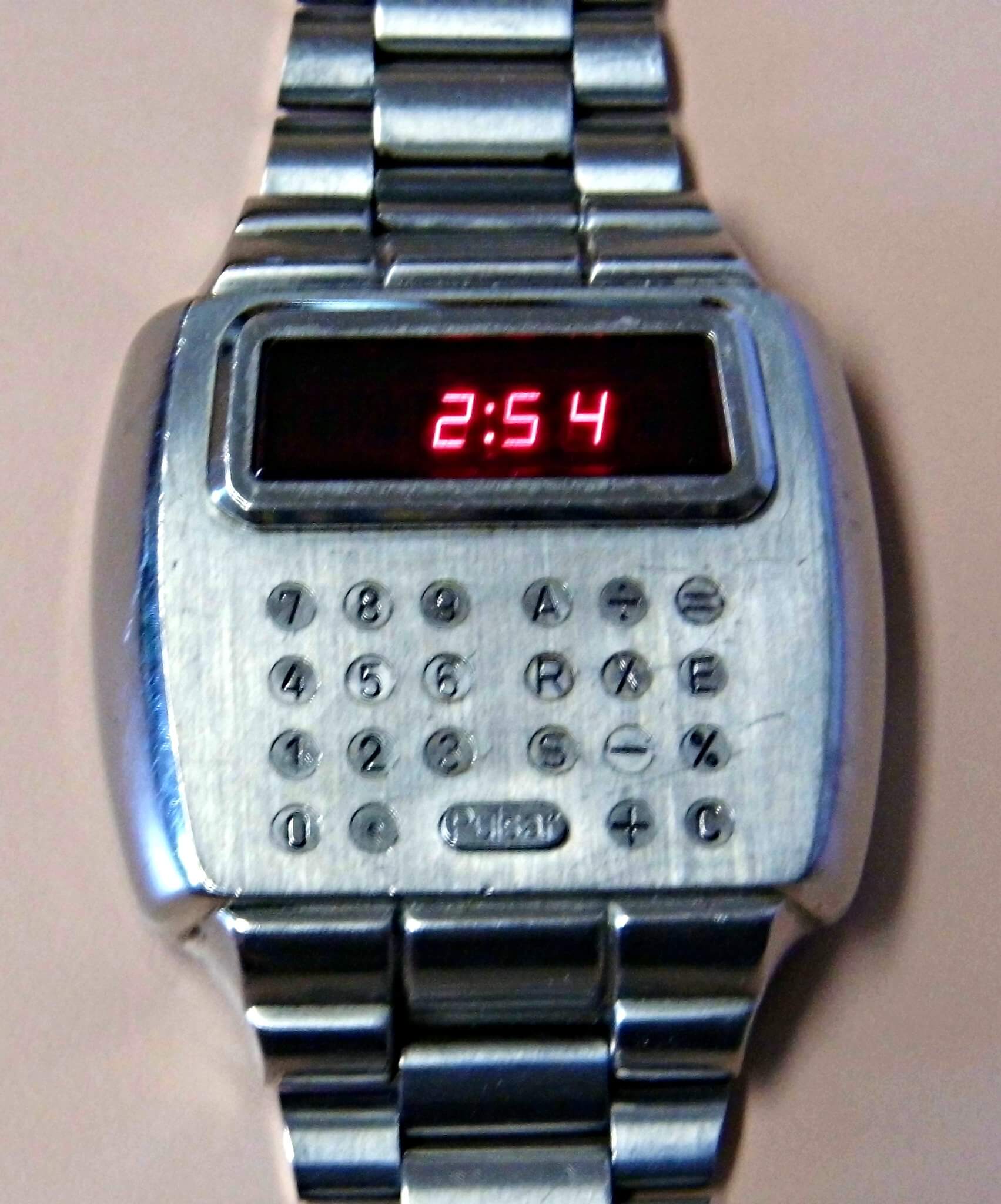
A functioning calculator squeezed onto a wristwatch face, complete with tiny buttons meant to be pressed with a stylus or fingernail, became a genuine status symbol among a certain kind of gadget enthusiast.
View-Master
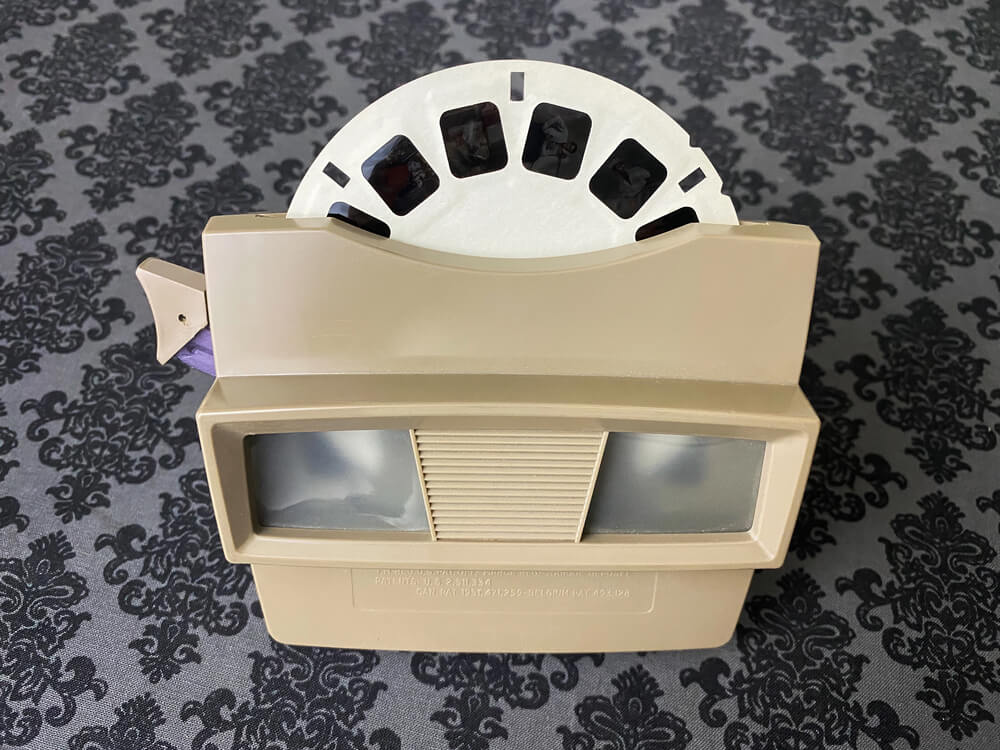
A plastic stereoscopic viewer paired with circular reels of small transparency photos produced a surprisingly convincing illusion of depth, and the toy remained a fixture of long car trips and rainy afternoons throughout the decade.
Slide Projector and Carousel
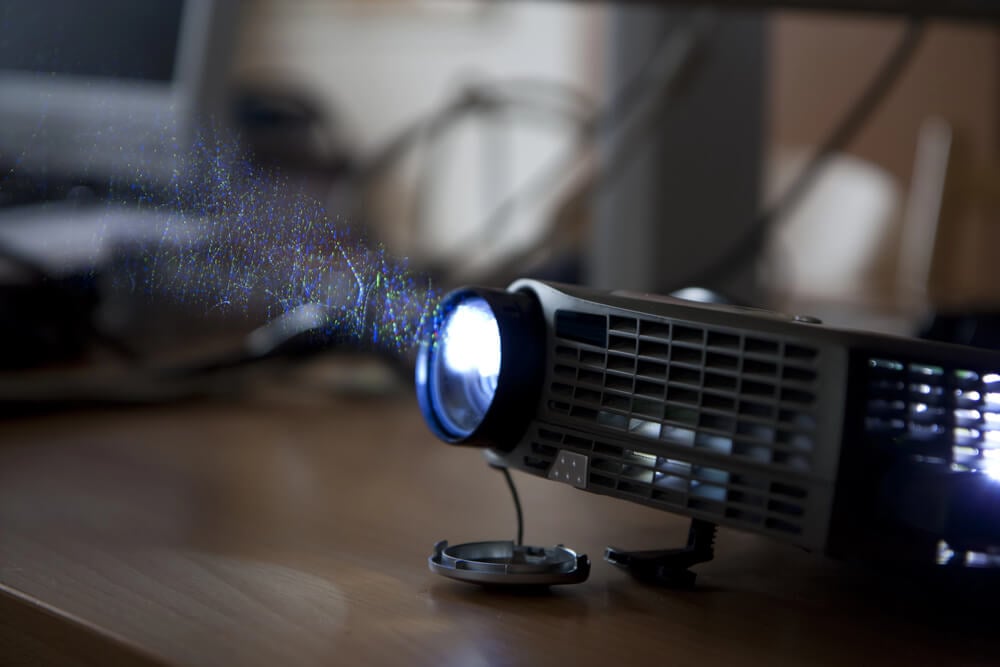
A circular tray loaded with dozens of photographic slides, advanced one click at a time by remote or button, turned family vacation photos into a formal living room event that modern digital photo albums have made entirely unnecessary.
Super 8 Film Camera

Compact enough for casual home use, this camera format let families capture silent motion picture footage of birthdays and vacations, though the projector and screen required to actually view the results rarely survived intact into the present.
Portable Black-and-White Television
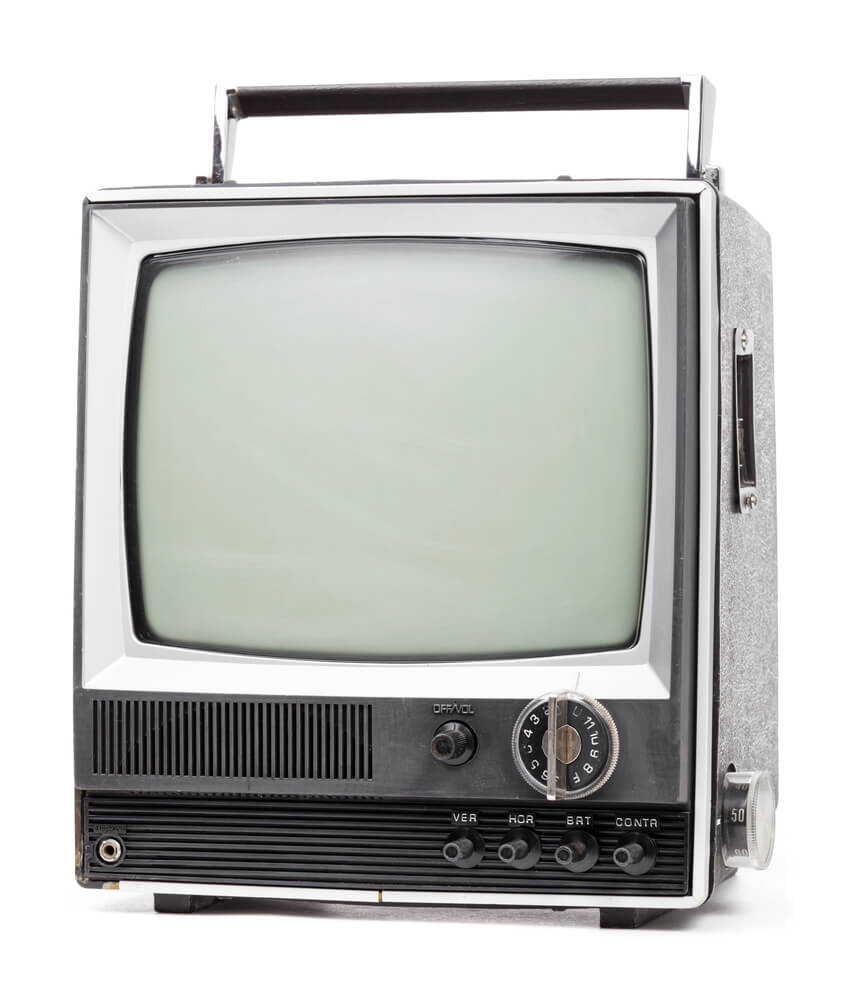
A small screen housed in a plastic case with a retractable antenna gave households a second, more mobile television option, often ending up in a kitchen or workshop long after the main living room set had been upgraded to color.
Console Stereo System
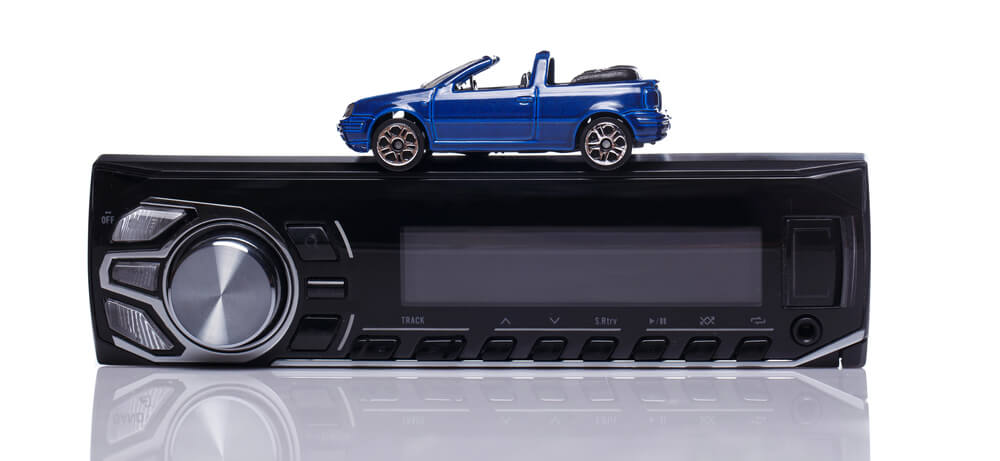
A single large wooden cabinet housing a turntable, radio tuner, and speakers in one unit, often doubling as a piece of furniture, dominated living rooms until component stereo systems split the same functions across separate, stackable units.
Citizens Band Base Station
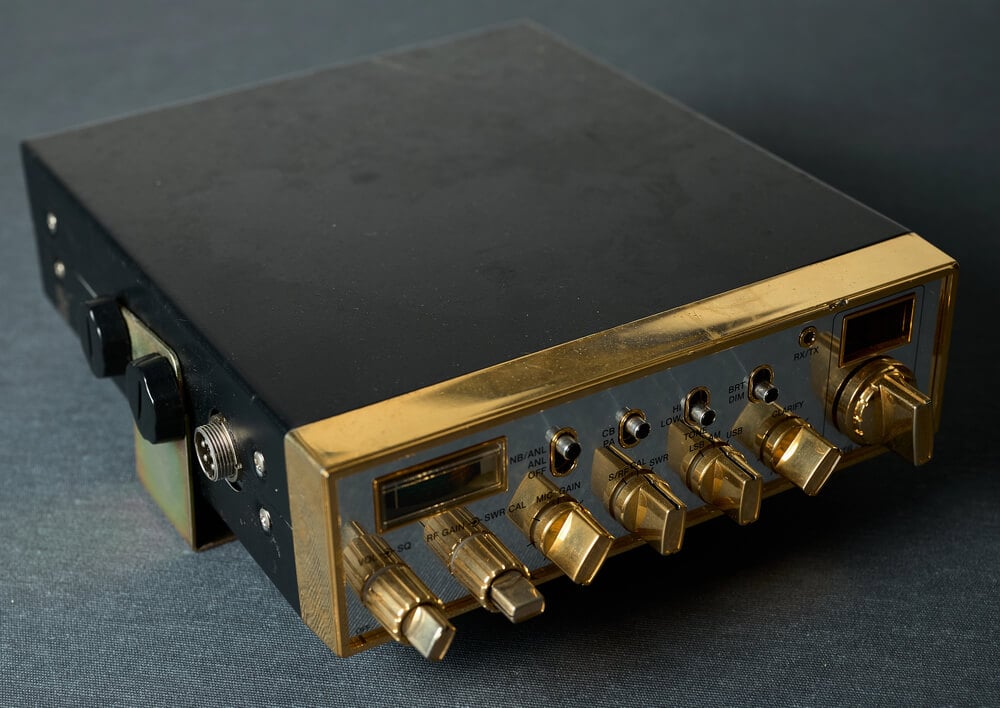
A larger, home-mounted radio unit paired with an external antenna let hobbyists communicate well beyond the range of a car-mounted CB radio, a setup that often stayed wired into a basement long after the broader trend had cooled.
Mood Lamp

A rotating lamp shade or spinning color wheel projected shifting colored light across a room, functioning as a low-effort mood-setting device that predated colored smart bulbs by several decades.
Electric Typewriter
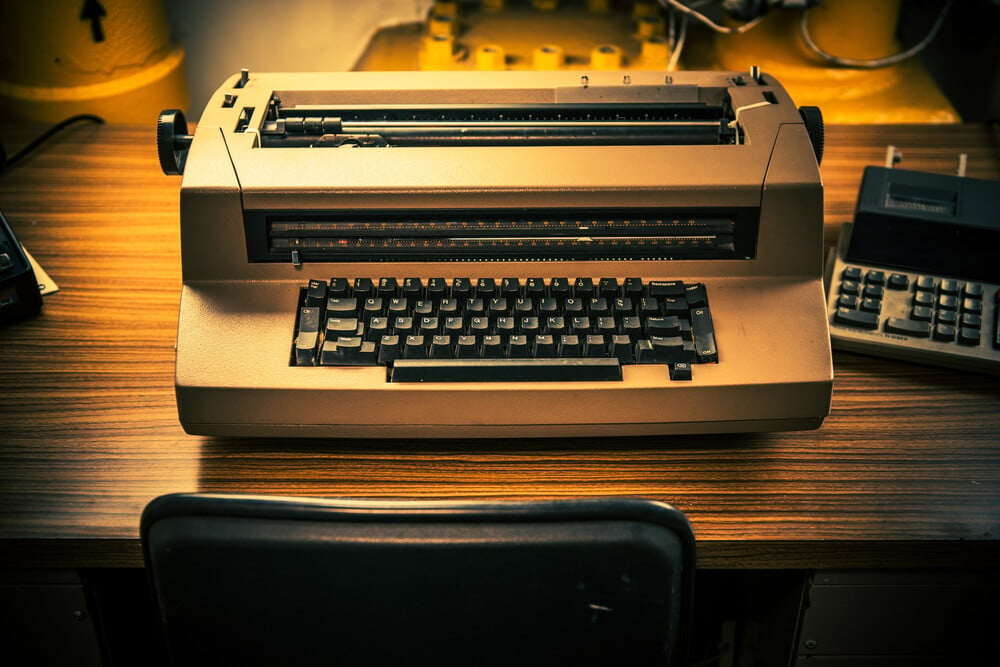
Motorized keys that struck the page with consistent force regardless of how hard a typist pressed made this a genuine upgrade over manual models, remaining a common home office fixture well after personal computers began appearing in the following decade.
Betamax Player
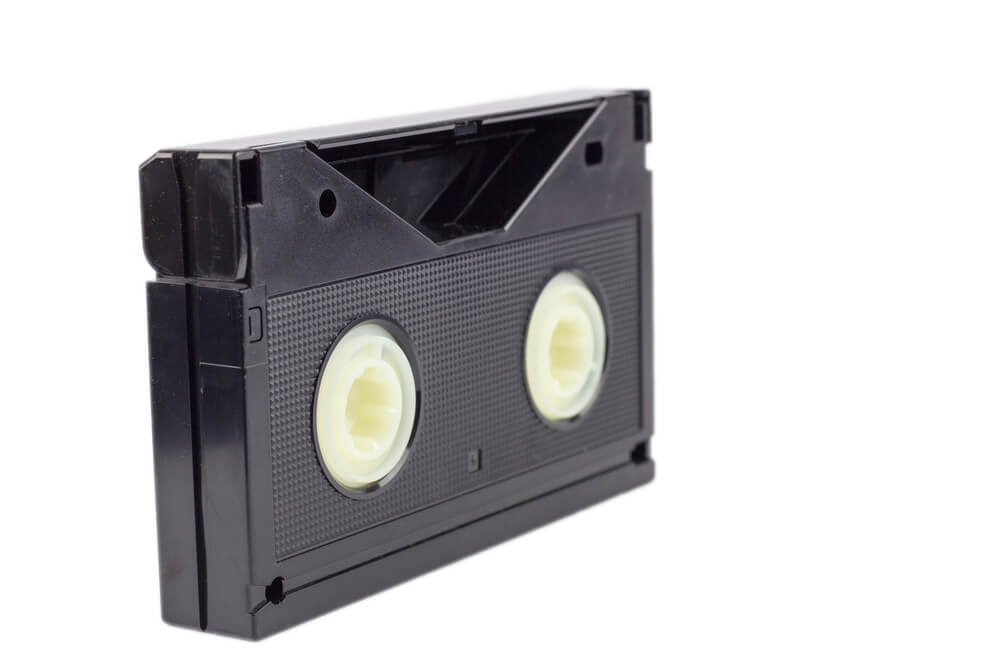
Sony’s home video format arrived in 1975 with a reputation for sharper picture quality than its eventual rival format, though it lost the format competition decisively enough that surviving units and tapes are now mostly curiosities rather than functional equipment.
Instamatic Camera
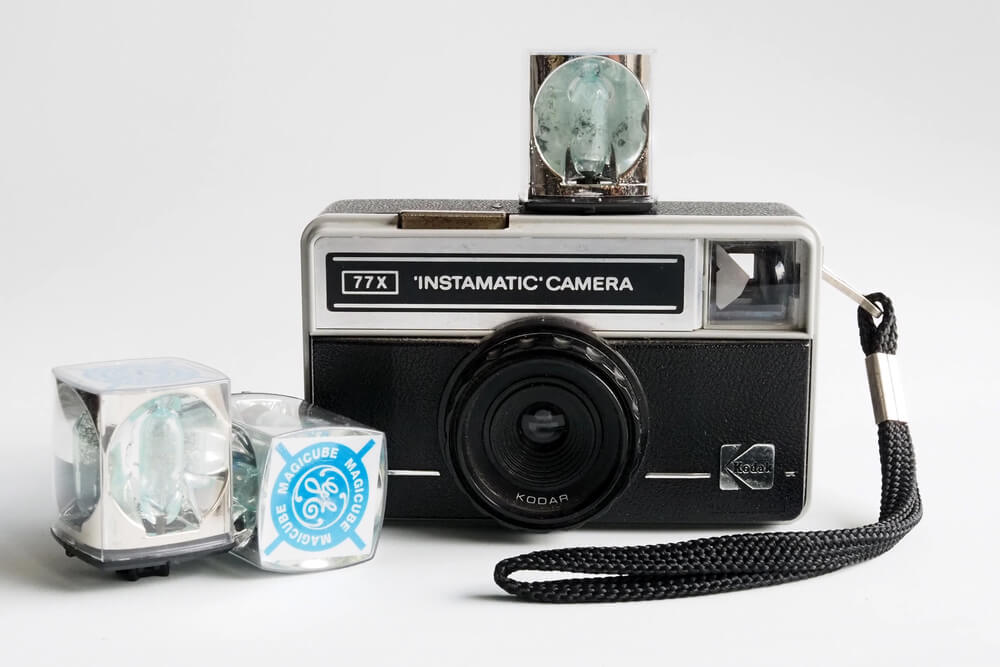
Kodak’s drop-in film cartridge system made loading a camera simple enough for a child to manage, and the format’s low cost and simplicity made it one of the most common cameras found in a typical household junk drawer.
Handheld Electronic Game
Simple LED-based handheld games with a handful of preset patterns and a single repetitive sound effect gave an early preview of portable gaming years before more sophisticated handheld consoles arrived.
Wood-Paneled Television Console
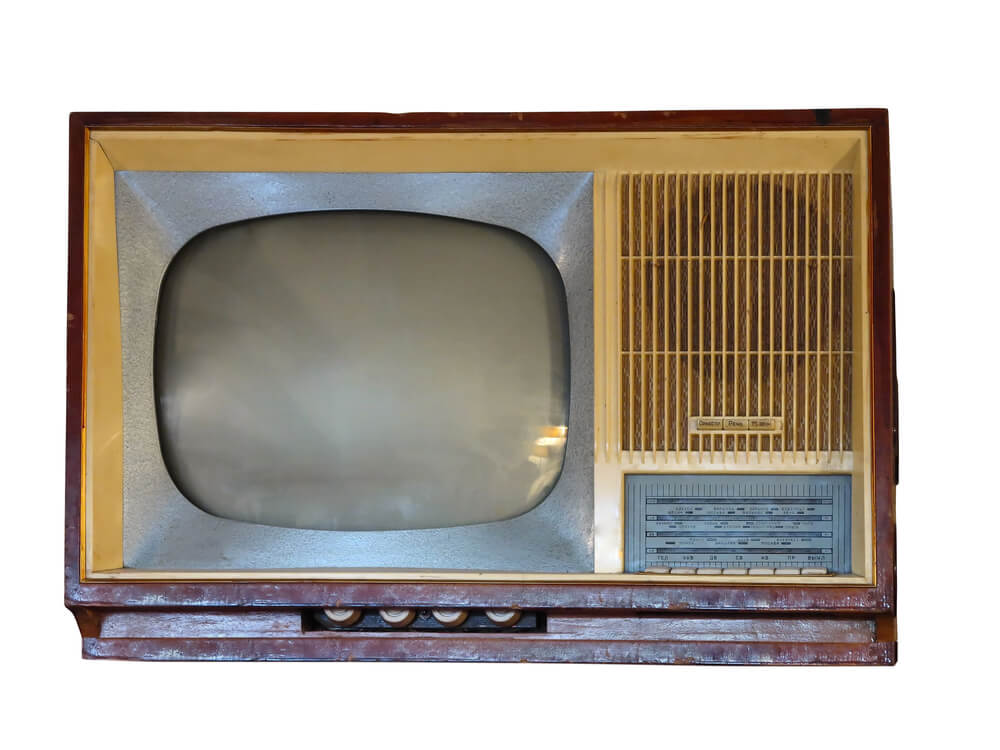
A television set built into a large wooden cabinet, often standing on short legs in the center of a living room, treated the set as a piece of furniture rather than a purely functional device.
Etch A Sketch

Two knobs controlling a stylus that dragged aluminum powder across the inside of a gray screen, this toy required a firm shake to erase, and its mechanical simplicity has kept surviving units functional decades after they were packed away.
Electric Knife
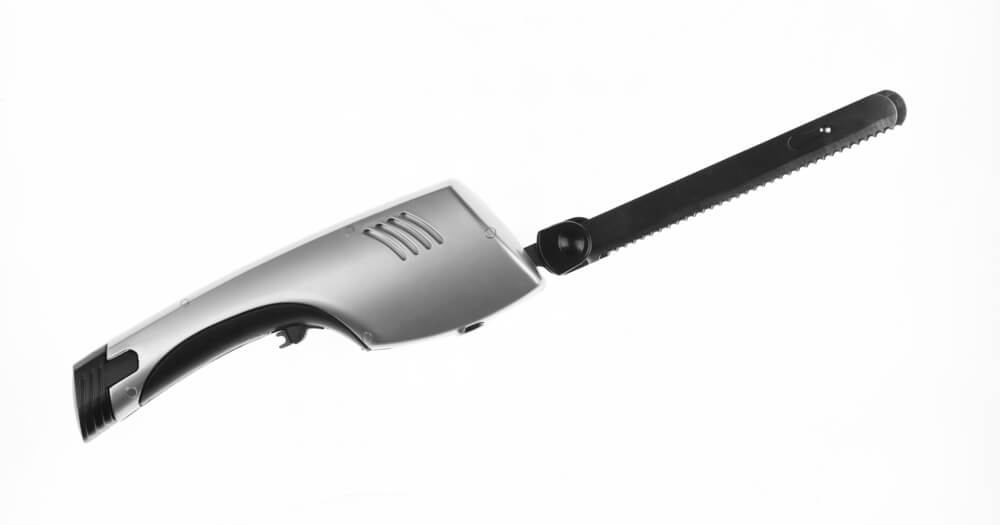
A motorized pair of reciprocating blades marketed as making holiday carving effortless, this appliance became a common gift that saw heavy use for a few years before quietly disappearing into a drawer.
Quadraphonic Stereo System
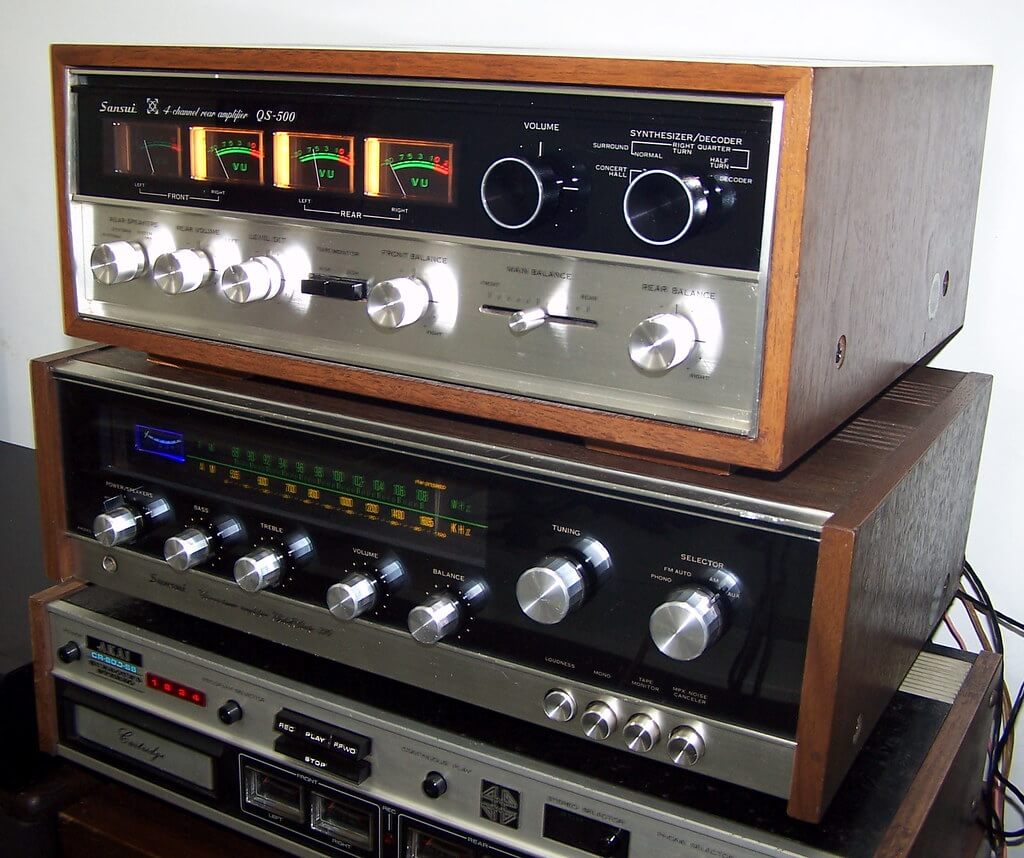
An ambitious four-speaker audio format promised a fully surrounding sound experience years before home theater systems made the concept mainstream, though a lack of standardized recordings left many systems underused from the outset.
Transistor Radio
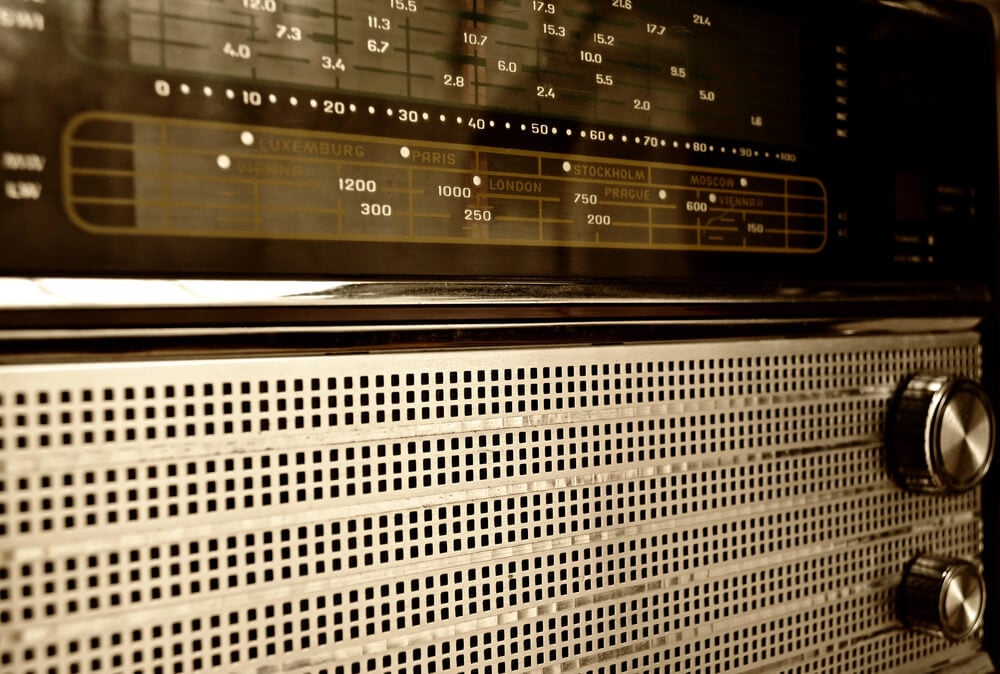
A pocket-sized radio powered by a single battery gave listeners portable access to music and news well before the format was replaced by cassette players and eventually smartphones, and its compact size made it an easy item to lose track of in storage.
The Basement as Time Capsule

None of these objects were designed to last as long as they have, and most of their owners assumed they would be replaced within a few years by whatever came next. Instead, a surprising number of them ended up boxed and forgotten rather than thrown away, preserved less by intention than by simple inertia.
What makes the basement version of this decade so distinct is how tactile everything was, full of dials, switches, and knobs that demanded a physical relationship with the technology rather than a screen tap. That difference is part of why so many of these objects still get pulled out and shown to children, who tend to find the entire idea slightly unbelievable.
More from Go2Tutors!

- The Romanov Crown Jewels and Their Tragic Fate
- 13 Historical Mysteries That Science Still Can’t Solve
- Famous Hoaxes That Fooled the World for Years
- 15 Child Stars with Tragic Adult Lives
- 16 Famous Jewelry Pieces in History
Like Go2Tutors’s content? Follow us on MSN.



