30 Old Books on Thrift Shelves Worth More Than the Sticker
Most books on a thrift shelf are exactly what they look like: outdated, water-stained, and priced to move for a dollar or two. A small number are not, and the difference rarely announces itself on the cover.
Edition statements, publisher marks, and a few overlooked formats separate the recycling bin from a genuine find.
Armed Services Editions From the Second World War
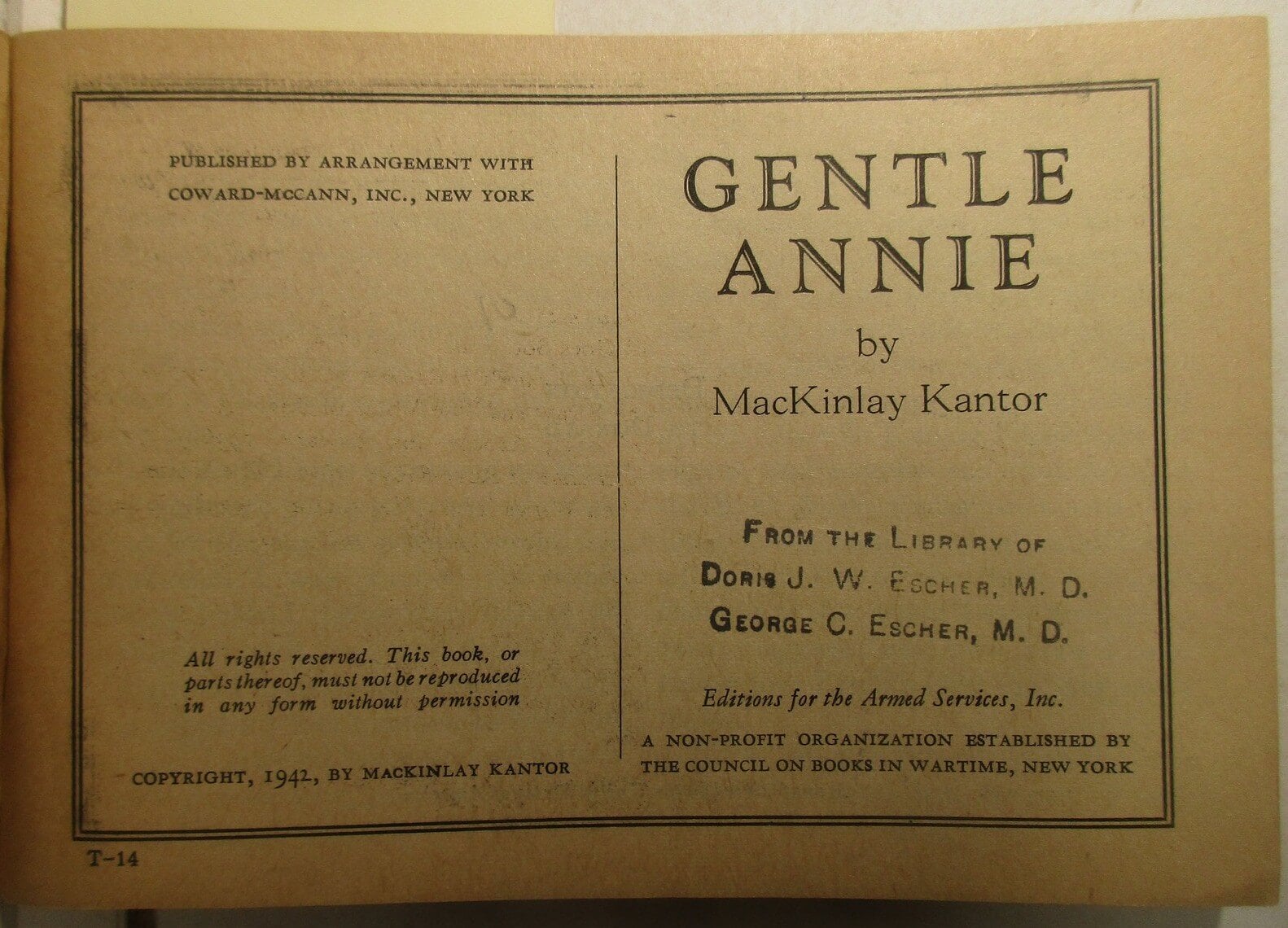
Printed by the millions for troops overseas between 1943 and 1947, these small paperbacks were designed to fit a uniform pocket and were meant to be disposable. Most were thrown away, which makes surviving copies in readable condition scarcer than the print run suggests.
Titles by well-known authors bring the strongest interest, and the horizontal, wide-format binding is the quickest way to identify one on a shelf. Condition and completeness of the cover strip drive price far more than the title itself.
Publisher’s Dummy Copies
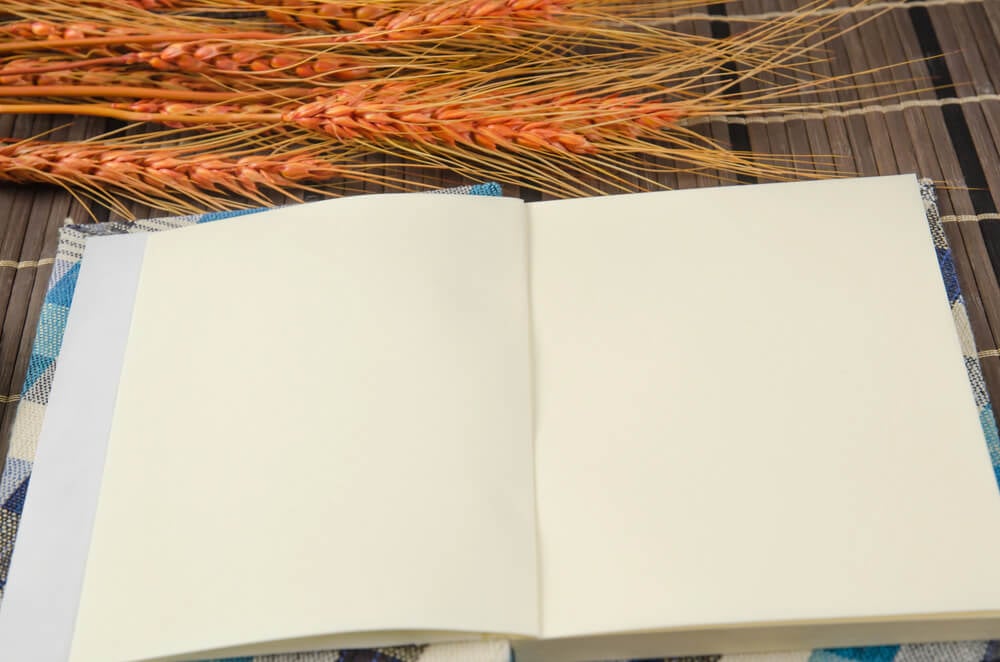
Before a book goes to press, publishers sometimes circulate a dummy: blank or partially printed pages bound in the intended cover, used to test size and weight for sales reps. These rarely survive because nobody thought to keep them, and they turn up misfiled among ordinary stock rather than in any recognized rare book category.
A dummy for a title that became a major bestseller carries real interest from collectors who specialize in publishing history. Provenance matters enormously here, since an unmarked dummy is difficult to attribute without a publisher’s slip or rep’s notation.
Spiral-Bound Community and Church Cookbooks
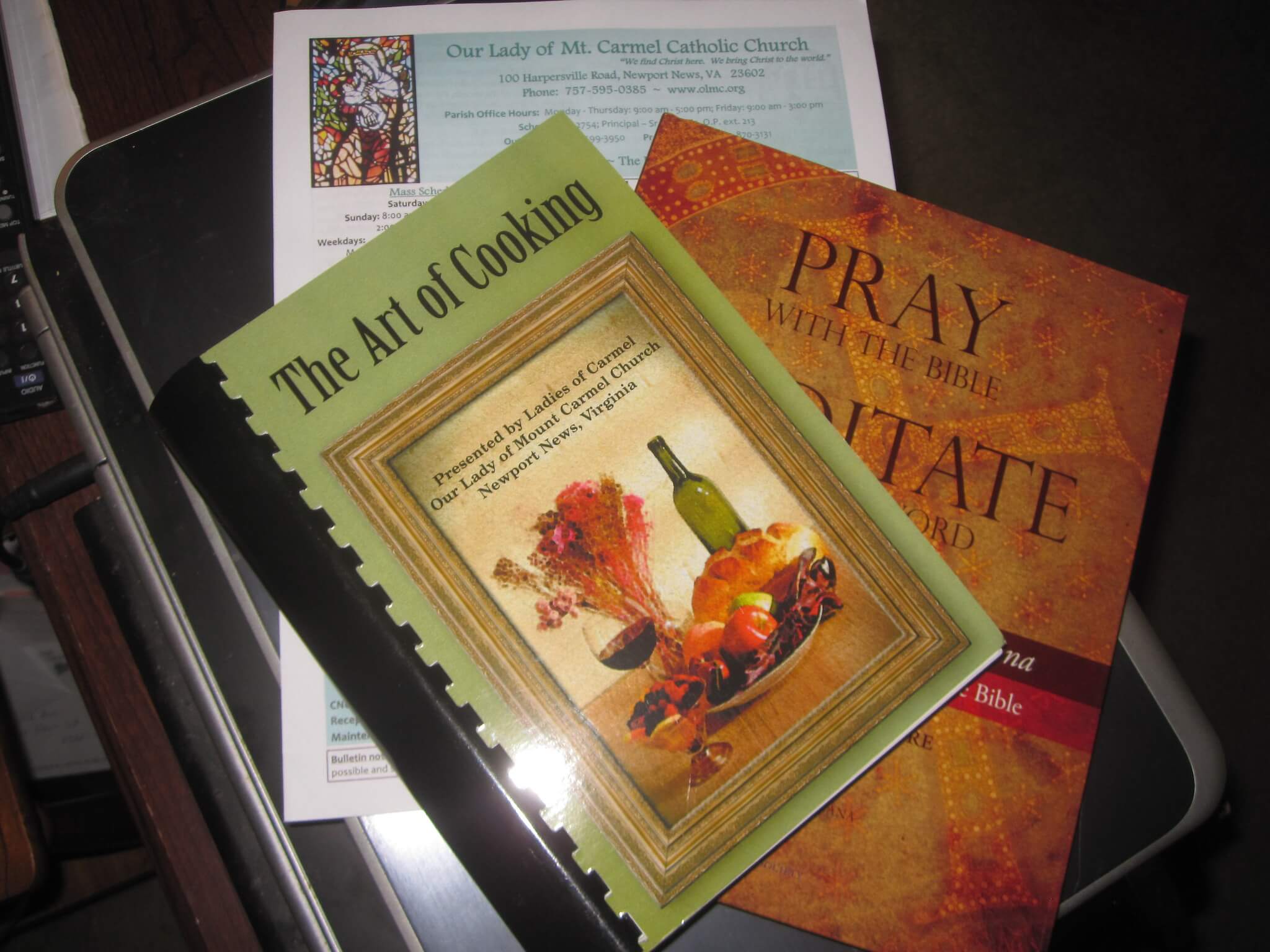
Self-published fundraising cookbooks from churches, junior leagues, and hospital auxiliaries were printed in small regional runs and rarely reprinted. Collectors chase specific ones for regional recipe history, particularly Southern, Midwestern farm, and Pacific Northwest church editions from the 1950s through 1970s.
A plain spiral binding and mimeographed recipe cards inside are the tell, not a polished cover. Condition depends on kitchen use, and a copy with grease stains but intact pages still holds value to a recipe historian, though a clean copy brings considerably more.
Illustrated Children’s Books by Named Golden Age Artists
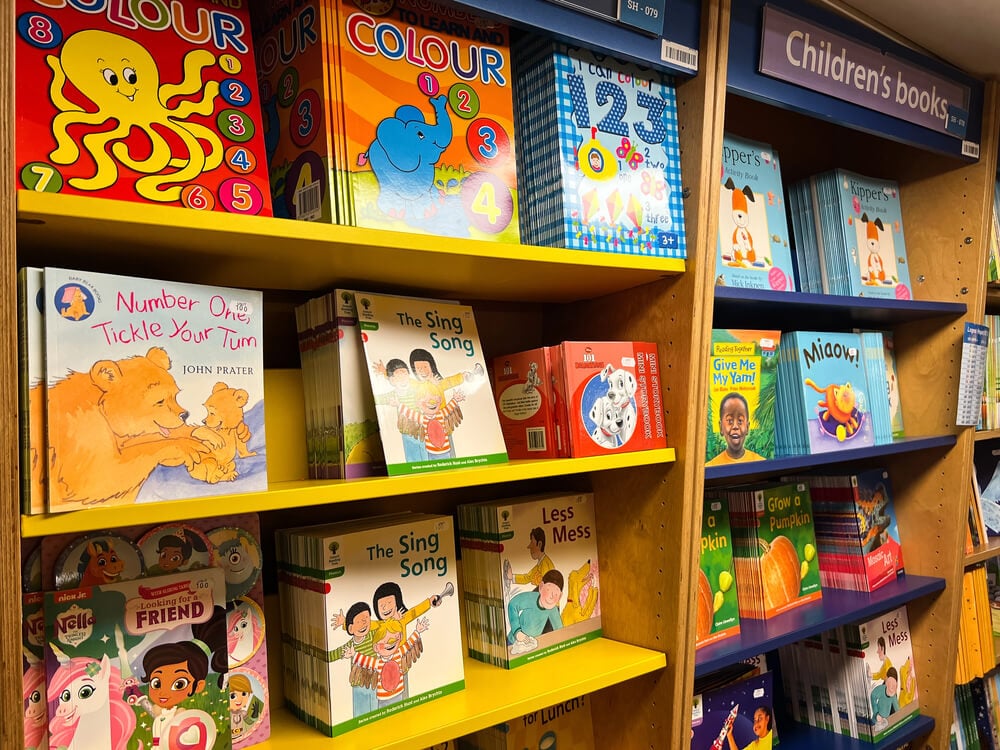
Picture books illustrated by artists who later became famous for other work, or who had a brief golden period before moving on, are chased by illustration collectors separately from the children’s book market. Garth Williams and Tasha Tudor first editions in original dust jackets are the clearest examples, and both were reprinted so often that identifying a true first depends on checking the publisher’s code on the copyright page.
A worn but complete jacket beats a pristine book with none. Ex-library copies with a removed pocket and stamped pages lose most of the premium.
Franklin Library and Easton Press Leather Editions
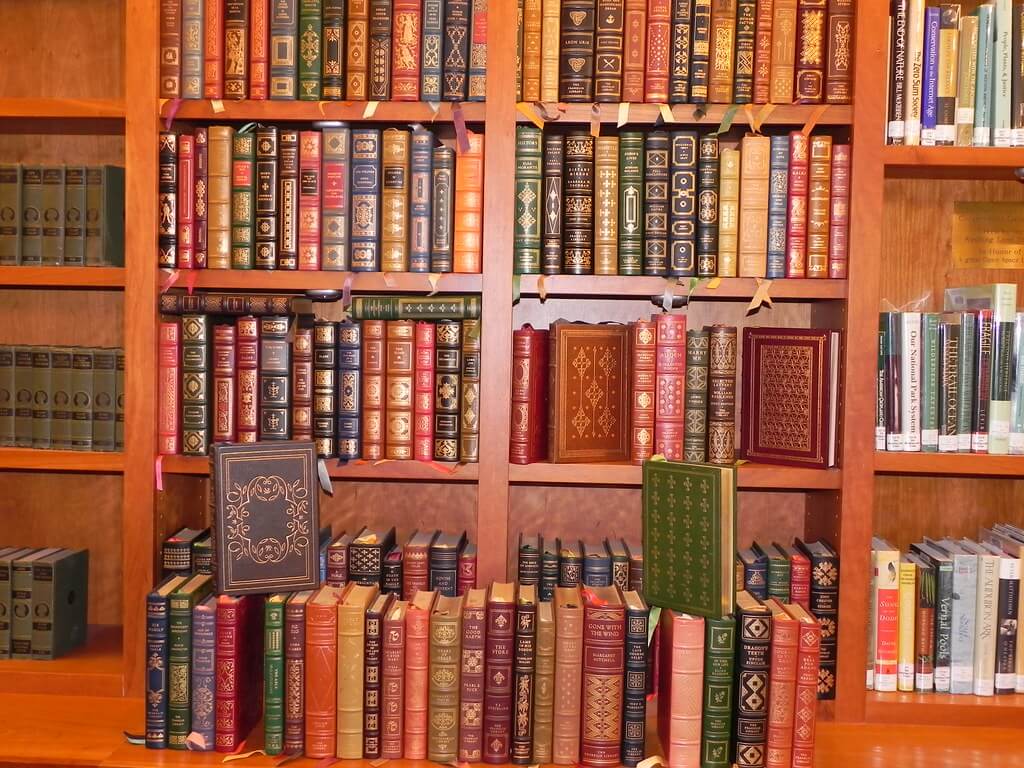
These twentieth century subscription series reprinted classic and modern literature in full leather bindings with gilt edges and were sold directly to collectors rather than through bookstores. Because they are reprints rather than first editions, general secondhand markets often undervalue them, even though the bindings themselves have real material cost and a devoted following.
Complete matched sets in a particular series, especially signed limited runs the publisher issued alongside the standard edition, bring meaningfully more than single volumes. Sun-fading on the spine from shelf display is common and reduces price.
Dell Mapback Paperback Mysteries

Dell’s mystery line from the 1940s printed a small map of the crime scene on the back cover, a gimmick unique to the imprint and immediately recognizable once a buyer knows to look. Early numbers in the series, roughly the first hundred, are the most sought after, and condition of the fragile paper covers is unforgiving.
A missing or torn map back cuts the value sharply since it is the entire identifying feature. These sit in general fiction bins at most thrift stores, unrecognized for what they are.
Vintage World Atlases and Map Books

Atlases from the interwar and immediate postwar period capture borders that no longer exist, and specific editions are chased for exactly that reason rather than for scarcity. A 1930s world atlas showing pre-partition India or a 1940s edition with prewar European borders has genuine reference interest to historians and mapmakers beyond casual collecting.
Loose or missing fold-out maps reduce value substantially, since the maps are usually the point. General geography atlases without notable border content are common and worth little.
Foreign Phrase Books and Military Dictionaries

Pocket dictionaries and phrase books issued to servicemembers, especially Japanese, Korean, and Vietnamese language guides tied to specific conflicts, are collected as much for military history as for language interest. Condition is typically rough, since these were field items, and a beat-up copy with a soldier’s name written inside can carry more interest than a clean one without provenance.
Civilian foreign-language dictionaries from the same eras rarely have comparable demand unless tied to a specific historical printing.
Book Club Editions Mistaken for True Firsts

The single most common and costly mistake on a thrift shelf runs the other direction: a book club edition, identifiable by a blind-stamped dot or square on the back board and the absence of a price on the jacket flap, is frequently priced as though it were a first edition trade printing. These editions were produced in far larger runs on cheaper paper and carry a fraction of the value.
Checking for the price on the inner flap and the binding stamp takes seconds and prevents an expensive misread in either direction.
Privately Printed Local Histories and Genealogies
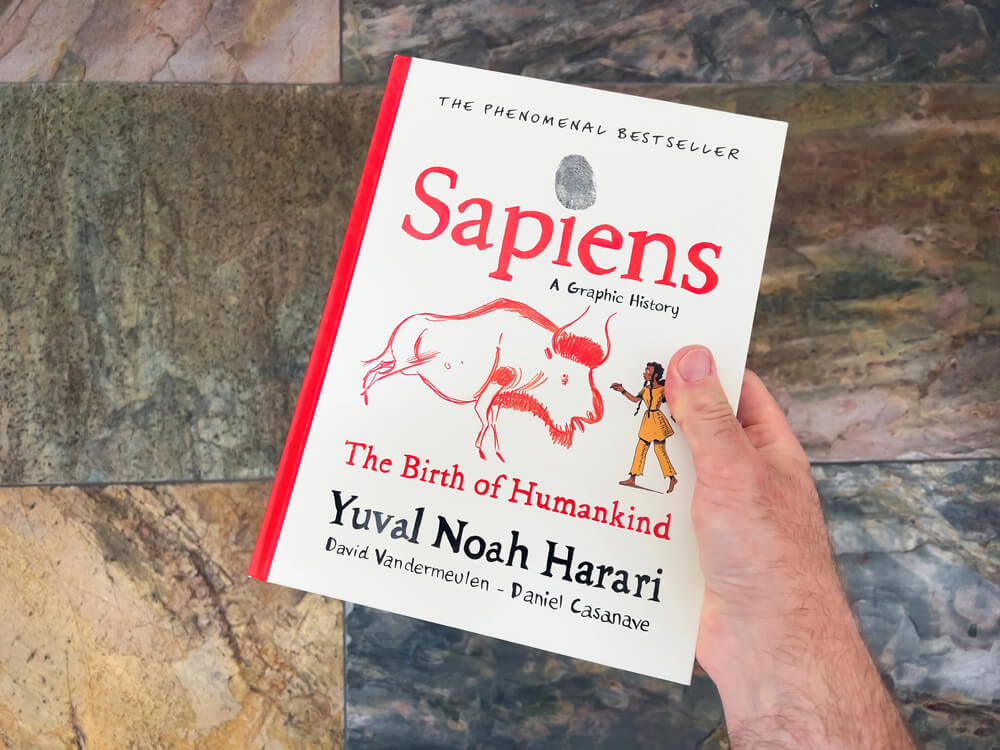
Small-run county histories, family genealogies, and town centennial books were often printed by a local press in editions of a few hundred copies for the immediate community. They rarely show up in library catalogs and almost never get reprinted, which makes them genuinely scarce even though nobody thought of them as valuable at the time.
Interest comes from genealogists and local historians rather than general collectors, and a book covering a specific surname or county in demand can bring far more than its plain binding suggests.
Paperback Original Science Fiction Anthologies
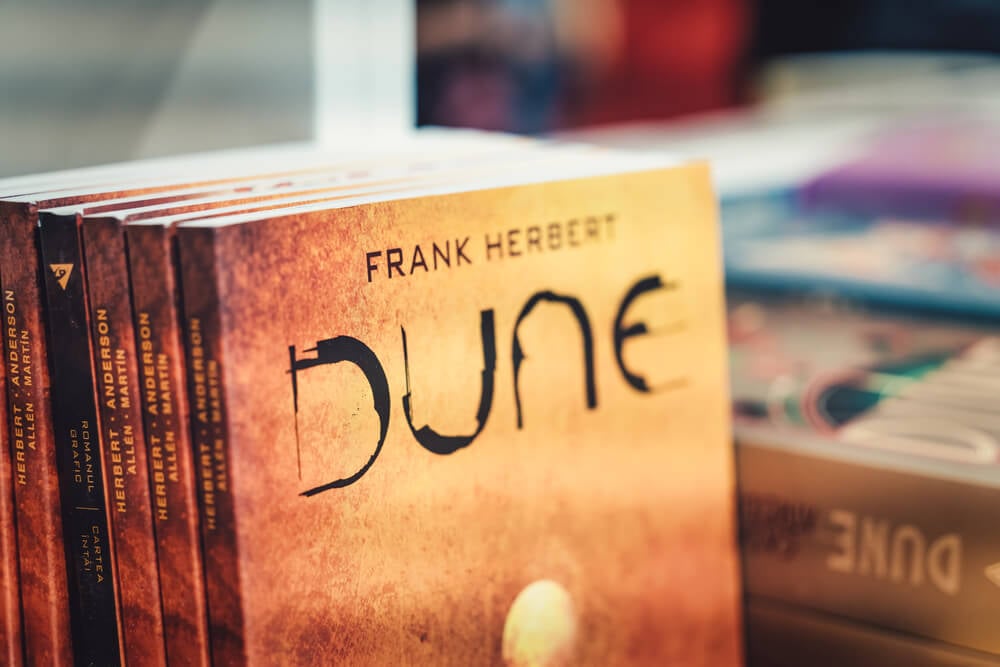
Anthologies assembled specifically for paperback release, rather than reprint collections of magazine stories, are an underappreciated corner of genre publishing from the 1950s and 1960s. First printings with intact cover art by known genre illustrators carry the premium, and spine creasing is the main condition issue given how these books were read and shelved.
Editors who later became major names in the field add interest to anthologies they assembled early in their careers, often for modest advances.
Early Baedeker and Murray Travel Guides
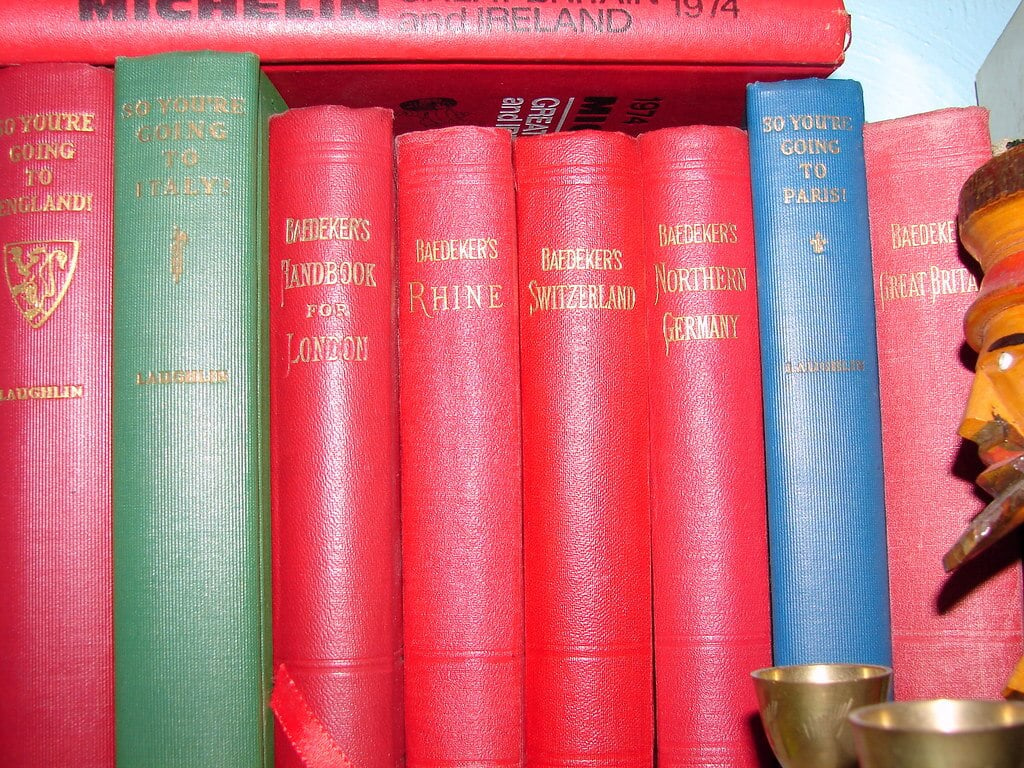
Red-bound Baedeker guides from before the Second World War, along with the earlier Murray’s Handbooks they were modeled on, are collected for their fold-out city maps and period advertisements bound into the back. A guide covering a city or region later reshaped by war or redevelopment has documentary value beyond the travel content itself.
Complete maps and undamaged advertisement sections are the condition points that matter most, since both are frequently missing from copies that circulated widely.
Signed First Editions Without Dust Jackets
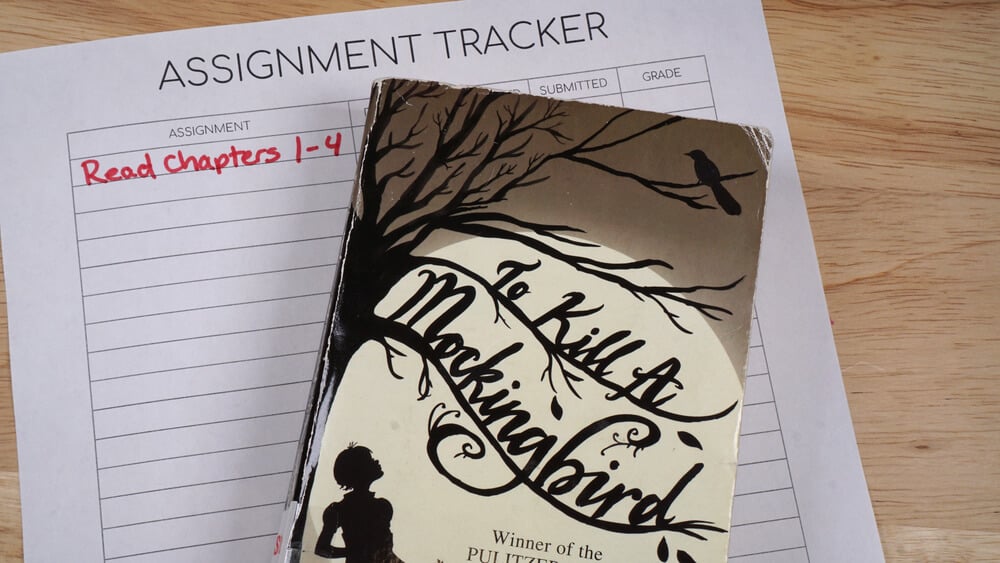
A missing dust jacket typically cuts a modern first edition’s value dramatically, sometimes by ninety percent or more, which leads many sellers to price a jacketless book as nearly worthless. A genuine author signature or inscription changes that calculation, since the signature itself is the primary value driver rather than the jacket.
Verifying the signature against a known example, and confirming it was not added by an unrelated inscriber unrelated to the author, matters more here than in almost any other book category.
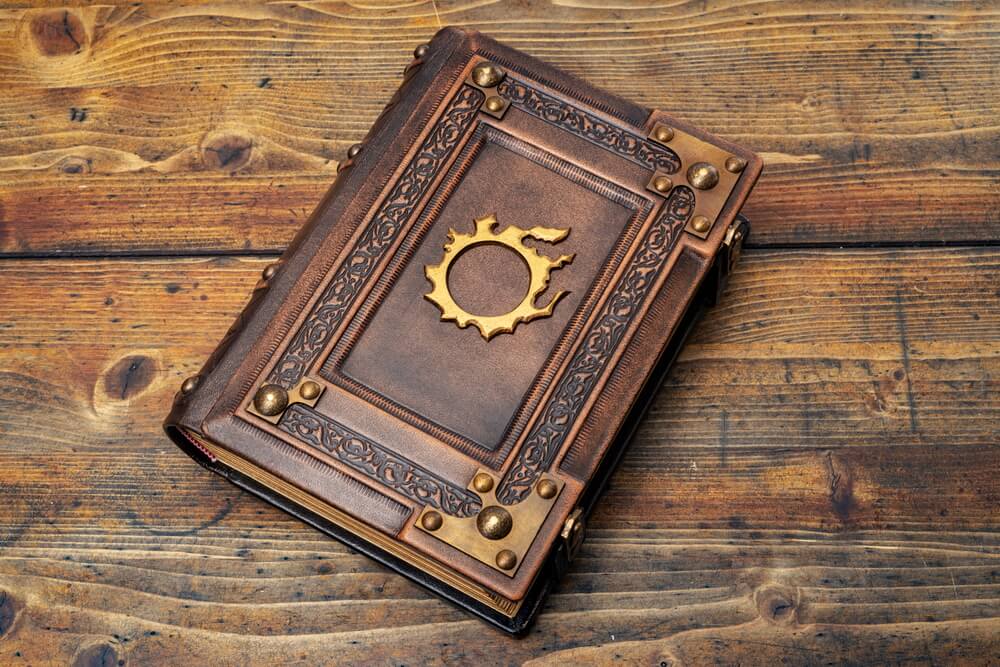
Illuminated Prayer Books and Fine Hymnals
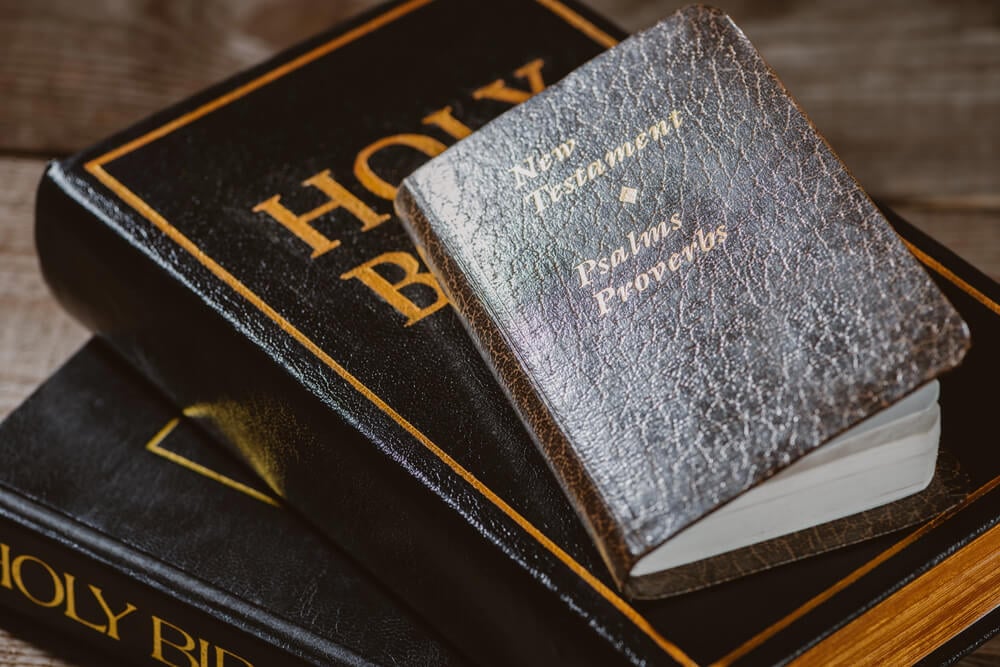
Nineteenth century prayer books and hymnals bound in tooled leather or brass-cornered covers, sometimes with a clasp, were common wedding and confirmation gifts and were kept even when rarely read. The binding and metalwork carry more value than the printed content in most cases, and a family record page filled in with period ink adds genealogical interest.
Foxing and a loose spine are typical and only meaningfully hurt value when the binding hardware itself is missing or broken.
Early Photography Instruction Manuals
Manuals teaching the wet-plate, tintype, and early dry-plate processes, published for both professional and amateur photographers before roll film became standard, are collected by working large-format and alternative-process photographers who still use the techniques described. These are technical references with active practical use rather than nostalgia pieces, which keeps demand steady.
A manual specific to a named process or a particular period camera system commands more than a general how-to guide covering several methods at once.
Pop-Up and Movable Books

Mechanical books with pull-tabs, wheels, and pop-up scenes were engineering objects as much as books, and the moving parts are exactly what fails first through ordinary handling. A complete example with every tab and pop-up still functional is considerably scarcer than the printed run suggests, since most surviving copies have at least one broken mechanism.
Early twentieth century examples by specialist movable-book publishers bring the strongest interest, well above later mass-market pop-up titles.
Miniature Books Under Three Inches
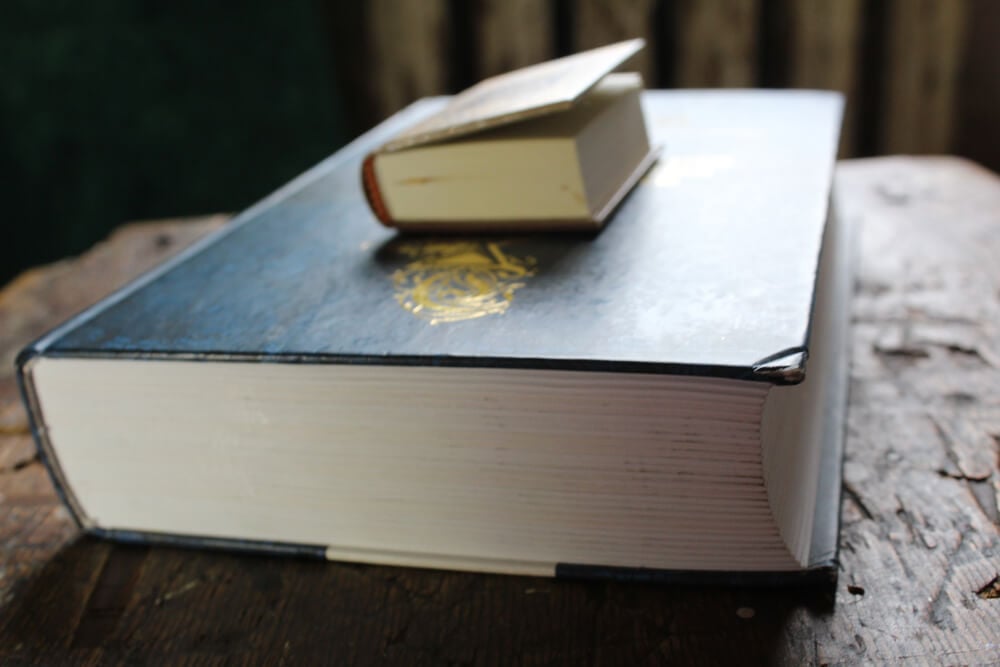
Books printed in true miniature format, generally defined as under three inches in height, were produced both as novelties and as serious fine printing exercises, and the two categories are collected differently. A miniature almanac or Bible from the nineteenth century has age and utility value, while a modern fine-press miniature edition is collected for the printer’s craft.
Both categories are frequently overlooked on a shelf simply because their size makes them easy to miss entirely.
Bound Wartime Pamphlet Collections

Government and civil defense pamphlets from wartime periods, on subjects from rationing to home defense to war bond drives, were sometimes bound together by a library or a private collector into a single volume for preservation. A bound set covering a specific home-front topic in depth is a research resource that individual loose pamphlets cannot match, and it survives better than loose paper does.
Condition of the binding matters less than completeness of the run inside it.
Early Automobile Repair Manuals
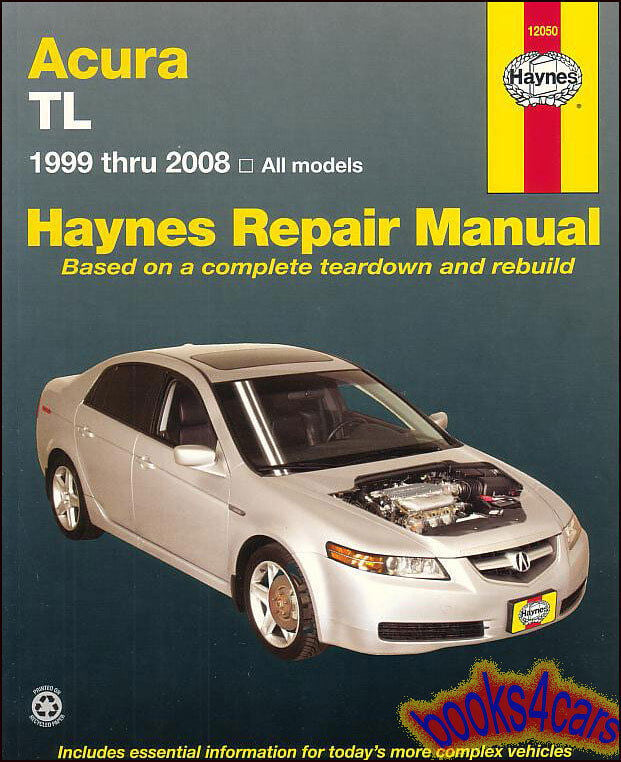
Model-specific repair manuals from before standardized service documentation, particularly for makes no longer in production, are used by restoration mechanics who need the original specifications rather than a modern reprint. A manual covering a specific early model year, especially one with foldout wiring diagrams still intact, has practical value to someone actively restoring that car.
General automotive reference books without model specificity are far more common and worth considerably less.
Illustrated Botanical and Natural History Volumes

Nineteenth and early twentieth century volumes with hand-colored or chromolithograph plates of plants, birds, or insects are sometimes broken up by dealers for the individual prints, which makes an intact volume with all plates present increasingly scarce. A complete book is generally worth more assembled than the sum of its plates would bring separately, though buyers should confirm no plates were already removed before purchase.
Foxing on the plates themselves reduces value more than foxing on the text pages.
Food Brand Recipe Booklets and Premiums
Promotional recipe booklets given away by food and appliance companies, tied to a specific product launch or brand mascot, are collected as advertising ephemera as much as cookbooks. Booklets from the earliest years of a still-recognizable brand, or ones tied to a product that was later discontinued, draw the most interest.
These were meant to be used in the kitchen and thrown away, so a booklet surviving in clean condition with no recipe cut out is genuinely uncommon.
Early Paperback Western Fiction
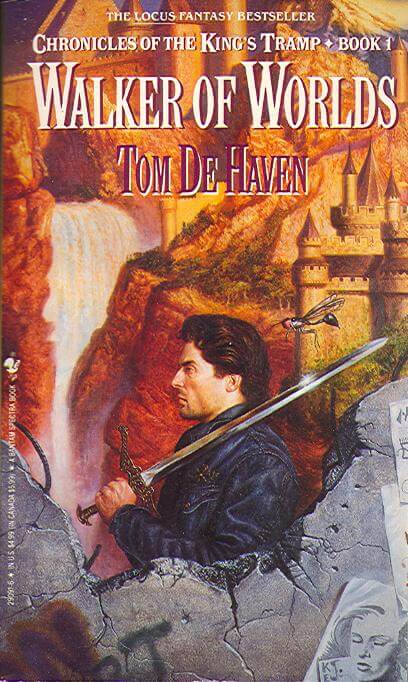
Paperback original westerns from the 1950s, published directly to the format rather than reprinted from hardcover, are an underpriced genre compared to science fiction and mystery paperbacks from the same era. Cover artists who worked across genres sometimes did their strongest work on western covers specifically, and a striking cover in clean condition drives more of the price than the author’s name does.
Spine roll and cover creasing from back-pocket carrying are the standard condition issues.
Individually Notable School Yearbooks

Most yearbooks have essentially no resale value, but a specific year from a specific school carries real interest when it documents a notable alumnus before they became known, or captures a school that has since closed or been demolished. General collector interest is low across the category, which means pricing depends entirely on the specific school and year rather than any broad rule.
A yearbook with extensive handwritten signatures loses value to a collector but can gain sentimental value to a former classmate searching for it specifically.
Presentation and Inscribed Copies

A book inscribed by the author to a named recipient, particularly one with some documented connection to the author, carries a premium separate from a simple signature on a flyleaf. The strongest examples include a date and a location that can be cross-referenced against the author’s known movements, which helps authenticate an inscription that might otherwise be doubted.
A generic inscribed copy with no traceable recipient still adds value over an unsigned copy, just considerably less than a documented one.
First Edition Pulp Detective Fiction
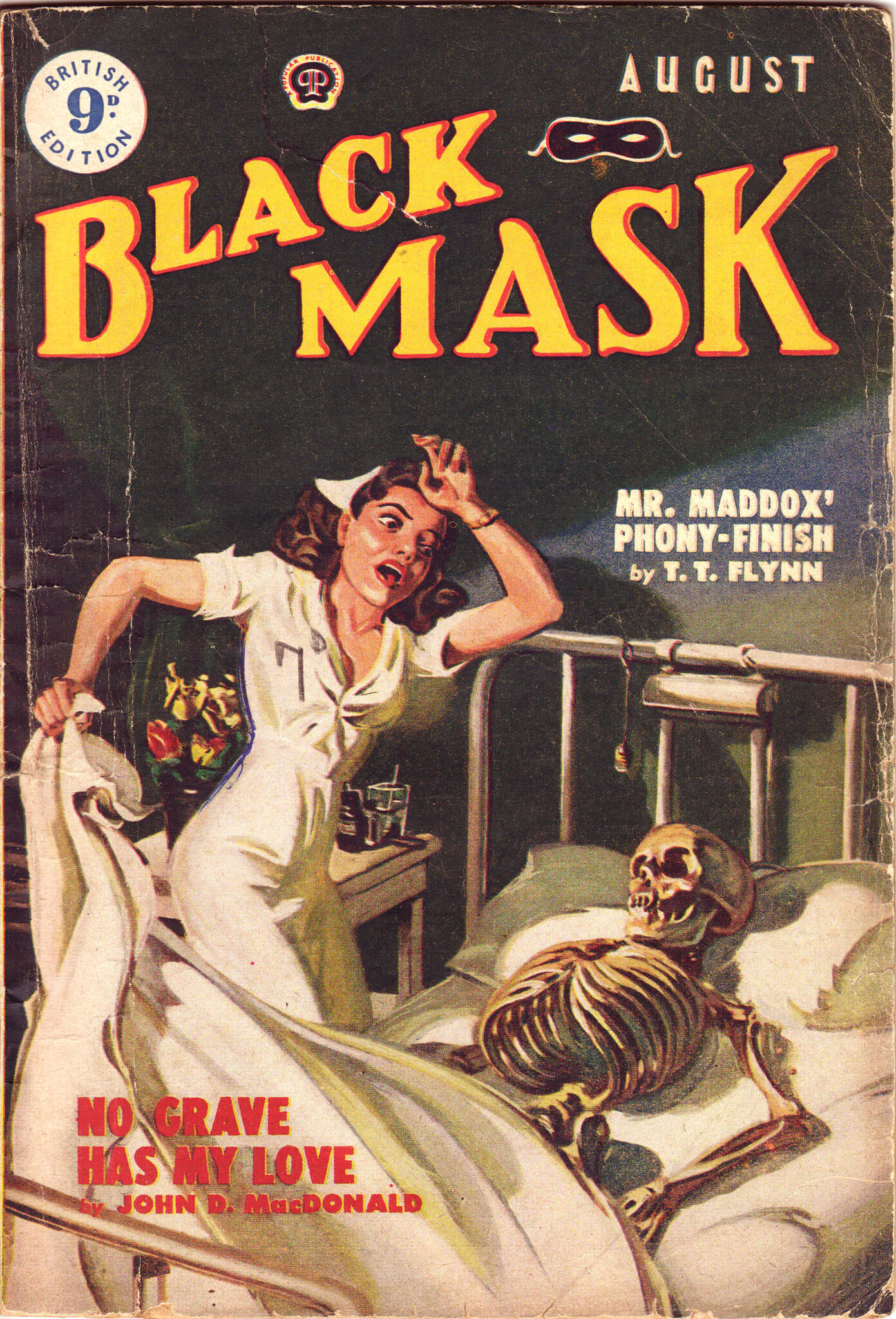
Hardcover first editions of detective fiction published originally in pulp magazines before being collected into book form occupy a narrow but active collecting niche, distinct from the paperback originals that followed later. These first hardcover appearances were often issued in small runs by mystery-focused presses rather than major publishers, and dust jackets for them are especially fragile survivors.
A jacketed first from one of the smaller mystery imprints can outvalue a jacketless first from a larger house of the same era.
Family Record Bibles

Large family Bibles with a dedicated pages for births, marriages, and deaths were the primary genealogical record for many families before civil registration became standardized, and a filled-in record page is a genealogical document independent of the Bible’s printed text. Genealogists actively search for these by surname, which means a Bible’s value depends heavily on whether the family names inside are ones someone is actively researching.
An unfilled record page has essentially no premium over an ordinary Bible of the same printing.
Trade Union and Fraternal Organization Histories

Commemorative histories printed by specific labor unions, fraternal lodges, and mutual aid societies to mark an anniversary were distributed to members rather than sold, and few were kept once the organization itself declined. Labor historians and researchers into a specific organization’s local chapter are the primary market, and a history covering an organization active in a particular industry or region draws targeted interest from that research community.
General fraternal histories without local specificity are more common and less sought.
Early Cookbook First Editions by Now-Famous Authors

Cookbooks by authors who later became widely known chefs or food writers, published early in their careers before their name carried weight, are a genre where the author’s later fame retroactively creates demand for an originally modest print run. Identifying a true first printing matters as much here as in literary first editions, since successful cookbooks were reprinted repeatedly with only minor cover changes.
Splattered pages actually support a cookbook’s authenticity as a working copy, though heavy staining still reduces resale price.
Vintage Instructional Sewing and Needlework Manuals

Detailed needlework and dressmaking manuals from before commercial pattern companies dominated the market are used today by costume historians and reenactors researching period construction techniques rather than by casual sewers. A manual covering a specific decade’s silhouette in technical detail has research value that a general modern sewing book cannot replace.
These were working references rather than display objects, so wear on the pages is expected and does not meaningfully reduce value to this particular buyer.
Small Press Poetry Chapbooks

Slim, often hand-stitched poetry chapbooks from small regional presses, particularly ones printed before the poet attached went on to wider recognition, are collected in far smaller numbers than novels but with real depth of interest from poetry specialists. Print runs were frequently under two hundred copies, and many were given away rather than sold, so survival rates are genuinely low.
A chapbook by a poet who later won a major award carries the most interest, especially in the small press’s original stapled or stitched binding.
The Weight a Spine Carries

None of these categories look valuable on a shelf, and that is exactly the point. A thrift store price gun cannot tell a book club reprint from a true first any more than it can spot a mimeographed church cookbook worth searching for by name, and the gap between those two outcomes is entirely a matter of knowing what to check.
What connects them is not rarity in the abstract but the specific, checkable detail that most buyers never look for: a binding stamp, a printer’s code, a filled-in family record page. The books that reward that kind of attention were never trying to look important in the first place.
More from Go2Tutors!

- The Romanov Crown Jewels and Their Tragic Fate
- 13 Historical Mysteries That Science Still Can’t Solve
- Famous Hoaxes That Fooled the World for Years
- 15 Child Stars with Tragic Adult Lives
- 16 Famous Jewelry Pieces in History
Like Go2Tutors’s content? Follow us on MSN.



