Classic Radio Shows That Shaped Culture
Radio ruled American homes for decades before television took over. Families gathered around wooden cabinets every evening, their imaginations filling in what their eyes couldn’t see.
These shows did more than entertain—they created shared experiences across the country, introduced new storytelling techniques, and reflected the anxieties and dreams of their time. Some of those broadcasts still echo through modern media, influencing everything from podcasts to streaming series.
The Night Orson Welles Fooled America
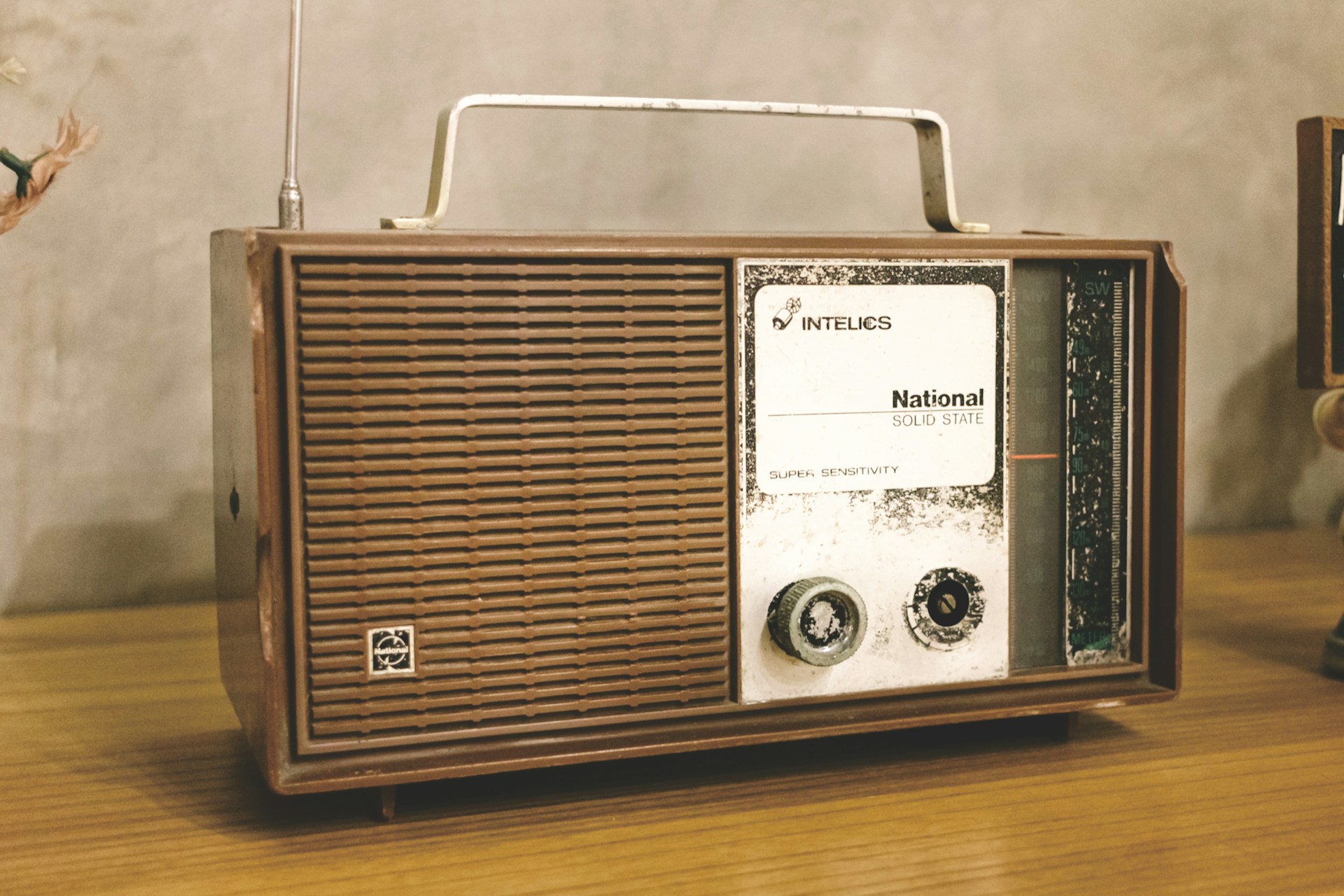
On Halloween eve in 1938, Orson Welles and his Mercury Theatre presented an adaptation of H.G. Wells’s “The War of the Worlds.” The broadcast mimicked news bulletins reporting a Martian invasion in New Jersey.
Panic spread through certain communities as listeners tuned in mid-program and missed the opening disclaimer. The event proved radio’s power to shape perception.
It showed how easily format could trick audiences and how quickly fear could spread through mass media. News organizations scrambled to investigate the panic, and critics debated whether broadcasters had too much influence over the public.
The incident changed how radio stations approached realistic programming and set the stage for modern discussions about media responsibility.
America’s Problematic Comedy Hit
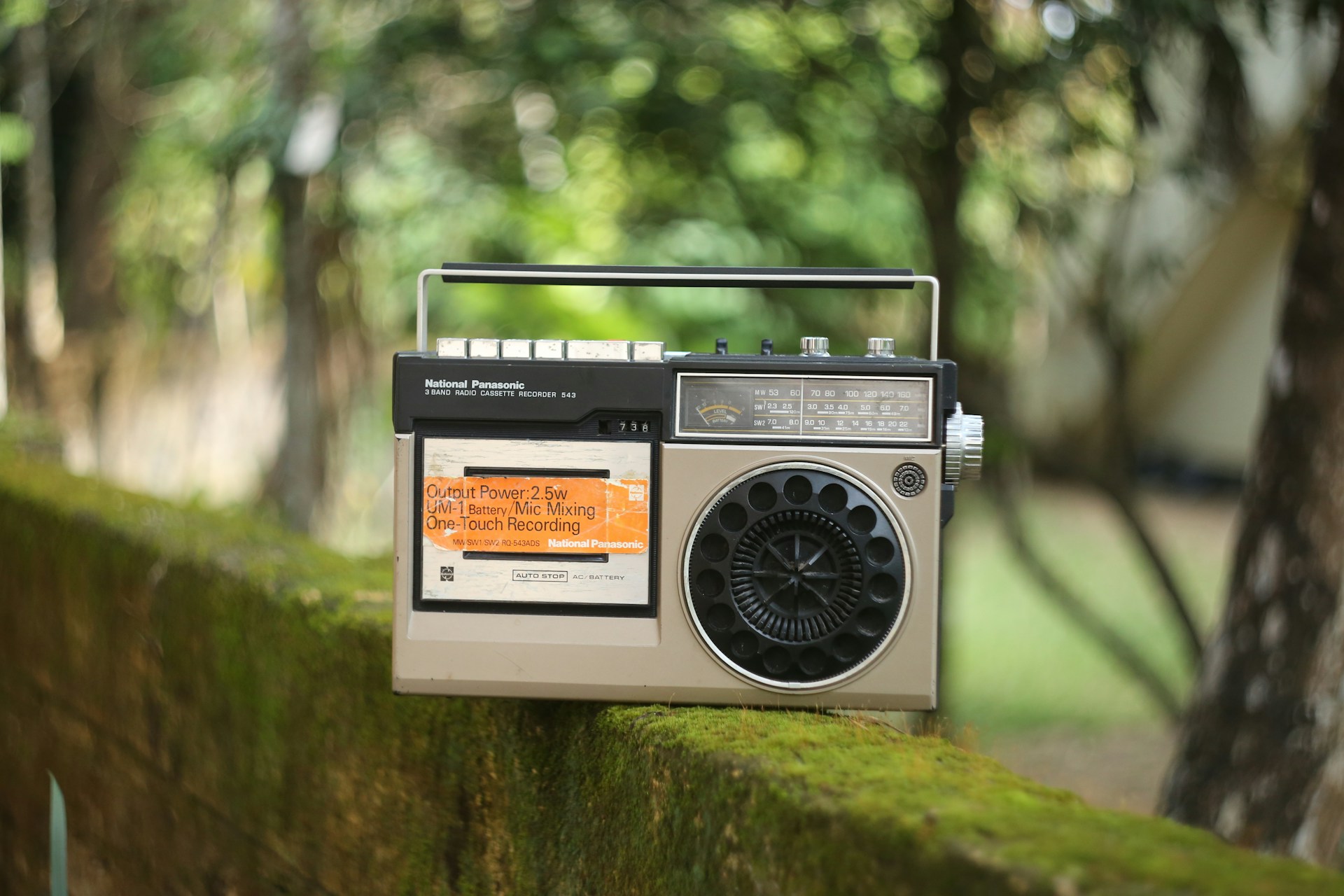
“Amos ‘n’ Andy” dominated radio from 1928 through the early 1950s. Two white performers voiced Black characters in exaggerated dialects, and the show attracted massive audiences.
At its peak, movie theaters paused films so patrons could listen to new episodes. The show’s cultural impact cuts both ways.
It brought Black characters to national prominence at a time when that rarely happened. But it also reinforced harmful stereotypes that shaped how millions of white Americans viewed Black communities.
The NAACP protested the show for years. When it transitioned to television with Black actors, the controversy intensified.
The complicated legacy of “Amos ‘n’ Andy” remains a case study in how entertainment both reflects and shapes racial attitudes.
The Shadow Knows
“Who knows what evil lurks in the hearts of men? The Shadow knows!” That opening became one of radio’s most recognizable lines.
The crime-fighting vigilante with the power to cloud men’s minds premiered in 1937 and ran for over a decade. The show perfected radio’s unique ability to create atmosphere through sound alone.
Producers layered effects—creaking doors, footsteps, wind, sinister laughs—to build tension. The Shadow influenced countless detective and superhero stories that followed.
Its success proved that radio could handle complex narratives and that listeners would embrace protagonists with mysterious, almost supernatural abilities.
Domestic Chaos in 79 Wistful Vista

“Fibber McGee and Molly” brought everyday life to radio starting in 1935. The show followed a married couple living in the fictional town of Wistful Vista.
Fibber’s schemes and exaggerations contrasted with Molly’s practical wisdom, creating a dynamic that felt real to Depression-era and wartime audiences. The program’s most famous running gag—Fibber’s overstuffed hall closet that would explode in a cascade of junk whenever opened—became so iconic that it entered common language.
The show addressed real issues facing American families while providing gentle escapism. It demonstrated that radio comedy didn’t need to be broad or slapstick to succeed.
A Masked Rider and a Silver Bullet
“The Lone Ranger” galloped onto radio in 1933 and helped define the Western genre for generations. The masked Texas Ranger and his Native American companion Tonto fought outlaws across the Old West, with episodes always ending in justice served.
The show’s opening—Rossini’s “William Tell Overture”—became synonymous with adventure. The Lone Ranger’s moral code (never shoot to kill, always leave a silver bullet as a calling card, speak in grammatically correct sentences) set a standard for heroic behavior.
The show crossed into multiple formats and influenced how Americans imagined the frontier period. However, Tonto’s portrayal as a loyal sidekick who spoke in broken English raised questions about representation that persist in discussions of the character today.
Master of Suspense on the Airwaves
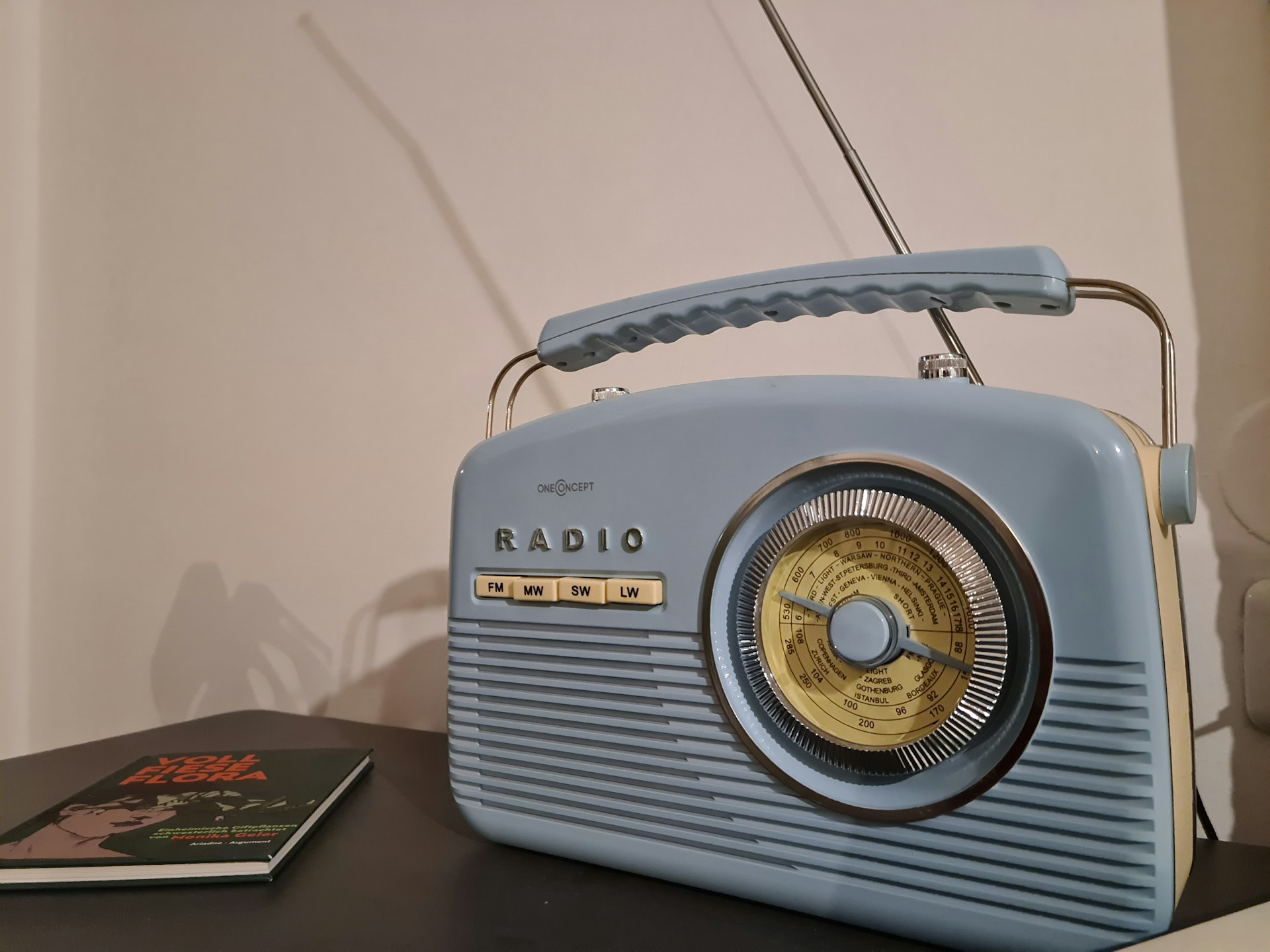
“Suspense” premiered in 1942 and ran for twenty years, becoming one of radio’s most acclaimed dramatic series. The show featured self-contained thriller and horror stories, often starring major Hollywood actors.
Each episode ended with a twist or moment of psychological revelation. The program pushed boundaries in what radio could achieve dramatically.
It experimented with silence, using pauses to create tension in ways visual media couldn’t match. The show’s writers understood that what listeners imagined could be more frightening than anything shown on screen.
“Suspense” elevated radio drama to an art form and demonstrated that anthology series could maintain quality and audience interest over many years.
Charting America’s Changing Taste
“Your Hit Parade” aired from 1935 to 1959, counting down the week’s most popular songs based on sales, radio play, and jukebox numbers. The show became a Saturday night appointment listening for millions of Americans.
Beyond entertainment, the program served as a cultural barometer. It documented shifting musical tastes through the big band era, the emergence of crooners, and early rock and roll.
The show reflected racial segregation in the music industry—Black artists often saw their songs covered by white performers who made the Hit Parade while the original versions didn’t. When television tried to adapt the format, it struggled because the same songs appeared week after week, requiring different visual presentations.
A Master of Timing and the 39-Cent Running Gag
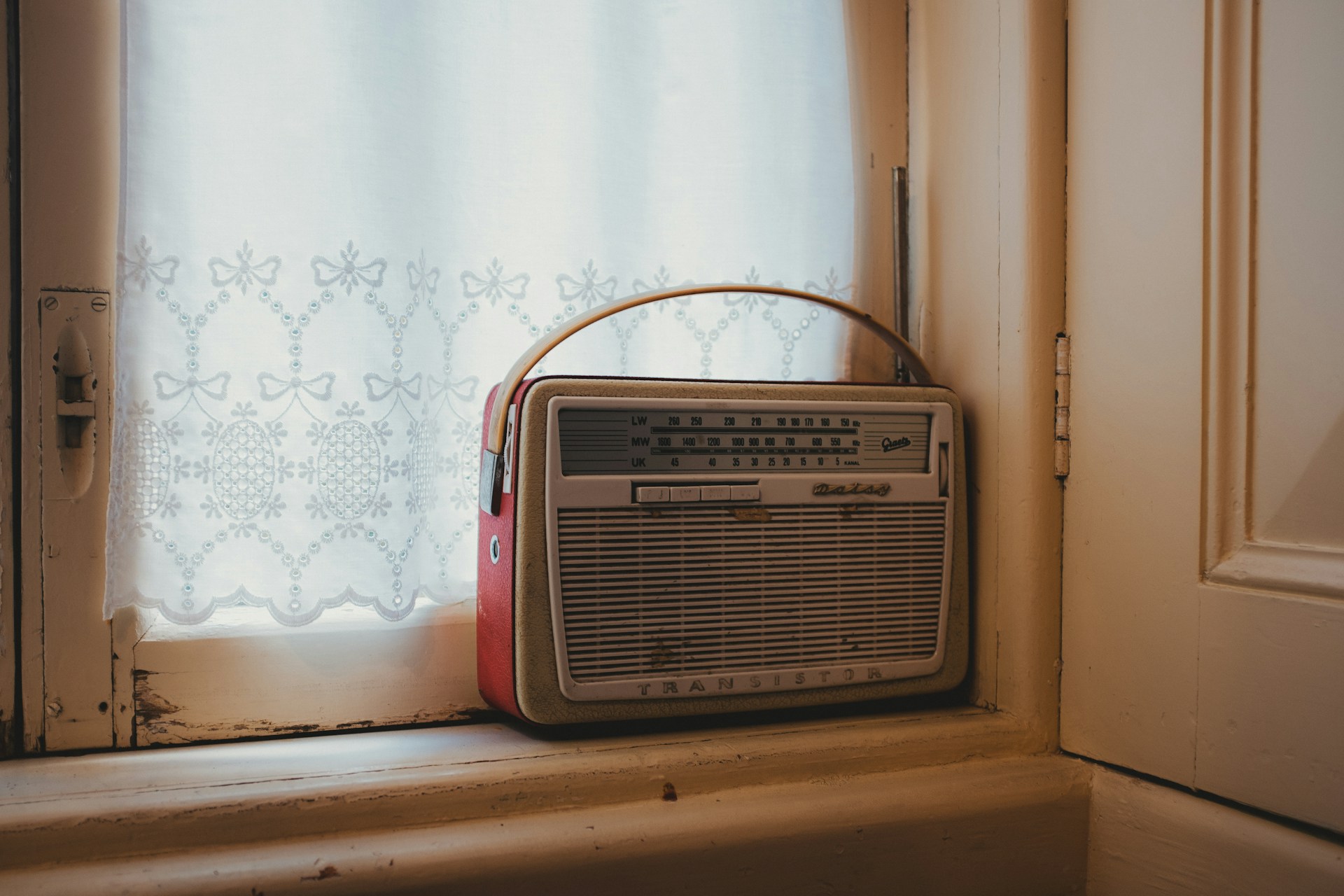
Jack Benny brought his vaudeville timing to radio starting in 1932. His program built comedy around his character—a vain, perpetually 39-year-old cheapskate.
The show featured a regular ensemble cast and running gags that evolved over years. Benny understood radio’s strengths better than most performers.
His famous “Your money or your life” joke worked because of the extended silence after the demand—a pause that let audiences fill in Benny’s internal struggle between money and survival. The show demonstrated that character development and continuity could work in weekly comedy.
It also proved that self-deprecating humor could build a loyal audience.
Just the Facts
“Dragnet” began in 1949 and brought procedural realism to radio crime shows. Creator and star Jack Webb based stories on actual Los Angeles Police Department cases.
Sergeant Joe Friday’s deadpan delivery and insistence on “just the facts” became cultural touchstones. The show’s documentary-style approach influenced how crime stories were told across all media.
Webb stripped away the glamour and focused on methodical police work. The distinctive opening theme and narrator’s solemn introduction created instant recognition.
“Dragnet” demonstrated that audiences would embrace serious, realistic storytelling even in entertainment programming.
Theatre of the Mind
Orson Welles’s “Mercury Theatre on the Air” ran for less than a year, but its impact lasted decades. Beyond “War of the Worlds,” the program adapted classic literature with cinematic techniques adapted for radio.
Welles treated each broadcast as an experiment in sound and narrative. The show proved that radio could be an artistic medium rather than just entertainment.
Welles layered sound, overlapped dialogue, and used music innovatively. His approach influenced broadcast storytelling and helped establish radio drama as legitimate art.
The Mercury Theatre demonstrated that challenging material could find audiences and that young creators could reshape established forms.
The Old West Rides Again
“Gunsmoke” premiered on radio in 1952 before becoming television’s longest-running Western. The show presented a grittier, more realistic Old West than most radio Westerns.
Marshal Matt Dillon was fallible, morally complex, and sometimes lost. The program marked a shift in how Westerns approached storytelling.
Earlier shows presented clear heroes and villains. “Gunsmoke” explored moral ambiguity and consequences.
Characters died. Good people made bad choices.
The show’s success on both radio and television proved that audiences wanted more sophisticated Western narratives.
Up in the Sky
“The Adventures of Superman” brought the comic book hero to radio in 1940. The show introduced elements that became permanent parts of Superman mythology, including the phrase “up, up, and away” and his vulnerability to kryptonite.
The program ran for over a decade. The show contributed to Superman’s evolution from comic character to American icon.
It reached audiences who didn’t read comics. During World War II, episodes had Superman fighting Nazi saboteurs and promoting war bonds.
The program demonstrated how radio could expand and deepen characters created in other media. Its success helped establish the template for adapting superhero properties across different formats.
Creaking Doors and Nervous Hosts
“Inner Sanctum Mysteries” ran from 1941 to 1952, opening each episode with the distinctive sound of a creaking door. Host Raymond Edward Johnson introduced twist-ending horror stories with macabre humor and wordplay.
The show understood that horror works differently in audio. It relied on suggestion and atmosphere rather than explicit gore.
The creaking door became so iconic that audiences associated it with horror regardless of context. “Inner Sanctum” influenced how horror anthology series were structured and proved that darker material could attract mainstream audiences.
The War Between Vaudeville Rivals
“The Fred Allen Show” ran from 1932 to 1949, featuring topical humor, satire, and Allen’s sardonic wit. His ongoing mock feud with Jack Benny became one of radio’s most famous running gags, with the two stars trading insults across their respective programs.
Allen pushed back against sponsor interference and network censorship more publicly than most performers. His critiques of radio’s commercial nature were sharp and frequent.
The show demonstrated that radio comedy could be literate and satirical, not just slapstick. Allen’s influence extended to later satirists and comedy writers who saw his willingness to mock the medium he worked in.
Voices That Still Echo
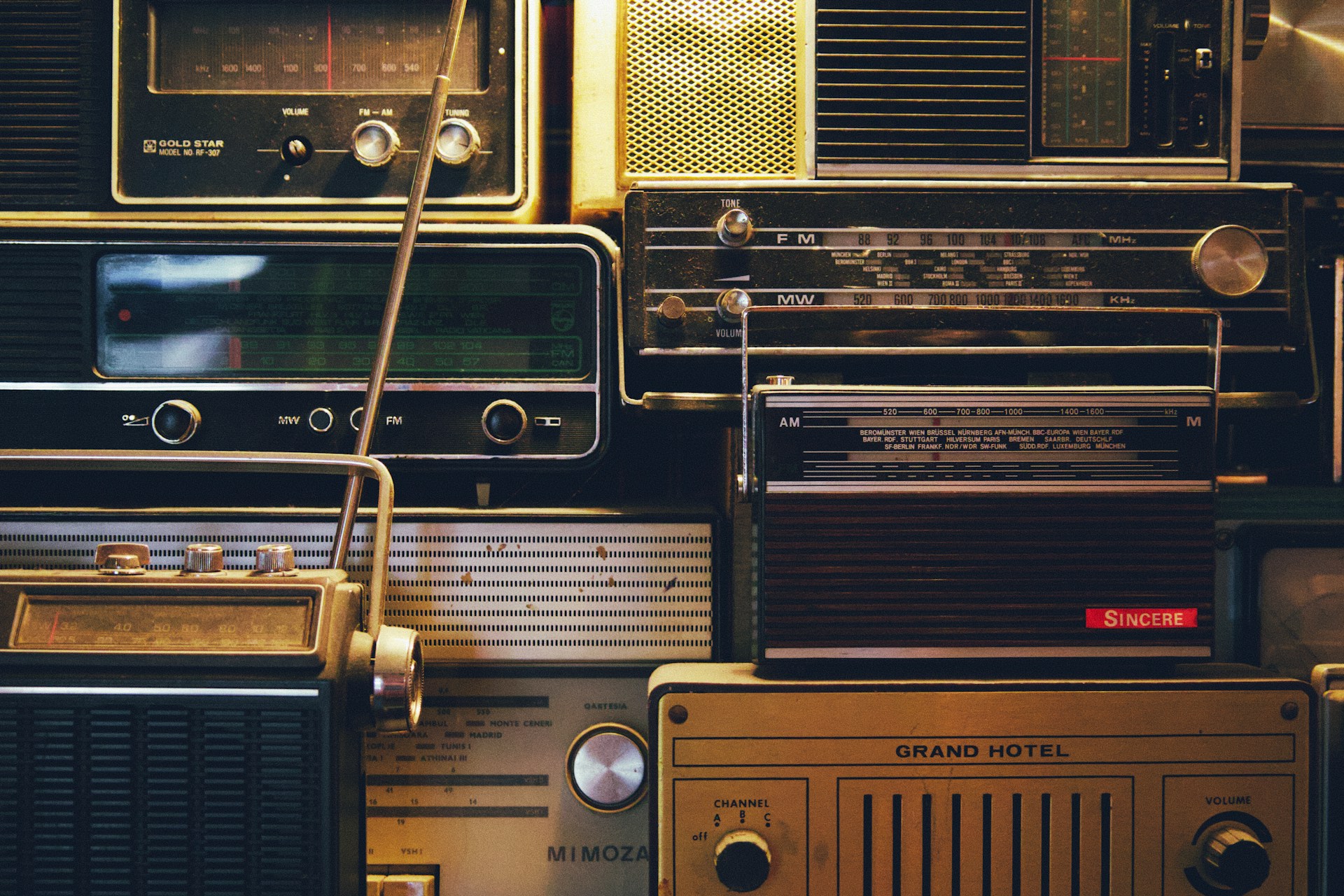
When TV took over, radio drama faded – yet its influence stuck around. Because of these old broadcasts, today’s podcast creators borrow ways to unfold a story.
Characters born on air still echo through movies and memes. Even without pictures, sound alone built entire realities people felt deeply inside.
America’s past lives in these broadcasts – times when money was tight, fears ran high during wars, then a wave of wealth followed peace. Today’s listeners get an earful of real talk from back then, jokes that landed, worries that kept folks awake.
Out of all those old recordings, the standouts endure since they tapped into a quiet truth about stories: imagination often hits harder than images.
More from Go2Tutors!

- The Romanov Crown Jewels and Their Tragic Fate
- 13 Historical Mysteries That Science Still Can’t Solve
- Famous Hoaxes That Fooled the World for Years
- 15 Child Stars with Tragic Adult Lives
- 16 Famous Jewelry Pieces in History
Like Go2Tutors’s content? Follow us on MSN.



