30 Vintage Lamps and Lighting Pieces Buyers Compete For
Most vintage lighting that turns up at estate sales was built for a specific job in a specific building, not for a living room. Buyers who understand that origin pay more for it, because a fixture pulled straight from a factory floor, a fire station, or a rail car carries a working history that a decorative reproduction cannot fake.
The pieces below come from workplaces and institutions rather than parlors, and the market for them has grown precisely because that industrial and civic history is harder to find intact than it used to be.
Railway Brakeman’s Lanterns
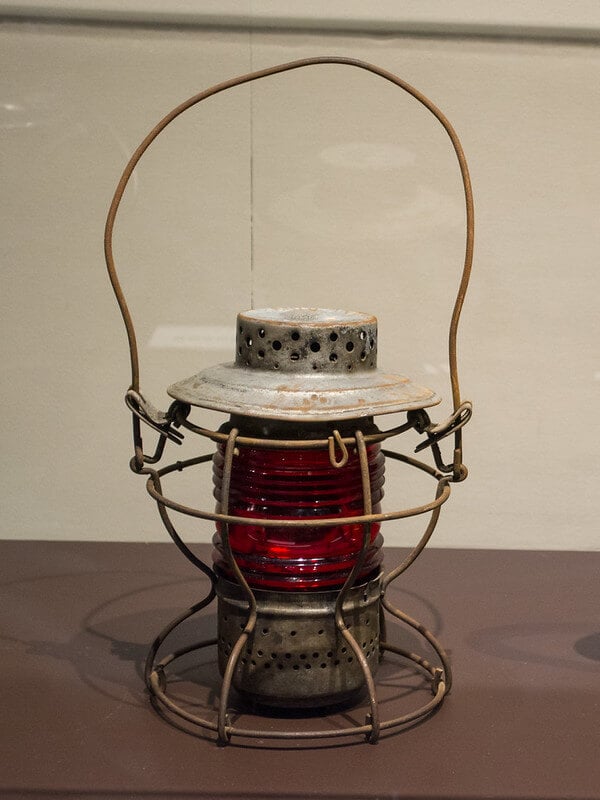
Rail workers carried heavy-duty lanterns with colored globes that signaled train status across long distances after dark, built to survive weather and rough handling on moving equipment. Examples with the original maker’s marking and an unbroken colored globe sell for one hundred to four hundred dollars, with red and green globes commanding more than the common clear.
Caboose Marker Lamps
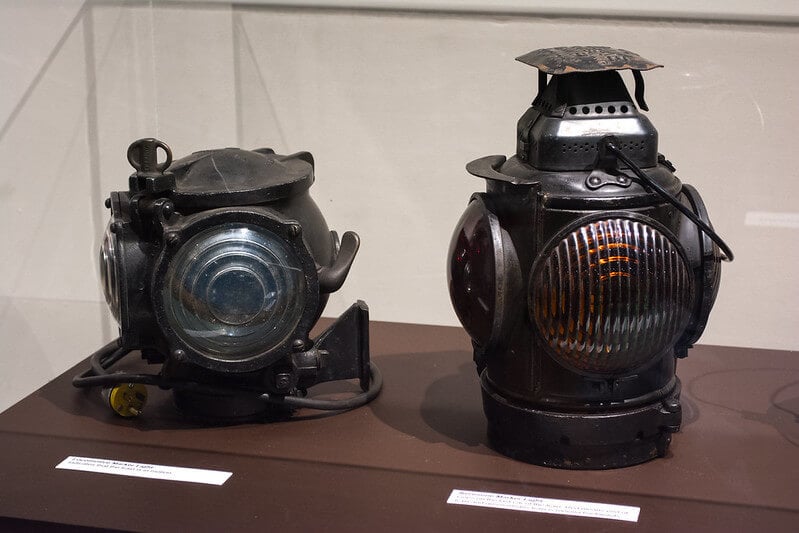
Mounted on the rear of a train’s caboose, marker lamps used a rotating lens system to change color depending on which direction the train was traveling. Complete examples with all original lenses intact and functioning hardware bring two hundred to six hundred dollars, since replacement lenses are difficult to source and their absence noticeably reduces value.
Factory Pendant Lights With Glass Shades
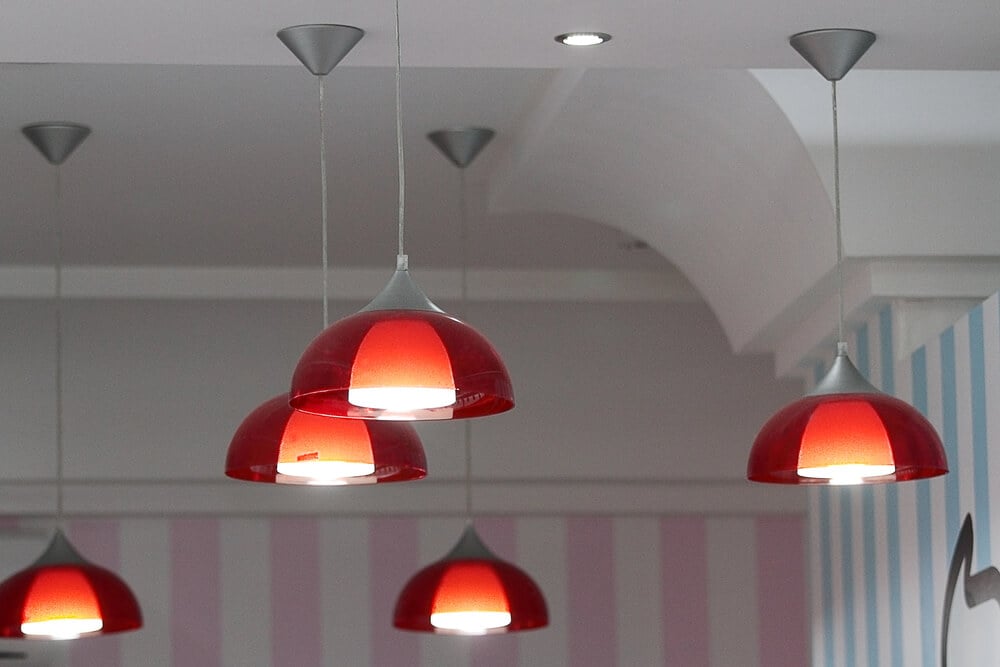
Industrial ceiling fixtures fitted with deep prismatic glass shades were engineered to throw maximum light downward onto factory floors and workbenches, a purely functional design that decorators now prize for exactly the same reason. Original shades in undamaged condition, particularly from documented manufacturers, sell for one hundred fifty to five hundred dollars per fixture.
Gooseneck Machine Shop Task Lamps
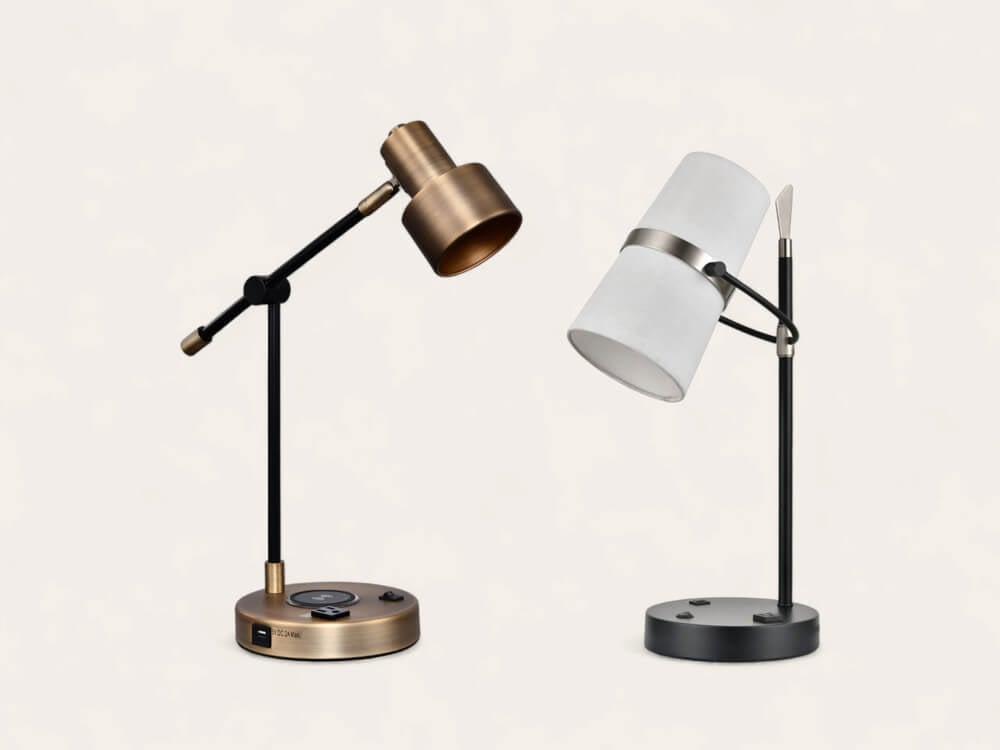
Adjustable-arm task lamps built for precision work at a machinist’s bench feature heavy cast bases and durable enamel shades designed to direct focused light exactly where needed. Working examples with intact wiring and original paint sell for eighty to two hundred fifty dollars, with early cast-iron bases commanding the upper range.
Darkroom Safelight Fixtures
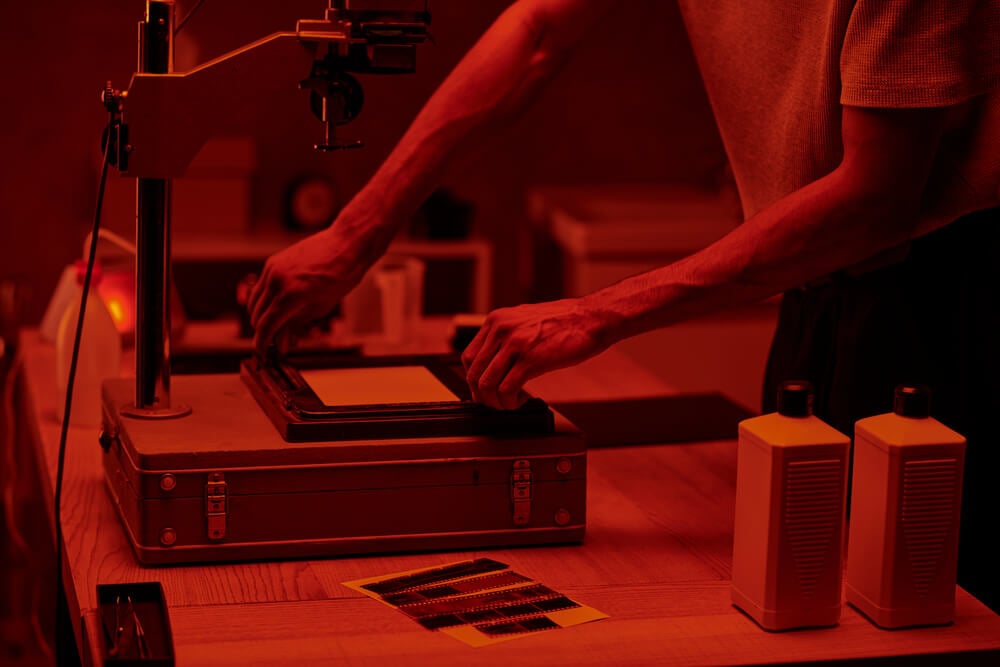
Photographic darkrooms relied on colored safelight fixtures that let technicians work without exposing light-sensitive film or paper, typically fitted with amber or red filtered glass. Complete examples with the original filter intact appeal to both lighting collectors and working film photographers, and sell for sixty to two hundred dollars depending on maker and condition.
Barbershop Pole Illuminators
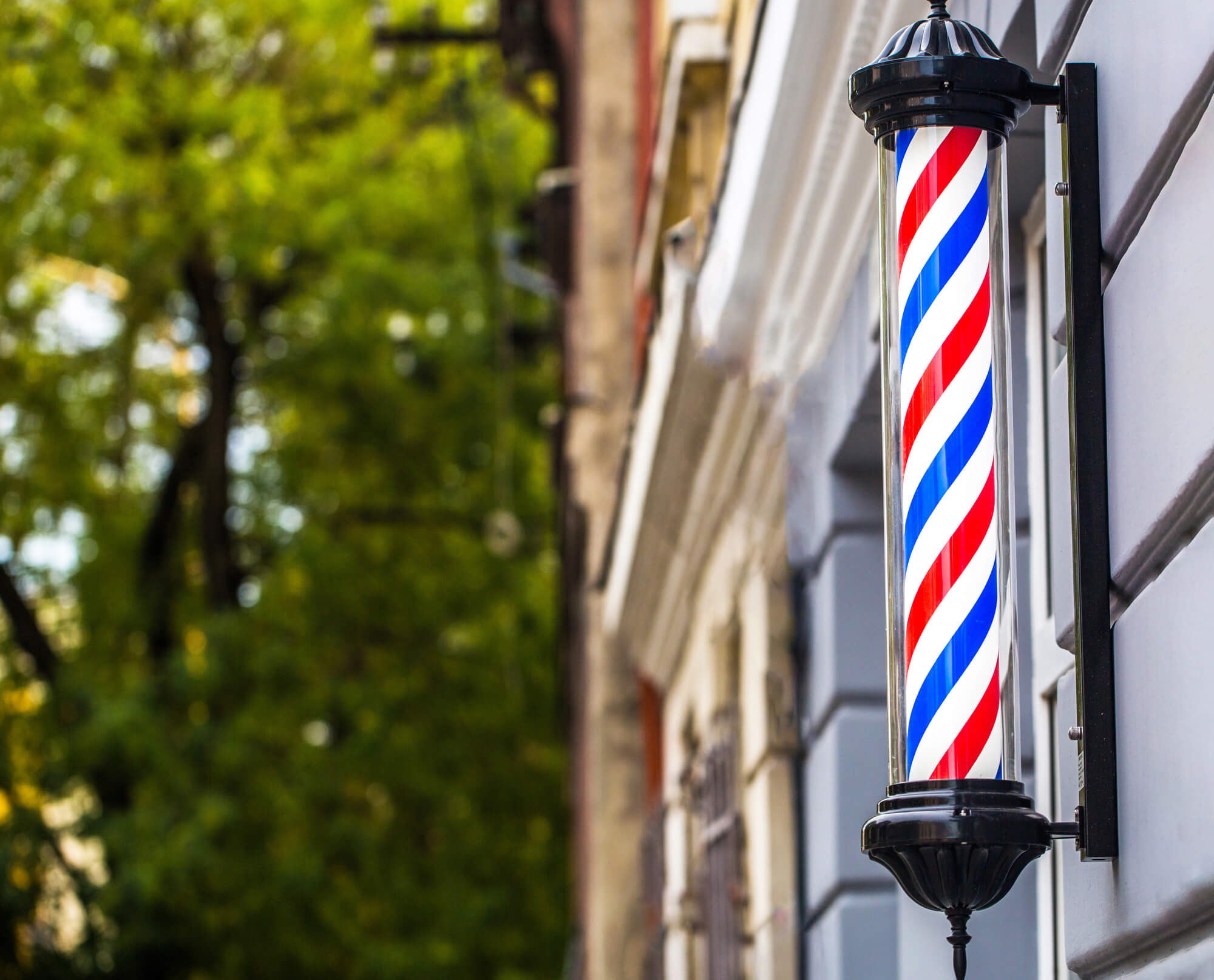
The internally lit rotating barber pole, a fixture recognizable on sight even to people who have never had it explained to them, contains a motorized cylinder and lighting assembly that many barbershops replaced decades ago. A complete, functioning example with an unbroken glass cylinder sells for three hundred to nine hundred dollars.
Service Station Globe Lamps
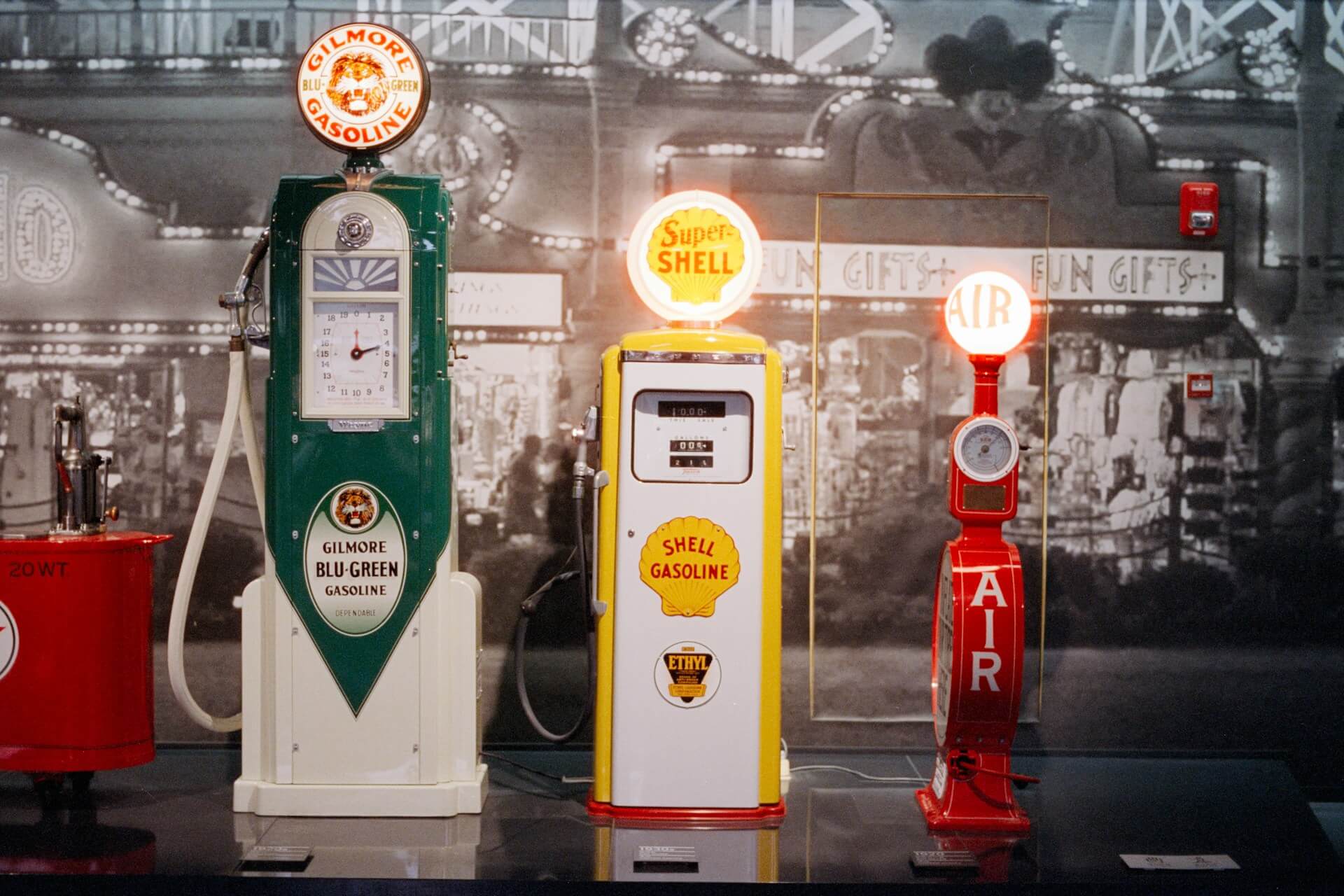
Roadside filling stations once used large illuminated glass globes mounted on posts and canopies to advertise their brand from a distance, and many were destroyed or discarded as stations changed ownership and signage. Original globes in sound condition, especially those tied to a discontinued brand, sell for two hundred to eight hundred dollars.
Carnival Midway String Lights
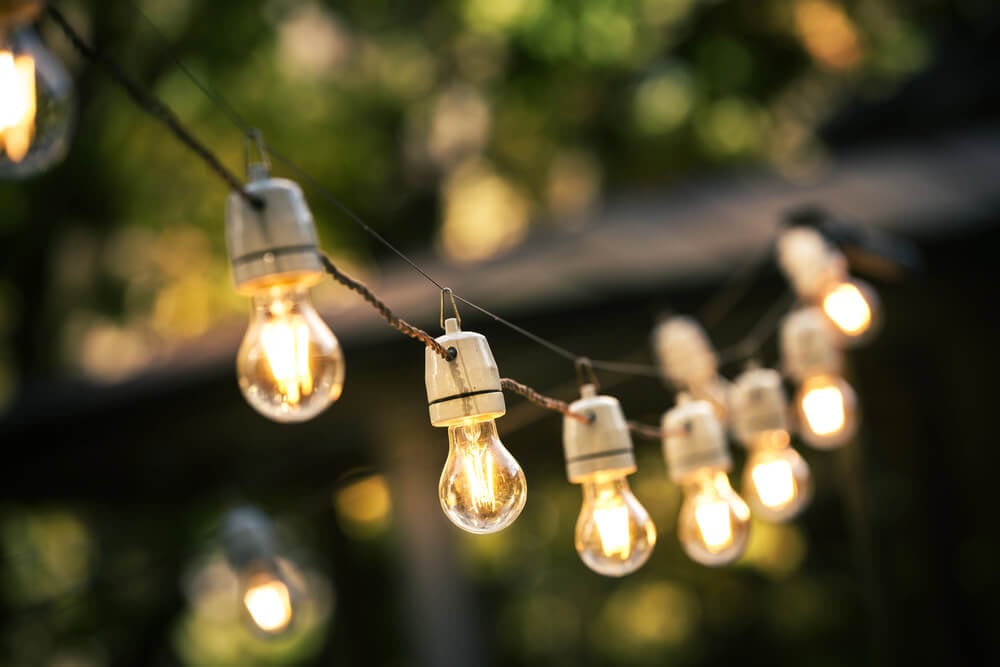
Traveling fairs and carnivals strung heavy-duty bulb sets across midways for decades, built with weatherproof sockets and thick cabling designed to survive repeated setup and teardown. Complete, working strings with period bulbs draw interest from collectors of vintage amusement memorabilia and sell for one hundred to three hundred fifty dollars per set.
Telephone Switchboard Indicator Lamps
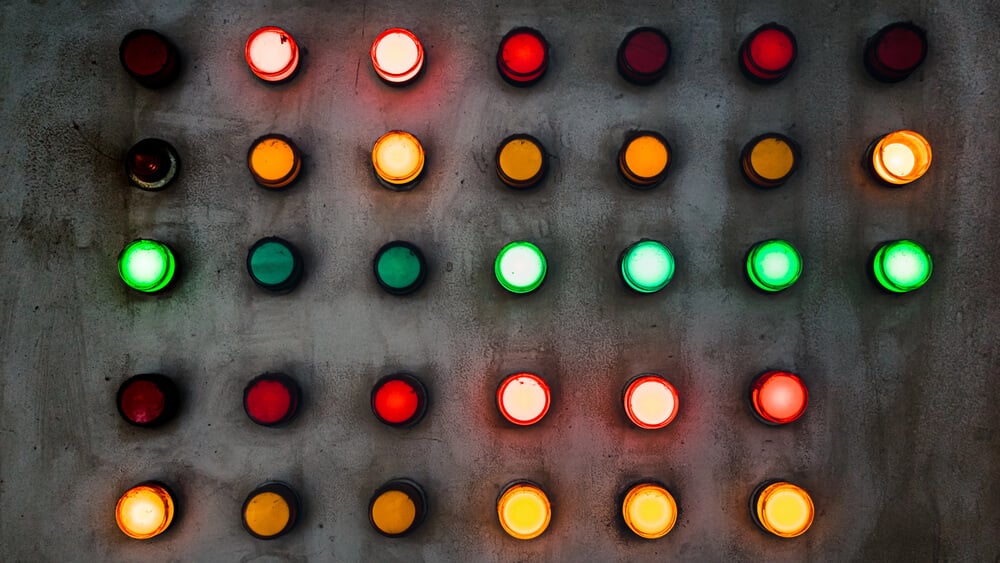
Manual telephone exchanges used small indicator lamps mounted in panels to signal incoming calls to an operator, a technology made obsolete decades ago by automatic switching. Individual lamp assemblies, particularly ones still mounted in a section of original panel, sell for forty to one hundred fifty dollars.
Bank Teller Cage Lamps
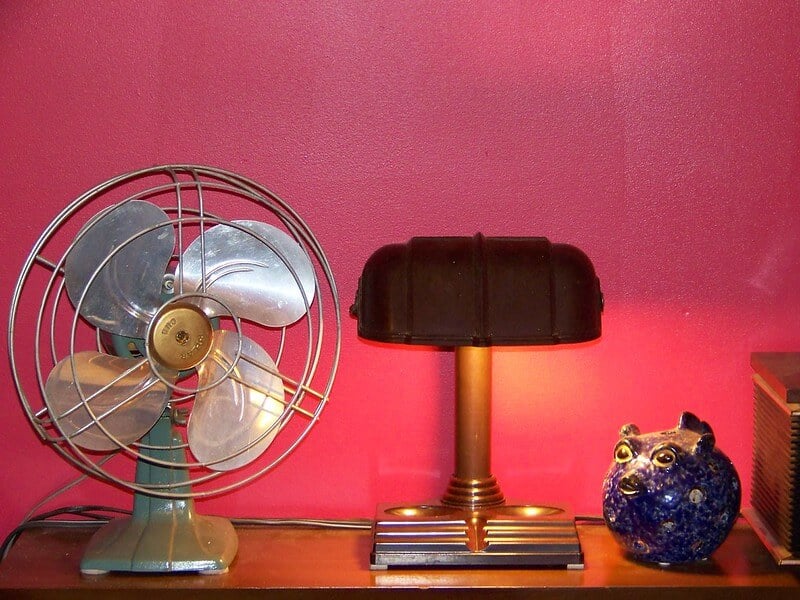
Banks once fitted teller windows with small, sturdy desk lamps designed to illuminate paperwork and cash counting without glare, often built with heavier bases than ordinary office lamps to discourage theft. Original examples with intact shades sell for seventy to two hundred dollars, particularly when the base carries a legible bank or fixture-company marking.
Department Store Display Case Lighting
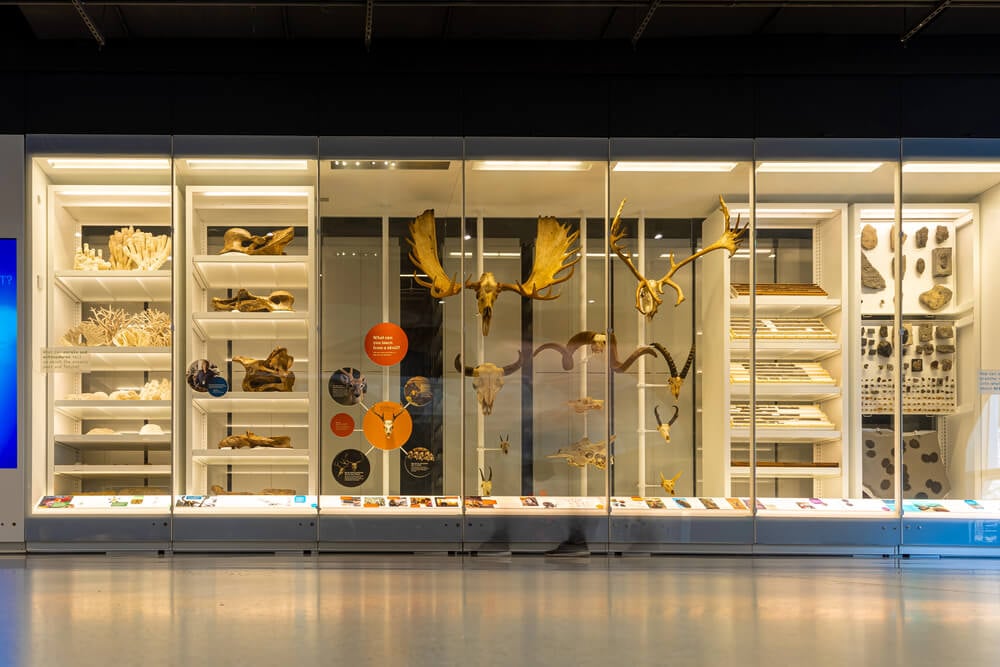
Retail display cases from mid-century department stores used specialized low-profile lighting fixtures designed to illuminate merchandise evenly without generating heat close to the glass. Salvaged fixtures in working condition appeal to collectors restoring vintage cases and to shop owners building period displays, selling for eighty to two hundred fifty dollars.
Laboratory Bench Lamps
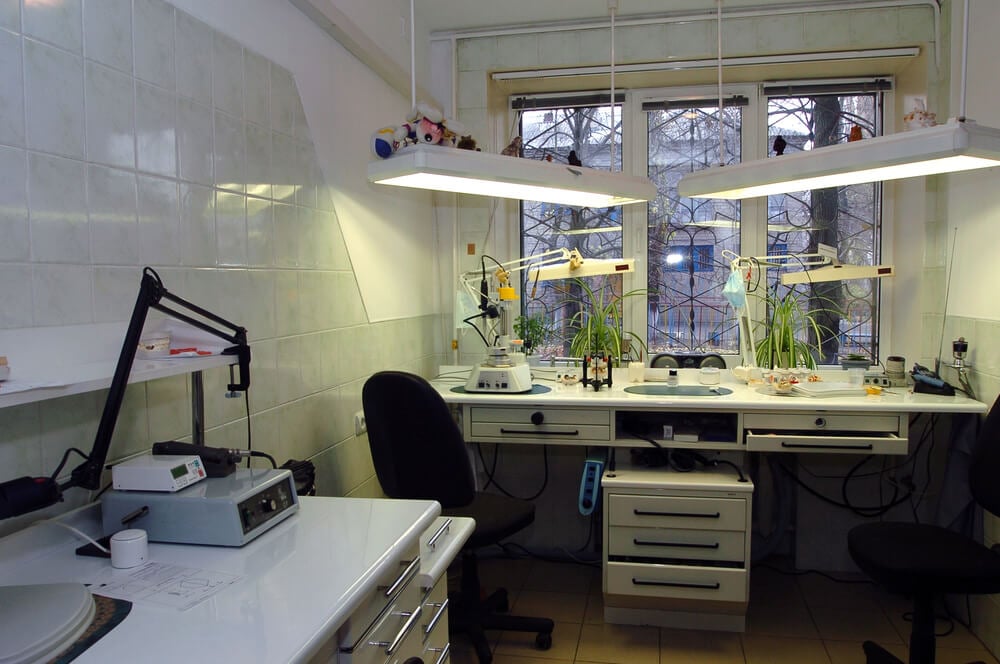
Scientific laboratories used adjustable bench lamps built with heat-resistant components and often a magnifying lens attachment for close work with samples and instruments. Complete examples with original hardware sell for sixty to two hundred dollars, with brands tied to documented scientific supply houses commanding a premium.
Observatory Red Safelight Lamps
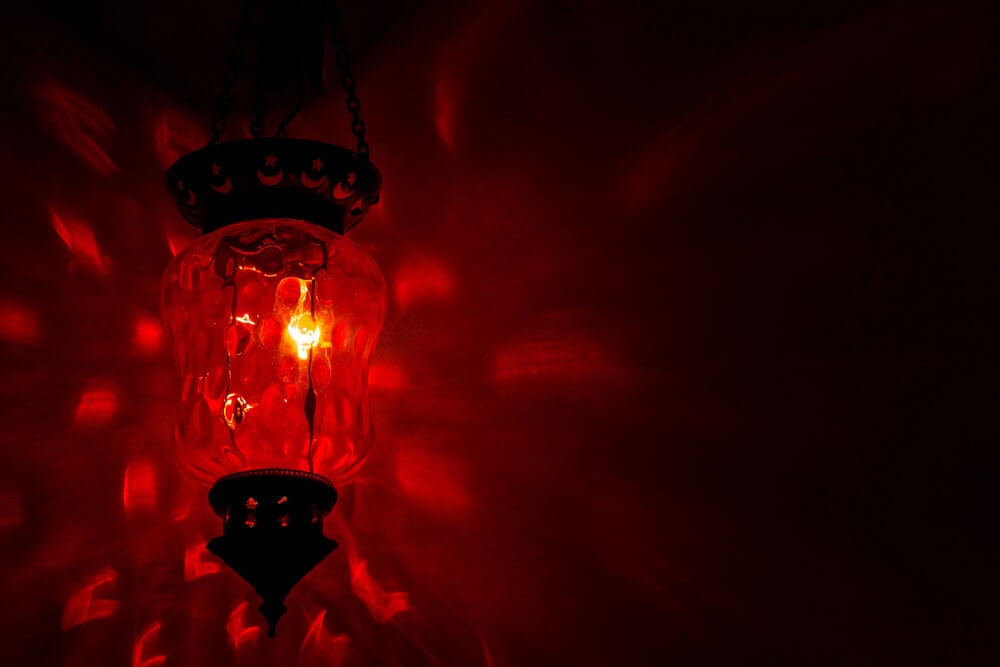
Astronomers working at telescopes at night relied on dim red lighting to preserve night vision while still allowing star charts and instruments to be read. Purpose-built observatory lamps, distinct from ordinary darkroom safelights in their dimming mechanisms, are scarce and sell for one hundred to four hundred dollars among collectors of scientific instruments.
Print Shop Composing Room Lamps
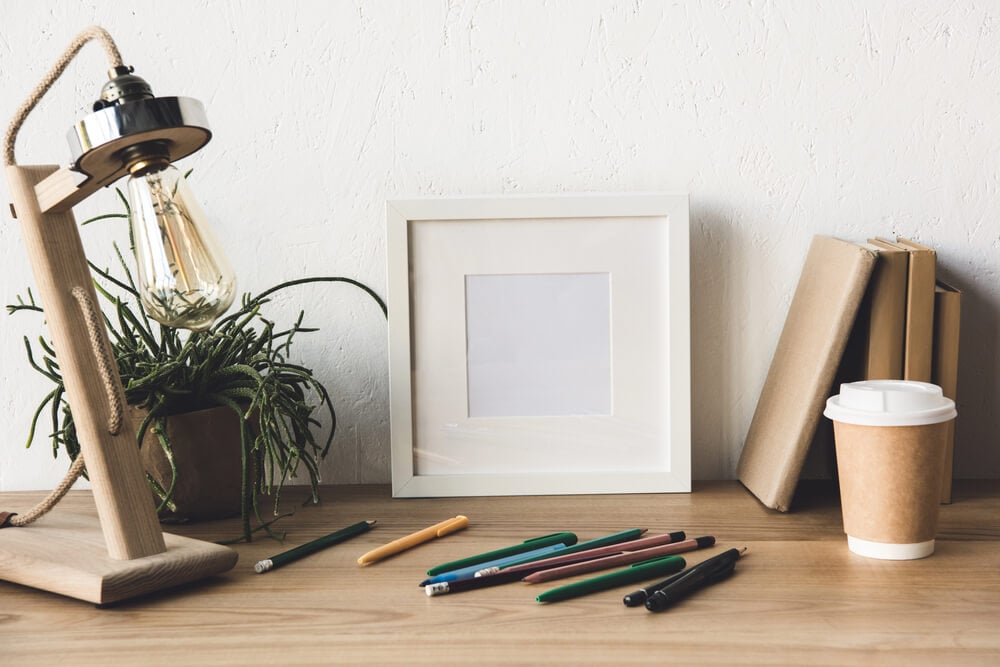
Typesetters working by hand in a composing room needed strong, evenly distributed light to read tiny metal type, and shops fitted their cases with specialized fixtures built for that specific close work. Surviving examples, particularly ones salvaged from a documented print shop, sell for seventy to two hundred fifty dollars.
Courtroom Bench Lamps
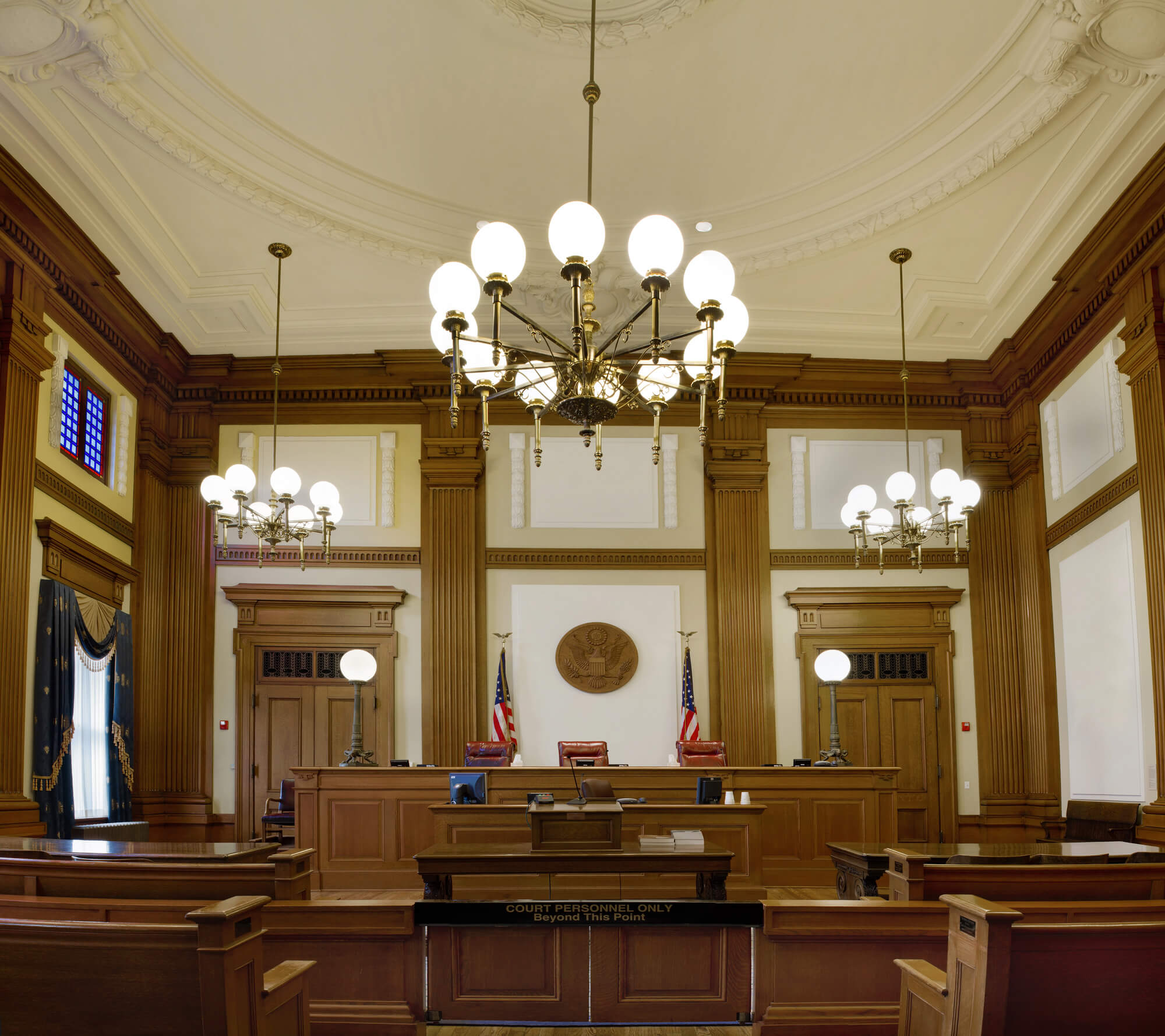
Judicial benches were fitted with sturdy desk lamps designed for long hours of reading, typically built heavier and more formal than ordinary office fixtures to suit a courtroom’s setting. Examples salvaged from decommissioned courthouses sell for one hundred to three hundred fifty dollars, with documented provenance adding meaningful value.
Fire Station Alarm Lamps
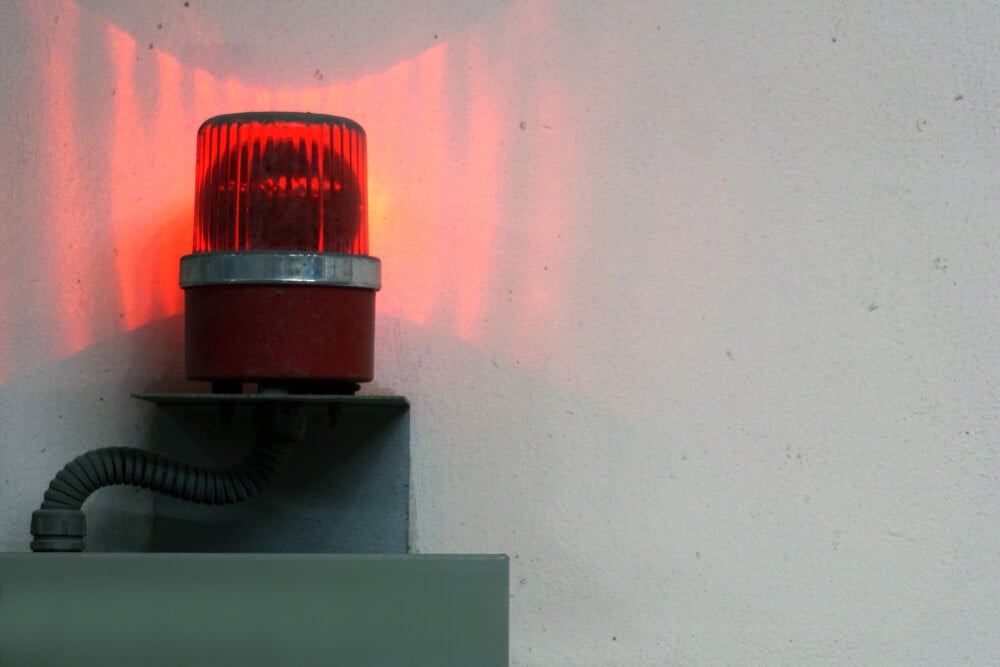
Fire stations used dedicated alarm lamps that lit automatically when a call came in, supplementing audible alarm systems that had been standard since the late nineteenth century. Working examples with original wiring and housing sell for one hundred fifty to five hundred dollars, particularly when tied to a specific, identifiable department.
Streetcar Interior Ceiling Lamps
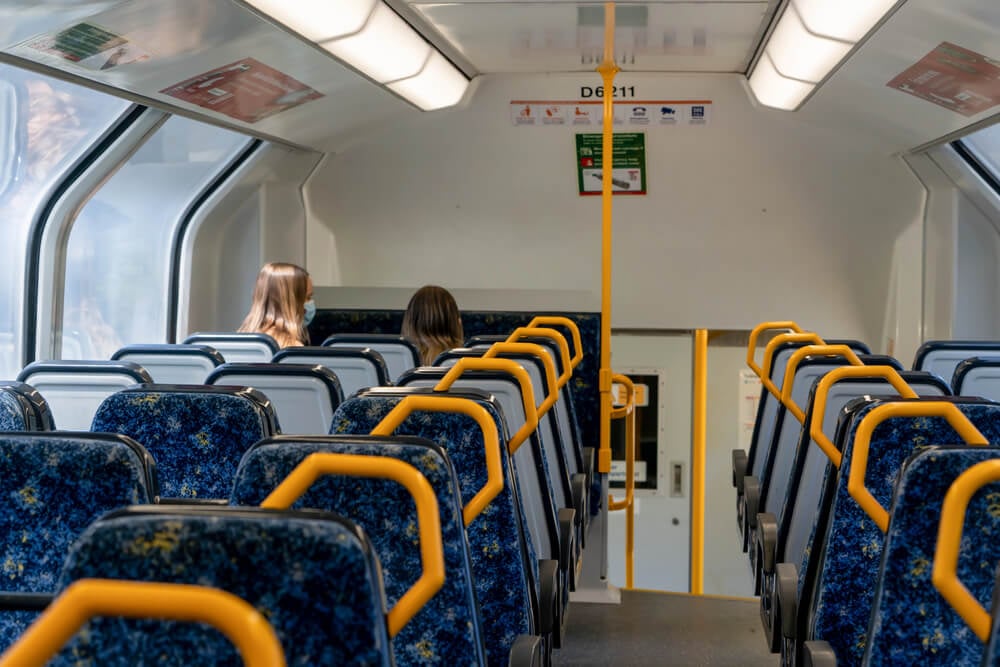
Electric streetcars fitted their interiors with small ceiling-mounted lamps built to withstand constant vibration and daily use over decades of service. Surviving examples, particularly ones salvaged from documented, decommissioned transit systems, sell for one hundred to three hundred dollars depending on completeness of the original fixture housing.
Elevator Cab Lamps
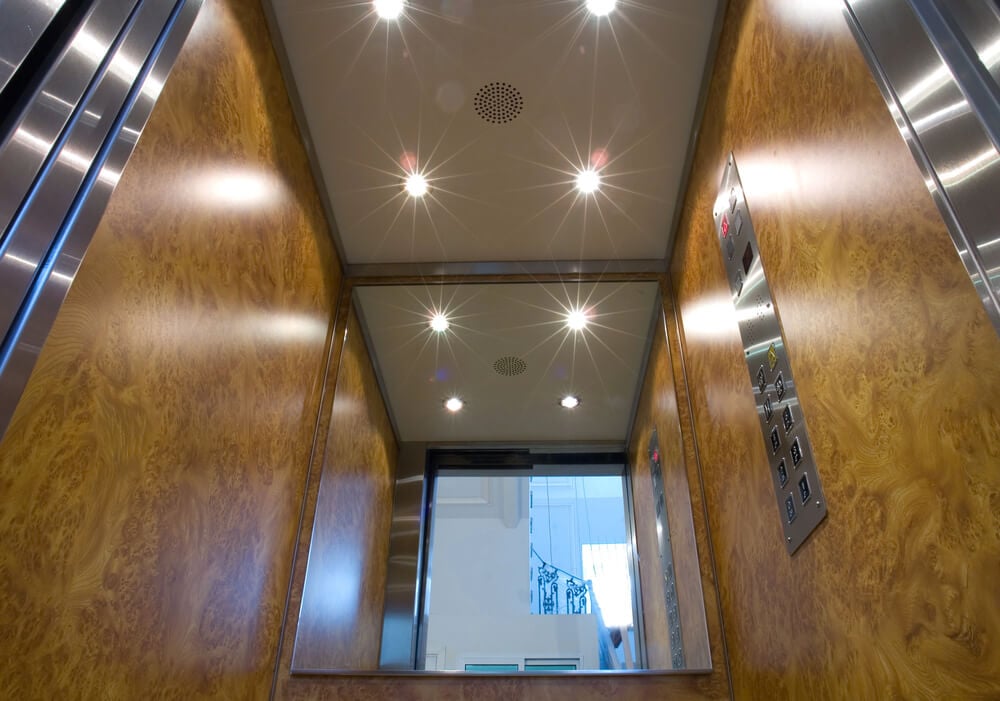
Older elevator cabs used distinctive small lighting fixtures, often recessed or caged to protect the bulb from passengers, built to match the decorative style of the surrounding cab interior. Salvaged examples from historic buildings sell for eighty to three hundred dollars, with ornate cage designs commanding the higher end.
Post Office Sorting Room Lamps
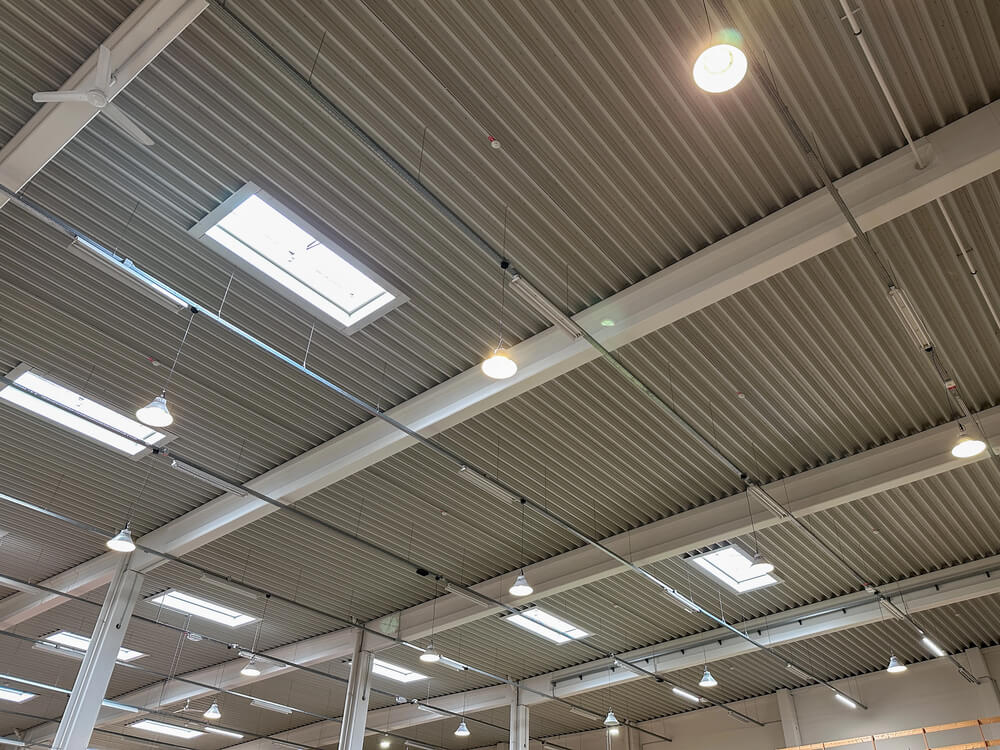
Mail sorting rooms relied on rows of overhead fixtures designed for long shifts of close visual work reading addresses, typically simple, durable, and built to run for years without maintenance. Surviving examples salvaged from decommissioned post offices sell for sixty to two hundred dollars.
Grain Elevator Warning Lamps
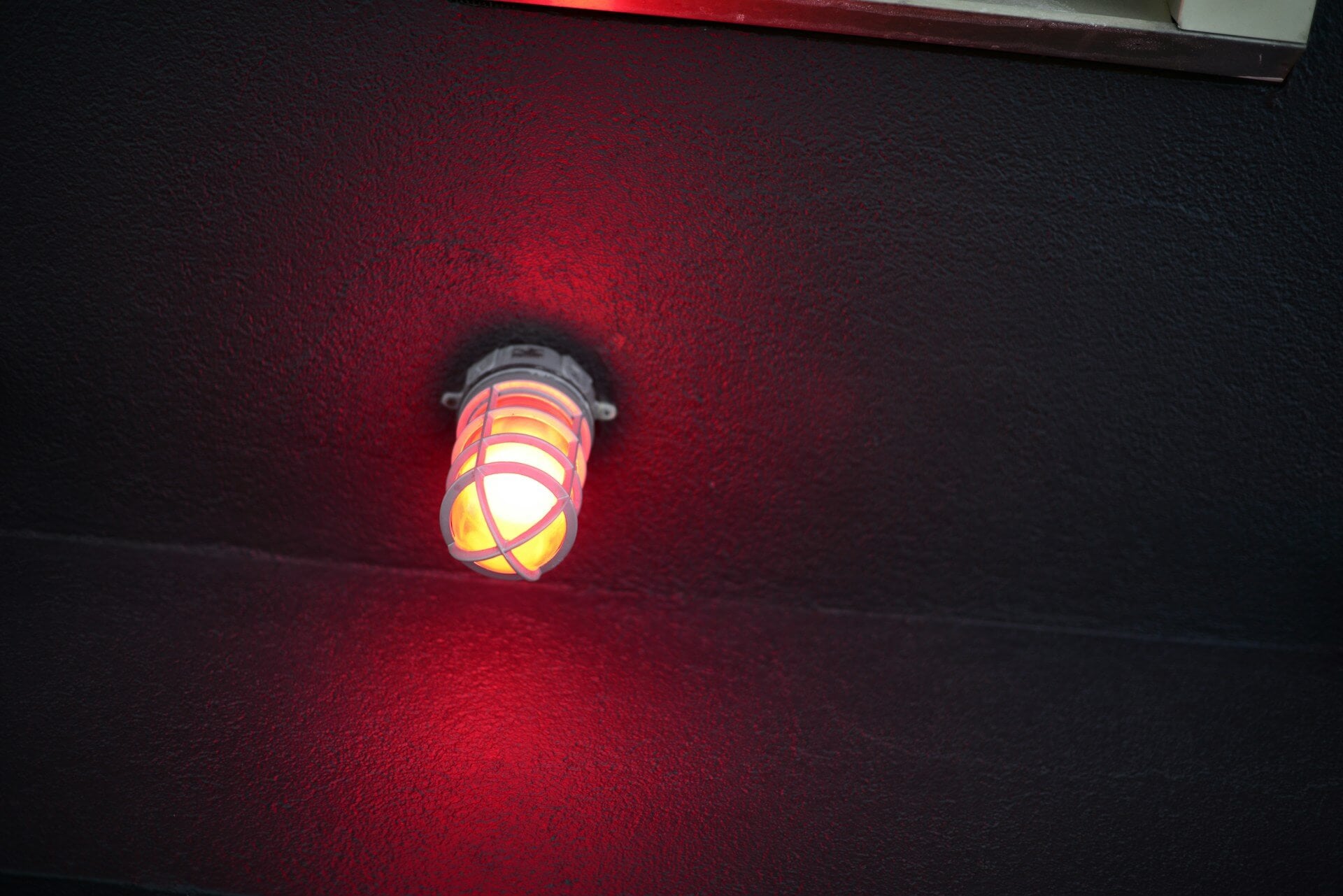
Grain elevators used explosion-resistant lighting fixtures, sealed against the combustible dust that made ordinary open bulbs a genuine hazard in the structure. Surviving examples, built with heavy glass globes and reinforced housings, appeal to collectors of industrial and agricultural artifacts and sell for one hundred to four hundred dollars.
Airfield Boundary Lamps

Early airfields marked their runway edges with low, rugged lamps designed to withstand weather and occasional contact from aircraft wheels, long before modern embedded runway lighting became standard. Surviving examples sell for one hundred fifty to five hundred dollars among collectors of aviation history.
Weather Station Signal Lamps
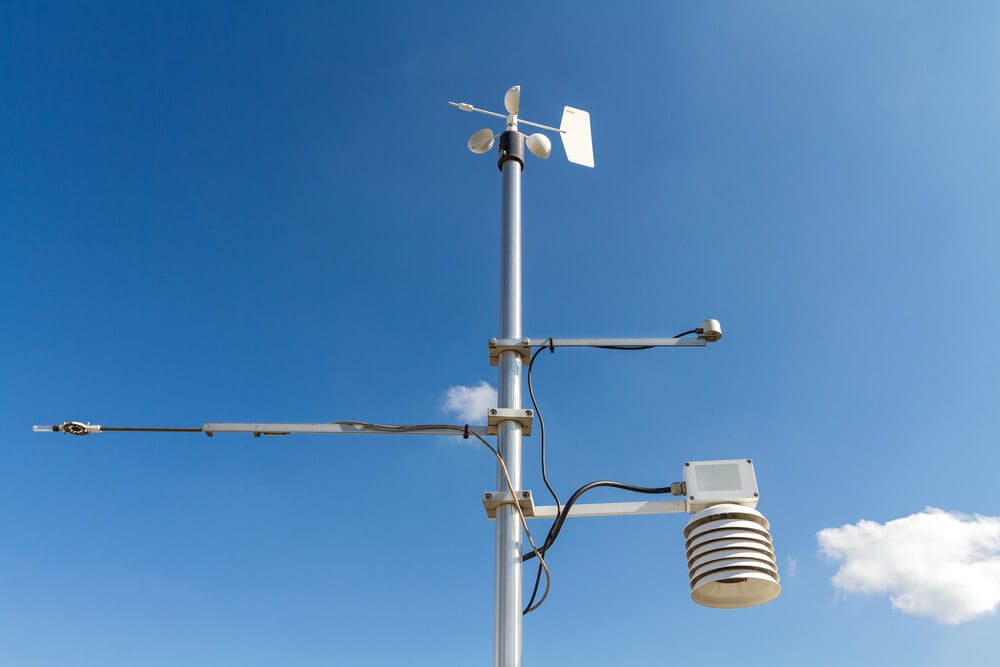
Weather observation stations once used colored signal lamps to communicate forecasts and warnings visually to nearby communities before radio broadcasting made the practice obsolete. Surviving examples, particularly ones with a documented station of origin, sell for one hundred to three hundred fifty dollars.
School Classroom Pendant Fixtures
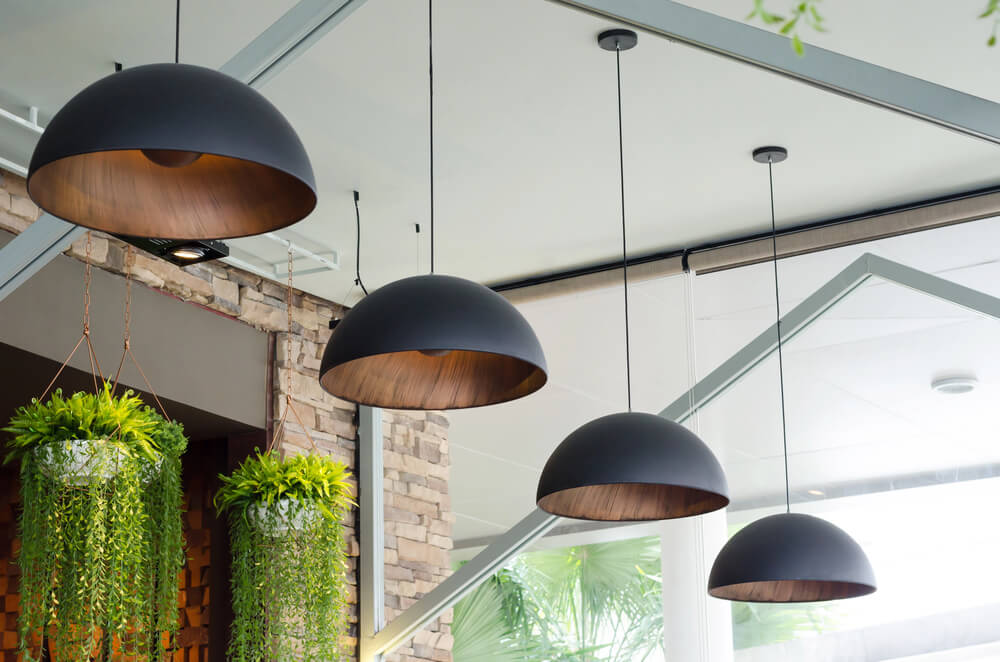
Public schools built decades ago were commonly fitted with matching pendant light fixtures designed to hang uniformly across a classroom ceiling, simple in construction but consistent in style throughout a building. Salvaged sets in matching condition sell for sixty to two hundred dollars per fixture, with buyers often seeking multiples for a coordinated installation.
Hotel Lobby Torchieres
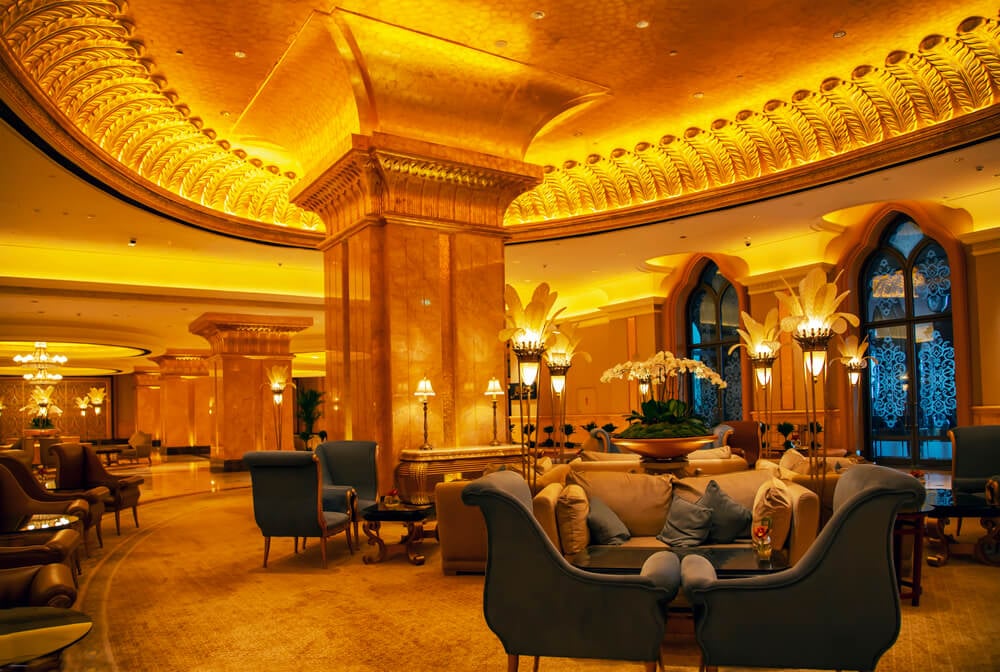
Grand hotels once furnished their lobbies with tall floor-standing torchiere lamps designed to throw indirect light upward toward high ceilings, a scale rarely built for residential use. Surviving examples with original finish and shade sell for two hundred to seven hundred dollars, with ornate cast bases commanding more.
Speakeasy-Era Wall Sconces
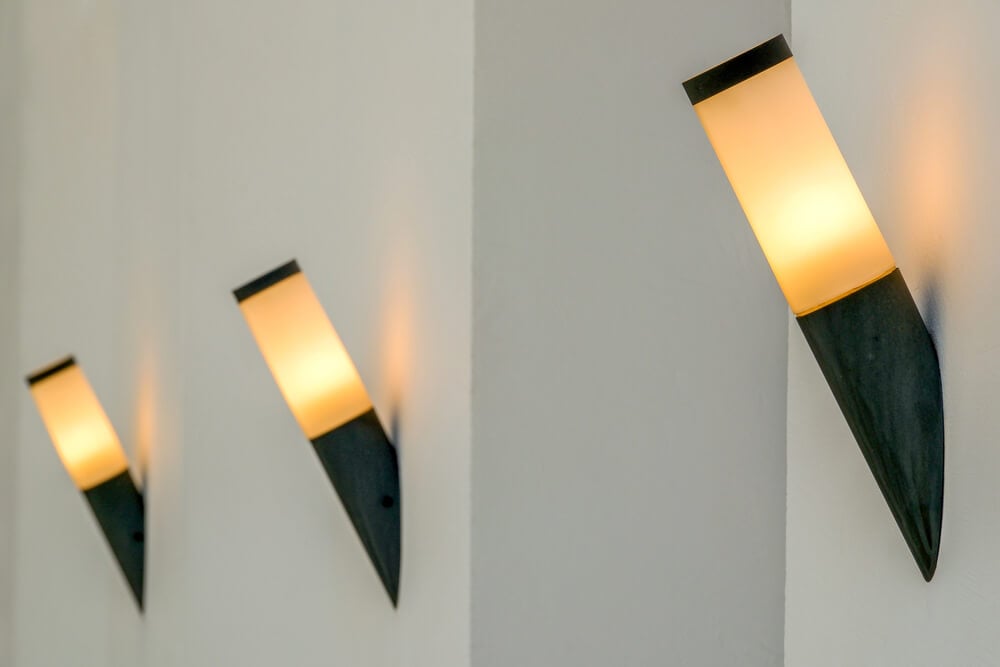
Wall-mounted sconces from establishments operating during Prohibition were often built with deliberately dim, discreet lighting suited to a low-profile venue, a design choice that gives surviving examples a distinctive character. Documented or strongly attributed examples sell for one hundred fifty to five hundred dollars per pair.
Sewing Machine Attachment Lamps
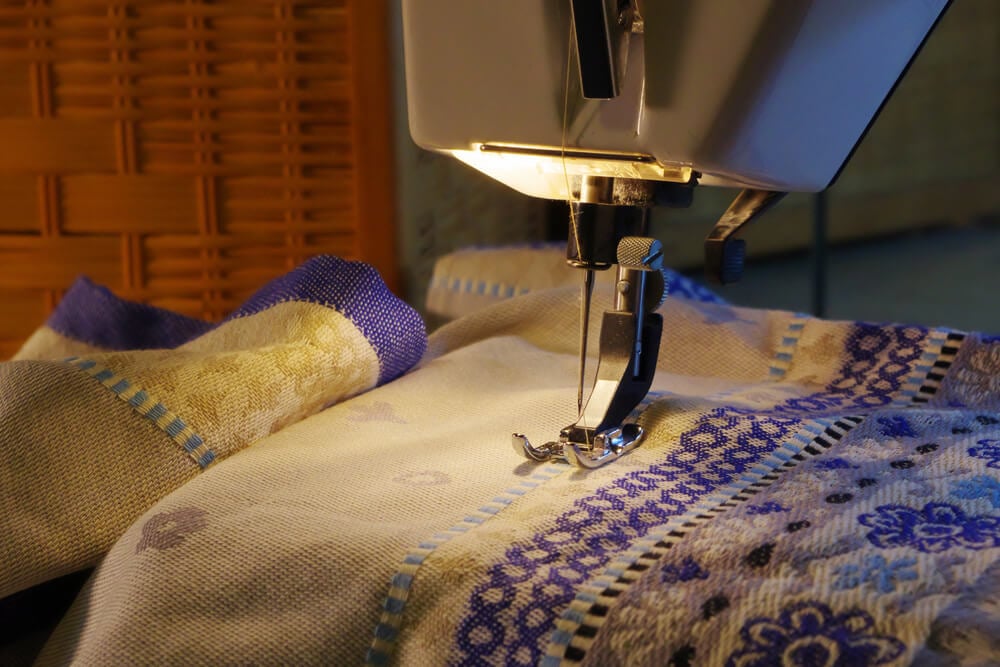
Manufacturers built small clip-on and mounted lamps specifically designed to attach to sewing machines and illuminate the needle area for close work. Examples matching a documented machine brand and era sell for forty to one hundred fifty dollars, particularly when the mounting hardware survives intact.
Bridge-Style Piano Lamps
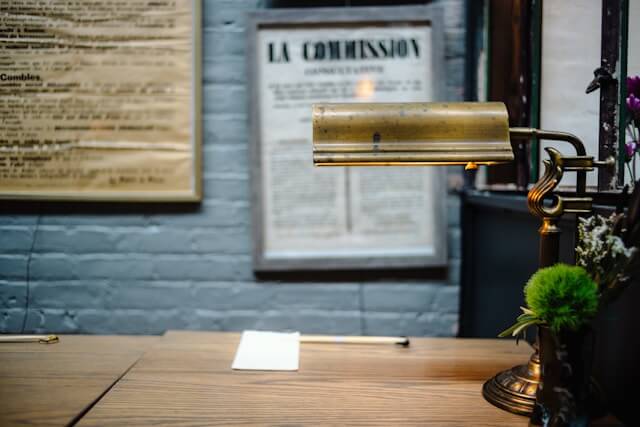
Piano lamps with a distinctive curved arm designed to extend over sheet music without obstructing a player’s hands were a common fixture in mid-century music rooms. Working examples with original shades sell for eighty to two hundred fifty dollars, with Art Deco styling commanding a premium over plainer designs.
Music Stand Clip Lamps
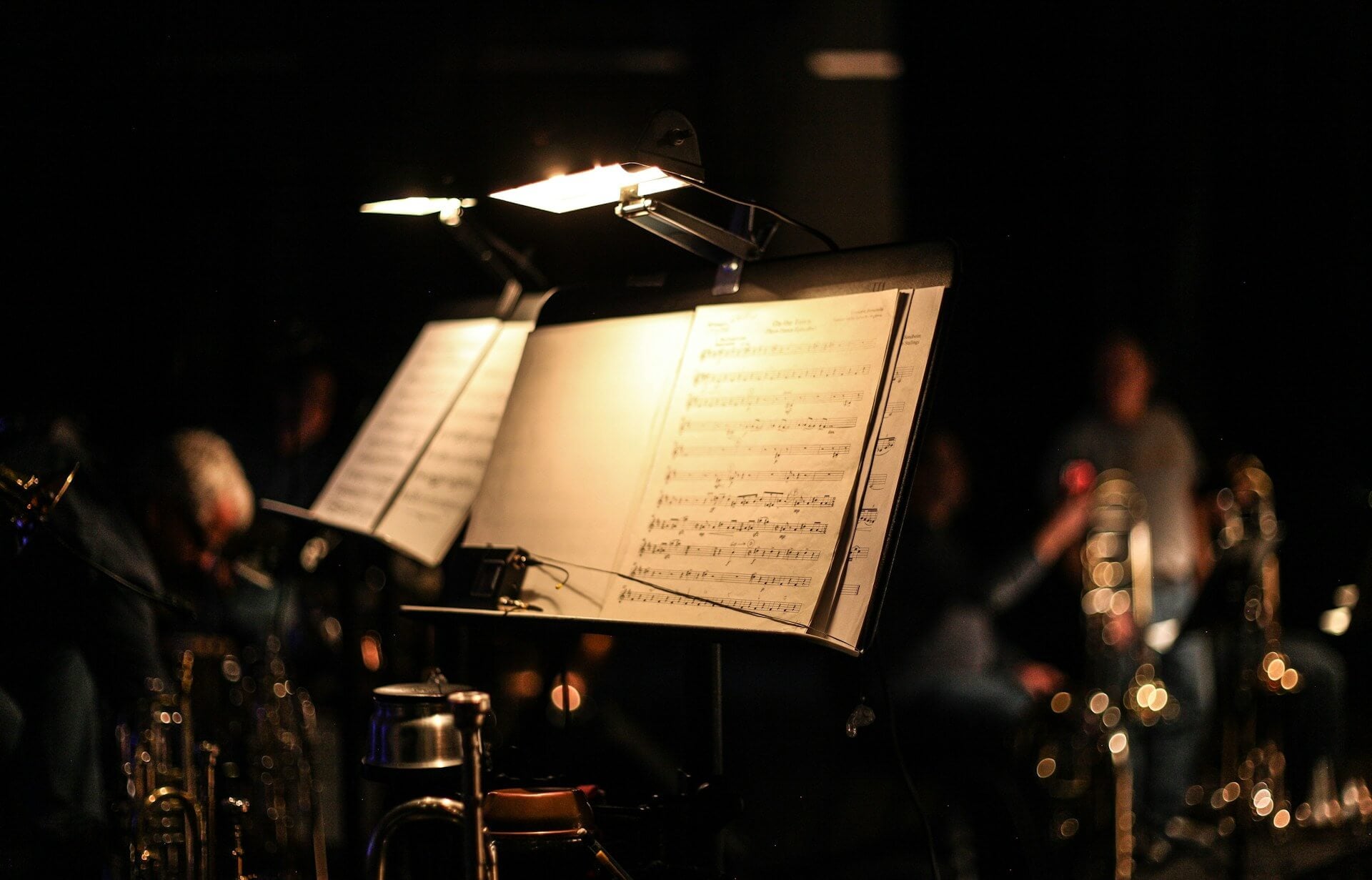
Small battery or plug-in lamps designed to clip directly onto a music stand for orchestra and rehearsal use are a narrow but genuine collecting category among musicians restoring vintage practice equipment. Working examples sell for thirty to one hundred dollars, with brass and enamel construction outperforming plainer plastic versions.
Camera Studio Photoflood Lamps
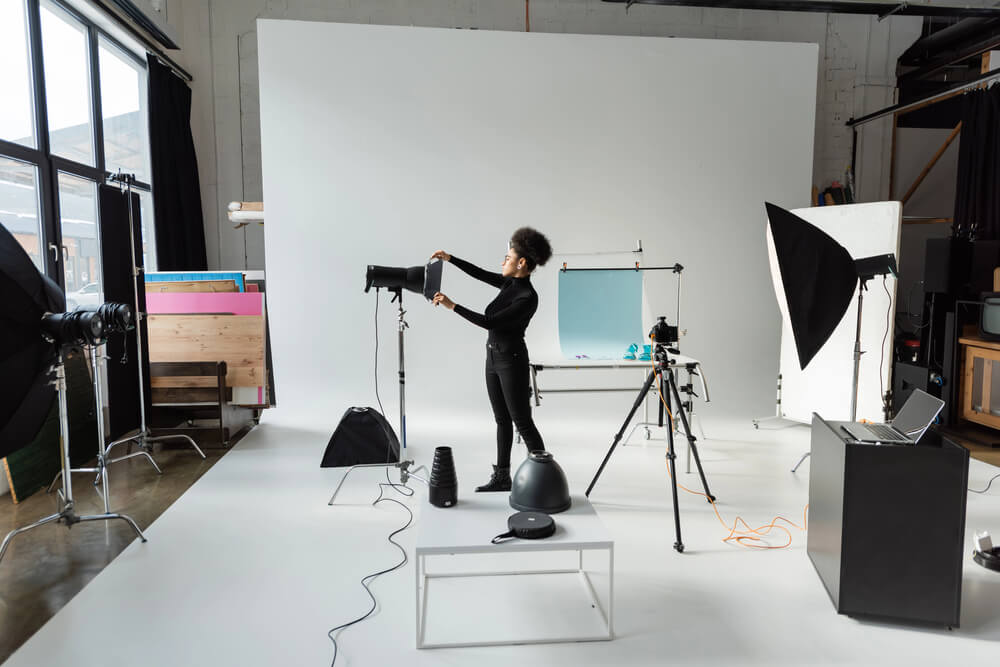
Professional photography studios used large reflector-mounted photoflood lamps on adjustable stands to control lighting for portrait sessions long before modern strobe equipment. Complete stands with original reflectors sell for eighty to three hundred dollars, particularly when paired with their original stand and clamp hardware.
Locomotive Headlamps
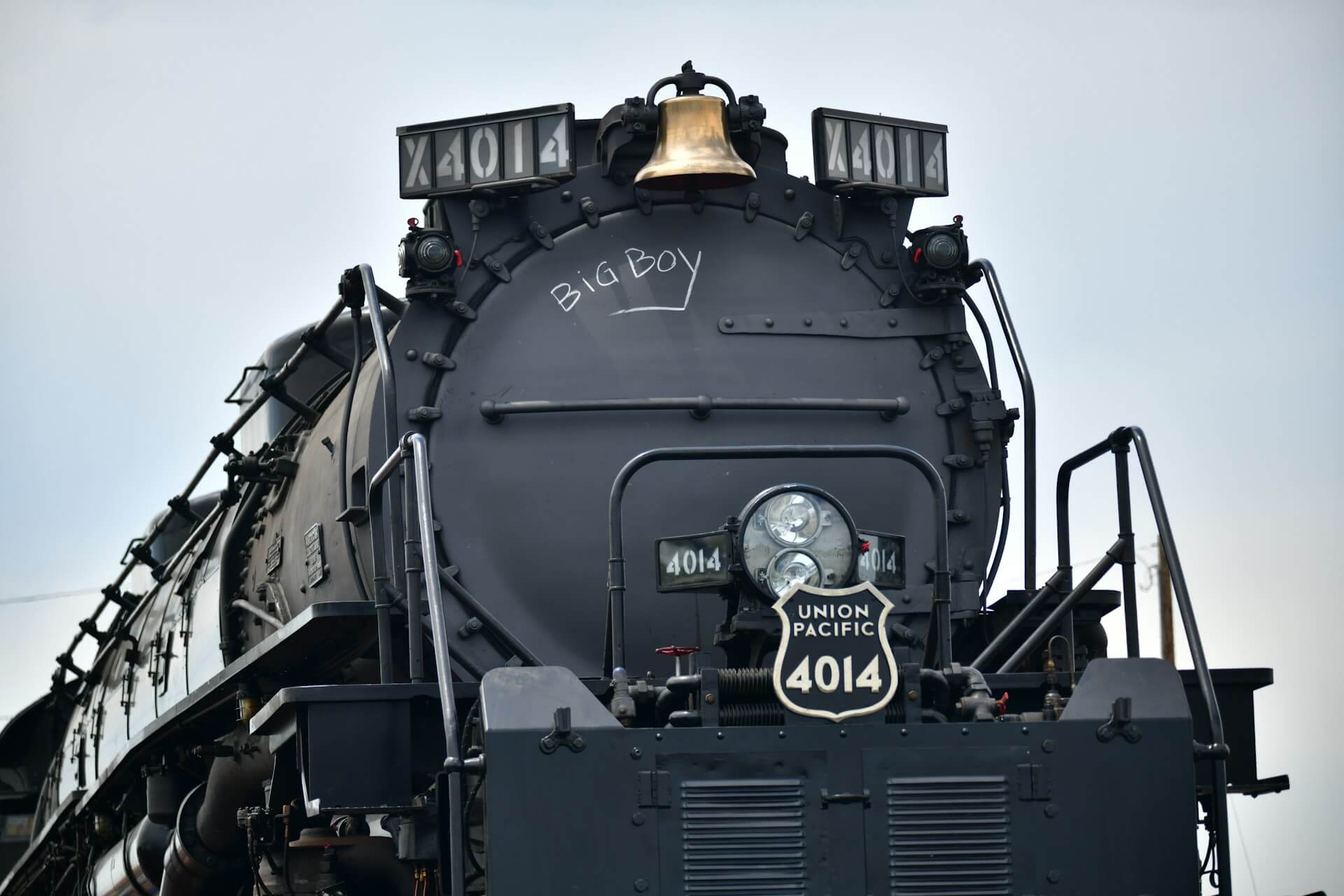
The large, powerful headlamp mounted on the front of a steam or early diesel locomotive was engineered for visibility at speed over long distances, a scale of fixture with no residential equivalent. Surviving examples with intact housing and lens sell for four hundred to fifteen hundred dollars, among the most valuable pieces in the entire category.
The Job the Light Was Built For
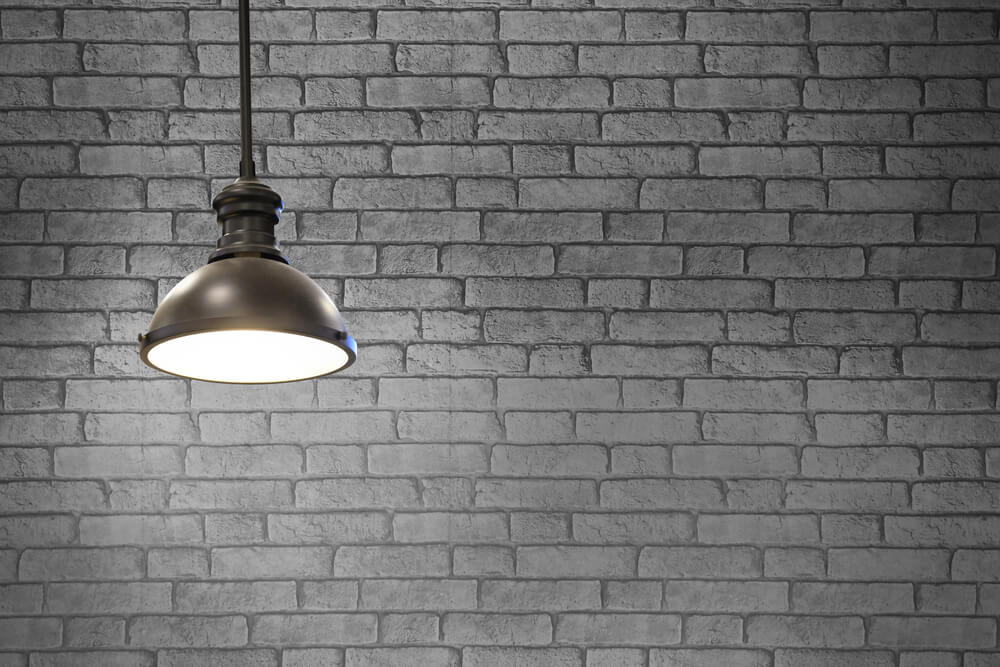
Every fixture above was designed to solve a specific problem for a specific worker, not to complement a sofa. That constraint produced honest, purpose-built objects that have outlasted the buildings and systems they once served, which is exactly what makes them worth more now than a decorative fixture built only to look the part.
Buyers competing for these pieces are not chasing polish. They are chasing the evidence that a lamp did real work somewhere specific, and that evidence rarely survives intact by accident.
More from Go2Tutors!

- The Romanov Crown Jewels and Their Tragic Fate
- 13 Historical Mysteries That Science Still Can’t Solve
- Famous Hoaxes That Fooled the World for Years
- 15 Child Stars with Tragic Adult Lives
- 16 Famous Jewelry Pieces in History
Like Go2Tutors’s content? Follow us on MSN.