31 Vintage Specialty Travel Cases Worth More Than Plain Luggage
An ordinary suitcase gets judged on its shell and its hardware. A case built for a specific trade, hobby, or job gets judged on something more particular: whether the fitted interior still holds the compartments it was built around, since that interior is usually the entire reason the case exists.
The pieces below were built to carry something other than folded clothes. Buyers competing for them are competing for the fitted interior first and the exterior condition second, which is the opposite of how most luggage gets priced.
Salesman’s Sample Cases

Traveling salesmen once carried compact, ruggedly built cases fitted with internal trays and dividers designed to display a full product line in an orderly arrangement to a prospective buyer. Examples with the original fitted tray system intact, particularly ones tied to a specific, identifiable product line, sell for one hundred fifty to five hundred dollars.
Typewriter Carrying Cases
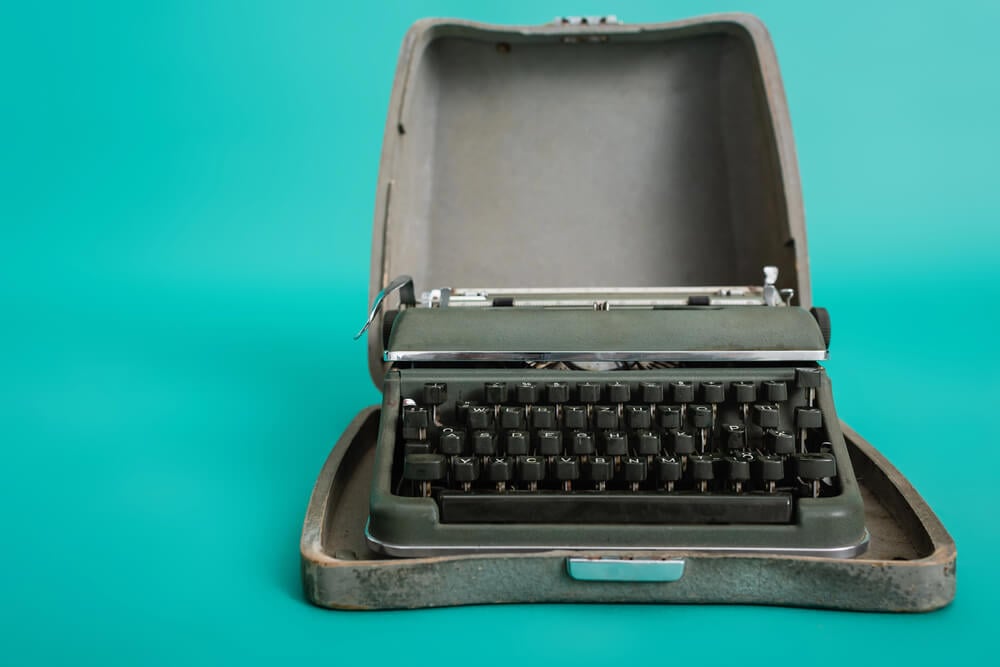
Portable typewriters shipped with molded cases custom-fitted to the exact dimensions of a specific machine, with a shaped interior that generic luggage cannot replicate. Buyers restoring a matching typewriter will pay a premium for a case in the correct fitted shape, and a clean case alone, separated from its machine, sells for thirty to one hundred dollars.
Camera Equipment Cases
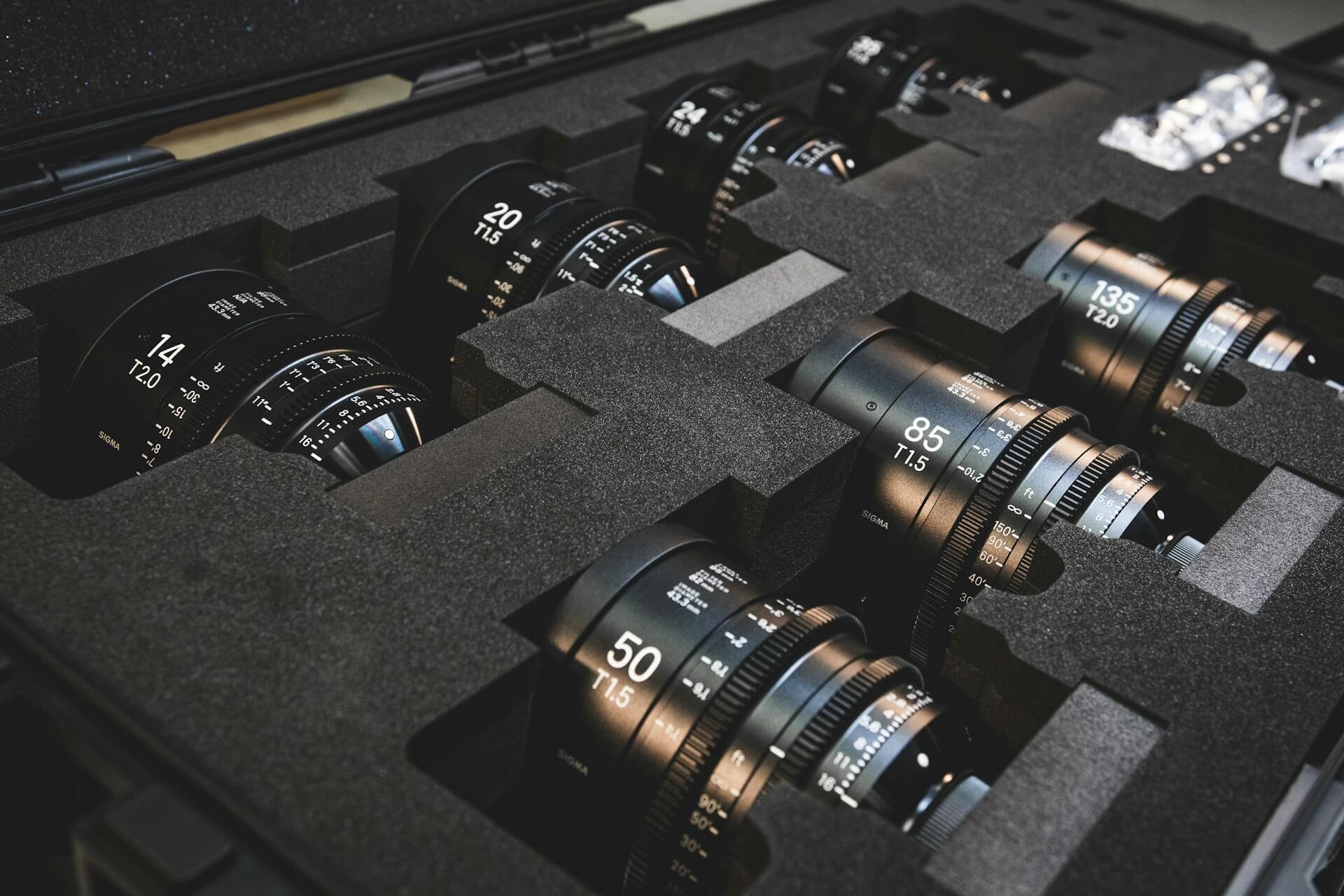
Professional and enthusiast photographers used fitted cases with foam or felt-lined compartments shaped around specific lenses, bodies, and accessories, an interior configuration that varied by manufacturer and era. Leather examples with intact fitted interiors and legible maker markings sell for sixty to two hundred fifty dollars.
Artist’s Paint Box Cases

Field painters carried compact wooden or metal boxes fitted with palette storage, brush holders, and small compartments for tubes of pigment, often doubling as a portable easel when opened. Complete examples with original brass hardware and an intact interior layout sell for one hundred to four hundred dollars.
Naturalist Specimen Cases
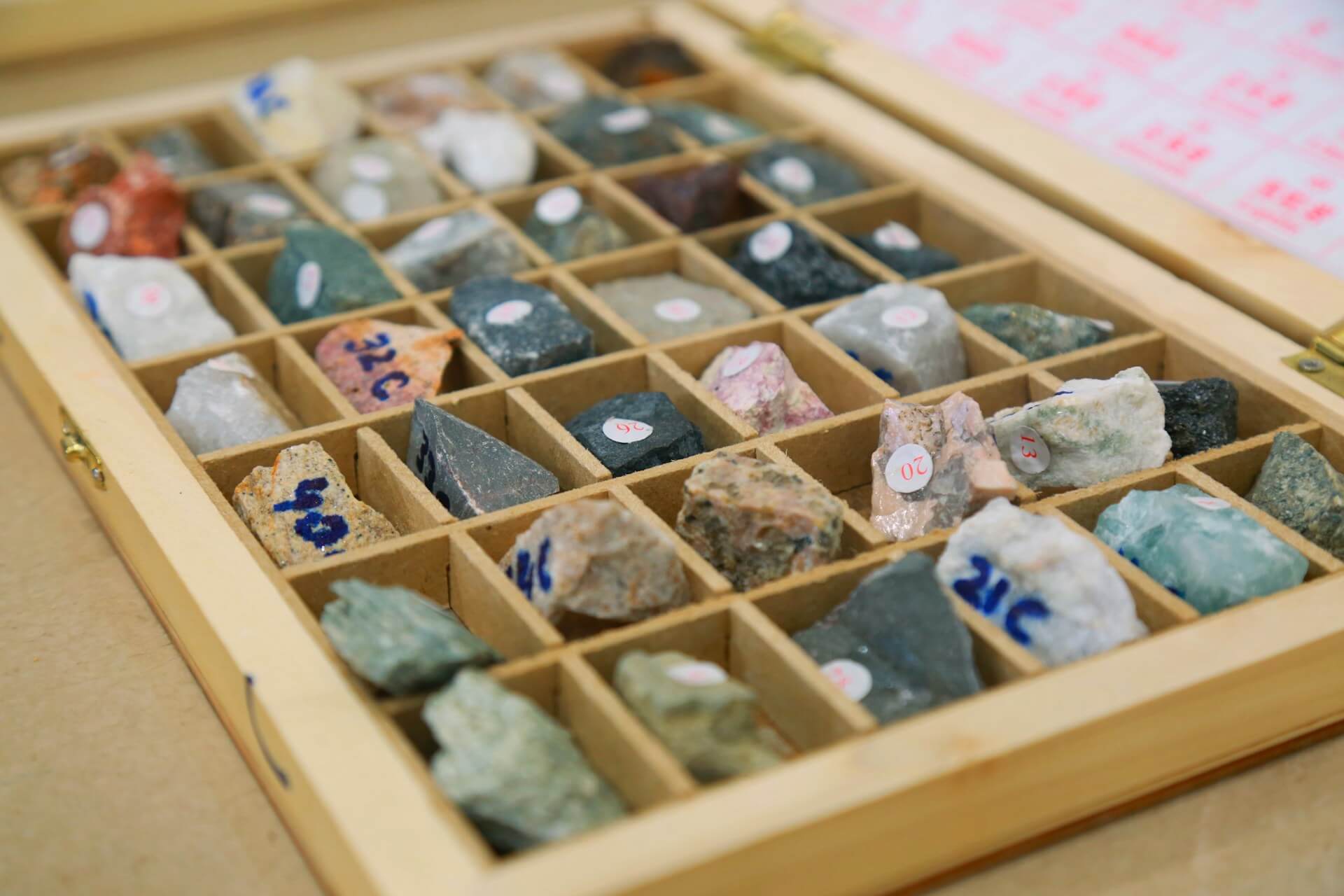
Field naturalists and collectors used fitted wooden cases with felt-lined compartments and small glass-topped drawers designed to transport botanical, insect, or mineral specimens without damage. Complete examples with intact compartments, regardless of whether any original specimens survive, sell for one hundred fifty to five hundred dollars.
Military Footlockers
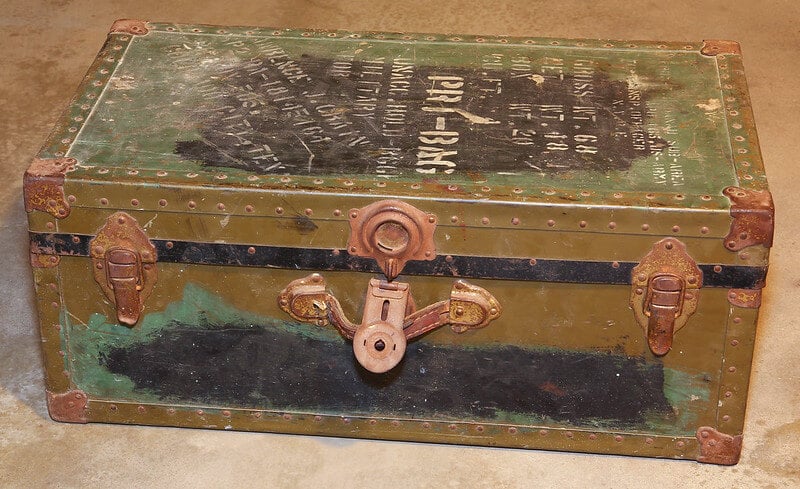
Standard-issue footlockers used to transport a service member’s personal belongings were built for genuine durability, with reinforced corners and often a stenciled name or serial number from their original owner. Examples with legible period stenciling and intact hardware sell for eighty to three hundred dollars, with documented unit history adding a premium.
Missionary Barrel Trunks
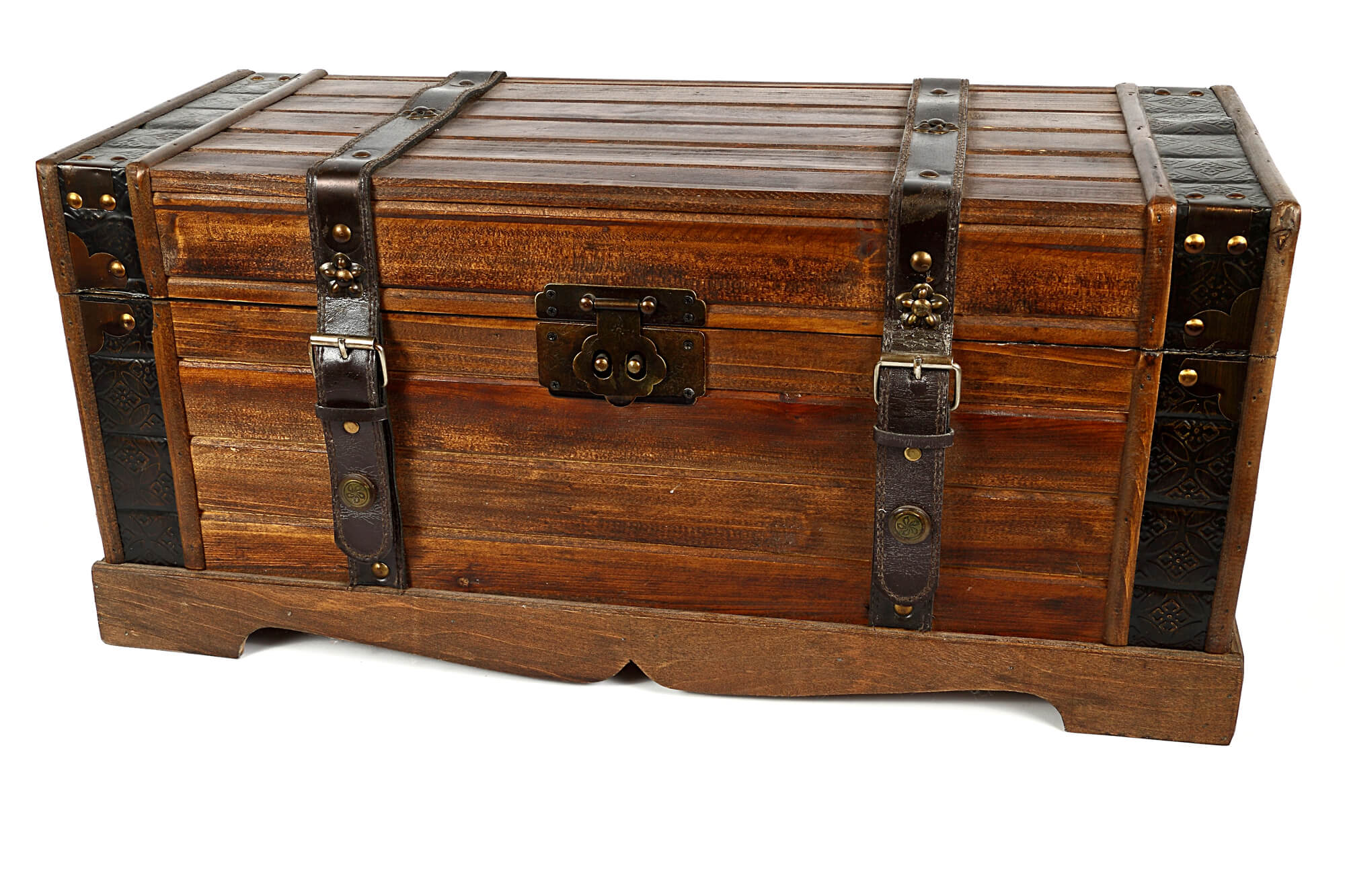
Missionaries and long-term overseas travelers historically packed belongings into reinforced barrel-shaped trunks designed to survive months of shipping by sea, built sturdier than ordinary domestic luggage. Surviving examples with intact hardware and legible shipping labels sell for one hundred to three hundred fifty dollars among collectors of maritime and travel history.
Fitted Vanity Cases With Toiletry Sets
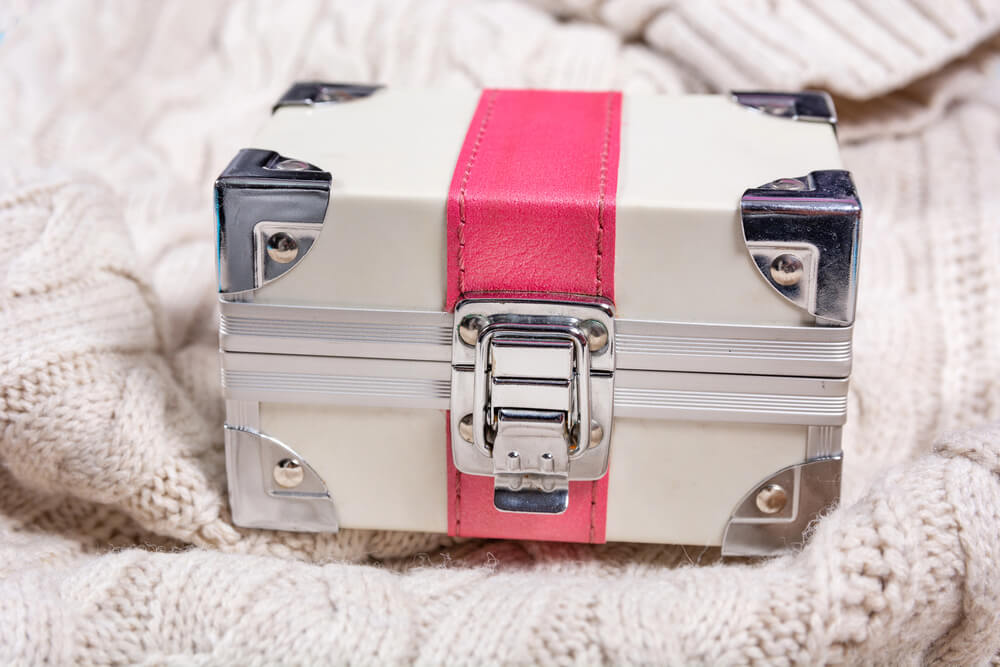
Vanity cases built with a mirrored interior and matching silver or celluloid-handled toiletry pieces represented a genuine luxury purchase in their era, and complete sets are considerably scarcer than the cases alone. A vanity case with its full original toiletry set intact sells for two hundred to eight hundred dollars, against a fraction of that for an empty case.
Map and Document Cases
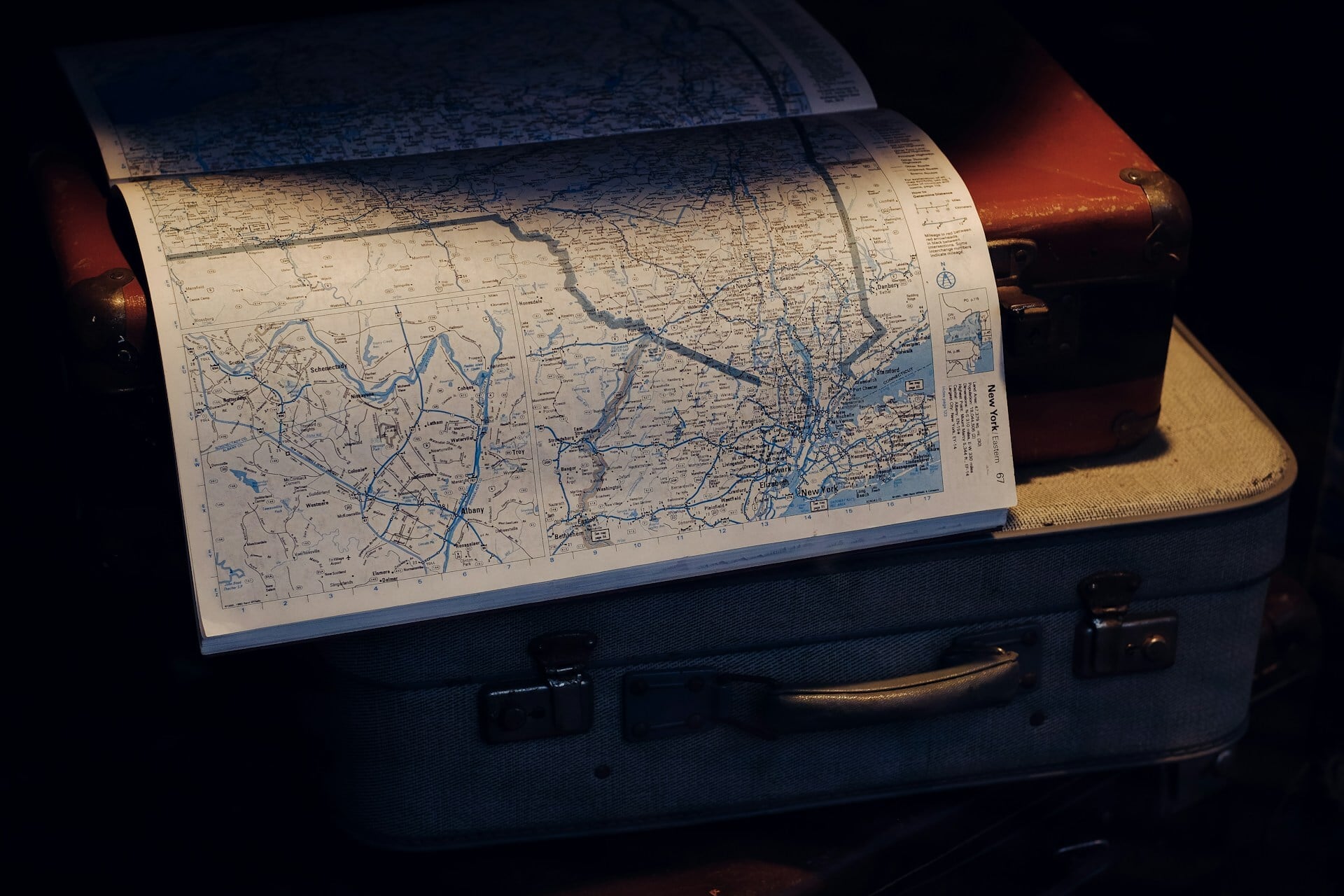
Flat, rigid cases built specifically to protect large maps and documents from folding or moisture were standard equipment for surveyors, engineers, and military planners. Examples with intact internal straps or dividers designed to hold rolled or flat documents sell for eighty to three hundred dollars.
Phonograph Carrying Cases
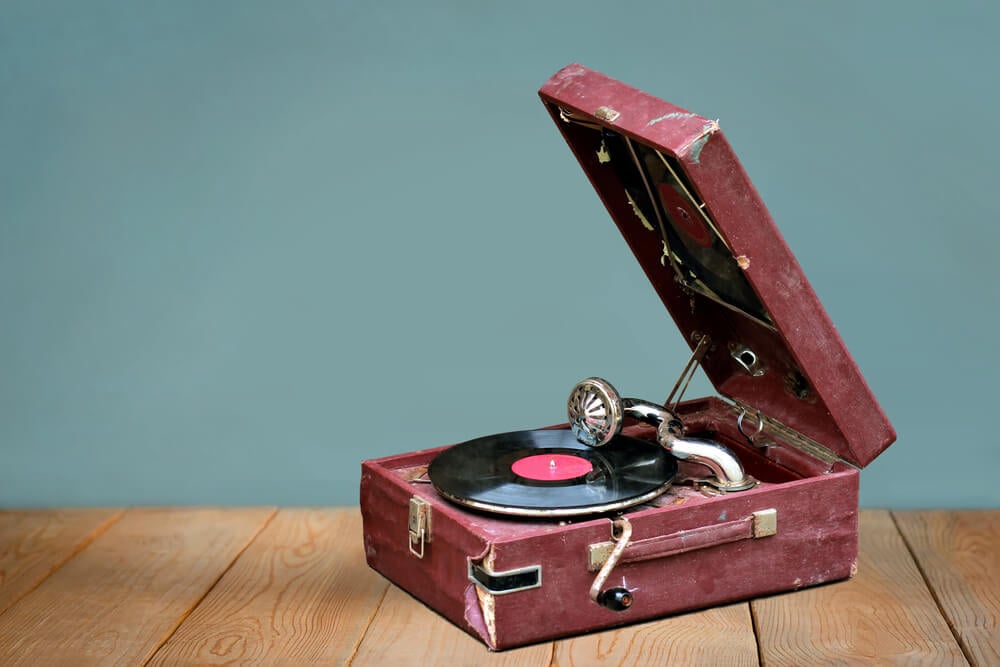
Portable phonographs were built into hinged cases with a fitted horn or speaker compartment and a recessed area for the turntable mechanism, designed to be closed and carried like ordinary luggage. Complete cases with intact hardware, whether or not the mechanism inside still functions, sell for sixty to two hundred fifty dollars.
Tradesman’s Tool Chests
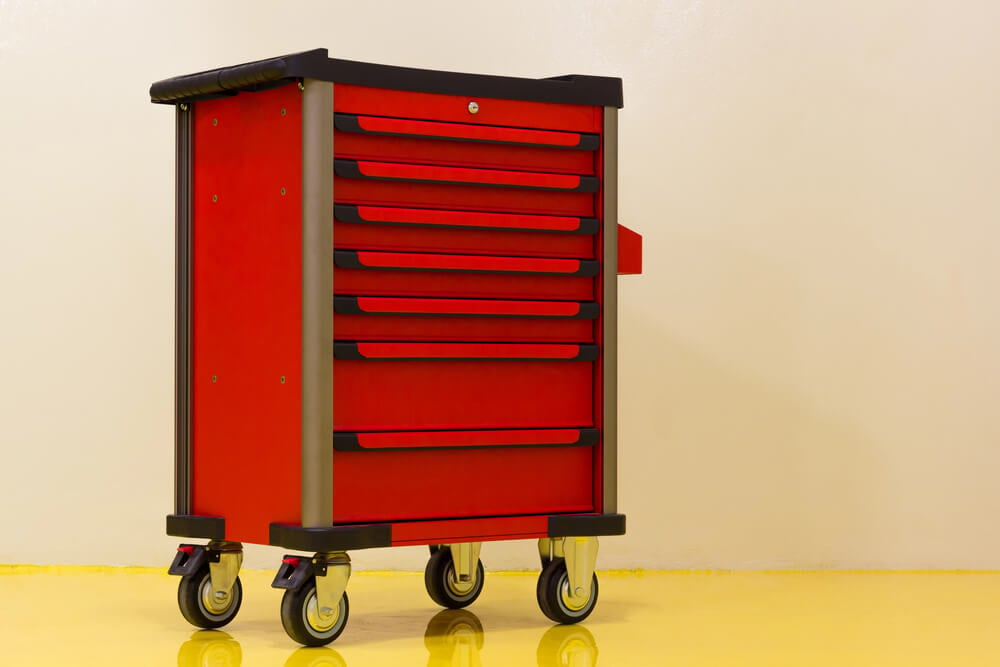
Skilled tradesmen, particularly machinists and instrument makers, built or purchased fitted wooden chests with internal drawers and velvet-lined compartments shaped precisely around a specific tool set. A chest with its original fitted interior intact, even without the tools themselves, sells for one hundred fifty to six hundred dollars.
Steamer Deck Chairs

Ocean liners equipped their decks with folding wooden chairs, often stamped or painted with the shipping line’s name, designed to fold flat for storage in a manner that made them genuinely portable equipment rather than fixed furniture. Examples with legible line markings sell for one hundred to four hundred dollars.
Cabin Trunk Interior Trays
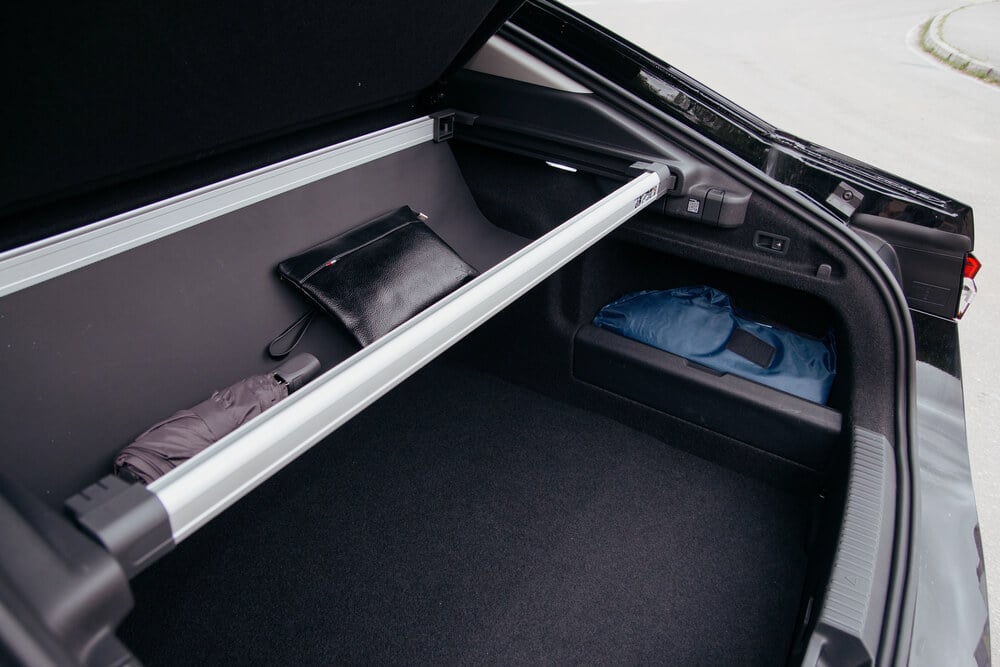
The removable interior trays fitted inside large steamer and wardrobe trunks, designed to organize smaller items above the main compartment, are increasingly collected as standalone objects when separated from a damaged trunk body. A set of matched, intact trays sells for forty to one hundred fifty dollars.
Jewelry Travel Cases
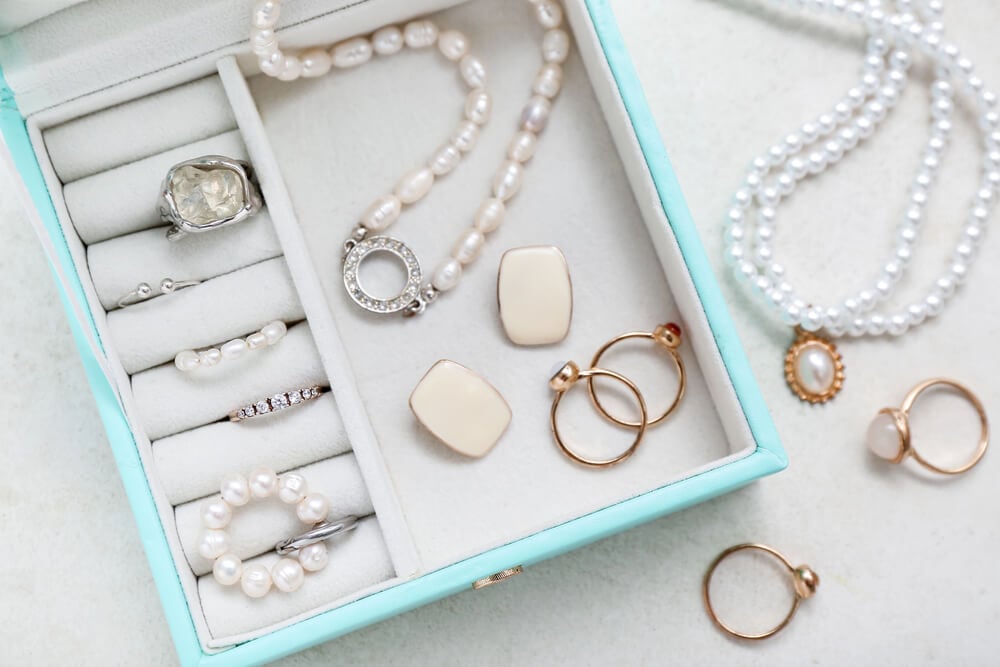
Compact cases built with velvet-lined compartments and small locking drawers designed specifically to transport jewelry securely represent a distinct category from ordinary vanity cases. Examples with original locks, keys, and intact velvet lining sell for one hundred to four hundred dollars.
Wine and Decanter Travel Cases
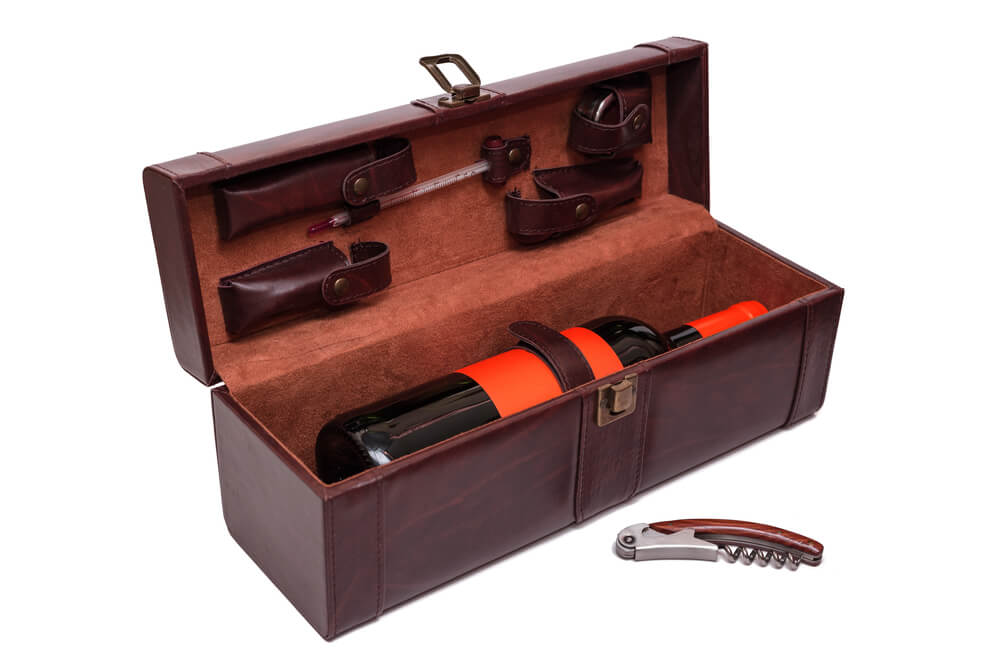
Fitted cases built to hold glass decanters and drinking glasses securely during travel, typically lined with felt-cut compartments shaped precisely around each piece, were a genuine luxury item in their era. Complete sets with all original glass intact sell for two hundred to seven hundred dollars.
Cutlery Travel Canteens
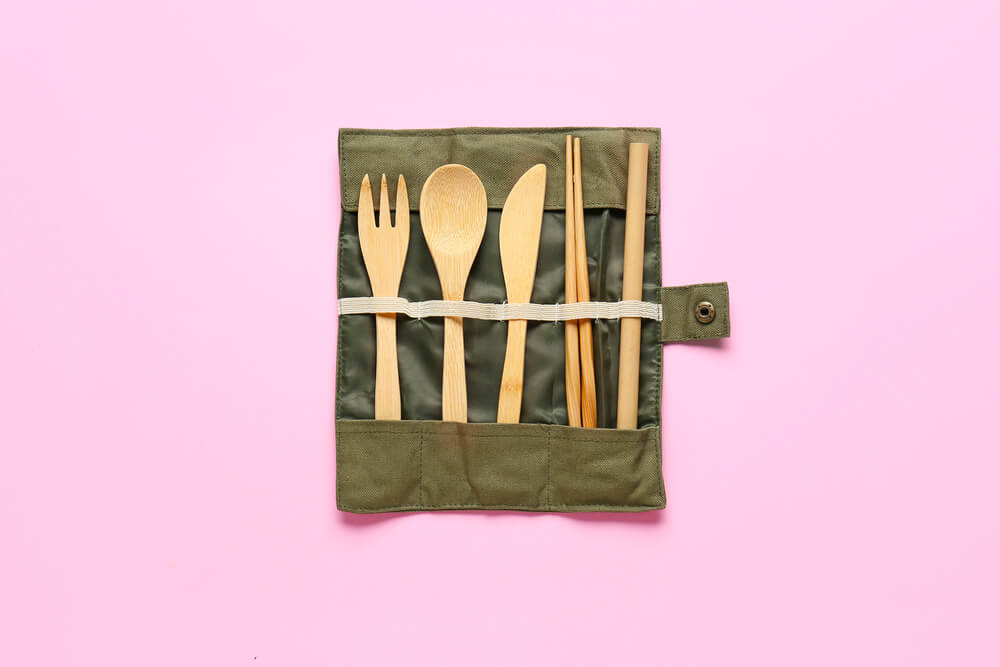
Officers and well-equipped travelers historically carried fitted cases holding a full set of folding cutlery, cups, and sometimes a small cooking vessel, designed for use away from a proper dining table. Complete canteens with all original pieces present sell for one hundred fifty to five hundred dollars.
Diplomatic Pouch Cases
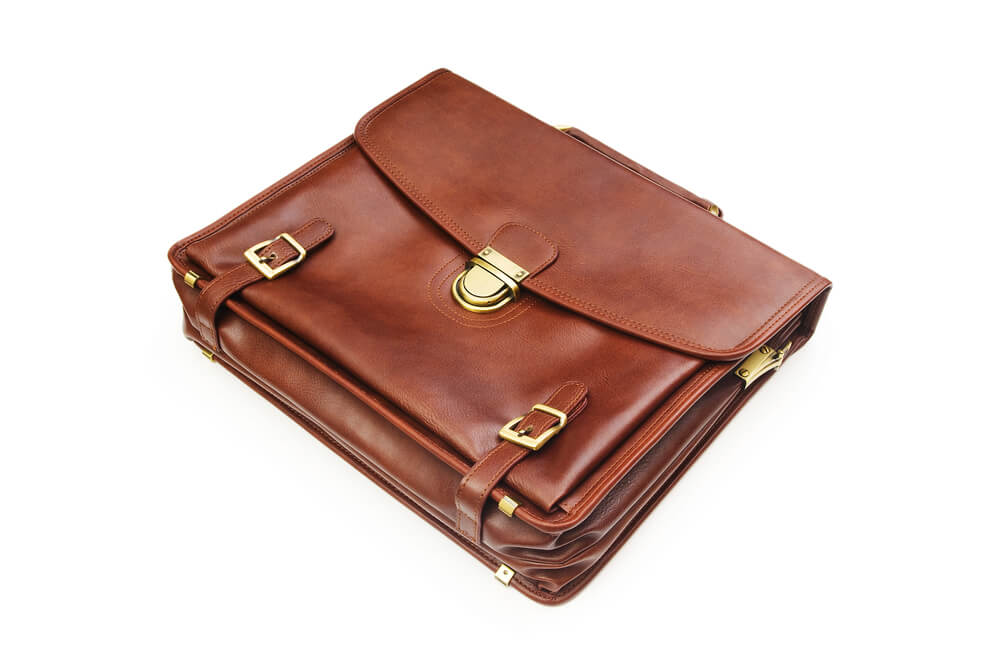
Locking leather cases built to transport official correspondence securely between government offices, often stamped with a seal or agency marking, occasionally surface at estate sales from a career in foreign or government service. Documented examples with legible official markings sell for one hundred fifty to five hundred dollars.
Explorer’s Field Cases
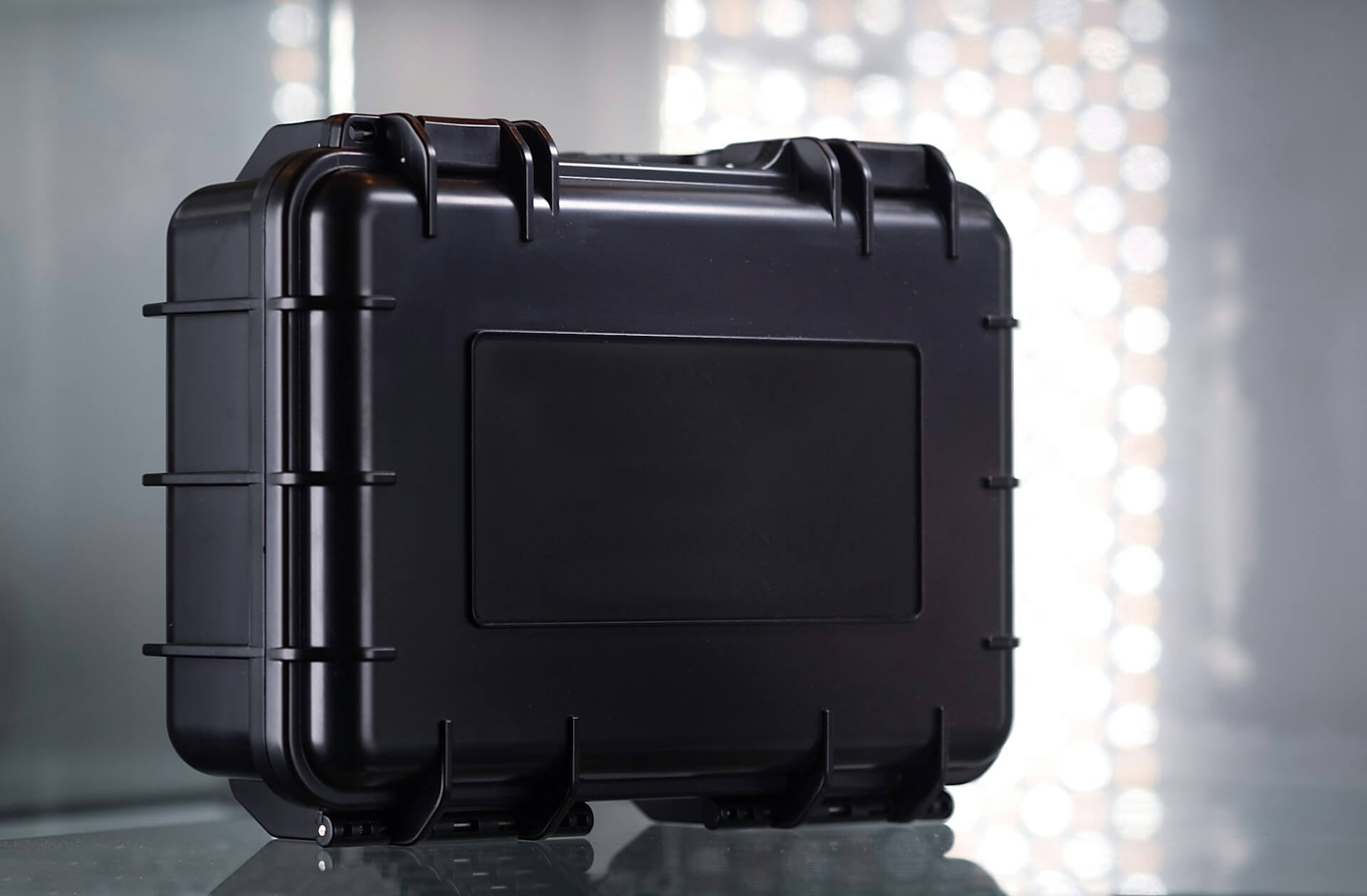
Expedition-grade cases built with reinforced corners and waterproofed seams were designed to survive rough overland or river travel far beyond what ordinary luggage was built to withstand. Examples with documented expedition provenance command significant premiums, while undocumented but clearly rugged examples still sell for one hundred fifty to four hundred fifty dollars.
Naval Officer’s Instrument Cases
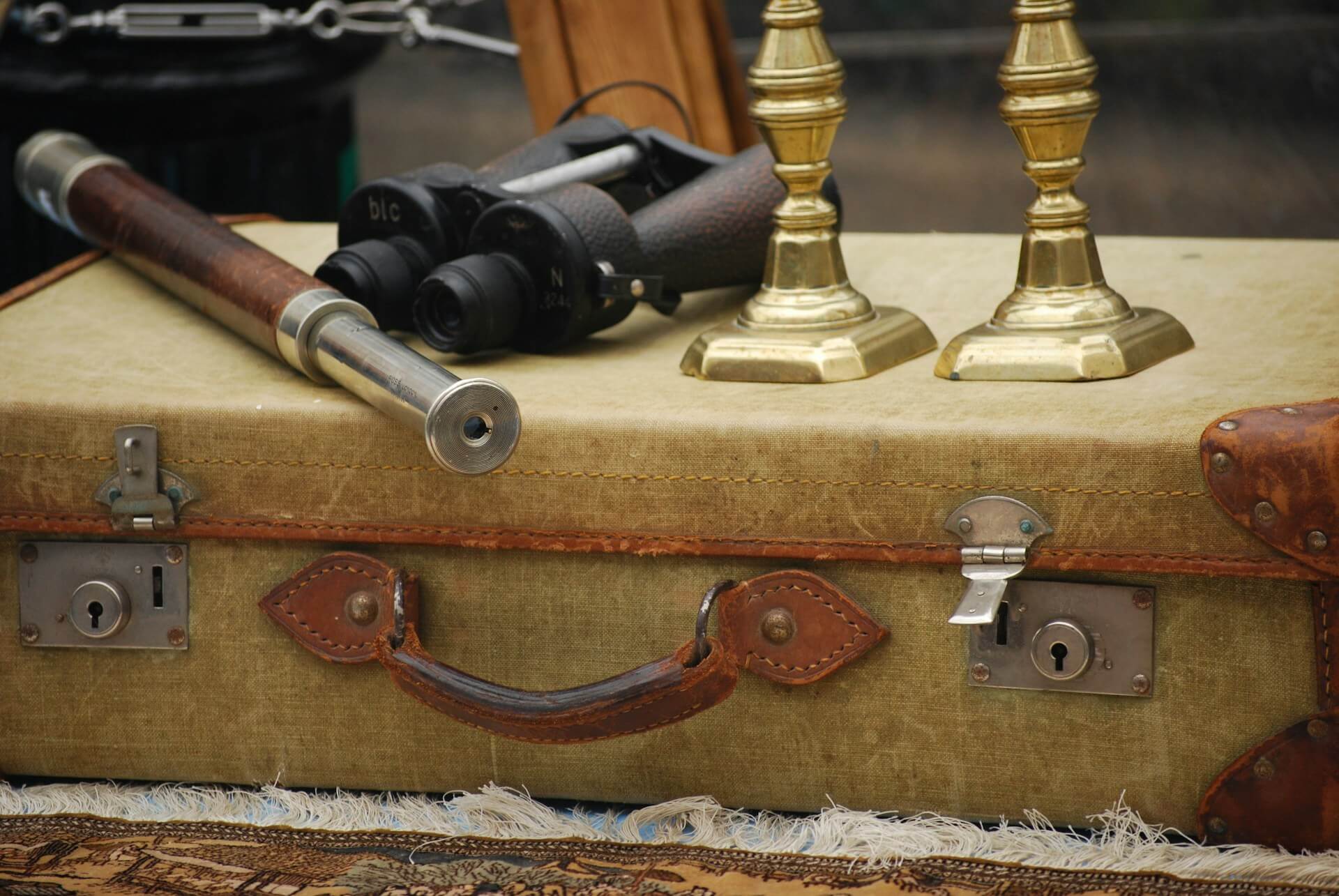
Naval officers carried fitted cases for navigation instruments, built with felt-lined recesses shaped precisely around a specific set of tools used for plotting a ship’s course. Complete cases with intact fittings, whether or not the original instruments survive inside, sell for one hundred to four hundred dollars.
Barrister’s Traveling Case

Lawyers who rode a court circuit historically carried fitted document cases designed to organize case files and legal papers for travel between courthouses, a specialized precursor to the modern briefcase. Examples with intact internal dividers and legible period hardware sell for eighty to three hundred dollars.
Magic Show Prop Cases
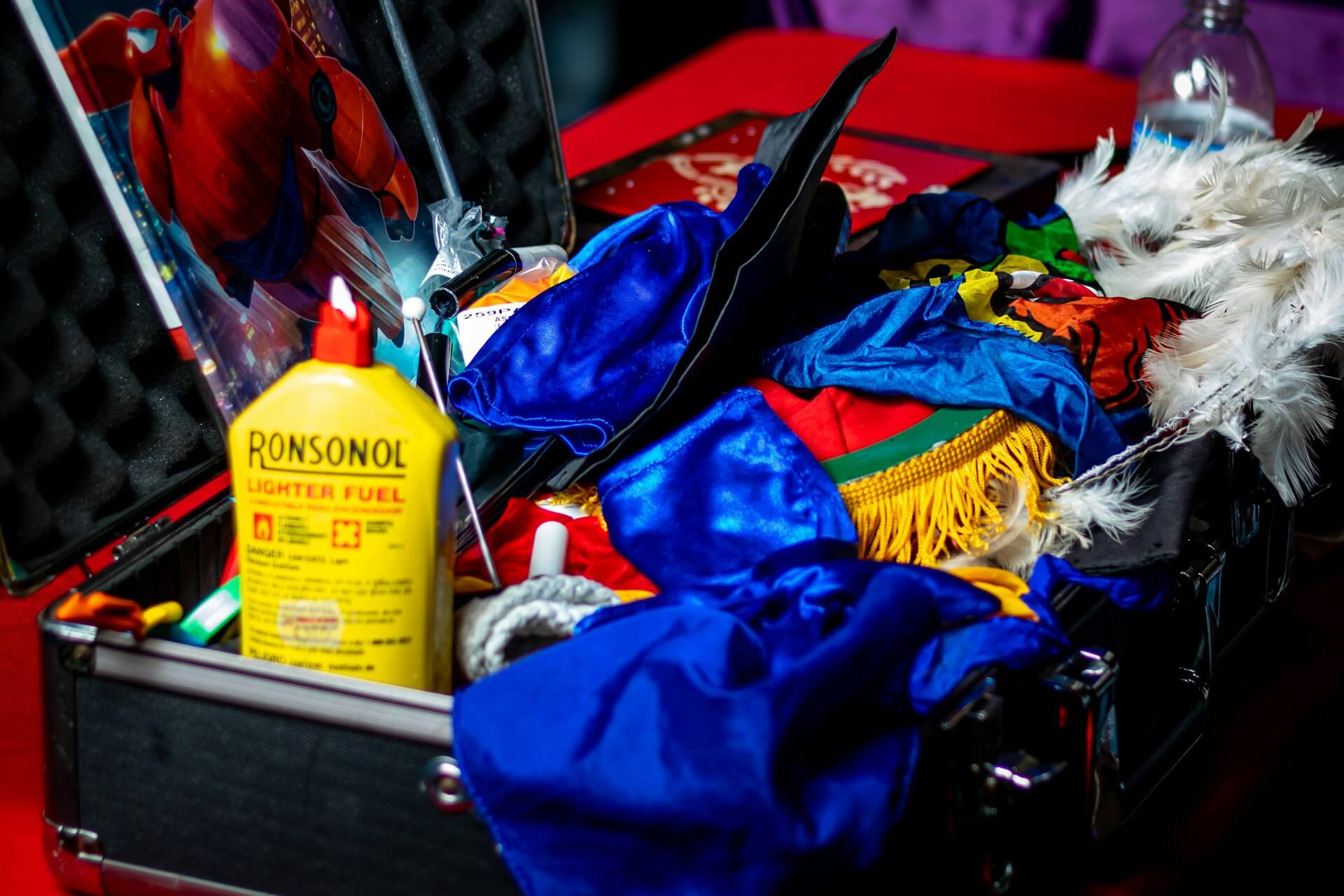
Traveling performers built or commissioned custom cases fitted with compartments shaped around specific illusion props, designed for quick setup and secure transport between venues. Documented examples tied to an identifiable performer command significant premiums, while undocumented examples with visible custom fitting still sell for one hundred to four hundred dollars.
Veterinary Field Cases
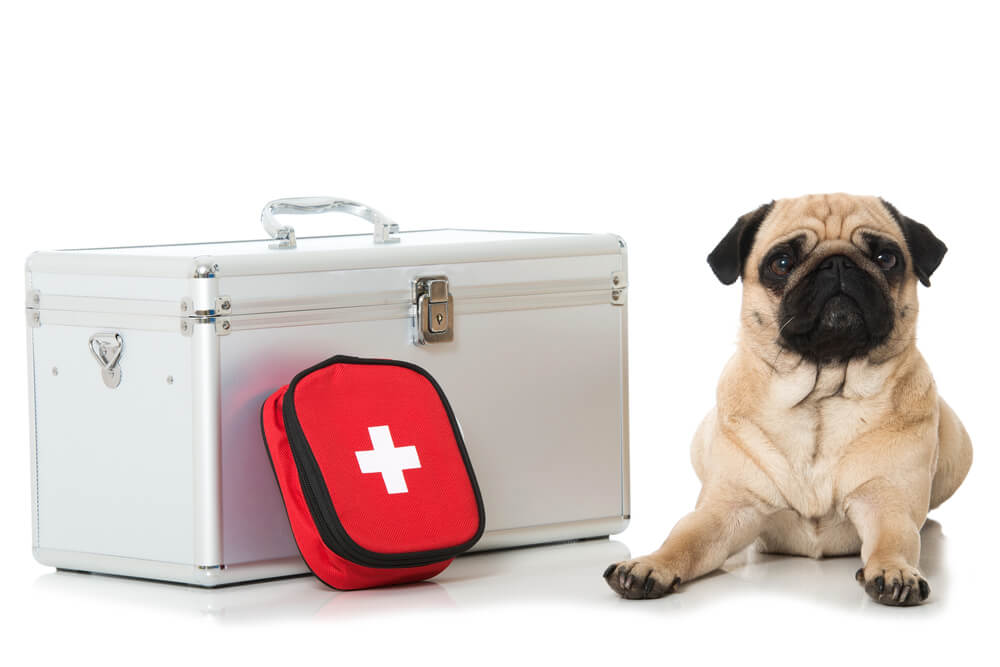
Traveling veterinarians historically carried fitted cases holding instruments and medication bottles organized into a compact, portable arrangement suited to visiting a farm or a rural client. Complete examples with original glass bottles and instruments intact sell for one hundred fifty to five hundred dollars.
Tea Caddy Travel Boxes
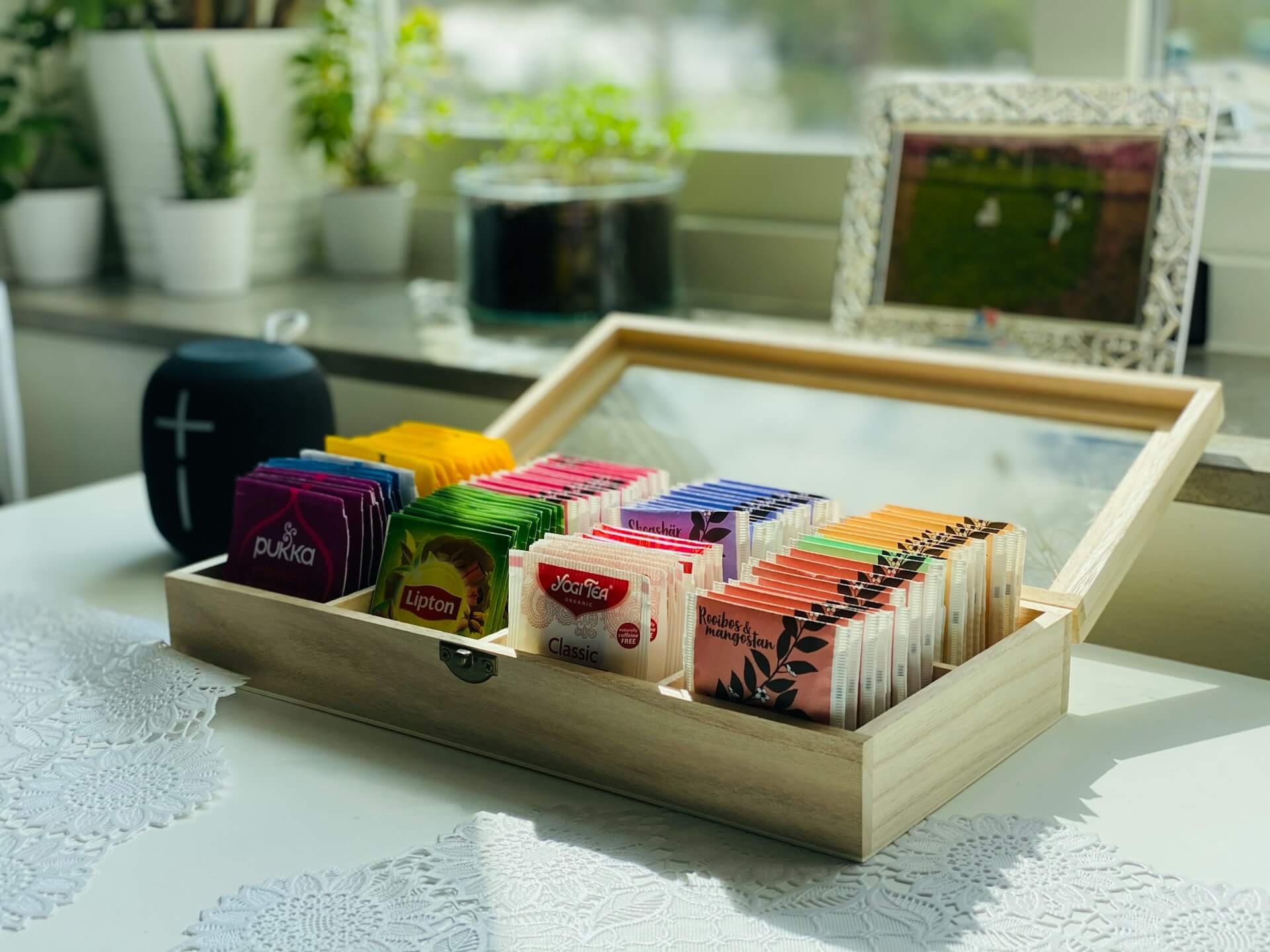
Compact locking boxes fitted with lidded compartments for storing and measuring tea, often including a small mixing bowl, were standard equipment for travelers before tea became an inexpensive, widely available commodity. Examples with intact original fittings sell for eighty to three hundred fifty dollars.
Navigator’s Chart Cases
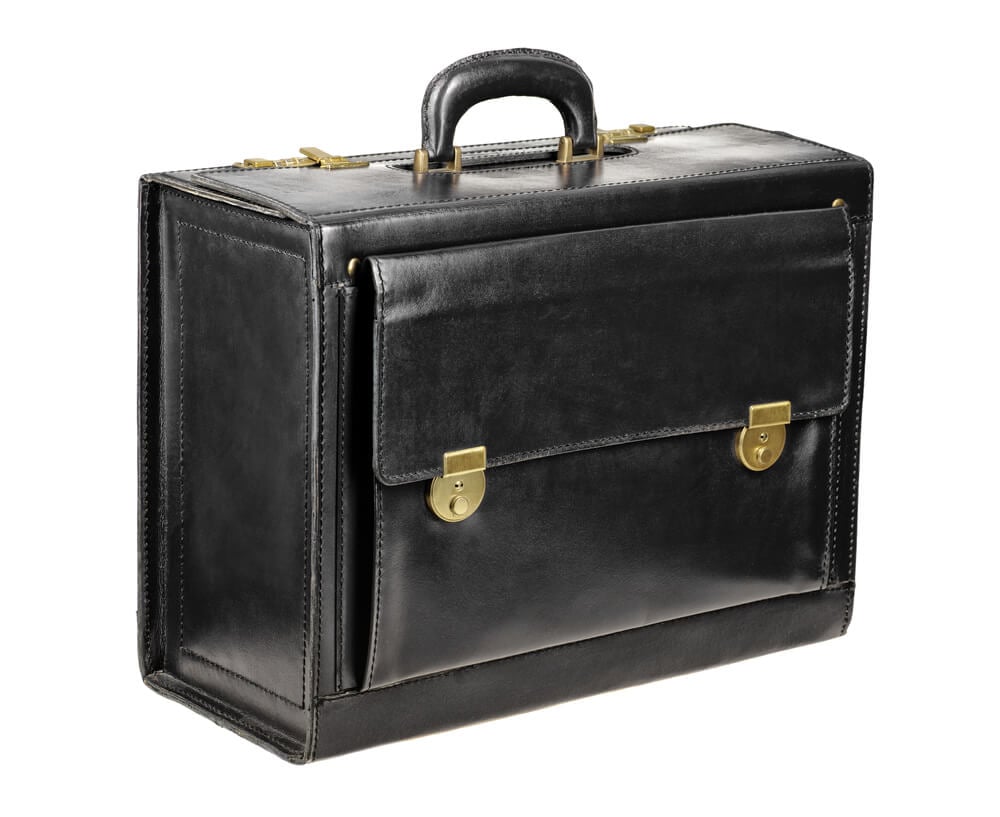
Rigid, flat cases built to transport nautical charts without creasing or water damage were essential equipment aboard any working vessel relying on paper navigation. Examples with intact internal straps and legible period hardware sell for seventy to two hundred fifty dollars.
Steamship Cabin Trunks
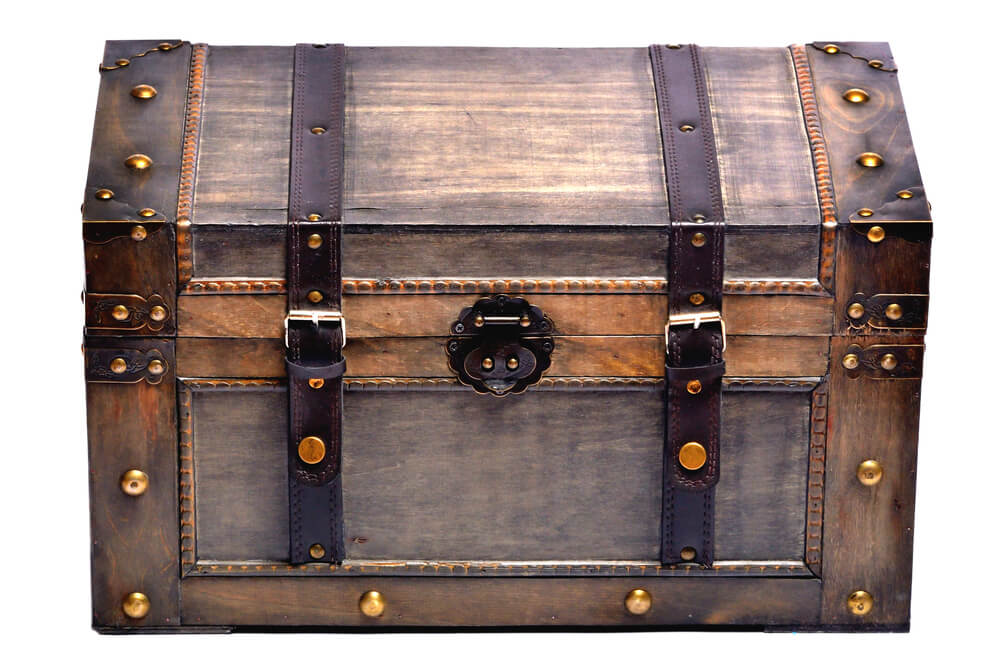
Smaller than a full wardrobe trunk but built with the same reinforced corners and shipping-line-friendly proportions, cabin trunks were sized specifically to fit inside a stateroom rather than a ship’s hold. Examples with legible steamship line labels sell for one hundred fifty to five hundred dollars.
Portable Writing Desks
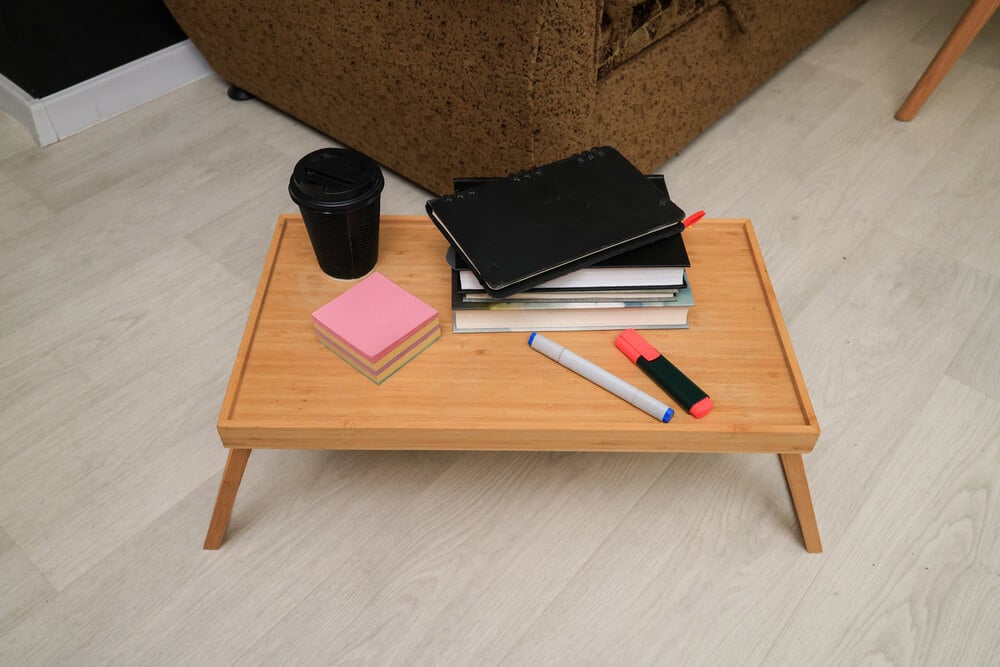
Lap desks with a hinged, slanted writing surface and internal compartments for ink, paper, and correspondence supplies were standard travel equipment before typewriters made handwritten letters less routine. Complete examples with intact ink wells and original hardware sell for one hundred to four hundred dollars.
Fishing Tackle Travel Cases
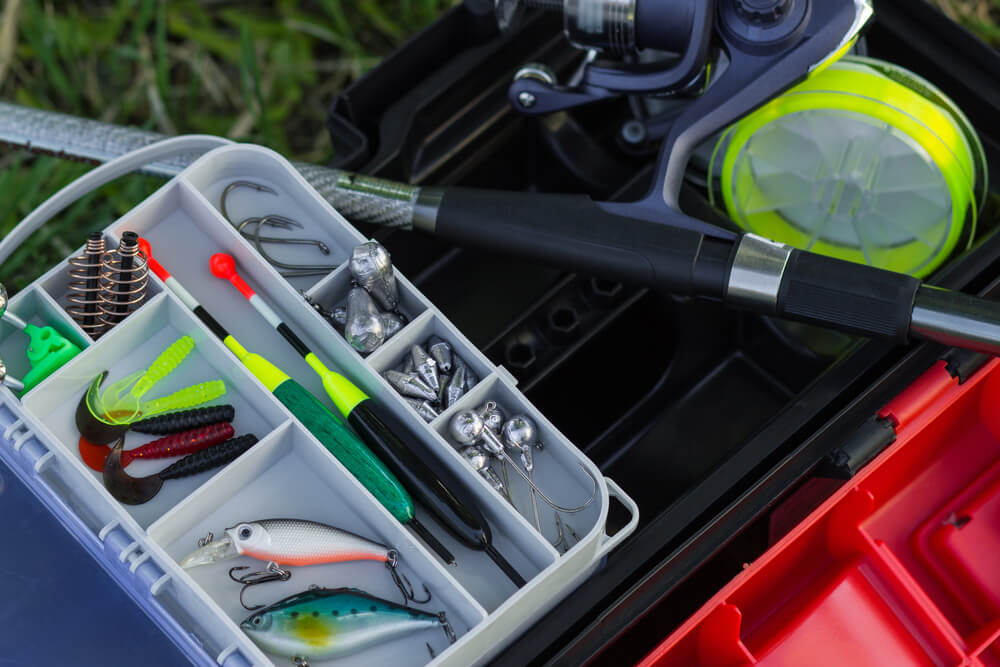
Anglers historically carried fitted cases with compartments organized around a specific set of rods, reels, and tackle, designed to protect delicate equipment during travel to a fishing destination. Complete cases with original internal fittings sell for eighty to three hundred fifty dollars.
Golf Club Travel Trunks
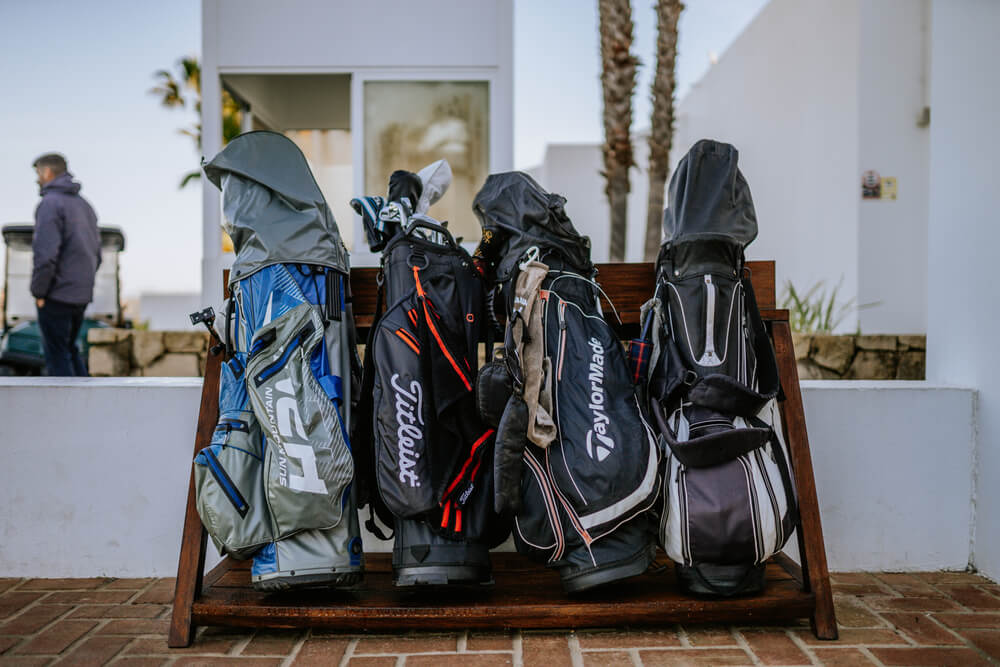
Before soft modern travel bags became standard, golfers used rigid trunks fitted with internal dividers to protect a full set of clubs during rail and ship travel. Examples with intact internal club dividers and legible period hardware sell for one hundred to four hundred dollars.
Hunting Gear Cases
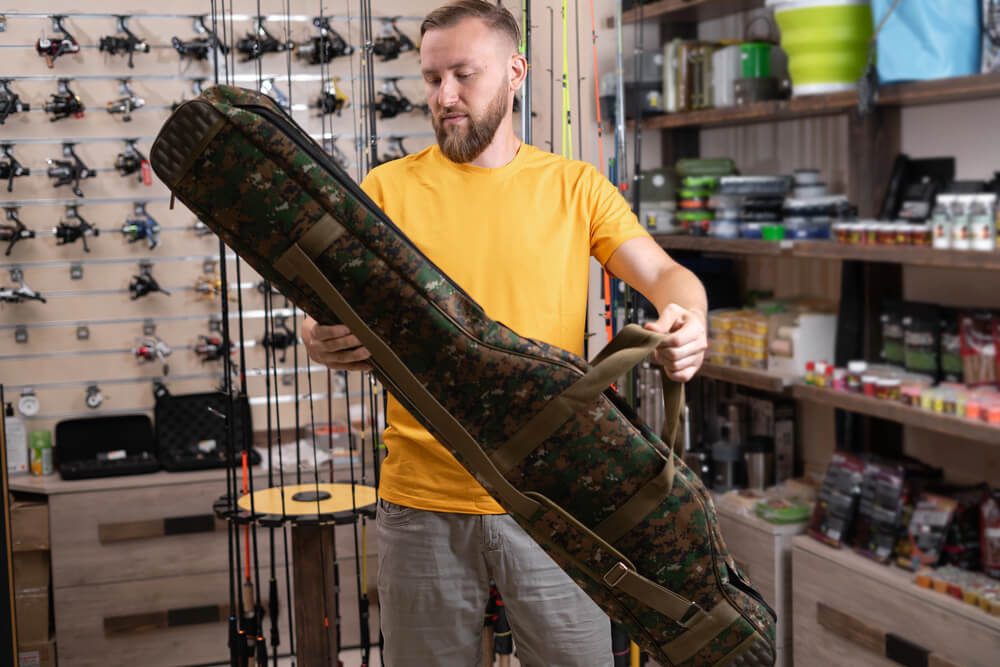
Fitted cases built to organize and protect hunting equipment during travel, typically with felt-lined recesses shaped around specific tools and accessories, were standard equipment for well-outfitted sportsmen. Complete examples with intact fittings sell for one hundred to three hundred fifty dollars.
Fitted Picnic Hamper Sets
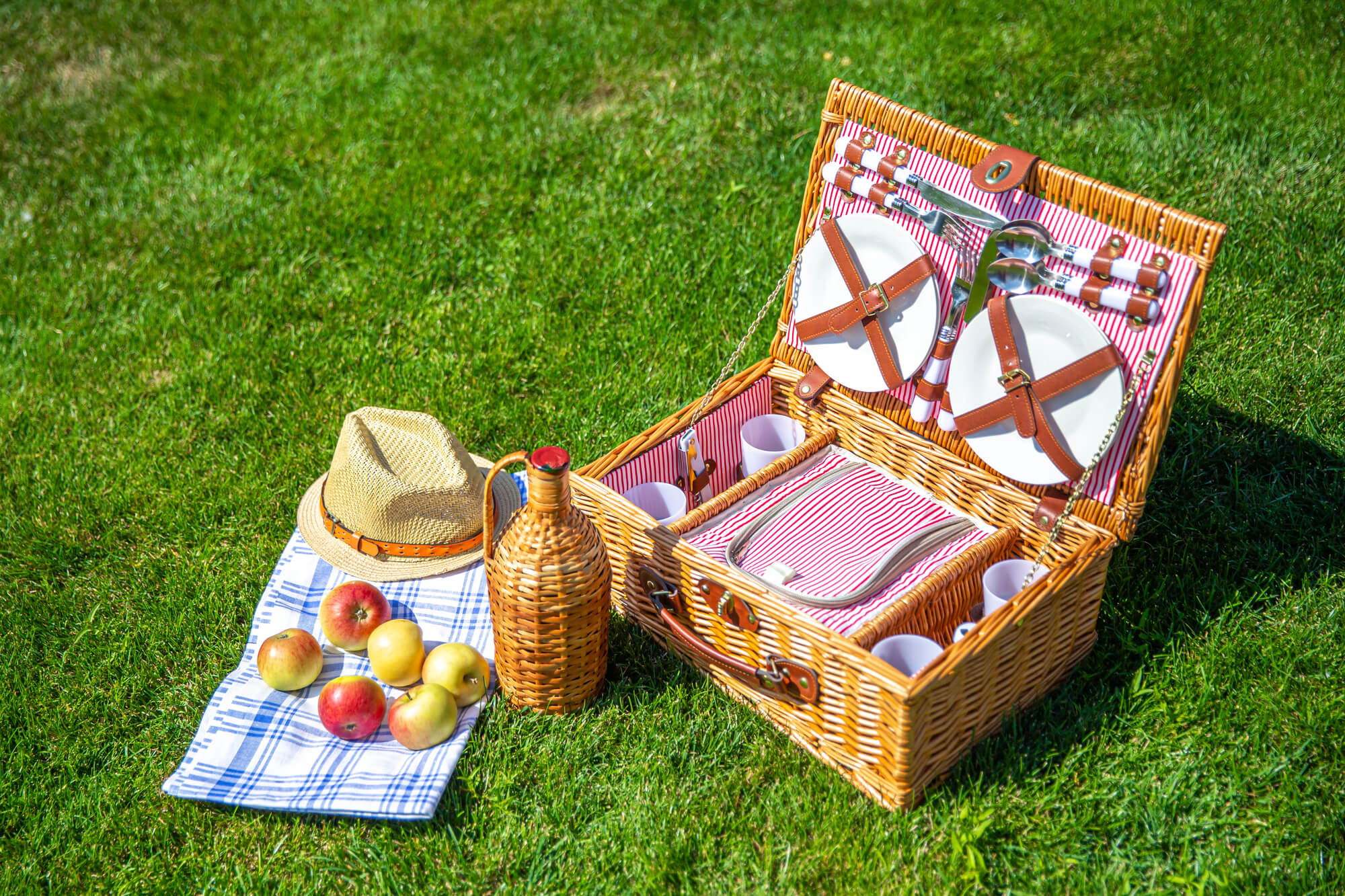
Wicker hampers fitted with compartments for china, cutlery, and glassware designed for outdoor dining were a genuine luxury item rather than the casual accessory the term suggests today. Complete sets with all original pieces intact and undamaged wicker sell for one hundred fifty to five hundred dollars, with incomplete sets worth considerably less.
Portable Medicine Chests

Traveling physicians and well-prepared households once carried compact fitted chests with small glass or ceramic bottles arranged in a velvet-lined tray, organized around a specific set of remedies. Examples with the fitted tray and a reasonable number of original bottles intact sell for one hundred to four hundred dollars, with brass-cornered examples commanding the upper range.
What the Fitting Says About the Case
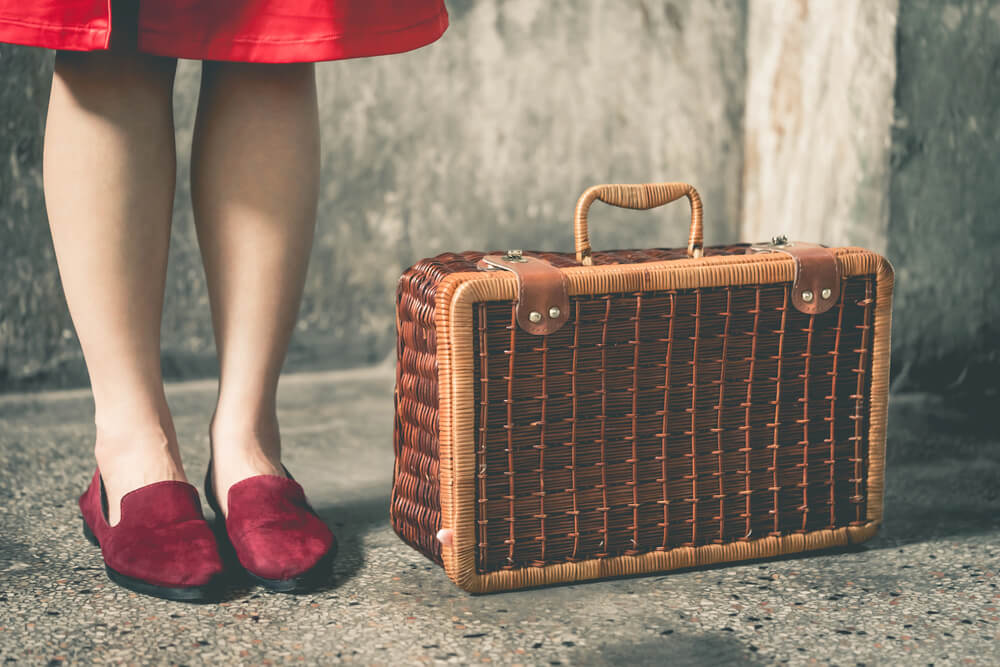
An ordinary trunk was built to hold whatever a traveler packed into it. A specialty case was built around one specific object, and that constraint is exactly why the interior matters more than the shell when a buyer is deciding what to pay.
A case with its fitted compartments intact preserves a trade, a hobby, or a profession in miniature, in a way a generic suitcase never could. That is the difference between an object that merely traveled well and one that traveled with a job to do.
More from Go2Tutors!

- The Romanov Crown Jewels and Their Tragic Fate
- 13 Historical Mysteries That Science Still Can’t Solve
- Famous Hoaxes That Fooled the World for Years
- 15 Child Stars with Tragic Adult Lives
- 16 Famous Jewelry Pieces in History
Like Go2Tutors’s content? Follow us on MSN.