15 Facts About Oreo Cookies
Oreos are more than just cookies—they’re a cultural staple. Since their launch over a century ago, these chocolate-and-cream sandwiches have sparked debates, inspired spin-offs, and even traveled into space. Here’s a list of curious, surprising, and occasionally quirky facts about Oreo cookies that show why they’ve stayed iconic for so long.
Birth Year
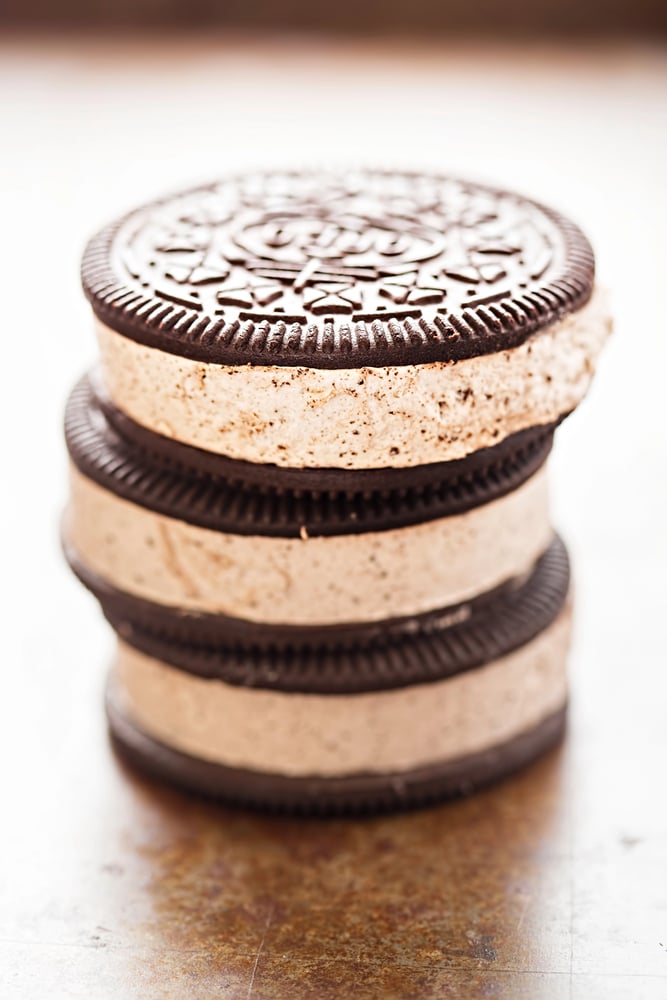
The Oreo first appeared in 1912, introduced in New York City. It was marketed as a new kind of biscuit sandwich. Simple enough. Yet that little creation outlived countless rivals.
The Original Package
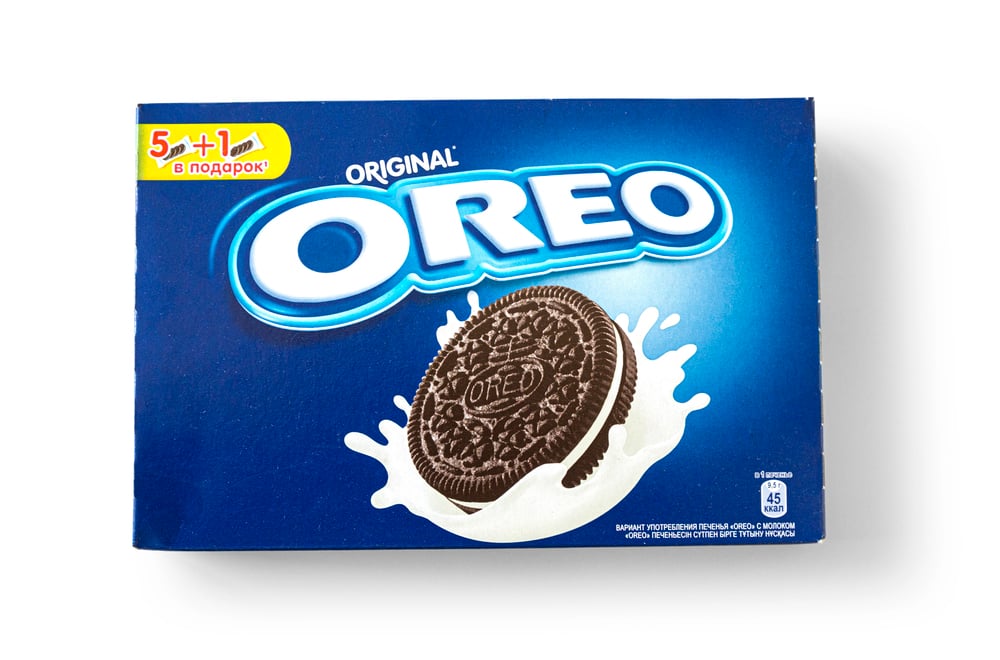
Early Oreos weren’t wrapped in plastic. Instead, they were sold in tin cans topped with glass lids. Not exactly convenient for a quick snack run, but they looked stylish sitting on a shelf.
Rival Cookie

Oreos were born to compete with Hydrox, a nearly identical cookie. Strange twist: Hydrox came first. Still, Oreo surged ahead and became the household name. Hydrox, meanwhile, faded into trivia status.
Most Popular Cookie
— Photo by AtlasStudio
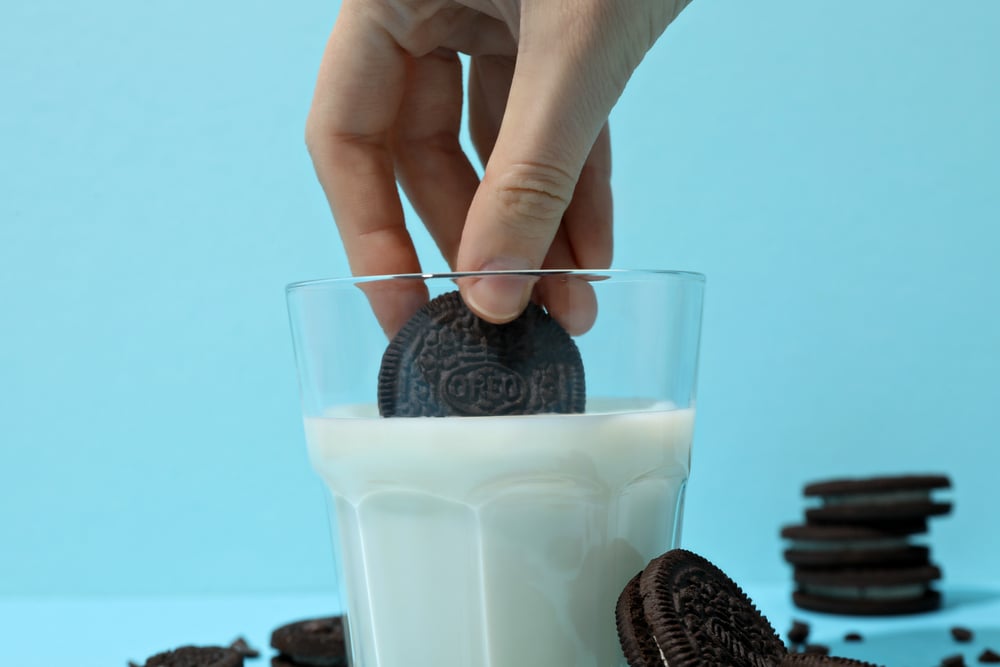
Today, Oreos are the best-selling cookies worldwide. Billions are eaten every year across more than 100 countries. Picture that many cookies stacked up—it’s almost absurd.
Name Mystery

— Photo by sliper84
The name “Oreo” has never been explained with certainty. Some say it comes from the French word for gold. Others think it was chosen for being short and catchy. Either way, it stuck.
Twist, Lick, Dunk
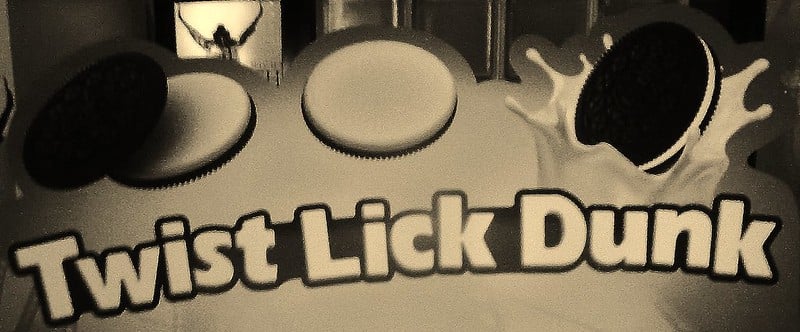
The ritual of twisting the wafers, licking the cream, and dunking in milk has become inseparable from the brand. And yes, dunking makes a difference. Warm milk changes the flavor even more.
Double Stuff
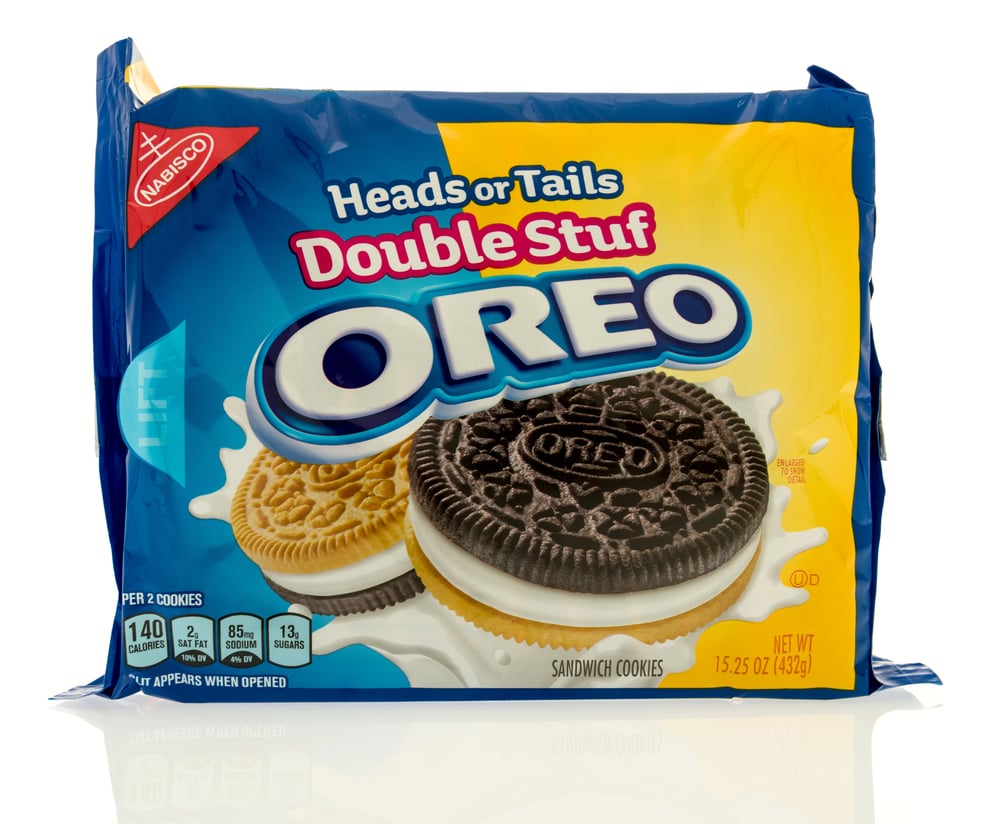
— Photo by homank76
In 1974, Double Stuf Oreos promised twice the filling. Tests later showed the cream was closer to 1.86 times more. Not quite double, but close enough that nobody complained.
Oreo Variations

— Photo by jetcityimage2
The cookie has been reimagined in countless flavors. From green tea in China to blueberry ice cream in Indonesia, the list goes on. Some stick around, others vanish quickly. Like limited-edition sneakers, but edible.
Guinness Record

In 2018, Spain became home to the world’s largest Oreo. It weighed over 80 kilograms—roughly the size of a large dog. Dunking that in milk? Out of the question.
Cookie Design
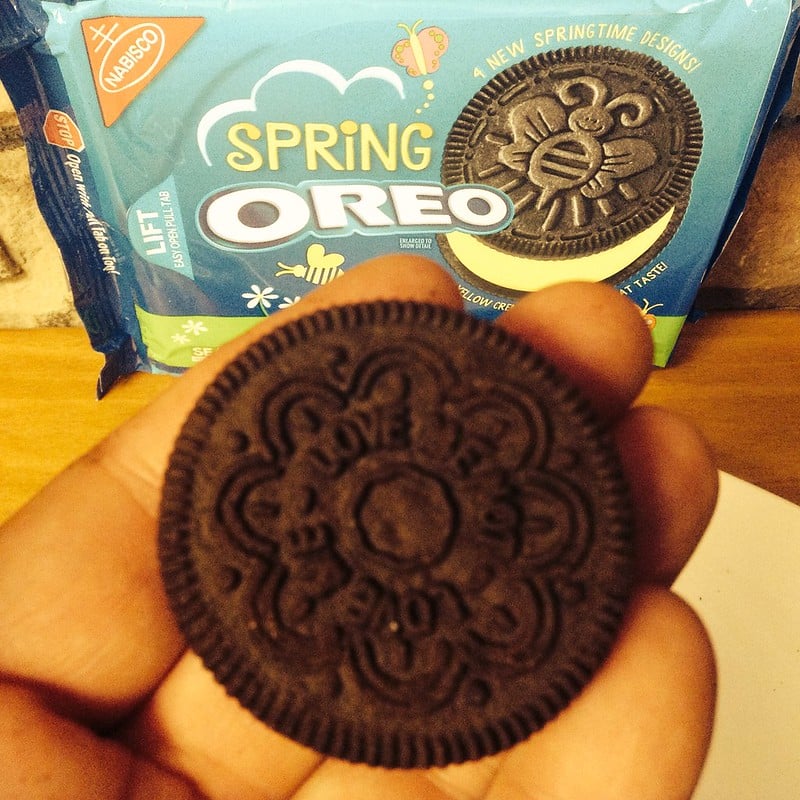
Since 1952, Oreos have carried their familiar embossed pattern: 12 flowers, 12 dots, and 90 ridges. It’s oddly ornate for a mass-produced cookie. Almost ceremonial.
Cream Debate
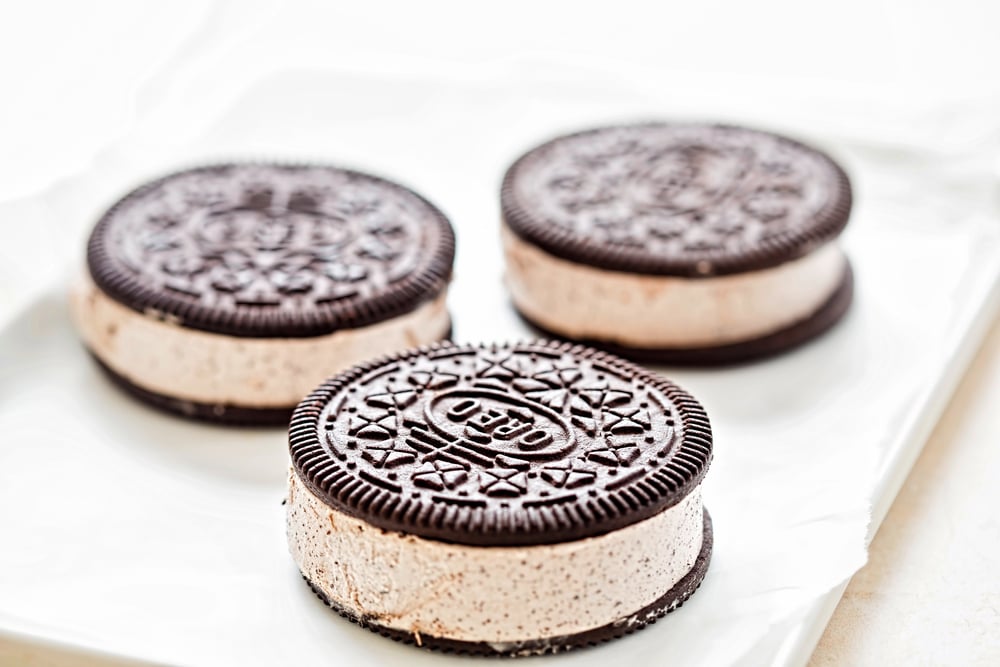
Which matters more—the cream or the wafers? The debate has gone on for decades. Truth is, one without the other just wouldn’t work. Balance is everything.
Oreo in Space

Astronauts once brought Oreos aboard the space shuttle Discovery. Crumbs in zero gravity? Not ideal. Still, the comfort of a familiar snack outweighed the mess.
The Oreo Thins
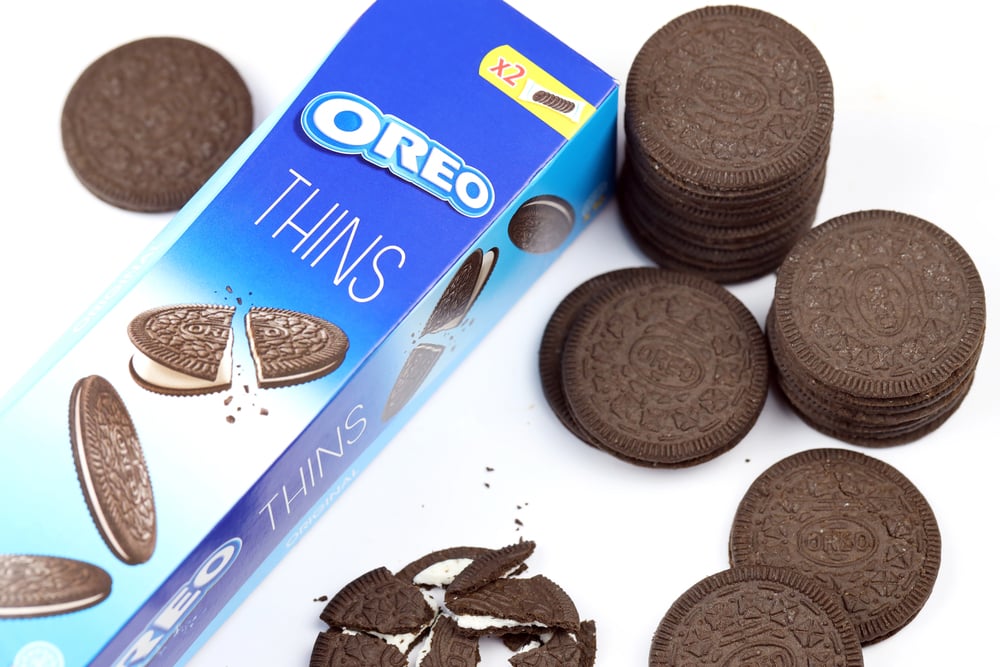
— Photo by Mehaniq
Launched in 2015, Oreo Thins offered a lighter version of the classic. Same flavor, slimmer build. Maybe portion control, maybe marketing—either way, it worked.
Global Identity
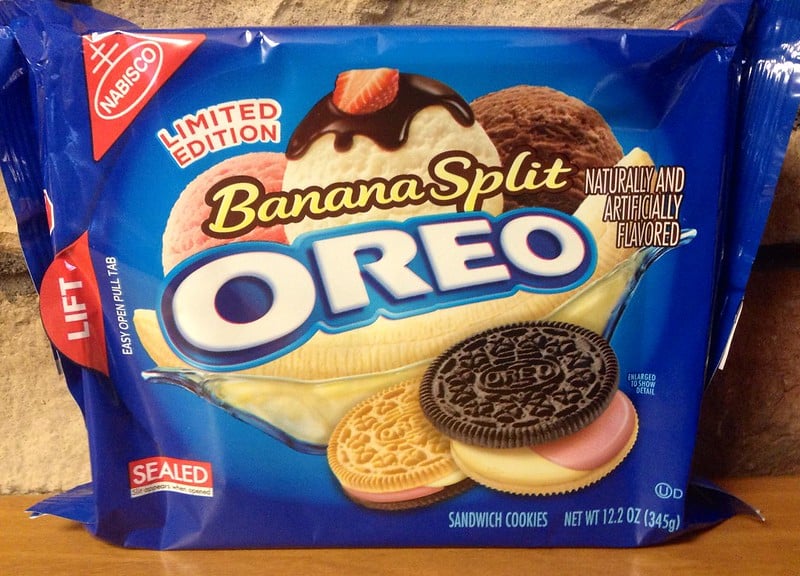
Oreo adapts to local markets with unique flavors:
- Banana in Argentina
- Mango in India
- Wasabi in China
It’s the same cookie at heart, but dressed differently depending on where it lands.
Cookie Culture
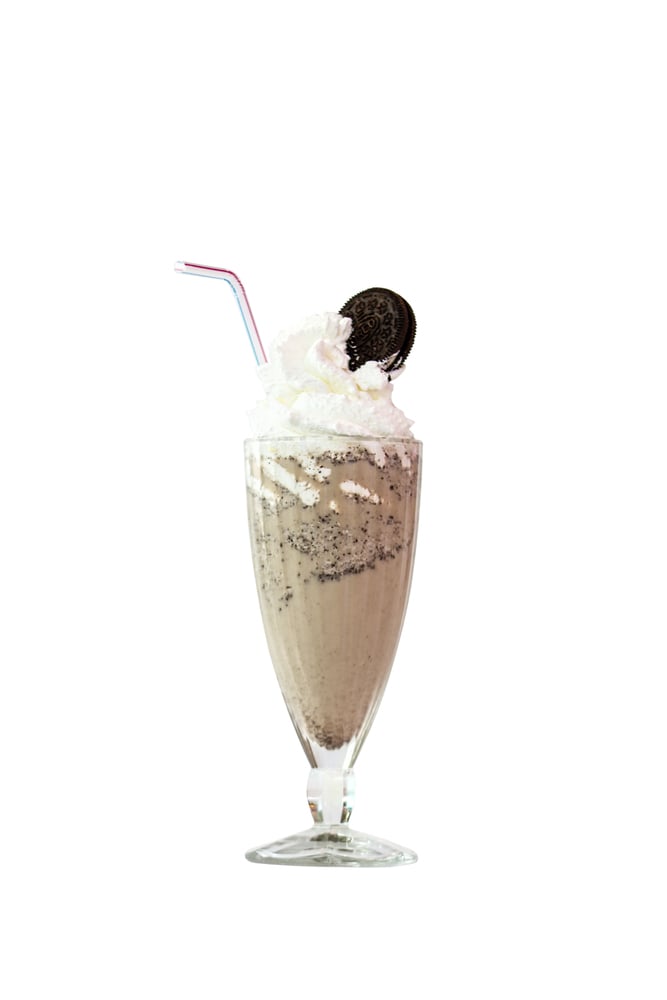
Oreos have gone far beyond their original form. They’re crushed into cheesecakes, blended into milkshakes, fried at fairs, and sprinkled over ice cream. At this point, they’re less a cookie and more a global dessert ingredient.
More Than a Cookie
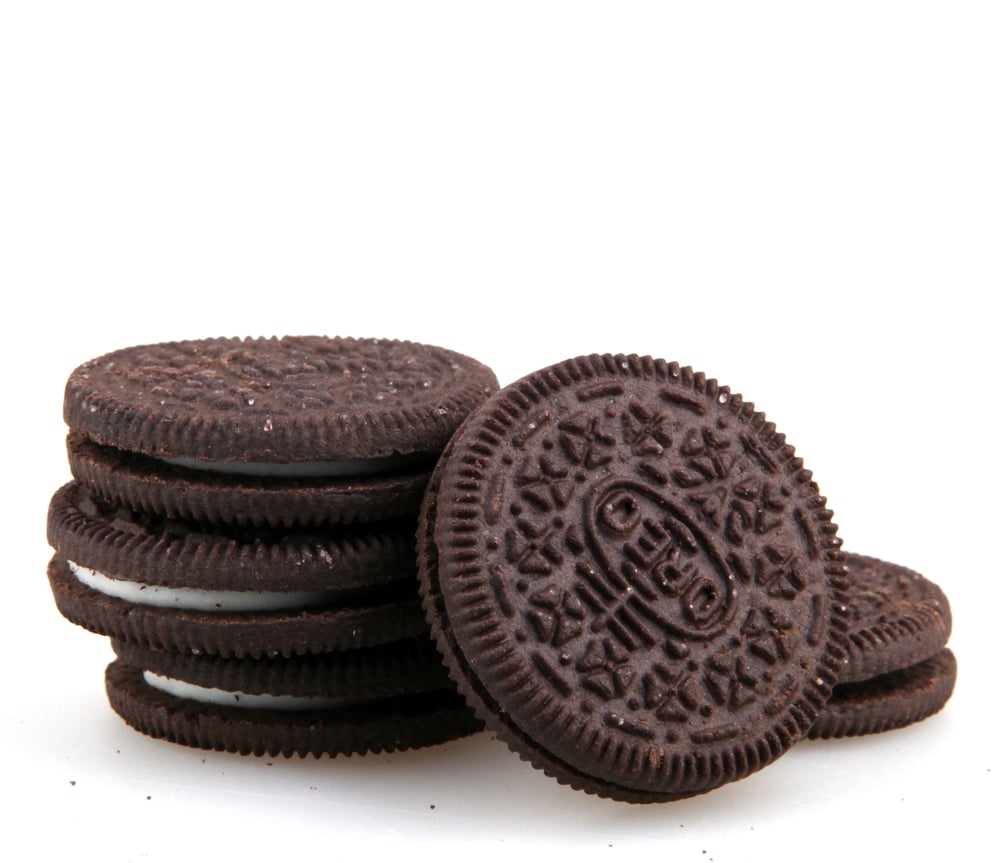
Oreos prove that a simple idea, reinvented over time, can last for generations. They’re more than a snack—they’re a tradition.
More from Go2Tutors!

- 16 Historical Figures Who Were Nothing Like You Think
- 12 Things Sold in the 80s That Are Now Illegal
- 15 VHS Tapes That Could Be Worth Thousands
- 17 Historical “What Ifs” That Would Have Changed Everything
- 18 TV Shows That Vanished Without a Finale
Like Go2Tutors’s content? Follow us on MSN.



