16 Everyday Items That Were Once Considered Dangerous (But We Still Use Them)
Throughout history, numerous products now considered utterly mundane initially sparked fear and skepticism. Moral panics, health scares, and safety debates surrounded these everyday objects before they eventually settled into our homes as unremarkable necessities.
Looking at how these items transformed from “dangerous innovations” to “boring staples” reveals fascinating patterns in how we adapt to technological change. Here’s what happened with 16 everyday items that once terrified our ancestors yet remain fixtures in modern life.
Umbrellas
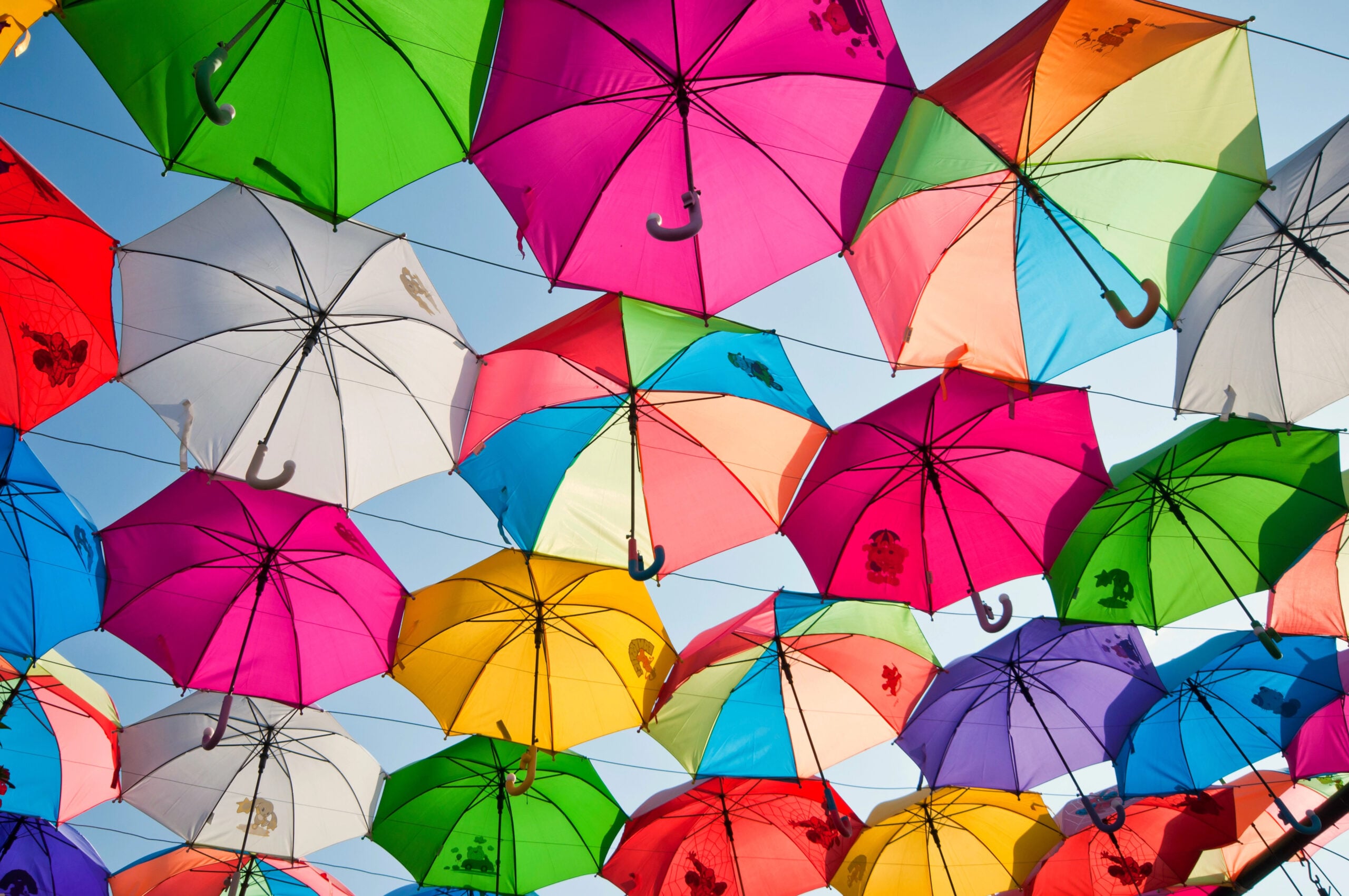
The first umbrellas in 18th-century England weren’t just considered odd – they were deemed genuinely hazardous. Critics insisted these contraptions would spook horses in city streets, leading to carriage accidents and chaos.
Men carrying umbrellas often faced mockery or even confrontation; many viewed these items as foreign affectations undermining traditional English stoicism about the weather. Practicality eventually won out, though, as people simply got tired of being drenched in frequent British downpours.
Bicycles

Early bicycles sparked genuine medical alarm – doctors actually warned against “bicycle face,” a supposedly permanent strained expression from riding against wind resistance. Women weren’t just discouraged from cycling – medical journals claimed it might cause infertility or foster “dangerous independence” in the fairer sex.
Bikes nonetheless revolutionized personal transportation, and these health concerns quietly disappeared when millions adopted this efficient travel mode without developing the dreaded facial condition.
Like Go2Tutors’s content? Follow us on MSN.
Microwaves

Microwave ovens entering American homes in the 1970s triggered widespread radiation anxiety. Early safety manuals advised users to stand at least five feet away during operation – pregnant women couldn’t even be in the same room.
Consumer advocates sounded alarms about radiation leakage and nutritional degradation of food prepared this way. Yet improved designs and safety standards gradually transformed microwaves into kitchen essentials that most people now use without a second thought.
Televisions

The first television sets generated legitimate concerns about radiation exposure and permanent eye damage. Cautious parents limited children’s viewing time – making sure the kids sat at a “safe” distance of ten feet from the screen.
Some social critics even warned that television would damage family relationships and corrupt moral values throughout society. Modern flat screens have eliminated most physical risks, though many parents still govern screen time while quietly averaging several hours of personal viewing daily.
Forks

That humble fork on your dinner table? It faced surprising opposition when introduced to European dining in the 11th century.
Byzantine-originated forks were actually condemned by clergy members as unholy implements insulting God’s provision of natural human tools – namely, fingers. One unfortunate Italian duchess who dared use a golden fork at her wedding feast allegedly died of a terrible disease shortly afterward – critics called it divine punishment for her utensil choice.
The convenience of keeping one’s fingers grease-free during meals eventually outweighed such moral objections.
Like Go2Tutors’s content? Follow us on MSN.
Coffee

Coffee endured numerous bans throughout its early history – critics called it a dangerous drug inciting radical thinking and social unrest. In 16th-century Constantinople, authorities viewed coffee houses as hotbeds of political dissent – anyone caught enjoying the beverage faced harsh penalties.
Medical experts of the era warned that coffee caused everything from impotence to stunted growth. Today this once-forbidden stimulant has completely shed its dangerous reputation; millions couldn’t imagine starting their day without it.
Novels

The surge of novel reading in the 18th century prompted serious concerns about readers’ mental and moral health. Doctors warned excessive fiction consumption might lead to nervousness, irregular heartbeat, or unhealthy romantic fantasies – especially in young women.
Conservative communities often banned specific books or restricted library access to “protect” vulnerable minds from corruption. Despite persistent warnings, fiction’s popularity only grew; now digital devices make thousands of novels available instantly.
Cars

Early automobiles generated tremendous safety concerns – some towns required a person with a red flag to walk ahead of moving vehicles as a warning. The first cars lacked even basic safety features such as windshields, seat belts, or reliable brakes – making accidents both common and frequently fatal.
Certain medical experts even claimed the human body wasn’t designed to withstand speeds exceeding twenty miles per hour. While modern vehicles include sophisticated safety systems, they still cause thousands of deaths yearly – making them perhaps the most legitimately dangerous item on this list.
Like Go2Tutors’s content? Follow us on MSN.
Cell Phones
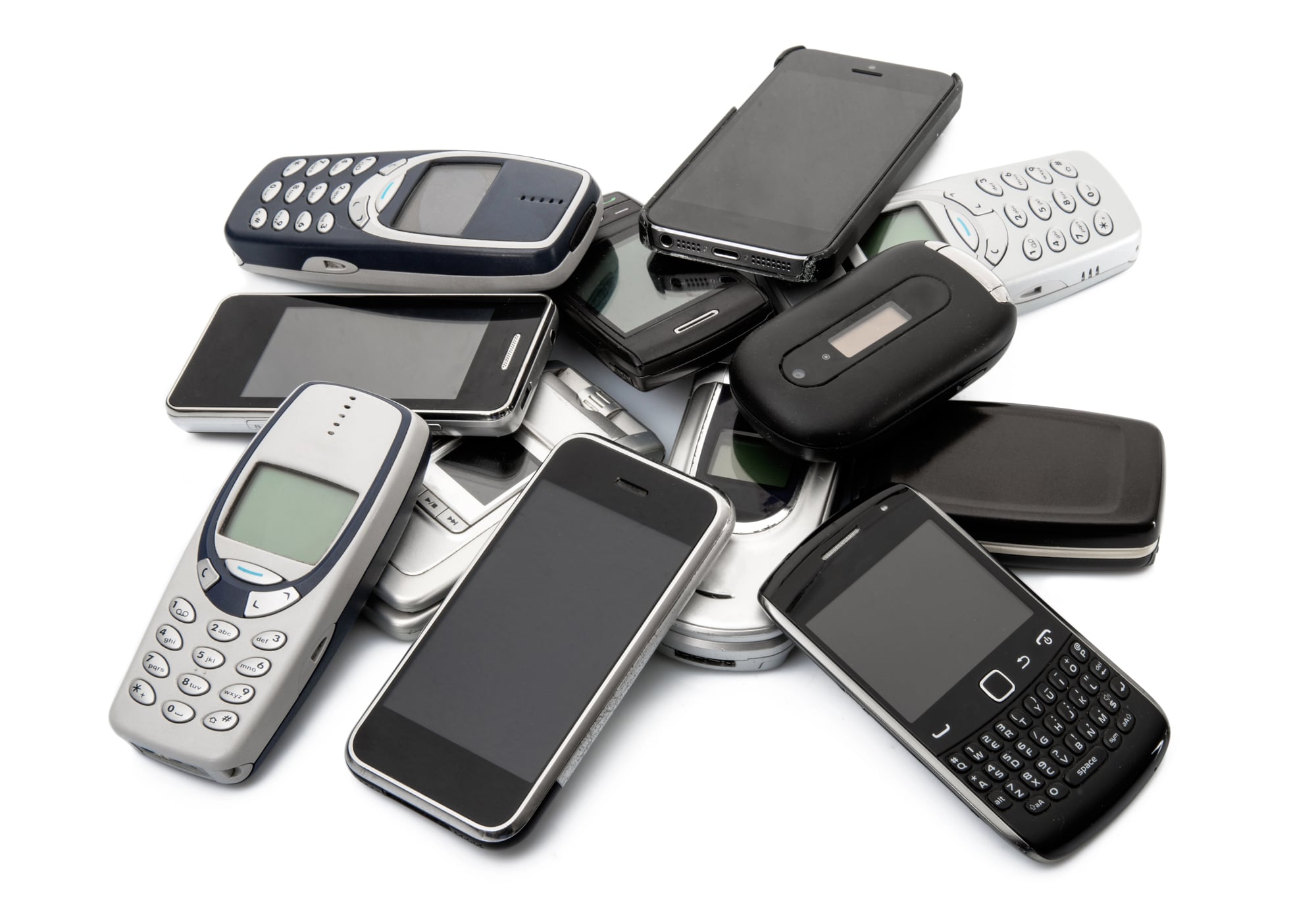
The first mobile phones triggered fears about brain cancer and radiation exposure – users received advice to limit call times and use headsets whenever possible. Scientists warned that holding transmitting devices near the brain might have unknown long-term health consequences.
The debate about potential health effects continues, yet smartphones have become essential daily tools kept within arm’s reach at all times – typical users now check their devices nearly one hundred times daily.
Margarine

This butter substitute encountered aggressive opposition after its introduction in the late 19th century. Dairy farming lobbies successfully pushed for laws requiring margarine to be sold uncolored – appearing unappetizingly white – or dyed unusual colors like pink to distinguish it from butter.
Several states imposed heavy taxes or outright banned the product, insisting it threatened public health as an “unwholesome imitation.” These restrictions gradually disappeared as margarine gained acceptance during butter shortages and rationing periods.
Potatoes

When potatoes arrived in Europe from the Americas in the 16th century, they faced extreme suspicion. People accused these unfamiliar tubers of causing leprosy, poisoning soil, and being fit only for animal consumption.
Religious authorities argued that potatoes weren’t mentioned in the Bible, making them unsuitable for human consumption. Agricultural experts eventually championed potatoes as efficient crops that could prevent widespread famine.
Today the average American consumes around one hundred seventeen pounds of potatoes annually without a second thought.
Like Go2Tutors’s content? Follow us on MSN.
X-rays

Early X-ray machines functioned primarily as entertainment devices. Shoe stores installed “fluoroscopes” allowing customers to see the bones in their feet through their shoes.
These completely unshielded machines exposed both customers and operators to dangerous radiation levels for decades before safety regulations emerged. While modern medical X-rays use minimal radiation doses and careful shielding, they represent technology that actually was initially dangerous but has been engineered to minimize risks.
Sewing Machines

Home sewing machines in the 19th century prompted warnings from physicians who claimed these devices would cause spinal deformation, nervous disorders, and reproductive problems in women. Critics argued that the rapid foot-pedaling motion required was unnatural and potentially harmful.
Some commentators worried that making home sewing too efficient would give women dangerous amounts of leisure time for reading or political activities. Electric sewing machines have since eliminated these concerns entirely.
Mirrors

Glass mirrors were once considered dangerous tools of vanity and moral corruption that could trap or steal souls. Various cultural traditions required mirrors to be covered during sleep or illness to prevent spirits from becoming trapped in the reflection.
Scientific authorities warned that frequent mirror-gazing could weaken eyesight or foster unhealthy self-obsession. Despite these supernatural and moral concerns, mirrors have become standard household items that most people use daily without spiritual worry.
Like Go2Tutors’s content? Follow us on MSN.
Elevators

Early elevators created legitimate terror among potential users, many refusing to trust their lives to mechanical lifting devices. Elisha Otis’s invention of the safety brake in 1853 addressed practical concerns, but psychological barriers remained significant.
Building owners often employed full-time elevator operators partially to reassure nervous passengers that the systems remained under human control. Now most people step into completely automated elevators multiple times daily without considering the drop beneath their feet.
Wristwatches
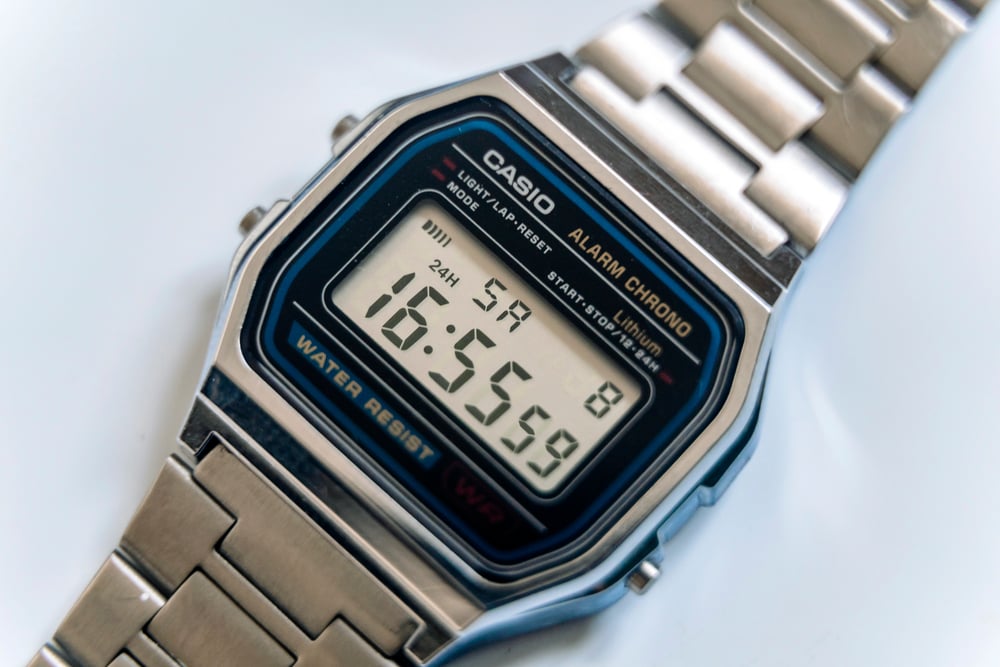
When wristwatches transitioned from women’s fashion to men’s wear during World War I, they faced resistance as supposedly feminine accessories. Beyond social stigma, critics claimed the ticking mechanism placed so close to the pulse point might disrupt natural heart rhythms or cause nervous disorders.
Military necessity made wristwatches practical for men coordinating battlefield movements, and health concerns dissipated as millions wore them without ill effects. Smartphones have now replaced wristwatches for many people, creating an ironic cycle of technological acceptance and replacement.
The Fear-to-Familiarity Pathway

The transformation of these once-controversial items from dangerous novelties to household staples shows how innovation typically follows predictable patterns. Initial resistance gradually gives way to cautious adoption, eventually leading to such complete acceptance that we forget these items ever caused controversy.
We’re seeing the same cycle today with newer technologies like artificial intelligence, genetic modification, and virtual reality—each navigating its own journey from suspicion toward potential everyday acceptance. What we take for granted reminds us that society’s reaction to innovation often reveals more about human nature than about actual risks.
More from Go2Tutors!

- 18 Unexpectedly Valuable Collectibles You Might Have Lying Around
- 15 Things Every Teenager in the ’70s Did That Teens Today Wouldn’t Understand
- 15 Strange Things People Have Tried to Ban (And Failed)
- 15 Inventions That Were Immediately Banned After Being Created
- 20 Actors Who Were Almost Cast in Iconic Roles
Like Go2Tutors’s content? Follow us on MSN.