27 Photographs Held Back From Publication for Years
Some images are suppressed by governments. Others sit in a drawer because the photographer made a private promise, or because nobody realized what they had until decades later.
The following pictures all reached the public long after they were taken, and the delay is often as revealing as the photograph itself.
Lincoln in His Casket
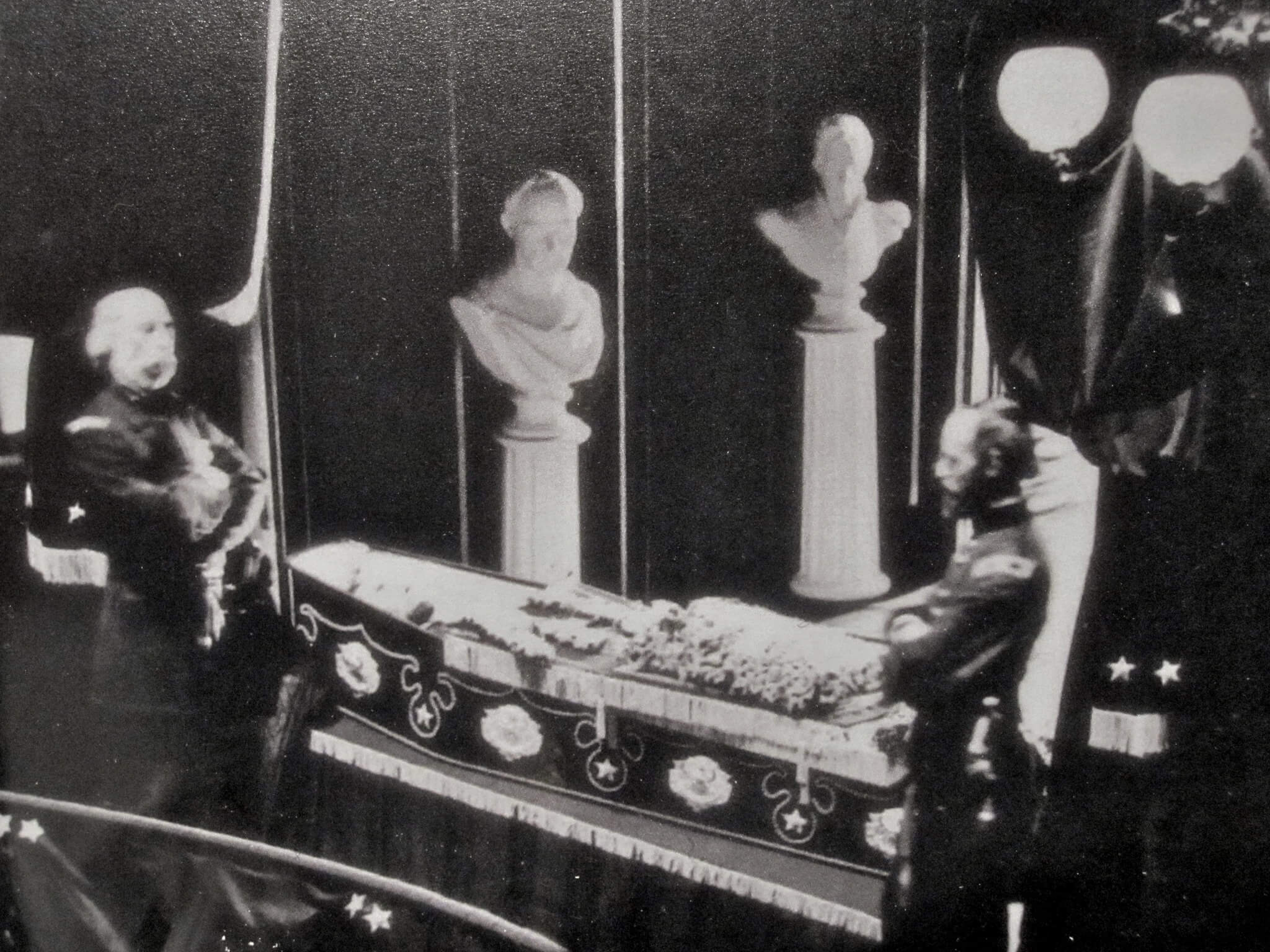
Photographer Jeremiah Gurney captured Abraham Lincoln lying in state in New York City in 1865, but Secretary of War Edwin Stanton considered the image inappropriate and ordered every print and the negative destroyed. One copy survived in a private collection and was not identified and published until 1952, nearly ninety years after it was taken.
The Zapruder Film Frames
Abraham Zapruder’s home movie of the Kennedy assassination was sold to Life magazine, which published still frames but kept the full film out of network television for over a decade. Ordinary viewers did not see it in motion until a 1975 broadcast, and the delay fed years of public speculation about what the unseen frames contained.
The Kennedy Autopsy Photographs
— Vector by pepeemilio2
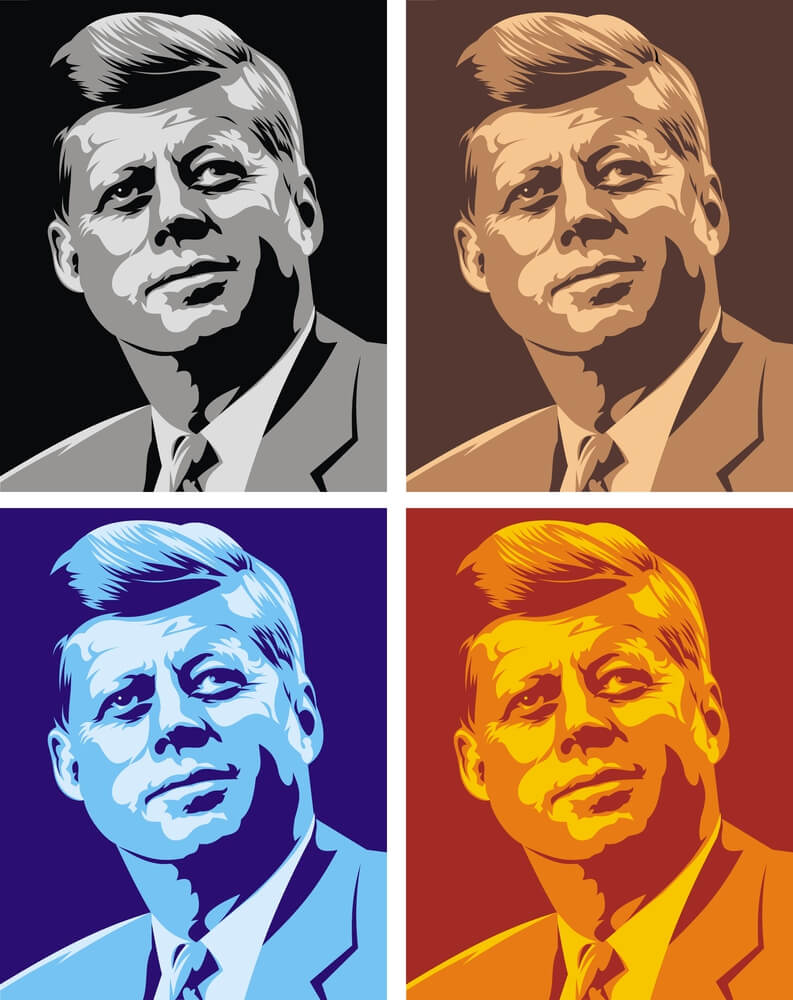
Photographs taken during President Kennedy’s autopsy were sealed by the family and placed under National Archives control, with access restricted for researchers and barred from general publication for decades. Their existence shaped decades of assassination research even though almost nobody outside a small circle had actually seen them.
The My Lai Massacre Photographs
— Photo by dinosmichail
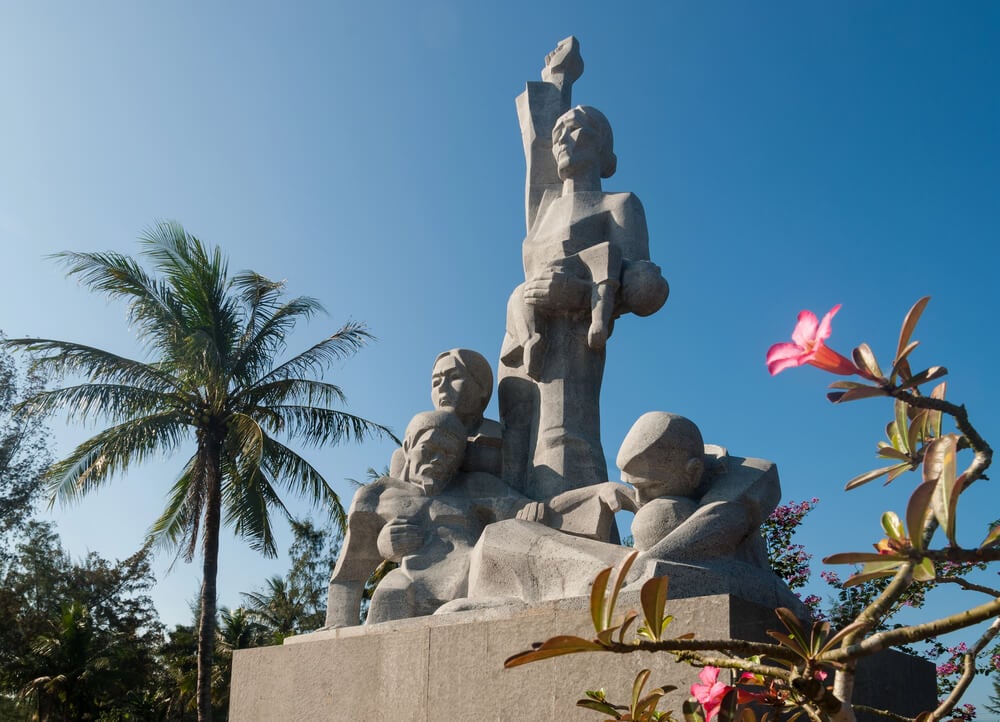
Army photographer Ronald Haeberle took color photographs of the 1968 killings of Vietnamese civilians at My Lai, but kept them privately for more than a year while the military’s own investigation stalled. Life magazine finally published them in December 1969, and the images did more than any official report to force a public reckoning.
Yosuke Yamahata’s Nagasaki Photographs
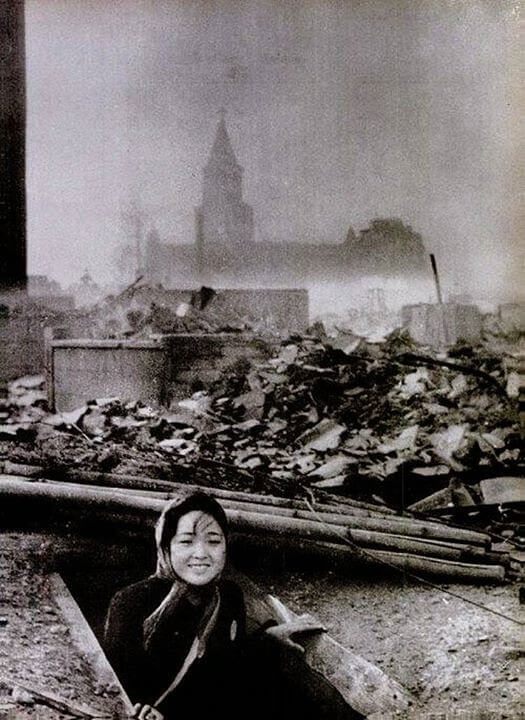
Japanese military photographer Yosuke Yamahata documented the aftermath of the Nagasaki bombing within a day of the attack, but occupation authorities restricted publication of atomic bomb imagery after the war. His photographs did not appear in a widely circulated Japanese publication until 1952, after the occupation ended.
The Auschwitz Album
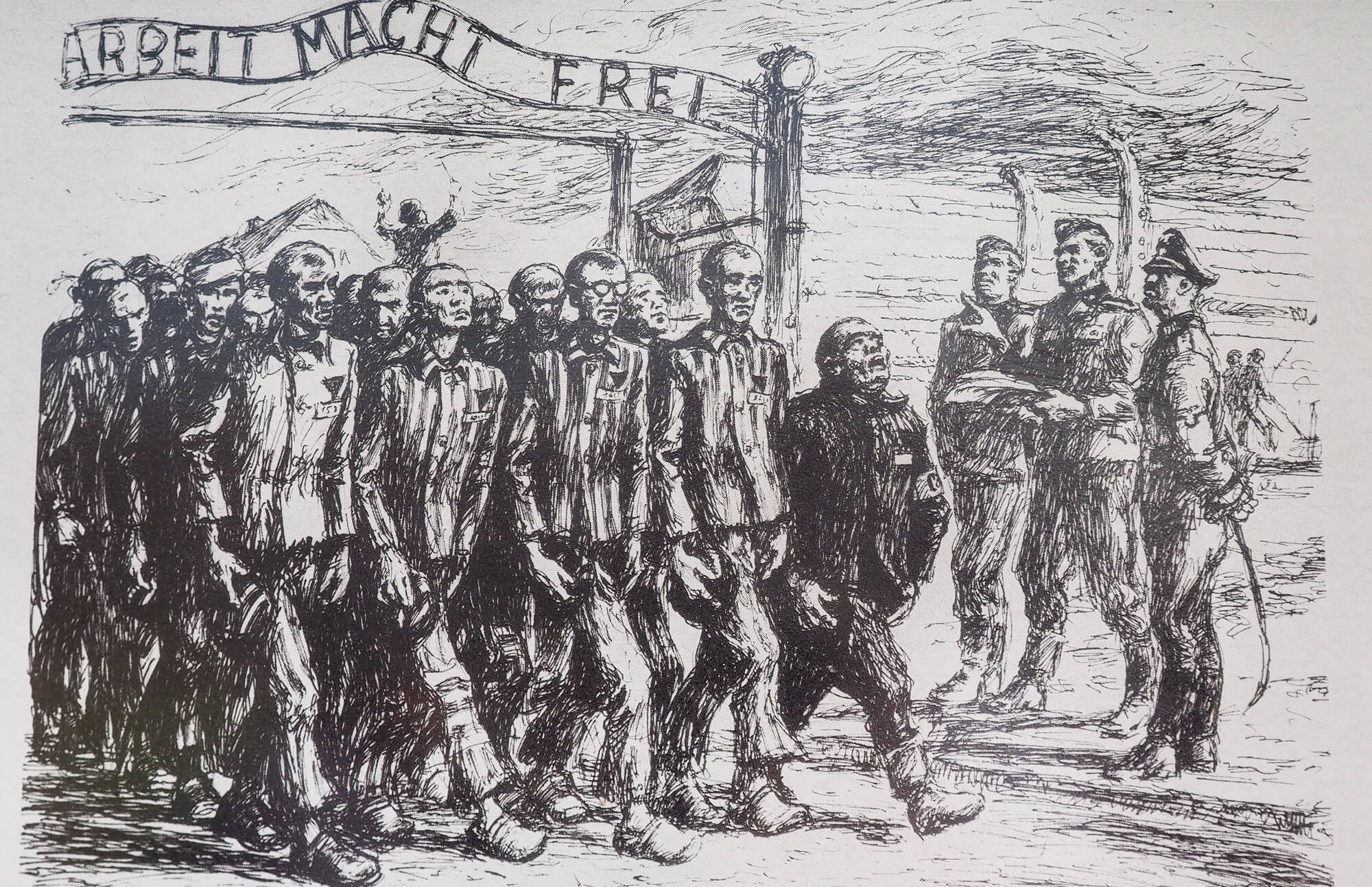
An SS photographer compiled a set of pictures documenting the arrival and processing of Hungarian Jews at Auschwitz in 1944. A survivor found a copy after the war, but the album was not matched to named victims and formally published by Yad Vashem until decades later, turning an anonymous record into an identified one.
The Trinity Test Detonation Photographs
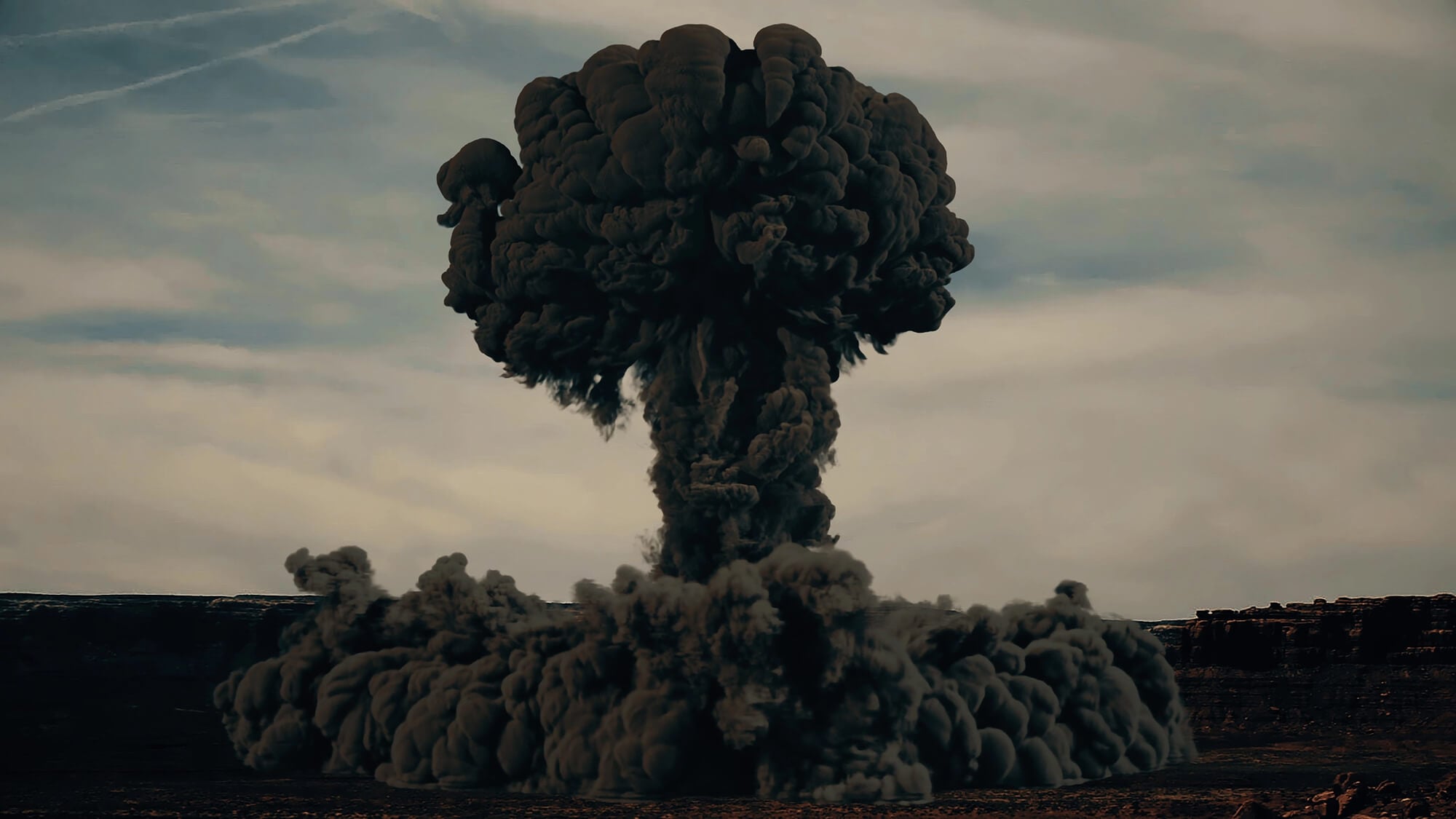
The first images of the Trinity nuclear test in July 1945 were classified immediately and kept from the public for the rest of the war. Only after the atomic bombings of Japan were selected photographs released, and some technical imagery from the test remained restricted for years afterward.
Marshall Islands Nuclear Test Photography
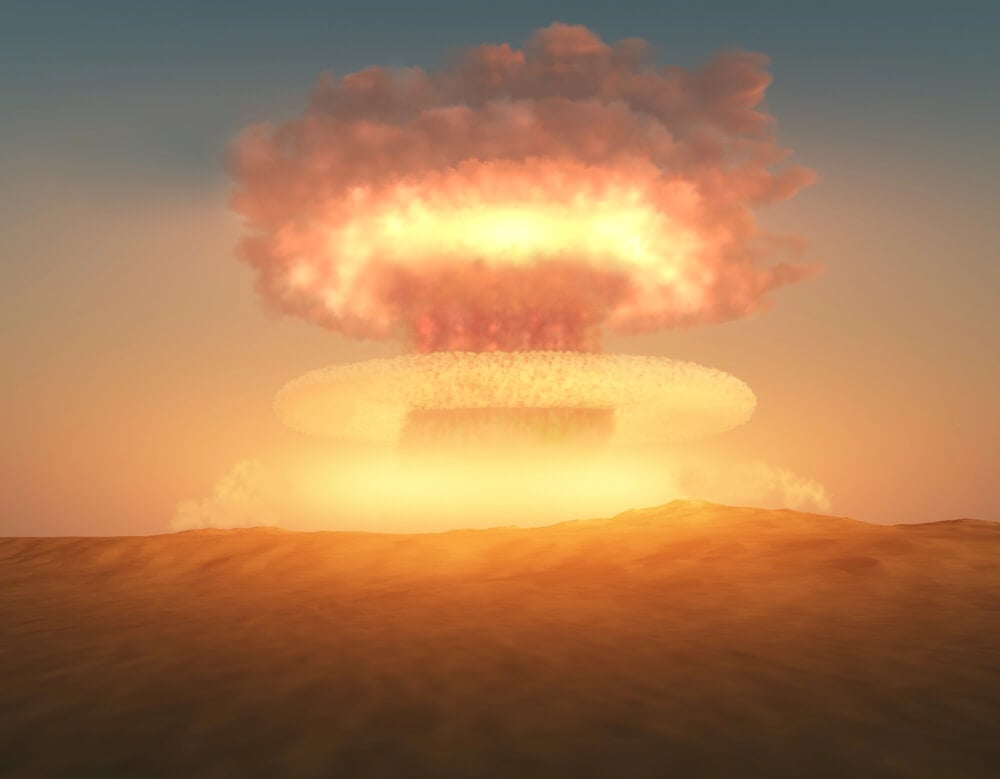
The US military photographed dozens of nuclear detonations at Enewetak atolls beginning in 1946, much of it held under military classification for decades. Long after the tests ended, historians and journalists worked to have footage and stills declassified, revealing the scale of a program many Americans had never fully seen.
Vivian Maier’s Street Photographs
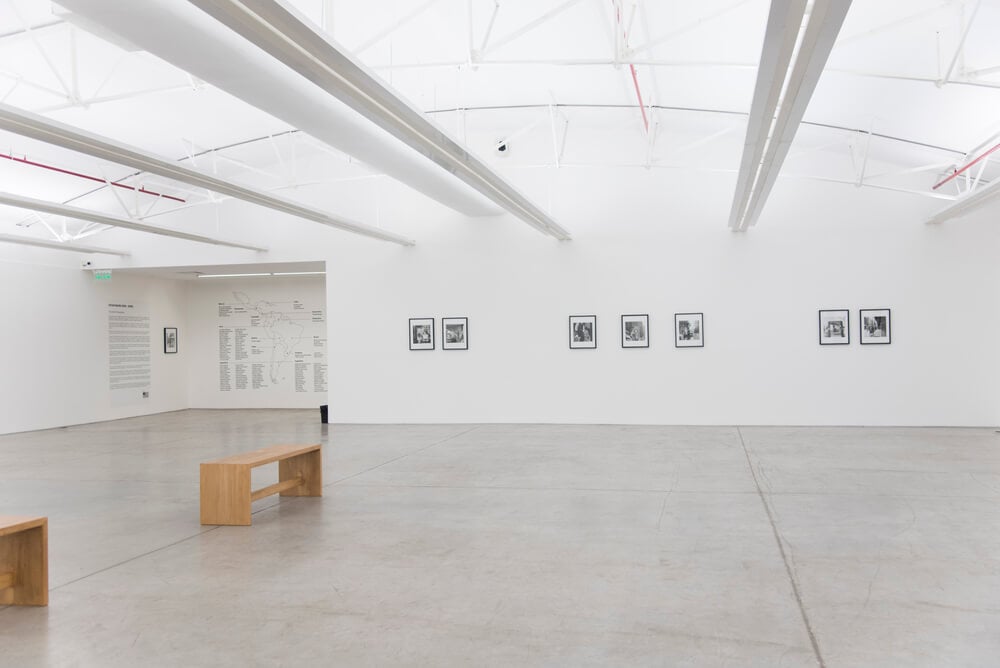
Vivian Maier worked as a nanny in Chicago and New York while shooting tens of thousands of street photographs that she never showed anyone. A Chicago real estate developer bought a box of her negatives at a storage locker auction in 2007, two years before her death, and only then did the work reach an audience.
Diane Arbus’s Private Negatives
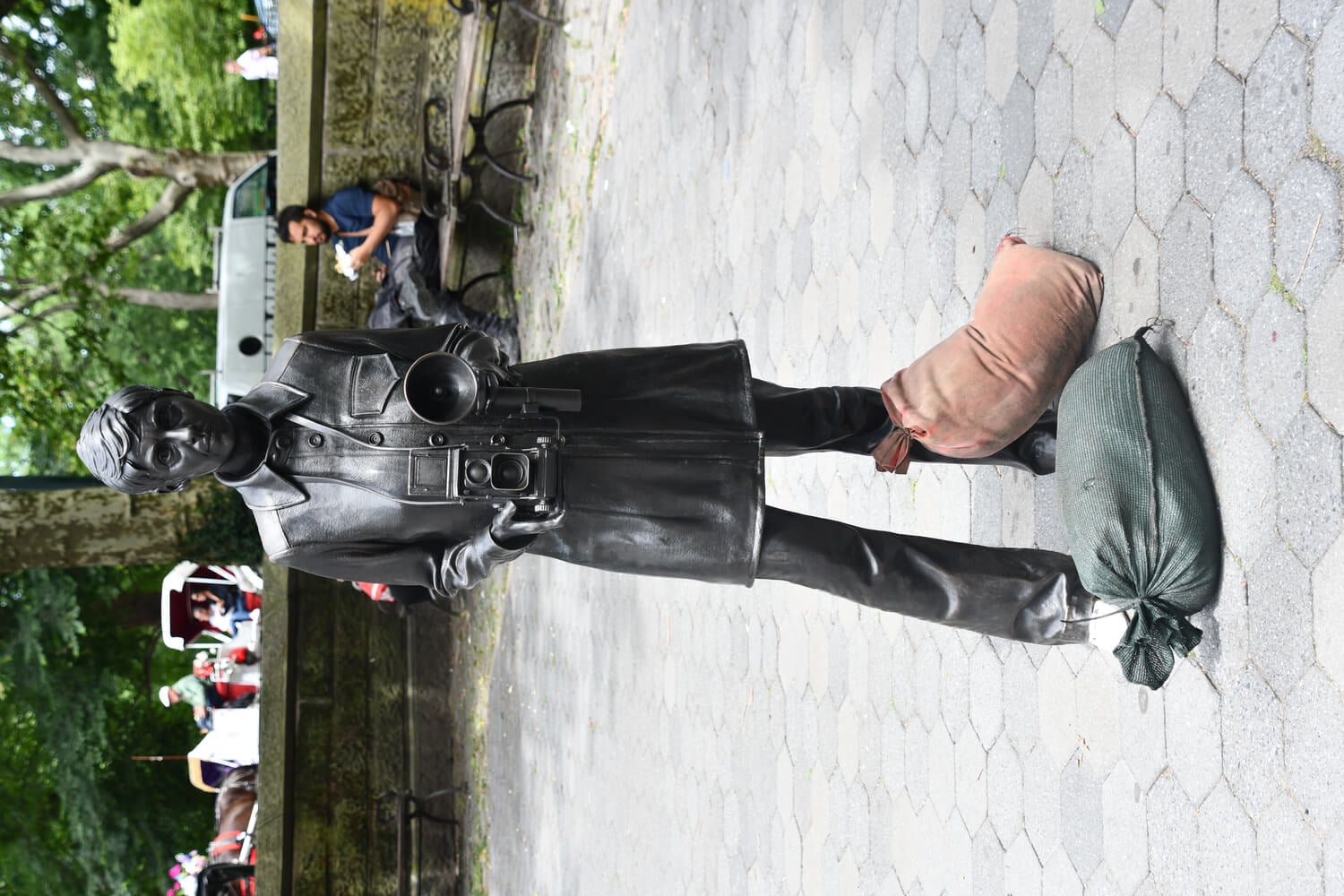
Diane Arbus published relatively little during her lifetime, and a large share of her negatives remained in her estate’s control after her death in 1971. Her family released selected images gradually over the following decades, meaning much of her most discussed work reached the public years after it was made.
E.J. Bellocq’s New Orleans Portraits
Commercial photographer E.J. Bellocq made a series of portraits in New Orleans’ Storyville district in the early 1900s that were never exhibited in his lifetime. Photographer Lee Friedlander acquired the damaged glass negatives decades later and printed them for a 1970 exhibition, introducing Bellocq’s work to the public long after his death.
Ansel Adams’s Manzanar Photographs
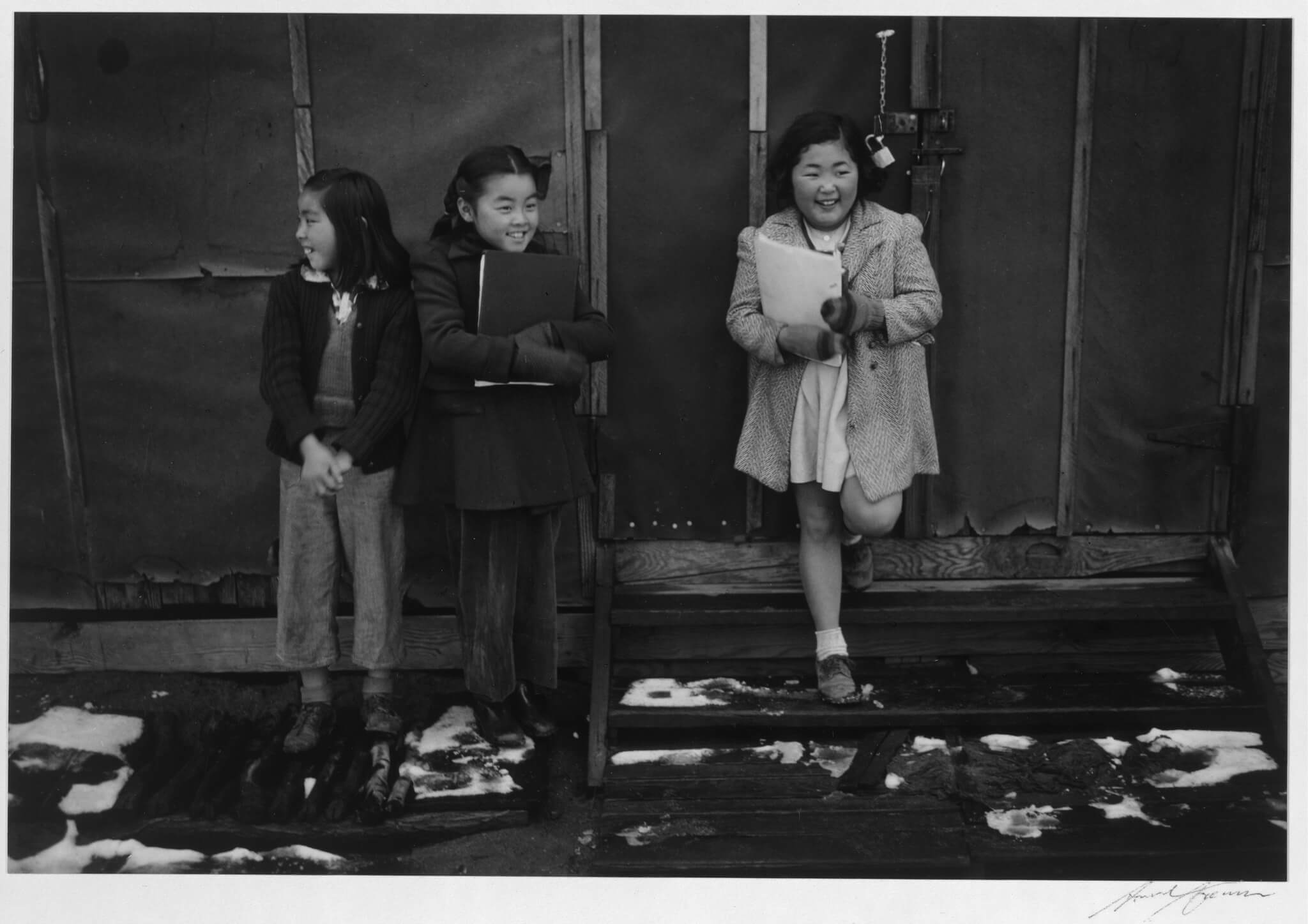
Ansel Adams photographed daily life at the Manzanar internment camp in 1943, but his book of the images, “Born Free and Equal,” received limited distribution amid wartime hostility toward its subject. Adams eventually donated the full set of negatives to the Library of Congress, where they became far more accessible than they had been at the time.
FDR’s Wheelchair Photographs
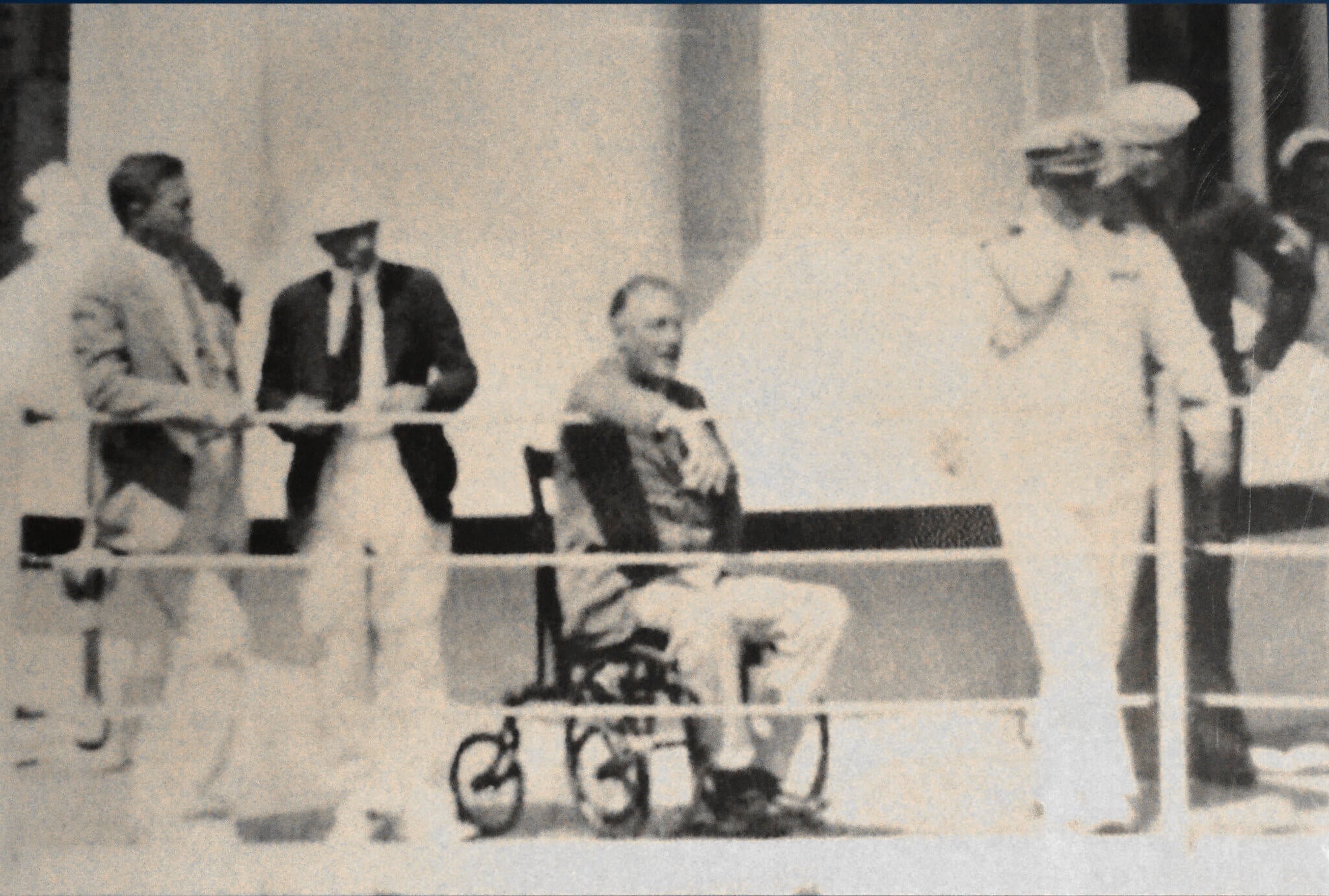
Franklin Roosevelt’s paralysis was widely known, but by informal agreement, press photographers rarely captured him in his wheelchair or being carried, and the small number of images that exist were not widely circulated during his presidency. Most Americans did not see how limited his mobility truly was until long after his death.
Robert Capa’s Mexican Suitcase Negatives
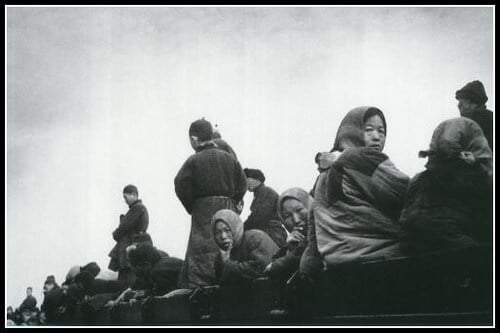
Thousands of negatives Robert Capa and two colleagues shot during the Spanish Civil War disappeared during the Second World War and were presumed lost. A cache of the negatives resurfaced in Mexico City decades later and reached the International Center of Photography in 2007, allowing scholars to finally examine images taken in the late 1930s.
Diana’s Crash Scene Photographs
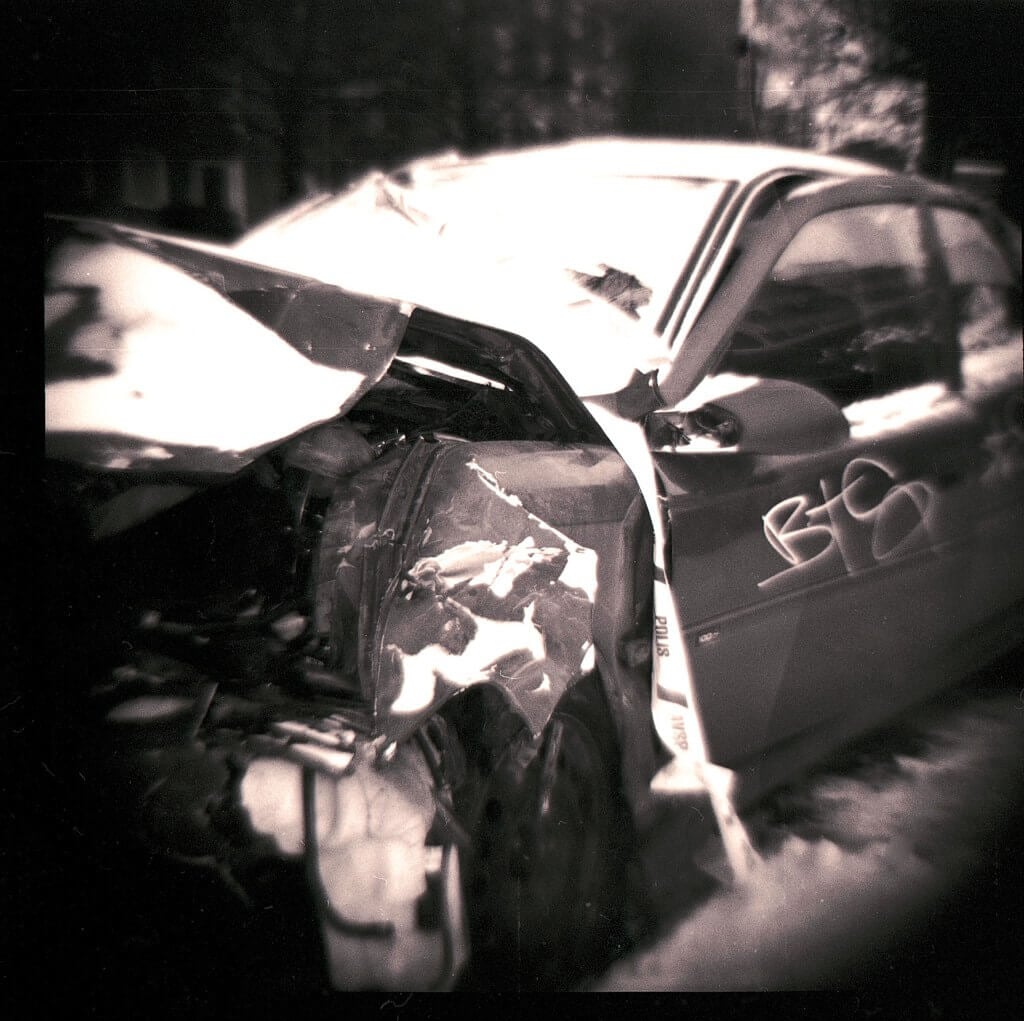
Photographs taken at the scene of the 1997 car crash that killed Diana, Princess of Wales, were seized as part of the criminal investigation and kept from publication under both French and British restrictions. Some material was reviewed years later during a formal inquest, but the images themselves were never released for general circulation.
Malcolm X Assassination Scene Photographs
Photographs taken inside the Harlem venue where Malcolm X was shot in 1965 circulated only in limited form for years, held largely within family and archival collections. Wider historical access came only as biographers and documentarians pieced together the surrounding record decades later.
Bergen-Belsen Liberation Photographs
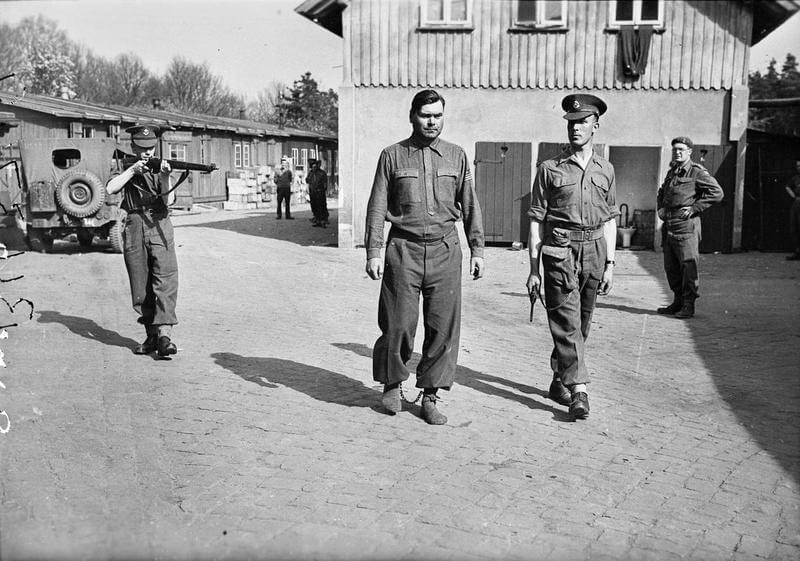
British Army photographers documented conditions at Bergen-Belsen within days of its liberation in April 1945, but military censors reviewed the most graphic images before allowing any release. Some of the most severe photographs were held back from newspapers at the time and surfaced only in later historical accounts and exhibitions.
Confiscated Hiroshima Photographs
Japanese photographers and newsreel crews documented the ruins of Hiroshima within weeks of the bombing, but occupation authorities confiscated much of this material and classified it. Portions of the footage and stills were not returned to Japan and made public until the 1970s and later.
Che Guevara’s Execution Photographs
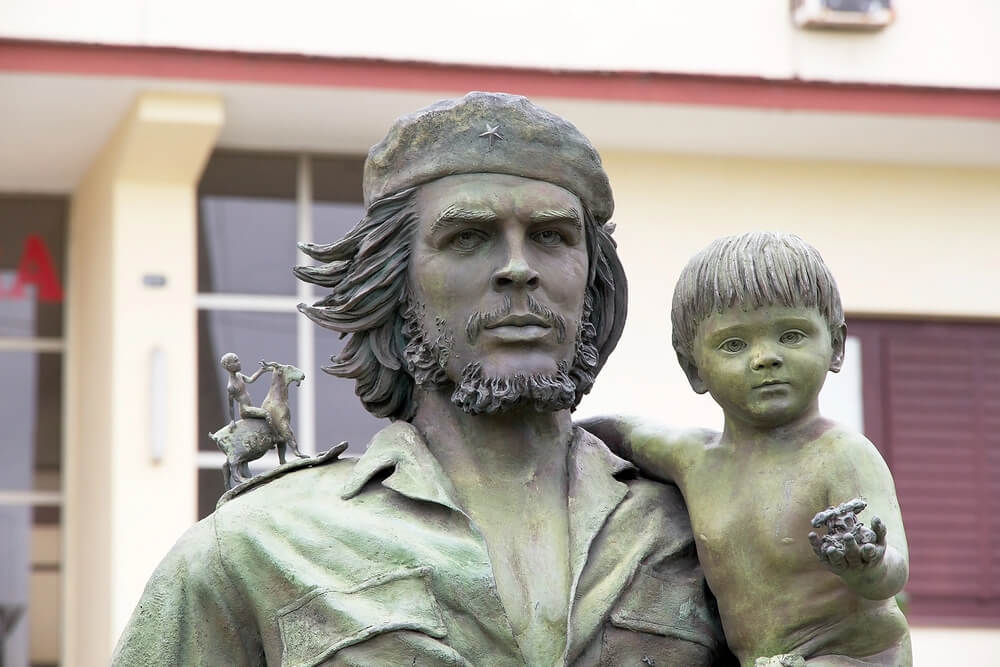
Bolivian military photographer Freddy Alborta photographed Che Guevara’s body shortly after his 1967 execution, and some images circulated quickly to prove his death. Other frames from the same session, along with related military documentation, were held back for years before appearing in fuller historical accounts of his final days.
Abu Ghraib Prison Photographs
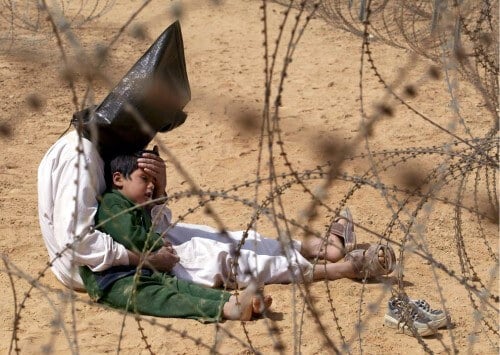
Soldiers at Abu Ghraib prison in Iraq took photographs documenting abuse of detainees in late 2003, but the images stayed within military channels for months before a formal investigation and a television broadcast brought them to public attention in 2004. Additional images from the same set were withheld by the Pentagon for years afterward.
Chernobyl Disaster Site Photographs
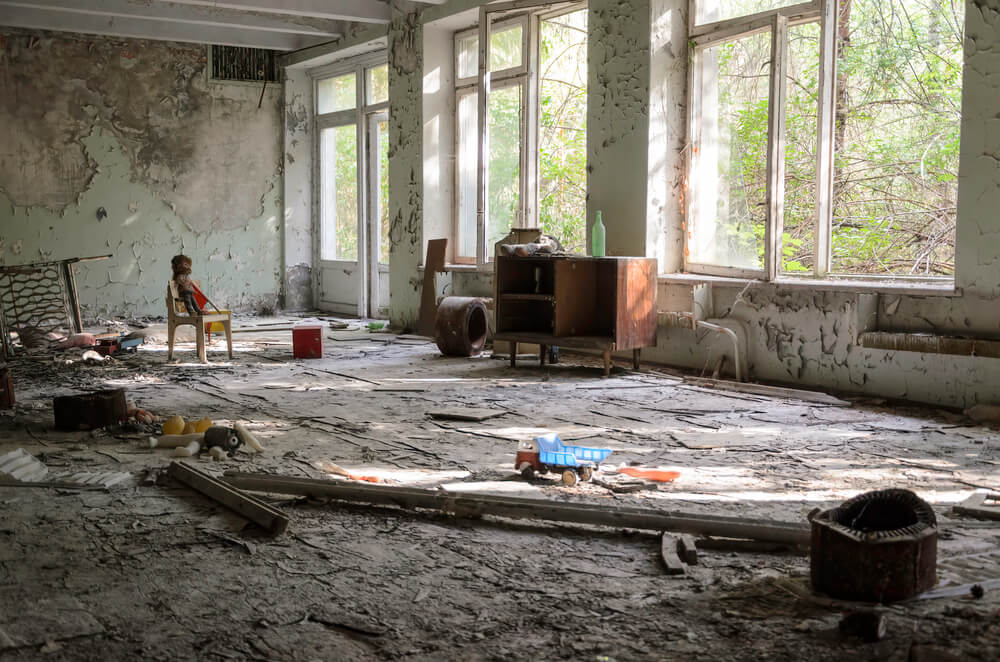
Soviet authorities restricted photography and information around the Chernobyl nuclear disaster in the days after the April 1986 explosion, and much of the imagery that was taken stayed within official channels. Fuller documentation of the immediate aftermath reached international audiences only as Soviet secrecy eased later in the decade.
Tuskegee Study Documentation Photographs
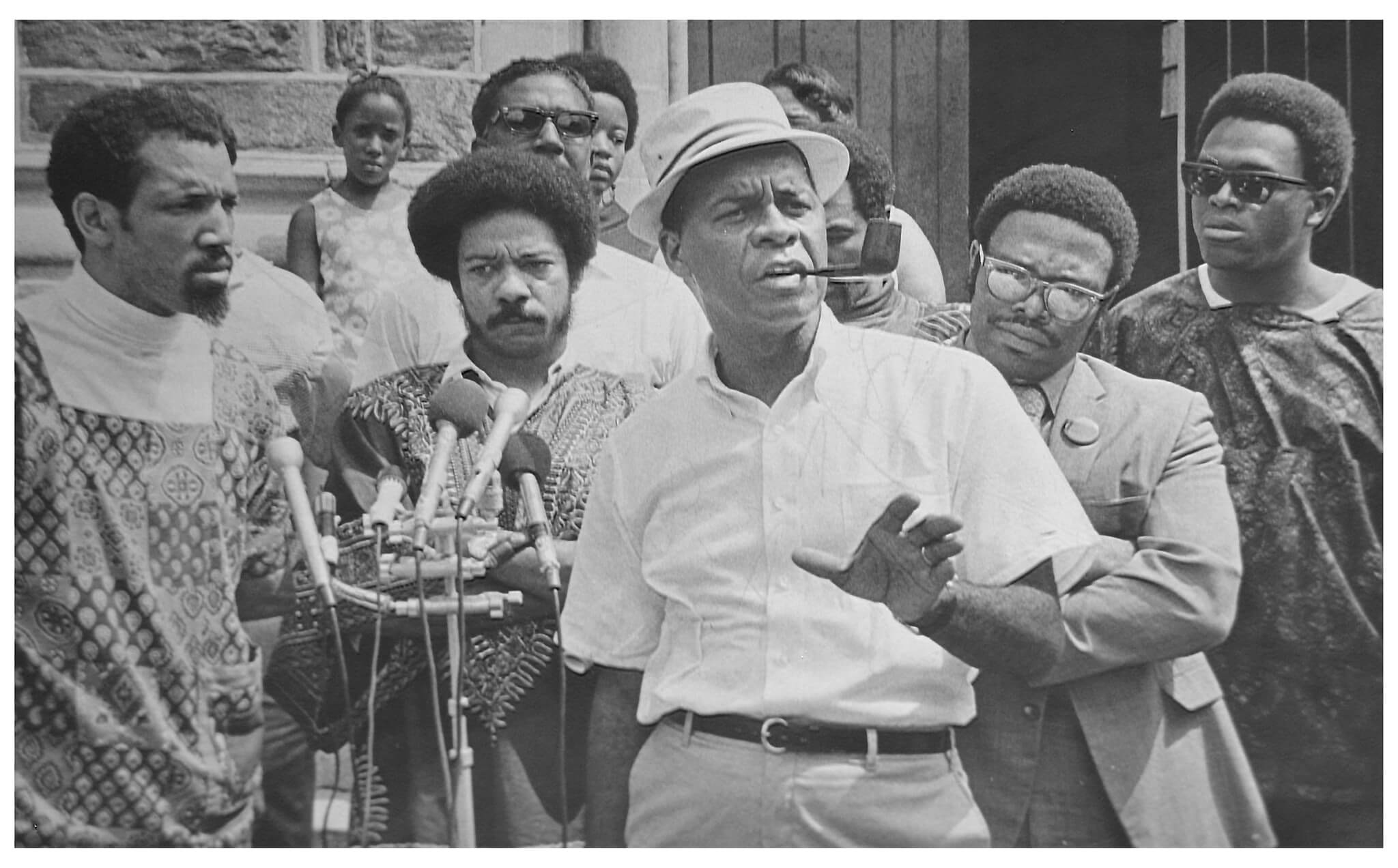
Photographs and case files documenting the decades-long federal study of untreated syphilis among Black men in Alabama remained internal government records for the study’s entire run. Public exposure came only after a 1972 news report forced the program’s end, and the underlying documentation reached wider historical review only afterward.
Wayne Miller’s Hiroshima Medical Photographs
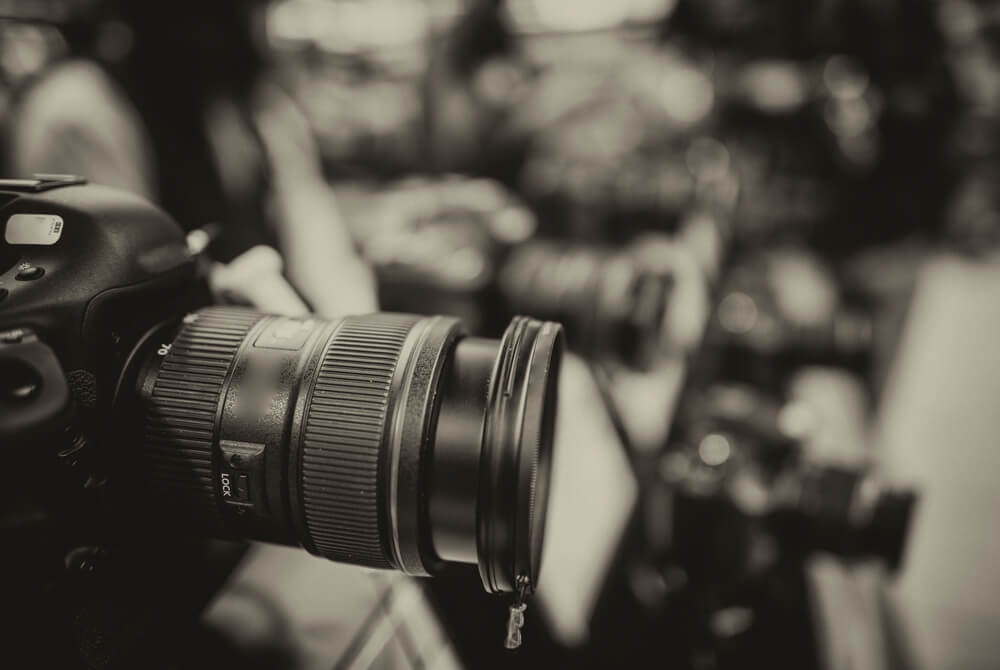
Navy photographer Wayne Miller documented survivors and medical conditions in Hiroshima shortly after the bombing, but much of his material stayed in military and personal archives for decades rather than reaching publication. Portions of his work were not widely exhibited until well after his death.
Bin Laden Raid Operations Room Photographs
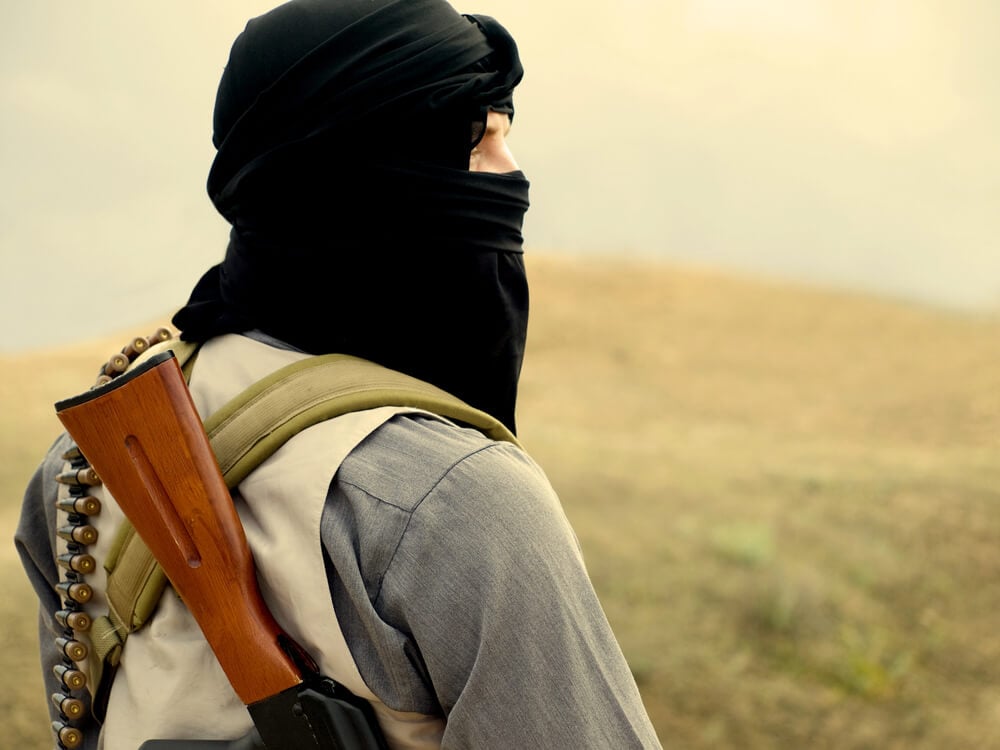
The White House released one widely seen photograph from the Situation Room during the 2011 raid on Osama bin Laden’s compound, but related images and video from the operation itself stayed classified. Some material connected to the raid remained restricted for years under standard national security review.
Bert Stern’s “Last Sitting” of Marilyn Monroe
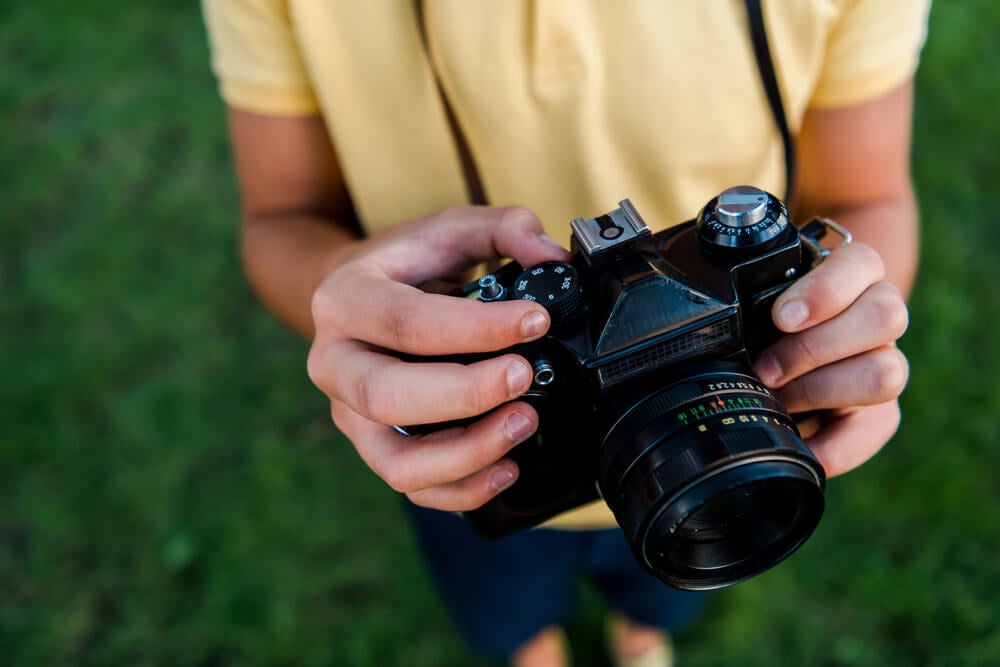
Photographer Bert Stern shot an extensive session with Marilyn Monroe weeks before her death in 1962, but by his own account he held back the bulk of the images for years before publishing them as a book. The delay turned a working fashion shoot into one of the most reprinted photographic records of her life.
Titanic Wreck Discovery Photographs
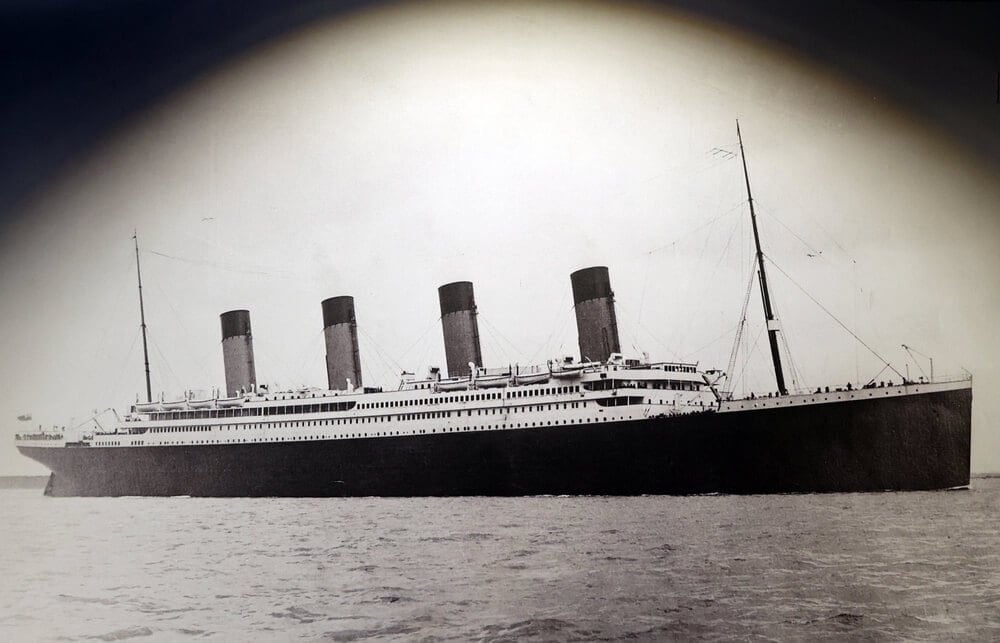
The oceanographic expedition that located the wreck of the Titanic in 1985 kept the exact position confidential and delayed the release of full imagery, partly out of concern for the site’s preservation. Detailed photographs of the wreck reached the wider public only in the months and years that followed the discovery.
Postwar Japanese Internment Camp Photographs
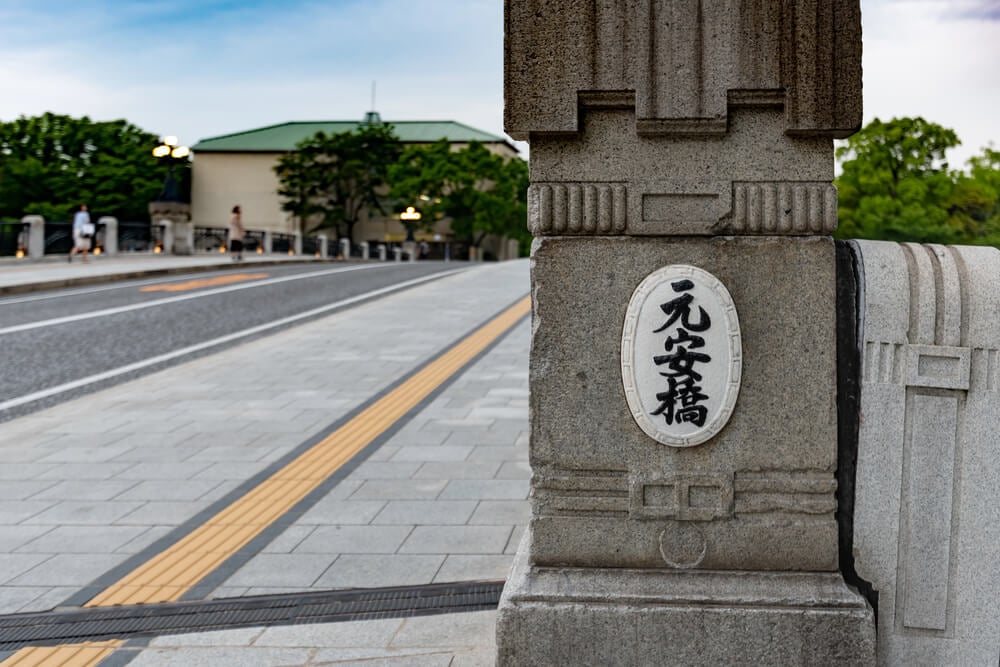
Photographers working under the federal War Relocation Authority documented life in the American camps that held Japanese Americans during the Second World War, but the government controlled distribution closely and many images were never printed in the newspapers of the day. Fuller collections were not made broadly accessible to researchers until long after the camps closed.
When the Camera Waits Longer Than the Moment
A photograph can be finished the instant the shutter closes, but its arrival in public view is a separate event, controlled by editors, governments, estates, and sometimes the photographer’s own second thoughts. The gap between those two moments is not incidental.
It is often the story. What connects these cases is not secrecy for its own sake but a judgment, made by someone with the negative in hand, that the world was not ready to see it yet.
Whether that judgment protected a family, a nation’s self-image, or simply a photographer’s unfinished project, the images eventually escaped the drawer, and the delay became part of how each one is now understood.
More from Go2Tutors!

- The Romanov Crown Jewels and Their Tragic Fate
- 13 Historical Mysteries That Science Still Can’t Solve
- Famous Hoaxes That Fooled the World for Years
- 15 Child Stars with Tragic Adult Lives
- 16 Famous Jewelry Pieces in History
Like Go2Tutors’s content? Follow us on MSN.