Why the First Snow Day Always Hit Harder Than Any Holiday
There’s a particular kind of magic that belongs exclusively to childhood winters — and it doesn’t live in the wrapped boxes under the tree or the candy stashed in plastic eggs. It lives in the moment you wake up, look out the window, and realize the world has gone completely white overnight. The first snow day of the season wasn’t just a day off school. It was an interruption. A gift nobody planned for. And somehow, that made it feel bigger than any holiday the calendar could offer.
The Surprise Factor
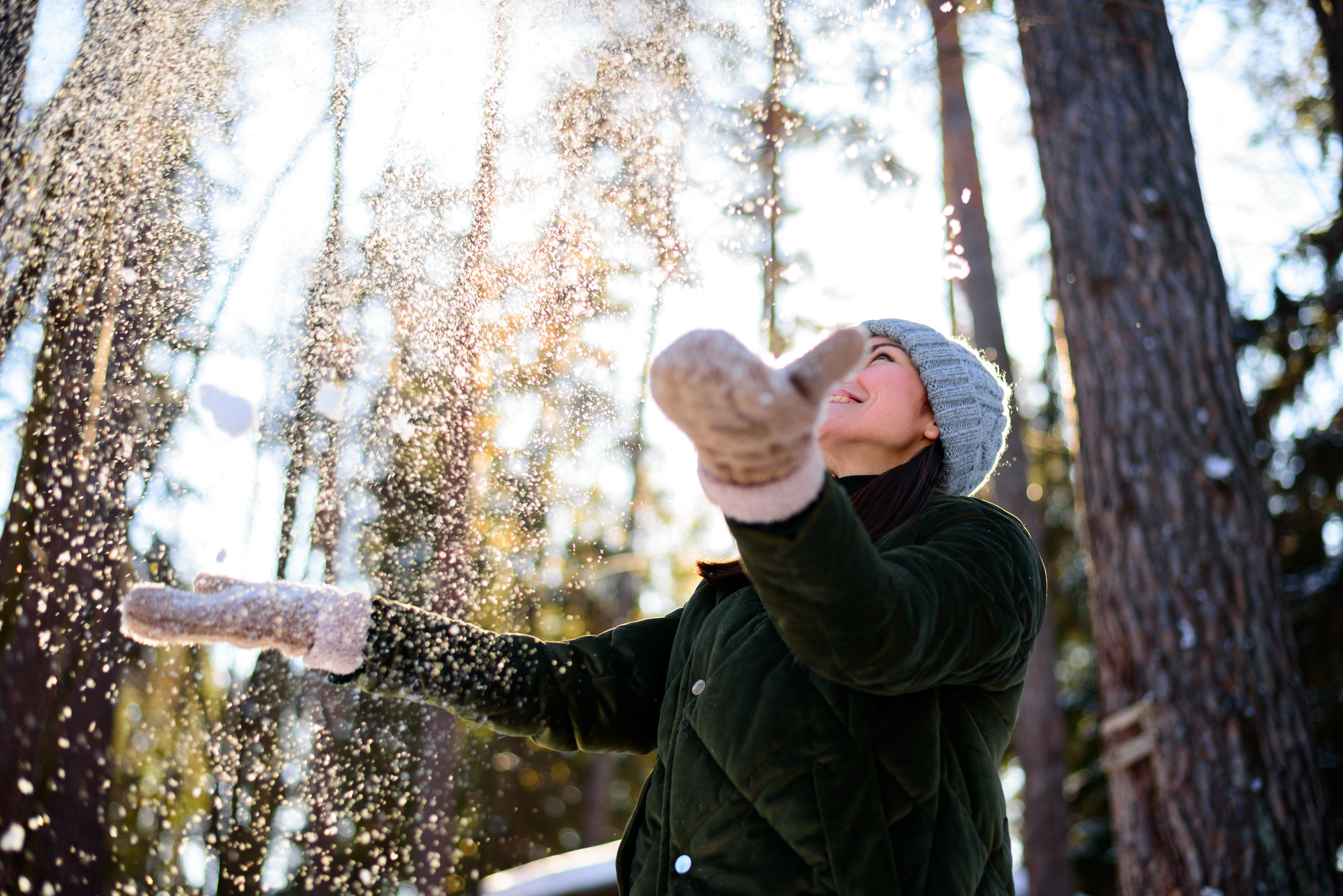
No snow day was ever announced in advance. It arrived like a rumor that turned out to be true — you went to sleep uncertain, you woke up transformed. That gap between hoping and knowing is where the feeling lived, and no holiday ever asked that much of you emotionally before 7 a.m.
The Sound of the Radio
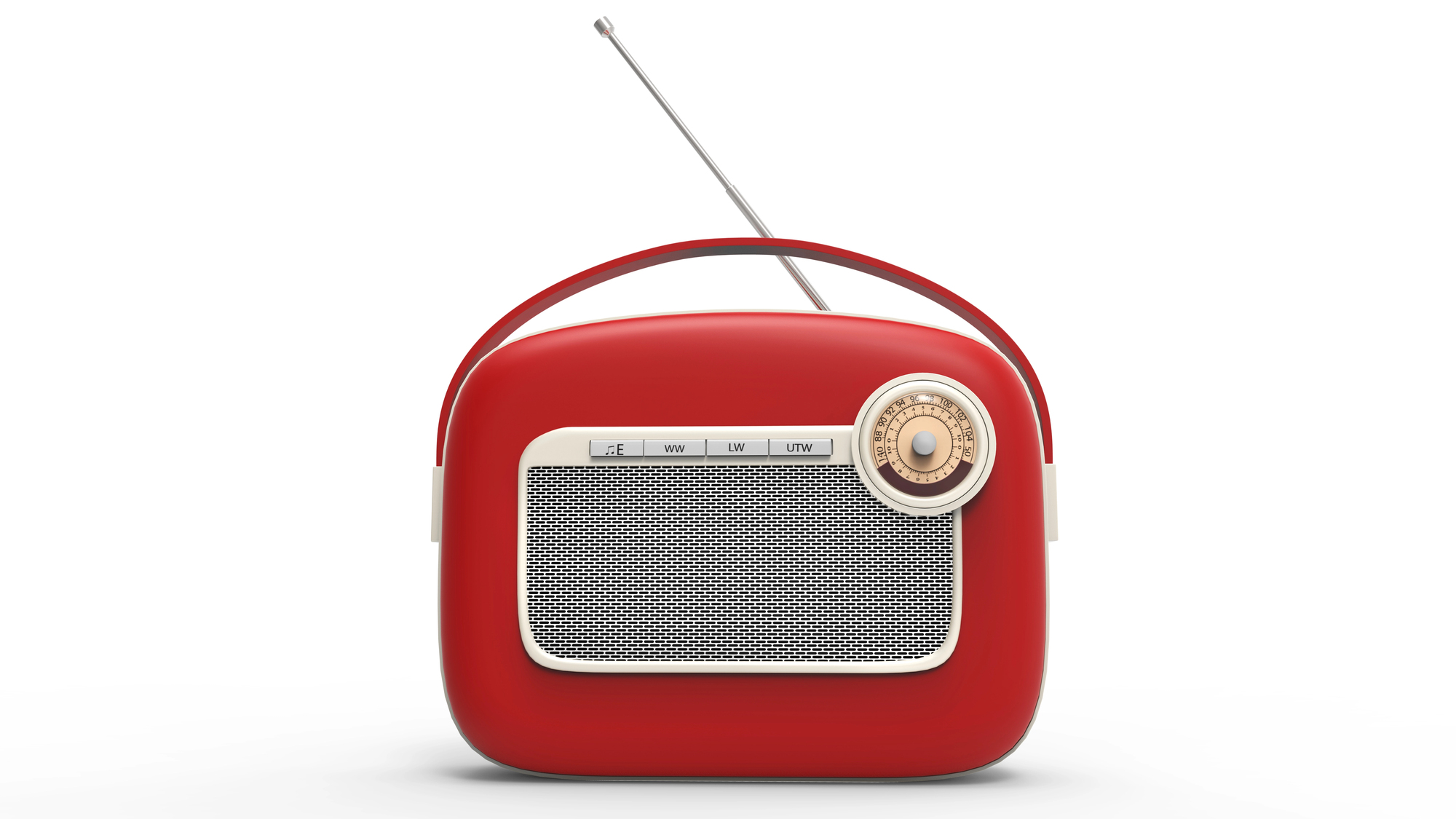
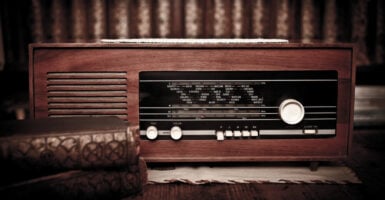
There was something almost ceremonial about the way families gathered around the radio (or, later, the television ticker crawling across the bottom of the screen) waiting for a specific name — your school district’s name — to appear among the list of closures, and the waiting itself, which could stretch for twenty agonizing minutes, was its own strange ritual: equal parts suspense and barely contained chaos. So when the name finally appeared, the reaction was never dignified. It was pure, unfiltered relief. And that relief hit different than any countdown to midnight ever did.
The Pajama Rule:

A snow day had its own unspoken dress code, and it went exactly against every instinct a school morning ever built into you. Staying in pajamas past 8 a.m. felt almost transgressive — like wearing the wrong thing to a formal event, except the event was doing nothing, and doing nothing was the entire point. The pajamas weren’t comfort so much as a uniform for a different kind of day, one where the usual rules simply didn’t apply. That small rebellion against getting dressed carried more weight than it had any right to.
The School Holiday Comparison

Holidays are scheduled, which immediately makes them lesser experiences. You can see Christmas coming from weeks away — the anticipation dulls with every passing day of decorations and countdowns. A snow day gives you nothing to anticipate, and that’s exactly what makes it hit so cleanly.
The Mom Factor

Snow days made parents scramble. Work calls had to be rerouted. Plans collapsed. And yet most parents, despite the visible inconvenience, never quite managed to hide the small smile. Go figure.
The Specific Joy of Sledding
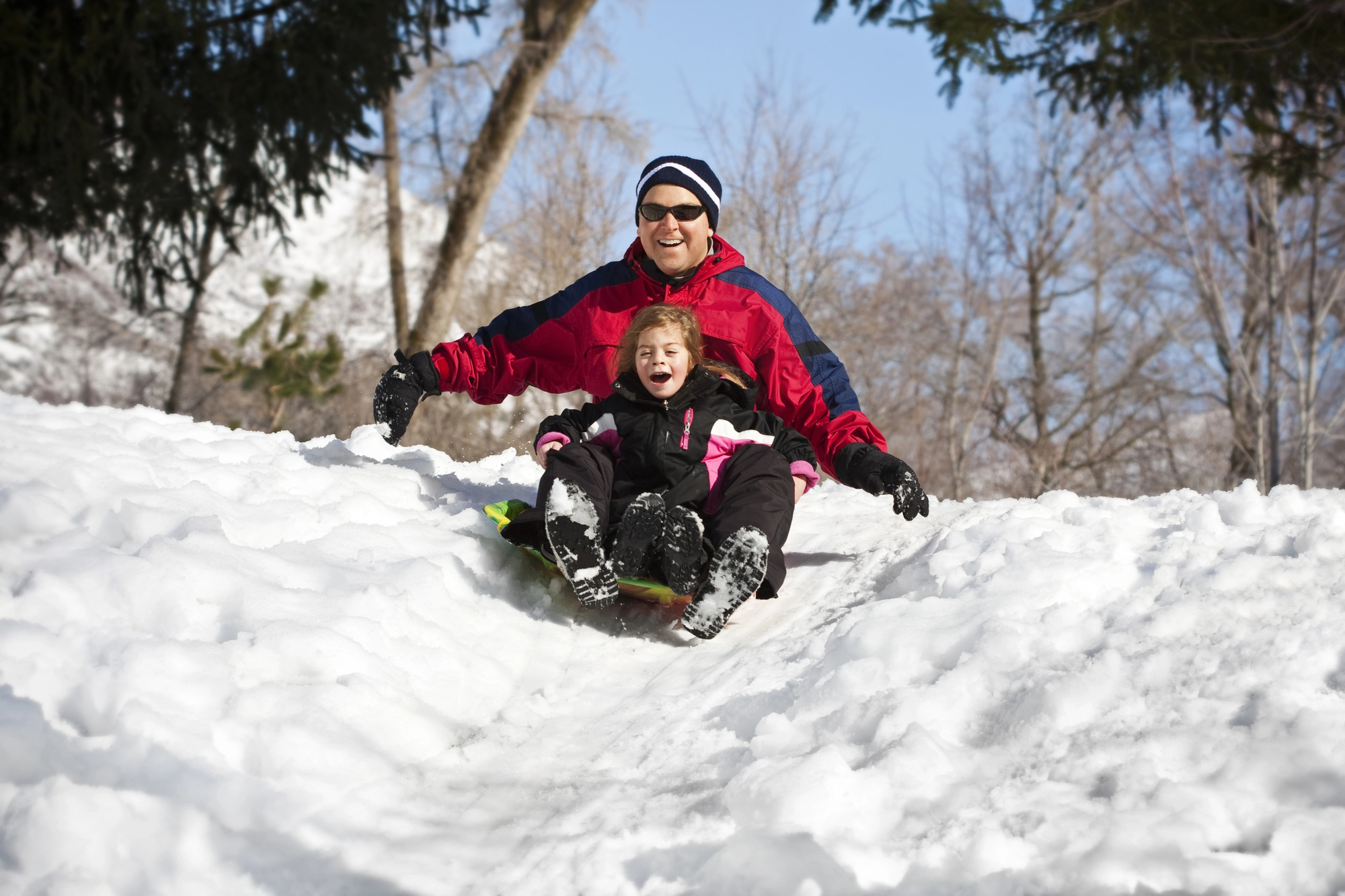
There’s a hill in almost every American neighborhood that exists for exactly one purpose — a purpose it sits idle for eleven months of the year, overlooked and indifferent, until the first real snowfall transforms it overnight into something close to sacred, and every kid within a half-mile radius arrives with whatever sled they could find (or a garbage bag lid, or a flattened cardboard box, because desperation breeds creativity). The runs were short, maybe fifty feet on a good hill. But fifty feet at speed, in the cold, with your scarf flying sideways: that was enough. That was more than enough.
The Silence Outside
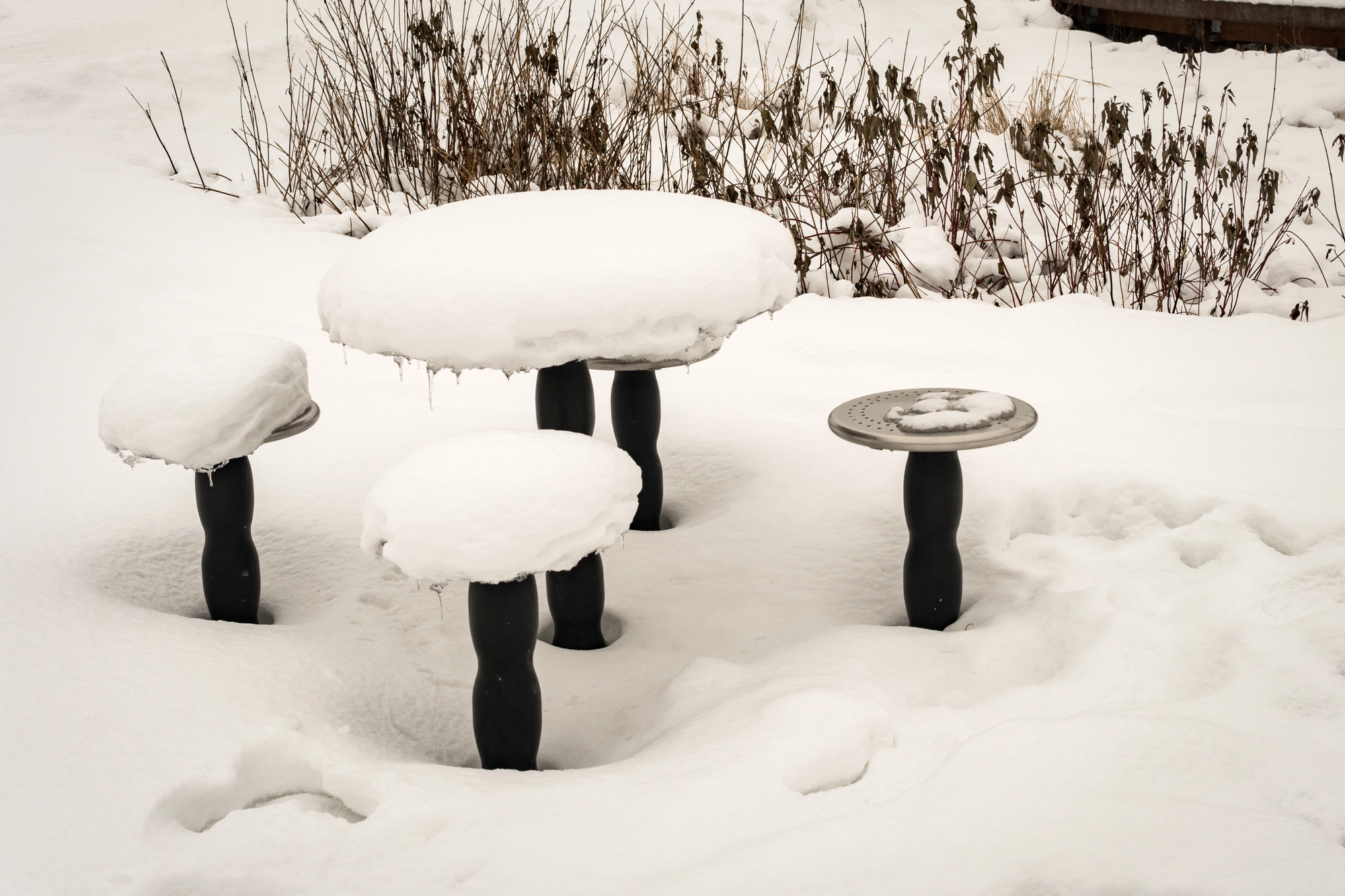
Snow muffles sound in a way that’s almost rude — like the whole neighborhood agreed to stop talking without telling you. Even a street that would normally hum with cars and voices goes quiet under a fresh layer of white, and that silence has a texture to it, something between stillness and held breath.
It’s the kind of quiet that makes you feel like you stepped outside the normal flow of things for a moment. Holidays never offered that.
The Hot Chocolate Payoff

Hot chocolate after sledding is one of the few childhood experiences that fully lives up to its own reputation. It’s not nostalgia inflating the memory — it genuinely tasted better on those days, and the reason is simple: you earned it with cold hands and wet socks.
Everything tastes better when you’ve been outside long enough to lose feeling in your fingers, which is saying something.
The School Building’s Absence

The school existed. It just didn’t exist today. That distinction mattered enormously at age eight. It wasn’t that you hated school — it was that its absence felt like a small miracle. Turns out, that’s a feeling no scheduled break ever quite replicated.
The Snowman as a Project
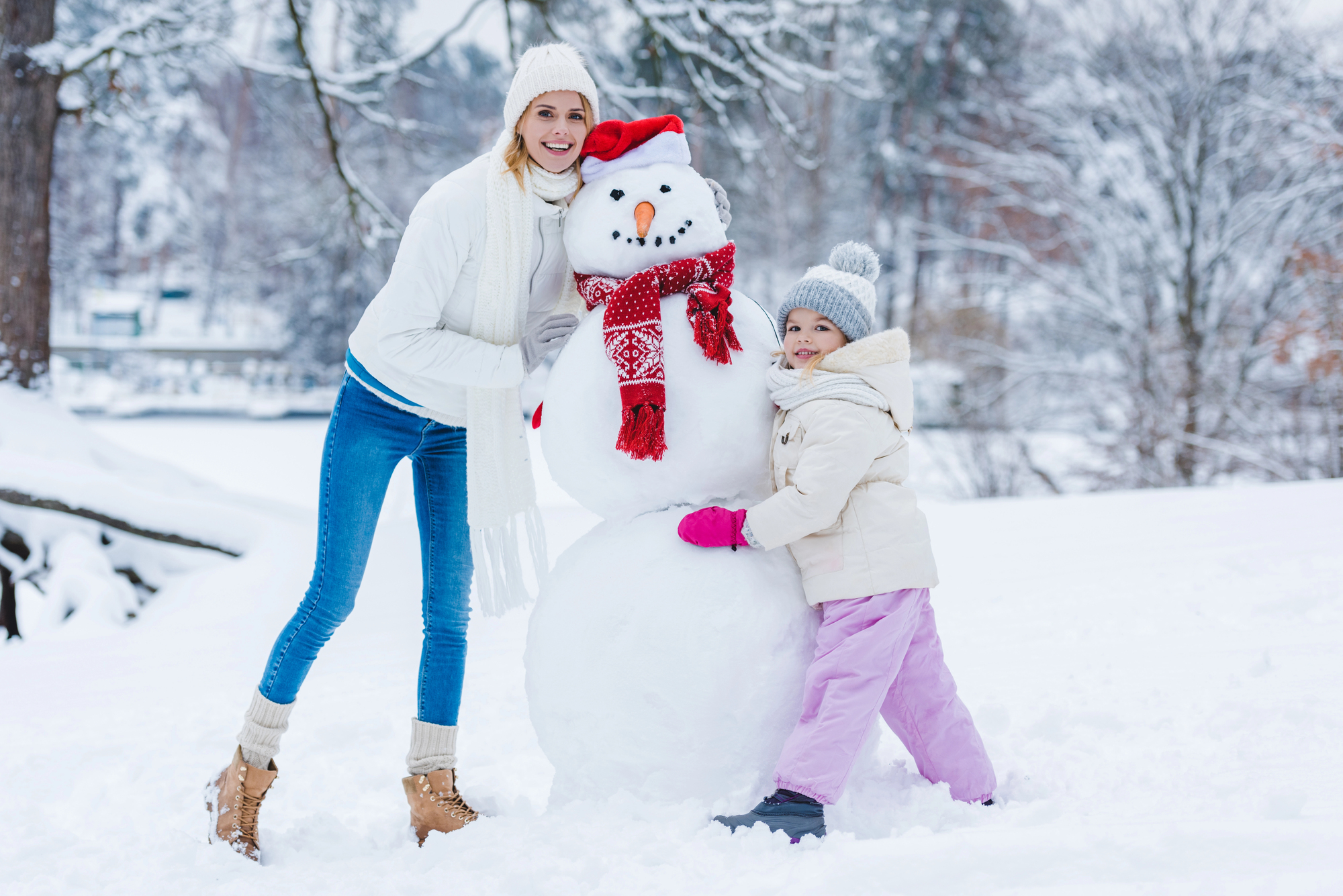
Building a snowman sounds like a simple task until you’re actually doing it — rolling a round of snow across a lawn and watching it grow heavier and slower with every foot it travels, collecting dead grass and gravel and the occasional confused earthworm, until the thing is too heavy to lift and you have to call for backup (which usually meant whoever happened to be walking past). The scarf came from the closet.
The carrot from the refrigerator. And yet the finished product felt genuinely earned, in a way that no store-bought kit ever could approximate. Some things have to be assembled under inconvenient conditions to mean anything.
The Window View
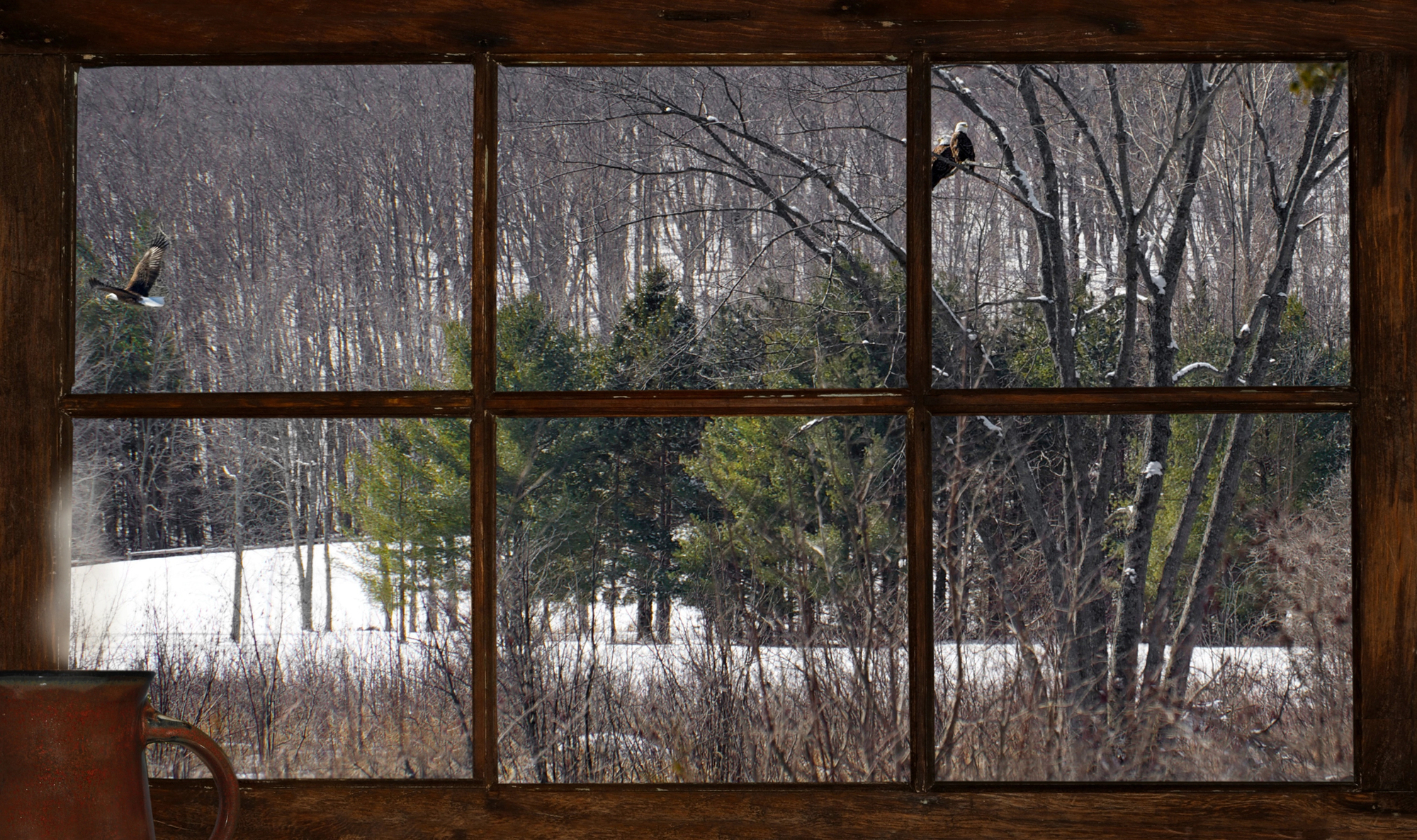
Watching snow fall from a warm window is one of those experiences that does something subtle to the nervous system — it slows everything down without asking permission. Each flake moves at its own pace, indifferent to wherever anyone needs to be, and the effect is closer to meditation than entertainment.
A snow day gave you hours of that view, which most adults would pay considerable money to recreate today. You had it for free, and you were eight, and you didn’t know how rare it was.
The Snowball Fight Diplomacy
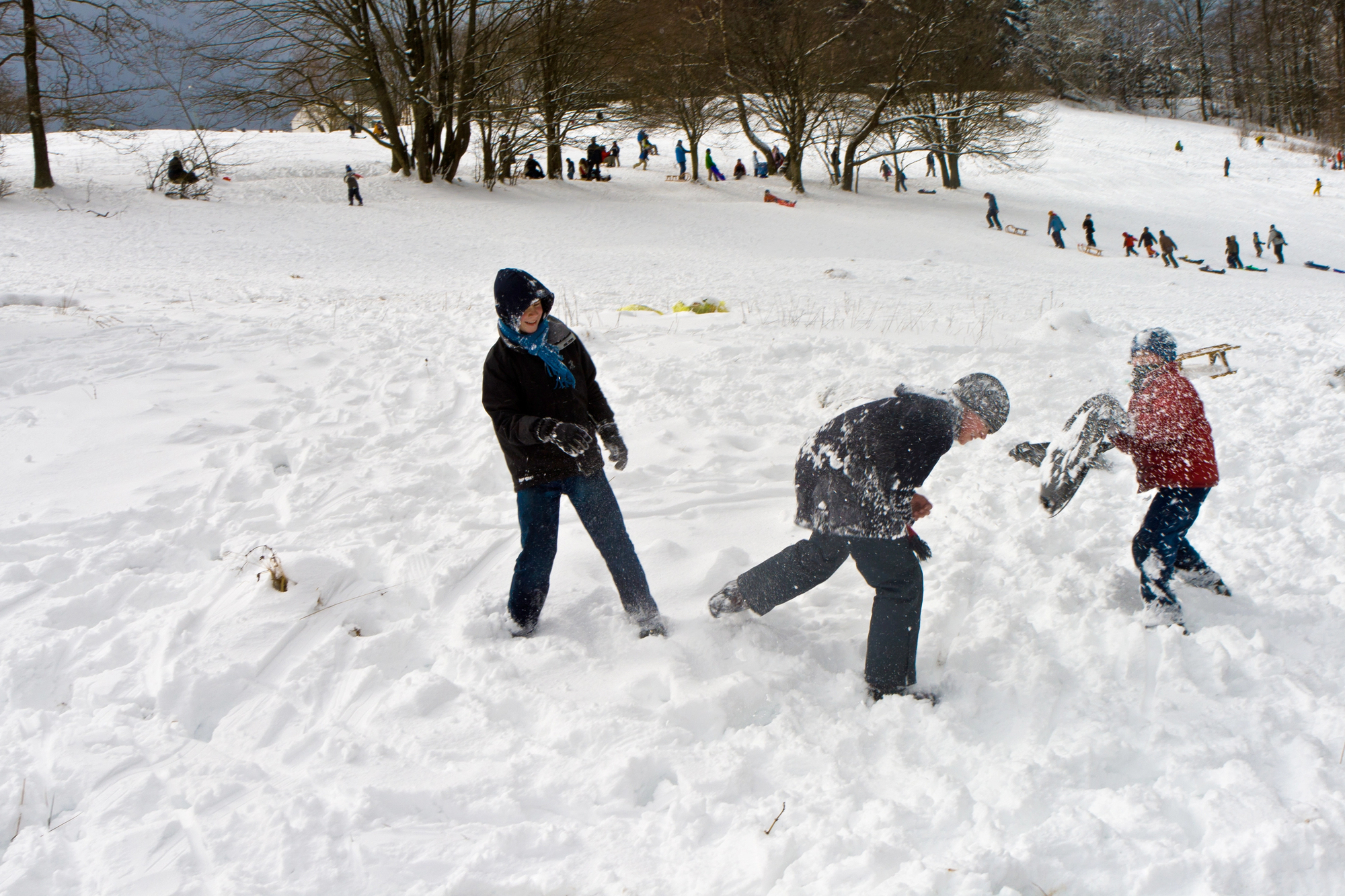
A snowball fight has no rules, and that’s not a flaw — that’s the entire structure. Alliances form and collapse within minutes. Somebody always gets hit in the face and briefly becomes a martyr. The whole thing runs on pure social improvisation, which is a more honest version of how most things work than any adult will admit.
The Return Inside
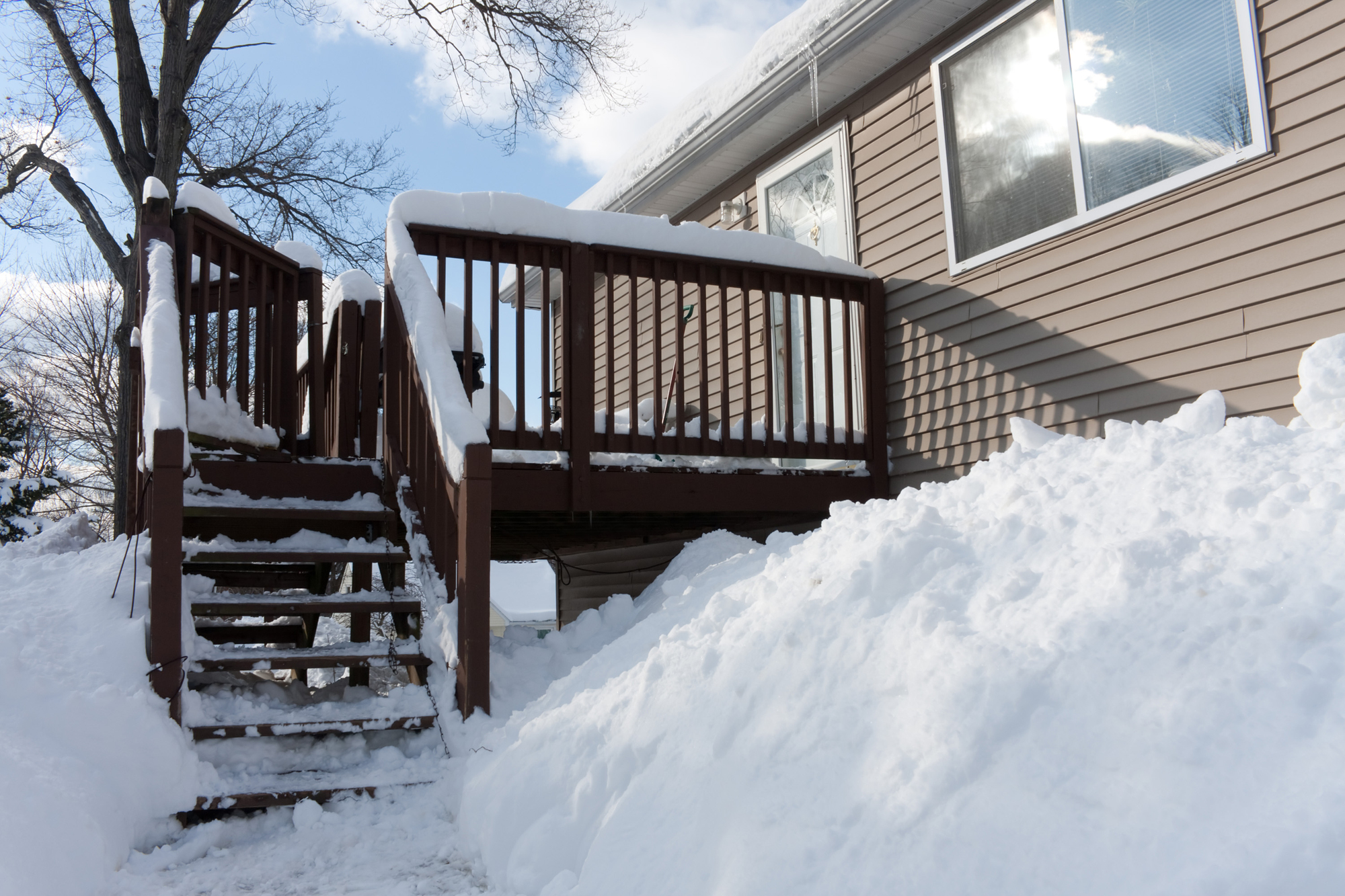
At some point, the cold won. You came inside dripping. Your boots went by the heater. The indoors felt earned in a way it never did on a regular day. That was the snow day completing itself.
The Night Before
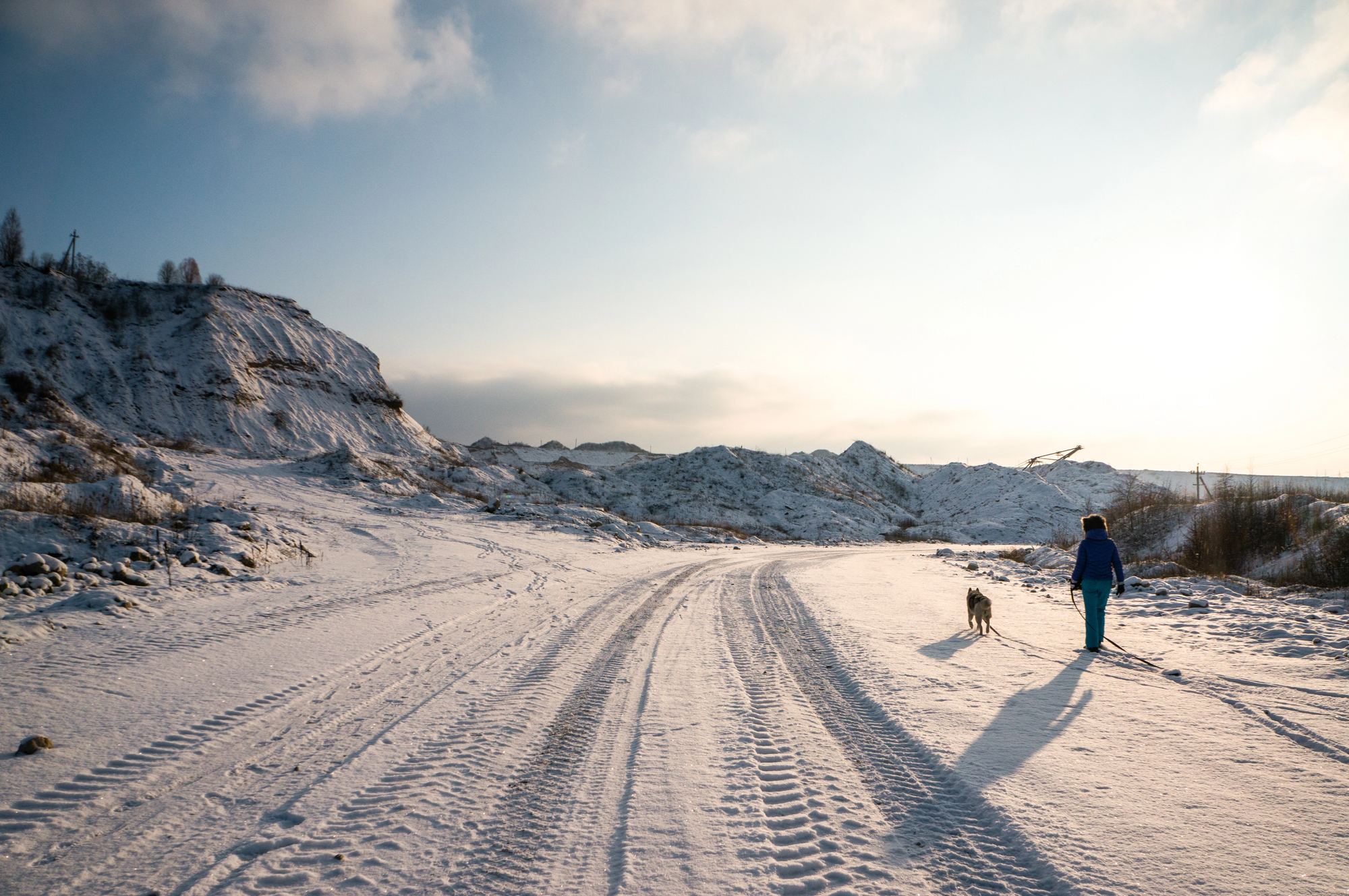
The night before a predicted snow day was its own separate experience — a kind of anxious vigil where you’d check the window repeatedly (as if looking hard enough would somehow influence the weather), refresh whatever forecast existed in your era, and go to bed genuinely uncertain about what the morning would bring, which meant sleep came slower and felt lighter, interrupted by the particular restlessness of waiting for something good. And that’s the thing about anticipation without certainty: it’s exhausting and exhilarating simultaneously, and no holiday ever asked you to sit with that kind of not-knowing.
Christmas was coming. That was never in question. The snow day was a rumor until it wasn’t.
The Neighborhood Gathering
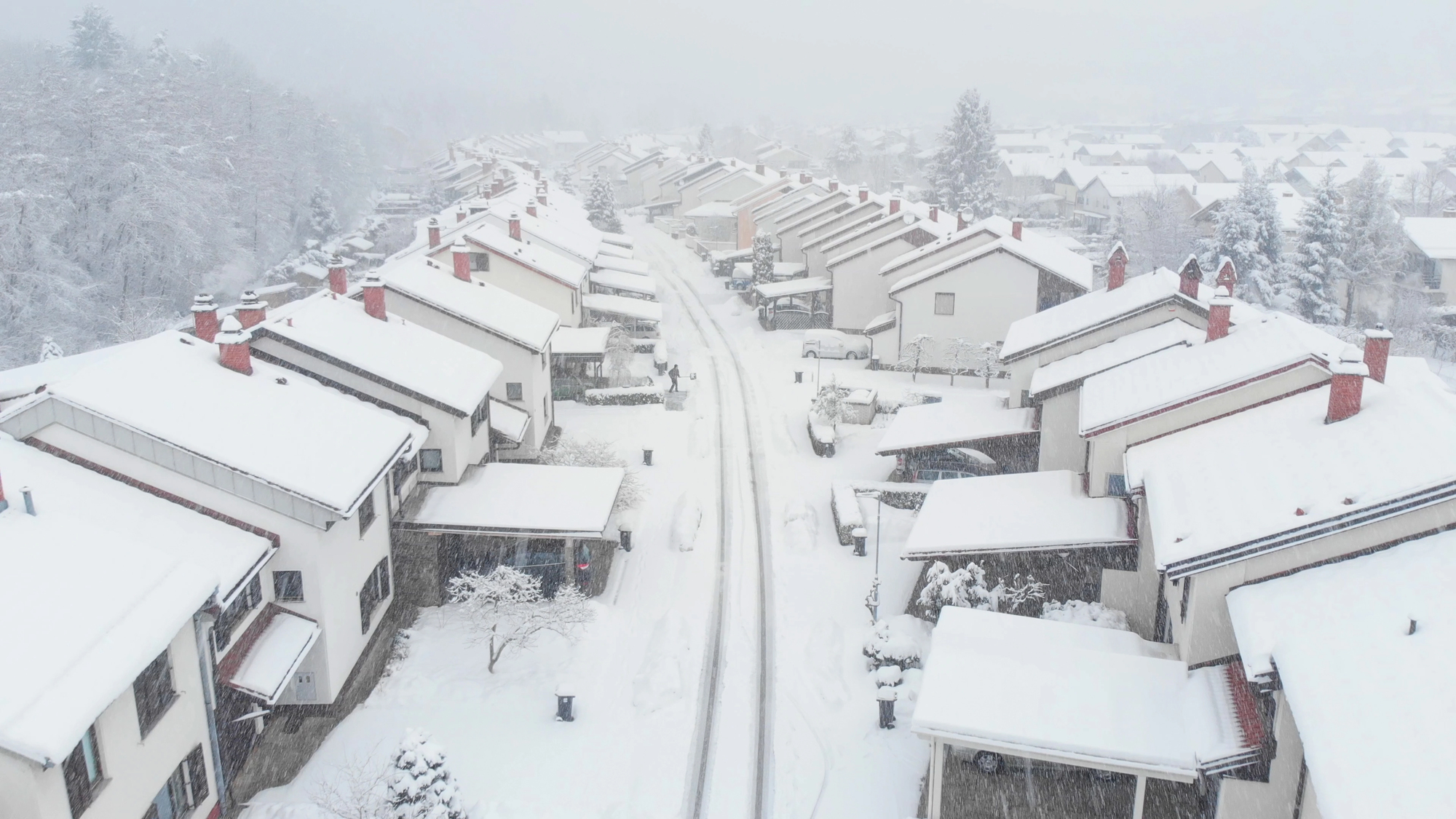
Something about a snow day pulled people outside who would otherwise spend the entire day invisible behind their doors — neighbors who nodded politely from driveways suddenly appeared, shovel in hand, calling across lawns, and for a few hours the neighborhood operated like a small town rather than a collection of separate households. The snow had a mild, stubborn way of insisting on community.
You couldn’t drive anywhere, so you stayed. And staying, it turned out, had its own rewards.
The Guilt-Free Television Hours

On a snow day, watching television until noon was not laziness — it was meteorologically endorsed leisure, and the distinction mattered. There was no should hanging over the couch. The snow outside handled all of that.
Cartoons on a Tuesday morning hit at a completely different frequency than cartoons on a Saturday, which is either a psychological quirk or proof that context is everything.
The Calendar’s Indifference

Holidays respect the calendar. They show up when they’re supposed to. Snow days don’t care about the calendar at all. That indifference is the source of everything.
The Version Adults Get

Adults still feel it — that particular lift when a storm is serious enough to cancel obligations — but the version they experience is filtered through practicality: the commute that won’t happen, the meeting that gets pushed, the vague guilt about productivity sitting alongside the relief, because adults are rarely allowed to feel uncomplicated joy about anything without immediately calculating what it costs them. So the snow day survives into adulthood, but it arrives wearing a different coat. The core is the same. The texture has changed.
The Food That Only Happened Then

There were meals that only appeared on snow days — soup from a can heated on the stove, grilled cheese cut diagonally, the specific brand of crackers your family kept in a cabinet for no clear reason but that appeared reliably when the weather got strange. These foods weren’t special on their own, but they became associated with a feeling so completely that eating them decades later still does something odd to the chest.
Memory has a way of folding itself into taste. And snow days were stubborn enough to stay there permanently.
The Unstructured Time
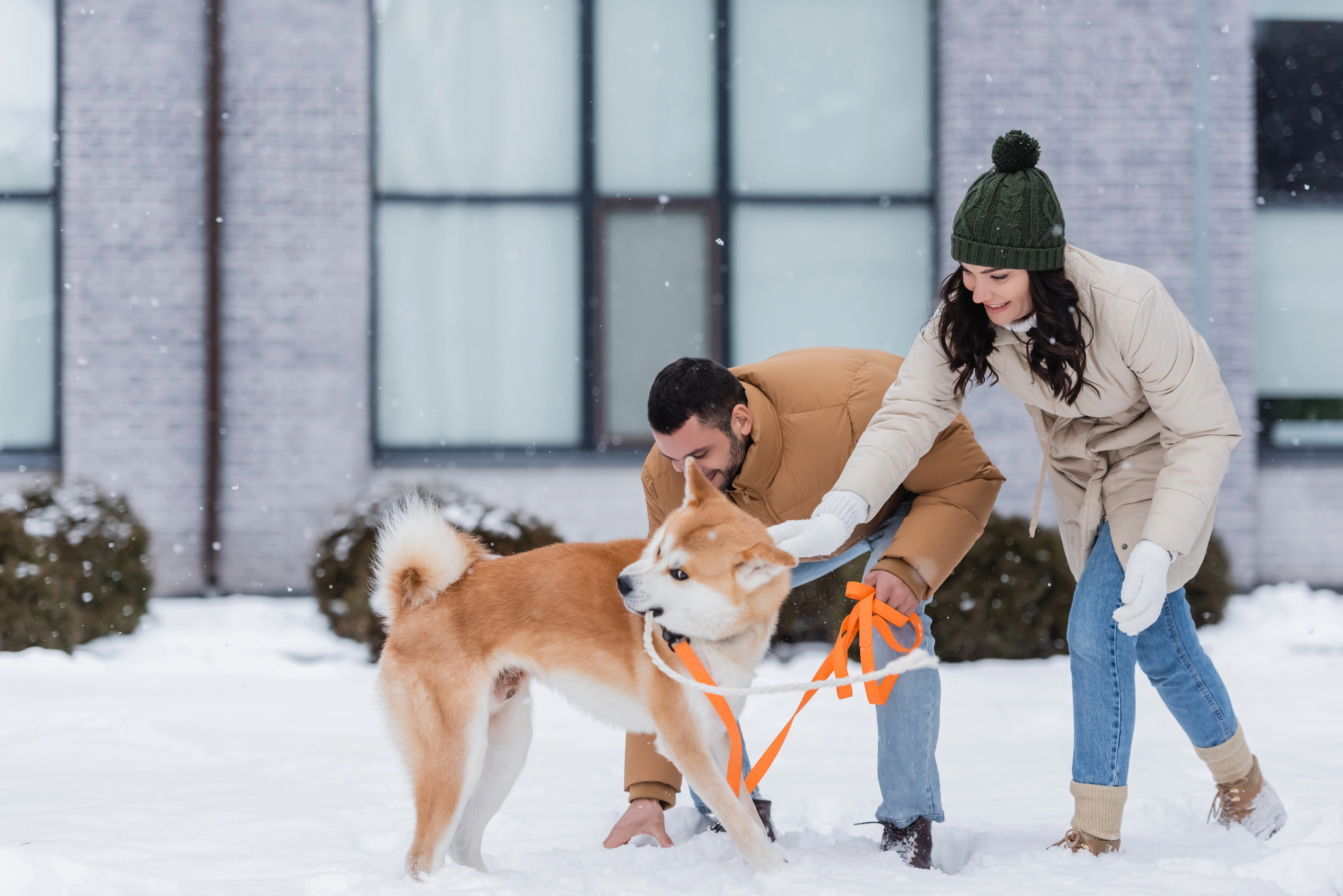
Unstructured time is genuinely difficult for children — and that’s what made snow days interesting rather than just relaxing. There was no agenda, no scheduled fun, no adult-organized activity waiting. You had to figure out what the day was, which turns out to be a surprisingly useful thing to practice. Most people spent their snow days better than they spent their Saturdays, go figure.
The Darkness Coming Early
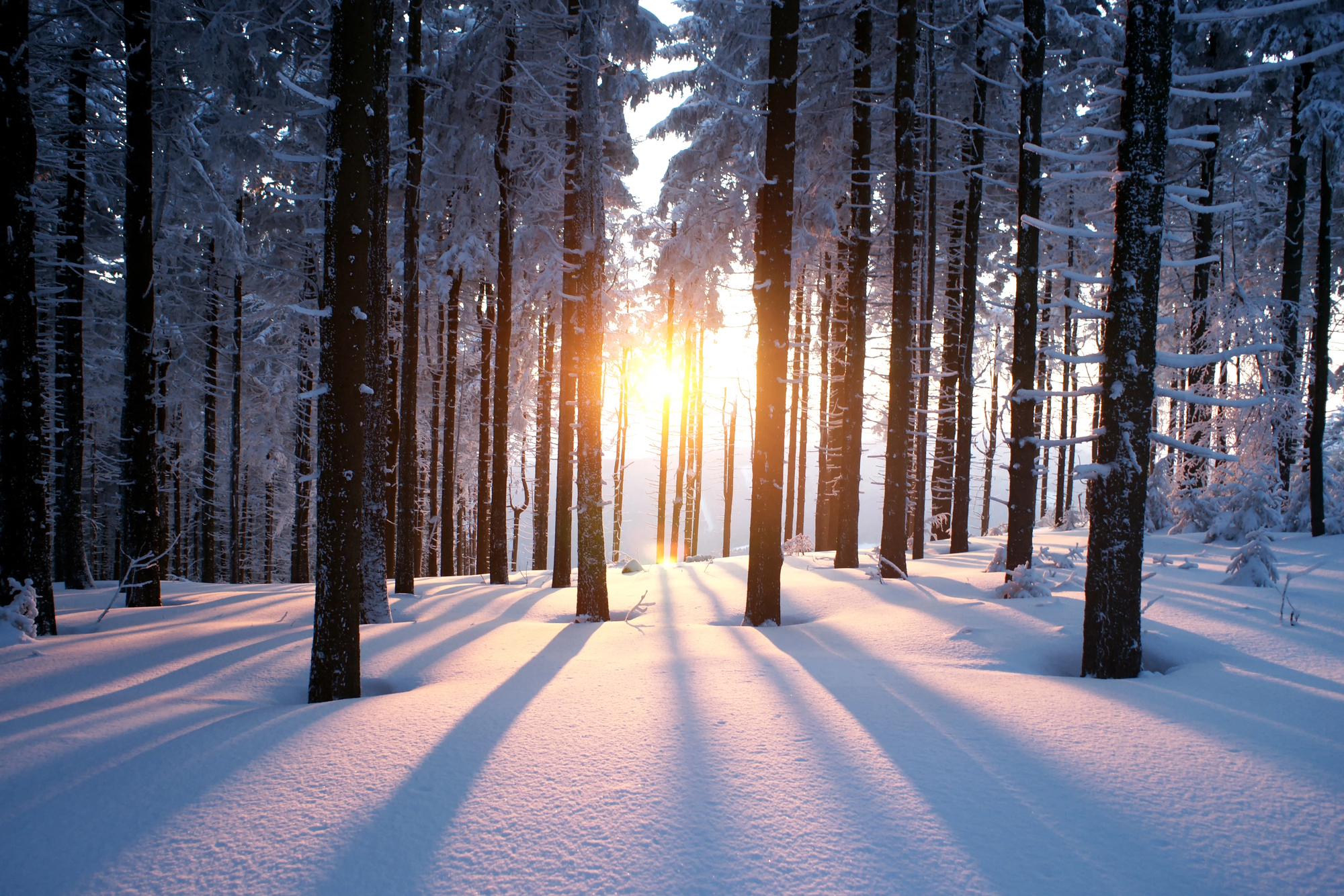
By four o’clock, the light was already going. The blue hour came fast in winter. You looked out the window and realized the day was almost over. It always ended sooner than it should have.
The Teacher Who Didn’t Mind

There was always a teacher — maybe your teacher, or the one down the hall whose class you could hear through the wall — who seemed genuinely, quietly pleased by snow days, who came back the next morning slightly rested and slightly less guarded, as if the day off had reminded them of something they’d been forgetting about themselves, and that small softening in a person’s face when they’ve had an unexpected reprieve is one of the more honest things a kid can learn about adults. Rest changes people. Even one day of it.
The Comparison to Summer Vacation
Summer vacation lasted two and a half months and, somewhere around week three, started to feel like furniture — always there, never surprising. A snow day was its opposite: singular and unscheduled and gone before you finished appreciating it, which is exactly why it left a mark when summer often didn’t.
Scarcity does things to value that abundance never can. The snow day was rare in the way that made it stay.
What the Snow Kept

There’s no recovering that specific feeling as an adult — not fully. The closest thing is the first morning of a genuine blizzard, when you look outside and realize the city has agreed, without a vote, to slow down.
It’s not the same. But it’s related, distantly, like a song you half-recognize from somewhere you can’t quite place. The original version belongs to a Tuesday in childhood, with wet gloves drying on the radiator and cartoons on the television and the whole impossible luxury of a day that nobody planned. You didn’t know, then, that you were storing it. But it stayed anyway.
More from Go2Tutors!

- The Romanov Crown Jewels and Their Tragic Fate
- 13 Historical Mysteries That Science Still Can’t Solve
- Famous Hoaxes That Fooled the World for Years
- 15 Child Stars with Tragic Adult Lives
- 16 Famous Jewelry Pieces in History
Like Go2Tutors’s content? Follow us on MSN.