Global Fighting Styles That Endure
The world has never agreed on much, but it has consistently found new ways to fight. Across continents and centuries, different cultures developed their own approaches to combat — some brutal, some elegant, some so specific to their origins that they seem almost mystical to outsiders.
What’s remarkable isn’t just that these fighting styles survived, but that many of them have thrived far beyond their birthplaces, adapting to modern times while keeping their essential character intact.
Boxing
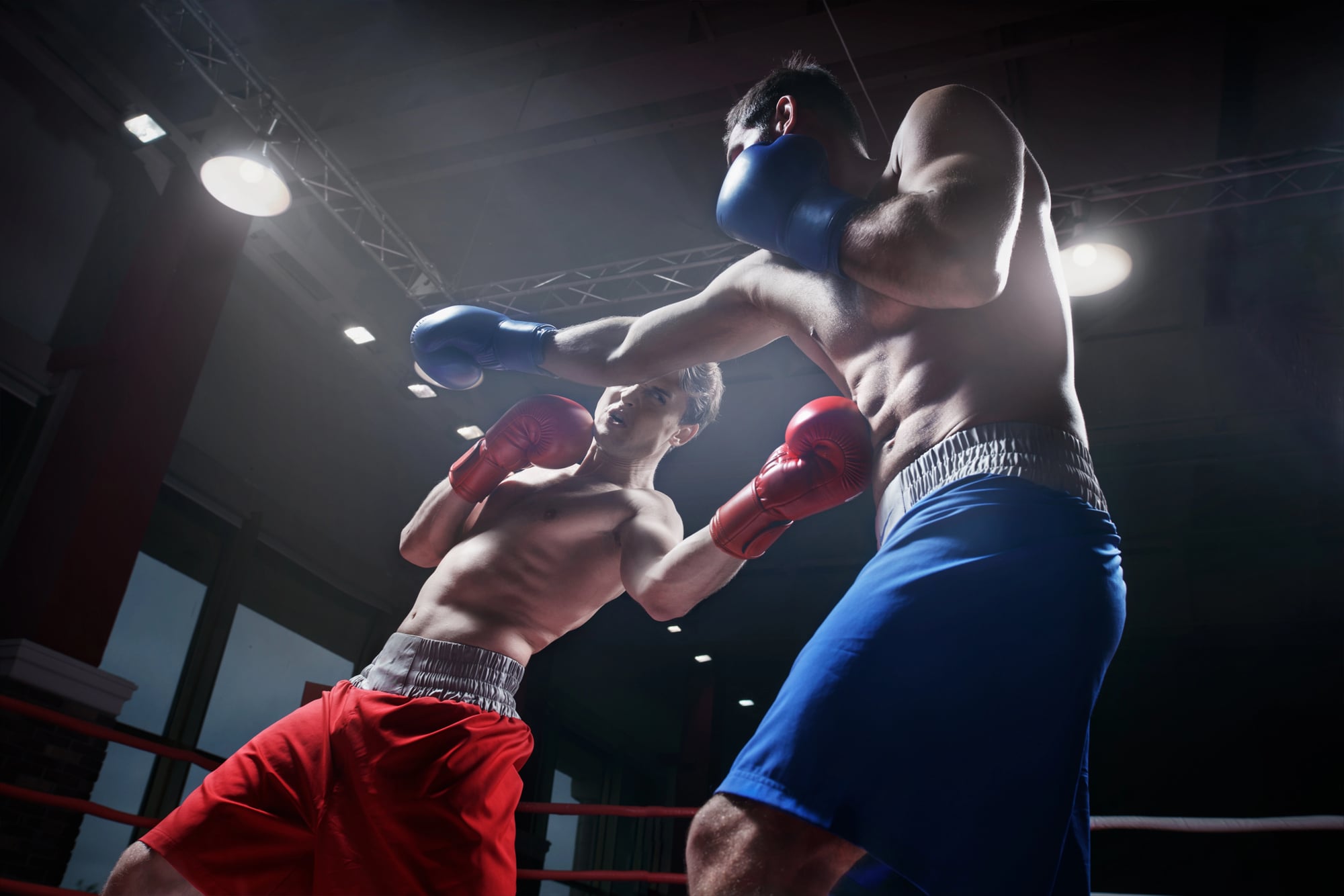
Boxing strips fighting down to its essentials. Two fists, basic footwork, nowhere to hide.
The ancient Greeks knew it, bare-knuckle brawlers in London alleys perfected it, and now it’s taught in gyms from Manila to Montreal.
The appeal is obvious. Anyone can throw a punch, but learning to throw one properly — and more importantly, learning to take one — requires months of patient, repetitive work that builds something deeper than technique.
Karate
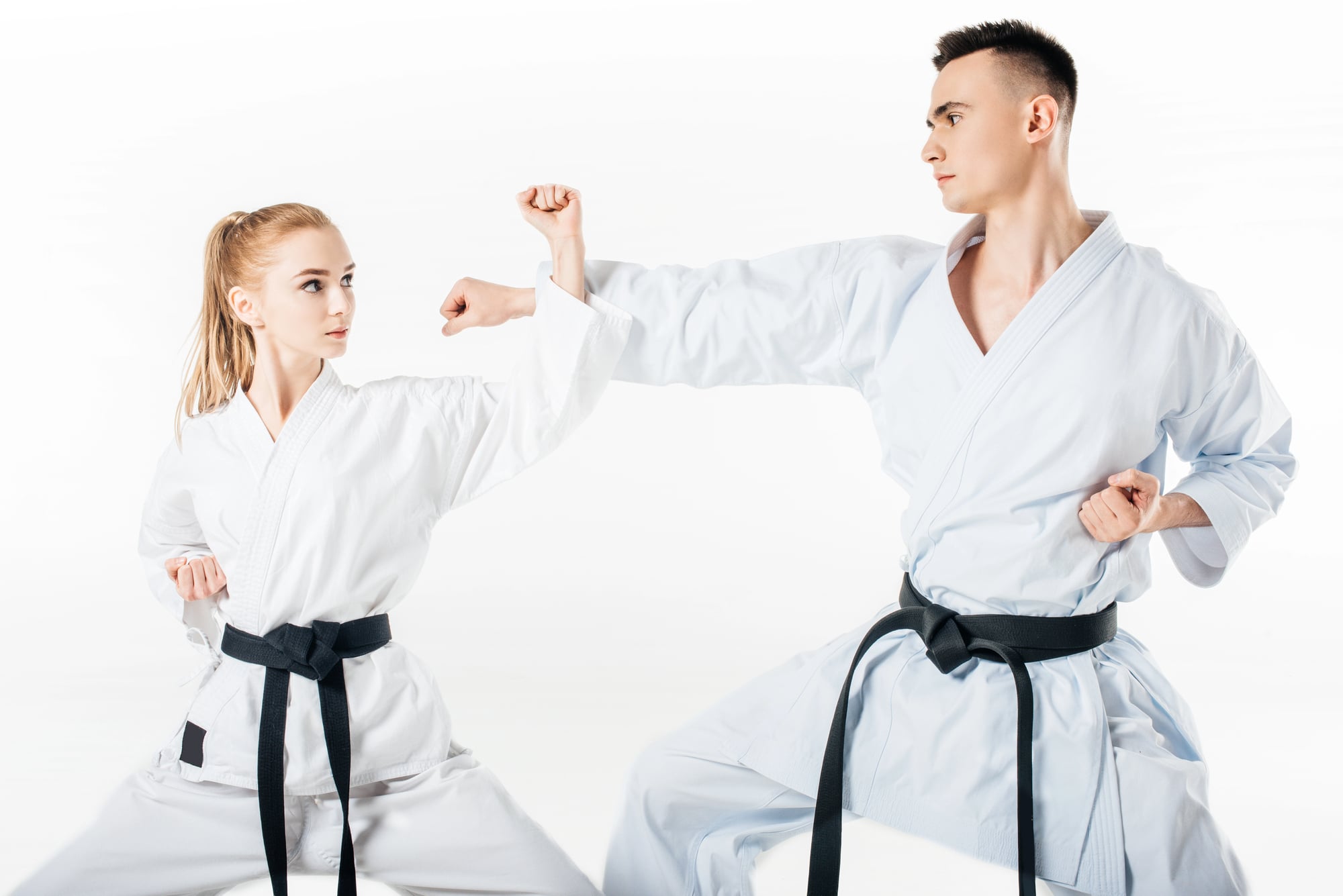
There’s something almost architectural about karate, the way practitioners break down movement into clean, geometric lines that seem to exist independent of the person performing them. And yet (despite what the movies suggested for decades) the real power comes not from the rigidity but from the moments between the rigid forms — the split second where perfect technique dissolves into pure reaction.
Karate traveled from Okinawa to mainland Japan, then spread globally after World War II, but it never quite lost that original quality: the sense that you’re learning not just how to fight, but how to inhabit your body with precision.
So it persists, even as flashier martial arts come and go, because precision never goes out of style.
Muay Thai
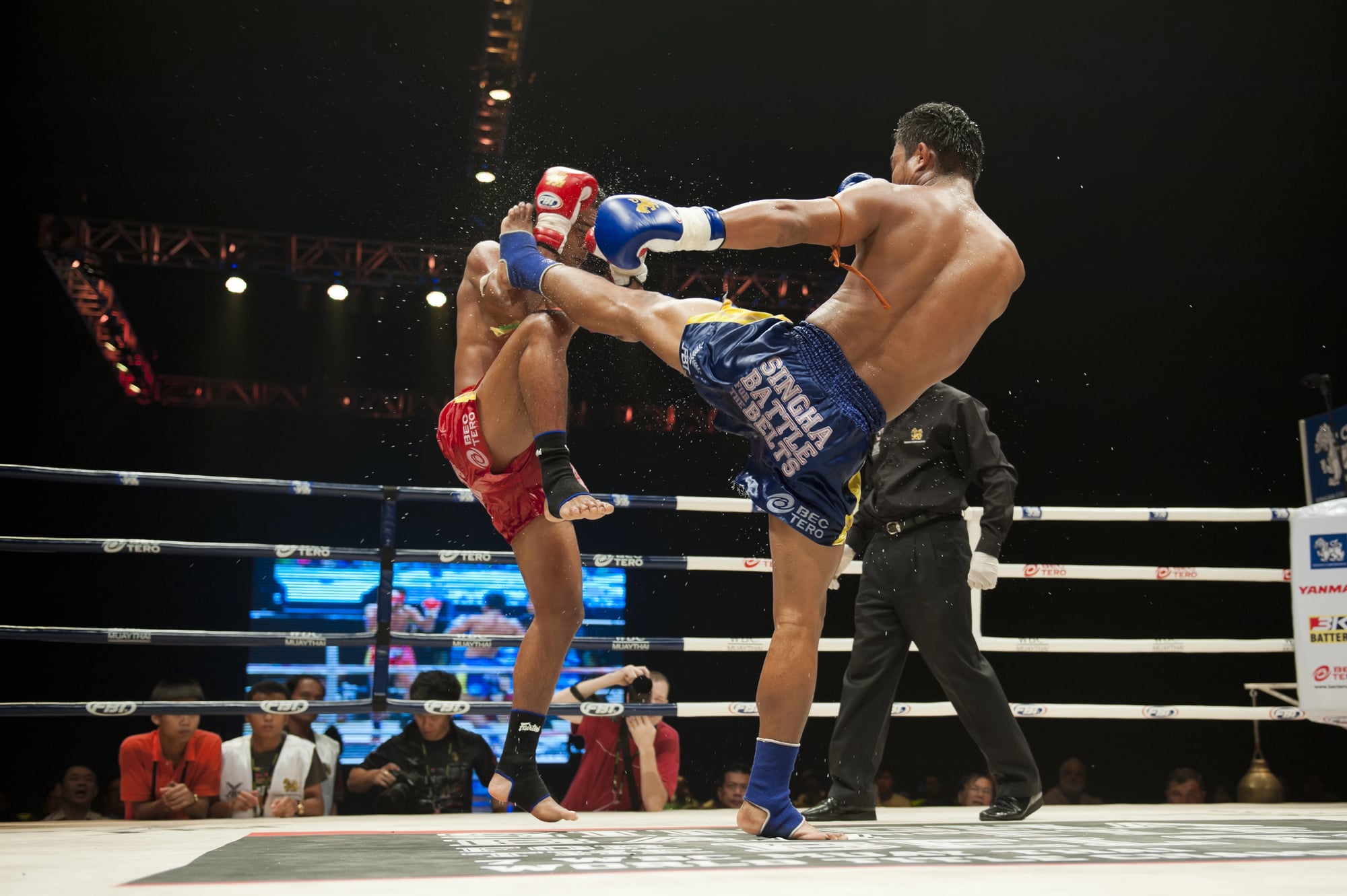
Muay Thai fighters use eight points of contact — fists, elbows, knees, shins — which sounds technical until you watch a match and realize it’s more like controlled violence set to a rhythm. The fighting happens inside a ritual framework that’s remained essentially unchanged for centuries.
What keeps it alive isn’t just its effectiveness (though anyone who’s taken a Thai kick to the leg will vouch for that). It’s the culture around it.
In Thailand, the sport carries spiritual weight. Fighters perform the ram muay before each bout — a dance that honors teachers, ancestors, and the fighting tradition itself.
Brazilian Jiu-Jitsu
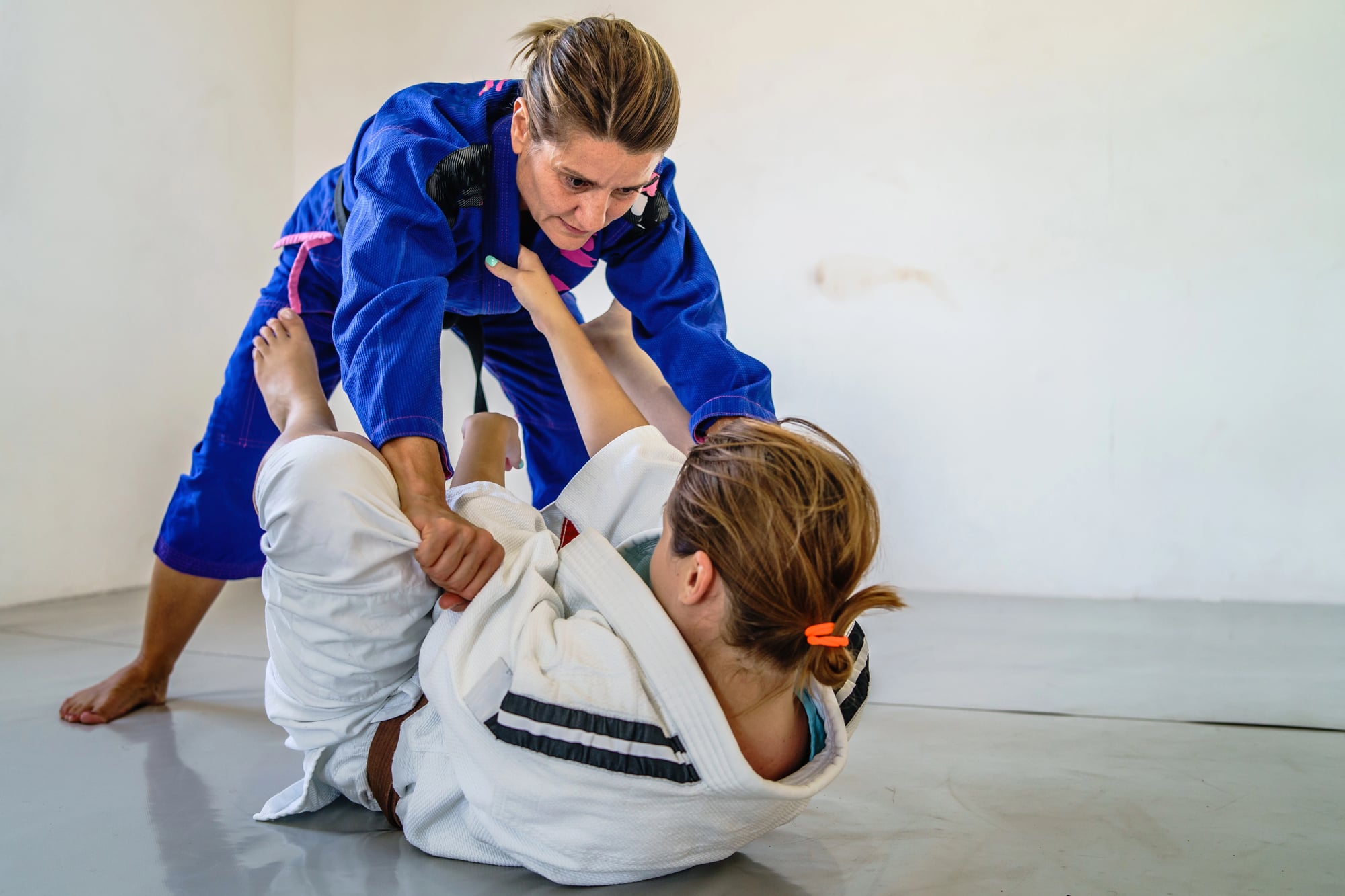
Brazilian Jiu-Jitsu treats fighting like a chess match played with entire bodies, where the goal isn’t to overpower but to out-position, and where being on your back — traditionally the worst place to be in a fight — becomes a strategic advantage in the right hands. The Gracie family took Japanese jujitsu, stripped away the standing techniques, and created something that revolutionized how people think about ground combat (and what happens when size and strength aren’t enough to save you from superior technique, as early UFC events demonstrated rather dramatically).
But here’s what makes BJJ particularly enduring: it forces you to problem-solve under pressure while someone is actively trying to choke you unconscious.
And yet — this part always surprises newcomers — the atmosphere in most BJJ gyms is remarkably calm and intellectual, almost scholarly.
People discuss technique the way wine enthusiasts discuss vintage.
Judo
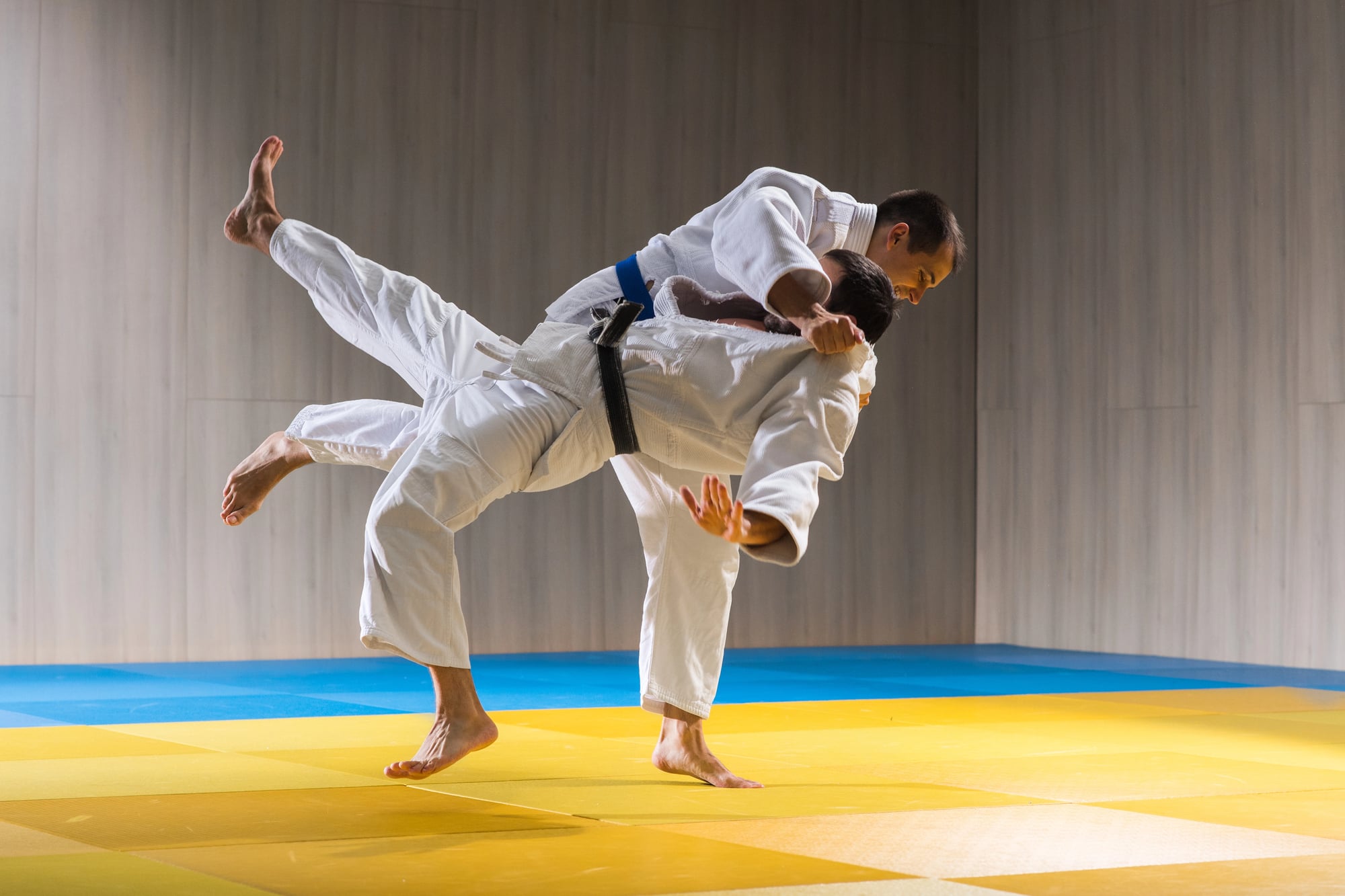
Judo transforms the basic human instinct to grab and throw into an art form where leverage defeats strength so completely that watching high-level judo can feel like witnessing minor miracles. A 140-pound judoka sends a 200-pound opponent flying through the air, and it looks effortless because, done correctly, it essentially is.
Jigoro Kano developed judo in the 1880s as a gentler alternative to the more brutal jujitsu styles, emphasizing mental discipline alongside physical technique.
That philosophical foundation has kept judo relevant across cultures — it’s one of the few martial arts that’s also an Olympic sport, which means it has to prove itself against international competition every four years.
Kung Fu
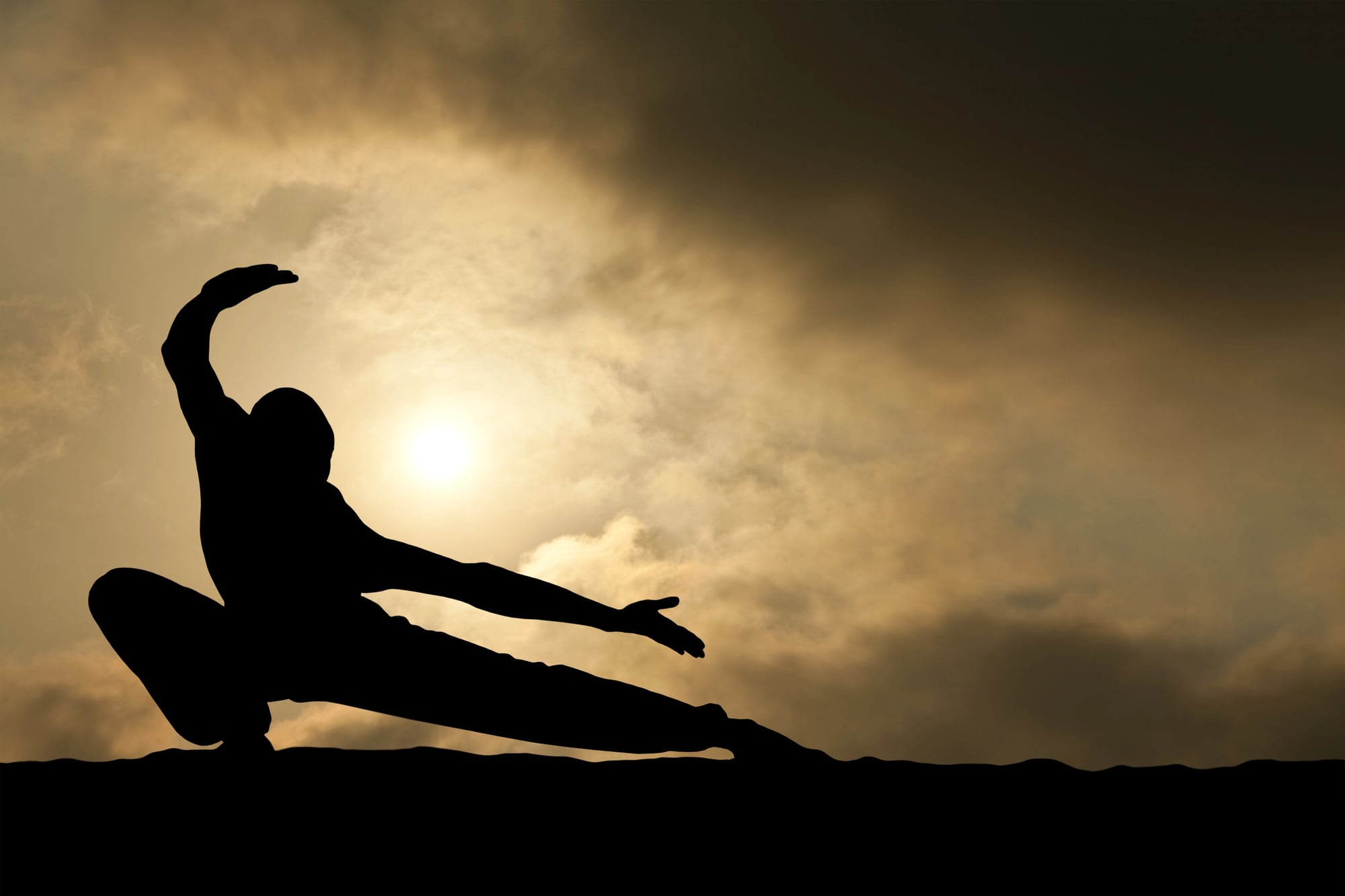
Kung fu is simultaneously one fighting style and dozens of fighting styles, depending on how you count. Tiger, crane, snake, dragon, mantis — each animal form represents a different approach to combat, movement, and philosophy.
Some are practical, some are borderline mystical, and some fall into that strange category where practical and mystical somehow become the same thing.
The cultural weight kung fu carries extends far beyond its fighting applications. In Chinese culture, it represents discipline, patience, and the idea that mastering any skill — fighting included — requires understanding principles that go deeper than technique.
That’s probably why kung fu schools still attract students who aren’t particularly interested in learning to fight but are drawn to the meditative aspects of the training.
Krav Maga
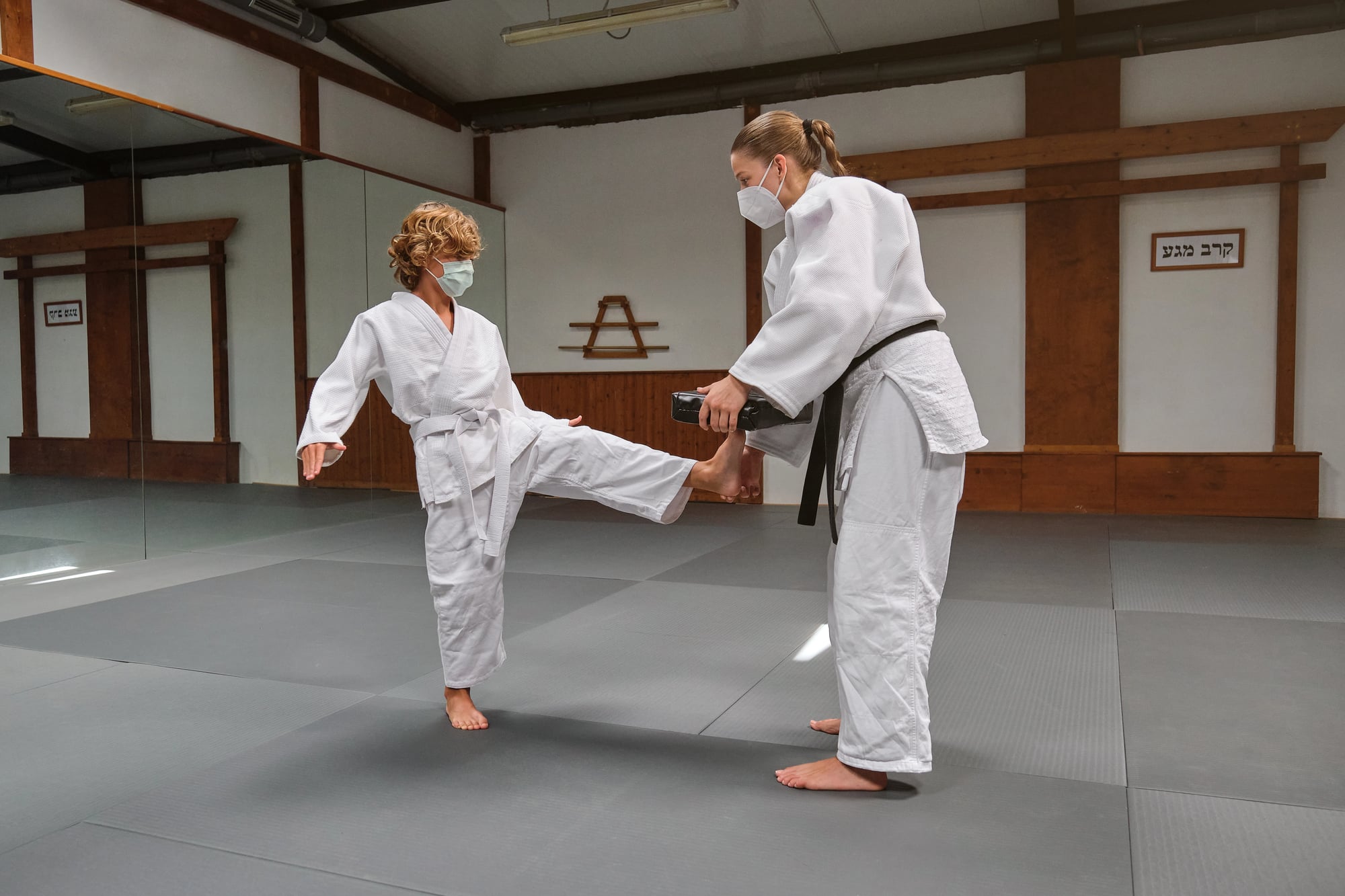
Krav Maga doesn’t care about tradition or philosophy or looking elegant. It cares about getting home alive.
Developed by the Israeli military, it combines techniques from boxing, wrestling, judo, and street fighting into something designed for real-world violence rather than sport competition.
The training reflects this mindset. Students practice defending against knife attacks, multiple attackers, and situations where the goal isn’t to win points but to survive and escape.
It’s become popular with civilians precisely because it acknowledges that most people will never compete in martial arts tournaments but might someday need to defend themselves in a parking garage.
Wrestling
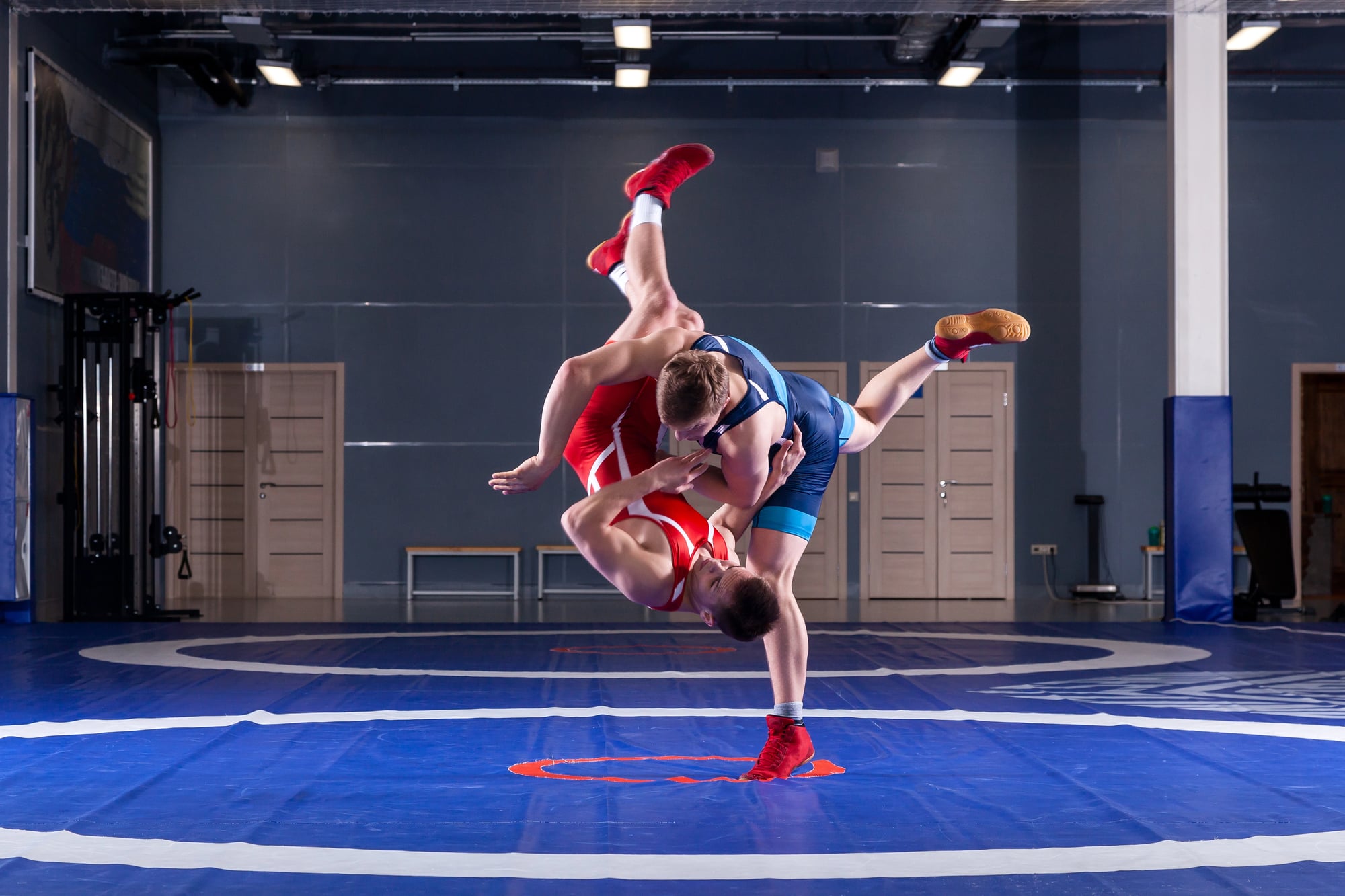
Wrestling might be the oldest fighting style that’s still actively practiced. Every culture seems to have developed some version of it — the rules change, but the basic concept remains: two people trying to control each other’s bodies using strength, technique, and leverage, usually with the goal of pinning the opponent to the ground.
What makes wrestling endure is its fundamental honesty. There’s no striking to complicate things, no weapons to master, no elaborate forms to memorize.
Just you and another person, and whoever has better technique, conditioning, and mental toughness usually wins.
Taekwondo
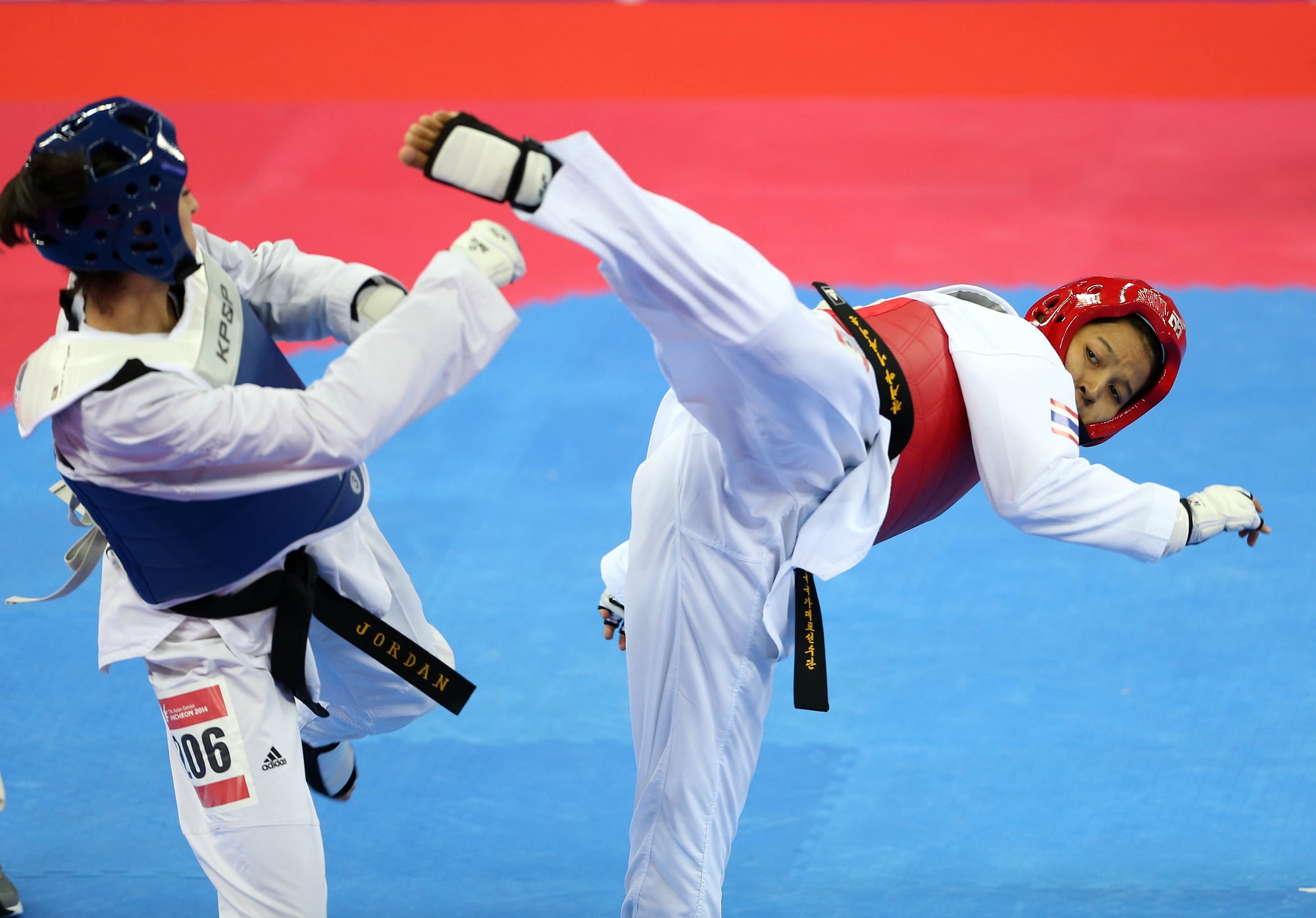
Taekwondo turns legs into primary weapons, emphasizing kicks that can reach head height and strikes that prioritize speed over power. Watching elite taekwondo practitioners spar is like watching dancers who happen to be trying to knock each other unconscious — the footwork is that precise and fluid.
The Korean origins of taekwondo show up not just in the techniques but in the emphasis on respect, discipline, and the belt ranking system that many other martial arts have adopted.
It’s become one of the most widely practiced martial arts globally, partly because the kicking techniques are visually impressive and partly because the structured progression system appeals to goal-oriented students.
Capoeira
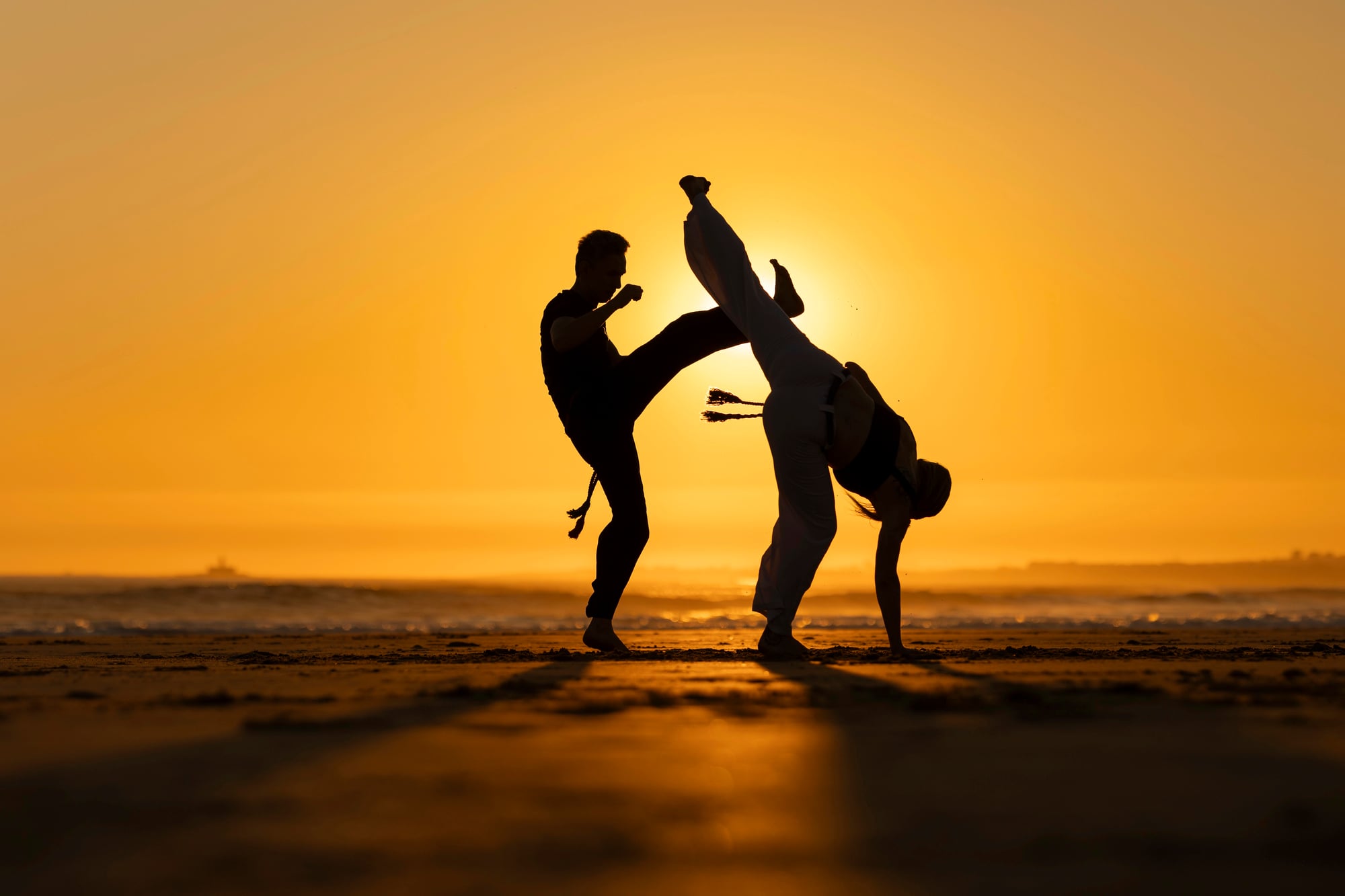
Capoeira disguised fighting as dancing during Brazil’s colonial period, when enslaved people were forbidden to practice martial arts. The result is something that looks more like acrobatic performance art than combat training — until you realize that the flowing, rhythmic movements are actually sophisticated attacks and evasions performed to live music.
That musical element sets capoeira apart from every other fighting style. The berimbau, atabaque, and pandeiro don’t just provide accompaniment — they control the pace and style of the fight itself.
Slow music means a slow, strategic game; fast music means explosive, athletic exchanges.
Aikido
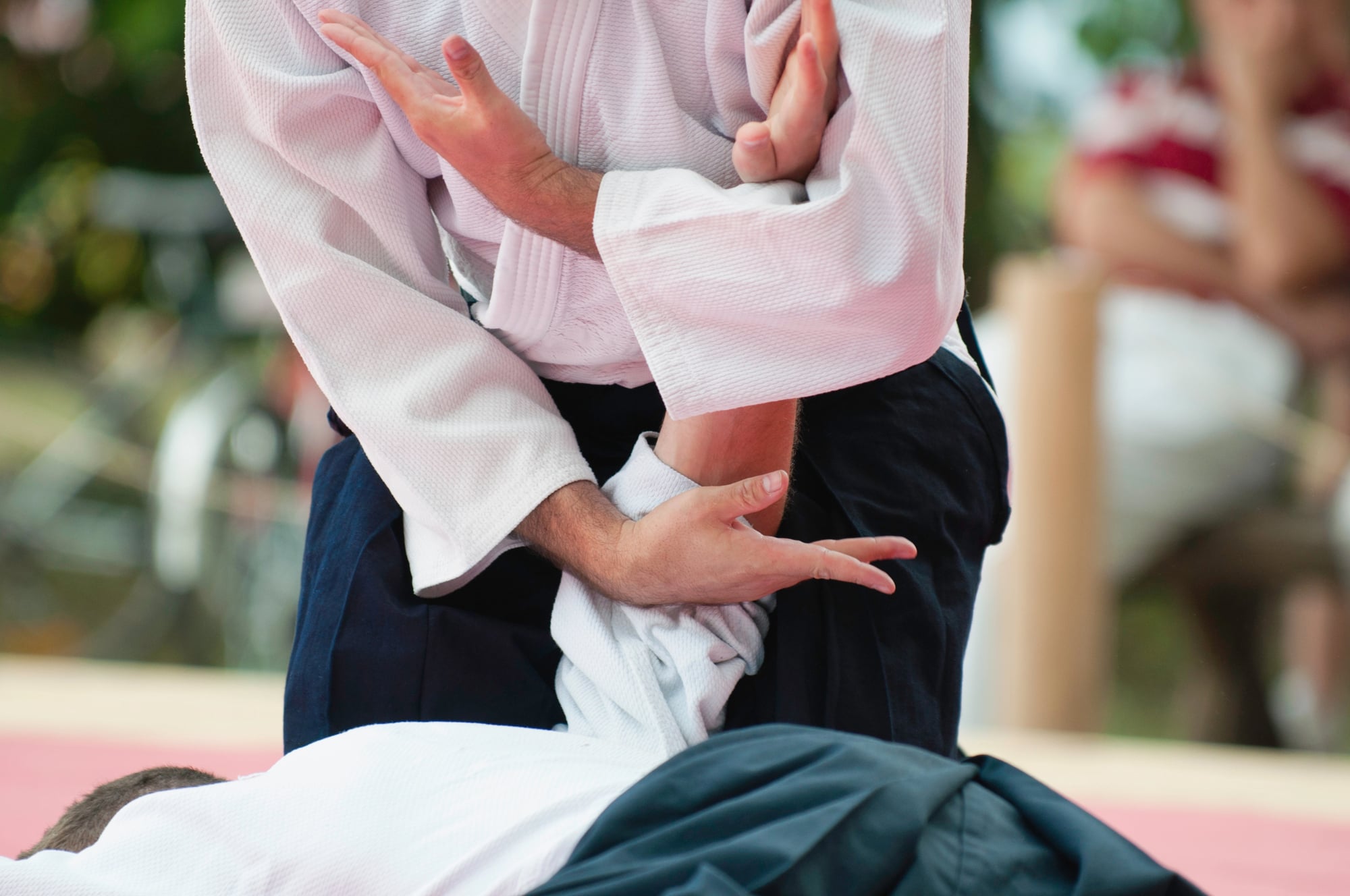
Aikido treats aggression like a river — something to be redirected rather than met head-on. Instead of blocking or striking, aikido practitioners blend with incoming attacks, using circular movements and leverage to send attackers flying or pin them to the ground using their own momentum against them.
The philosophy behind aikido is as distinctive as its techniques. Morihei Ueshiba developed it with the goal of neutralizing aggression without causing unnecessary harm to the attacker.
This makes it controversial among martial artists who prioritize effectiveness over philosophy, but it also gives aikido a unique place in the fighting world.
Fencing
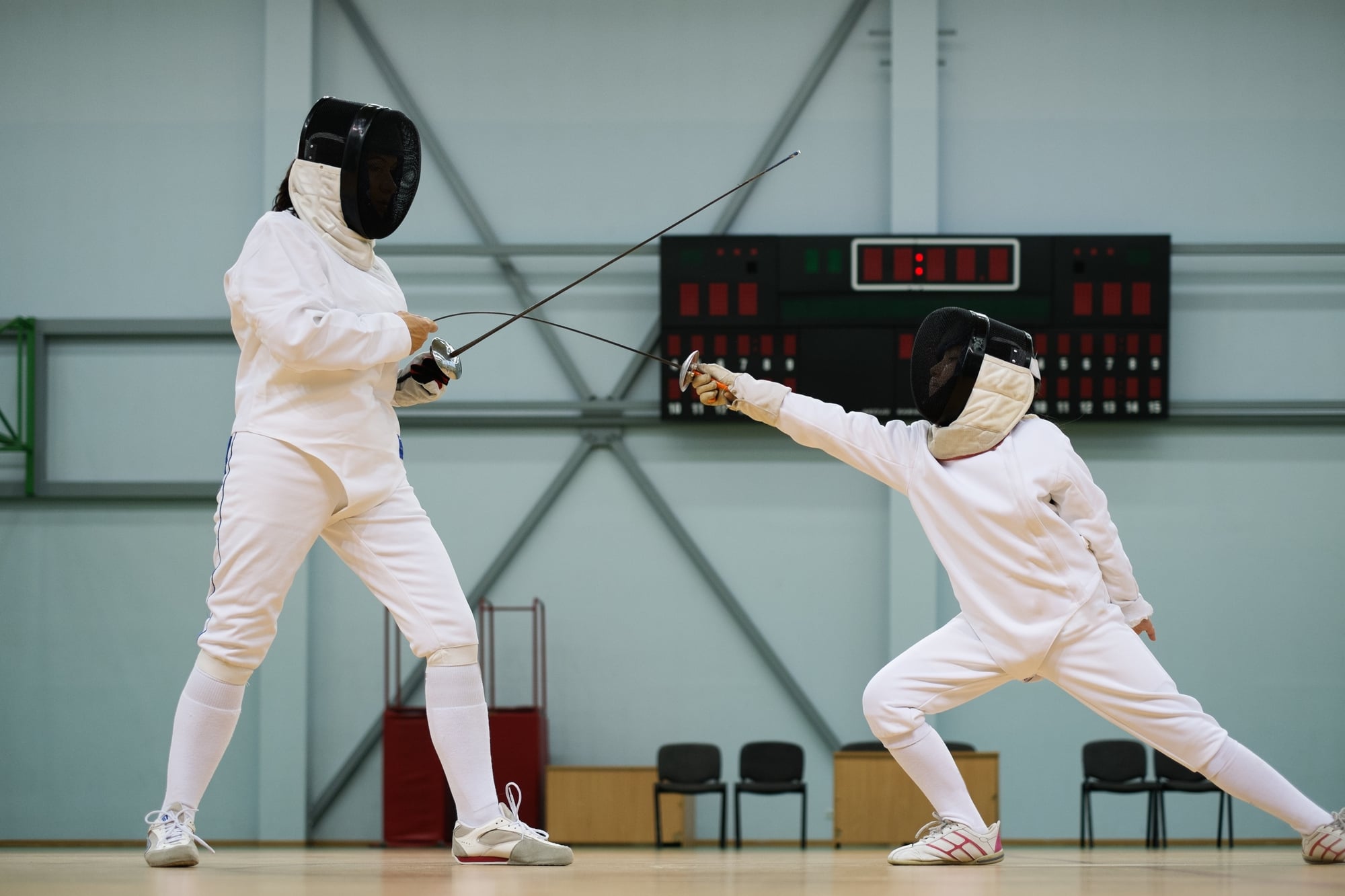
Fencing preserves the deadly serious art of sword fighting within the safety of modern sport, complete with electronic scoring systems and protective gear that would make medieval knights jealous. The weapons — foil, epee, and sabre — each represent different historical periods and fighting philosophies, from the light court swords of Renaissance nobles to the heavier military sabres of cavalry officers.
What keeps fencing relevant isn’t nostalgia but the mental game it demands. The distance between opponents, the timing of attacks, the psychological pressure of facing someone whose only goal is to hit you before you hit them — these elements create a kind of combat that’s as much about reading your opponent’s mind as mastering technique.
Mixed Martial Arts
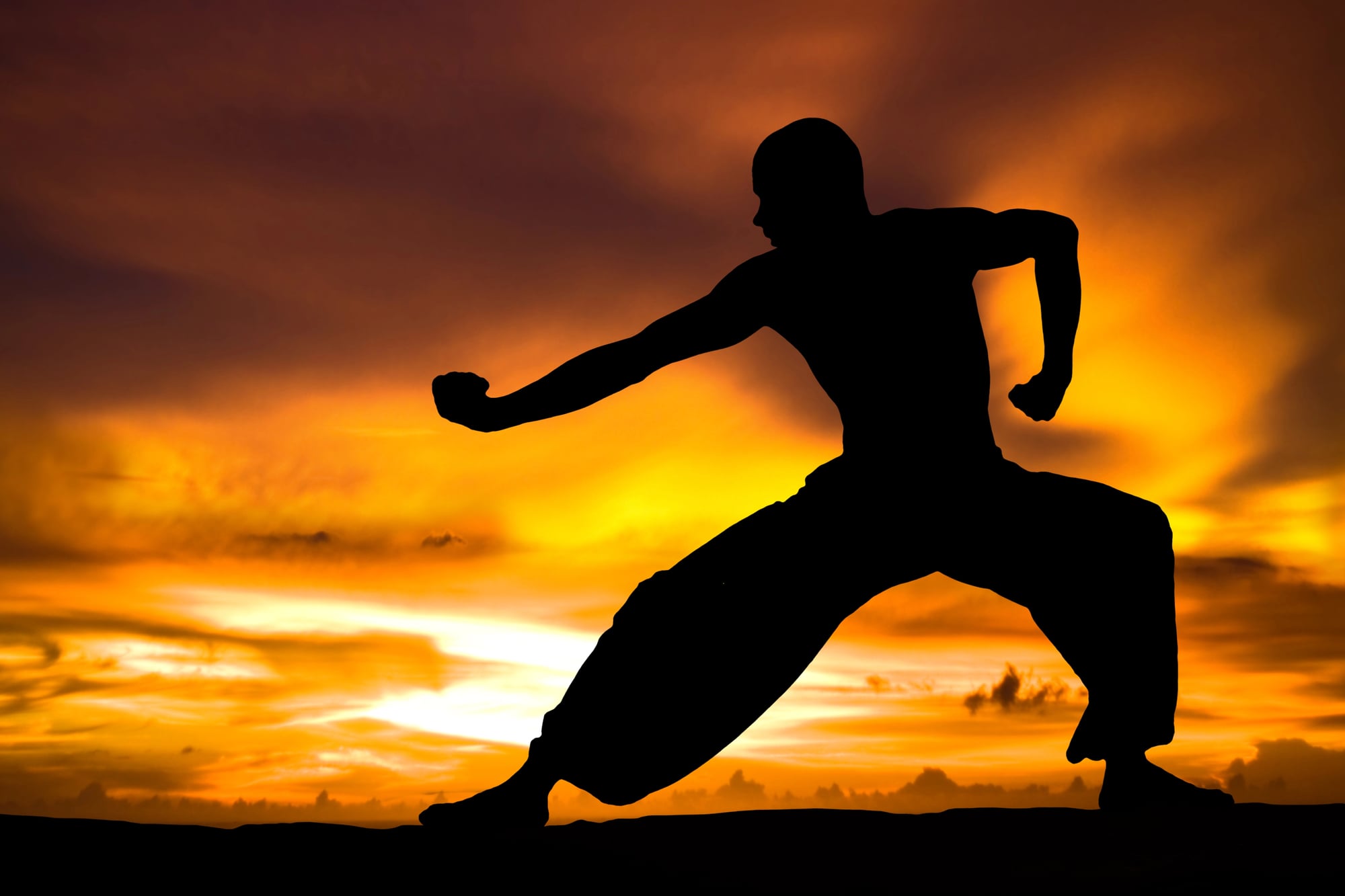
Mixed Martial Arts took the “my style versus your style” debates that martial artists had argued about for decades and settled them in a cage. The early UFCs were brutal and chaotic, but what emerged was something more sophisticated: a meta-martial art that borrows the most effective techniques from every fighting style and discards the rest.
MMA fighters need to be competent strikers, grapplers, and everything in between. A pure boxer gets taken down and submitted; a pure grappler gets knocked out on the way in.
The successful fighters are the ones who can adapt mid-fight, switching from muay thai clinch work to wrestling takedowns to Brazilian jiu-jitsu submissions as the situation demands.
The Thread That Connects Them All
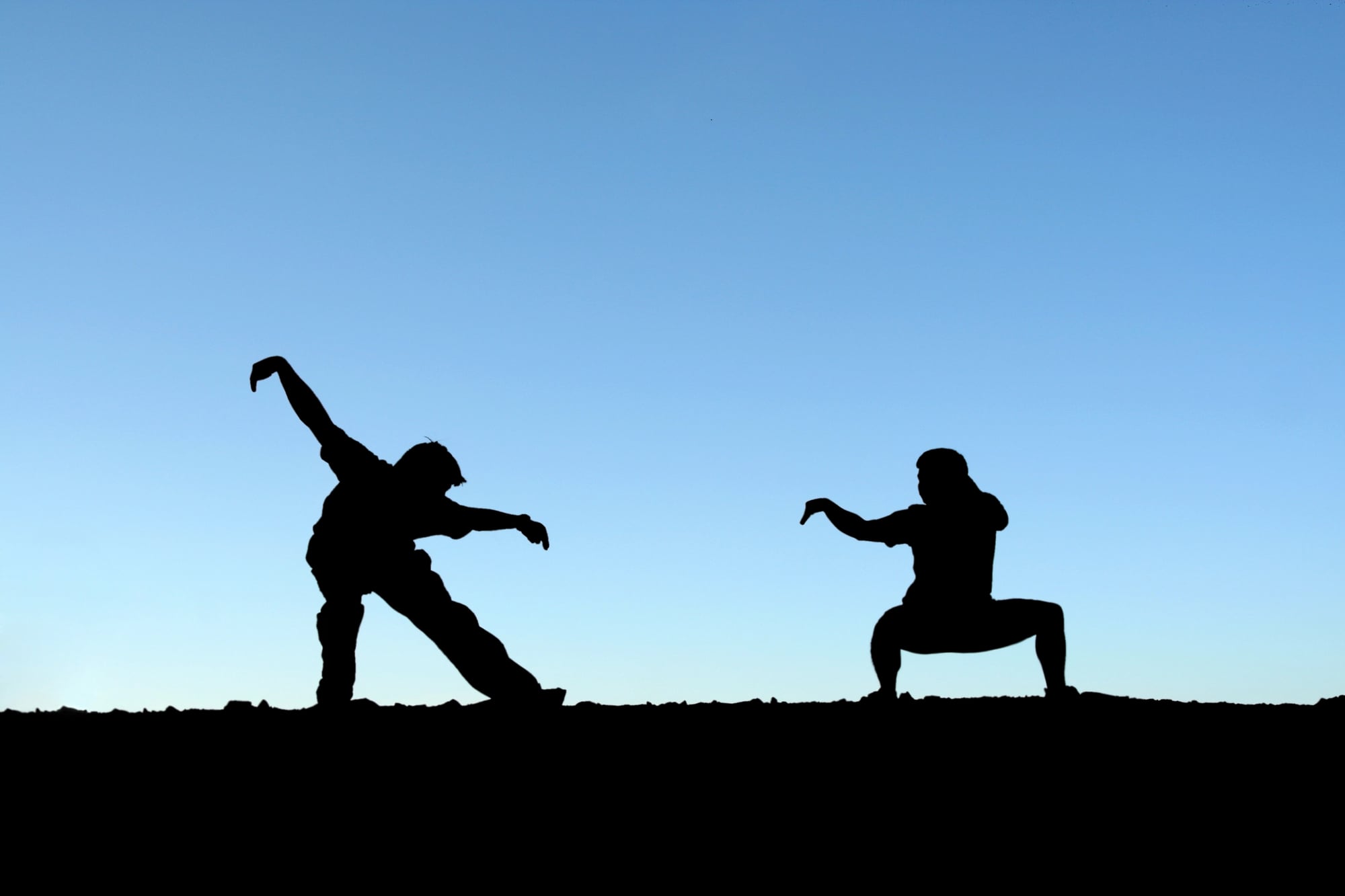
Fighting styles endure not because they’re museum pieces but because they solve problems — some practical, some philosophical, some that exist somewhere between the two. Each one represents a different answer to the same basic question: how do human beings learn to handle conflict, whether that conflict comes from an opponent across the ring or the challenge of disciplining your own mind and body?
The ones that survive are the ones that remain useful, adapting to new contexts while maintaining whatever essential quality made them worth preserving in the first place.
And apparently, people will always need to learn how to fight — or at least, how to move through the world with the confidence that comes from knowing they could.
More from Go2Tutors!

- The Romanov Crown Jewels and Their Tragic Fate
- 13 Historical Mysteries That Science Still Can’t Solve
- Famous Hoaxes That Fooled the World for Years
- 15 Child Stars with Tragic Adult Lives
- 16 Famous Jewelry Pieces in History
Like Go2Tutors’s content? Follow us on MSN.



