28 Inventions That Failed Before Someone Else Made Them Work
Every breakthrough gets credited to whoever crossed the finish line, but plenty of finish lines had an earlier runner who collapsed a few feet short. The first version of an idea is rarely the version that survives, and the gap between the two can run from months to centuries.
What follows is a tour of the almost-rans: the prototypes that flopped, the companies that folded, and the patents that expired before the world caught up to what they were trying to do.
Tesla’s Radio-Controlled Boat
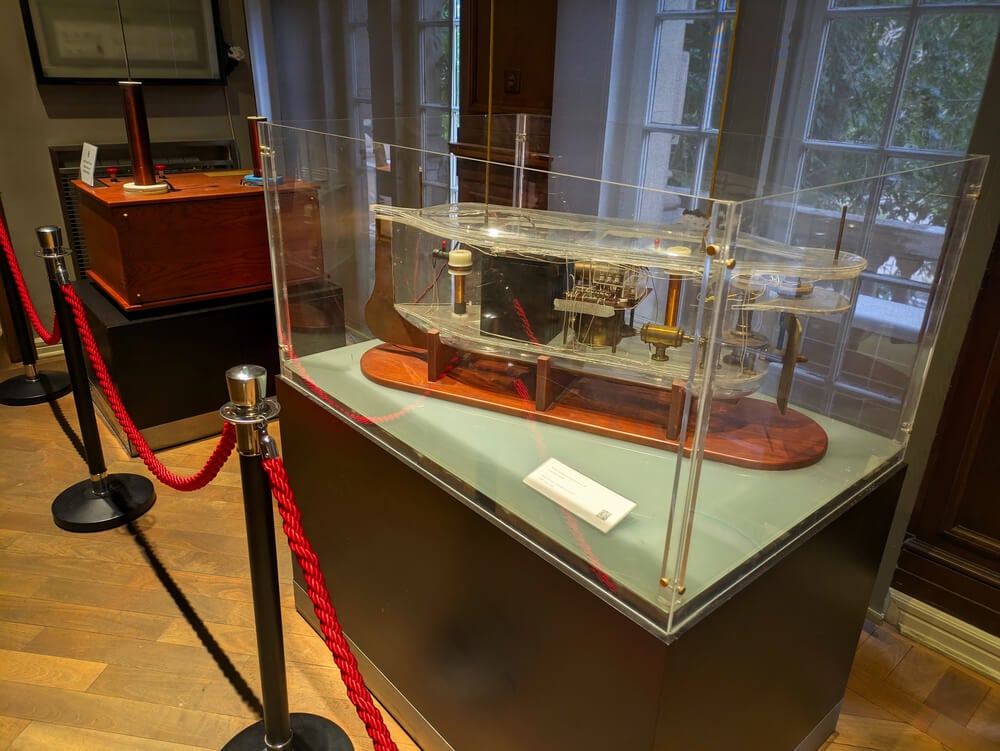
Nikola Tesla demonstrated a radio-controlled boat in a New York exhibition pool in 1898, steering it by wireless signal in front of a stunned crowd that assumed a trick was involved. He tried to sell the technology to the U.S. military as a guided torpedo and was turned down flat, and no consumer or industrial market existed yet to absorb it either.
Remote control went dormant as a commercial idea for decades until hobbyist radio companies and, later, military contractors built the guidance systems that made drones and remote vehicles ordinary.
Babbage’s Analytical Engine
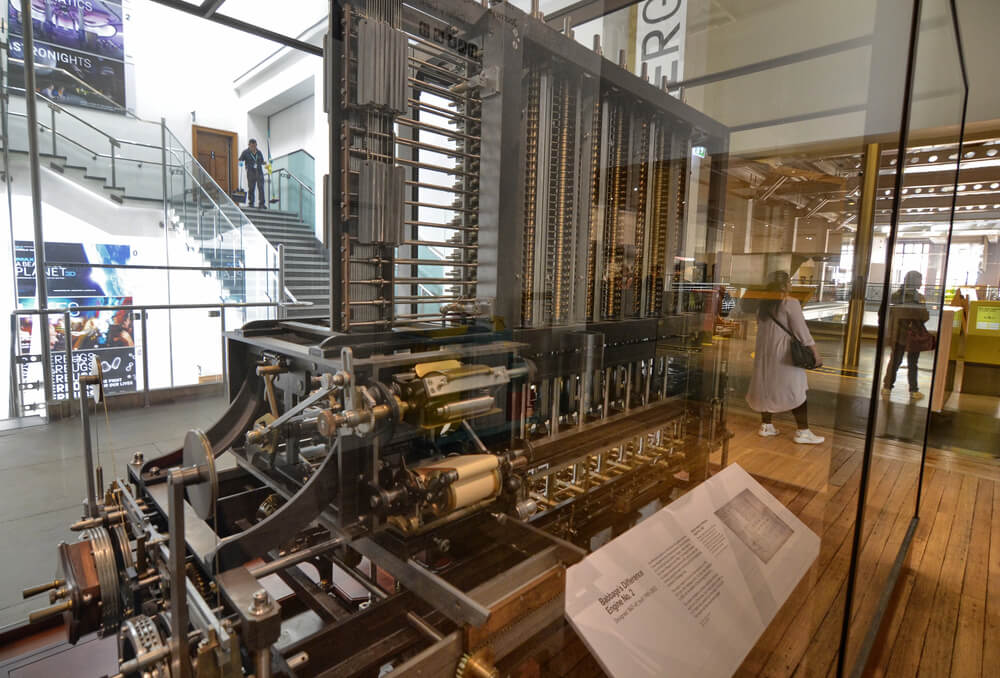
Charles Babbage spent the 1830s designing a mechanical general-purpose computer complete with a processor, memory, and punch-card input, decades before electricity entered the picture. The machine was never finished in his lifetime because Victorian-era manufacturing tolerances could not produce the thousands of precision parts it required, and funding dried up long before the design did.
The Science Museum in London built a working Difference Engine No. 2 (not the Analytical Engine) in the 1990s, with the main part completed in 1991 and the printing mechanism added in 2002. The Analytical Engine itself has never been fully constructed, though its design was proven sound in principle; electronic computing simply beat mechanical computing to the punch by about a century.
Da Vinci’s Ornithopter

Leonardo da Vinci filled notebooks with sketches of a flying machine that flapped like a bird’s wings, powered by a person’s arms and legs pumping levers. Human muscle can’t generate anywhere near the power-to-weight ratio needed for flight, so the design was never buildable, though Leonardo never got the chance to find that out through failure himself.
Nearly four hundred years later, the Wright brothers solved the same problem with a fixed wing and an engine instead of flapping, and powered flight became real in 1903.
Goddard’s Liquid-Fueled Rocket

Robert Goddard launched the world’s first liquid-fueled rocket in a Massachusetts cabbage field in 1926, and it flew for two and a half seconds before crashing. The press mocked him mercilessly, with one newspaper editorial famously dismissing the idea that a rocket could work in the vacuum of space, and Goddard spent the rest of his career working in relative obscurity with limited funding.
NASA formally apologized decades later, after Robert Goddard’s principles became the literal basis for the rockets that reached the moon.
Elisha Gray’s Telephone
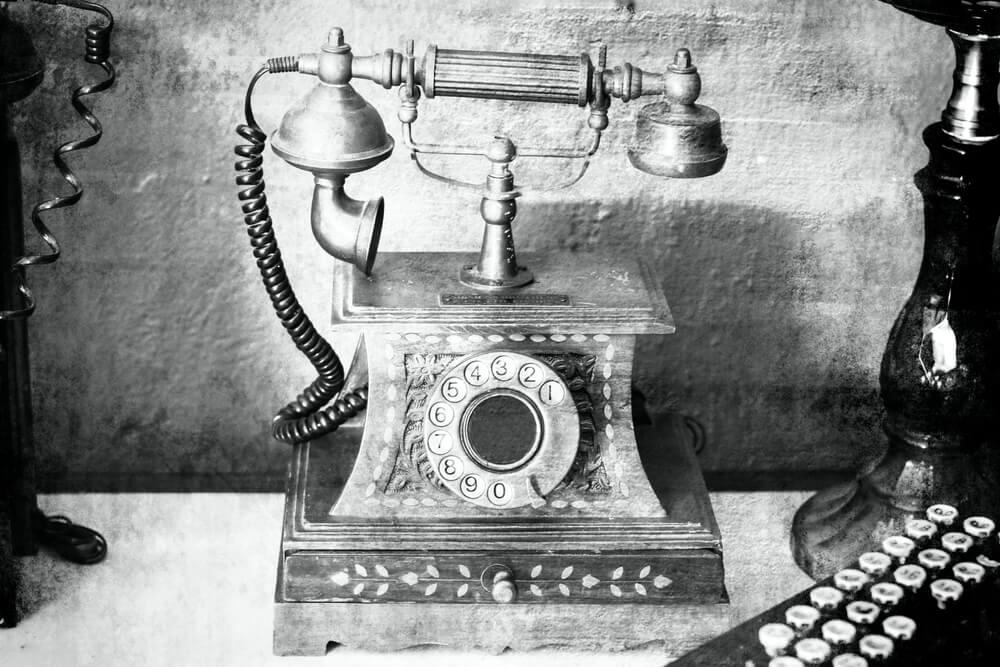
Elisha Gray filed a patent caveat for a telephone-like device on the very same day Alexander Graham Bell filed his own patent application in 1876, and the two arrived at the patent office hours apart. Bell’s paperwork was processed first, and his design became the version the world adopted, while Gray’s competing claim faded into a footnote and a century of patent-dispute trivia.
The telephone that eventually filled every home traced its lineage to the filing that won by hours, not the one that arrived second by minutes.
Bain’s Facsimile Machine
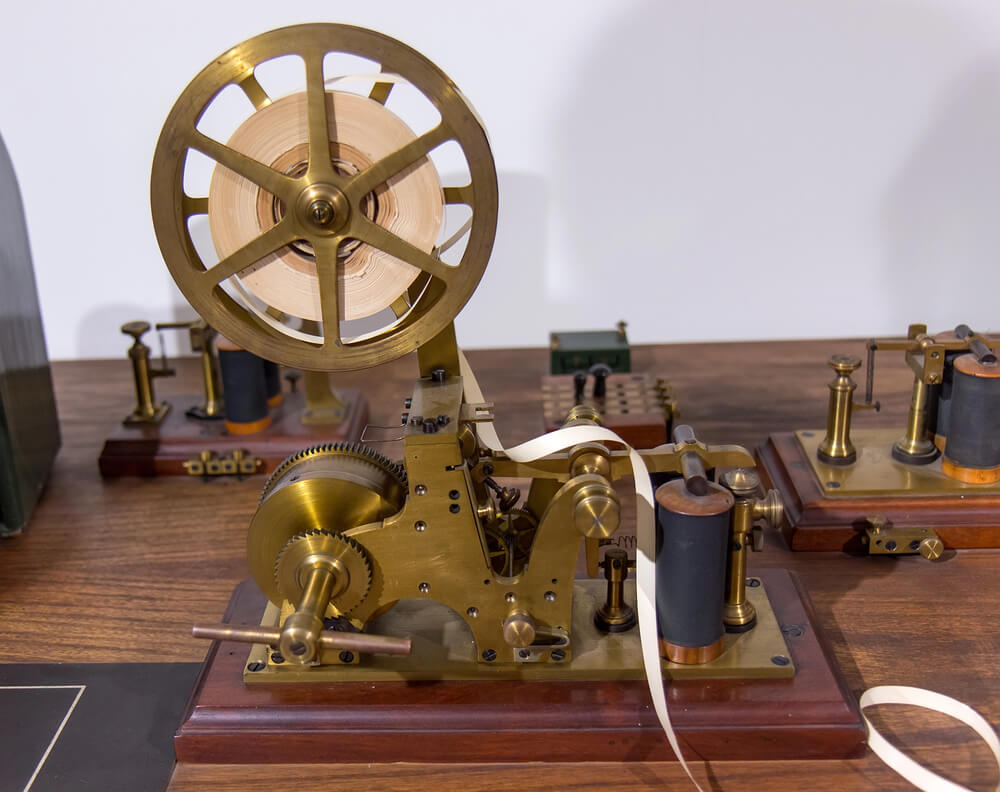
Scottish clockmaker Alexander Bain patented a working fax machine in 1843, using synchronized pendulums and electrical signals to transmit images over wire, more than a decade before the telephone existed. The technology had no practical network to run on and no market ready for it, so it sat as a curiosity for generations.
Fax machines only became a fixture of offices in the 1980s, once telephone lines were universal and Japanese manufacturers refined the transmission standard Bain had first sketched out.
Baird’s Mechanical Television

Scottish inventor John Logie Baird gave the world’s first public demonstration of a working television in 1926, using a spinning disc system to scan and reproduce a moving image. His mechanical approach produced a dim, flickering picture with poor resolution, and it lost out commercially to the fully electronic television systems developed by RCA’s Vladimir Zworykin and independent inventor Philo Farnsworth.
By the mid-1930s, mechanical television was obsolete, and the tube-based sets that followed defined home viewing for the rest of the century.
Xerox’s Graphical Interface
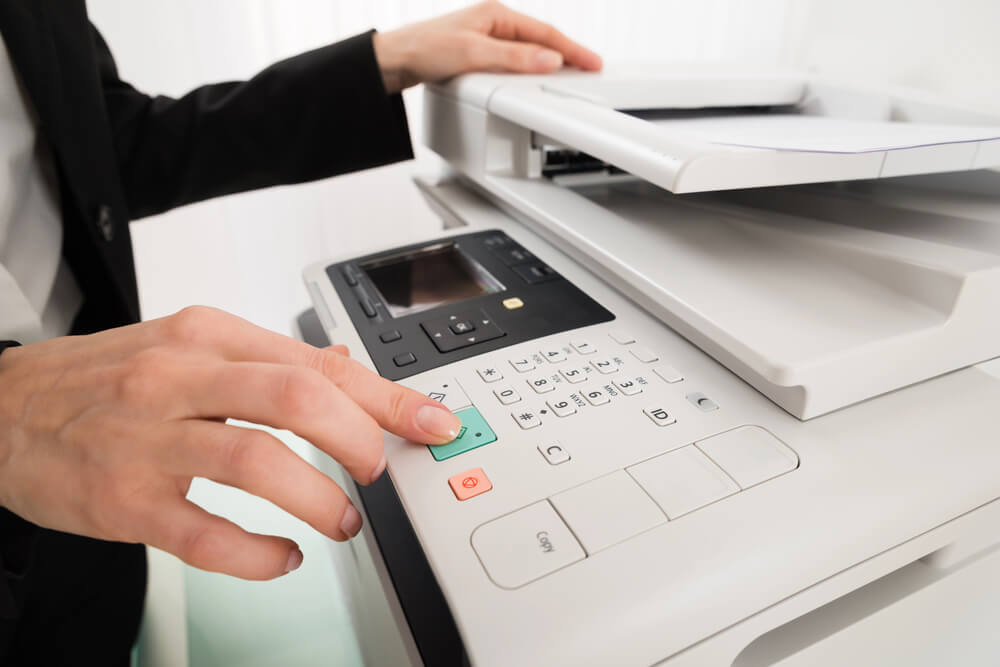
Researchers at Xerox PARC built the first practical graphical user interface and computer mouse in the early 1970s, complete with overlapping windows, icons, and a networked office computer called the Alto. Xerox’s own management saw no future in personal computing and never brought the technology to market in a meaningful way.
Steve Jobs toured the lab in 1979, and Apple’s Macintosh brought the same core ideas to consumers years later, with Microsoft Windows following close behind.
The IBM Simon
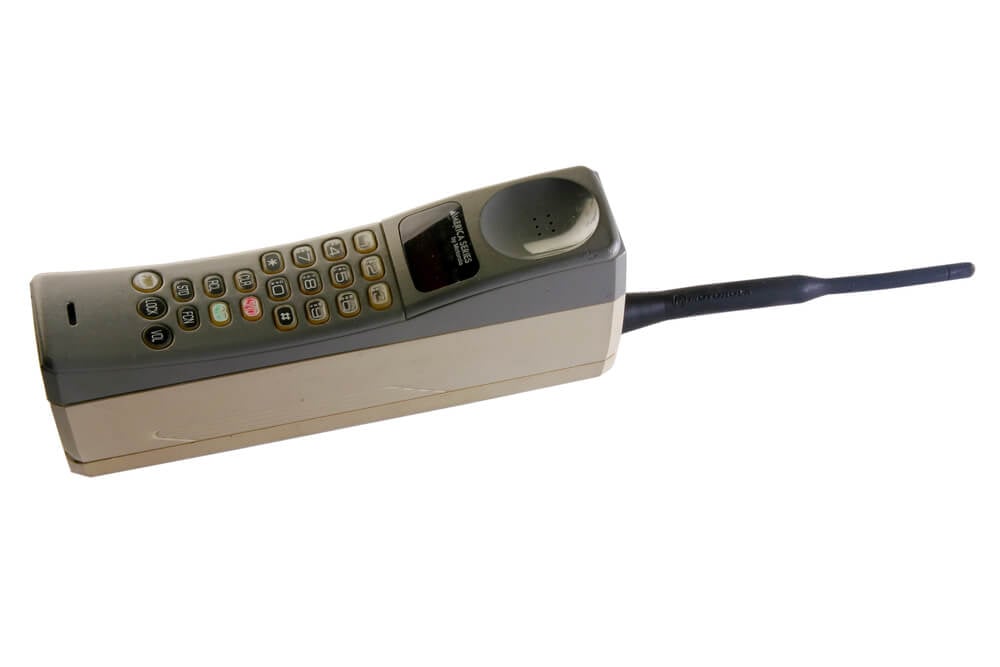
IBM released the Simon Personal Communicator in 1994, a touchscreen device that combined a phone, calendar, email, and fax into one handheld unit years before anyone used the word smartphone. It weighed over a pound, cost about a thousand dollars with a service contract, and sold roughly fifty thousand units before IBM discontinued it after about six months.
The category it invented went dormant until Research In Motion and, later, Apple’s iPhone in 2007 built the combination into something people actually wanted to carry.
The Apple Newton
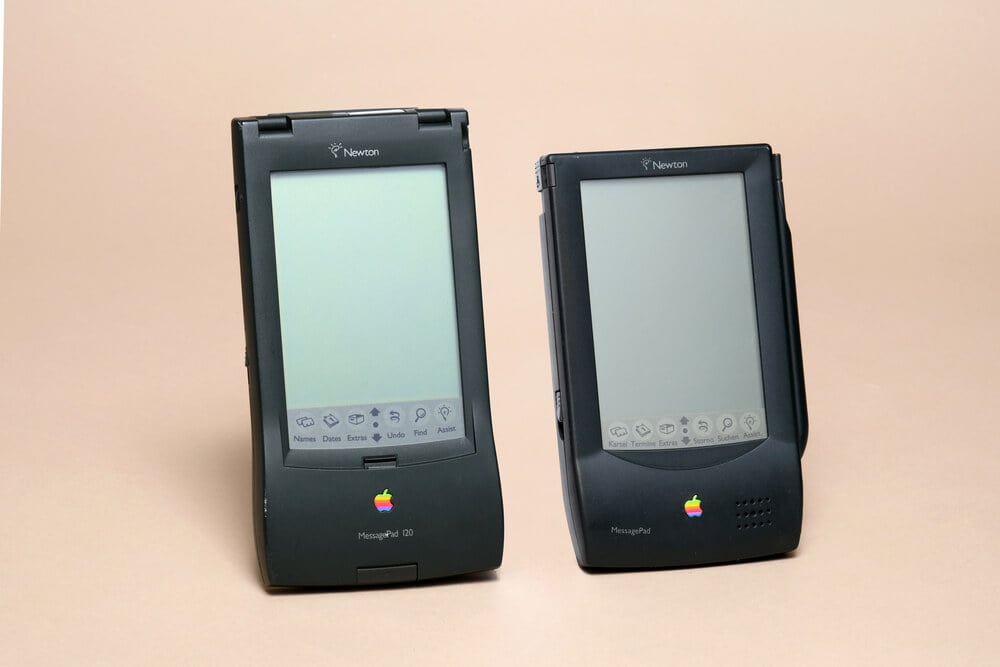
Apple’s Newton MessagePad launched in 1993 as a handheld digital assistant with handwriting recognition, a feature so unreliable that it became a punchline on late-night television and in comic strips. Poor sales and mounting criticism led Apple to cancel the entire product line in 1998, one of Steve Jobs’s first moves after returning to the company.
Palm released its far more limited but far more reliable Palm Pilot the same year the Newton stumbled, and it became the category’s actual success story.
General Magic’s Communicator
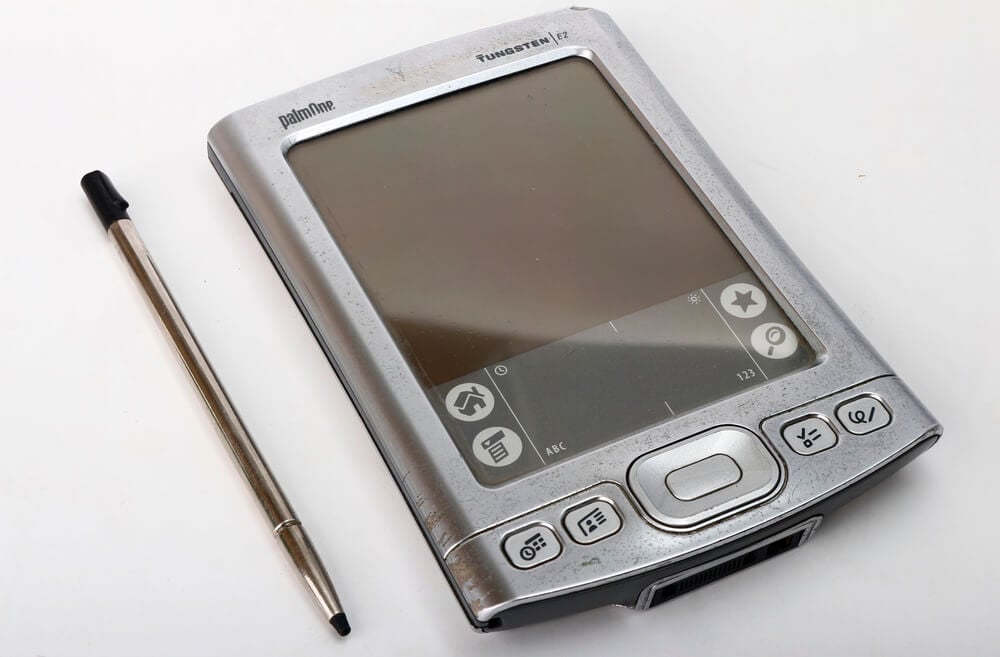
A team of former Apple engineers formed General Magic in 1990 to build a pocket communicator with apps, a marketplace, and wireless connectivity, backed by Apple, Sony, and Motorola. The 1994 product was slow, expensive, and years ahead of the cellular networks it needed to function well, and the company folded by 2002 having never turned a profit.
Several of its engineers went on to build core technology behind the iPod, iPhone, and Android, carrying the idea forward under different logos.
Friendster

Friendster launched in 2002 as one of the first social networks built around real names and real friend connections, and it grew explosively to tens of millions of users within a couple of years. Constant technical outages, slow page-load times, and a failure to keep up with user demand drove people away faster than the company could fix the problems.
Facebook launched two years later, learned from Friendster’s engineering failures, and absorbed the audience that Friendster had proven existed but couldn’t hold onto.
Webvan

Webvan promised same-day grocery delivery from automated warehouses and raised roughly a billion dollars in funding during the dot-com boom of the late 1990s. The company expanded into new cities faster than it could build demand, burned through cash on infrastructure, and filed for bankruptcy in 2001 in one of the era’s most cited business-school case studies.
Instacart, Amazon Fresh, and other delivery services later proved the underlying idea was sound once smartphones and gig-economy logistics caught up to the concept.
Pets.com
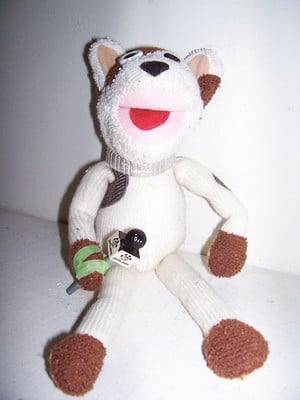
Pets.com became a symbol of dot-com excess after spending heavily on a sock-puppet mascot and a Super Bowl ad while losing money on every order it shipped, since shipping heavy bags of pet food rarely covered its own cost. The company folded in late 2000, less than a year after its stock market debut.
Chewy.com later built a similar business with better logistics, subscription pricing, and patience, and sold to PetSmart for over three billion dollars in 2017.
Kozmo.com
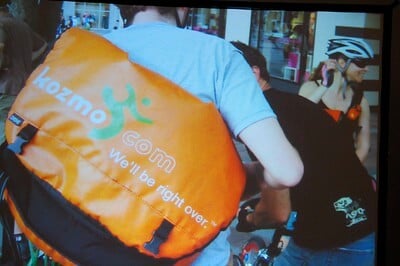
Kozmo.com promised free one-hour delivery of snacks, movies, and small goods in major cities starting in 1998, employing a fleet of bike messengers to make it happen. The economics never worked, since delivering a two-dollar candy bar for free costs far more than two dollars, and the company shut down in 2001 after burning through roughly two hundred fifty million dollars in funding.
DoorDash, Gopuff, and other rapid-delivery apps later made a version of the same promise work by charging delivery fees and using better routing software.
Aereo

Aereo let subscribers stream local broadcast television over the internet using arrays of tiny individual antennas, arguing the setup was legally equivalent to a home antenna and therefore didn’t require broadcast licensing fees. Broadcasters sued, and the Supreme Court ruled against Aereo in 2014, shutting the service down almost immediately.
Sling TV, YouTube TV, and Hulu with Live TV later delivered the same live-streaming convenience by simply paying the licensing fees Aereo had tried to route around.
The Original Napster
Napster let users trade MP3 files for free starting in 1999, growing to tens of millions of users before a wave of lawsuits from record labels and artists shut it down in 2001. The company had built no legal framework for paying rights holders, and no amount of user enthusiasm could survive that gap.
Apple’s iTunes Store, launched in 2003 with actual licensing agreements in place, and Spotify’s streaming model a few years later proved that people would pay for convenience once someone built the legal plumbing Napster had skipped.
Iridium’s Satellite Phone Network
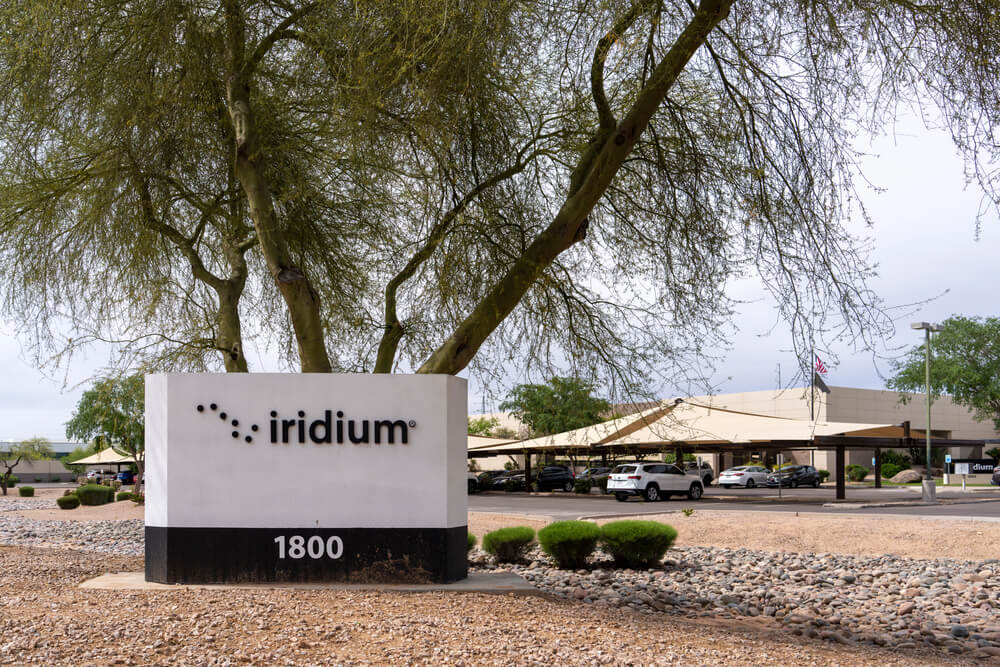
Motorola-backed Iridium spent about five billion dollars launching a constellation of sixty-six satellites to provide phone service anywhere on Earth, launching commercially in 1998. Handsets were bulky, service was expensive, and the company filed for bankruptcy within a year of going live, having signed up a tiny fraction of the subscribers it needed.
New owners bought the working satellite network for a fraction of its build cost and turned it into a profitable niche business, while later ventures like Starlink built the broader satellite-connectivity dream Iridium had chased first.
Teledesic
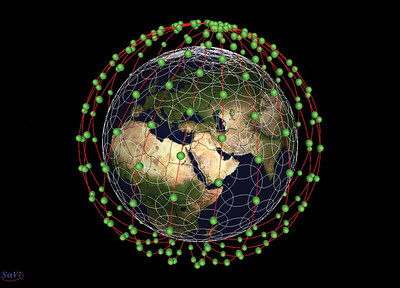
Teledesic set out in the 1990s to build a constellation of hundreds of low-orbit satellites delivering broadband internet worldwide, backed by Microsoft co-founder Paul Allen and cellular pioneer Craig McCaw. Launch costs, satellite technology limits, and the collapse of the dot-com bubble sank the project before a single commercial satellite reached orbit, and it was formally shelved in 2002.
SpaceX’s Starlink network achieved essentially the same vision roughly two decades later, once reusable rockets made launching thousands of satellites affordable.
The Segway

Segway’s self-balancing personal transporter arrived in 2001 with predictions from its own inventor that it would reshape how cities were built, and the reality was a niche product mostly bought by mall security and tour companies. Its price, size, and the simple fact that most people had nowhere to legally ride one kept it from ever reaching the mainstream, and production ended in 2020.
Self-balancing hoverboards and dockless electric scooters later succeeded with the exact gyroscopic balancing technology the Segway had pioneered, just packaged smaller and cheaper.
WebTV
WebTV launched in 1996 promising to bring the internet into living rooms through a set-top box connected to an ordinary television, and Microsoft bought the company for four hundred twenty-five million dollars the following year. Dial-up speeds, clunky remote-control typing, and the rapid rise of home computers left it a niche product that Microsoft eventually folded into other services.
Smart TVs and streaming boxes solved the same problem decades later with broadband speeds and better interfaces that WebTV’s era simply didn’t have available.
The Rocket eBook

NuvoMedia’s Rocket eBook launched in 1998 as one of the first dedicated digital reading devices, holding a few dozen books on a screen with a battery life measured in hours. High prices, a tiny library of available titles, and a screen that strained the eyes kept it a niche gadget for early adopters only.
Amazon’s Kindle arrived in 2007 with wireless downloading, a far larger catalog, and E Ink technology that made reading comfortable, and digital reading finally became mainstream.
Google Glass
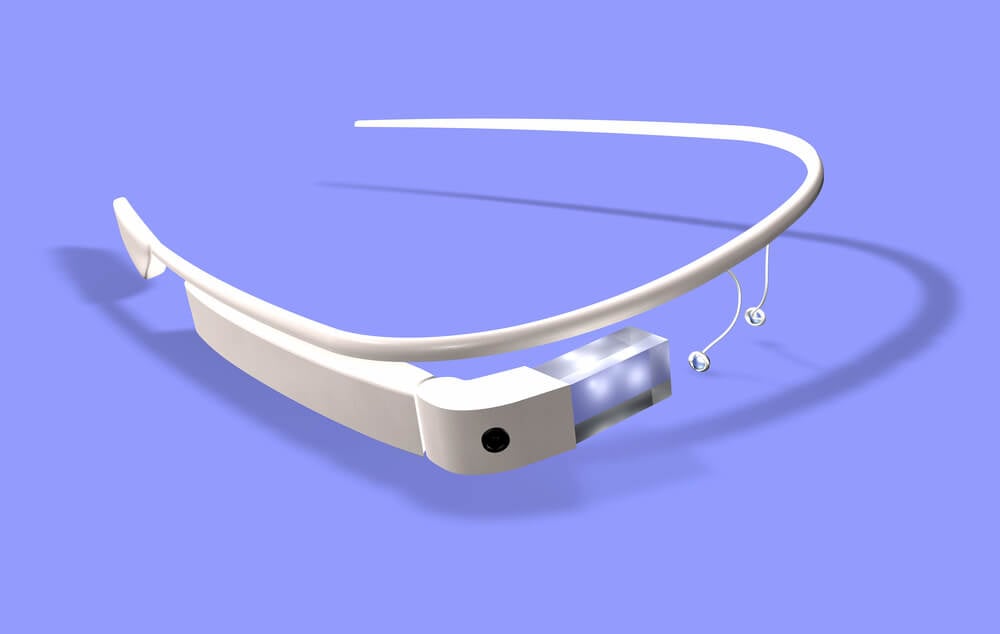
Google unveiled Glass in 2013 as a wearable computer built into eyeglasses, projecting information into the wearer’s field of view and recording video with a voice command. Privacy concerns, an awkward design, and a fifteen-hundred-dollar price tag turned early adopters into a punchline, with the term “Glasshole” entering common usage before the product quietly exited the consumer market in 2015.
Later smart glasses from other companies found an audience by dropping the visible camera light and framing the product as ordinary sunglasses with a speaker built in.
The Zoomer

Tandy and Casio released the Zoomer handheld organizer in 1993, months before the Apple Newton, offering an address book, calendar, and basic apps on a small touchscreen. Reviewers found it slow and its handwriting recognition nearly useless, and it disappeared from shelves within about a year.
Palm co-founder Jeff Hawkins studied exactly what had gone wrong with the Zoomer and the Newton alike, then built the Palm Pilot around a stripped-down feature set that actually worked.
Sony’s Betamax
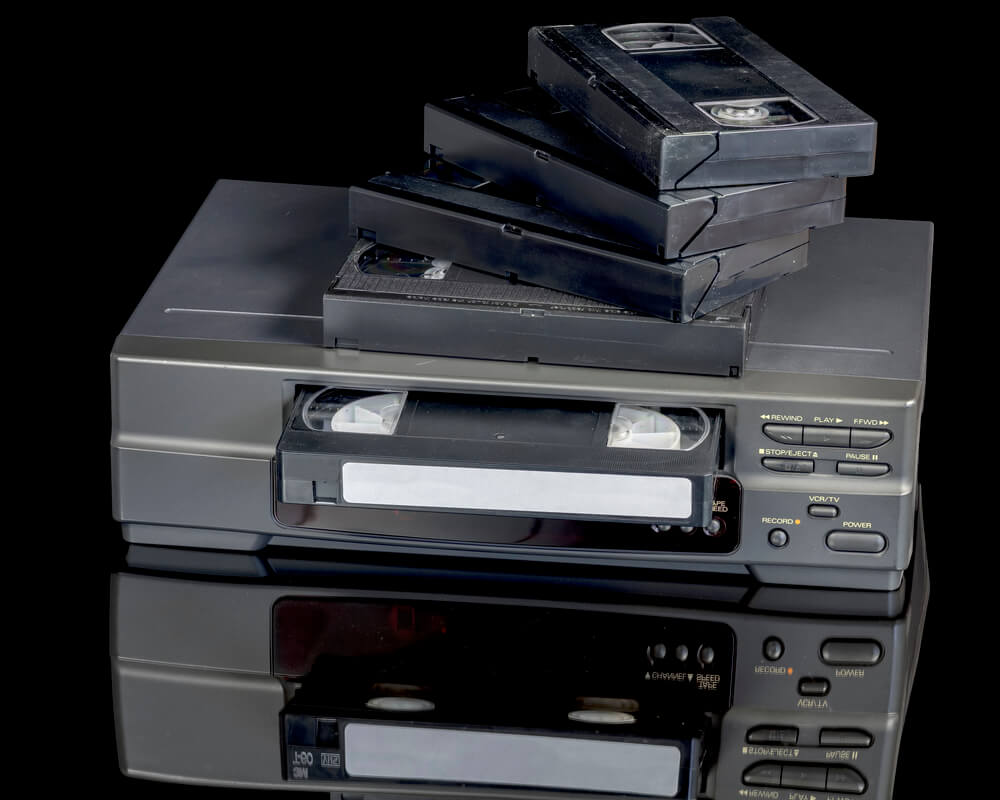
Sony released the Betamax videotape format in 1975, a year before JVC’s competing VHS format hit the market, and many engineers at the time considered Betamax the technically superior picture. Sony kept the format proprietary and licensed it narrowly, while JVC opened VHS to any manufacturer willing to build compatible players, flooding the market with cheaper machines and a wider library of rental tapes.
VHS won the format war decisively by the mid-1980s, and Sony stopped making Betamax recorders in 2002.
Quibi
Quibi launched in April 2020 with $1.75 billion in funding, offering short, mobile-only episodes from Hollywood-caliber talent, betting that commuters would want premium content chopped into ten-minute chunks. The pandemic emptied out the commutes the entire business model depended on, and the app shut down after just six months, one of the fastest media collapses in recent memory.
TikTok and YouTube Shorts had already proven, with far less production budget, that short-form video worked when it was free, algorithm-driven, and didn’t require a subscription.
The Marconi Wireless Patent Fight
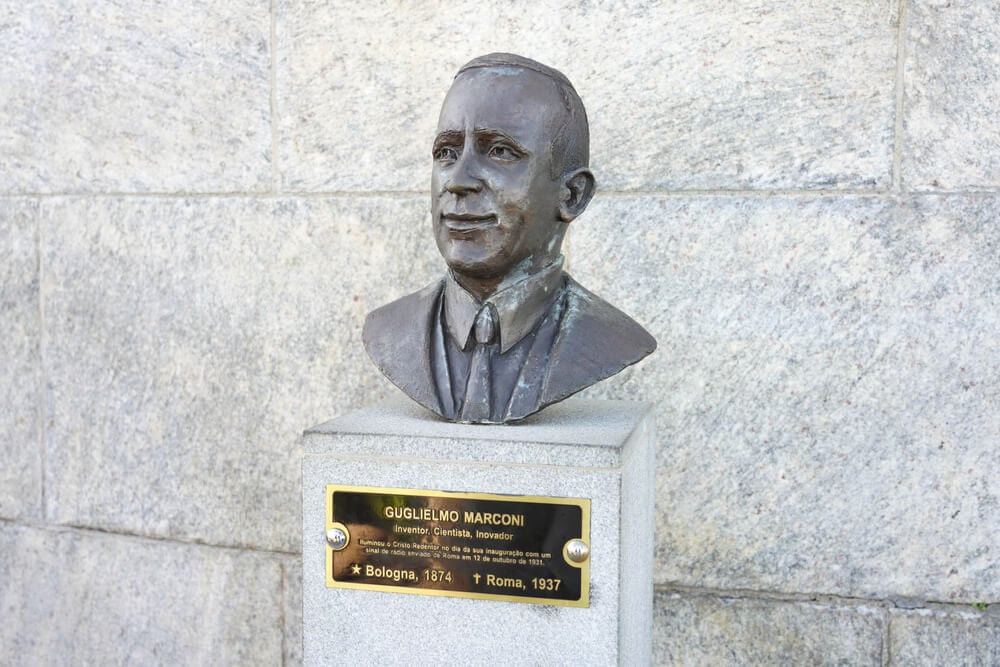
Guglielmo Marconi is remembered as the father of practical radio, but Serbian-American inventor Nikola Tesla had filed foundational radio patents years earlier, and Tesla’s own demonstrations predated Marconi’s famous 1901 transatlantic transmission. Legal and financial setbacks kept Tesla’s version from becoming a commercial radio industry, and Marconi’s better-funded company built the transmitting network that turned wireless communication into a business.
The U.S. Supreme Court eventually restored several of the underlying patents to Tesla’s name in 1943, months after Tesla had died, too late to change who the public had already credited.
Palm’s Foleo
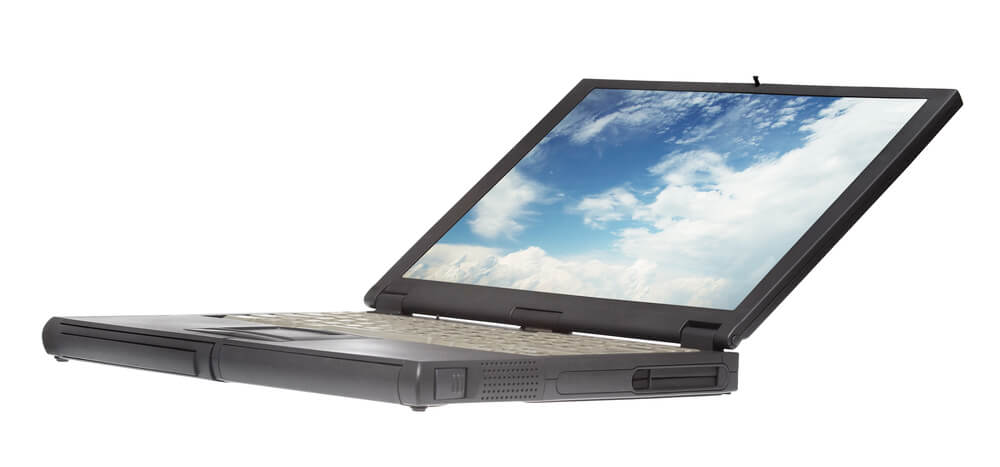
Palm unveiled the Foleo in 2007, a lightweight companion laptop meant to pair with a smartphone for easier typing and browsing, essentially predicting the tablet and cloud-connected laptop years before either existed in a workable form. Palm canceled the product before it ever shipped, deciding the underlying smartphone technology wasn’t mature enough to support the idea yet.
Apple’s iPad arrived three years later solving a nearly identical problem, and Chromebooks eventually delivered the lightweight, always-connected companion device the Foleo had tried to be.
Nothing New Under the Sun

None of these failures were failures of imagination. Tesla, Babbage, Goddard, and the engineers at Xerox PARC saw clearly where their fields were headed, sometimes by decades.
What they lacked, in each case, was some combination of the right materials, the right infrastructure, the right financing, or the right cultural moment to receive an idea that was, on its own terms, correct.
That pattern is worth remembering the next time a product launches to ridicule and folds within a year. Failure on the first attempt says very little about whether the underlying idea was wrong, and everything about how much timing has to align before an idea gets to stick.
More from Go2Tutors!

- The Romanov Crown Jewels and Their Tragic Fate
- 13 Historical Mysteries That Science Still Can’t Solve
- Famous Hoaxes That Fooled the World for Years
- 15 Child Stars with Tragic Adult Lives
- 16 Famous Jewelry Pieces in History
Like Go2Tutors’s content? Follow us on MSN.