Luxurious Hotel Lobbies That Define Opulence
Walking into a truly grand hotel lobby feels different from any other entrance. The space speaks before anyone says a word, creating an atmosphere that turns a simple check-in into an experience worth remembering.
So what makes these spaces stand out from ordinary hotel entrances? Let’s explore some of the most stunning lobbies around the world.
The Plaza, New York City
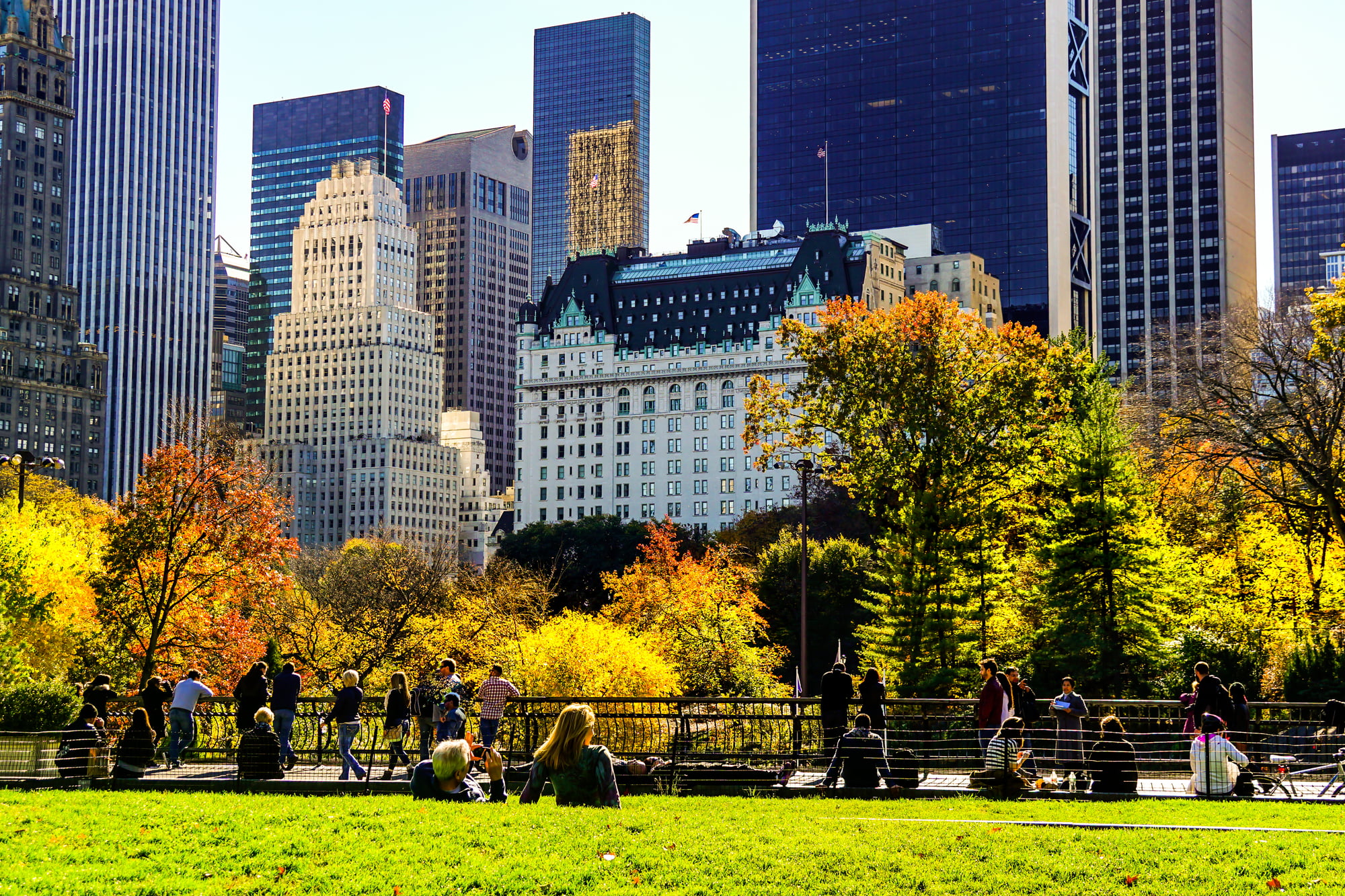
The Palm Court at The Plaza has welcomed guests since 1907 with its stained glass ceiling and towering columns. Gold leaf details catch the light from enormous chandeliers, while marble floors reflect the grandeur overhead.
This lobby doesn’t just greet visitors; it announces their arrival into a world where elegance has been perfected over more than a century. The space has appeared in countless films because directors know audiences recognize true luxury when they see it.
Burj Al Arab, Dubai
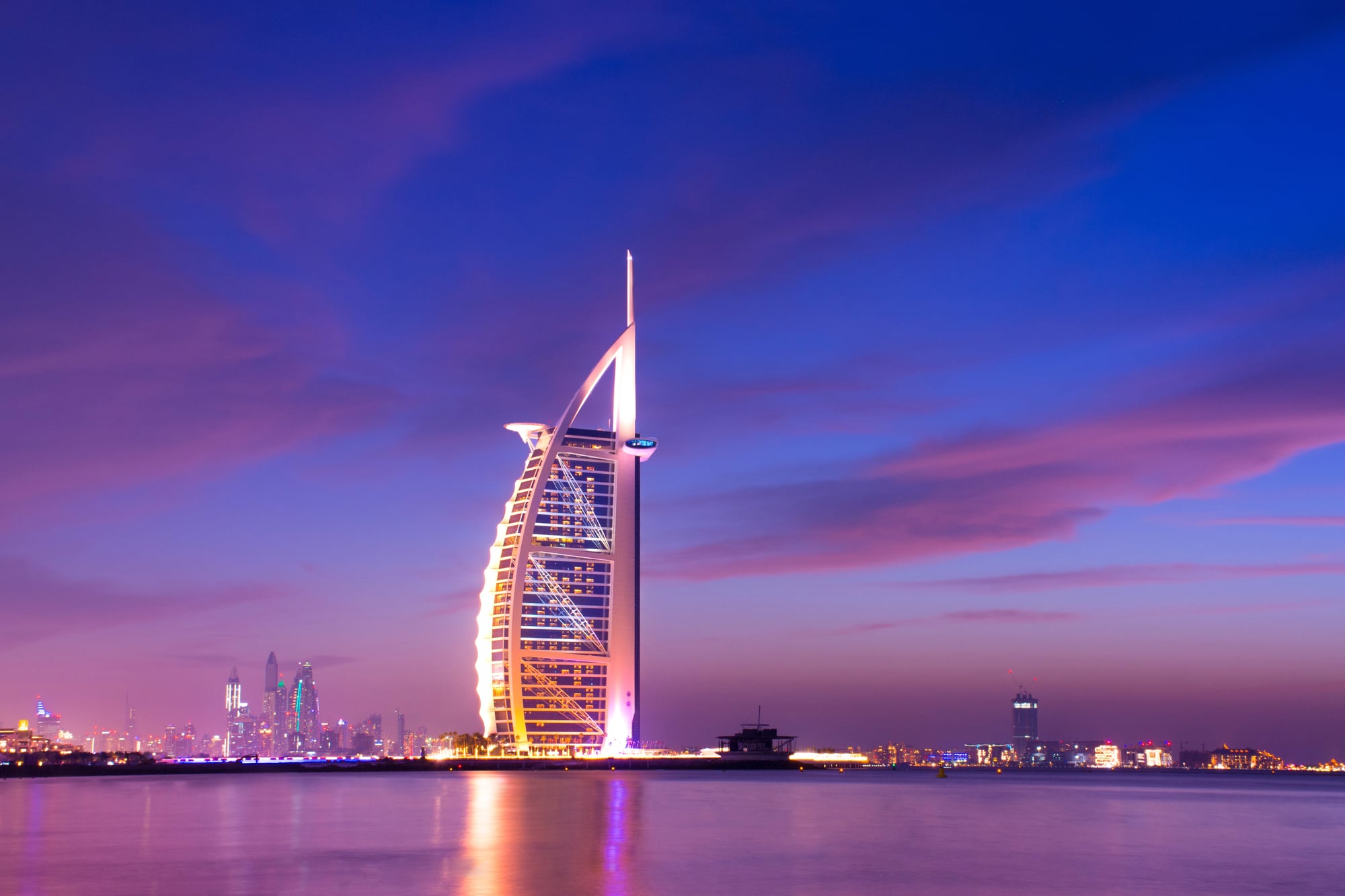
Standing inside the Burj Al Arab lobby means looking up at the tallest atrium in the world, stretching 590 feet above. Columns wrapped in 24-karat gold leaf line the space, and a massive fountain dances at the center.
The color scheme of rich blues, reds, and golds creates an atmosphere that feels both regal and modern. Every surface seems designed to catch light and throw it back even more brilliantly.
The Ritz Paris
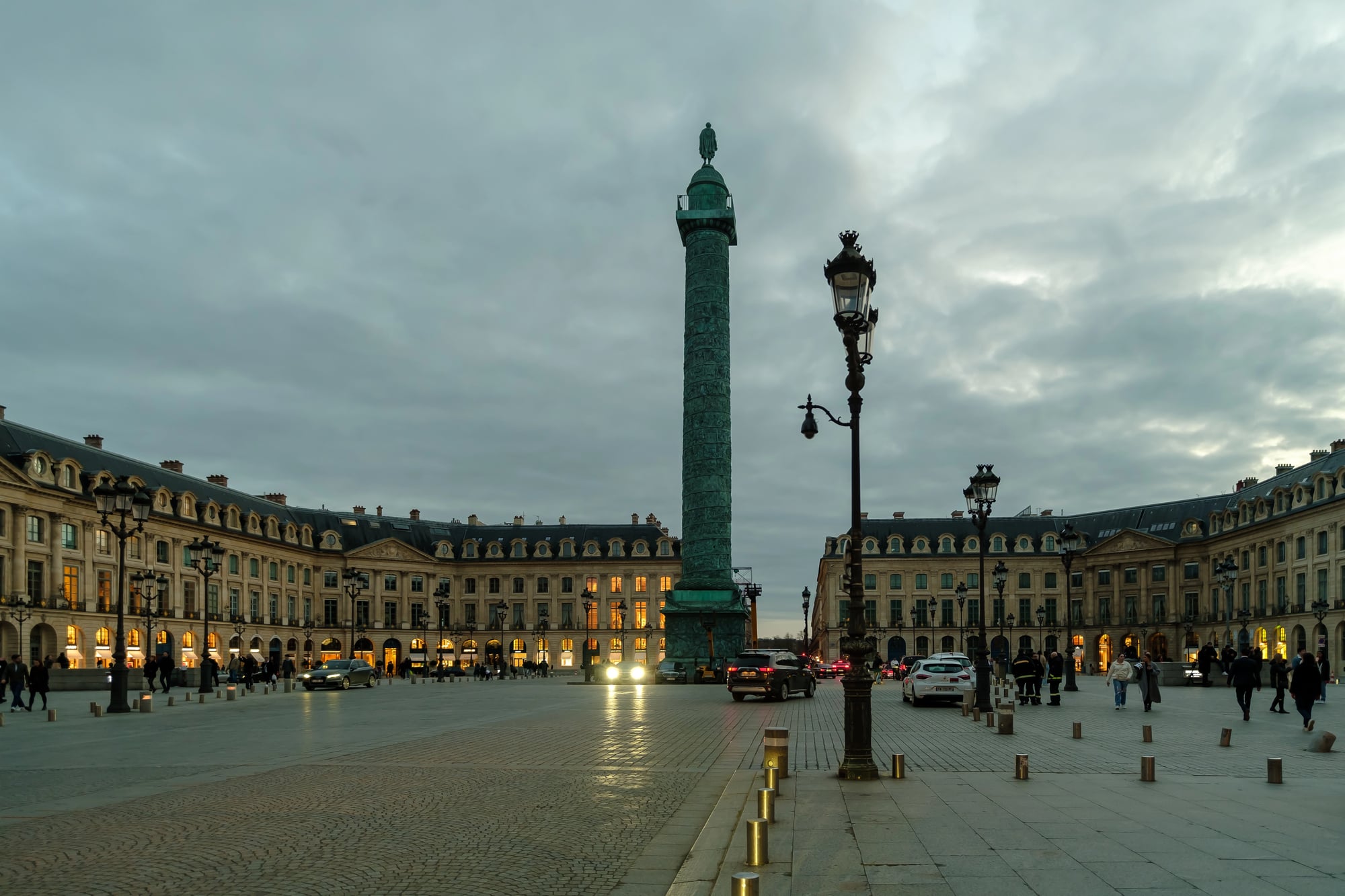
Columns, arches, and elaborate moldings define the entrance at the Ritz Paris, where guests have included Coco Chanel and Ernest Hemingway. The lobby maintains an intimate scale despite its lavish decoration, making visitors feel like they’ve entered a private palace rather than a public hotel.
Antique furniture and fresh flowers appear throughout, chosen daily to complement the space’s timeless design. The atmosphere whispers rather than shouts, proving that true luxury doesn’t need to overwhelm.
Atlantis The Palm, Dubai
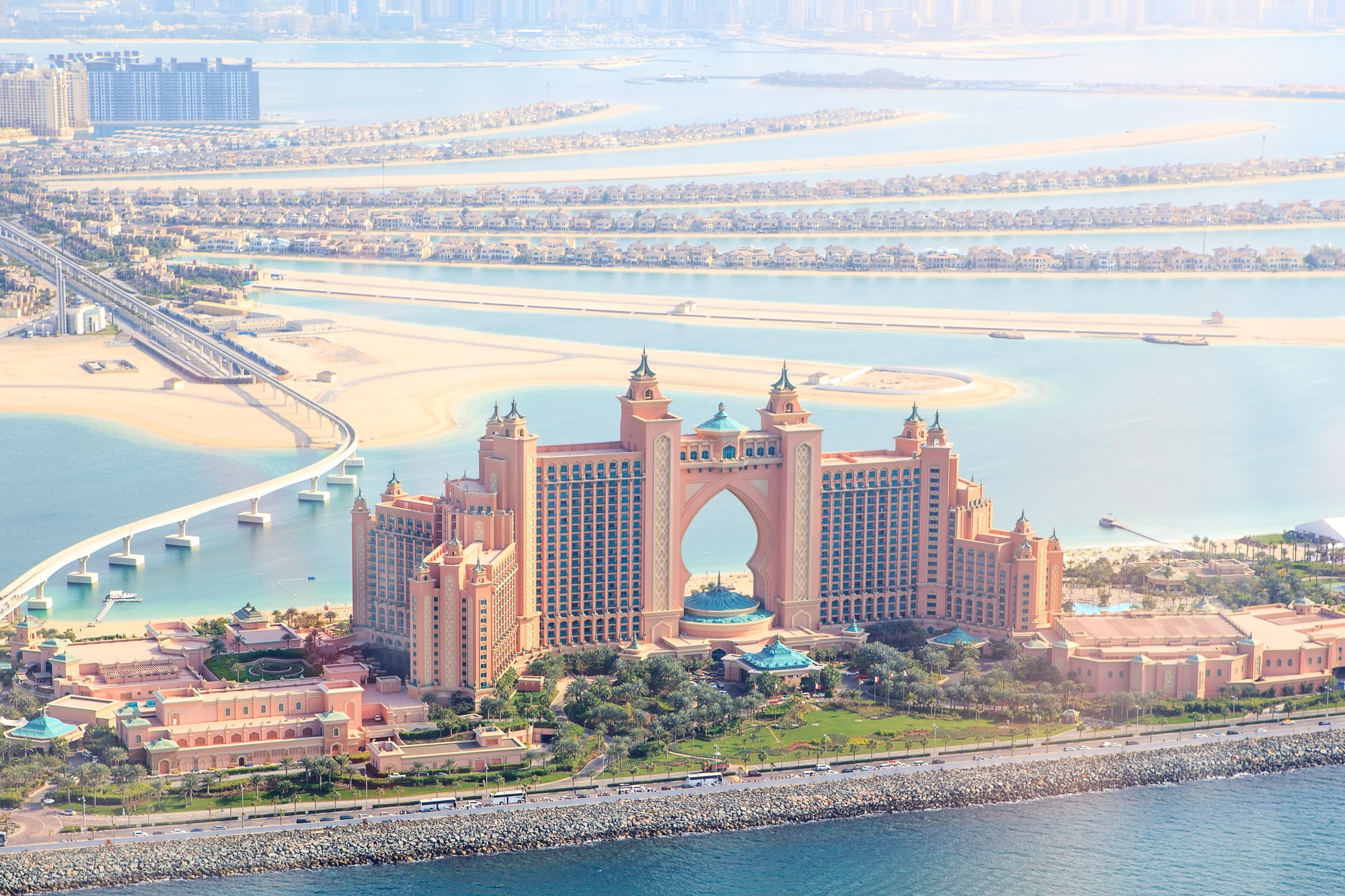
A floor-to-ceiling aquarium forms the centerpiece of this lobby, home to 65,000 marine animals swimming behind thick glass walls. The underwater world creates an ever-changing backdrop as guests move through the space toward their rooms.
Soft lighting emphasizes the blue tones of the water while bronze and cream accents keep the area feeling warm rather than cold. This approach to design turns a functional space into an immersive experience that begins the moment doors open.
Taj Lake Palace, Udaipur
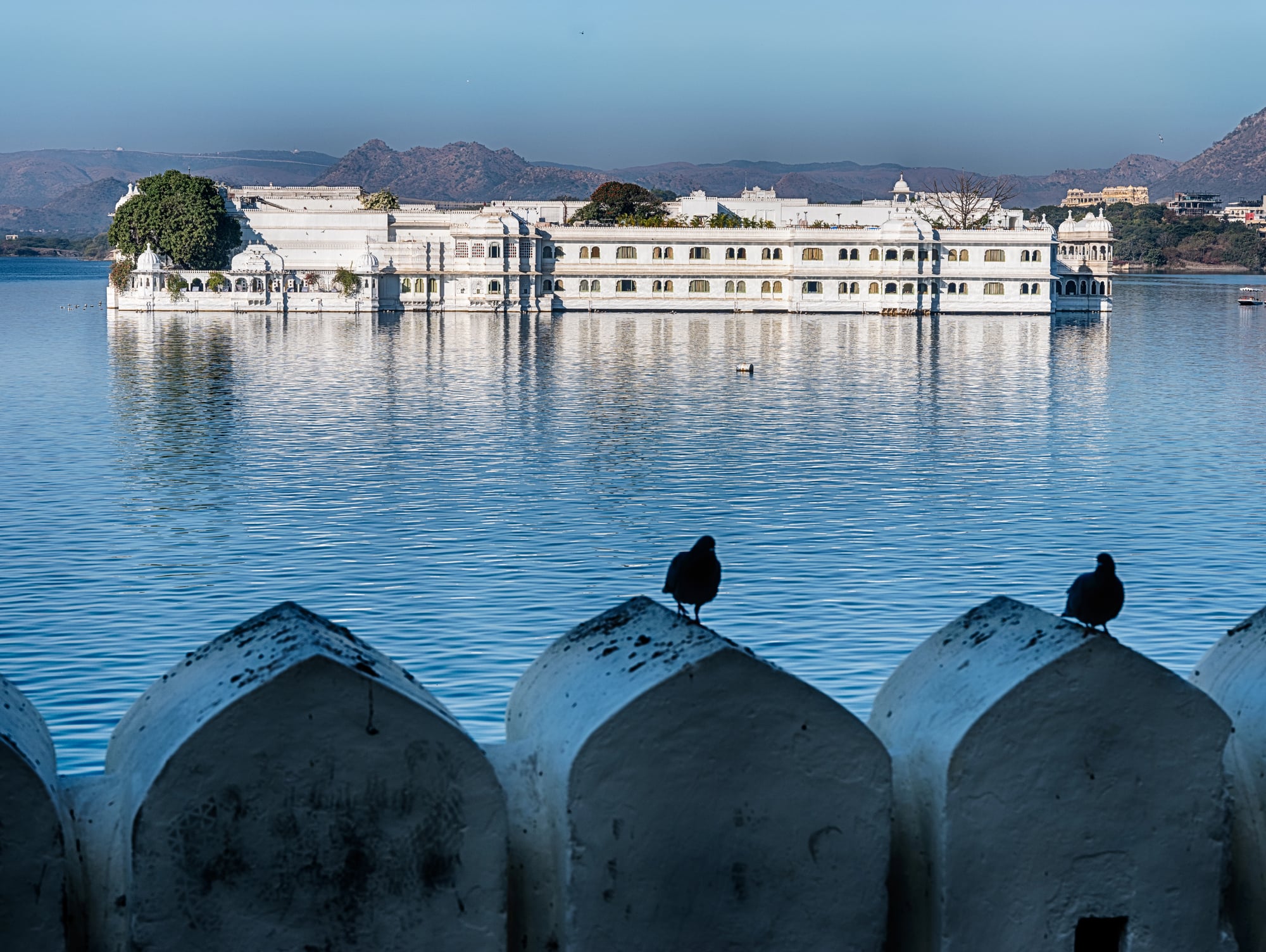
Floating on Lake Pichola, this former royal residence greets arrivals who can only reach it by boat. The lobby features intricate mirror work, traditional Rajasthani architecture, and courtyards open to the sky.
White marble dominates the palette, keeping the space cool even in intense Indian heat. Stepping inside feels like traveling backward through time to an era when maharajas ruled and craftsmanship meant everything.
The Venetian, Las Vegas
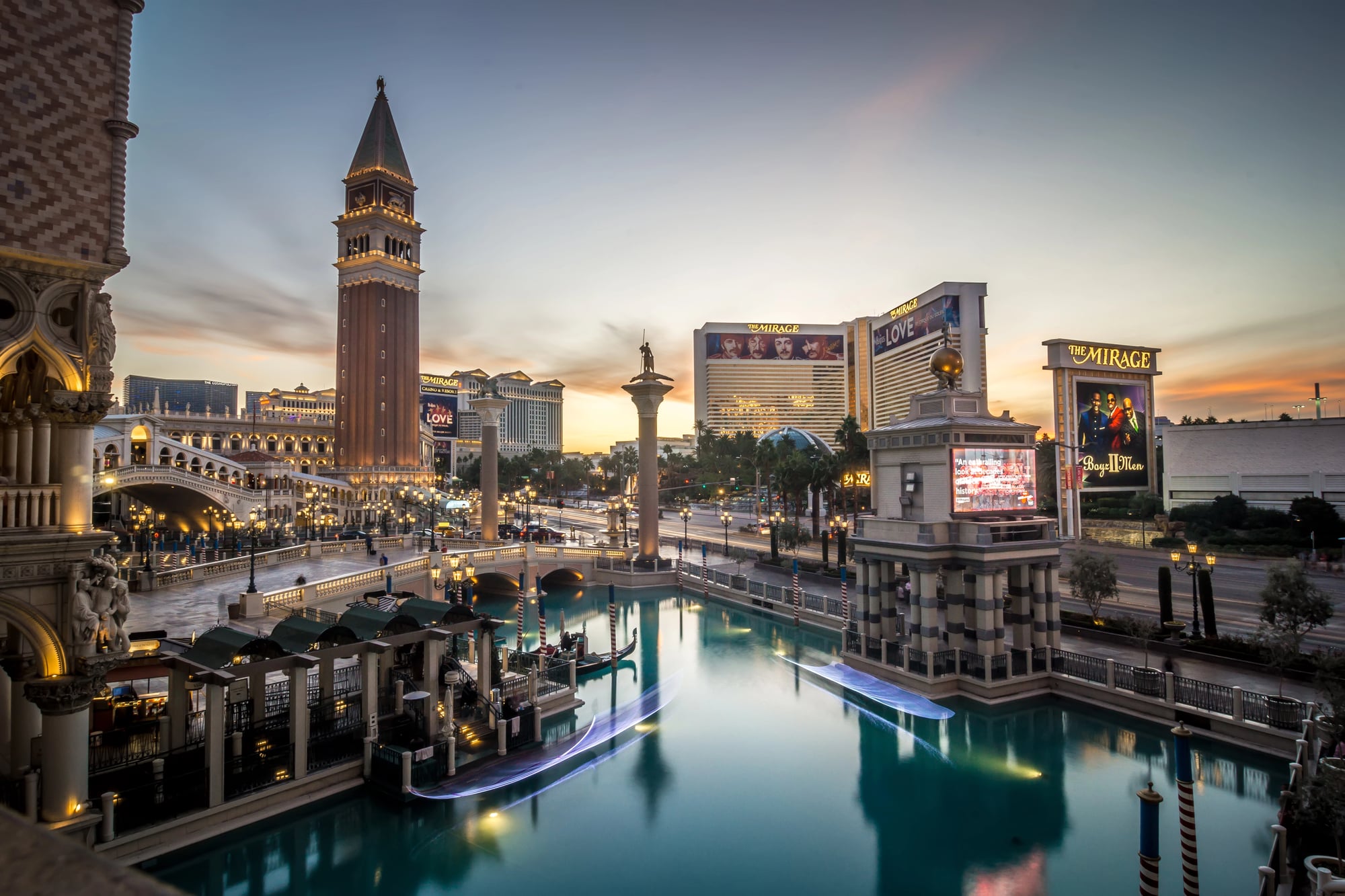
Hand-painted ceiling frescoes cover the lobby of The Venetian, replicating the artistic style of Renaissance Venice. Marble columns imported from Italy rise throughout the space, supporting archways decorated with gold accents.
The lobby flows seamlessly into shopping areas designed to look like Venetian streets, complete with canals and gondolas. Creating this level of detail in the Nevada desert required bringing artisans from across the globe.
Marina Bay Sands, Singapore
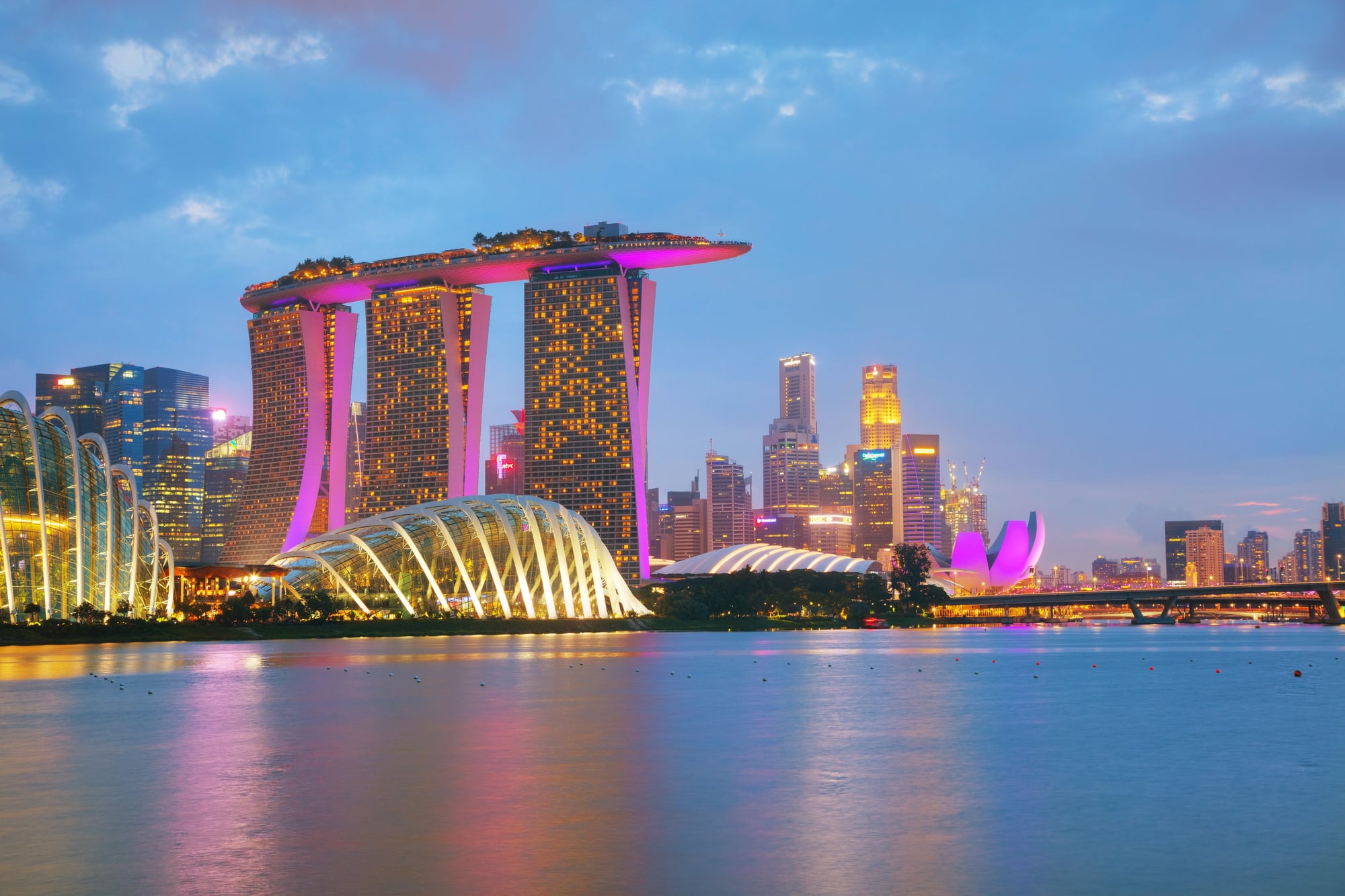
Glass walls on multiple sides flood this lobby with natural light and provide views of the city skyline and waterfront. The design emphasizes clean lines and open space rather than ornate decoration, letting the location speak for itself.
Art installations change regularly, ensuring repeat visitors always encounter something new. This modern approach to luxury prioritizes experience and view over traditional embellishment.
Shangri-La Paris
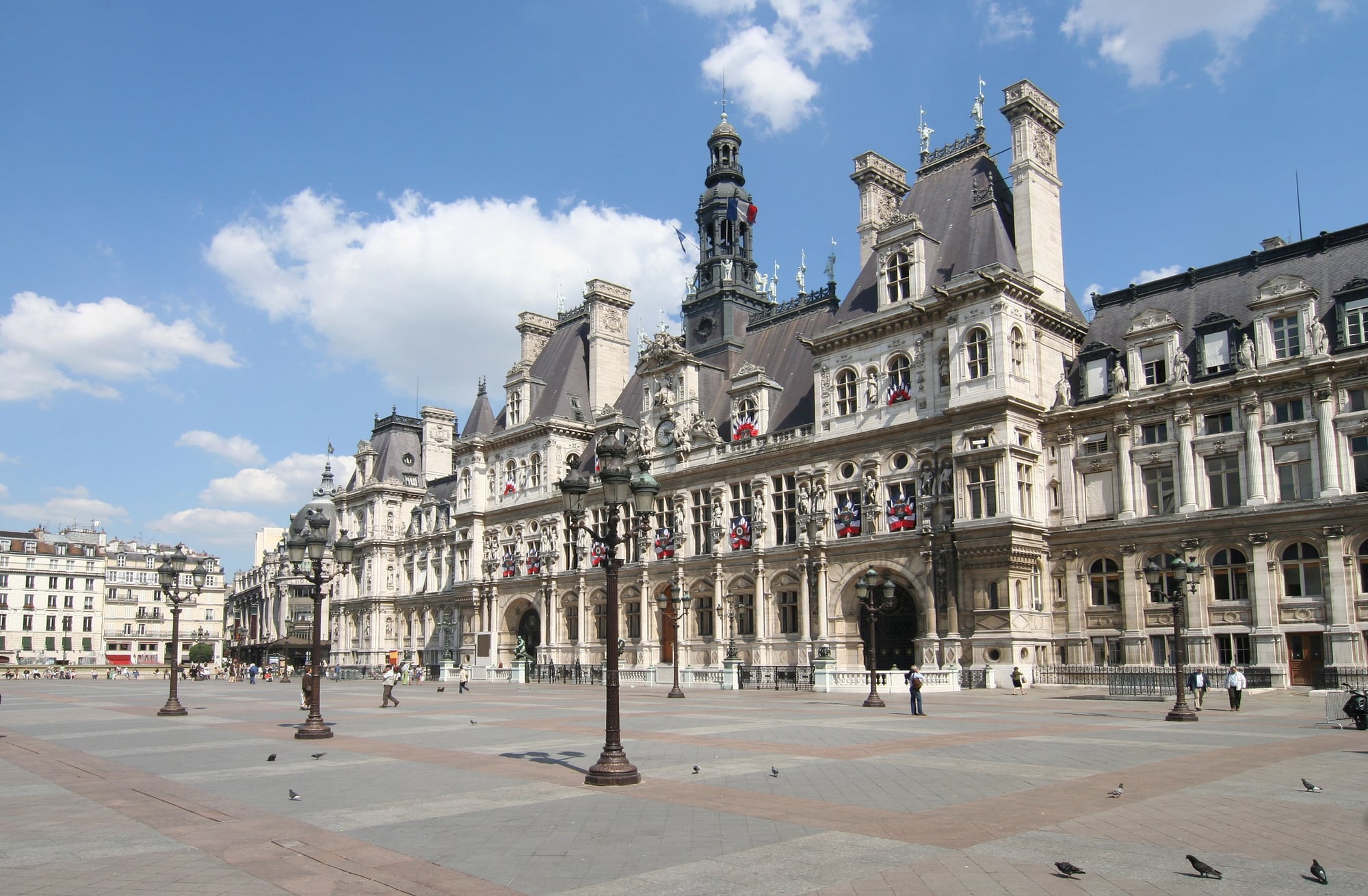
Crystal chandeliers inspired by Napoleon III’s era hang throughout this lobby, which occupies a building once owned by a Bonaparte prince. Original architectural details blend with contemporary comfort, creating a space that honors history without feeling like a museum.
The color palette of champagne, ivory, and soft gold creates warmth without heaviness. Even the flower arrangements follow a carefully planned design that complements rather than competes with the architecture.
Mandarin Oriental Bangkok
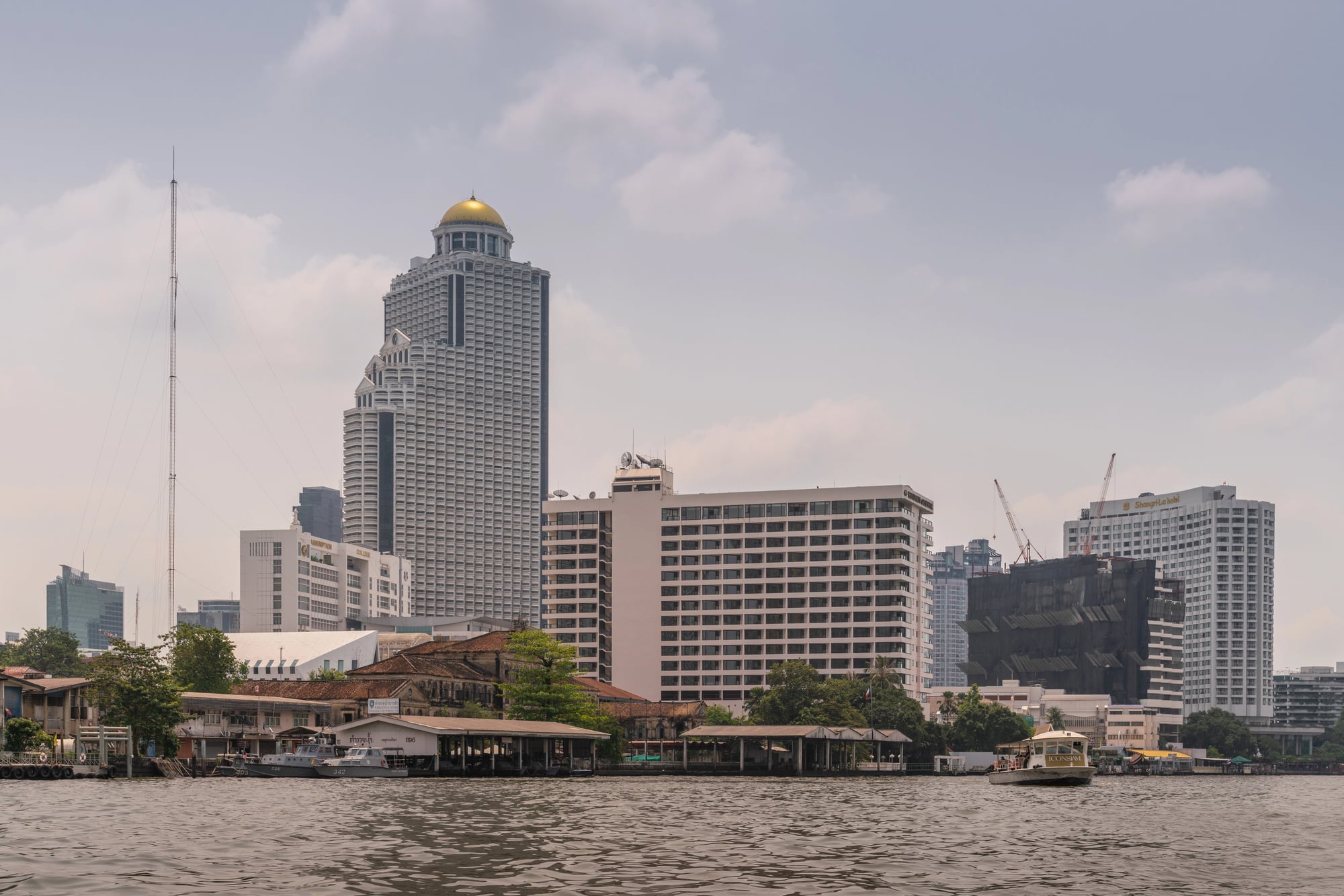
Teak wood panels and silk furnishings create an atmosphere distinctly Thai while maintaining international sophistication. The lobby opens onto the Chao Phraya River, where traditional long-tail boats pass constantly, connecting guests to the city’s living culture.
Staff members in traditional dress move quietly through the space, attending to needs before they’re spoken. This balance between local authenticity and global luxury standards sets a tone that carries throughout the entire property.
The Savoy, London
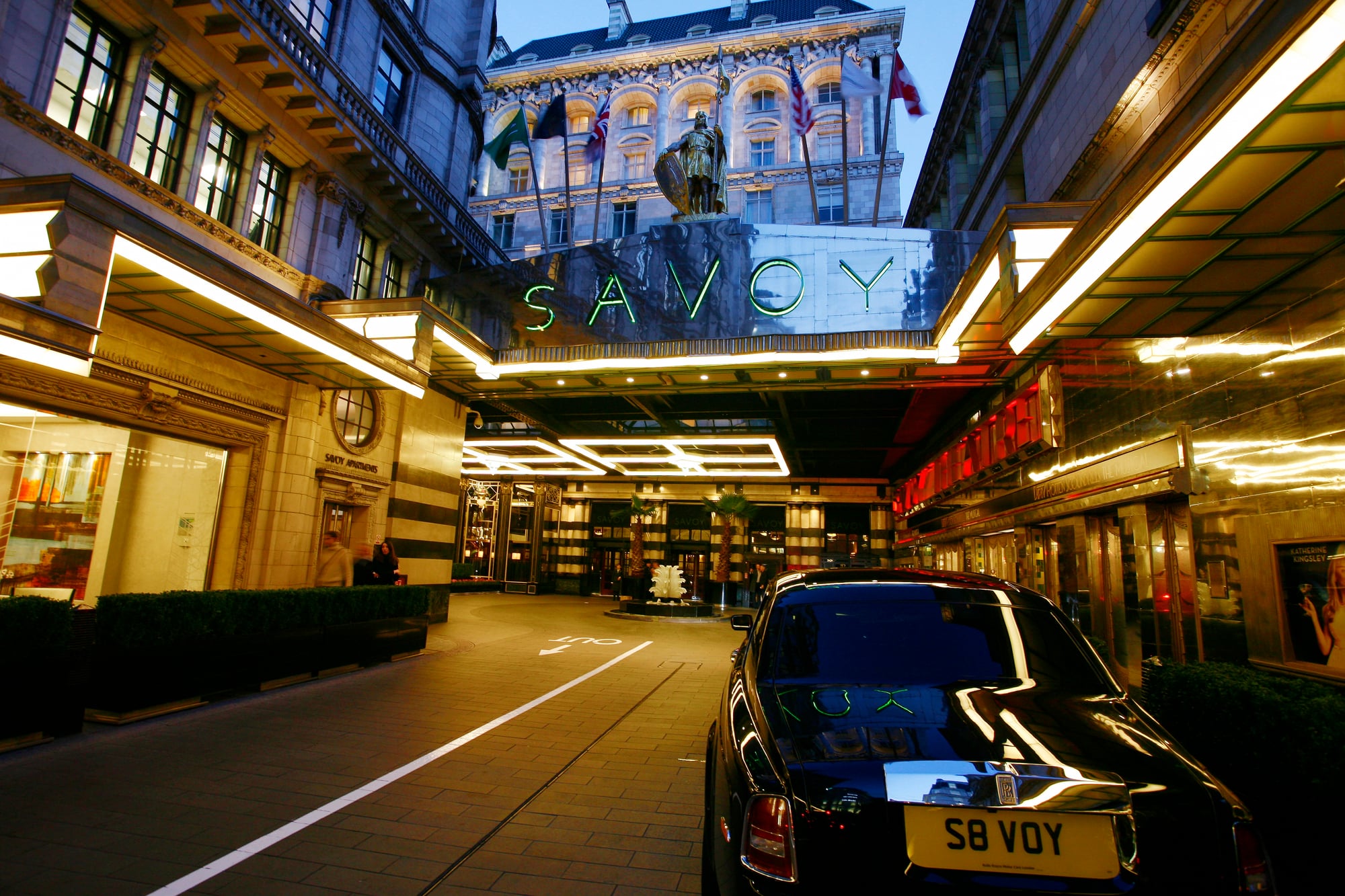
Art Deco design elements from the 1920s renovation still define The Savoy’s lobby, though updates have kept the space functional for modern travelers. A black and white checkered floor creates bold visual interest, while brass accents and comfortable seating areas invite guests to linger.
The reception area manages to feel both grand and approachable, a difficult balance that many hotels attempt but few achieve. Original features preserved through multiple renovations connect today’s visitors to nearly 150 years of hospitality history.
Four Seasons George V, Paris
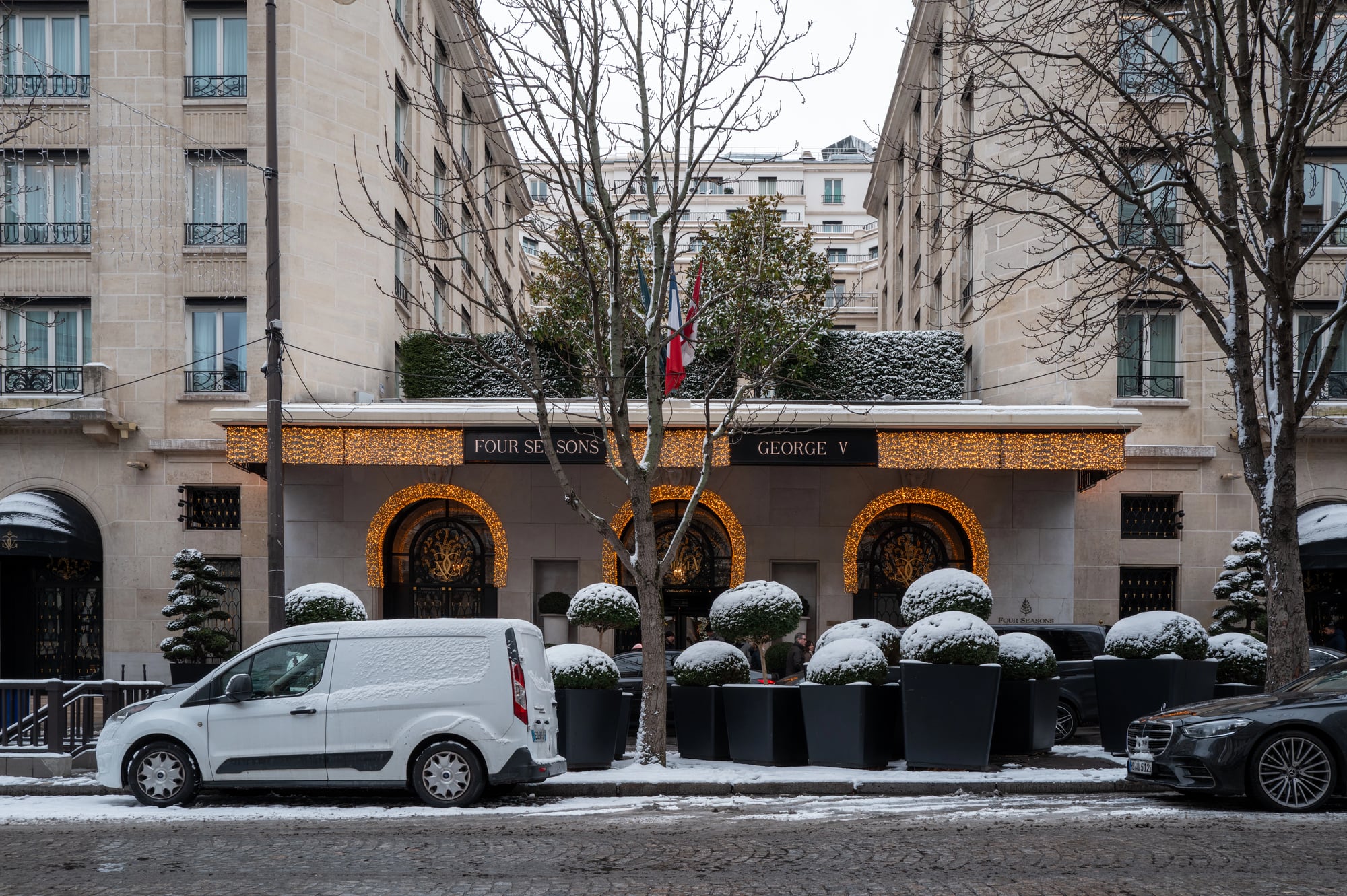
More than 15,000 fresh flowers arrive at this lobby each week, arranged by a dedicated team into displays that transform the space seasonally. Marble, gold, and crystal create the foundation, but the constantly changing floral installations keep the atmosphere alive and dynamic.
Tapestries and antique furniture add layers of texture and history. The lobby feels equally suited to afternoon tea as to evening cocktails, adapting its mood as daylight changes.
Claridge’s, London
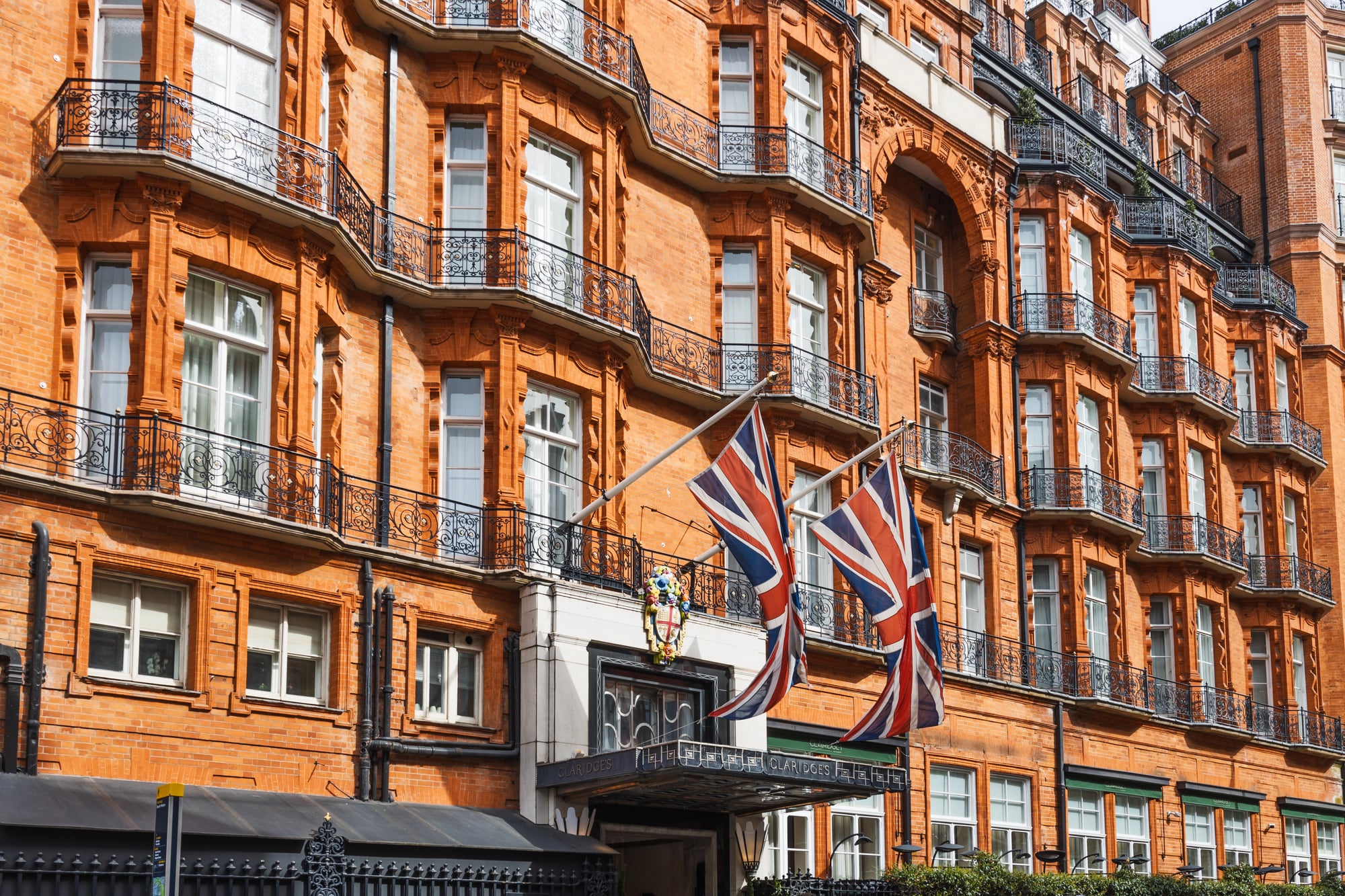
Black and white marble floors create geometric patterns that draw the eye through this London landmark’s entrance. The lobby maintains a residential feel despite its size, with seating areas arranged to create intimate conversation spaces.
Art Deco details from a 1920s redesign combine with Victorian architectural bones, resulting in a layered aesthetic that rewards careful observation. Staff members know regular guests by name and preference, making the grand space feel surprisingly personal.
Emirates Palace, Abu Dhabi

Gold dominates this lobby in quantities that seem almost impossible until you’re standing inside the space. The dome above rises 240 feet, decorated with intricate patterns and surrounded by smaller domes that echo the design.
Marble comes from 13 different countries, chosen specifically to create subtle variations in tone and pattern. The scale alone would impress, but the attention to detail in every surface and corner transforms size into genuine artistry.
Aman Tokyo
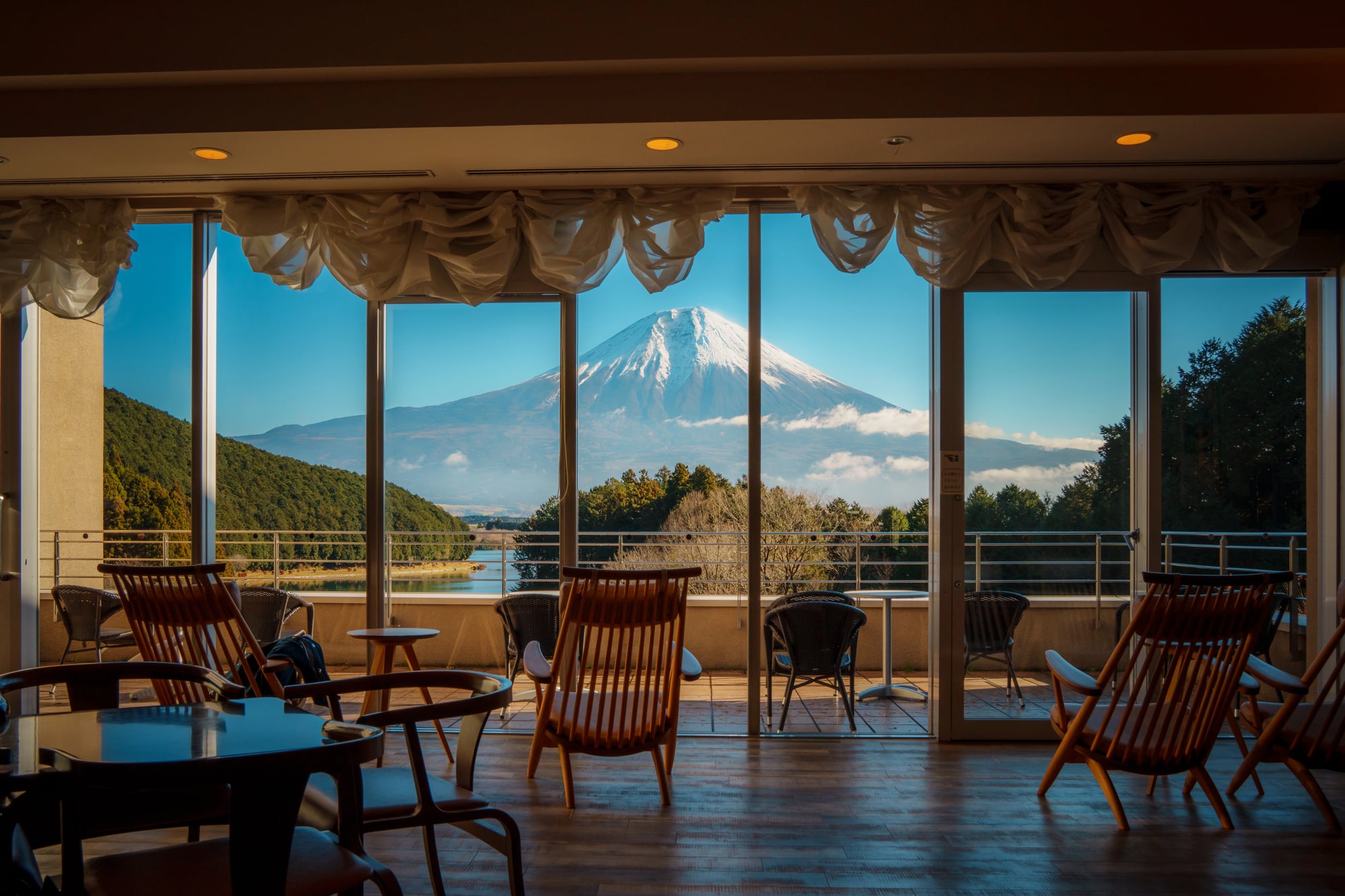
Floor-to-ceiling windows frame views of the Imperial Palace Gardens and Mount Fuji in the distance on clear days. The lobby sits on the 33rd floor, eliminating street noise and creating a sense of floating above the city.
Natural materials like wood, stone, and washi paper soften the modern design, while the color palette stays neutral to avoid competing with the views. This restraint requires confidence that the location and craftsmanship will speak for themselves.
The St. Regis New York

Murals painted by Maxfield Parrish still cover the ceiling in this lobby, commissioned when the hotel opened in 1904. Crystal chandeliers designed specifically for the space hang throughout, their size calibrated to the room’s proportions.
The King Cole Bar sits adjacent to the lobby, separated by columns that allow the spaces to flow together while maintaining distinct identities. Every element has been maintained or restored to original specifications, creating continuity across more than a century.
Raffles Singapore
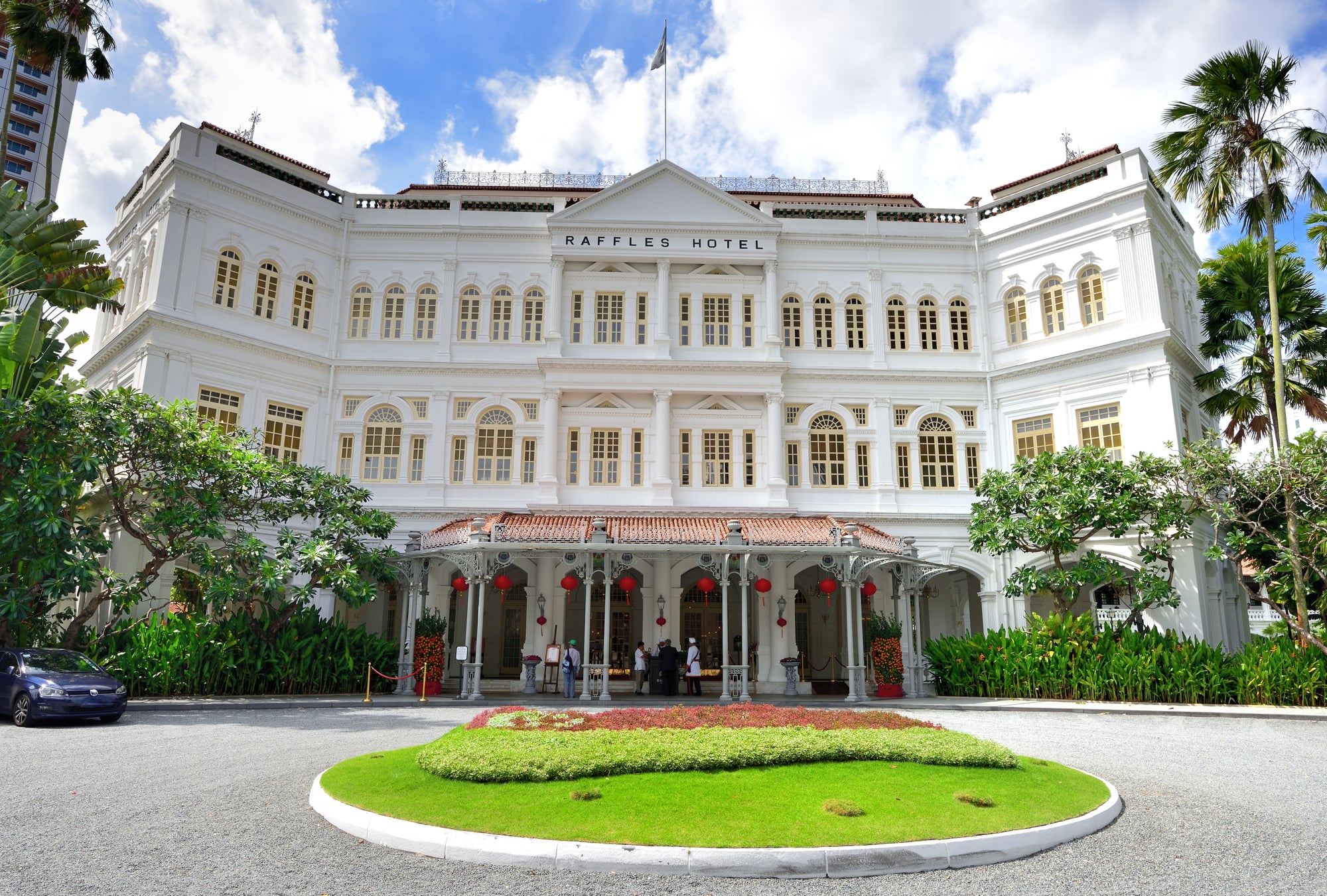
Colonial architecture defines this lobby, with high ceilings designed to promote air circulation in tropical heat. Polished teak floors, rattan furniture, and ceiling fans create an atmosphere that feels both relaxed and refined.
The space opens onto courtyards and gardens, blurring the line between indoor and outdoor areas. This design philosophy suited the climate when the hotel opened in 1887 and continues to work perfectly today.
The Peninsula Hong Kong
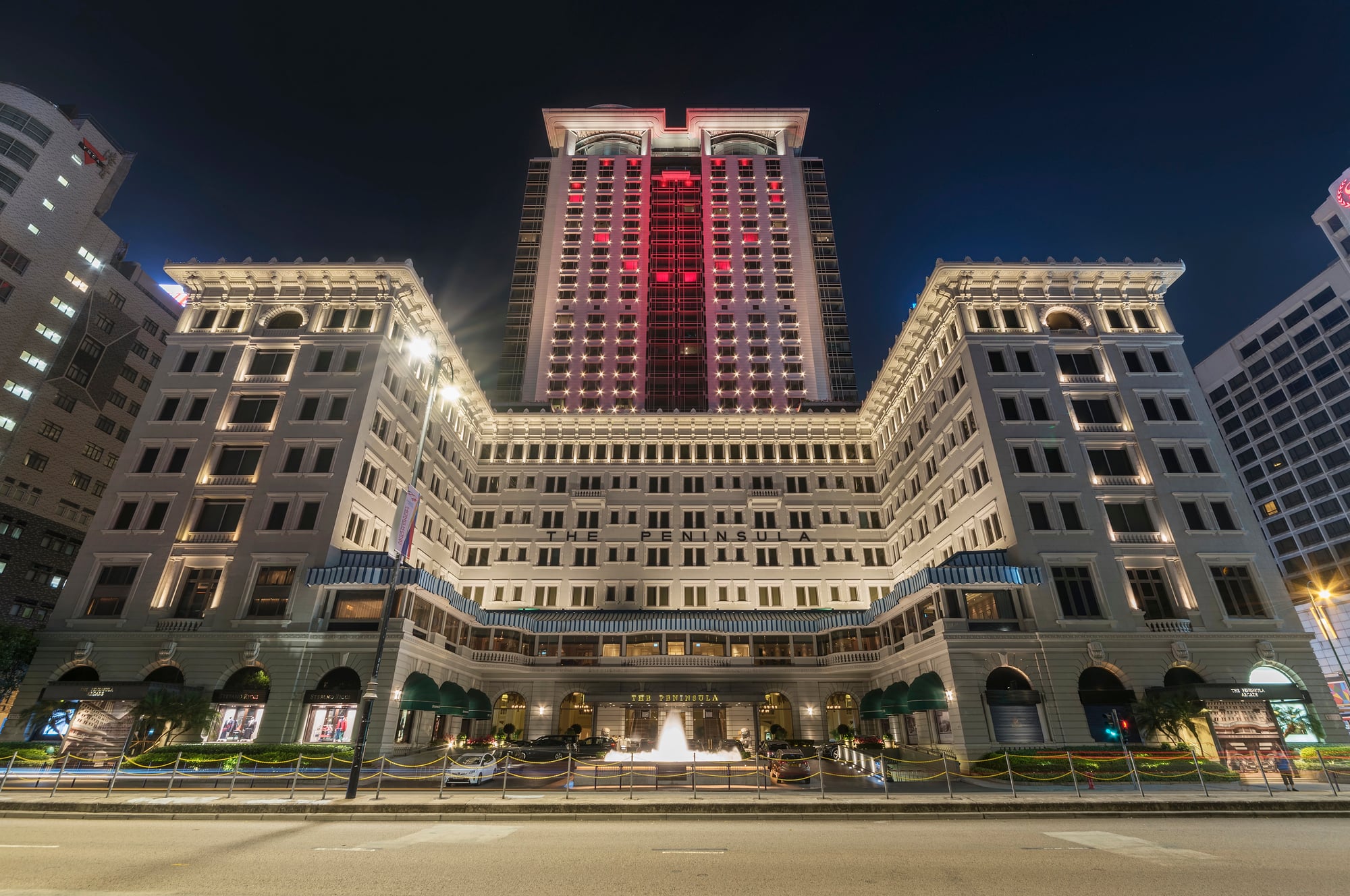
Every day since its start, this lobby hosts afternoon tea with music from a live string quartet, a practice it introduced to hotels long ago. Up above, columns stretch toward a decorated ceiling, lit softly by chandeliers that seem to brighten faces below.
Whether someone is signing deals or sharing birthday laughs, the room settles into whatever mood arrives. Details from its 1928 debut remain intact, alongside quiet updates made to serve today’s visitors without losing its voice.
Park Hyatt Paris-Vendôme
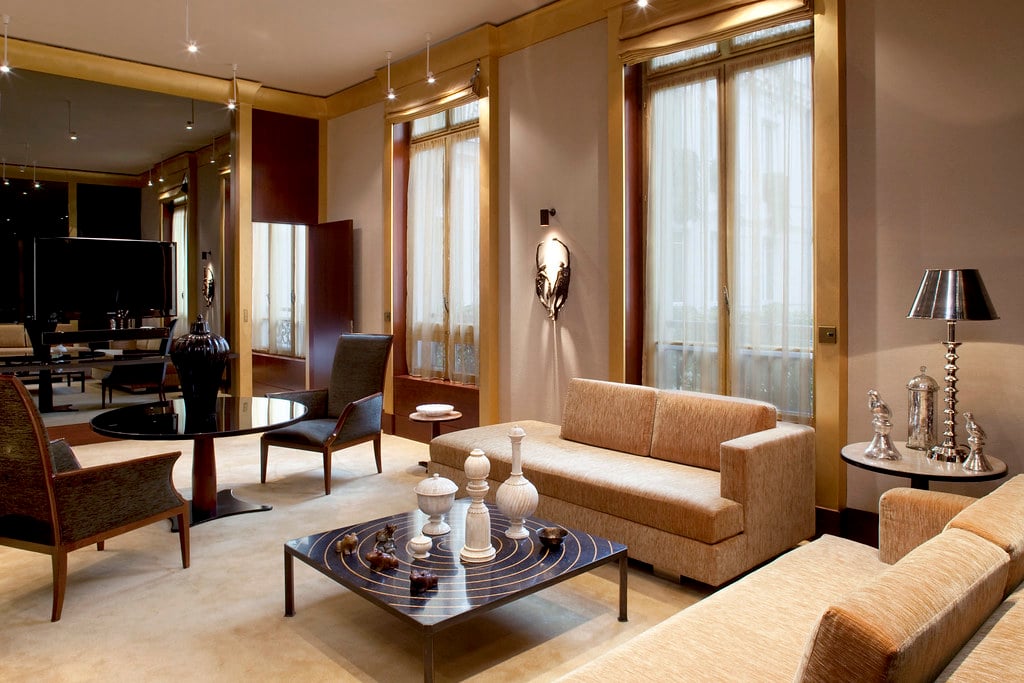
Up high, the room stretches way beyond eye level, sunlight flooding in from glass panels that climb the walls. Art pieces appear fresh every few months, giving modern vibes inside old bones.
Beige and gray hold things calm, leaving drama to shadows and open air instead of flashy details. What feels rich comes from shape and brightness, not from added extras or fancy finishes.
Where Luxury Begins
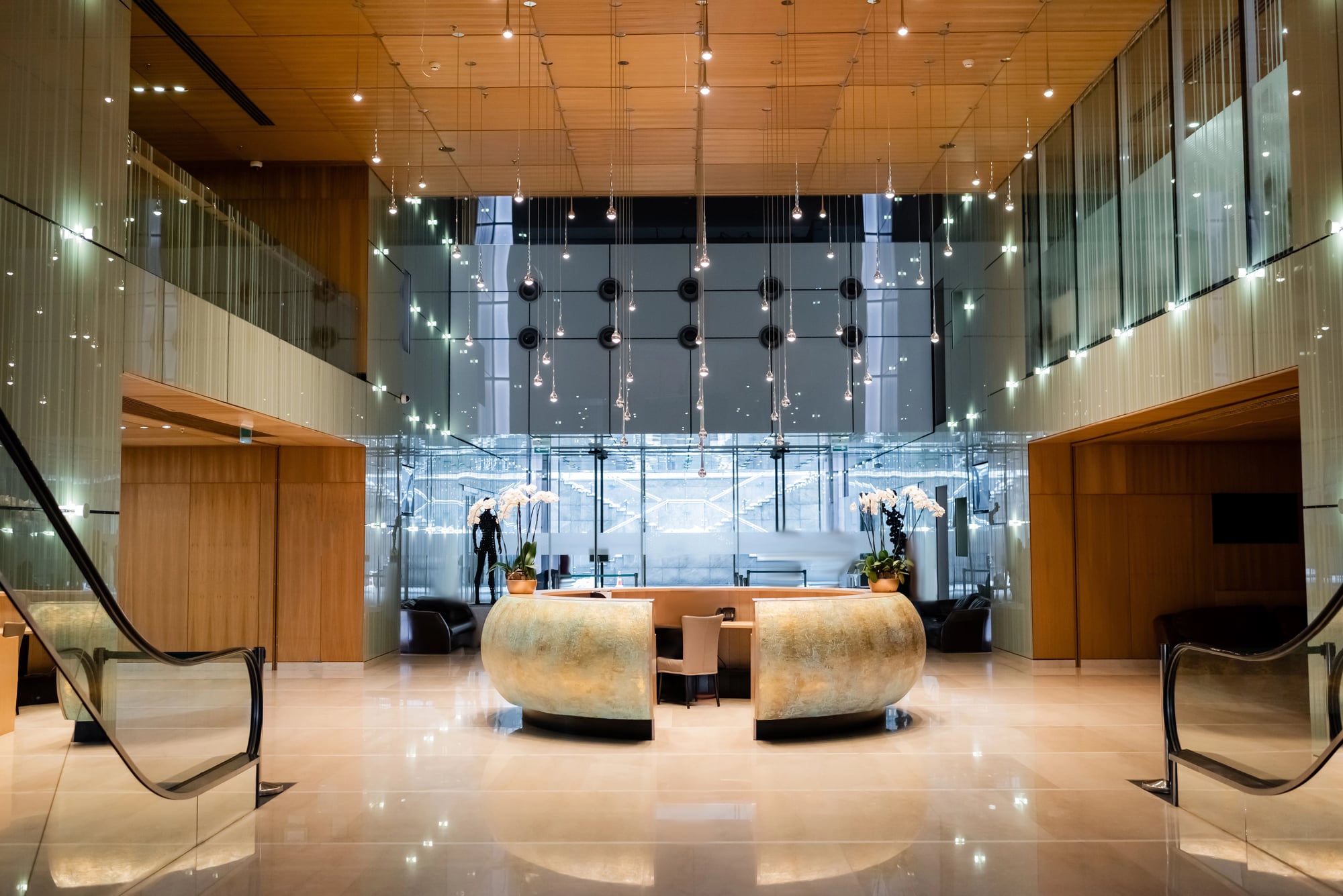
First feelings stick around longer than most admit. Not simply spots to hand over credit cards, top hotel doors shape what comes next.
Today’s creators keep returning to such rooms, watching how space, shade, texture, and tiny choices join to make moments feel different right away. Business trips or weekends away – entering places like this makes the path matter as much as where you land.
More from Go2Tutors!

- The Romanov Crown Jewels and Their Tragic Fate
- 13 Historical Mysteries That Science Still Can’t Solve
- Famous Hoaxes That Fooled the World for Years
- 15 Child Stars with Tragic Adult Lives
- 16 Famous Jewelry Pieces in History
Like Go2Tutors’s content? Follow us on MSN.