15 Classic Us Teen Magazines We All Read
Before smartphones and social media took over, teenagers got their dose of celebrity gossip, fashion advice, and relationship tips from glossy magazines that lined drugstore racks and grocery store checkout lanes. These publications were like having a cool older sister who knew all the latest trends and wasn’t afraid to dish about which heartthrob was dating whom.
From the late 1970s through the early 2000s, teen magazines ruled the cultural landscape for young Americans. Here is a list of 15 classic teen magazines that defined generations of adolescents.
Seventeen

Seventeen dominated the teen magazine scene longer than any other publication, launching way back in 1944 and continuing strong into the digital age. The magazine perfected the formula of mixing fashion spreads with advice columns, celebrity interviews, and those infamous ’embarrassing moments’ stories that made every reader feel less alone.
What set Seventeen apart was its slightly more mature approach compared to other teen mags, often tackling serious topics like college prep and first jobs alongside the usual crush advice.
Tiger Beat

Tiger Beat became the ultimate celebrity crush headquarters, specializing in wall-to-wall coverage of the hottest young stars from the late 1960s onward. The magazine’s signature style involved bright colors, exclamation points everywhere, and those poster-worthy centerfolds that decorated countless bedroom walls.
Tiger Beat had an uncanny ability to spot rising stars early, featuring everyone from the Osmonds and David Cassidy to later heartthrobs like Jonathan Taylor Thomas and the members of *NSYNC.
Teen Beat

Often confused with Tiger Beat due to the similar name, Teen Beat carved out its own niche in the celebrity-obsessed teen market starting in 1983. The magazine focused heavily on music stars and TV actors, delivering the kind of behind-the-scenes content that made readers feel like they personally knew their favorite celebrities.
Teen Beat’s interviews often felt more intimate than those in competing magazines, creating a sense that stars were sharing secrets directly with their biggest fans.
YM

YM (originally ‘Young Miss’) transformed from a somewhat stuffy publication into the edgiest teen magazine of the 1990s under editor-in-chief Christina Kelly. The magazine wasn’t afraid to tackle controversial topics and used humor in ways that other teen publications wouldn’t dare attempt.
YM’s ‘Say Anything’ advice column became legendary for its brutally honest responses, and the magazine’s fashion spreads often featured more accessible, realistic styling than the designer-heavy layouts found elsewhere.
Sassy

Sassy revolutionized teen publishing when it launched in 1988, bringing an alternative, feminist-leaning perspective to a market dominated by fluff pieces about boys and makeup. The magazine featured indie music, alternative fashion, and tackled serious social issues while maintaining the irreverent tone that made it feel like it was written by the coolest girls in school.
Though Sassy only lasted until 1996, its influence on teen culture and publishing continues to this day, with many former staff members going on to shape other major publications.
J-14

J-14 captured the teen market of the late 1990s and early 2000s by focusing almost exclusively on the biggest pop culture phenomena of the moment. The magazine became essential reading during the boy band wars, providing exhaustive coverage of groups like the Backstreet Boys, *NSYNC, and 98 Degrees.
J-14’s strength lay in its ability to deliver exactly what teens wanted: massive posters, personality quizzes about their favorite stars, and enough trivia to win any cafeteria debate about celebrity crushes.
Teen Vogue

Teen Vogue launched in 2003 as the younger sibling to the fashion bible Vogue, bringing high-fashion sensibilities to the teenage market. The magazine elevated teen publishing by featuring actual designer clothes alongside more affordable options, treating its young readers as sophisticated consumers rather than mall-wandering kids.
Teen Vogue also distinguished itself by covering political and social issues, proving that teenagers could handle serious content mixed with their fashion and beauty coverage.
CosmoGirl

CosmoGirl brought the Cosmopolitan brand to teenagers in 1999, offering a slightly more mature take on typical teen magazine content. The publication struck a balance between the innocence expected in teen media and the more adult themes that older teenagers were curious about.
CosmoGirl’s advice columns were notably more progressive than those in other teen magazines, and the fashion spreads often featured diverse models and realistic styling that teens could actually replicate.
Teen People
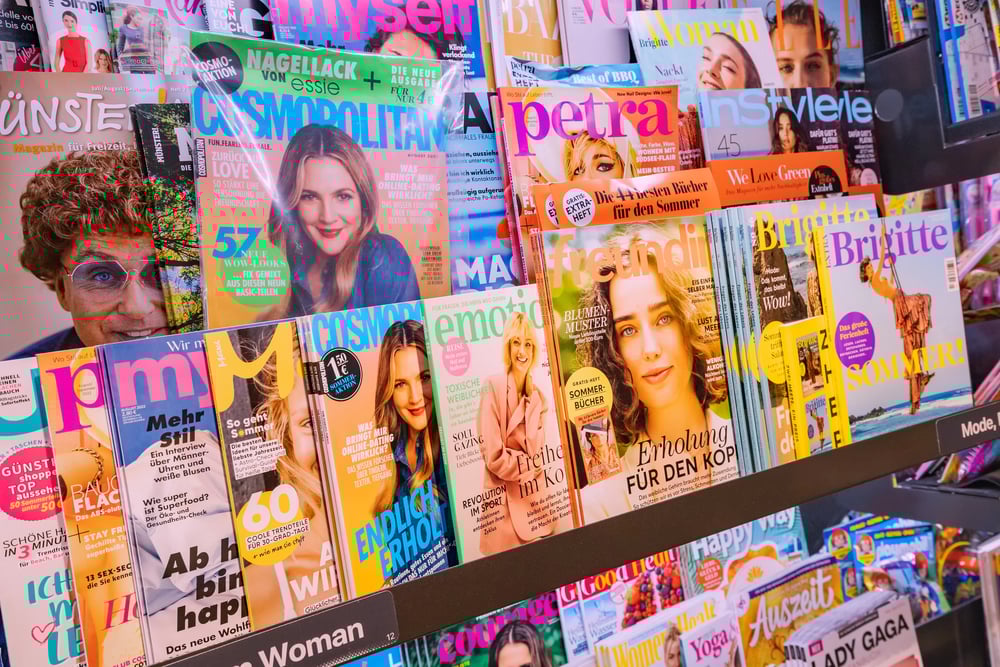
Teen People leveraged the credibility of People magazine to create a celebrity-focused publication specifically for younger readers in 1998. The magazine brought the same attention to factual reporting that made its parent publication successful, resulting in more reliable celebrity news than some of its competitors offered.
Teen People excelled at exclusive interviews and behind-the-scenes access, often featuring celebrities in more natural, unguarded moments rather than the heavily styled photo shoots common elsewhere.
Bop
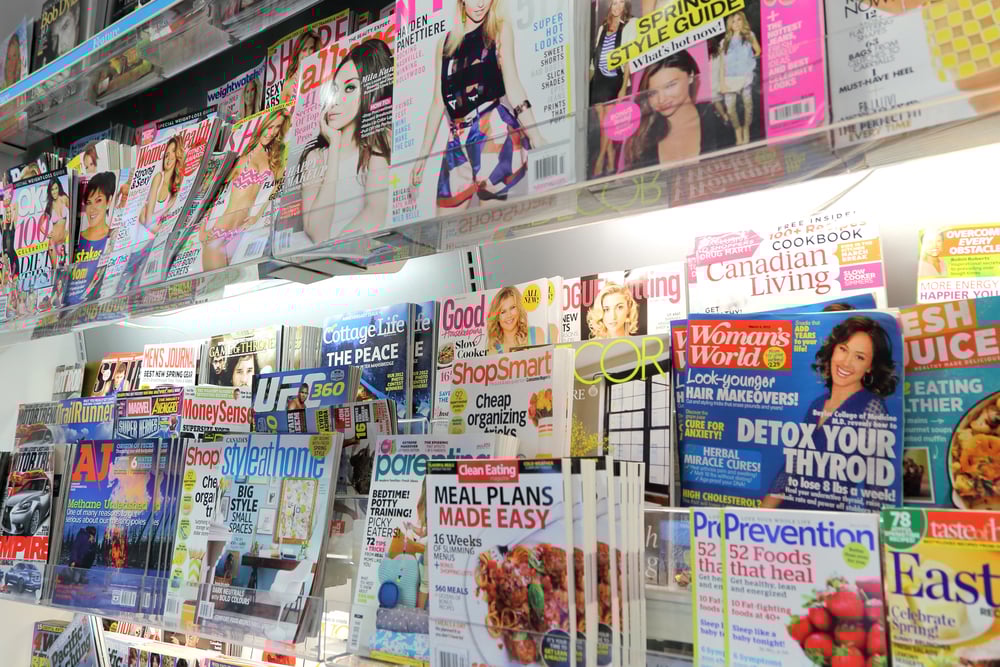
Bop magazines hit newsstands in 1983 and quickly established itself as the place to find the most comprehensive celebrity photo spreads available anywhere. The publication specialized in candid shots and exclusive images that other magazines couldn’t get, making it essential for fans who wanted to see their favorite stars in everyday situations.
Bop’s photo-heavy approach meant less text than other teen magazines, but the images were always high quality and often showed celebrities in ways that made them seem more accessible and relatable.
Twist

Twist magazine entered the teen market in 1997 with a focus on interactive content that encouraged reader participation beyond typical letters to the editor. The magazine featured extensive quizzes, contests, and reader-submitted content that made teens feel like active participants rather than passive consumers.
Twist also pioneered the use of reader polls to influence content decisions, essentially crowdsourcing topics and celebrity coverage based on what their audience actually wanted to read about.
Teen Magazine

Teen Magazine (later renamed Teen) offered a more straightforward approach to teen publishing, focusing on practical advice and accessible fashion without the extreme celebrity focus of some competitors. The magazine excelled at providing real-world guidance for typical teenage problems, from dealing with friend drama to navigating first jobs.
Teen Magazine’s strength was its ability to make every reader feel represented, featuring diverse content that spoke to teenagers from different backgrounds and with varying interests.
BB (Big Bopper)

BB magazine, also known as Big Bopper, catered specifically to fans of alternative and rock music during the 1990s and early 2000s. The publication filled a gap in teen media by covering bands and artists that mainstream teen magazines often ignored, from grunge acts to emerging punk and indie groups.
BB’s interview style was more in-depth than typical teen magazine fare, treating both the artists and readers as more sophisticated than the average celebrity fluff piece would suggest.
Sugar

Sugar magazine brought a distinctly different energy to American teen publishing when it launched in 1994, emphasizing authentic teenage experiences over manufactured celebrity culture. The magazine featured real teenagers in fashion spreads and focused heavily on reader-submitted content, creating a sense of community among its audience.
Sugar’s approach to beauty and fashion advice was notably more inclusive and body-positive than many of its contemporaries, encouraging self-acceptance alongside the typical improvement tips.
Right On!

Right On! magazine specifically targeted African American teenagers, providing representation that was often lacking in mainstream teen publications. The magazine covered R&B artists, hip-hop culture, and black entertainment figures with the same enthusiasm and depth that other teen magazines brought to pop and rock stars.
Right On!’s cultural significance extended beyond typical celebrity coverage, as it helped validate and celebrate African American teen culture during decades when such representation was rare in national media.
The magazines that shaped a generation

These publications did more than just entertain teenagers—they helped define what it meant to be young in America across several decades. Each magazine captured the specific cultural moment it served, from the boy band mania of the late 1990s to the alternative culture explosion of the early 1990s.
Though most of these titles have either folded or moved entirely online, their influence on fashion, music, and teen culture continues to resonate today. They created a shared cultural language among American teenagers, ensuring that references to Tiger Beat centerfolds or Sassy’s irreverent attitude still spark recognition among those who lived through the golden age of teen magazines.
More from Go2Tutors!

- The Romanov Crown Jewels and Their Tragic Fate
- 13 Historical Mysteries That Science Still Can’t Solve
- Famous Hoaxes That Fooled the World for Years
- 15 Child Stars with Tragic Adult Lives
- 16 Famous Jewelry Pieces in History
Like Go2Tutors’s content? Follow us on MSN.



