15 Things You Didn’t Know Happened During the Cuban Missile Crisis
For thirteen days in October 1962, the world held its breath as the United States and the Soviet Union stood on the brink of nuclear war. The Cuban Missile Crisis represents the closest the Cold War superpowers ever came to unleashing their nuclear arsenals against each other.
While many know the broad strokes of the confrontation—Soviet missiles in Cuba, an American naval blockade, and eventual de-escalation—the crisis contained numerous lesser-known moments of danger, diplomacy, and near-disaster that could have altered history. Here is a list of 15 surprising events that occurred during the Cuban Missile Crisis that reveal just how close humanity came to catastrophe and the unexpected ways the situation was defused.
The Accidental U-2 Incursion
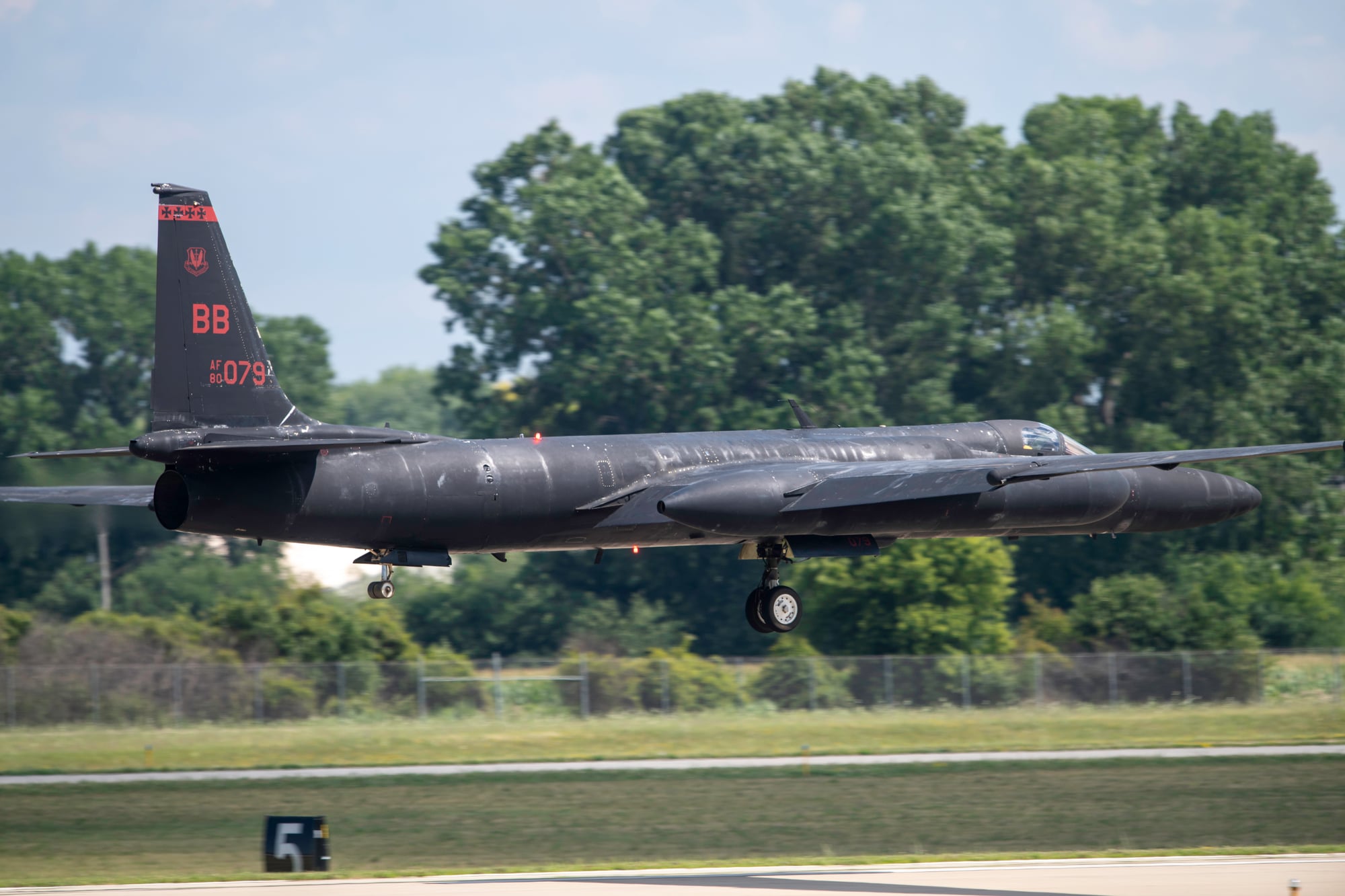
An American U-2 spy plane accidentally strayed into Soviet airspace during the height of the crisis. On October 27, 1962, pilot Charles Maultsby became disoriented while on an air-sampling mission near the North Pole and veered into the USSR.
Soviet MiG fighters scrambled to intercept the plane while American F-102 fighters armed with nuclear air-to-air missiles were launched to protect Maultsby. This unplanned incursion could have sparked a conflict separate from the Cuban situation.
The Secret Back Channel

In order to resolve the crisis, Attorney General Robert Kennedy met with Soviet Ambassador Anatoly Dobrynin in private. Bypassing conventional diplomatic channels, these informal talks enabled more candid communication between the two parties.
When formal ties reached a breaking point, President Kennedy and Premier Khrushchev were able to communicate directly through the Kennedy-Dobrynin discussions. The final accord was reached thanks in large part to this back channel.
Like Go2Tutors’s content? Follow us on MSN.
The Missing Soviet Submarines
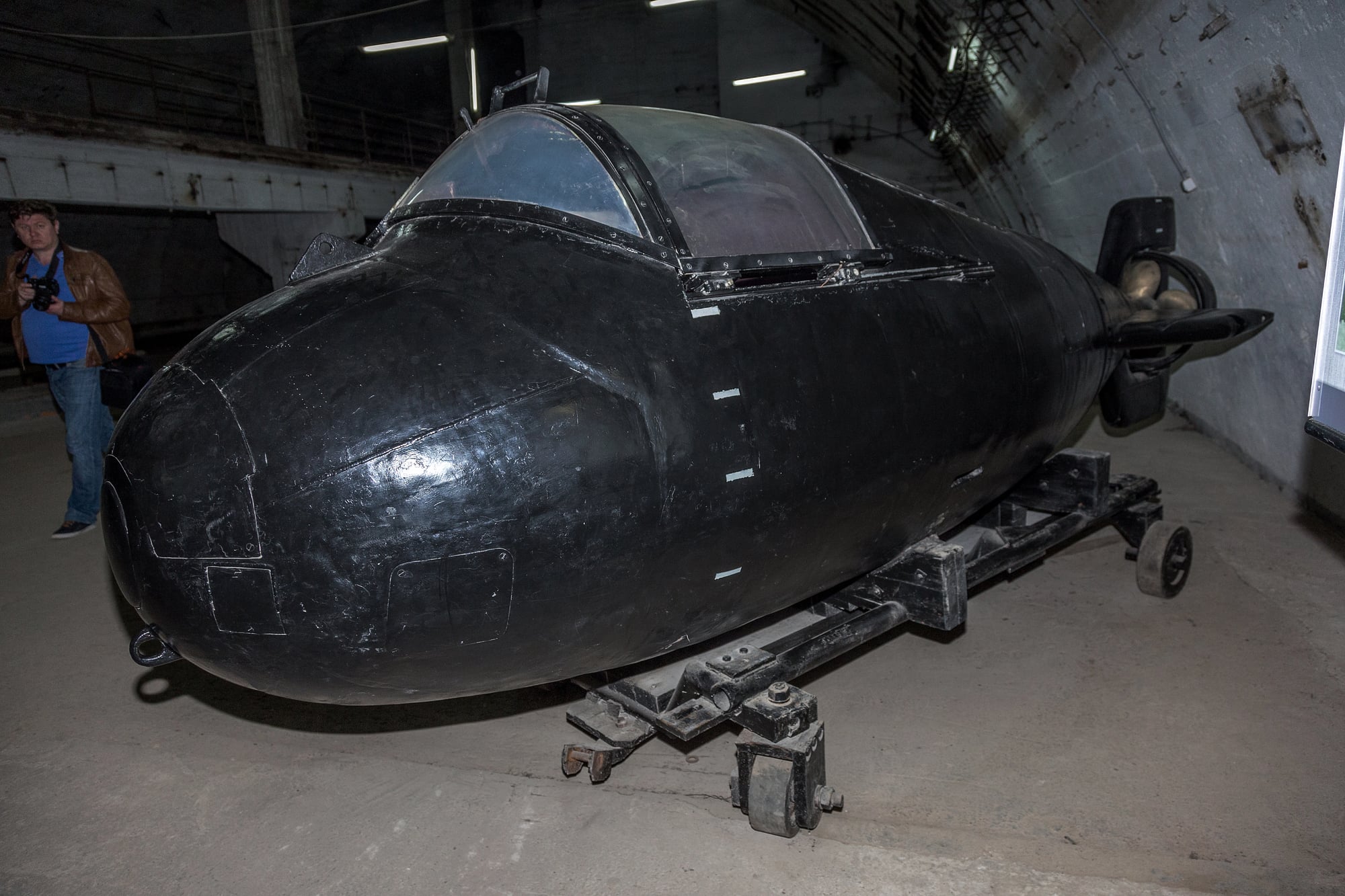
Four Soviet submarines near the American blockade line nearly launched nuclear torpedoes. Each submarine carried a nuclear torpedo and required the approval of three officers to launch.
On one submarine, B-59, the captain and political officer approved a launch during an American depth charge attack, but brigade chief Vasili Arkhipov refused, potentially preventing nuclear war. The American navy remained unaware that these submarines carried nuclear weapons until decades later.
The Military Deception

The Soviets successfully deceived American intelligence about the number of nuclear warheads in Cuba. While U.S. intelligence estimated there were approximately 20 nuclear warheads on the island, the actual number was 162, including 90 tactical nuclear weapons.
These tactical nukes could have been used against an American invasion force without Moscow’s approval. This massive intelligence failure meant American leaders were planning operations without understanding the true level of risk.
The Crashed U-2
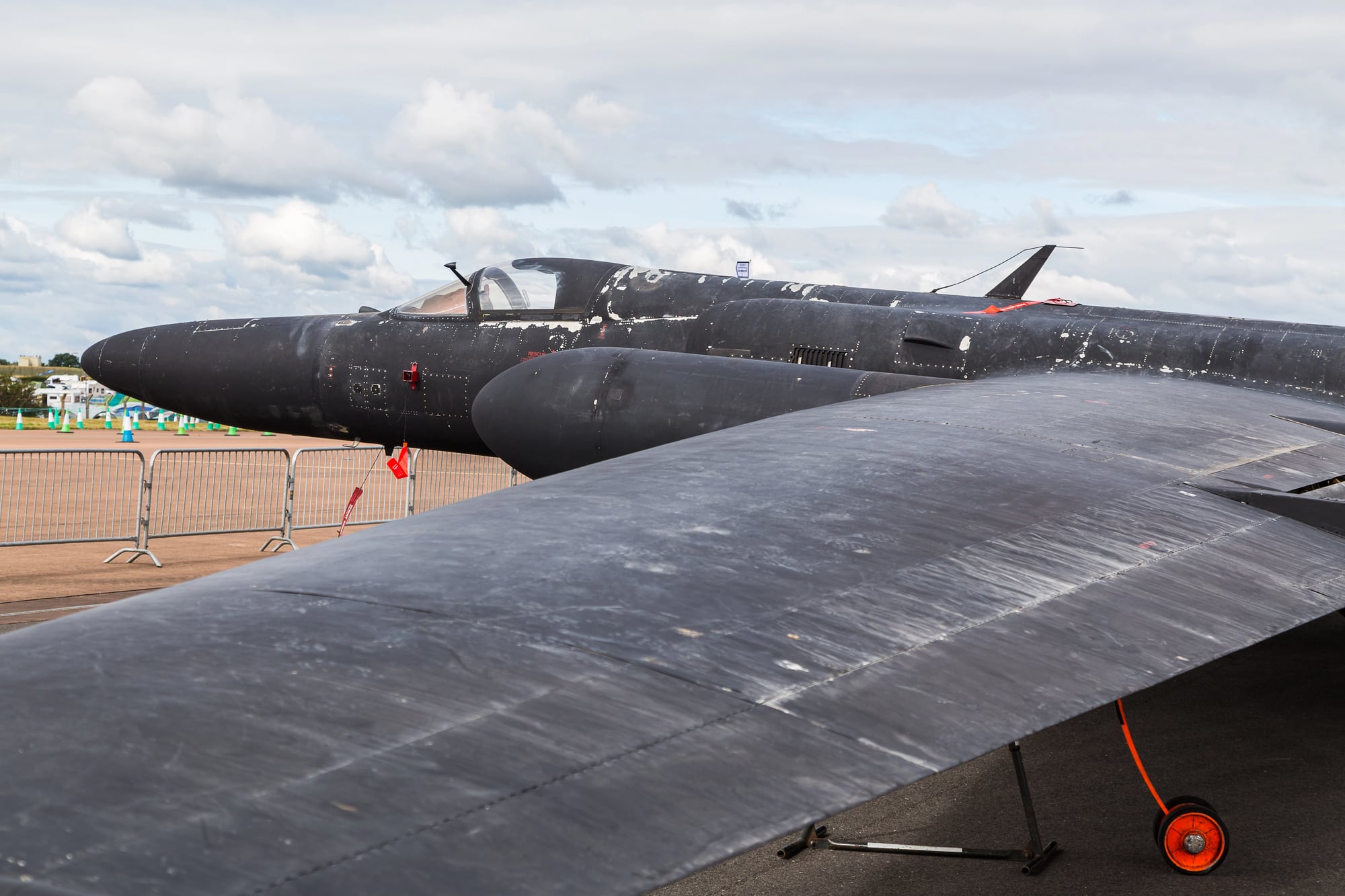
A U-2 spy plane was shot down over Cuba during the crisis, killing pilot Major Rudolf Anderson Jr. His death marked the only direct combat fatality of the confrontation.
President Kennedy refused to authorize a retaliatory strike, telling advisors, ‘We’re not going to get into war by any damn mistake.’ Anderson’s loss generated enormous pressure from military leaders for immediate action against Cuban air defenses, but Kennedy held firm on a diplomatic path.
Like Go2Tutors’s content? Follow us on MSN.
The Turkish Missile Deal
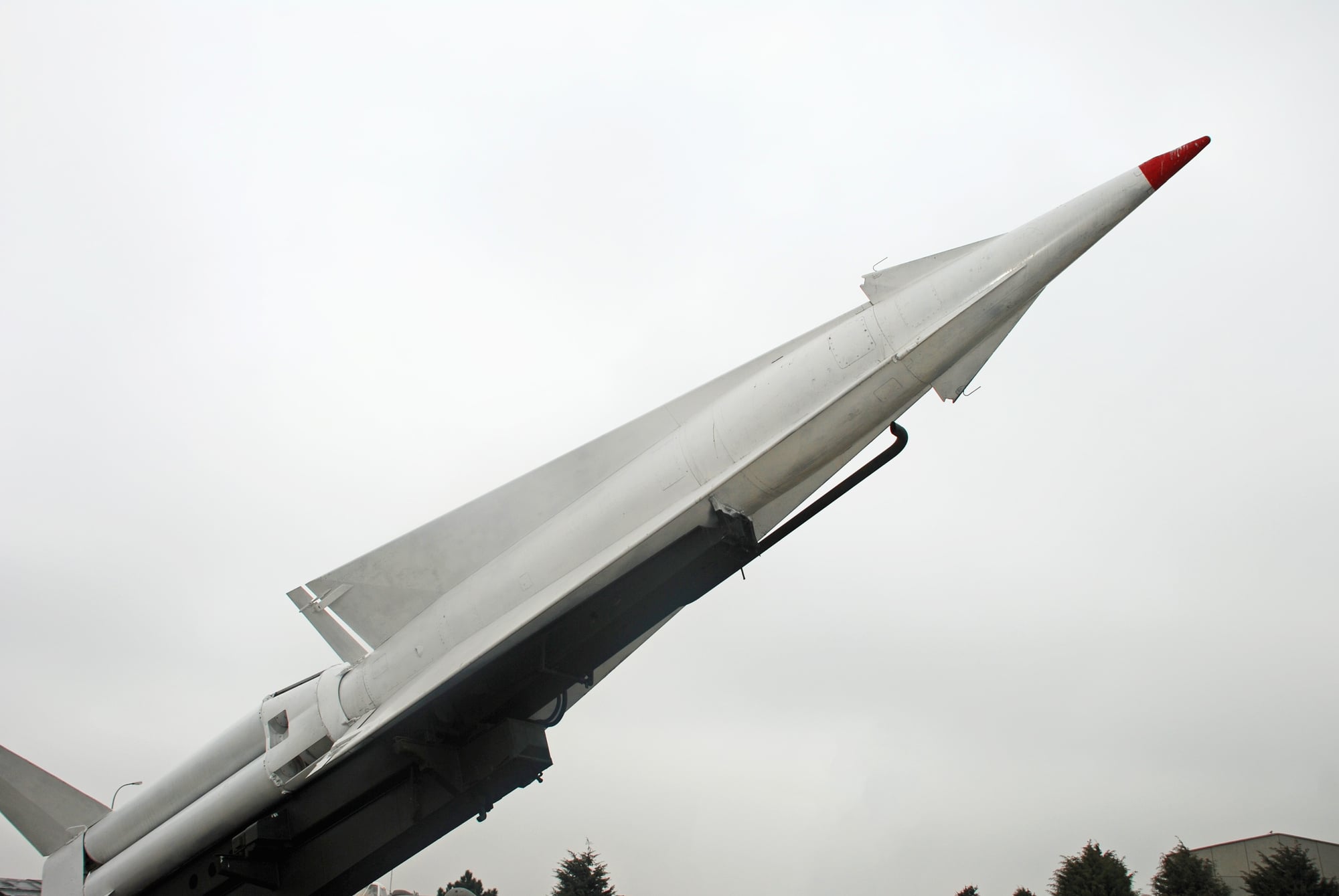
The resolution included a secret agreement to remove American Jupiter missiles from Turkey. While publicly, Khrushchev agreed to remove Soviet missiles from Cuba in exchange for an American pledge not to invade the island, privately Kennedy also agreed to dismantle obsolete Jupiter missiles in Turkey.
This concession was kept secret for decades to avoid the appearance that Kennedy had made a direct trade. The missiles were removed several months after the crisis, and they were presented as an unrelated modernization measure.
The Weather Intervention
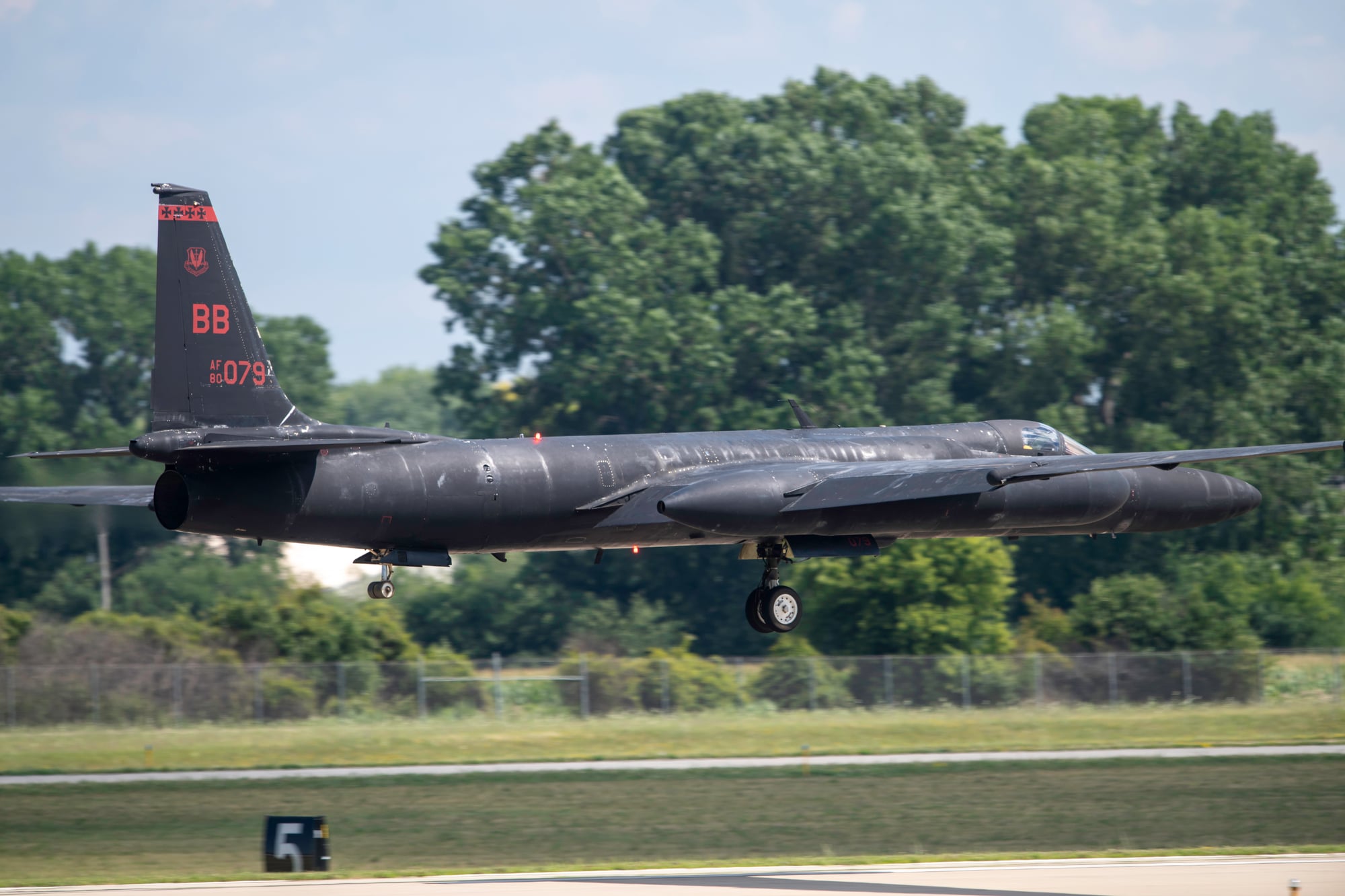
Bad weather helped prevent the crisis from escalating. U-2 flights on October 25-26 were delayed due to cloudy conditions, giving diplomacy crucial extra time before revealing additional missile sites.
Had clear weather allowed these flights earlier, hawks in the Kennedy administration might have gained the upper hand in pushing for immediate military action. Sometimes even the weather can influence the course of history.
The Castro Execution Lists
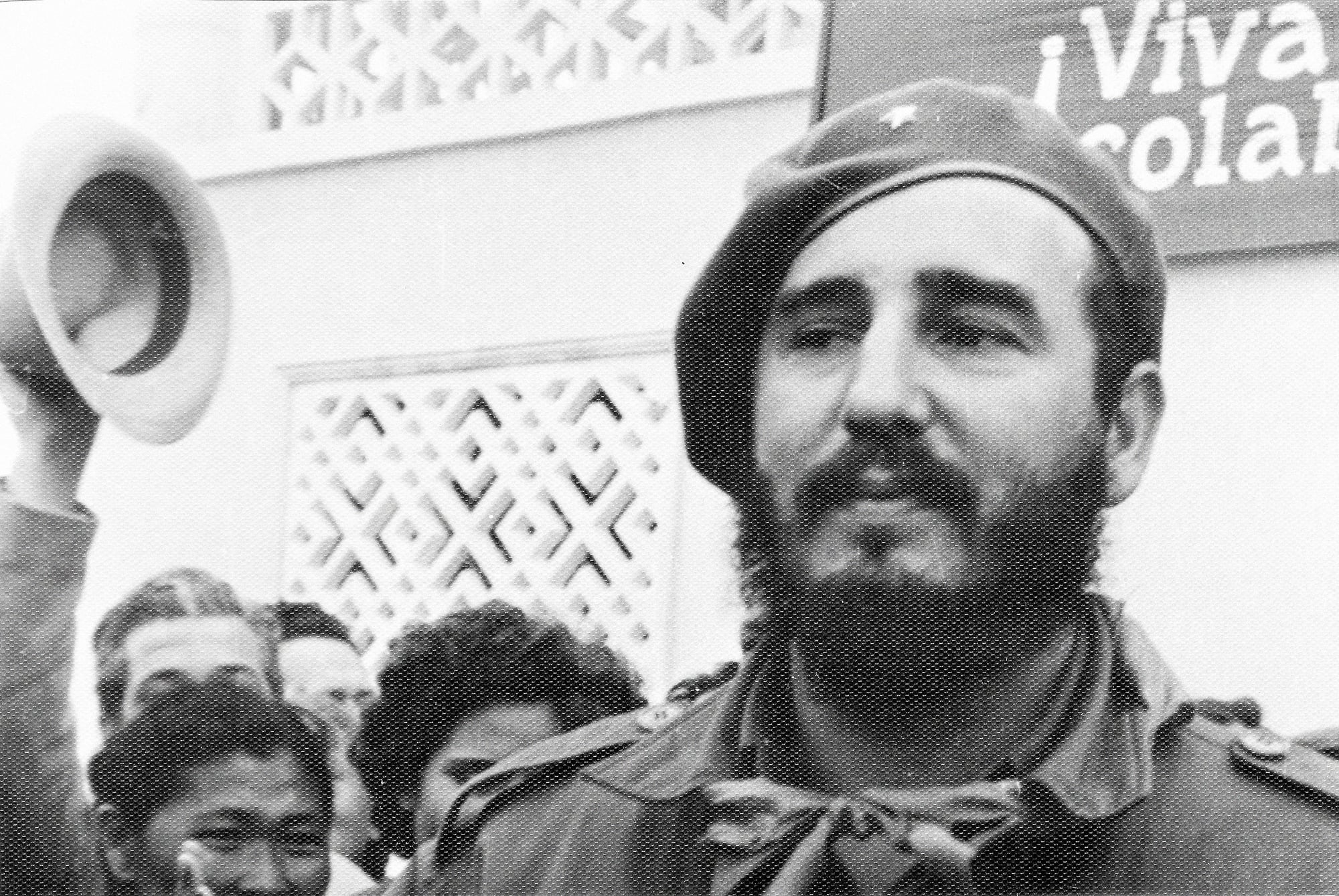
Fidel Castro prepared execution lists for use after a possible American invasion. Cuban officials drafted extensive lists of individuals to be immediately arrested and executed in the event of an American assault.
These lists included not only political opponents but thousands of ordinary citizens suspected of harboring counter-revolutionary sentiments. The planned mass executions remained unknown to American officials during their invasion deliberations.
Like Go2Tutors’s content? Follow us on MSN.
The Unnecessary Alert
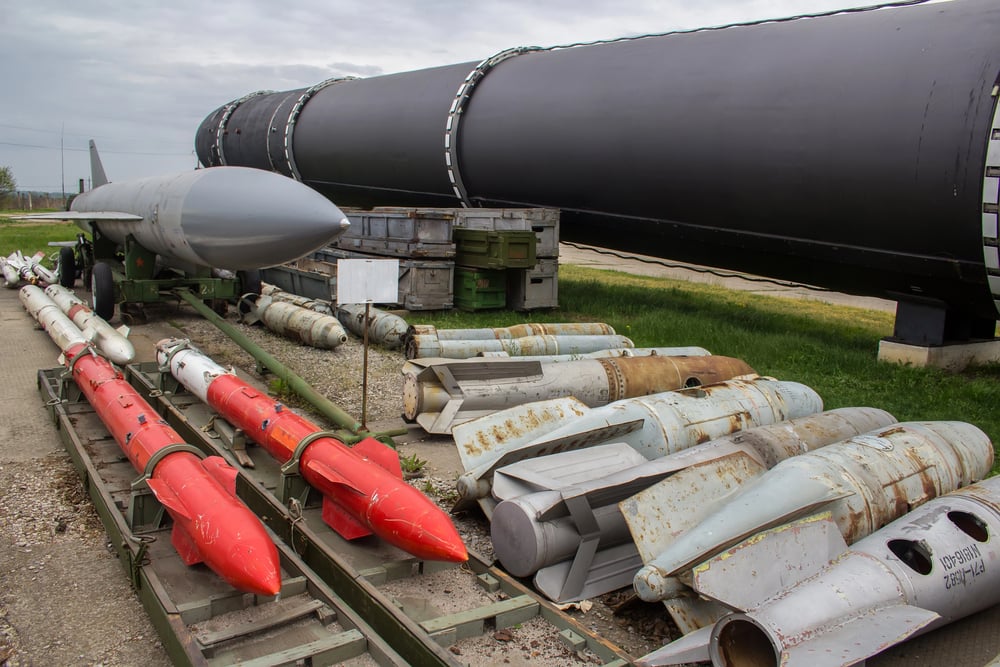
At a Wisconsin airbase, a security guard set off a false alarm, putting U.S. nuclear forces on alert. When the guard saw someone scaling the fence at the Duluth Sector Direction Center, he set off the sabotage alarm, which set off automated alarms at nearby bases.
Pilots at Volk Field were rushing to nuclear-armed fighters when the alarm was mistakenly wired to signify the start of a nuclear war. An officer with fast thinking stopped takeoff by flashing the headlights of cars on the runway.
The Ignored Cable
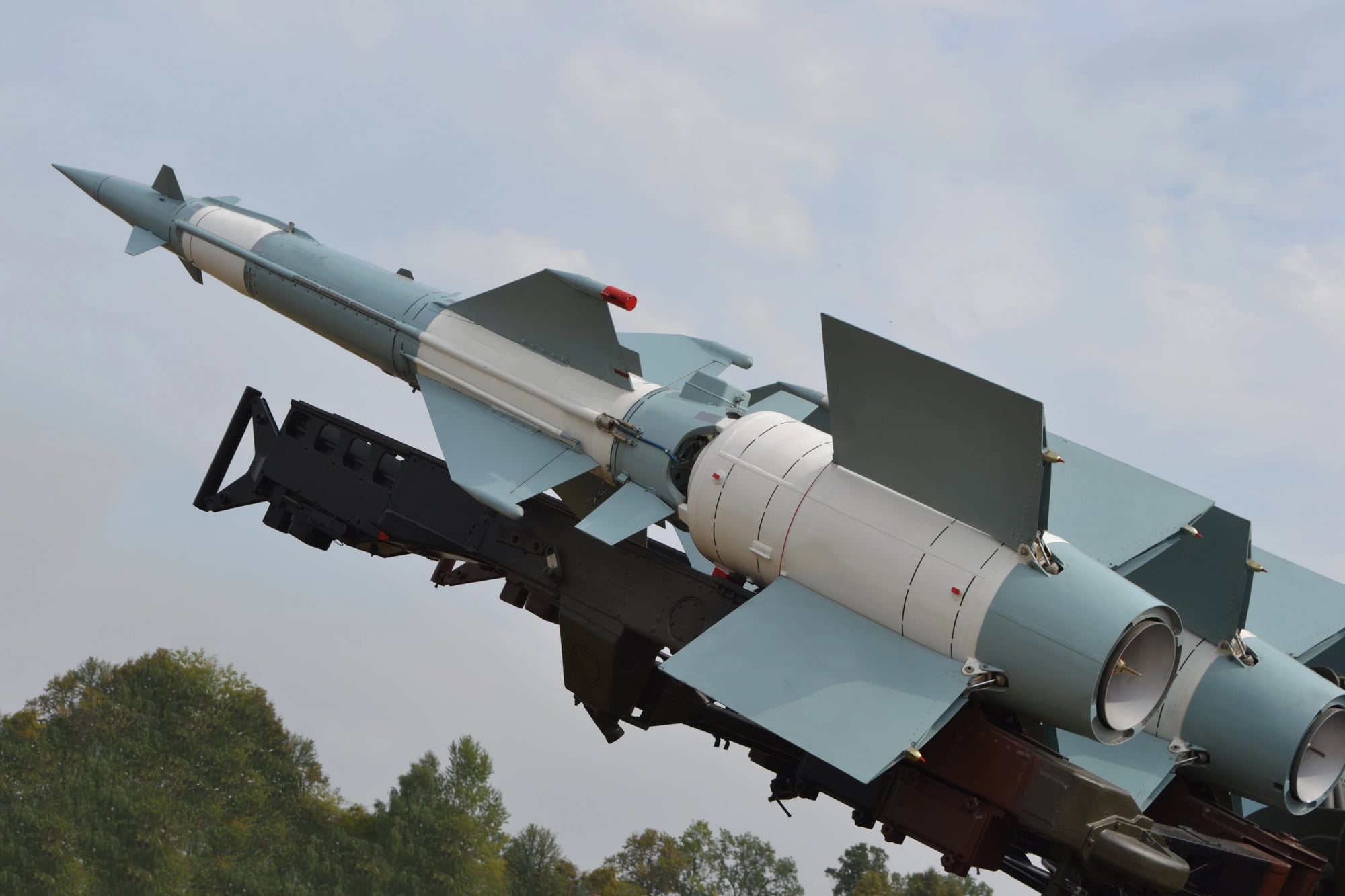
A crucial message from Khrushchev was nearly ignored due to translation delays. On October 26, Khrushchev sent a long, emotional letter suggesting a possible diplomatic solution.
The rambling message took hours to translate, and some advisors suggested ignoring it while waiting for clearer communication. Robert Kennedy insisted the message be taken seriously despite its unusual tone.
The Mongoose Confusion
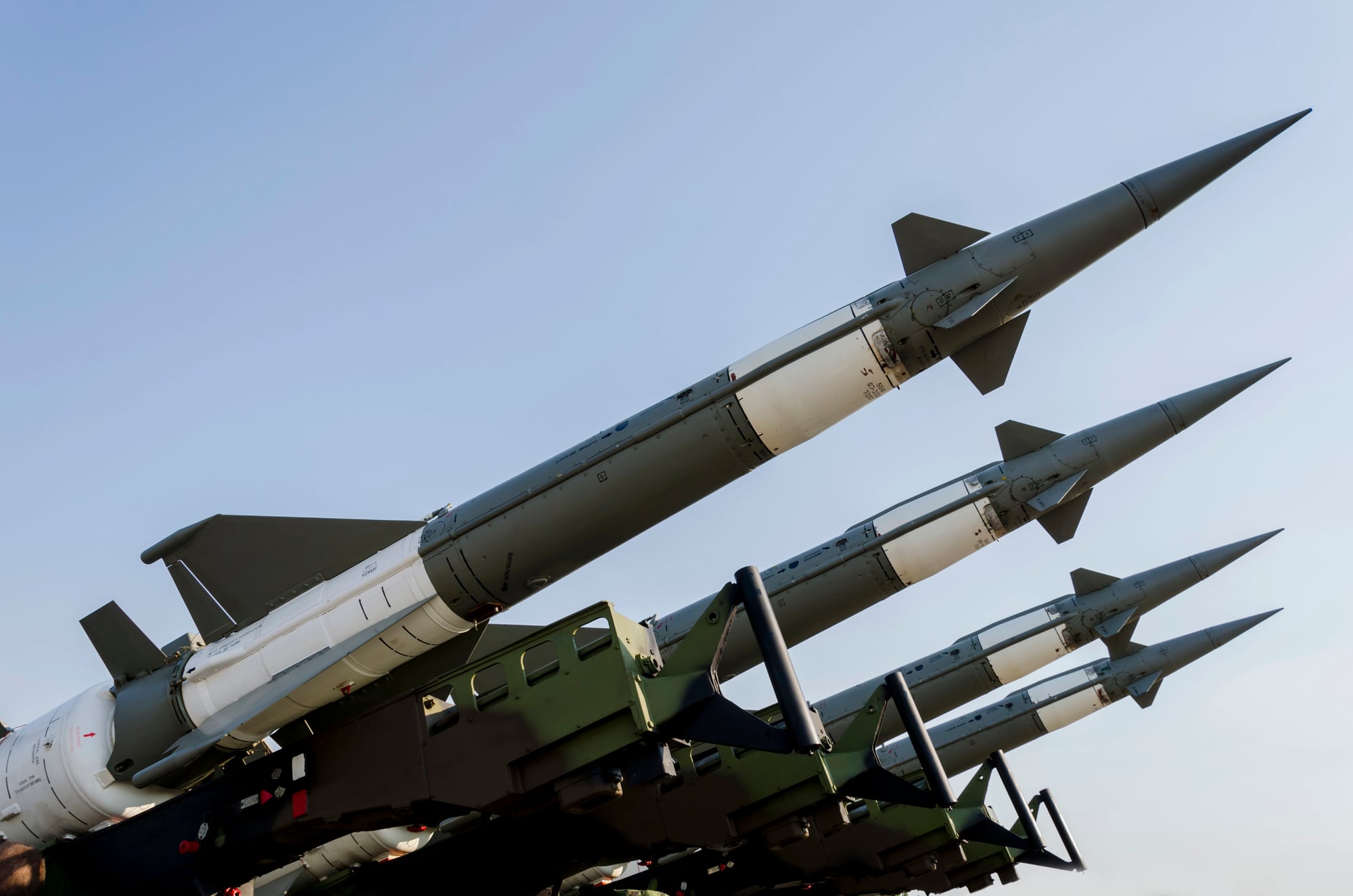
Operation Mongoose, a covert program to overthrow Castro, complicated crisis management. In the months before the missile crisis, the CIA conducted sabotage operations in Cuba, including blowing up railway bridges and industrial facilities.
The Soviets and Cubans viewed these activities as precursors to invasion, partially motivating the missile deployment. During the crisis itself, some Mongoose operatives continued activities without Washington’s knowledge, further escalating tensions.
Like Go2Tutors’s content? Follow us on MSN.
The Nuclear Mine Deployment
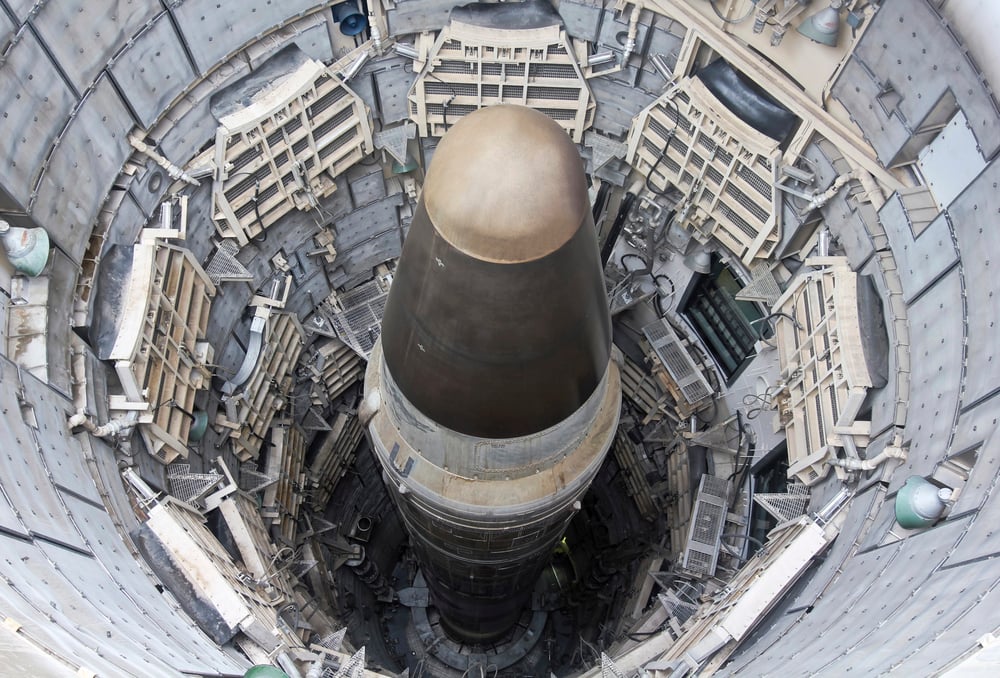
The U.S. Navy deployed nuclear depth charges without presidential authorization. American warships participating in the blockade carried ASROC nuclear anti-submarine rockets and nuclear depth charges for use against Soviet submarines.
These tactical nuclear weapons were positioned without explicit approval from Kennedy, who had ordered that no nuclear weapons be deployed without his direct consent. This breakdown in the chain of command could have had catastrophic consequences.
The Castro Recommendation
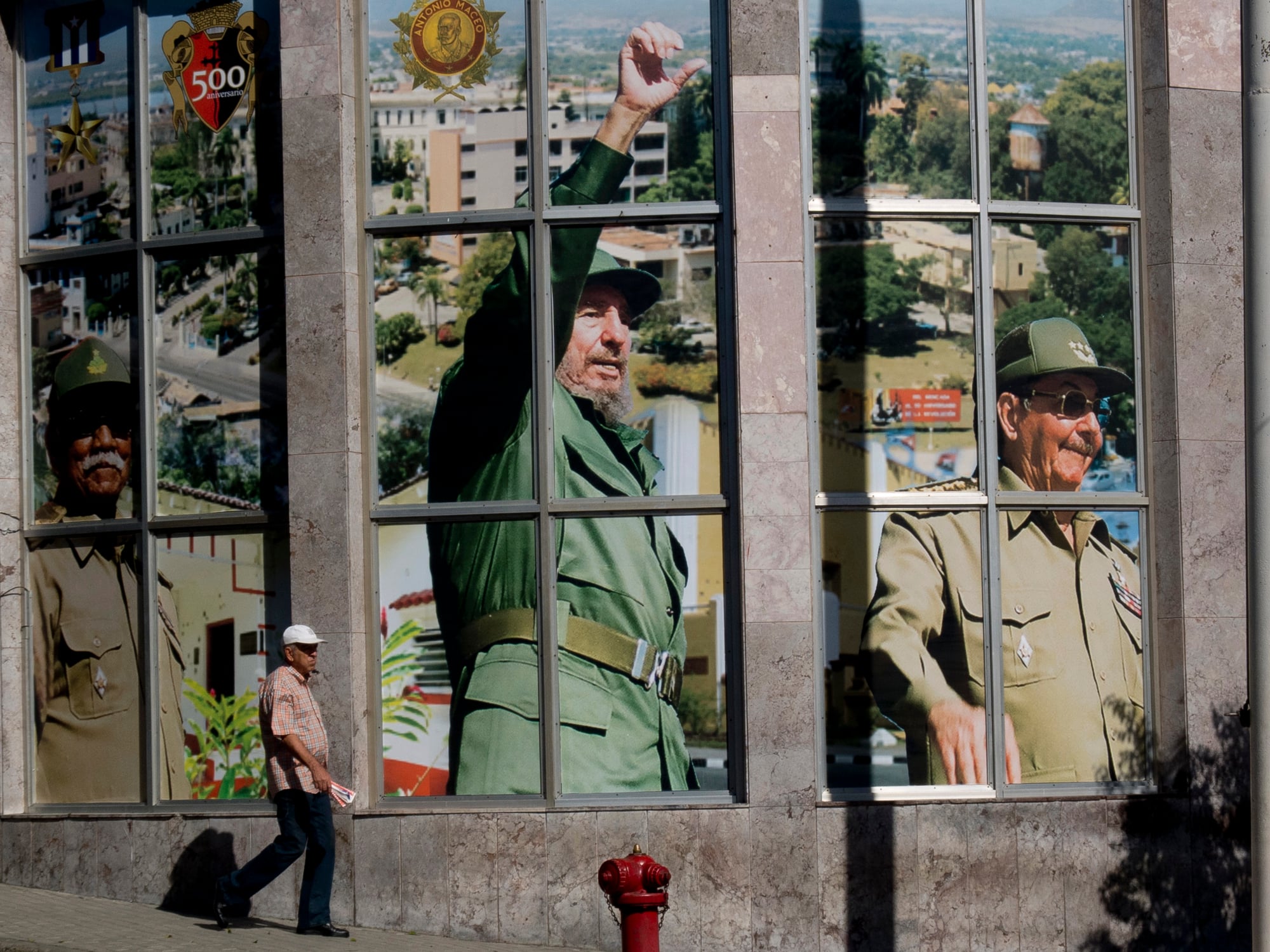
Fidel Castro urged Khrushchev to launch a preemptive nuclear strike against the United States. In a message sent on October 26, Castro predicted an American invasion within days and suggested the Soviets should strike first rather than allow their weapons to be destroyed unused.
Khrushchev was alarmed by Castro’s willingness to trigger global nuclear war and later said Castro had ‘more of a dragon’s tail than we thought.’ This request likely pushed Khrushchev toward seeking a diplomatic solution.
The Spy Exchange Proposal
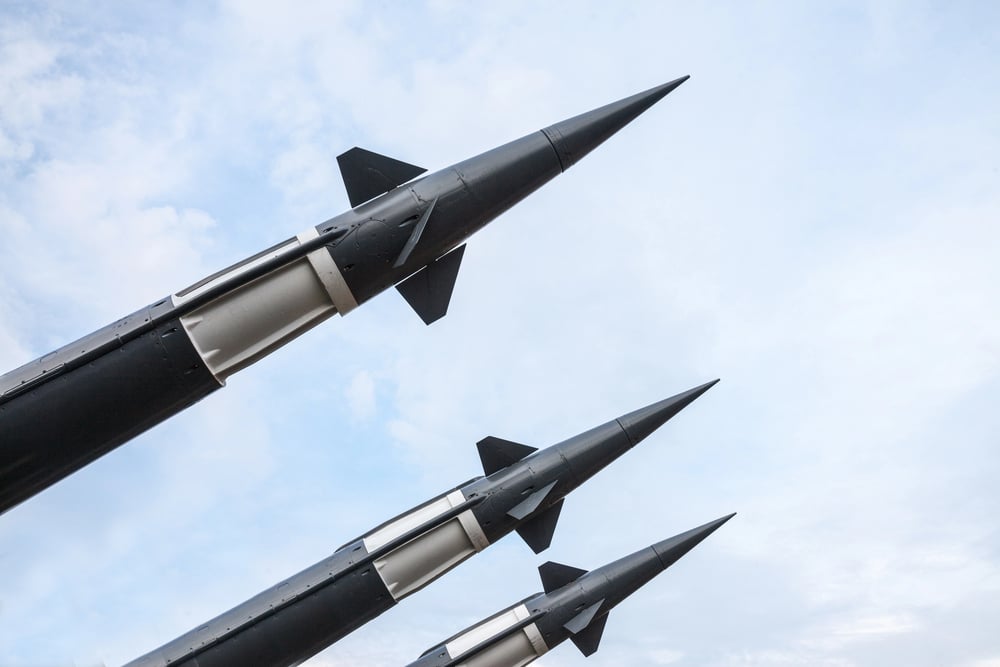
Captured Soviet spy Rudolf Abel played an indirect role in the crisis. Two years earlier, Abel had been exchanged for American U-2 pilot Francis Gary Powers, who had been shot down over the USSR.
During the missile crisis, Attorney General Robert Kennedy referenced this successful exchange when proposing the missiles-for-no-invasion formula to Ambassador Dobrynin. The previous spy exchange provided a template for face-saving compromise that allowed both leaders to claim victory.
Like Go2Tutors’s content? Follow us on MSN.
The Second Kennedy Deal
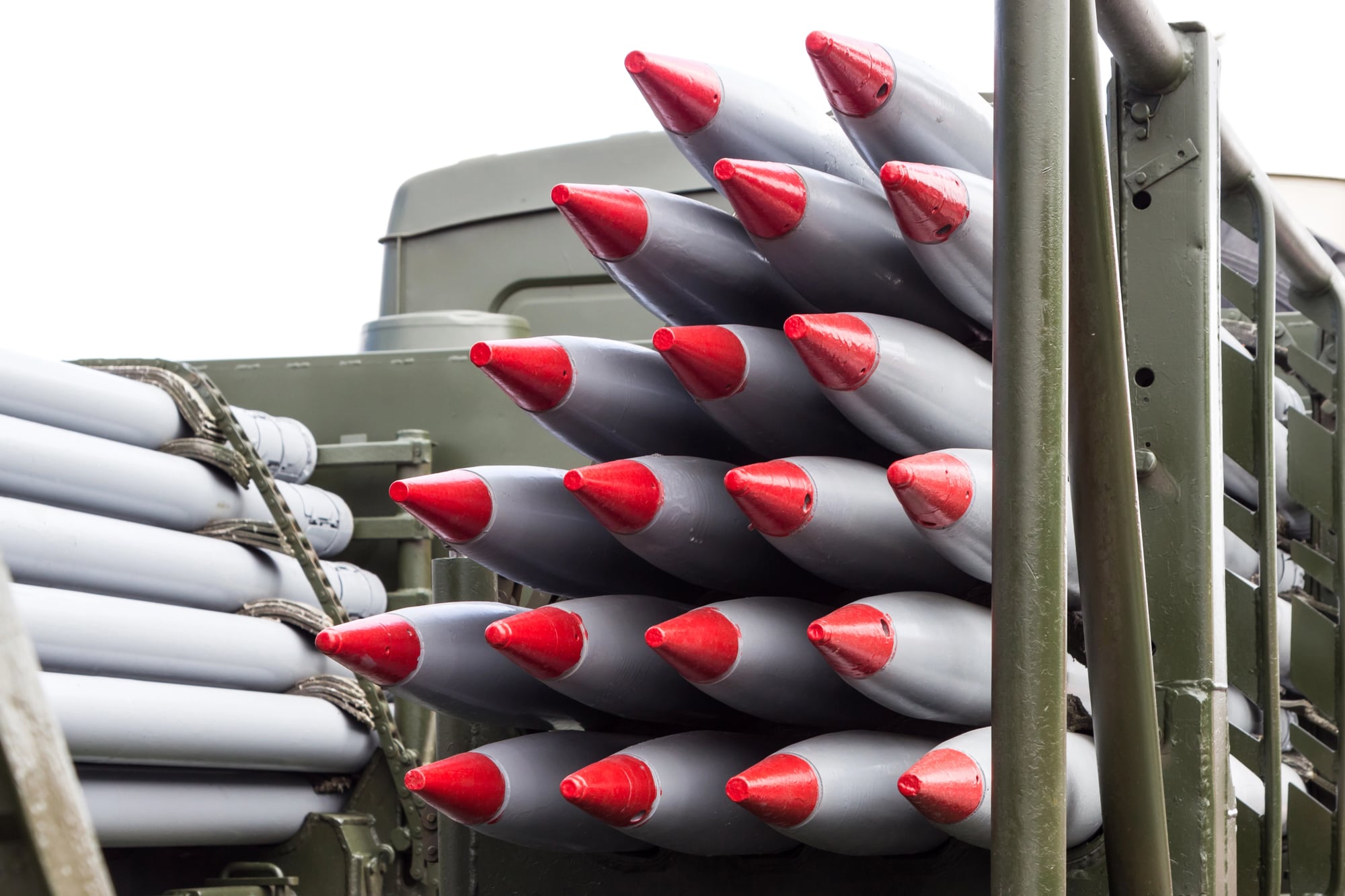
A second secret deal involved American Jupiter missiles in Italy. Beyond the Turkish missile removal, Kennedy privately suggested that Jupiter missiles in Italy might also be withdrawn as part of a broader NATO modernization.
This additional concession was meant to give Khrushchev further political cover with Soviet hardliners. The Italian Jupiters were indeed removed in 1963, ostensibly as part of upgrading to Polaris submarine-based missiles.
The Crisis Aftermath

The Cuban Missile Crisis fundamentally changed how the superpowers approached nuclear diplomacy. In its aftermath, a direct hotline was established between Washington and Moscow to allow immediate communication between leaders during future crises.
Both Kennedy and Khrushchev emerged with a deeper appreciation for how quickly events could spiral beyond control. This shared brush with apocalypse led to the first nuclear test ban treaty less than a year later and planted the seeds for the détente period that would follow.
The thirteen days in October became a sobering lesson in the limits of brinkmanship that influenced nuclear policy for decades to come. The Cuban Missile Crisis revealed both the dangers of nuclear diplomacy and the capacity of determined leaders to find peaceful solutions even under extraordinary pressure.
What history records as thirteen days of tension was actually a complex web of miscommunications, secret deals, and near-misses that could have led to disaster at countless points. The resolution required not just the formal agreements we read about in history books, but also luck, personal courage, and the willingness of leaders on both sides to compromise despite the political risks.
These lesser-known aspects of the crisis provide valuable lessons that remain relevant in today’s complicated geopolitical landscape.
More from Go2Tutors!

- 18 Unexpectedly Valuable Collectibles You Might Have Lying Around
- 20 Little-Known Historical Battles That Had Huge Consequences
- 20 Historical Artifacts That Scientists Can’t Explain
- 15 Inventions That Were Immediately Banned After Being Created
- 20 Actors Who Were Almost Cast in Iconic Roles
Like Go2Tutors’s content? Follow us on MSN.