29 Kitchen Appliances That Sat on Counters for Decades
A working kitchen counter accumulates appliances the way a garage accumulates tools, one purchase at a time over years, until a countertop that once held a single toaster ends up permanently occupied by half a dozen machines nobody quite gets around to putting away. Some of them earn that permanent spot through daily use. Others simply never get unplugged.
The appliances below all became fixtures of the American kitchen counter for a stretch of decades, whether through genuine daily utility or through the specific inertia of a wedding gift nobody wanted to store in a cabinet.
The Chrome Pop-Up Toaster
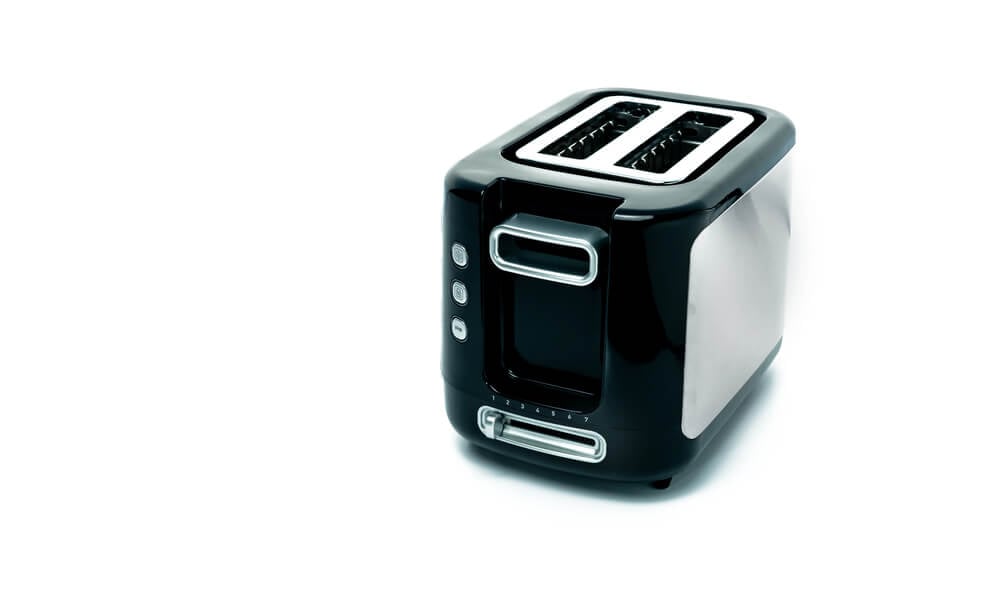
Chrome-plated pop-up toasters became standard kitchen fixtures by the mid-twentieth century, replacing earlier stovetop and side-loading models with a simple spring mechanism and a dial for controlling darkness. Their durability, often outlasting the rest of a kitchen’s original appliances by decades, made them one of the most reliably permanent items on any counter.
Many households kept the same toaster for twenty or thirty years, a lifespan modern appliances rarely match.
The Electric Can Opener
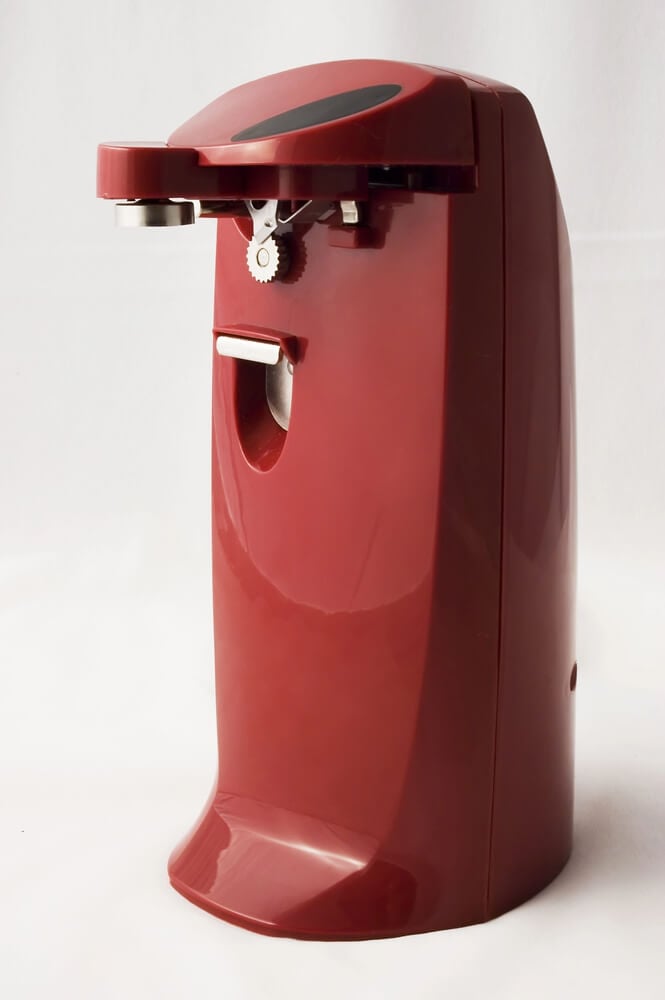
Electric can openers became common countertop fixtures starting in the 1950s and 1960s, mounted or freestanding units that clamped onto a can’s rim and rotated it past a cutting wheel with the push of a lever. Their bulk and single-purpose design meant they rarely got put away between uses, earning them permanent counter space in most kitchens that owned one.
Many households kept the same unit running for decades, since the mechanism itself had few parts capable of wearing out quickly.
The KitchenAid Stand Mixer
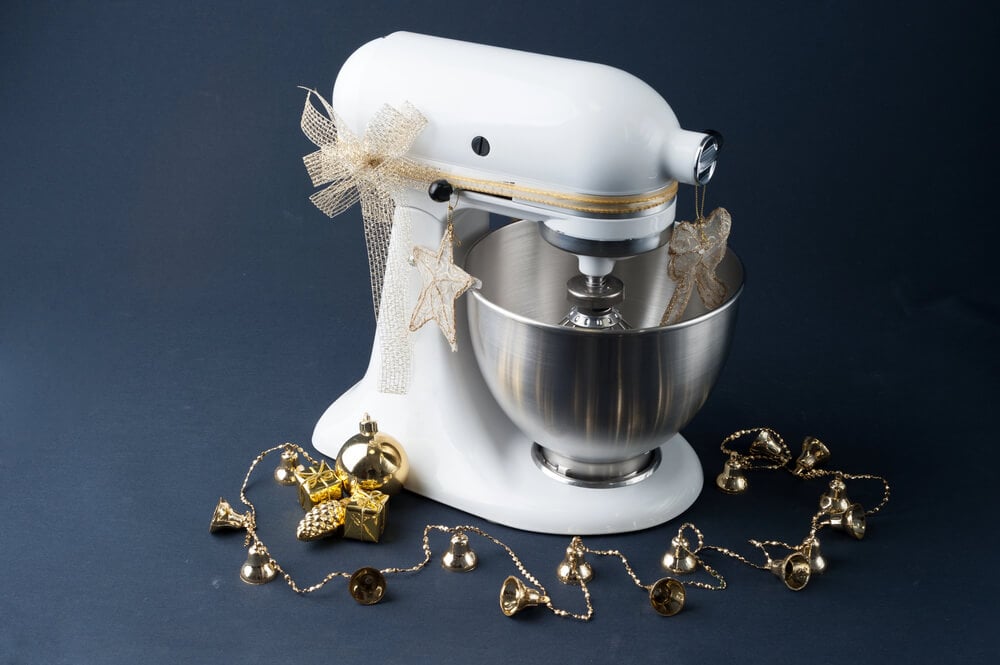
KitchenAid’s stand mixer, with a design largely unchanged since 1919, became a fixture on counters across generations, heavy enough that most owners simply left it in place rather than lifting it in and out of a cabinet before and after each use. Its durability became something of a selling point in itself, with some families passing down a single working mixer across multiple generations.
The appliance’s continued production with only incremental design changes over close to a century makes it one of the longest-running unchanged kitchen appliances still sold today.
The Bread Machine
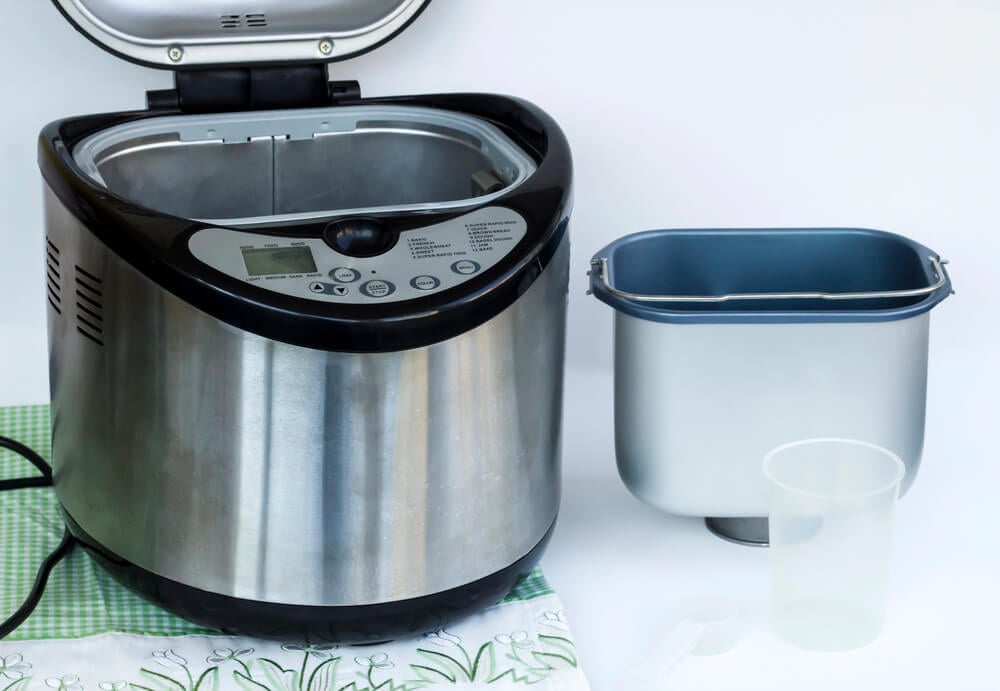
Automatic bread machines became a major countertop trend starting in the late 1980s and through the 1990s, mixing, kneading, and baking a loaf of bread inside a single sealed unit with minimal hands-on effort. Many households used theirs heavily for a year or two before the novelty wore off, but the machine’s bulk and specialized shape meant it often stayed on the counter for years afterward regardless of how often it was actually used.
Sales of dedicated bread machines declined sharply by the 2000s, though plenty of units from that era’s boom are still sitting, mostly unused, in kitchens today.
The Crock-Pot Slow Cooker
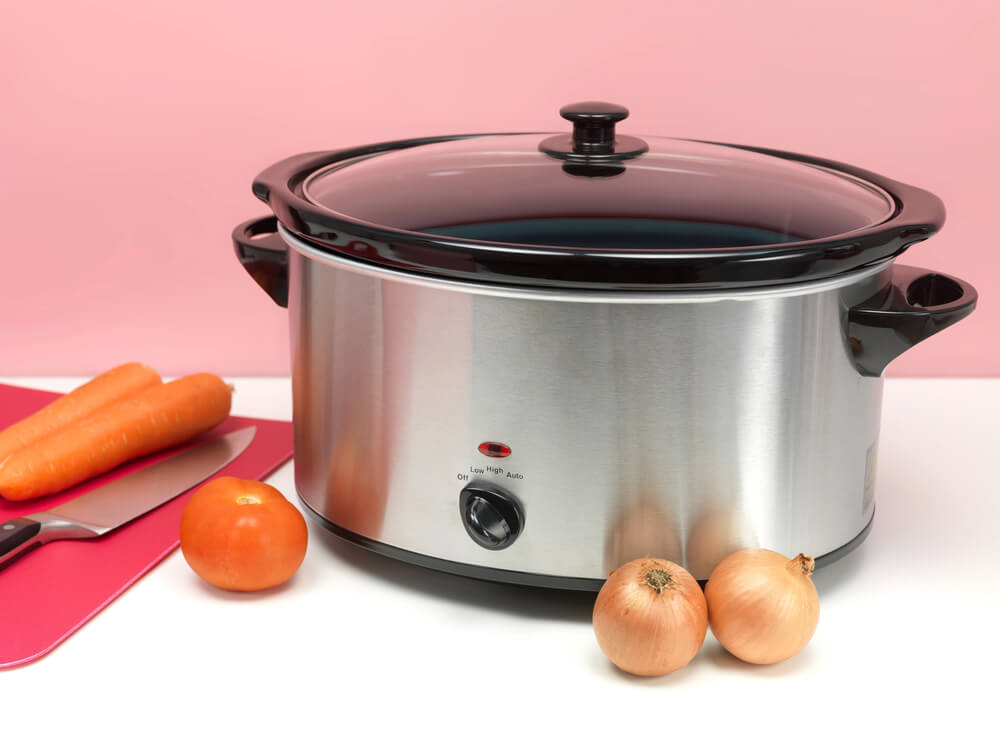
Rival introduced the Crock-Pot in 1971, and its low, steady heat for unattended all-day cooking made it a fixture on kitchen counters for families juggling work schedules against dinner preparation. Its avocado green and harvest gold finishes became so associated with the era that vintage units are still recognizable decades later purely by their color scheme.
The basic design has remained largely unchanged since its introduction, with millions of households keeping a slow cooker on the counter continuously for years at a time.
The Salad Shooter
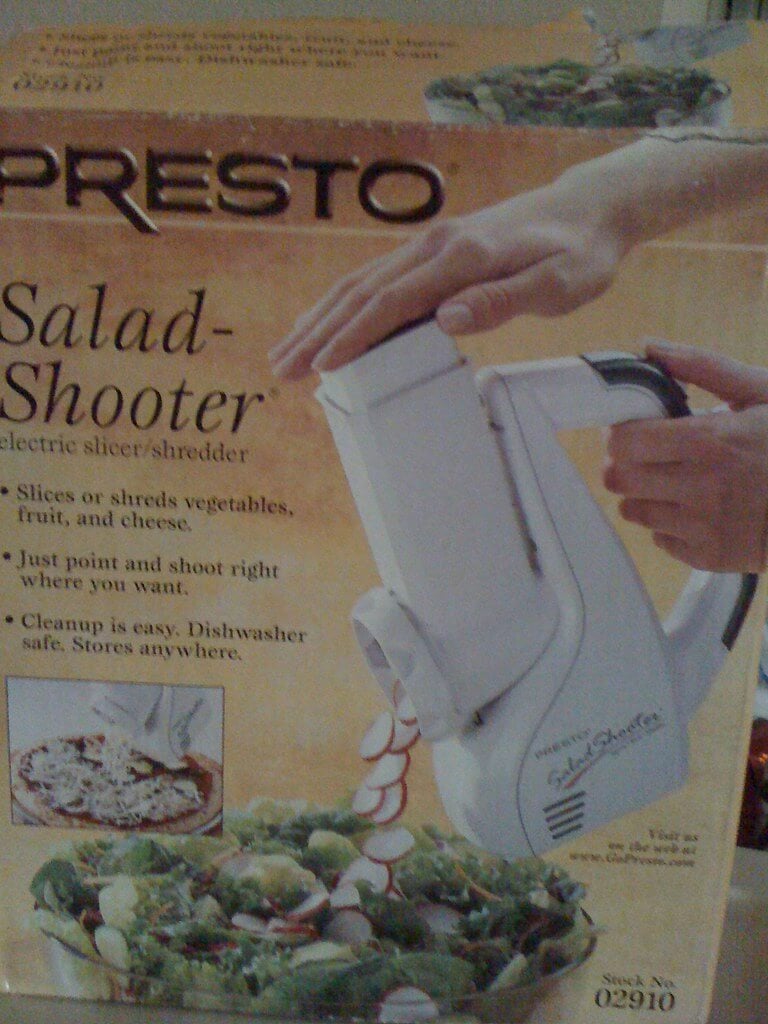
Presto introduced the Salad Shooter in the 1980s, a compact device that sliced and shredded vegetables directly onto a plate through a spinning blade mechanism, marketed heavily through television infomercials. Its bright, simple design and specific single purpose made it a common permanent counter fixture in households that used it regularly for meal prep.
It remains one of the most recognized single-purpose kitchen gadgets from the infomercial era of small appliance marketing.
The Countertop Juicer
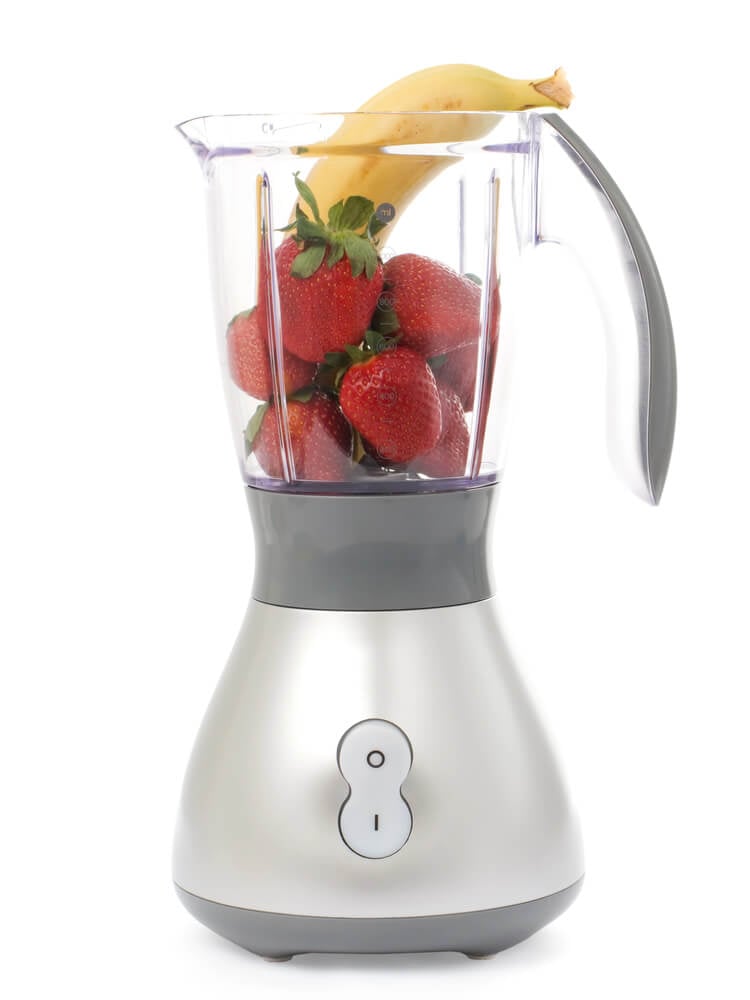
Dedicated juice extractors became a major counter fixture starting in the 1980s and continuing through waves of health-food trends in later decades, promoted heavily through infomercials featuring enthusiastic testimonials about daily juicing routines. Many households bought one during a specific health kick and kept it on the counter for years afterward, whether or not the daily juicing habit itself actually stuck.
The specific model differed by decade, but the basic countertop juicer has remained a recurring fixture across several distinct waves of dietary trends.
The George Foreman Grill
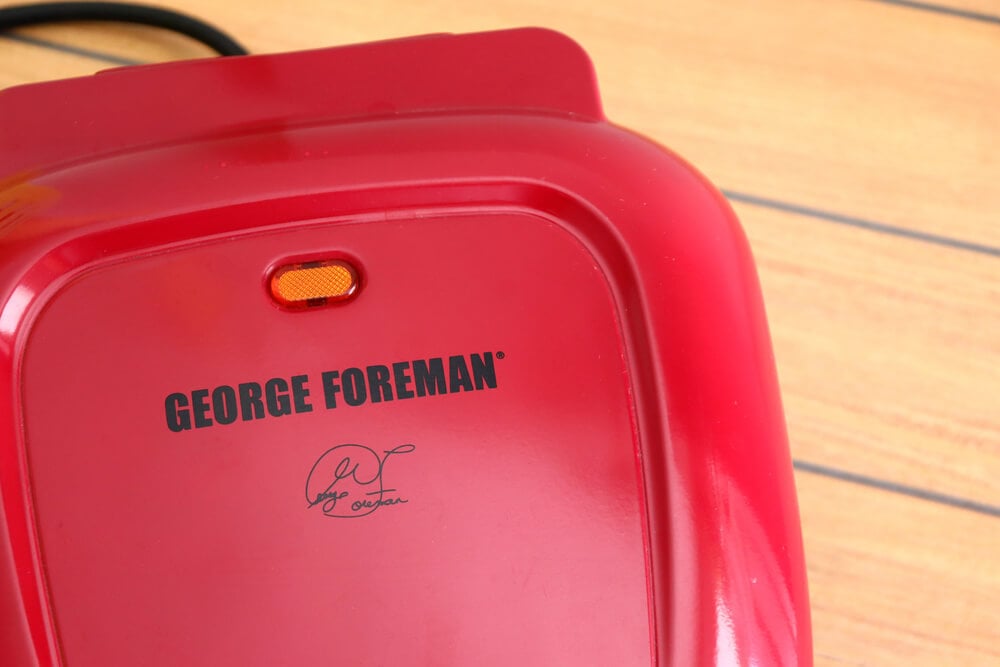
Salton released the George Foreman Grill in 1994, an electric countertop grill with sloped, non-stick plates designed to drain fat away from cooking meat, and it became one of the best-selling kitchen appliances of the 1990s through direct endorsement marketing. Its compact size and simple two-plate design made it easy to leave permanently plugged in rather than stored away between uses.
It remains a widely recognized example of celebrity-endorsed kitchen appliance marketing that translated into genuine long-term counter presence in millions of households.
The Fondue Pot
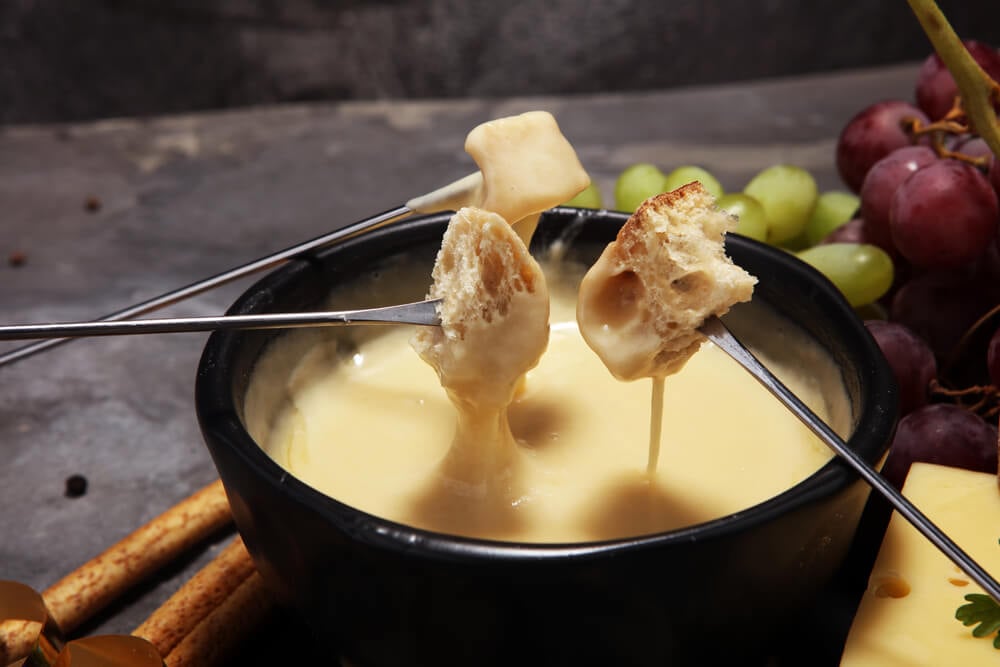
Fondue pots became a common wedding gift and dinner-party fixture through the 1970s, small pots kept warm over a flame or electric heating element for melting cheese or chocolate at a shared table. Many households used theirs enthusiastically for a stretch of years tied to the format’s peak popularity before the trend faded, though the pot itself often remained on the counter or nearby shelf for years afterward.
It has seen periodic mild revivals since, usually tied to nostalgia for the specific style of entertaining it represents.
The Belgian Waffle Iron
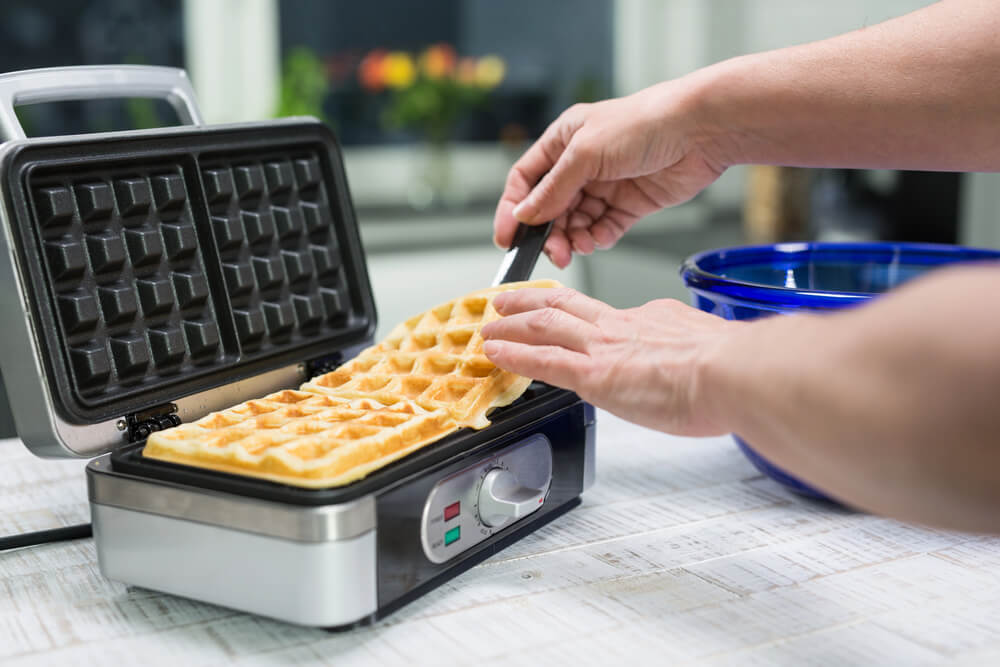
Electric waffle irons capable of producing the deep-pocketed Belgian style became common household fixtures following the format’s introduction to wide American audiences at the 1964 World’s Fair in New York. Many families kept a dedicated waffle iron on the counter for weekend breakfast use for years or decades at a stretch, its bulky, non-stackable shape making it inconvenient to store away between uses.
The basic hinged, non-stick design has remained largely consistent across generations of the appliance.
The Ronco Showtime Rotisserie
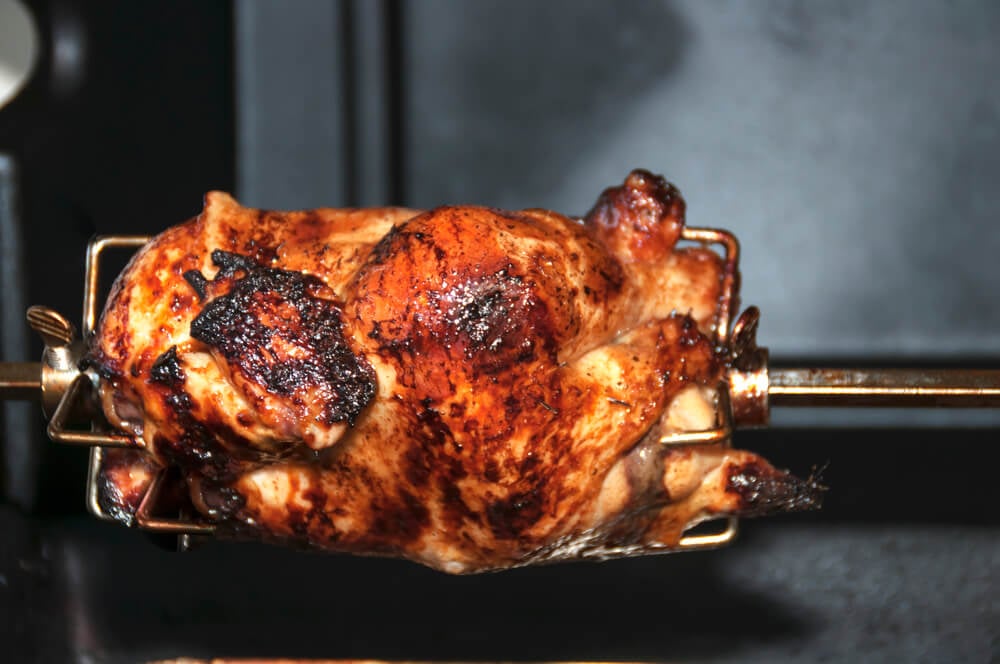
Ronco released the Showtime Rotisserie in the 1990s, a countertop rotisserie oven marketed heavily through infomercials built around the slogan encouraging buyers to set it and forget it. Its relatively large footprint meant most owners left it permanently installed on the counter rather than storing it, particularly among households that used it regularly for roasting whole chickens.
It remains one of the most recognized examples of direct-response infomercial marketing translating into genuine long-term kitchen appliance ownership.
The Electric Carving Knife
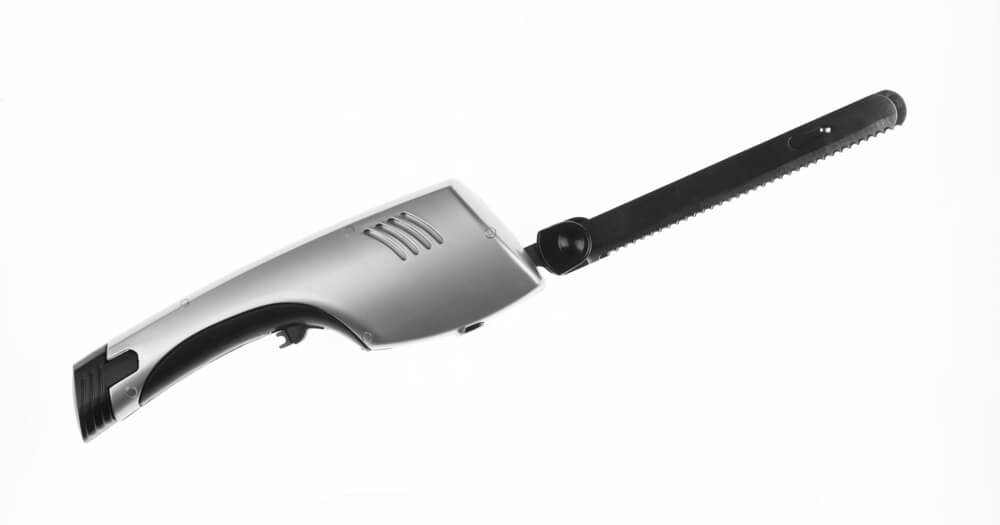
Electric carving knives became common holiday-season kitchen fixtures starting in the 1960s and 1970s, a two-blade oscillating design marketed specifically around carving a turkey or roast more easily than a standard knife. Many households used theirs only a handful of times a year around major holidays, yet kept the appliance permanently stored on or near the counter given how specifically it was tied to a recurring annual task.
Its narrow, seasonal use case made it one of the more infrequently used appliances that nonetheless rarely left its designated spot.
The Sunbeam Mixmaster
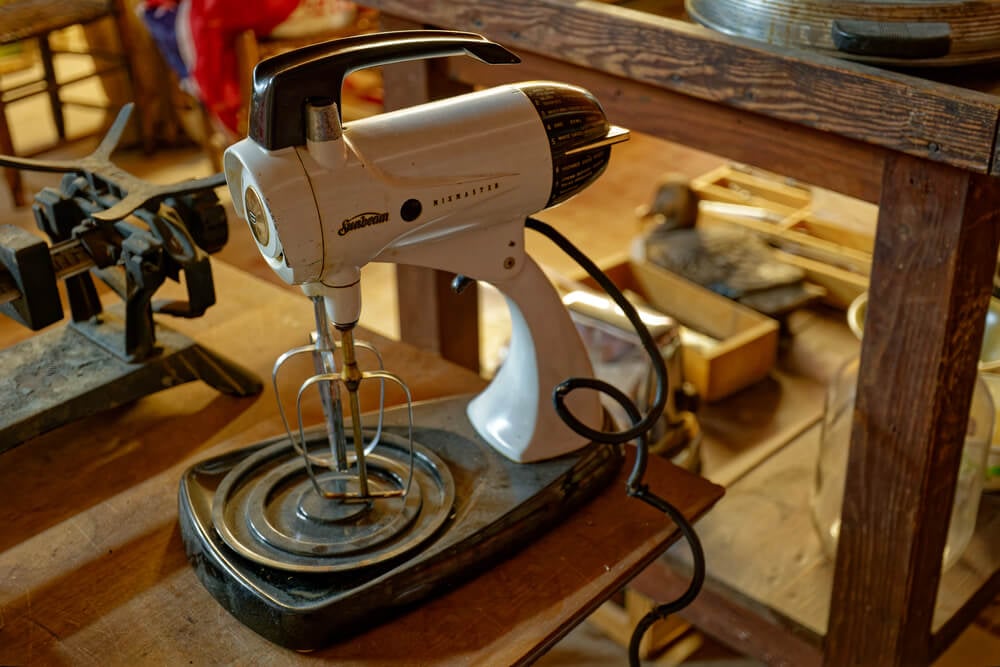
Sunbeam introduced the Mixmaster in 1930, one of the earliest widely sold electric stand mixers, and its continued production across multiple design updates kept it a common counter fixture for generations of households that never upgraded to a heavier-duty model. Its lighter weight compared to competitors like KitchenAid made it easier to lift in and out of storage, though many households left it permanently on the counter anyway.
Vintage Mixmaster units from decades past remain functional and are still occasionally found in active daily use today.
The Toaster Oven
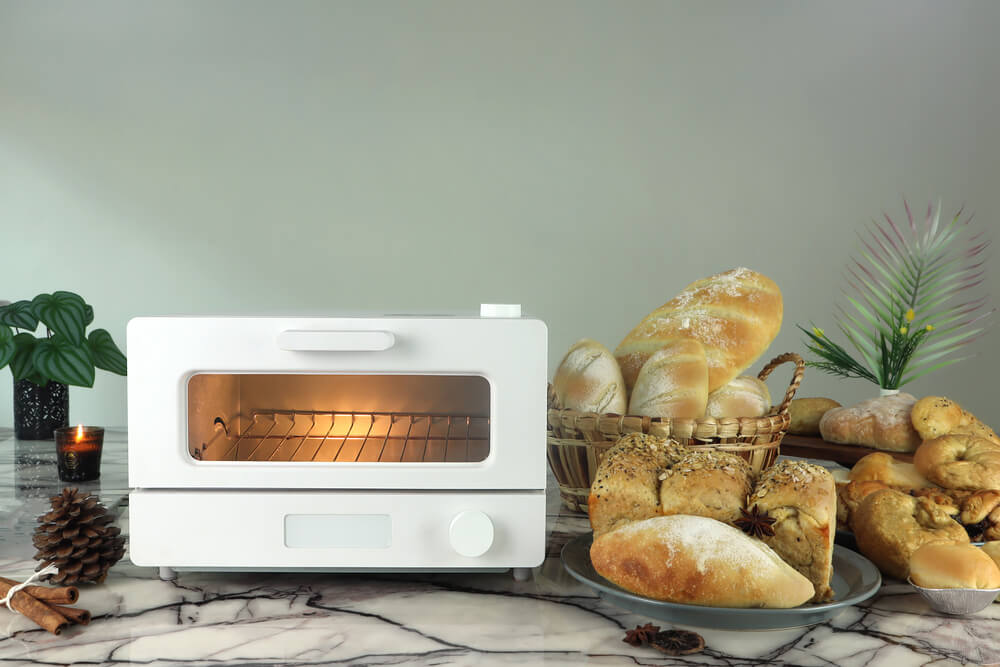
Toaster ovens became common secondary counter appliances starting in the 1960s, offering small-batch baking and reheating without needing to heat a full-size oven for a single task. Their versatility for small households and quick reheating made them a common permanent fixture alongside, rather than instead of, a standard toaster.
Many kitchens have kept both appliances running side by side on the same counter for decades rather than replacing one with the other.
The Fry Daddy Deep Fryer
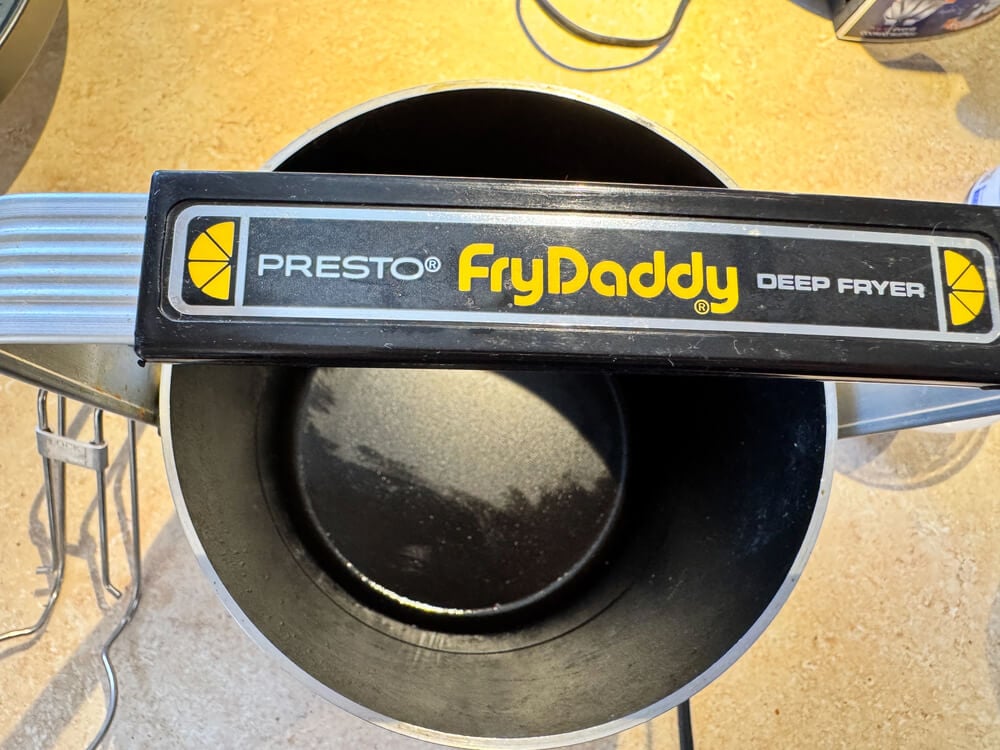
Presto introduced the Fry Daddy in the 1970s, a compact, self-contained deep fryer designed for households wanting fried food without heating a full pot of oil on the stovetop. Its specific, narrow purpose meant many households used it only occasionally, yet its bulk and the difficulty of fully draining and cleaning the oil reservoir meant it often stayed on the counter between uses rather than being stored away each time.
It remains one of the most recognized single-purpose fryers from the era of compact countertop cooking appliances.
The White Mountain Ice Cream Maker
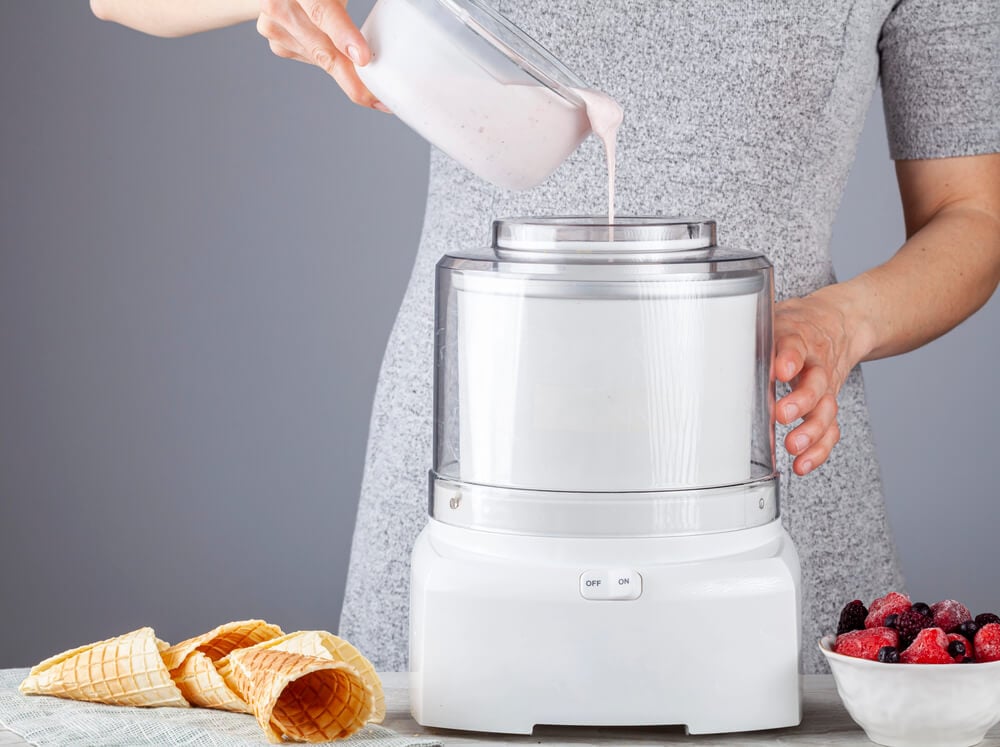
Ice cream makers using a hand-crank or, later, electric motor over a rock-salt-and-ice bucket became common warm-weather counter fixtures for decades, particularly the White Mountain brand’s wooden-bucket models that remained largely unchanged in design across generations. Many families brought theirs out specifically for summer holidays and left it stored nearby the rest of the year rather than in a distant cabinet, given the bulk of the wooden bucket.
The basic design has changed relatively little since the appliance’s nineteenth-century origins, unusual for a still-produced electric kitchen appliance.
The Salton Yogurt Maker
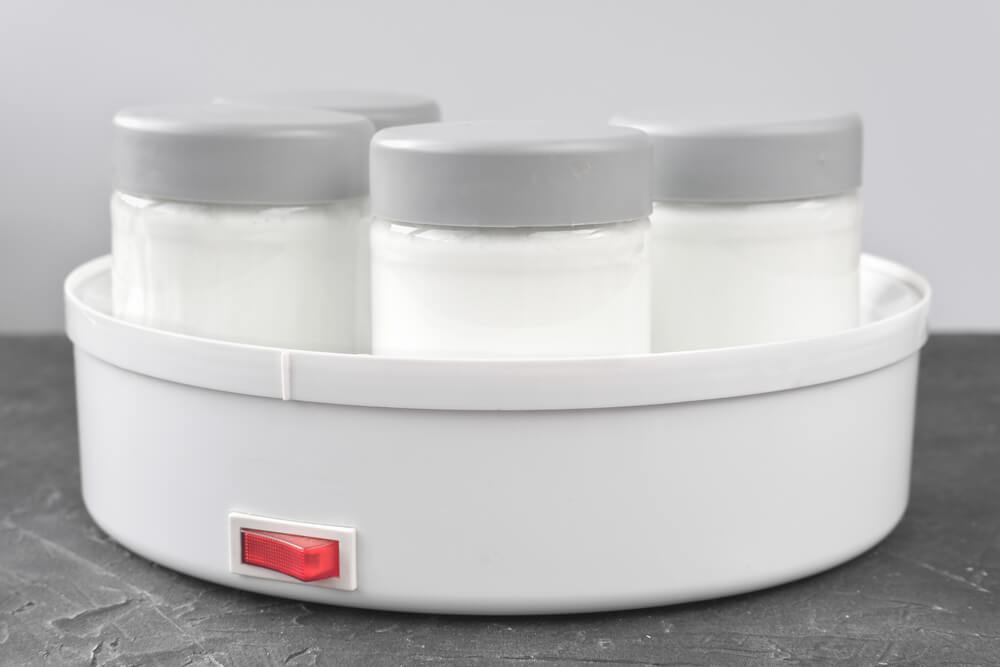
Salton and similar manufacturers sold dedicated yogurt makers widely through the 1970s, a series of small heated jars or a single warming chamber designed to culture homemade yogurt overnight on the counter. The format rode a wave of home health-food interest through the decade before interest gradually faded as store-bought yogurt options expanded.
Many units remained on counters for years after their owners had stopped actively using them, tied to a specific dietary trend that outlasted the appliance’s regular use.
The Popeil Pasta Maker
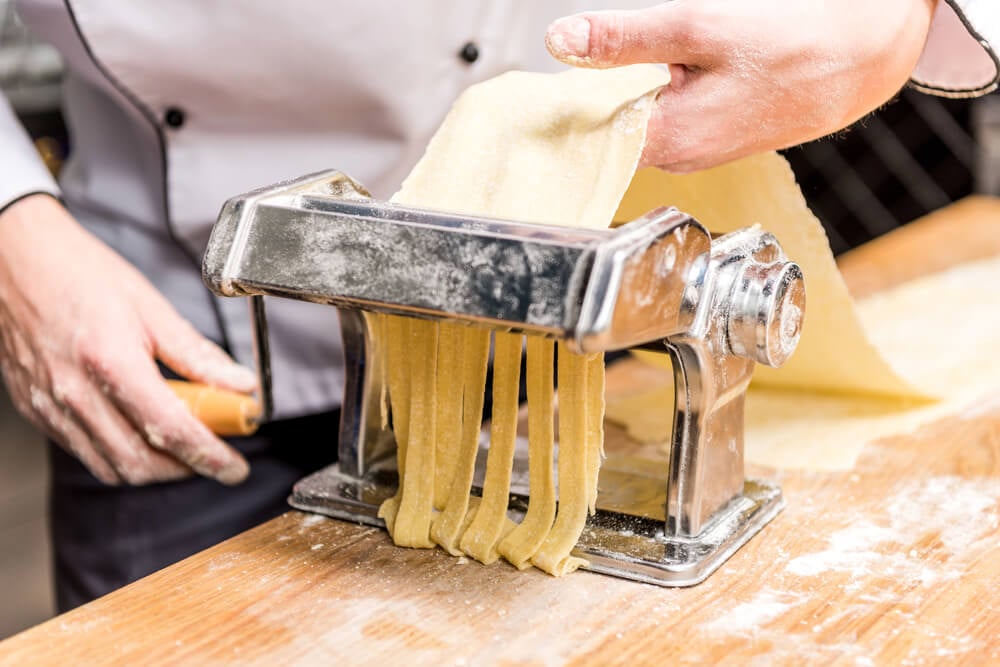
Ronco founder Ron Popeil marketed a countertop pasta maker heavily through infomercials starting in the late 1990s, an automated machine that mixed, kneaded, and extruded fresh pasta dough through a die with minimal manual effort. Its relatively large size and specialized attachments meant many owners kept it assembled and visible on the counter rather than disassembling it for storage between uses.
It remains a frequently cited example of the era’s direct-response infomercial appliance boom.
The Farberware Percolator
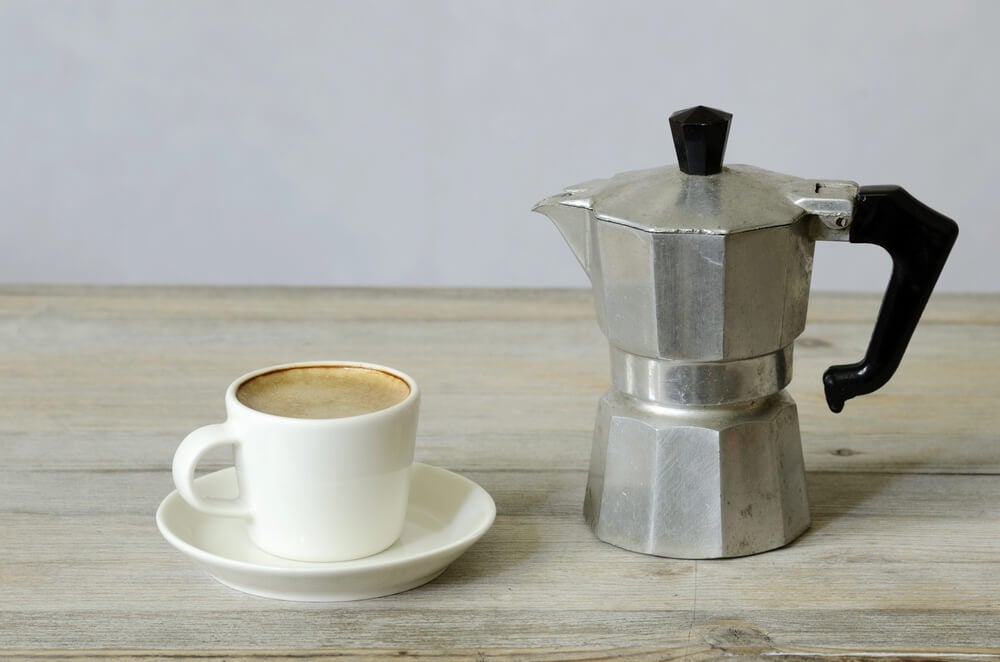
Percolator coffee makers, including Farberware’s widely sold stovetop and later electric models, were standard kitchen fixtures for generations before drip coffee makers became the dominant format starting in the 1970s. Many households kept a percolator on the counter for daily use across decades, valuing its ability to keep coffee hot for extended periods over a pot warmed on a burner.
Percolators have seen a modest revival among coffee enthusiasts who prefer the specific flavor profile the brewing method produces.
The Mr. Coffee Drip Machine
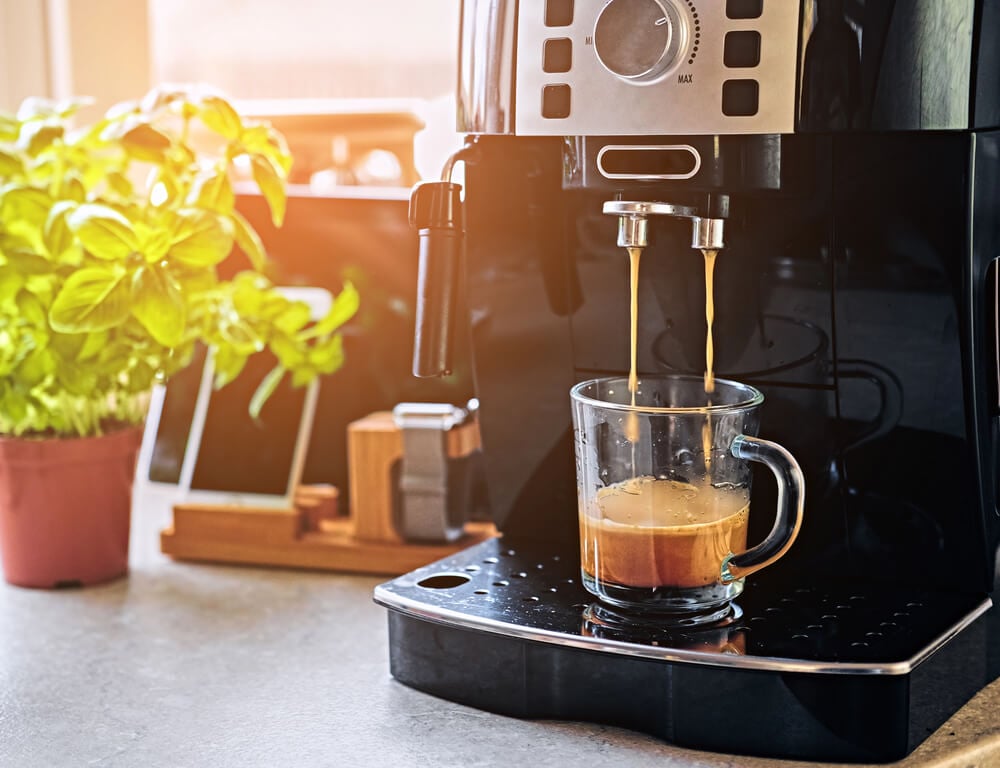
Mr. Coffee introduced its automatic drip coffee maker in 1972, and it helped shift American households away from percolators toward the drip format that remains standard today. Its simplicity, requiring only a filter, ground coffee, and water, made it one of the most consistently used daily kitchen appliances in any home that owned one.
Many households have kept some version of a drip coffee maker running continuously on the same counter spot for decades since the format’s introduction.
The Microwave Oven
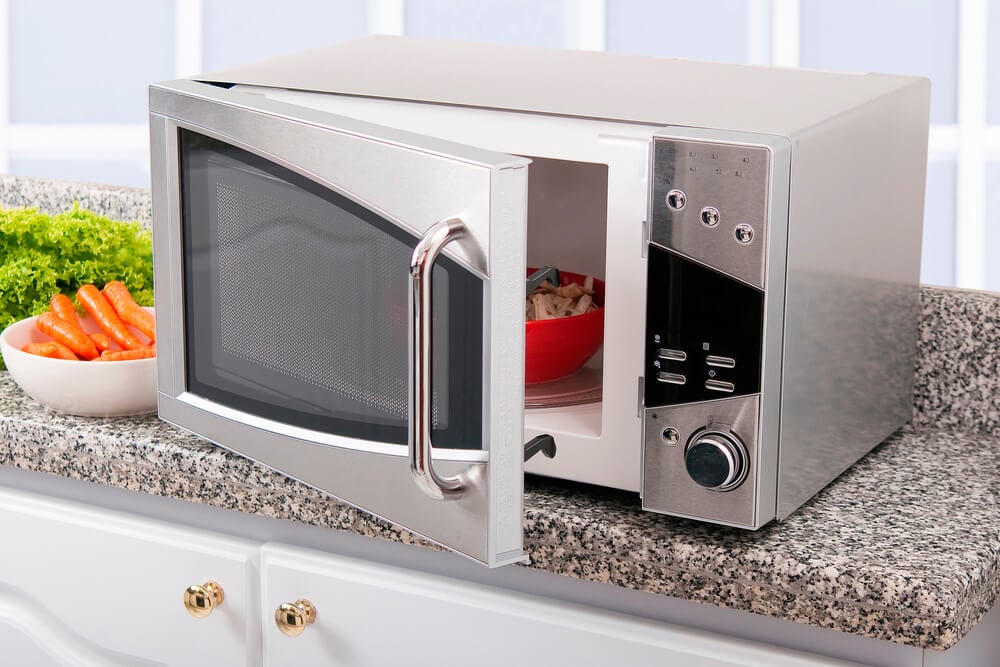
Countertop microwave ovens became widely affordable and common in American kitchens through the 1970s and 1980s, after starting as a large and expensive commercial technology decades earlier. Their size relative to other appliances and their frequent daily use made them one of the most consistently permanent fixtures on any kitchen counter once a household purchased one.
Few appliances have matched the microwave’s combination of daily necessity and permanent counter placement across the past several decades.
The Hamilton Beach Drink Mixer
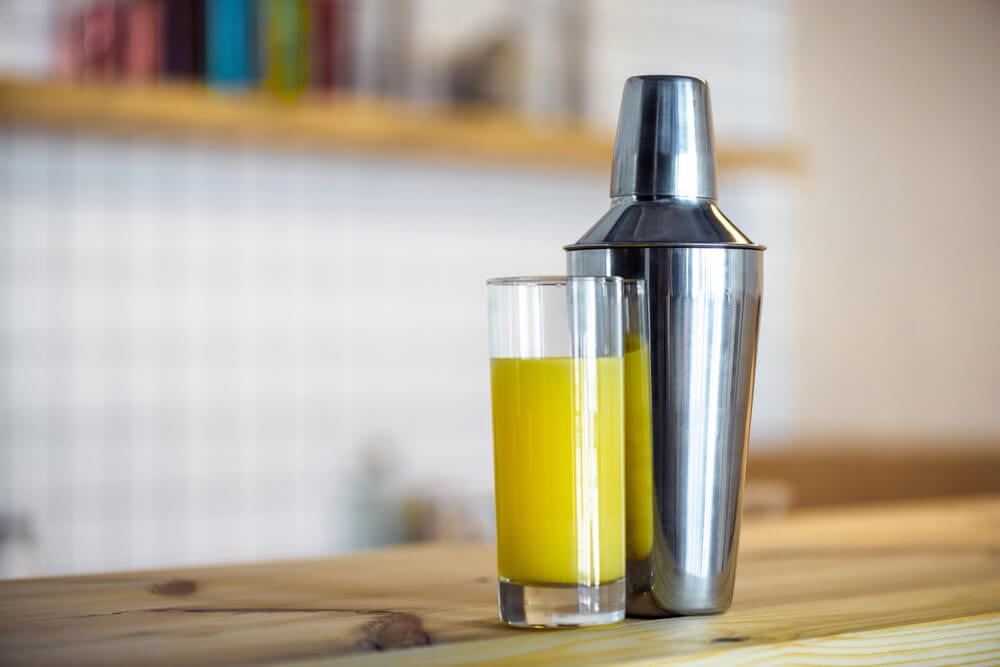
Hamilton Beach’s classic multi-spindle drink mixer, styled after the machines used in soda fountains and malt shops through the mid-twentieth century, became a nostalgic but genuinely functional counter fixture in many home kitchens that wanted the same milkshake-making capability at home. Its distinctive metal design and single-purpose function meant it rarely got stored away between uses in households that kept one.
Vintage units from decades past remain functional today and are still occasionally used in working home kitchens.
The Salton Hotray
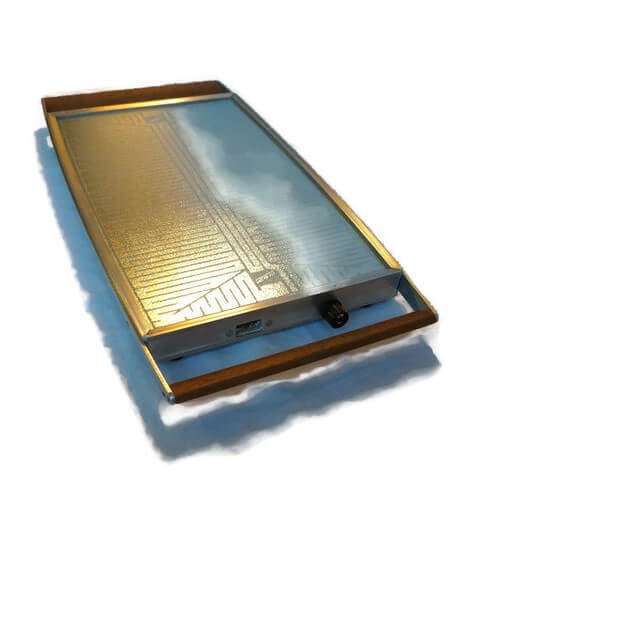
Salton introduced the Hotray warming tray in the 1970s, a flat electric surface designed to keep serving dishes warm during meals or gatherings without requiring a full oven to stay on. Its flat, unobtrusive shape made it easy to leave permanently on the counter, ready for the next dinner party or holiday gathering without needing to be retrieved from storage.
It became a common wedding gift for households that entertained regularly, and many units remained in active use for decades after their original purchase.
The Ronco Veg-O-Matic
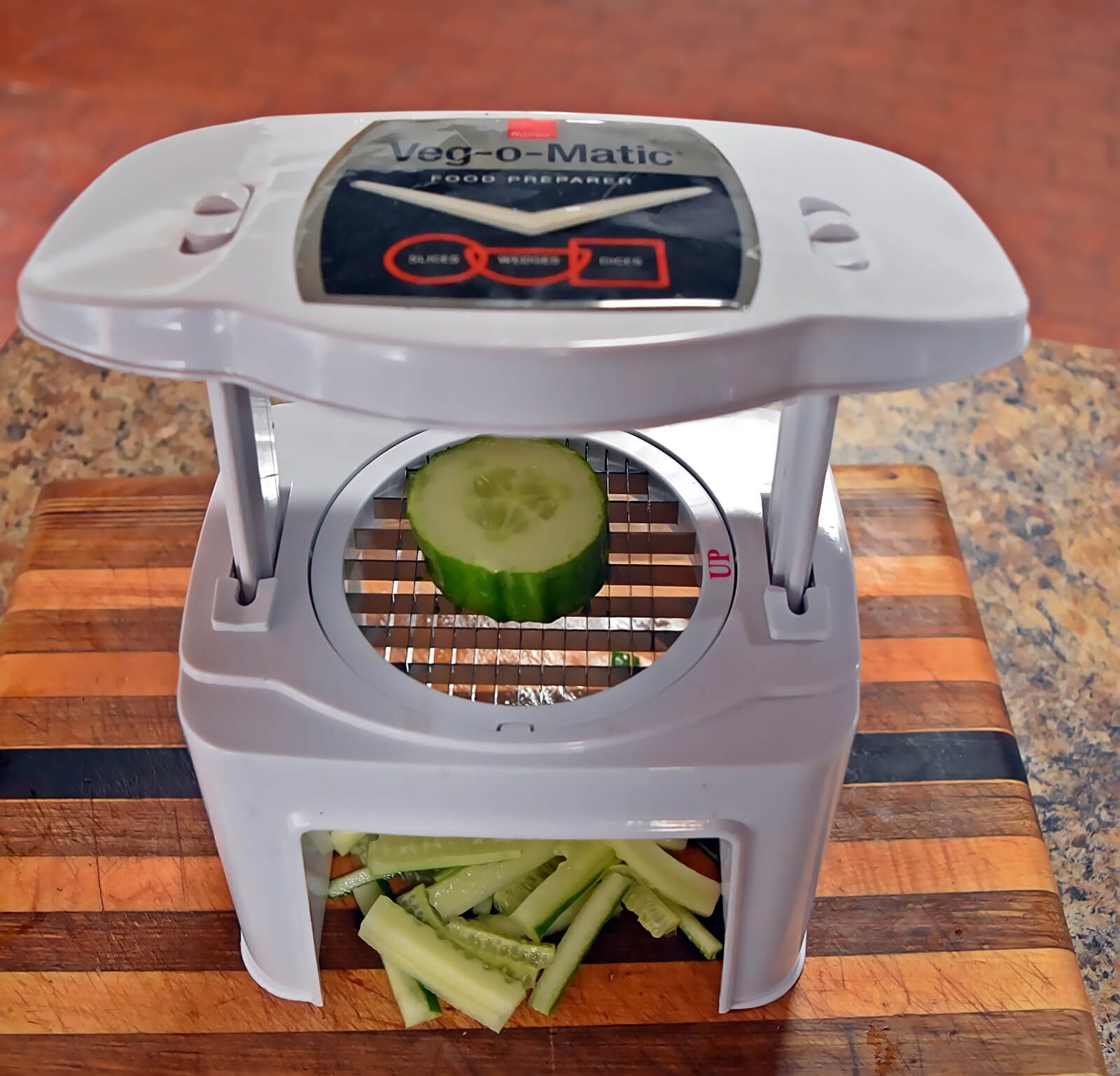
Ronco marketed the Veg-O-Matic starting in the 1960s, a manual slicing and dicing device demonstrated through some of the earliest and most widely imitated infomercial advertising in American television history. Its compact size and frequent use for meal prep in households that owned one kept it a common permanent counter fixture for years at a time.
It remains one of the most culturally referenced kitchen gadgets from the early era of direct-response television marketing.
The Nutone Built-In Food Center
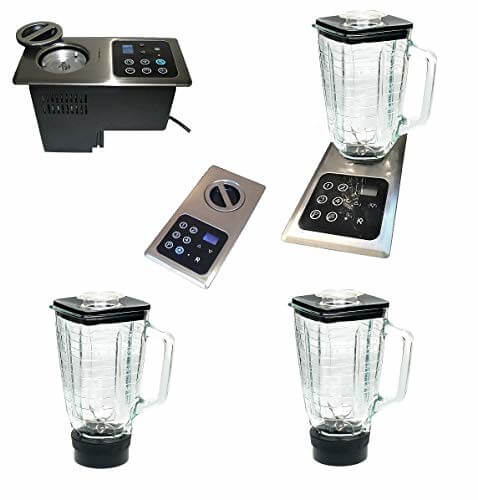
Nutone and similar manufacturers sold built-in food centers starting in the 1960s and 1970s, countertop units with a fixed power base into which a household could plug interchangeable attachments including a blender, mixer, or can opener. The built-in design meant the base unit was, by definition, a permanent fixture rather than something removed between uses, a deliberate selling point during an era of higher-end kitchen remodeling.
Many mid-century homes that installed one kept the base unit functioning in the same spot for decades, even after some of the original attachments were lost or replaced.
The Cuisinart Food Processor
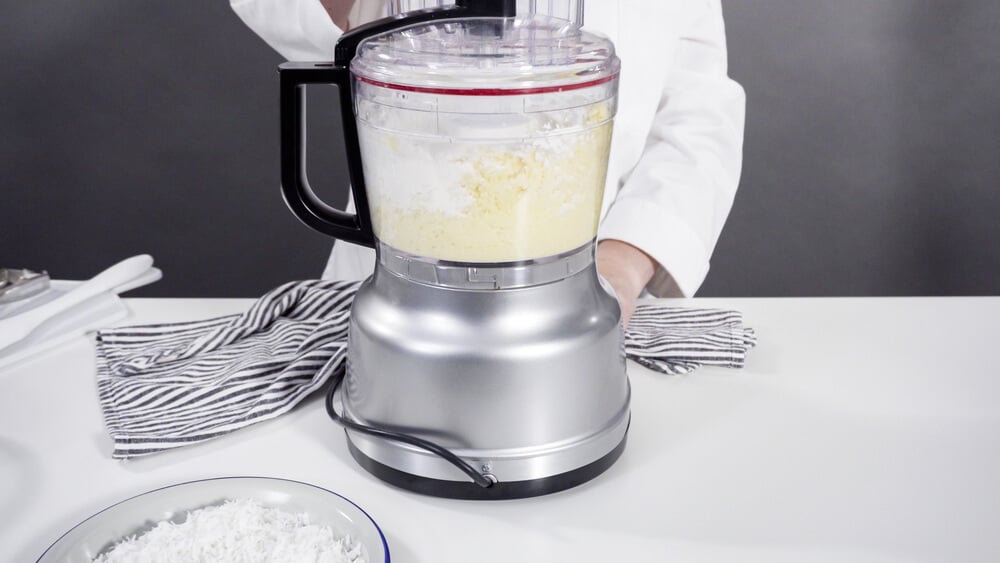
Cuisinart introduced its food processor to the American market in 1973, and its ability to chop, slice, and puree quickly made it a fixture in kitchens that cooked frequently from scratch, particularly following a wave of interest in French-influenced home cooking during the 1970s and 1980s. Its bulk and the number of attachments involved meant many households left the base unit permanently assembled on the counter rather than storing it after each use.
It remains in production today with a design that has changed relatively little from its original 1970s form.
The Countertop Water Distiller
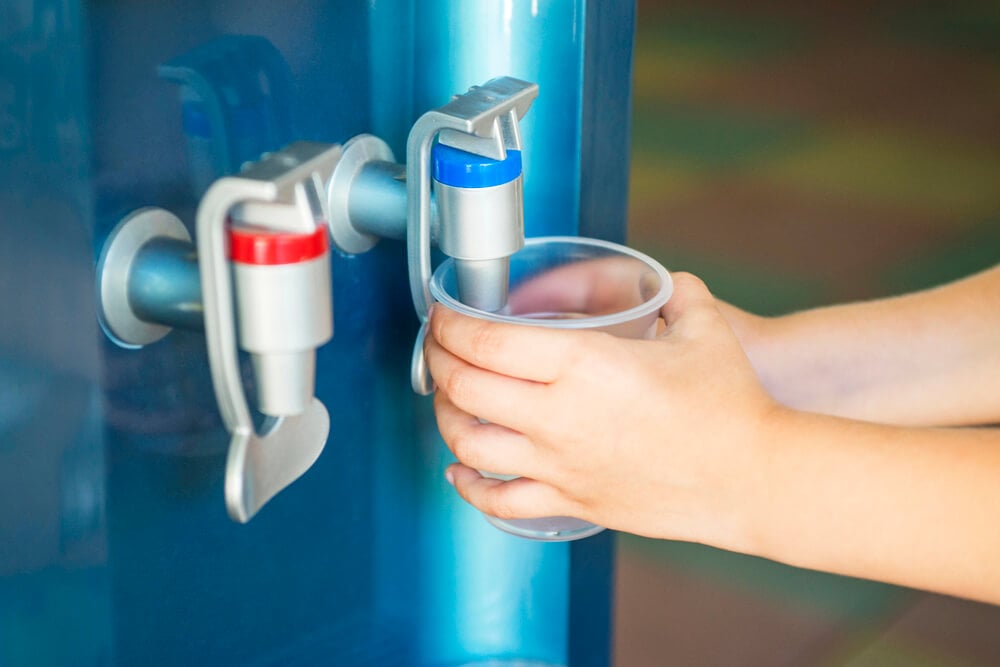
Countertop water distillers became a common fixture in health-conscious kitchens starting in the 1980s, boiling tap water and condensing the steam to remove minerals and contaminants before storing the purified water in an attached container. Interest in home water distillation rose and fell alongside broader health trends over subsequent decades, but the appliance’s slow, all-day operating cycle meant many households simply left it running continuously on the counter rather than turning it on and off between batches.
Later filtered-pitcher and under-sink filtration systems have largely replaced the format in most kitchens.
The Bunn Coffee Maker
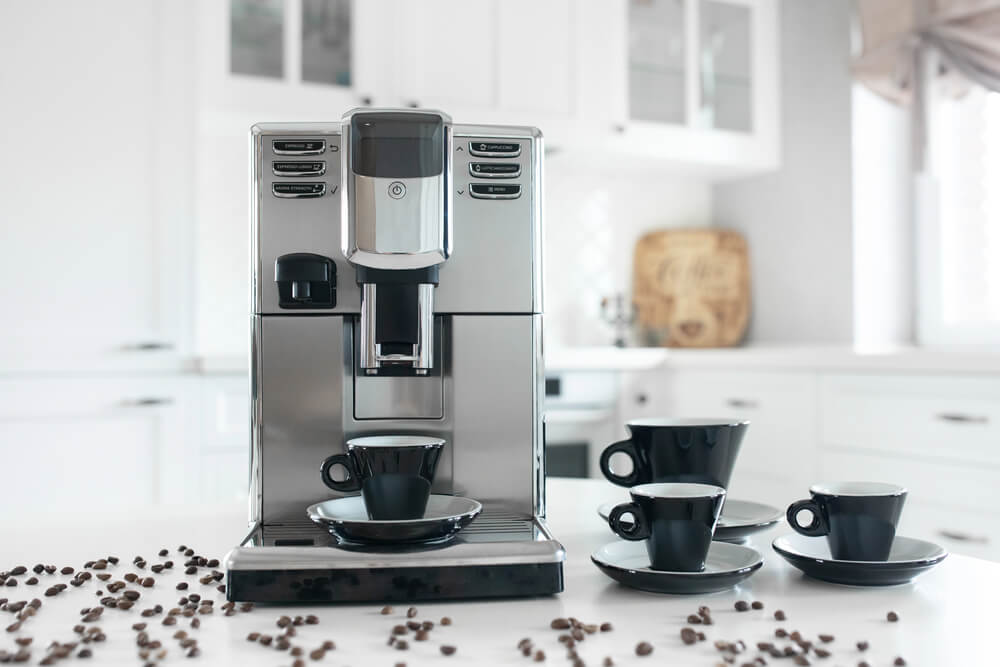
Bunn’s commercial-style coffee makers, built around a continuously heated hot water tank rather than heating water fresh for each pot, became popular in home kitchens starting in the 1970s and 1980s among households that valued speed over the slower brew cycle of a standard drip machine. Because the internal tank needed to stay filled and heated to function properly, many owners left the machine running continuously rather than unplugging it between uses.
It remains a favorite among home coffee enthusiasts specifically because of that always-ready design.
The Toastmaster Hot Dog Cooker
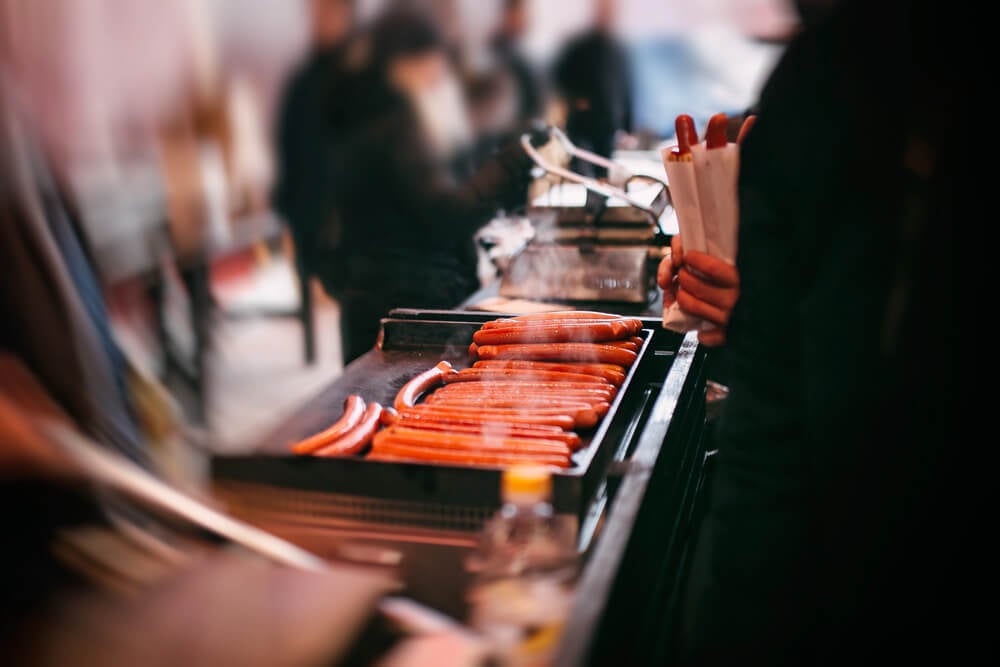
Toastmaster and other manufacturers sold electric hot dog steamers and cookers starting in the 1960s, small appliances that used a heating element or steam chamber to cook several hot dogs and buns at once without a stovetop pot. Their narrow, specific purpose meant many households used theirs only occasionally, yet the appliance’s small size and novelty made it common to leave sitting on the counter regardless of how often it was actually plugged in.
It remains a nostalgic touchstone for people who grew up with one as a specific, if infrequent, kitchen fixture.
What Stays on the Counter

The appliances that earn permanent counter space rarely do so purely through daily usefulness. A percolator, a fondue pot, and a hot dog cooker all sat in roughly the same spot for years despite wildly different frequencies of actual use, held there as much by inertia, size, and the simple hassle of storage as by genuine necessity.
Once an appliance claims a patch of counter, it tends to keep it long after the habit that justified the purchase has faded.
That inertia is, in its own way, a kind of quiet honesty about how kitchens actually function. The counter fills up with whatever a household decided, at some specific point, was worth the space, and much of it simply never gets asked to justify that decision again.
More from Go2Tutors!

- The Romanov Crown Jewels and Their Tragic Fate
- 13 Historical Mysteries That Science Still Can’t Solve
- Famous Hoaxes That Fooled the World for Years
- 15 Child Stars with Tragic Adult Lives
- 16 Famous Jewelry Pieces in History
Like Go2Tutors’s content? Follow us on MSN.