13 Quirky Facts About Wombats
Wombats are often described as chubby little bulldozers with a bad attitude, but there’s way more going on beneath that fuzzy exterior. These Australian marsupials have adapted in some incredibly odd ways to survive in the wild, and nearly every part of their biology has a strange story behind it.
Whether it’s the shape of their poop or the way they use their butt as a defensive weapon, wombats are proof that evolution sometimes works in wonderfully weird ways.Here is a list of 13 quirky facts about wombats.
They produce cube-shaped droppings

Out of all the strange things in the animal kingdom, cube-shaped poop might take the prize. Wombats are the only known species to produce droppings in this geometric form.
It’s not just a random fluke either — their intestines contract in a very specific rhythm, shaping the feces into blocks before it’s expelled.
This isn’t for art; it’s practical.The cube shape prevents the poop from rolling away, which matters when a wombat is marking territory on an uneven log or slanted rock.
This trait is so unique that scientists have studied wombat intestines to understand how soft tissue can create angular shapes.It’s led to actual engineering research that might be applied in manufacturing or medical devices.
So yes, wombat poop is helping science.
They drop up to 100 cubes a night

Wombats don’t just leave a trail — they leave a whole map. During a single night, an adult wombat can produce between 80 and 100 individual droppings.
Each of these is part of their territorial messaging system, meant to tell other wombats to back off. The scent from each dropping is strong and long-lasting, which is exactly what they want.
They often place the cubes on raised surfaces, such as rocks or logs, so the scent carries better and is easier for other wombats to notice. The shape helps keep them from sliding off these surfaces, which makes the design even more efficient.
For wombats, poop isn’t waste — it’s communication.
Like Go2Tutors’s content? Follow us on MSN.
Their pouch faces backward

Most marsupials, like kangaroos and wallabies, have forward-facing pouches. That makes sense for animals that hop around upright.
But wombats are diggers, and they dig hard. If their pouch faced forward, they’d constantly be shoveling dirt into it, which wouldn’t be great for the joey inside.
Instead, wombats have evolved a backward-facing pouch. This clever anatomical change keeps their young protected from flying soil while the mother tunnels through the ground.
It also helps keep the pouch cleaner and drier, which is important since wombats can spend a lot of time underground, especially during hotter parts of the day.
They build elaborate tunnel systems

Wombats don’t just make a simple crater to nap in. They build full-on networks beneath the surface.
These burrows can stretch up to 100 feet, with multiple entrances, sleeping chambers, and side tunnels. Some even include turns that help with airflow and temperature regulation.
The walls of their burrows are usually smooth, worn down from years of traffic. Over time, a single burrow might be inherited by several generations of wombats or even used by multiple individuals.
These underground homes keep them cool in summer, warm in winter, and safe from predators like dingoes.
Their burrows can become survival shelters

During Australia’s frequent bushfires, these burrow systems can become lifesavers — not just for wombats, but for other animals too. There have been reports of various species taking refuge in wombat burrows during wildfires, including wallabies, reptiles, and small birds.
The deeper the tunnel, the cooler and more protected it is from heat and smoke. Wombats don’t actively invite other animals in, but they don’t seem to mind either.
In an emergency, a shared burrow can be the difference between life and death. It’s an example of how one species’ survival strategy ends up benefiting the broader ecosystem.
Like Go2Tutors’s content? Follow us on MSN.
They digest food slowly

A wombat’s digestive system is in no rush. It can take up to 14 days for a meal to pass all the way through.This slow pace gives their body more time to pull nutrients and moisture from the tough grasses and roots they eat. In the dry, scrubby regions they live in, that kind of efficiency makes a big difference.
The slow digestion is also part of what creates their famous cube poop. Their colon absorbs so much water from the waste that it becomes extremely dry by the time it’s excreted.
It’s not glamorous, but it’s a perfect system for surviving in harsh, water-scarce environments.
Their teeth never stop growing
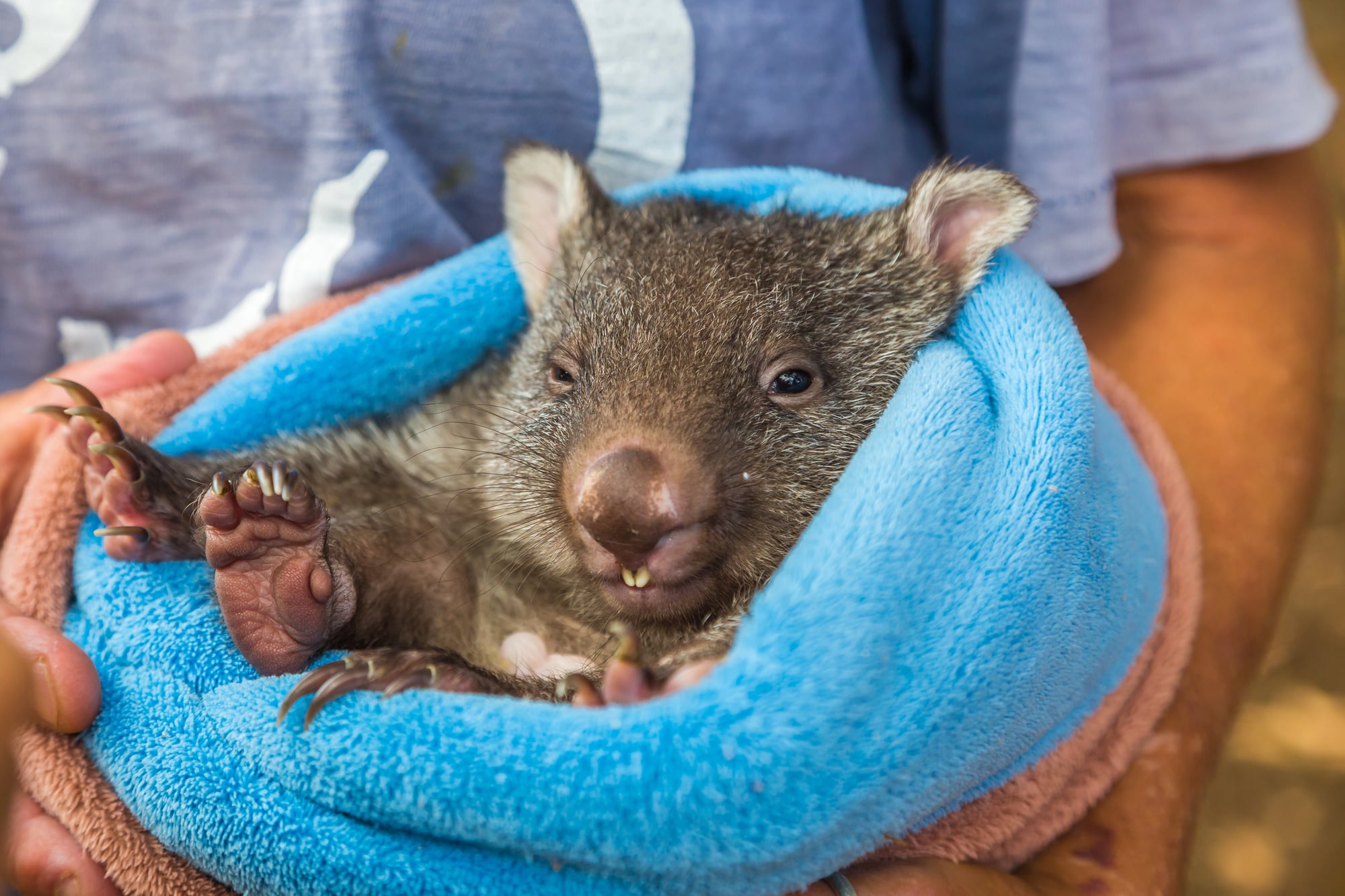
Wombats chew constantly, and their food isn’t soft. Their diet is full of abrasive materials like bark, dry grasses, and fibrous roots.
To handle this, wombats have ever-growing incisors — similar to rodents. These teeth naturally grind down as they eat, staying sharp and functional throughout their lives.
If they didn’t have this feature, their teeth would wear down to useless nubs in no time. Wombats also have strong jaw muscles that help them tear and crush their food, which is essential for breaking down the tough vegetation in their environment.
Their backside works like a shield

Wombats have a rear end built like armor. The skin there is thick, tough, and mostly made of cartilage and fat.
When a predator tries to attack, a wombat will dart into its burrow and use its rump to plug the entrance. This leaves no soft spots exposed, making it nearly impossible to pull them back out.
If the attacker still tries to squeeze in, the wombat can use its backside to press upward and crush the intruder against the roof of the tunnel. It’s not just protection — it’s a last-resort weapon.
You wouldn’t think a butt could save a life, but in a wombat’s case, it definitely can.
Like Go2Tutors’s content? Follow us on MSN.
They can run faster than they look
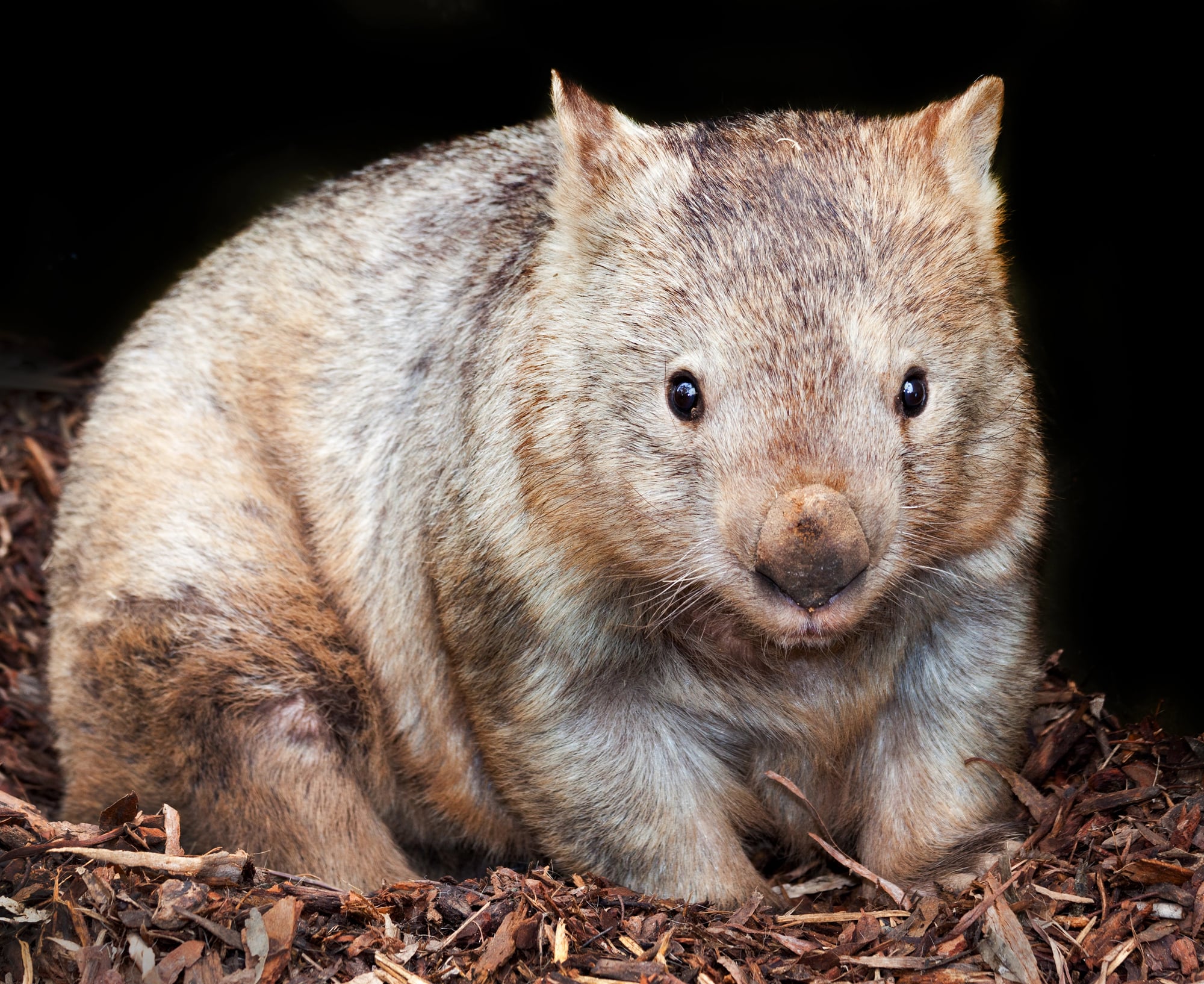
At first glance, wombats look like slow-moving fuzzballs. But if they’re startled or under threat, they can move quickly — up to 25 miles per hour over short distances.
That’s about the same speed as a sprinting human. This burst of speed helps them get to safety, especially if their burrow isn’t far off.
It’s not something they do often, but when they kick it into gear, it’s impressive for an animal that seems built more for digging than dashing.
They’re night owls by nature

Wombats do most of their activity after sunset. They are nocturnal, which helps them avoid daytime heat and predators.
At night, they forage for food, explore their surroundings, and patrol their territory. In cooler seasons or shady areas, they might come out during the day, but it’s not the norm.
Staying underground during peak sun hours keeps them from overheating, and helps conserve energy and water in the dry Australian bush.
They like their space

Wombats are mostly solitary animals. They don’t form tight social groups or travel in herds.
Each individual tends to stick to its own territory, which it marks with its droppings and scent. That said, some wombats will tolerate a neighbor if space allows.
In large burrow networks, especially among common wombats, multiple individuals might share overlapping areas without much conflict, as long as food isn’t too scarce.
Like Go2Tutors’s content? Follow us on MSN.
Their fur glows under UV light
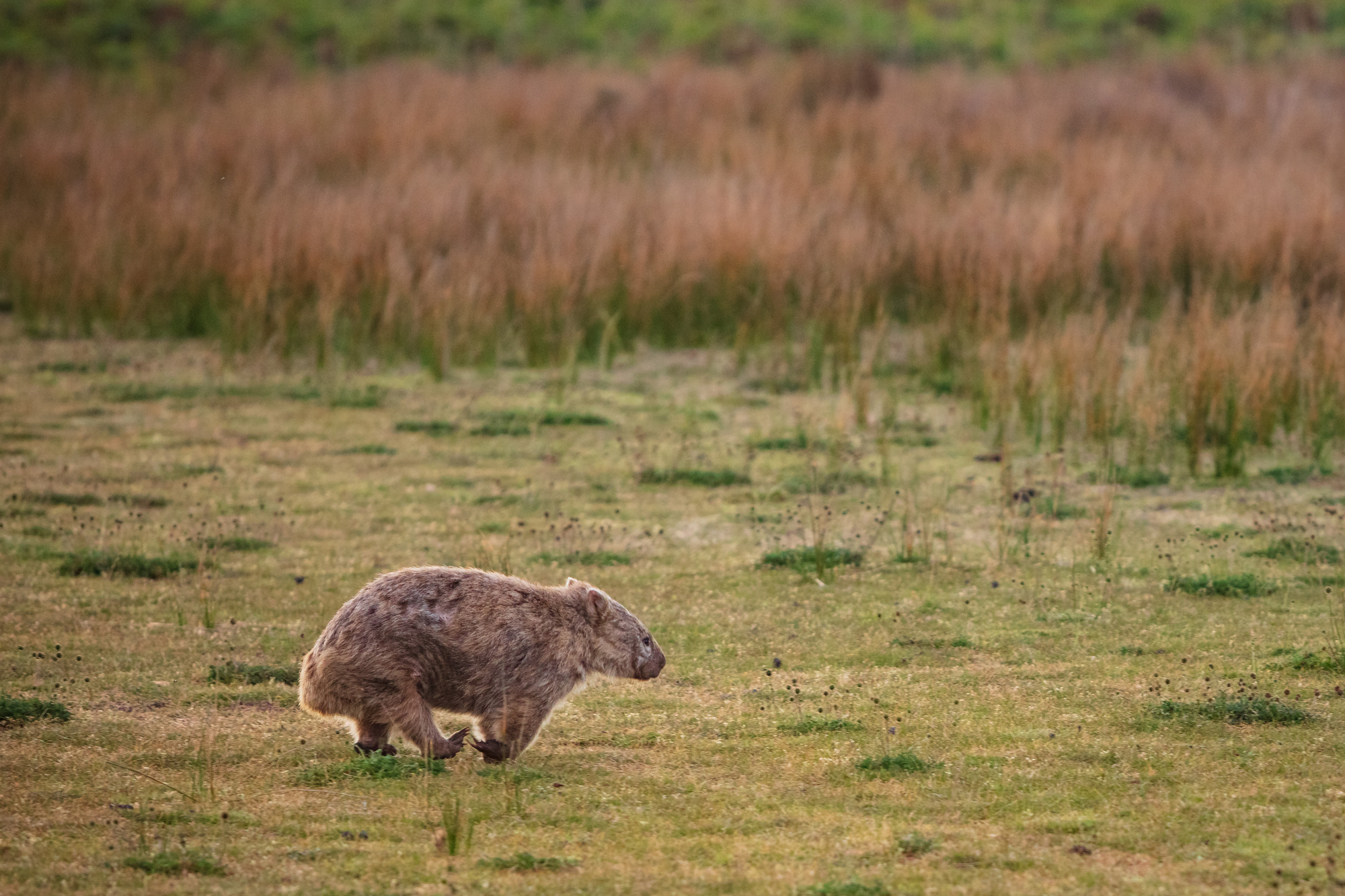
When exposed to ultraviolet light, wombat fur glows in shades of pale blue or green. This odd feature, called biofluorescence, is also found in other marsupials like bilbies and Tasmanian devils.
Scientists aren’t sure why it happens. It might help with camouflage at night or serve a role in communication, but no one knows for certain.
Whatever the reason, it’s one more thing that sets wombats apart in the animal world.
One species is critically endangered

The northern hairy-nosed wombat is one of the rarest animals on Earth. For a long time, there were fewer than 100 left in the wild. Conservation efforts have helped boost the population, but the species still faces threats from habitat loss, drought, and disease.
These wombats live in protected reserves, with constant monitoring and support from wildlife groups. Every individual matters.
Saving this species means protecting not just an animal, but a unique part of Australia’s natural history.
A strange kind of brilliance

Everything strange about wombats serves a purpose. Their odd traits help them survive in tough landscapes with little water, harsh weather, and lurking predators.
From their digging skills to their poop-shaping powers, wombats are quietly brilliant.
Like Go2Tutors’s content? Follow us on MSN.
More from Go2Tutors!

- 16 Historical Figures Who Were Nothing Like You Think
- 12 Things Sold in the 80s That Are Now Illegal
- 15 VHS Tapes That Could Be Worth Thousands
- 17 Historical “What Ifs” That Would Have Changed Everything
- 18 TV Shows That Vanished Without a Finale
Like Go2Tutors’s content? Follow us on MSN.



