31 Grocery Store Features Shoppers Remember and Miss
The modern grocery store has been optimized for efficiency, self-checkout, and app-based loyalty points, which has quietly erased a whole category of small rituals that used to define a weekly shopping trip. These are the features longtime shoppers still bring up, usually with a specific memory attached, from stores that mostly do not exist in this form anymore.
The Butcher Counter With a Real Butcher
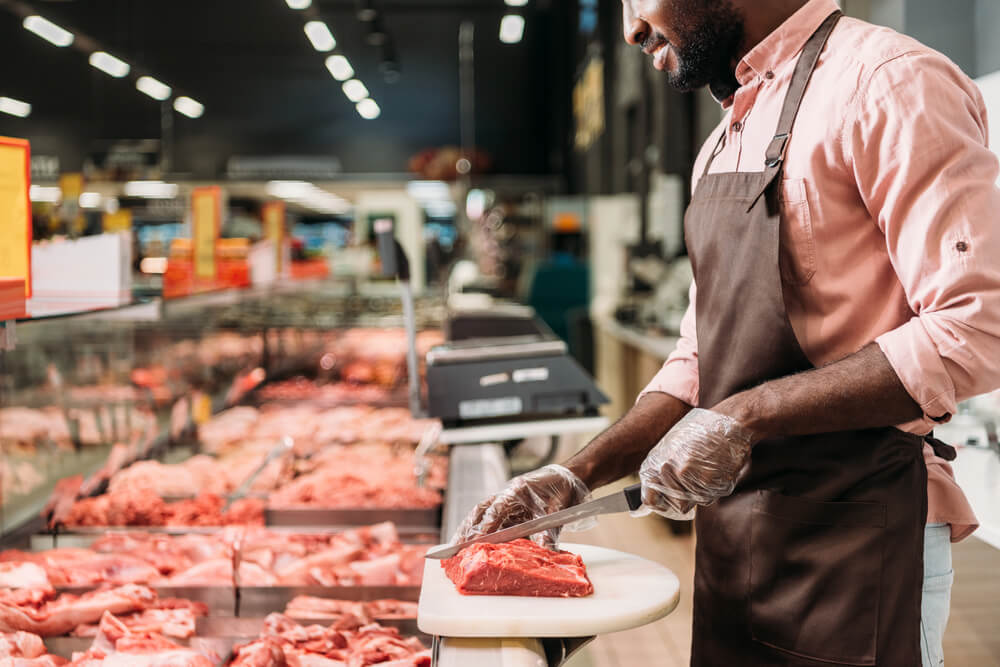
Before shrink-wrapped trays became the default, most grocery stores employed an in-house butcher who cut meat to order behind a glass case, offering advice on cuts and cooking methods that no packaging label could replicate. That direct conversation largely disappeared as centralized meat processing and pre-packaged cuts became the industry standard.
Trading Stamps at the Register
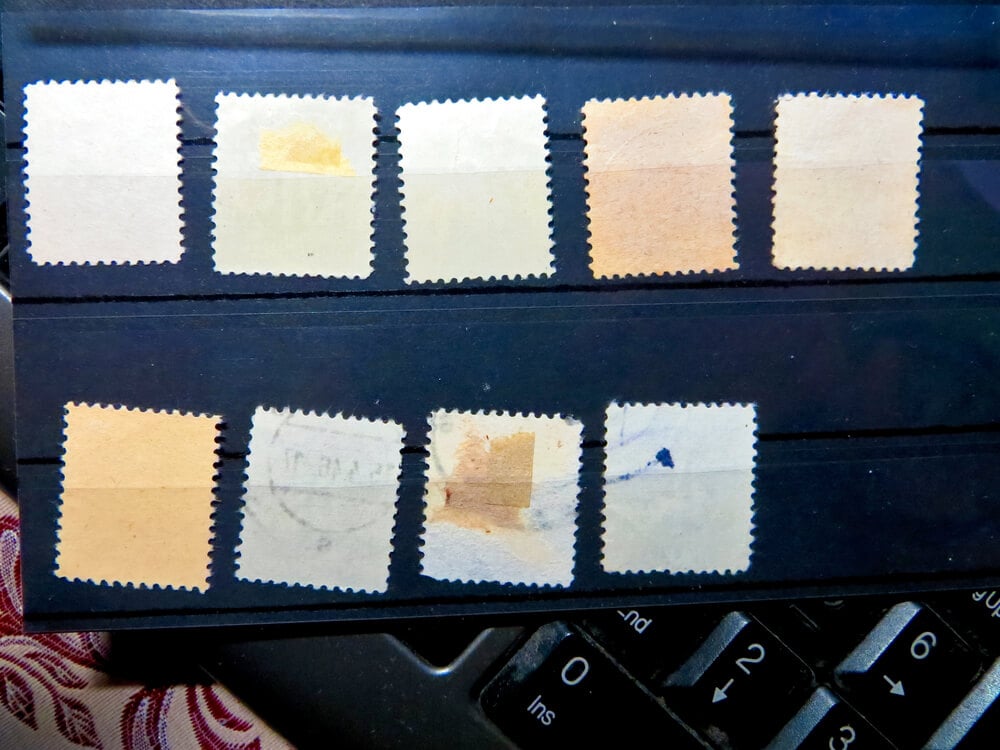
Chains like S&H Green Stamps rewarded shoppers with paper stamps proportional to how much they spent, which customers pasted into collector books and eventually redeemed for household goods from a dedicated catalog. The program peaked in the mid-twentieth century before rising printing costs and changing loyalty models phased it out almost entirely by the 1980s.
A Full-Service Bakery With a Walk-Up Counter
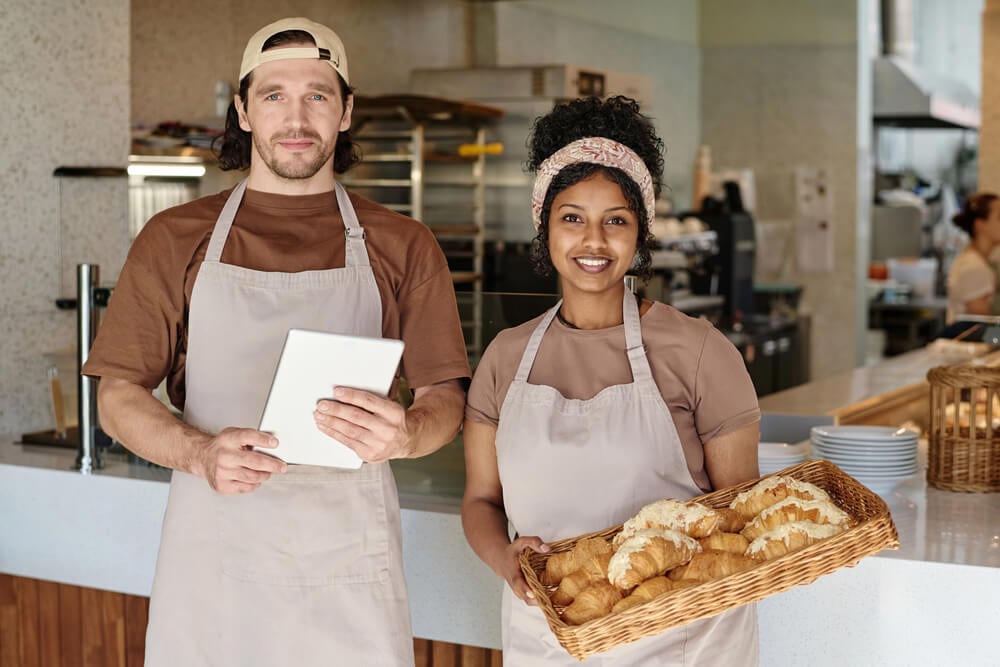
Many stores once baked bread and pastries on-site and sold them from a dedicated counter with its own staff, filling the front of the store with a smell that functioned as unofficial advertising. Centralized commercial baking and packaged bakery aisles replaced most of these in-store operations over the following decades.
Handwritten Price Tags on Shelves

Before electronic shelf labels and barcode scanning became standard, prices were often marked directly on individual cans and boxes with a small stamping gun, or written by hand on cardboard shelf tags. The system meant price changes required physically walking the aisles, a labor cost that scanning technology eventually eliminated.
A Dedicated Dairy Delivery Case
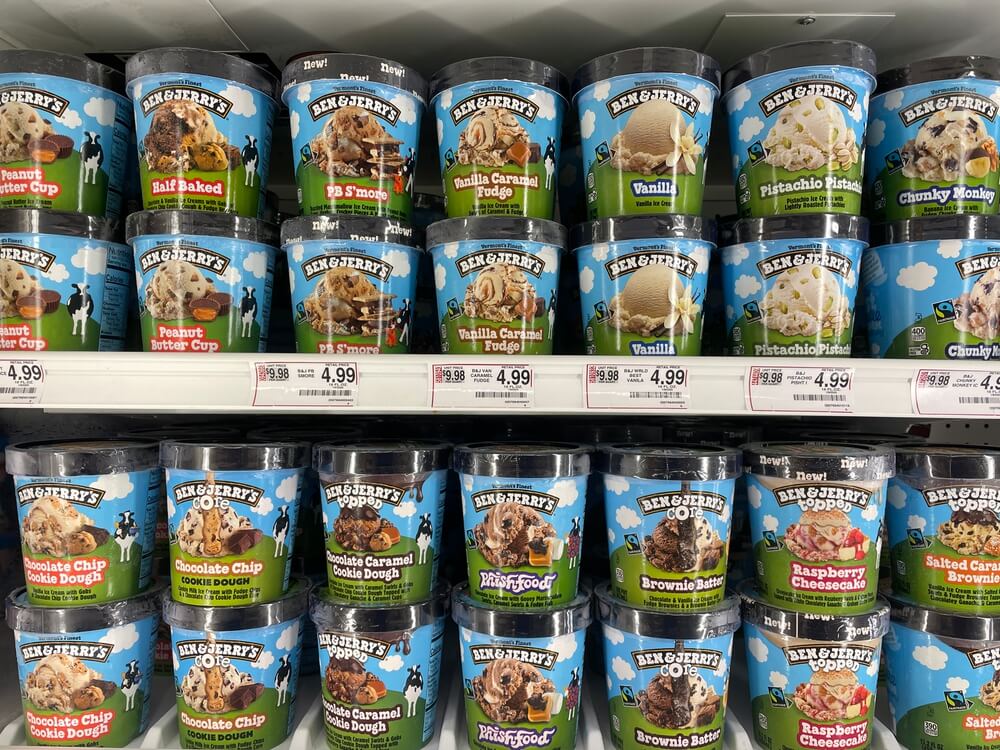
Some regional grocery stores maintained a separate, walk-in dairy case stocked by a dedicated delivery driver on a near-daily schedule, distinct from the general refrigerated aisle. Consolidated supply chains and centralized distribution eventually merged this separate system into the standard refrigerated grocery section.
Free Cheese and Cracker Samples

Long before individually packaged sample cups became common, some stores allowed shoppers to slice their own small piece of cheese from a wheel at a sampling station, often paired with a box of crackers left out for the purpose. Food safety regulations and liability concerns have made this level of self-service sampling far less common today.
S&H Green Stamps Redemption Centers

Beyond the stamps themselves, many towns had a dedicated redemption store where shoppers could browse a physical catalog of merchandise and trade in filled stamp books for household items, from toasters to furniture. These standalone redemption centers disappeared alongside the broader decline of trading stamp programs.
A Live Lobster or Fish Tank

Some larger grocery stores, particularly those with strong seafood departments, kept live lobster tanks or fresh fish displayed on ice with a dedicated fishmonger who would clean and fillet a purchase on request. Many stores have scaled this back to pre-packaged seafood cases, particularly outside coastal regions.
A Dedicated Greeting Card Aisle With a Rotating Rack
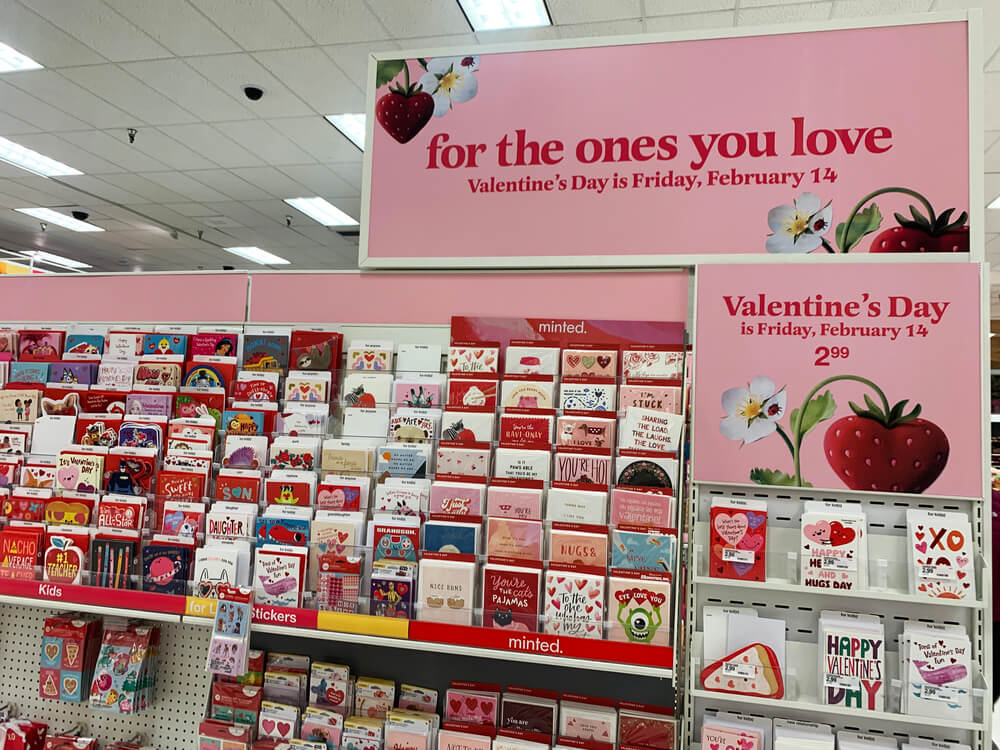
Older grocery stores often built an entire aisle around greeting cards displayed on tall, rotating wire racks that shoppers spun by hand while searching for the right occasion. Consolidated card sections and the overall decline in physical card buying have shrunk this into a much smaller footprint at most modern stores.
Grocery Delivery by a Neighborhood Boy

Before online ordering, some local grocers offered home delivery through a young employee who biked or walked orders to nearby houses, often keeping a running tab for regular customers rather than requiring payment on the spot. The practice largely disappeared as suburban sprawl and car-based shopping became the norm.
A Manual Produce Scale With a Spinning Dial

Before digital scales integrated directly with the register, shoppers or clerks weighed produce on a mechanical scale with a large, visible spinning dial, often mounted directly above the produce bins. The scales required no electricity and were considered accurate enough that many stayed in use well into the era of computerized checkout elsewhere in the same store.
A Community Bulletin Board Near the Entrance

Many grocery stores maintained a corkboard near the entrance where shoppers could pin flyers for lost pets, yard sales, or local events, functioning as an informal town notice board decades before social media existed. Store policy changes and liability concerns have led most chains to remove or heavily restrict these boards.
Coin-Operated Kiddie Rides Near the Exit
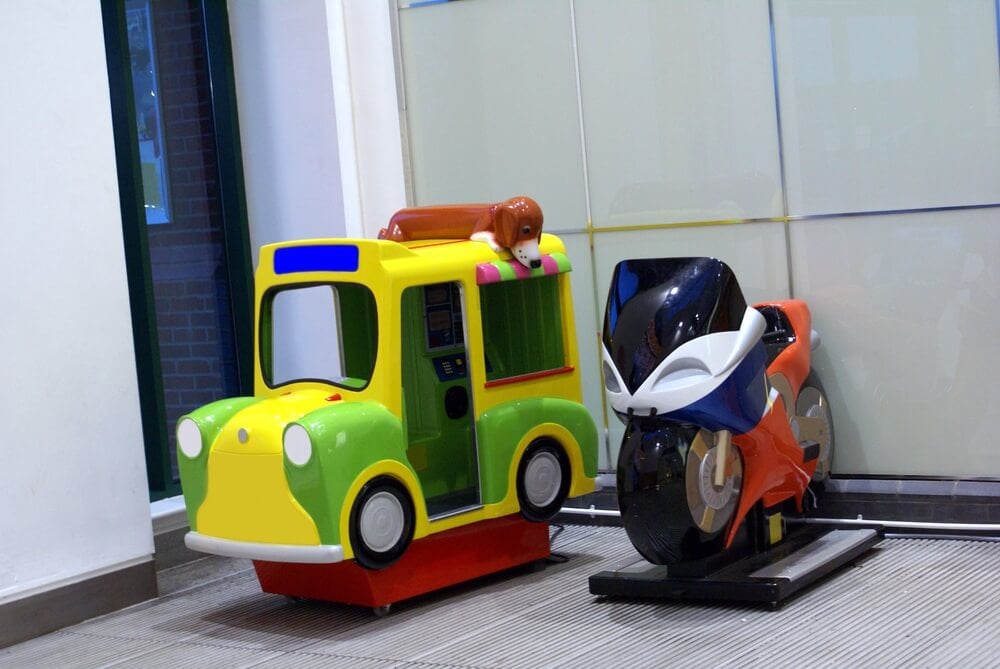
A small mechanical horse or rocket ship, activated by dropping in a coin, was once a near-universal fixture near a grocery store’s exit, giving parents a brief and predictable way to pacify young children before checkout. Many stores removed these rides due to maintenance costs and shifting liability concerns, though a smaller number can still be found in some regional chains.
A Full Newsstand Rack
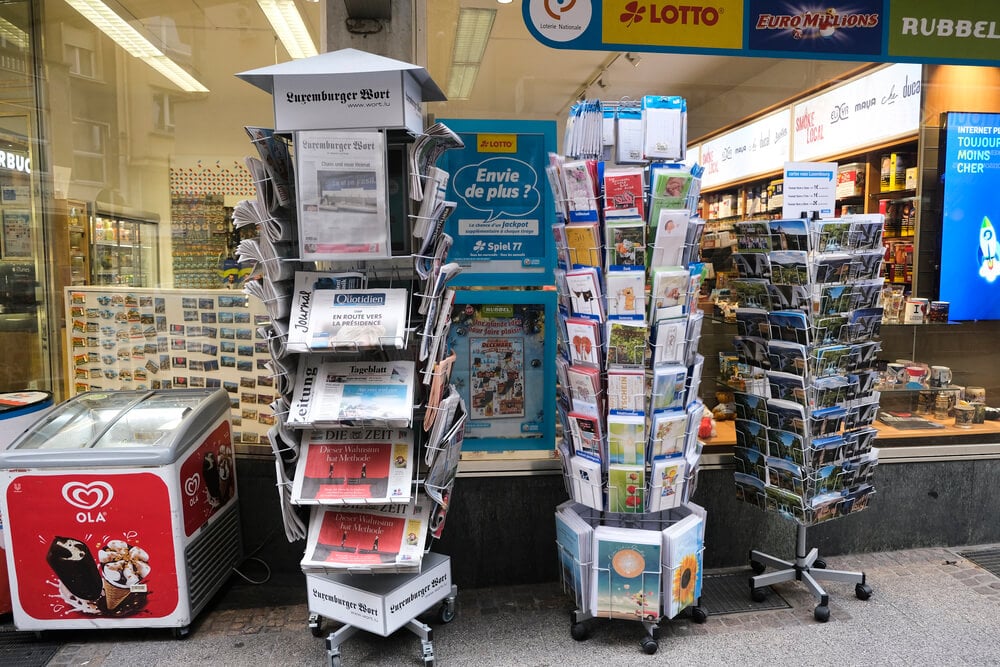
Before news moved online, grocery store entrances often featured an extensive newsstand with local papers, national magazines, and tabloids arranged for browsing while waiting for a ride or a family member to finish shopping. Most stores have reduced this to a small checkout-lane rack focused mostly on tabloids and puzzle magazines.
Rain Checks Printed by Hand

When an advertised sale item sold out, cashiers or service desk staff would write out a physical rain check by hand, allowing a shopper to return later and buy the item at the sale price once restocked. Many stores still technically offer rain checks, but the handwritten paper slip has largely been replaced by a printed or digital equivalent.
A Full-Service Photo Development Counter
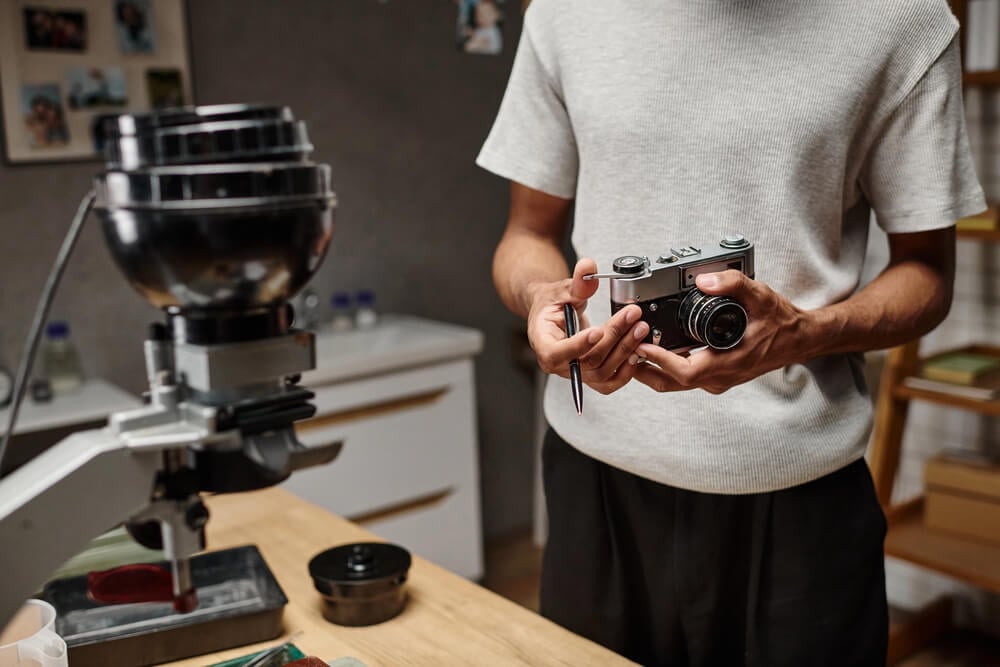
Many grocery stores once included a dedicated photo counter where shoppers dropped off film to be developed, picking up printed photographs a day or two later. Digital photography made the entire service obsolete within a relatively short span, and most of these counters disappeared by the mid-2000s.
A Dedicated Bulk Candy Wall With Scoop Bins
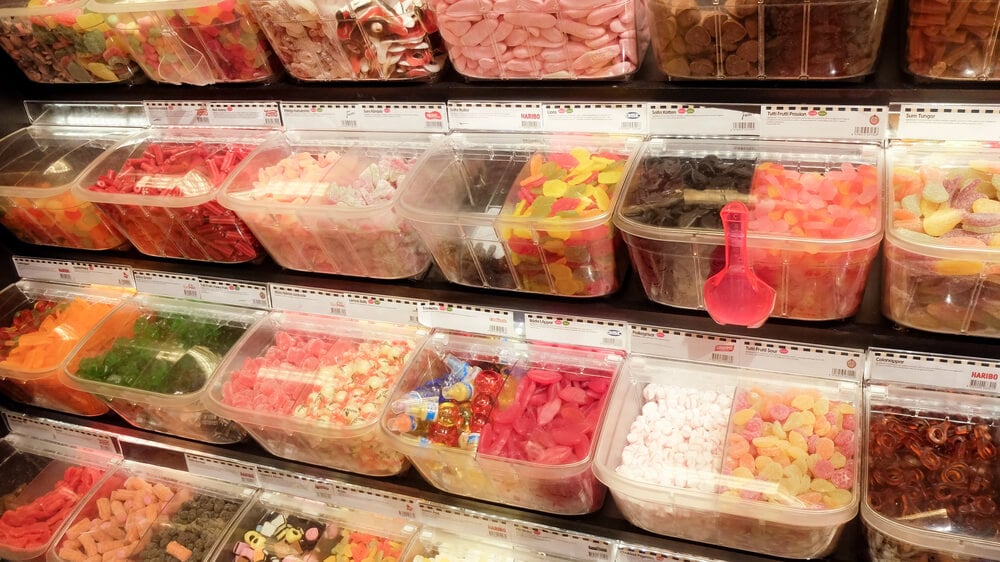
Rows of open bins filled with loose candy, scooped by hand into a bag and weighed at checkout, were once a common feature aimed squarely at drawing kids toward a specific aisle. Health regulations and packaging preferences have shifted many stores toward pre-packaged bulk options instead of fully open scoop bins.
A Deli Counter That Sliced to Order in Front of You
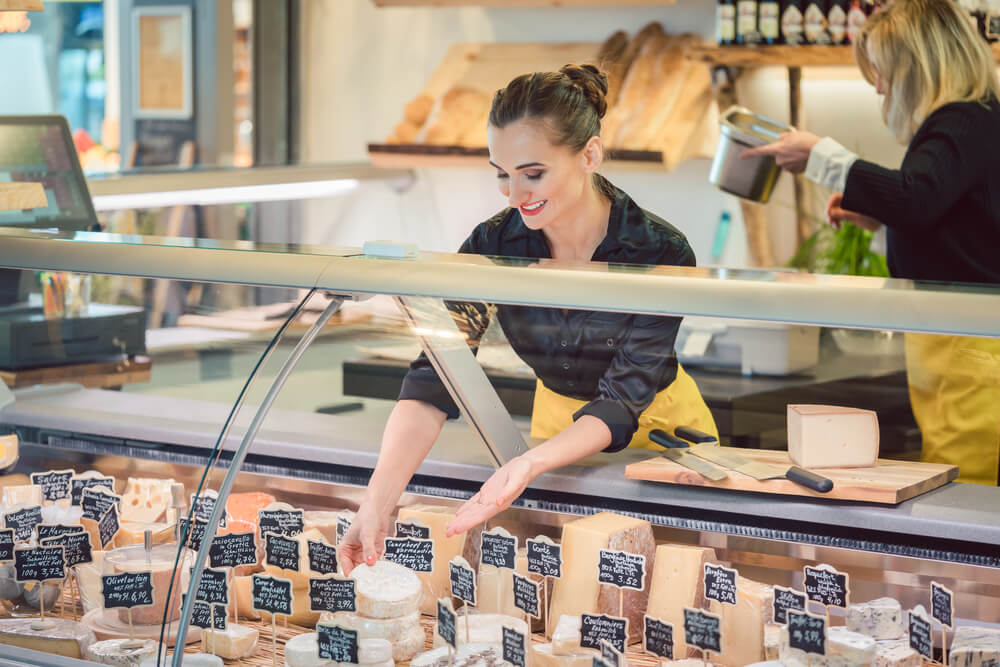
While deli counters still exist in most stores, the older format often involved a longer, more personal exchange, with a customer specifying exact thickness and the clerk slicing it by hand on request while chatting. Faster-paced staffing models have shortened many of these interactions considerably.
Store-Branded Recipe Cards Near the Register
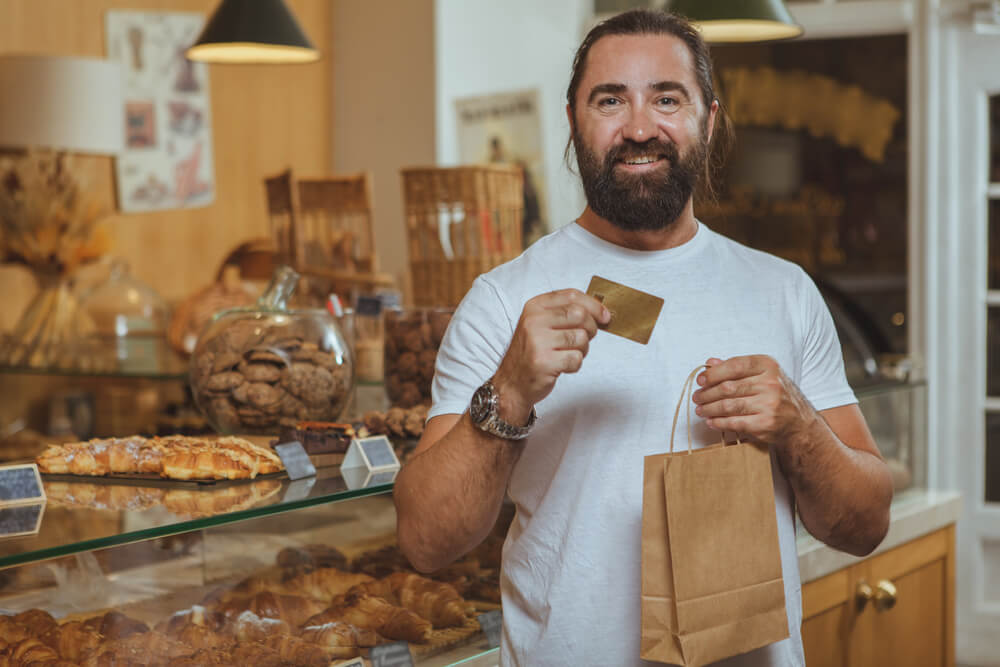
Some grocery chains distributed small printed recipe cards near checkout, often tied to a specific promoted ingredient, encouraging shoppers to try a new dish using products they had just purchased. Store apps and websites have largely replaced this physical, checkout-adjacent recipe marketing.
A Free-Standing Book of Coupons at Customer Service

Before app-based digital coupons, many stores kept a binder or box of manufacturer coupons at the customer service desk that any shopper could flip through and clip from directly in-store. Digital coupon systems tied to loyalty accounts have replaced most of these physical binders.
An In-Store Post Office Window
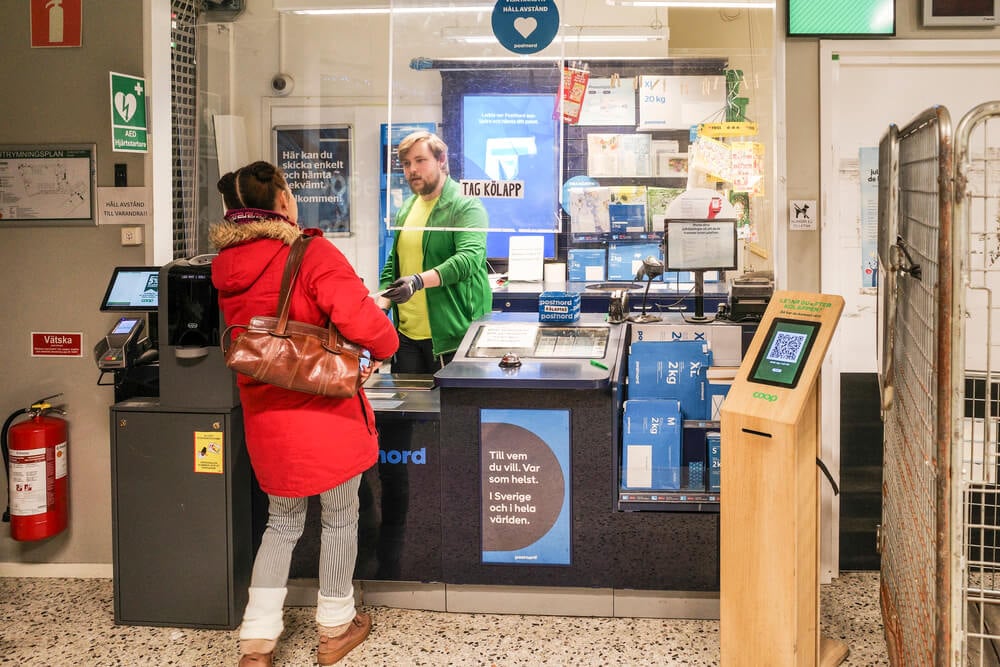
A small number of larger grocery stores, particularly in rural areas, once operated a limited postal service window where shoppers could buy stamps or mail a package without a separate trip to the post office. This convenience has become rare as postal consolidation reduced the number of retail partnerships of this kind.
A Pneumatic Tube System for Cash Handling
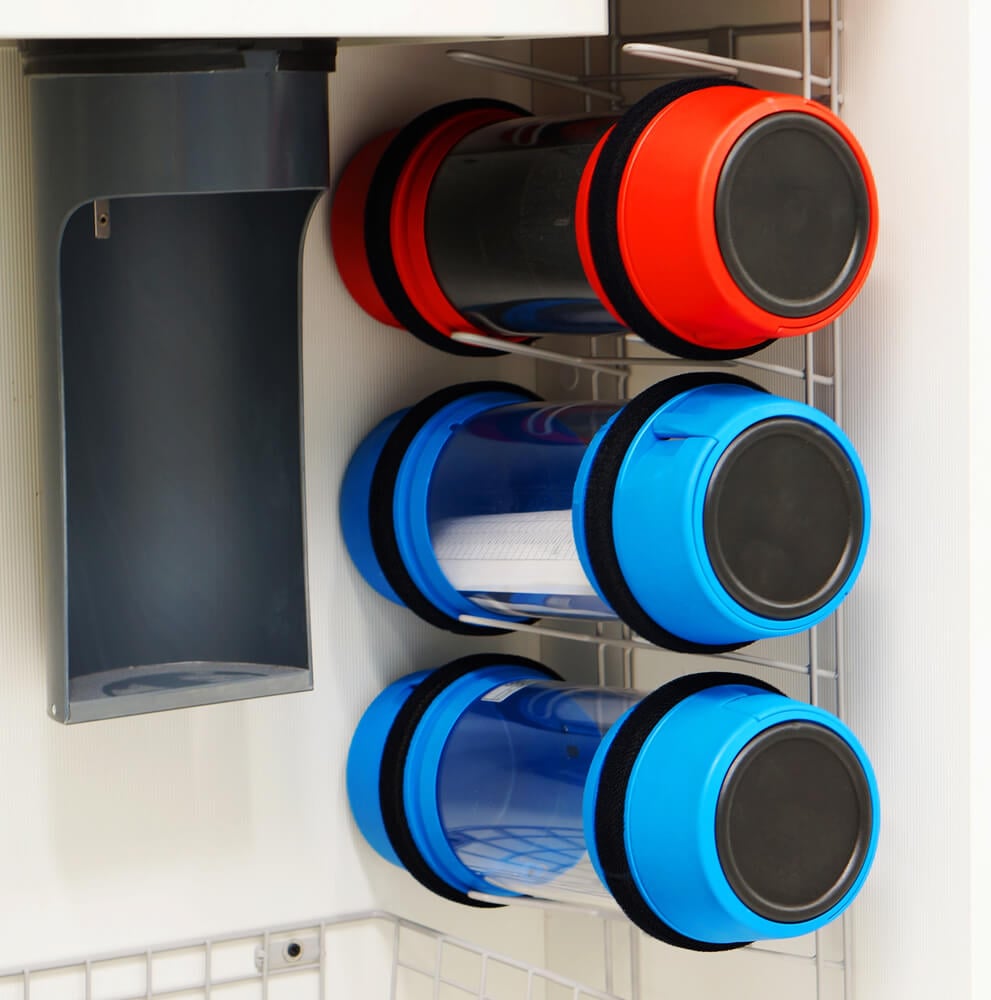
Some larger stores used a pneumatic tube system to send cash and receipts between individual registers and a central office, a visible piece of mechanical infrastructure that shoppers could watch in action near the front of the store. Electronic point-of-sale systems eliminated the need for physical cash transport within the store entirely.
A Live Cooking Demonstration Table
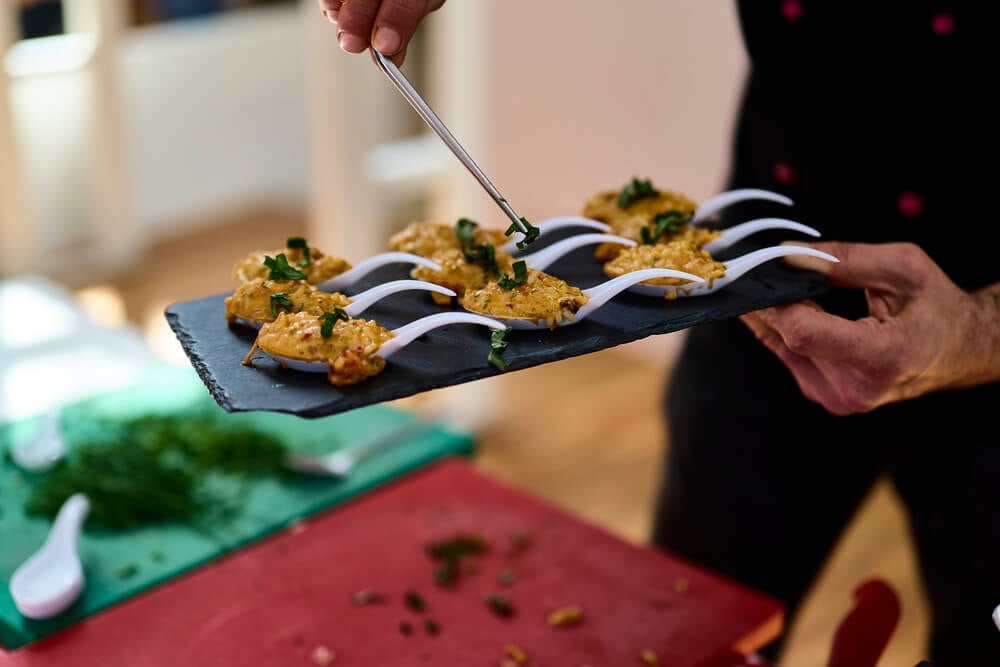
Certain stores, particularly larger regional chains, hosted live cooking demonstrations on weekends, where a staff member or visiting chef prepared a dish using store ingredients while shoppers watched and sampled. Reduced staffing budgets have made this a much less common weekly fixture than it once was.
An Actual Human Elevator or Escalator Operator
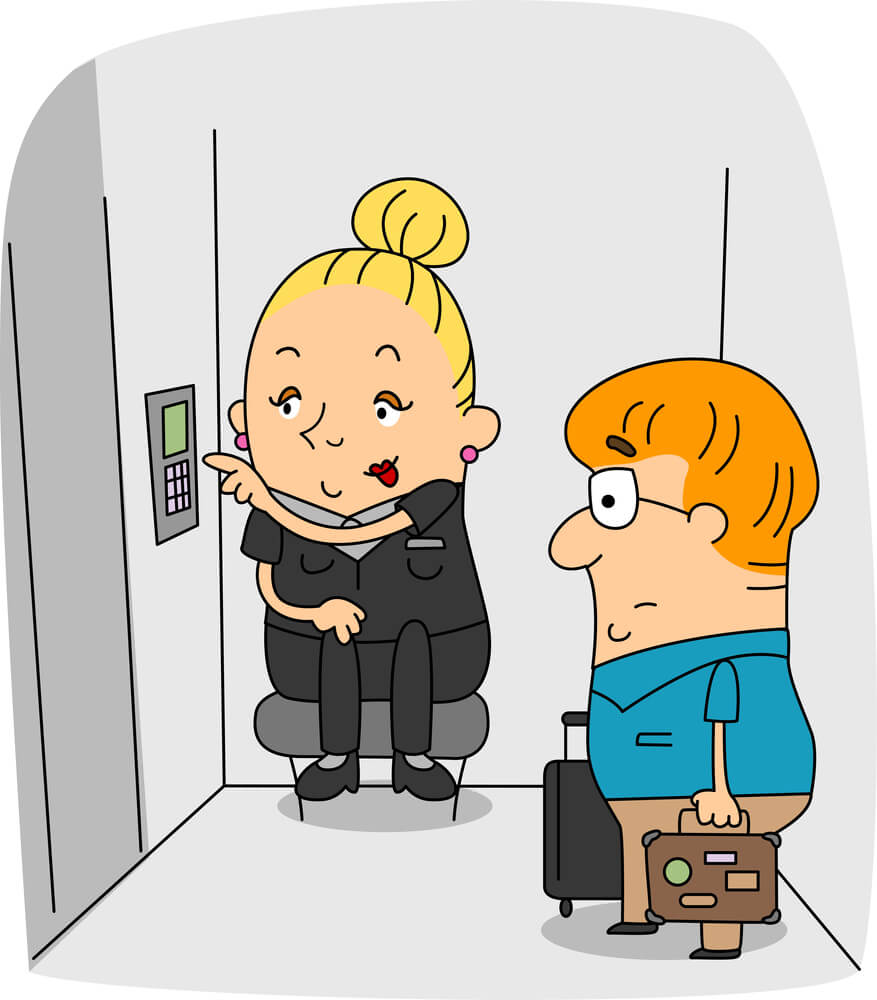
In multi-level urban grocery stores, particularly those built mid-century, an employee sometimes staffed the escalator or elevator specifically to assist shoppers with carts, a role that became unnecessary as store layouts shifted toward single-level suburban footprints. Few multi-level grocery stores remain in operation at all today.
A Dedicated Egg-Candling Display

Some stores displayed the process of egg candling, holding eggs up to a light to check quality, as a visible quality-control demonstration near the dairy or egg section. Centralized processing moved this step entirely out of view of the average shopper decades ago.
Milk Delivered in Returnable Glass Bottles
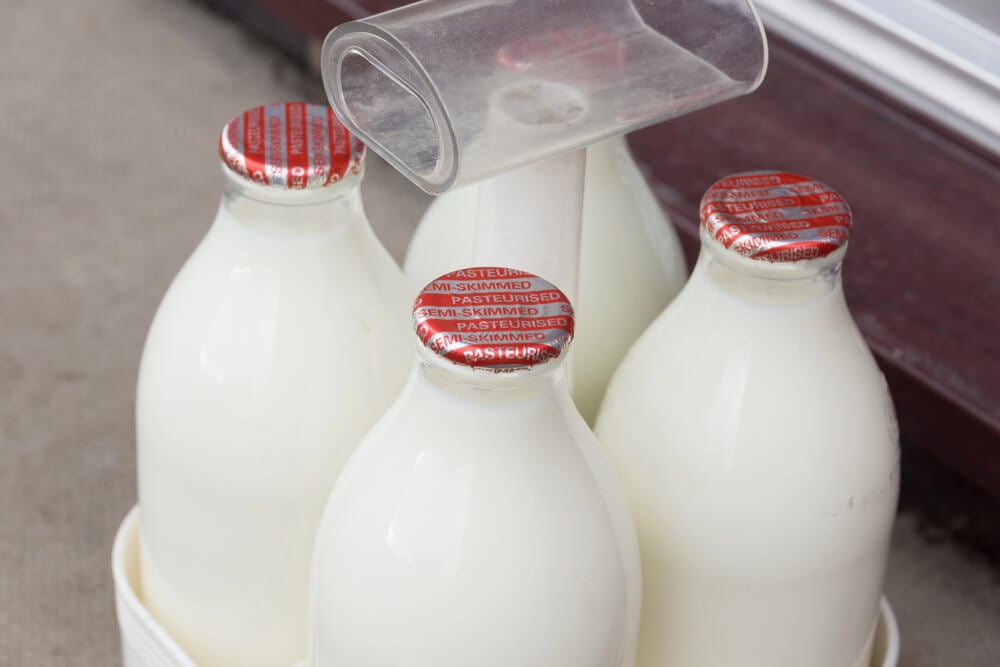
Before cardboard cartons and plastic jugs became standard, milk was commonly sold in returnable glass bottles that shoppers brought back for a small deposit refund on their next visit. Standardized single-use packaging phased out the returnable bottle system across most of the country by the 1960s and 1970s.
A Full Wall of Penny Candy
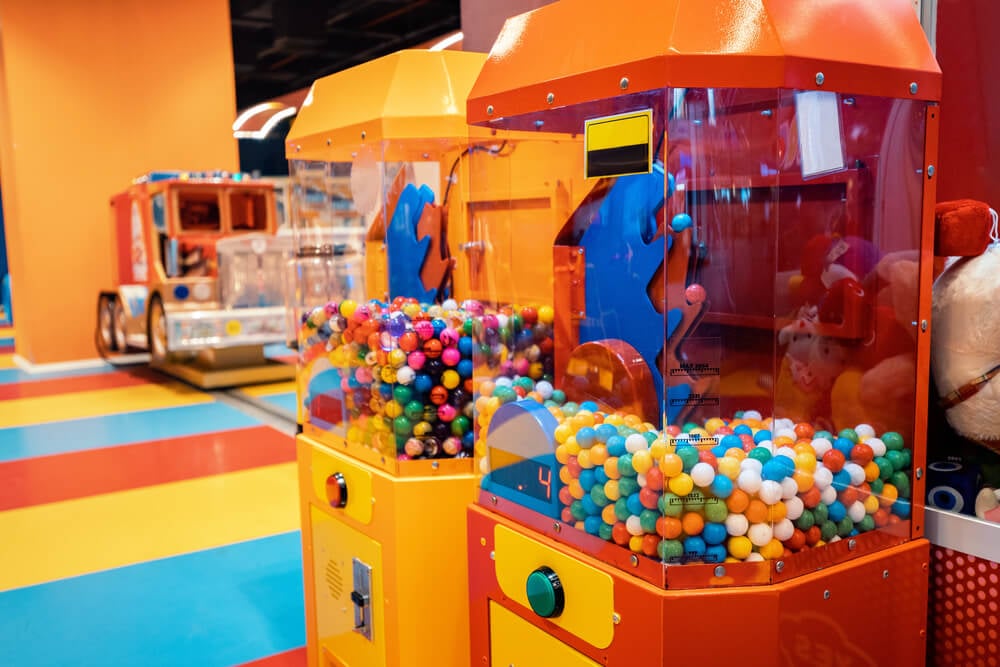
Distinct from the later scoop-bin bulk candy wall, some older grocery and general stores maintained individually priced penny candy displayed loose or in small jars, often positioned at a height convenient for children. Rising costs and packaged candy standardization eliminated true penny pricing entirely by the later twentieth century.
A Manual Cart Corral Attendant
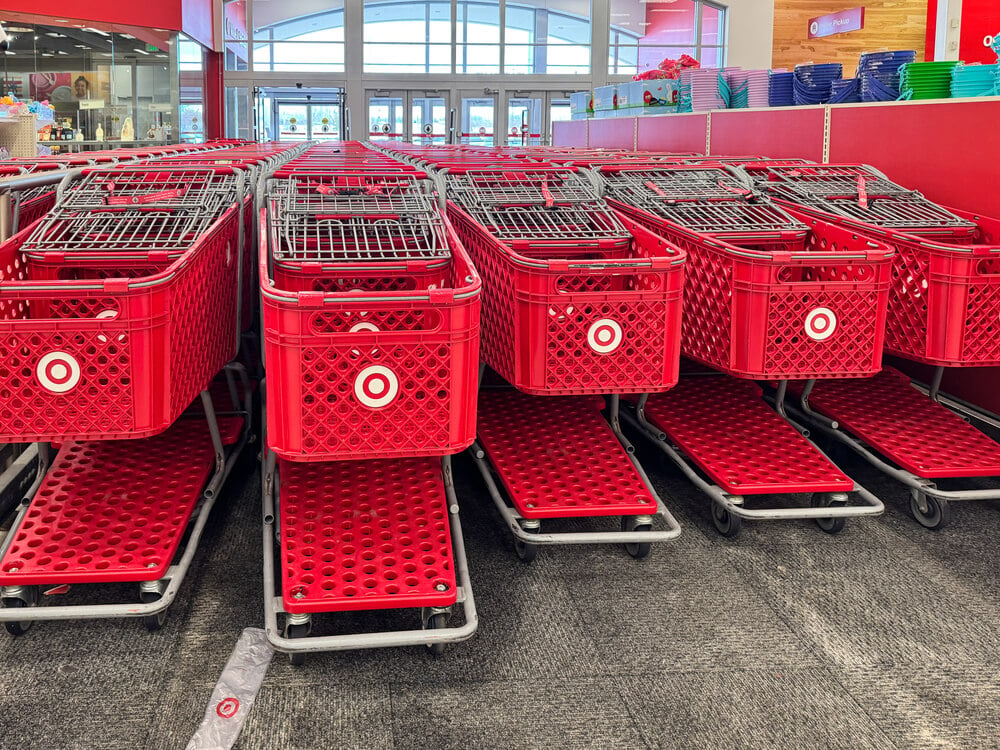
Before automatic cart-locking systems and reward-based return programs, some stores employed a dedicated attendant whose job was specifically to gather loose carts from the parking lot throughout the day. Automated systems and self-return incentives have reduced how common this dedicated role has become.
Layaway for Groceries
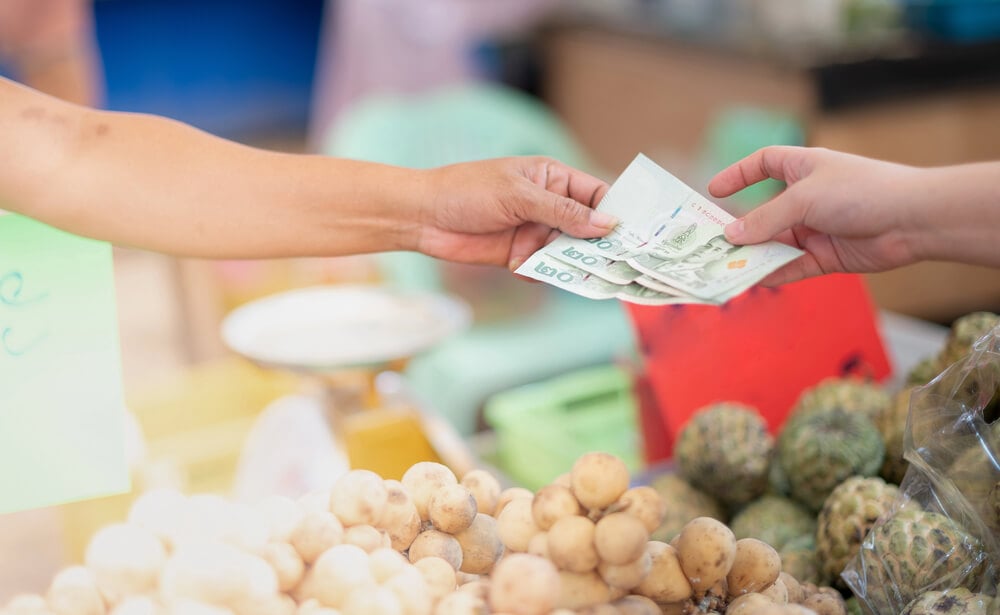
Some stores, particularly around holidays, allowed shoppers to reserve and pay down large grocery orders over time before picking up the full order closer to a specific date, a practice more commonly associated with department stores but occasionally offered by grocers as well. The rise of store credit cards and buy-now-pay-later services has made this specific grocery layaway practice largely obsolete.
A Genuinely Local Store Manager Who Knew Regulars by Name

Before regional consolidation placed most decisions at a corporate level, independently run or lightly chained grocery stores were often managed by someone who lived in the same neighborhood as their shoppers and could recognize regular customers on sight. Corporate standardization and high staff turnover have made this level of personal familiarity increasingly rare.
The In-Store Pharmacy Counter With a Waiting Bench

Older in-store pharmacies often included a small waiting bench directly next to the counter where the pharmacist worked in full view, allowing customers to watch prescriptions being filled and ask questions directly. Drive-through pharmacy windows and app-based prescription tracking have reduced how often this direct, visible interaction happens today.
What the Store Used to Know About You
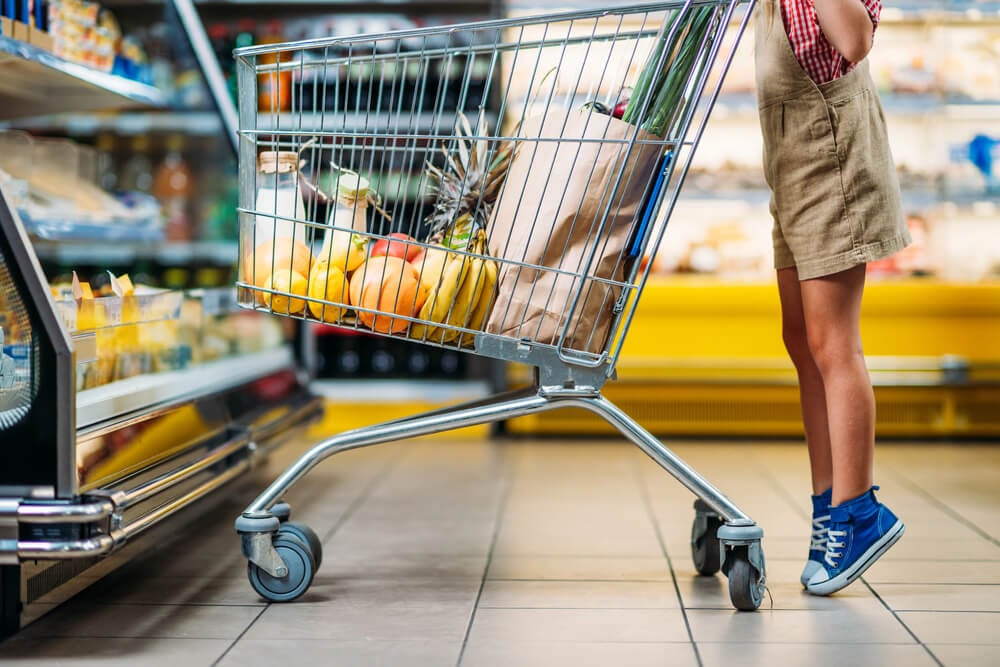
Every one of these features shared a common thread: they assumed a shopper would return, again and again, to the same physical building, and that the relationship was worth investing in beyond the transaction itself. A butcher who remembered how you liked your roast cut, or a manager who knew your name, represented a kind of infrastructure that modern retail simply was not built to preserve at scale.
None of it disappeared through a single decision. It eroded gradually, one efficiency improvement at a time, until the store that used to know its customers became a store that mostly just processed them.
What shoppers miss is rarely the specific feature itself. It is the evidence that the store was paying attention.
More from Go2Tutors!

- The Romanov Crown Jewels and Their Tragic Fate
- 13 Historical Mysteries That Science Still Can’t Solve
- Famous Hoaxes That Fooled the World for Years
- 15 Child Stars with Tragic Adult Lives
- 16 Famous Jewelry Pieces in History
Like Go2Tutors’s content? Follow us on MSN.



