Photos Of Food That Last Forever On The Shelf
A well-stocked pantry has long provided a feeling of security that is quiet and reassuring. Before the advent of refrigeration and frozen food storage, people depended upon foodstuffs that would last for months, years, and sometimes even decades without spoiling.
Many of these foodstuffs have remained just as reliable in our modern world, quietly waiting in our pantries while continuing to provide flavor and use long after most other foodstuffs have gone bad. What makes these foodstuffs special is not just that they are convenient but that they are also chemically stable.
Some foodstuffs are so long-lasting that they will last for generations. Here’s a closer look at some foodstuffs that are commonly stocked in pantries and have a long shelf life and why they have this long shelf life.
Honey
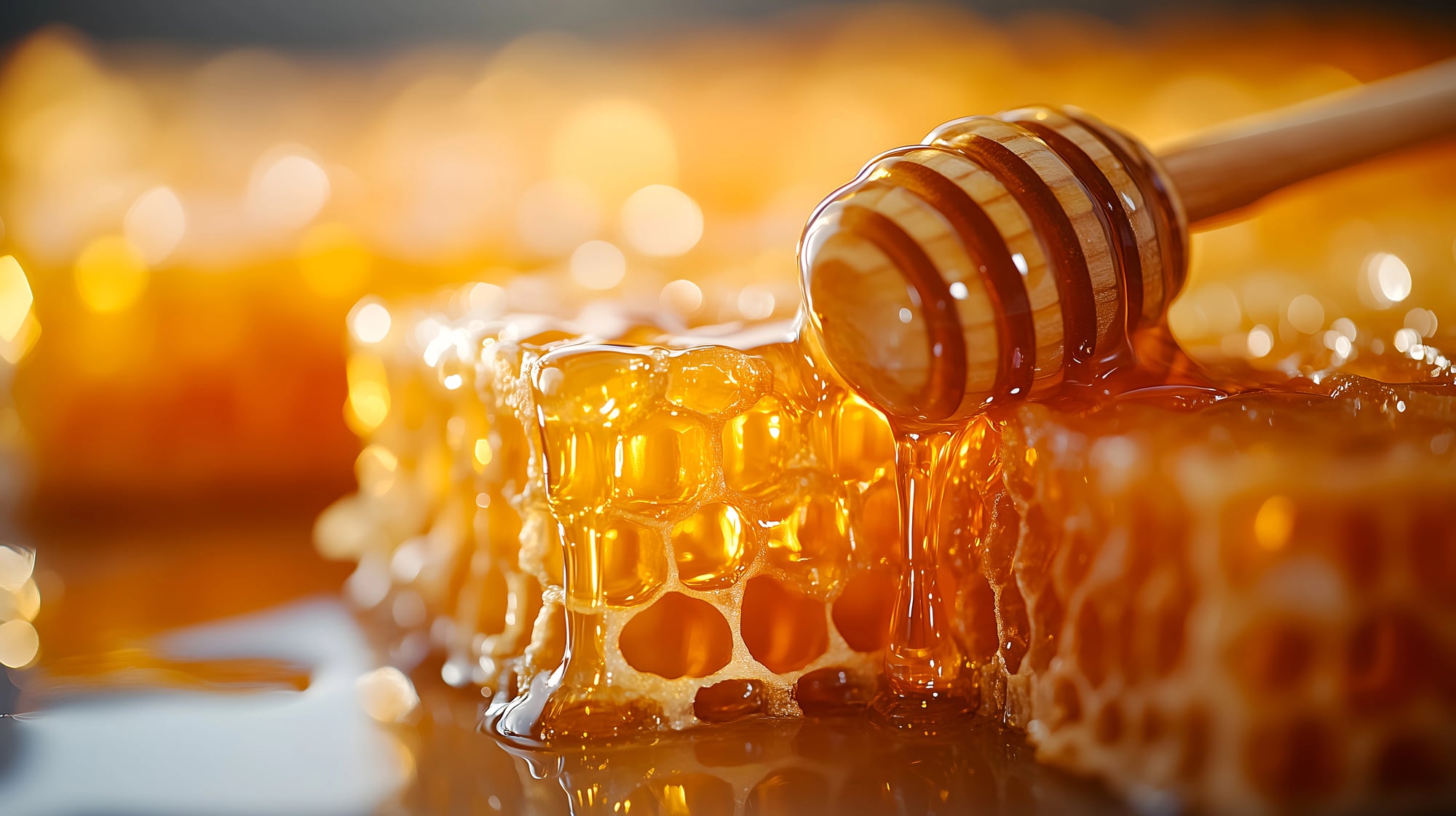
Honey is often considered the champion of long-lasting foods. Archaeologists examining ancient Egyptian tombs have uncovered sealed jars of honey that remained preserved for thousands of years.
The reason lies in its chemistry: honey contains very little moisture and is naturally acidic, conditions that make it difficult for microorganisms to grow. That combination essentially puts honey into a state of natural preservation.
Even when it crystallizes over time, the change is cosmetic rather than a sign of spoilage. Gentle warming returns it to its original liquid form without affecting quality.
Still, honey’s remarkable durability explains why it has been treasured across cultures for centuries. Beyond sweetening tea or baked goods, it served as a reliable food source in eras when preserving ingredients was far more difficult.
White Rice
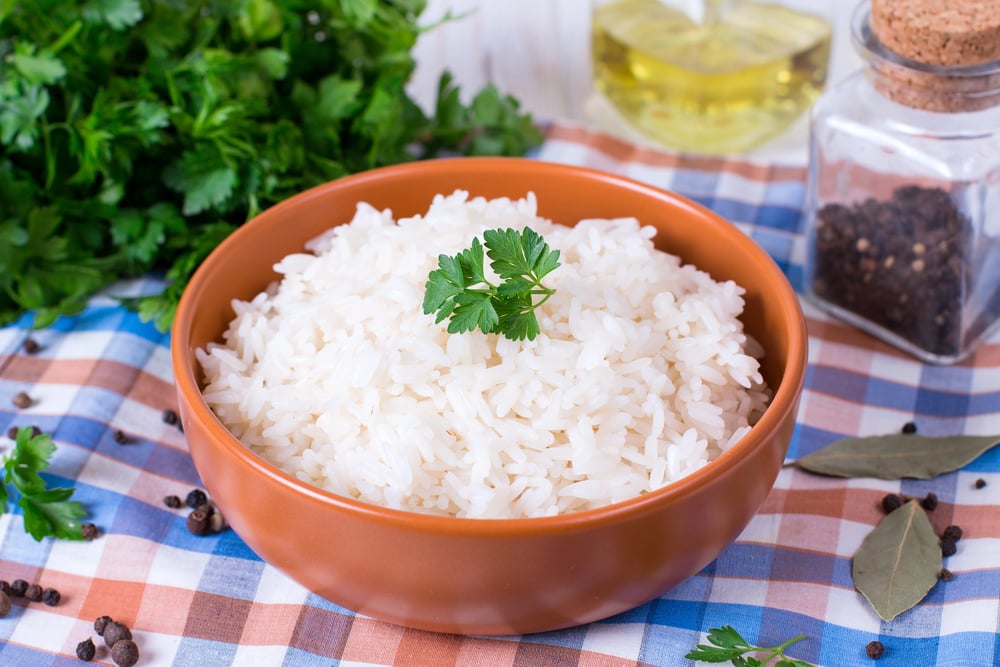
White rice stands out as another pantry staple with exceptional longevity. When stored in airtight containers away from moisture and heat, it can remain stable for decades.
Its long shelf life comes from the removal of the bran and germ layers during processing, leaving behind mostly starch. Without the natural oils found in whole grains, white rice resists the rancidity that limits the storage life of brown rice.
Properly sealed bags or containers protect it from humidity and pests, allowing the grains to remain intact for extended periods. That durability has made rice a foundational food across many parts of the world.
Families often keep large quantities on hand, confident that it will stay usable for years with minimal effort.
Salt
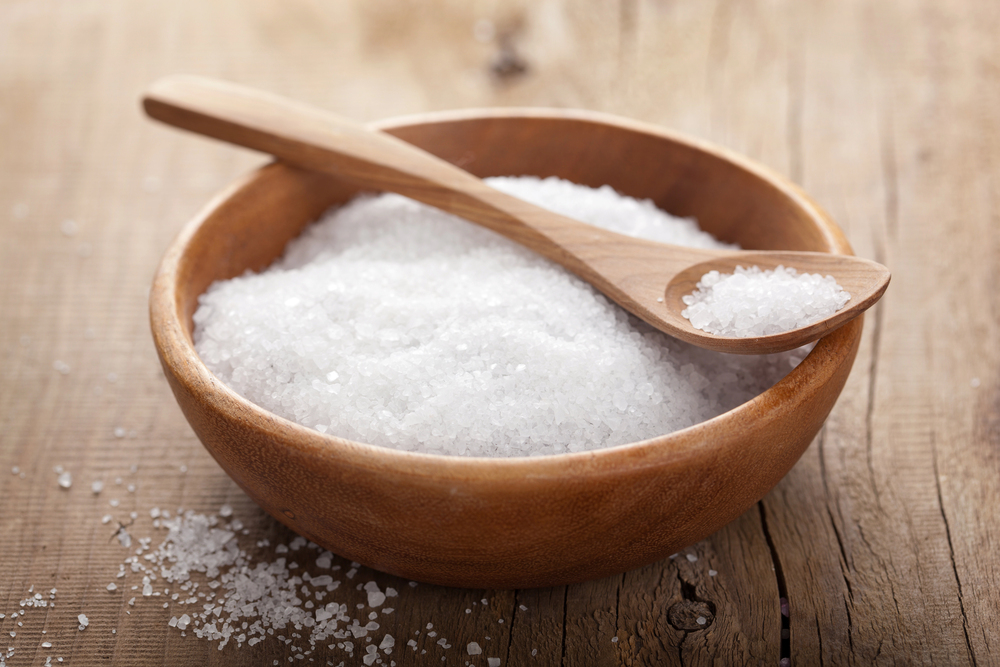
Salt might seem like an unusual entry on a list of foods, yet it is one of the most stable substances in any kitchen. As a mineral rather than a perishable ingredient, salt does not spoil or degrade over time.
A container of pure salt can sit on a shelf indefinitely without losing its essential qualities. Historically, salt held enormous value precisely because of this stability.
Entire trade routes developed around transporting it across continents, and it played a crucial role in preserving other foods long before refrigeration existed. Even today, salt remains a cornerstone of pantry storage.
Its ability to enhance flavor while also preserving ingredients explains why it has remained indispensable throughout human history.
Sugar
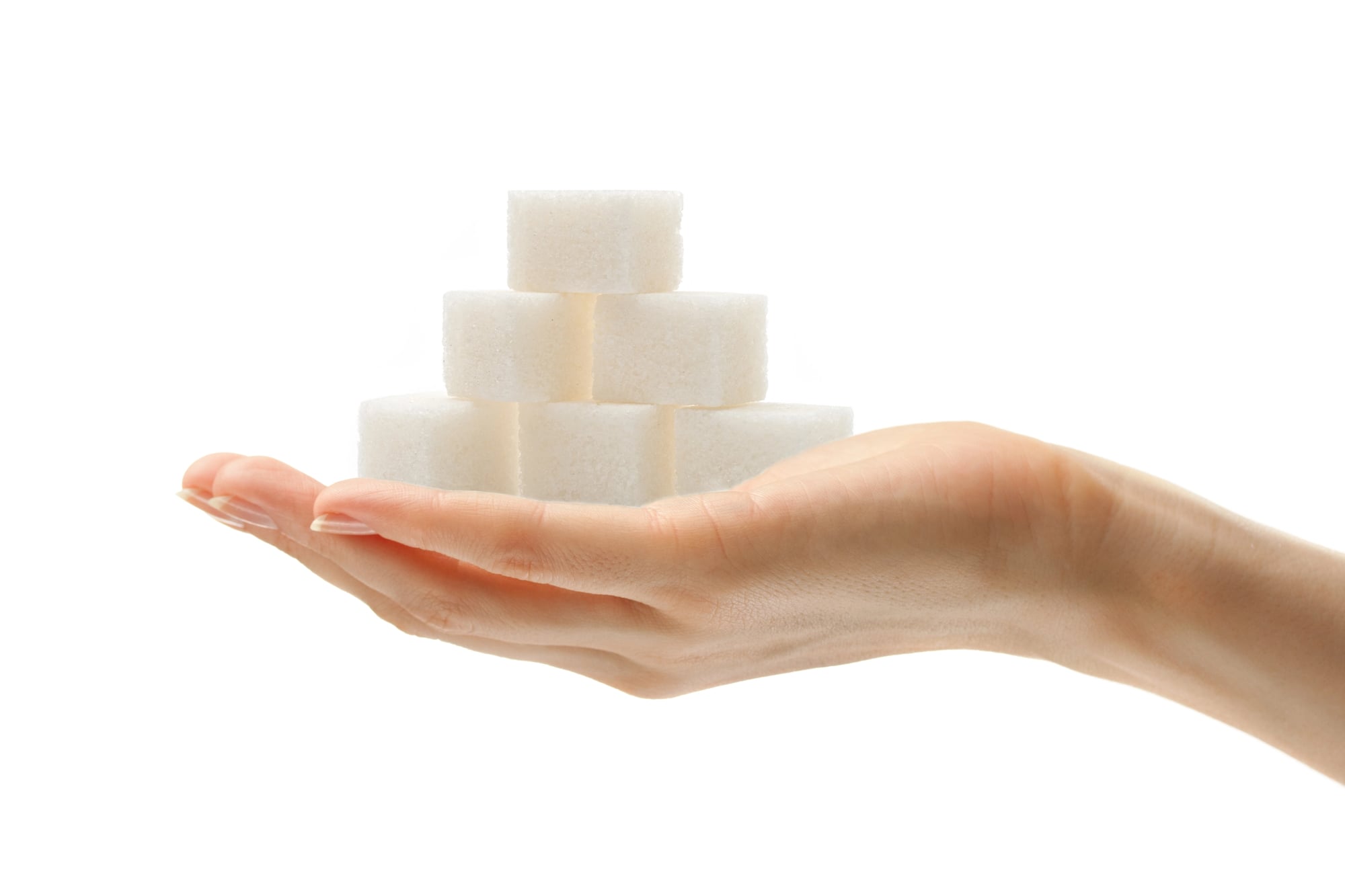
Sugar shares many of the same stability traits as salt. When stored in a dry environment, it can remain usable for an extremely long time.
Its crystalline structure prevents the growth of microorganisms, allowing it to sit quietly in a pantry without degrading. Over time, sugar may harden into clumps, particularly if exposed to moisture.
Even so, this change does not mean it has spoiled. A little effort to break up the crystals returns it to a usable form.
That reliability helps explain sugar’s long-standing role in food preservation. Jams, preserves, and candies rely on sugar’s ability to limit microbial growth, extending the life of fruits and other ingredients.
Dried Beans
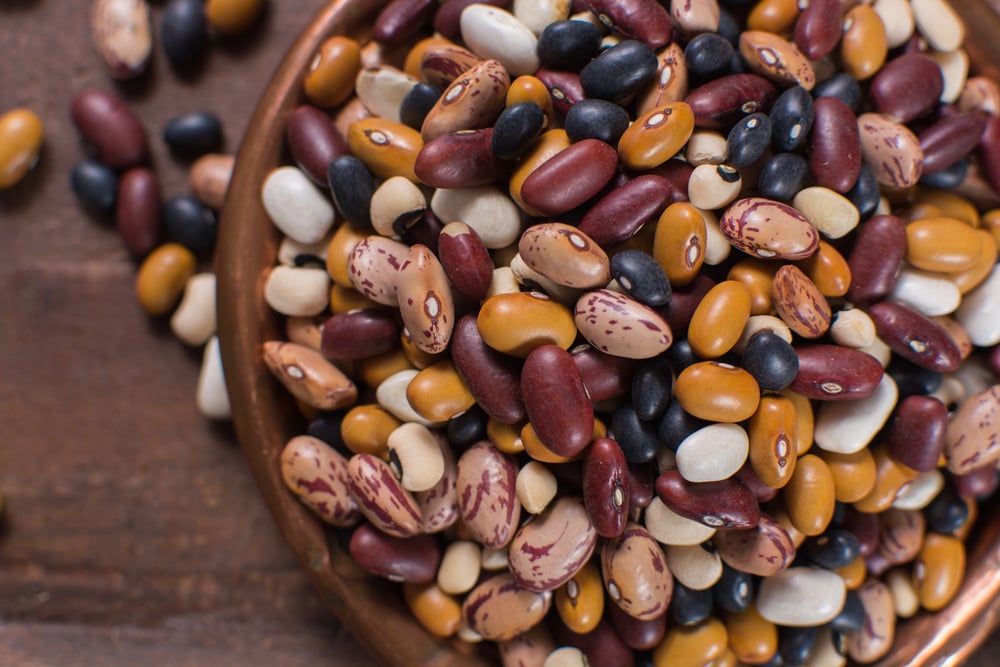
Dried beans are a classic example of how simple dehydration can dramatically extend shelf life. Removing moisture from legumes slows the natural processes that cause food to spoil, allowing beans to remain stable for many years when kept dry.
While older beans may take longer to soften during cooking, they typically remain safe and nutritious. Proper storage in sealed containers protects them from humidity and pests, ensuring they stay intact.
That said, dried beans have long been valued as an affordable and reliable food source. Their durability made them essential for long journeys, emergency storage, and everyday meals across many cultures.
Pure Maple Syrup
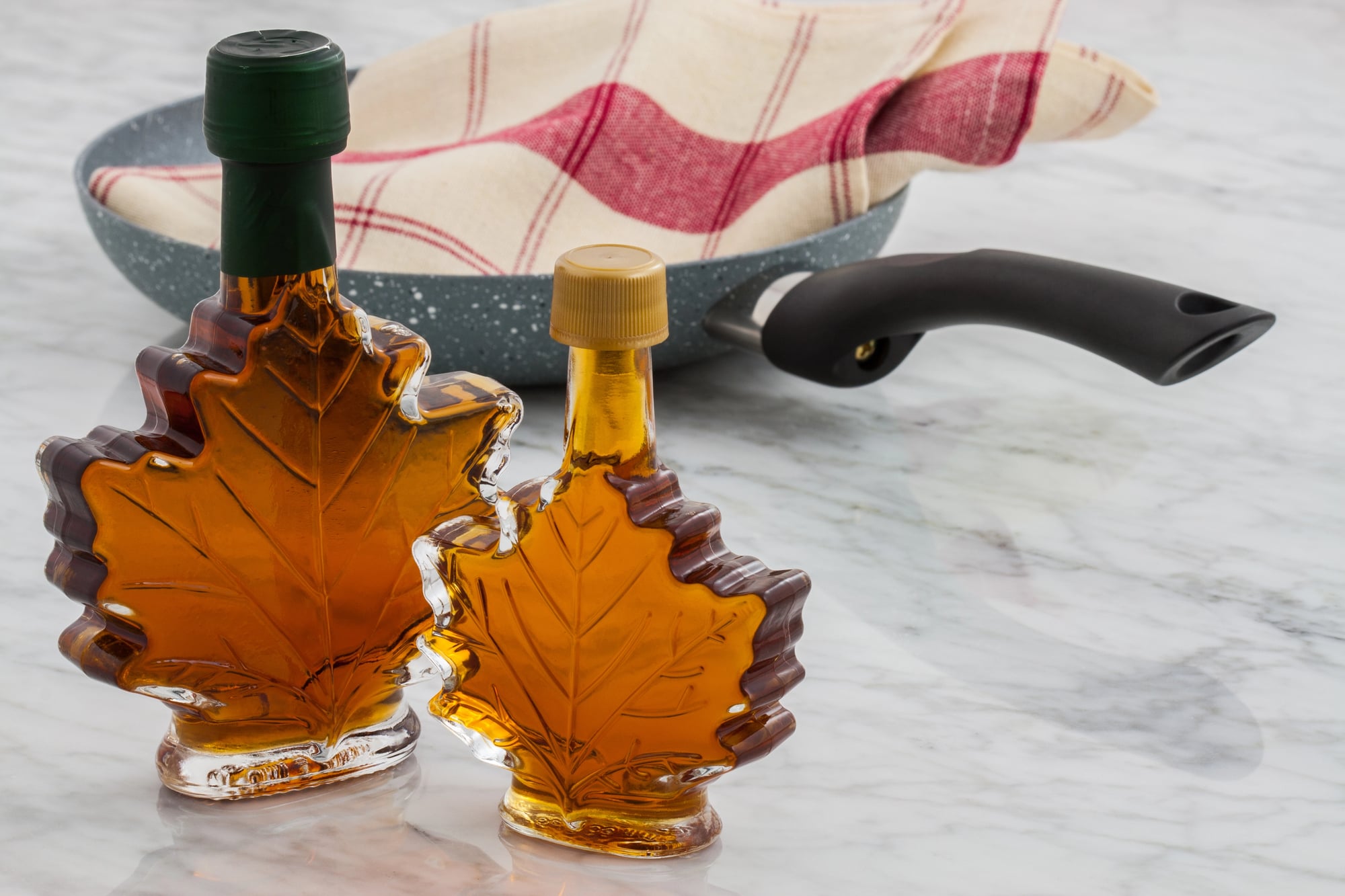
Pure maple syrup, particularly when sealed, has an impressive shelf life. The high sugar concentration acts as a natural preservative, preventing the growth of most microorganisms.
Unopened bottles can remain stable for years in a pantry. Once opened, refrigeration helps maintain its quality, though it still lasts far longer than many liquid foods.
The syrup’s thick texture and concentrated sweetness contribute to its durability. Beyond pancakes and desserts, maple syrup represents a tradition rooted in seasonal harvests.
Its long shelf life allowed early producers to store and transport the syrup well beyond the short window when sap could be collected.
Soy Sauce
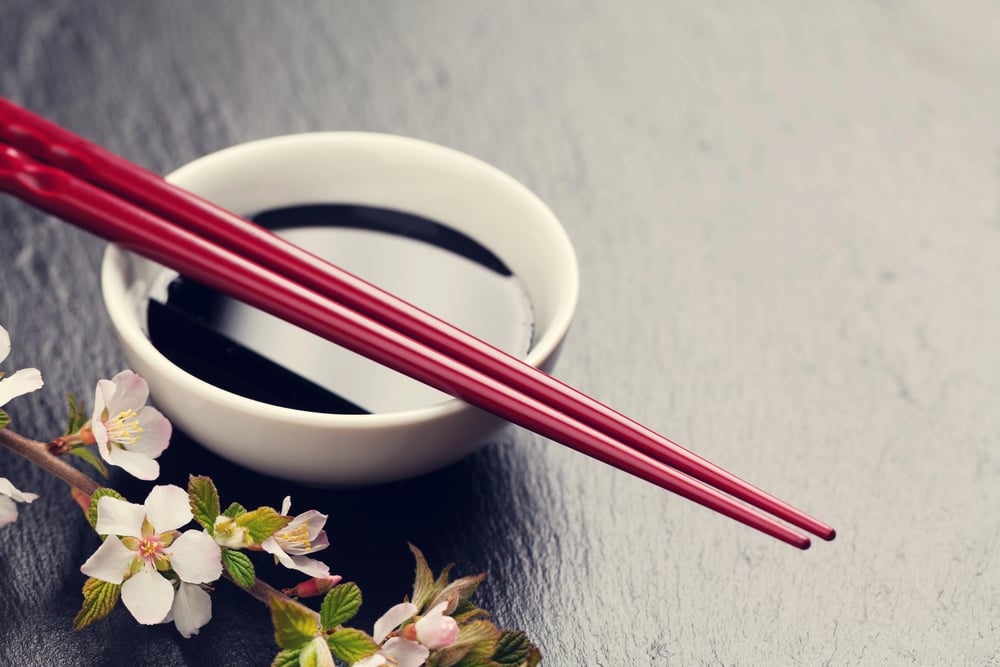
Soy sauce owes its longevity to fermentation, a process that has preserved food for thousands of years. During fermentation, beneficial microorganisms transform soybeans and wheat into a rich, salty liquid that naturally resists spoilage.
The high salt content further stabilizes the sauce, allowing unopened bottles to remain usable for extended periods. Even after opening, soy sauce can stay fresh for a surprisingly long time when stored properly.
This combination of fermentation and salt explains why soy sauce has remained a kitchen staple across Asia and beyond. Its deep flavor and durability make it both practical and versatile.
Cornstarch
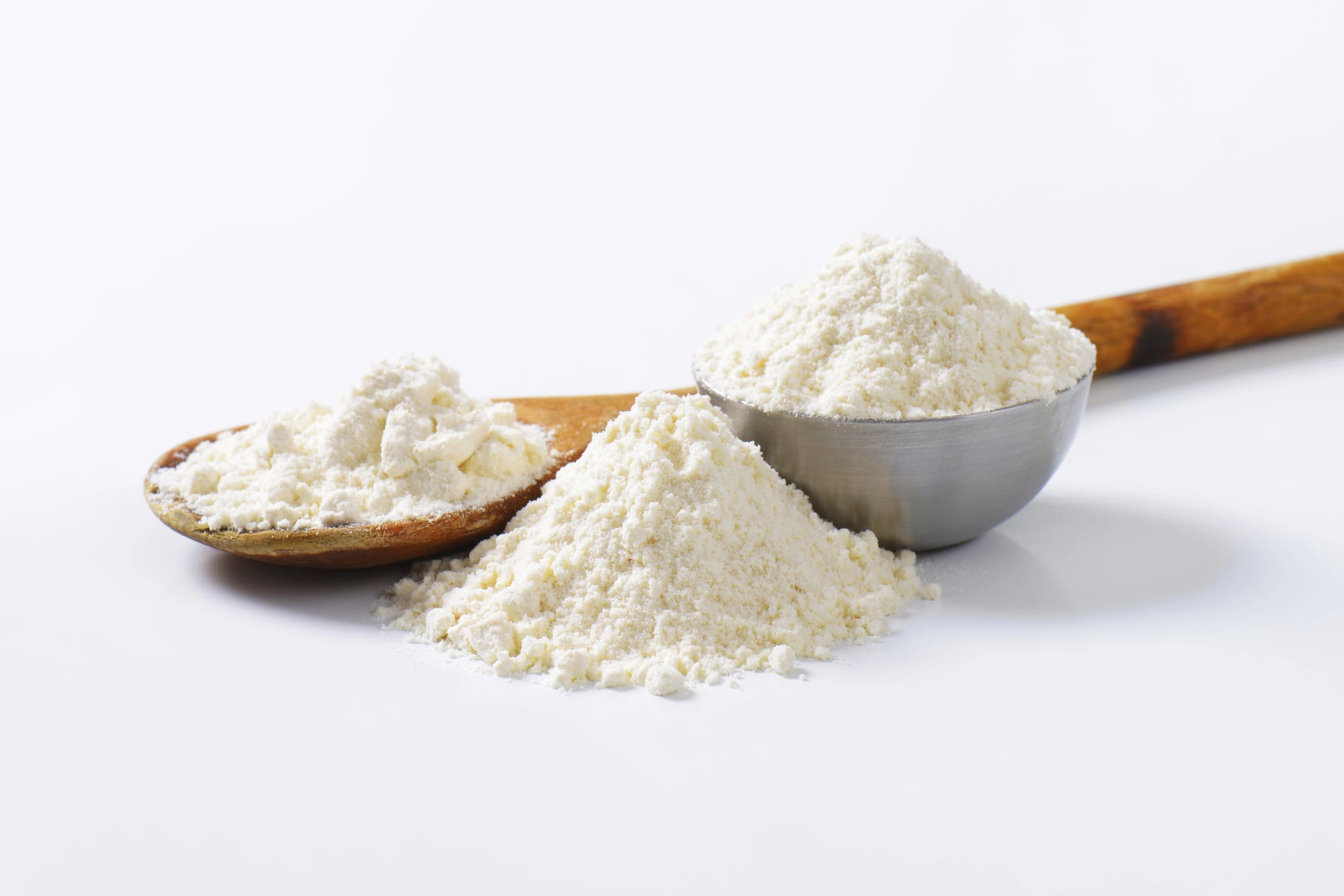
Cornstarch is another pantry ingredient known for its remarkable stability. As a refined starch with extremely low moisture, it resists spoilage when kept in a sealed container.
A box of cornstarch stored in a cool, dry pantry can remain usable for many years. Its simplicity plays a major role in that durability.
With little fat or protein content, there are fewer components that can break down over time. Still, cornstarch continues to earn its place in kitchens through its versatility.
It thickens sauces, stabilizes desserts, and even appears in household uses beyond cooking.
Hard Liquor

Hard liquor stands apart from most beverages because of its high alcohol content. Spirits such as whiskey, vodka, and rum are remarkably stable when sealed, allowing bottles to remain unchanged for decades.
Unlike wine or beer, these distilled drinks do not rely on delicate compounds that degrade quickly. Their strength acts as a natural preservative, preventing microbial growth.
That stability explains why collectors often keep bottles for many years without concern. A properly stored bottle may remain essentially the same long after it leaves the distillery.
Instant Coffee
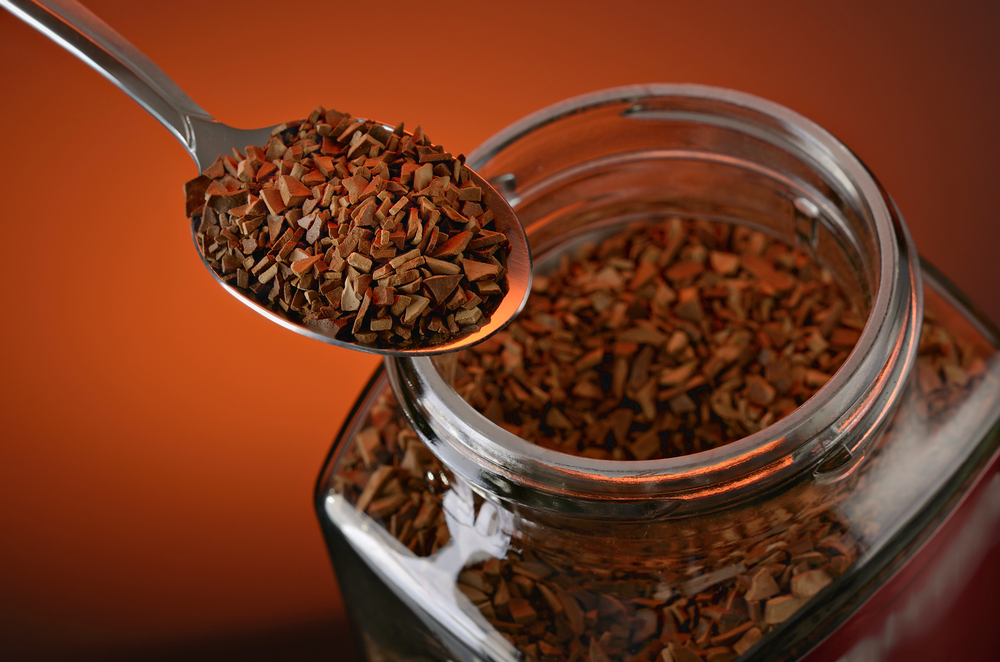
Instant coffee was designed with convenience and longevity in mind. By removing nearly all moisture during production, manufacturers create granules that dissolve quickly while remaining shelf-stable for extended periods.
Sealed jars can sit in a pantry for years without significant loss of quality. Even after opening, the dry structure helps protect the coffee from rapid deterioration when stored properly.
For travelers, campers, and busy households, instant coffee offers a dependable way to enjoy a quick cup without worrying about short shelf lives.
Why Pantry Staples Still Matter Today
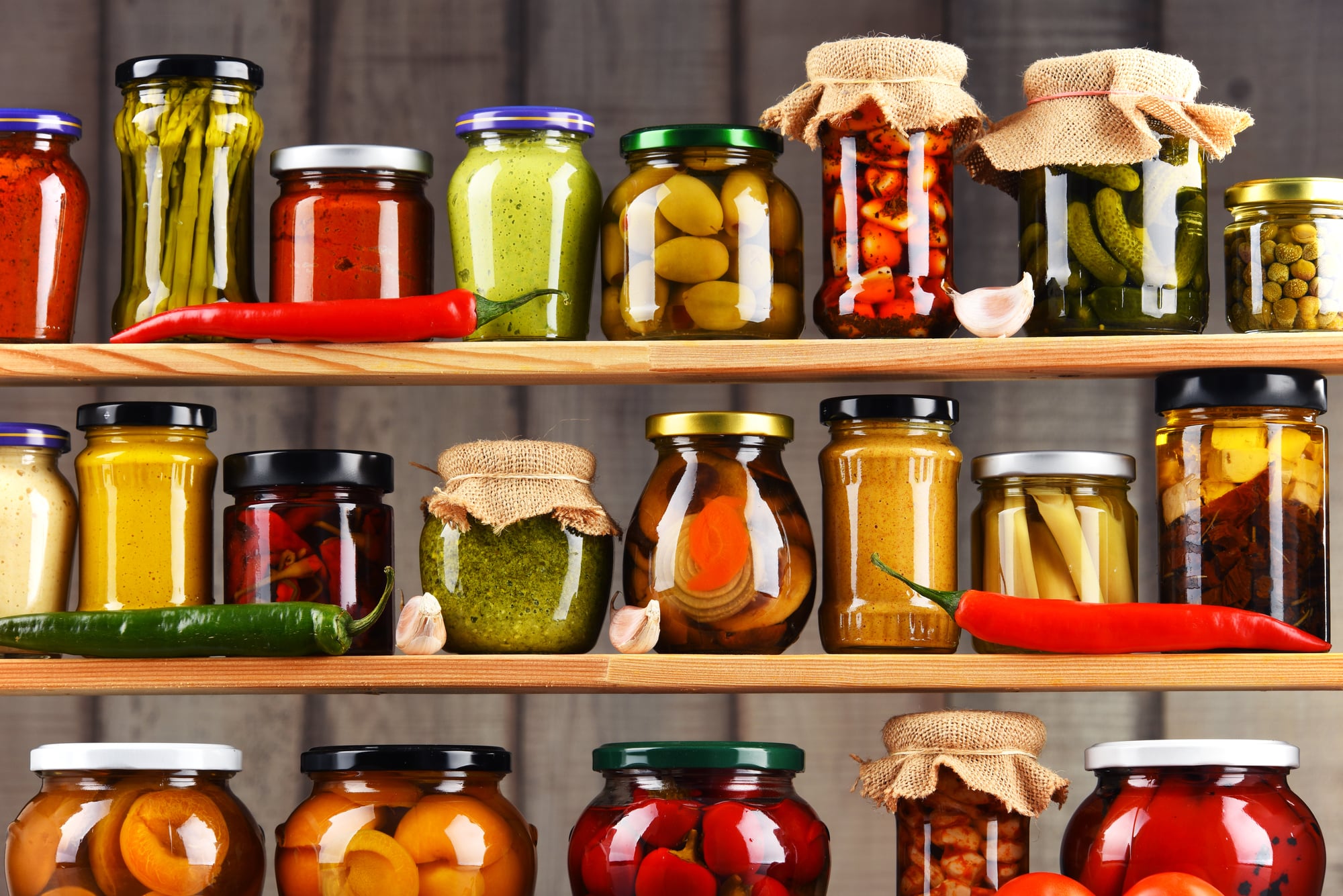
The modern kitchen is full of all sorts of modern conveniences, but the humble reliability of long-lasting foods has just as much use as they did centuries ago. Foods such as honey, rice, salt, and sugars have stood the test of time because they are as useful as they are long-lasting.
They simply sit and wait on the shelf for the recipe or the situation that calls for them. In an age of instant gratification and shifting trends, these types of foods are a reminder that some were made with the intent of lasting.
Their longevity is a testament to the relationship between chemistry and preservation. The next time a jar of honey or a bag of rice quietly waits in the pantry, it is more than just an ingredient.
It is a testament to the ingenuity and knowledge that the simplest of foods are the ones that are made to last.
More from Go2Tutors!

- The Romanov Crown Jewels and Their Tragic Fate
- 13 Historical Mysteries That Science Still Can’t Solve
- Famous Hoaxes That Fooled the World for Years
- 15 Child Stars with Tragic Adult Lives
- 16 Famous Jewelry Pieces in History
Like Go2Tutors’s content? Follow us on MSN.