19 Rarest Animal Breeds Native to American Farms
American farms have always been home to more than just the standard livestock most people picture. Over centuries, farmers across the country developed unique breeds perfectly suited to their local conditions, climate, and needs.
These animals weren’t just functional—they represented generations of careful breeding and adaptation. Unfortunately, many of these remarkable creatures have nearly disappeared as industrial agriculture favored a handful of commercial breeds.
The animals that once thrived on family farms are now struggling to survive, with some populations numbering in the hundreds or even fewer. Let’s look at some of these incredible breeds that are fighting to stay around.
Randall Cattle
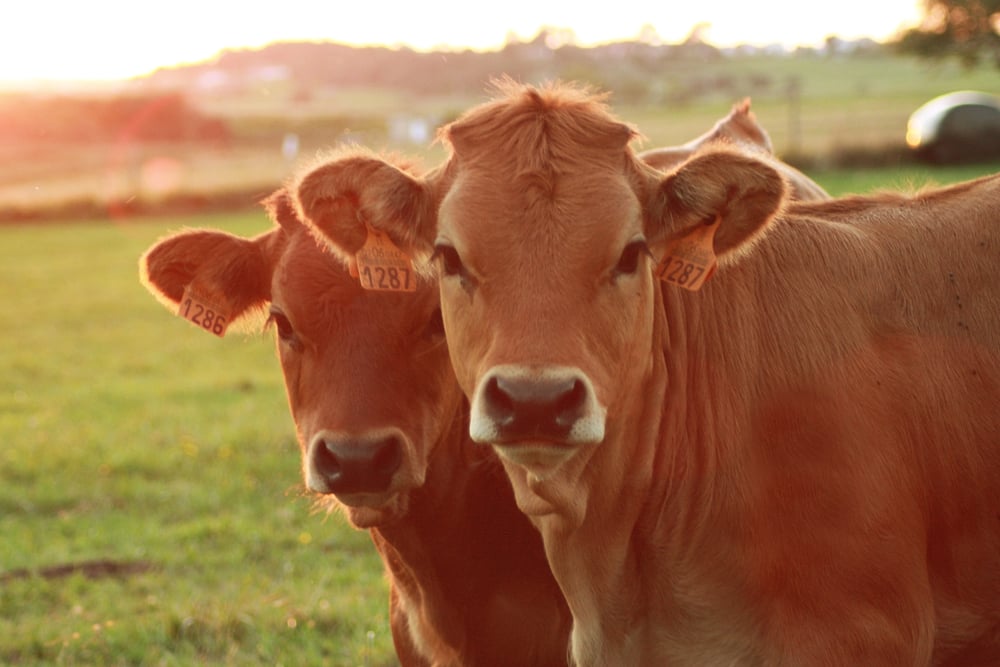
This breed came from a single farm in Vermont, where the Randall family kept their cattle genetically pure for over 70 years without introducing outside bloodlines. These medium-sized animals have distinctive color patterns, typically showing black and white markings with occasional splashes of tan or gray.
They’re known for being extremely hardy and able to survive on minimal feed, which made them perfect for New England’s rough terrain and harsh winters. By the 1980s, only a handful of these cattle remained, making them one of the most critically endangered breeds in the entire country.
Today, dedicated breeders are working to increase their numbers, but the population remains dangerously small.
American Cream Draft Horse
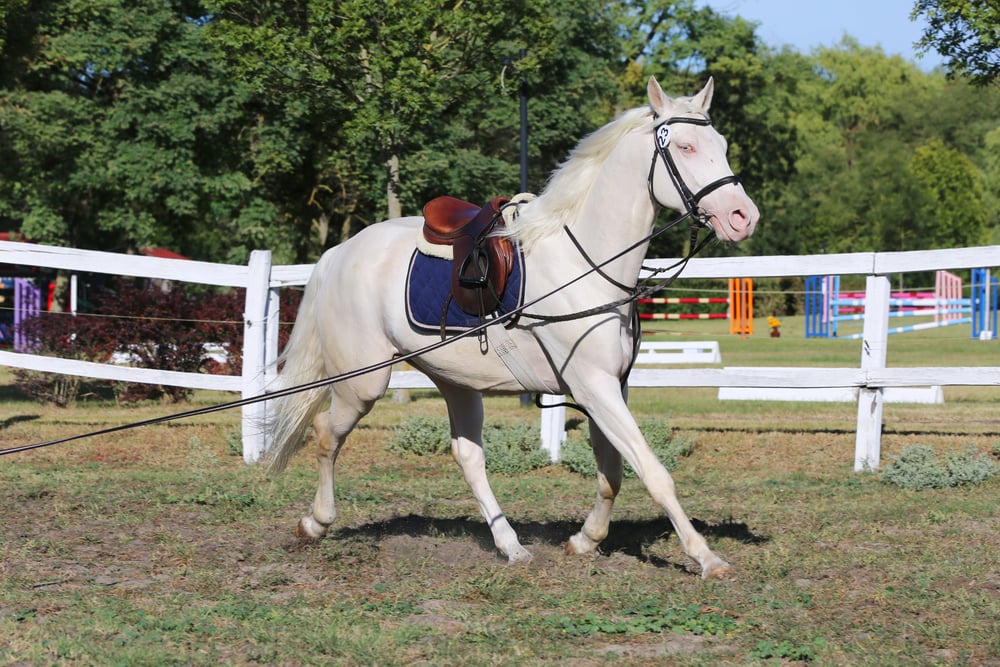
Vermont claims this breed too, as it’s the only draft horse breed that developed entirely within the United States. These magnificent horses have a cream-colored coat with white manes and tails, plus distinctive amber eyes that set them apart from any other draft breed.
They’re smaller than many European draft horses but still powerful enough for heavy farm work. The breed nearly vanished during the 1950s when tractors replaced horses on most farms, dropping to just 200 registered animals by the 1980s.
Conservation efforts have helped, but American Cream Drafts remain rare compared to imported draft breeds.
Pineywoods Cattle
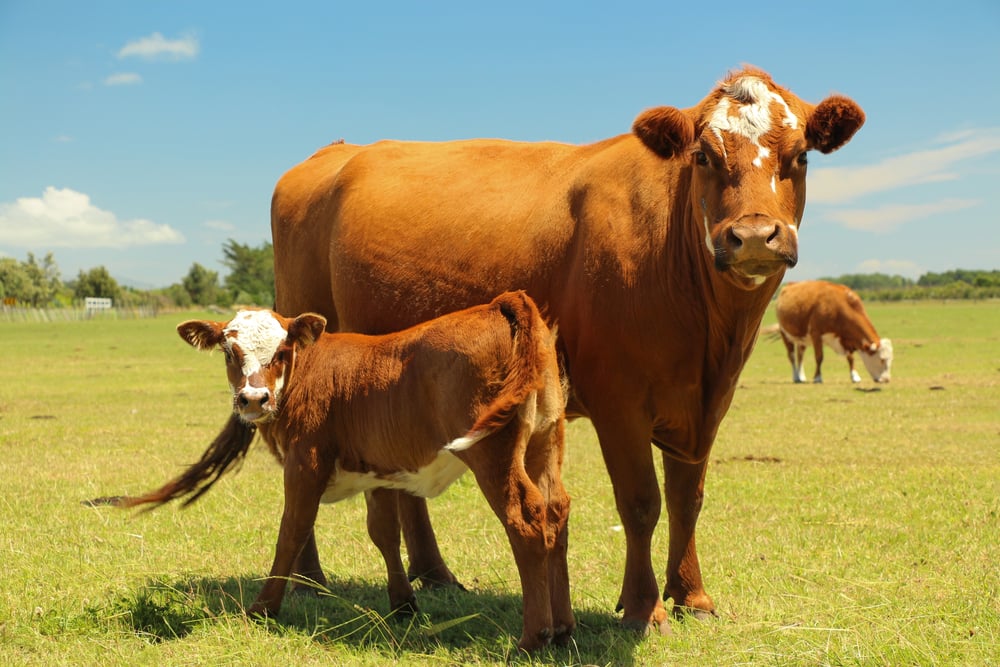
These cattle have roamed the Gulf Coast forests since Spanish explorers brought their ancestors in the 1500s. They adapted to survive in swamps, thick woods, and brutal summer heat that would devastate most modern cattle breeds.
Pineywoods cattle are smaller and leaner than commercial beef breeds, with incredible disease resistance and the ability to thrive on poor-quality forage. Different family strains exist, each with slightly different characteristics based on centuries of isolation in different forest regions.
Their population dropped dramatically as Gulf Coast farmers switched to larger commercial breeds.
Mulefoot Hog
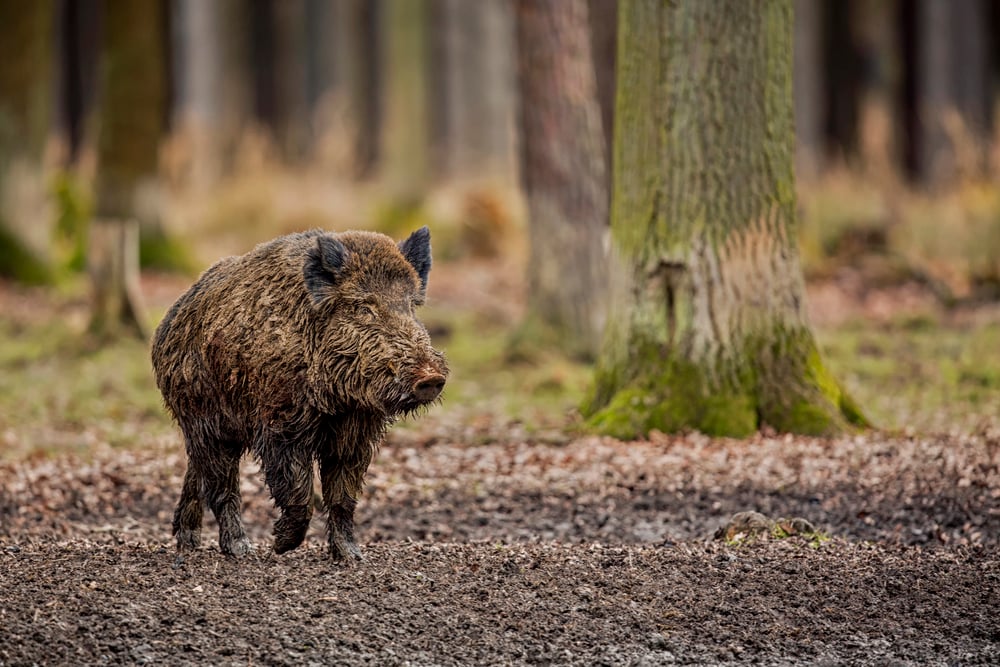
Named for their unusual solid hooves instead of the split hooves typical of pigs, these hogs were once common across the Midwest. They’re medium-sized with entirely solid coloring, usually appearing in shades from rust-red to pure black.
Farmers prized them for their calm temperament and their resistance to many common hog diseases. The breed’s population crashed after World War II when industrial pork production took over, and by the 1960s, they were nearly extinct.
A few dedicated farmers kept small herds alive, and today the breed is slowly recovering from the brink.
San Clemente Island Goat
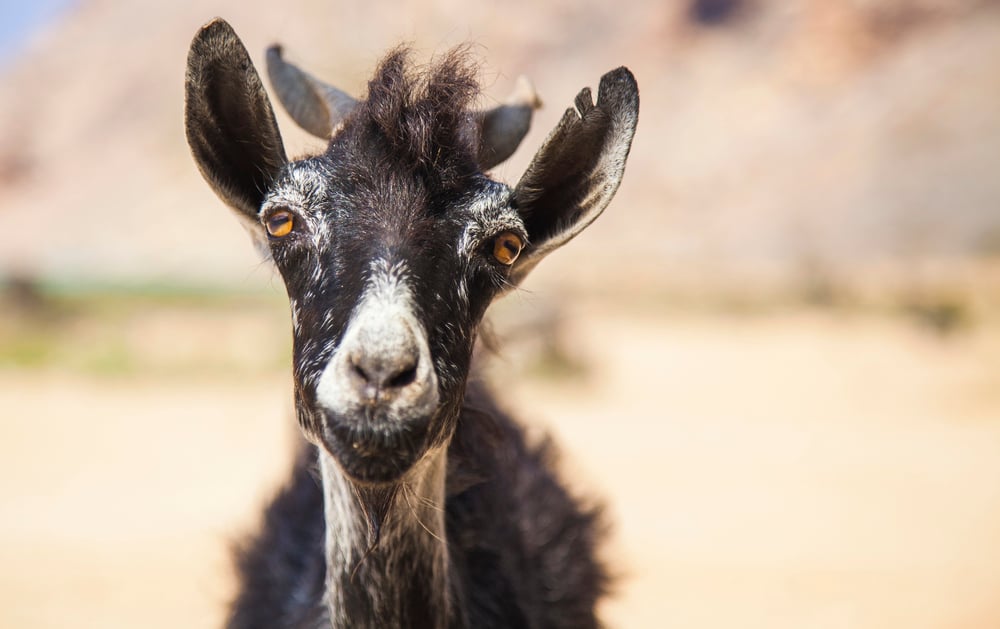
These goats descended from animals brought to California’s Channel Islands by Spanish missionaries and settlers centuries ago. They evolved in isolation on San Clemente Island, adapting to survive with minimal water and sparse vegetation in a harsh coastal environment.
The U.S. Navy owned the island and declared the goats pests, nearly exterminating them in the 1980s. Conservation groups rescued the last remaining animals just in time, removing them from the island to save the breed.
They’re small, agile goats with tan and brown coloring, and they remain one of the rarest goat breeds in America.
Carolina Marsh Tacky Horse
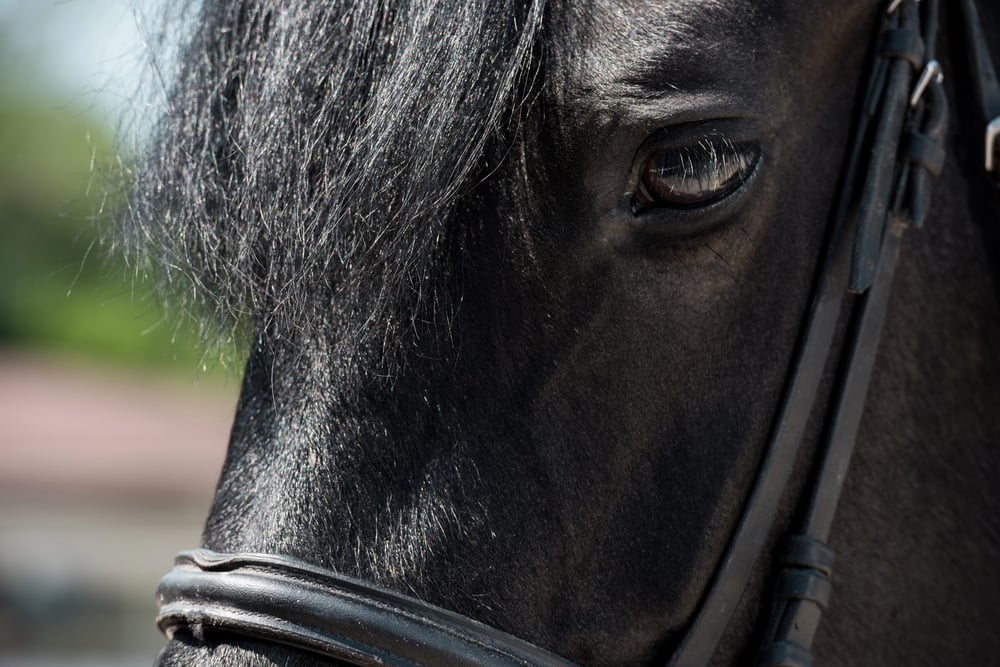
The Lowcountry regions of South Carolina and Georgia have kept these horses for centuries, using them for work in rice plantations and coastal swamps. They’re small, sturdy horses with incredible endurance and a unique ability to work in marshy, waterlogged terrain where other horses struggle.
Their origins trace back to Spanish horses that either escaped or were abandoned along the southeastern coast. The breed became critically rare as coastal agriculture changed and modern horse breeds replaced them.
South Carolina officially recognized them as the state heritage horse, but their numbers remain extremely low.
Choctaw Horse
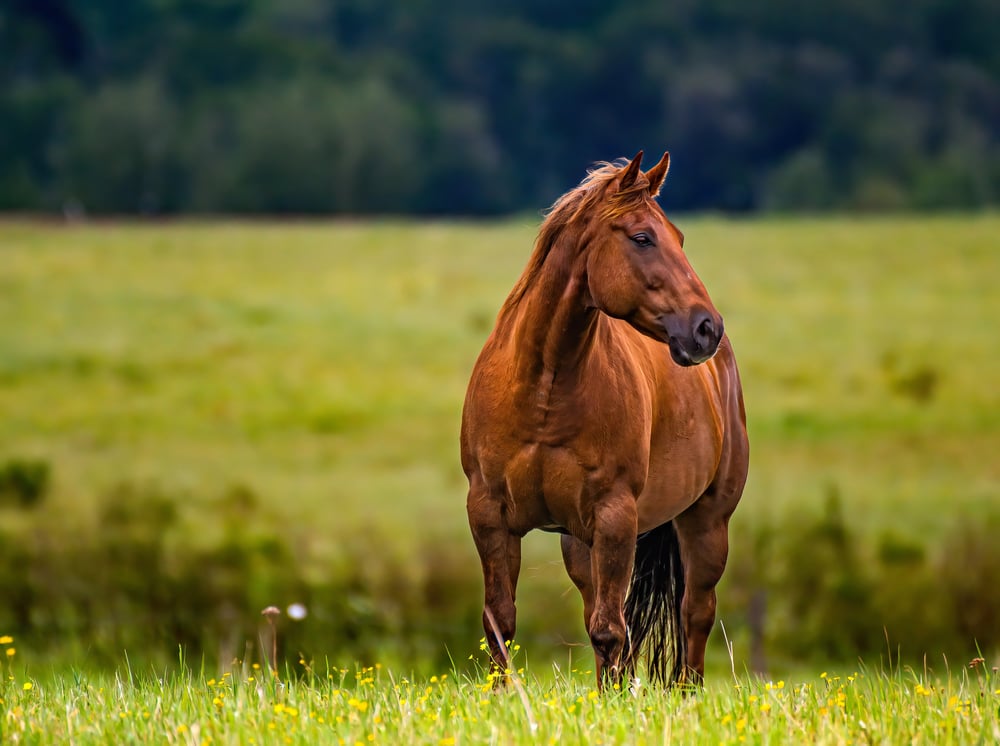
Native American tribes, particularly the Choctaw Nation, developed this breed from Spanish horses that arrived in the Americas during the colonial period. These horses are small but remarkably tough, capable of covering long distances on minimal feed.
They have a calm, willing temperament that makes them valuable for both work and transportation. As mechanization spread and tribes were forced from their lands, the Choctaw horse population plummeted.
Most people have never heard of them, and only a few hundred remain today.
Guinea Hog
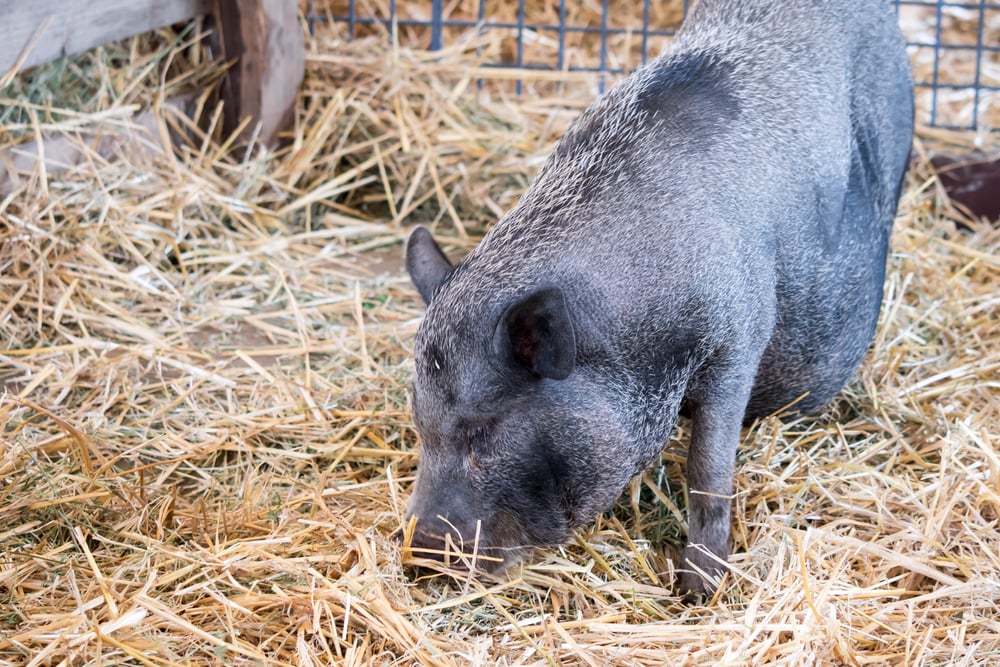
This small black pig breed came to America during the slave trade era, arriving from West Africa via the Caribbean. They’re compact animals, rarely exceeding 200 pounds, with a gentle nature that made them perfect for small farms.
Guinea Hogs are excellent foragers, able to find most of their food by rooting through forests and pastures. They nearly disappeared in the mid-20th century when commercial hog operations wanted much larger, faster-growing pigs.
The breed is slowly coming back thanks to small-scale farmers who appreciate their manageable size and rich-tasting pork.
Buckeye Chicken
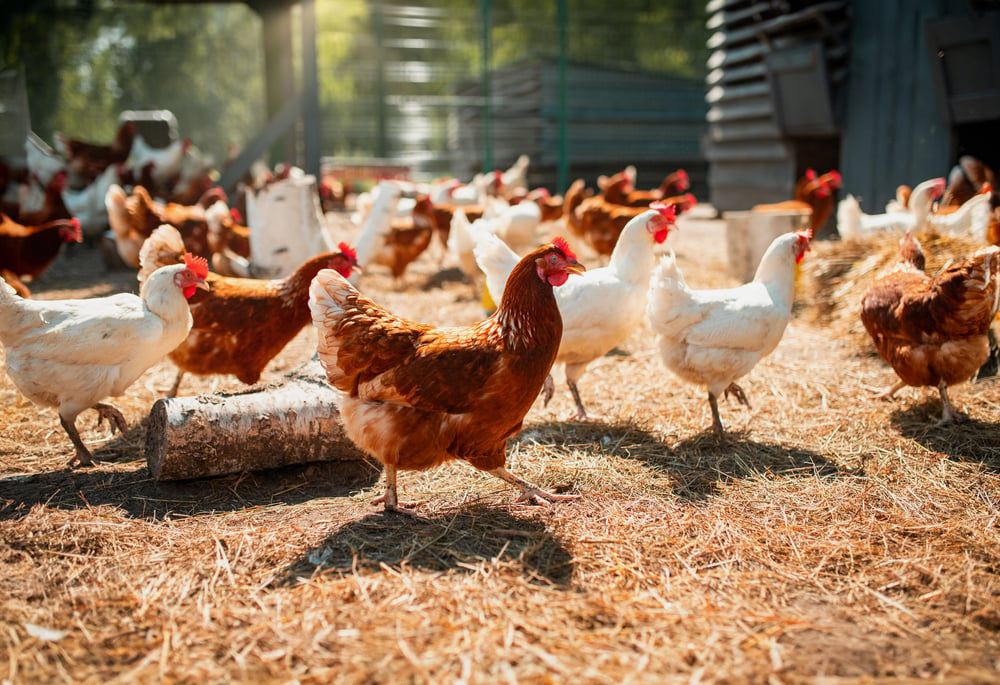
This is the only American chicken breed developed entirely by a woman, Nettie Metcalf of Ohio, who created it in the late 1800s. Buckeyes have deep mahogany-red feathers and a distinctive pea comb that helps them handle cold Midwestern winters.
They’re dual-purpose birds, good for both meat and eggs, with an unusual trait for chickens: they’re excellent at catching and eating mice. Industrial poultry farming pushed them aside, and by the 1990s, they were critically endangered.
Their numbers have improved slightly, but they remain uncommon compared to commercial chicken breeds.
Myotonic Goat
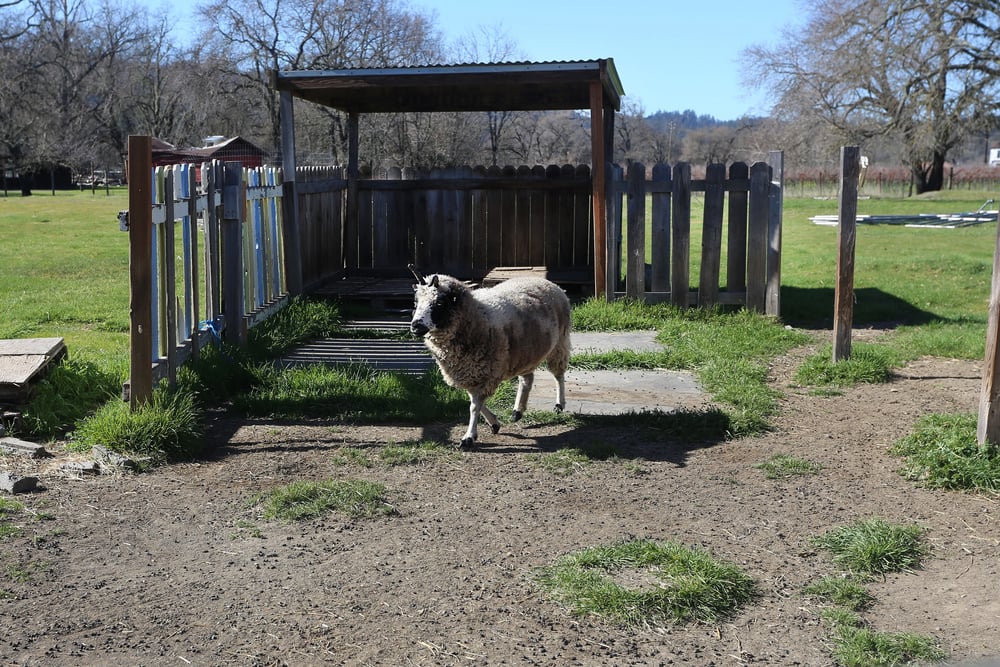
Tennessee is home to this breed, which is famous for a genetic condition that causes their muscles to stiffen when startled, making them appear to “faint” or fall over. This condition doesn’t harm them, and they typically recover within seconds.
Farmers originally valued them because they were easier to contain than other goats since they couldn’t jump fences as easily. They come in various colors and patterns, and they’re naturally calm and easy to handle.
The breed’s population declined as commercial meat goat breeds gained popularity, leaving them rare outside their traditional breeding areas.
Narragansett Turkey
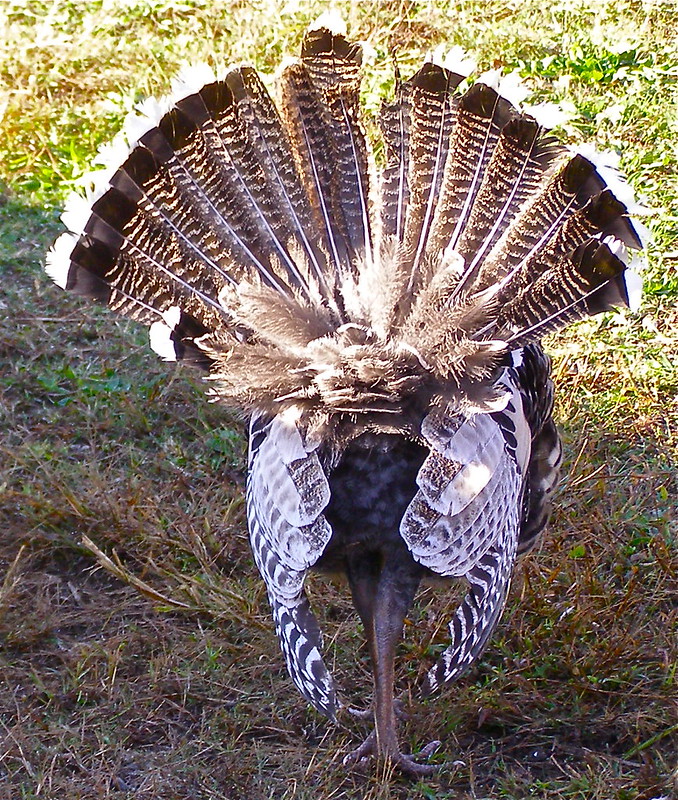
Rhode Island farmers developed this turkey breed in the 1700s by crossing domestic turkeys with wild turkeys native to the region. They have beautiful steel-gray feathers with black and white bars, creating a striking appearance.
These turkeys were once the most popular breed for Thanksgiving dinners across New England and the Mid-Atlantic states. The Broad Breasted White turkey completely replaced them in commercial production during the 1950s because it grows faster and produces more breast meat.
Today, the Narragansett population is tiny, and most Americans have never seen one.
Leicester Longwool Sheep
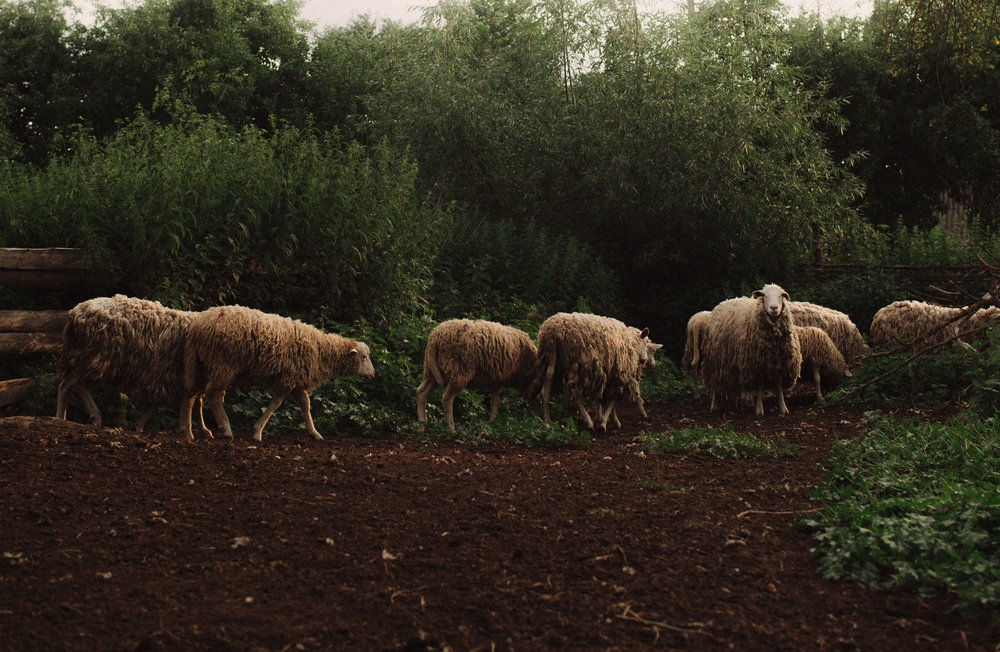
English settlers brought these sheep to America in the colonial period, where they played a crucial role in developing the textile industry. They’re large sheep with thick, lustrous fleece that hang in long ringlets or locks.
Their wool is highly prized by hand spinners and weavers for its unique texture and sheen. Modern sheep farming shifted toward breeds that produce more lambs or grow faster, pushing Leicester Longwools to the margins.
Few flocks remain in the United States, though the breed maintains a dedicated following among fiber artists.
Red Wattle Hog
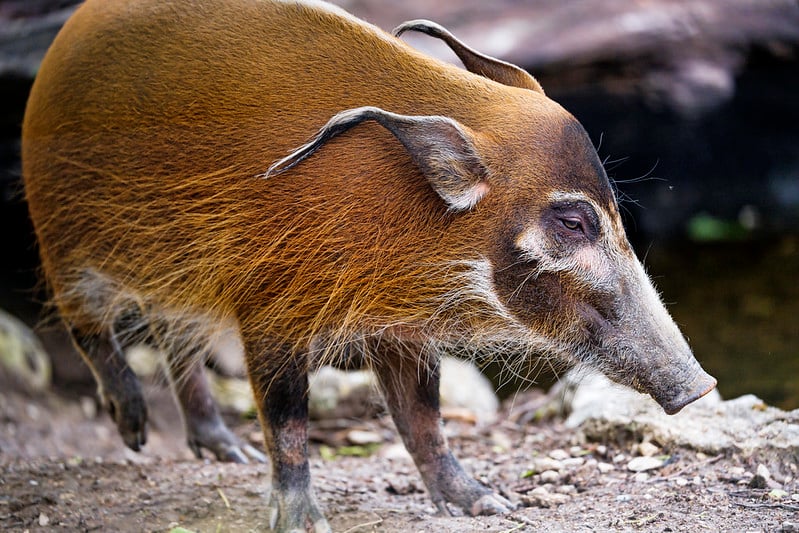
Big red pigs, known for floppy skin tags under their chins, probably came from New Caledonia or another island in the Pacific. Before the Civil War, they showed up in the United States.
Farms across the southern and central states began raising them. Because they search well for food, stay relaxed around people, and produce top-grade pork, they were once popular.
By the 1980s, only a handful may have been left – some thought less than twelve could breed. Since then, careful work has helped more people be born.
Still, finding a Red Wattle pig today is uncommon.
Dominique Chicken
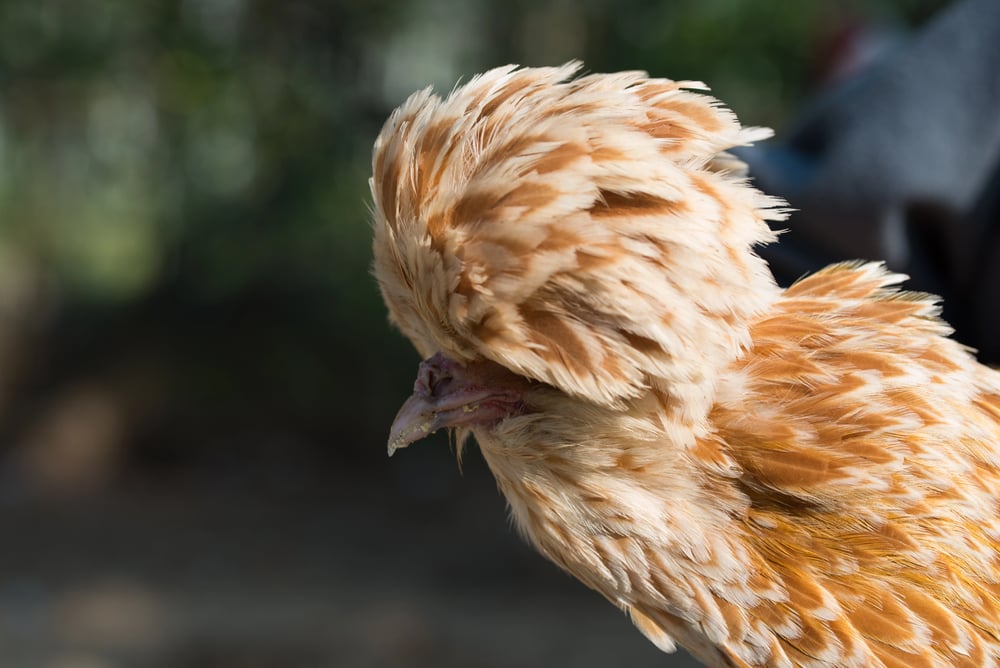
America’s earliest chicken type dates back to colonial days, maybe even before that. With feathers marked in black and white bars, these birds show a speckled look early settlers liked.
Tough by nature, they manage hot summers just as easily as freezing weather up north. Egg laying stays steady, delivering plenty of brown ones over time.
Their rose-shaped combs resist damage when winter brings sharp frosts. Now gone mostly from farms, these birds lost ground fast once industry chose hens built just for eggs or meat.
Rare they still are, even with deep roots in poultry history.
American Milking Devon Cattle
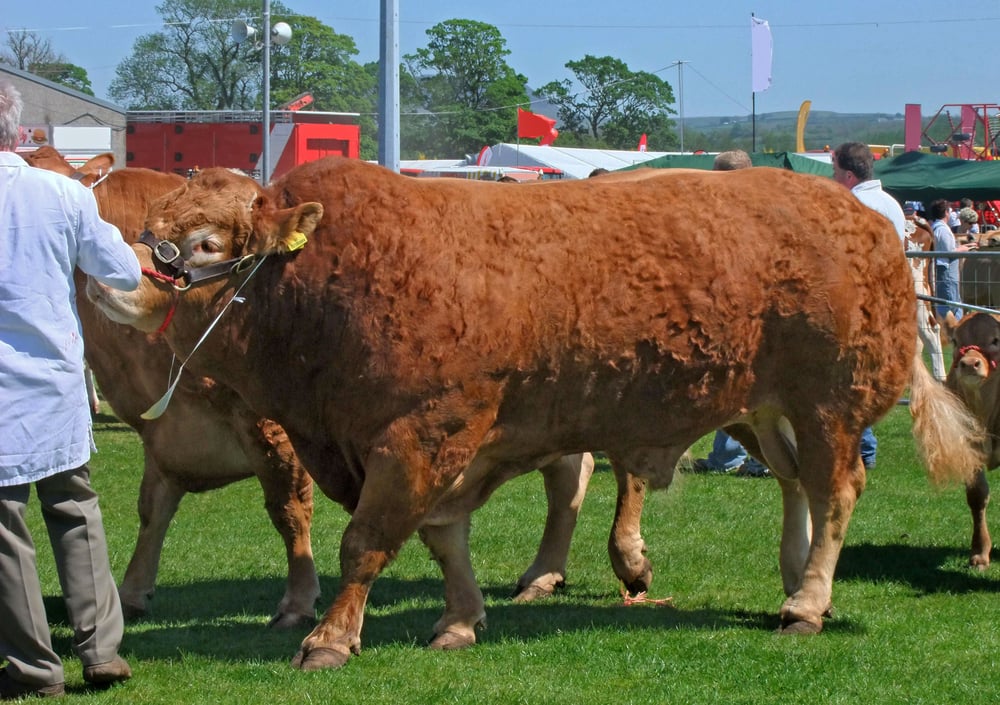
Starting back in 1623, these cows trace their roots to Devon stock shipped to New England. That gives them a claim to being among North America’s most long-standing herds.
Not large like today’s specialized types, they show deep red coats along with strong, sweeping horns. Because they provided milk while also serving as draft power and later for meat, homesteaders relied on them heavily.
Settler life often depended on such adaptable livestock. A handful of breeding animals survive now, after most farms switched to modern types.
Keeping them alive is a steady effort led by the group dedicated to their future.
Hog Island Sheep
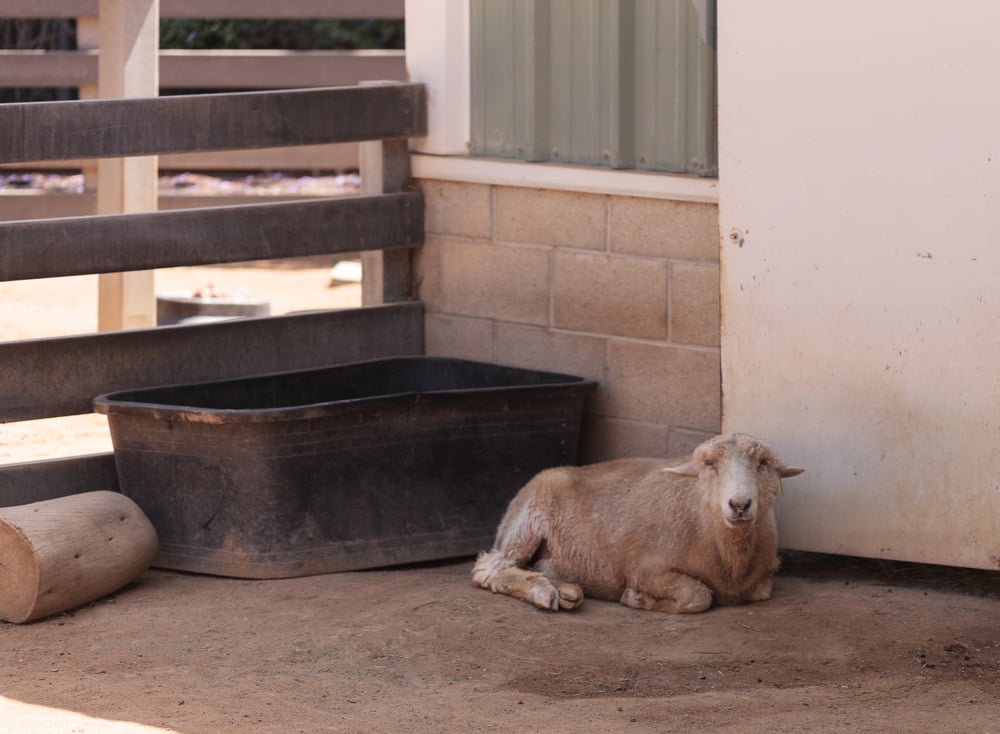
Storms wiped out a settlement on Hog Island long ago, leaving behind sheep that stayed wild ever since. Surviving without help from people, they grew tough through decades of rough conditions.
Tiny in size, their coats come in different shades – some splashed boldly with spots. Only after scientists noticed their unusual genes did efforts begin to protect them.
Fewer adults capable of reproducing exist now than most would guess.
Cotton Patch Goose
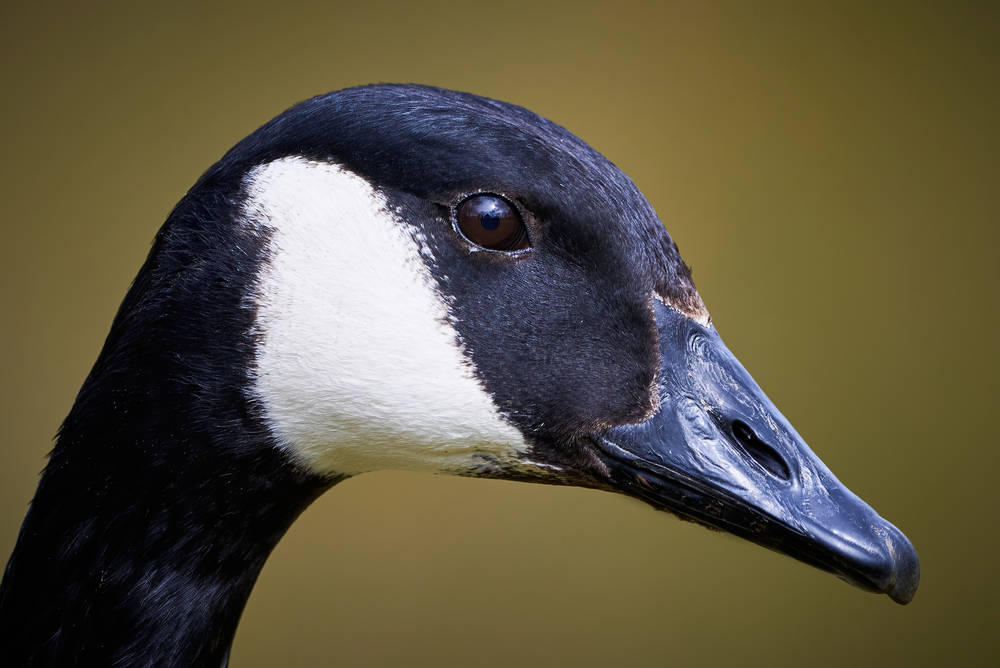
Out in the cotton rows, Southern farmers once relied on these geese to clear weeds without bothering the crops. Not too big, usually dressed in white or soft gray, they kept quiet and minded their business.
While machines rolled in and sprays took over, the birds faded from sight across the South. By the time the seventies came around, hardly any were left – maybe just a couple of breeding sets.
Now, some growers using old-style methods have started bringing them back. Still, there aren’t enough to feel safe about their future.
American Rabbit
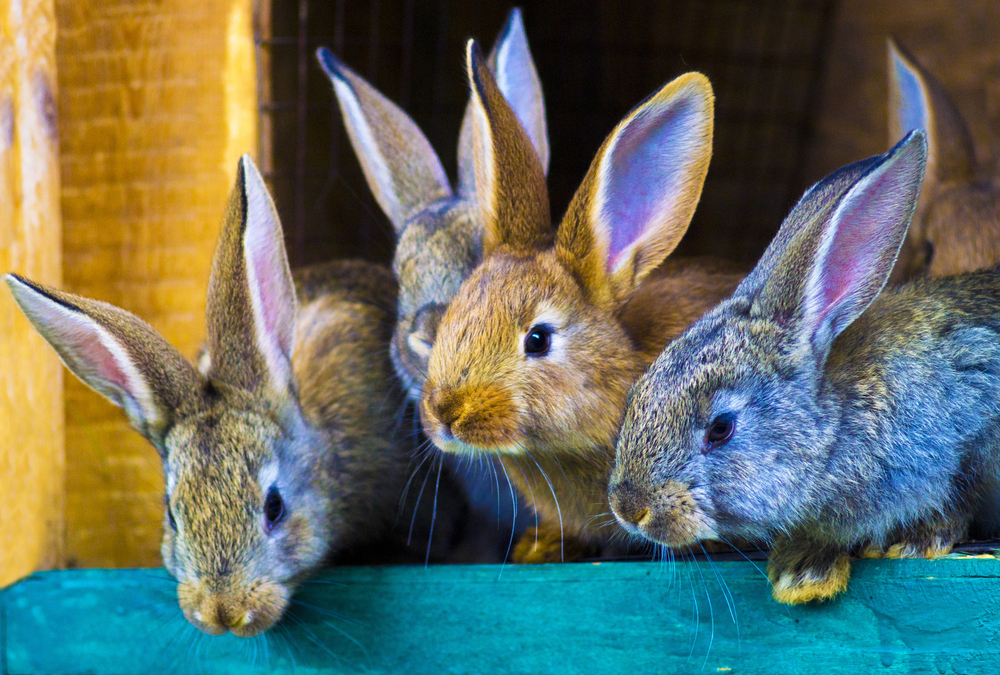
Not many know it started as German Blue Vienna, though the name sounds like it could be anything. Born in California around the 1900s, its look gave it away before words ever did.
When war stirred feelings, labels shifted – anti-German views rewrote its identity fast. Big bodies carry soft blue-gray or clean white coats, each one turning heads differently.
Temperament? Quiet companionship runs deep in their nature. Raised not just for how they feel but also what they provide, purpose shaped every trait slowly.
Once common, these rabbits faded as farms raised fewer of them. Now, just a handful exist nationwide, making them among the hardest to find at home.
Delaware Chicken
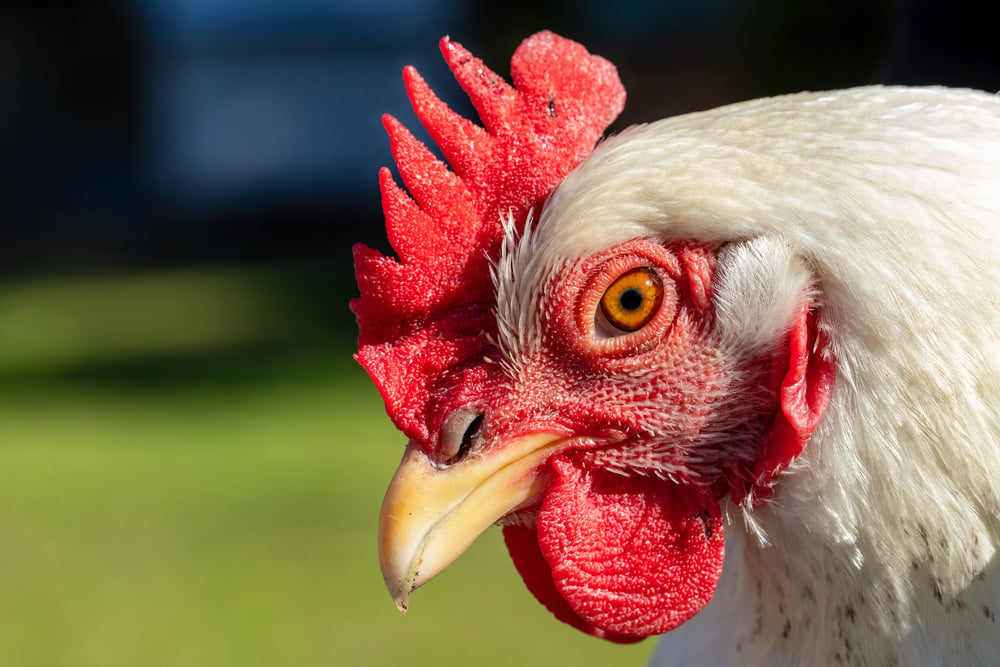
Born in Delaware in the 1940s, this chicken saw a short rise as a meat bird until factory-farmed types claimed the market. Though big and mostly white, these fowl carry bold black markings along their necks and tail feathers – giving them noticeable charm.
Fast development paired with solid egg output means they handle both roles without leaning too far one way. Their time in mainstream farming? Under ten years, edged out by poultry built for single tasks.
By the 1980s, their numbers had plummeted fast enough to land them on the brink of extinction. Though tiny farms have quietly helped revive some, these creatures still aren’t seen much.
The Future Of Heritage Breeds
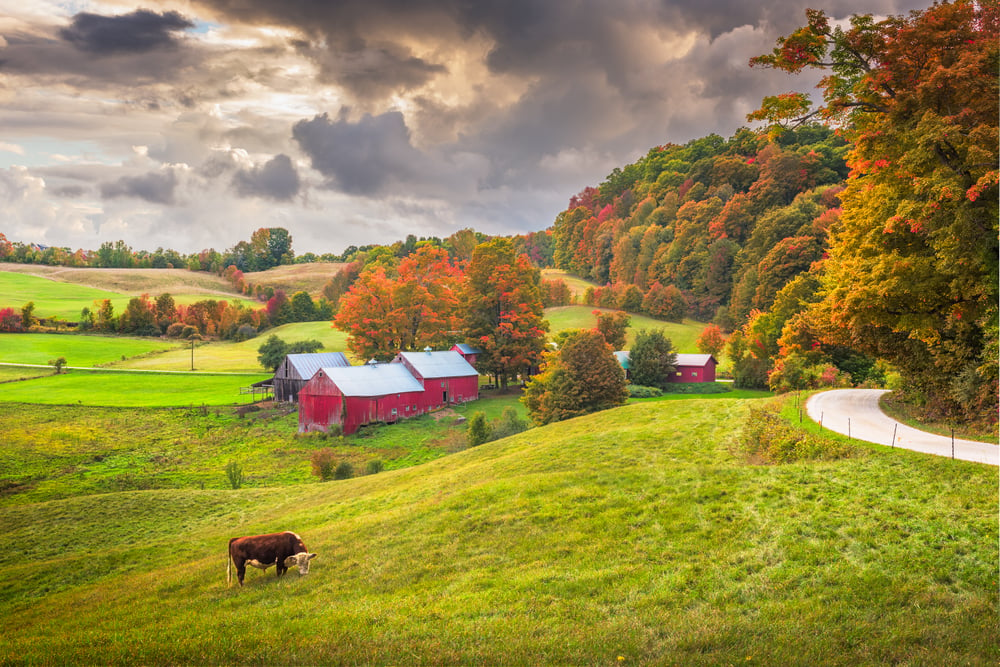
Not every animal on old-time farms was raised for profit alone. Through long stretches of time, certain creatures picked up quirks only they possess – quirks that could matter more now than ever before.
As weather shifts and land grows tougher to work, those odd features may turn out to be lifelines. Quiet efforts by modest growers and watchful groups aim to keep them around.
A single stretch of poor luck can wipe whole types off the map though. When people choose products from these keepers of older kinds, survival becomes slightly less uncertain.
Their choices nudge fate a little.
More from Go2Tutors!

- The Romanov Crown Jewels and Their Tragic Fate
- 13 Historical Mysteries That Science Still Can’t Solve
- Famous Hoaxes That Fooled the World for Years
- 15 Child Stars with Tragic Adult Lives
- 16 Famous Jewelry Pieces in History
Like Go2Tutors’s content? Follow us on MSN.



