25 Restaurant Chains That Once Anchored Shopping Malls
Before food halls and rotating pop-up vendors took over, a shopping mall’s food court or standalone restaurant pad was a genuine destination, with regulars who ate there weekly and birthday parties booked months in advance. Many of these chains grew directly alongside the American mall boom of the 1970s and 1980s, and most faded at roughly the same pace the malls around them did.
Farrell’s Ice Cream Parlour
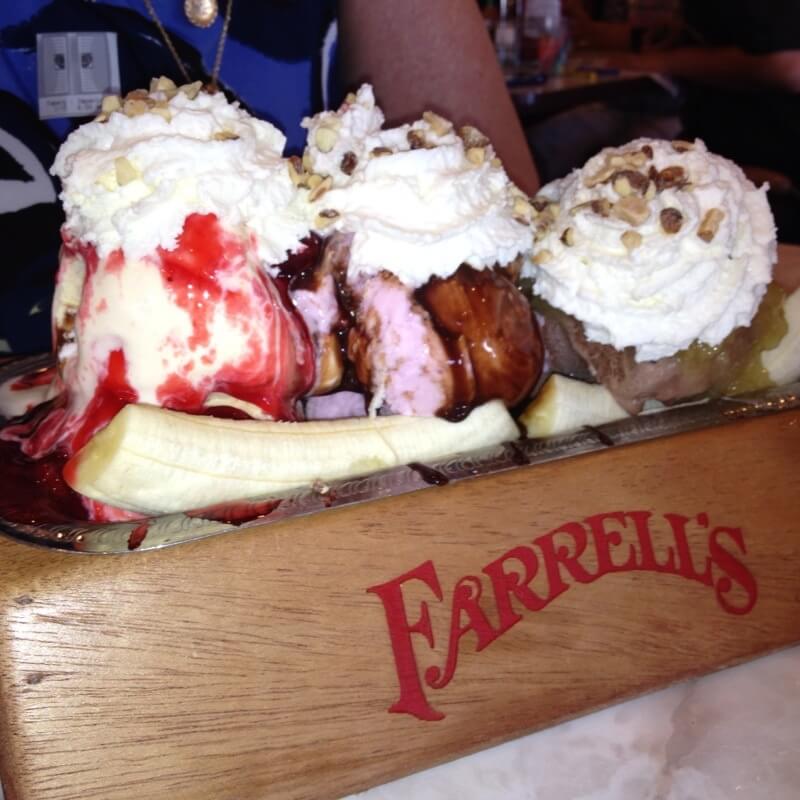
Opened in Portland, Oregon in 1963, Farrell’s grew to more than 130 locations after a Marriott Corporation buyout and became a fixture near mall food courts thanks to its oversized sundaes and elaborate birthday celebrations, complete with a siren that sounded when a party ordered the largest dessert on the menu. The last remaining location, in Brea, California, closed in 2019.
Kenny Rogers Roasters
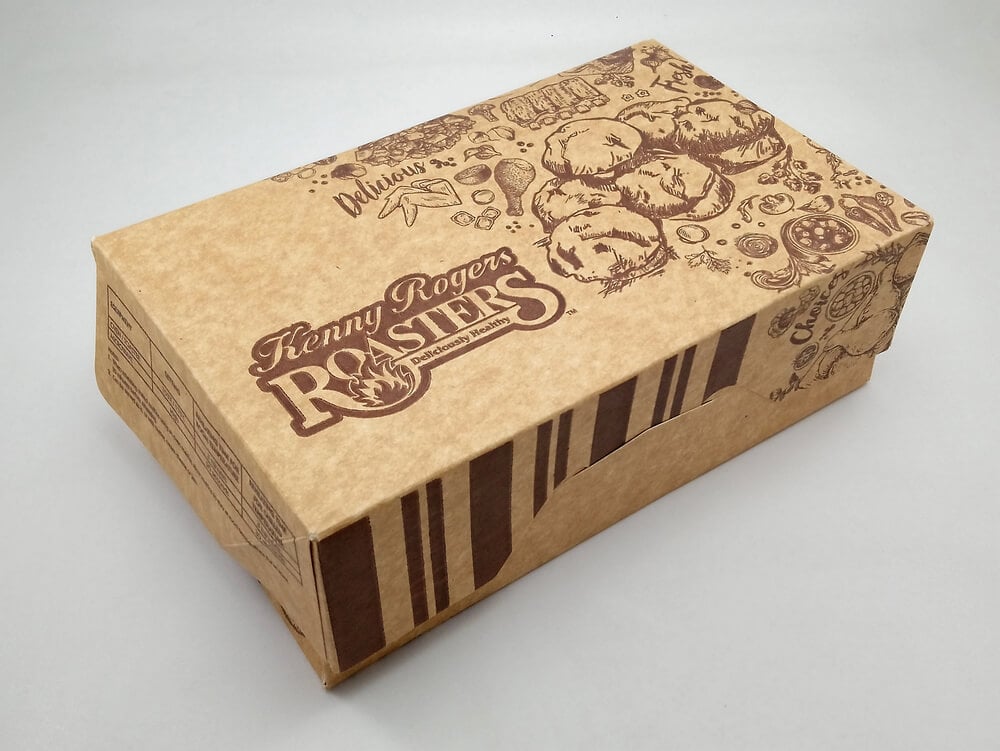
Co-founded by the country singer in 1991, this rotisserie chicken chain grew to more than 350 locations at its peak and even earned a memorable mention on “Seinfeld.” Financial troubles led to bankruptcy by 1998, though the brand survives today primarily in Asian markets, particularly Malaysia and the Philippines.
Karmelcorn

Tracing its roots to a popcorn and caramel corn stand that opened in 1929, Karmelcorn expanded to more than 200 mall locations by the 1960s, offering a sweet-and-salty snack that filled entire food courts with its distinct smell. Dairy Queen eventually acquired the brand and folded most locations into combined storefronts alongside Orange Julius.
Orange Julius
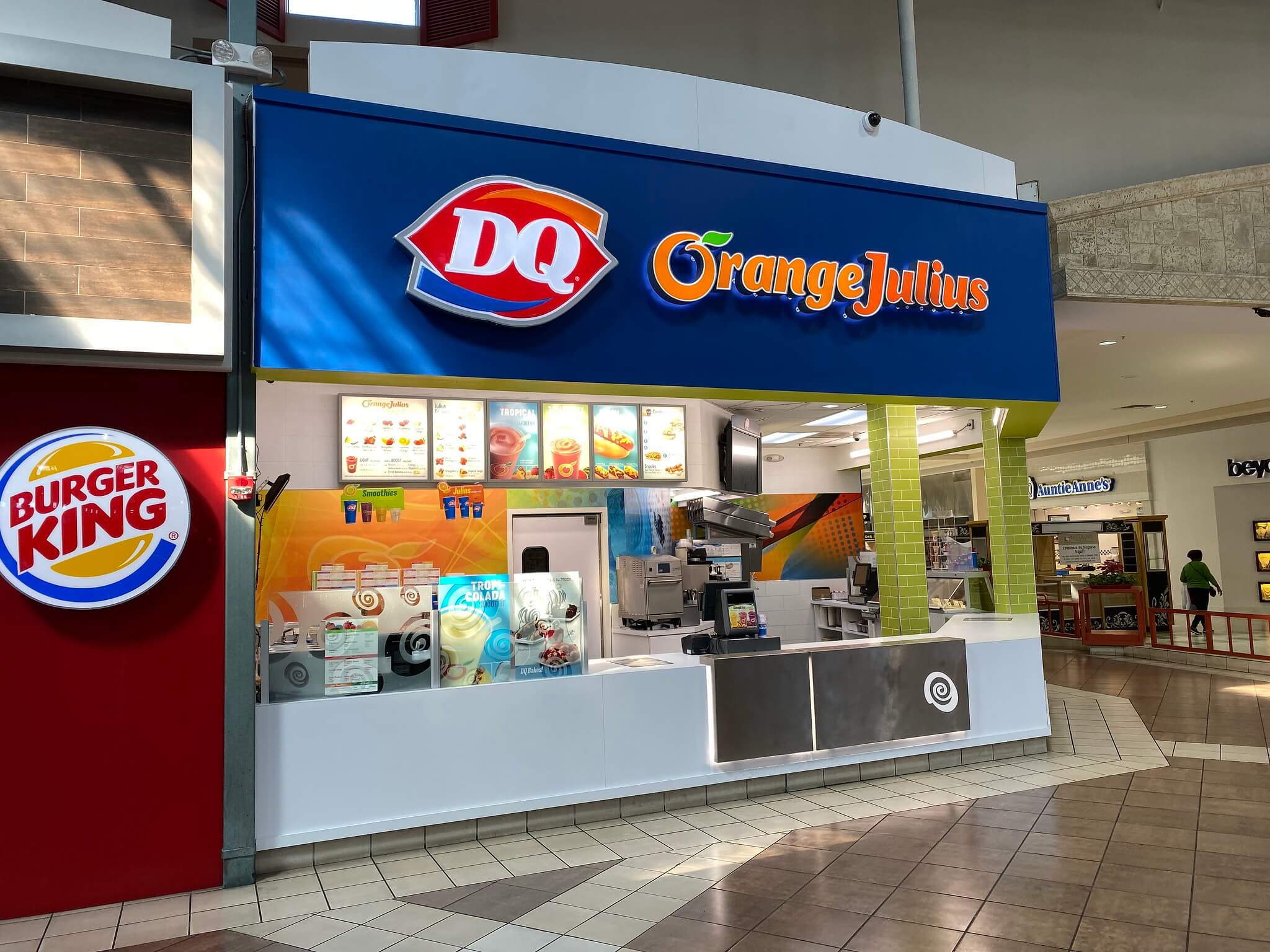
Famous for its frothy, blended orange drink developed in the 1920s, Orange Julius became one of the most recognizable mall kiosk brands in the country by the 1970s and 1980s. Dairy Queen’s parent company acquired the chain and has kept a reduced number of locations running, though it is a shadow of its former mall-wide presence.
Hot Sam Pretzels
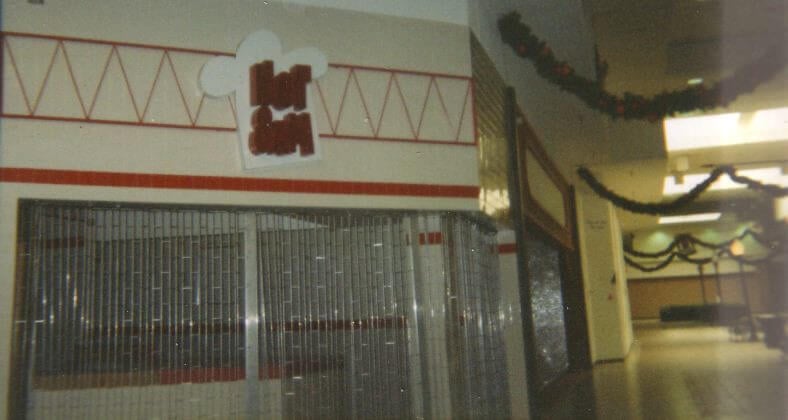
Founded in 1967 at a Michigan mall, Hot Sam grew into a multimillion-dollar chain known for topping options that went well beyond salt, including cheese, fudge, and strawberry toppings at some California locations. By 1985 the chain was selling around 18 million pretzels a year, but ownership changes eventually folded most locations into related brands like Pretzelmaker.
Morrison’s Cafeteria
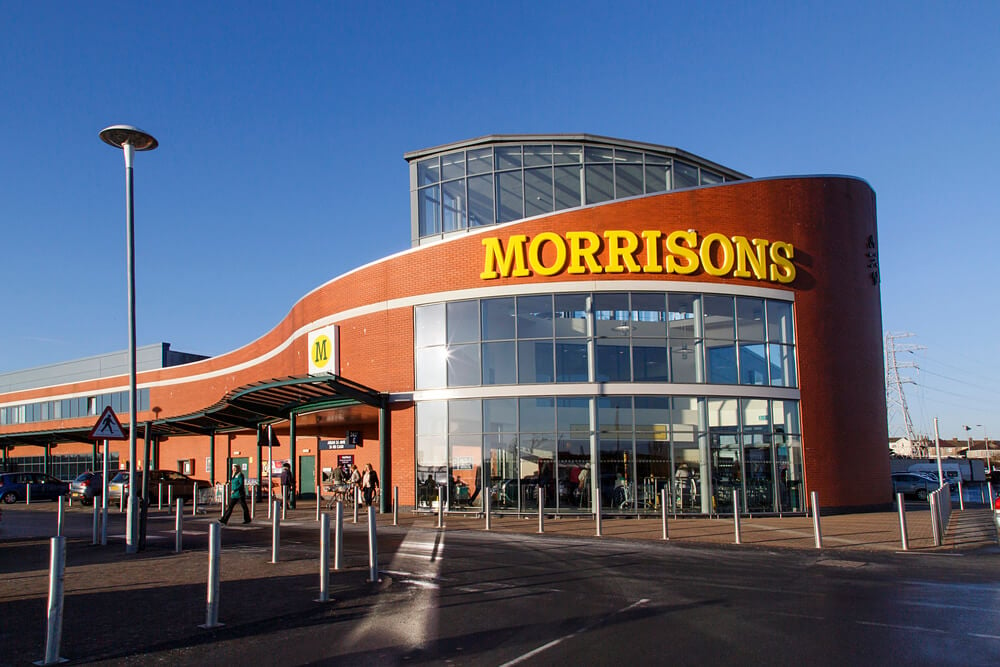
Founded in Mobile, Alabama in 1920 as an affordable, Southern-style cafeteria where diners chose a meat and sides, Morrison’s expanded into mall locations and grew to more than 140 restaurants at its height. A 1998 bankruptcy under later owner Piccadilly Cafeterias left just a single Morrison’s location still operating, fittingly back in Mobile.
Chicken George
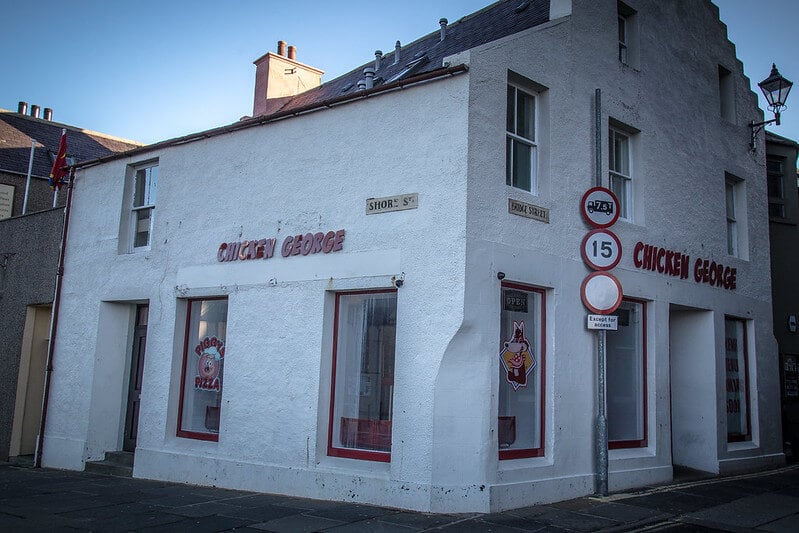
Founded in 1979 by civil rights activist Theodore Neal Holmes, Chicken George became the largest Black-owned fast-food chain in the country at the time, serving fried chicken and biscuits from mall food court locations across several states. The chain has since largely disappeared from active operation, though it remains a significant chapter in American fast-food history.
Wyatt’s Cafeteria
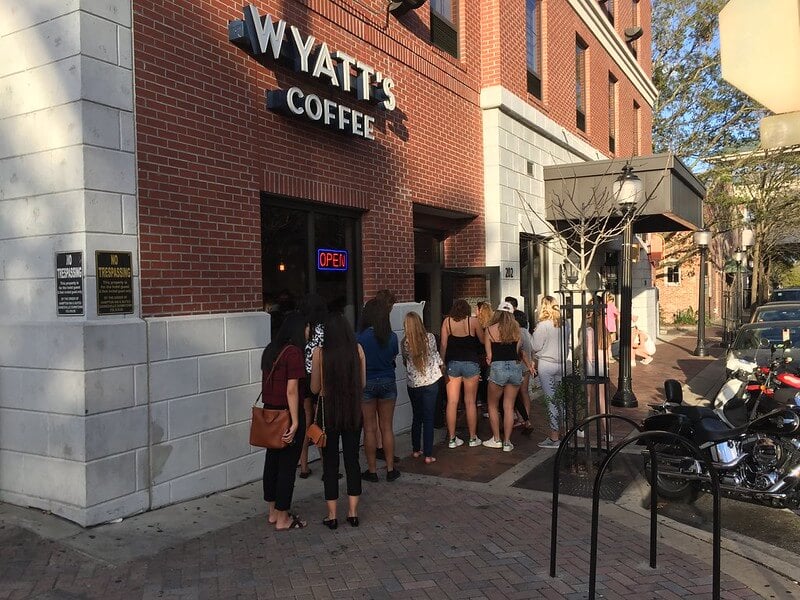
A Texas-founded cafeteria chain known for its extensive steam-table selection, Wyatt’s became a popular mall anchor throughout the South and Southwest before financial struggles in the 1990s led to widespread closures. Its decline mirrored the broader shift away from cafeteria-style dining that also affected chains like Morrison’s.
Pretzel Time
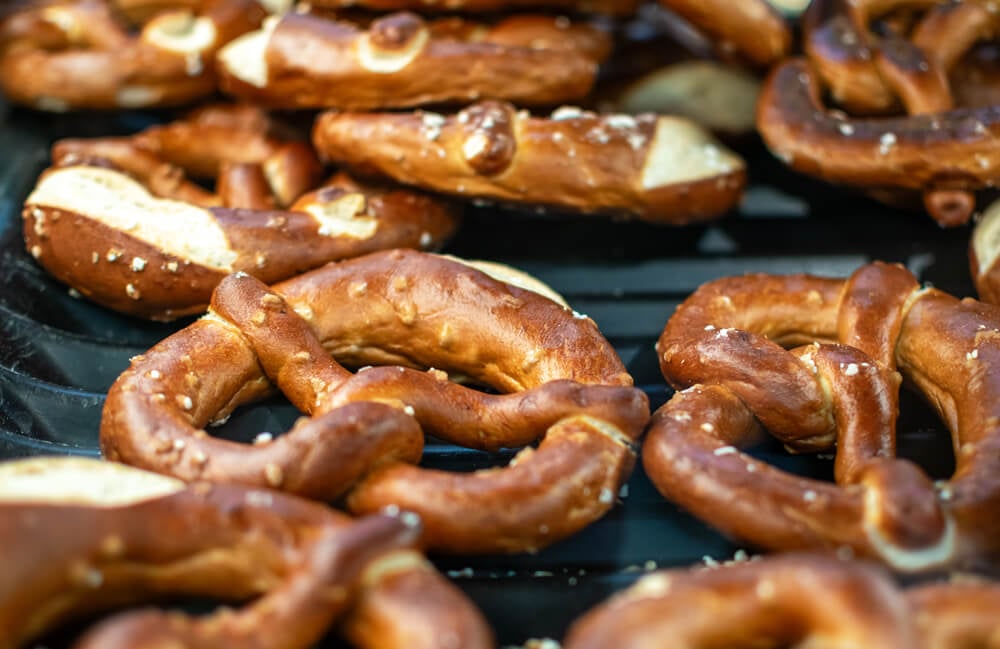
Launched as a mall kiosk concept in the early 1990s, Pretzel Time expanded rapidly on the strength of the same soft pretzel trend that had earlier fueled Hot Sam’s growth. Later merged under the Mrs. Fields corporate umbrella alongside Pretzelmaker, most standalone Pretzel Time locations have since disappeared from active malls.
Piccadilly Cafeterias
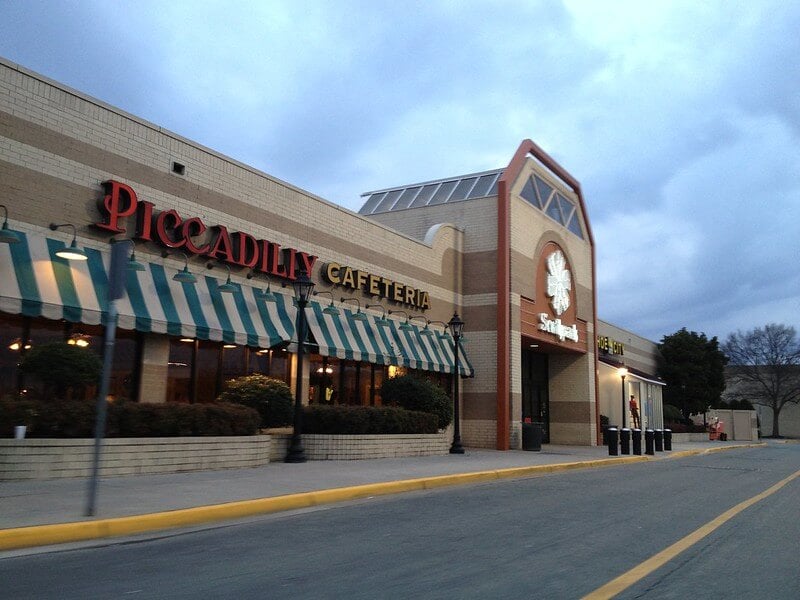
Piccadilly purchased the Morrison’s Cafeteria chain in 1998 and rebranded most of its remaining mall locations under its own name, briefly consolidating much of what remained of the cafeteria-style mall dining segment. The combined company filed for bankruptcy in 2012, closing the vast majority of its remaining restaurants.
Bennigan’s
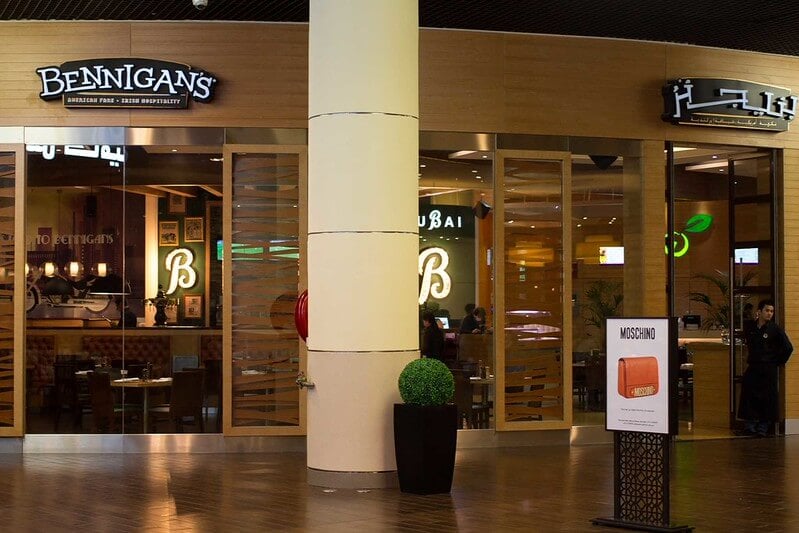
Known for its Irish pub-style decor and casual American menu, Bennigan’s grew to hundreds of locations often positioned on mall outparcels beginning in the 1970s. The company filed for bankruptcy in 2008 and closed most of its corporate-owned locations overnight, though a smaller number of franchised restaurants continue operating today.
Chi-Chi’s
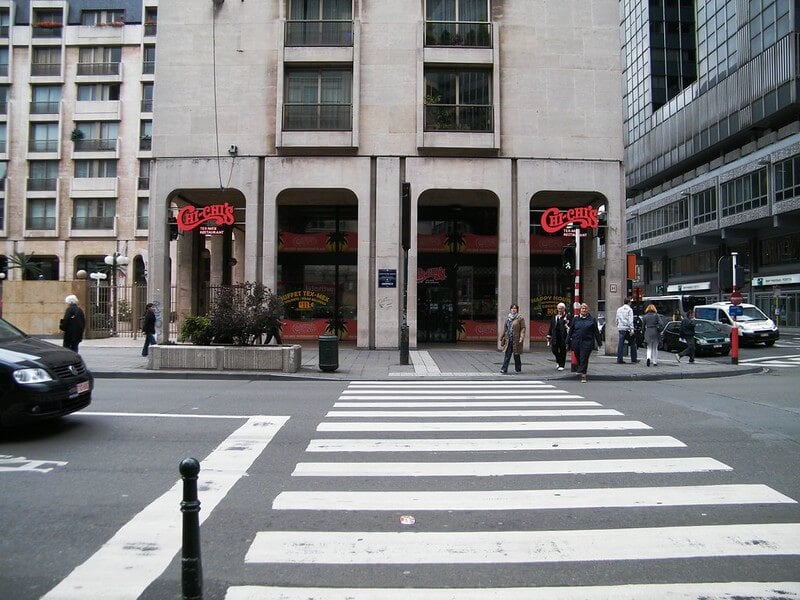
A Mexican-American chain founded in Minnesota in 1975, Chi-Chi’s became a common sight near mall parking lots throughout the 1980s and 1990s, known for its fried ice cream dessert. A 2003 hepatitis A outbreak traced to green onions at a Pennsylvania location, combined with existing financial troubles, led the chain to close all of its remaining United States restaurants within a few years.
Steak and Ale
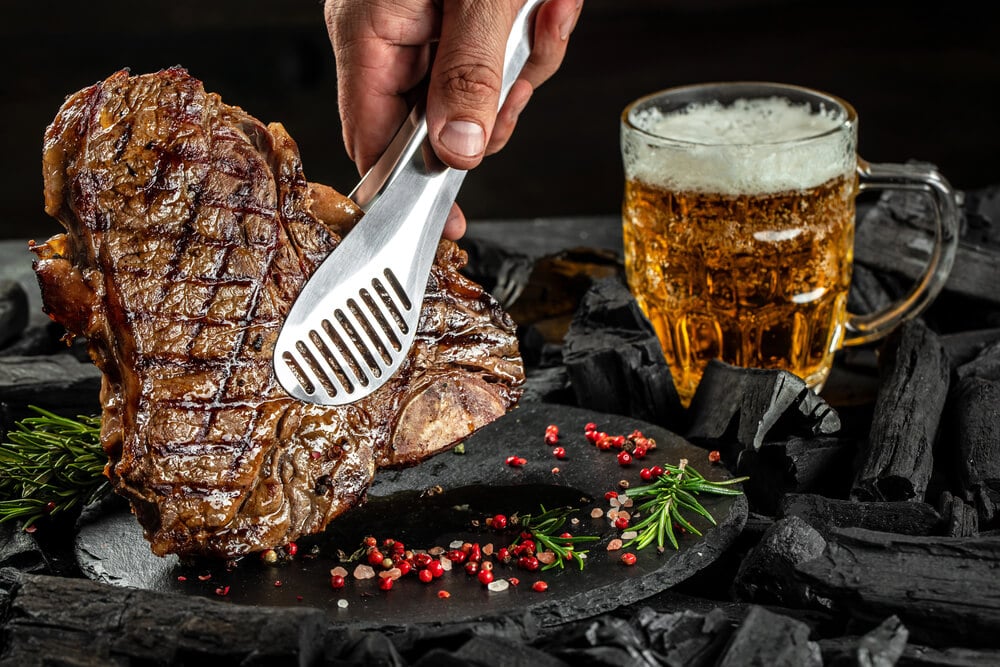
Founded in 1966, Steak and Ale is widely credited with pioneering the casual dining salad bar concept, and its dark wood, English tavern-style locations became common near shopping centers across the country. The chain closed all of its remaining restaurants in 2008 after its parent company filed for bankruptcy.
Ponderosa Steakhouse
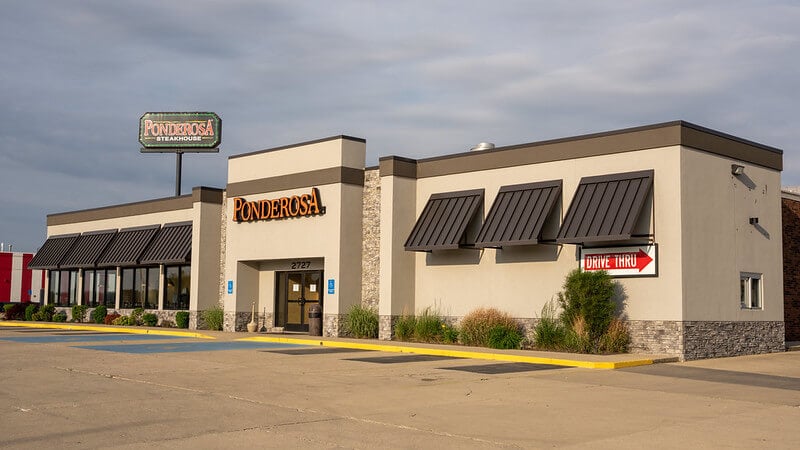
A budget-friendly steakhouse chain built around an all-you-can-eat buffet and grilled entrees, Ponderosa expanded heavily near malls and shopping centers throughout the 1970s and 1980s. The brand still exists today, though at a fraction of its peak location count, mostly concentrated in the Midwest and parts of the East Coast.
Sizzler
Founded in 1958, Sizzler combined a steakhouse menu with a self-serve buffet and salad bar, a format that made it a popular mall-adjacent choice for families through the 1980s. The company filed for bankruptcy twice, in 1996 and again in 2020, though a reduced number of locations remain open today.
Old Country Buffet
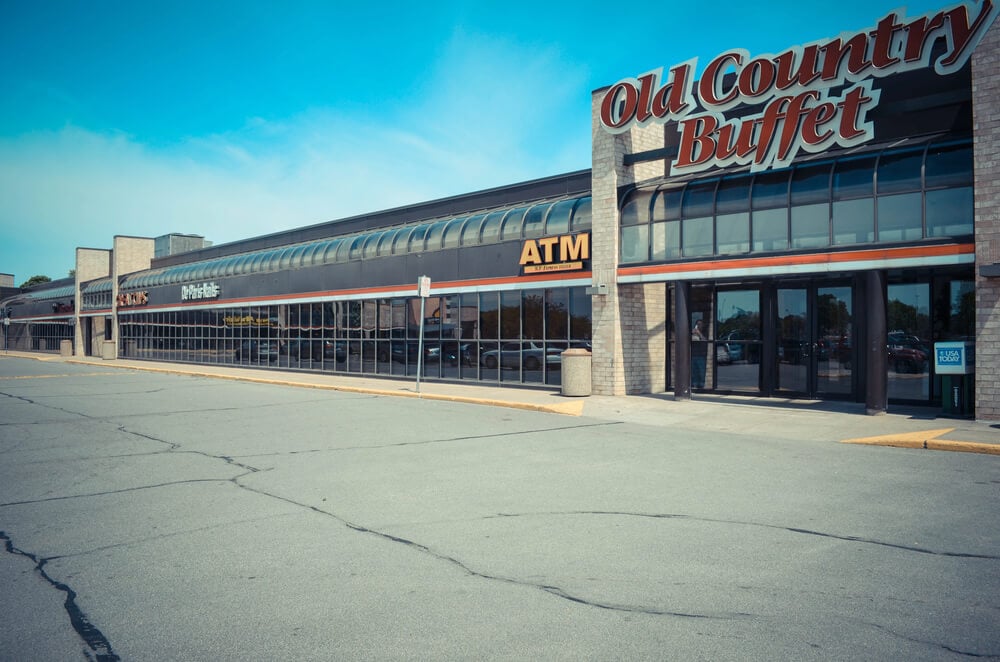
Part of the broader buffet boom that also included Sizzler and Ponderosa, Old Country Buffet expanded rapidly through the 1980s and 1990s near shopping centers with large parking lots to accommodate its family-oriented crowds. Its parent company filed for bankruptcy multiple times, and the chain has been reduced to a small handful of locations today.
Red Barn
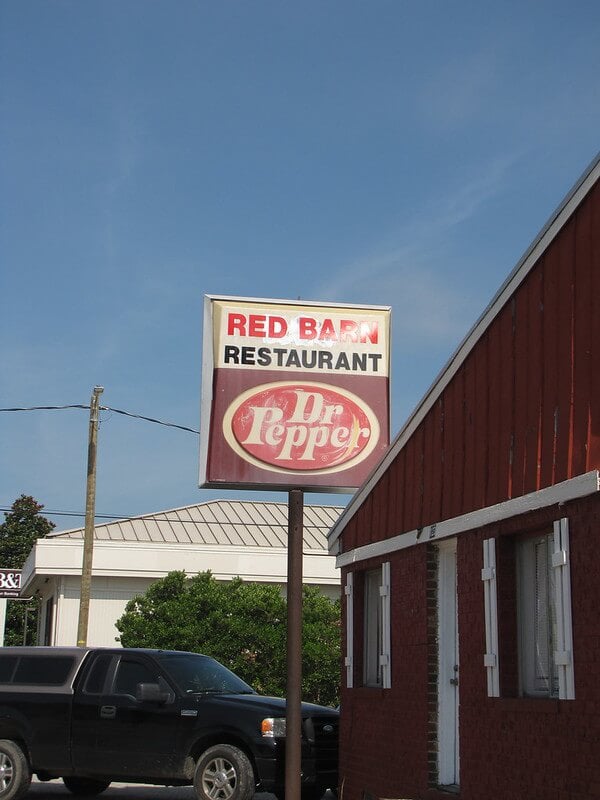
Recognizable by its distinctive barn-shaped restaurant buildings, Red Barn grew to hundreds of locations through the 1960s and 1970s serving fried chicken and early versions of the fast-food salad bar. The chain was gradually absorbed by competitors and had disappeared entirely by the mid-1980s.
Roy Rogers Restaurants
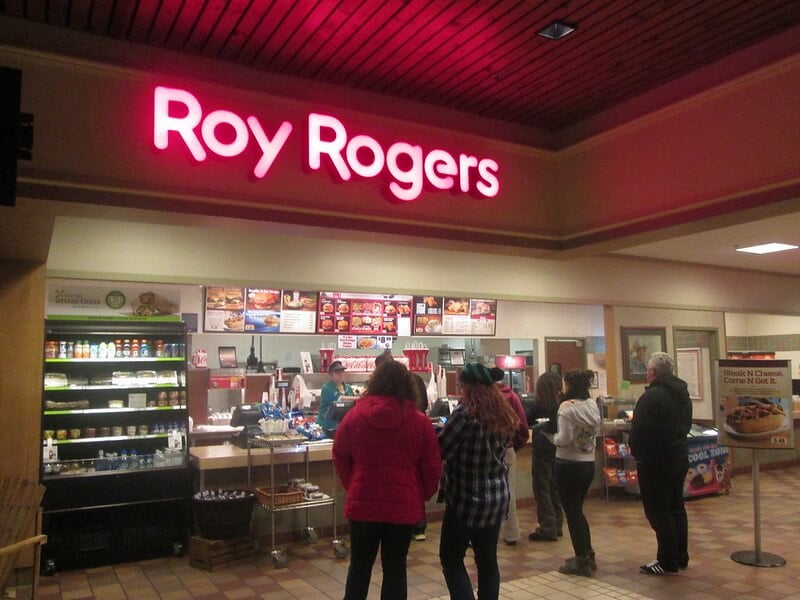
Combining fried chicken and roast beef sandwiches under a Western theme tied to the actor and singer for whom it was named, Roy Rogers grew rapidly through the 1970s and 1980s, often located near or within suburban shopping centers. Marriott sold the chain in the late 1980s, and it has since shrunk to a small regional presence, mostly in the mid-Atlantic states.
Gino’s Hamburgers
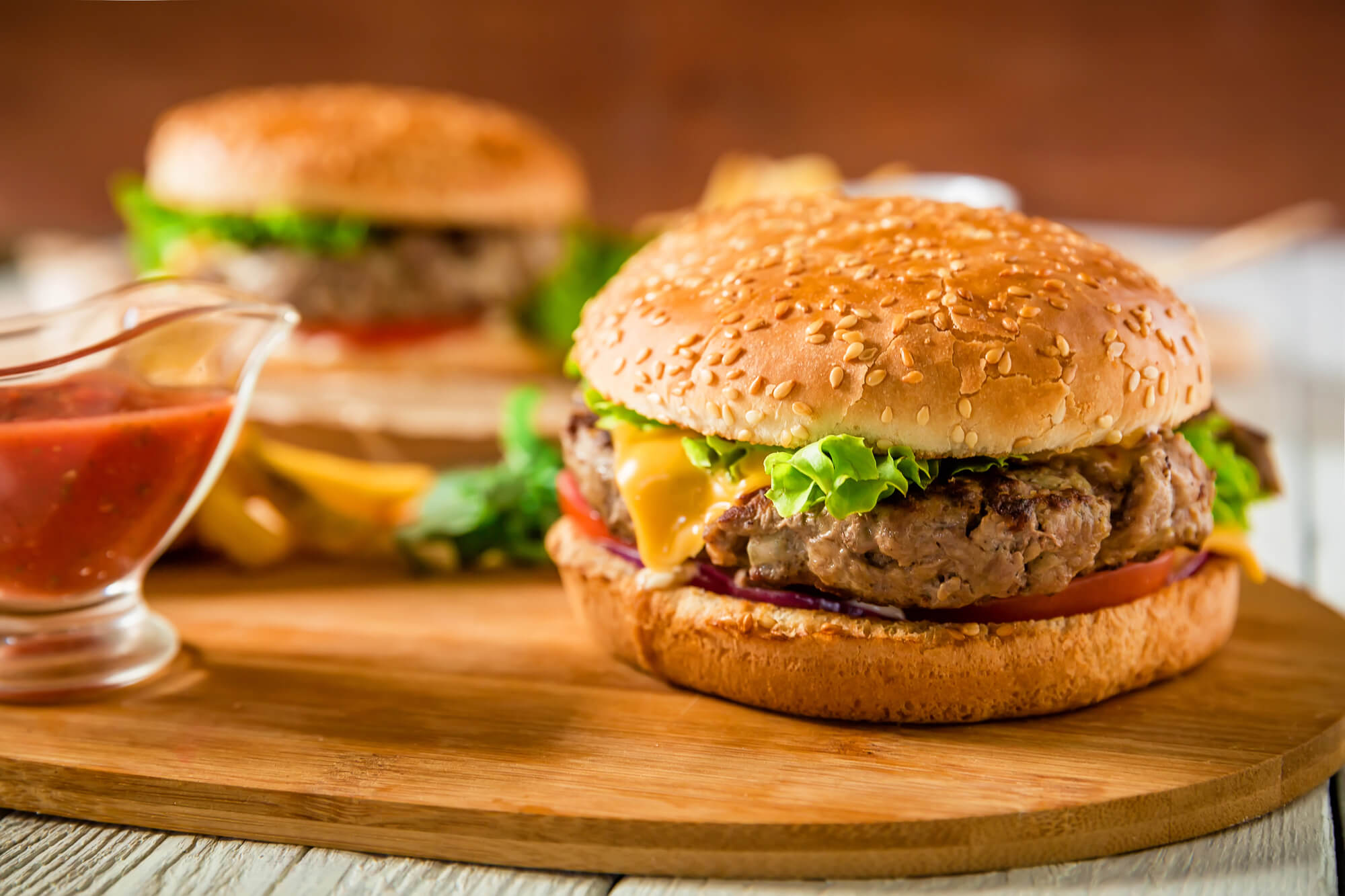
A Baltimore-founded chain that grew to hundreds of locations through the 1960s and 1970s, Gino’s was known for its association with Baltimore Colts football player Gino Marchetti, one of its founders. The chain was sold and absorbed into Marriott’s fast-food holdings in 1982, disappearing from malls and standalone locations alike within a few years.
Naugles
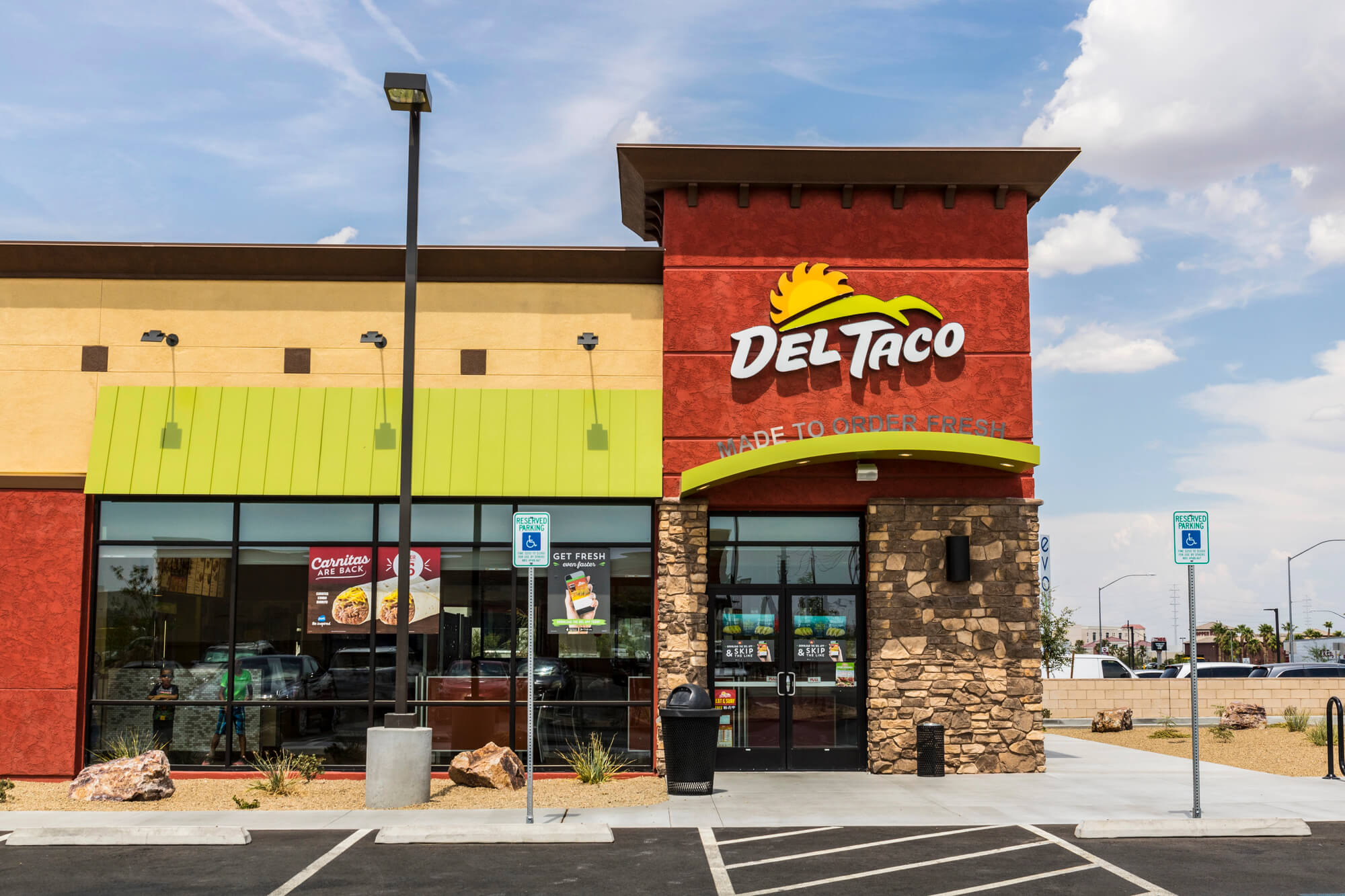
A Southern California fast-food chain founded in 1970 known for its Mexican-American menu items, Naugles expanded near shopping centers throughout the region before merging with rival Del Taco in 1988. The Naugles name briefly disappeared entirely before a limited modern revival attempted to bring back a handful of locations decades later.
Bonanza Steakhouse
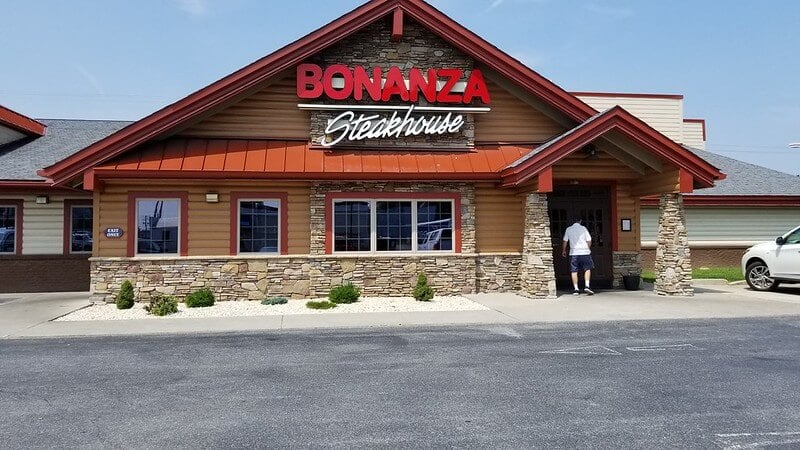
A sister chain to Ponderosa under shared ownership for much of its history, Bonanza offered a similar budget steakhouse and buffet format that made it a common presence near shopping centers through the 1970s and 1980s. Most locations were eventually converted to Ponderosa branding or closed outright, leaving only a small number still operating today.
Lum’s
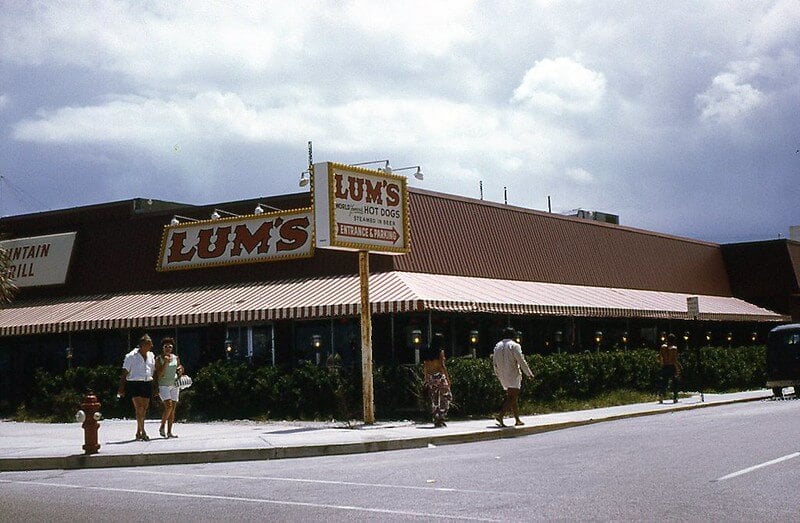
Known for hot dogs steamed in beer, Lum’s grew to hundreds of locations through the late 1960s and 1970s and even briefly owned Caesars Palace in Las Vegas as part of its corporate holdings. Financial troubles through the 1970s and 1980s led to a steady decline, and the chain had all but disappeared by the following decade.
Sambo’s
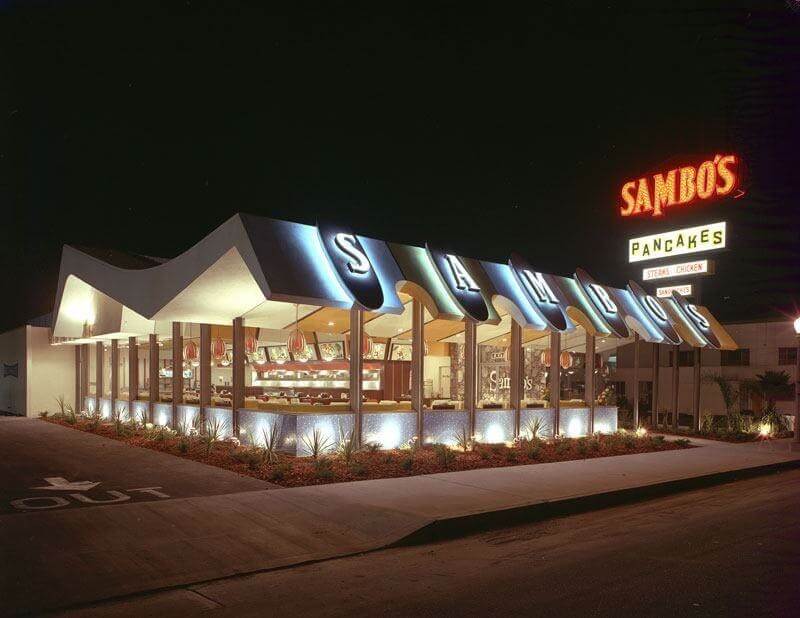
Once one of the largest restaurant chains in the country with more than a thousand locations by the late 1970s, Sambo’s built its early growth around affordable pancake-house style breakfasts near highway and shopping center locations. The chain’s name became a point of significant controversy, contributing to its rapid decline, and it had shrunk to a single remaining location by the following decade.
Woolworth’s Luncheonette Counter
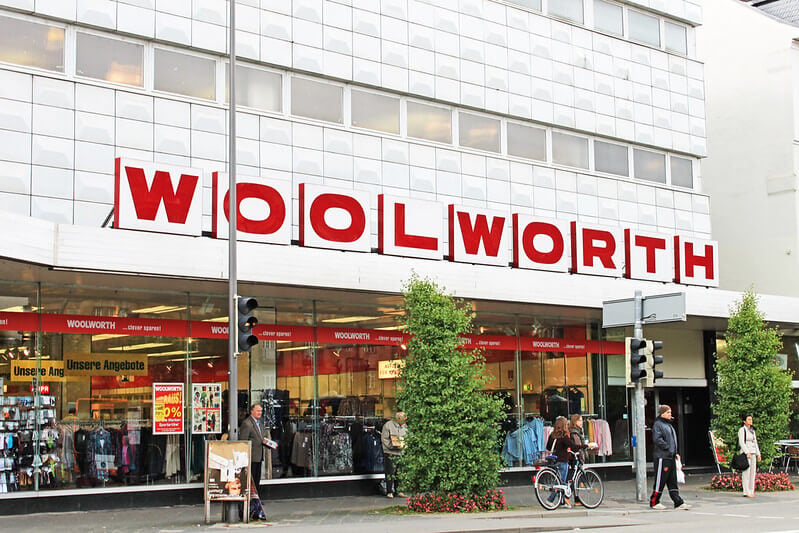
While Woolworth’s itself was a department store rather than a restaurant chain, its in-store luncheonette counters functioned as an early prototype for the mall food court concept, serving quick meals to shoppers decades before dedicated food courts existed. The counters largely disappeared along with the broader decline of five-and-dime department stores through the 1980s and 1990s.
Long John Silver’s
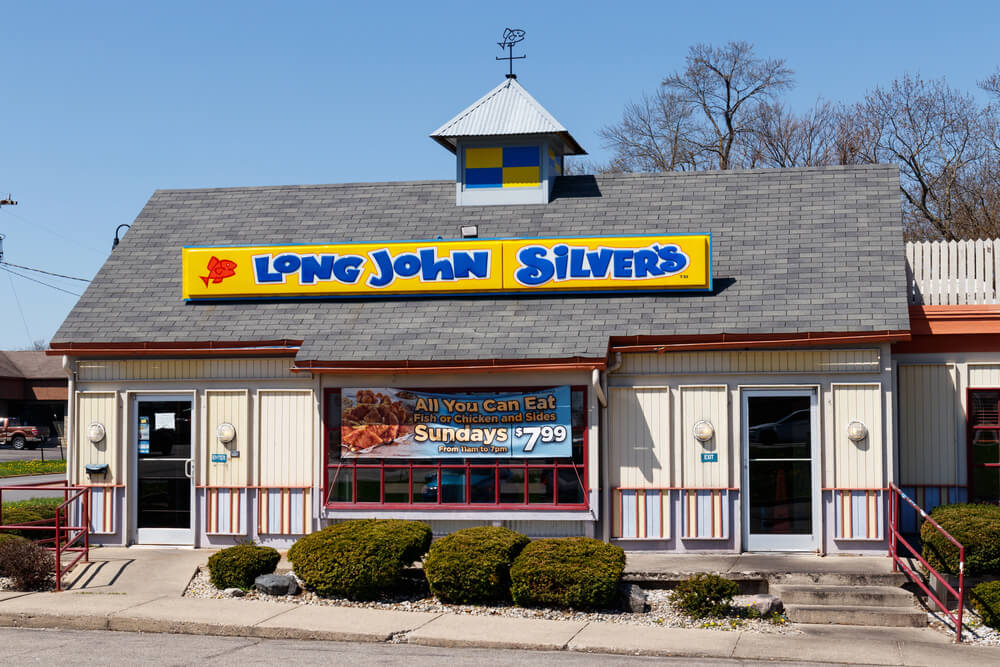
Founded in 1969 and known for its fried seafood baskets, Long John Silver’s expanded heavily near shopping centers through the 1970s and 1980s, becoming one of the few seafood-focused fast-food chains to reach national scale. The chain has shrunk considerably from its peak location count, though a reduced number of restaurants remain in operation today.
The Ghosts in the Food Court
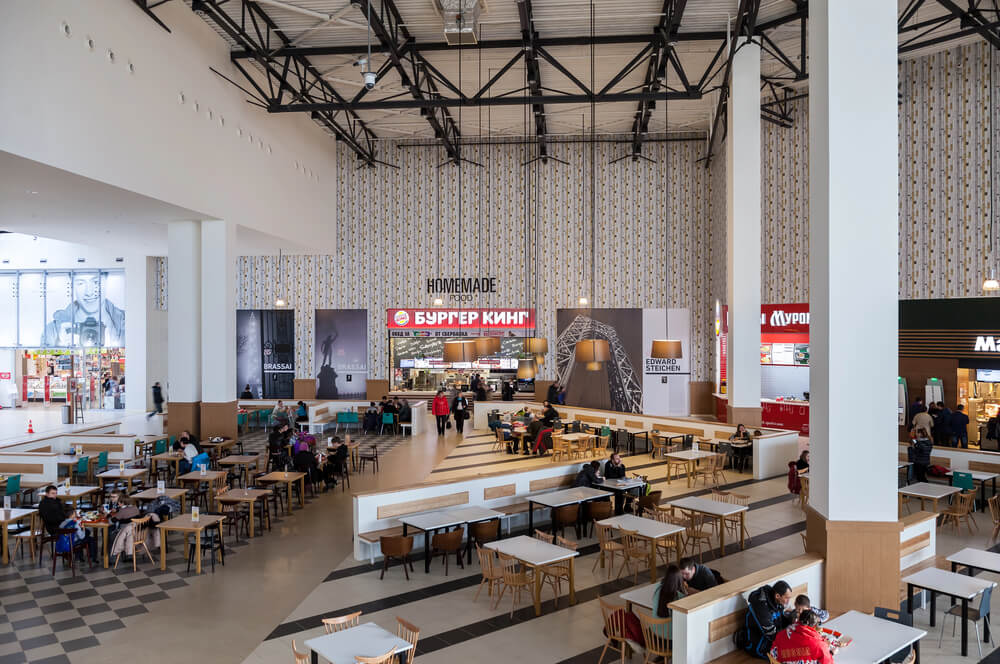
What united nearly every chain on this list was not the food itself but the real estate strategy behind it: build near foot traffic, keep the price point low, and let the mall’s own crowd do the marketing. For decades, that formula worked reliably enough that a mall without at least a few of these names in its directory would have seemed incomplete.
The chains disappeared for different specific reasons, a bankruptcy here, a food safety scandal there, a merger that quietly folded one brand into another, but the underlying cause was almost always the same. When the mall itself stopped drawing a crowd, the restaurants built specifically to feed that crowd had nowhere left to stand.
More from Go2Tutors!

- The Romanov Crown Jewels and Their Tragic Fate
- 13 Historical Mysteries That Science Still Can’t Solve
- Famous Hoaxes That Fooled the World for Years
- 15 Child Stars with Tragic Adult Lives
- 16 Famous Jewelry Pieces in History
Like Go2Tutors’s content? Follow us on MSN.