29 Old Christmas Ornaments in Attic Boxes That Are Quietly Worth a Fortune
There’s something about pulling down those battered cardboard boxes every December — the ones held together with brittle tape and optimism — that feels like archaeology. Most people expect to find the same old tangled lights and mismatched hooks.
But tucked inside tissue paper gone yellow with age, inside boxes that smell like cedar and 1987, there are ornaments that have quietly appreciated into something remarkable. Not every one of them.
Not even most. But some of what’s sitting in your attic right now would make a serious antique dealer stop and set down their coffee.
Kugel Glass Orbs
These are old. Really old.
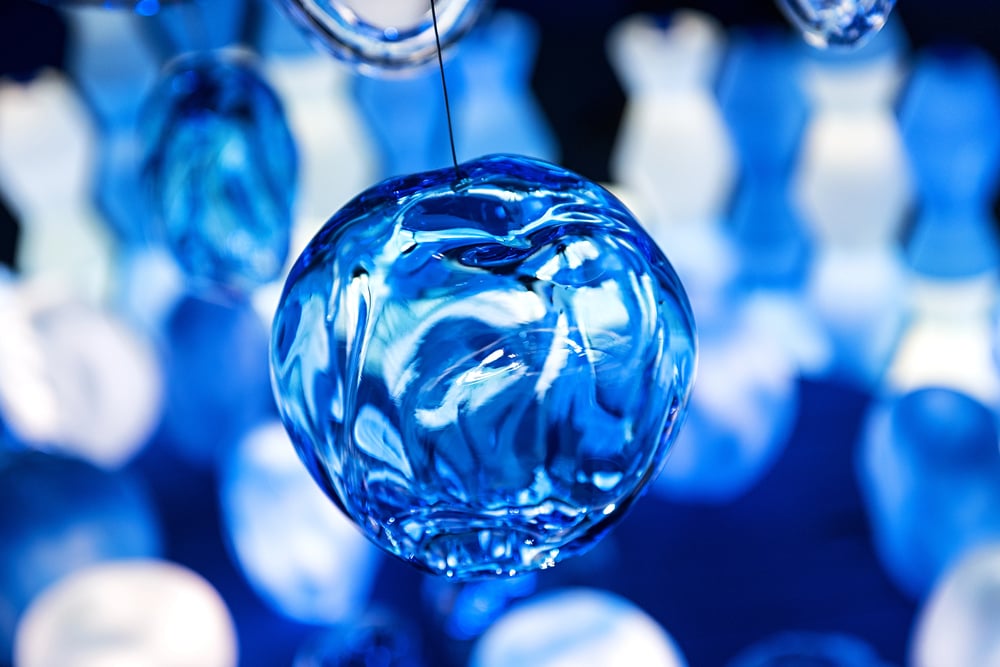
Kugel ornaments — heavy, thick-walled glass spheres made primarily in Germany between the 1840s and early 1900s — were the original Christmas tree ornament, predating the delicate blown-glass variety by decades. A large silver or gold Kugel in good condition regularly sells for $200 to $400 at auction, and rare colors like cobalt blue or amethyst can push past $1,000.
The weight is your first clue: hold one and it feels serious, like it was made to last centuries.
Early Shiny Brite Ornaments
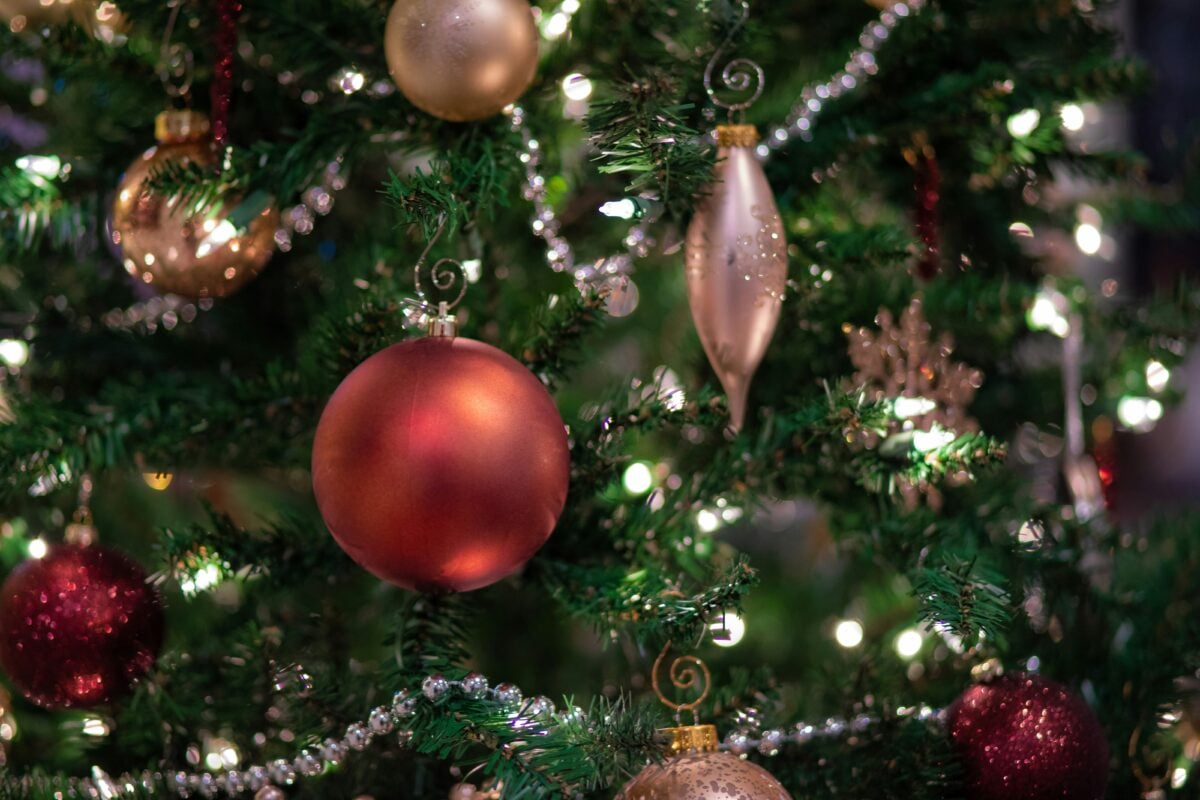
Shiny Brite ornaments are the most collectible mass-produced ornaments in American history, which is saying something. Made from the 1930s through the 1960s by the Corning Glass Works under Max Eckardt’s brand, the wartime versions — identifiable by their lack of metal caps, replaced by cardboard due to rationing — are the ones serious collectors chase.
A full boxed set with original cardboard inserts and unsilvered wartime caps can fetch $75 to $300 depending on condition and rarity of the color combination.
Dresden Paper Ornaments
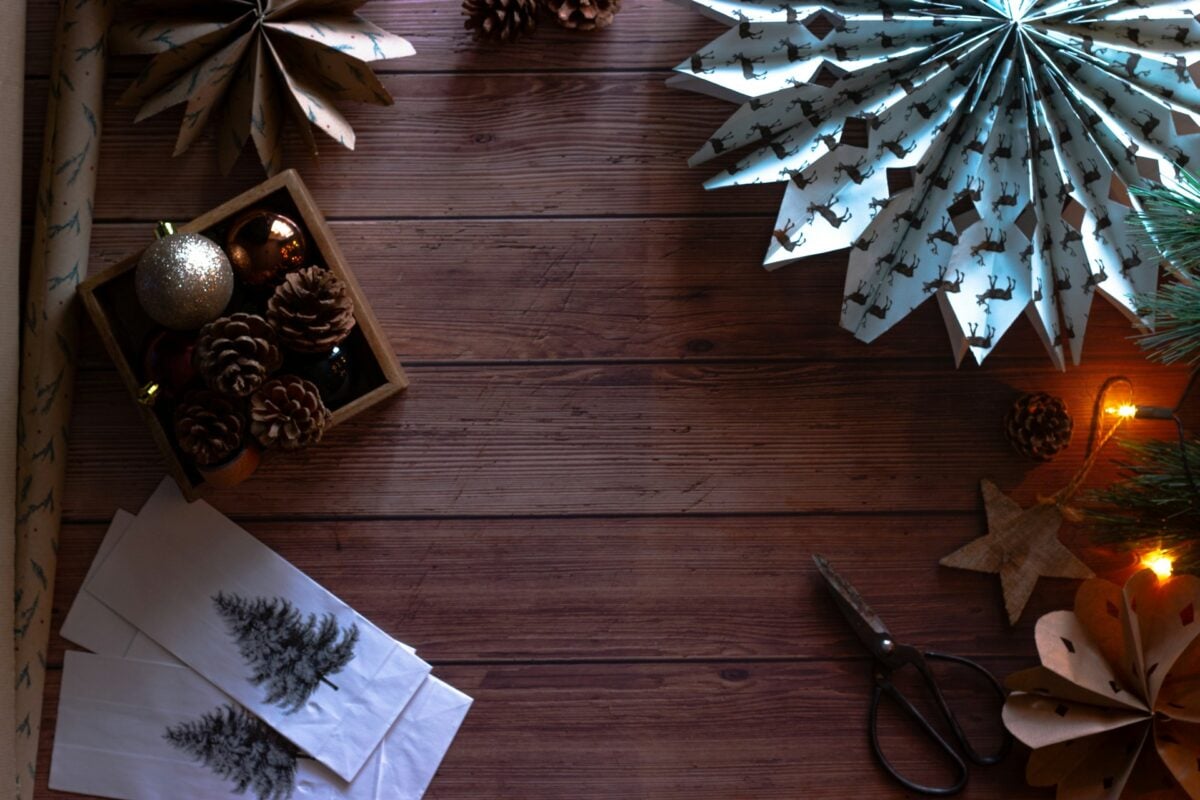
Dresden ornaments arrived in American homes as something between a toy and a decoration — pressed cardboard, hand-painted, shaped like stars, fish, birds, and impossible little carriages, made in the German city of Dresden from the 1880s onward. And yet, sitting in a box for eighty years has done them no favors visually, which means people routinely underestimate them.
Three-dimensional Dresden pieces in bright original paint — particularly unusual shapes like a peacock or hot air balloon — sell for $300 to $500 each without much argument.
Annaberg Lauscha Figural Glass Ornaments
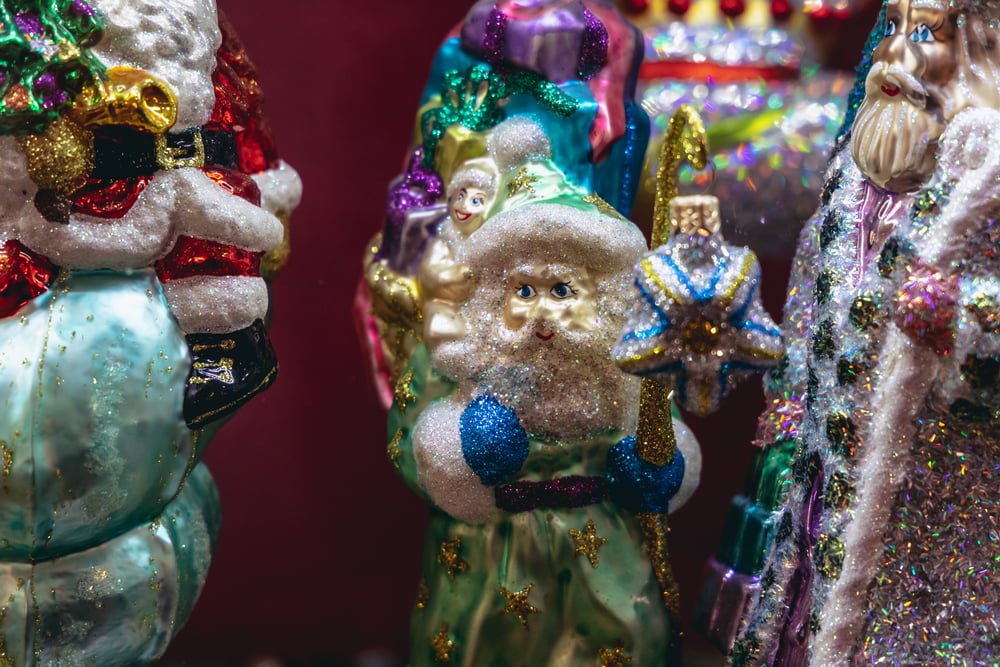
— Photo by fotokon
The village of Lauscha in the Thuringian mountains is where glass ornament-making as the world knows it was born, and the figural ornaments made there in the late 1800s — glass-blown Santas, pickles, elves, animals, fruits — are the ones that collectors spend real money chasing. Condition matters enormously here: original paint, intact caps, no chips.
A quality figural Santa from this era in excellent condition can command $400 to $800, and unusual subjects — a rare glass owl, a glass lobster — push higher still.
Christopher Radko Early Editions
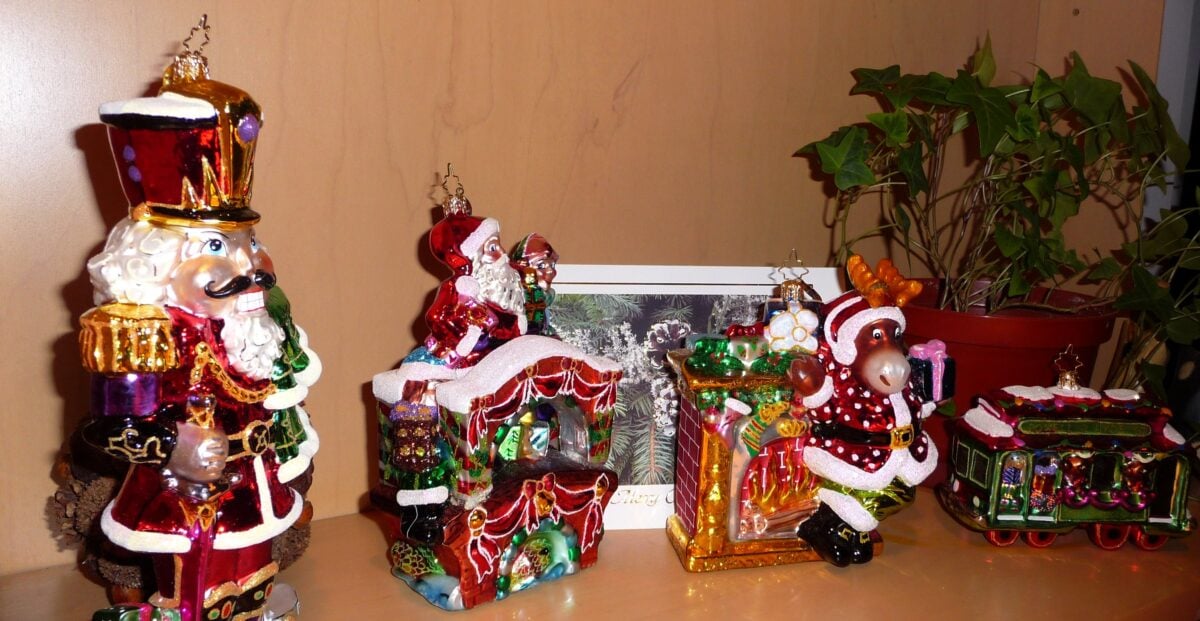
Christopher Radko is the modern name most serious ornament collectors recognize immediately, and for good reason. His early hand-blown, hand-painted European ornaments from the late 1980s and early 1990s — produced in limited runs before his brand scaled into wide retail — have developed a secondary market that catches people genuinely off guard.
Turns out a 1990 Radko piece in its original box with the silver tag can sell for $150 to $400, sometimes more for retired patterns.
Antique Tinsel Icicles in Original Boxes
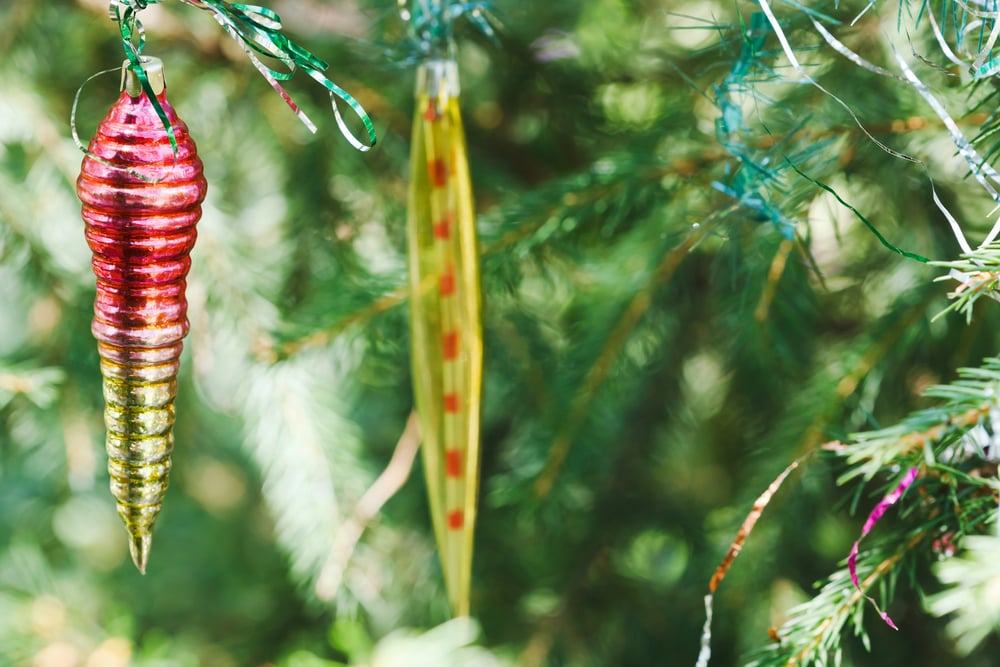
Real tinsel — the kind made from actual lead before safety standards ended the practice — is not what most people have in those old boxes, but some do. Boxes of genuine lead-based tinsel from the 1940s and 1950s, sealed or mostly intact, are collected as vintage Christmas ephemera and sell for $40 to $100 a box, mostly because they represent something that simply cannot be manufactured anymore.
Cotton Batting Ornaments
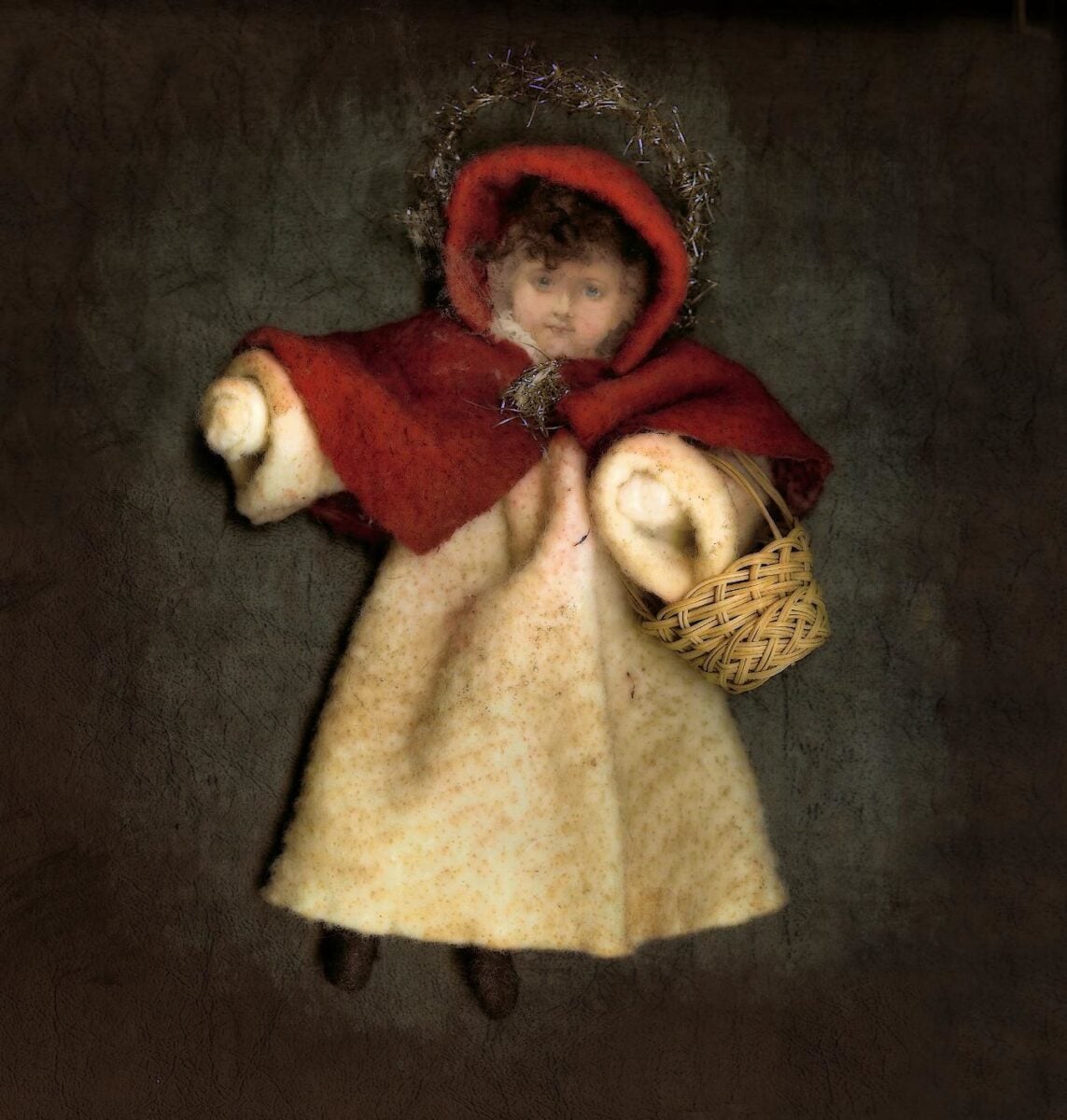
Cotton batting ornaments are easy to overlook because they look fragile and homemade — which, in a sense, they were, though not at home. Made primarily in Germany and Japan from the late 1800s through the 1930s, these figures were shaped from spun cotton over wire armatures, dressed in scraps of silk and paper, and given painted plaster faces.
A cotton batting Santa or snowman in good condition — face intact, color still present — sells for $100 to $400, and rarer characters fetch considerably more.
Italian Glass Blown Ornaments from the 1950s–60s
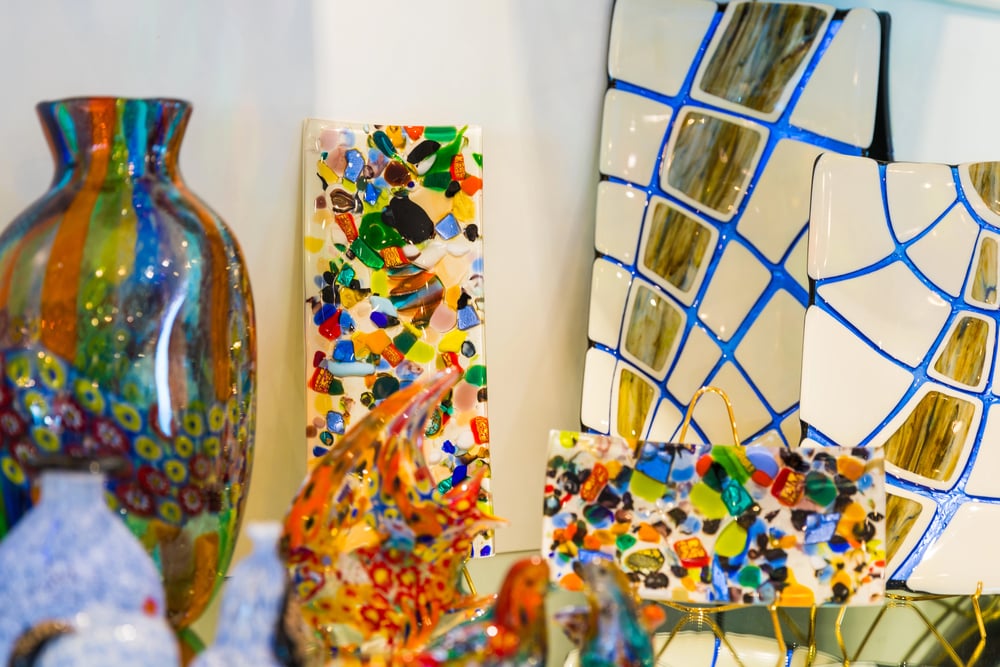
After World War II, Italian glassblowers — particularly those working out of Lauscha’s postwar equivalent in West Germany and Murano’s smaller offshoots — produced ornaments that competed directly with the German tradition, and some of the Italian-marked pieces from the 1950s and early 1960s are genuinely undervalued right now. Boxed sets with the original Italian export labels, especially those in unusual shapes or vivid two-tone colorways, are selling at $50 to $150 per set and climbing as collectors catch on.
Early Hallmark Keepsake Ornaments
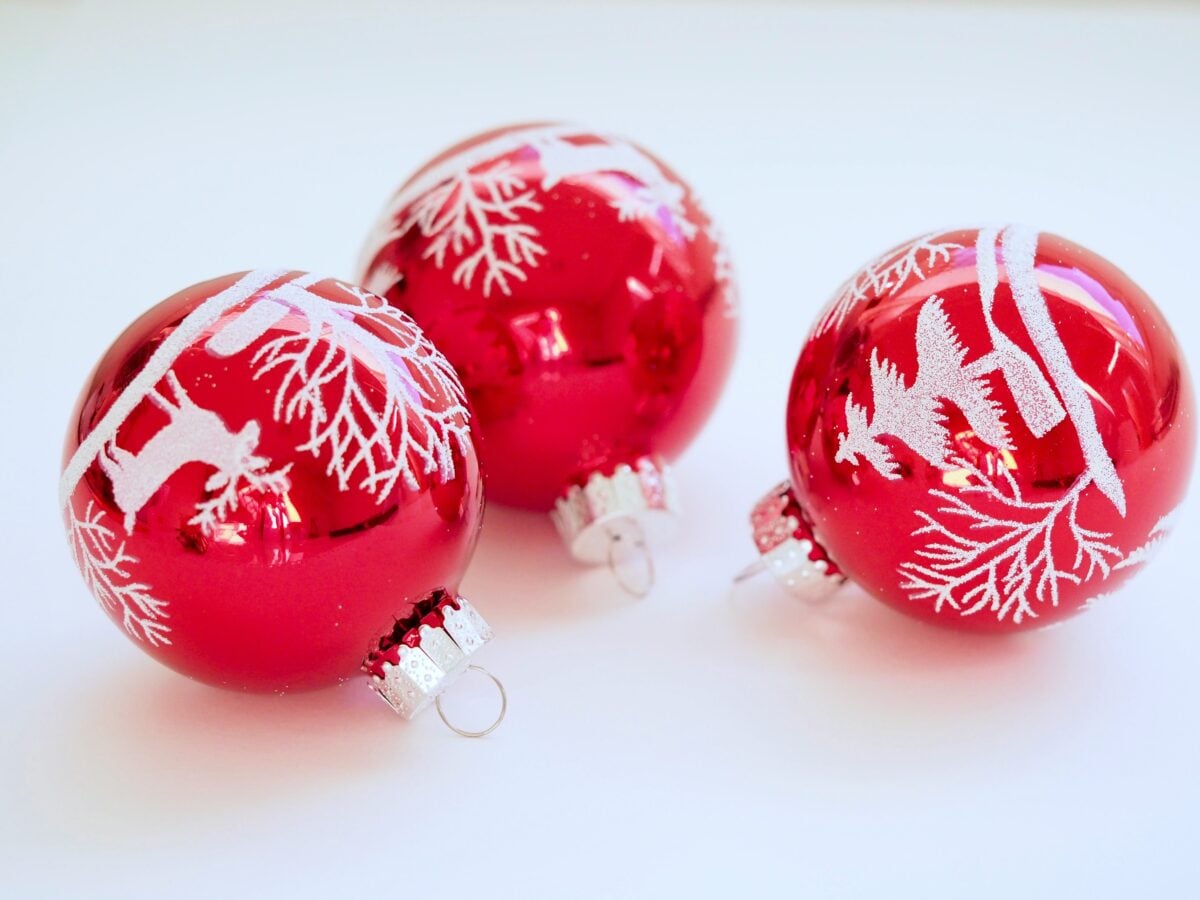
Hallmark’s Keepsake Ornament line launched in 1973 with eighteen ornaments, and the first few years of the series — particularly the 1973 round ornaments and the early glass figural pieces — are the ones that matter to serious collectors. A first-edition 1973 Hallmark Keepsake ornament in its original box has sold for $150 to $500 depending on condition, and a few rarities have gone higher.
The box matters almost as much as the ornament.
Feather Tree Ornament Hooks and Clips
These are so small that most people throw them away without a second thought — tiny wire clips designed to attach ornaments to the wire branches of antique German feather trees. But to a collector who is hunting for a complete feather tree setup, a bag of original clips is not just useful: it’s a missing piece.
Sets of original ornament clips from the pre-1920 era sell for $30 to $80, which is remarkable for something that looks like hardware.
Milk Glass Tree Toppers
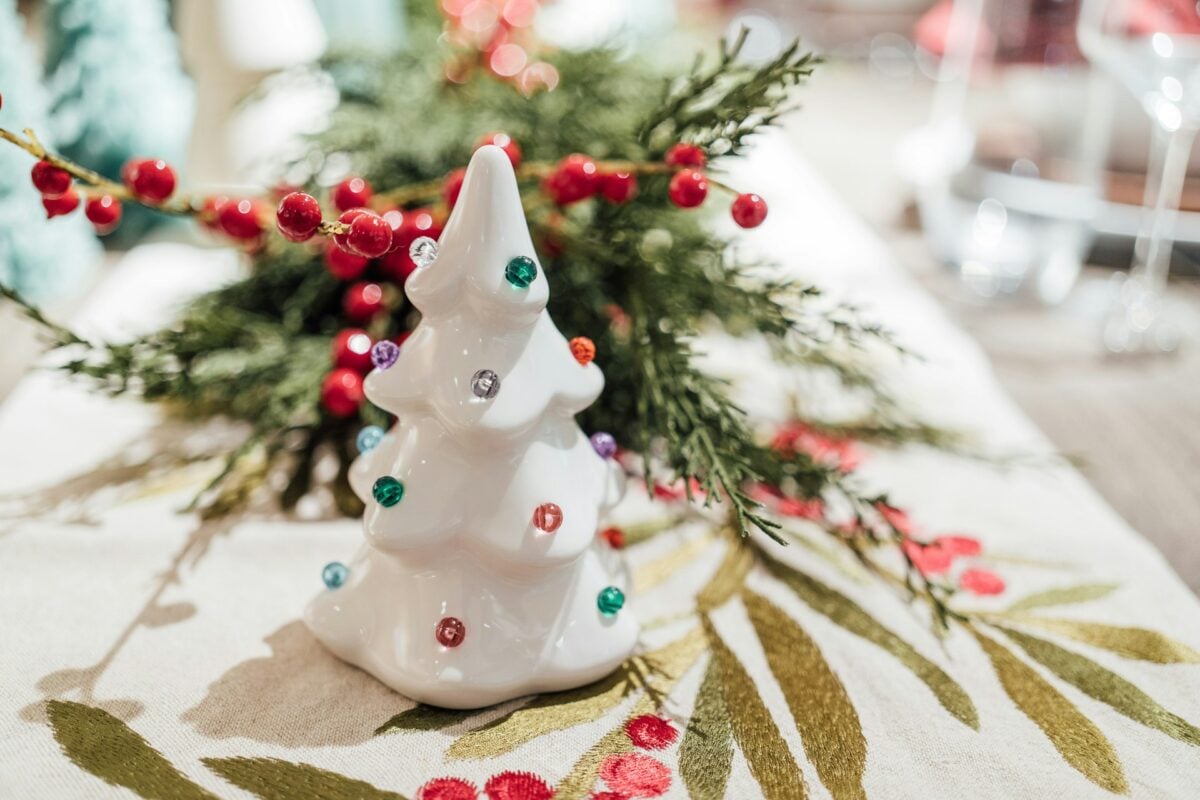
The milk glass tree topper — that cloud-white, slightly iridescent star or angel finial that sat at the top of mid-century trees — has developed a following among collectors who grew up seeing them and can no longer find them. Pre-1960 milk glass toppers in excellent condition with original paint detailing sell for $75 to $200, and early German examples command a premium over the domestic American versions.
Aluminum Tree Ornaments
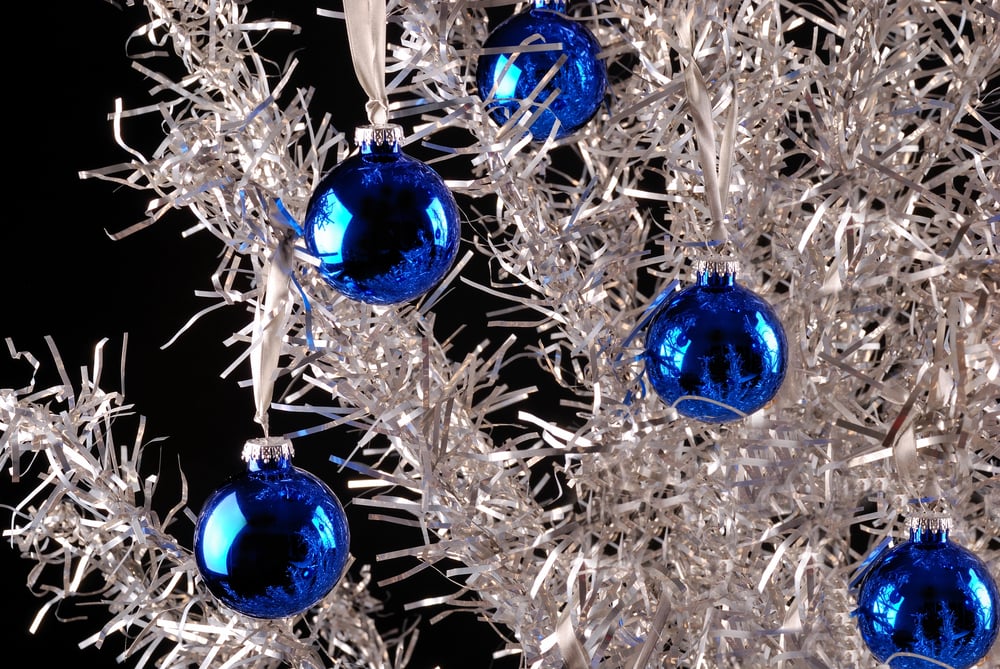
Aluminum Christmas trees — those strange, shimmering silver trees popular in the late 1950s and early 1960s — came with matching ornaments: solid-color orbs in red, blue, gold, and teal, designed to be viewed under a rotating color wheel. The ornaments sold separately or as boxed sets, and a complete original boxed set with the color wheel in working condition has sold for $200 to $600.
The tree itself, if you happen to have one in the box, is worth considerably more.
Japanese Celluloid Ornaments
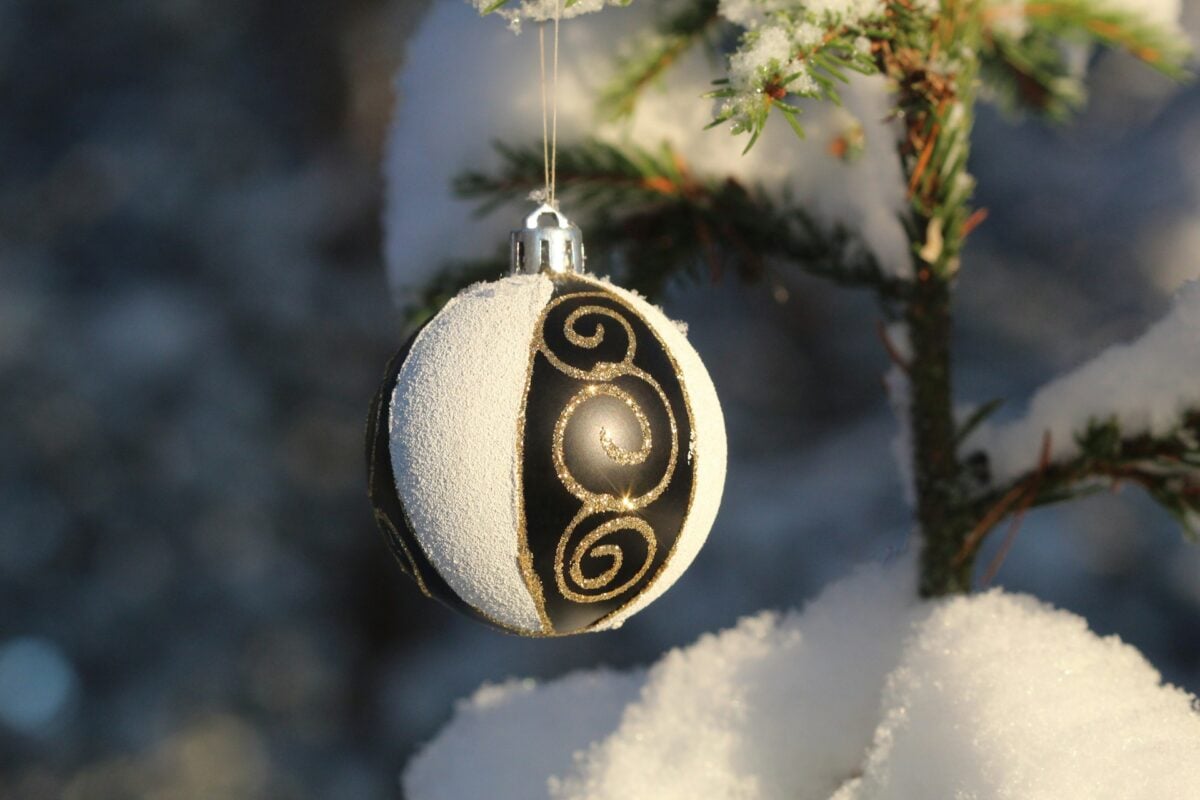
Celluloid ornaments — lightweight, slightly translucent, made primarily in Japan from the 1920s through the 1940s — occupy a strange corner of the collectibles market where fragility drives value. Because celluloid degrades, cracks, and yellows badly over time, finding a celluloid Santa or snowman from this era in genuinely good condition is uncommon enough that sellers routinely get $80 to $250 for a single piece.
The material itself has a particular pale glow under light that nothing since has replicated.
Antique Glass Icicles
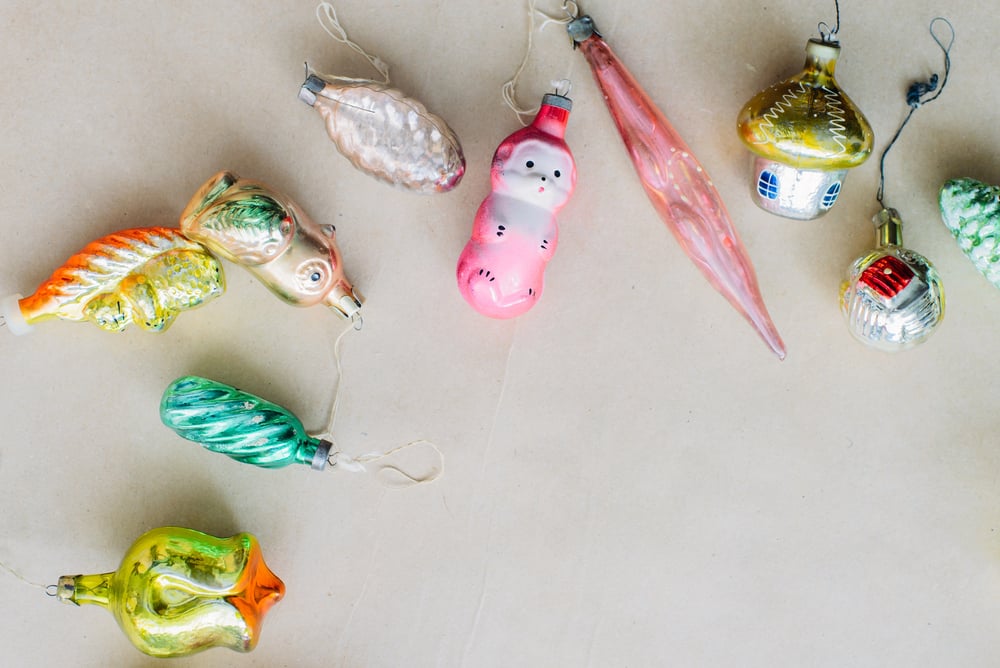
Before plastic and before tinsel, there were glass icicles — long, drawn tubes of clear or lightly tinted glass, tapering to a point, hung individually on tree branches to catch candlelight. They read as impossibly simple, and yet a set of original German glass icicles from the pre-World War II era, intact and still bundled, sells for $50 to $150 depending on quantity and color variation.
The tinted ones — blush pink, pale green, soft amber — are the ones that go quickly.
Spun Glass Angel Tree Toppers
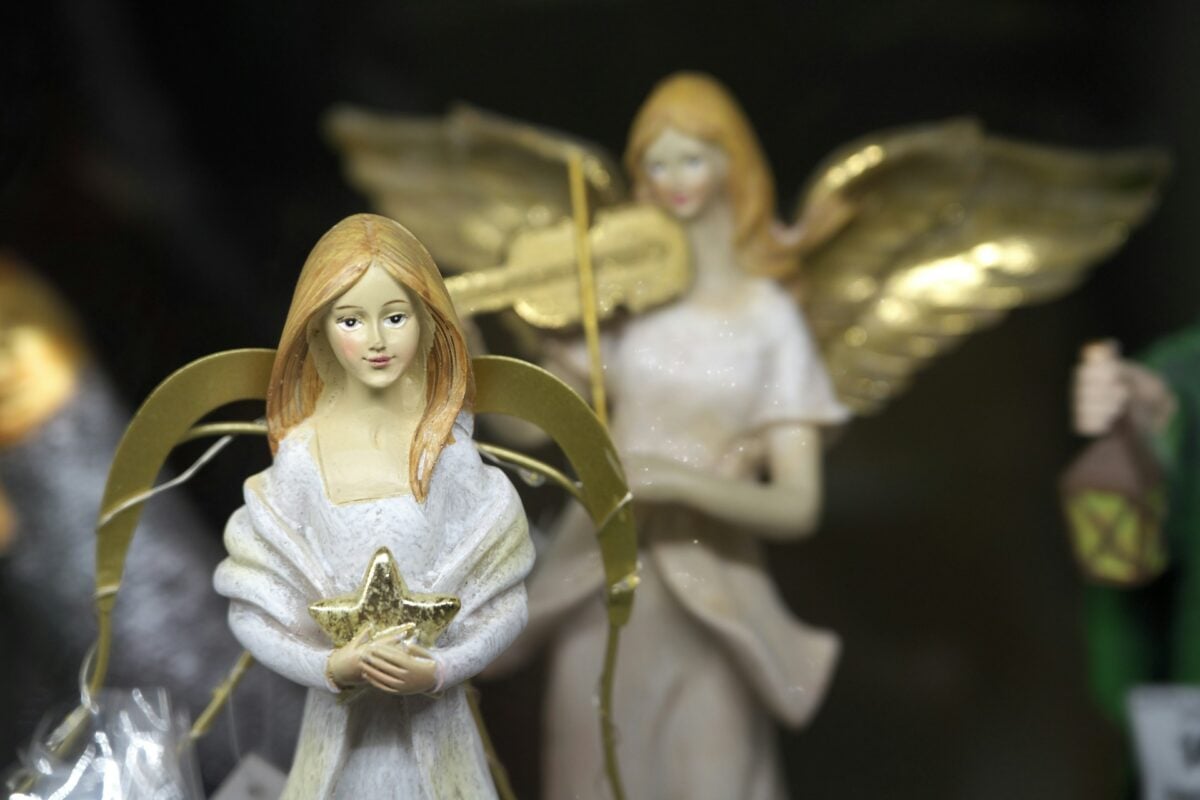
A spun glass angel — wings made from extruded glass fibers, face molded from wax or plaster, body wrapped in foil or fabric — sat at the top of millions of trees between 1880 and 1940, and most of them didn’t survive, which is precisely what makes the survivors worth hunting. These toppers feel like they were made from light itself: delicate in a way that feels almost contrary to the concept of a tree ornament.
A spun glass angel in good condition from the early twentieth century sells for $200 to $500, and exceptional examples with intact wax faces sell for more.
Bethlehem Lights Bubble Lights
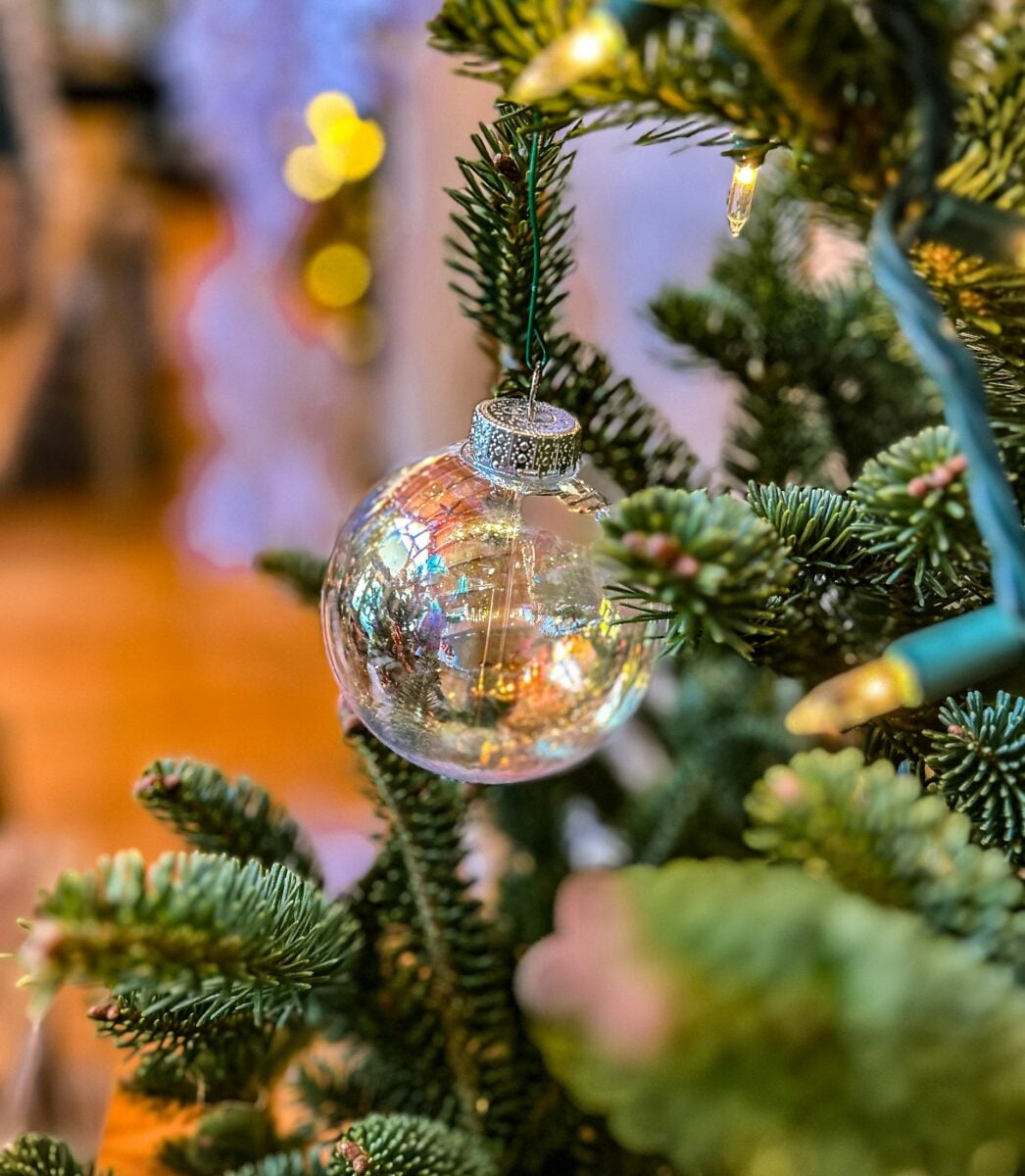
Bubble lights — those small liquid-filled tubes that gurgled when heated by the bulb beneath them — were a mid-century Christmas staple, and the original Noma and BECO versions from the late 1940s and early 1950s are the ones collectors want. A full working string of original Noma bubble lights in original packaging sells for $75 to $200.
The liquid inside early versions was methylene chloride — now regulated — which gives them an added historical specificity that modern reproductions simply cannot match.
Mercury Glass Reflector Ornaments
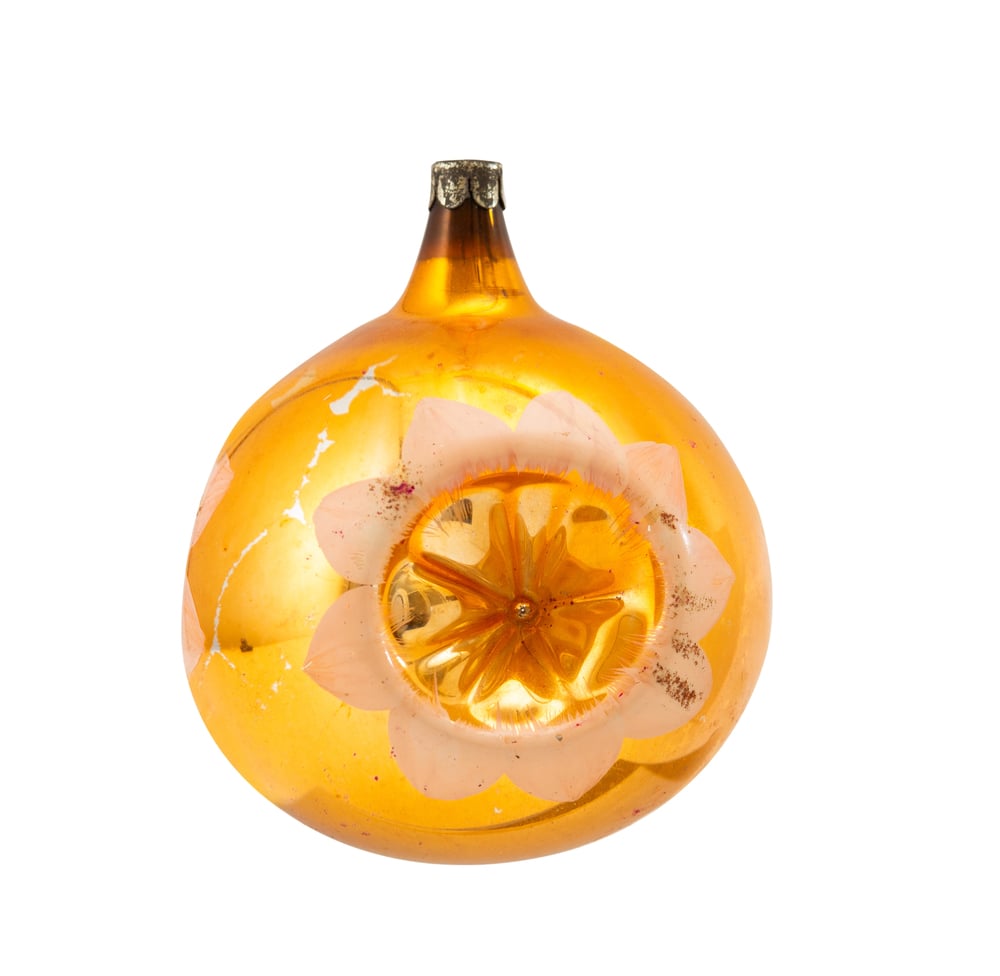
Mercury glass ornaments — actually silvered glass rather than mercury, but the name stuck — were produced in Germany, Czechoslovakia, and the United States throughout the early twentieth century, and the reflector-style versions with pressed indentations and geometric patterns are among the most visually striking antique ornaments still found in original condition. A quality early German reflector ornament with deep indentation patterns and intact silvering sells for $30 to $100 individually, but a full boxed set of twelve can reach $400 to $600.
Santa Candy Containers
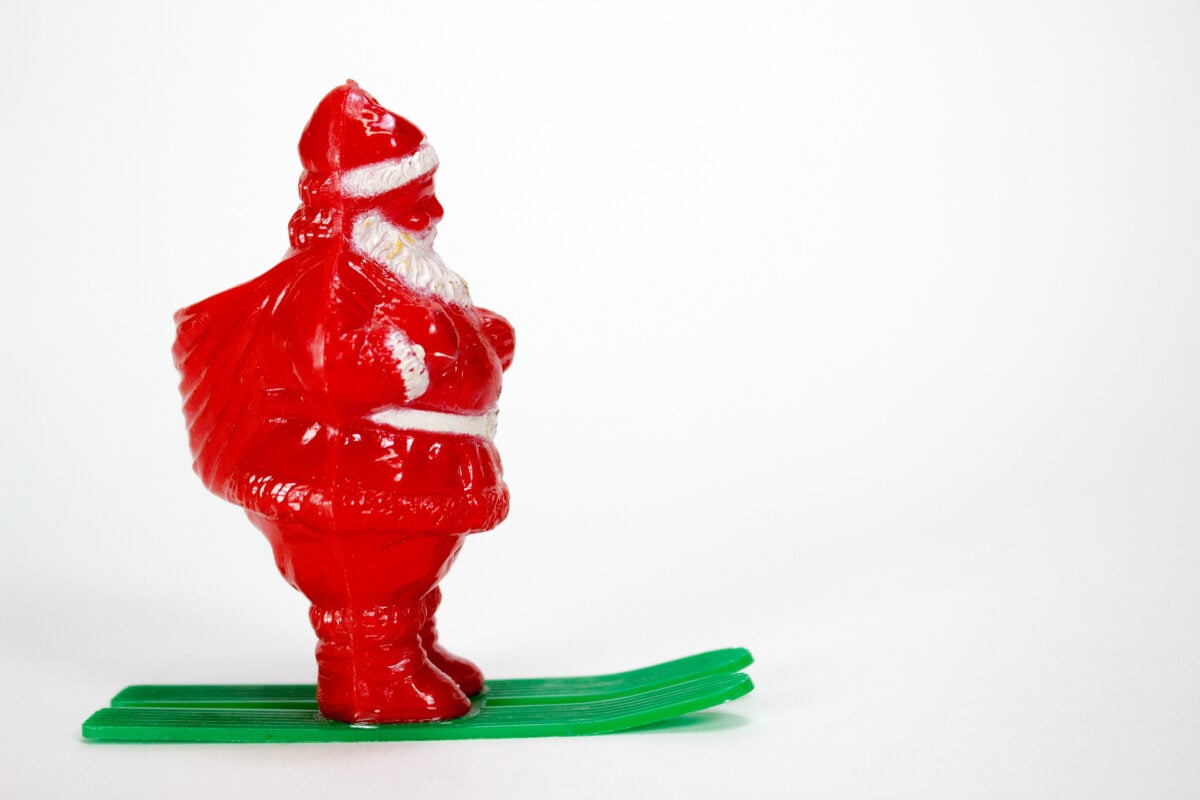
Santa Claus candy containers — paper-mache, composition, or celluloid figures with removable heads or bases designed to hold hard candies — were produced in Germany and the United States from the 1880s through the 1930s, and the best ones are now firmly in antique toy territory rather than ornament territory, which means the prices reflect that. A German composition Santa candy container with original paint and working mechanism sells for $300 to $800, and exceptional folk-art examples have sold for well over $1,000.
Papier-Mâché Christmas Orbs
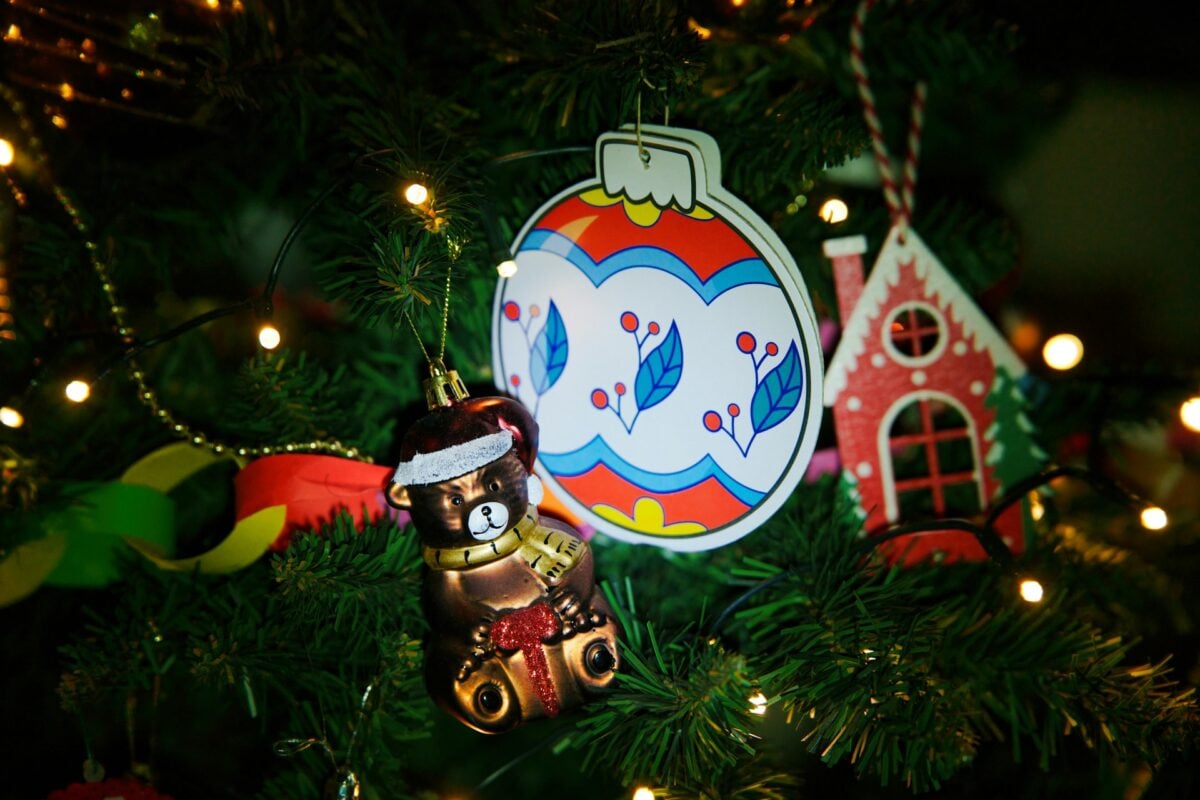
Not the craft-store variety — the real thing, made in Germany and Czechoslovakia through the early twentieth century, painted by hand, sometimes lacquered, sometimes dusted with mica. These orbs are heavier than glass and warmer in the hand, and the paint on a well-preserved example still carries the particular depth that comes from multiple hand-applied layers.
A quality pre-1940 papier-mâché ornament in original condition with intact mica detailing sells for $60 to $200 depending on the design.
Antique Christmas Candle Clips
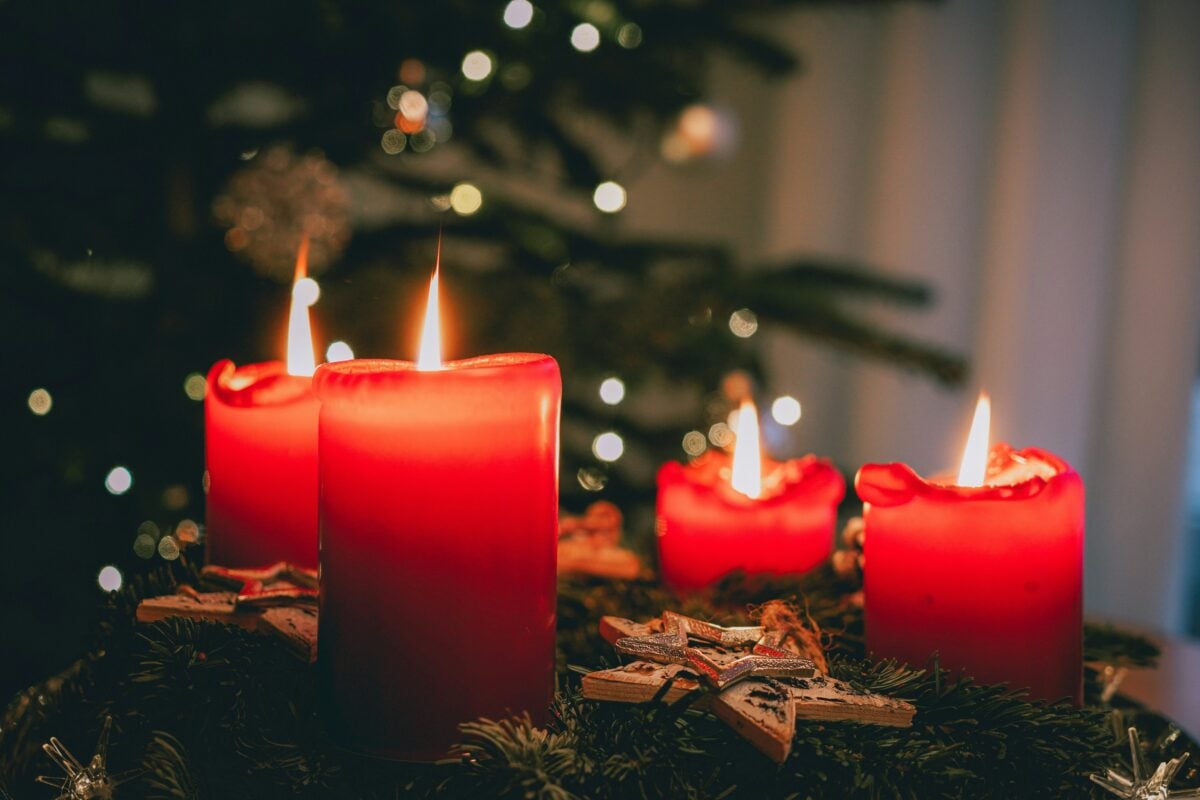
Before electric lights, real candles were clipped directly to tree branches — small counterweighted metal clips with candle holders, balanced so the flame stayed upright regardless of branch angle. Sets of original German tin or brass candle clips from the pre-1920 era, particularly those in original retail bundles, sell for $50 to $150 per set.
They’re functional objects that have outlasted the tradition they were made for, which collectors find oddly poignant.
Mica-Encrusted Cardboard Ornaments
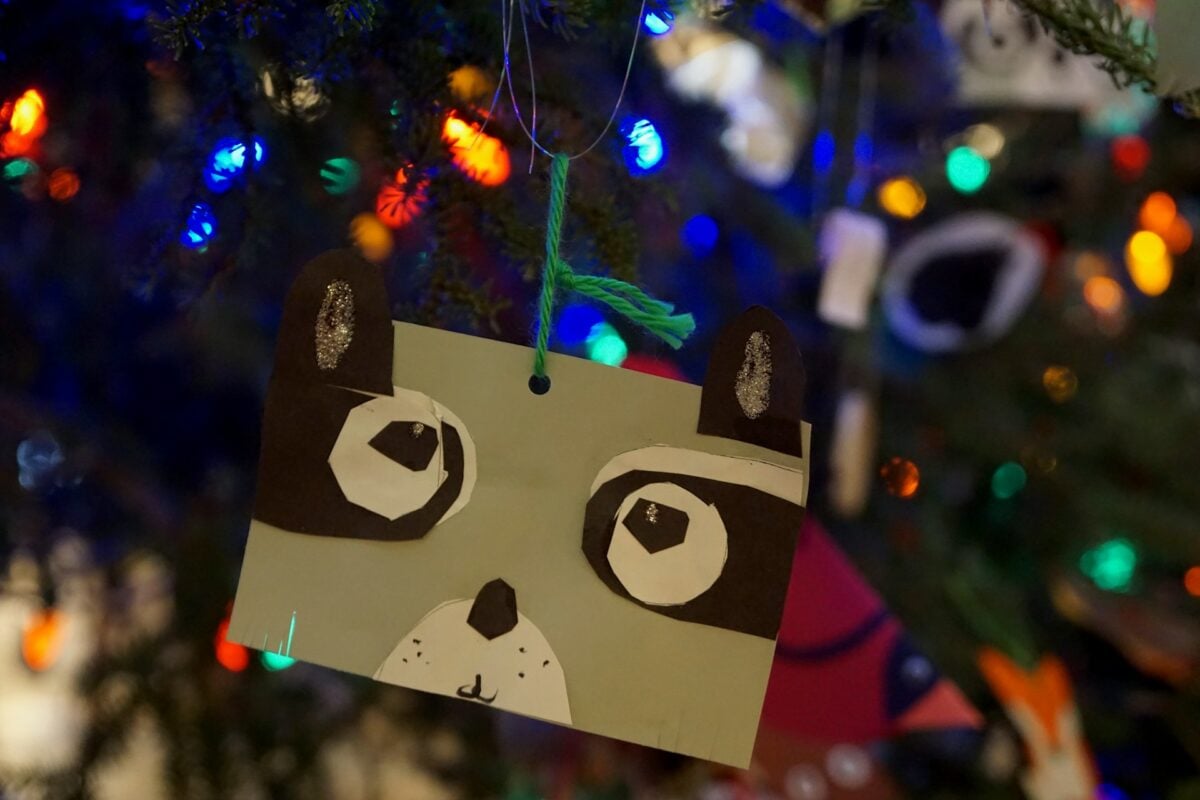
German mica ornaments — cardboard forms coated in glue and dusted with crushed mica flakes to create a snowy shimmer — are among the most undervalued antique ornaments on the current market. People see glitter and dismiss them, not realizing the mica itself is a significant dating indicator.
A pre-1930 German mica ornament in the shape of a house, boot, or lantern with strong sparkle and intact color sells for $40 to $150, and rare geometric forms sell considerably higher.
Occupied Japan Ornaments
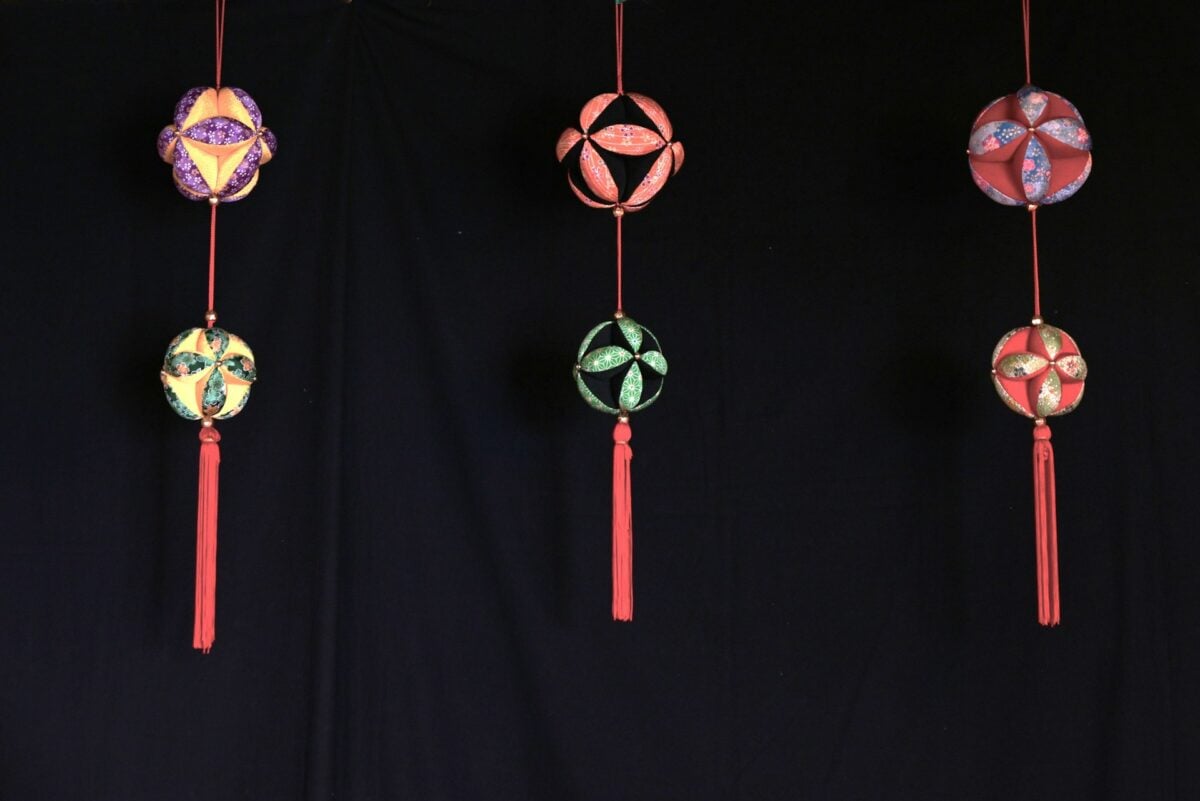
Ornaments marked “Occupied Japan” — produced during the Allied occupation from 1945 to 1952 — carry a specific collectibility that goes beyond their appearance. That marking appears on porcelain, celluloid, and glass ornaments produced in those seven years, and the marking itself is the point.
A clearly marked Occupied Japan ornament in good condition sells for $25 to $75 individually, but finding a complete boxed set with the original importer’s label is a significantly different proposition, price-wise.
Antique Nativity Set Ornaments
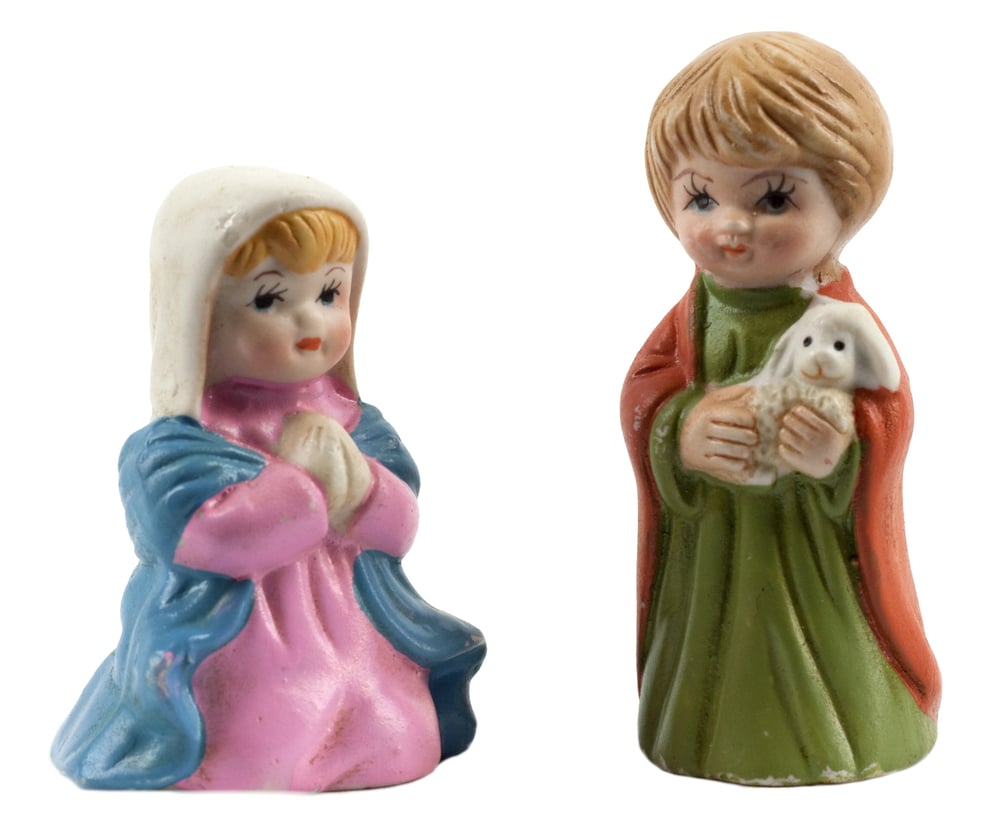
Individual figural ornaments from antique nativity sets — small blown-glass or composition figures representing shepherds, angels, Magi, and animals — are among the most quietly sought antique Christmas pieces. They were sold as individual tree ornaments as well as components of full sets, which means single pieces surface all the time without the collector realizing what they have.
A quality German glass figural nativity ornament from the pre-1920 era sells for $80 to $250 per figure.
Early Electric Light Covers
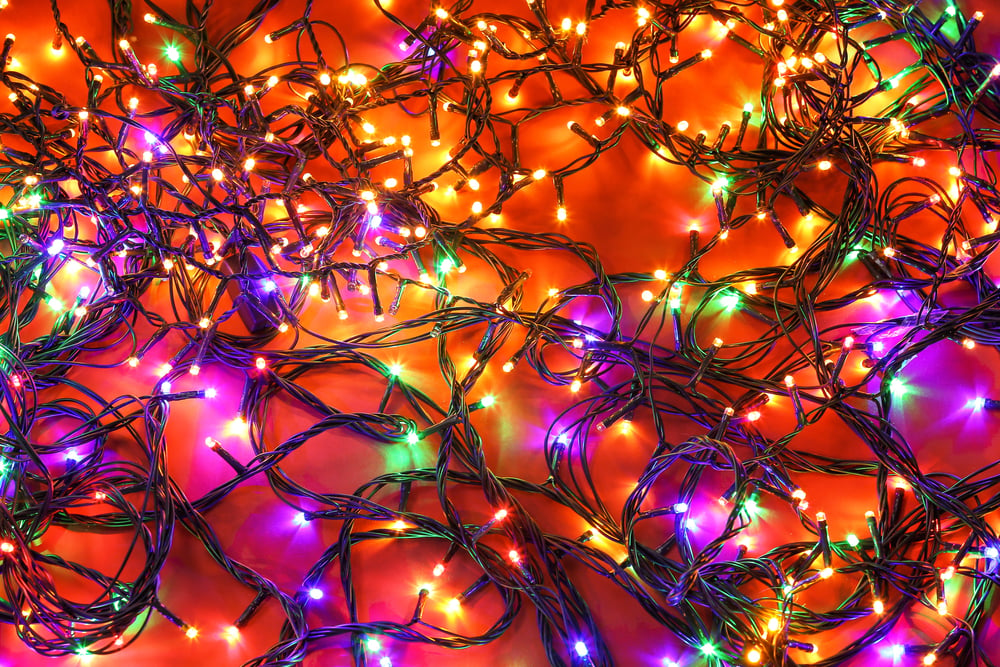
Figural light covers — small molded celluloid or plastic shapes designed to slip over early electric Christmas bulb sockets — were produced from the 1920s through the 1950s in shapes ranging from Santas to snowmen to cartoon characters. They are small, they are easily lost, and they are easily mistaken for toys.
A set of matching figural light covers from the 1930s or 1940s in original colors and intact condition sells for $100 to $300 depending on subject matter.
Antique Tree Stands
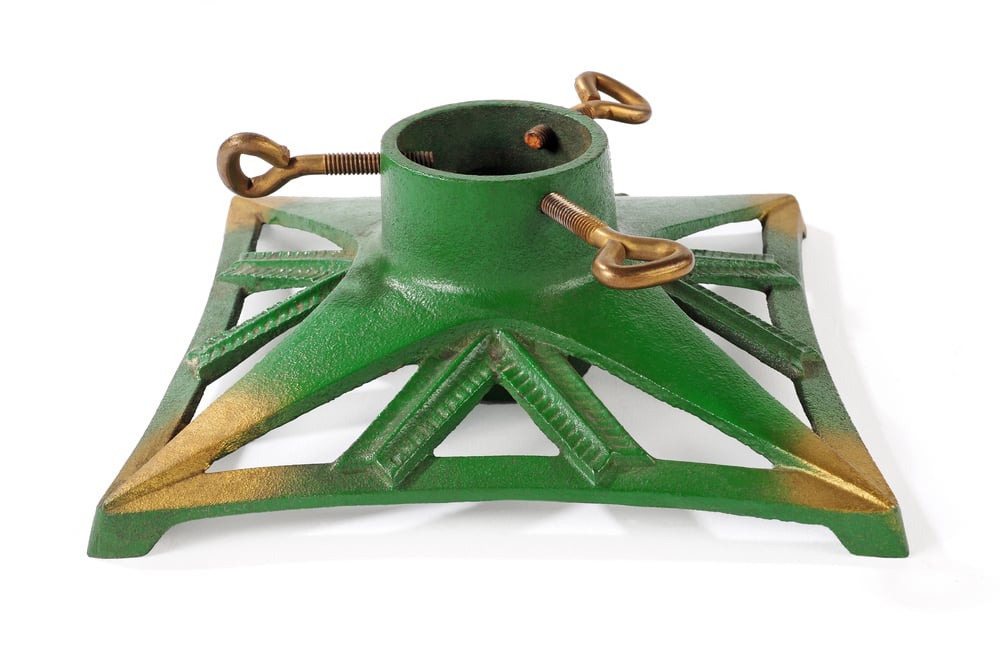
A cast-iron or heavy steel tree stand from the late 1800s or early 1900s — particularly the ornate German versions with painted floral decoration or figural animal feet — is not just a functional relic but a piece of decorative ironwork that collectors actively pursue. A Victorian-era cast-iron Christmas tree stand with strong original paint and intact decoration sells for $150 to $400, and the rarest elaborately decorated examples have sold for considerably more at specialized holiday auctions.
Wax Angel Ornaments
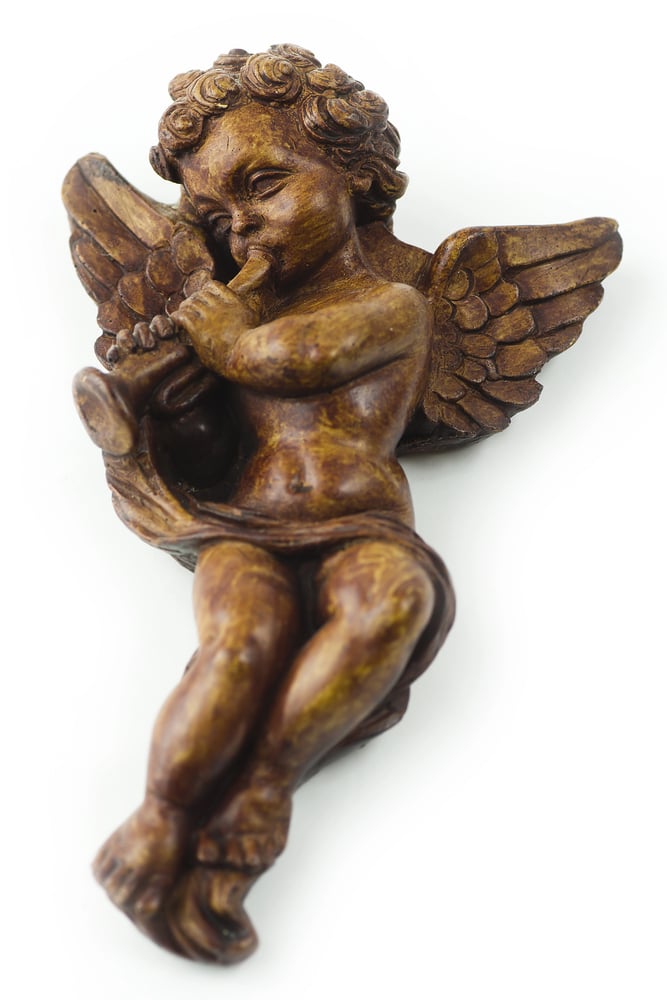
Wax Christmas angels — molded wax faces and hands attached to fabric bodies, often with real hair, produced primarily in Germany from the 1860s through the early 1900s — are the ornaments most likely to make a casual browser suddenly go quiet. The faces have a particular quality: still, slightly unreadable, alive in a way that feels faintly unsettling and deeply beautiful at once.
A wax angel ornament with intact face, original hair, and uncracked body sells for $200 to $600, and collector demand has been rising steadily.
Die-Cut Chromolithograph Ornaments
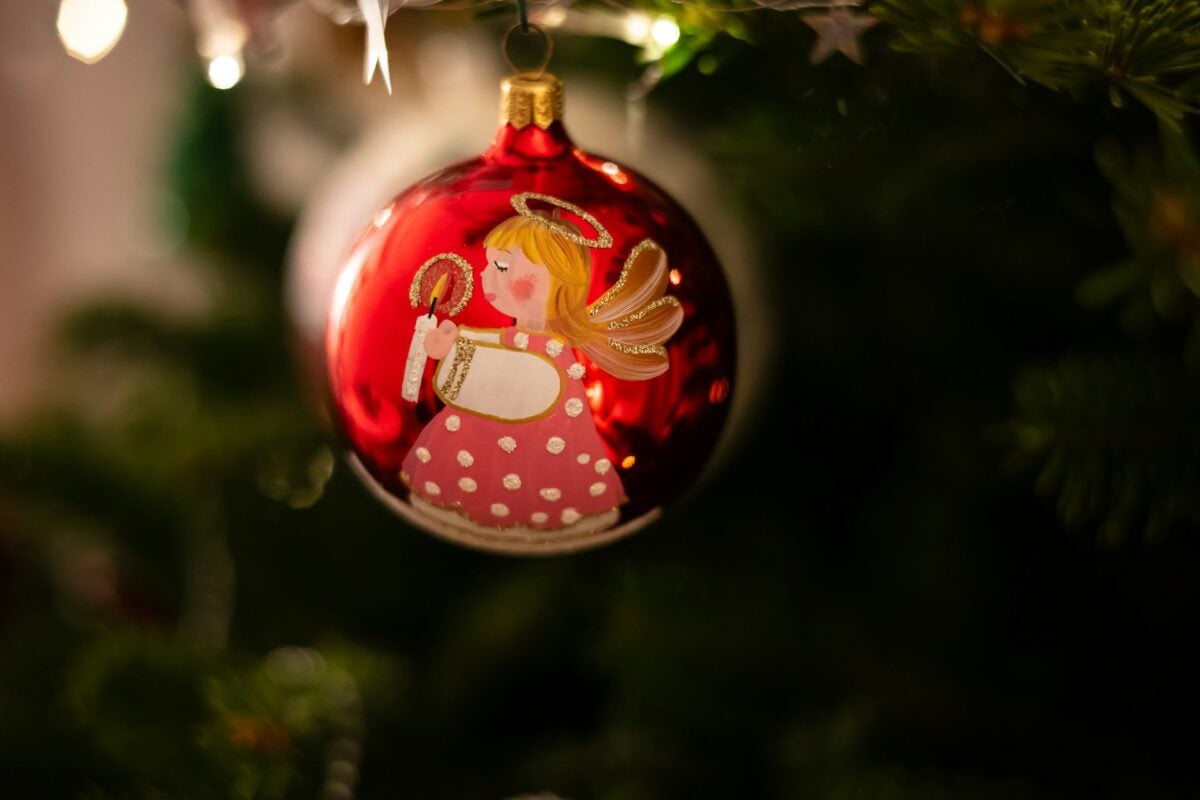
Die-cut chromolithograph ornaments — those brilliantly colored, flat or slightly dimensional paper images of Santas, angels, children, and winter scenes, produced primarily in Germany from the 1880s onward — were the wallpaper of Victorian-era trees, and the finest examples are still astonishingly vivid. Finding a die-cut in crisp, unfaded condition with no moisture damage is the challenge, because most of them spent a century in boxes where humidity did its quiet work.
A premium condition Victorian die-cut Santa or angel sells for $40 to $150 individually, and large elaborate examples sell for more.
Early Glass Figural Pickle Ornaments
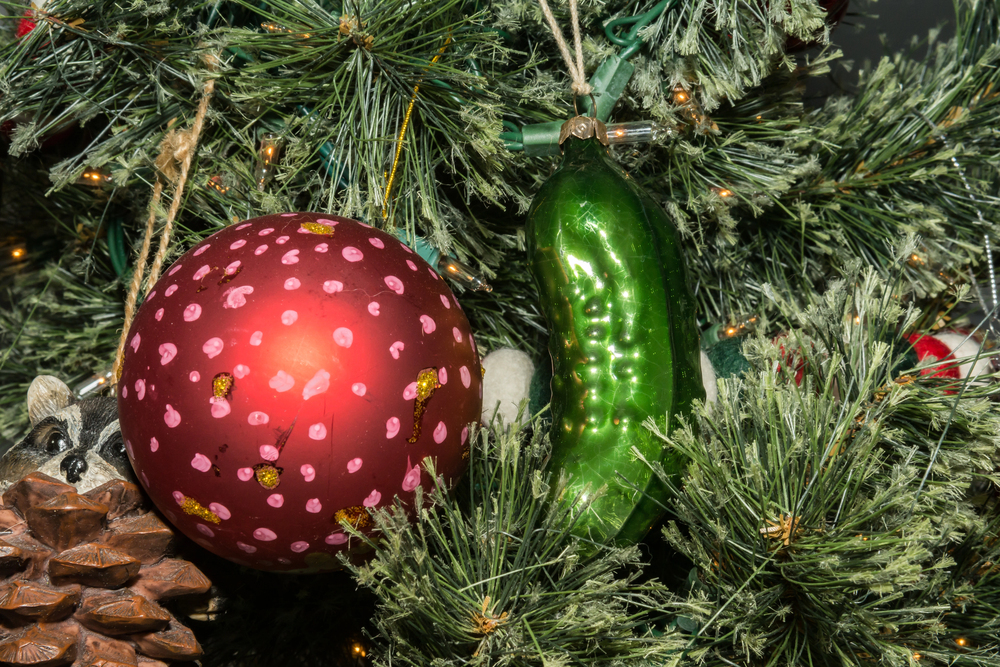
The Christmas pickle ornament is arguably the most debated tradition in American holiday folklore — supposedly German in origin, though German collectors largely deny it — but the actual antique glass pickle ornaments made in Lauscha in the late 1800s and early 1900s are real, verifiable, and genuinely collectible. A quality antique German glass pickle ornament in original green with intact cap sells for $100 to $300, which is remarkable for an ornament shaped like a vegetable.
Steiff-Affiliated Miniature Animal Ornaments
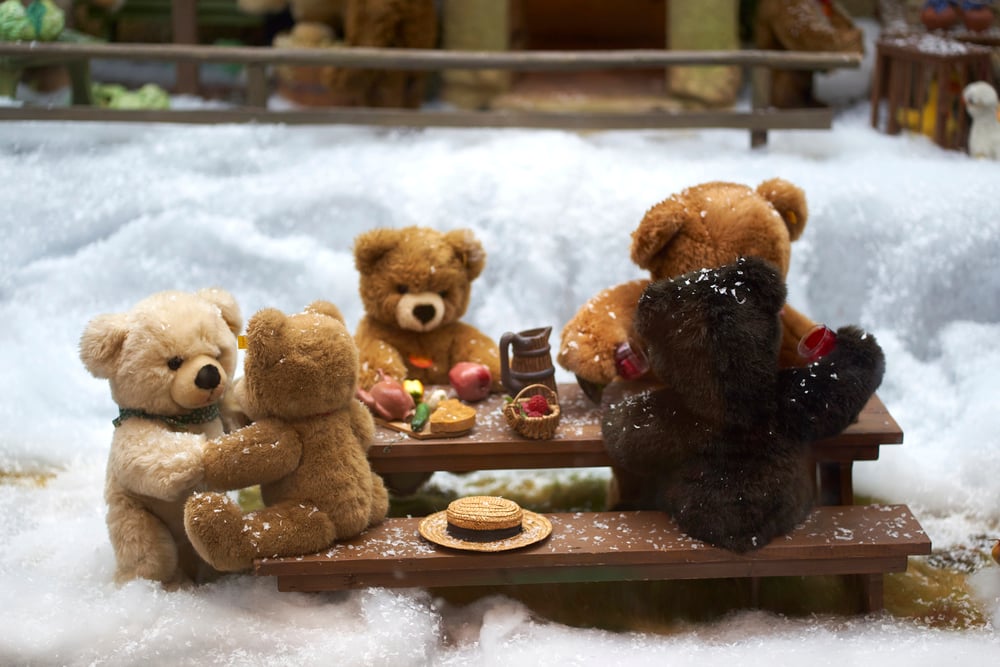
Not every miniature mohair or felt animal ornament from the early twentieth century was made by Steiff, but the ones that were — and can be authenticated through the trademark button placement or original paper tag — are among the most valuable small decorative objects in the vintage Christmas market. These are not always easy to identify without handling them carefully, and yet they turn up in attic boxes all the time because they look like children’s toys.
A verified early Steiff miniature animal ornament in good condition sells for $150 to $500, and rare examples have gone considerably higher.
What the Attic Has Been Keeping
The truth is that most people who own valuable antique ornaments don’t know it yet — not because they’re indifferent to history, but because the objects themselves have spent decades being treated as seasonal decoration rather than as artifacts. A piece of hand-blown German glass from 1890 has survived two world wars, multiple house moves, and roughly a hundred encounters with tissue paper, and it’s still intact in a shoebox.
That’s not nothing. Before the next December rolls around, it might be worth opening those boxes a little more slowly — and looking at what’s inside them with different eyes.
More from Go2Tutors!

- The Romanov Crown Jewels and Their Tragic Fate
- 13 Historical Mysteries That Science Still Can’t Solve
- Famous Hoaxes That Fooled the World for Years
- 15 Child Stars with Tragic Adult Lives
- 16 Famous Jewelry Pieces in History
Like Go2Tutors’s content? Follow us on MSN.