29 Board Games Families Played Before Streaming
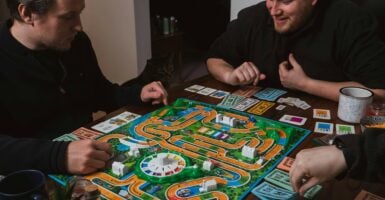
Sunday afternoons meant spreading games across the dining table for hours without anyone checking devices. Competition didn’t require batteries or subscriptions.
The rules were printed, the equipment was contained, and the game took exactly as long as players invested. These games represented the centerpiece of family togetherness before entertainment fragmented into individualized streaming selections.
Missing pieces didn’t stop play—it just changed the rules slightly.
Monopoly
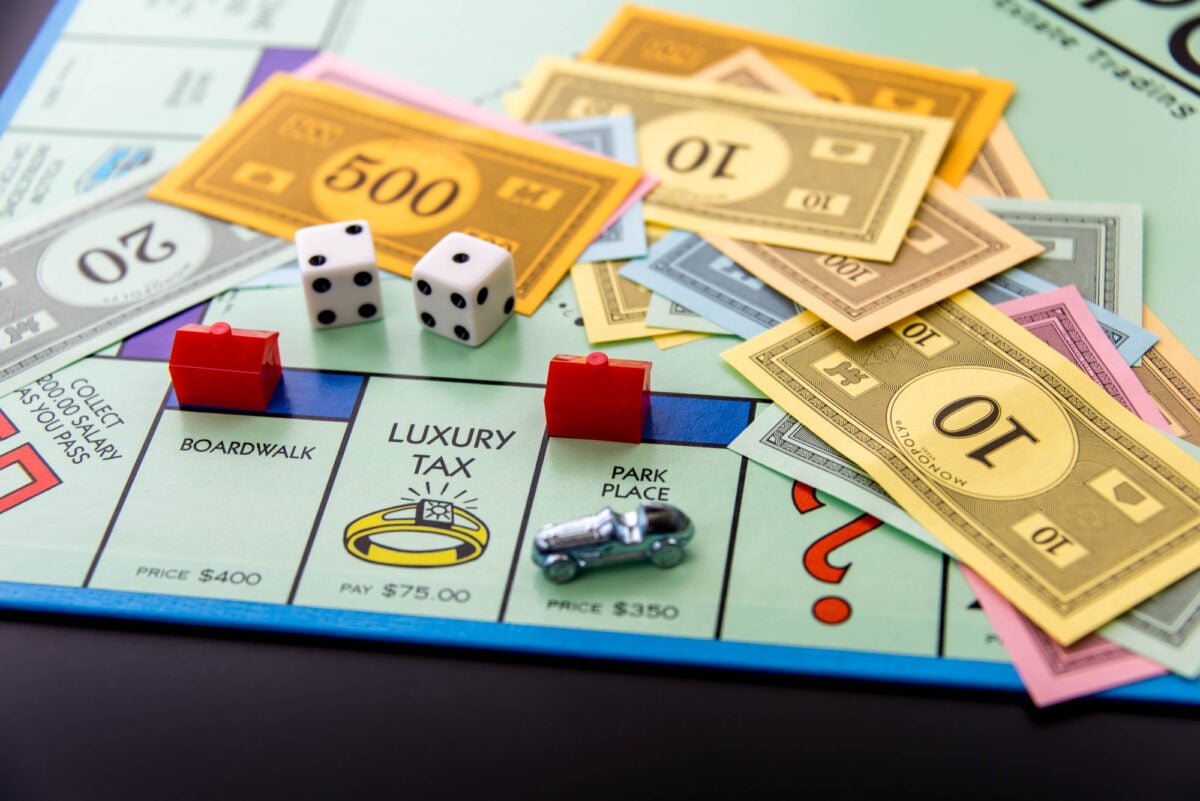
This property acquisition game lasted hours or days, creating clear winners and losers through capitalist accumulation. The extended playtime meant commitment, and families who finished games earned bragging rights.
Different editions featured different city variations, encouraging regional loyalty.
Sorry!
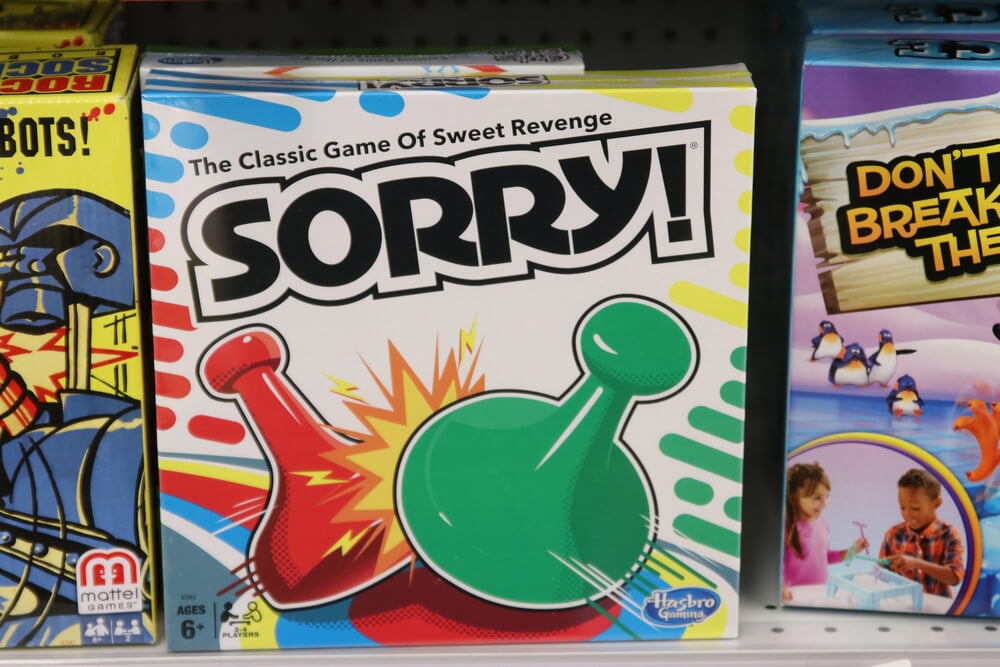
This simple race game involved moving pieces around the board and knocking opponents back to start. The mechanic felt aggressive while remaining simple enough for young children.
The quick play meant multiple games per session, building accumulated scores.
Candy Land
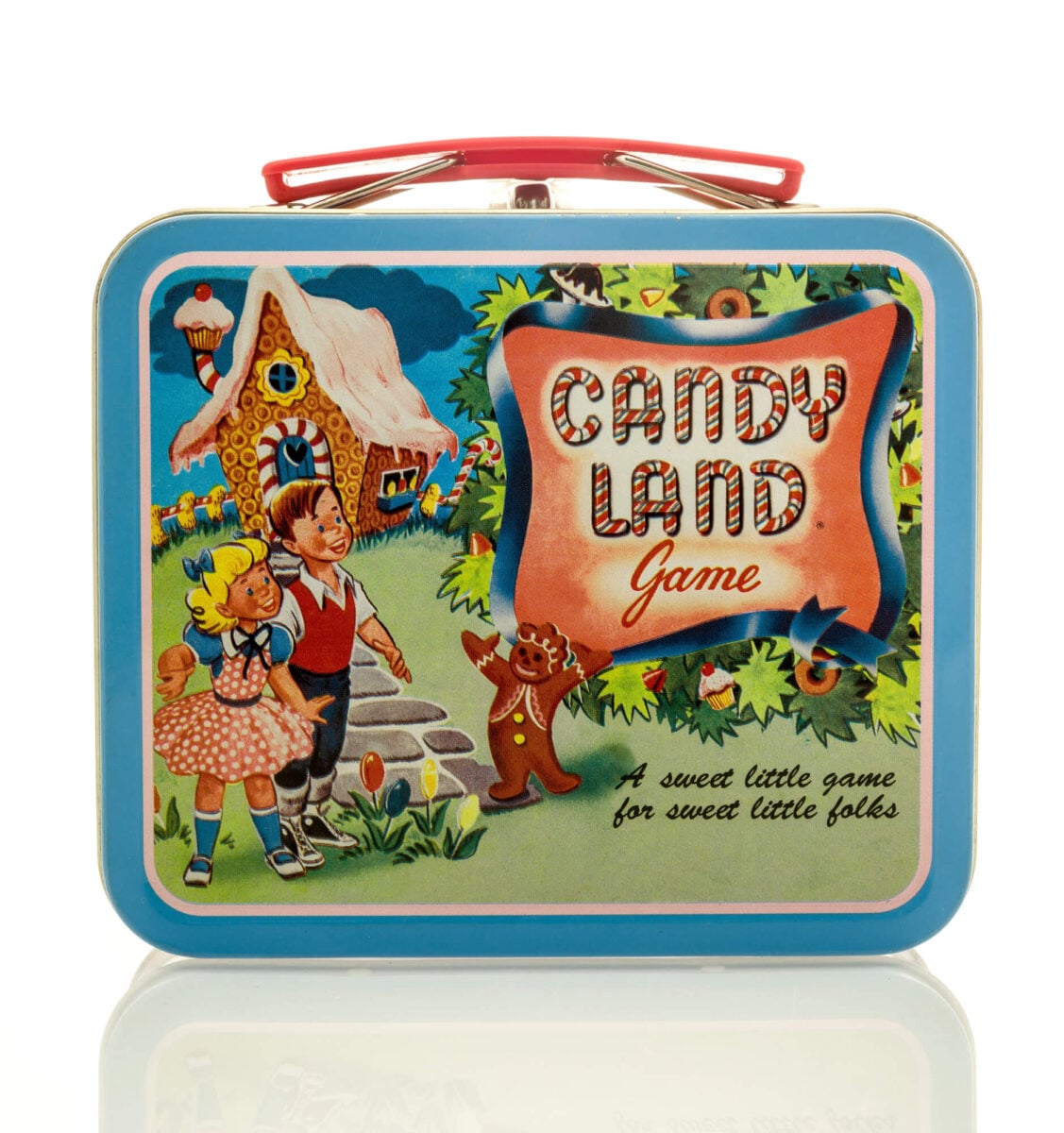
This children’s race game followed a path through candy-themed locations without strategy requirements. The game taught turn-taking and provided structure for young children.
Missing cards didn’t stop play; players just called out locations to advance.
Chutes and Ladders
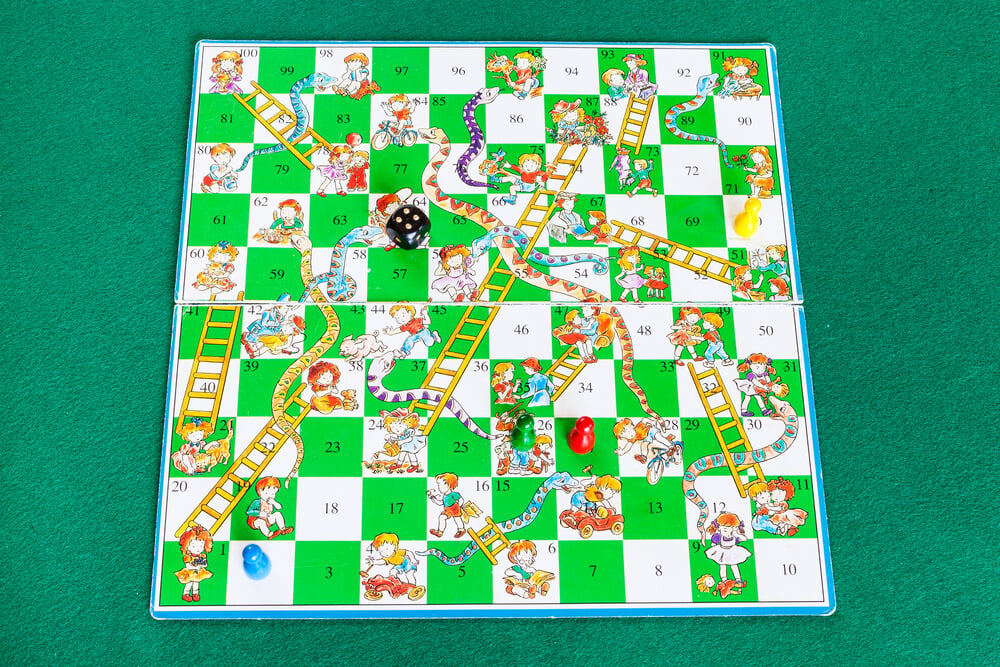
This children’s game of chance followed a numbered board where rolls determined progress. Ladders accelerated advancement while chutes forced backwards movement.
The randomness meant any player could win, keeping young children engaged despite simple mechanics.
Scrabble
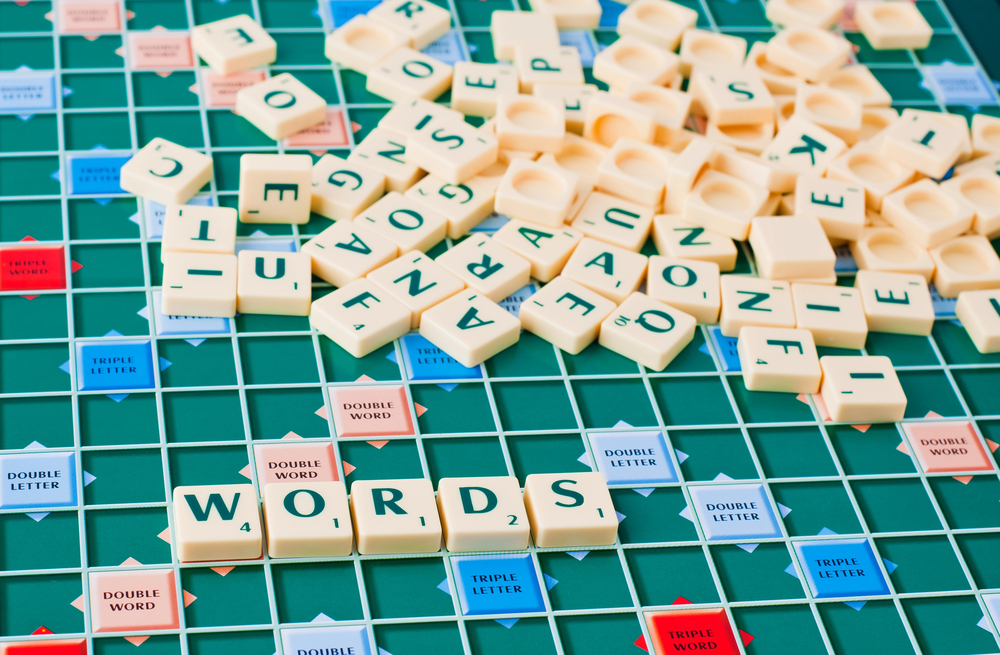
This word game required players to create words from letter tiles on a game board. The points varied by letter value and placement, requiring strategic thinking.
Families debated whether specific words were acceptable, creating memorable disagreements.
Risk
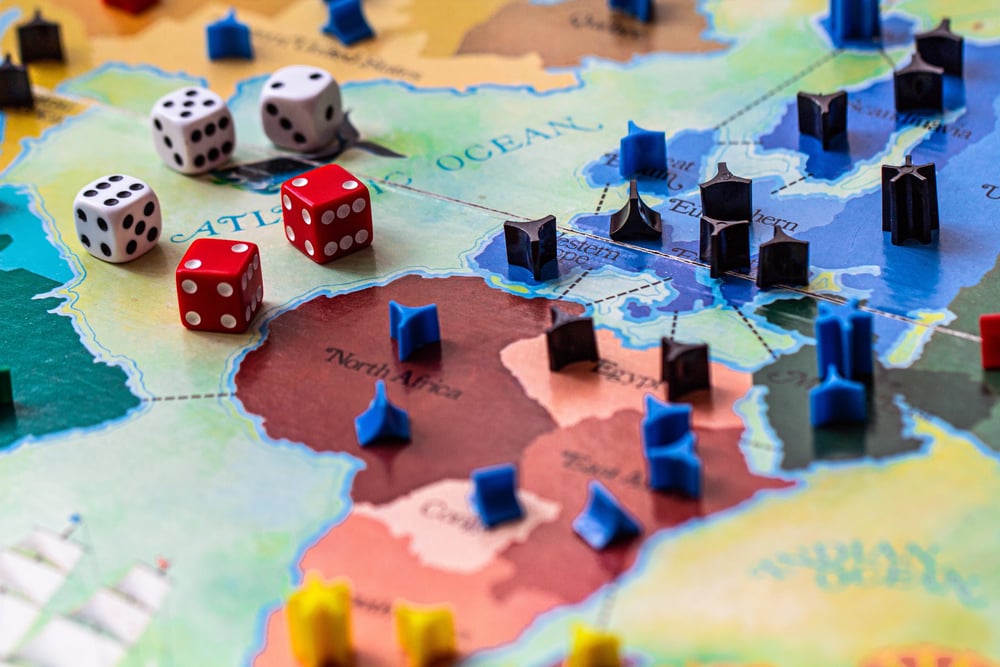
This strategic war game involved conquering continents and defending territory through dice rolls. Games could last entire afternoons as players negotiated alliances and attacked enemies.
The extended commitment meant serious gaming for families invested in strategy.
Clue
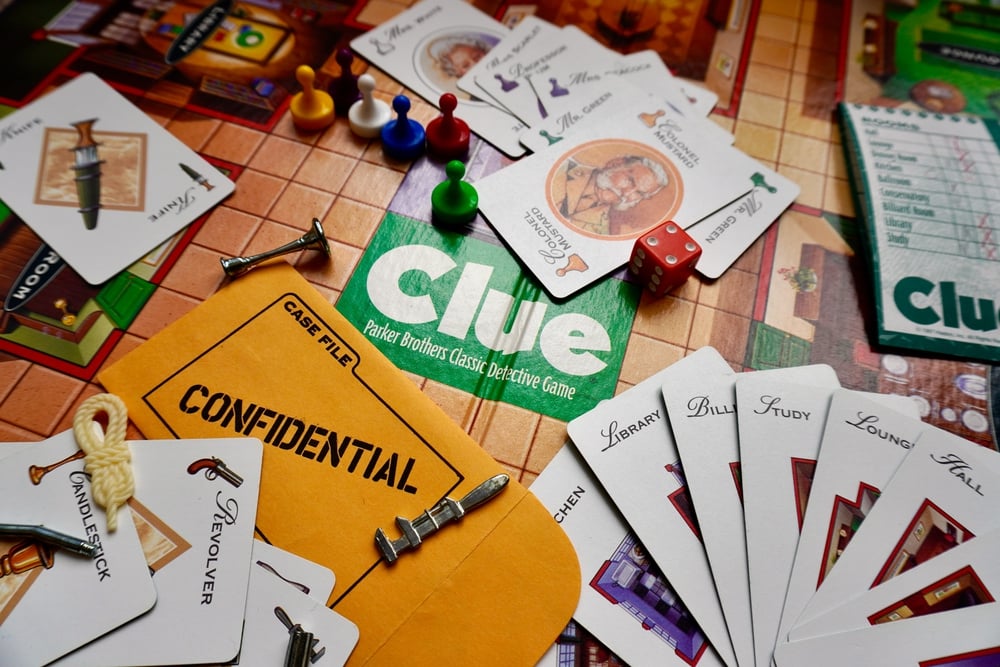
This deduction game required players to solve which suspect committed which crime in which room. The evidence cards and secret envelopes created genuine mystery.
Multiple plays produced different solutions, sustaining interest across seasons.
Battleship
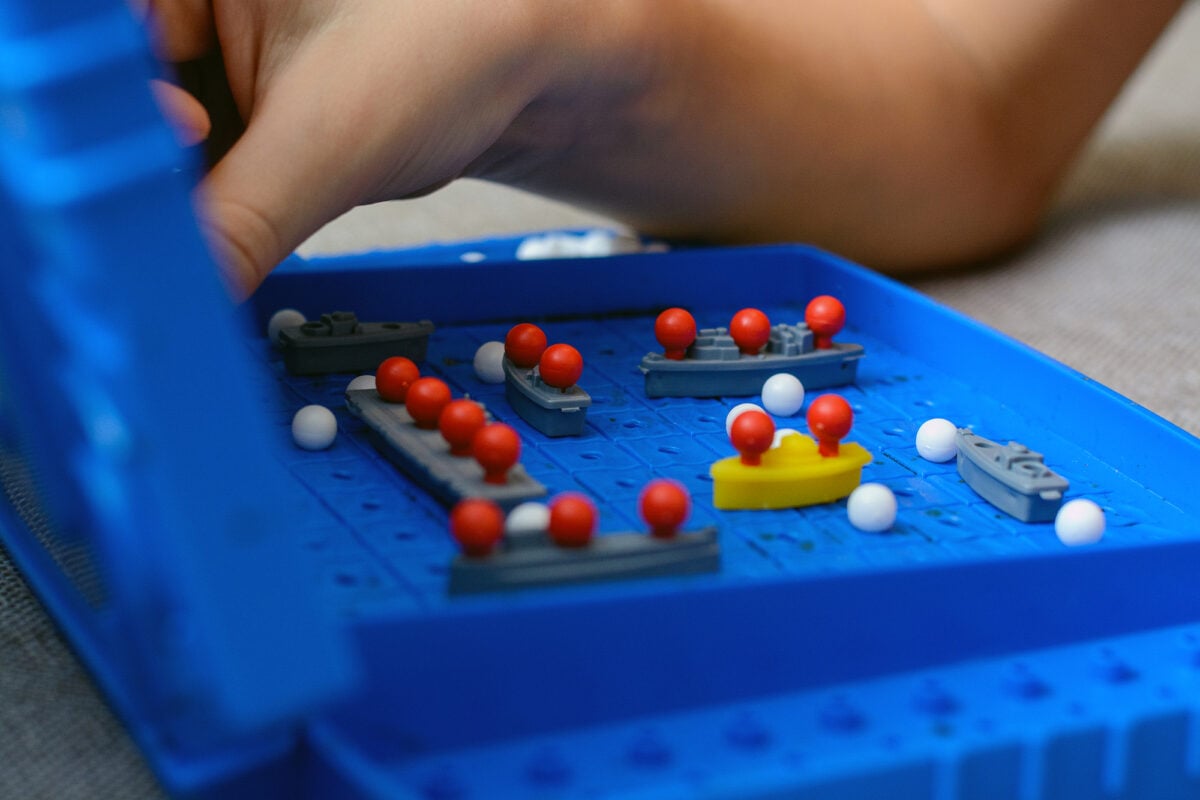
This naval combat game required players to locate opponent ships through strategic guessing. The grid-based targeting taught coordinate logic.
The game moved quickly once both sides concentrated.
Connect Four
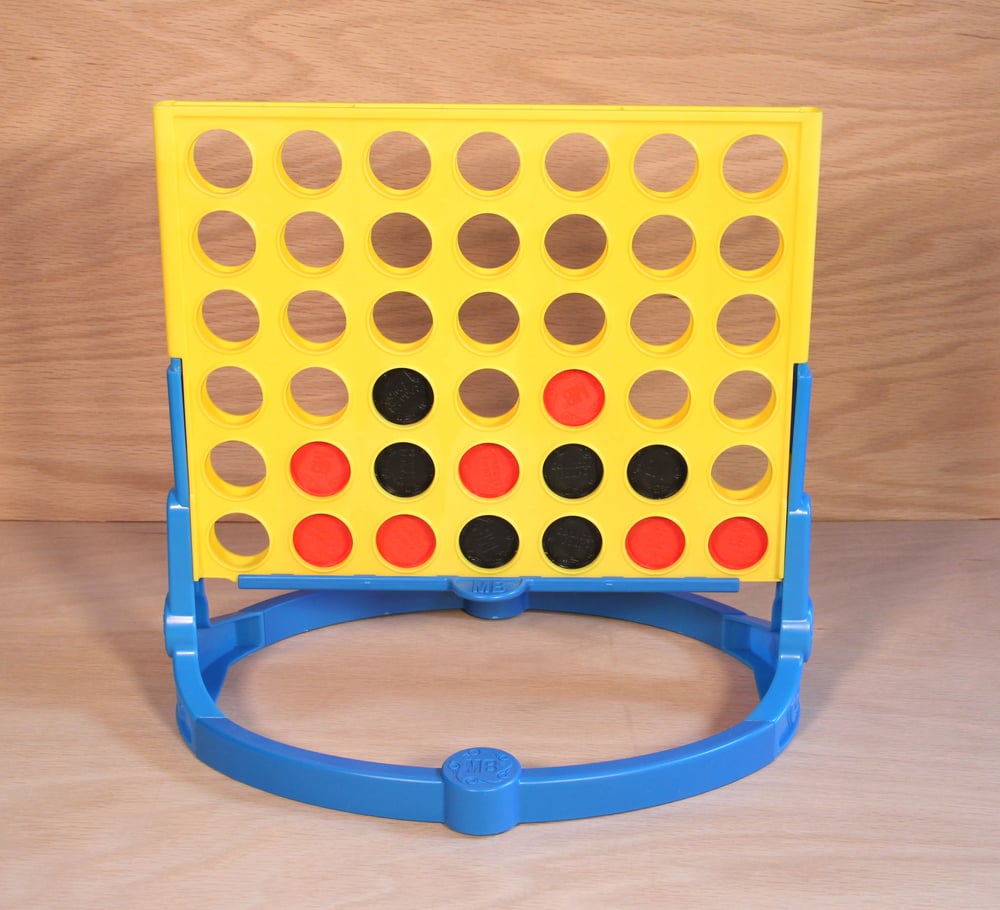
This column-dropping game required aligning four pieces vertically, horizontally, or diagonally. The simple rules meant even young children could play while older players employed strategy.
The standing plastic frame and colorful chips made the game visually appealing.
Checkers
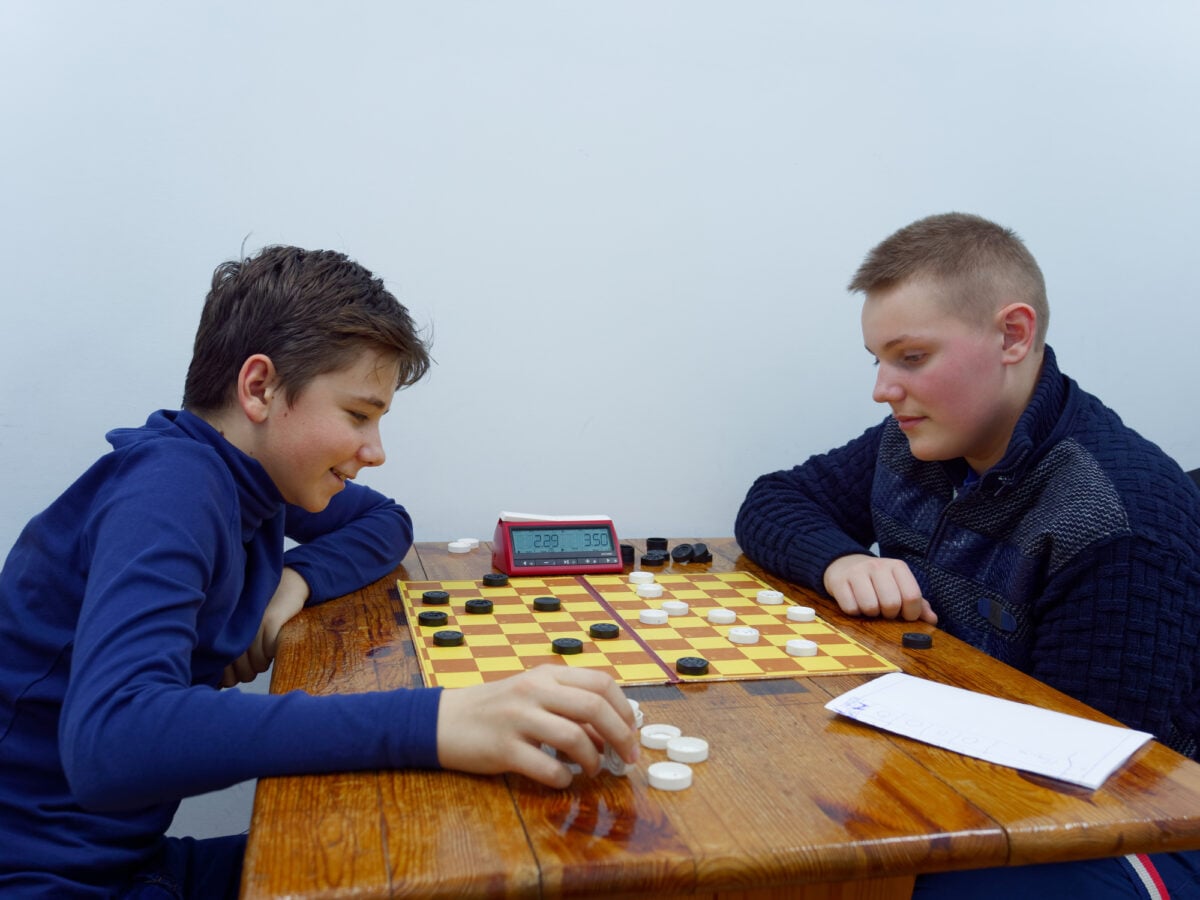
This piece-moving game simplified chess through single-direction movement and piece jumping. The game required substantially less learning than chess but offered genuine strategic depth.
Many families owned sets used for decades.
Chess
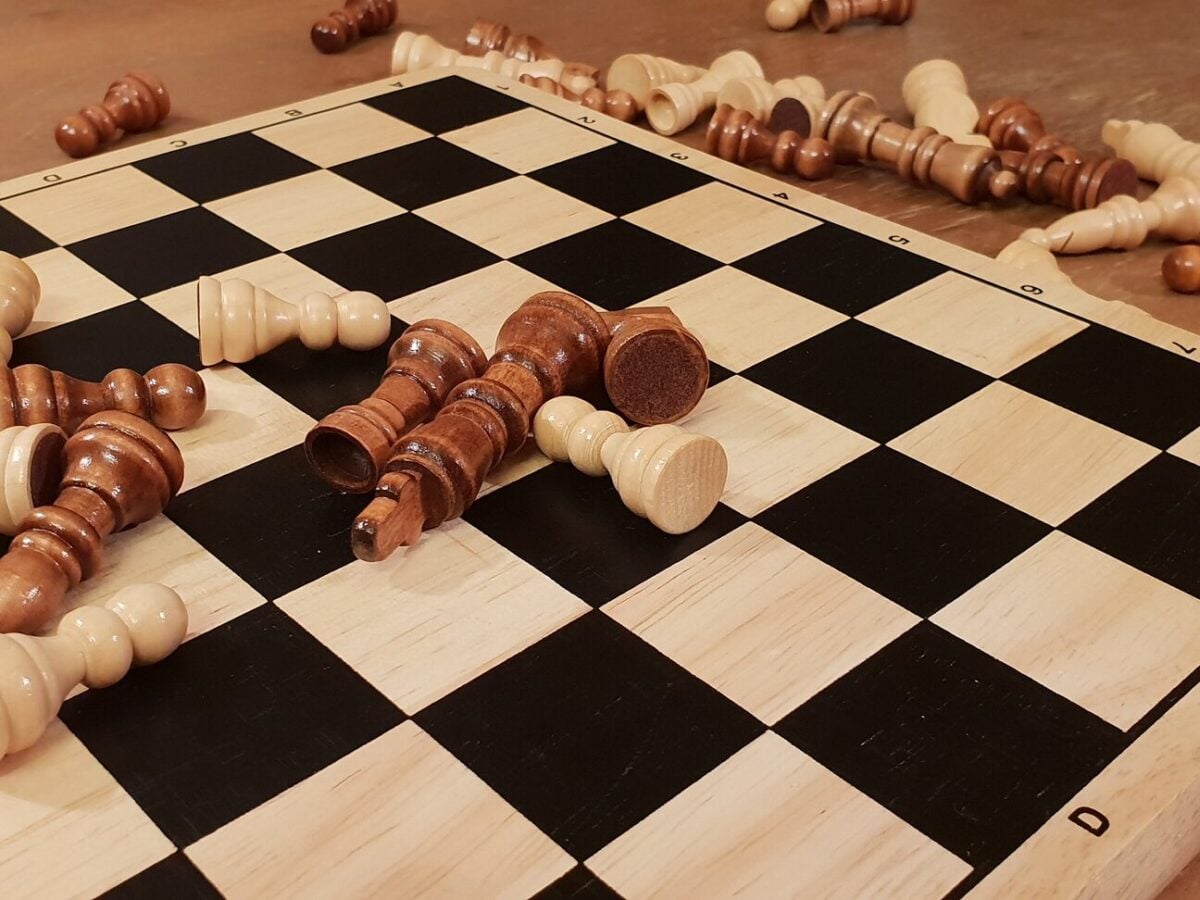
This complex strategic game with unique piece movement rules appeared in serious households. The extended learning curve and preparation required limited casual play.
Families who played chess regularly maintained sets for years.
Ants in the Pants

This dexterity game required flicking small plastic ants from a launching mechanism into a plastic pants container. The physical action and silly premise appealed to young children.
The game produced unpredictable outcomes based on flicking technique.
Mouse Trap
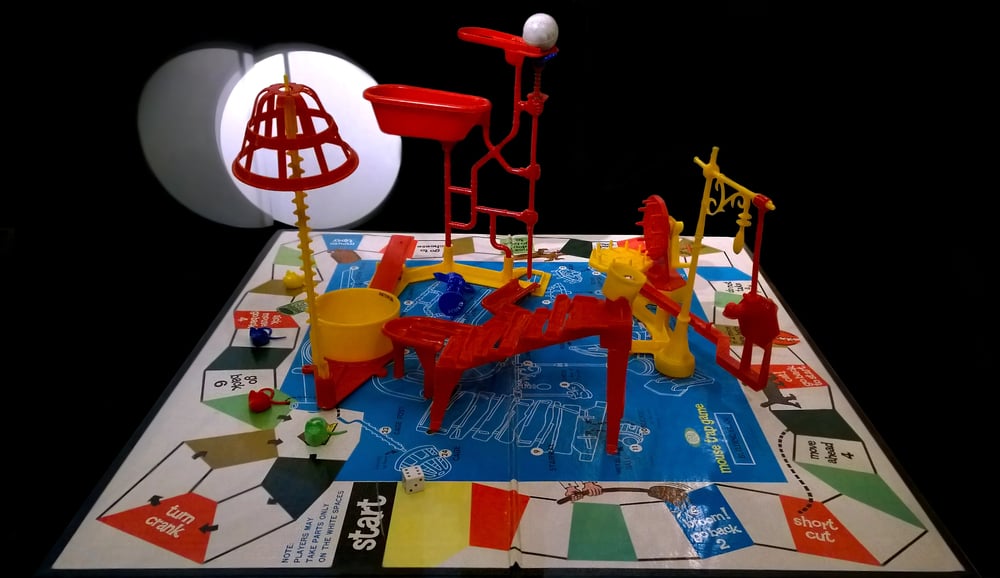
This Rube Goldberg-themed game featured a working marble run that created traps during play. The mechanical elements breaking or jamming frequently interrupted actual gameplay.
Families often abandoned play to watch the trap mechanism repeatedly.
Twister

This game required players to place hands and feet on colored circles while the board twisted into uncomfortable positions. The physical contact and tangling created humor and difficulty.
The simple equipment and quick setup made it a party game alternative to typical board games.
Operation
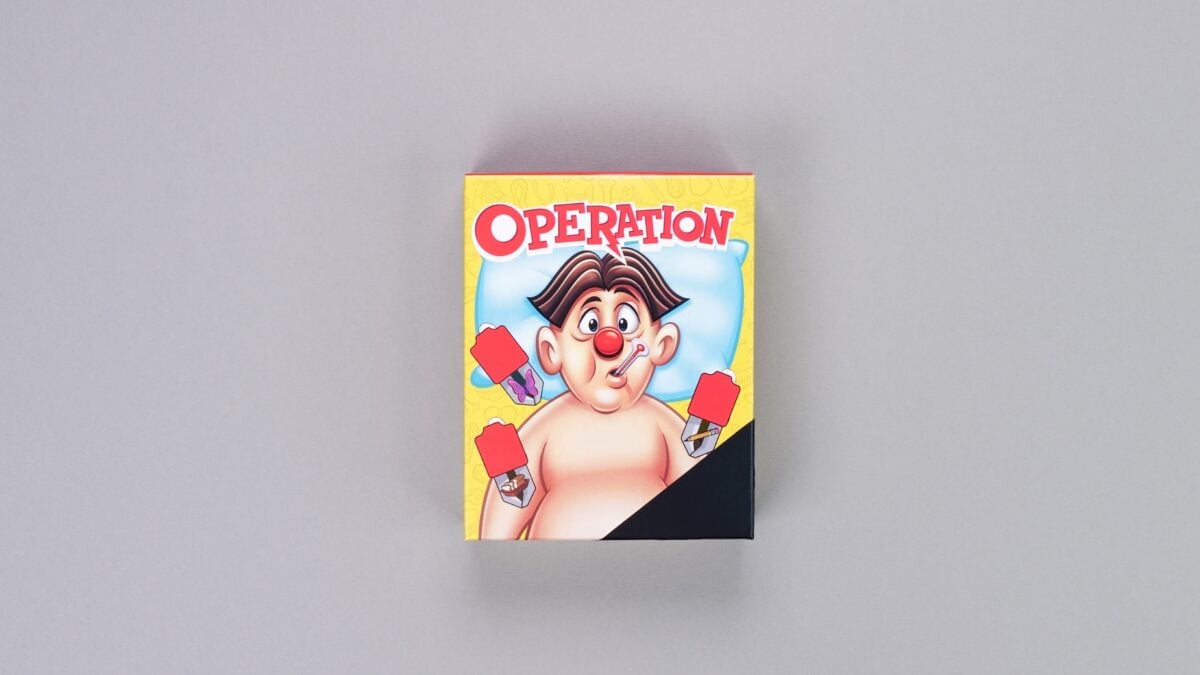
This electronic game required removing plastic objects from a cardboard patient using metal tweezers. Touching the metal sides triggered a buzz and loss of turn.
The steady hands required meant even adults found the game challenging.
Trouble
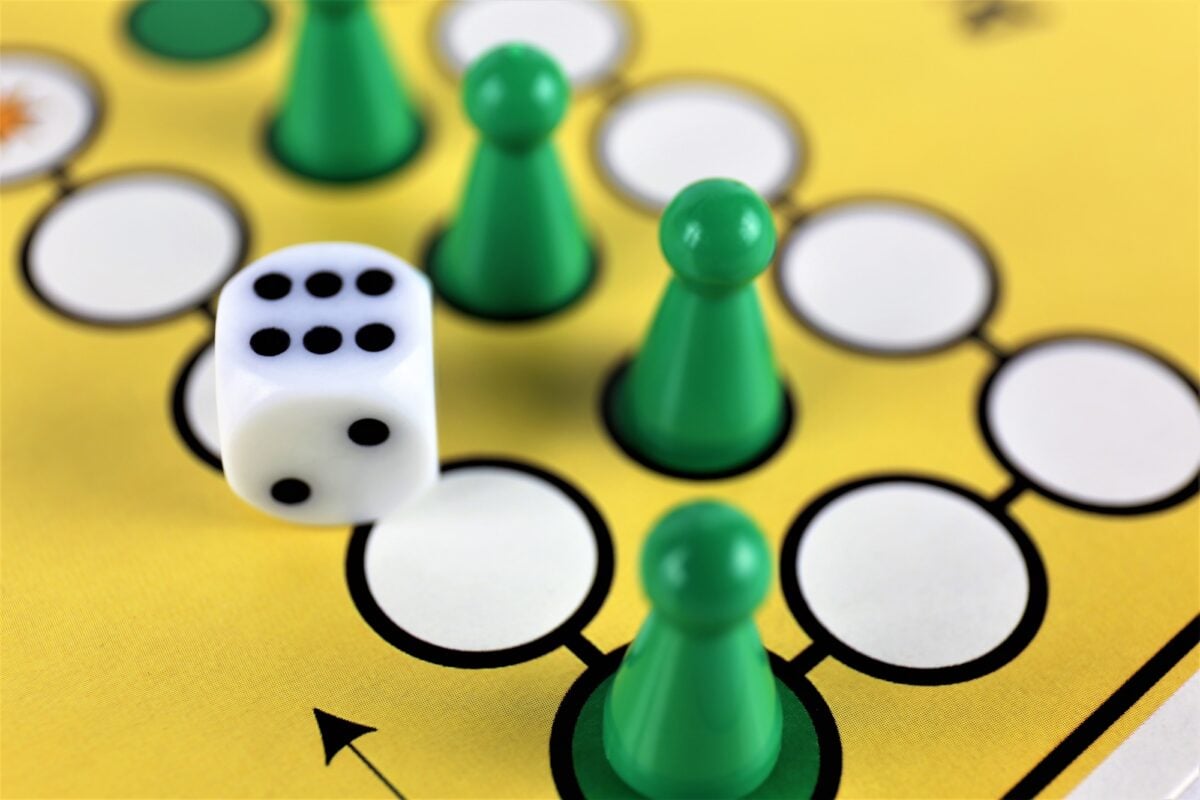
This game featured a plastic bubble in the center that players pressed to create dice rolls. The mechanical reliability varied, and plastic eventually cracked, requiring replacement of the game’s signature feature.
Aggravating or delighting based on bubble performance.
Hungry Hungry Hippos

This competitive game required players to snap marble-chomping hippo pieces to capture rolling marbles. The mechanical snapping created noise and excitement.
The simple competition meant multiple quick rounds per evening.
Barrel of Monkeys
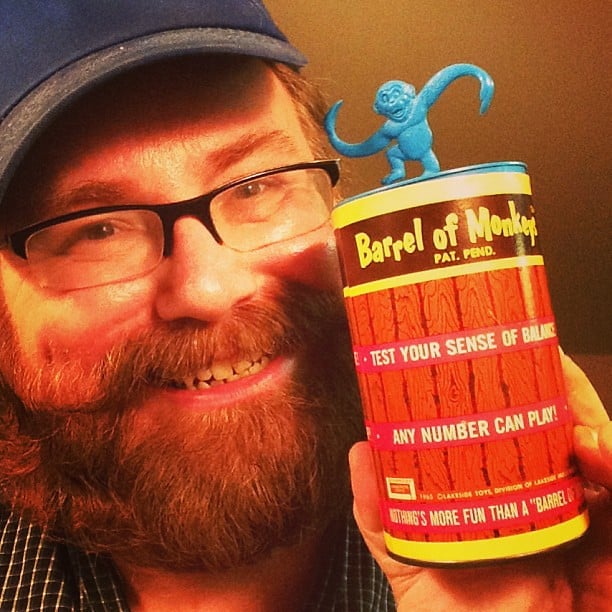
This dexterity game required pulling plastic monkeys from a barrel without triggering the spring lid. The plastic connecting links created chains as successful monkey removal accumulated.
The spring mechanism eventually loosened, making the game easier.
Pick-Up Sticks

This dexterity game required removing sticks from a pile without moving others. The concentration and steady hands required appealed to older children.
The simple equipment meant playing anywhere with limited setup.
Kerplunk!

This tower-building game required carefully removing sticks while marbles balanced on top. Removing sticks dropped marbles into compartments below.
The challenge intensified as fewer sticks remained to support the marbles.
Jenga

This block-stacking game required removing wood blocks from a tower and placing them on top. The increasing instability as blocks were removed created growing tension.
The inevitable collapse provided satisfying endings.
Mastermind
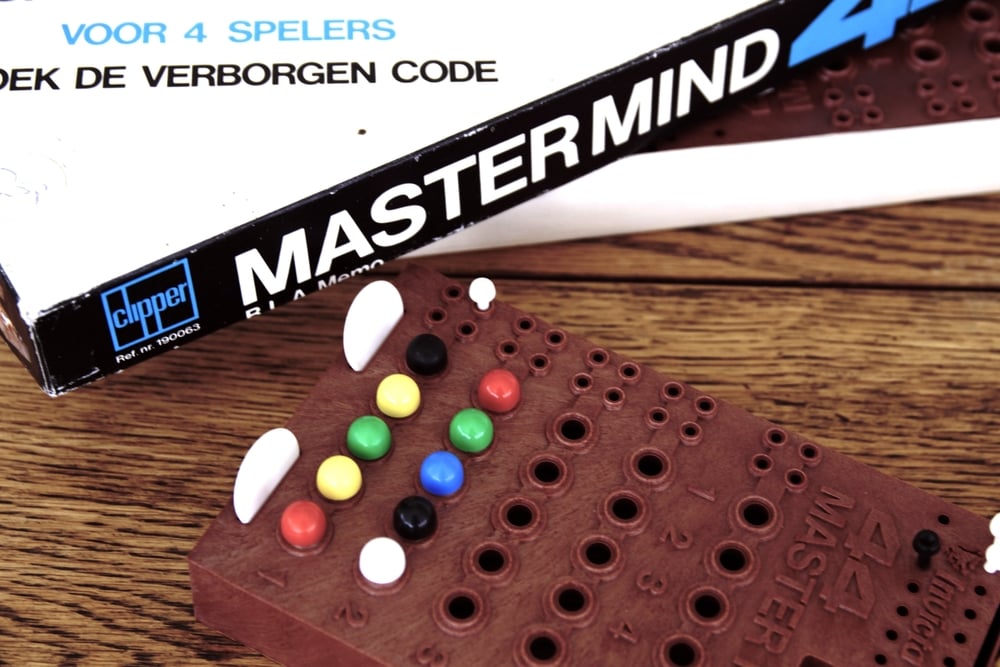
This code-breaking game required players to guess the opponent’s secret color sequence. Each guess produced feedback indicating accuracy.
The logic required and limited play time created appeal across age ranges.
Battleship (Pencil and Paper)

This simplified version of the commercial game used grids drawn on paper with no additional equipment required. The accessibility meant playing anywhere.
The reduced overhead and faster play appealed to casual players.
Uno
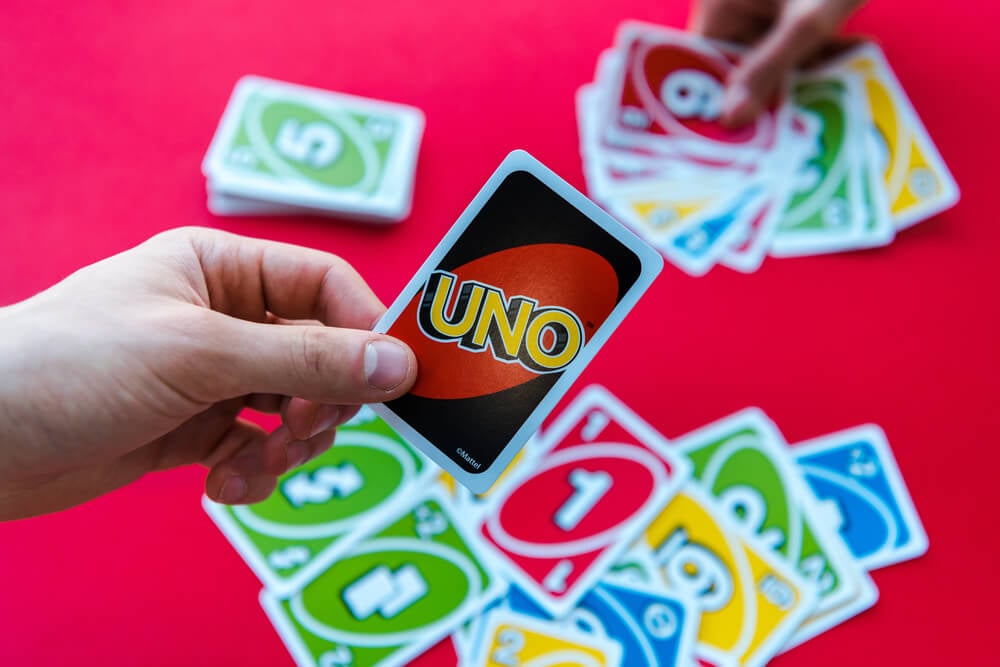
This card game required matching cards by number or color. The special action cards created reversals and drama.
The quick play meant multiple rounds per evening, building competitive streaks.
Rummikub
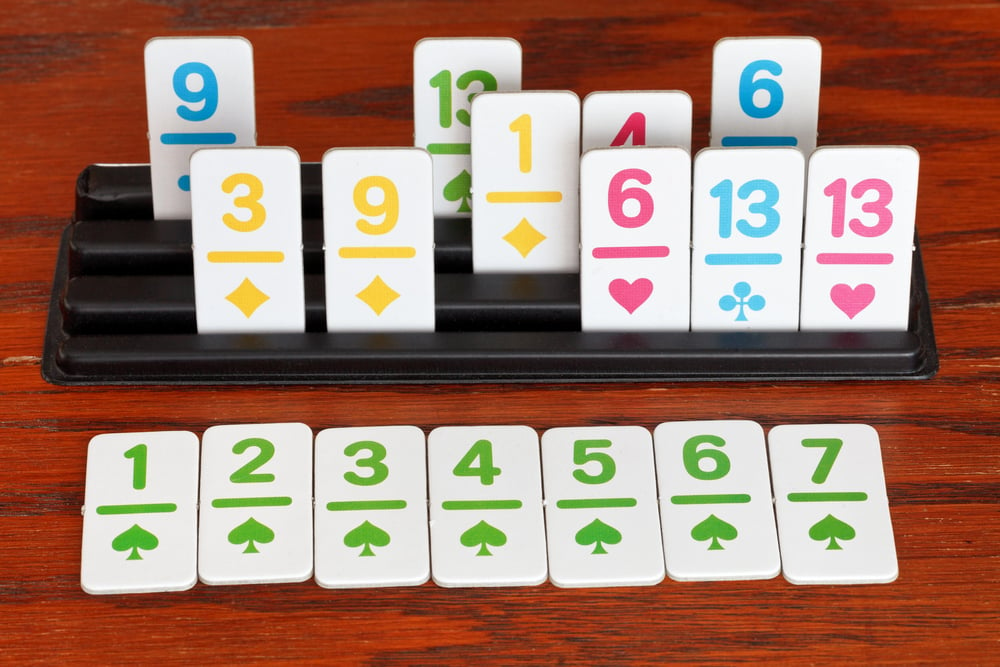
This tile-based game required players to create sequences and sets of numbered tiles. The strategy and luck combination appealed to adults.
The ceramic tiles and wooden racks created tactile satisfaction.
Stratego
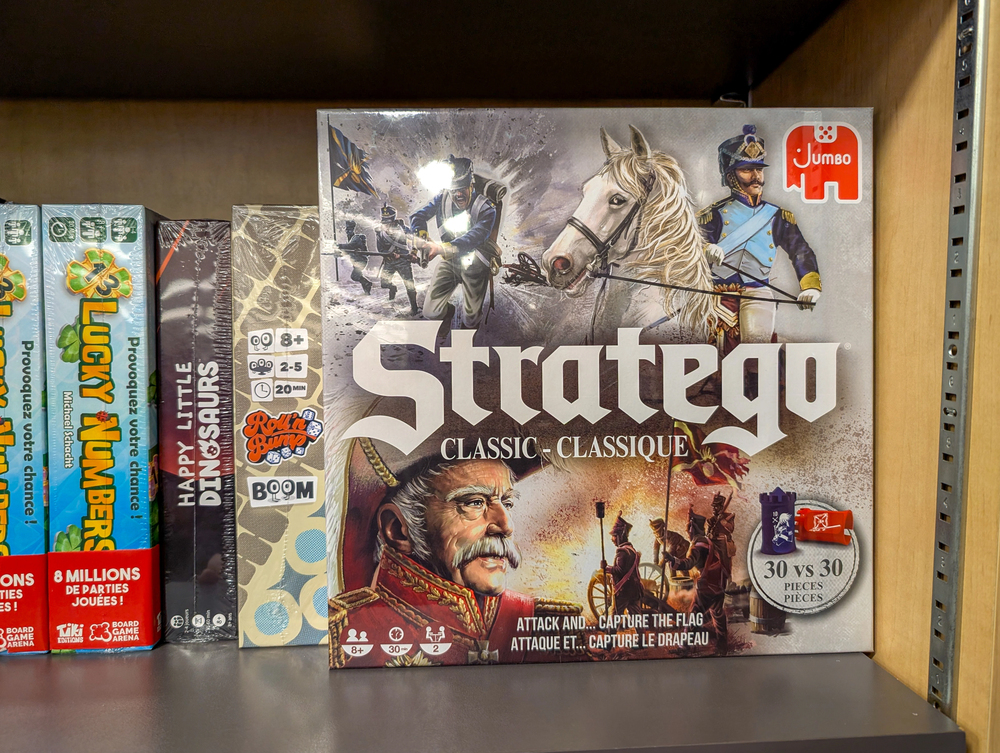
This strategic game required moving pieces with hidden identities across a battlefield. The hidden information prevented perfect planning.
The balance between luck and strategy appealed to serious players.
Axis and Allies
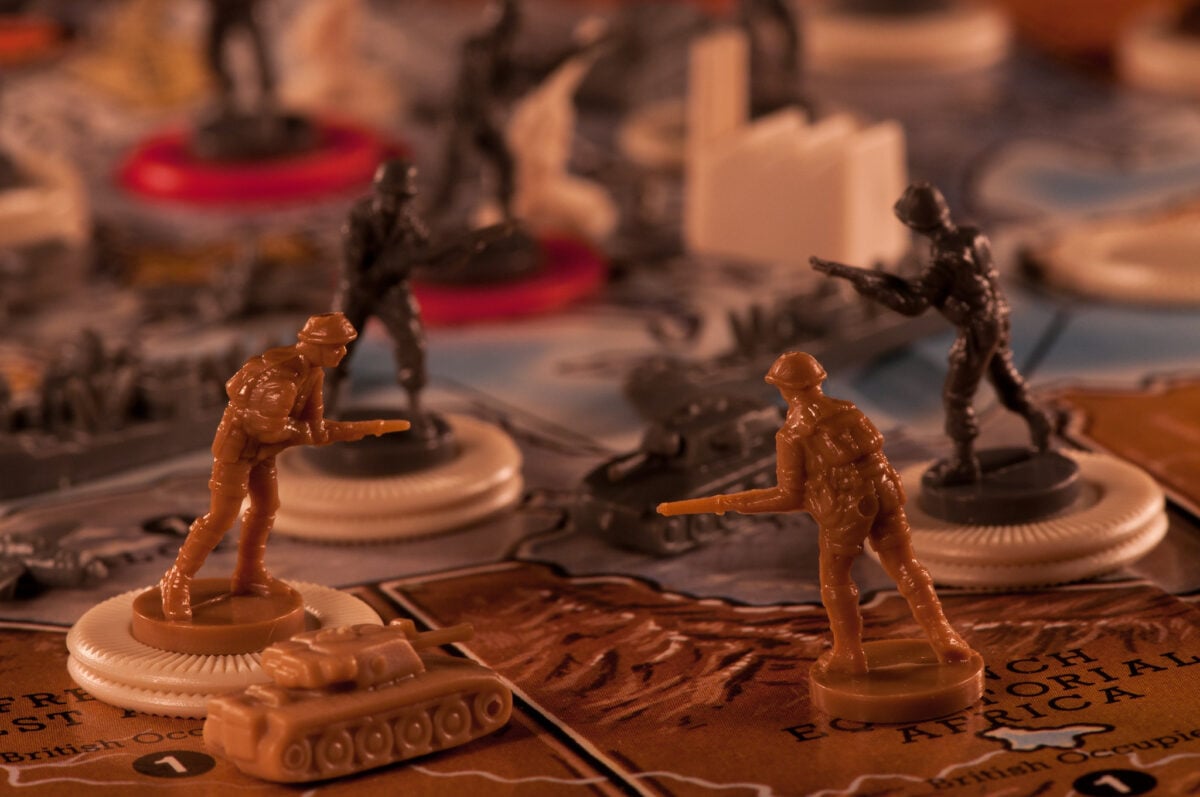
This World War II strategy game could last entire evenings requiring complex calculations. The historical setting and detailed mechanics attracted serious hobbyists.
The commitment and complexity limited casual play.
The Gathered Table
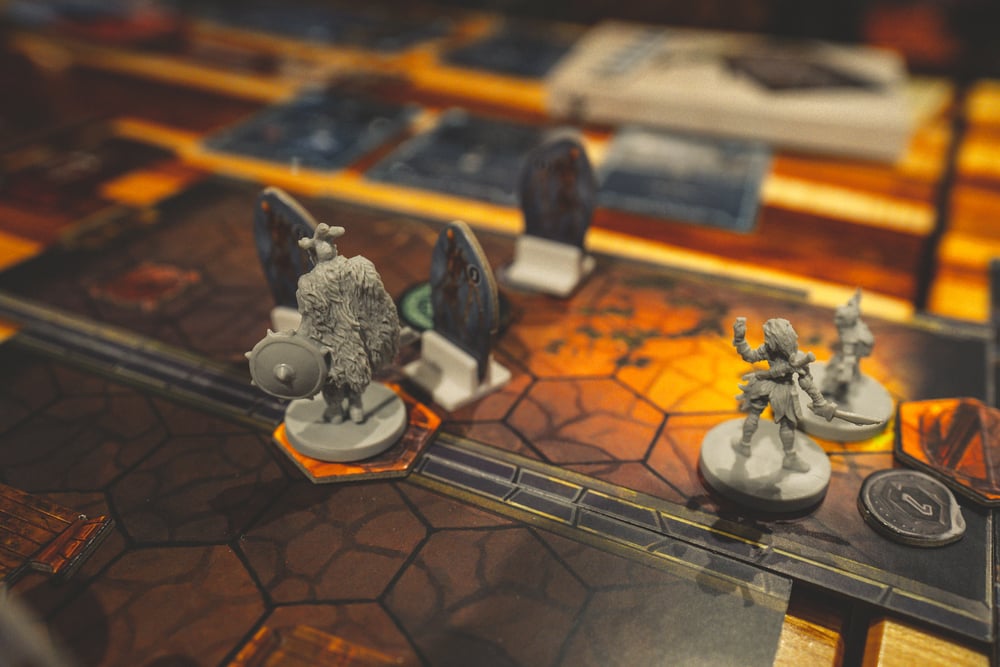
Games weren’t entertainment so much as structure for being together. The rules provided purpose while the actual activity was conversation and connection.
The time investment meant serious commitment and lasting memories.
More from Go2Tutors!

- The Romanov Crown Jewels and Their Tragic Fate
- 13 Historical Mysteries That Science Still Can’t Solve
- Famous Hoaxes That Fooled the World for Years
- 15 Child Stars with Tragic Adult Lives
- 16 Famous Jewelry Pieces in History
Like Go2Tutors’s content? Follow us on MSN.