30 Toys From Childhood Now Sold as Collectibles
Toy chests get cleared out with little thought, since the items inside were built for play, not permanence. Decades later, some of those same worn-out pieces have become the backbone of an active collector market, with condition and packaging now driving prices that would have seemed absurd to the kids who once owned them.
Star Wars Kenner Action Figures
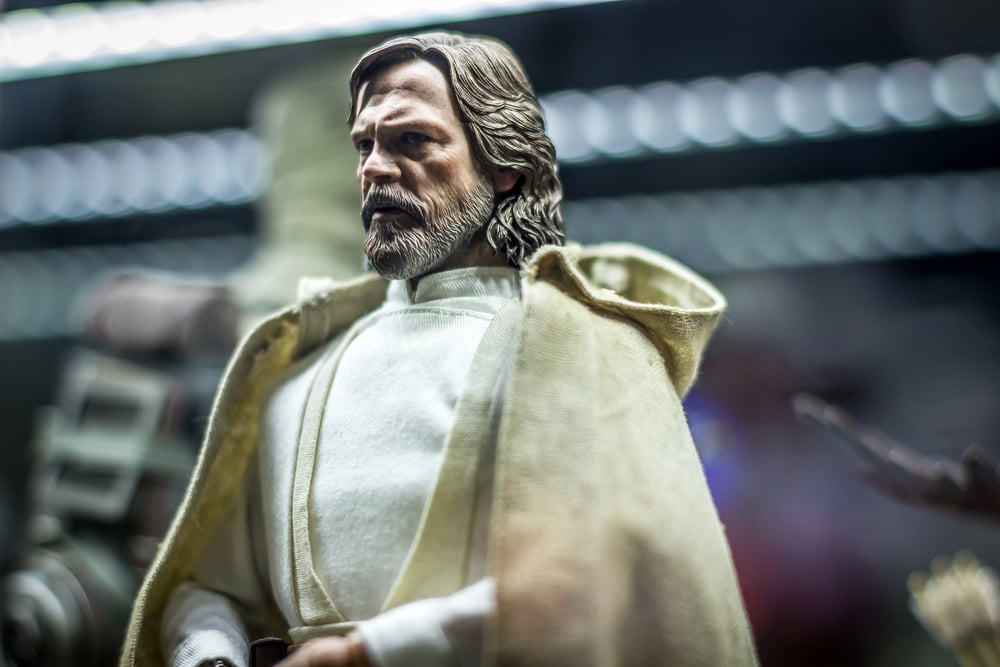
The original Kenner Star Wars action figure line from 1977 through the early 1980s remains one of the most actively traded toy categories in existence, with loose figures selling for modest sums and figures still sealed on their original cardback selling for dramatically more. Early proof-of-purchase mail-away figures in particular carry a premium tied directly to how few were ever produced.
Cabbage Patch Kids
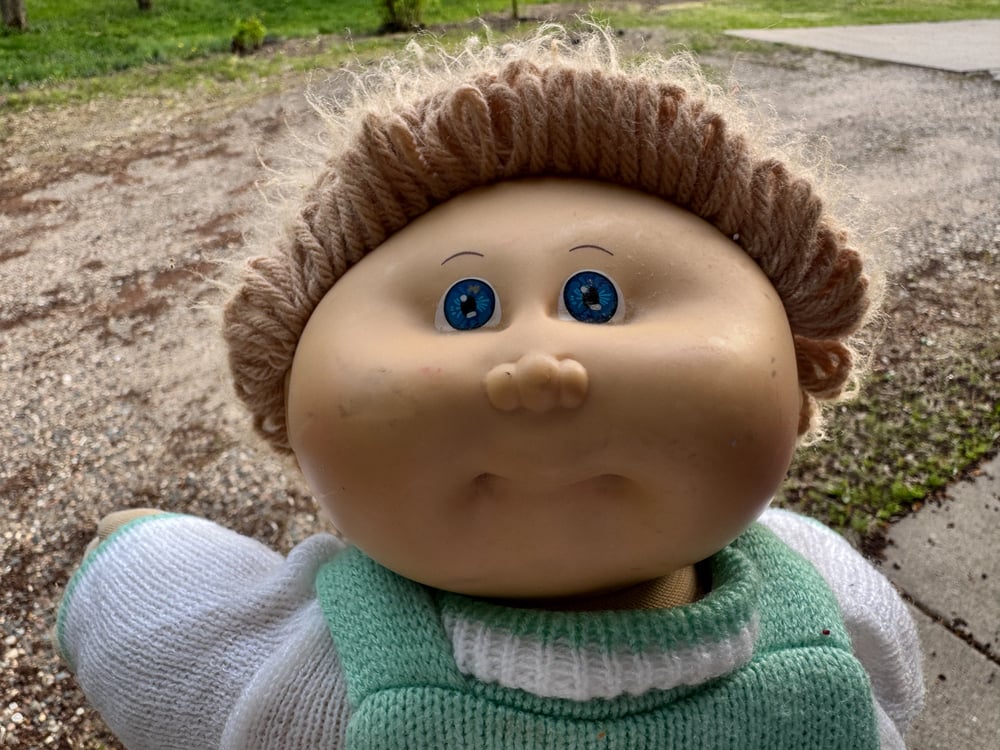
Cabbage Patch Kids dolls, first mass-produced in 1983 after Xavier Roberts’ original soft-sculpture designs were licensed for factory production, remain instantly recognizable decades later for their yarn hair and adoption paperwork. Early Coleco-era dolls with their original birth certificates and matching signatures on the buttock command the strongest prices among collectors.
G.I. Joe A Real American Hero Figures
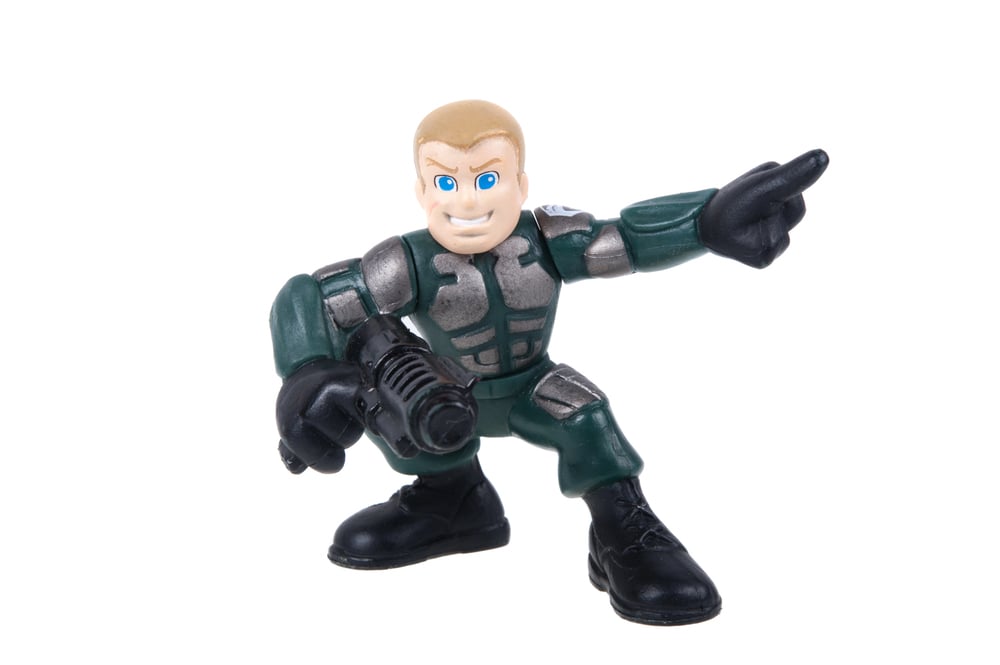
Hasbro’s relaunched G.I. Joe line from 1982 onward introduced smaller, more detailed figures than the earlier large-scale line, and specific early-run characters with rare accessory combinations are chased by adult collectors who grew up with the cartoon. Figures with complete accessory sets and original file cards sell for considerably more than loose figures missing their gear.
Transformers Generation 1
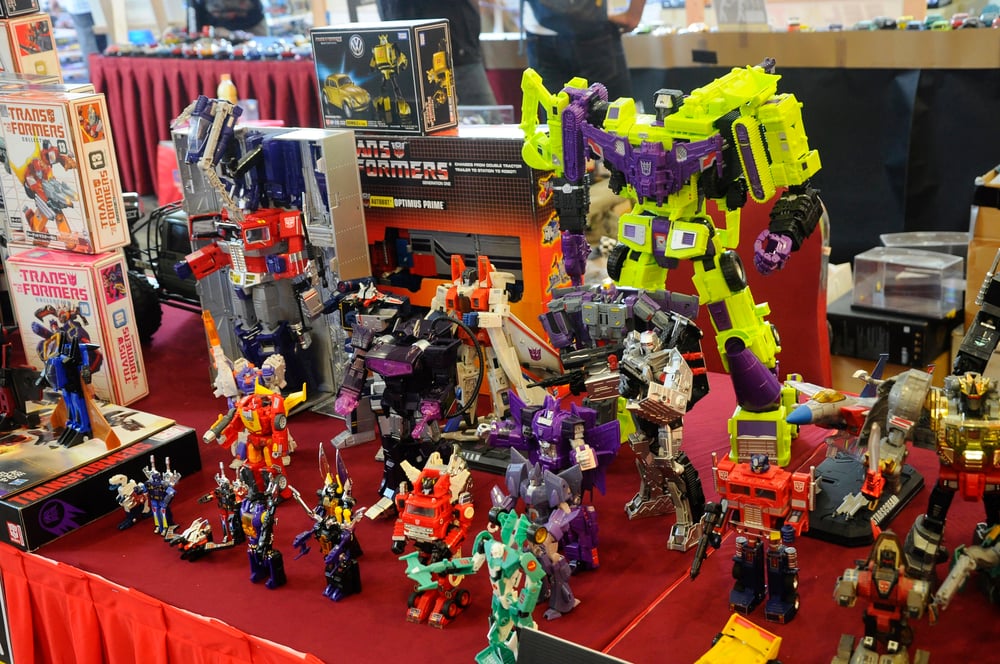
The original Generation 1 Transformers toys, introduced in 1984, converted between vehicle and robot forms using die-cast metal parts that later plastic-heavy releases never matched for durability. Complete examples with intact original stickers and undamaged transformation joints are especially prized, since the stickers were never designed to survive repeated handling.
Barbie Dolls from the 1960s

Early Barbie dolls from Mattel’s first production decade, particularly the original 1959 ponytail version and its immediate successors, are distinguished by specific facial paint and body markings that collectors use to date them precisely. A doll still wearing its original swimsuit and stand sells for meaningfully more than one that has been rehomed into later clothing.
He-Man and the Masters of the Universe Figures
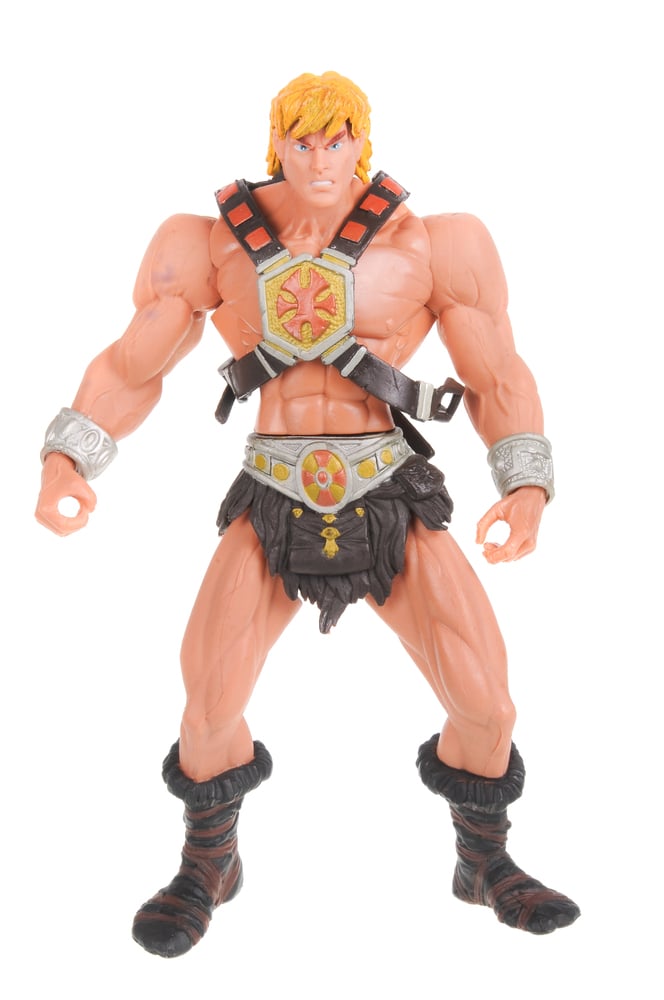
Mattel’s He-Man line from 1982 through 1987 combined bulky, muscular figures with elaborate accessory playsets that have proven durable enough to survive decades in storage. Rare mail-away figures and prototype color variants are the top tier of the market, but even common figures with intact weapons sell steadily.
Lincoln Logs
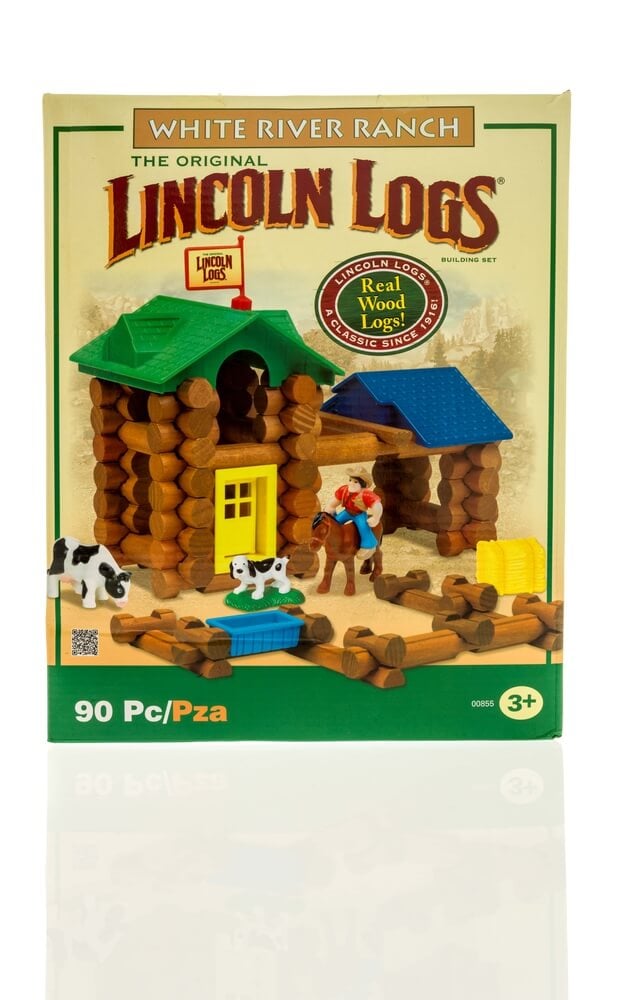
Lincoln Logs, patented in 1920 and inspired partly by the timber construction of Frank Lloyd Wright’s Imperial Hotel in Tokyo, remain one of the longest-running American toy brands still in continuous production. Early wooden sets in their original cylindrical canister, rather than later plastic packaging, are the ones collectors specifically seek out.
Teenage Mutant Ninja Turtles Figures
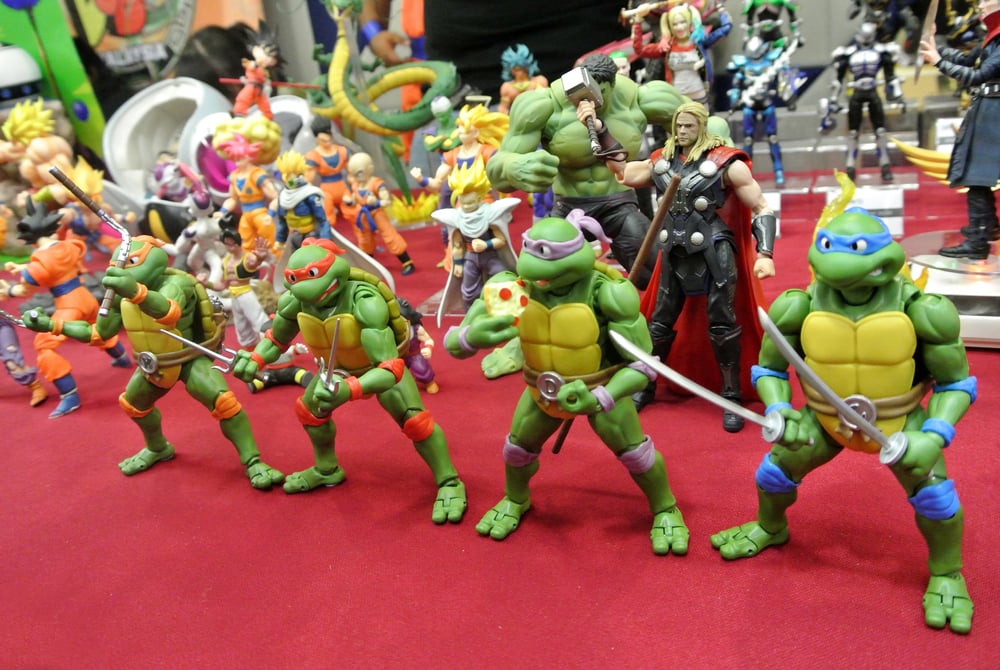
Playmates’ original Teenage Mutant Ninja Turtles figure line from 1988 turned a black-and-white independent comic into one of the decade’s biggest toy franchises, and early-release figures with their original accessories intact remain in steady demand from collectors. Figures still on their original packaging card sell for a significant multiple of loose examples.
Fisher-Price Little People
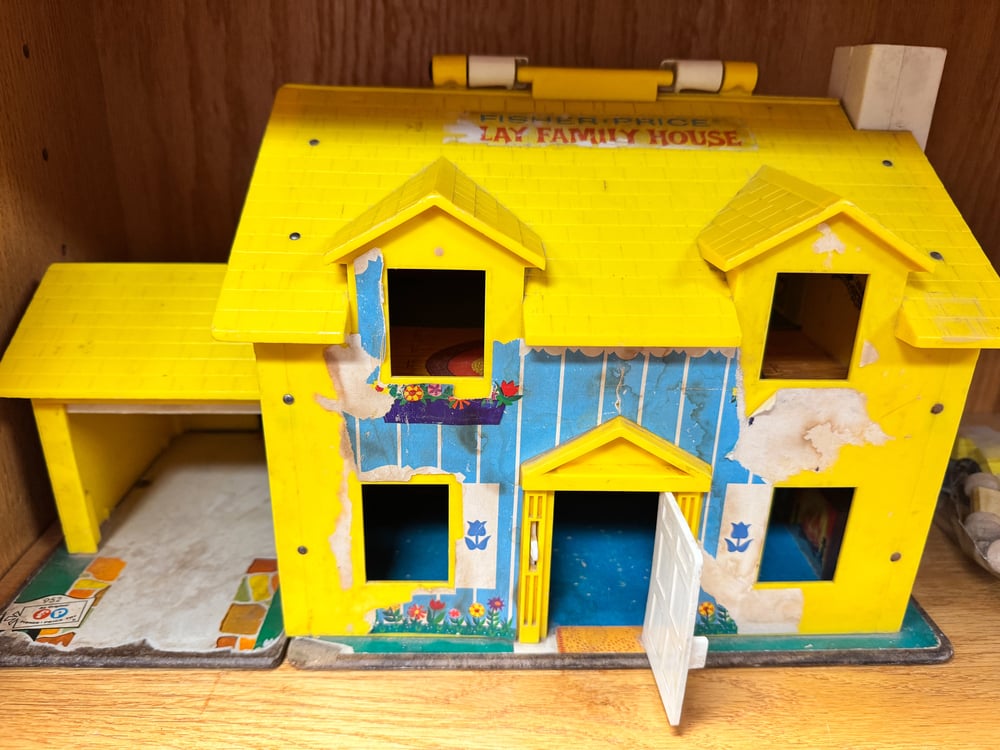
The early wooden and later chunky plastic Fisher-Price Little People figures, first introduced in the 1950s and expanded through the following decades, are collected both for nostalgia and by parents seeking the sturdier vintage construction over current plastic versions. Complete playsets with all original figures still present sell for considerably more than incomplete lots.
Tonka Trucks
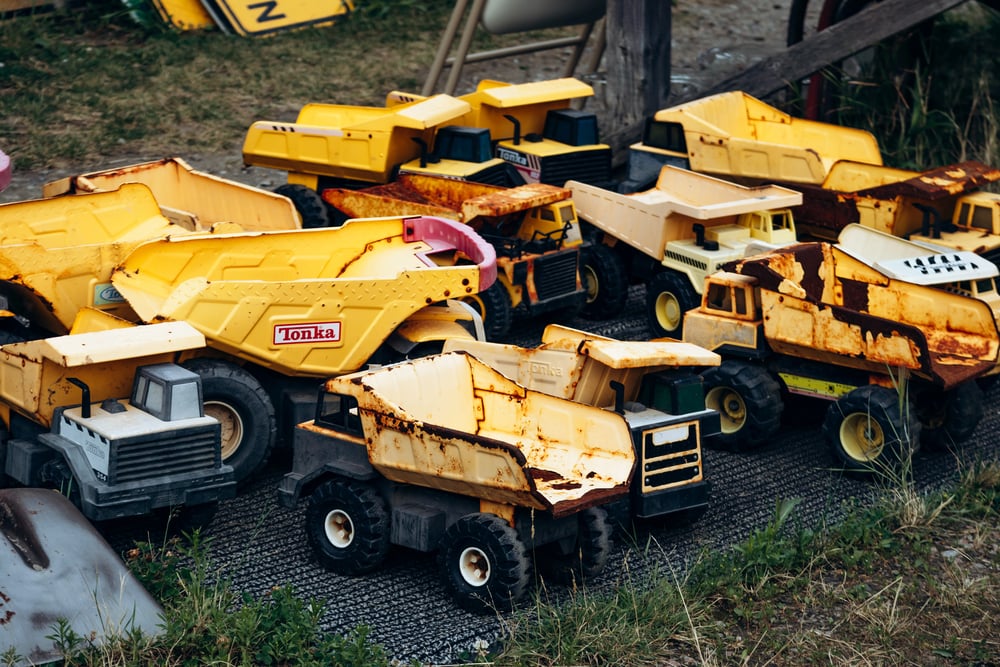
Tonka’s pressed-steel trucks, manufactured from the 1940s onward, were built with metal construction sturdy enough that many decades-old examples remain fully functional today, a durability that current plastic toy trucks rarely match. Early examples with their original paint and decals in strong condition are the most actively sought by collectors of pressed-steel toys.
Beanie Babies
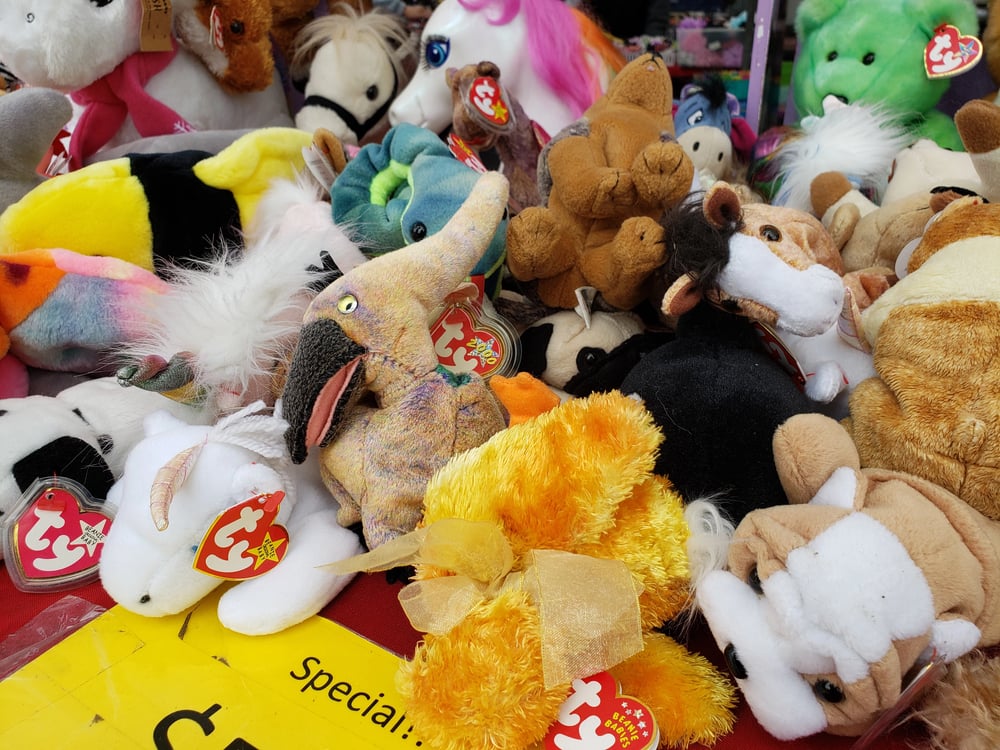
Beanie Babies, released by Ty Inc. beginning in 1993, triggered one of the most documented toy speculation crazes in recent memory, and while the vast majority of examples are worth very little today, a small number of early production-error and retired designs still command real prices. Tags in undamaged condition matter enormously to value, since a bent or removed tag can cut a price dramatically.
View-Master Reels
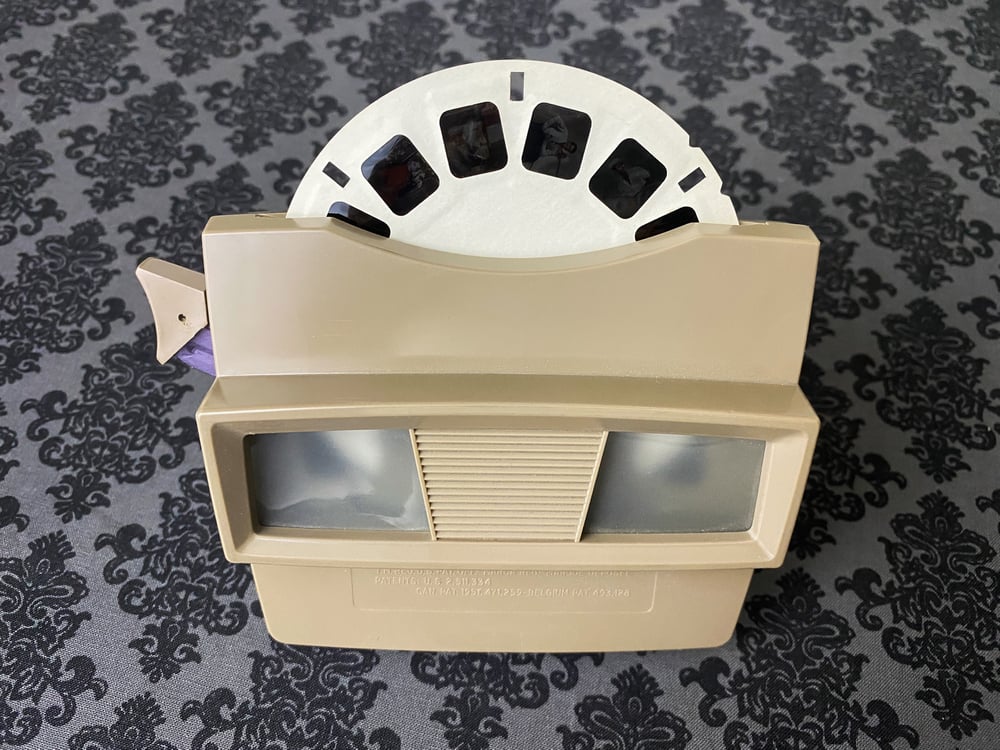
The View-Master stereoscopic viewer, introduced in 1939 and expanded with themed reel packs for decades afterward, remains a favorite among collectors of both toys and photographic ephemera. Complete boxed reel sets covering a specific theme, particularly ones tied to a defunct theme park or attraction, sell for more than loose individual reels.
Care Bears
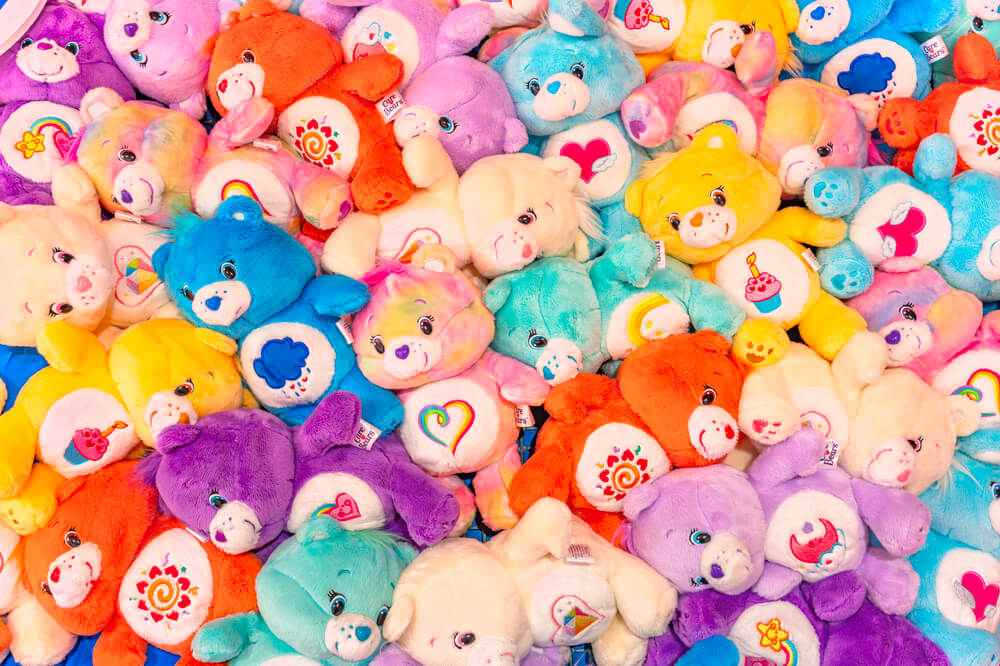
The Care Bears line, launched by American Greetings in 1982 and expanded through multiple toy manufacturers over the following years, is remembered fondly enough that original plush examples with their intact belly-badge designs remain steadily collected. Early production bears made before later manufacturing changes are the ones specifically sought by longtime collectors of the line.
Hot Wheels Redline Series
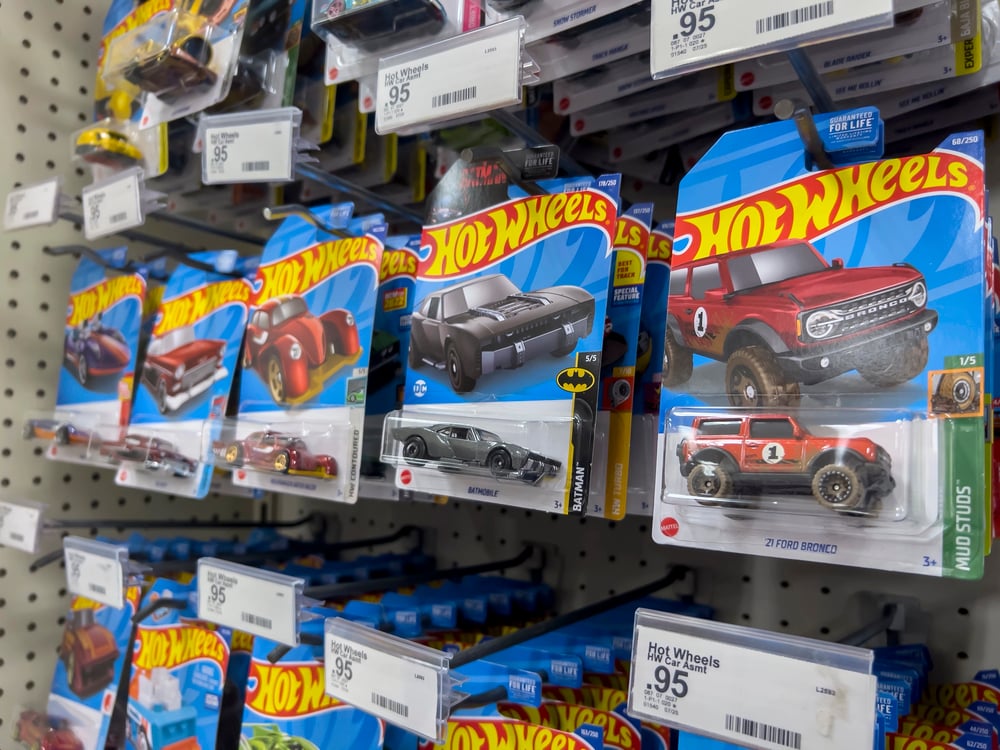
The earliest Hot Wheels cars, produced by Mattel from 1968 through 1977 and identifiable by their red-striped tires, are the foundation of an active die-cast collector market that treats certain color and casting variations as genuinely rare. A car still on its original blister card in undamaged packaging sells for a dramatic premium over a loose example.
Rock ’em Sock ’em Robots
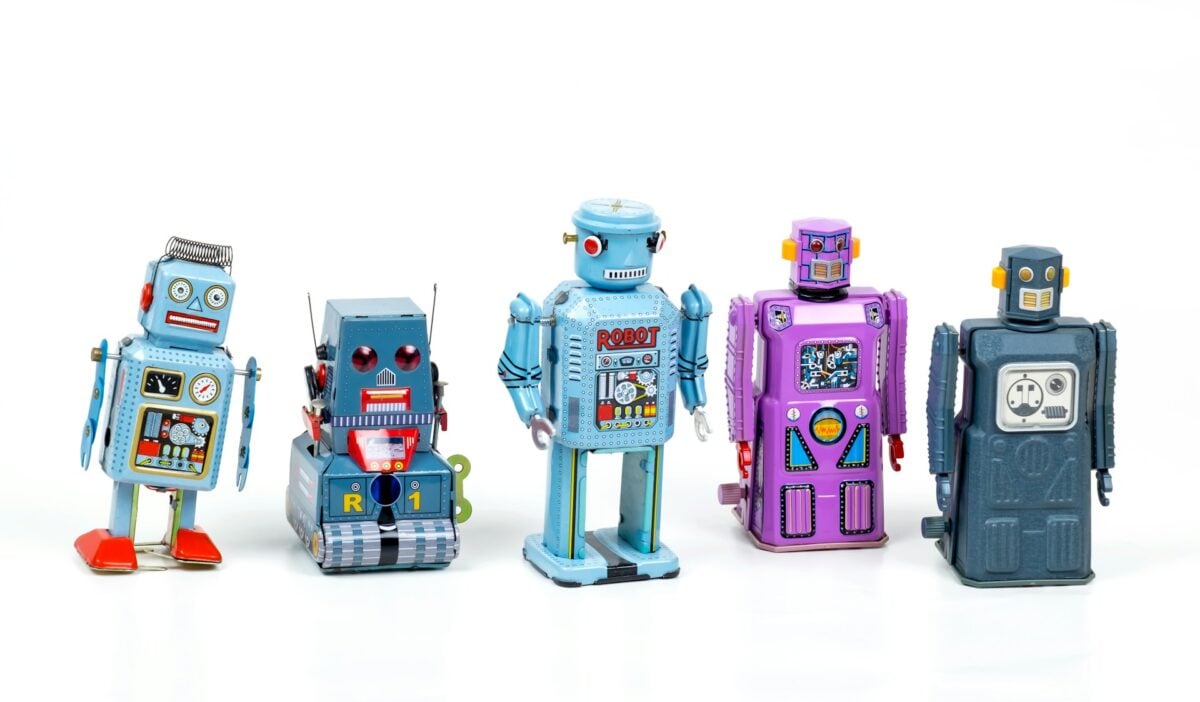
The plastic boxing robot game, introduced by Marx Toys in 1964, remains recognizable enough that complete working examples with both robots intact and the pop-up mechanism functioning are steadily sought by collectors of vintage games. Original box art in strong condition adds meaningfully to the overall value.
Weebles
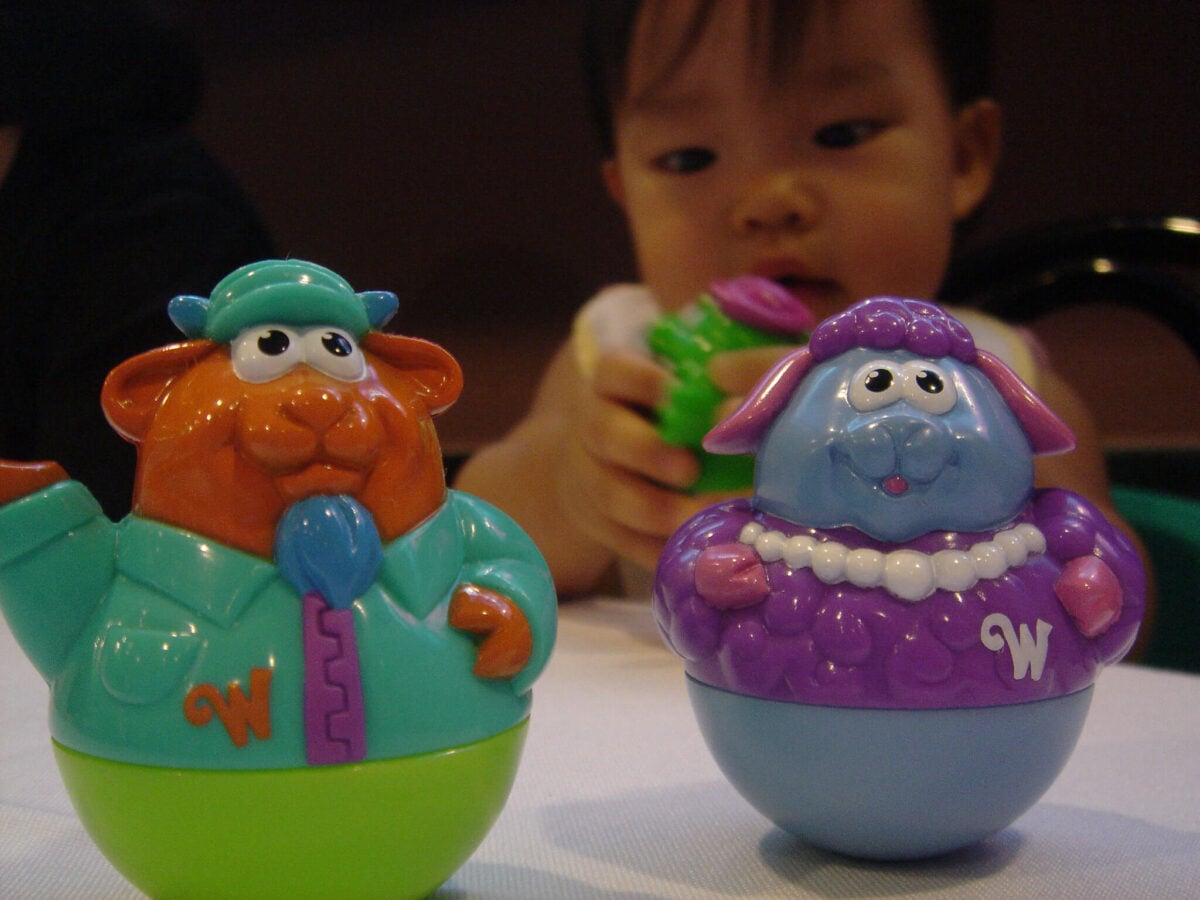
Weeble figures, introduced by Hasbro’s Playskool division in 1971 and built around a rounded, weighted base that keeps them upright, spawned an extensive line of themed playsets through the following decade. Complete playsets with all original figures and accessories present are the ones that draw the strongest collector interest today.
Star Wars Micro Machines
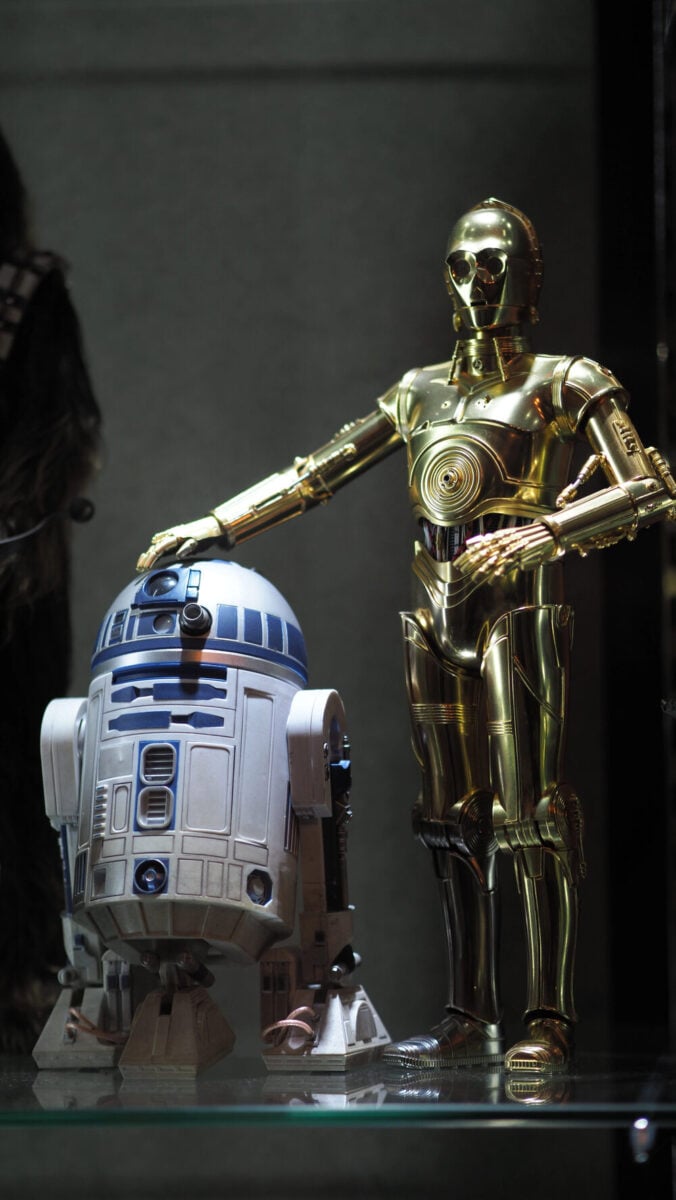
The tiny die-cast Star Wars vehicles released under the Micro Machines line in the early 1990s packed detailed sculpting into a scale small enough to fit dozens of ships in one hand, an approach that has never quite been replicated at that price point since. Complete playset collections in original packaging are considerably scarcer than the loose vehicles that dominate secondhand listings.
Speak & Spell
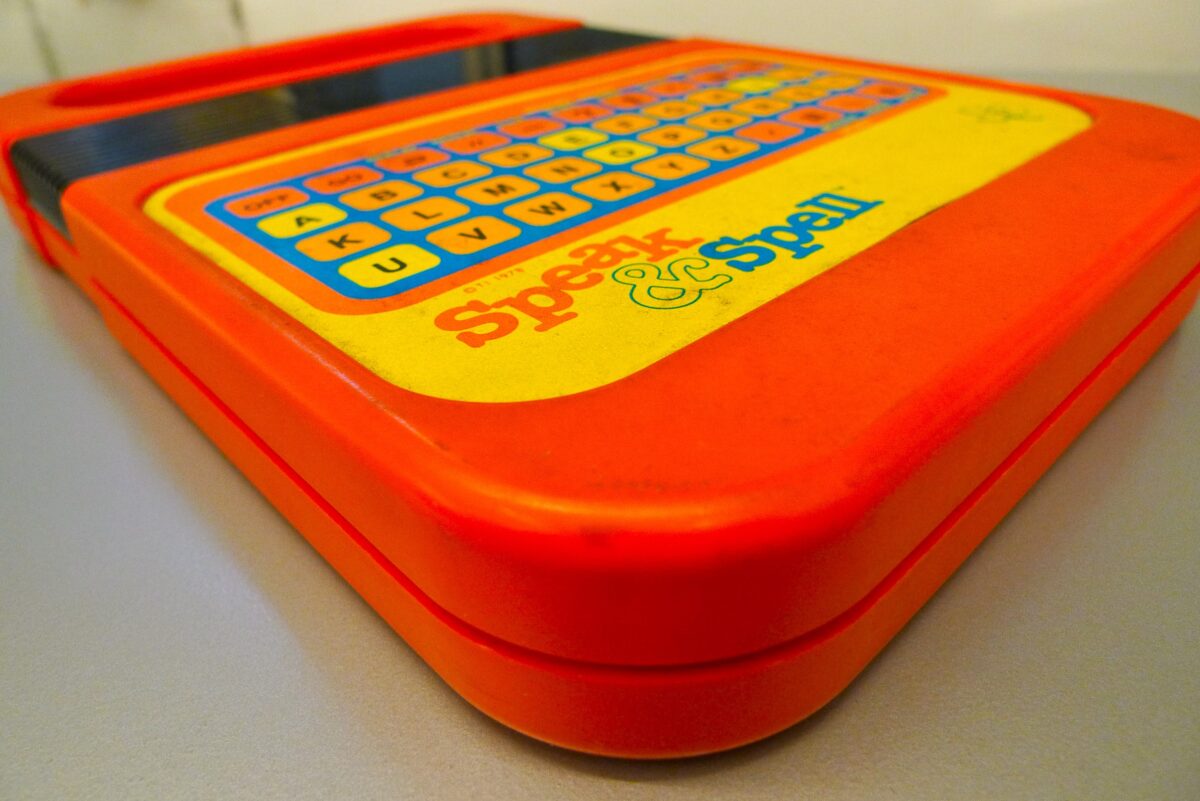
Texas Instruments’ Speak & Spell, released in 1978, used pioneering speech synthesis technology that was genuinely novel for a children’s toy at the time, and working examples are now collected both by toy enthusiasts and by vintage electronics collectors interested in early synthesized speech. A unit that still powers on and speaks clearly commands significantly more than one that has stopped functioning.
My Little Pony G1
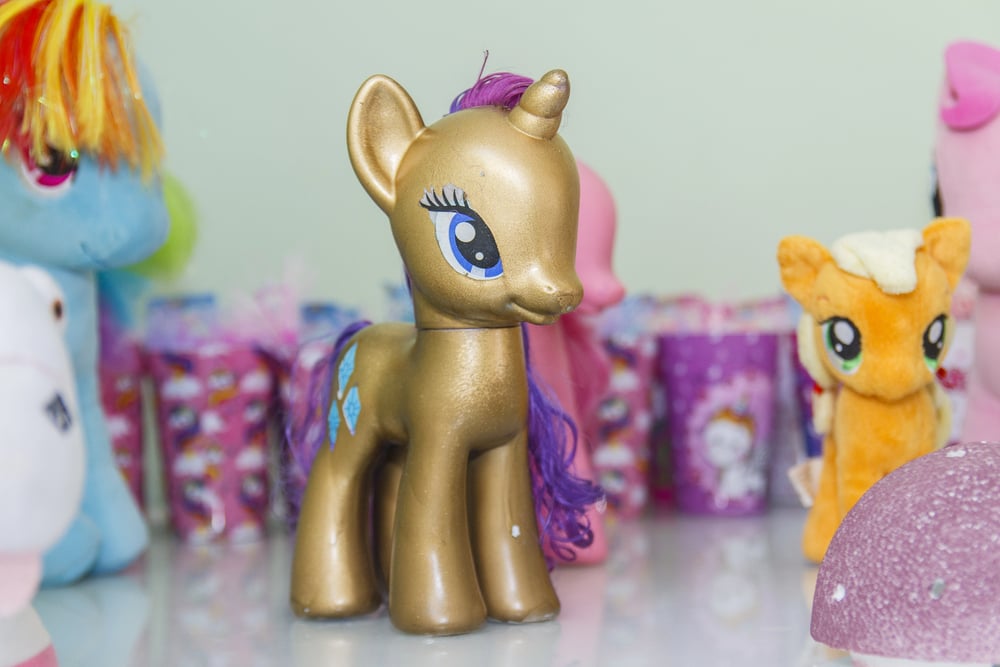
The original first-generation My Little Pony figures, released by Hasbro beginning in 1982, are collected specifically for their earliest paint and symbol designs before later production changes altered the line’s look. Ponies with intact original hair and undamaged body paint, still showing their factory symbol clearly, are the ones collectors pay the most for.
Simon Electronic Game
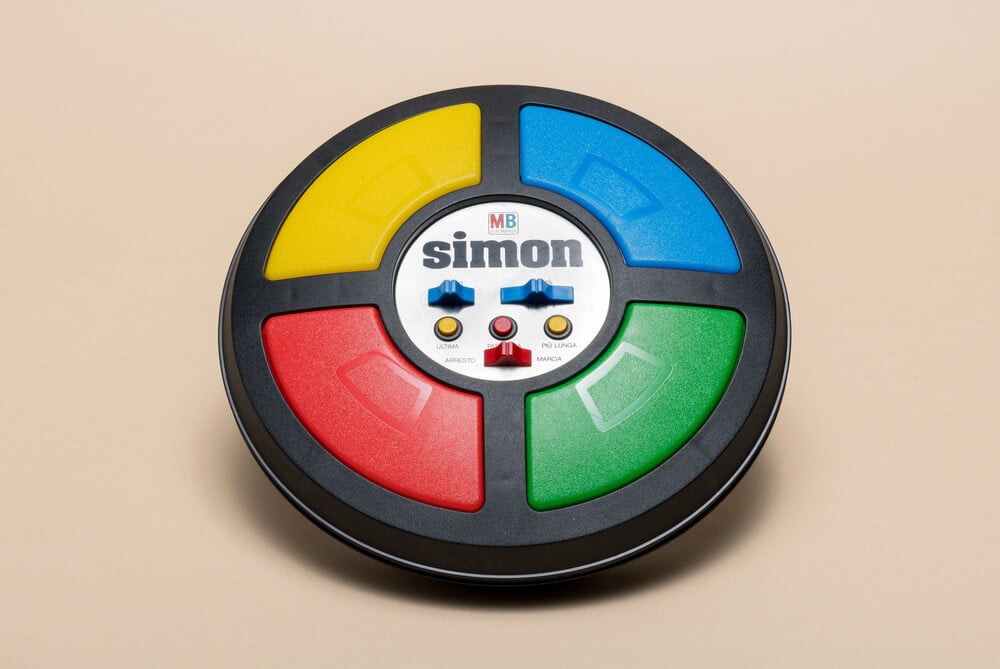
The Simon electronic memory game, released by Milton Bradley in 1978, became one of the defining electronic toys of its decade and remains recognizable today for its four-colored, light-up quadrant design. Working examples where all four buttons still register correctly are worth notably more than units with a dead panel.
Strawberry Shortcake Dolls
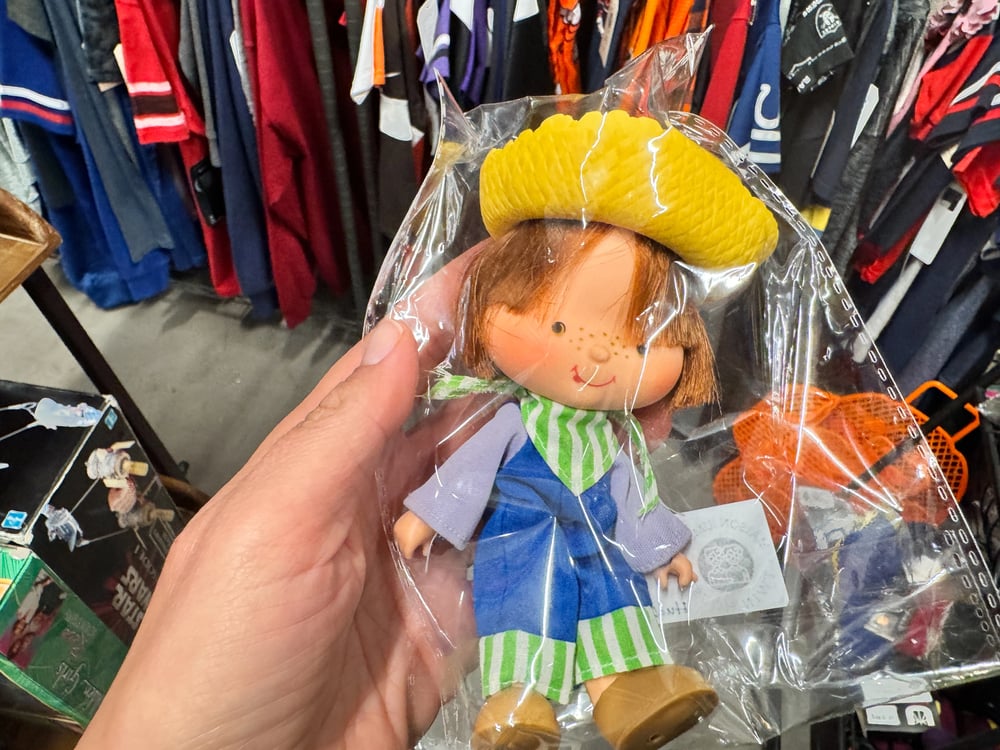
The scented Strawberry Shortcake dolls, introduced by Kenner in 1980, were designed around fruit-themed characters that each carried a distinct fragrance, a novelty that collectors specifically look for surviving in early examples. Dolls that still carry a faint trace of their original scent are considered more desirable than ones where it has fully faded.
Wooden Pull Toys
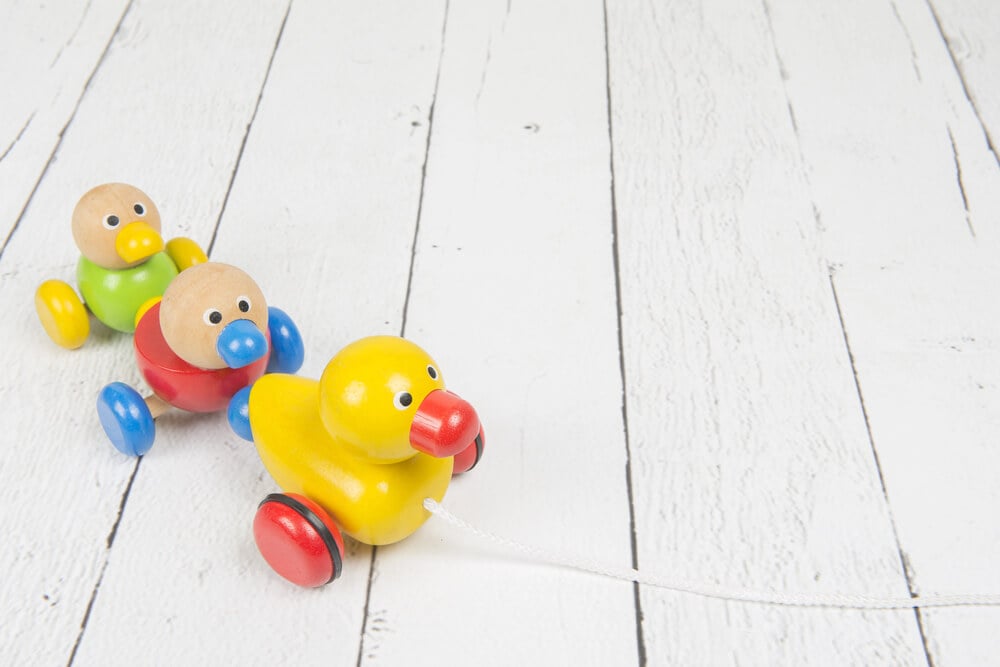
Early twentieth-century wooden pull toys, often produced by small regional toy makers before large manufacturers dominated the market, are collected today for their hand-finished paint and construction rather than any single famous brand name. Examples with original paint rather than later restoration are the ones folk-art and toy collectors compete over.
Nintendo Game & Watch
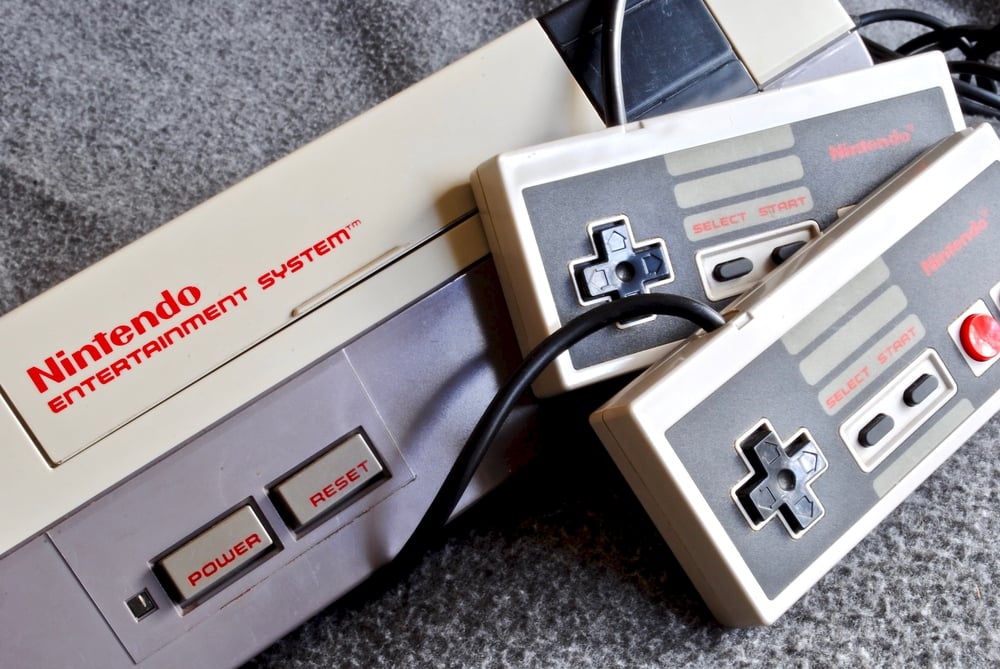
Nintendo’s Game & Watch handheld electronic games, produced from 1980 through the early 1990s, predate the company’s home console dominance and are collected both by toy enthusiasts and by video game historians tracing Nintendo’s design lineage. Units in working condition with an undamaged screen overlay sell for considerably more than nonfunctional examples.
Madame Alexander Dolls
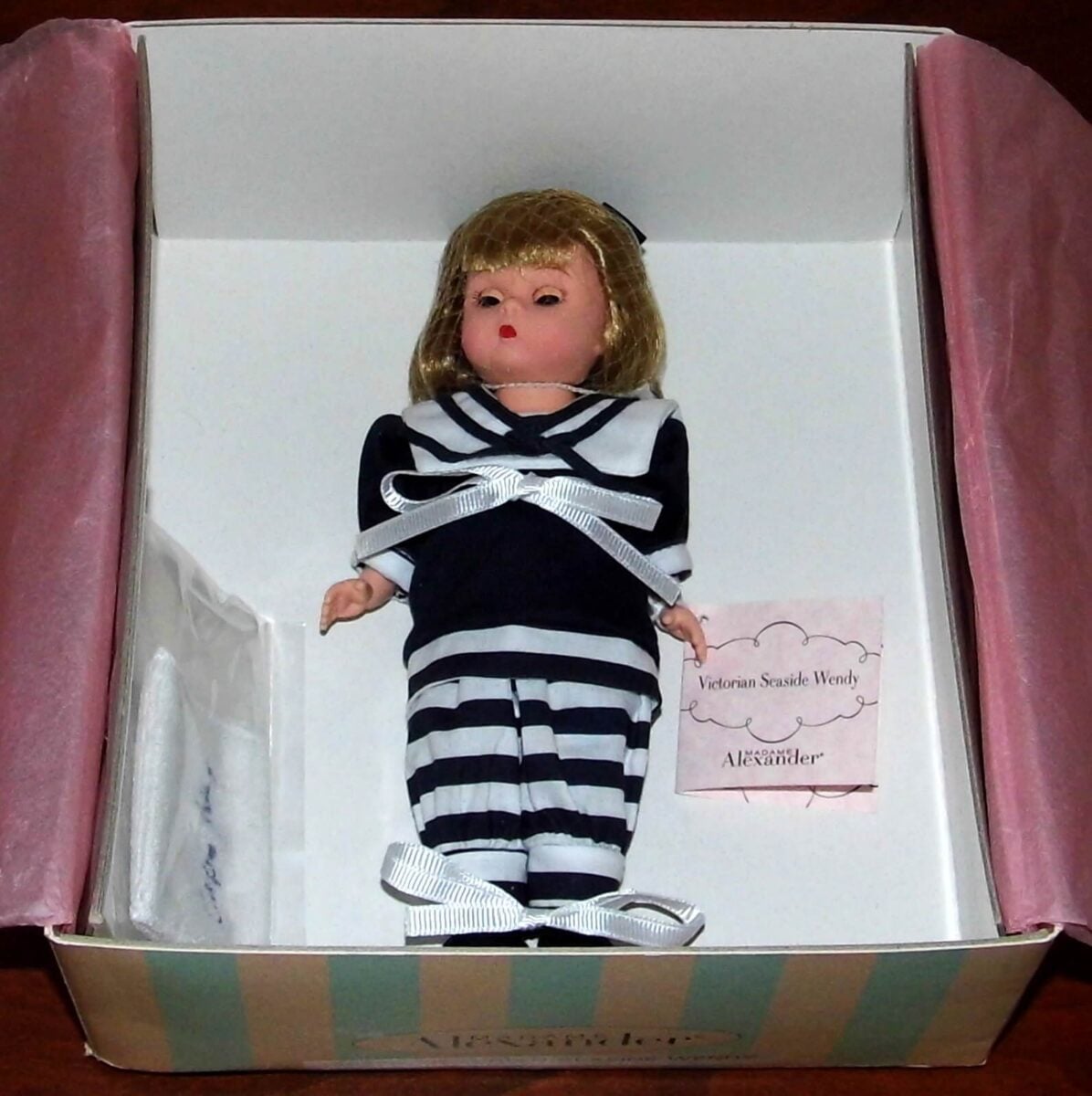
Madame Alexander dolls, produced continuously since the 1920s and known for detailed period costuming based on historical and literary figures, remain a mainstay of the doll collecting world. Early composition-material dolls from before the company switched to hard plastic in the late 1940s are the most consistently valuable to specialists in the line.
Erector Sets

A.C. Gilbert’s Erector construction sets, first sold in 1913, introduced generations of children to basic mechanical engineering through metal beams, gears, and small motors, and complete boxed sets from the earliest decades of production remain popular with collectors of engineering and construction toys. A set with its original instruction booklet and complete parts inventory sells for significantly more than a partial set missing pieces.
Chatty Cathy
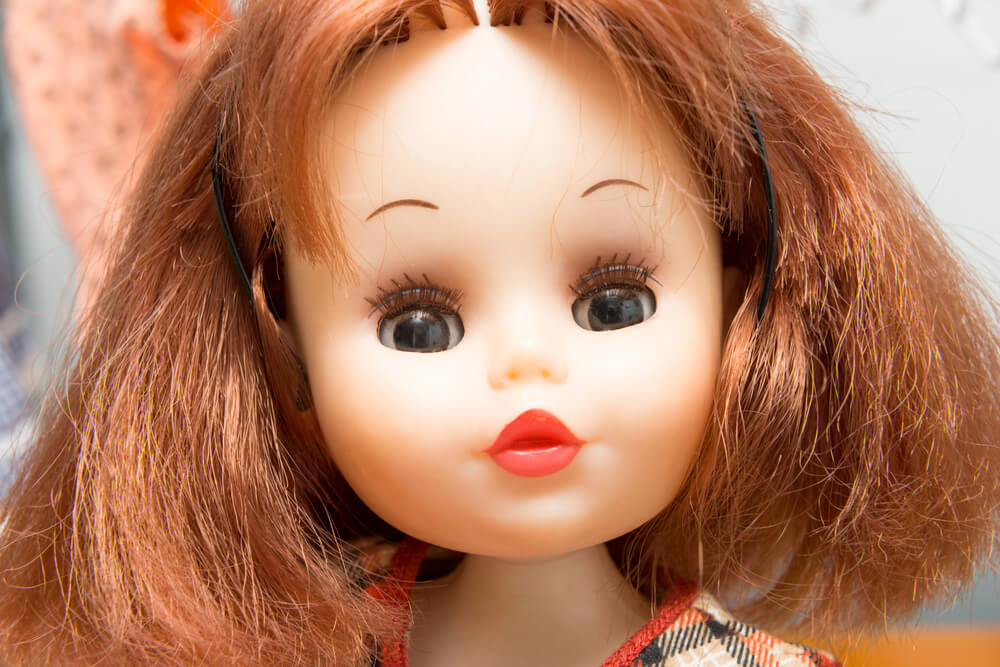
Mattel’s Chatty Cathy doll, introduced in 1959 and among the first mass-produced talking dolls, used a pull-string mechanism to play recorded phrases, a mechanical feature that collectors specifically test before purchasing. A doll whose voice mechanism still functions clearly is worth considerably more than a silent example, even in otherwise similar cosmetic condition.
Radio Flyer Wagons
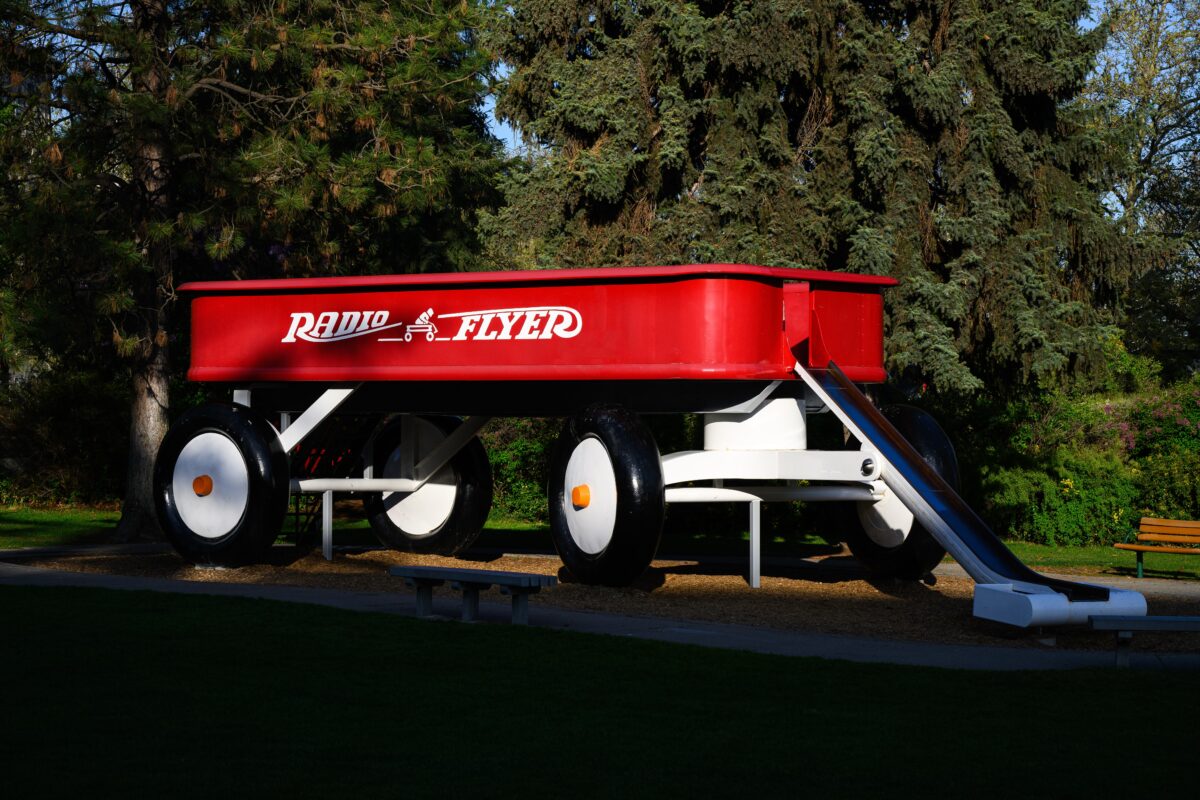
Radio Flyer’s classic red steel wagon, in continuous production since the 1930s under founder Antonio Pasin’s company, remains recognizable enough that early examples with their original paint and wooden side rails are actively sought by collectors of American manufactured goods. A wagon that still rolls smoothly on its original wheels is worth more than one requiring restoration.
Uno and Vintage Card Games
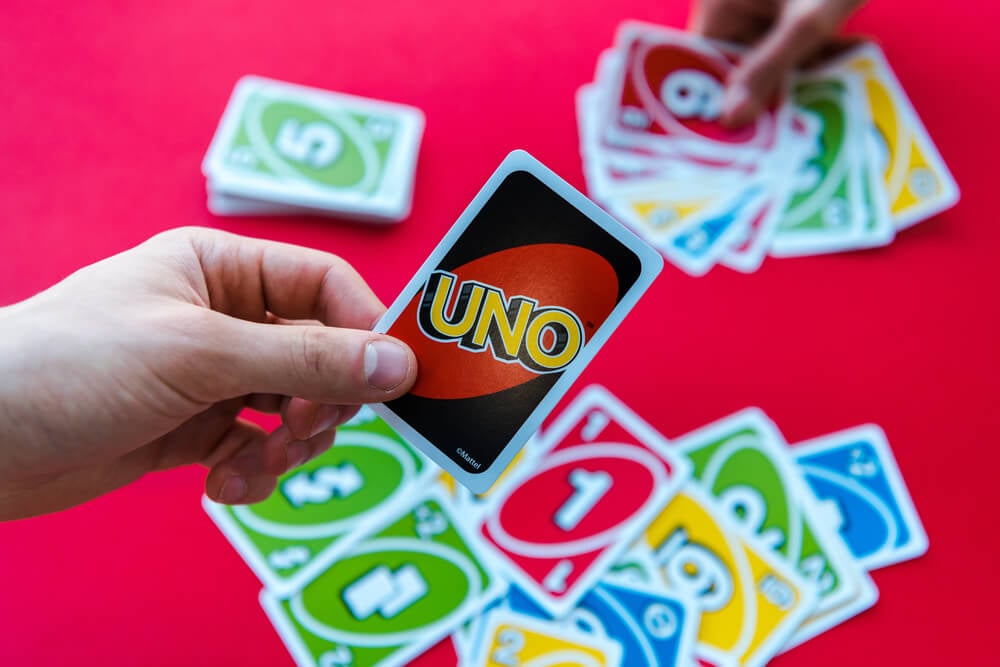
Early printings of now-ubiquitous card games such as Uno, first published by International Games in 1971 before Mattel later acquired the brand, are collected for their original box art and card design, which differ noticeably from current printings. A complete deck with the original box and rules sheet sells for more than a set with cards but no packaging.
The Object That Refused to Stay a Toy
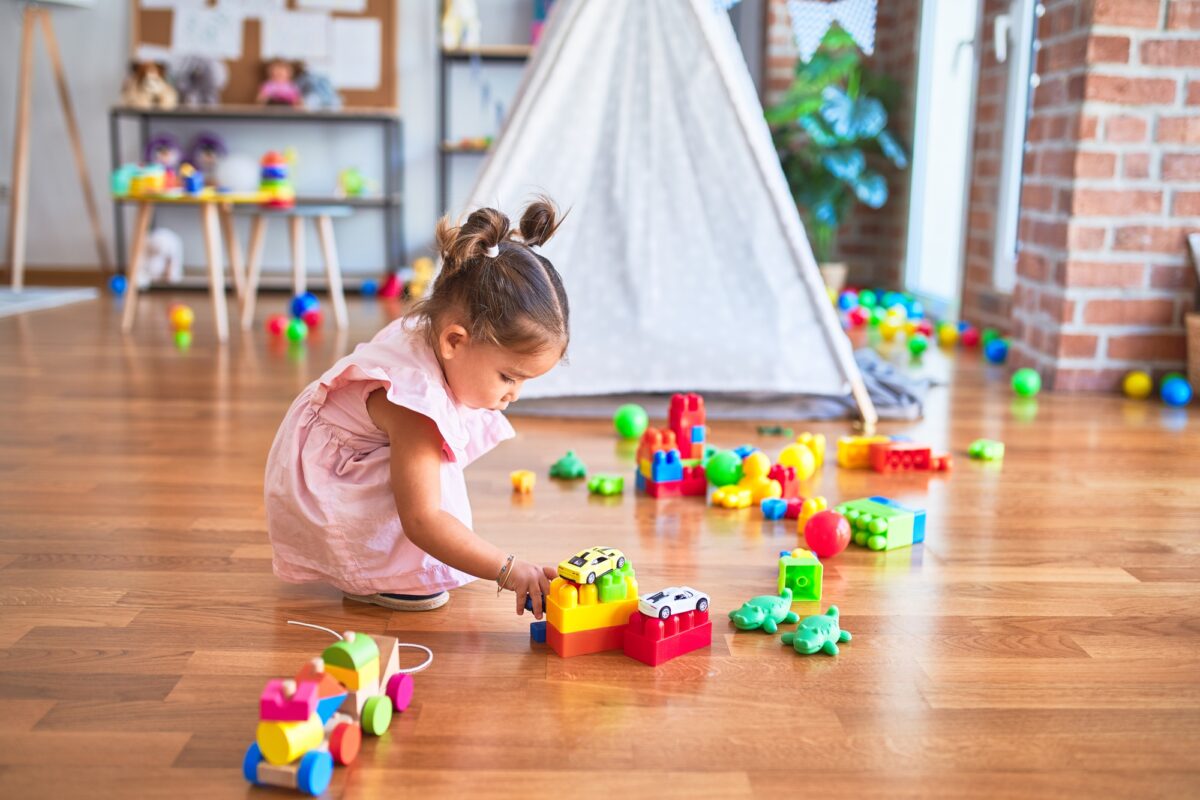
None of these items were built with permanence in mind. They were designed to be handled, dropped, chewed on, and eventually replaced by whatever came next on a shelf, and the vast majority of any given production run met exactly that fate.
What survives in genuinely good condition is what became scarce, and scarcity, paired with the specific memory a toy triggers in an adult who once owned one, is what turned a category built for temporary use into a market built on permanence.
More from Go2Tutors!

- The Romanov Crown Jewels and Their Tragic Fate
- 13 Historical Mysteries That Science Still Can’t Solve
- Famous Hoaxes That Fooled the World for Years
- 15 Child Stars with Tragic Adult Lives
- 16 Famous Jewelry Pieces in History
Like Go2Tutors’s content? Follow us on MSN.



