29 Vintage Signs That Draw Serious Bids
Old advertising signs were built to survive weather, not decades in a collector’s market, which is exactly why intact examples now command attention far beyond their original purpose. Auction houses that specialize in advertising memorabilia see steady, competitive bidding on a specific set of signs, driven by scarcity, graphic design, and the sheer difficulty of finding one that survived outdoor exposure in good shape.
Porcelain Gas Station Signs
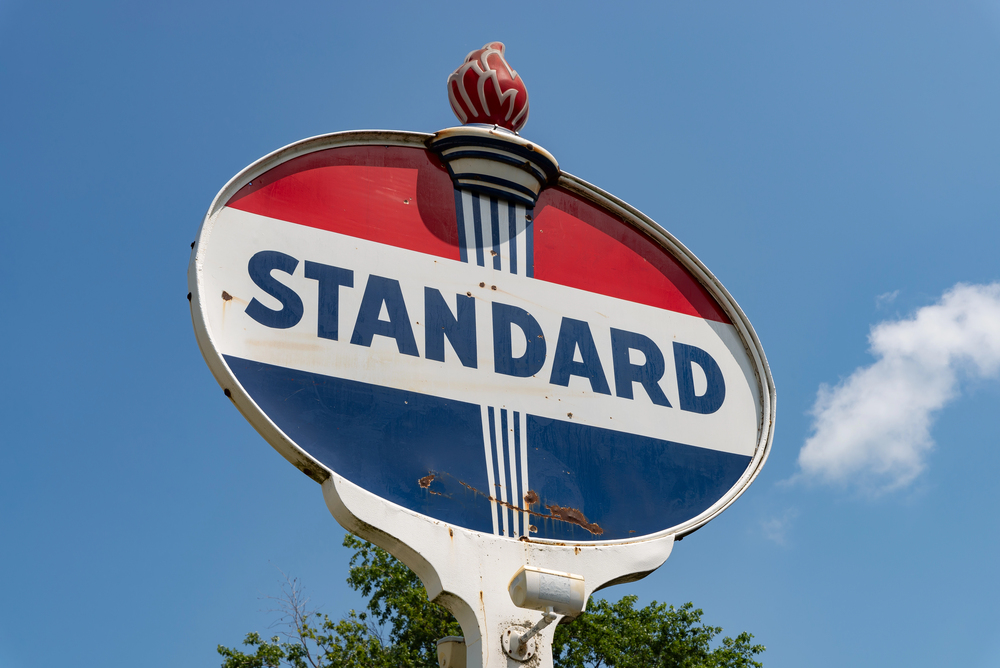
Porcelain-coated steel signs advertising defunct or acquired gas station brands are among the most consistently competitive lots in advertising auctions, since the enamel coating that gave them their bright color also made them prone to chipping over decades outdoors. A sign with minimal chipping and strong original color saturation draws considerably stronger bidding than one showing heavy rust or fading.
Coca-Cola Button Signs
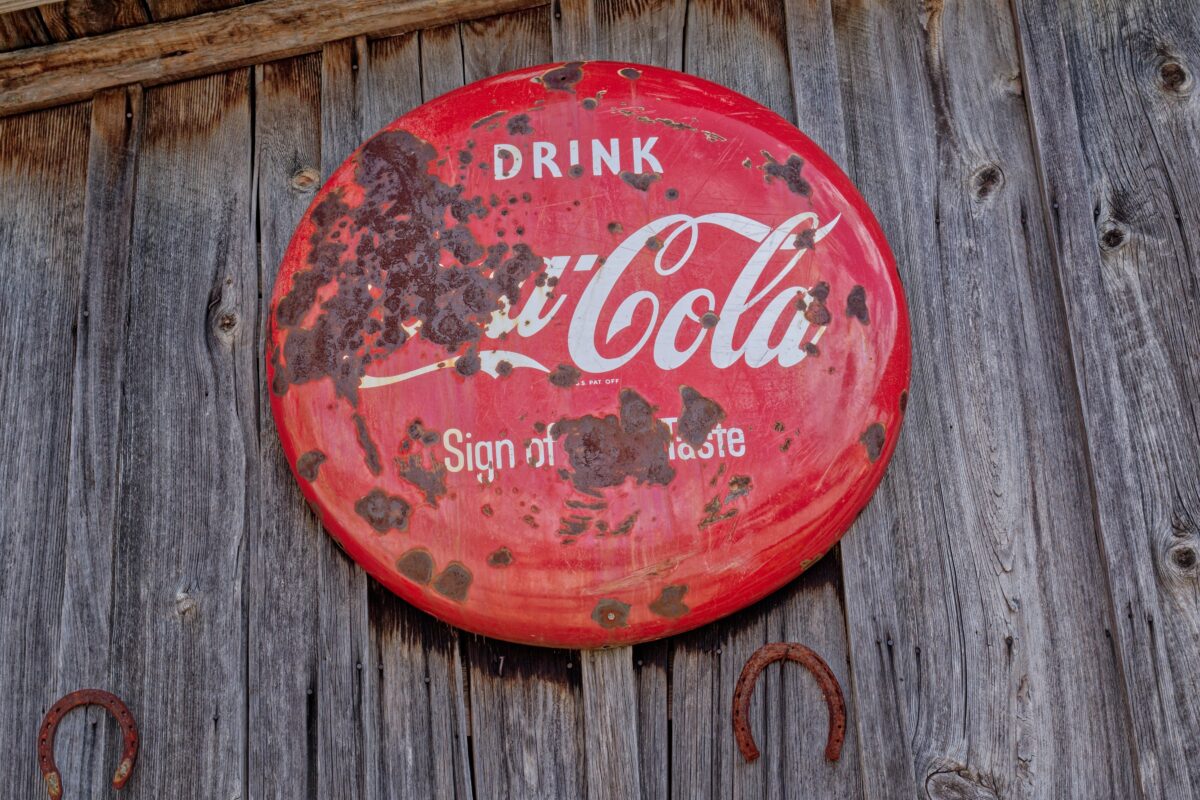
Round, embossed “button” style Coca-Cola signs, produced across several design changes throughout the twentieth century, are a foundation category for soda advertising collectors specifically because the earliest button designs are increasingly hard to find undamaged. A large-format button sign in strong original condition regularly outsells smaller examples with identical artwork.
Route 66 Motor Court Signs
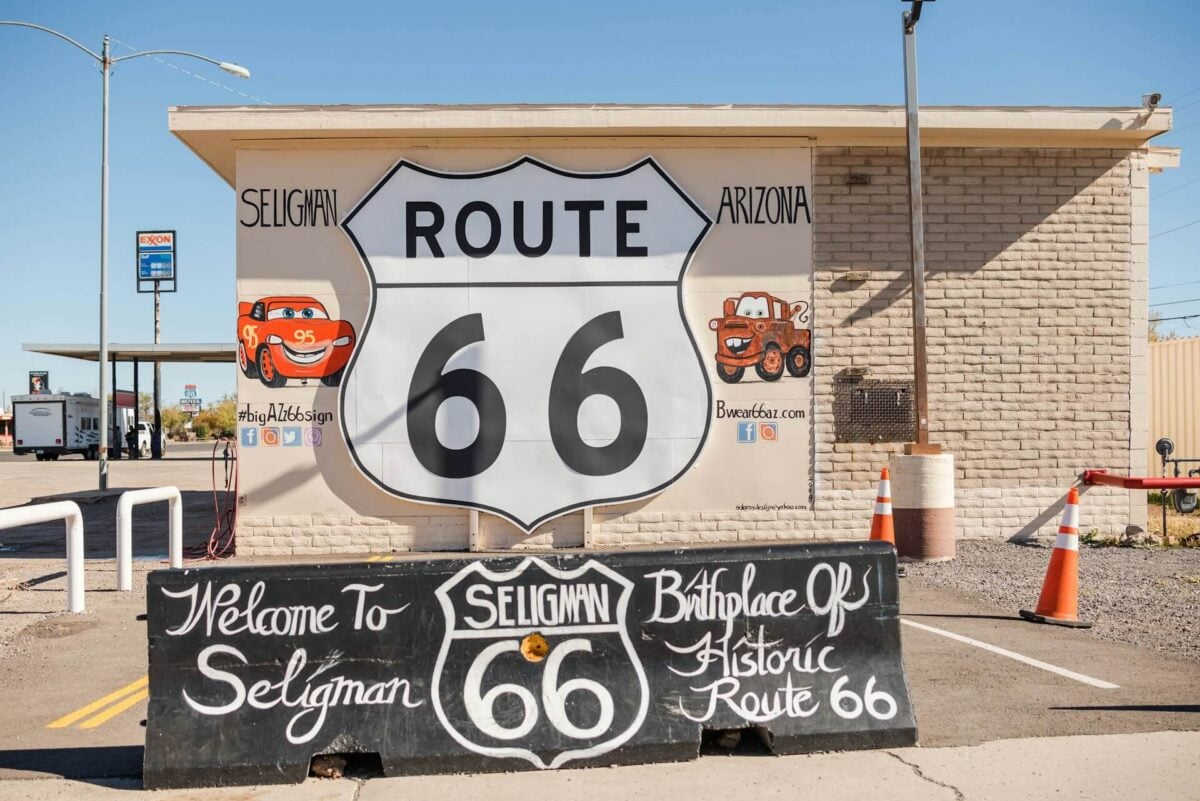
Neon and painted signs from independently owned motels and diners along the original Route 66 corridor are sought by collectors specifically because so few of the original businesses survived the interstate highway system’s expansion. A sign that can be tied to a specific, now-closed business along the route draws stronger interest than a generic road-themed sign without documented origin.
Railroad Crossing Signs
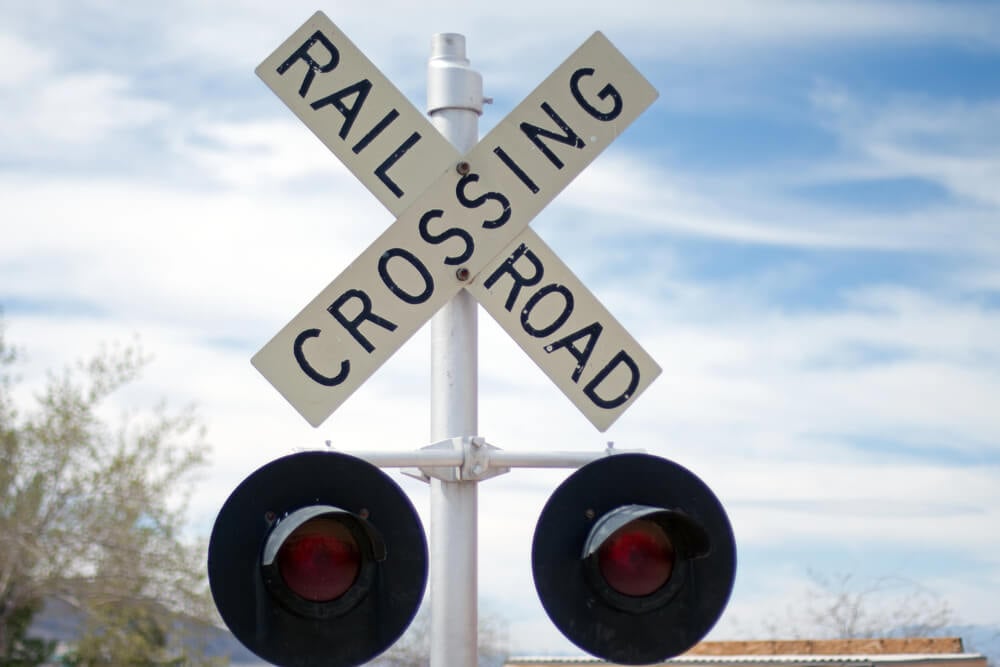
Cast-iron and porcelain railroad crossing signs, particularly ones bearing a specific rail line’s name rather than a generic warning, are sought by railroad memorabilia collectors researching lines that were later merged or abandoned. A sign in legible condition tied to a defunct short-line railroad draws stronger bidding than a common warning sign from a still-operating major line.
Feed Store and Farm Supply Signs
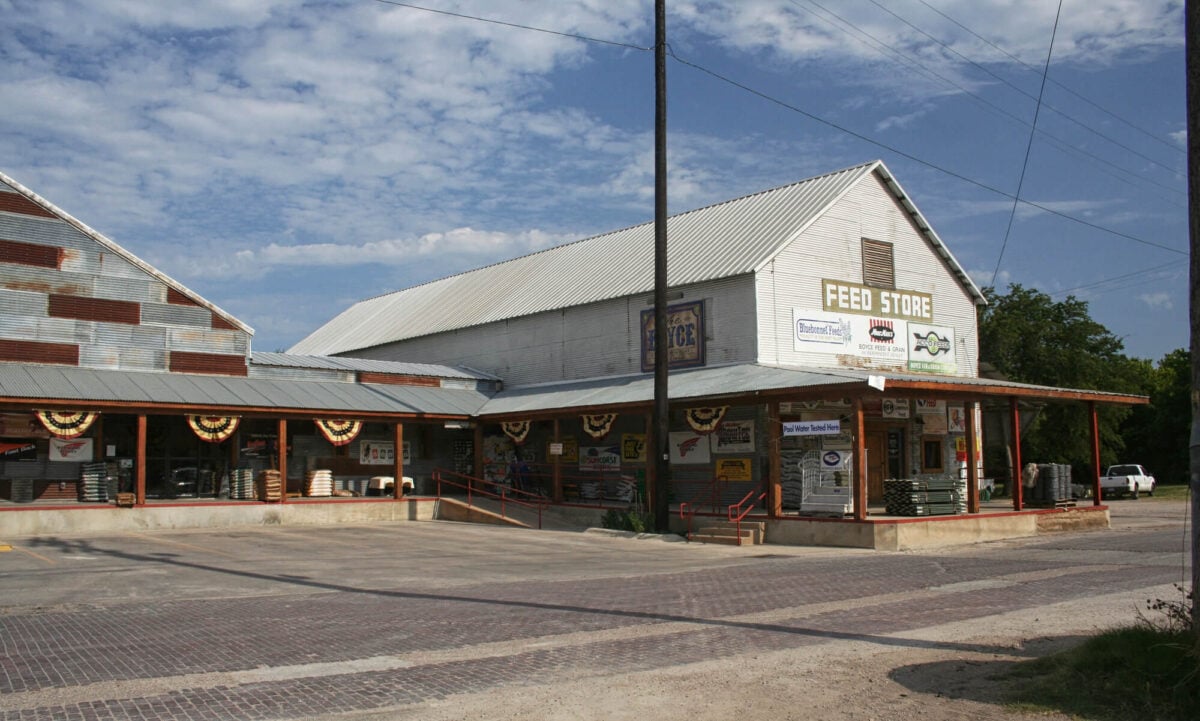
Tin and porcelain signs advertising animal feed brands and farm supply companies, many now defunct or absorbed by larger agricultural corporations, are sought by collectors of rural Americana. Signs featuring illustrated farm animals in strong original paint draw noticeably stronger bidding than text-only versions of the same brand.
Pharmacy and Drug Store Signs

Painted glass and neon signs from independent pharmacies, particularly ones featuring the mortar and pestle symbol associated with the profession, are sought by collectors of medical and retail history. A sign tied to a specific, identifiable pharmacy that operated for decades in one location draws stronger interest than a generic drug store sign without traceable origin.
Automobile Dealership Signs

Porcelain and neon signs from independent car dealerships representing now-discontinued automobile brands are a competitive category among automotive memorabilia collectors, particularly for brands that stopped production decades ago. A dealership sign that can be linked to a specific closed dealership location draws considerably more attention than an unbranded generic automotive sign.
Circus and Carnival Route Signs
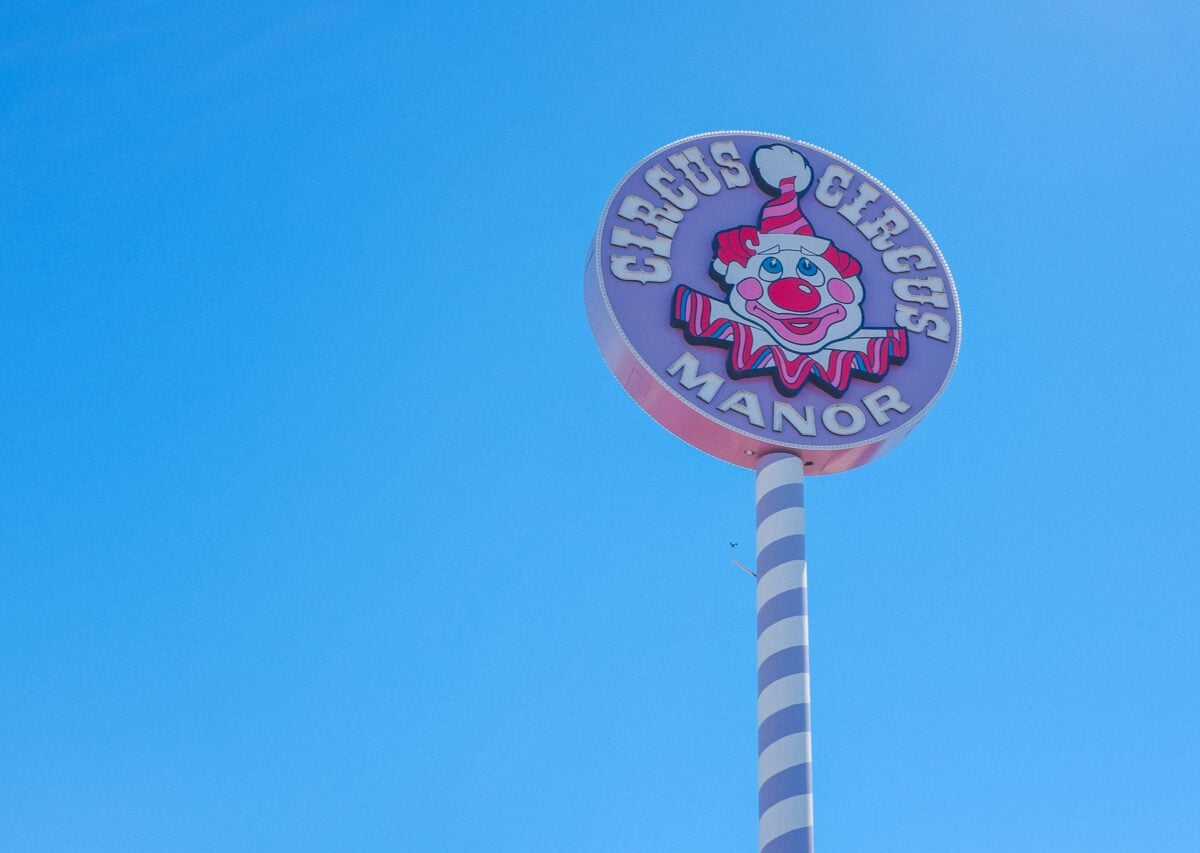
Painted wooden and canvas signs used to direct traveling circus and carnival crowds toward specific attractions are sought by collectors of traveling entertainment history, since these signs were built for temporary use and rarely survived storage between seasons. A sign naming a specific defunct traveling show draws stronger bidding than a generic carnival-themed sign.
Hotel and Rooming House Signs
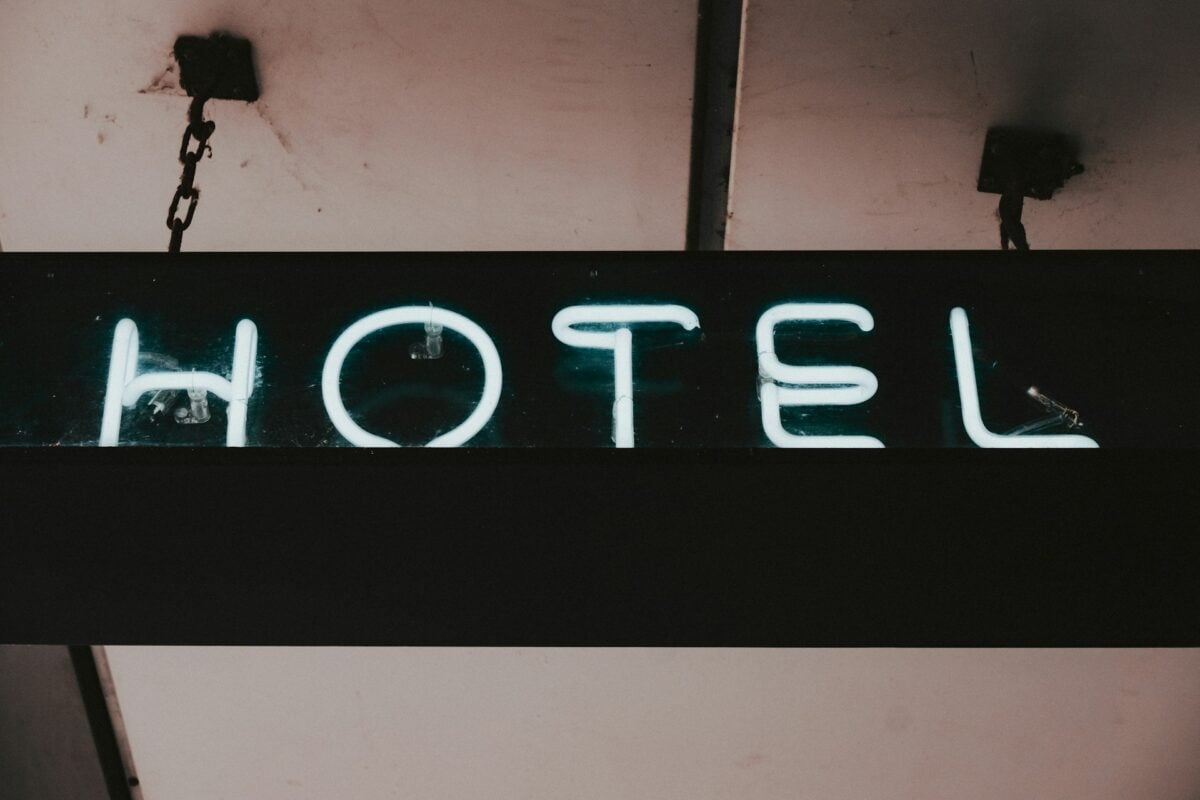
Neon and painted signs from independently owned hotels, particularly ones in downtown districts that have since been redeveloped, are sought by architectural salvage collectors and regional historians. A sign that survived a building’s demolition and can be documented to a specific address draws considerably stronger interest than an unidentified hotel sign.
Soda Fountain and Diner Signs
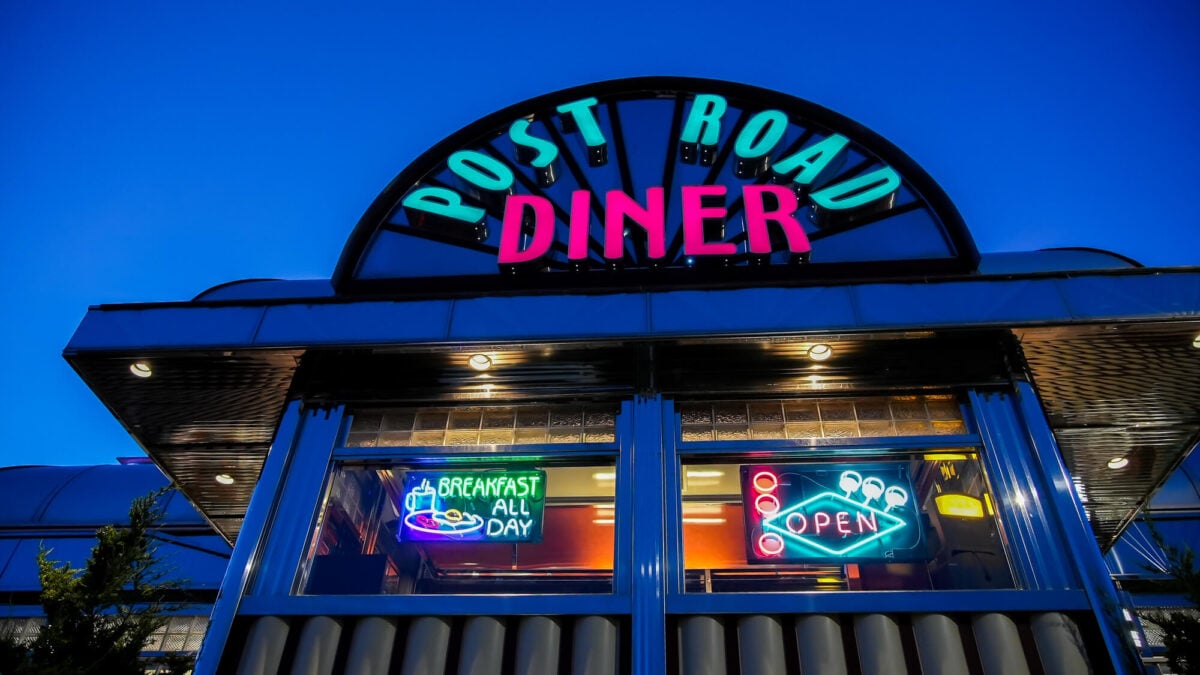
Porcelain and painted tin signs advertising specific soda fountain brands and diner chains, many now defunct, are a steady category within Americana advertising collecting. Signs featuring illustrated glassware or period-specific typography in strong original color draw notably stronger bids than faded or heavily restored examples.
Barber Shop Poles and Signs

Rotating barber poles and accompanying painted signs, particularly ones from independently owned shops rather than mass-produced chain signage, are sought by collectors of trade and craft advertising. A pole with its original motor still functioning and glass cylinder intact draws considerably stronger bidding than a static, non-working example.
Whiskey and Spirits Advertising Signs
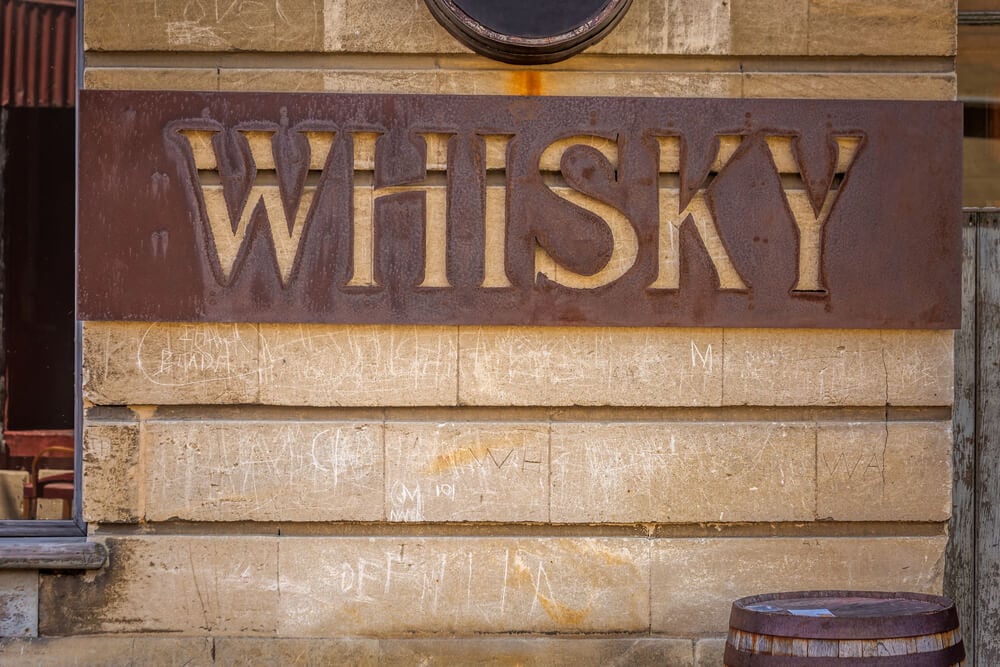
Painted and lithographed tin signs advertising specific whiskey and spirits brands, particularly ones from distilleries closed during Prohibition and never reopened, are sought by collectors of beverage advertising history. A sign tied to a distillery that ceased operation permanently draws stronger bidding than one from a brand still in current production.
Movie Theater Marquee Letters
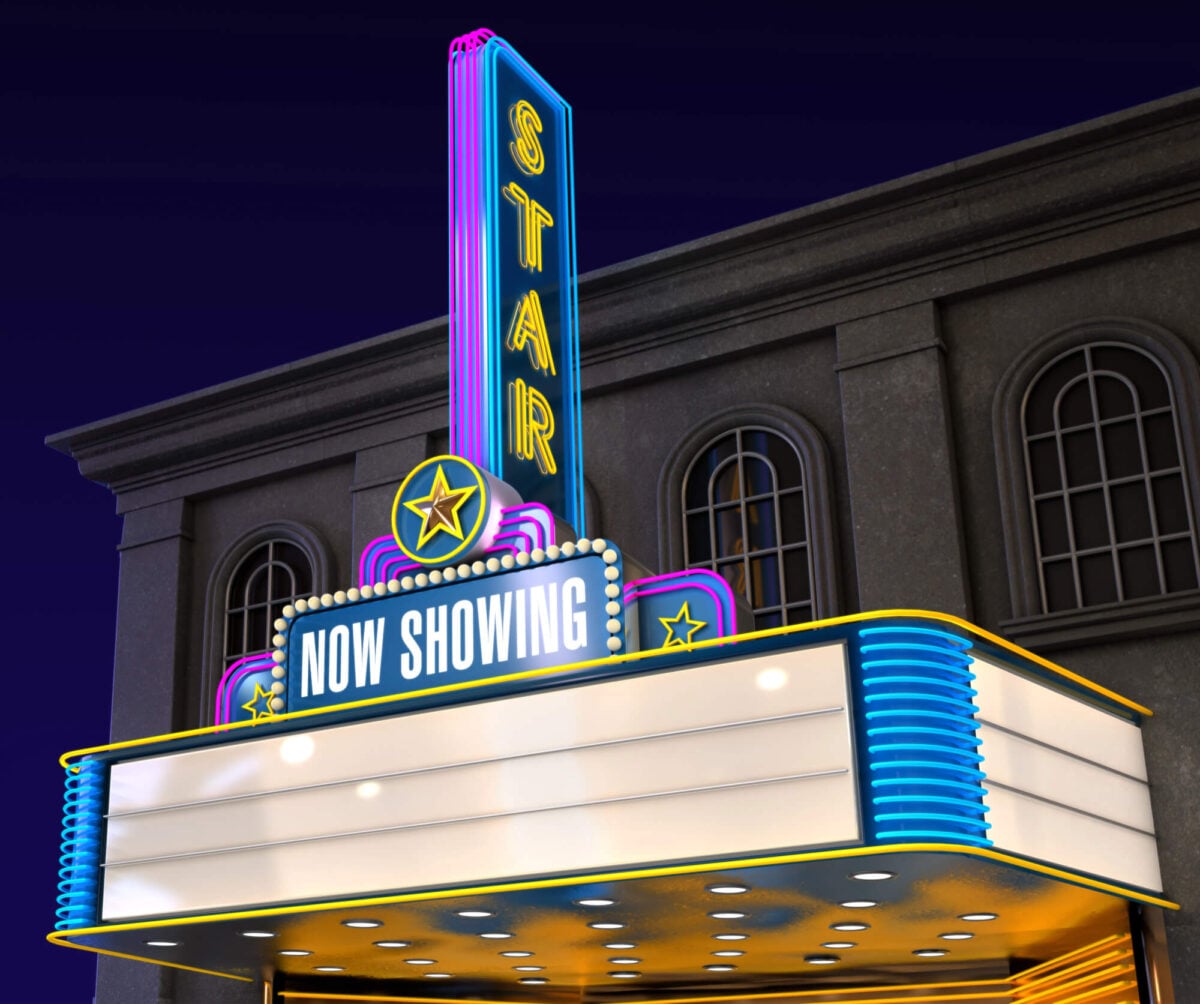
Individual letters and numbers salvaged from theater marquees, particularly ones from independently owned single-screen theaters that have since closed or been demolished, are sought by collectors of entertainment memorabilia and by people restoring similar signage. A complete alphabet set from one theater draws considerably stronger interest than mismatched individual letters from multiple sources.
Ice Cream and Dairy Delivery Signs
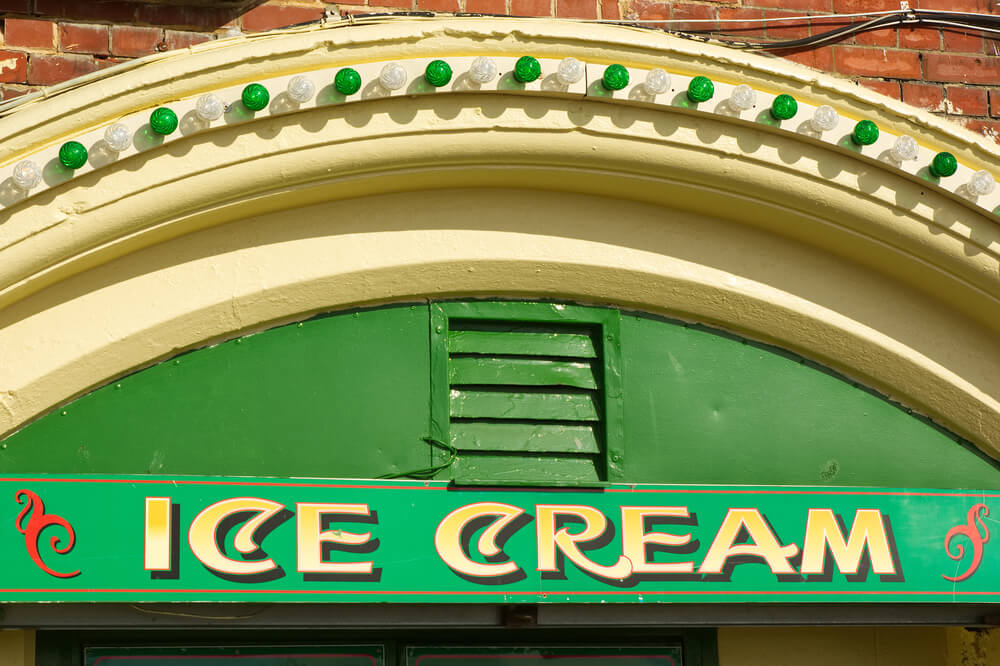
Porcelain signs advertising home dairy delivery services, a business model largely discontinued by the mid-twentieth century, are sought by collectors of rural and small-town Americana. A sign naming a specific defunct local dairy draws stronger bidding than a generic national dairy brand sign, precisely because the local version is considerably harder to find.
Fraternal Organization Signs
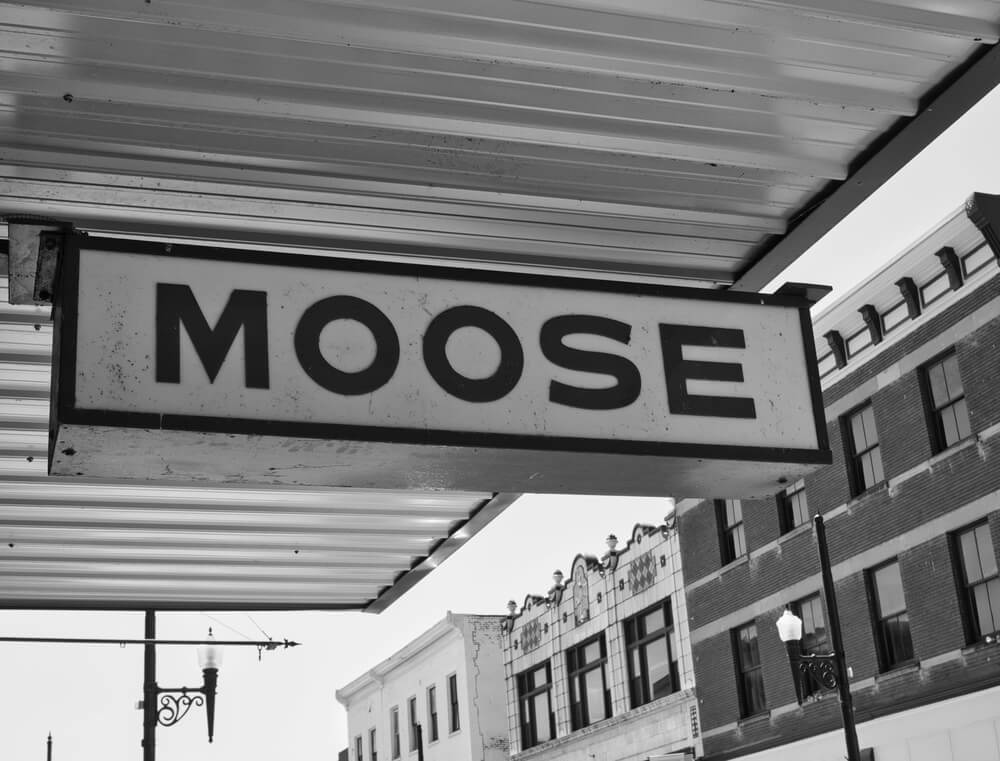
Cast metal and painted signs marking the meeting halls of fraternal organizations, particularly smaller regional lodges that have since disbanded, are sought by collectors researching the history of American civic and social organizations. A sign tied to a lodge that no longer exists draws stronger interest than one from an organization still actively meeting.
Airline Route Advertising Signs
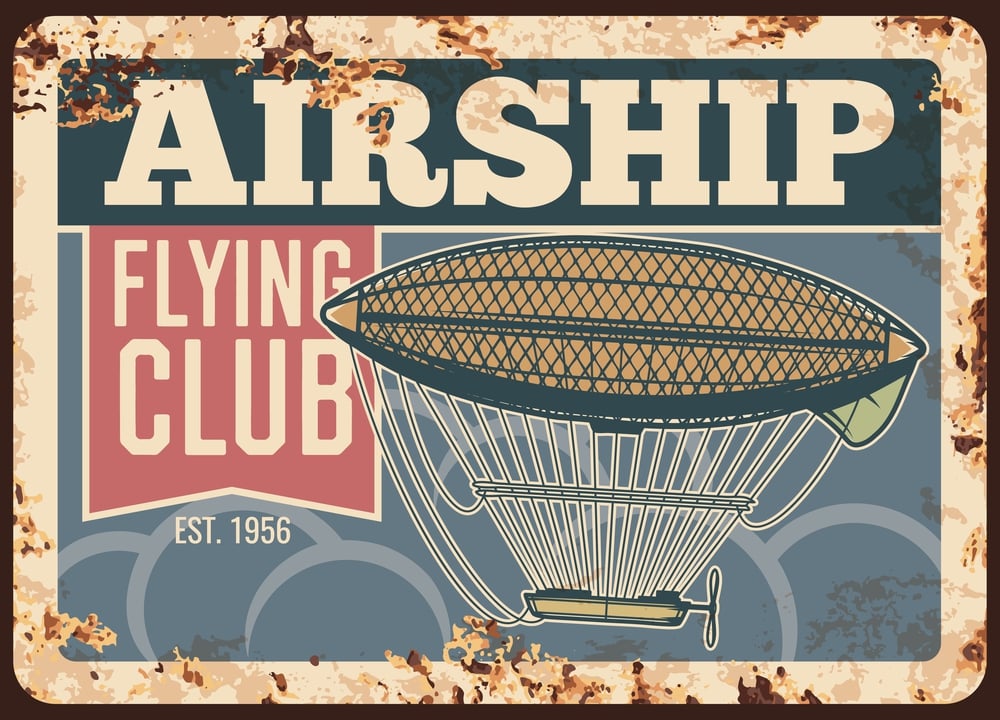
Painted and lithographed signs advertising specific airline routes, particularly from airlines that ceased operations decades ago, are sought by aviation history collectors. A sign advertising a route that no longer exists in that form, from a carrier long since merged or dissolved, draws considerably stronger bidding than generic airline branding without route specificity.
General Store Trade Signs
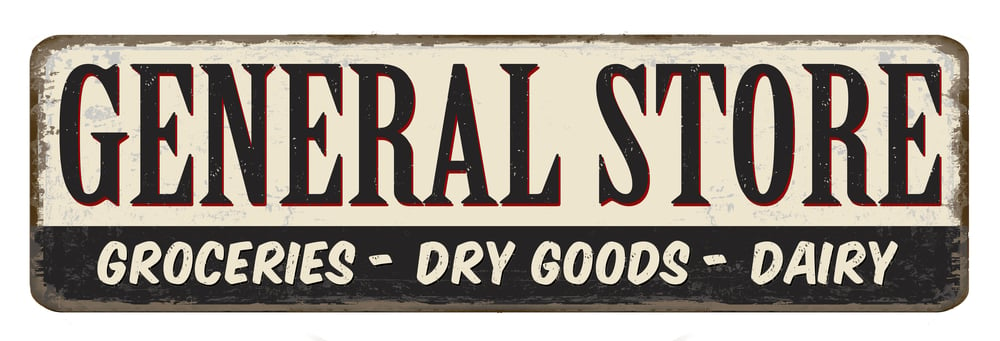
Hand-painted wooden trade signs from general stores, particularly ones featuring an illustrated product rather than text alone, are sought by collectors of early retail history. A sign that survived exposure with legible original paint draws considerably stronger bids than a heavily weathered example requiring extensive restoration.
Bowling Alley and Recreation Signs
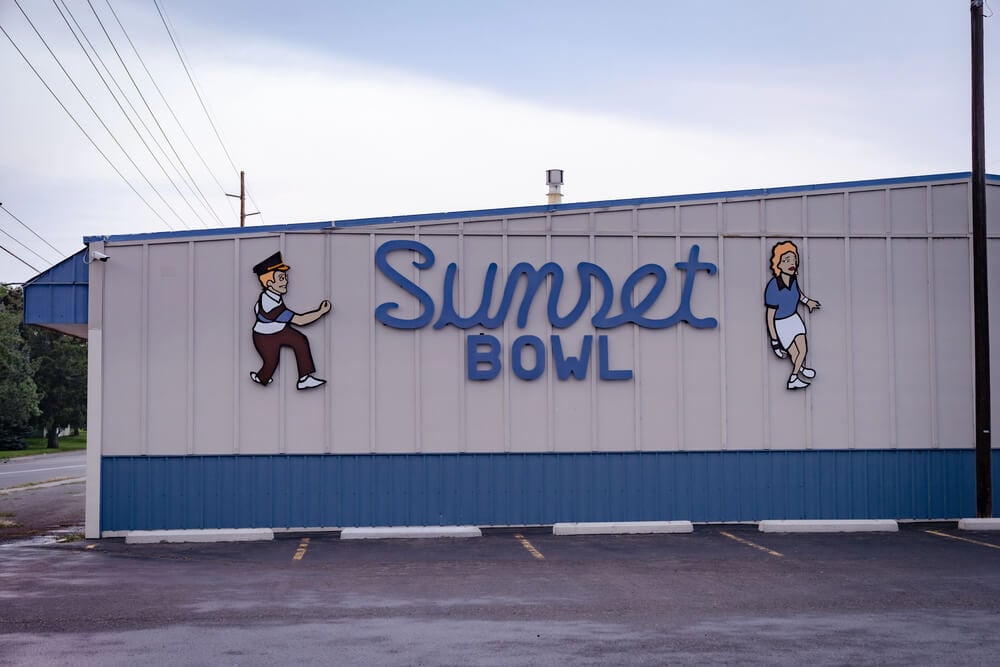
Neon and painted signs from independently owned bowling alleys and recreation centers, many closed as larger chains consolidated the industry, are sought by collectors of mid-century recreation Americana. A sign featuring period-specific graphic design in working neon condition draws notably stronger interest than a static or non-illuminated example.
Telephone Company Advertising Signs
Porcelain and enamel signs from regional telephone companies absorbed into larger national systems decades ago are sought by collectors of communication history. A sign naming a specific defunct regional exchange draws stronger bidding than generic national telephone branding, since local exchange signs were produced in far smaller numbers.
Barn Advertising Signs
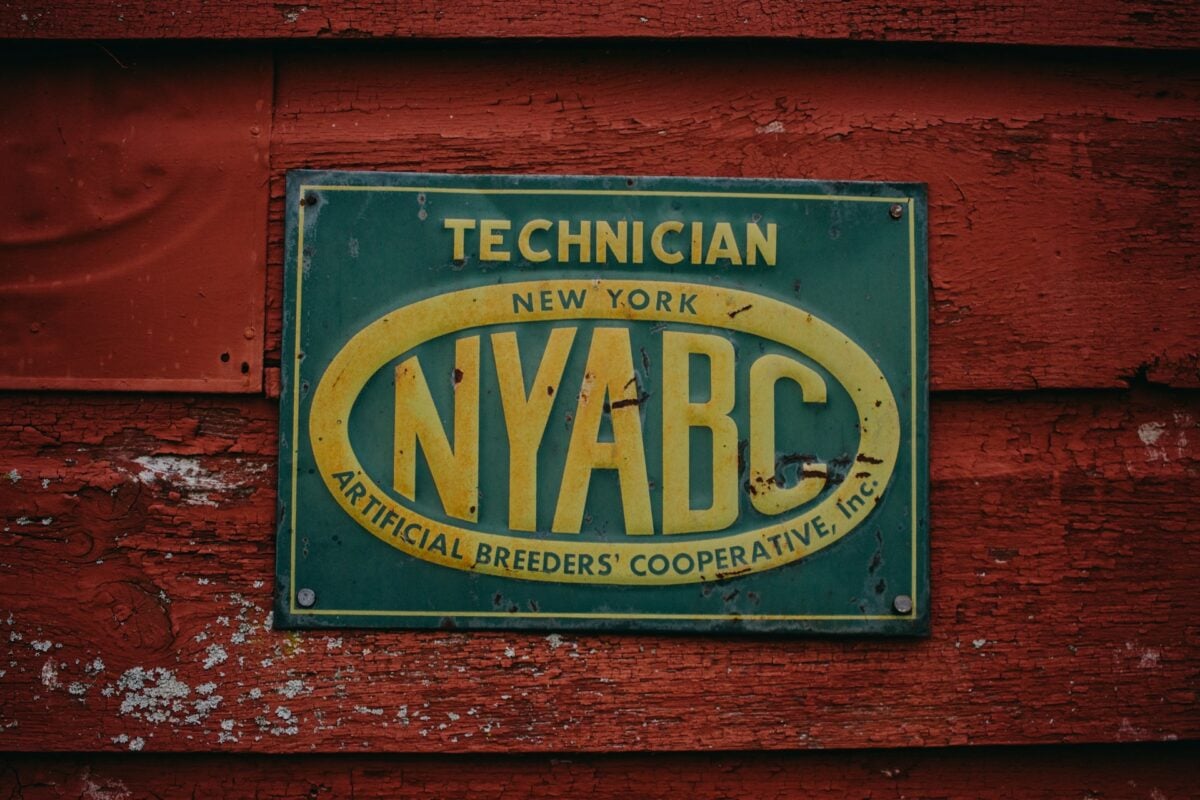
Large painted advertisements once applied directly to the sides of barns, a marketing practice largely discontinued by the mid-twentieth century, are occasionally salvaged as intact wood sections when a barn is demolished. A salvaged section with legible original paint and identifiable brand lettering draws serious interest from collectors of rural advertising history.
Trolley and Streetcar Route Signs
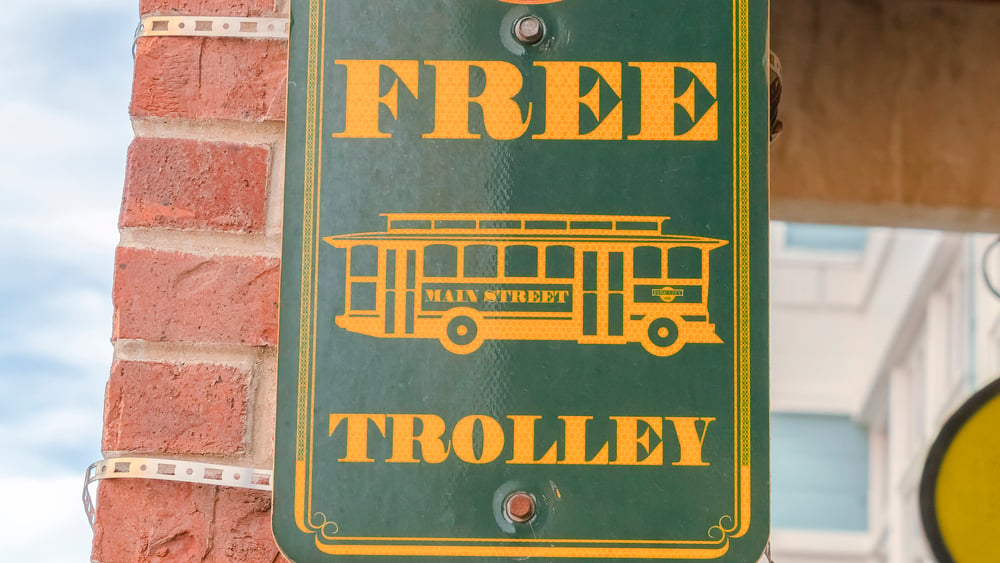
Metal route signs from municipal trolley and streetcar systems, most of which were decommissioned across American cities by the mid-twentieth century, are sought by transit history collectors and by cities researching their own transportation heritage. A sign naming a specific discontinued route draws stronger interest than a generic transit sign without route detail.
Milk Bottle Cap Advertising Signs

Small porcelain and cardboard point-of-sale signs advertising specific dairy brands, designed to sit beside a cash register rather than hang outdoors, are sought by collectors of dairy advertising specifically because their small size and delicate material made survival rare. A sign in undamaged condition from a defunct regional dairy draws considerably stronger bids than a larger, more common dairy sign.
Grain Elevator and Cooperative Signs
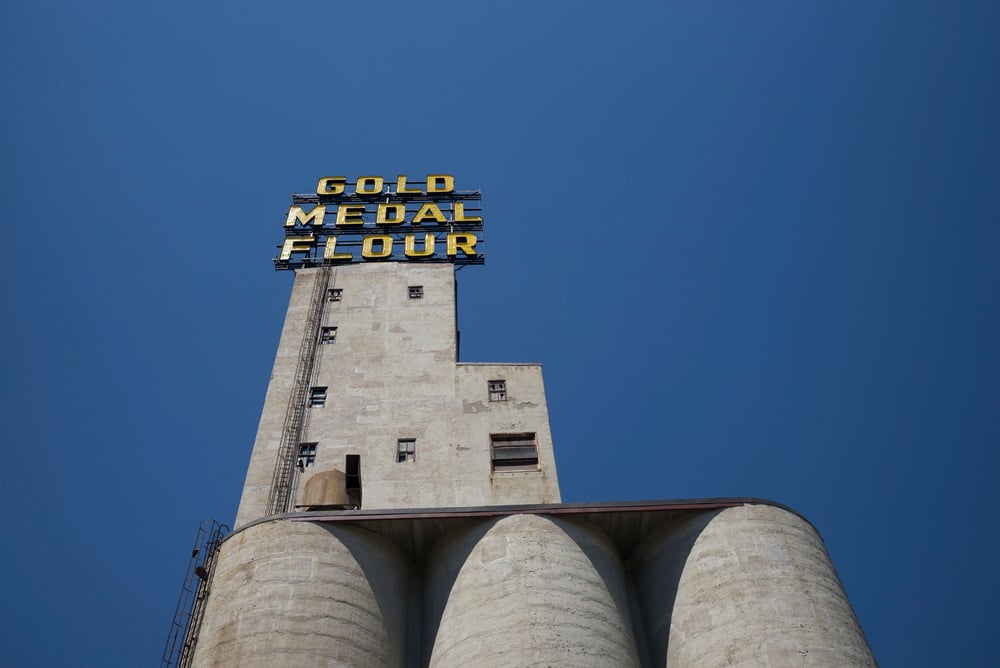
— Photo by klevit.shaw.ca
Large painted signs from regional grain elevators and farm cooperatives, many consolidated or closed as agricultural operations scaled up, are sought by collectors documenting the history of American agriculture. A sign tied to a specific cooperative that no longer operates independently draws stronger interest than generic agricultural branding.
Shoeshine Stand Signs
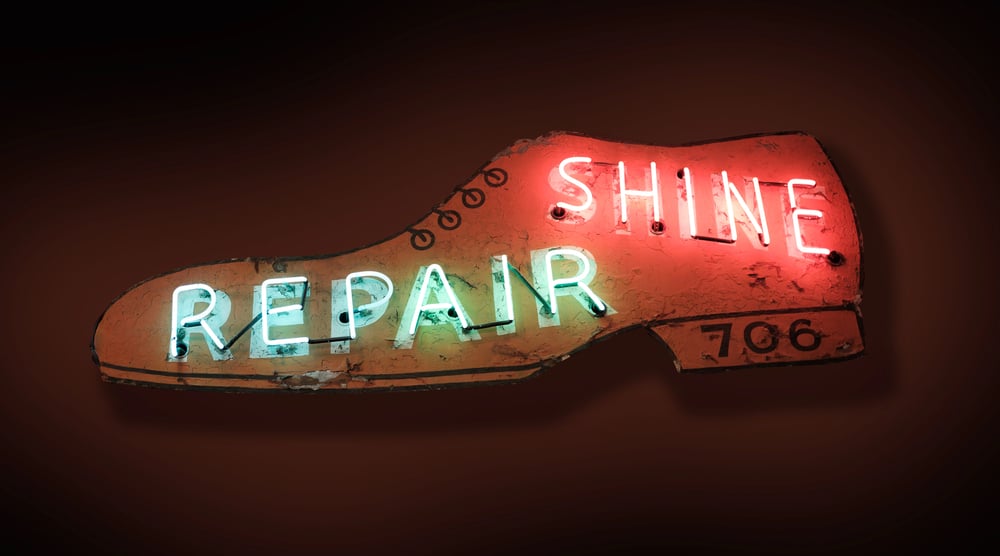
Small painted and lithographed signs advertising independent shoeshine stands, a trade largely displaced from its earlier prominence in American downtowns, are sought by collectors of trade and street-vendor advertising history. A sign in legible condition tied to an identifiable stand or shop draws stronger bidding than an unbranded generic example.
Roadside Attraction Signs
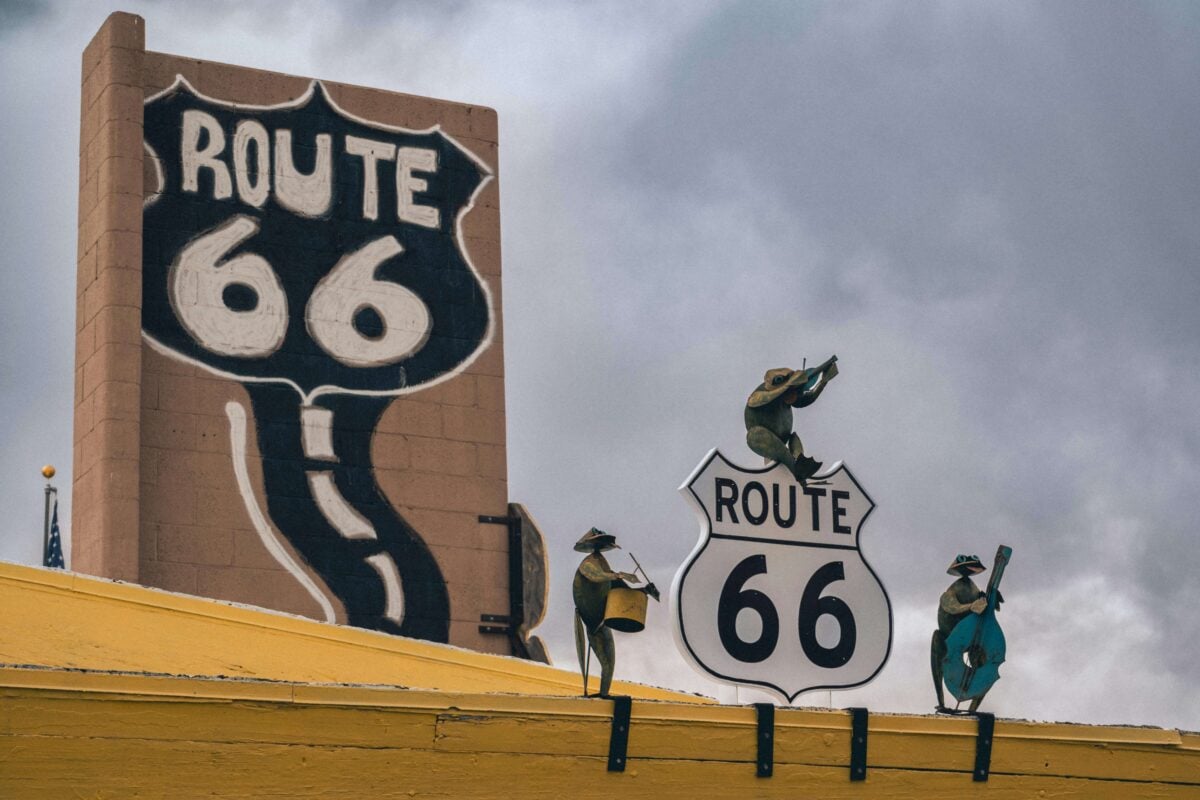
Painted and neon signs advertising independently owned roadside attractions, many closed as travel patterns shifted toward interstate highways bypassing older routes, are sought by collectors of American travel and tourism history. A sign naming a specific attraction that no longer operates draws considerably stronger interest than a generic tourism-themed sign.
Newspaper Delivery and Sales Signs

Metal signs marking newsstands and newspaper delivery points for publications that have since ceased operation are sought by collectors of print media history. A sign naming a specific defunct newspaper draws considerably stronger bidding than a sign for a publication still in circulation today.
Radio Station Call Letter Signs
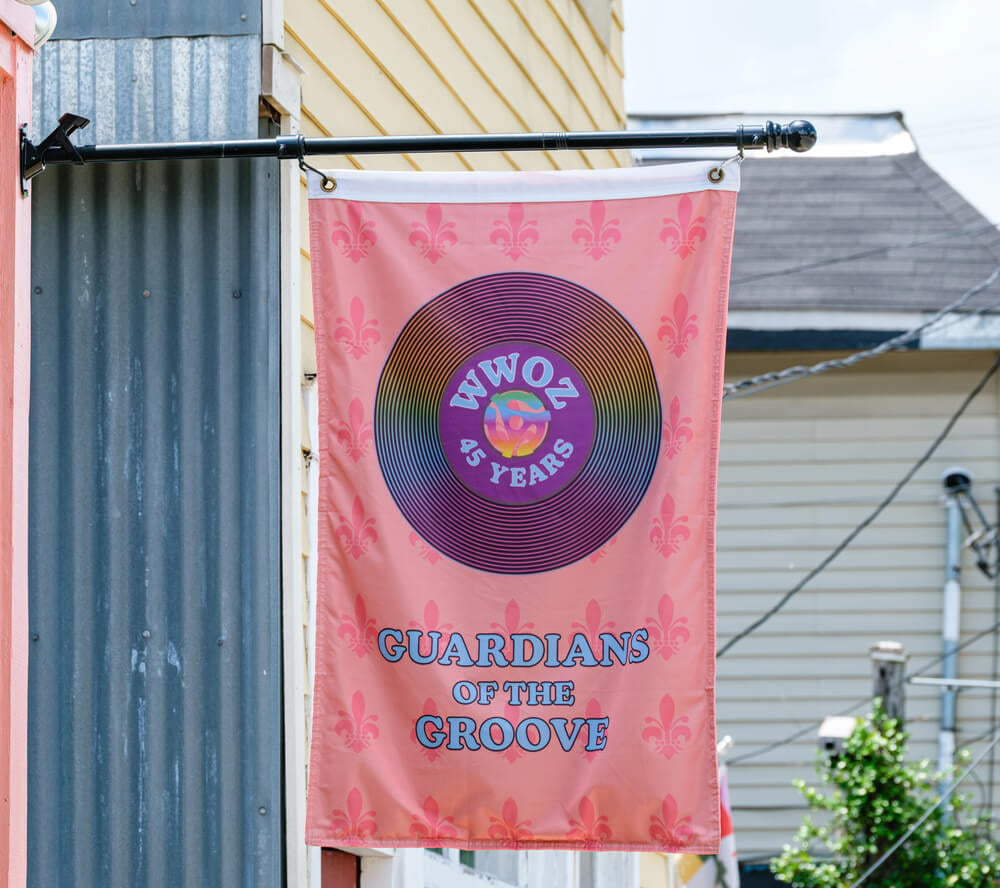
Metal and painted signs displaying the call letters of independent radio stations, particularly ones later absorbed into larger broadcast networks or taken off the air entirely, are sought by collectors of broadcast history. A sign from a station whose call letters have since been reassigned or retired draws stronger interest than one from a station still actively broadcasting.
What Weather Could Not Erase
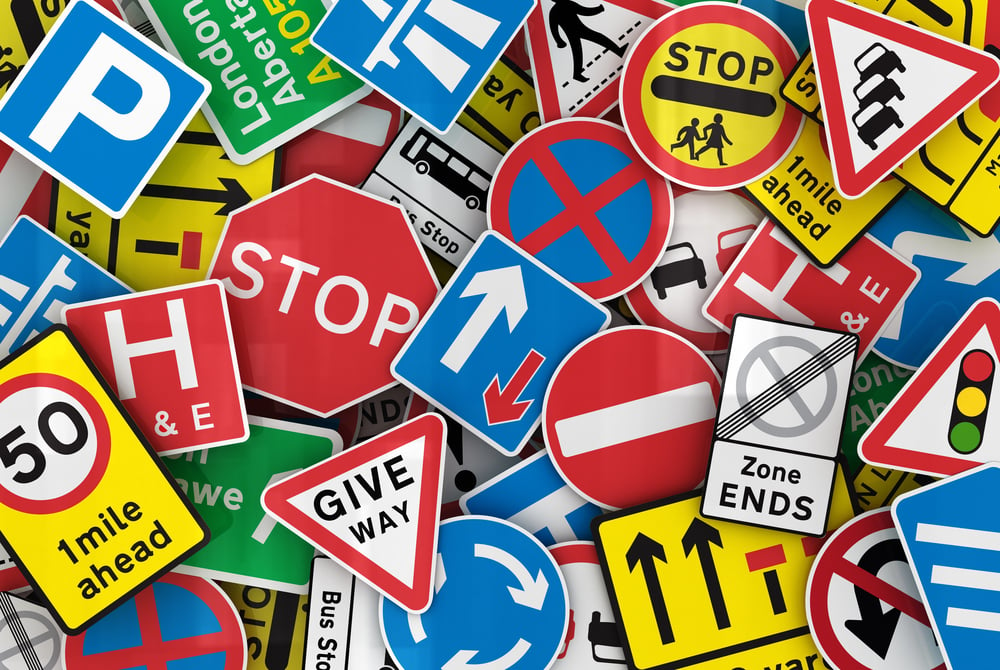
Signs were never built with permanence in mind. They were meant to be replaced when a business changed hands, updated a logo, or simply closed its doors, and most of the millions produced across the twentieth century were scrapped, repainted, or left to rust once they stopped serving their original purpose.
What survives now carries the weight of everything that did not: entire businesses, routes, and industries that exist today only in the sign that once pointed toward them. That is the real driver behind the bidding, far more than the metal or paint itself.
More from Go2Tutors!

- The Romanov Crown Jewels and Their Tragic Fate
- 13 Historical Mysteries That Science Still Can’t Solve
- Famous Hoaxes That Fooled the World for Years
- 15 Child Stars with Tragic Adult Lives
- 16 Famous Jewelry Pieces in History
Like Go2Tutors’s content? Follow us on MSN.



