16 Sweet Treats from the 90s We Miss
The 1990s brought neon colors, grunge music, and an explosion of candy innovation that seemed to prioritize fun over everything else. Food scientists worked overtime creating treats that popped, fizzed, changed colors, and challenged every assumption about what candy should be. Here’s a list of sixteen sweet treats from that decade that disappeared too soon, leaving behind nothing but sugar-coated memories and expired patents.
Dunkaroos
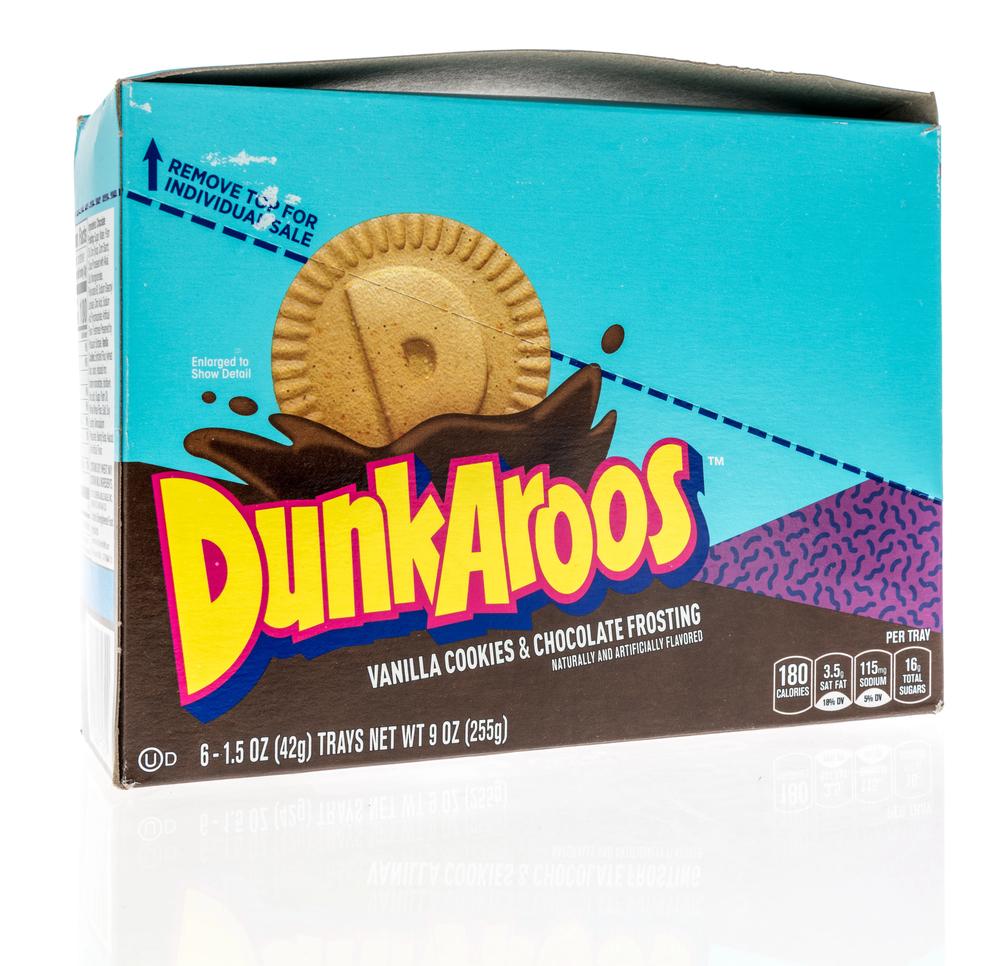
These cookies-and-frosting combos turned snack time into an interactive experience. Each package contained small cookies perfect for dipping into rainbow chips or chocolate frosting.
The cookies were designed specifically for optimal frosting scooping. Some kids ate the frosting straight from the container. No judgment.
3D Doritos

These puffy, triangular snacks tasted like regular Doritos but with an airy texture that dissolved on the tongue. The three-dimensional shape held seasoning better than flat chips.
And they made the most satisfying crunch. Each bite created tiny flavor explosions that regular Doritos couldn’t match.
Crystal Pepsi

This clear cola promised the same Pepsi taste without the caramel coloring. The novelty of transparent soda captured imaginations across America for a brief, shining moment.
Marketing campaigns emphasized purity and clarity. The taste never quite lived up to the visual intrigue, though.
Surge

Coca-Cola’s answer to Mountain Dew came in electric green and promised to fuel extreme sports culture. This highly caffeinated soda disappeared almost as quickly as it arrived.
The advertising featured skateboarders and BMX riders. Looking back, the marketing felt more authentic than the actual flavor.
Fruitopia
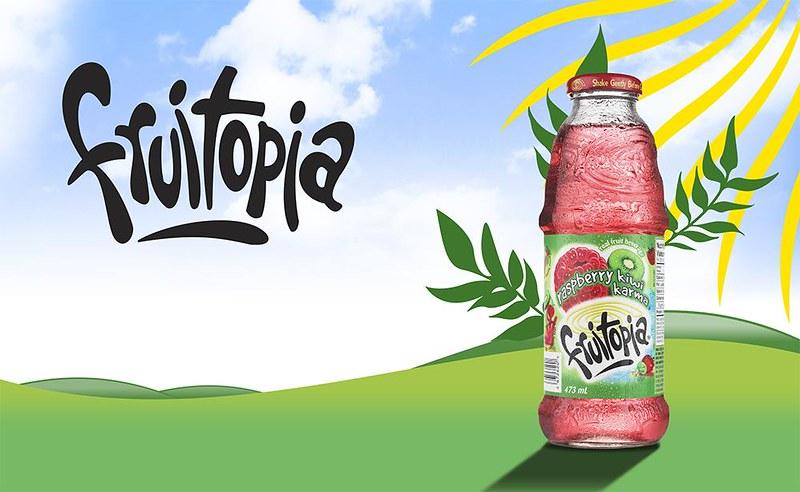
These psychedelic fruit drinks came in flavors like “Strawberry Passion Awareness” and “Citrus Consciousness.” Each bottle featured trippy artwork that looked like it belonged in a head shop.
But the flavors actually tasted pretty good. The marketing campaign tried too hard to be deep and meaningful for what was essentially sugar water.
Bagel Bites

These miniature bagels topped with cheese and sauce satisfied after-school hunger with minimal effort. Just pop them in the toaster oven and wait for the cheese to bubble.
Pizza bagels existed before, but Bagel Bites perfected the formula. The tiny size made them feel more like candy than actual food. Which was probably the point.
Pop Rocks
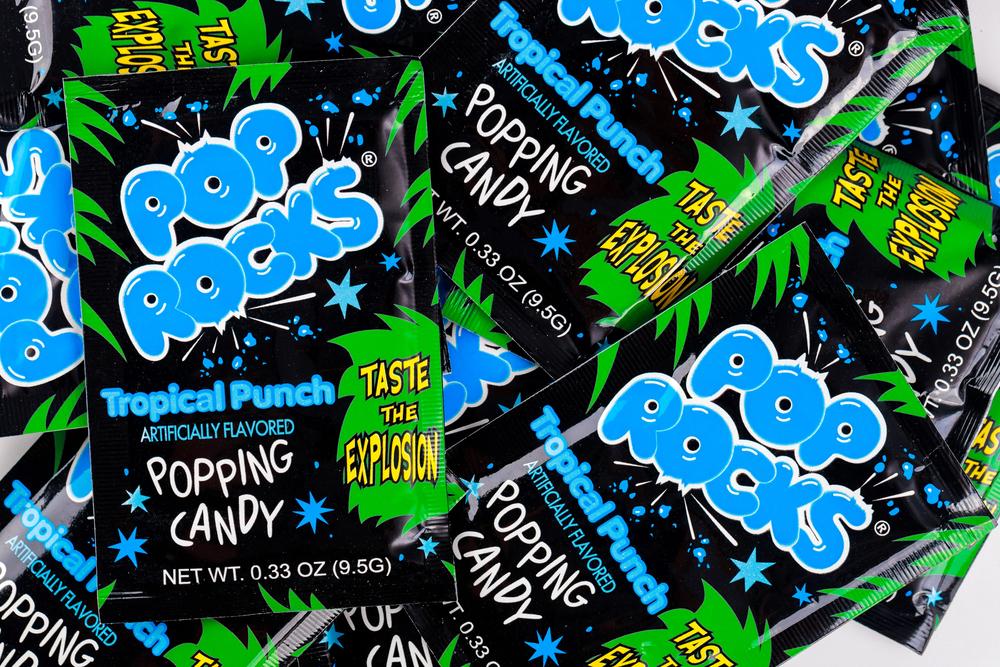
These carbonated candies literally exploded in your mouth, creating a crackling sensation that felt like tiny fireworks on the tongue. Urban legends claimed they could make your stomach explode when mixed with soda.
Completely false, of course. But the myth added danger to an already exciting candy experience.
Butterfinger BB’s

Bite-sized versions of the classic Butterfinger bar came in movie theater boxes. The smaller format meant more pieces per package and easier sharing during sleepovers.
And they didn’t get stuck in your teeth as much. The coating-to-center ratio felt more balanced than the full-size bars.
Squeezit

These squeezable drinks came in artificial colors that didn’t exist in nature. The plastic bottles encouraged aggressive squeezing that sent streams of sugar directly into eager mouths.
Flavors included “Chucklin’ Cherry” and “Grumpy Grape.” The names tried too hard to be fun, but kids didn’t care about marketing subtlety.
Clearly Canadian

This premium sparkling water featured sophisticated flavors like wild cherry and country raspberry. The distinctive glass bottles made it feel more adult than typical soft drinks.
The bubbles felt more refined than soda carbonation. Somehow drinking it made you feel healthier, even though it contained plenty of sugar.
Planters Cheez Puffs
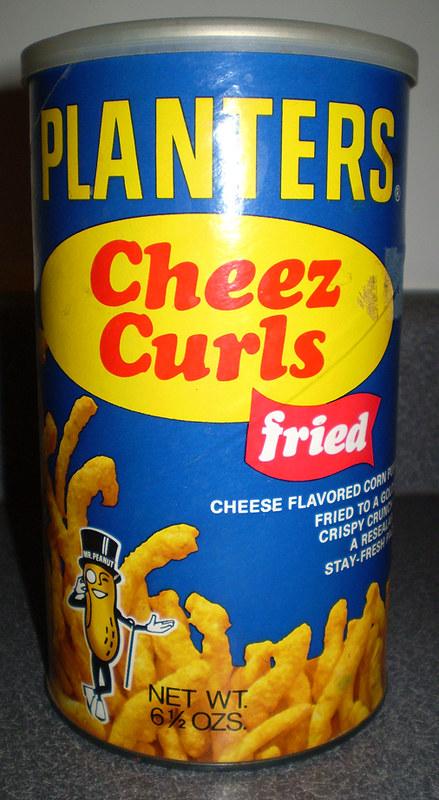
These orange, artificially-flavored corn puffs came in distinctive blue canisters. The cheese powder coating turned fingers bright orange within minutes of opening the container.
They melted on your tongue faster than Cheetos. The texture felt almost luxurious compared to other cheese puffs on the market.
Fruit by the Foot

These three-foot-long fruit snacks unrolled like edible tape. The length encouraged creative eating strategies and provided entertainment value beyond simple consumption.
Some featured temporary tattoos printed on the fruit leather. Others changed colors when you licked them. Innovation peaked in the 90s snack aisle.
Trix Yogurt

This artificially-colored yogurt came in electric pink and blue that definitely didn’t occur naturally. The Trix cereal pieces mixed throughout added textural contrast to smooth yogurt.
And it tasted like dessert disguised as health food. Parents probably felt better about serving yogurt, even when it contained more sugar than ice cream.
Dunk-a-roos Cereal

The breakfast version of the beloved snack cookie featured tiny cinnamon cookies floating in milk. Each spoonful delivered the same cookie-and-cream combination that made the original so addictive.
But cereal needed to stay crunchy in milk. The engineering challenges probably exceeded the profit potential.
Ecto Cooler

Hi-C’s tie-in with Ghostbusters featured an otherworldly green color and citrus flavor. The marketing campaign convinced kids they were drinking actual ghost slime.
The color was genuinely unsettling. No natural food should ever look that radioactive green. Yet it tasted surprisingly refreshing.
Push Pop

These cylindrical lollipops featured a push-up mechanism that revealed fresh candy as you consumed it. The plastic tube protected the lollipop from pocket lint and provided portion control.
You could save half for later by pushing it back down. In theory. Most kids finished the entire thing in one sitting anyway.
When Sugar Ruled the World
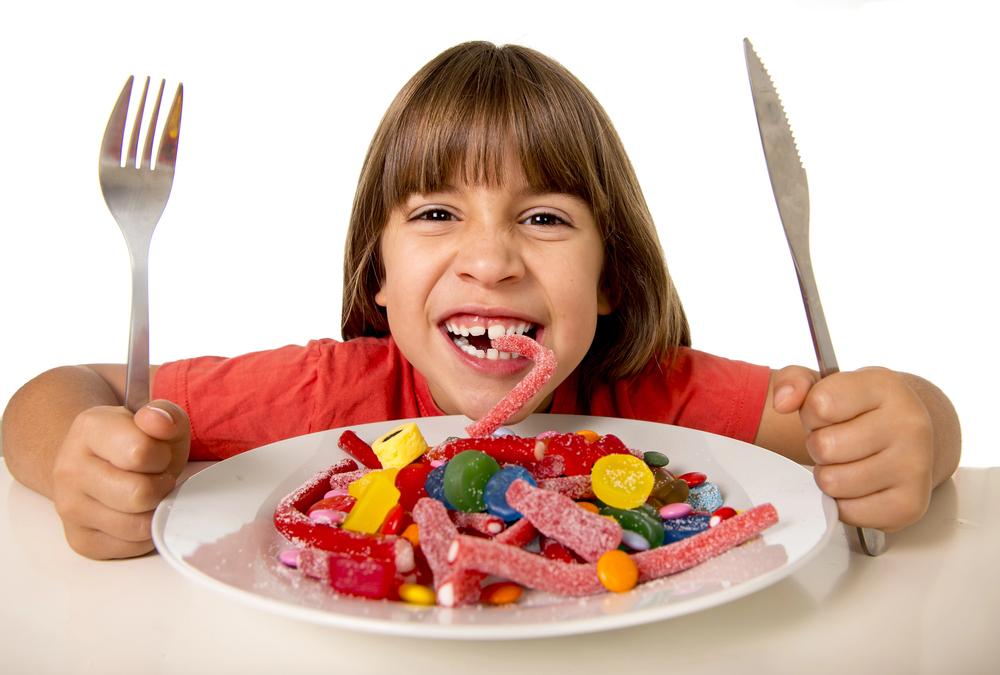
The 90s represented peak candy creativity, when food scientists prioritized fun over nutrition and parents hadn’t yet declared war on artificial colors. These treats captured the decade’s optimistic spirit — the belief that technology could make everything, even sugar, more exciting than previous generations ever imagined possible.
More from Go2Tutors!

- 16 Historical Figures Who Were Nothing Like You Think
- 12 Things Sold in the 80s That Are Now Illegal
- 15 VHS Tapes That Could Be Worth Thousands
- 17 Historical “What Ifs” That Would Have Changed Everything
- 18 TV Shows That Vanished Without a Finale
Like Go2Tutors’s content? Follow us on MSN.