31 Record Albums Sitting in Attics That Sell Fast Today
Most vinyl pulled out of an attic is not secretly a fortune, and collectors are quick to point out that a common 1970s title in worn condition is usually worth closer to ten dollars than a thousand. Still, a specific list of albums consistently moves fast on resale markets like Discogs and eBay, either because of steady collector demand or because a particular pressing turns an otherwise ordinary record into something genuinely valuable.
Condition determines nearly everything here, and the same title can swing from a few dollars to several hundred depending on whether it is a scratched reading copy or a near-mint original.
Fleetwood Mac’s “Rumours”
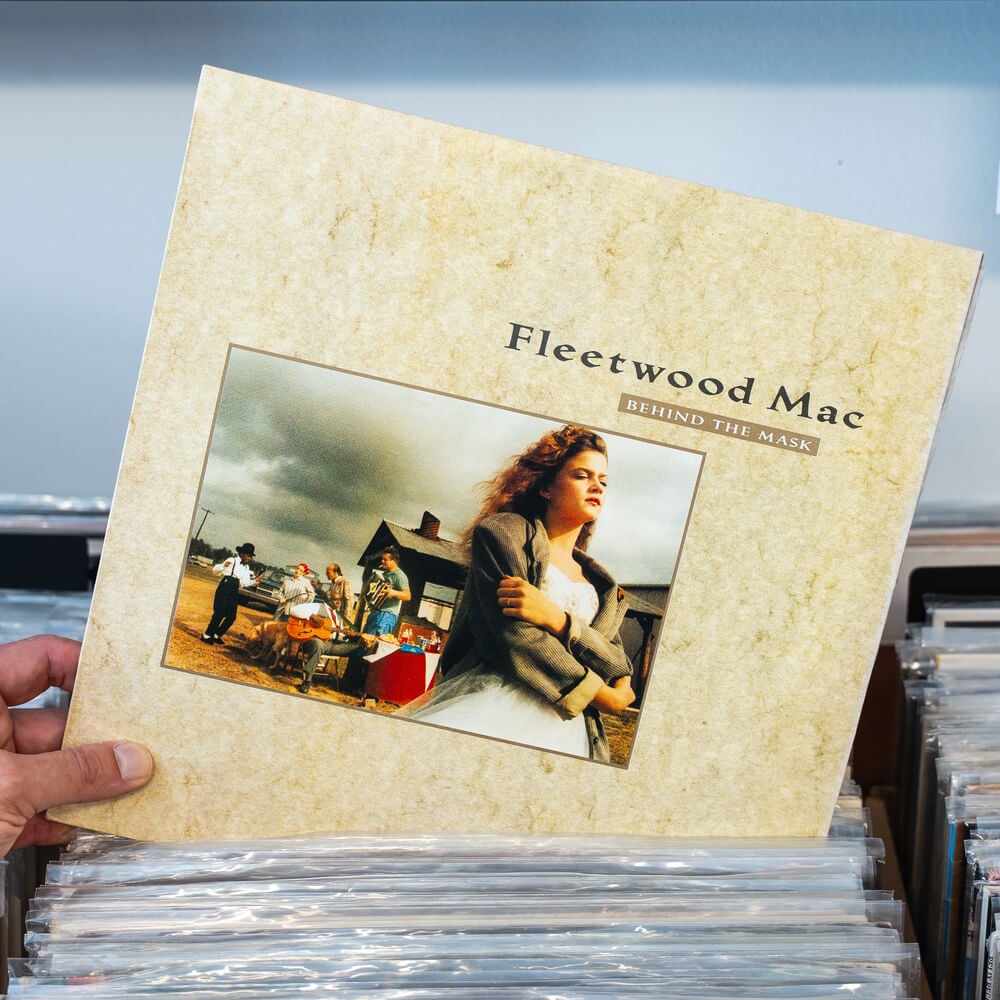
An original 1977 Warner Bros. pressing, identifiable by catalog number BSK 3010, remains one of the most consistently resold rock albums on the secondhand market simply because demand for it never really dips. Pricing swings enormously with condition and pressing plant, from roughly fifteen dollars for a worn Very Good copy to several hundred for a sealed first pressing with an intact hype sticker.
Michael Jackson’s “Thriller”
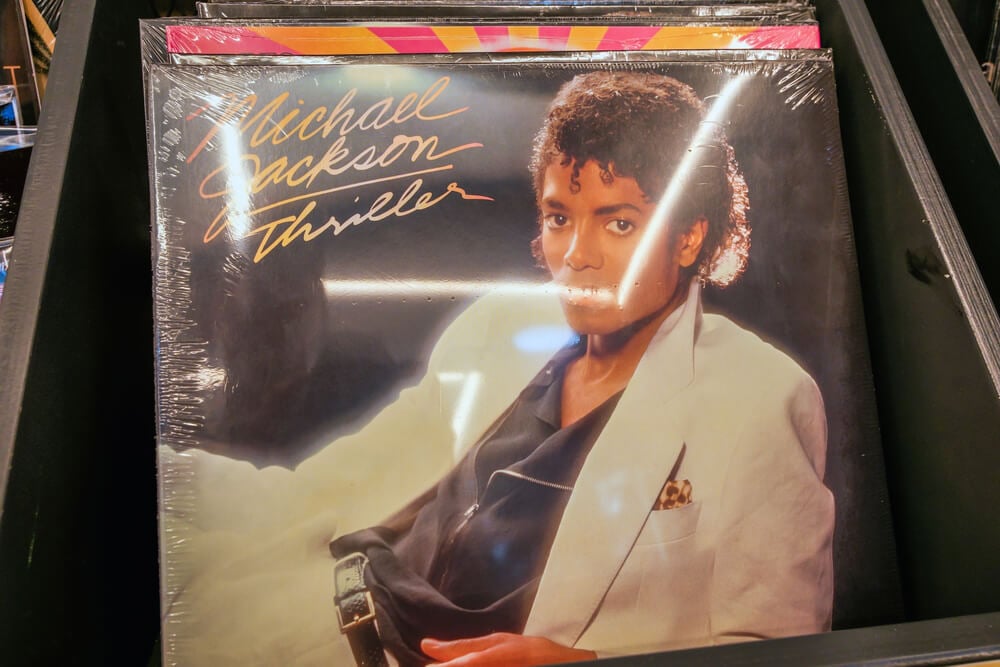
The best-selling album in American history moves quickly on resale platforms partly because of sheer name recognition, though ordinary copies remain common and inexpensive. Specialty audiophile pressings, particularly the Mobile Fidelity half-speed master version, sell for dramatically more than a standard commercial copy, with sealed examples reportedly reaching around two thousand dollars.
The Beatles’ “Abbey Road”
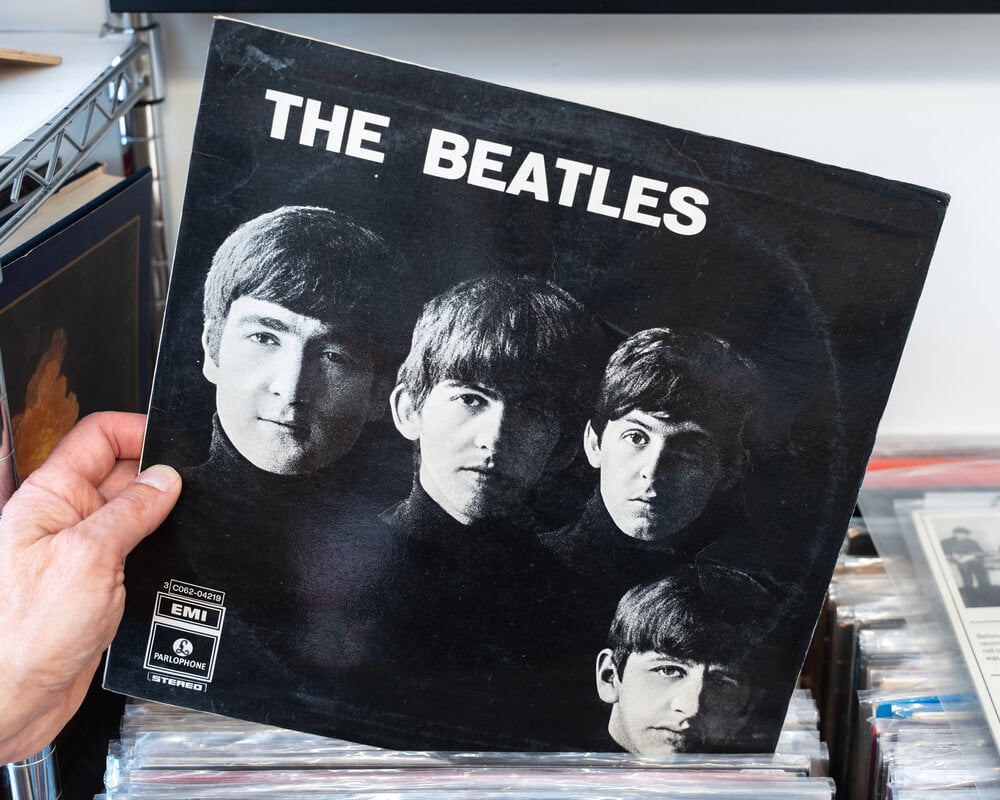
Original UK pressings carry specific matrix numbers etched into the runout groove that distinguish them from later reissues, a detail serious buyers check before paying a premium. A verified early UK pressing in strong condition can sell for several hundred dollars, while a later reissue in the same visual condition might bring closer to thirty or forty.
The Beatles’ “White Album”
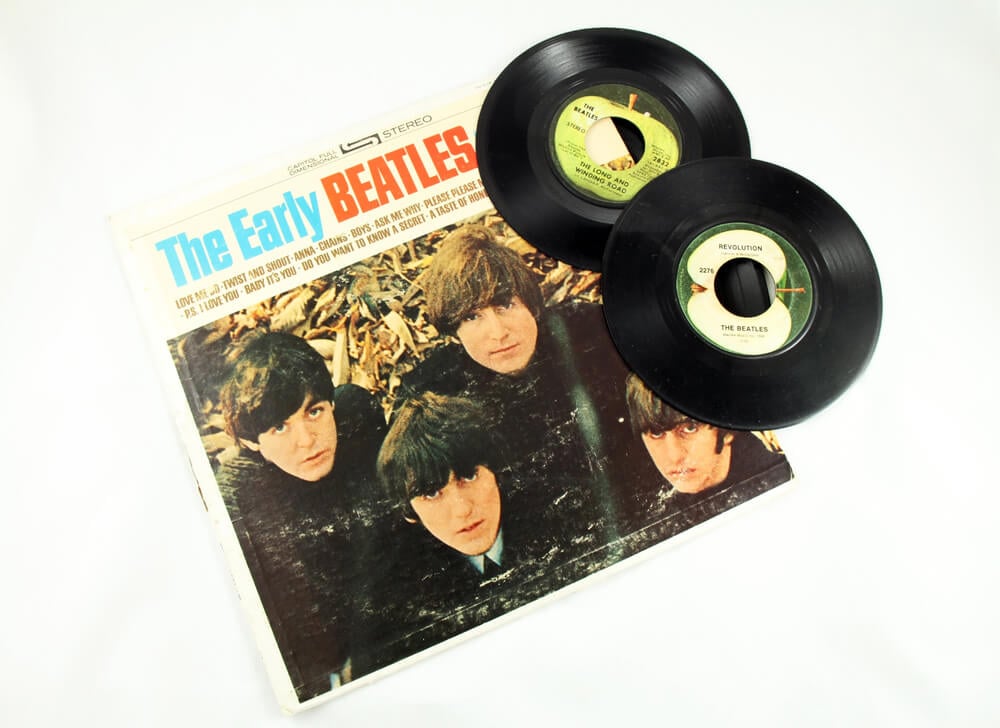
Numbered copies from the original pressing run, a detail unique to this release, drive dramatic price differences depending entirely on how low the printed number is. While ordinary numbered copies in good condition sell steadily in the hundreds of dollars, exceptionally low-numbered examples have sold at auction for far more, making this one of the more condition-and-number-sensitive records on this list.
Pink Floyd’s “The Wall”
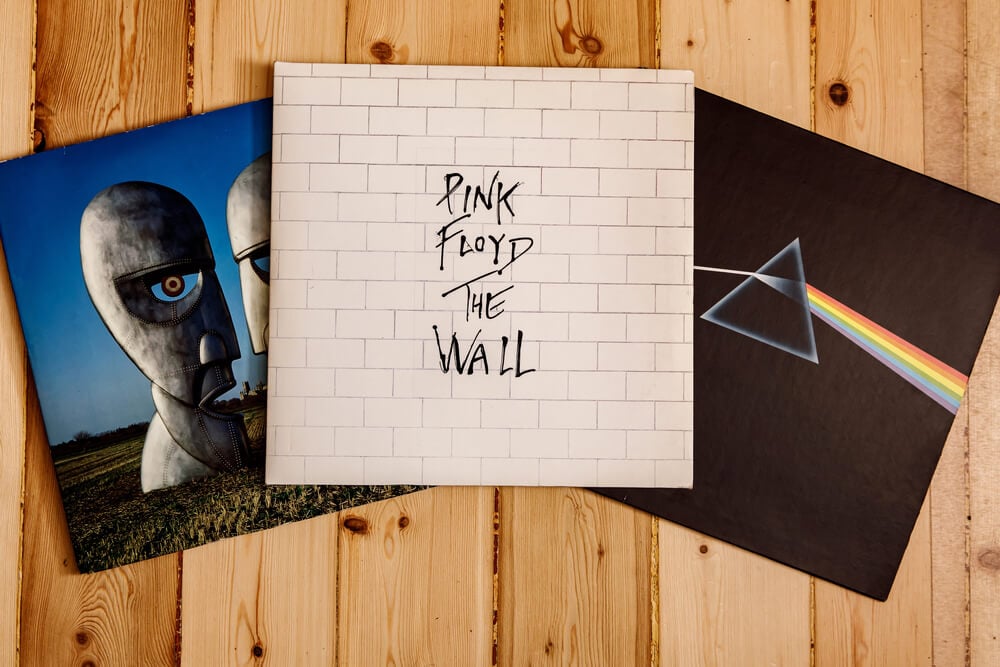
A specific 1979 Columbia pressing with solid blue triangle labels and a particular catalog number is the version collectors actively seek out, distinct from far more common later pressings of the same album. That specific early pressing in mint condition has reportedly sold for several hundred dollars, while a standard reissue in similar shape brings a small fraction of that.
Nirvana’s “Nevermind”
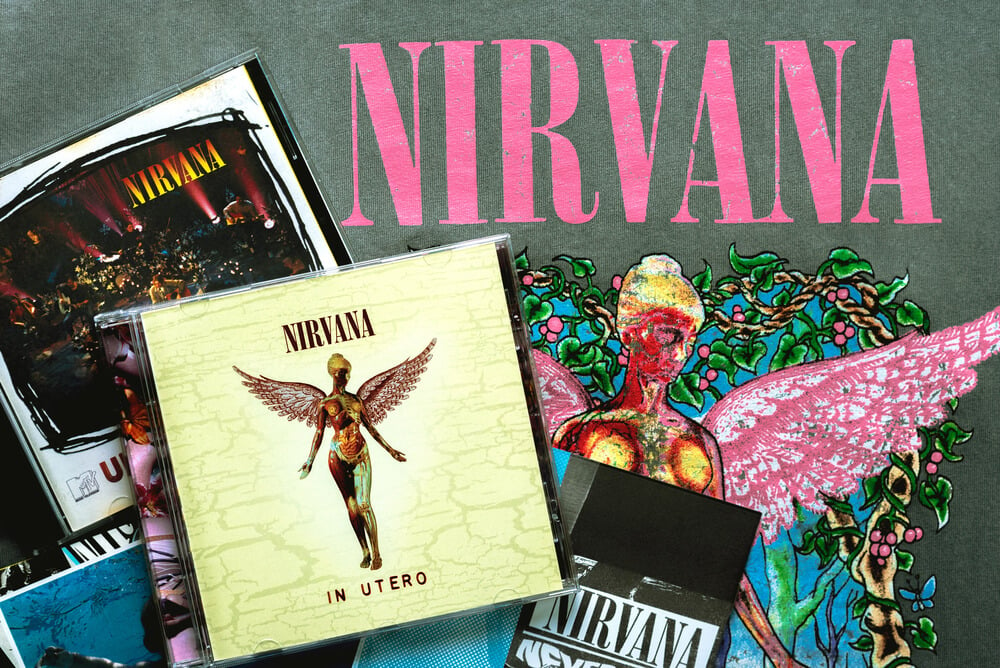
The original 1991 DGC pressing sells reliably in the forty-to-sixty-dollar range in strong condition, with certain factory-error variants featuring mismatched matrix numbers commanding a notable premium among collectors who specifically hunt for pressing mistakes. Even well-worn copies tend to sell quickly given the album’s enduring popularity.
Eagles’ “Hotel California”
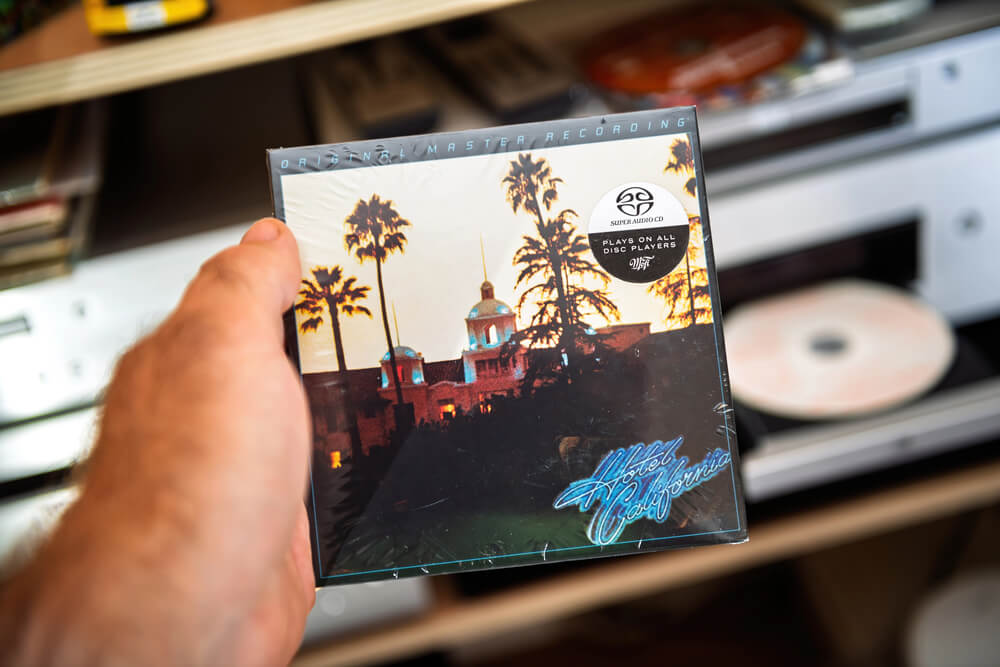
White-label promotional copies sent to radio stations ahead of the commercial release are considerably more sought after than the standard retail pressing, which remains common and inexpensive. A verified promotional copy in strong condition draws meaningfully more collector interest than an ordinary consumer pressing in the same shape.
Miles Davis’s “Kind of Blue”
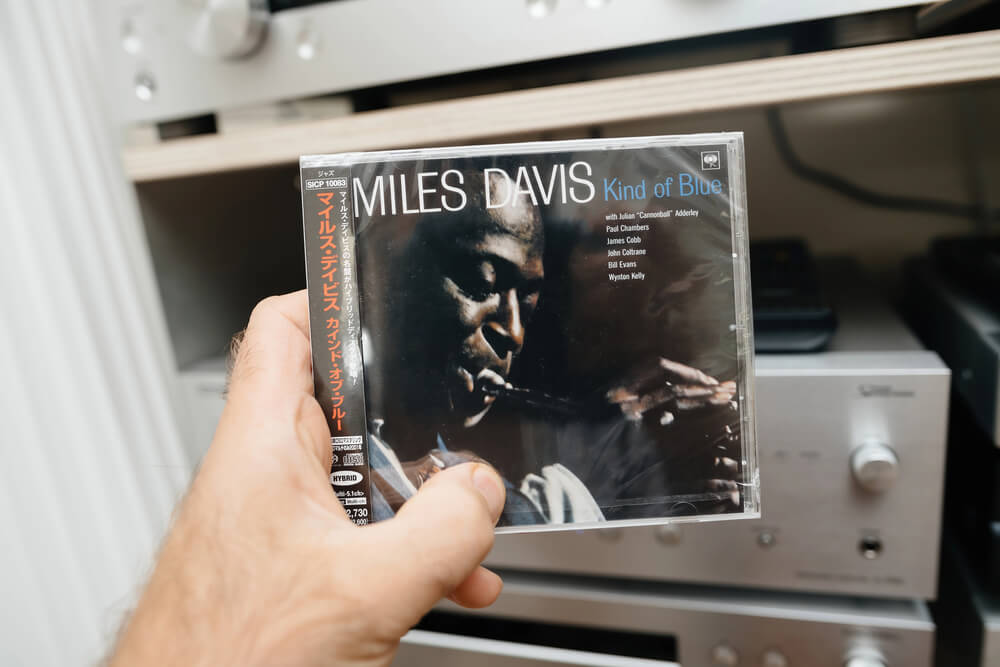
The best-selling jazz album ever recorded, original Columbia pressings featuring the label’s distinctive six-eye design are specifically what serious jazz collectors look for, particularly in mono rather than stereo. Condition matters enormously with jazz pressings from this era, since surface noise is especially noticeable on the genre’s typically quiet passages.
John Coltrane’s “Blue Train”
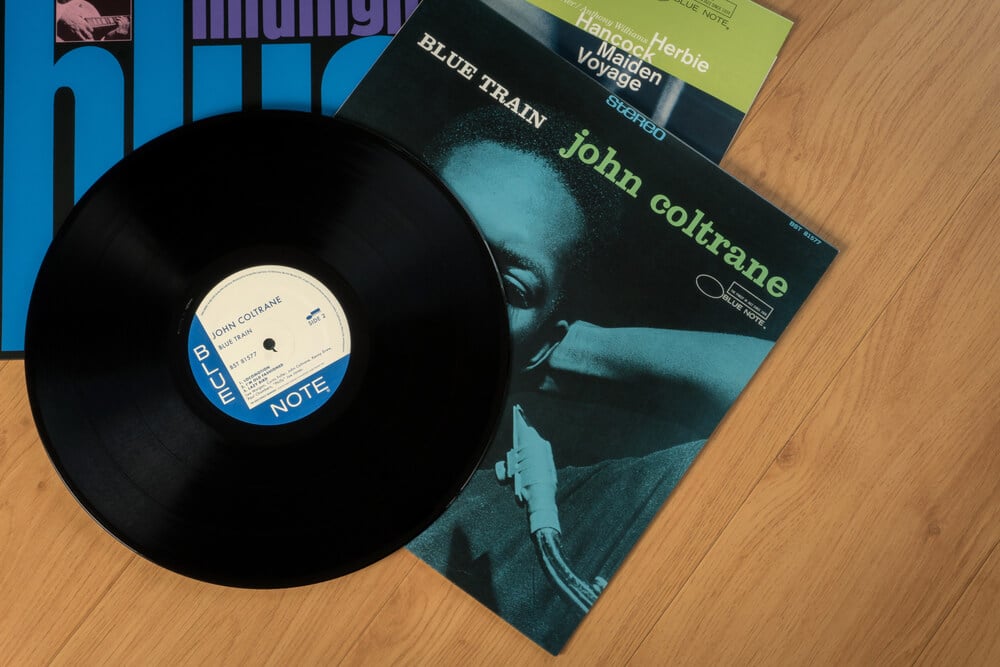
A 1958 Blue Note original pressing, identifiable by the label’s distinctive ear-shaped logo near the center spindle, can reach around three thousand dollars among serious jazz collectors in strong condition. Later reissues, while still musically identical, sell for a small fraction of that price.
“The Velvet Underground & Nico”
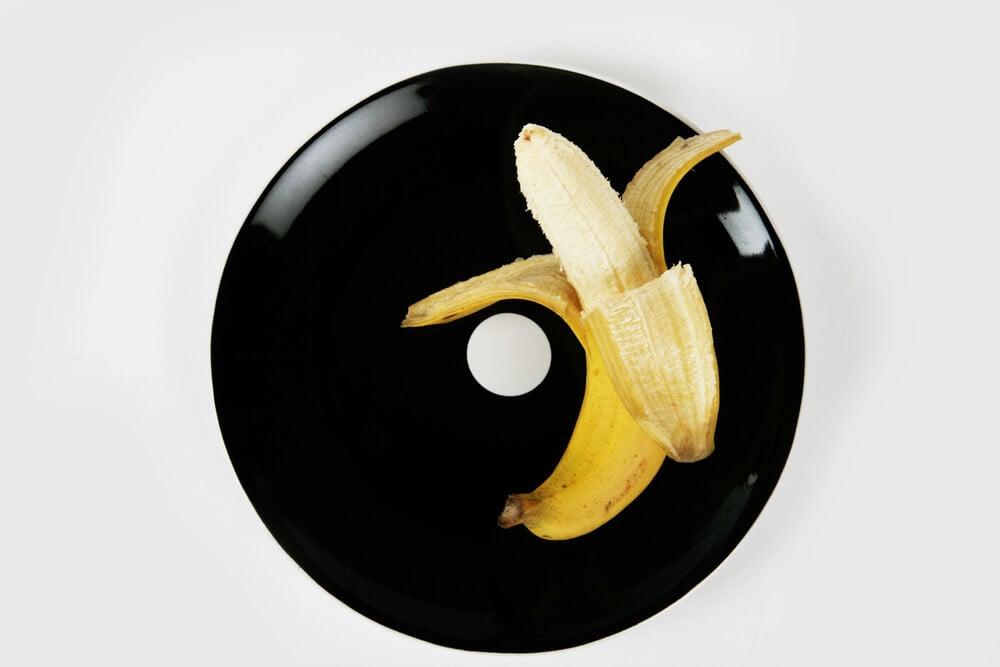
Original pressings featuring the iconic Andy Warhol banana design with a still-peelable sticker over the printed fruit beneath command dramatically higher prices than copies where the banana has already been peeled or reprinted flat. A pristine, unpeeled original has reportedly sold for well into the tens of thousands of dollars.
Bruce Springsteen’s “Born to Run”
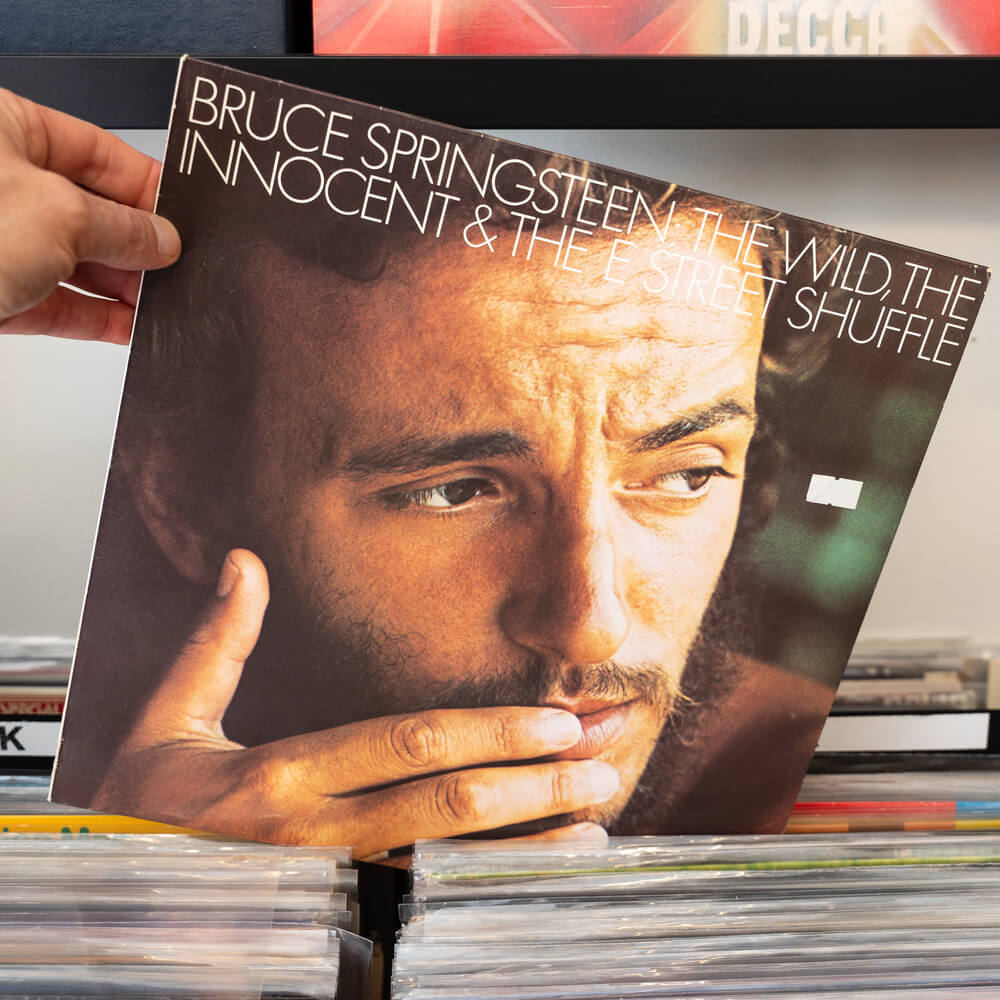
While common pressings of this 1975 album remain relatively affordable, condition-sensitive collectors pay a real premium for copies with an intact original gatefold sleeve and minimal ring wear, a common issue given the album’s popularity and heavy handling over the decades. Sealed original copies are increasingly rare and correspondingly valuable.
Bob Dylan’s “The Freewheelin’ Bob Dylan”
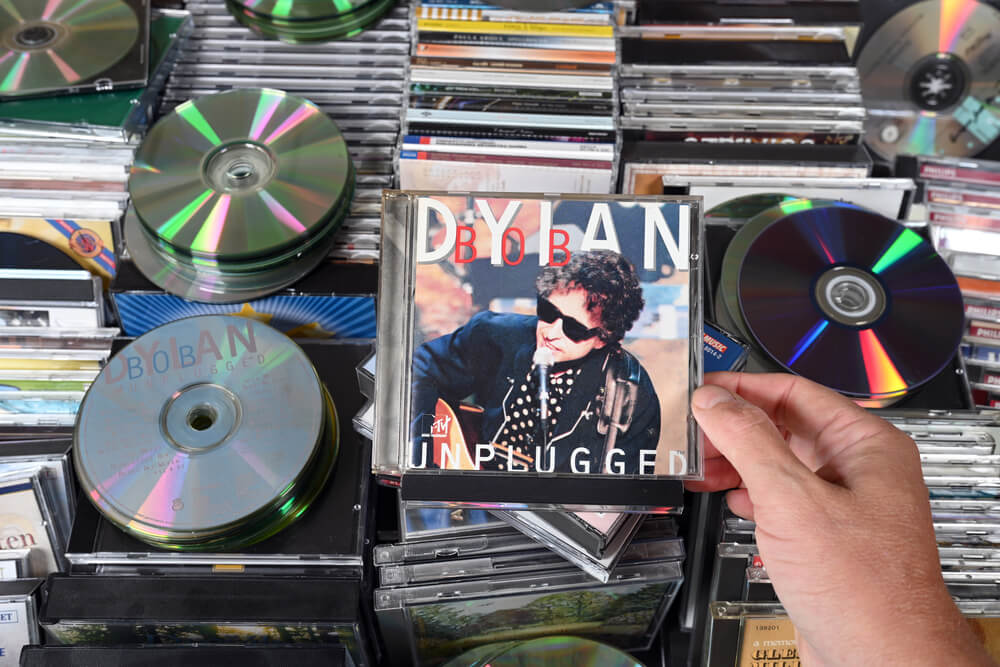
An extremely rare early pressing exists that includes four tracks Columbia pulled at the last minute before the album’s wide release, making any surviving copy of that specific version highly valuable to serious Dylan collectors. Standard widely available pressings of the album as most people know it remain comparatively inexpensive.
Prince’s “Purple Rain”
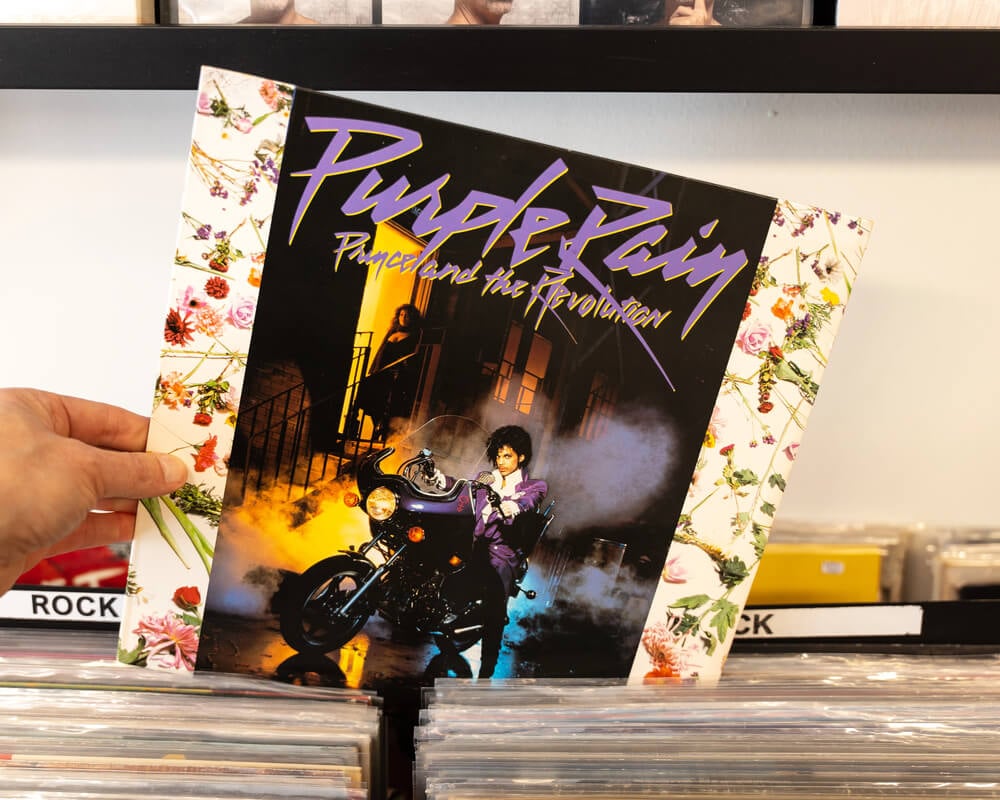
Original 1984 pressings remain common enough that most copies sell modestly, but strong-condition examples with an intact original inner sleeve and poster insert, when included, draw noticeably more collector interest than a copy missing those extras. The soundtrack’s enduring popularity keeps demand steady even for ordinary copies.
Michael Jackson’s “Off the Wall”
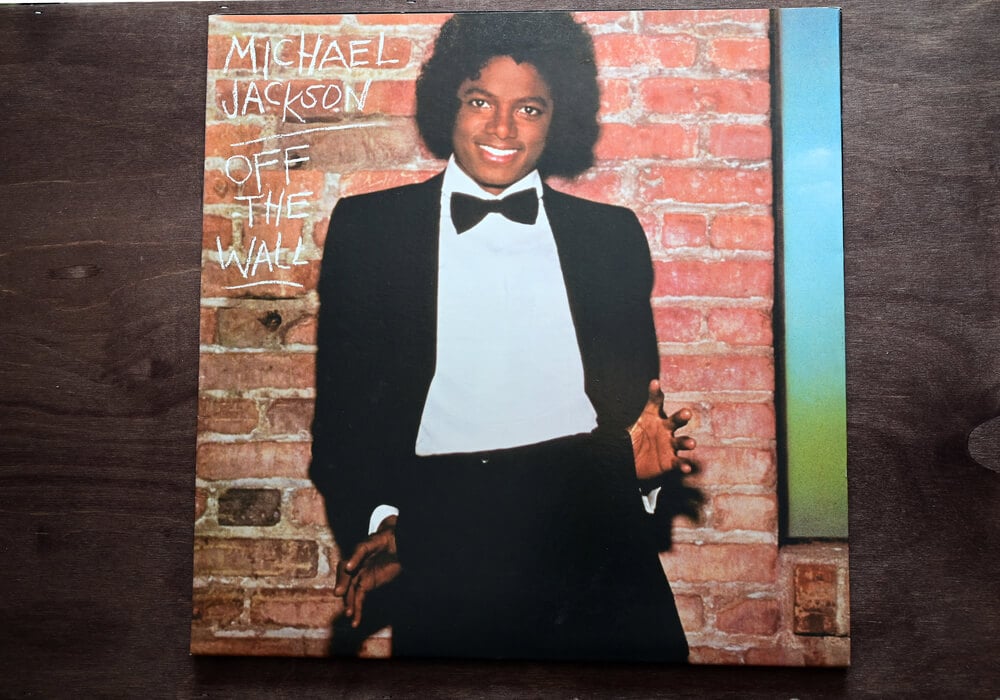
Original 1979 Epic pressings in strong condition sell reliably to collectors who specifically prefer this album’s disco-influenced sound to Jackson’s later work, and demand has grown steadily as the record’s critical reputation has caught up with its commercial success. Condition around the cover art, which is prone to ring wear from repeated shelving, significantly affects resale price.
Led Zeppelin’s “IV”
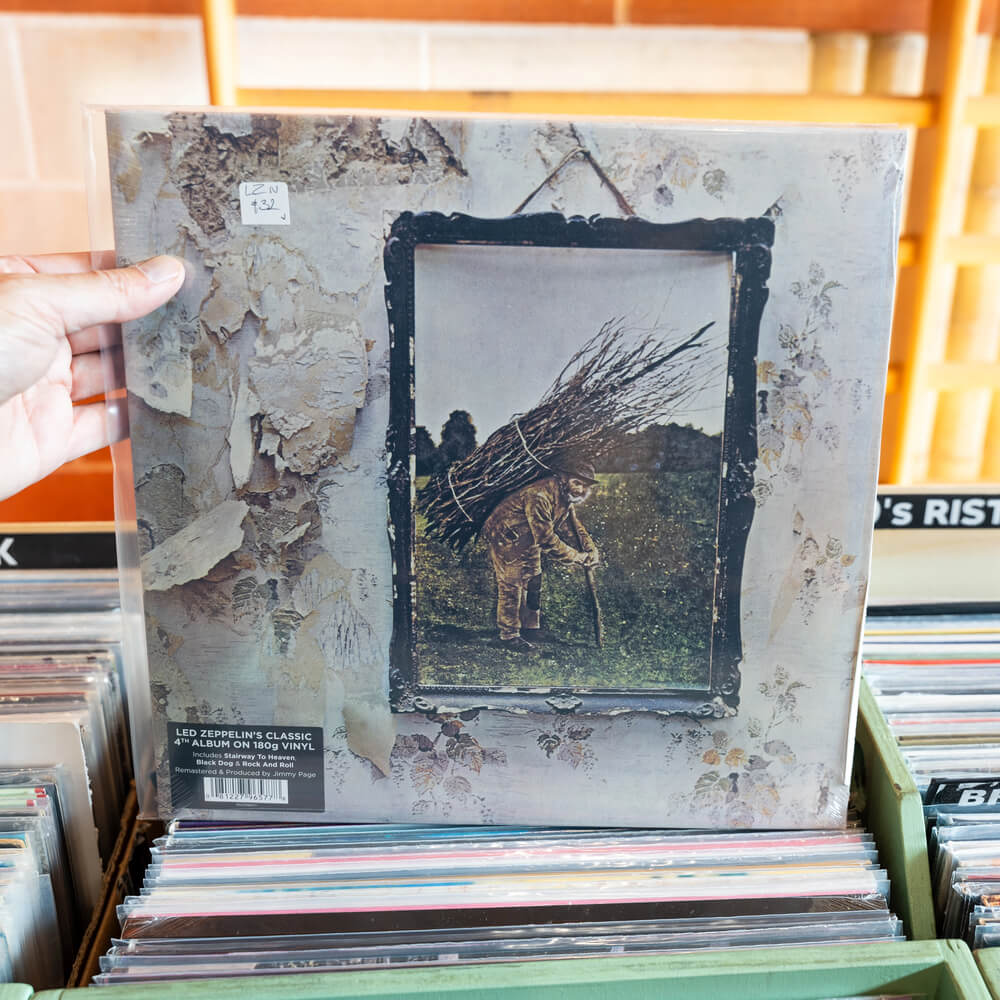
Untitled on its original release and identified only by four symbols, this album remains one of the most commonly found used records in the country, which keeps ordinary copies inexpensive despite the album’s fame. Early pressings with specific label variations and strong vinyl condition still draw meaningful premiums from dedicated Zeppelin collectors.
AC/DC’s “Back in Black”
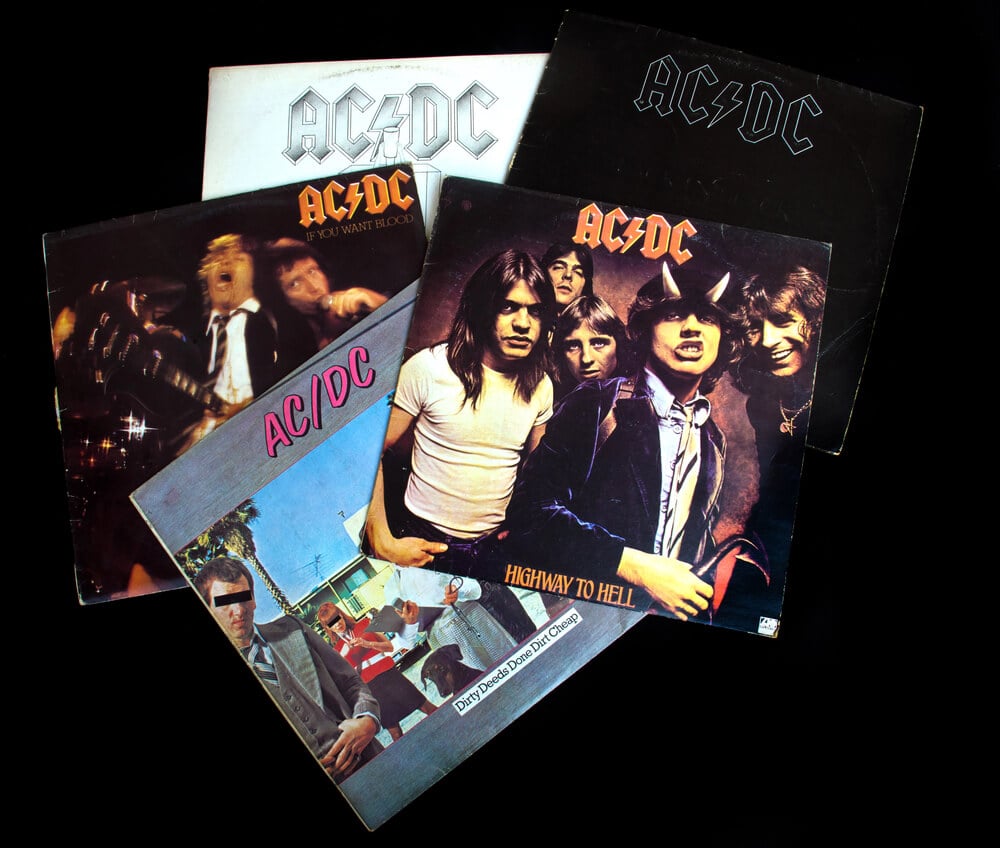
One of the best-selling albums of all time, original pressings remain common and affordable in worn condition, but strong near-mint examples with minimal surface noise sell considerably faster and for more than the average used copy. The album’s steady, ongoing popularity keeps demand consistent rather than driven by any particular collecting trend.
Queen’s “A Night at the Opera”
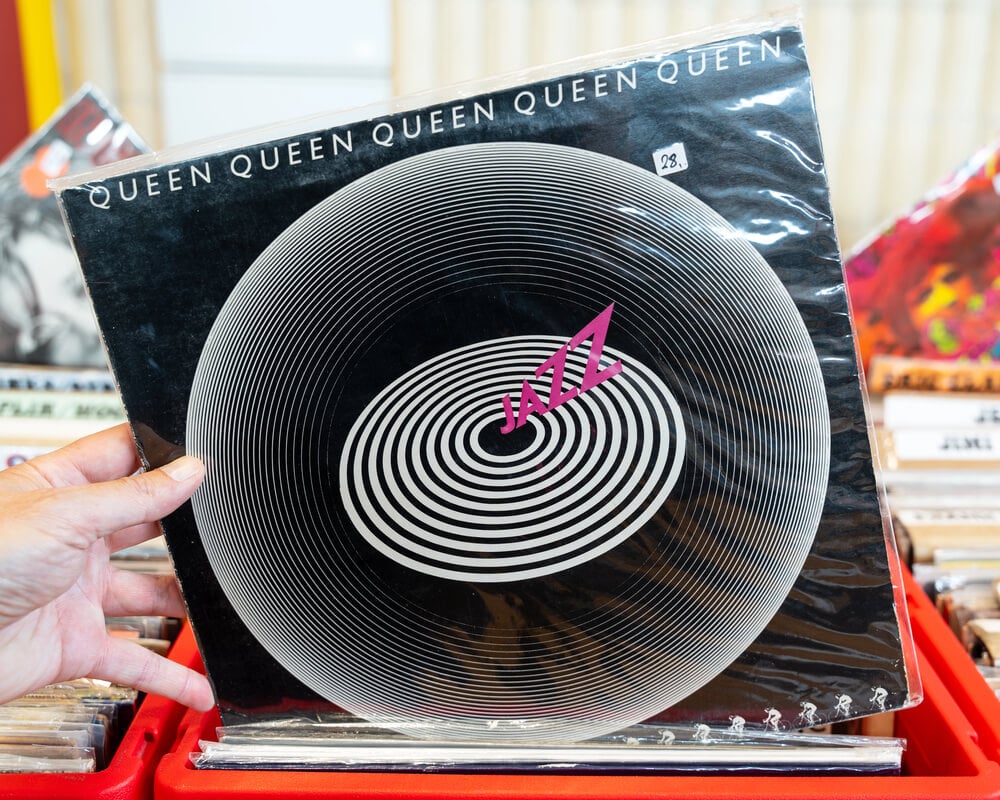
Original UK pressings from 1975 in strong condition are actively sought by collectors, particularly copies with an intact original lyric sheet insert, a detail frequently missing from copies that have circulated through multiple owners. Condition of the gatefold spine, prone to splitting with age, is a significant factor in resale value.
The Original “Star Wars” Soundtrack

John Williams’s 1977 orchestral score for the original film sold in enormous numbers on its initial release, making ordinary copies common, but specific promotional and early pressing variants draw real collector interest. Condition of the gatefold packaging, which often included attached poster inserts, significantly affects what a given copy is worth.
“Saturday Night Fever” Soundtrack
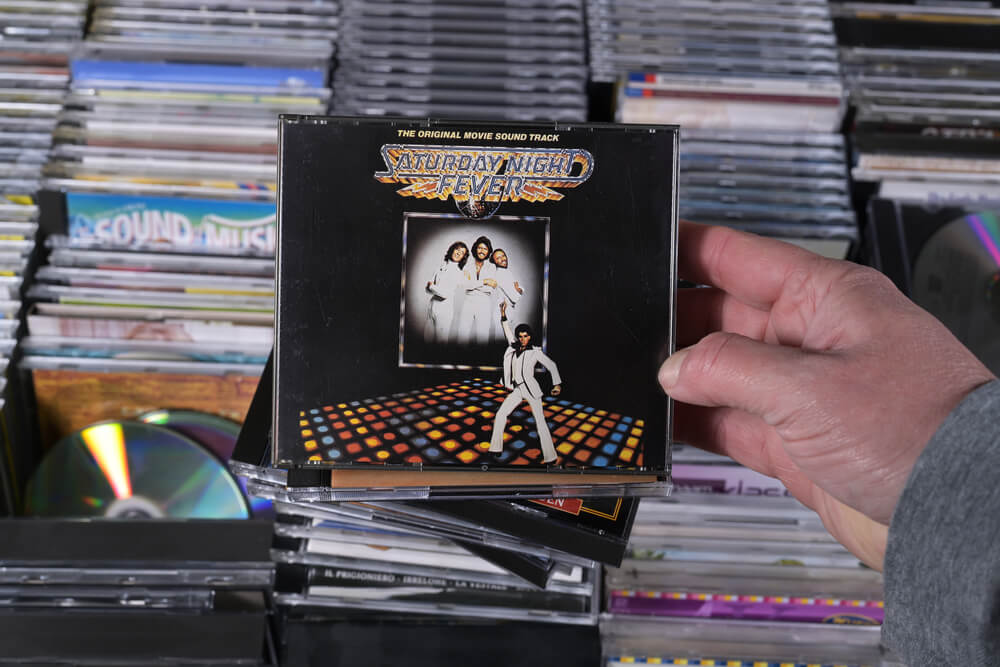
One of the best-selling soundtrack albums of all time, ordinary copies remain inexpensive and easy to find, but early pressings in strong condition with an intact original poster insert draw steady demand from collectors focused specifically on disco-era releases. The album’s continued cultural relevance keeps turnover on resale platforms relatively brisk even for common copies.
David Bowie’s “The Rise and Fall of Ziggy Stardust and the Spiders from Mars”
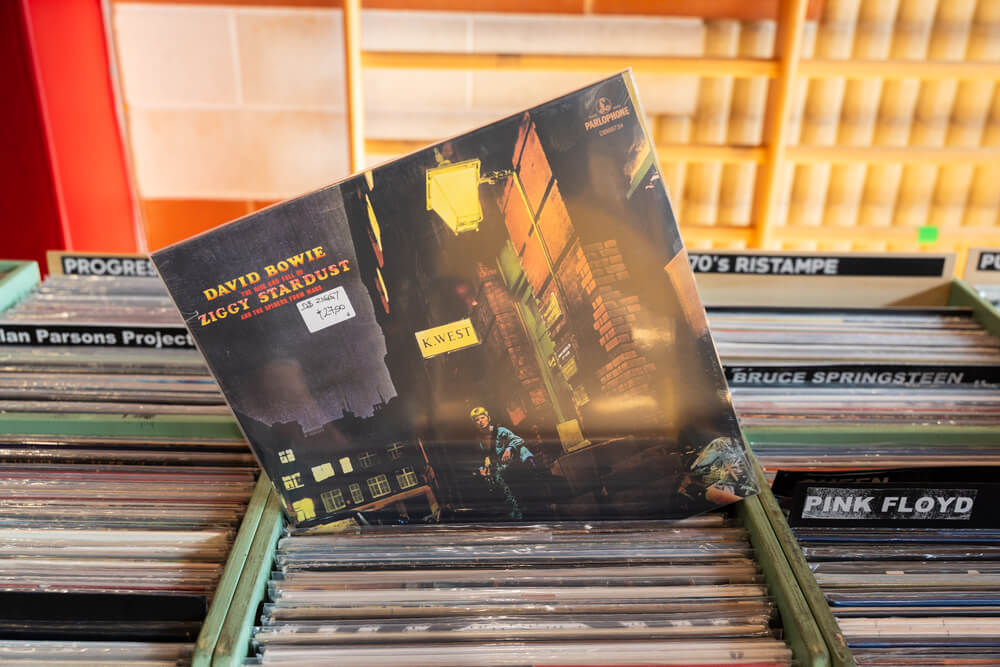
Original UK pressings from 1972 are actively sought by Bowie collectors, particularly copies with the correct early label variant, and condition around the gatefold cover art significantly affects resale value given how often the album was handled and displayed by owners over the decades. Later reissues remain considerably more affordable while offering the same music.
The Rolling Stones’ “Sticky Fingers”
Original pressings featuring the working zipper detail on the cover, designed by Andy Warhol’s studio, command a real premium specifically when that zipper mechanism is still intact and functional. Damage to the cover from the zipper itself, a common issue given the design, significantly reduces resale value compared to a well-preserved example.
Simon & Garfunkel’s “Bridge Over Troubled Water”
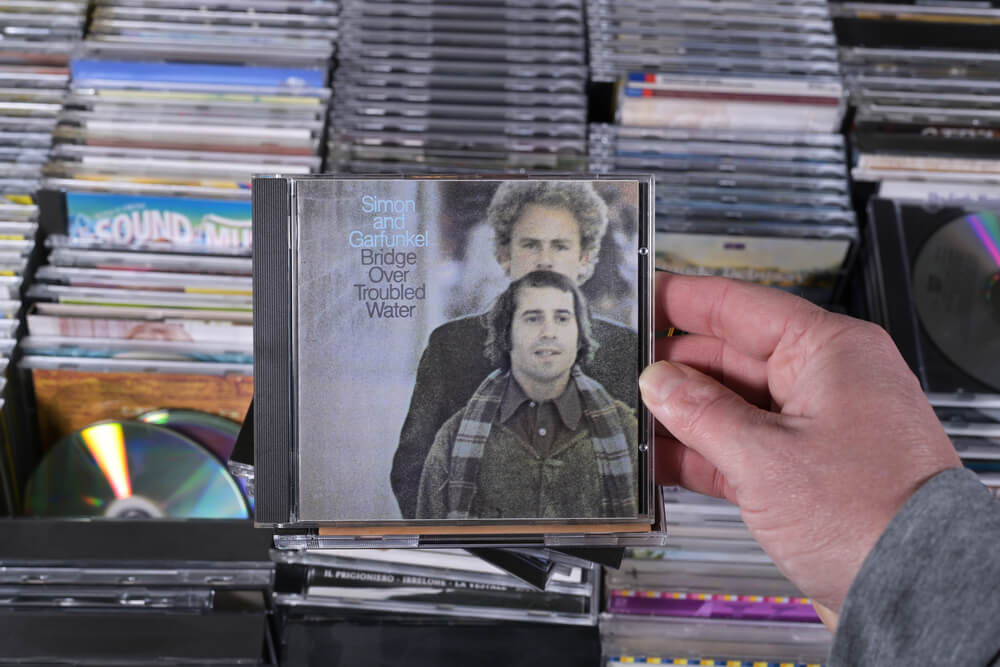
Original Columbia pressings from 1970 remain common enough to be affordable in most conditions, but the album’s enduring popularity keeps it moving reliably on resale platforms even without any single rare variant driving demand. Strong condition copies with minimal surface noise sell noticeably faster than worn examples.
Carole King’s “Tapestry”
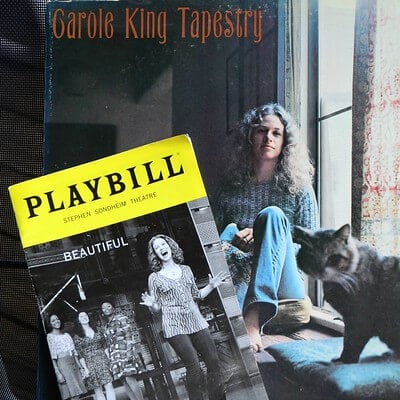
One of the best-selling albums of the 1970s, original pressings remain widely available and generally inexpensive, though the album’s consistent critical and commercial reputation keeps it a reliable seller on resale platforms rather than a true rarity. Condition of the cover art, prone to fading given its distinctive earth-toned design, factors meaningfully into resale price.
Marvin Gaye’s “What’s Going On”
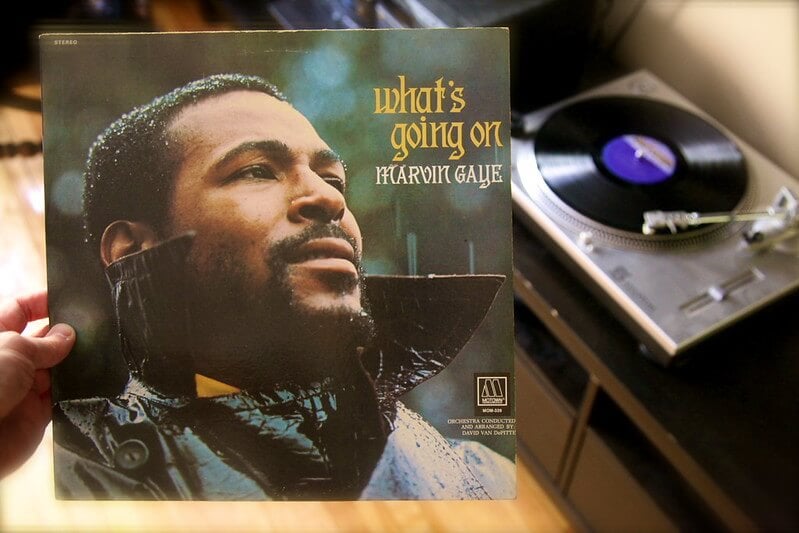
Original 1971 Motown pressings are actively sought by soul and funk collectors, a category of the vinyl market driven as much by producers and DJs sampling the music as by traditional collectors chasing rarity. Strong-condition original pressings sell considerably faster than later reissues, even though the audio content is identical.
Stevie Wonder’s “Songs in the Key of Life”
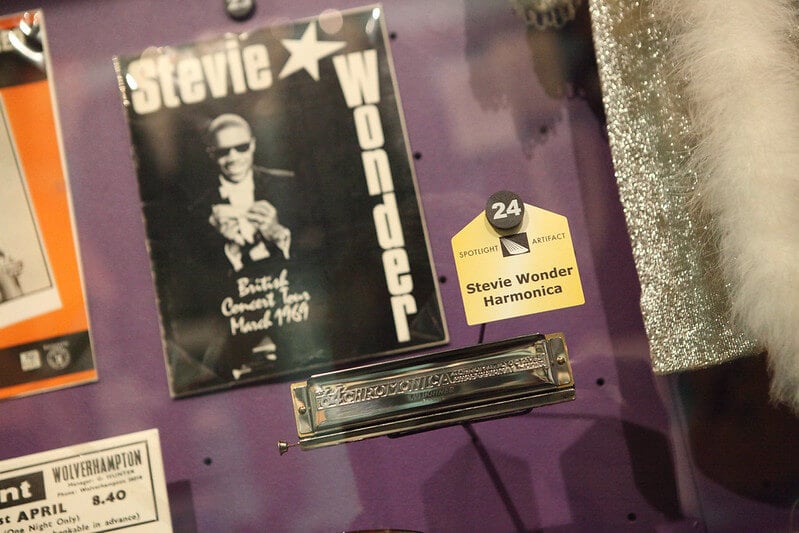
Originally released as a double album with a bonus seven-inch record included, complete copies with that bonus disc still intact sell for meaningfully more than copies missing the smaller record. The album’s ambitious scope and critical reputation have kept demand for strong-condition originals steady for decades.
Boston’s Self-Titled Debut
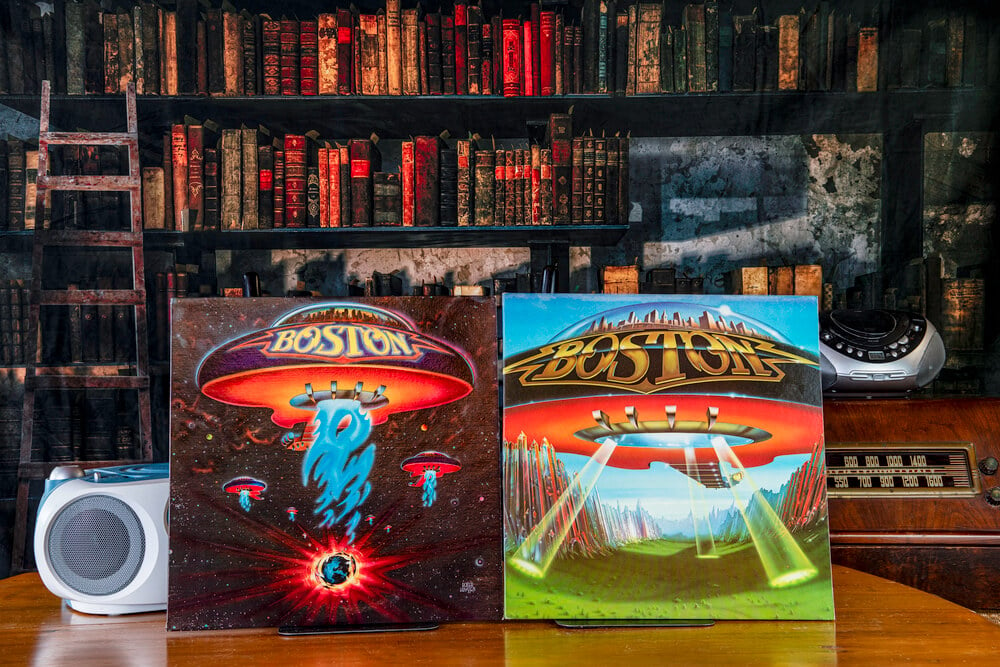
— Photo by zenmaster8
One of the best-selling debut albums in American music history, original pressings remain common and inexpensive in worn condition, though the album continues to sell steadily on resale platforms due to its enduring rock radio presence. Strong-condition examples with an undamaged gatefold cover draw a modest but consistent premium.
The Who’s “My Generation”
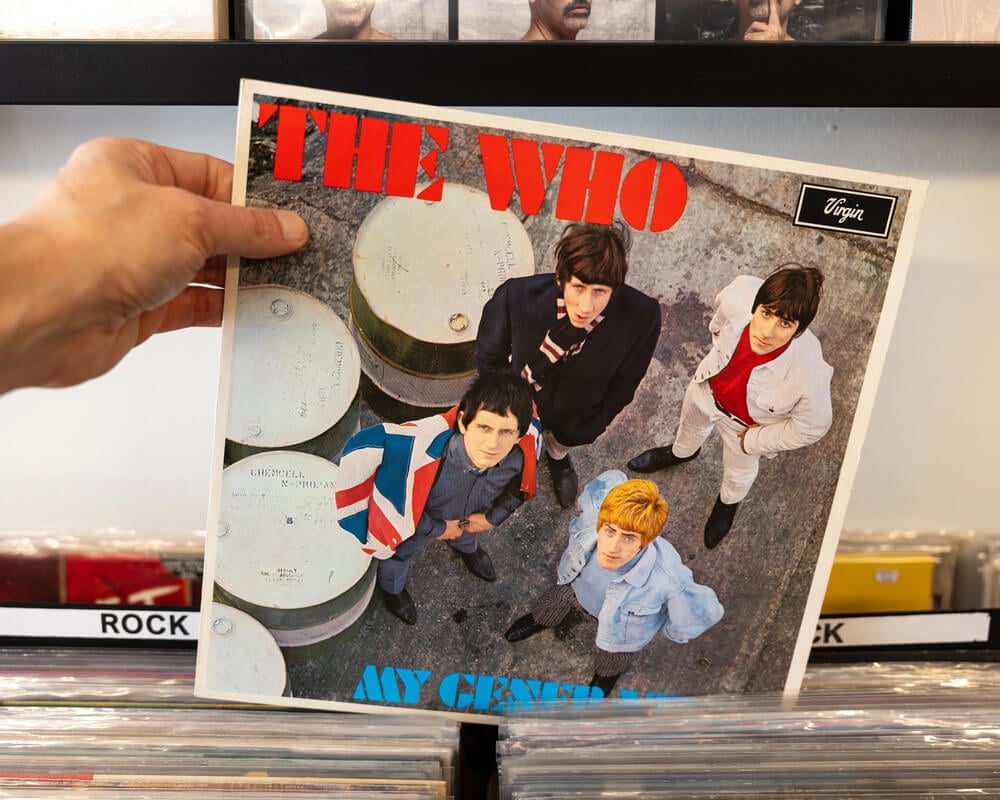
An original 1965 pressing on the Brunswick label, rather than later reissues on different labels, is specifically what collectors seek, with strong-condition examples reportedly reaching around two thousand dollars. The album’s status as a foundational mod-era release keeps demand concentrated among serious collectors rather than casual buyers.
Eagles’ “Their Greatest Hits 1971-1975”
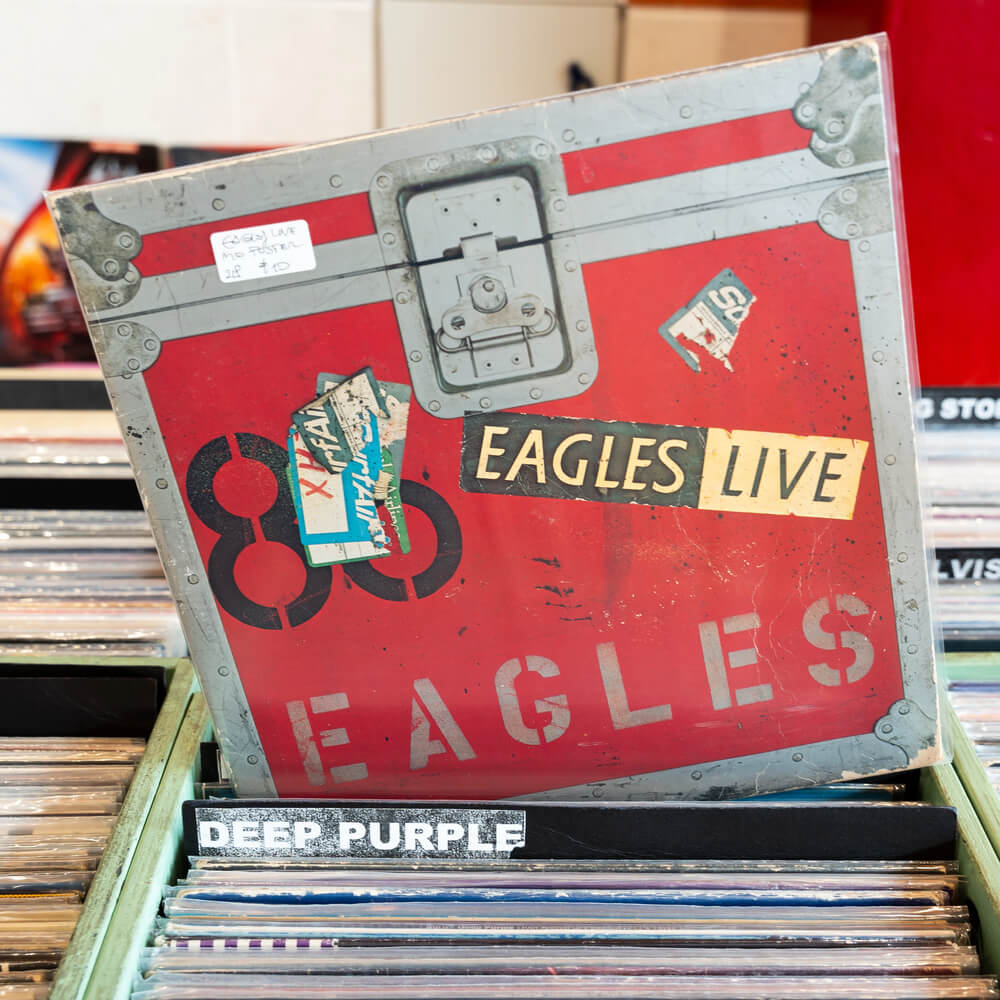
Certified as one of the best-selling albums ever released in the United States, ordinary copies remain extremely common and correspondingly inexpensive despite the staggering original sales figures. Strong-condition early pressings still sell reliably simply due to consistent, ongoing buyer demand rather than any real scarcity.
Elvis Presley’s Self-Titled Debut Album
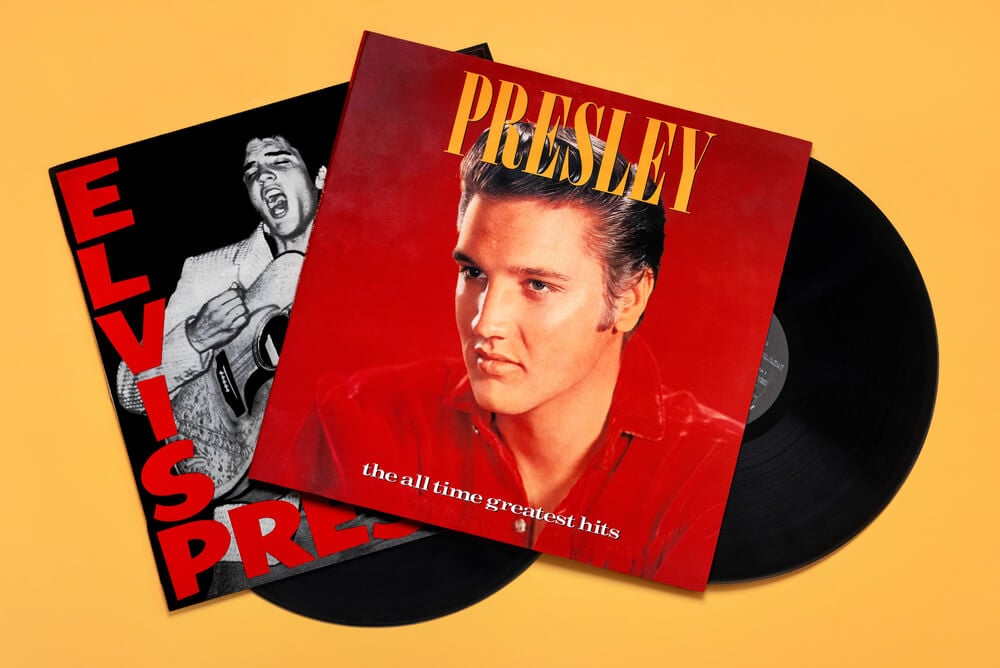
The 1956 debut, RCA Victor’s first album release for the artist, is a genuinely significant early rock and roll artifact, and original first pressings in strong condition command serious money among dedicated collectors. Later reissues, while common, still sell steadily given the historical importance of the recording itself.
ABBA’s “Arrival”
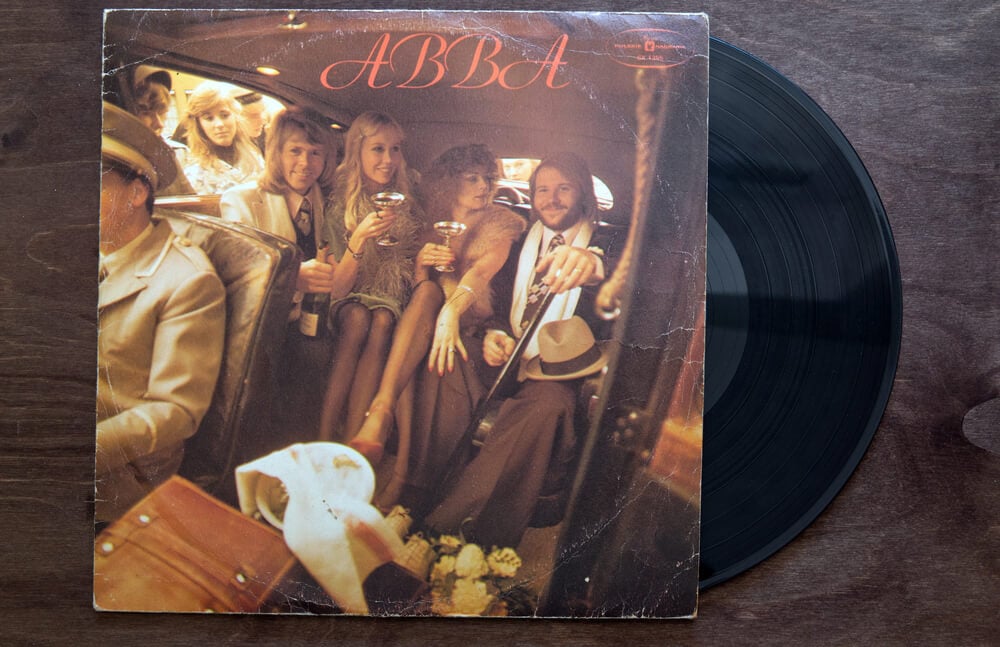
Original pressings, particularly those from outside the group’s native Sweden, are actively sought by ABBA collectors internationally, with condition of the cover art and inner sleeve significantly affecting resale value. The album’s continued mainstream popularity keeps demand for strong-condition copies steady well beyond dedicated collector circles.
Grateful Dead’s “American Beauty”
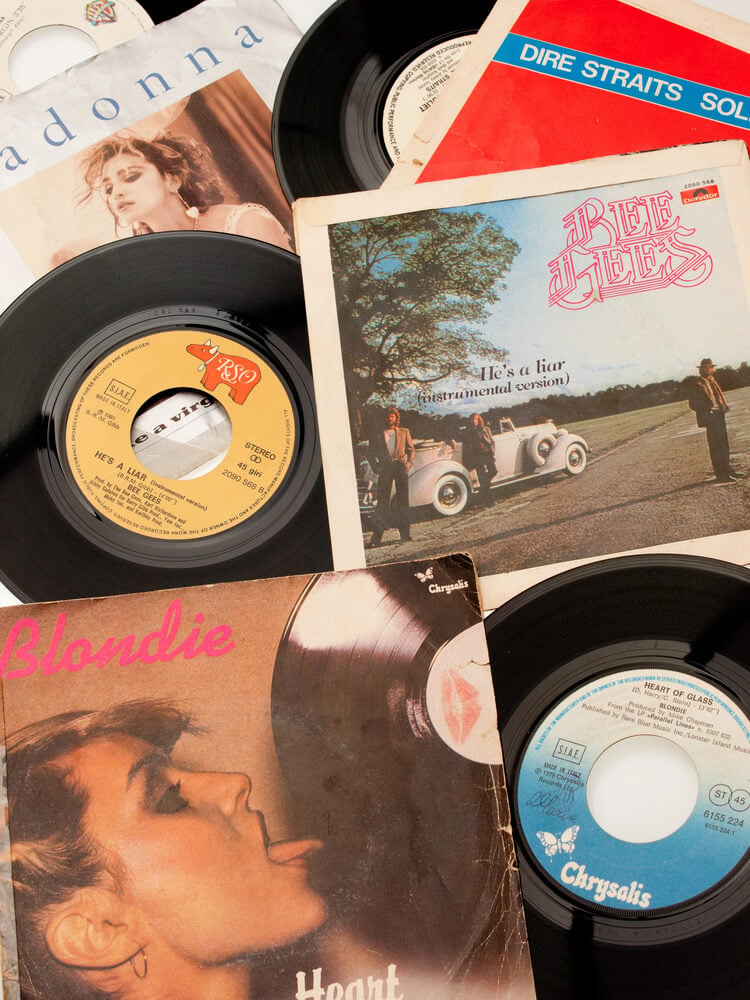
Original 1970 Warner Bros. pressings remain popular among the band’s famously dedicated fan base, known for actively collecting variant pressings and specific matrix details most casual listeners would never notice. Strong-condition originals sell considerably faster than later reissues, reflecting how much pressing-specific detail matters within this particular collector community.
What the Attic Actually Holds
The records that move fastest on resale platforms are rarely the ones people assume are valuable simply because they are old. A common 1977 copy of “Rumours” in beat-up condition is worth about the same as a used paperback, while a specific pressing variant of a far more obscure jazz record can be worth hundreds of times more.
What determines value, almost every time, comes down to the same handful of factors: which specific pressing it is, how well it survived decades of actual use, and whether a particular niche of collectors happens to want exactly that copy right now. An attic full of records is rarely a lottery ticket, but it is very often worth a careful look before anything gets thrown out.
More from Go2Tutors!

- The Romanov Crown Jewels and Their Tragic Fate
- 13 Historical Mysteries That Science Still Can’t Solve
- Famous Hoaxes That Fooled the World for Years
- 15 Child Stars with Tragic Adult Lives
- 16 Famous Jewelry Pieces in History
Like Go2Tutors’s content? Follow us on MSN.



