33 Songs That Played at School Dances Coast to Coast
Every gymnasium smelled the same: floor wax, cheap cologne, and the faint burn of a fog machine somebody’s older brother rigged up. The DJ table was a folding table, the lighting was a single mirrored disco sphere on loan from the drama department, and the songs were nonnegotiable.
These are the tracks that filled the floor no matter what state, what decade, or what school you walked into.
Cha Cha Slide by DJ Casper
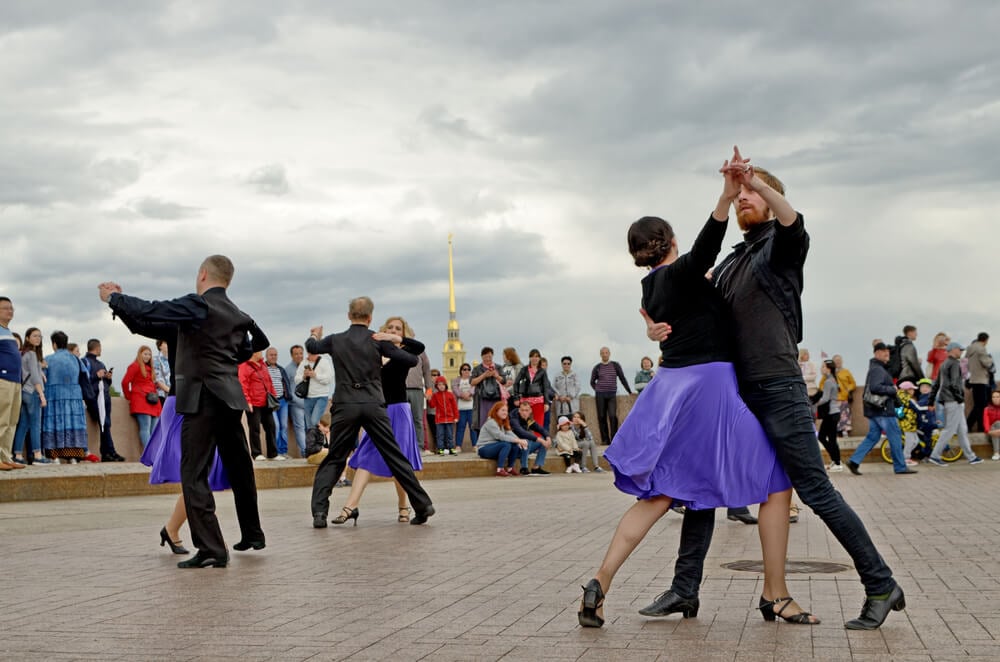
Released in 2000 as an actual line-dance instruction track recorded for a Chicago health club, “Cha Cha Slide” became inescapable at middle school dances within two years because it told everyone exactly what to do, removing the fear of dancing badly. DJ Casper, whose real name was Willie Perry Jr., wrote the lyrics as workout cues before a chaperone ever thought to play it between slow songs.
Cotton Eye Joe by Rednex
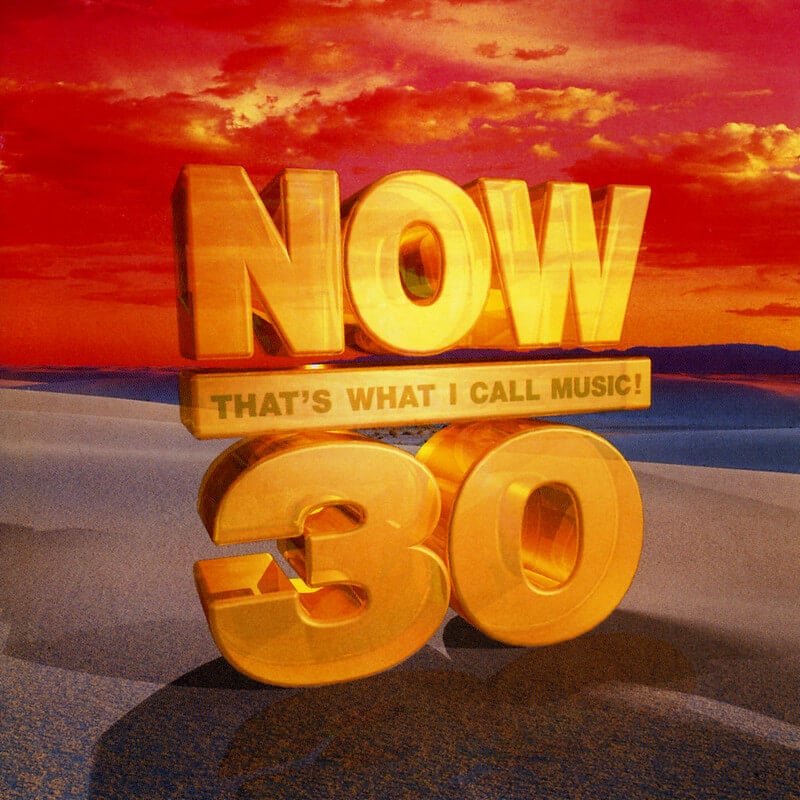
A Swedish group’s 1994 techno remake of a centuries-old American folk tune somehow became the go-to line dance at proms from Texas to Maine, largely because its tempo shift gave everyone a reason to run in a circle. The song hit number one in multiple European countries before American gym teachers and DJs adopted it as an unofficial anthem.
Y.M.C.A. by Village People
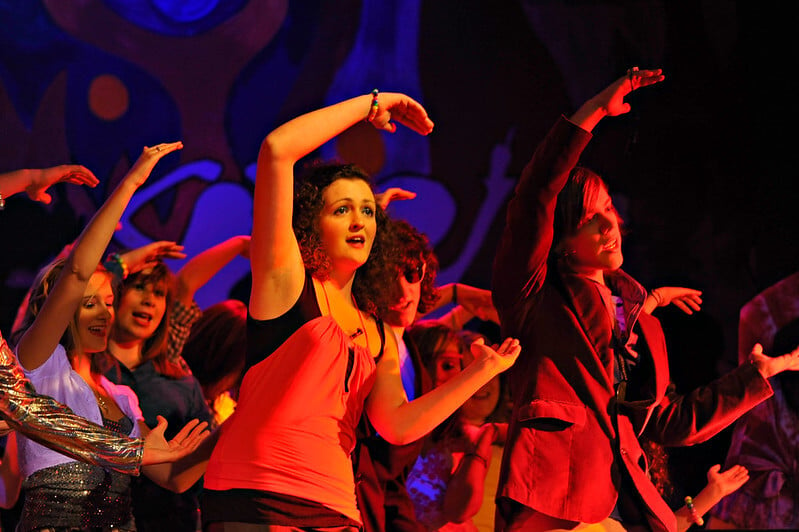
Originally a 1978 disco single about the community centers where the group’s members socialized, “Y.M.C.A.” became a dance-floor staple almost entirely because of the arm-spelling gimmick that fans invented independently of the band. Every school dance from the eighties onward treated the letters as mandatory audience participation, chaperones included.
Get Low by Lil Jon & The East Side Boyz featuring Ying Yang Twins
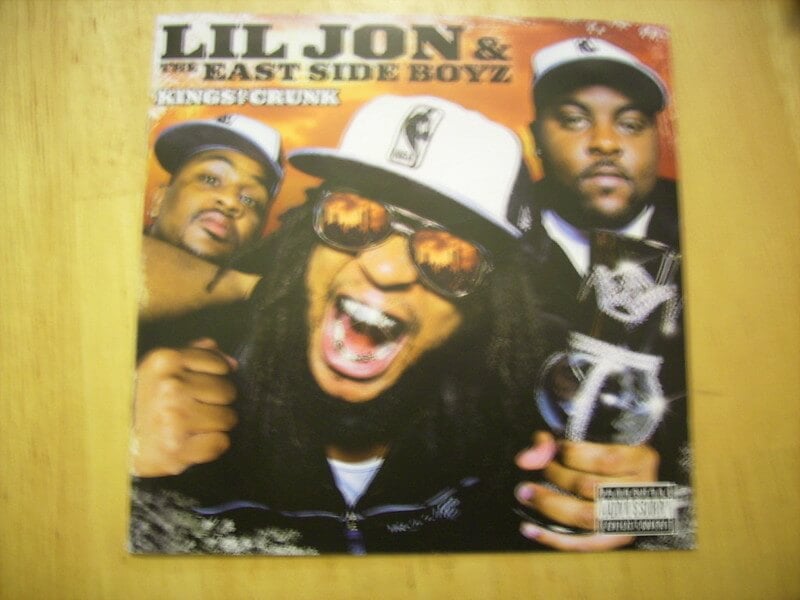
The 2002 single’s call-and-response hook made it a natural for packed gym floors, and its explicit content led to years of edited-for-school versions circulating among student DJs on burned CDs. Its bass-heavy crunk sound helped define an entire era of early-2000s dance mixes played between slower songs.
Cupid Shuffle by Cupid
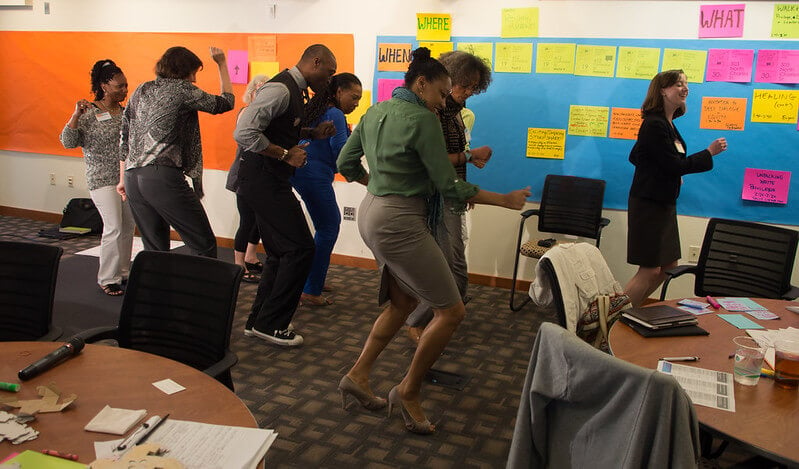
Released in 2007, this line dance track by New Orleans artist Bryson Bernard, known as Cupid, spread through schools well before streaming algorithms existed, largely through word of mouth and local radio in the South. Its simple four-direction steps made it one of the few songs where an entire gymnasium could move in unison without rehearsal.
Crank That (Soulja Boy) by Soulja Boy Tell’em
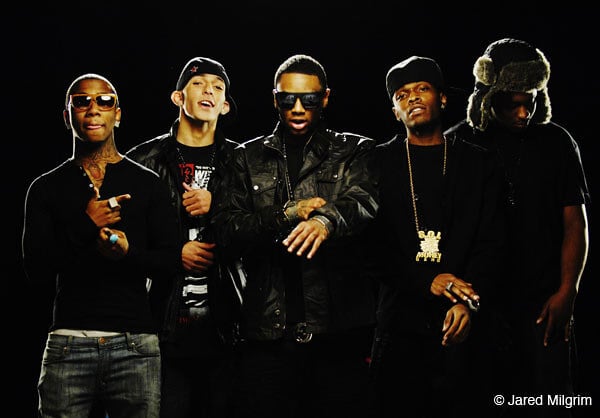
Soulja Boy uploaded the accompanying dance tutorial to YouTube himself in 2007, a self-promotion strategy almost unheard of at the time, and the song hit number one on the Billboard Hot 100 that September. Middle schoolers across the country learned the arm-crank and Superman moves from bootleg tutorial videos passed around on early smartphones.
Party in the U.S.A. by Miley Cyrus
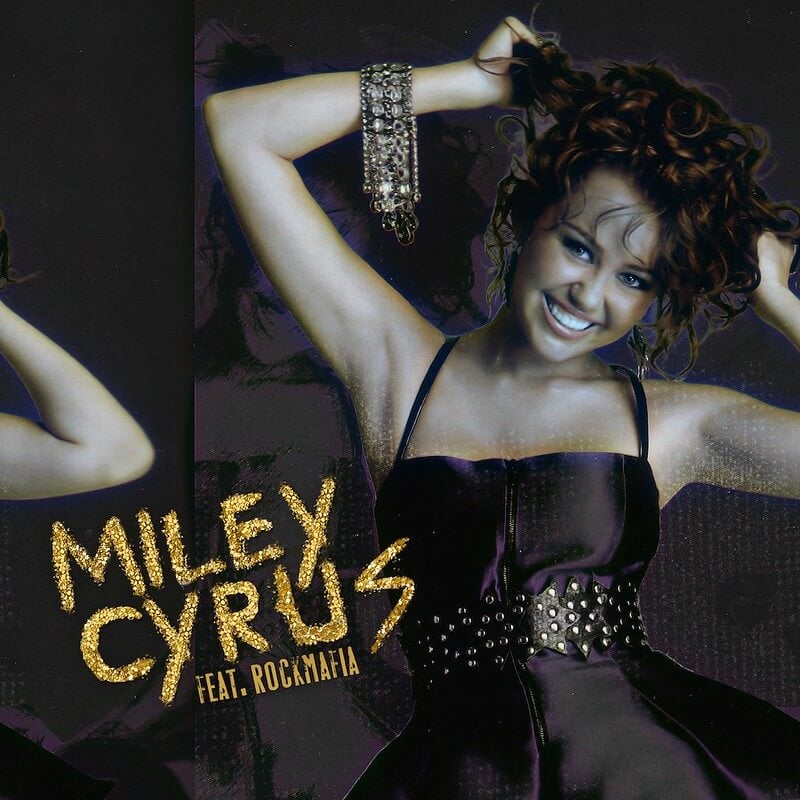
This 2009 single became a mandatory slow-build anthem at dances specifically because of its “hands up” bridge, which turned into a scripted crowd moment nationwide. It reached number two on the Billboard Hot 100 and stayed in school dance rotations for the better part of a decade.
Baby by Justin Bieber featuring Ludacris

Released in 2010, “Baby” became one of the most-viewed YouTube videos of its era and, despite mixed critical reception, was a fixture at middle school dances precisely because its audience had grown up alongside Bieber’s early career. Its simplicity made it as common at slow-dance intermissions as it was on the fast-song playlist.
Don’t Stop Believin’ by Journey
A commercial disappointment on its 1981 release that peaked at only number nine, the song found a second life decades later through television syncs and karaoke culture, eventually becoming a closing-song staple at proms nationwide. Its slow build to an anthemic chorus made it a natural choice for the final song of the night, when DJs wanted one last full-room singalong.
Party Rock Anthem by LMFAO
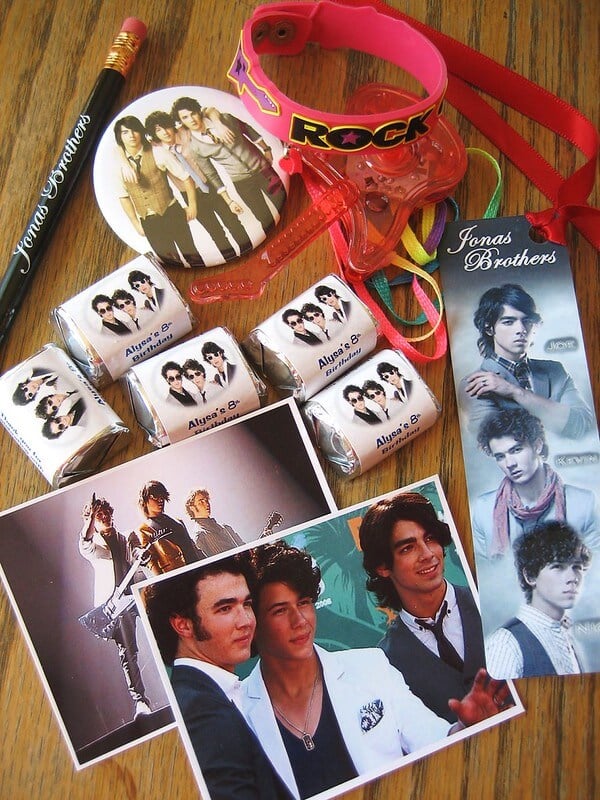
The 2011 single introduced the “shuffle” as a mainstream move, and its instructional breakdown section functioned almost like a tutorial embedded in the song itself. It spent six weeks at number one on the Billboard Hot 100 and became one of the defining school dance tracks of the early 2010s.
Wobble by V.I.C.
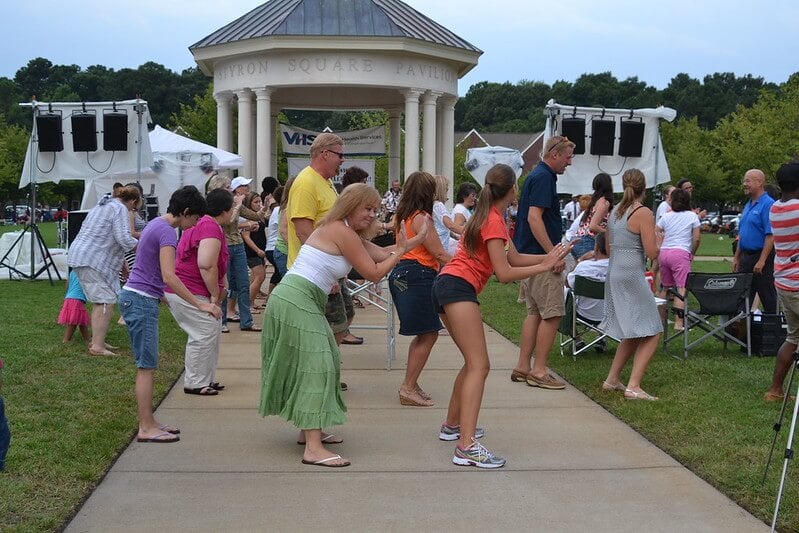
Released in 2008, this Southern hip-hop line dance track built its entire structure around spoken instructions, making it functionally identical to “Cha Cha Slide” in purpose but distinct in sound. It became especially common at dances in the South and Midwest before spreading nationally through shared playlists.
Sweet Caroline by Neil Diamond
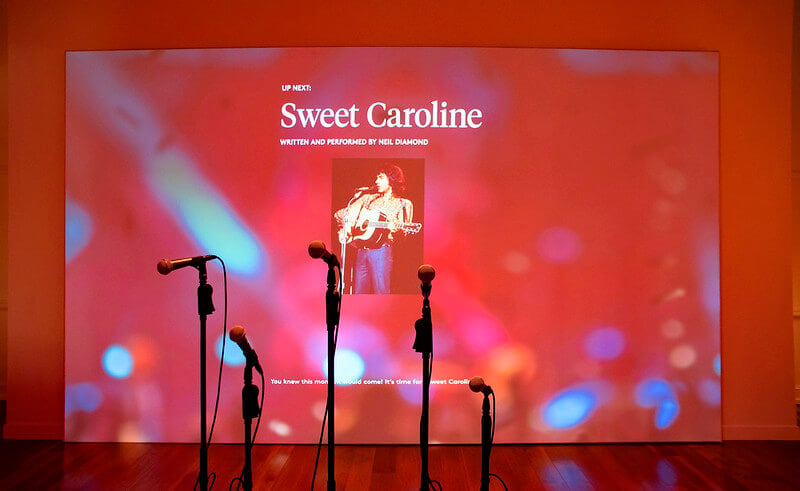
Written and released in 1969, this song’s group “so good, so good, so good” call-back turned it into a communal shout-along decades before TikTok trends existed, especially at proms where DJs used it as a mid-set energy reset. Its adoption by sports stadiums, particularly Boston’s Fenway Park, only reinforced its place in dance rotations nationwide.
Teach Me How to Dougie by Cali Swag District
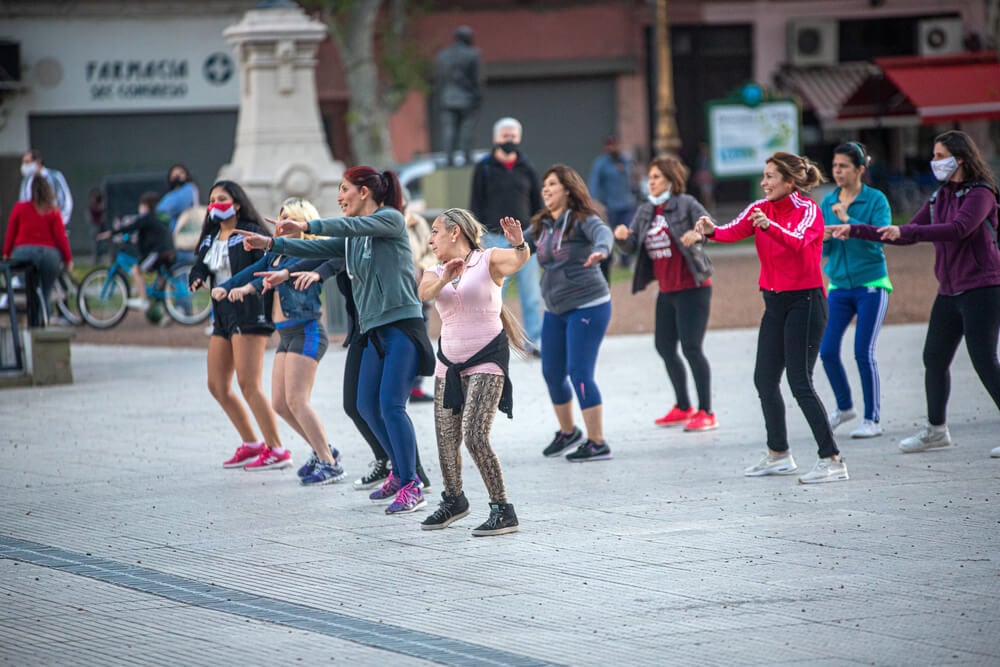
This 2010 single popularized a dance that had already existed in Dallas hip-hop circles for years, and its national breakout coincided almost exactly with a wave of school talent shows built around the move. It peaked at number 24 on the Billboard Hot 100 but outlasted many higher-charting songs in dance floor longevity.
In Da Club by 50 Cent
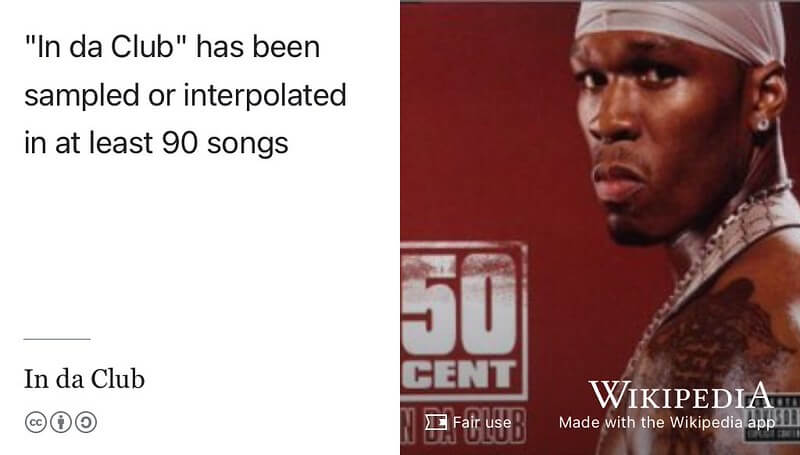
The lead single from 2003’s “Get Rich or Die Tryin'” spent nine weeks at number one and became a staple opener for school dance DJs looking to set an aggressive early tone. Its birthday-shoutout hook made it a recurring request at any dance that doubled as a celebration.
Livin’ on a Prayer by Bon Jovi
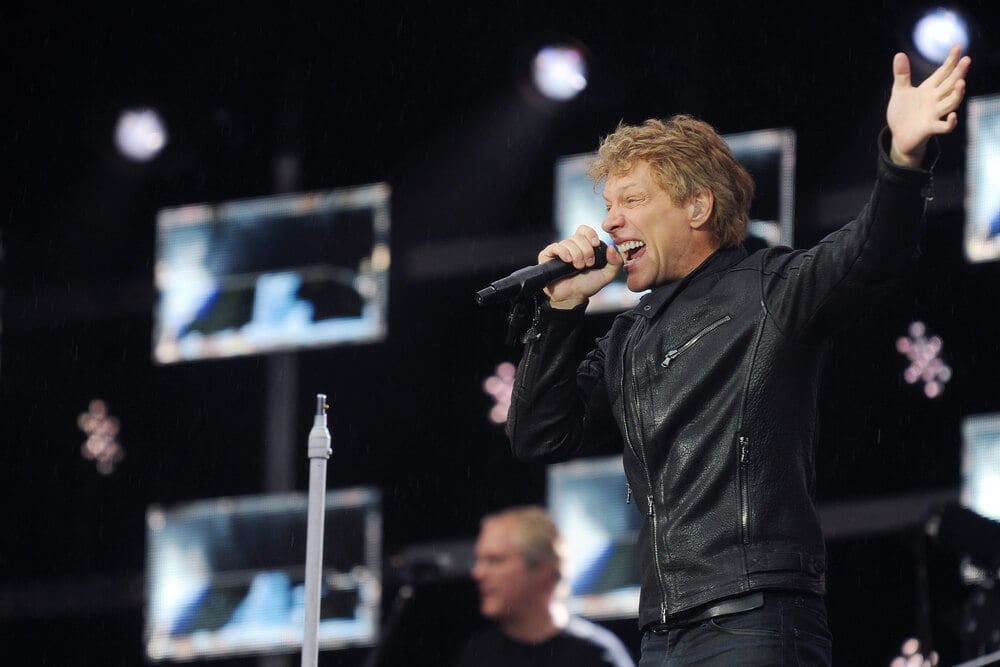
Released in 1986, this arena-rock anthem crossed over into school dance rotations because its key change before the final chorus gave DJs a reliable moment to spike the energy of a tired crowd. It remains one of the most-played rock songs at proms specifically because of that structural payoff.
Whip/Nae Nae by Silentó
This 2015 single built an entire song around dance instructions, following in the tradition of “Cha Cha Slide” but aimed squarely at a generation raised on Vine. It peaked at number three on the Billboard Hot 100 and became mandatory at middle school dances for roughly two years before fading as quickly as it arrived.
Callin’ Baton Rouge as covered by Garth Brooks
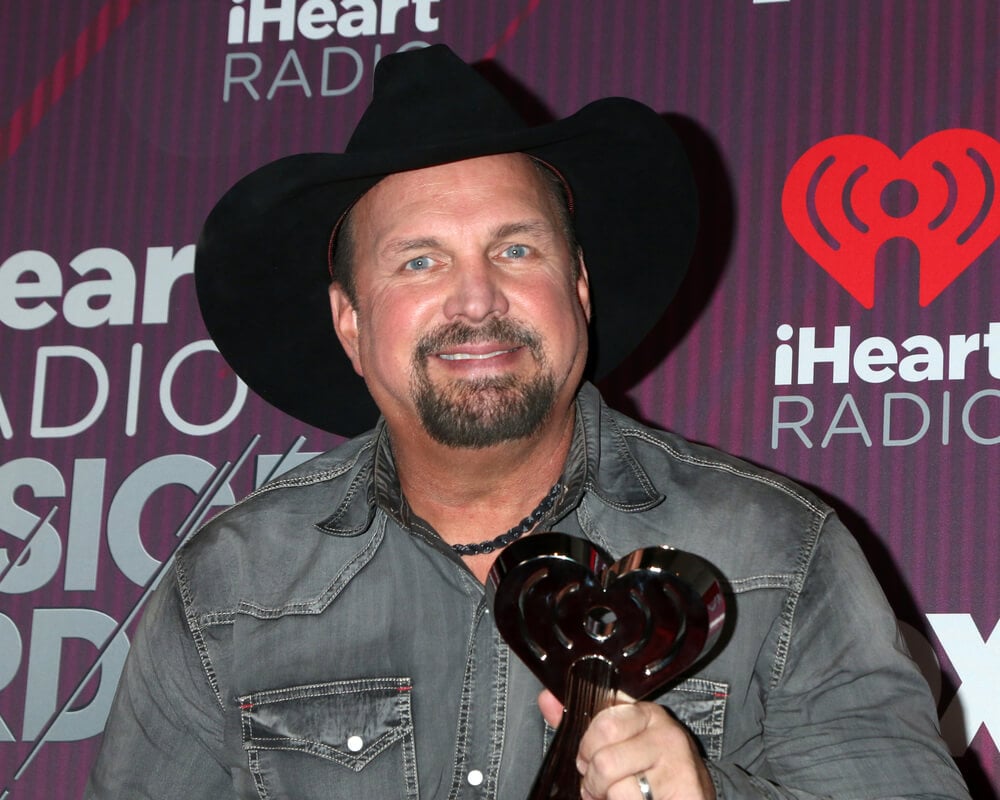
While primarily a country radio hit, this 1994 cover found its way into school dance sets in the South and Midwest, where line dancing crossed over into pop-leaning playlists more than in other regions. Its steady tempo made it an easy bridge song between country-leaning and mainstream sets.
Thriller by Michael Jackson
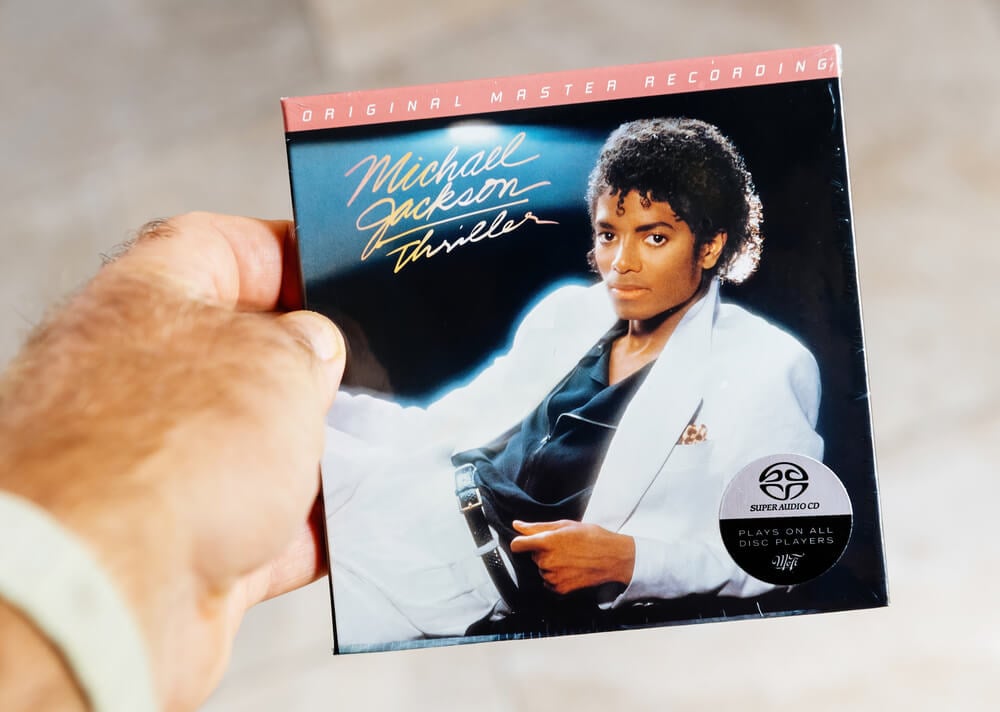
Released in 1982 as the title track from the best-selling album of all time, “Thriller” became a Halloween dance staple almost immediately, with its choreographed zombie sequence taught informally by students who had memorized the music video. Decades later, it remained a reliable way to fill a floor at any dance held near October.
Turn Down for What by DJ Snake and Lil Jon
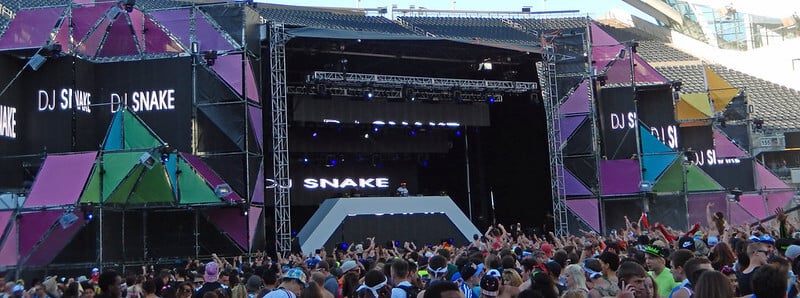
This 2013 instrumental-heavy track became known for its abrupt bass drop, which DJs used specifically to trigger jumping and moshing-adjacent movement on crowded dance floors. It earned a Grammy nomination for Best Rap/Sung Performance despite having almost no traditional lyrics.
All Star by Smash Mouth
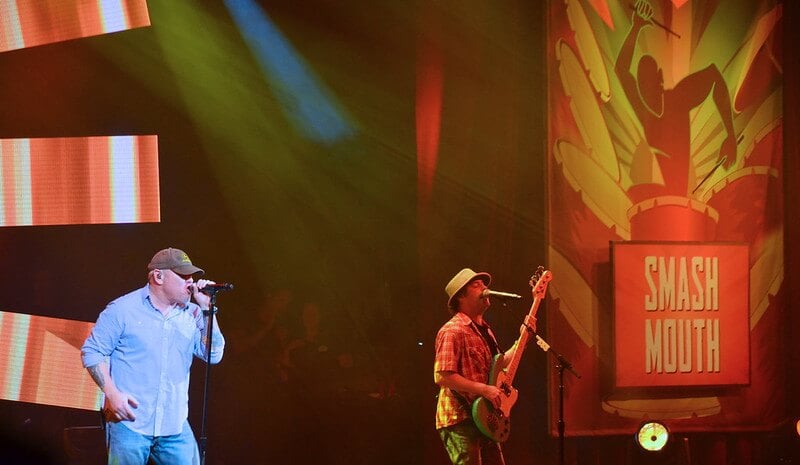
Originally released in 1999, this song’s ironic internet afterlife decades later, driven by meme culture, gave it an unlikely second wind at school dances where it was requested as much for nostalgia as for its actual danceability. Its instantly recognizable opening bassline made it a reliable crowd-pleaser across two very different eras of popularity.
Uptown Funk by Mark Ronson featuring Bruno Mars
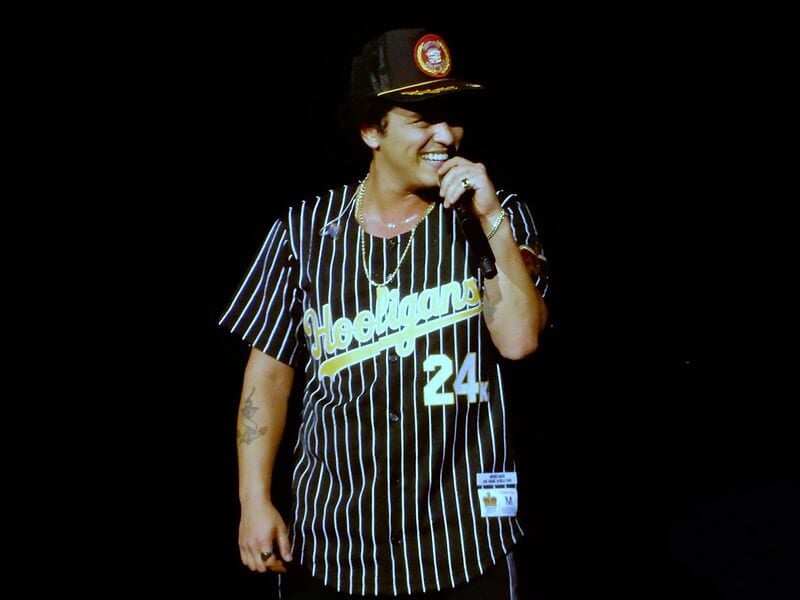
Released in 2014, this song spent fourteen weeks at number one on the Billboard Hot 100, tying it for one of the longest runs in chart history at the time. Its horn-driven, funk-revival sound made it a fixture at dances for years afterward, cutting across nearly every age group in a school building.
Macarena by Los del Río
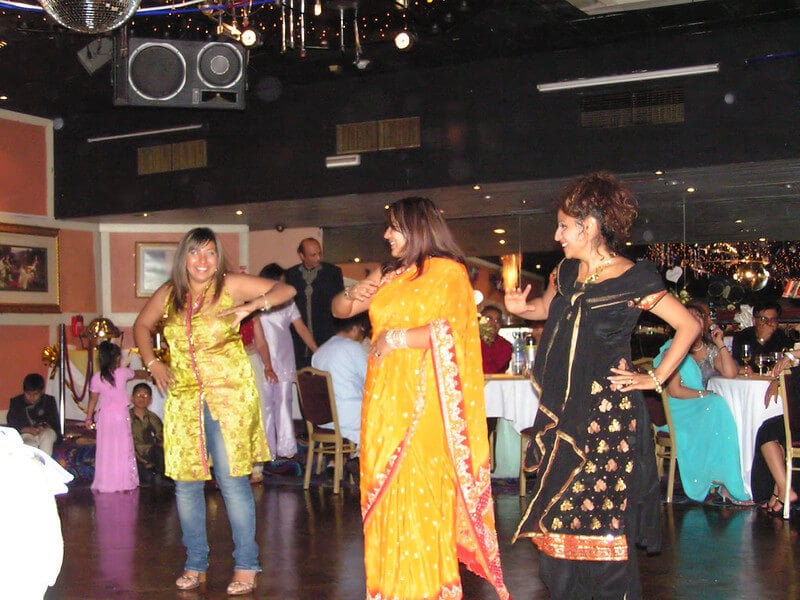
A 1993 Spanish pop song that became a global phenomenon after a 1995 remix by the Bayside Boys added English lyrics, “Macarena” is one of the few songs whose choreography is more famous than the song itself. It spent fourteen weeks at number one on the Billboard Hot 100 in 1996 and remained a school dance fixture for the rest of the decade.
Yeah! by Usher featuring Lil Jon and Ludacris
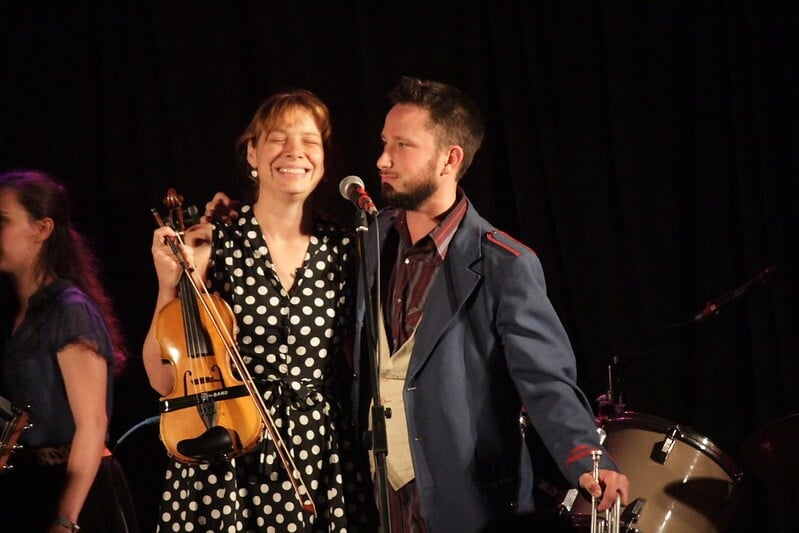
This 2004 single spent twelve consecutive weeks at number one and became the signature crunk-and-R&B crossover track of its year, dominating both radio and school gymnasiums. Its call-and-response structure made it especially suited to being shouted back by a packed floor.
Boom Boom Pow by The Black Eyed Peas
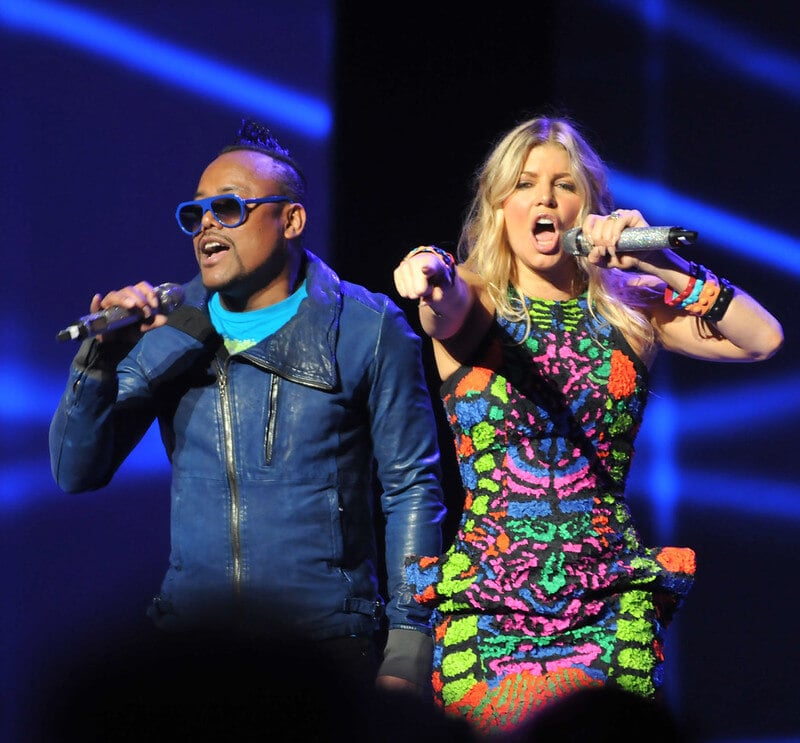
Released in 2009, this song’s futuristic, auto-tuned production signaled a shift in mainstream dance music that school DJs picked up on almost immediately, using it to transition sets toward electronic-influenced pop. It spent twelve weeks at number one on the Billboard Hot 100.
Sicko Mode by Travis Scott
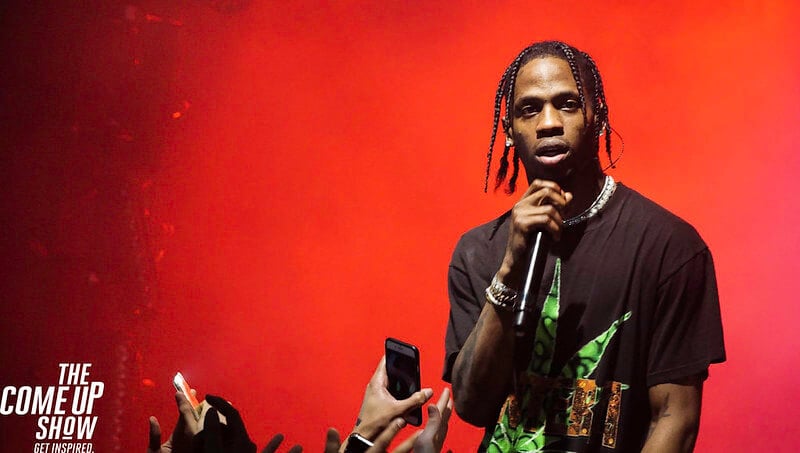
This 2018 single’s unconventional three-part structure, with tempo and beat shifts partway through, made it a favorite for DJs who wanted a single track to carry a crowd through multiple energy changes without switching songs. It reached number one on the Billboard Hot 100 in 2019, months after its initial release.
Hey Ya! by OutKast
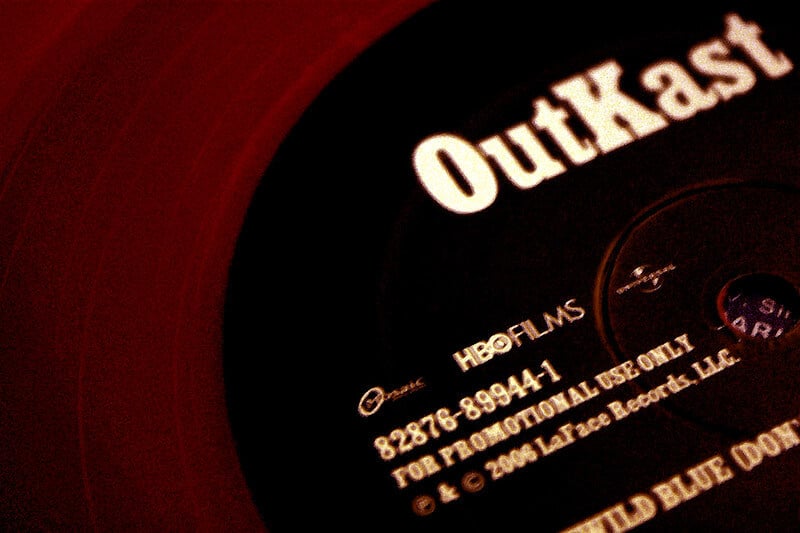
Released in 2003, this song’s upbeat sound masked lyrics about romantic dissatisfaction, a contrast most school dance crowds never noticed while shaking Polaroid pictures on command. It topped the Billboard Hot 100 and remains one of the most requested songs at dances built around a nostalgic 2000s theme.
Low by Flo Rida featuring T-Pain
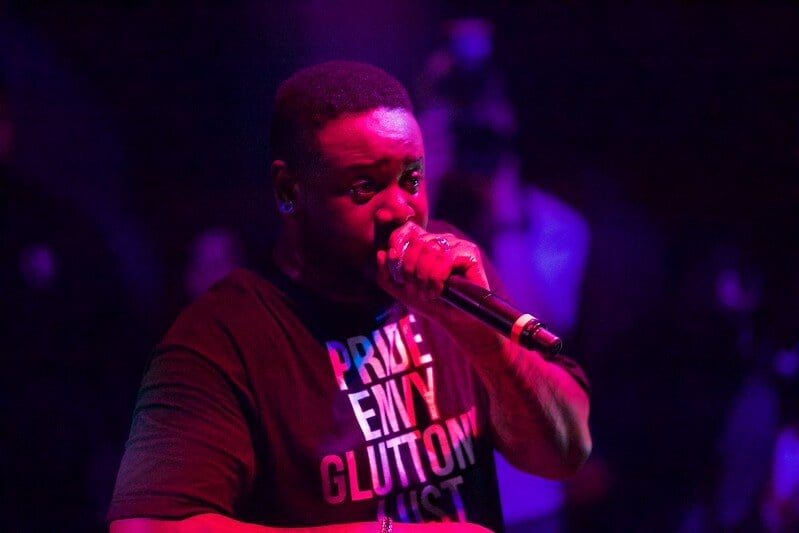
This 2007 single, built around its “apple bottom jeans” hook, spent ten weeks at number one on the Billboard Hot 100 and became one of the most-played songs at school dances during the late 2000s. Its steady, simple beat made it easy for DJs to mix in and out of surrounding tracks.
Superman by Soulja Boy Tell’em
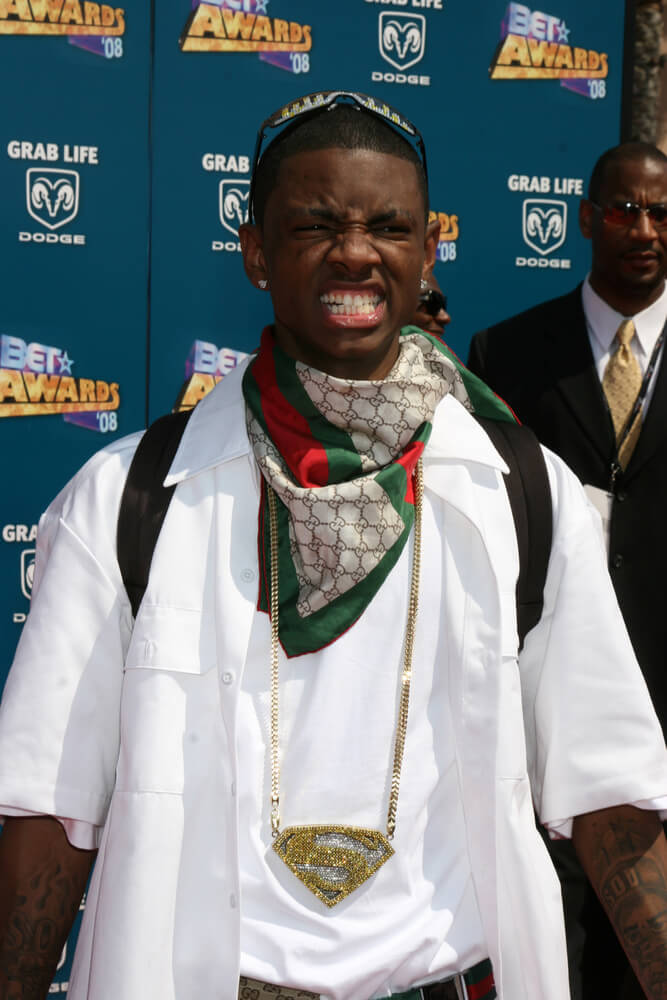
A follow-up to “Crank That,” this 2008 single carried its own dance craze into schools already primed by its predecessor’s viral success, extending Soulja Boy’s run as one of the defining dance-instruction artists of the era. Its call for a specific physical gesture, again taught via YouTube tutorials, made it a natural companion piece at the same dances.
Shake It Off by Taylor Swift
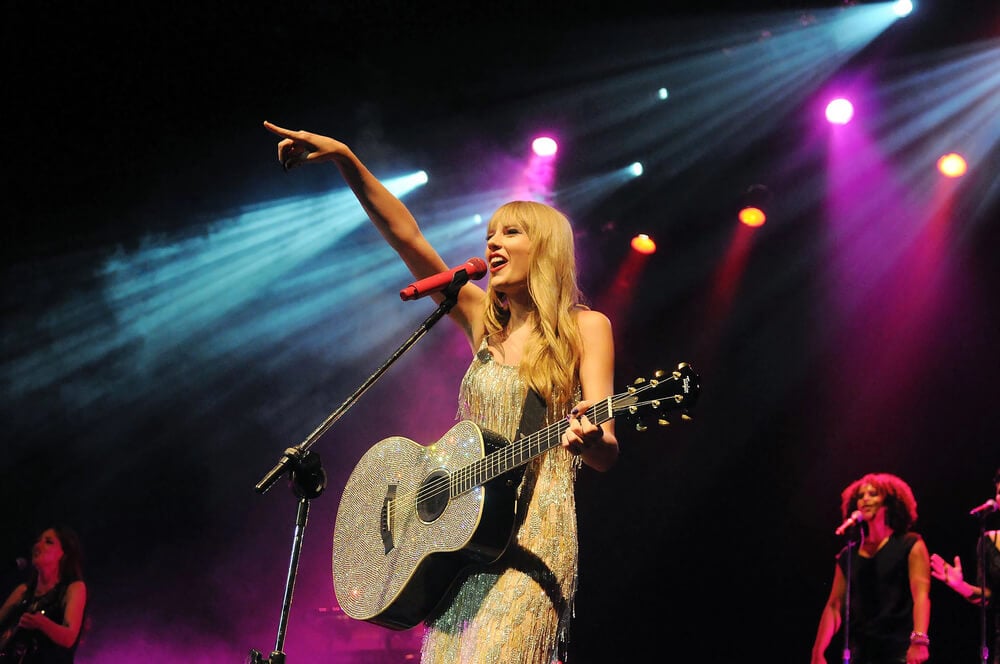
Released in 2014, this song marked Swift’s full pivot into pop and became an immediate school dance staple for its simple, repetitive chorus built for group shouting. It topped the Billboard Hot 100 for four weeks and remained in heavy dance rotation for years afterward.
Jump Around by House of Pain
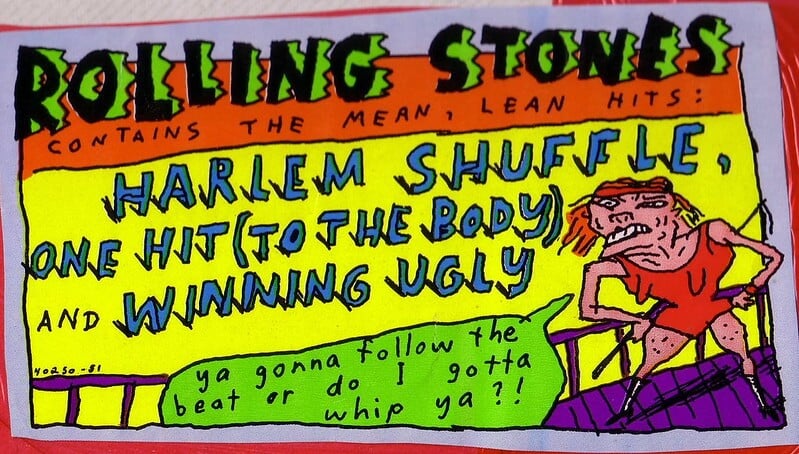
This 1992 hip-hop track, built around a sample of Bob & Earl’s “Harlem Shuffle,” became a staple at dances specifically for its title command, which crowds followed literally the moment the beat dropped. It has since become a stadium anthem as well, most notably at University of Wisconsin football games.
I Gotta Feeling by The Black Eyed Peas
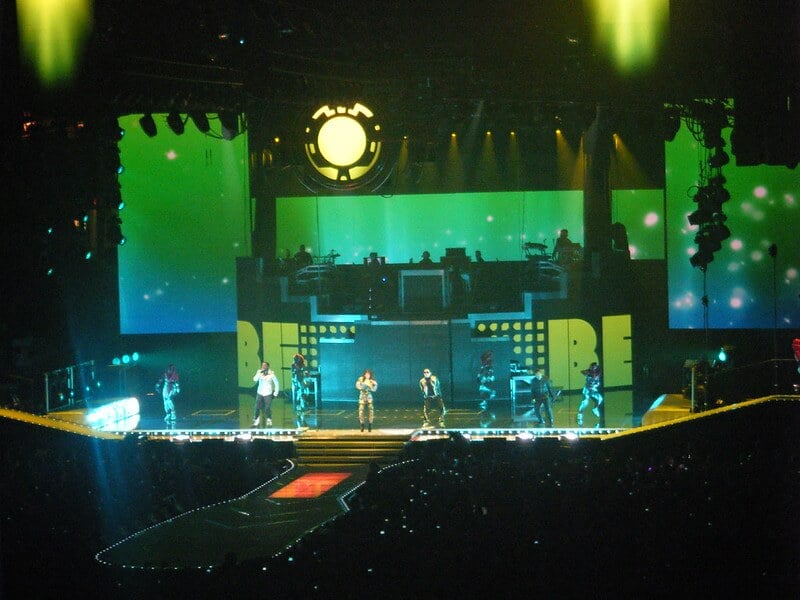
Released in 2009, this song became one of the best-selling digital singles in American history and functioned as an almost mandatory closing or peak-energy track at school dances for several years running. Its lyrics about anticipating a great night made it a natural choice for the moment right before a dance ended.
September by Earth, Wind & Fire
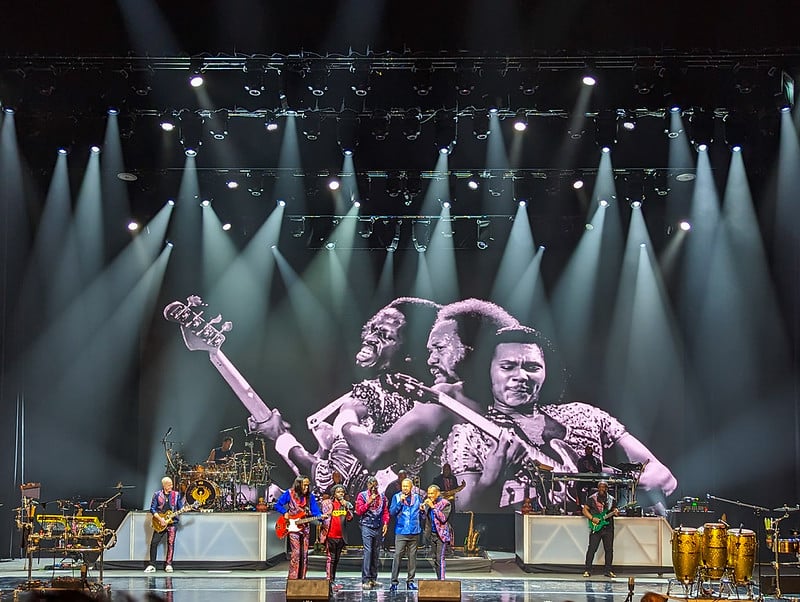
Released in 1978, this song’s “ba-dee-ya” hook has remained a dance-floor fixture across five decades, showing up at school dances as both an ironic throwback and a genuine crowd favorite depending on the generation in the room. Its horn arrangement and upbeat tempo make it one of the few songs on this list equally likely to be requested by a student and a chaperone.
Old Town Road by Lil Nas X featuring Billy Ray Cyrus
This 2019 single spent nineteen weeks at number one on the Billboard Hot 100, the longest run in the chart’s history, after going viral on TikTok before its official remix release. Its genre-blending sound made it one of the rare songs to dominate both country radio and school gymnasium playlists in the same year.
When the Gym Lights Came Back On
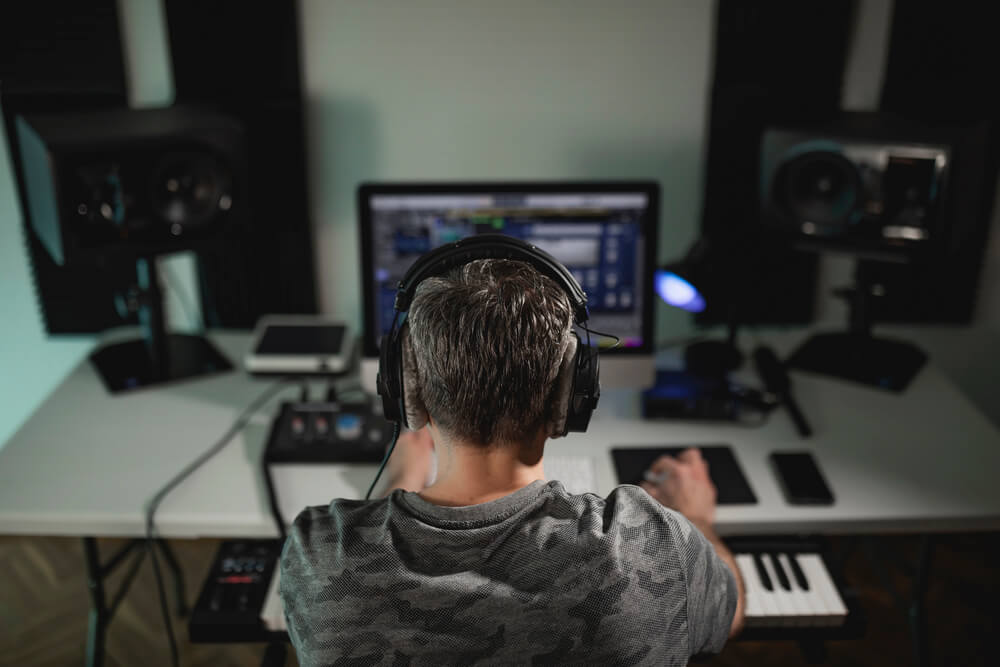
None of these songs were chosen for artistic merit. They were chosen because a DJ with a limited budget and a room full of nervous teenagers needed something that worked immediately, without explanation, and could survive being played at three different dances in the same month without anyone complaining.
The instructions embedded in half of these tracks were not incidental. They were the entire point, because a room full of strangers moves easier when it is told exactly what to do.
What lingers is not the music itself but the specific, unrepeatable combination of a bad sound system, a crowded floor, and a song that made a room of self-conscious teenagers forget, for three and a half minutes, that anyone was watching them at all.
More from Go2Tutors!

- The Romanov Crown Jewels and Their Tragic Fate
- 13 Historical Mysteries That Science Still Can’t Solve
- Famous Hoaxes That Fooled the World for Years
- 15 Child Stars with Tragic Adult Lives
- 16 Famous Jewelry Pieces in History
Like Go2Tutors’s content? Follow us on MSN.



