30 Objects Pulled From Ancient Sites That Puzzled Researchers
Archaeology rarely hands over neat answers. Sometimes a dig produces an object so far ahead of its supposed era, or so strange in purpose, that researchers spend decades arguing about what they are even looking at.
The Antikythera Mechanism
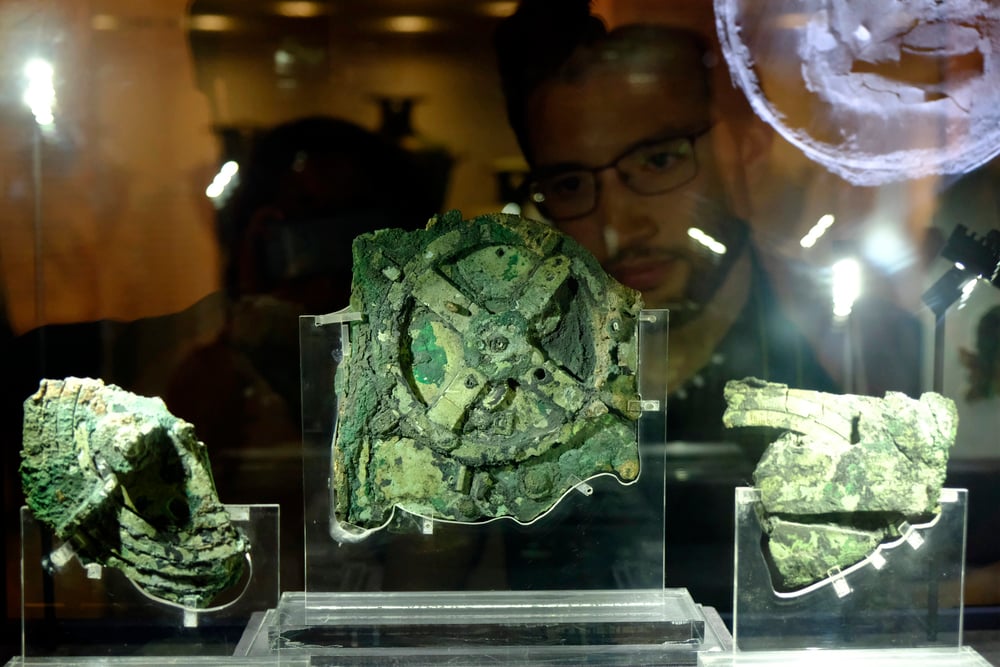
Sponge divers recovered a corroded lump of bronze gears from a Roman-era shipwreck off a Greek island in 1901, and it sat largely unexamined for years because nothing that complex was expected from the ancient world. X-ray and CT scanning conducted a century later revealed over 30 interlocking bronze gears capable of tracking the movements of the sun, moon, and planets, along with predicting eclipses.
Researchers now date the device to roughly the second century BCE, making it the oldest known analog computer by a wide margin. No comparably complex mechanism appears again in the historical record for over a thousand years.
The Nebra Sky Disc

Looters unearthed a bronze disc inlaid with gold symbols representing the sun, moon, and stars near Nebra, Germany, in 1999, and it eventually made its way to authorities after a botched black-market sale. Dated to around 1600 BCE, the disc appears to be one of the oldest concrete depictions of astronomical phenomena anywhere in the world.
Researchers determined the gold cluster likely represents the Pleiades star group, suggesting a level of systematic sky observation not previously credited to Bronze Age Europe. The disc’s exact function, whether ritual, calendrical, or both, remains debated.
The Dendera Zodiac
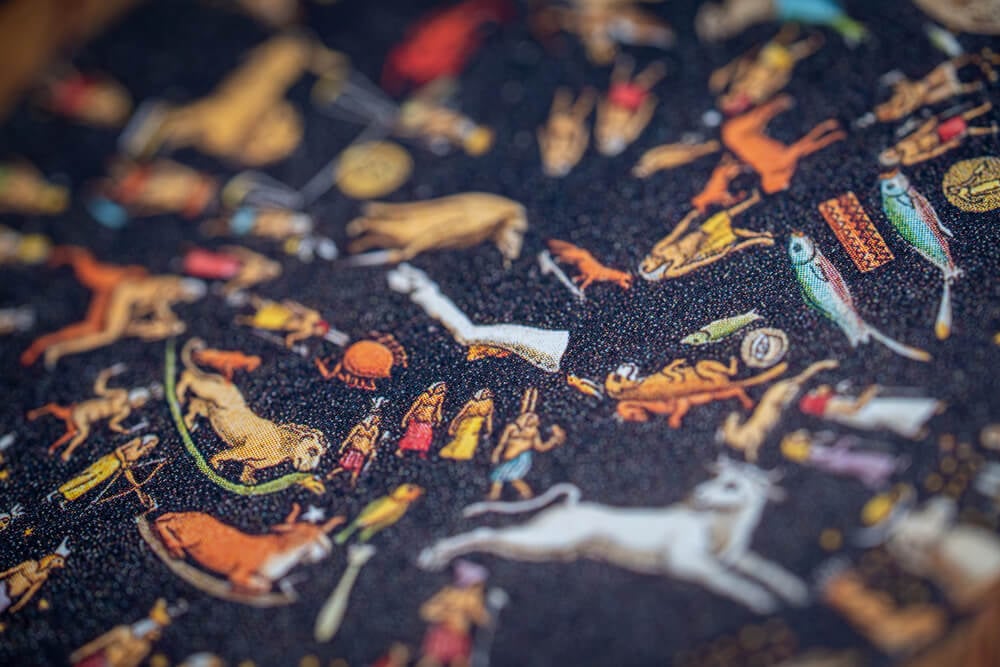
A carved ceiling relief depicting the constellations of the zodiac was found in a chapel at the Hathor temple complex in Dendera, Egypt, and removed to France in 1821. Its circular, symbolic star map style was unlike anything previously documented in Egyptian art, prompting early scholars to argue it must be far older than the temple itself.
Later analysis of the depicted planetary alignments dated the carving to the first century BCE, during the Ptolemaic period of Greek-influenced Egyptian rule. The relief is now displayed in the Louvre, while a replica sits in its original chapel ceiling.
The Phaistos Disc
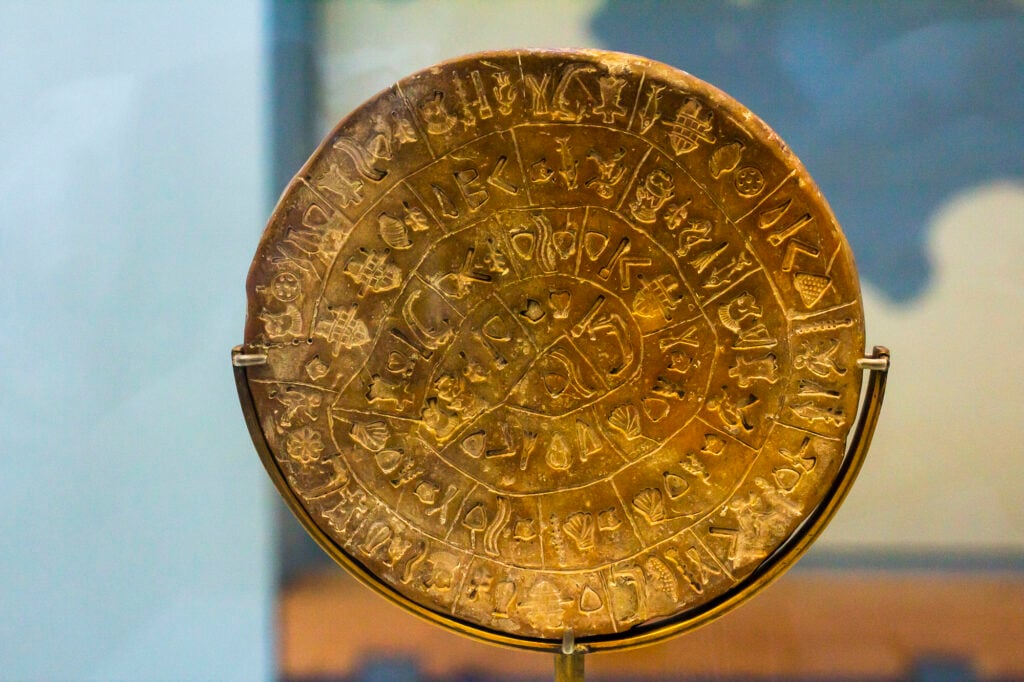
A fired clay disc stamped with 241 unknown symbols in a spiral pattern was discovered at the Minoan palace site of Phaistos on Crete in 1908. The symbols were pressed into the wet clay using individual stamps, an approach resembling movable type roughly three thousand years before Gutenberg.
No other object bearing the same script has ever been found, leaving researchers with no comparative text to attempt a translation. Despite more than a century of proposed decipherments, no reading of the disc has achieved broad scholarly acceptance.
The Baghdad Battery
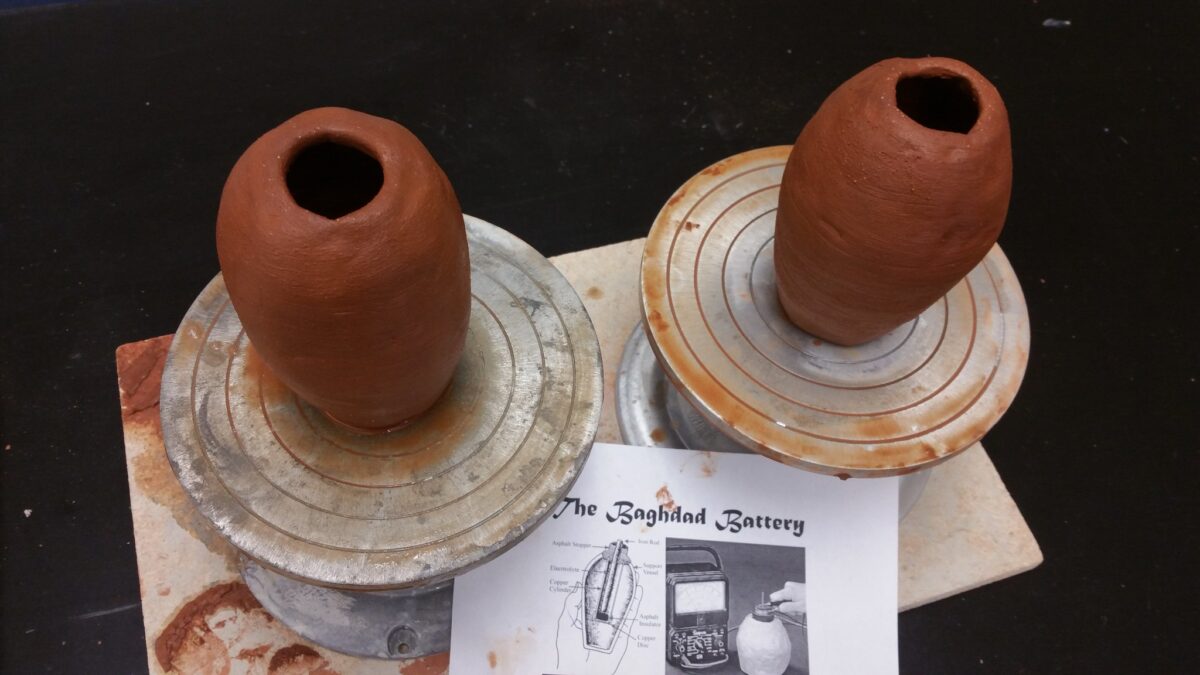
A clay jar containing a copper cylinder and an iron rod, dated to roughly the Parthian or Sassanid period, was excavated near Baghdad in the 1930s. Its configuration resembled a simple galvanic cell, leading some researchers to propose it could have generated a weak electrical current if filled with an acidic liquid such as vinegar.
Reconstructions have confirmed the setup can technically produce electricity, though most archaeologists believe the jar was more likely used for storing sacred scrolls or other everyday purposes. The object remains a favorite example of ancient technology outpacing its accepted historical context.
The Sutton Hoo Helmet
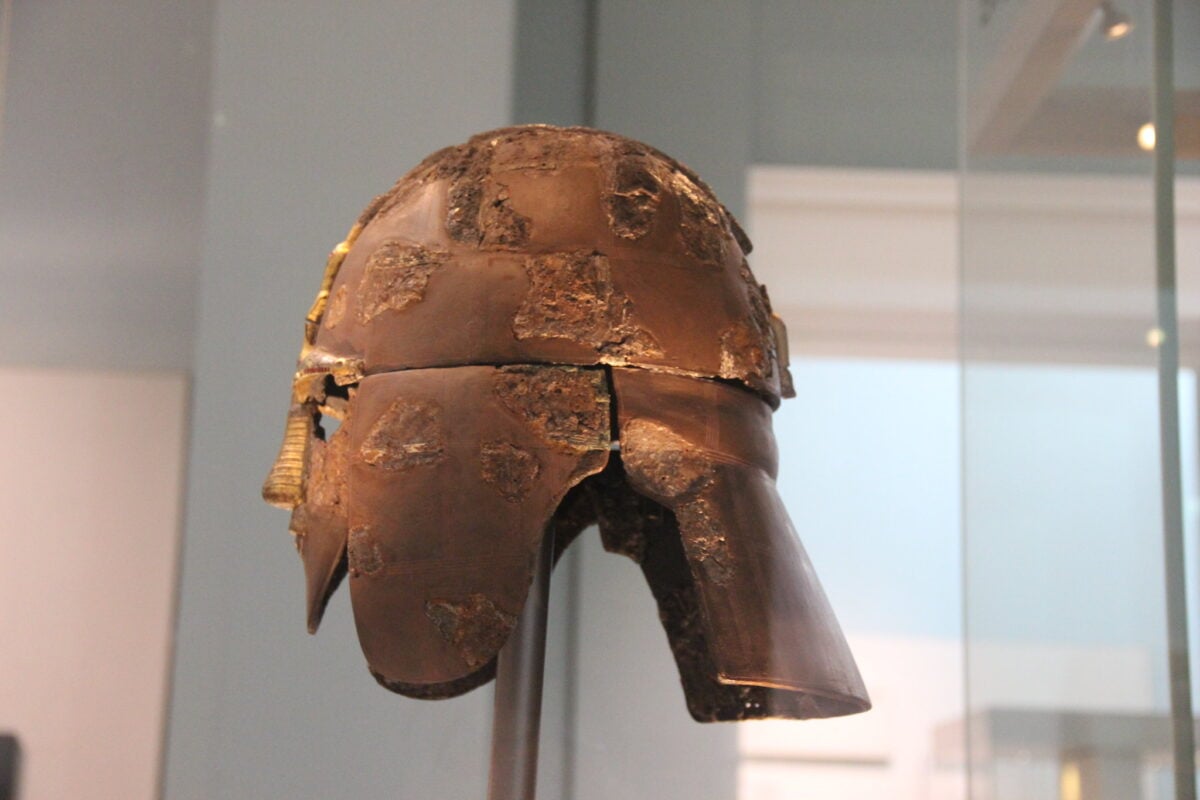
Excavators uncovered a ship burial in Suffolk, England, in 1939, containing a corroded iron and bronze helmet in hundreds of fragments. Painstaking reconstruction revealed an elaborately decorated face mask helmet dating to the early seventh century, evidence of far greater craftsmanship and wealth in Anglo-Saxon England than historians had previously assumed.
The burial is widely linked to an East Anglian king, possibly Raedwald, though no inscription confirms his identity. The find fundamentally reshaped scholarly understanding of the so-called Dark Ages in Britain.
The Lycurgus Cup
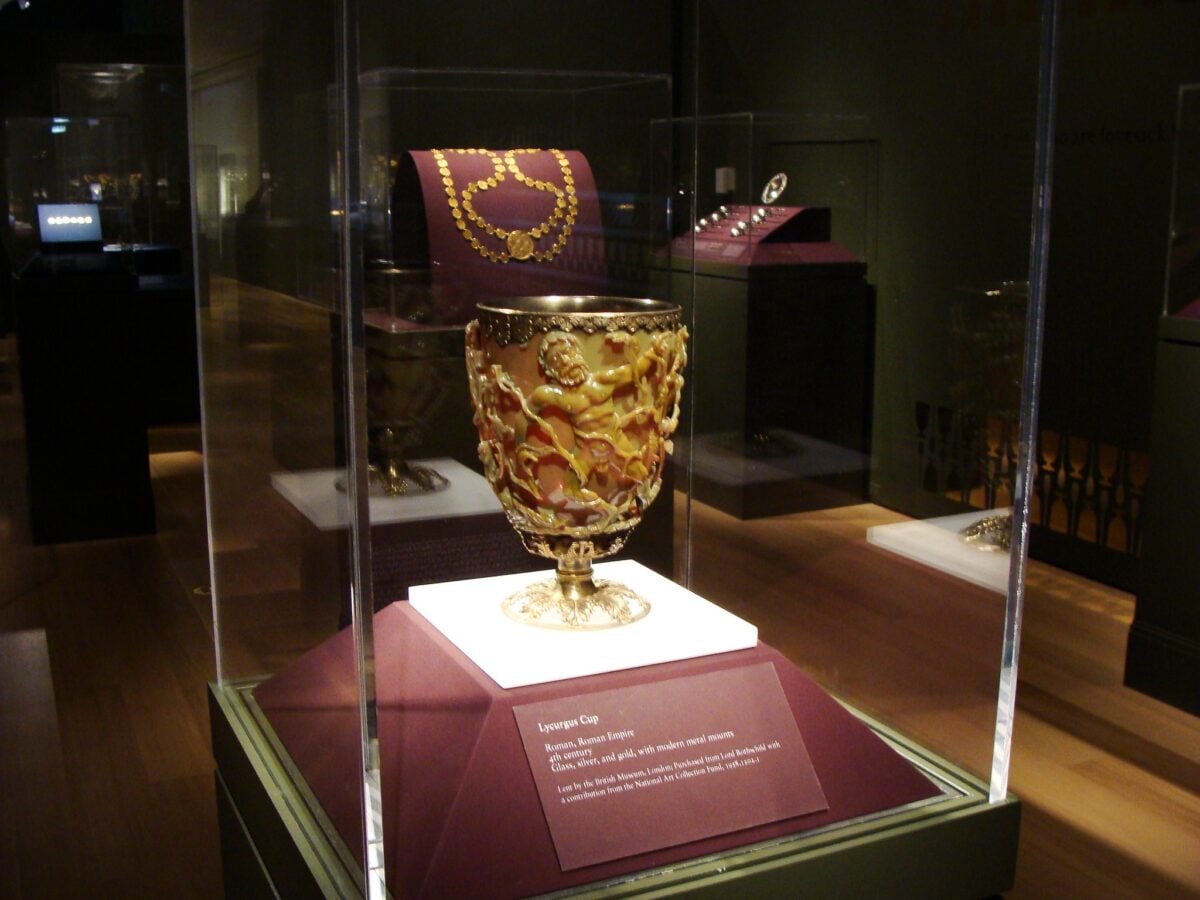
A Roman glass cup dating to the fourth century CE appears jade green when lit from the front but glows ruby red when lit from behind, a property that puzzled collectors and scientists for generations after it entered the British Museum’s collection. Researchers eventually determined that the glass contains microscopic particles of gold and silver, ground down to a scale that would not be intentionally achievable through known Roman glassmaking techniques by later standards.
The effect is now understood as an early, unrepeated form of nanotechnology, discovered by trial and error nearly 1,600 years before the science behind it was named.
The Gundestrup Cauldron
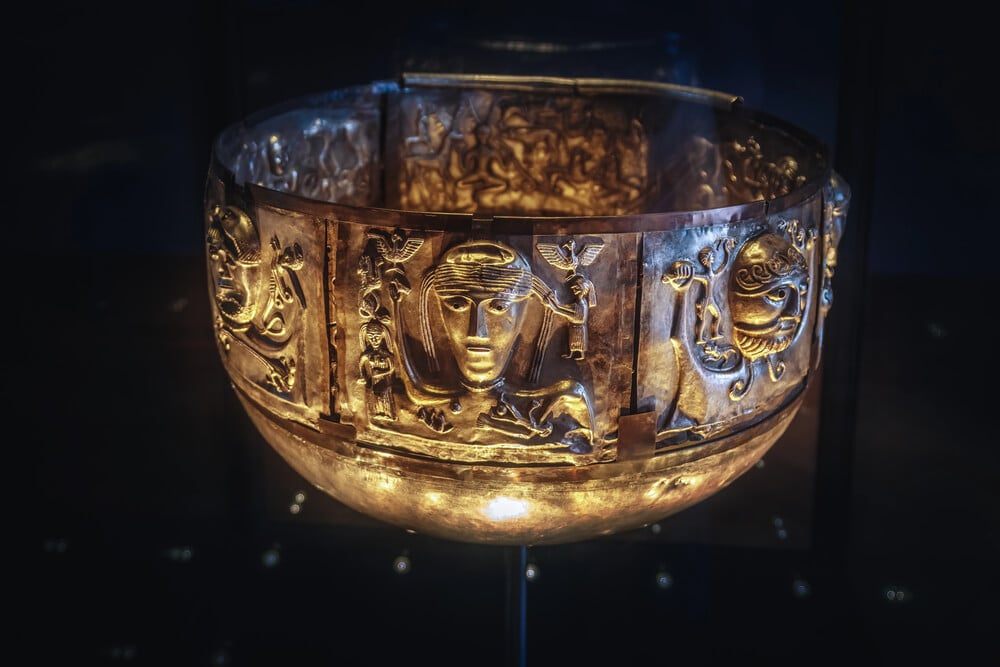
A large, ornately decorated silver vessel was pulled from a peat bog in Denmark in 1891, its panels depicting gods, animals, and ritual scenes rendered in a style that did not match any single known Iron Age culture. Analysis of the metal and imagery suggests influences from Celtic and Thracian artistic traditions, despite the cauldron being found in a region with no clear Celtic settlement.
How the object traveled to Denmark, and who buried it in the bog, remains unresolved. It stands as one of the largest surviving pieces of European Iron Age silverwork.
The Uluburun Shipwreck Cargo

Divers discovered a Late Bronze Age shipwreck off the coast of Turkey in 1982, and a decade of excavation recovered one of the richest cargoes ever found from that period, including copper and tin ingots, glass, ivory, and gold jewelry from across the Mediterranean and Near East. The sheer diversity of origins represented in a single ship’s hold forced historians to significantly revise assumptions about the scale of international trade networks around 1300 BCE.
Among the cargo was a folding wooden writing tablet, the oldest of its kind ever recovered. The wreck remains one of the most information-dense archaeological sites of the Bronze Age.
The Mold Gold Cape
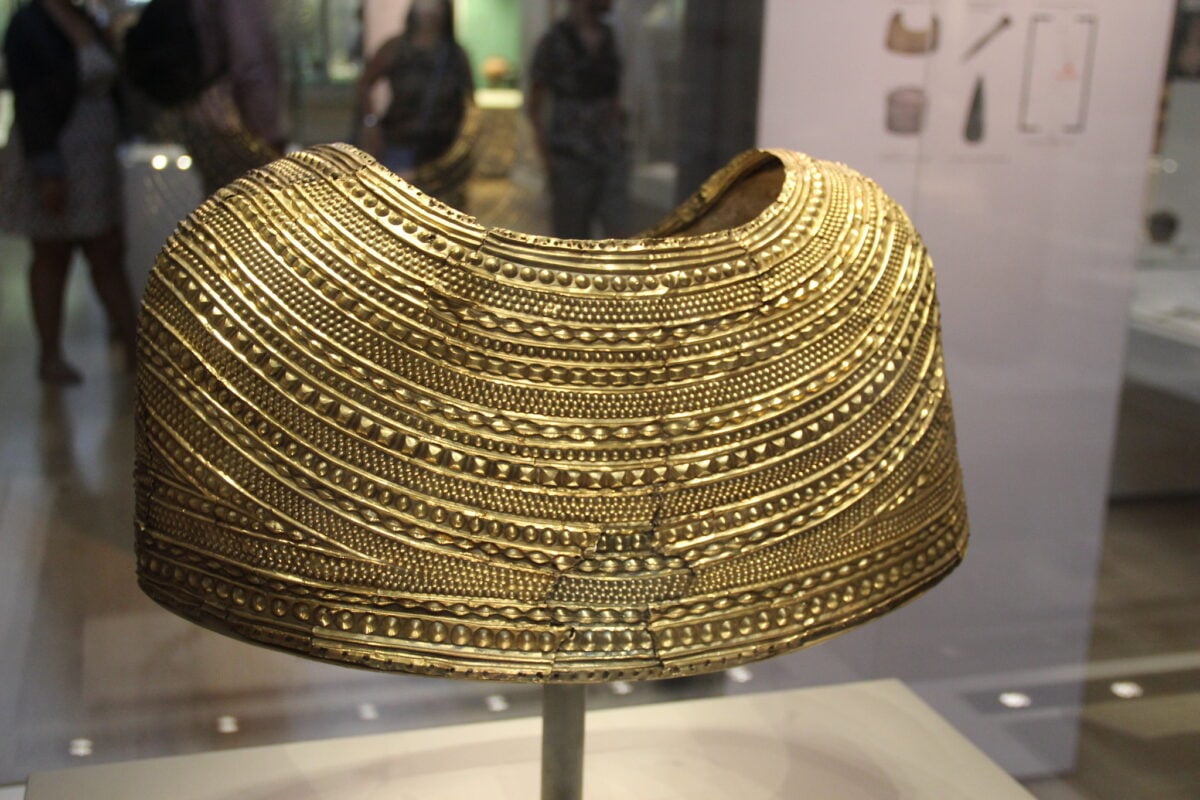
Workers quarrying limestone in Wales in 1833 discovered a crushed sheet-gold garment inside a stone burial mound, initially breaking it apart before recognizing its significance. Painstaking restoration eventually revealed an elaborately decorated ceremonial cape dating to around 1900 to 1600 BCE, shaped in a way that would have severely restricted the wearer’s arm movement.
Its exact ceremonial function remains unknown, and no directly comparable garment has been found anywhere else in Bronze Age Europe. The cape now requires specialized mannequin support due to the fragility of the beaten gold sheet.
The Saqqara Bird

A carved wooden object resembling a bird with outstretched wings was found among grave goods at Saqqara, Egypt, and dated to around 200 BCE. Its wing shape and proportions led some researchers to speculate it might represent an understanding of aerodynamic principles, sparking decades of fringe claims about ancient gliders.
Mainstream Egyptologists generally regard it as a stylized bird figurine or weathervane rather than evidence of flight technology. Wind tunnel tests on replicas have produced mixed and inconclusive results about its aerodynamic properties.
The Ain Sakhri Lovers Figurine
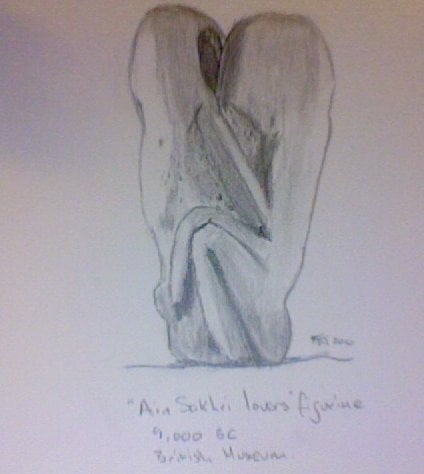
A small carved stone sculpture depicting two embracing figures was found in a cave near Bethlehem and is dated to roughly 11,000 years ago, placing it among the oldest known representations of a couple anywhere in the archaeological record. Its smooth, simplified carving style makes the exact gender and precise interpretation of the figures difficult to confirm.
The object predates settled agriculture in the region, raising questions about the social structures of the hunter-gatherer communities that produced it. It is now held in the British Museum’s collection.
The Staffordshire Hoard
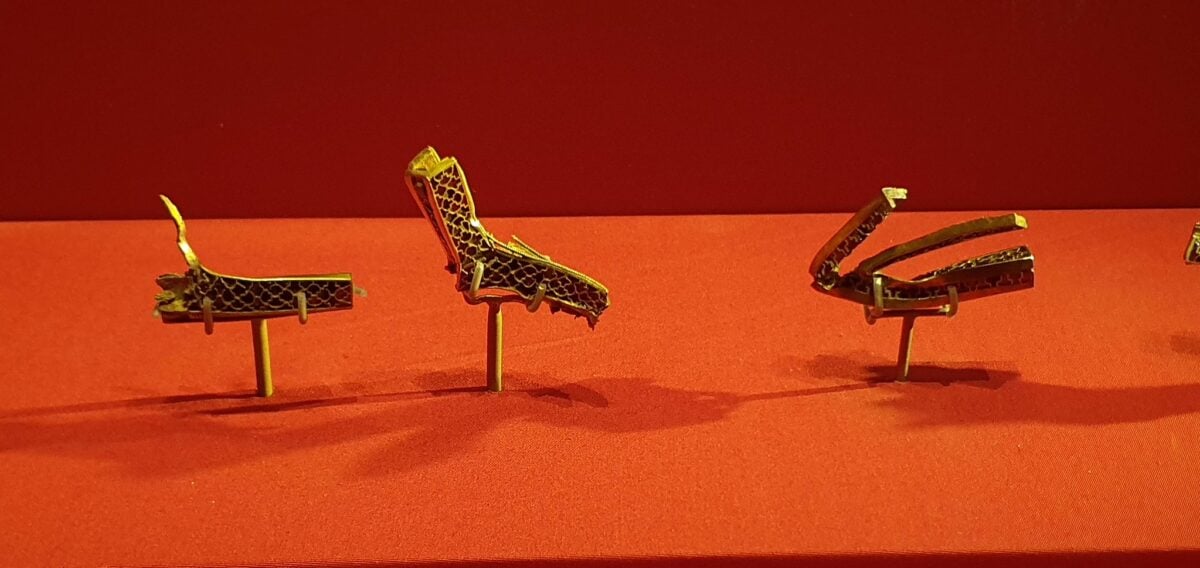
A metal detectorist uncovered the largest known collection of Anglo-Saxon gold and silver metalwork in a Staffordshire field in 2009, consisting of over 4,000 fragments, almost all of it associated with weaponry rather than jewelry or everyday objects. The concentration of war gear, deliberately stripped of its hilts and mountings before burial, does not match any previously documented burial practice from the period.
Researchers still debate whether the hoard represents looted war spoils, a ritual offering, or a metalworker’s stockpile. It remains the largest Anglo-Saxon gold find ever recorded in Britain.
Lindow Man

Peat cutters in Cheshire, England, discovered a remarkably preserved body in a bog in 1984, so well preserved that police initially treated the find as a modern crime scene before archaeologists were called in. Radiocarbon dating placed his death at some point between roughly 2 BCE and 119 CE, and the bog’s acidic, low-oxygen conditions preserved his skin, stomach contents, and even fingernails.
Evidence of severe injuries, including a skull fracture and a ligature around his neck, has led researchers to debate whether he was executed, murdered, or ritually sacrificed. Lindow Man remains one of the best-studied bog bodies ever recovered in Britain.
The Star Carr Headdress

Archaeologists working a Mesolithic site in Yorkshire, England, recovered more than 20 deer skull headdresses fitted with antlers and perforated for wearing, dating to roughly 9000 BCE. The purpose of the headdresses is debated, with theories ranging from hunting disguises to ceremonial or shamanic regalia.
Their sheer number at a single site suggests a level of ritual or social organization not typically associated with hunter-gatherer communities of that era. Star Carr remains one of the richest Mesolithic sites ever excavated in Britain.
The Indus Valley Seals
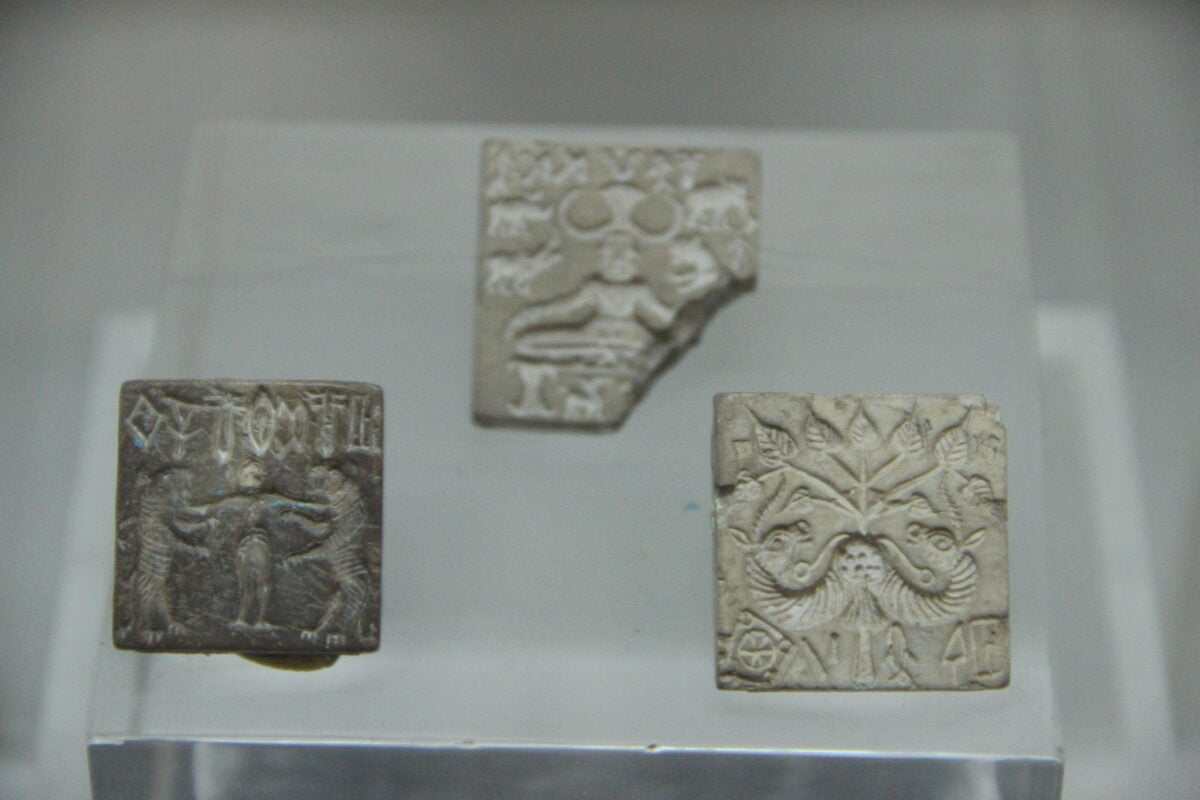
Thousands of small stone seals carved with animal figures and an undeciphered script were recovered from Indus Valley sites including Mohenjo-daro and Harappa, dating to roughly 2600 to 1900 BCE. Despite a century of attempts, no scholar has successfully translated the symbols, and researchers still debate whether the marks represent a full written language at all.
The seals appear to have been used for trade or administrative purposes, based on their consistent size and imagery. The underlying Indus script remains one of the most significant undeciphered writing systems in the ancient world.
The Rosetta Stone Before Decipherment

A granodiorite slab inscribed with the same decree in three scripts was uncovered by French soldiers near the Egyptian town of Rosetta in 1799, but for over two decades it puzzled scholars who could read the Greek portion yet had no key to Egyptian hieroglyphs. Linguist Jean-François Champollion finally cracked the hieroglyphic script in 1822 by comparing royal names across the three texts.
The breakthrough unlocked the ability to read the vast body of previously untranslatable Egyptian inscriptions across the ancient world. The stone itself has remained in the British Museum’s collection since 1802.
The Voynich Manuscript

A roughly 240-page book filled with an unknown script and illustrations of unidentifiable plants surfaced in the historical record in the early 1600s and was later acquired by book dealer Wilfrid Voynich in 1912. Radiocarbon dating of the vellum places its creation in the early 1400s, ruling out many theories that it was a later forgery.
Cryptographers, linguists, and computer algorithms have all failed to produce a translation accepted by the broader academic community. It remains one of the most extensively studied yet completely undeciphered documents in existence.
The Quimbaya Gold Figures
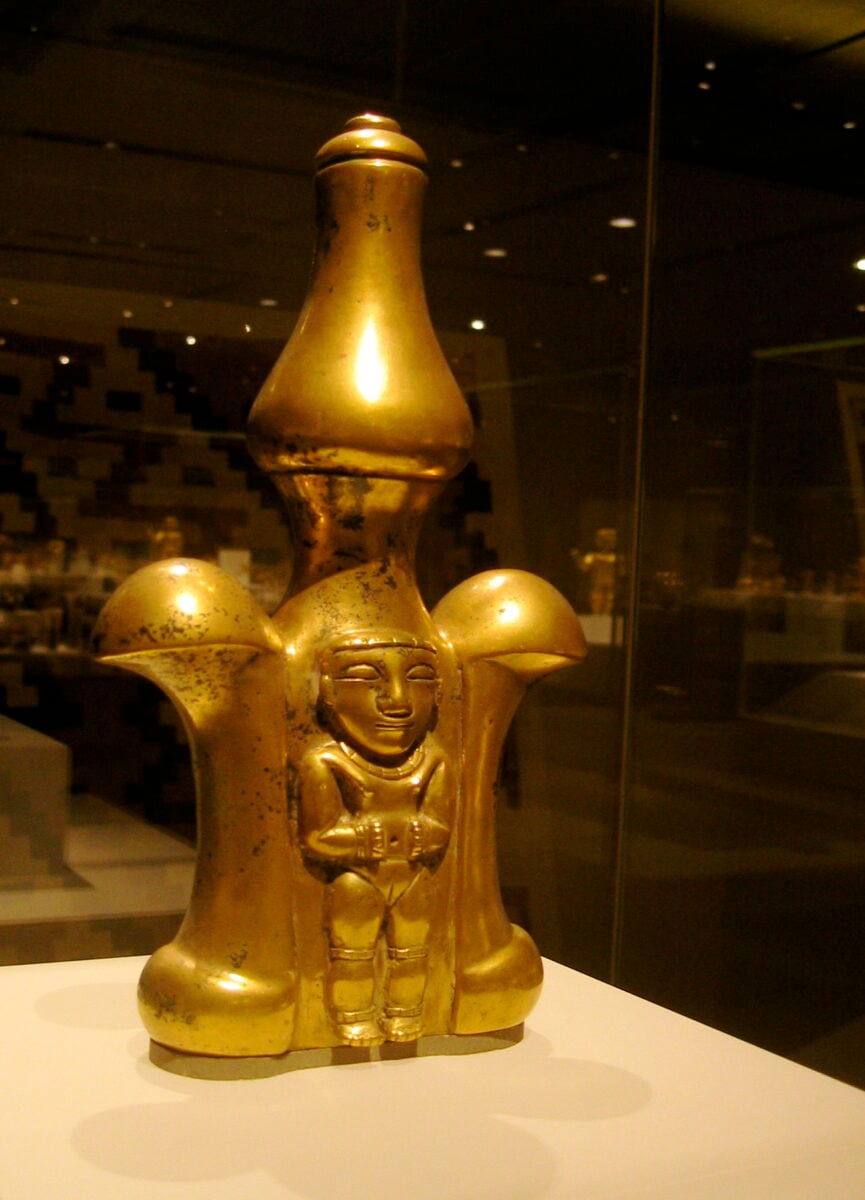
Small gold figurines depicting stylized animals were recovered from pre-Columbian Quimbaya culture sites in what is now Colombia, dating to roughly 500 to 800 CE. Their sleek, symmetrical shapes led some fringe commentators to claim they resembled aircraft, a reading that mainstream archaeologists reject as a modern projection onto stylized depictions of insects, birds, or fish common in the region’s metalwork.
The figures are prized for their advanced lost-wax casting technique rather than any speculative resemblance to modern machinery. They remain among the finest examples of pre-Columbian goldsmithing.
The Stones of Puma Punku
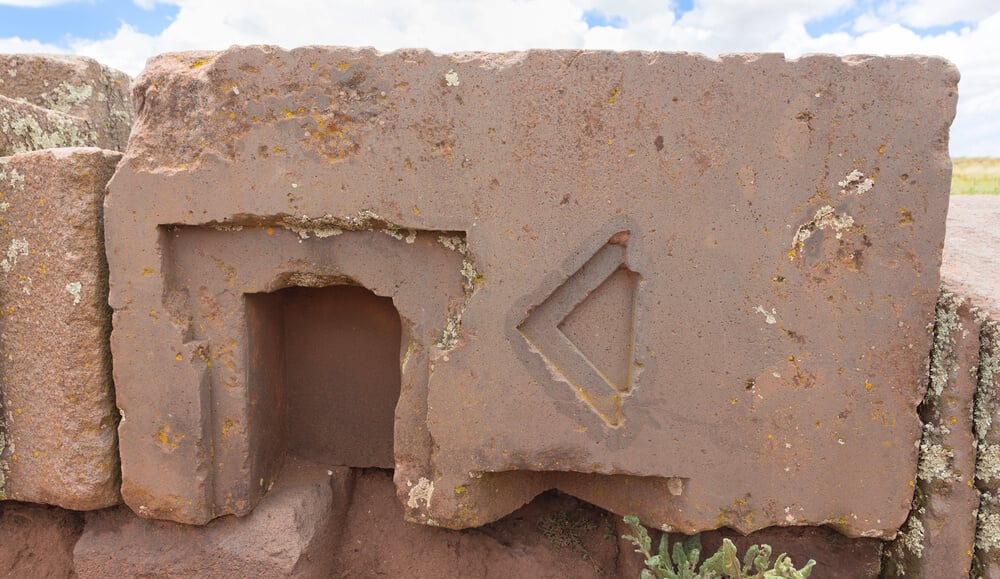
A ceremonial complex near Tiwanaku in modern Bolivia contains massive, precisely cut andesite and sandstone blocks, some featuring interlocking geometric grooves that fit together with remarkable accuracy. Researchers estimate the main construction phase occurred around 500 to 600 CE, built by the Tiwanaku civilization using stone-working techniques that are still debated among archaeologists.
The precision of the cuts has fueled speculation ranging from lost technology to outside influence, though most specialists attribute the work to skilled use of stone and copper tools combined with abrasive techniques. Much of the site was damaged by later looting and colonial-era stone removal.
The Great Zimbabwe Soapstone Birds

Excavators at the Great Zimbabwe ruins recovered eight carved soapstone birds perched atop monolithic columns, dating to the site’s peak occupation between roughly 1200 and 1450 CE. Colonial-era archaeologists initially refused to credit local African builders with the site’s sophisticated stonework, instead attributing it to outside civilizations, a theory long since discredited by modern research.
The birds are now understood as important symbolic or spiritual objects tied to the ruling elite of the Shona-speaking kingdom that built the complex. Several of the original carvings were looted during the colonial period and only partially recovered.
The Loulan Beauty
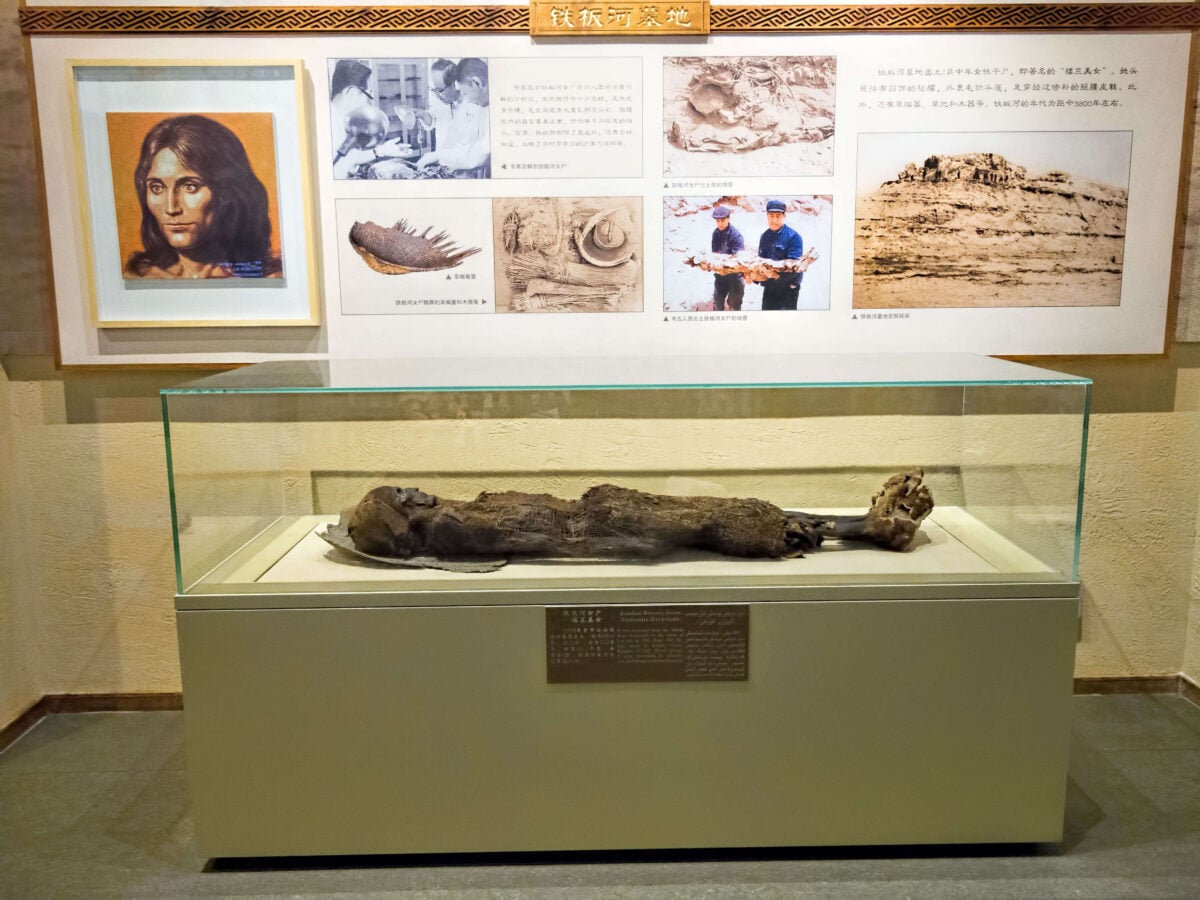
A remarkably preserved mummy was discovered in the Tarim Basin of western China in 1980, dated to roughly 1800 BCE, notable for facial features and hair color that appeared distinctly non-East Asian. Genetic and textile analysis conducted decades later suggested a population with mixed ancestry inhabited the region far earlier than historical records indicated.
The find reshaped scholarly debate about early migration routes across Central Asia. Her well-preserved felt and wool clothing also provided rare evidence of textile technology from the period.
The Moai of Easter Island

Nearly a thousand monolithic stone figures, some standing over 30 feet tall, were carved by the Rapa Nui people between roughly 1250 and 1500 CE, and how they were transported across the island without modern machinery puzzled researchers for generations. Experimental archaeology conducted in the 2010s demonstrated that the statues could plausibly have been “walked” upright using ropes and a rocking motion, matching local oral traditions about statues moving on their own.
The demonstration did not settle every detail, since terrain and statue size varied considerably across sites. The moai remain one of the most studied examples of pre-industrial monumental engineering.
The Warren Cup
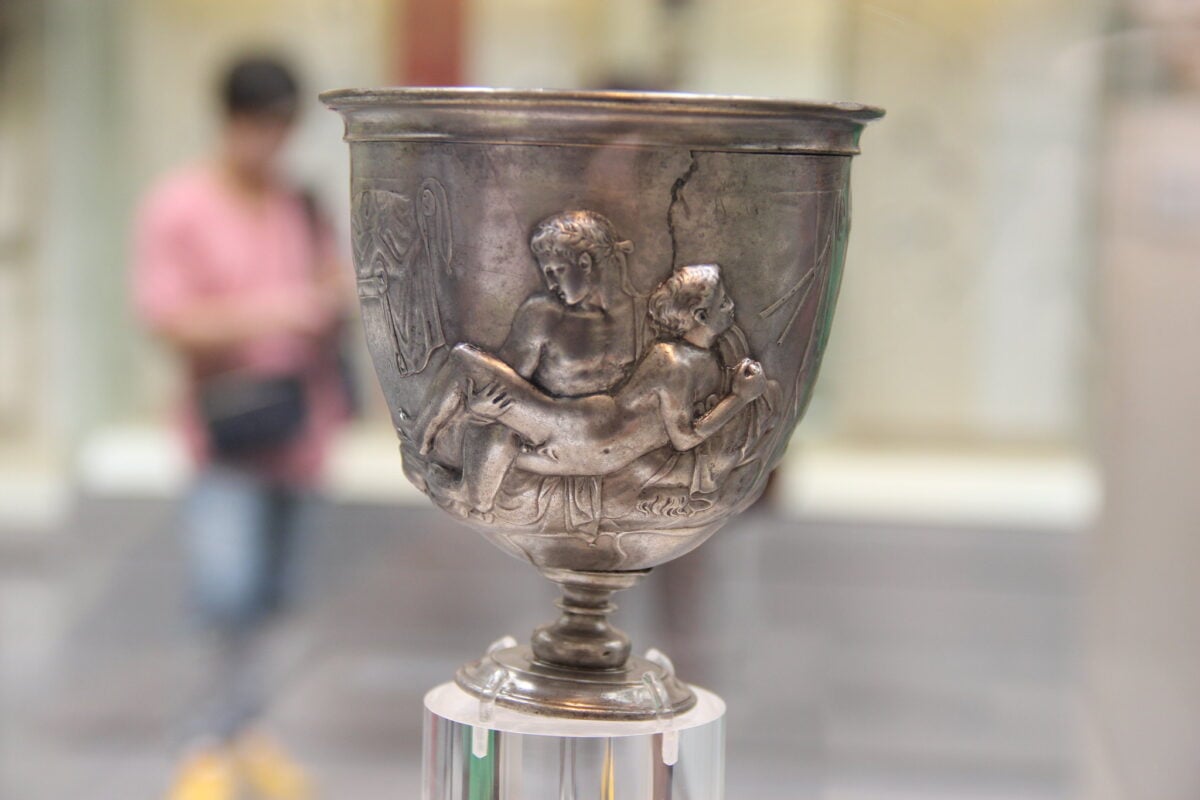
A small silver drinking cup featuring detailed relief scenes was acquired by the British Museum in 1999, and its craftsmanship is dated to the early Roman Empire, likely the first century CE. Researchers have used the object to study Roman metalworking and social customs of the period in unusual detail, given the cup’s exceptional state of preservation.
Its origin and ownership history before modern acquisition remain incompletely documented. The piece is considered one of the finest surviving examples of Roman relief silverwork.
The Colima Dogs
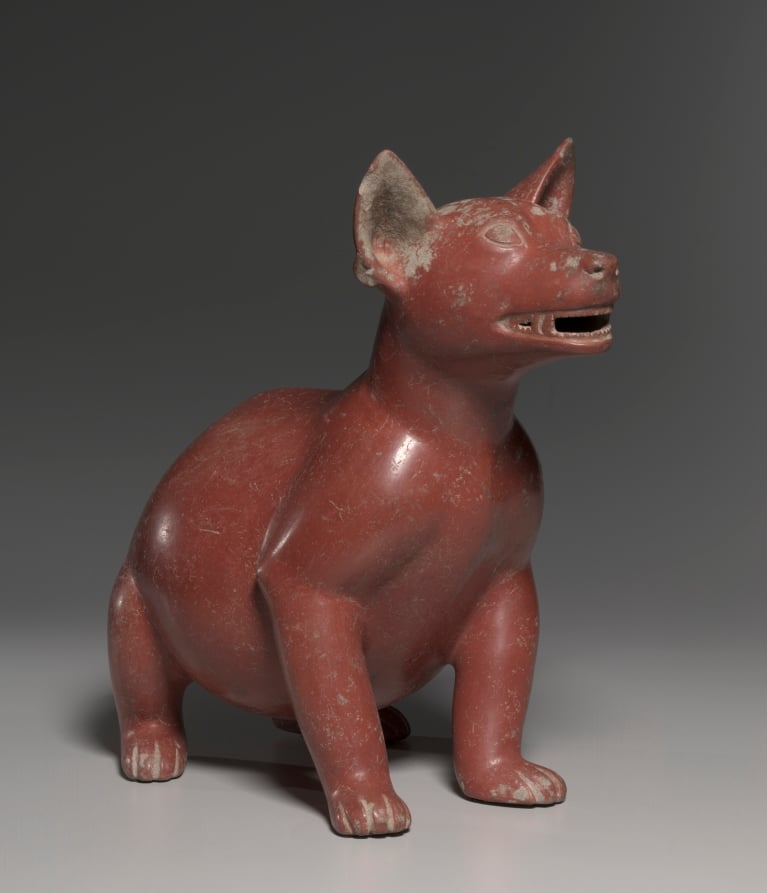
Hollow ceramic figurines shaped like plump dogs were recovered from shaft tomb sites in the Colima region of western Mexico, dating to roughly 300 BCE to 300 CE. Researchers determined the figures likely depict a now-extinct hairless breed that held both companionship and ceremonial significance, possibly linked to beliefs about guiding the dead.
Thousands of these figurines have been found, almost exclusively from looted or poorly documented tomb contexts, which has complicated efforts to establish a precise chronology. They remain among the most recognizable ceramic forms of ancient western Mexico.
The Priest-King of Mohenjo-daro
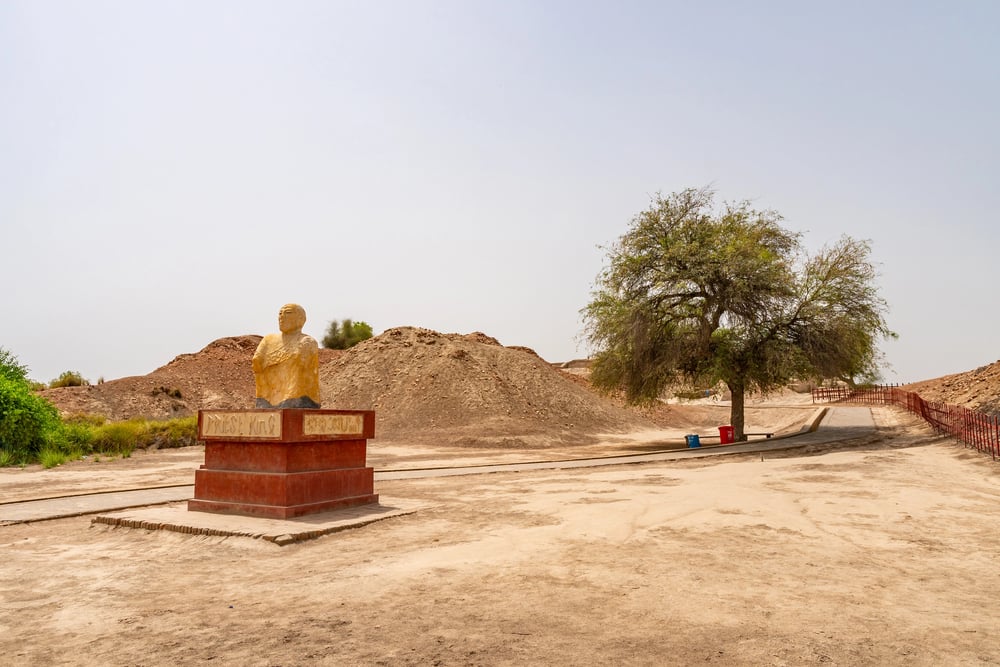
A small steatite bust depicting a bearded figure wearing an armband and a patterned robe was excavated from the Indus Valley city of Mohenjo-daro in 1927, dated to roughly 2000 to 1900 BCE. Despite its nickname, researchers have no confirmed evidence the figure represents a priest, a king, or any specific title, since the accompanying Indus script remains undeciphered.
The statue’s calm, deliberate expression has made it one of the most reproduced images associated with the Indus Valley civilization. Its true significance within Harappan society remains a matter of ongoing debate.
The Shigir Idol
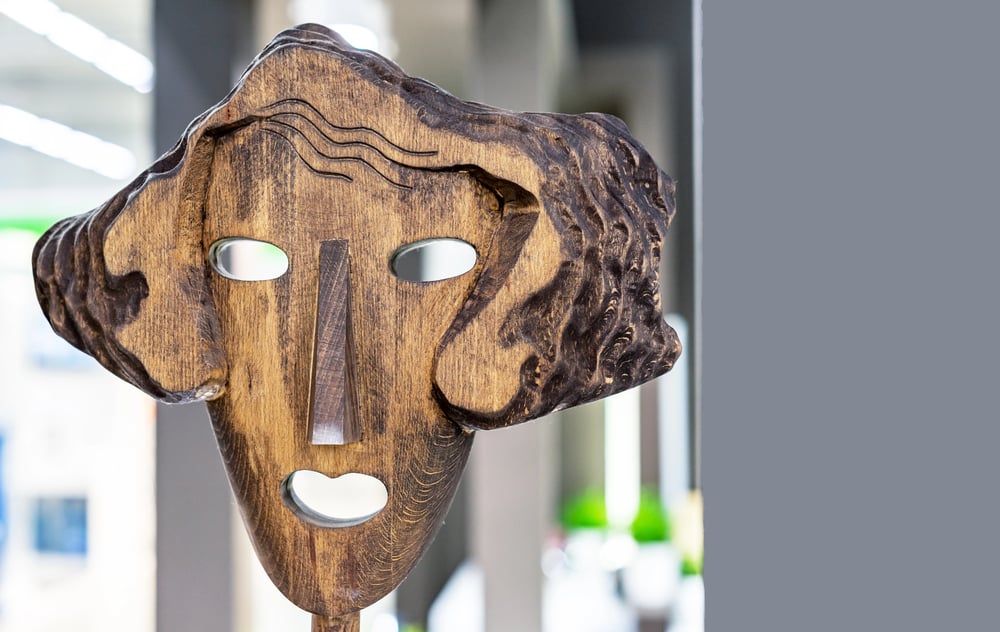
A wooden sculpture covered in carved geometric patterns and faces was pulled from a peat bog in Russia’s Ural Mountains in 1890, and later radiocarbon dating placed its creation at roughly 12,500 years ago. That age makes it more than twice as old as Egypt’s pyramids and among the oldest known pieces of wooden ritual art anywhere in the world.
Researchers continue to debate the meaning of its carved symbols, some of which may represent an early form of encoded information about mythology or cosmology. The bog’s low-oxygen environment is credited with preserving the wood across such an extraordinary span of time.
Objects That Outlast Their Explanations
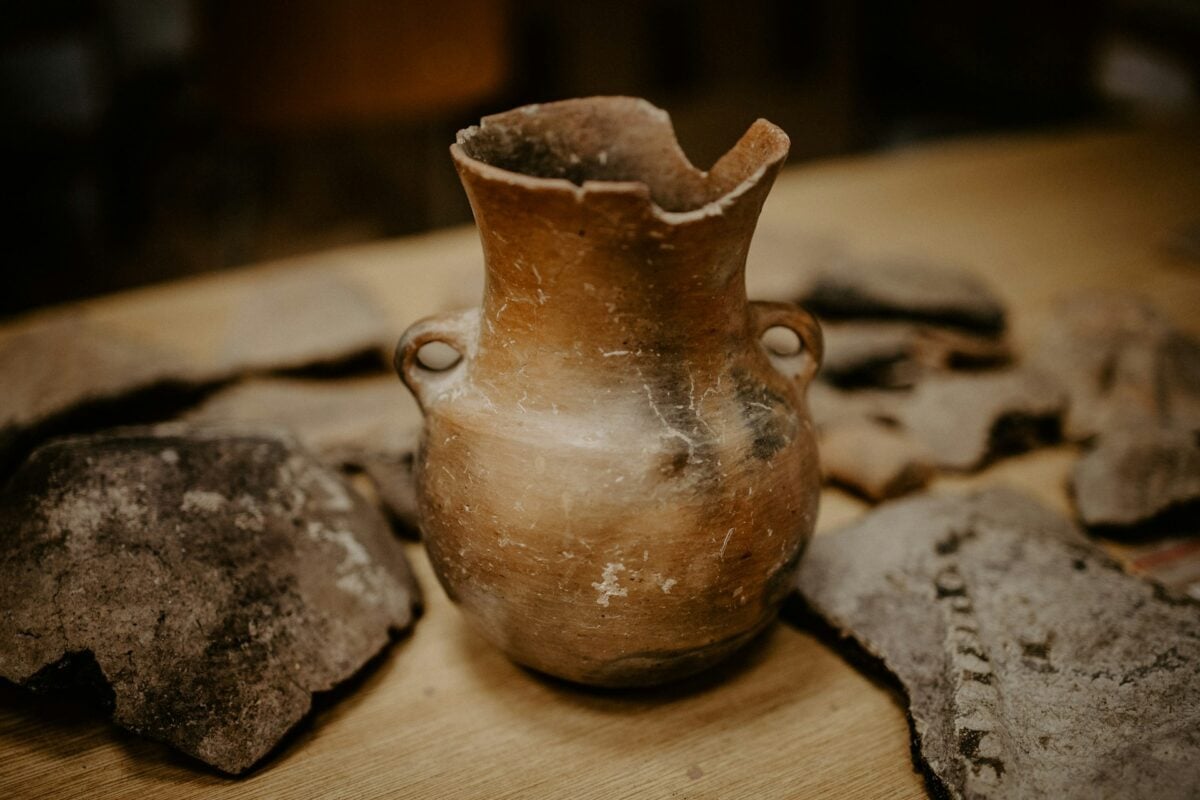
What connects these finds is not mystery for its own sake, but the gap between what an object can prove and what researchers wish it could tell them. A gear train, a carved disc, or a folded gold cape survives the culture that made it, but the instructions for reading it rarely survive alongside it.
Archaeologists are left reconstructing intent from material alone, which is why so many of these debates have run for a century or more without resolution. That unresolved quality is itself the lesson.
Every generation of researchers arrives with new tools, from CT scanners to genetic sequencing, and peels back one more layer of the puzzle without necessarily reaching the bottom. The objects have not changed since the day they were unearthed; only the questions asked of them have grown more precise.
More from Go2Tutors!

- The Romanov Crown Jewels and Their Tragic Fate
- 13 Historical Mysteries That Science Still Can’t Solve
- Famous Hoaxes That Fooled the World for Years
- 15 Child Stars with Tragic Adult Lives
- 16 Famous Jewelry Pieces in History
Like Go2Tutors’s content? Follow us on MSN.



