Places With The Most Extreme Temperatures
Earth’s climate varies wildly from one location to another, creating environments that push the limits of what humans and even machines can endure. Some places bake under relentless sun while others freeze solid for months at a time.
These temperature extremes shape everything about life in these locations, from the plants and animals that survive there to the handful of people brave or stubborn enough to call them home. Here are the spots on our planet where the thermometer reaches truly wild numbers in both directions.
Death Valley, California
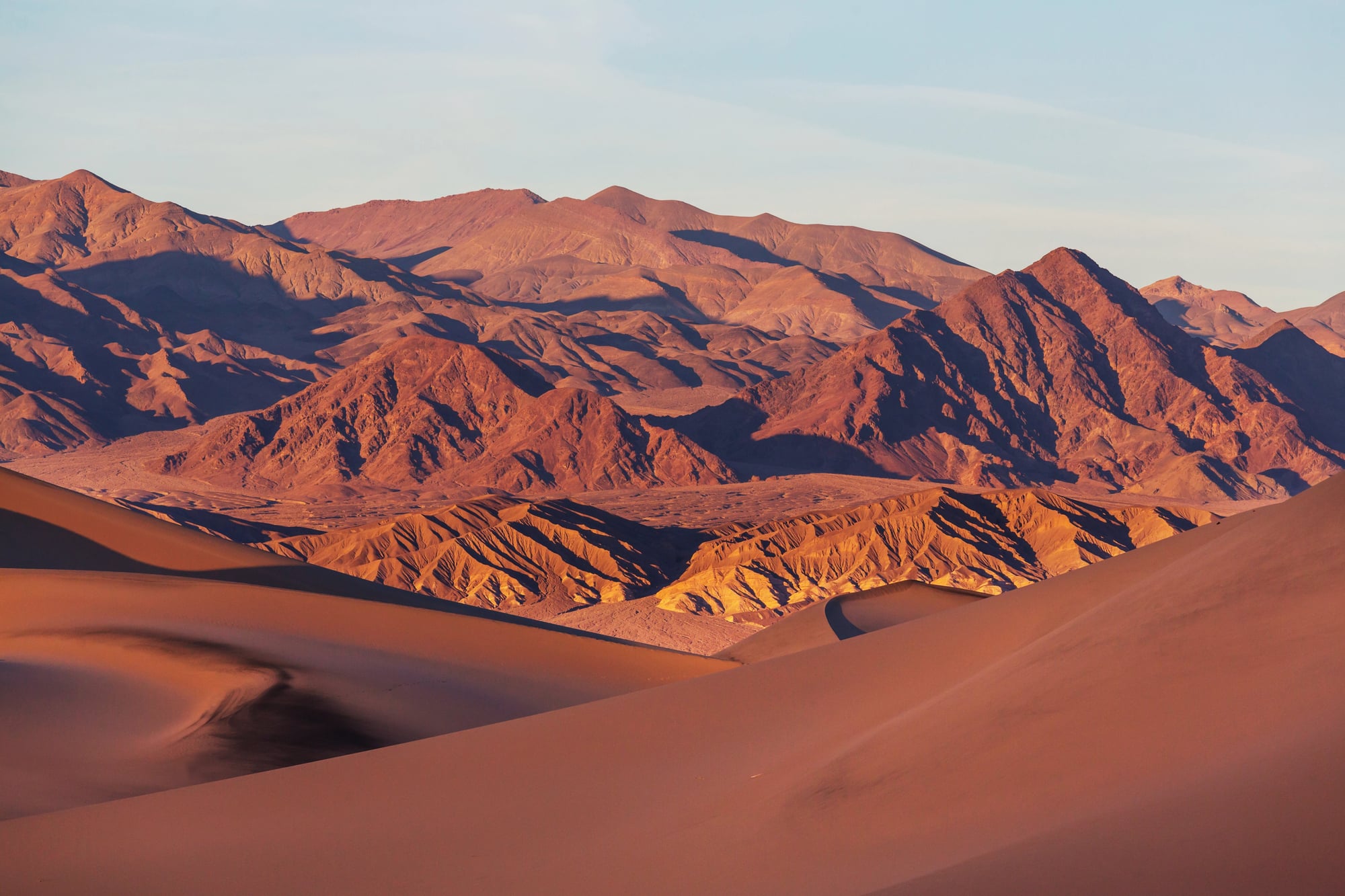
This desert basin holds the official record for the highest air temperature ever reliably measured on Earth at 134 degrees Fahrenheit. The reading came from Furnace Creek on July 10, 1913, though some scientists debate its accuracy.
Even setting aside the record, Death Valley regularly sees summer temperatures above 120 degrees. The valley sits 282 feet below sea level, which traps heat like a giant oven.
Visitors who break down on summer roads face genuine life-threatening situations within hours.
Vostok Station, Antarctica
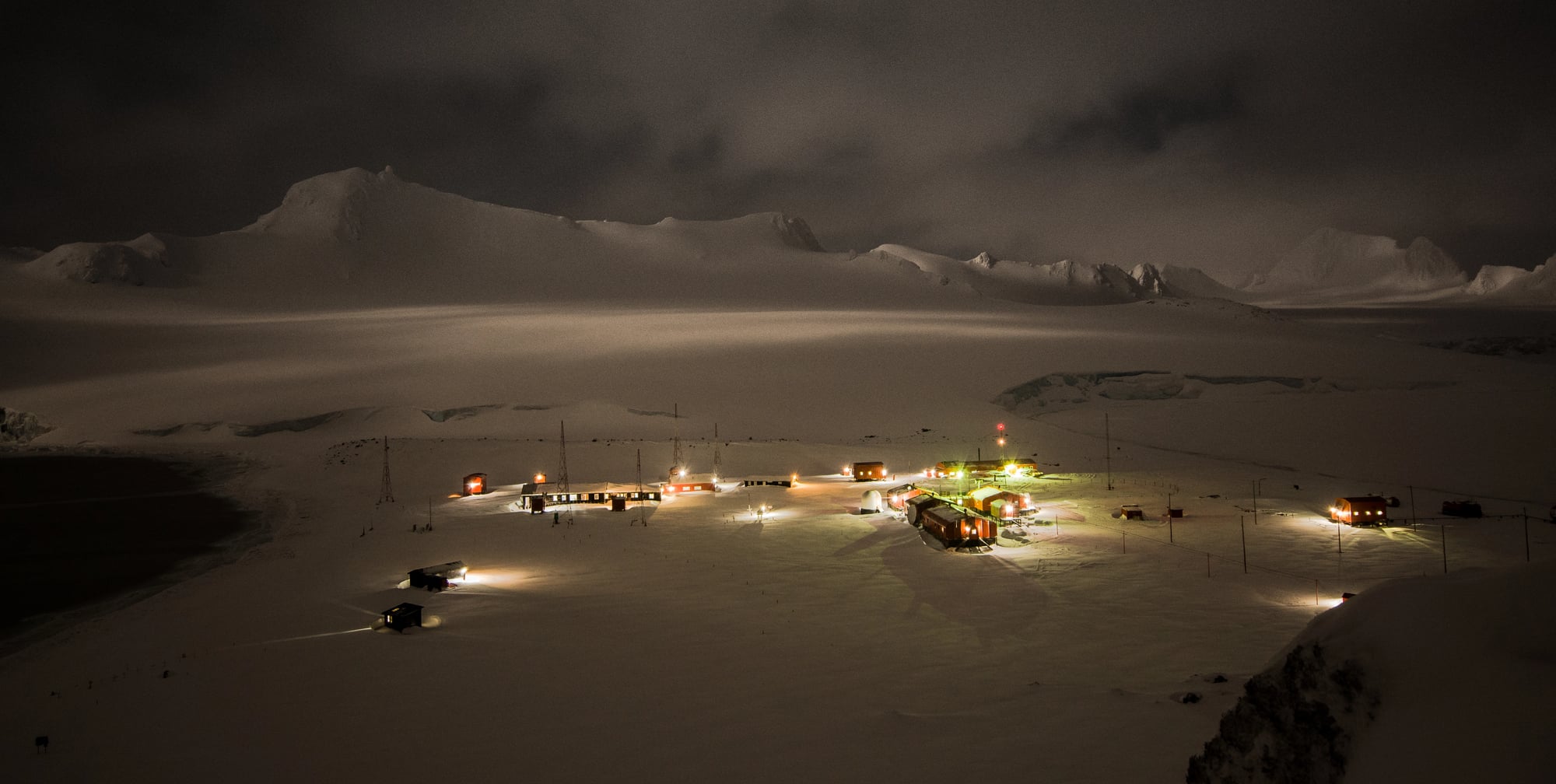
Russian researchers at this remote Antarctic station recorded negative 128.6 degrees Fahrenheit in July 1983, making it the coldest temperature ever directly measured at ground level. The station sits on top of a massive ice sheet nearly two and a half miles thick.
Winter darkness lasts for months, and the extreme altitude makes the cold even more brutal. Scientists who work there describe stepping outside as feeling like breathing glass shards.
The station operates year-round despite conditions that make most of Earth seem tropical by comparison.
Dasht-e Lut, Iran
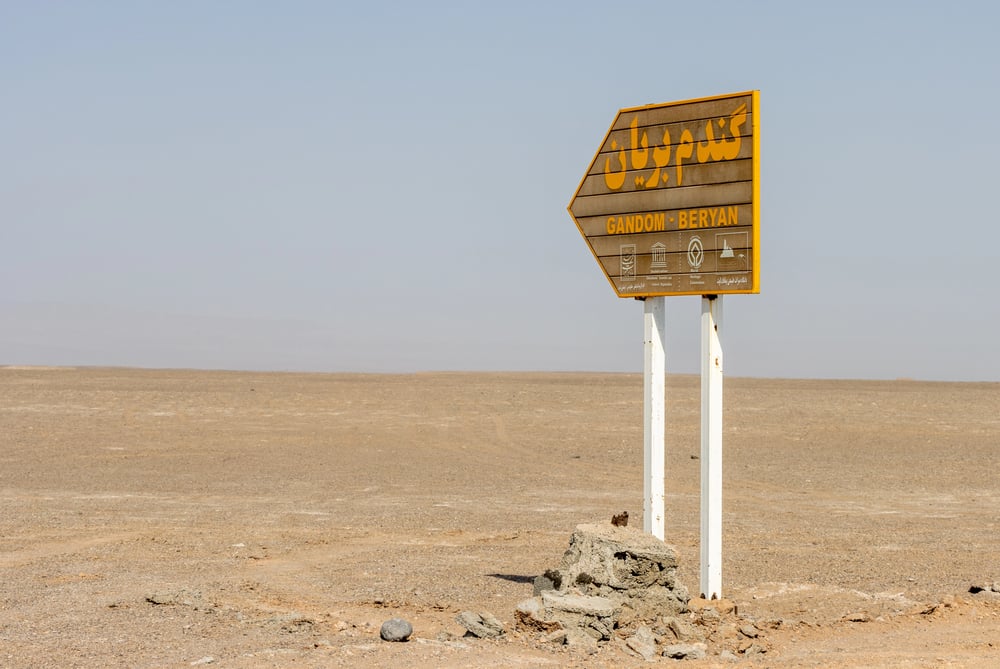
Satellite measurements of this desert’s surface temperature have reached 159.3 degrees Fahrenheit, though air temperatures stay somewhat lower. The blackened lava formations absorb sunlight and radiate heat like natural furnaces.
Nothing grows in the hottest parts of this desert because the ground literally sterilizes seeds. Local legends claim that even snakes and insects die trying to cross certain areas.
The name translates roughly to ’emptiness plain,’ which perfectly captures the landscape’s character.
Oymyakon, Russia
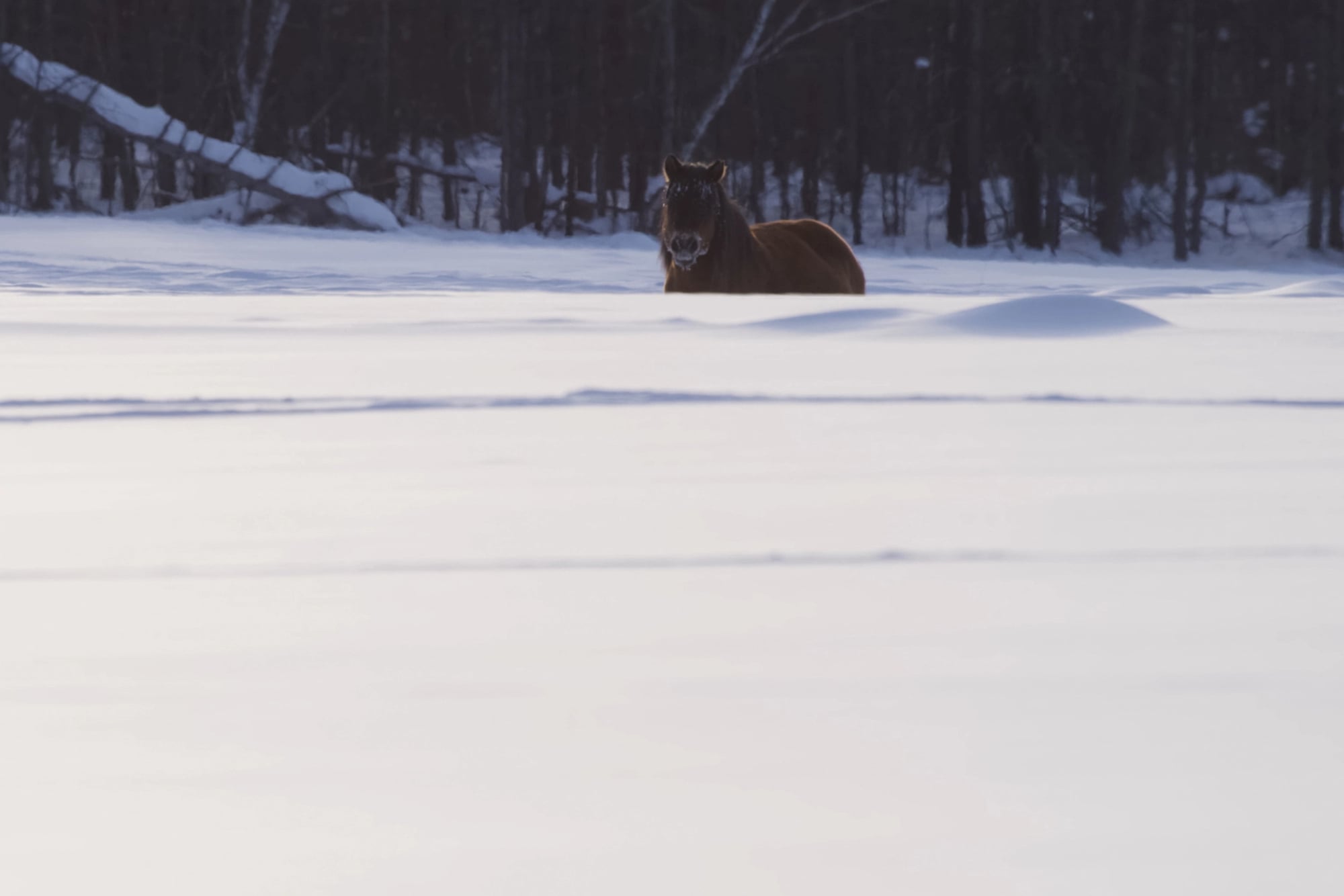
This Siberian village competes for the title of coldest permanently inhabited place on Earth with winter temperatures regularly dropping below negative 60 degrees. The coldest temperature recorded there hit negative 96.2 degrees in 1924, though some sources claim even lower unofficial readings.
Residents leave their cars running all day during winter because turned-off engines freeze solid and become impossible to restart. Keeping livestock alive requires constant work, and growing food outdoors is basically impossible.
Despite the hardships, about 500 people live there year-round.
Dallol, Ethiopia
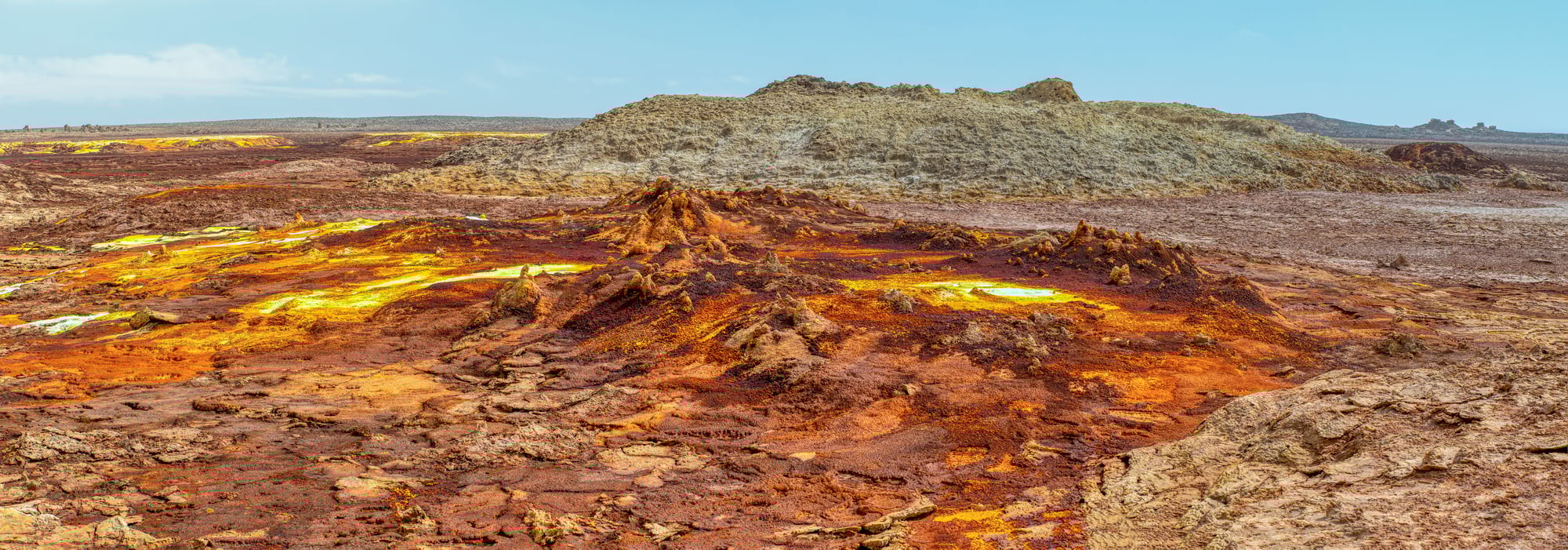
This volcanic crater holds the record for highest average annual temperature at 94 degrees Fahrenheit year-round. The area features acidic hot springs, sulfur deposits, and salt formations in surreal colors.
Daytime temperatures regularly exceed 115 degrees even in the cooler months. The combination of heat, toxic gases, and acidic water makes it one of the most hostile environments on the planet.
Scientists study Dallol because its extreme conditions resemble what life might face on other planets.
Dome Argus, Antarctica
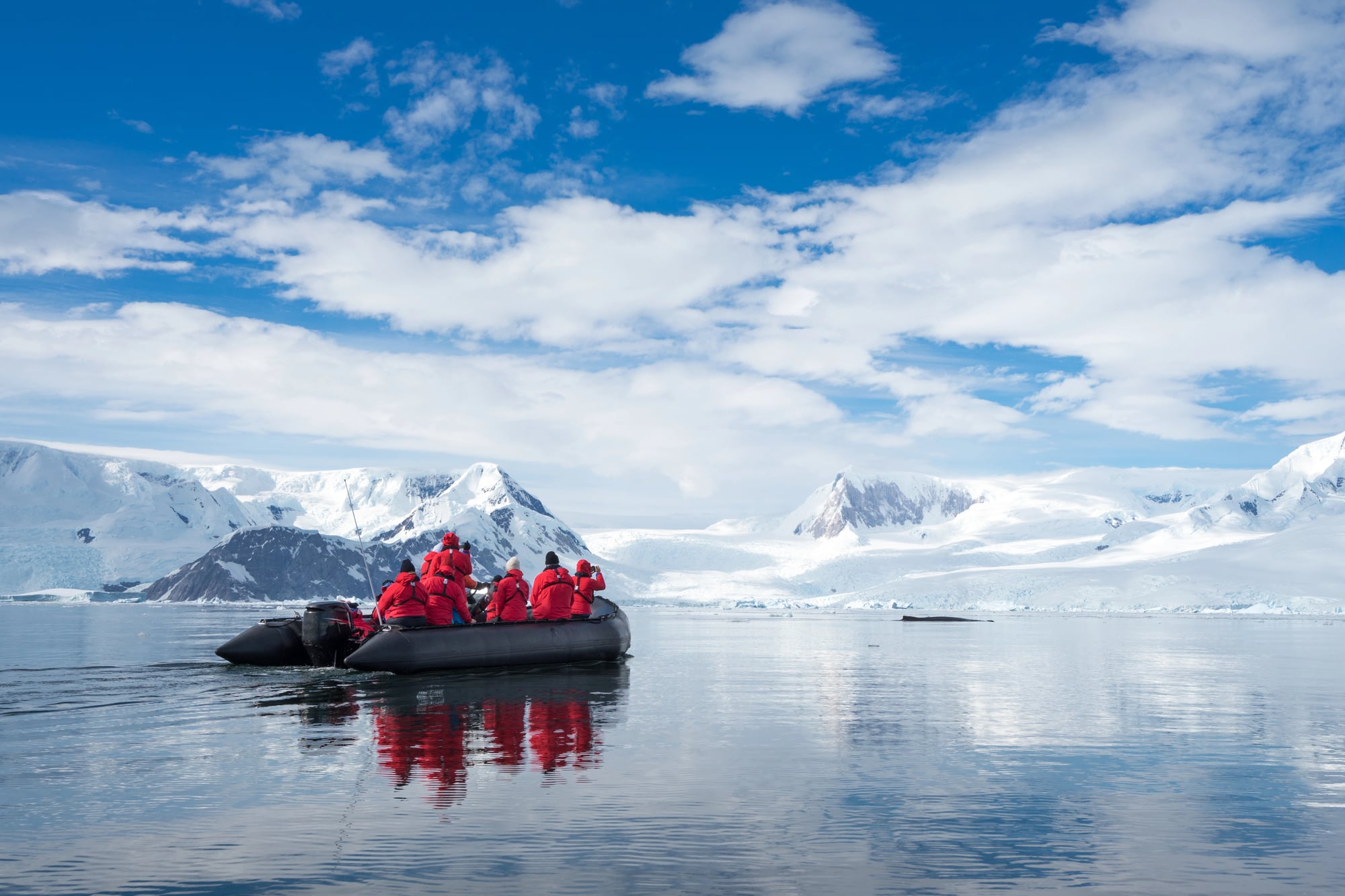
This high point on the Antarctic plateau reaches elevations over 13,000 feet and experiences temperatures that rival Vostok Station. The thin air at this altitude provides almost no insulation, letting heat escape rapidly.
Temperatures have been recorded as low as negative 135 degrees Fahrenheit. China operates an automated research station there, but humans can only visit during the brief summer months.
The extreme cold makes it an ideal location for astronomical observations when conditions allow.
Tirat Tsvi, Israel
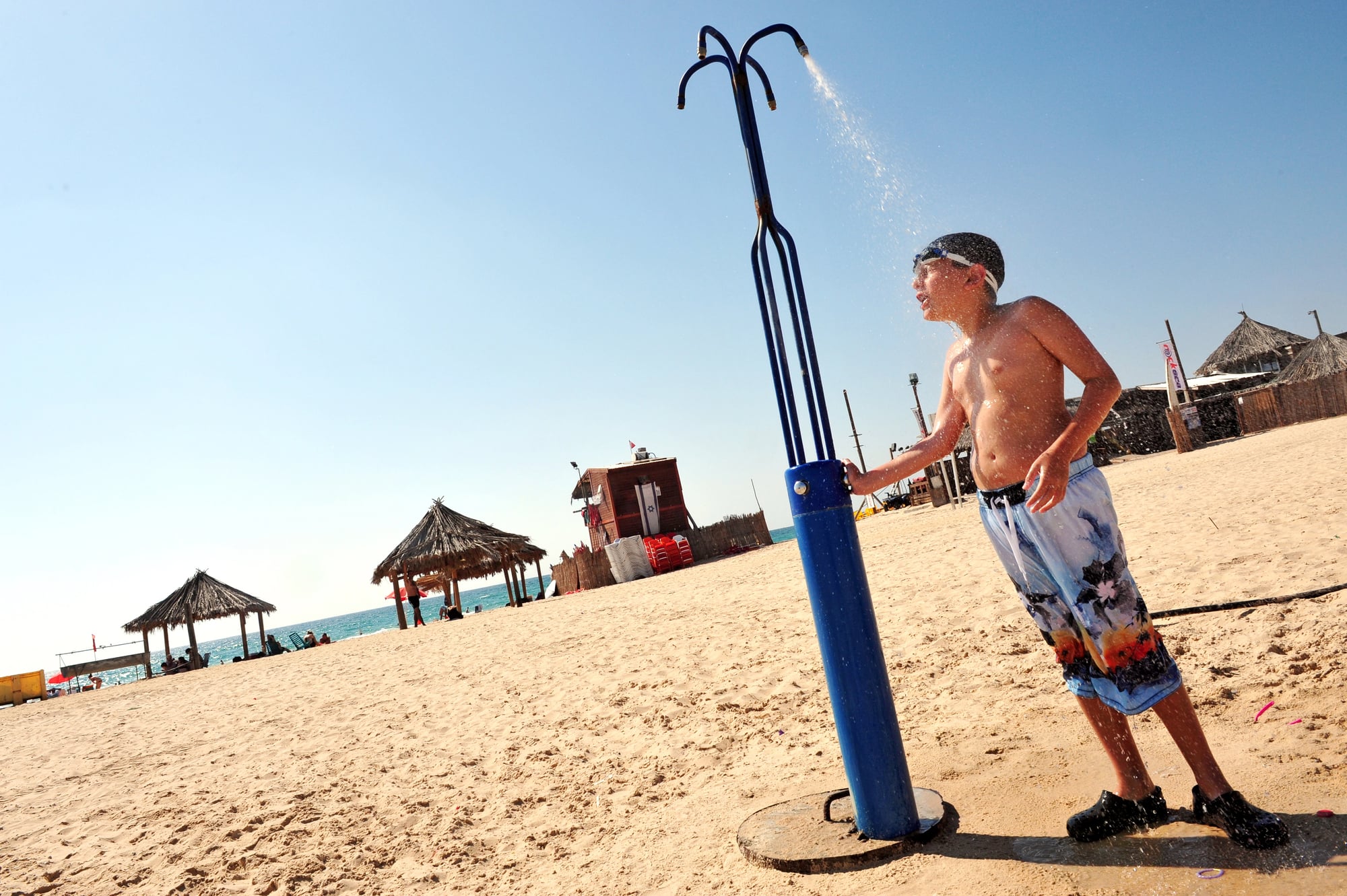
This kibbutz in the Jordan Valley recorded 129 degrees Fahrenheit in June 1942, making it the hottest temperature ever measured in Asia. The valley sits below sea level and heat accumulates throughout the long, cloudless summers.
Residents have adapted with extensive irrigation systems and agricultural practices designed for extreme heat. Date palms and fish farms thrive despite conditions that would kill most crops.
The community has turned its hostile climate into an economic advantage through specialized farming.
Snag, Yukon
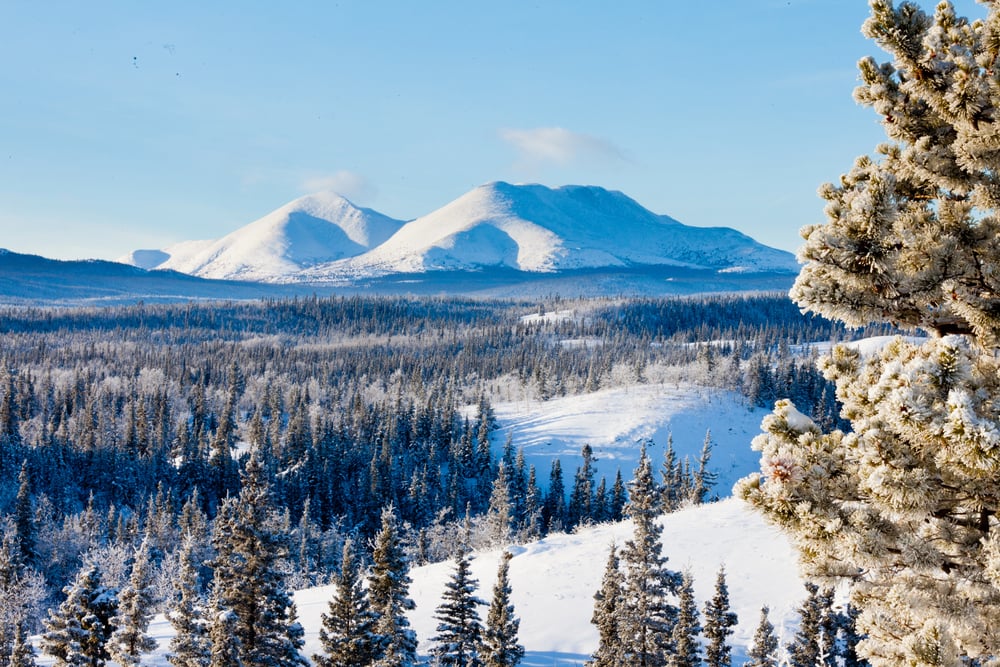
This tiny Canadian village recorded negative 81.4 degrees Fahrenheit in February 1947, the coldest temperature ever measured in continental North America. The settlement sits in a valley that traps cold air like a freezer.
Only a handful of people live there now, mostly maintaining the airstrip and weather station. During the record cold snap, residents reported that their breath instantly turned to ice crystals that made a tinkling sound hitting the ground.
Even by Yukon standards, Snag’s winters are legendarily brutal.
Kebili, Tunisia
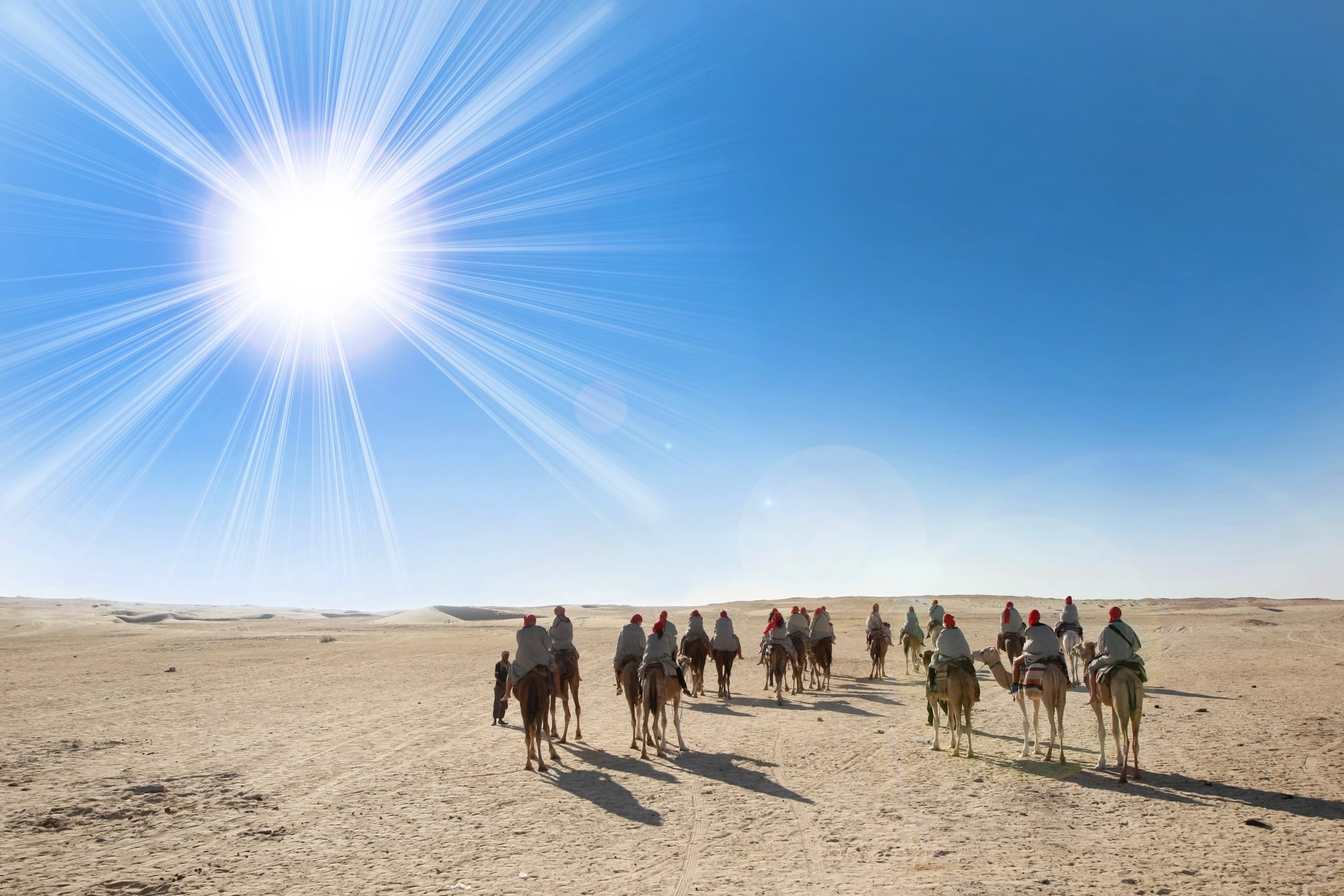
This North African oasis town recorded 131 degrees Fahrenheit in July 1931, though modern meteorologists question the measurement’s accuracy. Whether or not it holds the record, Kebili regularly experiences temperatures above 120 degrees during summer.
Ancient underground irrigation systems called foggaras bring water from distant aquifers to keep date palm groves alive. The town’s traditional architecture uses thick mud walls and small windows to combat the heat.
Residents traditionally take long midday breaks when working outside becomes genuinely dangerous.
Verkhoyansk, Russia
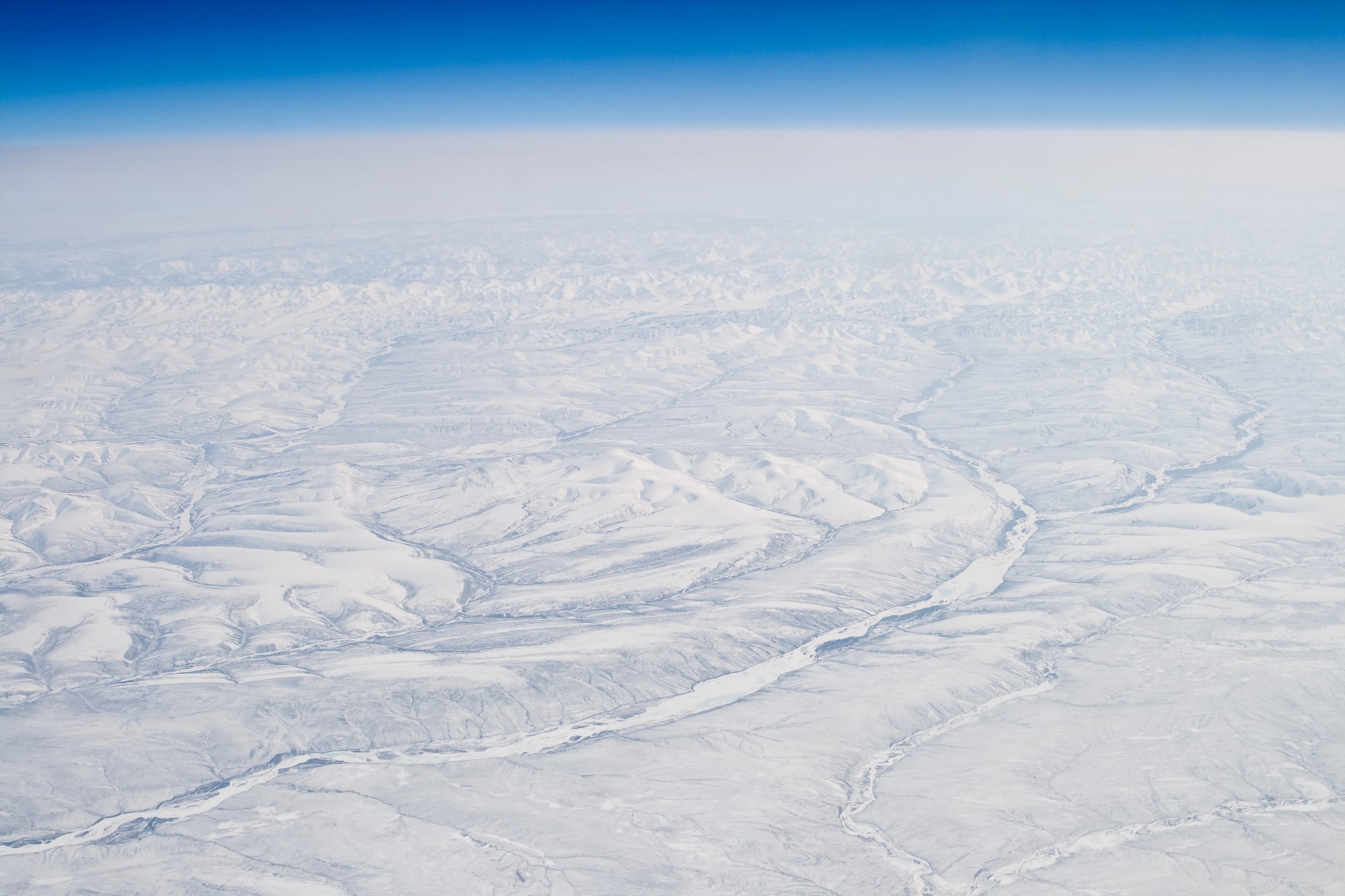
This Siberian town has the distinction of experiencing the greatest temperature range on Earth, from negative 90 degrees to positive 98 degrees. The nearly 190-degree swing between winter and summer extremes is hard for outsiders to comprehend.
Winter lasts about eight months with only a few hours of dim daylight. The brief summer brings clouds of mosquitoes that thrive in the swampy ground created by melting permafrost.
About 1,300 hardy souls live there permanently.
Kuwait City, Kuwait
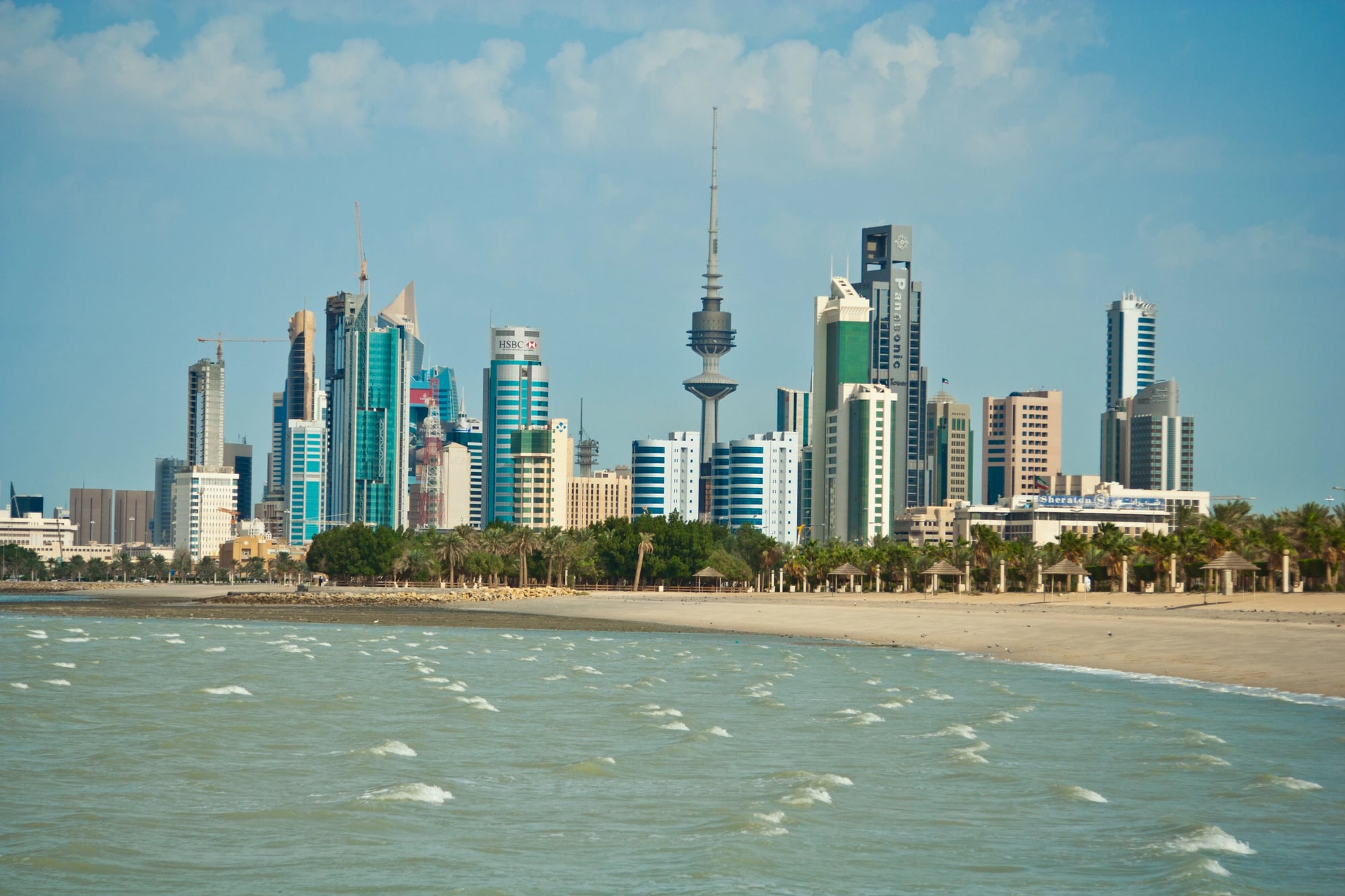
This Middle Eastern capital recorded 129.2 degrees Fahrenheit in July 2016, one of the highest reliably measured temperatures in modern times. The combination of desert location and urban heat island effect creates brutal conditions during summer months.
Air conditioning is not a luxury but a basic necessity for survival. Outdoor work stops during the hottest hours, and some summers see heat so intense that roads actually melt.
The wealthy Persian Gulf nation can afford extensive cooling infrastructure that makes life possible.
Prospect Creek, Alaska
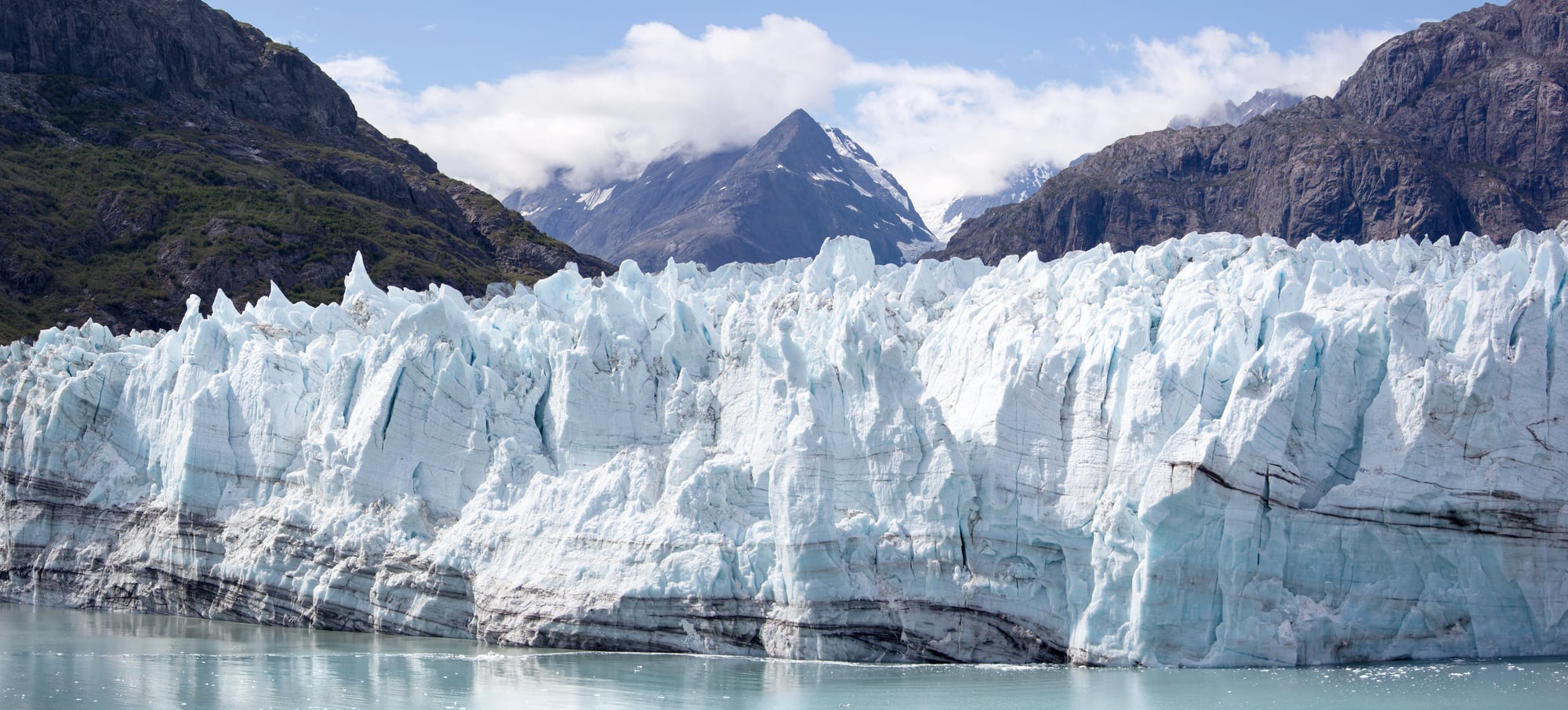
This pipeline camp in northern Alaska holds the U.S. record for coldest temperature at negative 80 degrees Fahrenheit in January 1971. Workers at the camp reported that exposed skin froze in under a minute at that temperature.
The site sits in a valley where cold air settles and stagnates during winter. Only a few buildings remain now that pipeline construction has finished.
The Alaskan wilderness reclaimed most of the camp, but the temperature record ensures its place in history.
Timbuktu, Mali
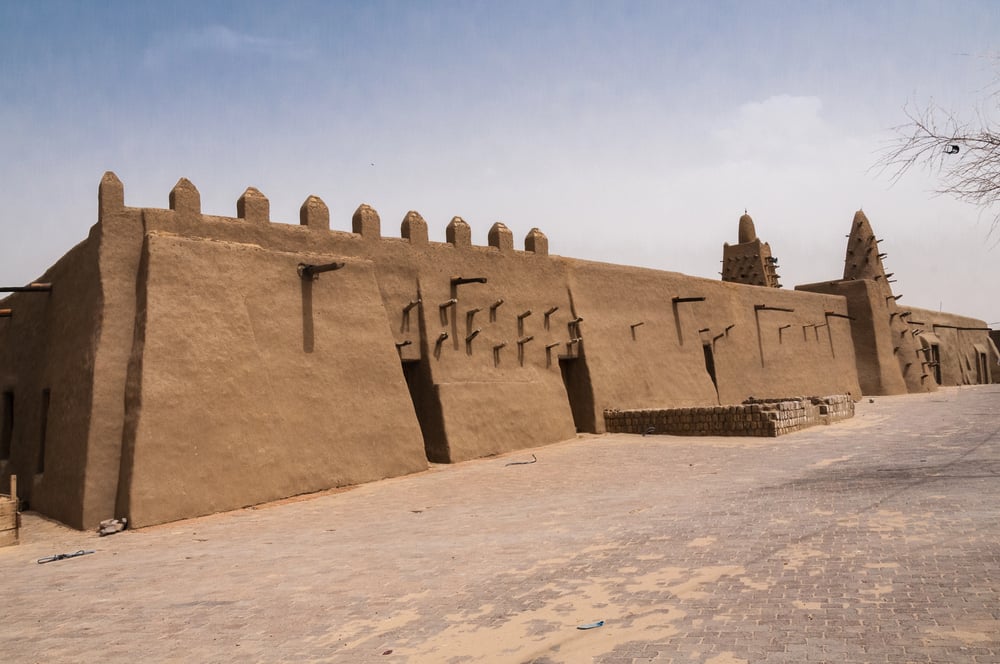
This legendary city on the edge of the Sahara Desert experiences temperatures regularly exceeding 115 degrees during its hot season. The desert location means almost no humidity, so temperatures can drop 40 degrees or more at night.
Ancient mud-brick architecture provides natural cooling that modern air conditioning struggles to match. Sand from the expanding desert threatens to bury parts of the city over time.
Climate change has made conditions even more extreme in recent decades.
Eureka, Nunavut
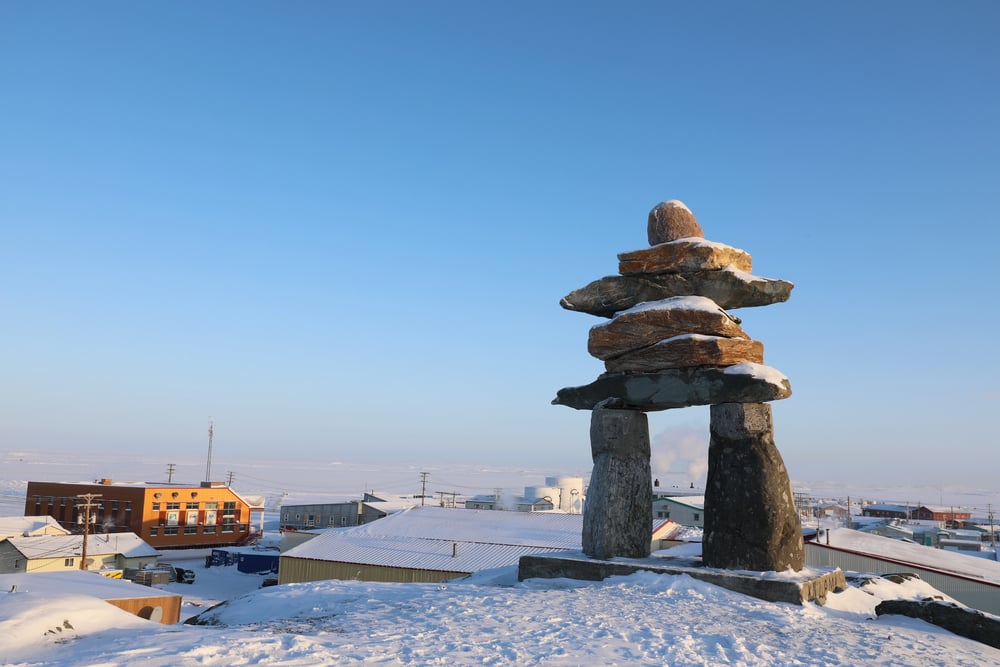
This Canadian research station sits at about 80 degrees north latitude, making it one of the world’s most northern permanently occupied places. Winter temperatures regularly drop below negative 50 degrees and darkness lasts for months.
The station recorded negative 64 degrees during a particularly brutal cold snap. Scientists and military personnel work there in shifts because the isolation and darkness take serious psychological tolls.
Summer temperatures occasionally reach above freezing, creating a brief window of relative warmth.
Ahvaz, Iran
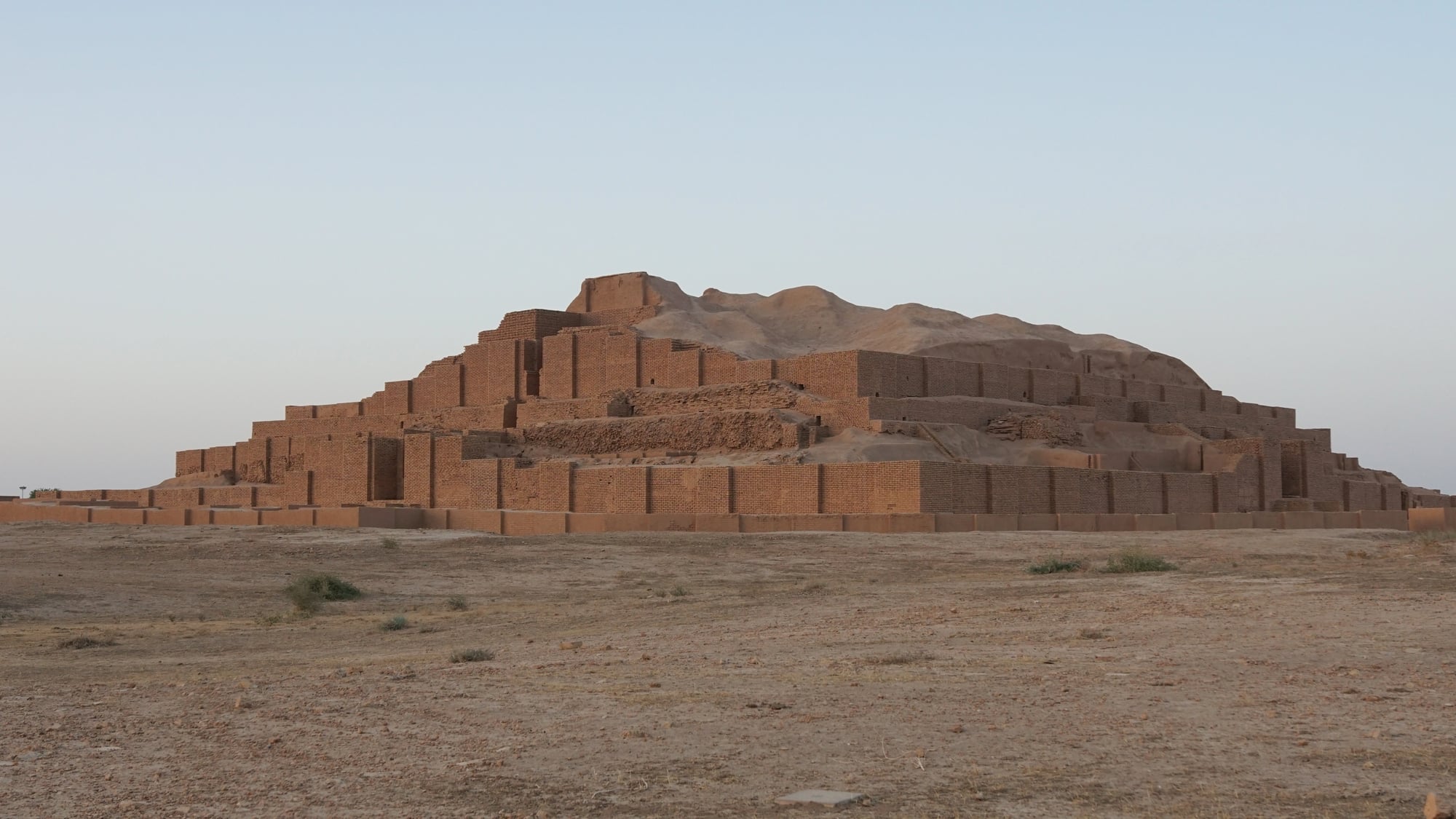
Summer here hits harder than in most big cities across the planet. When humidity joins high temps, it feels like 165 degrees – enough to put health at serious risk.
Sitting low by a river, the land holds onto warmth and damp air without letting go. Gritty winds sweep through when skies get too hot, making days even rougher.
Still, more than a million stay rooted in Ahvaz, shaping routines to survive the scorching stretch.
Dome Fuji, Antarctica
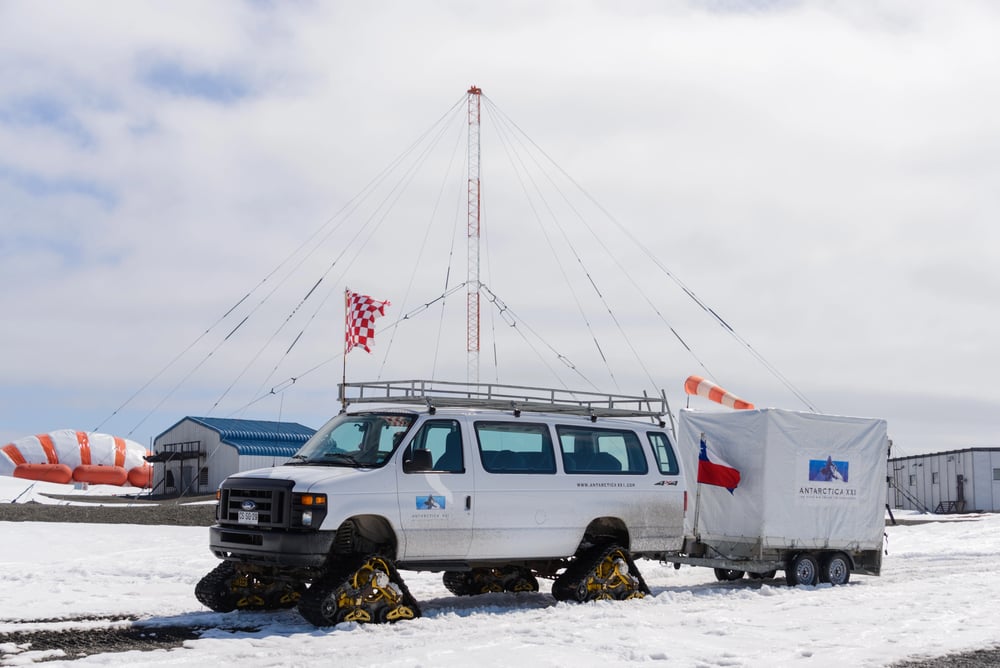
High up on Antarctica’s frozen plateau, this Japanese base rests more than 12,000 feet above sea level. Far south and lifted by thin air, cold here bites harder than almost anywhere else.
Readings have dropped to minus 136 degrees Fahrenheit. Crews run the site just when sunlight lasts longer; dark winters shut everything down.
Sunshine brings little warmth – most days stay below minus 20.
There’s a place where people keep going anyway
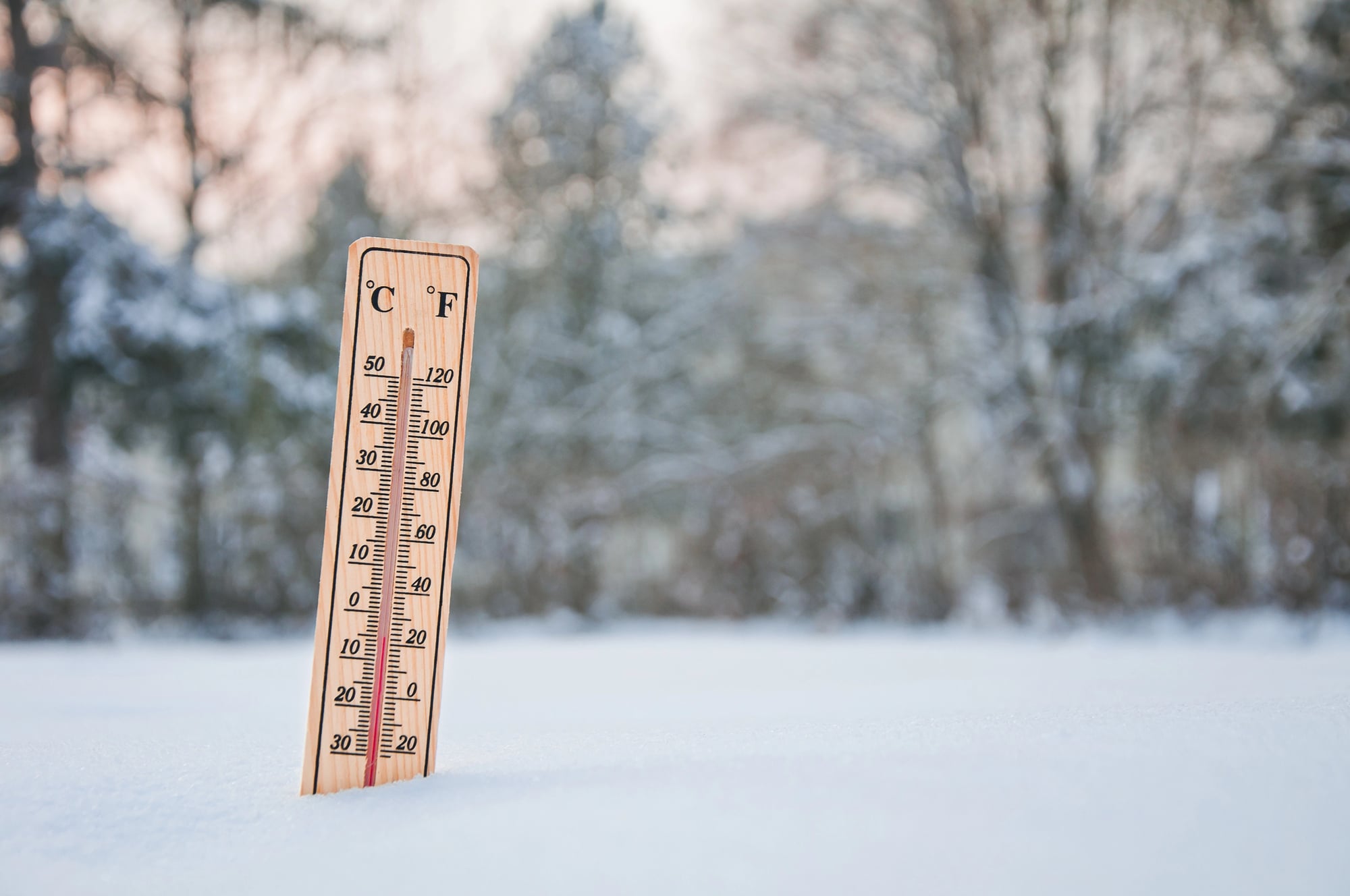
Out here where cold bites through steel, folks still rise each morning. Though machines hum and shields block wind, it is grit more than gadgets that keeps bodies warm.
From research teams drilling into ice sheets to families tending reindeer across frozen plains, life holds ground. Factories run near glaciers, children walk to school past snowdrifts taller than roofs.
Each breath feels like shards, yet routines form – coffee poured, nets mended, data recorded. Even when darkness lasts months, light returns in small gestures: a shared meal, laughter under auroras.
Numbers on thermometers mean less than willpower stacked against silence. Some stay for science, others because land runs deep in bloodlines.
Heat escapes fast, hope slower. Where nature warns leave, humans answer by building tighter walls.
Not everywhere suits living – but suit or not, someone finds a way.
More from Go2Tutors!

- The Romanov Crown Jewels and Their Tragic Fate
- 13 Historical Mysteries That Science Still Can’t Solve
- Famous Hoaxes That Fooled the World for Years
- 15 Child Stars with Tragic Adult Lives
- 16 Famous Jewelry Pieces in History
Like Go2Tutors’s content? Follow us on MSN.