Communication Tools That Transformed Communities
Communities have always depended on how well people can share information with each other. When new ways of communicating emerge, they don’t just make things faster or easier.
They reshape how people connect, organize, and build something together. Some tools did this so effectively that looking back, it’s hard to imagine those communities functioning without them.
The Town Crier’s Voice

Before most people could read, communities relied on town criers to spread news. These weren’t just messengers.
They served as the living newspaper, standing in public squares and calling out announcements that everyone needed to hear. Their voices carried authority because they represented official sources.
When a town crier spoke, people stopped what they were doing and listened. That simple act of gathering to hear news created a shared experience that bound communities together.
Printed Newspapers Changed Everything

The printing press made news available to anyone who could read, and eventually to those who couldn’t through shared reading. Communities suddenly had a daily record of events, debates, and ideas.
Local newspapers became more than information sources. They gave neighborhoods their own identity and voice.
People from the same area could discuss the same stories, agree or disagree about local issues, and feel connected to something bigger than their immediate circle.
Telegraph Wires Across Distances

When telegraph lines stretched across countries, distance stopped being such a barrier. A message that would have taken weeks by horse could arrive in minutes.
Communities that felt isolated suddenly had a lifeline to the wider world. Small towns got access to market prices, weather warnings, and news from distant places.
This changed how rural communities made decisions and saw themselves in relation to cities and other regions.
Party Lines Connected Neighbors

Early telephone systems often used party lines where multiple households shared the same line. You could pick up the phone and hear your neighbor’s conversation already in progress.
Privacy took a backseat to connection. But these shared lines created an informal network where people knew what was happening in their community almost instantly.
Emergency news spread fast, and that mattered when minutes could make a difference.
Radio Brought Voices Home
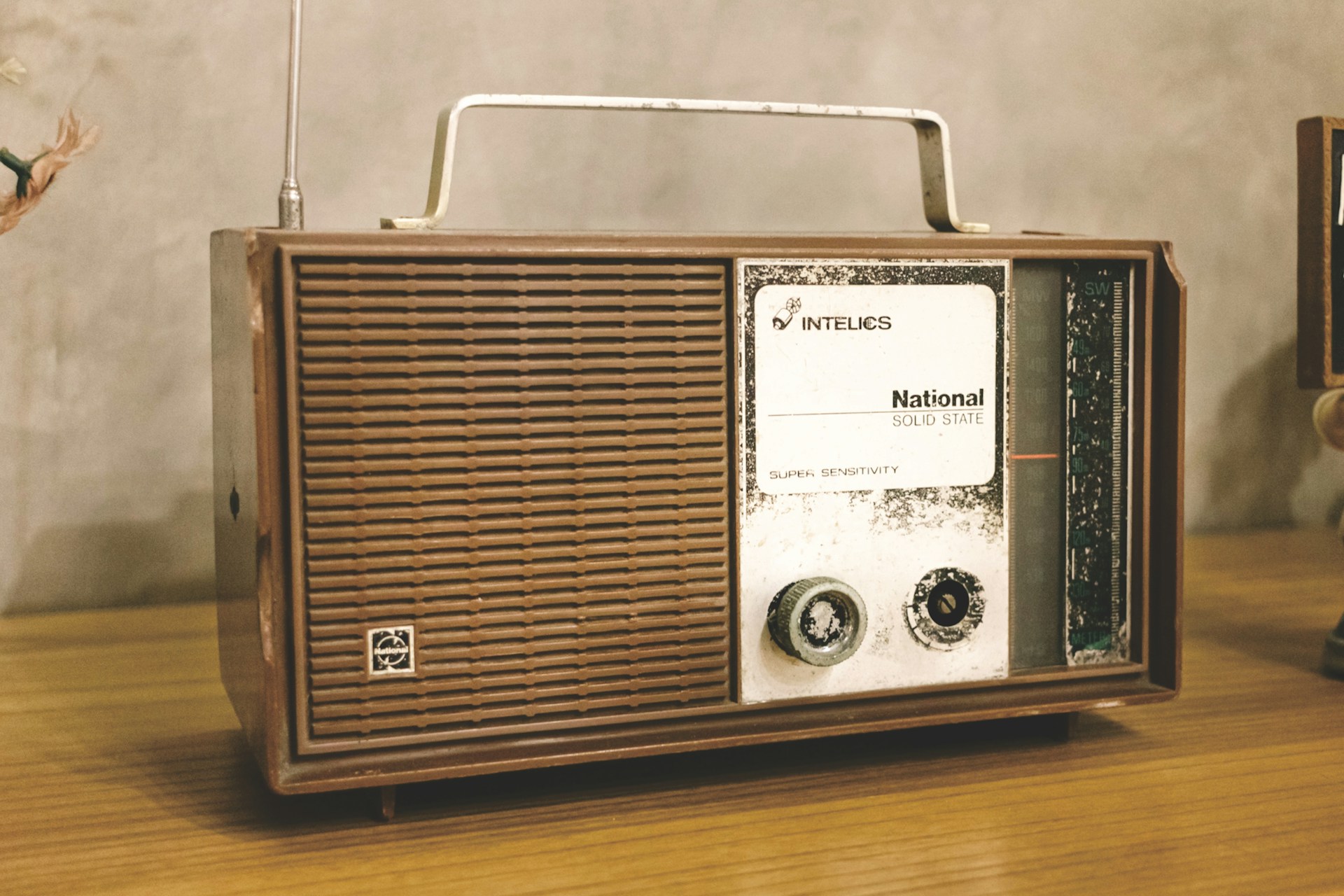
Radio broadcasts meant you didn’t need to leave your house to hear important announcements or entertainment. Families gathered around radio sets like they were gathering around a storyteller.
During crises, radio became the voice of calm or urgency that entire communities trusted. President Franklin Roosevelt’s fireside chats showed how radio could make national leaders feel like they were speaking directly to you in your living room, creating a sense of shared purpose across millions of people.
CB Radios for the Road
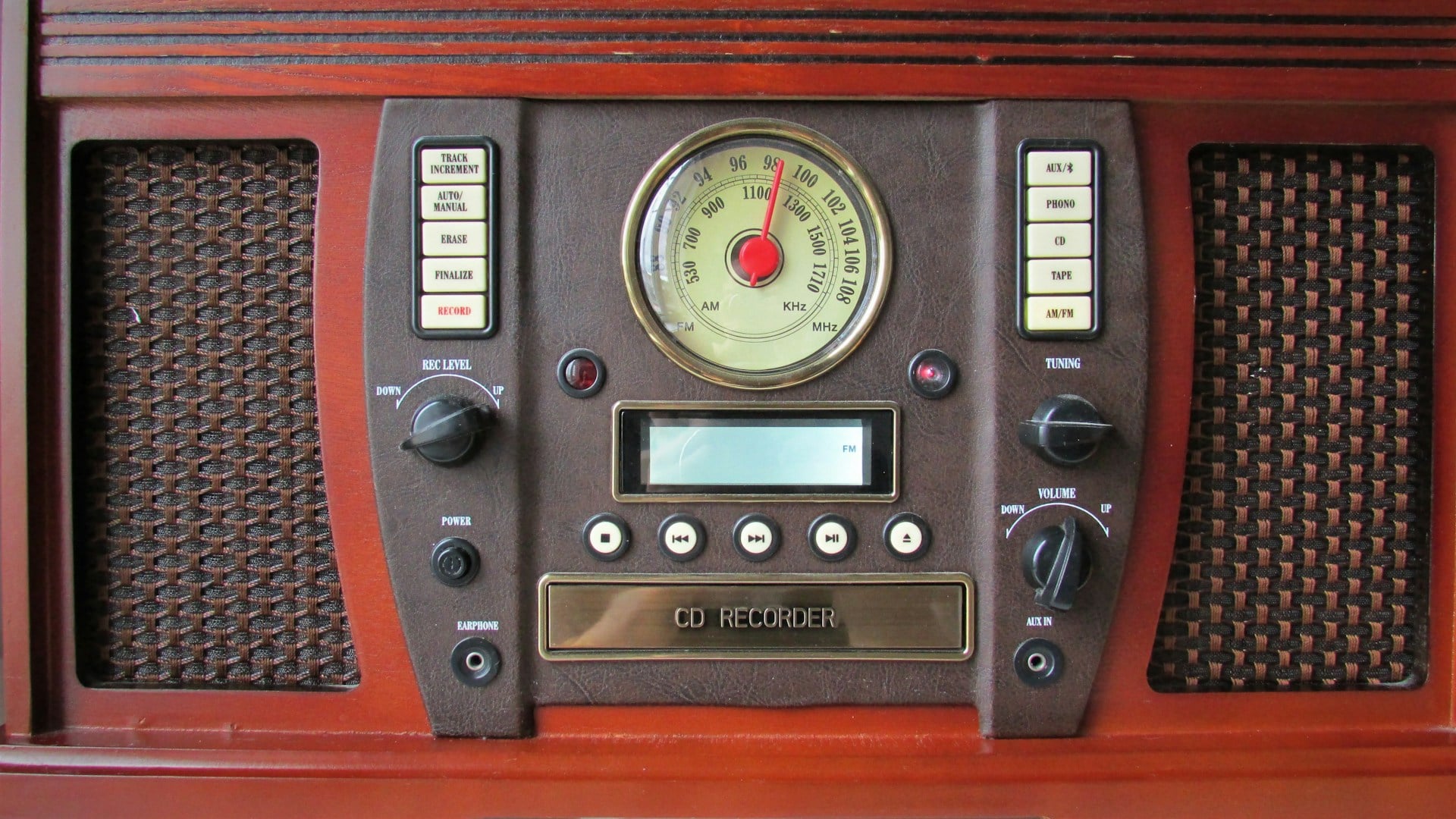
Truckers and travelers adopted CB radios as their own communication network. Highways became communities where people you’d never meet face-to-face still looked out for each other.
CB users warned about speed traps, accidents, and weather conditions. They created their own language and culture.
That sense of being part of a helpful network made long, lonely drives less isolating.
Bulletin Board Systems Built Digital Spaces
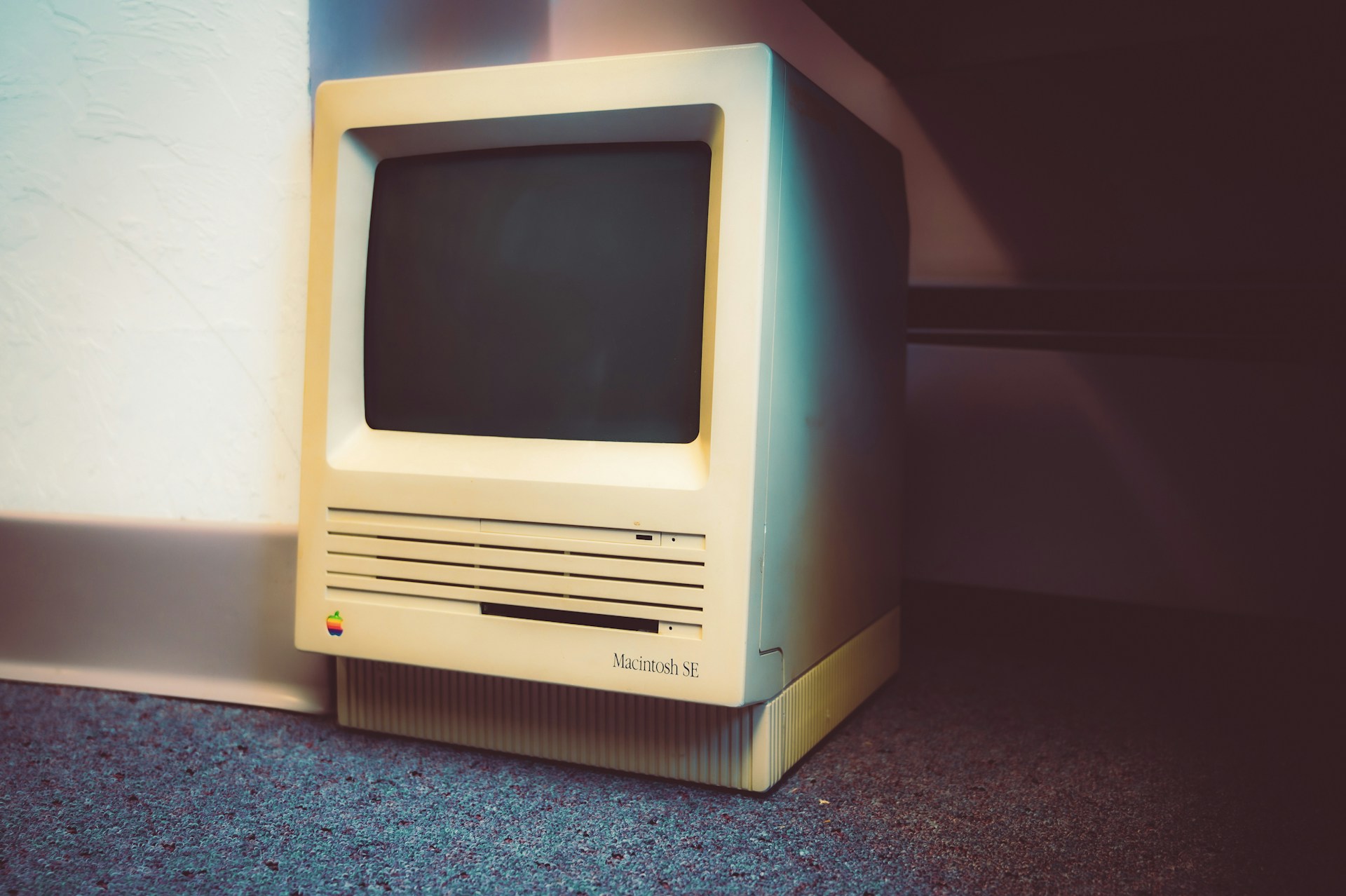
Before the internet as you know it, BBS networks let people with modems dial into local computer systems. These were tiny digital communities, often just a few dozen people in the same city who logged in to share messages and files.
The technical barriers meant only dedicated enthusiasts participated. But those early adopters built tight-knit groups with their own inside jokes, ongoing debates, and genuine friendships—all through text on a screen.
Email Lists Created Interest Groups
Email listservs gave people with niche interests a way to find each other across geographic boundaries. You could join a mailing list about medieval history or rare plant cultivation and suddenly be in daily conversation with experts and enthusiasts worldwide.
These lists became archives of collective knowledge. Someone asking a question might get answers from five different perspectives, creating a resource that grew more valuable over time.
Mobile Phones Made Everyone Reachable

Cell phones didn’t just make communication mobile. They made it constant.
You could coordinate on the fly, change plans in real time, and reach someone regardless of where they were. This changed how communities organized everything from casual meetups to emergency responses.
Flash mobs and protest movements could assemble quickly because organizers could contact hundreds of people within minutes.
Social Media Reconnected Old Ties
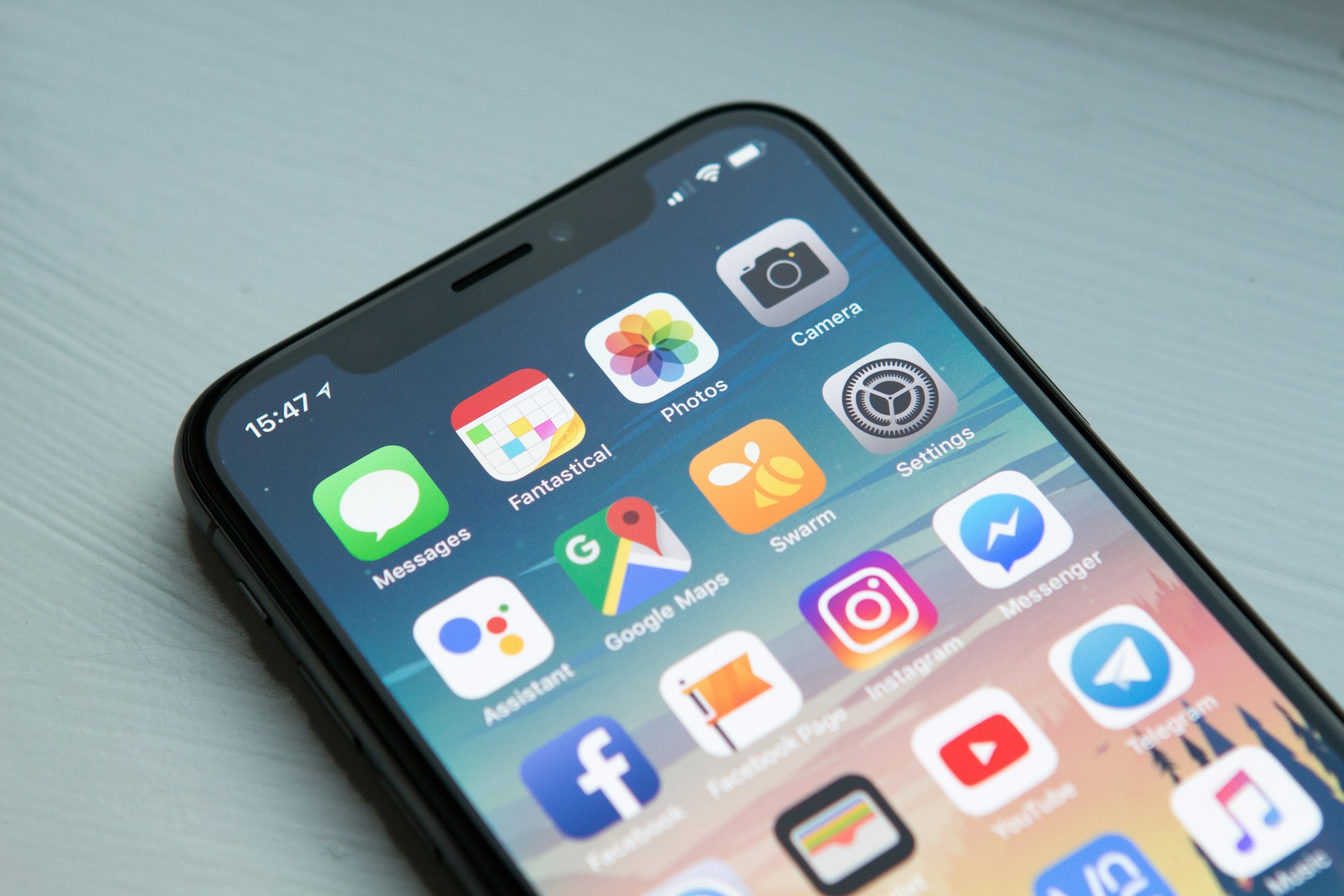
Facebook and similar platforms let people find classmates they hadn’t seen in decades and maintain relationships that would have faded otherwise. Your community suddenly included people from different phases of your life, all in one place.
The downside came with the permanence of it all. But for many communities—especially diaspora groups and military families—these platforms provided a way to maintain bonds across distance that previous generations couldn’t have imagined.
WhatsApp Groups Organized Everything
WhatsApp turned group chats into the default way many communities coordinate daily life. Parent groups for schools, neighborhood watch groups, extended family chats—they all found a home in this simple messaging app.
The platform worked across different phone types and in places where traditional mobile plans were expensive. That accessibility made it indispensable for immigrant communities maintaining connections across borders and for organizers in developing countries mobilizing people around shared causes.
Zoom Sustained Communities During Isolation

When physical gathering became impossible, Zoom kept communities functioning. Book clubs, exercise classes, support groups, and worship services all moved online.
The tool wasn’t perfect, but it was good enough. What surprised many people was how much you could maintain through video calls.
Sure, it wasn’t the same as being in person. But seeing faces and hearing voices in real time preserved something essential that pure text communication couldn’t match.
Discord Brought Gamers Together

Discord servers started as a tool for gamers to chat while playing, but they evolved into full community spaces. People built elaborate servers with different channels for different topics, creating digital spaces that felt like home.
These communities often transcended the games that brought people together. Members supported each other through real-life challenges, celebrated personal milestones, and built friendships as genuine as any formed offline.
Neighborhood Apps Made Streets Social Again

Nextdoor-style apps brought back a simple concept – getting to know nearby folks. When trouble’s spotted, someone usually posts it online instead.
Lost animals often get found thanks to quick messages flying around. Need help fixing things? Neighbors toss out suggestions fast.
Yard sales pop up regularly through short alerts. These apps make sense since they focus on nearby spots.
Not linking up with random folks far away – just chatting with someone close by, like the neighbor three doors over who spotted your lost pet or can recommend a solid plumber.
The Thread That Runs Through

Every gadget listed here had one basic job: helping people pass info around quicker. Yet when talking gets simpler, community life shifts completely.
Teams form at greater speed, help flows smoother, ties stay strong instead of drifting apart. Top apps won’t swap real human bonds – they open doors to way more of them.
More from Go2Tutors!

- The Romanov Crown Jewels and Their Tragic Fate
- 13 Historical Mysteries That Science Still Can’t Solve
- Famous Hoaxes That Fooled the World for Years
- 15 Child Stars with Tragic Adult Lives
- 16 Famous Jewelry Pieces in History
Like Go2Tutors’s content? Follow us on MSN.