31 School Supplies Once in Backpacks That Nobody Buys Anymore
The back-to-school shopping list used to be a physical inventory of paper, plastic, and metal, built around tools that had no digital equivalent. Every item on it eventually got replaced, either by technology or by schools deciding the object itself was more trouble than it was worth.
What’s left is a very specific kind of nostalgia, tied less to any single object than to the ritual of stocking up on all of it every August.
Trapper Keeper Binders
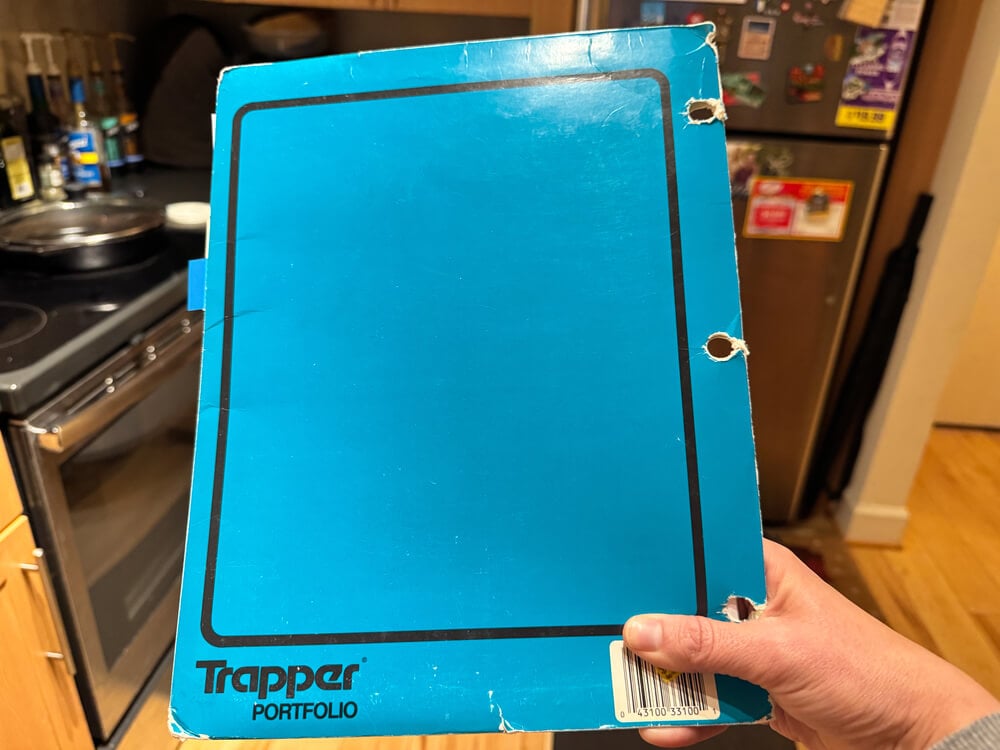
Mead rolled out the Trapper Keeper nationally in 1981, built around a Velcro-flap binder that held separate folders called “Trappers.” It dominated backpacks through the ’80s and ’90s before sales declined in the 2000s and many schools began banning them outright for not fitting in lockers or desks.
Mimeographed “Ditto” Worksheets
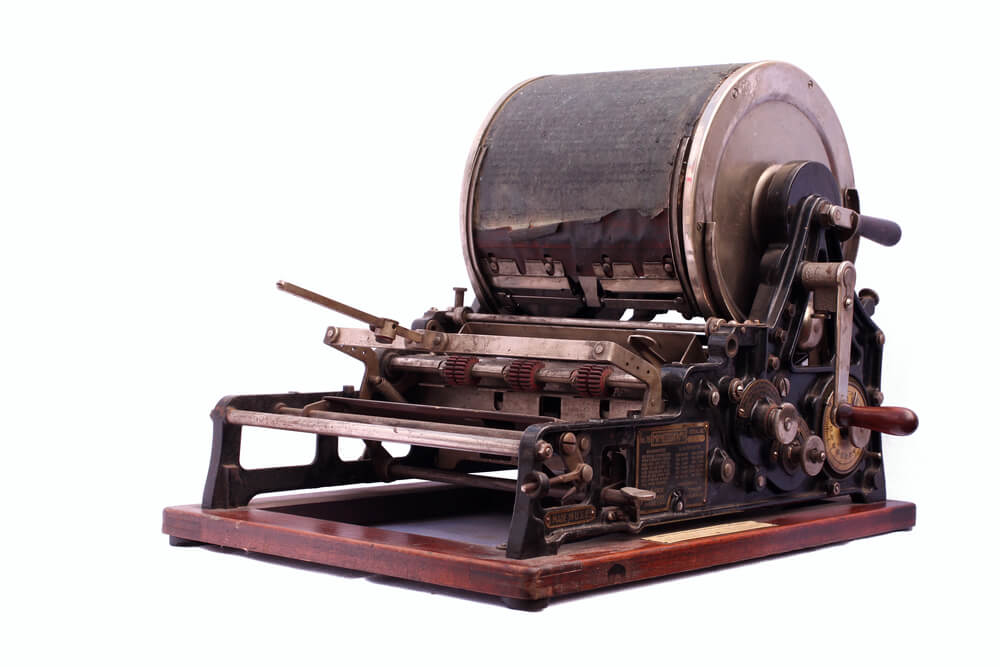
Before photocopiers were standard in schools, teachers ran worksheets off spirit duplicators that produced purple-inked pages with a distinct chemical solvent smell. The machines and the smell both disappeared once schools switched to standard photocopying in the 1980s and 1990s.
Carbon Paper
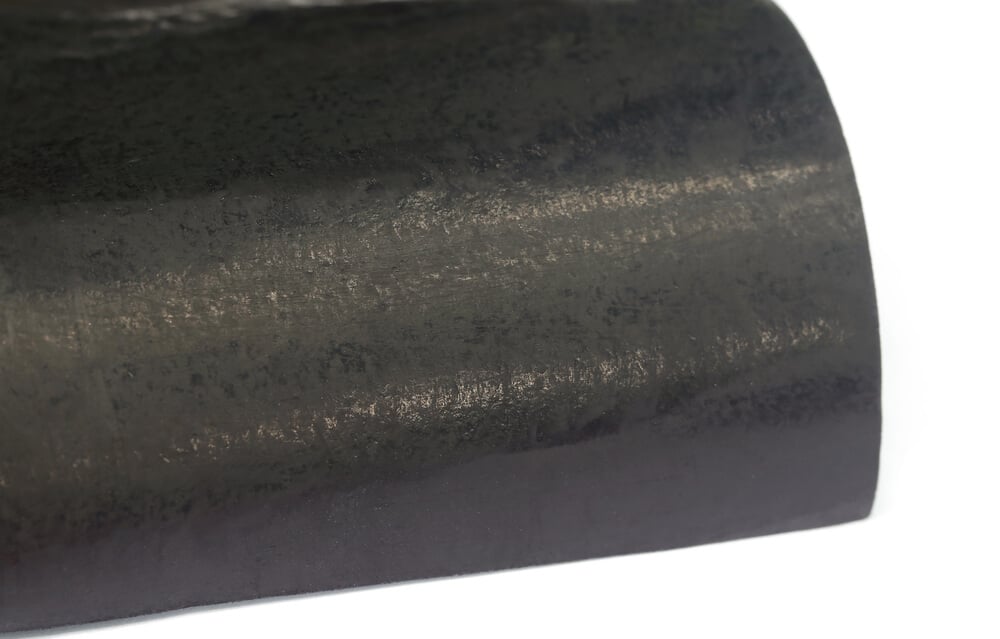
Thin, ink-coated sheets were slipped between pages to create instant duplicate copies of handwritten forms, assignments, or hall passes without any machine involved. Photocopiers and later digital forms made the entire category obsolete by the 1990s.
Big Chief Writing Tablets

These rough, lined newsprint tablets with a Native American chief illustration on the cover were a standard early-elementary purchase for practicing handwriting. Cheaper, higher-quality composition notebooks eventually pushed the specific Big Chief brand out of most school-supply lists.
Pee-Chee Folders

The glossy manila folders printed with illustrations of athletes in motion were a near-universal purchase for organizing loose homework pages. Digital assignment tracking and a shift toward branded character folders reduced the once-ubiquitous Pee-Chee to a niche, mostly nostalgic purchase.
Rubber Cement
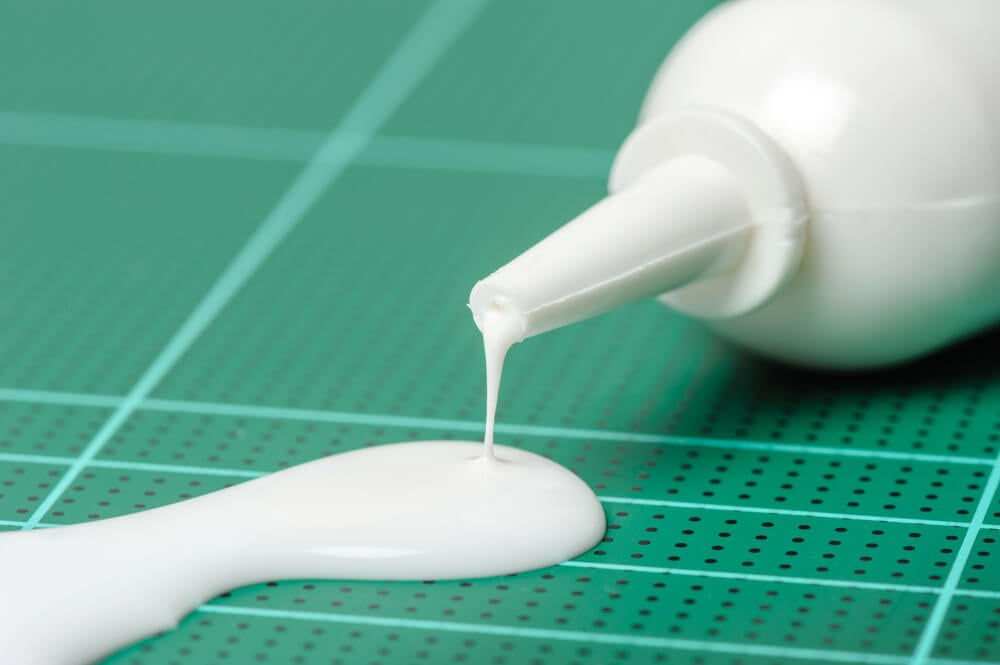
Bottled adhesive with a built-in brush applicator was standard for elementary art and collage projects, prized for peeling cleanly off skin once dried. Glue sticks eventually replaced it in most classrooms because rubber cement’s solvent smell and mess made it a poor fit for younger kids.
Loose-Leaf Reinforcement Rings
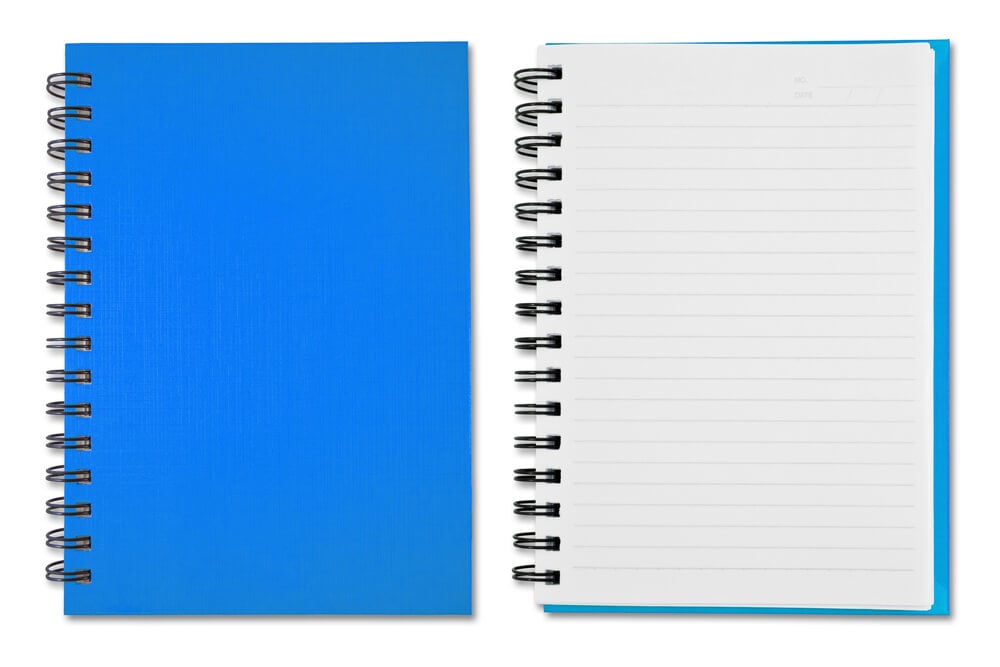
Small adhesive rings were sold specifically to repair torn three-ring binder paper, a purchase that only made sense in a world of physical loose-leaf paper and constant round-punch wear. Digital assignments and sturdier notebook paper have made the product functionally unnecessary.
Slide Rules
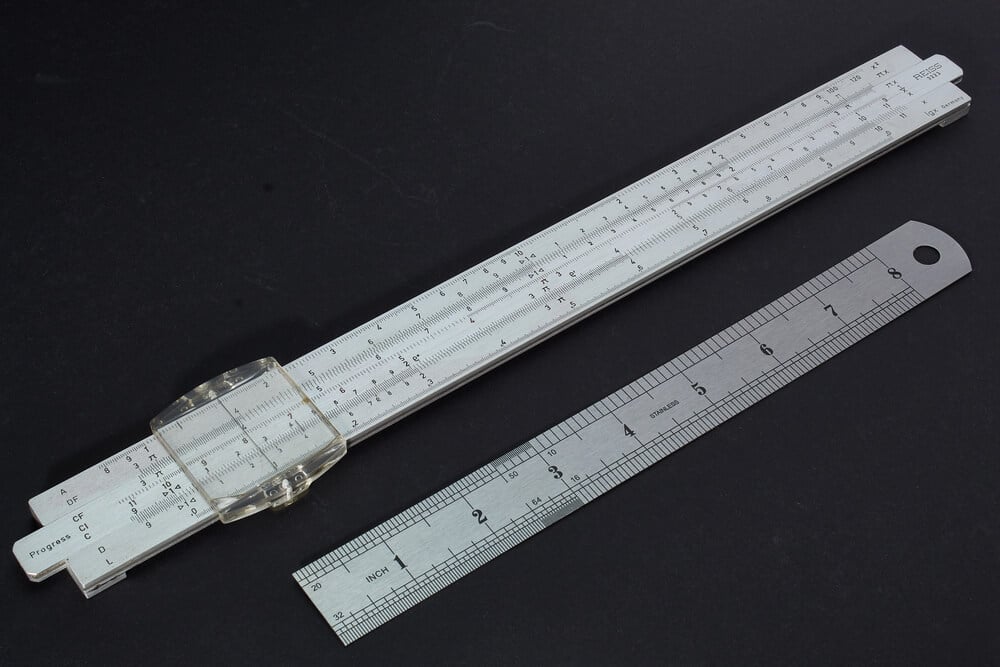
Analog calculating tools with sliding logarithmic scales were standard for advanced math and science students before the price of electronic calculators dropped low enough for widespread school use. Once affordable calculators became common in the late 1970s and 1980s, slide rules disappeared from student supply lists almost entirely.
Metal Pencil Boxes
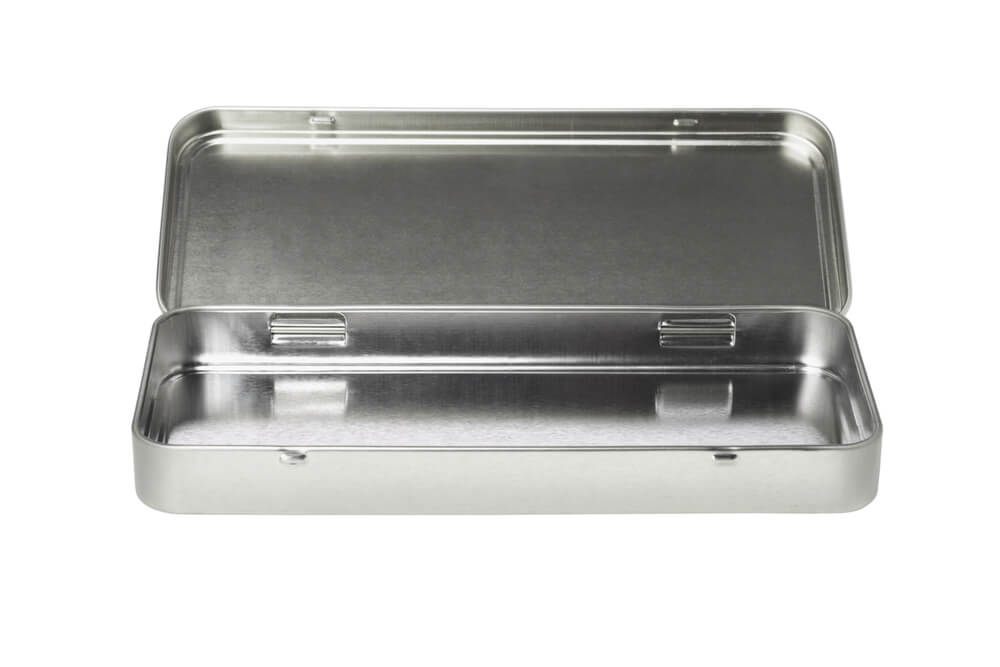
Hinged metal cases, often decorated with cartoon characters, held pencils, erasers, and small tools with a distinctive rattle that plastic cases never quite replicated. Lighter, cheaper plastic and fabric pencil pouches largely replaced them by the 1990s.
Compass and Protractor Geometry Sets
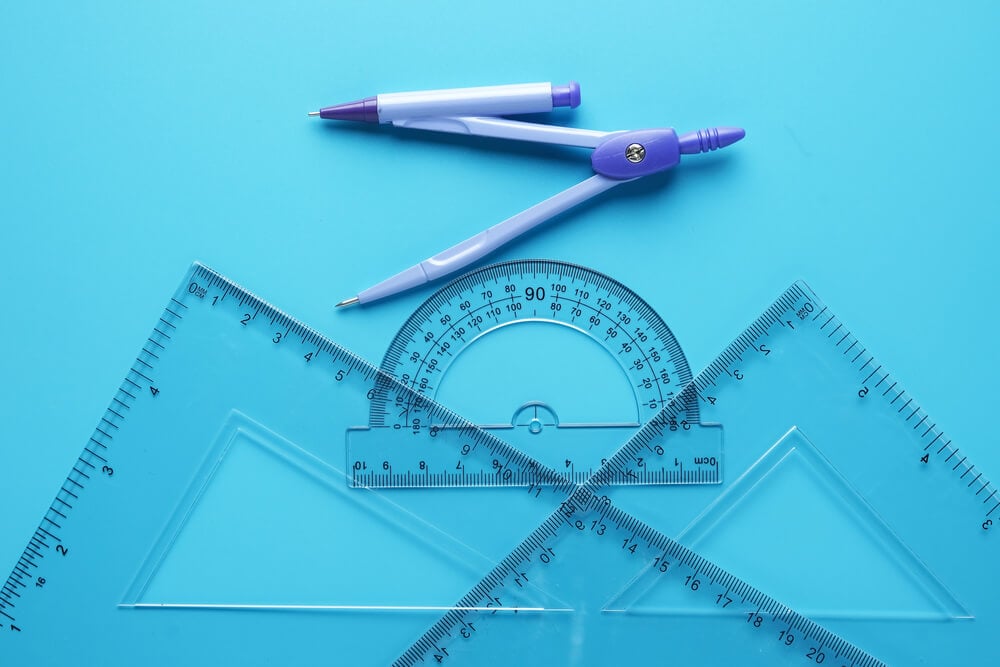
Boxed sets containing a metal compass, protractor, and ruler were a required purchase for geometry units through middle and high school. Graphing software and digital geometry tools built into modern math curricula have made the physical sets a shrinking, specialty purchase.
Scented Novelty Pencils and Erasers

Brands like Yikes! sold fruit- and dessert-scented pencils and erasers as a trading and collecting phenomenon among elementary students in the 1980s and 1990s. The specific novelty-scented category faded from mainstream shelves, surviving now mostly as a collectible resold on secondhand marketplaces.
Paper Grocery-Bag Book Covers

Students commonly cut open brown paper grocery bags to hand-fold covers for textbooks, decorating them with markers as a first-week-of-school ritual. Schools issuing fewer physical textbooks, along with pre-made stretch fabric covers, made the homemade paper-bag version largely disappear.
Cursive Handwriting Practice Workbooks
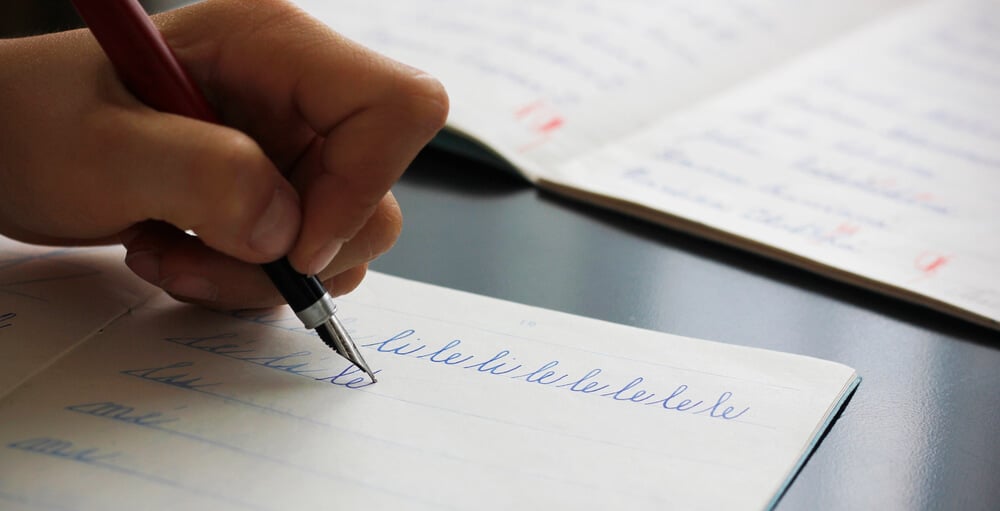
Structured workbooks following methods like Zaner-Bloser or Palmer were a standard purchase for teaching looped cursive letters in elementary school. Many state curricula dropped mandatory cursive instruction in the 2010s, sharply reducing demand for dedicated practice books.
Overhead-Projector Transparency Sheets
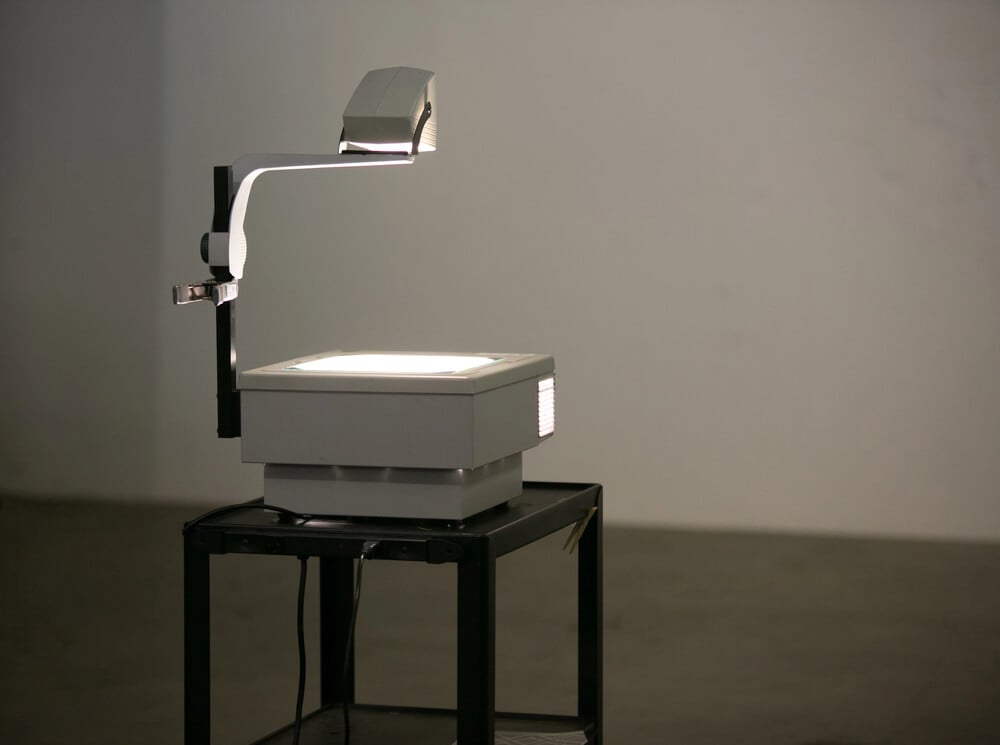
Clear plastic sheets, written on with special markers and projected onto a screen, were the primary visual teaching tool before digital projectors existed. Classroom projectors connected directly to computers replaced overhead projectors, and with them, the transparency sheets students sometimes had to bring for group presentations.
Language-Lab Cassette Tapes
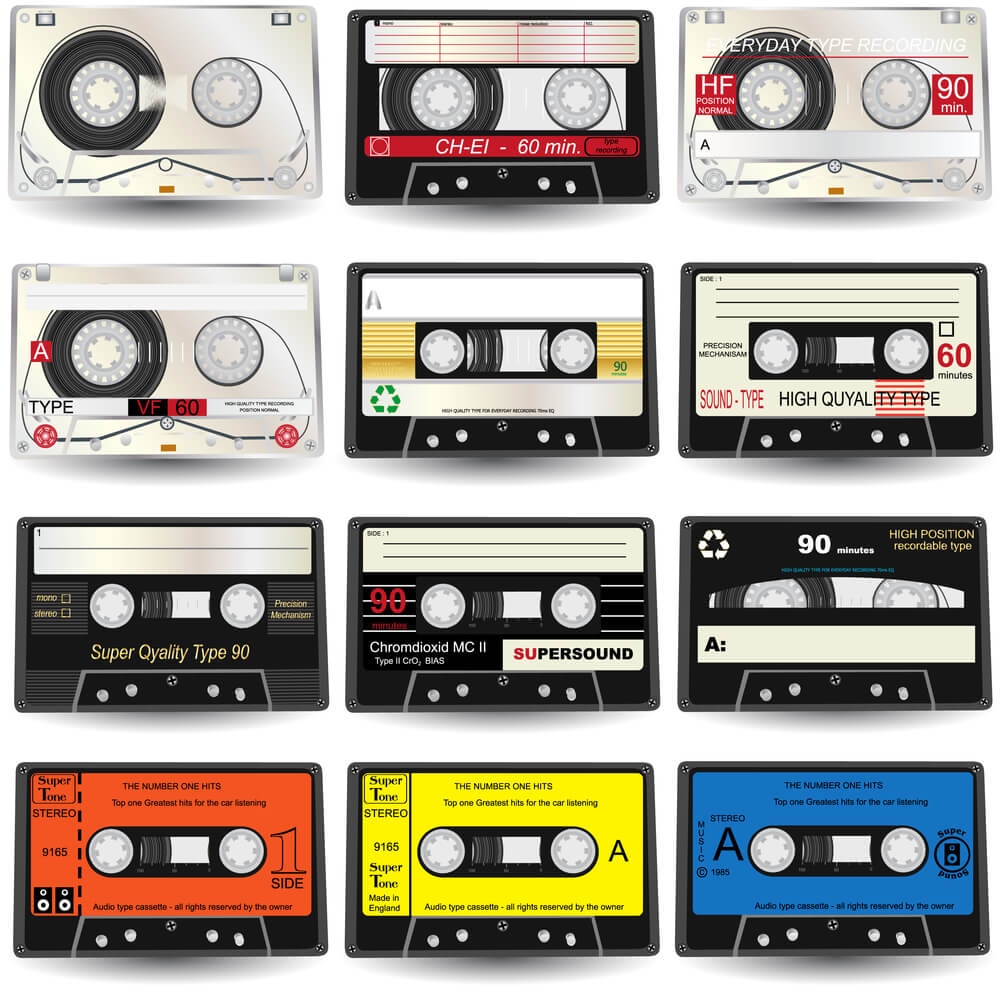
Foreign language classes once required students to bring or check out cassette tapes for pronunciation drills in dedicated language-lab rooms with individual headphone stations. Streaming audio and language-learning apps eliminated the physical cassette entirely by the 2000s.
NCR Carbonless Triplicate Pads
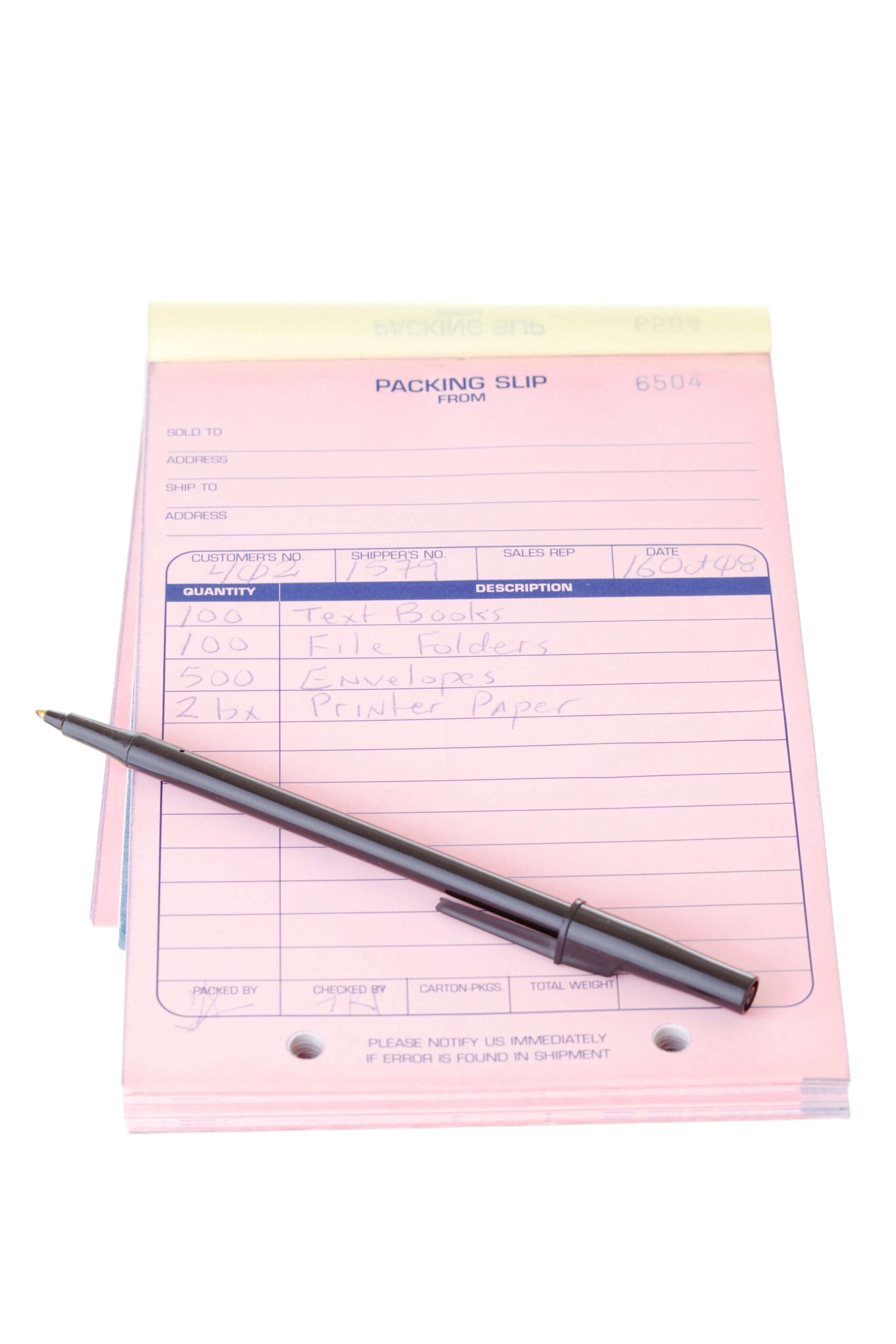
Multi-layer carbonless paper pads, used for hall passes, detention slips, and permission forms, produced an instant duplicate without carbon sheets by using a chemical coating. Digital hall-pass and permission systems have replaced most physical triplicate pads in schools that adopted electronic administration.
Crank-Style Manual Pencil Sharpeners
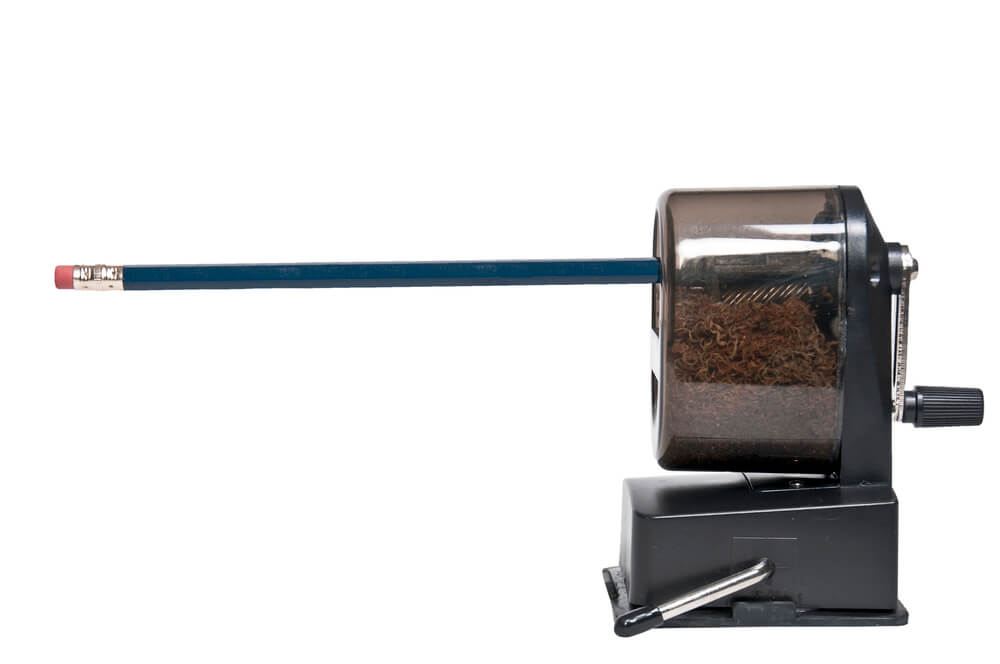
Small handheld sharpeners with a side crank and a shavings compartment were a common individual-desk item before wall-mounted electric sharpeners became standard classroom equipment. Battery-powered handheld sharpeners eventually replaced the manual crank version as the default backpack purchase.
Six-Color Click Pens
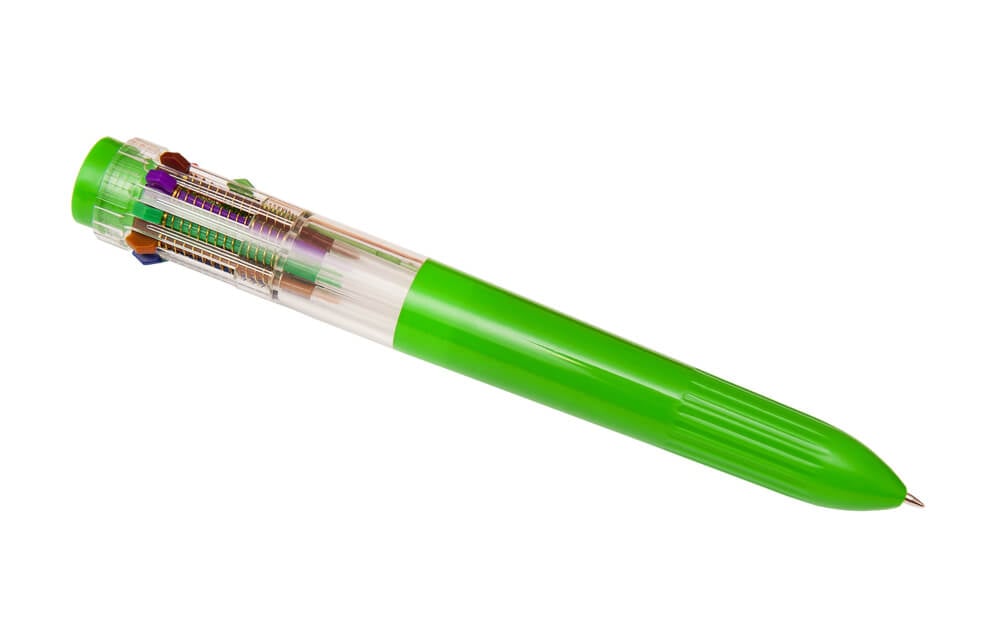
Bic and similar brands sold retractable pens with six ink colors selectable by pressing different buttons along the barrel, a popular novelty for note-taking and doodling in upper elementary and middle school. Cheaper, brighter gel pen multi-packs largely displaced the six-color click pen from supply lists.
Bottled White-Out Correction Fluid

Small bottles of opaque correction fluid, applied with a brush and left to dry before writing over mistakes, were standard for handwritten assignments through the 1990s. The shift to typed and digital assignments has made correction fluid a rare purchase, mostly limited to specific paper-based office use.
Erasable Ink Pens
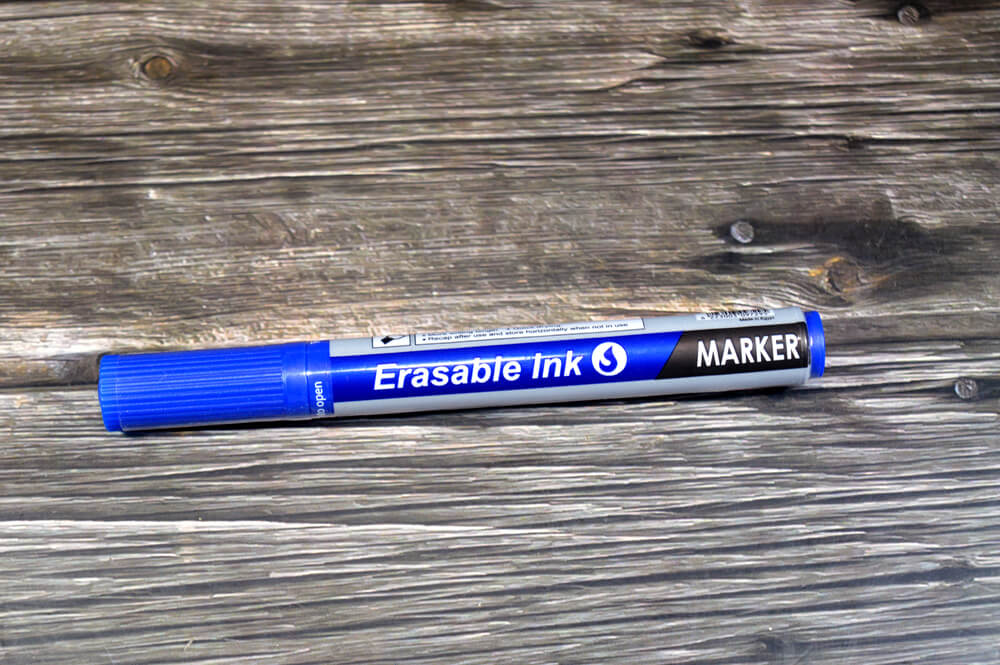
Pens marketed under names like Erasermate used a specially formulated ink that could be lifted with an attached eraser tip, positioned as a middle ground between pencil and permanent pen. The category faded as gel pens and typed work reduced demand for erasable ink specifically.
Multiplication Flash Card Sets
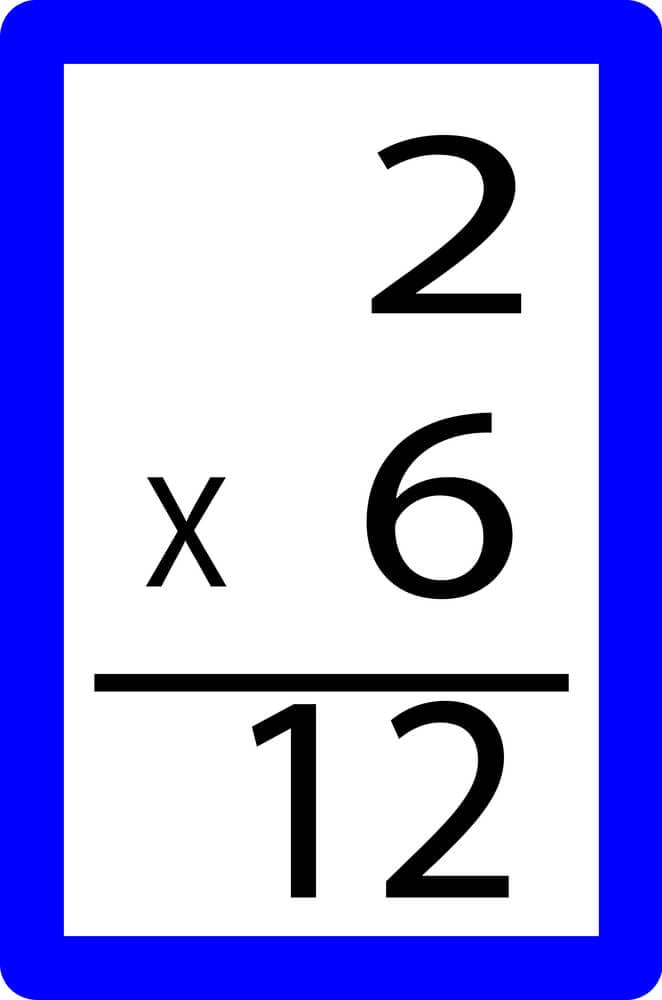
Boxed sets of individual cards printed with multiplication problems on one side and answers on the other were a common purchase for at-home math drilling in elementary school. Math apps and digital flashcard tools have significantly reduced sales of the physical boxed sets.
School Floppy Disks
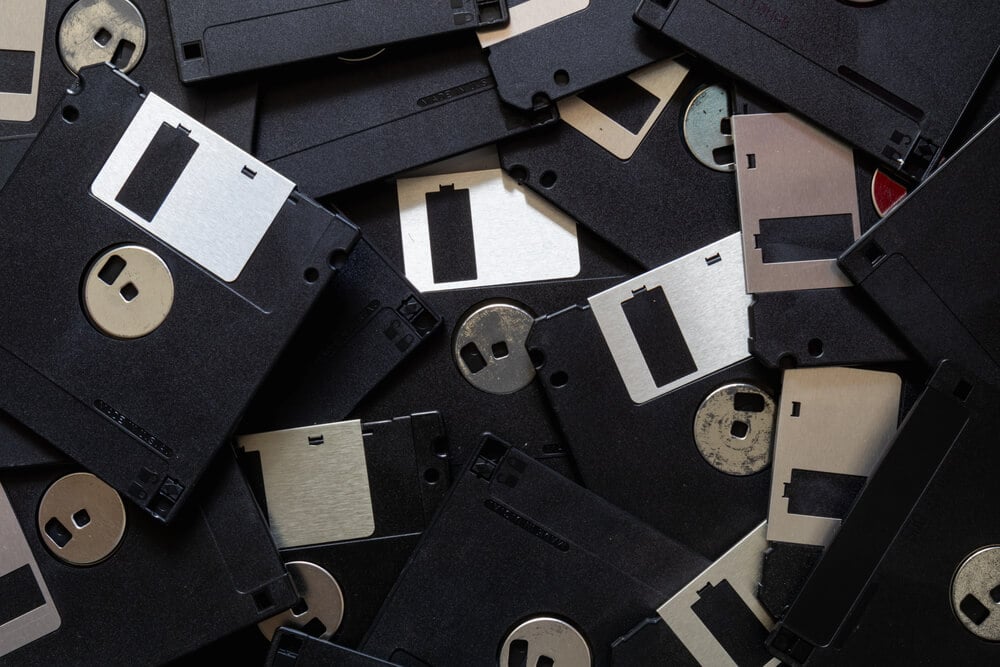
Students in computer labs through the 1990s and early 2000s commonly carried a floppy disk to save and transport assignments between home and school computers. Cloud storage and USB drives made floppy disks obsolete in schools well before the format disappeared from consumer electronics generally.
Chalkboard Erasers
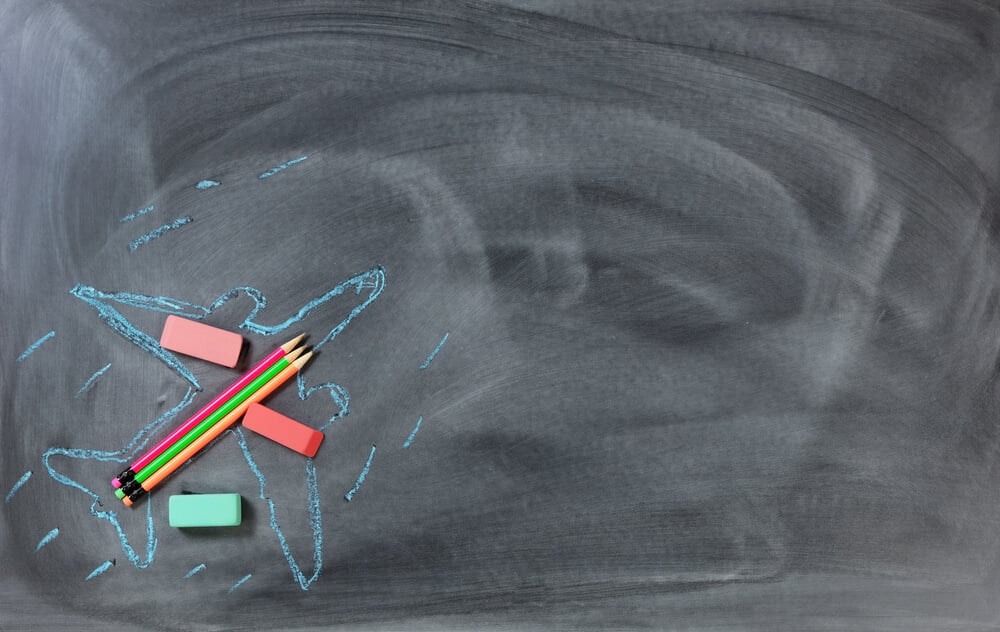
Felt-covered wooden erasers, cleaned by clapping them together outside in a cloud of chalk dust, were tied to a chalkboard-cleaning chore assigned to individual students. Whiteboards and digital displays have removed chalk, and the eraser-cleaning ritual, from most modern classrooms.
Cloth Book Socks

Stretchy fabric sleeves, sometimes homemade, were used as reusable alternatives to paper book covers for protecting textbooks across a school year. Fewer physical textbooks in circulation, along with pre-fitted stretch covers sold in stores, reduced the market for the specifically homemade cloth version.
Primary Composition Books

Elementary-specific composition books with wide dotted-midline ruling, designed to teach consistent letter height and formation, were a required early-grades purchase. As handwriting instruction time shrank in many curricula, demand for the specialized ruling format declined along with it.
Physical Dictionaries and Thesauruses

Students in upper elementary and middle school were commonly required to purchase or check out a print dictionary and thesaurus for in-class reference use. Built-in digital reference tools on school-issued devices have made the required physical purchase largely unnecessary.
Graph Paper Pads
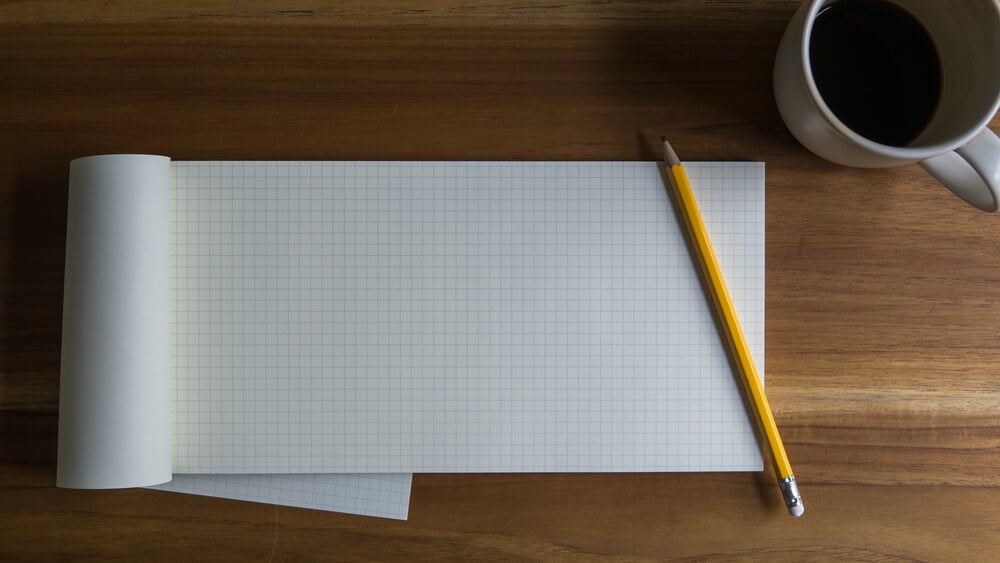
Pads of grid-lined paper were a required purchase for algebra and geometry classes needing precise plotted graphs and geometric drawings. Graphing calculators and digital plotting software have reduced graph paper to a smaller, specialty purchase rather than a default supply-list item.
Teacher-Distributed Scratch ‘n’ Sniff Stickers
Teachers commonly rewarded strong grades on spelling tests and homework with scented stickers in flavors like grape and chocolate through the 1970s and 1980s. Digital gradebooks and non-consumable reward systems like printed certificates have mostly replaced the scented sticker as a classroom incentive.
Zippered Three-Ring Pencil Pouches
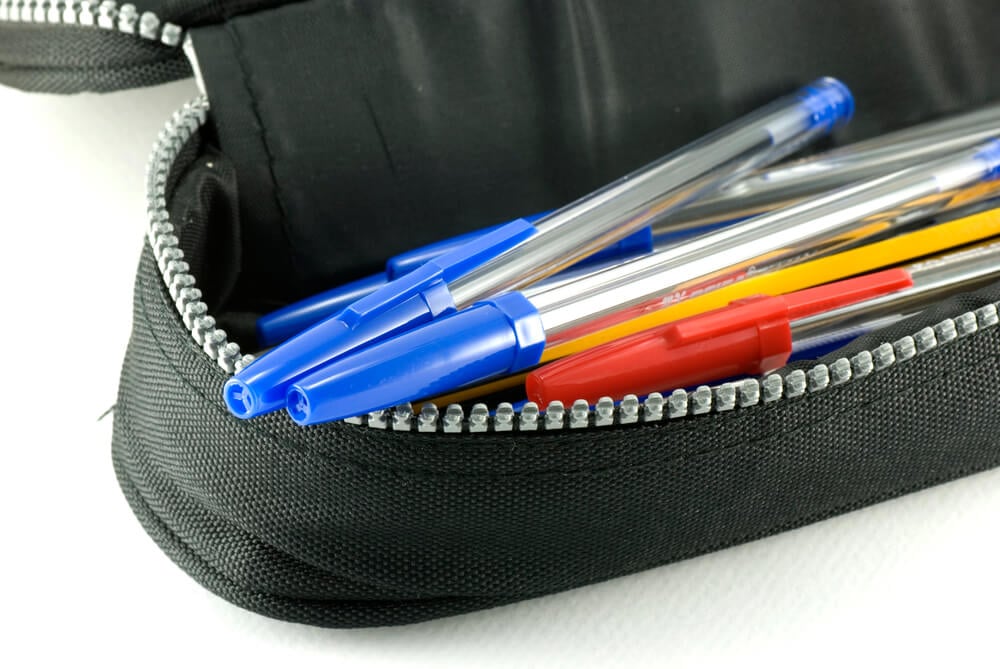
Fabric pouches with a built-in three-ring punch, designed to snap directly into a binder rather than sit loose in a backpack, were a standard organizational purchase through the 1990s and 2000s. As fewer students carry large ring binders daily, the specifically ring-mounted pouch design has become less common than standalone zippered cases.
Carbonless Hall Pass Pads
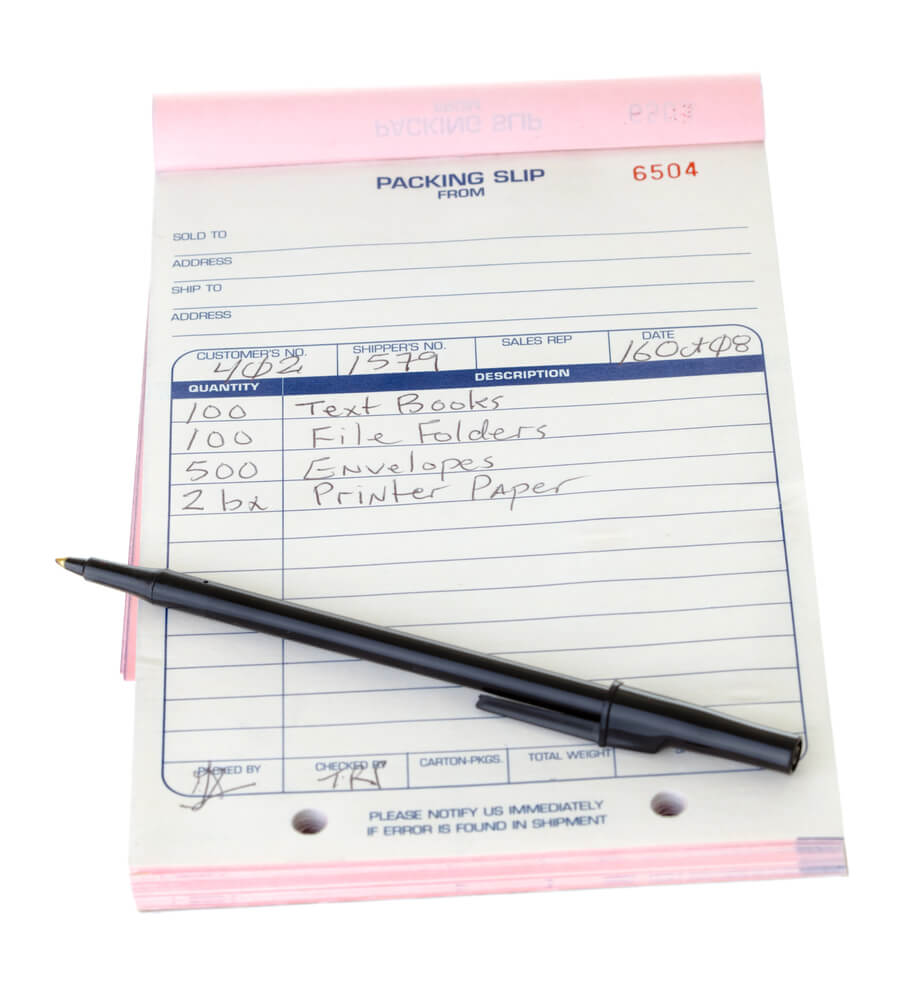
Pre-printed pads specifically for hallway or bathroom passes, often color-coded by classroom, relied on the same carbonless paper technology as other school forms. Digital hall-pass tracking systems adopted by many districts in the 2010s have replaced the physical pad in schools that upgraded their administrative systems.
What the Backpack Used to Weight

Every item on this list solved a specific, physical problem: how to duplicate a worksheet, correct a mistake, or organize loose paper without a screen anywhere in the process. The weight of a stuffed backpack was a direct measure of how much of school still ran on paper, ink, and mechanical tools rather than software.
None of these objects disappeared because they stopped working. They disappeared because the problems they solved got solved differently, usually by something lighter, cheaper, or digital.
What’s left behind is a shopping list that now reads less like a supply chain and more like an inventory of a specific, finite era of how school physically felt.
More from Go2Tutors!

- The Romanov Crown Jewels and Their Tragic Fate
- 13 Historical Mysteries That Science Still Can’t Solve
- Famous Hoaxes That Fooled the World for Years
- 15 Child Stars with Tragic Adult Lives
- 16 Famous Jewelry Pieces in History
Like Go2Tutors’s content? Follow us on MSN.



