27 Unlikely Animal Friendships Caught on Camera That Baffled Researchers
There’s something deeply disarming about watching a lion curl up next to a lamb, or a wild boar trot alongside a deer as if they’ve been neighbors for years. These moments shouldn’t make sense — biologically, ecologically, or behaviorally — and yet they keep happening, and cameras keep catching them.
Researchers trained in predator-prey dynamics, territorial instincts, and species-specific social bonding have had to stop and reconsider what they thought they knew when confronted with some of these pairings. What follows are 27 documented animal friendships so improbable that the scientists studying them ran out of easy explanations.
Owen and Mzee

A 130-year-old Aldabra giant tortoise named Mzee became the unlikely companion of a baby hippopotamus named Owen after the 2004 Indian Ocean tsunami displaced the calf along the Kenyan coast. Owen, who weighed roughly 600 pounds at the time of rescue, immediately attached himself to the tortoise as a surrogate maternal figure — following him, sleeping beside him, eating alongside him.
Haller Park staff documented the bond extensively, and behavioral researchers noted that Owen mimicked Mzee’s movements with an almost stubborn precision that suggested genuine social imprinting rather than simple proximity.
Bubbles and Bella

Bubbles is an African elephant living at a safari park in Myrtle Beach, South Carolina, and Bella is a Labrador retriever who simply wandered onto the property one day and never left. Bella discovered early on that Bubbles could serve as a diving platform — she would climb onto the elephant’s back in the water and launch herself into the pool — and Bubbles, for reasons that remain genuinely unclear to staff, tolerated and eventually welcomed this.
The pair were documented playing together for years, a friendship so naturalistic in its rhythm that it looked less like an anomaly and more like something that had always been happening somewhere.
Koko and Her Cats

Koko, the western lowland gorilla famous for her use of American Sign Language, requested a cat for her birthday in 1984, and researchers at the Gorilla Foundation gave her a small tailless kitten. What caught researchers off guard — beyond the initial request itself — was the tenderness Koko showed: cradling the kitten gently, mourning visibly when the kitten died after being struck by a car, and later bonding with two subsequent cats named Lipstick and Smoky in ways that suggested the grief had been real and remembered.
Surya the Orangutan and Roscoe the Dog

At T.I.G.E.R.S. Preserve in South Carolina, a dog wandered in off the street during one of Surya the orangutan’s outdoor walks, and the two animals locked eyes the way people do when they recognize something in each other. The orangutan began bringing the dog food, inviting him to play, and grooming him with a deliberateness that primatologists typically associate with deeply bonded social pairs within a species — not across two entirely unrelated ones.
Roscoe, for his part, became a permanent resident of the preserve.
Tinni the Dog and Sniffer the Wild Fox

Norwegian photographer Torgeir Berge documented his dog Tinni’s ongoing friendship with a wild fox named Sniffer in the forests outside Bergen — a relationship that unfolded without any human facilitation, across weeks, then months. Sniffer was fully wild, entirely free to leave, and yet returned reliably to play with Tinni in the snow, chasing and tumbling with an ease that seemed to disregard thousands of years of divergent evolutionary pressures.
Berge’s photographs became a book, and researchers pointed to the case as one of the cleaner examples of genuinely voluntary cross-species play behavior in the wild.
Anjana the Chimpanzee and Tiger Cubs

At The Institute of Greatly Endangered and Rare Species in South Carolina, a chimpanzee named Anjana became the full-time caretaker of two white tiger cubs named Mitra and Shiva after their mother rejected them. Anjana fed them from bottles, slept curled around them, and played with them on the grounds with an attentiveness that staff described as maternal rather than curious — which is a meaningful distinction.
The relationship persisted as the tigers grew, and Anjana showed no signs of the wariness one might reasonably expect from a chimpanzee sharing a space with large felines.
Mtani the Dog and Kasi the Cheetah

Busch Gardens Tampa introduced a Labrador retriever named Mtani as a companion animal for a cheetah cub named Kasi, hoping to calm the cheetah’s anxiety — a practice some wildlife parks use with varying success. What they didn’t entirely anticipate was the depth of the attachment: Kasi and Mtani were inseparable for years, sleeping intertwined and running side-by-side across the enclosure with what looked, to every observer who saw it, like straightforward joy.
When Kasi eventually began spending more time with other cheetahs and the bond naturally tapered, staff noted the dog’s behavior changed — quieter, less energetic — in ways that are hard to attribute to anything other than loss.
Torque the Dog and Shrek the Owl

At Longleat Safari Park in the UK, a dog and a European eagle owl formed a companionship so consistent that park keepers stopped trying to explain it and simply documented it. Torque the German shepherd and Shrek the owl were introduced as part of a program pairing animals for stress reduction, but what emerged went considerably beyond the intended outcome — Shrek would perch on Torque’s back, and Torque would wait at the owl’s enclosure with what keepers described as anticipation.
Owls don’t typically form social bonds with mammals they haven’t hunted; researchers added Shrek to the short list of documented exceptions.
Bea the Giraffe and Wilma the Ostrich

At Busch Gardens Tampa, a Rothschild giraffe named Bea and an ostrich named Wilma shared an enclosure and, apparently, a preference for each other’s company over that of their own species. The two were photographed regularly in close proximity — walking together, grazing near each other — in patterns that weren’t simply spatial coincidence but seemed to be sought out.
Ostriches are not known for warmth, exactly; they’re more accurately described as indifferent to most things and aggressive toward others, which made Wilma’s consistent proximity to Bea all the more worth noting.
Leo, Shere Khan, and Baloo — The BLT

Rescued together as cubs from a drug dealer’s basement in Atlanta in 2001, this trio — an African lion, a Bengal tiger, and an American black bear — grew up together at Noah’s Ark Animal Sanctuary in Locust Grove, Georgia. Researchers who visited the facility described their bond as the most sociologically improbable thing they’d seen in decades of fieldwork: these three species, in any wild context, would have no framework for coexistence, and yet they slept together, played together, and by all observable measures preferred each other’s company to that of any other animal on the property.
They were known collectively as the BLT, and the name stuck. Leo died in 2016, Shere Khan in 2018, and Baloo in May 2025 — the last of a trio that had lived together for over two decades.
Milo the Dog and Bonedigger the Lion

At G.W. Exotic Animal Park in Oklahoma, a five-pound Dachshund named Milo attached himself to a disabled lion cub named Bonedigger, and the cub — who grew into a 500-pound adult — never seemed to register the size discrepancy as relevant information. Bonedigger would lick Milo’s face with a tongue roughly the size of the dog’s entire head, and Milo would burrow against the lion’s flank with complete confidence.
Staff documented the relationship for years as an example of what genuine familiarity does to the fear response — it dissolves it entirely, apparently, even across predator and prey.
Themba the Elephant and Albert the Sheep

After Themba, a six-month-old African elephant, lost his mother at Sanbona Wildlife Reserve in South Africa, caretakers introduced a sheep named Albert as a companion to prevent isolation-induced psychological decline. For the first twelve hours, Themba chased Albert relentlessly — and then, with the kind of abrupt reversal that defies easy reading, decided Albert was family.
Within a week, Themba was following Albert everywhere, leading Albert to new grazing spots, and sleeping pressed against him. Researchers noted that the elephant appeared to genuinely model Albert’s behavior, including eating vegetation the sheep consumed — shrubs that elephants in that region would not normally touch.
Kruse the Dog and Champy the Capybara

A golden retriever and a capybara at a wildlife facility in Texas became one of the more photographed interspecies pairs of the past decade, partly because the capybara’s sheer physical composure — motionless, regal, entirely unbothered by the dog’s enthusiasm — made the pairing look like a comedy sketch that both animals were committed to playing straight. Capybaras are, biologically, the world’s largest rodents, and they carry themselves with the quiet authority of animals who know this and have processed it.
Kruse seemed to find the capybara’s stillness deeply comforting rather than confusing.
Ranjan the Elephant and His Rescue Dogs
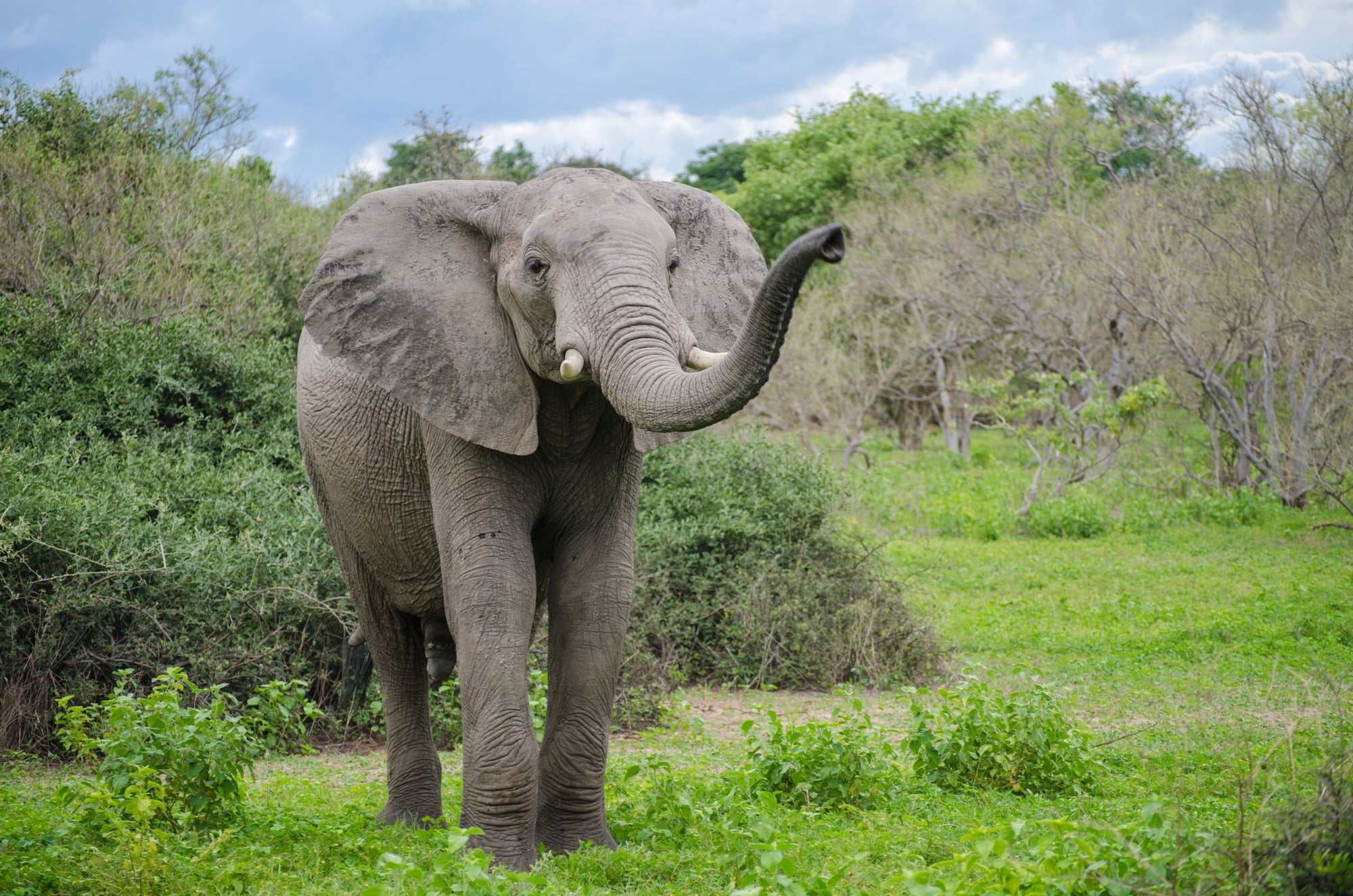
At the Elephant Nature Park in Thailand, a rescued Asian elephant named Ranjan formed close bonds with several of the park’s stray dogs — bonds the park staff described as deliberately initiated by the elephant rather than the dogs. Ranjan would seek out specific dogs, position himself near them for extended periods, and use his trunk to investigate them with a gentleness that park founder Lek Chailert documented as consistent elephant greeting behavior used with trusted companions.
The park hosts dozens of rescued animals, but Ranjan’s particular relationships were what researchers visiting the site mentioned in their notes most frequently.
Fum the Cat and Gebra the Owl

In Spain, a black cat named Fum and a barn owl named Gebra were raised together by their owner, and the resulting relationship confounded everyone who expected one of two outcomes: the cat hunting the owl, or the owl attacking the cat. Instead, the two were documented playing together outdoors, with Gebra sometimes landing directly on Fum’s back — and Fum tolerating it with the composure of someone who has simply stopped expecting the world to behave predictably.
Videos of the pair circulated widely in wildlife research communities as a case study in early-life social exposure overriding predatory instinct.
Benjamin the Mutt and Leo the Capybara

At a sanctuary in Brazil, a street dog and a capybara formed a bond so thoroughly documented that it was presented at a regional ethology conference as an example of how social need — stripped of species preference — tends to find expression wherever it can. Benjamin had no pack; Leo had no herd; and so, with the pragmatic logic of the genuinely lonely, they became each other’s answer.
The researchers presenting the case noted that both animals showed measurable reductions in stress hormones when in proximity to one another — which is as close as science comes to confirming what looked plainly obvious from the footage.
Cassie the Dog and Tommy the Deer

In rural Virginia, a domestic terrier mix and a white-tailed deer developed a free-roaming friendship that a wildlife photographer documented over the course of a summer. Tommy would appear at the property’s treeline each morning, and Cassie would sprint to meet him — and then the two would spend hours moving through the property together before Tommy vanished back into the woods.
What made this case unusual was its persistence across months without any human facilitation: no shared enclosure, no feeding incentive, just a deer choosing to return every morning to the company of a dog.
Moose the Dog and Nona the Lioness

At the Cango Wildlife Ranch in South Africa, a Dachshund named Moose was introduced to a lioness named Nona as part of an enrichment program, and the response from Nona was not what handlers anticipated. Rather than indifference or aggression, Nona displayed what researchers described as affiliative behavior — grooming, close proximity sleeping, and what appeared to be active solicitation of the dog’s presence by vocalizing near his enclosure.
Moose, weighing perhaps ten pounds to Nona’s 280, seemed constitutionally incapable of registering this as an unusual arrangement.
Aochan the Rat Snake and Gohan the Hamster

At the Mutsugoro Okoku Zoo in Tokyo, staff placed a live dwarf hamster named Gohan into the enclosure of a rat snake named Aochan — intended as a meal, not a companion. Aochan refused to eat the hamster, and Gohan — displaying a courage bordering on recklessness — began sleeping against the snake.
The zoo documented the relationship for over a year, and Aochan continued refusing live prey during that period, accepting only frozen mice as an alternative. Ethologists who reviewed the case noted that they had no clean explanation and said so, which is rarer in published literature than it should be.
Pinocchio the Chihuahua and Lora the Great Dane

Size difference in canine friendships is common enough that it barely registers — but the relationship between a Chihuahua and a Great Dane at a shelter in the Pacific Northwest stood out because of how it manifested under stress. When either dog was isolated for veterinary procedures, staff documented elevated cortisol levels and distress vocalizations; when reunited, both dogs’ physiological markers normalized within minutes.
The shelter eventually adopted them out as a bonded pair after a behavioral researcher who reviewed the intake footage argued — somewhat forcefully — that separating them would constitute a failure of duty.
Juliet the Capybara and Her Cat Colony

At an exotic animal rescue in Florida, a capybara named Juliet became the unofficial anchor of a colony of seven domestic cats who all chose to sleep on and around her as if she were a large, breathing piece of furniture that happened to be warm. Juliet, for her part, appeared to welcome the arrangement — grooming the cats with her teeth and vocalizing softly when they settled against her.
Capybaras are known to be socially tolerant of other species in ways most large mammals are not, but the consistency and scale of Juliet’s feline adoption still caught the rescue staff off guard.
Tinkerbell the Pig and Lilly the Lamb

At a UK animal sanctuary, a Vietnamese pot-bellied pig and a domestic lamb formed an inseparable pair within days of both arriving as rescues. The pairing was notable less for its warmth — which was immediate and obvious — and more for the behavioral mirroring: Tinkerbell began moving and resting in patterns that matched Lilly’s, and Lilly began rooting in the mud in ways that sanctuary staff had never observed in a sheep.
It’s the kind of relationship that looks, from a distance, less like a quirk of captivity and more like two animals teaching each other a new language.
Torben the Seal and Barra the Dog

On the coast of Scotland, a gray seal and a Border collie were photographed by a wildlife photographer during what appeared to be a recurring interaction in the shallows near Orkney. Barra would wade in to meet the seal, and the seal — a wild animal with no obligation to stay — would approach the dog, press its snout against the dog’s face, and then circle back in the water before returning again.
The photographer, who documented five separate encounters over two weeks, described the seal’s body language as consistent with play solicitation — a behavior researchers had documented extensively within seal colonies but rarely toward terrestrial species.
Muschi the Cat and Mäuschen the Bear

At the Berlin Zoo, a stray black cat named Muschi wandered into the enclosure of a female Asiatic black bear named Mäuschen and, apparently finding the accommodations satisfactory, elected to stay. Zoo staff initially tried to remove the cat for safety reasons and documented Mäuschen’s distress during the separation; they eventually stopped intervening.
The two lived together for years, sharing food and sleeping arrangements, with Muschi displaying zero concern about the bear’s size and Mäuschen displaying what zoo staff described — carefully, in their official notes — as apparent affection.
Charlie the Dog and Boots the Fox
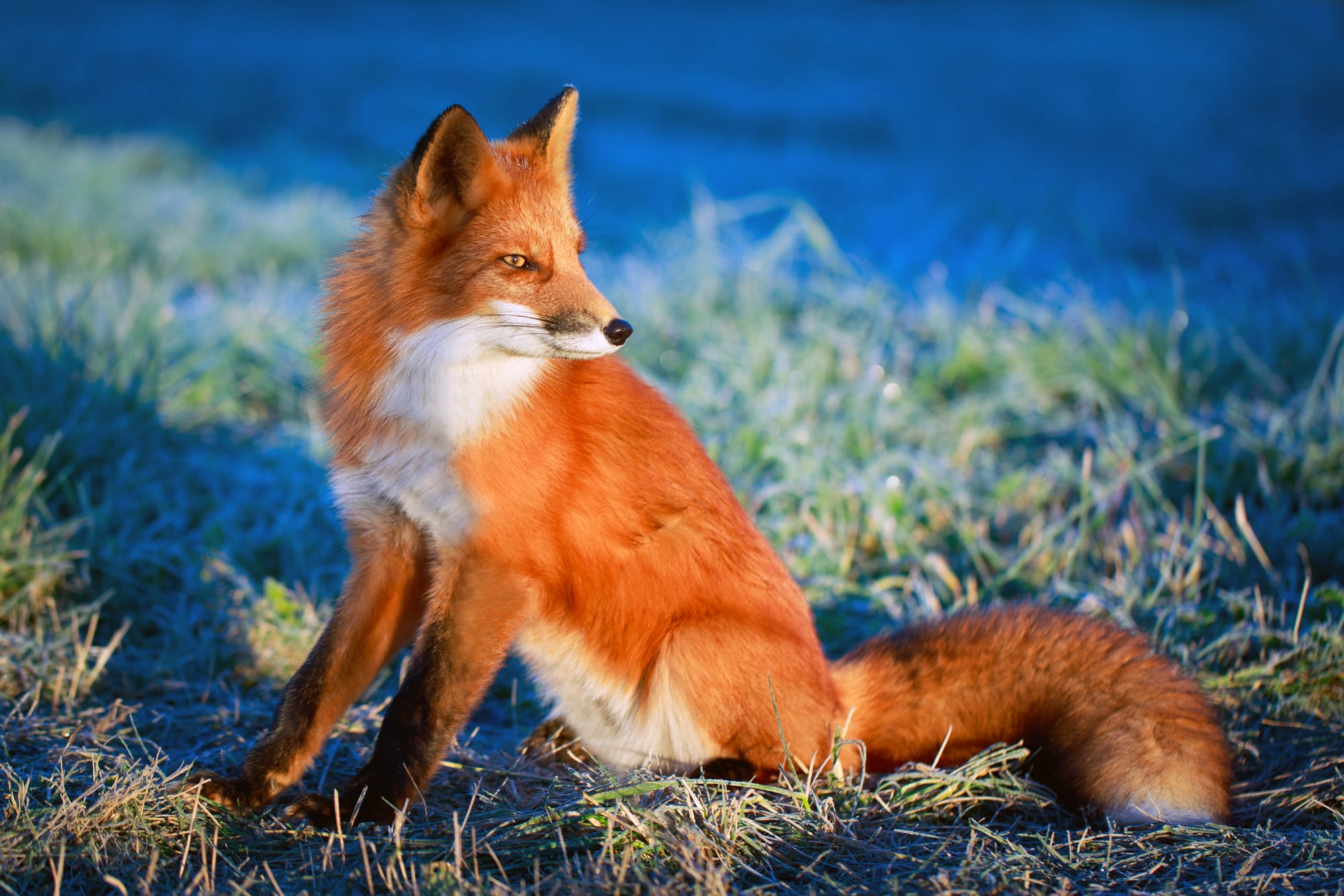
At a wildlife sanctuary in Dorset, England, a fox kit named Boots was brought in as an orphan and placed temporarily near a calm domestic dog named Charlie while staff arranged proper housing. Boots attached to Charlie within hours, and Charlie — a retired search-and-rescue dog with apparently limitless patience — accepted the kit’s presence with professional composure.
The temporary arrangement lasted two years, and sanctuary staff noted that Boots showed none of the wildlife wariness typically observed in foxes raised near dogs — a behavioral shift that the sanctuary director described as remarkable, then stopped and said: irreversible.
Kate the Dog and Pippin the Deer

In Canada, a golden retriever named Kate raised an orphaned white-tailed deer fawn named Pippin after the fawn was brought to the family’s property in Ontario. Pippin lived outdoors but returned each morning to be with Kate, and the two were documented running, resting, and sleeping together for years — even after Pippin grew to adulthood and was fully capable of living a completely wild life.
Pippin kept choosing to return. Researchers who reviewed the case pointed to it as a clean example of imprinted social preference persisting well past the developmental window when it typically fades.
Frederick the Chimpanzee and His Rabbit

At a rescue sanctuary in the Netherlands, a chimpanzee named Frederick developed a careful, sustained friendship with a domestic rabbit after the rabbit was introduced as part of an enrichment program. What researchers found remarkable was Frederick’s restraint — chimpanzees are strong, curious, and not always gentle with small animals, and the usual expectation was that the rabbit would be treated as an object rather than a companion.
Instead, Frederick moved around the rabbit with a deliberate softness, groomed it in the way chimpanzees groom trusted companions, and visibly tracked its movements within the enclosure from a distance. The rabbit, for its part, appeared entirely untroubled — sleeping in the enclosure, grazing near Frederick, and returning to him after exploration with the ease of something that had never had cause to be afraid.
When Biology Runs Out of Answers
Every friendship on this list broke a rule that researchers were fairly confident about before they saw it happen. Predators don’t bond with prey. Solitary species don’t seek out companions.
Animals that evolved on separate continents have no social framework for recognizing each other. And yet the footage exists — verified, documented, peer-reviewed in several cases — showing exactly that.
What these cases suggest, taken together, is that the social drive in animals is more flexible and more powerful than any model built on evolutionary pressure and species-typical behavior fully accounts for. The categories are real. The exceptions are also real.
And the most honest thing the researchers could say, in several cases, is the same thing Aochan’s ethologists said when they published their findings: they had no clean explanation, and they said so. That’s not a failure of science. That’s science doing what it’s supposed to do when the animal in the cage refuses to behave like the textbook said it would.
More from Go2Tutors!

- The Romanov Crown Jewels and Their Tragic Fate
- 13 Historical Mysteries That Science Still Can’t Solve
- Famous Hoaxes That Fooled the World for Years
- 15 Child Stars with Tragic Adult Lives
- 16 Famous Jewelry Pieces in History
Like Go2Tutors’s content? Follow us on MSN.



