Memorable Advertising Campaigns from the 80s and 90s
The 80s and 90s weren’t just decades of big hair and grunge music — they were the golden age of advertising that actually stuck. Before social media algorithms and targeted ads, brands had to work harder to capture attention.
They created characters, jingles, and slogans that burrowed into your brain and stayed there for decades. Many of those campaigns still echo today, proof that when creativity meets the right moment, magic happens.
These weren’t just ads — they were cultural events that defined how a generation thought about everything from sneakers to soda.
Apple’s “1984”
The commercial aired exactly once during the Super Bowl, and that was enough. Ridley Scott directed sixty seconds that changed how companies thought about product launches forever.
A woman hurls a sledgehammer at Big Brother’s screen while drones in gray uniforms watch motionless. The message was clear without being preachy.
Coca-Cola’s “I’d Like To Buy The World A Coke”
This campaign began in the early 70s but found its truest expression throughout the 80s, when the world felt both smaller and more divided than it does now — which is saying something, considering how fractured things feel today. The original TV spot showed young people from different countries gathering on a hilltop in Italy (though most viewers assumed it was somewhere more exotic), holding Coca-Cola bottles and singing about harmony in a way that should have felt manipulative but somehow didn’t.
The song became a legitimate hit on the radio. People bought the single.
Nike’s “Just Do It”
Nike didn’t invent athletic motivation, but they distilled it into three words that hit like a mantra. The campaign worked because it refused to complicate the obvious — everyone knows what they should be doing, whether that’s going for a run or finally tackling that project collecting dust on their desk.
Athletes became philosophers without trying too hard. It wasn’t about the shoes, though of course it was always about the shoes.
The message transcended sports entirely — it became shorthand for getting out of your own way. Still does, which explains why it never really went away.
McDonald’s “You Deserve A Break Today”
McDonald’s understood something fundamental about the American worker that most companies missed entirely. People weren’t just hungry — they were tired, stressed, and running out of time.
The jingle was pure earworm, designed to surface during exactly those moments when someone was debating whether to cook dinner or just grab something quick. The genius was in framing fast food as self-care rather than laziness.
You weren’t giving up by choosing McDonald’s — you were being practical, maybe even kind to yourself.
Pepsi’s “Choice Of A New Generation”
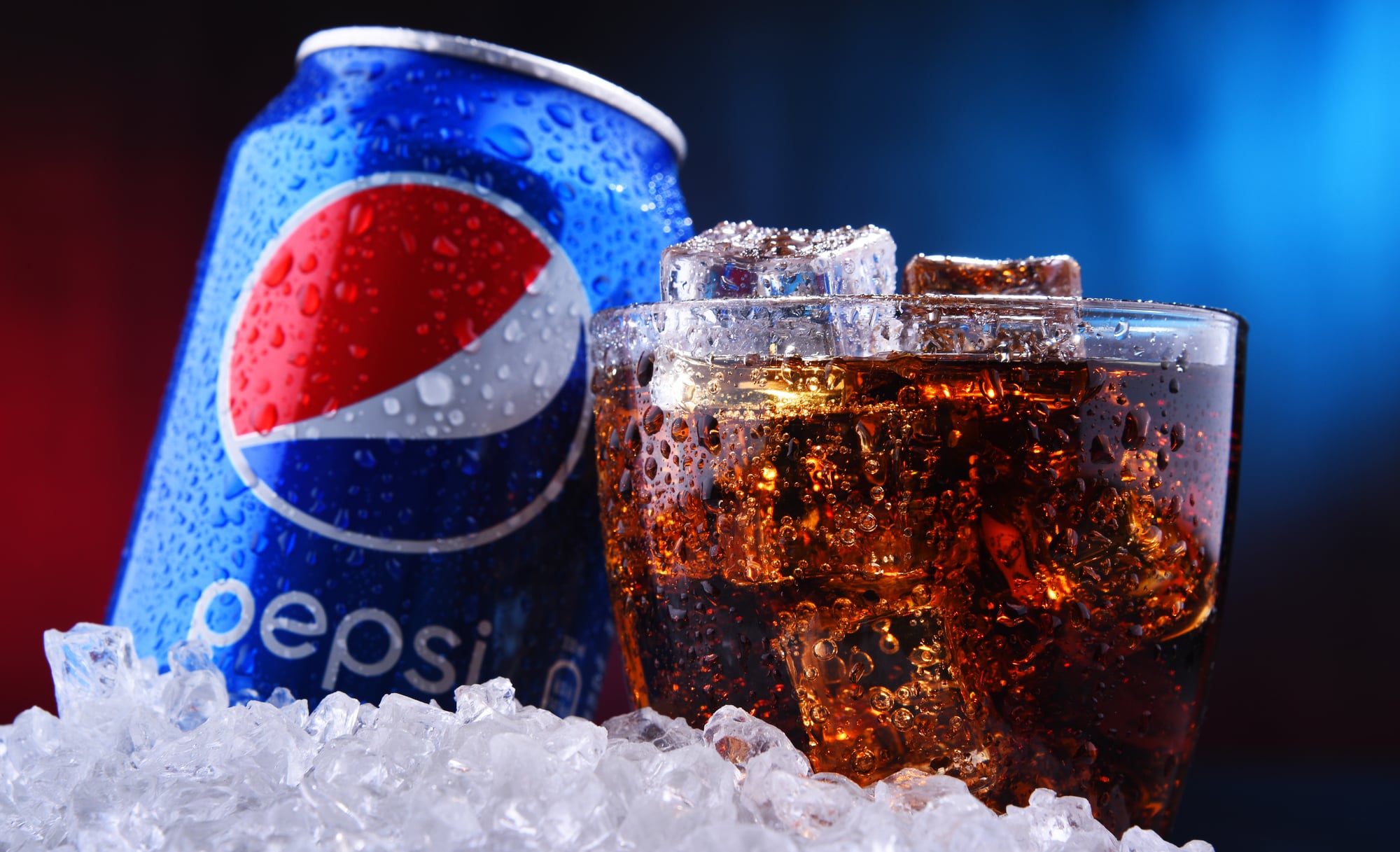
Pepsi had a problem: they weren’t Coca-Cola, and everyone knew it. Instead of pretending otherwise, they turned generational rebellion into a marketing strategy that actually worked.
The campaign positioned Coke as your parents’ drink and Pepsi as the future. Michael Jackson moonwalked through commercials while his hair caught fire.
Madonna pushed boundaries that made parents uncomfortable. These weren’t just celebrity endorsements — they were cultural statements about who got to define cool.
Calvin Klein’s Obsession
Perfume advertising in the 80s operated by its own strange logic, where the actual scent mattered less than the story the bottle told about the person buying it. Calvin Klein understood this better than most — their Obsession campaign read like fragments from a fever dream, all shadowy figures and whispered confessions about desire that never quite made sense but somehow felt important.
The black-and-white aesthetic suggested European art films, the kind where people stared at each other meaningfully across dimly lit rooms while violins played minor chords in the background. And the copy was deliberately overwrought, full of sentences that sounded profound until you actually thought about them: “Between love and madness lies obsession.”
But here’s the thing — it worked precisely because it took itself so seriously. The ads didn’t wink at the audience or acknowledge how ridiculous they were.
Budweiser’s “This Bud’s For You”
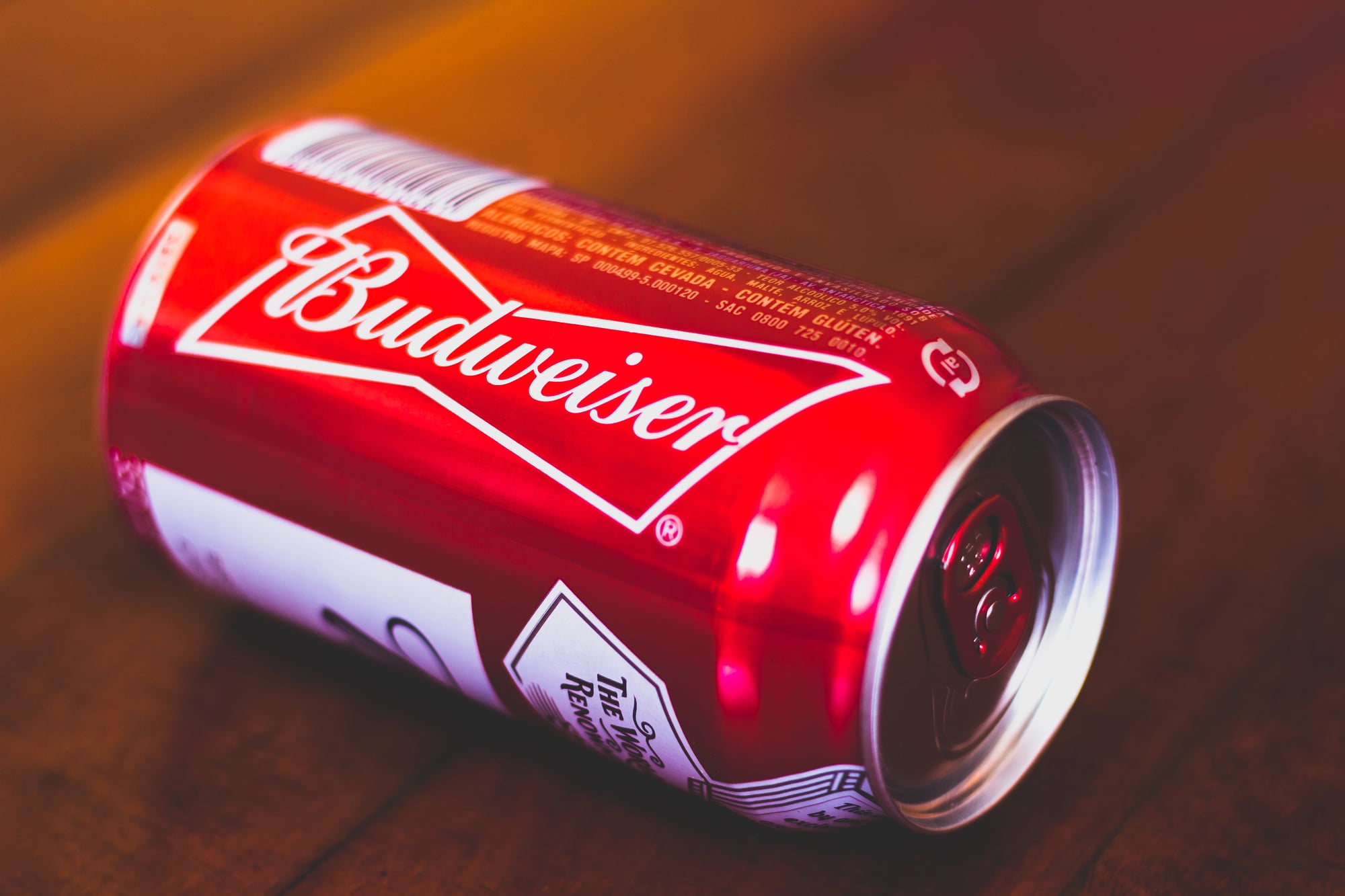
Budweiser knew their audience: working people who wanted their beer choice validated, not questioned. The campaign was pure blue-collar poetry, celebrating the kind of jobs that built America while everyone else was talking about service economies and white-collar careers.
Construction workers, farmers, factory employees — the ads showed people whose hands got dirty and whose work actually produced something tangible. The beer became a reward for real labor, not just another drink option.
It was smart positioning that made competitors seem out of touch with regular Americans.
Microsoft’s “Where Do You Want To Go Today?”
Microsoft faced the challenge of making personal computers feel approachable rather than intimidating. Most people in the early 90s still saw computers as mysterious machines that required specialized knowledge — which, to be fair, they often did.
This campaign reframed technology as possibility rather than complexity. The ads suggested that computers weren’t about learning programming languages or understanding technical specifications — they were about accessing worlds that had been previously unreachable.
Travel, communication, information, creativity — all suddenly within reach of anyone willing to turn on a machine. The question format was crucial.
MTV’s “I Want My MTV”
MTV didn’t just want viewers — they wanted viewers who would demand the channel from cable providers who might not see the point of music television. The campaign turned audience desire into a marketing weapon that cut through industry resistance like a hot knife through butter.
Rock stars looked directly into the camera and stated the obvious: they wanted their MTV, and so should everyone else. Mick Jagger, Pete Townshend, Madonna — musicians who had spent careers avoiding direct sales pitches suddenly became spokespeople for a television network.
The campaign worked by making MTV feel like a necessity rather than entertainment. You weren’t just missing a TV channel — you were missing a cultural movement.
Energizer’s Bunny

The Energizer Bunny stumbled into advertising history by accident, which makes its success even more impressive. What started as a parody of other battery commercials became a character that outlasted most of the products it was supposed to mock.
The bunny kept going when other toys stopped, which was obvious symbolism that somehow never felt heavy-handed. Maybe because the character had personality beyond its marketing function — that slight mechanical determination, the way it wandered through other commercials like a lost tourist, the pink fur that made it instantly recognizable even in peripheral vision.
The campaign succeeded because it understood that people remember stories better than statistics. Battery life became narrative rather than technical specification.
Taco Bell’s “Yo Quiero Taco Bell”
A talking Chihuahua with a Spanish accent selling Mexican-inspired fast food to American consumers — the concept should have been a cultural disaster. Instead, it became one of the most memorable advertising characters of the 90s, proving that sometimes the most questionable ideas work precisely because they’re so audacious.
The dog was undeniably cute, which helped, but the real genius was in the simplicity of the desire being expressed. The Chihuahua wanted Taco Bell with the same pure enthusiasm that people feel for their favorite guilty pleasures.
And the catchphrase was perfect for its moment: short enough for people to remember, distinctive enough to repeat, silly enough to work in casual conversation without sounding like advertising copy. The campaign turned ordering fast food into participation in a cultural moment that felt bigger than just buying dinner.
Saturn’s “A Different Kind Of Company”
Saturn understood that car buying ranked somewhere between root canals and tax audits in terms of consumer enthusiasm. Dealerships felt like combat zones where customers armed themselves with research and salespeople deployed high-pressure tactics that left everyone exhausted.
The campaign positioned Saturn as the alternative to automotive misery. No-haggle pricing meant no negotiation warfare.
It was brilliant positioning that made every other car company look outdated by comparison.
Got Milk?

The California Milk Processor Board faced a unique challenge: convincing people to buy more of something they already had in their refrigerators. The solution was to show what happened when milk wasn’t there — those moments of perfect craving frustrated by an empty carton.
The ads were small disasters of domestic life. Someone biting into a peanut butter sandwich, reaching for milk, finding none.
The campaign made milk feel essential by showing its absence rather than its presence. The question format was genius — two words that lodged in people’s brains and surfaced at exactly the right moment.
The Echo That Remains
These campaigns did something that modern advertising struggles to achieve — they became part of the cultural conversation rather than interruptions to it. People quoted them, referenced them, and remembered them years after the media buys ended.
They worked because they understood that successful advertising doesn’t just sell products — it creates shared experiences that connect strangers through common references. In a world of targeted ads and personalized content, that kind of mass cultural moment feels almost impossible to recreate.
More from Go2Tutors!

- The Romanov Crown Jewels and Their Tragic Fate
- 13 Historical Mysteries That Science Still Can’t Solve
- Famous Hoaxes That Fooled the World for Years
- 15 Child Stars with Tragic Adult Lives
- 16 Famous Jewelry Pieces in History
Like Go2Tutors’s content? Follow us on MSN.



