29 Snack Foods From the ’90s Store Shelves Stopped Carrying
The 1990s snack aisle ran almost entirely on sugar, artificial color, and marketing gimmicks aimed directly at kids with their own allowance money. Brands competed less on flavor than on novelty: a shape, a mascot, a texture nobody had tried before.
Most of it disappeared within a decade, either quietly discontinued or reformulated into something fans insist isn’t quite the same.
Dunkaroos (Original Formula)
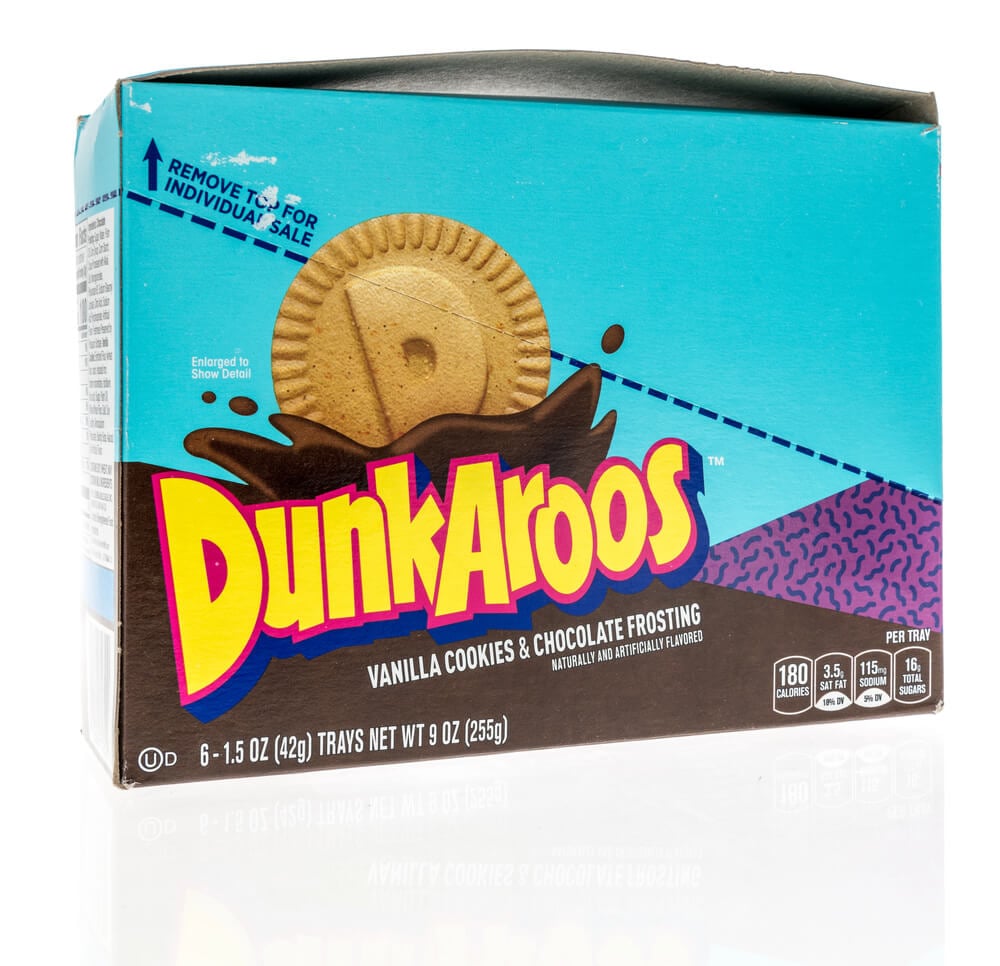
Betty Crocker launched this cookies-and-frosting combo in 1990, built around a mascot named Sydney the Kangaroo and eventually offering frosting flavors including vanilla with rainbow sprinkles. The original product was discontinued in the United States in 2012, and while it returned in 2020, longtime fans widely report that the cookie and frosting recipes changed in the process.
Planters P.B. Crisps
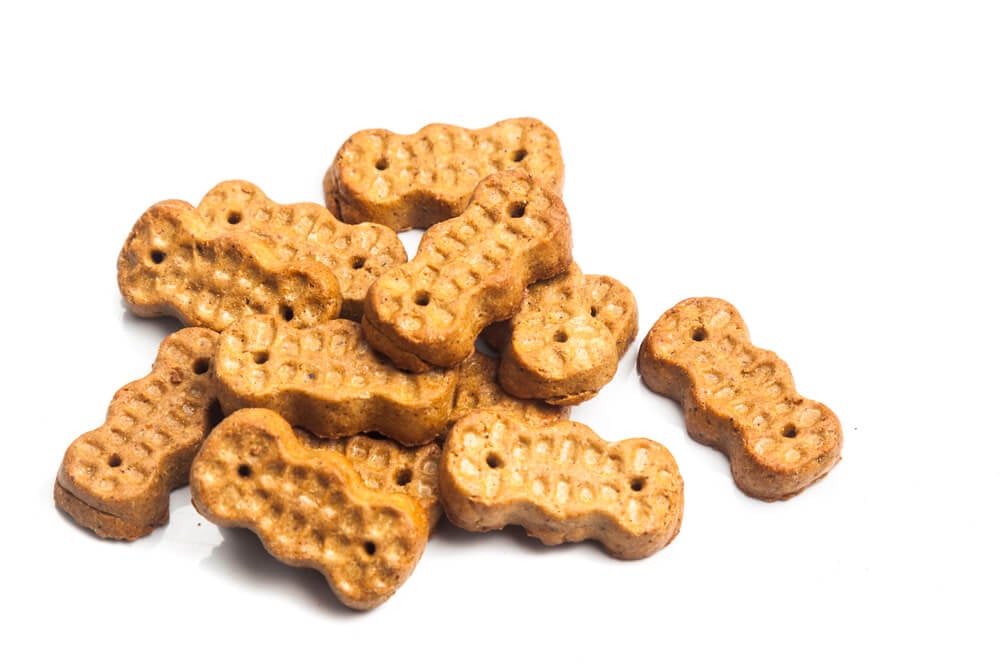
Planters introduced these peanut-shaped cookies with a crunchy shell and creamy peanut butter filling in the early 1990s. The snack developed enough of a cult following after its discontinuation that dedicated fan campaigns still circulate online asking for its return.
Butterfinger BBs
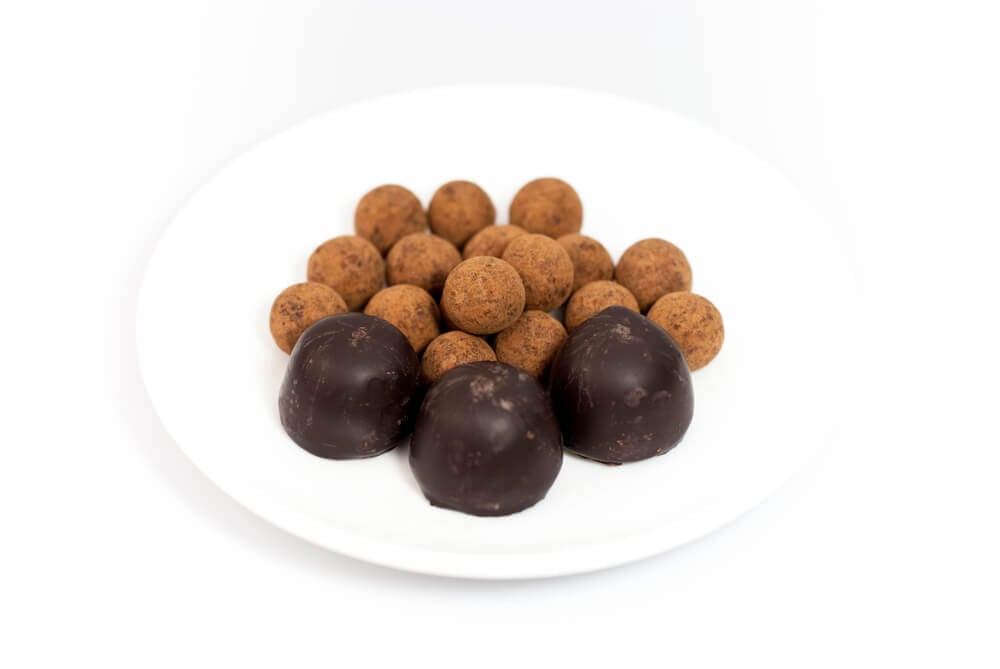
Nestlé released these bite-sized versions of the classic Butterfinger bar in the early 1990s, riding a broader trend of “mini” candy formats and cross-promotion with The Simpsons. The candy was discontinued in 2006, with some fans speculating the small pieces melted too easily for practical retail distribution.
Soda-Licious Soda Pop Fruit Snacks
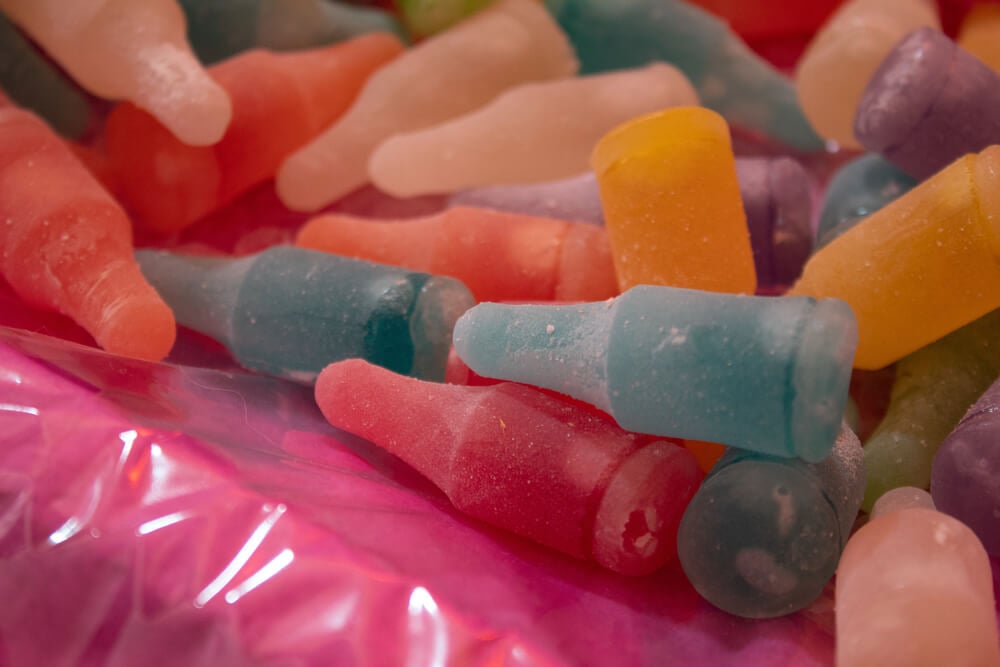
Betty Crocker released these fruit snacks in 1991, shaping the gummies like miniature soda bottles and coating them to mimic a carbonated tingle on the tongue. The line was eventually discontinued as General Mills consolidated its fruit snack offerings around more enduring products.
Fruit Wrinkles
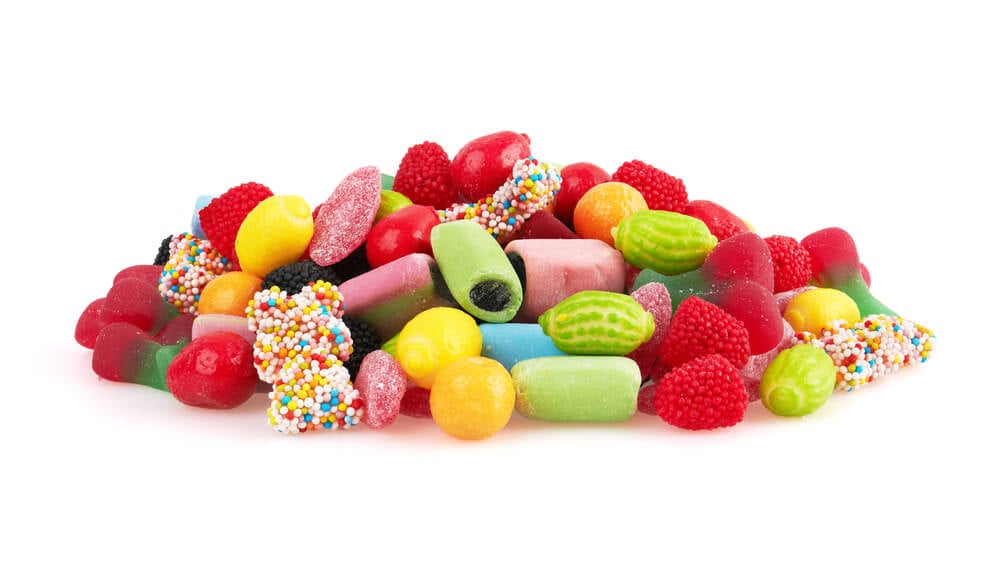
This fruit snack line offered a distinctly chewy, wrinkled texture that set it apart from smoother competitors on the same shelf. Unlike some of its General Mills stablemates that survived into the following decades, Fruit Wrinkles didn’t make the cut.
Shark Bites
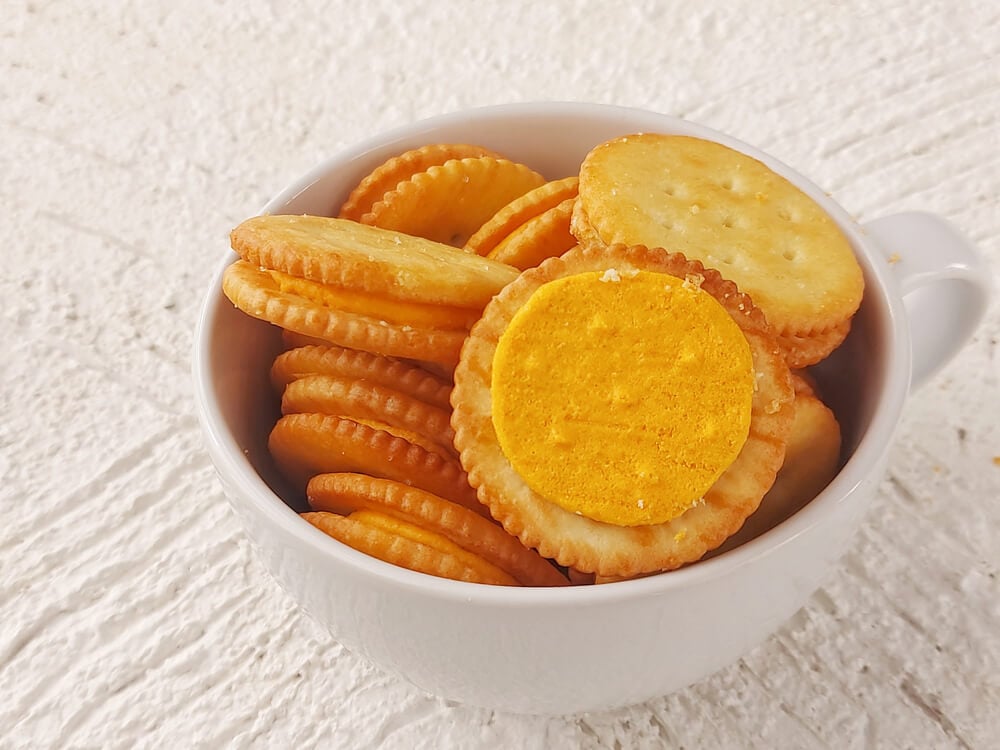
These shark-shaped gummy fruit snacks came in an assortment of pastel colors, with a rare white shark piece treated as a small prize among kids trading snacks at lunch. The line was discontinued as fruit snack shelf space consolidated around a smaller number of core brands.
Orbitz
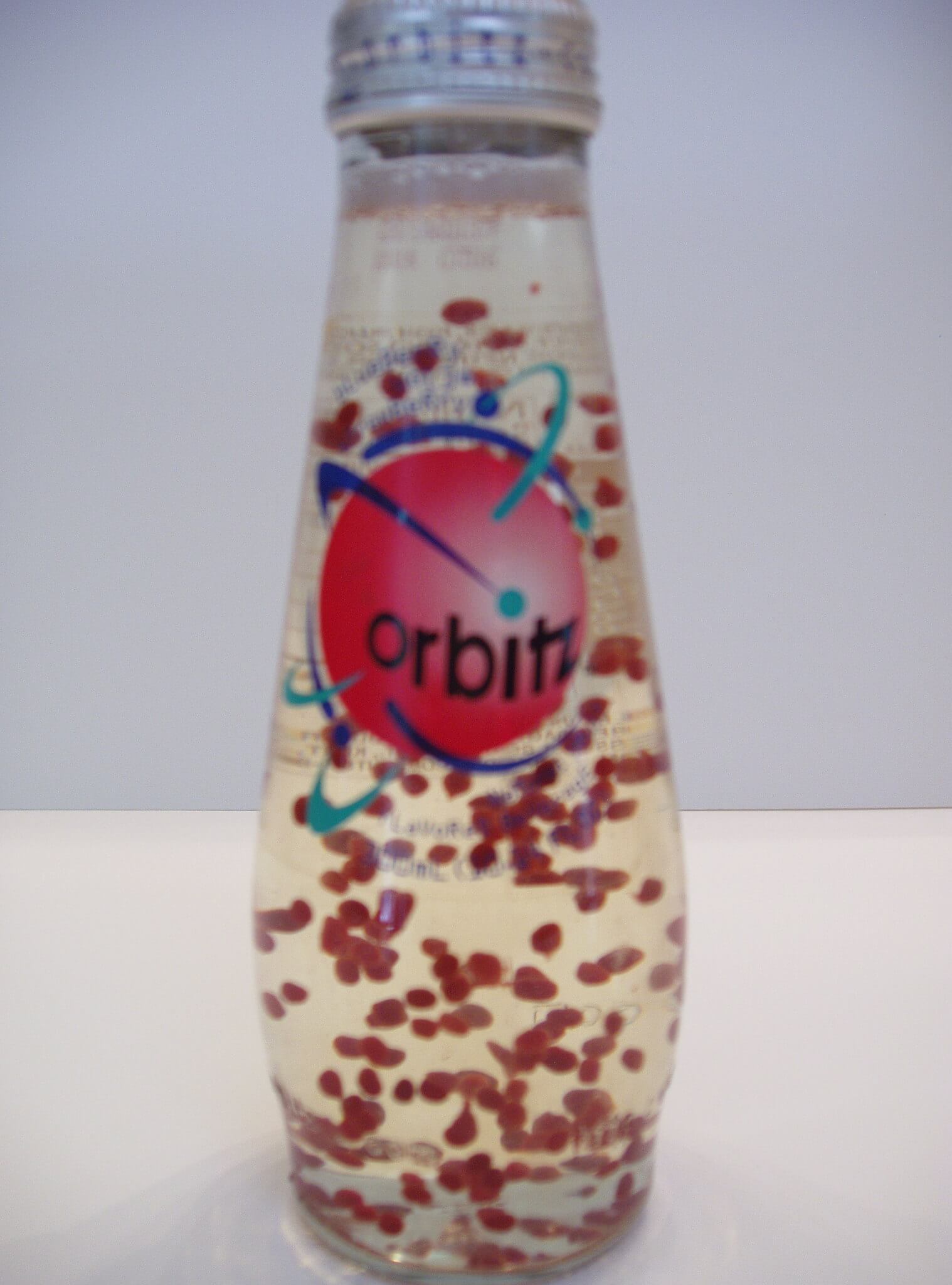
This clear, fruit-flavored beverage suspended small gelatin-like spheres throughout the liquid, giving it a distinctly unsettling, science-experiment appearance kids found fascinating. It lasted only about a year on shelves in 1997 and 1998 before being discontinued.
Squeezit
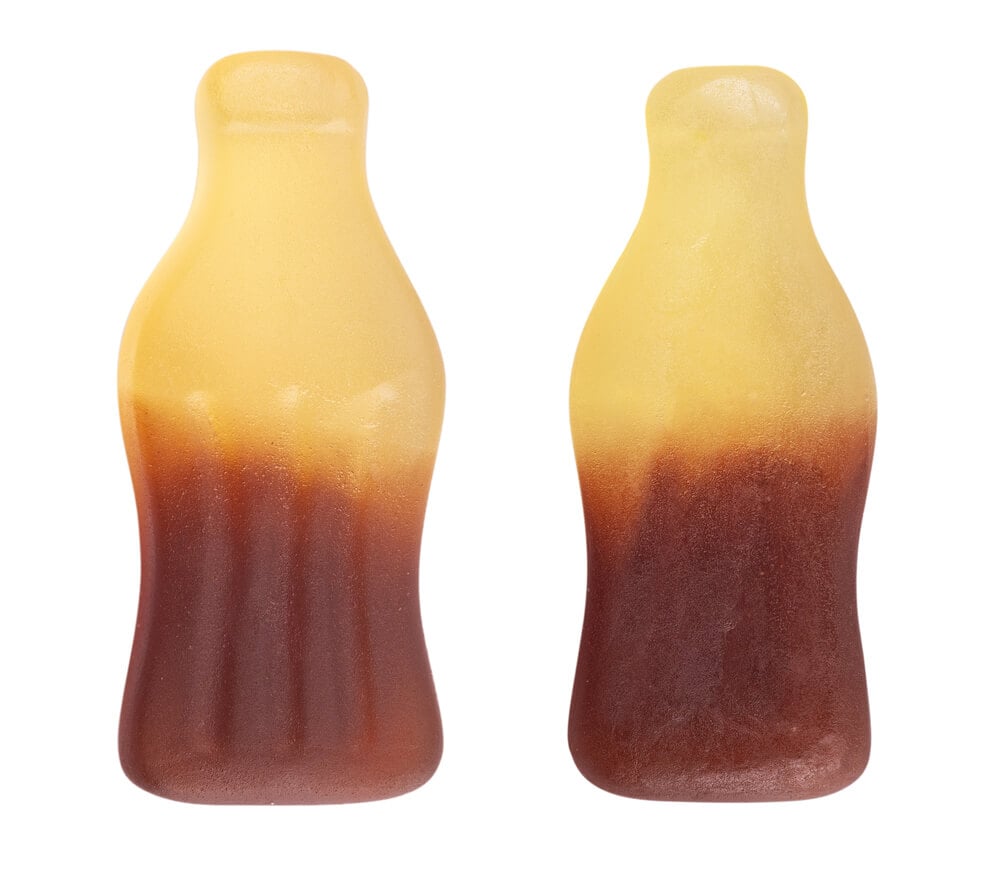
General Mills sold these soft plastic bottles of brightly colored, intensely sweet juice under names like Chucklin’ Cherry and Grumpy Grape, designed to be squeezed directly into the mouth. The line was discontinued in the early 2000s as juice-box and pouch formats took over the same market segment.
String Thing
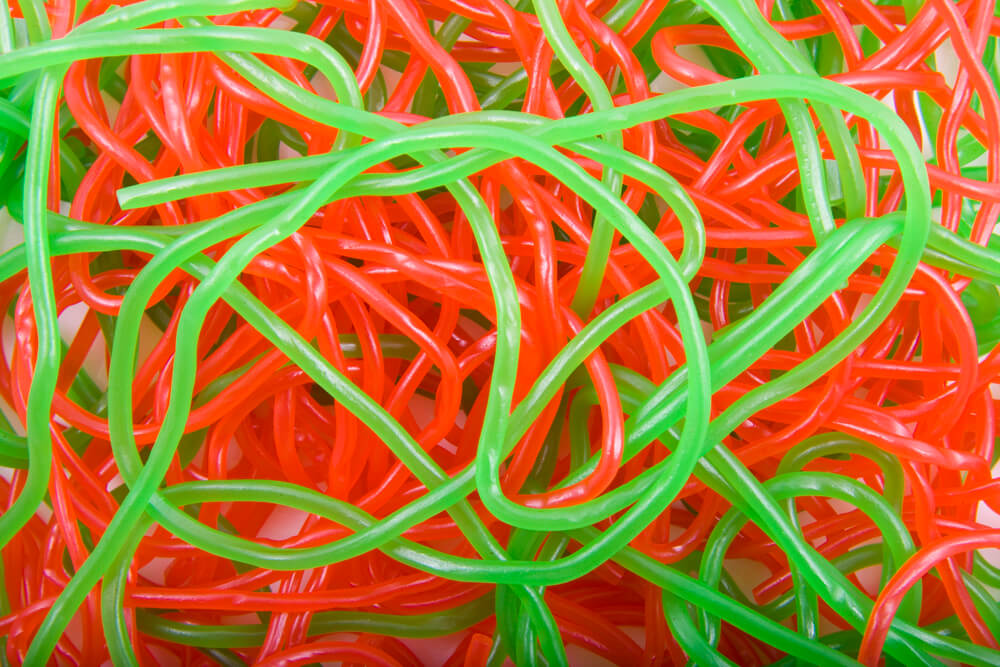
This fruit snack was designed to be peeled apart in long strips, joining a small wave of interactive, texture-based snack formats that defined much of 1990s snack marketing. It disappeared from shelves as the format lost out to more established fruit snack shapes.
Tongue Splashers Gum
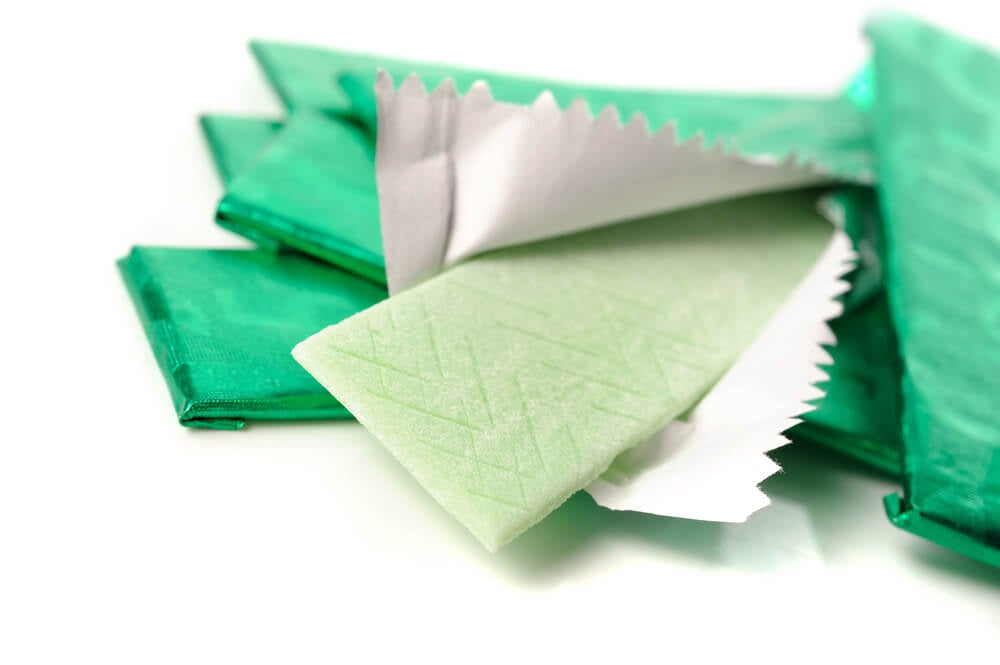
This gum brand built its identity around an intense flavor burst and color-changing gimmick when chewed. Like many novelty gum lines of the era, it lasted only a few years before being pulled from stores entirely.
Amazin’ Fruit Snacks
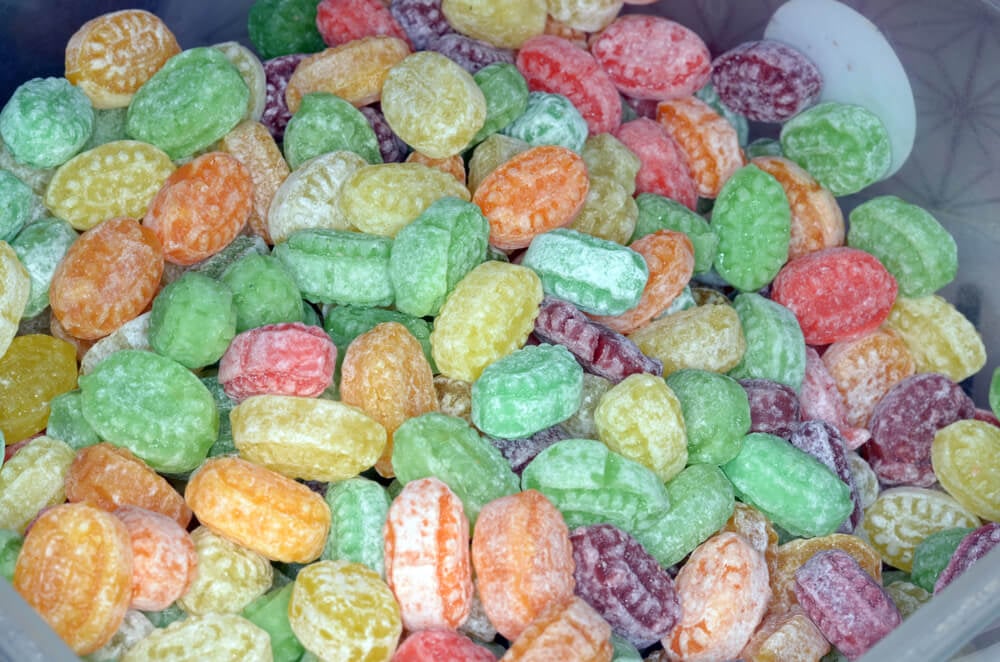
This fruit snack brand competed directly with General Mills’ offerings on the same grocery shelf throughout the 1990s. It was eventually discontinued as the fruit snack category consolidated around fewer, larger brands.
Life Savers
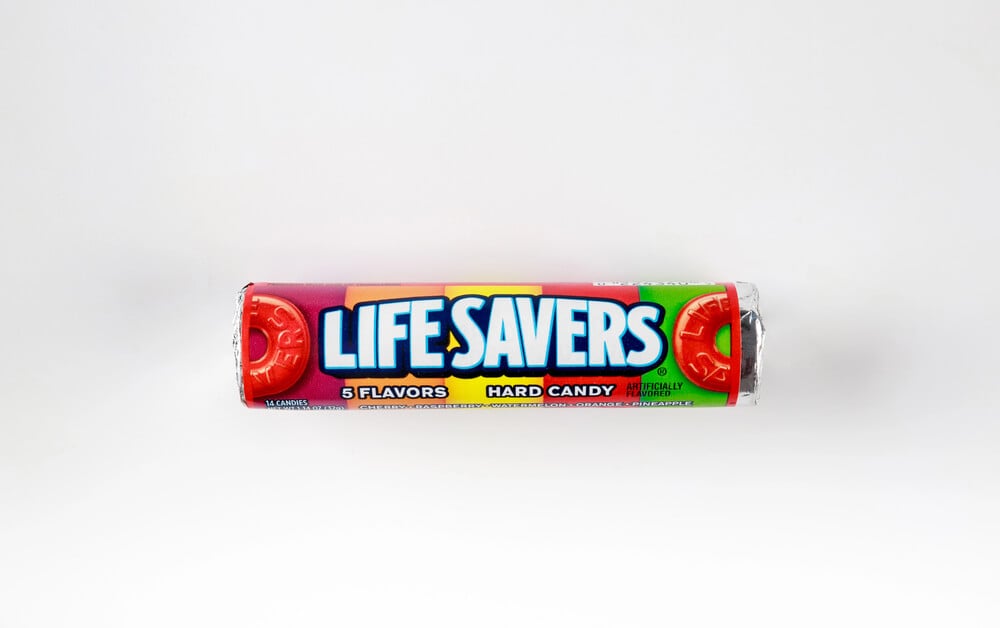
Life Savers briefly sold the rounds punched out of its classic ring-shaped candy as a standalone product, playing on the candy’s most recognizable visual feature. The novelty format didn’t sustain long-term sales and was discontinued.
Dannon Sprinkl’ins
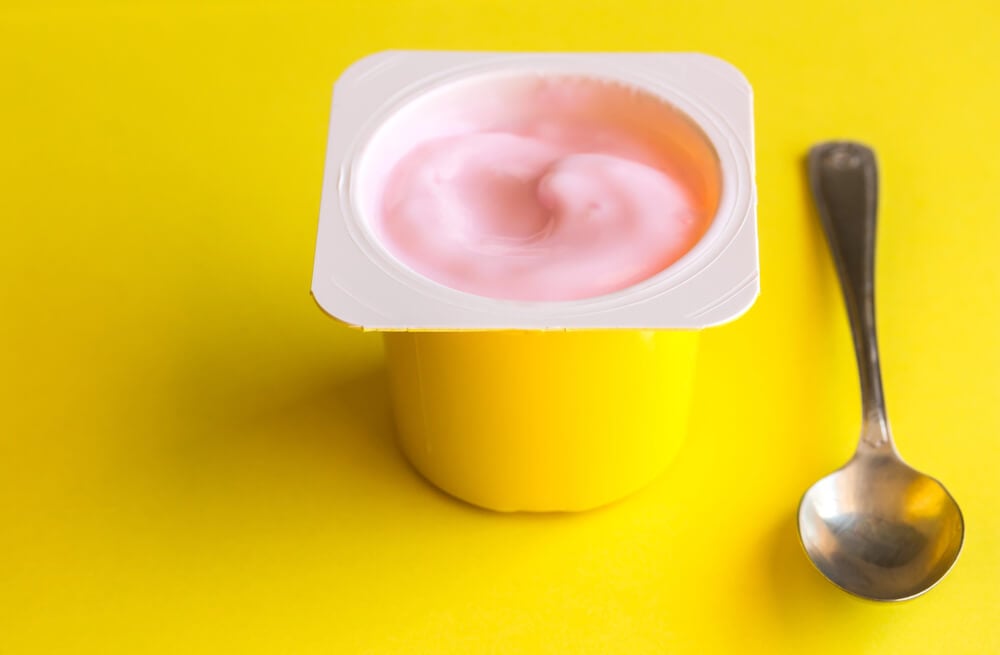
Dannon marketed this yogurt product with a separate compartment of candy sprinkles meant to be mixed in right before eating, aiming squarely at kids who wanted their yogurt to feel more like dessert. The line was discontinued as the broader kids’ yogurt category shifted toward simpler tube and pouch formats.
PB Max
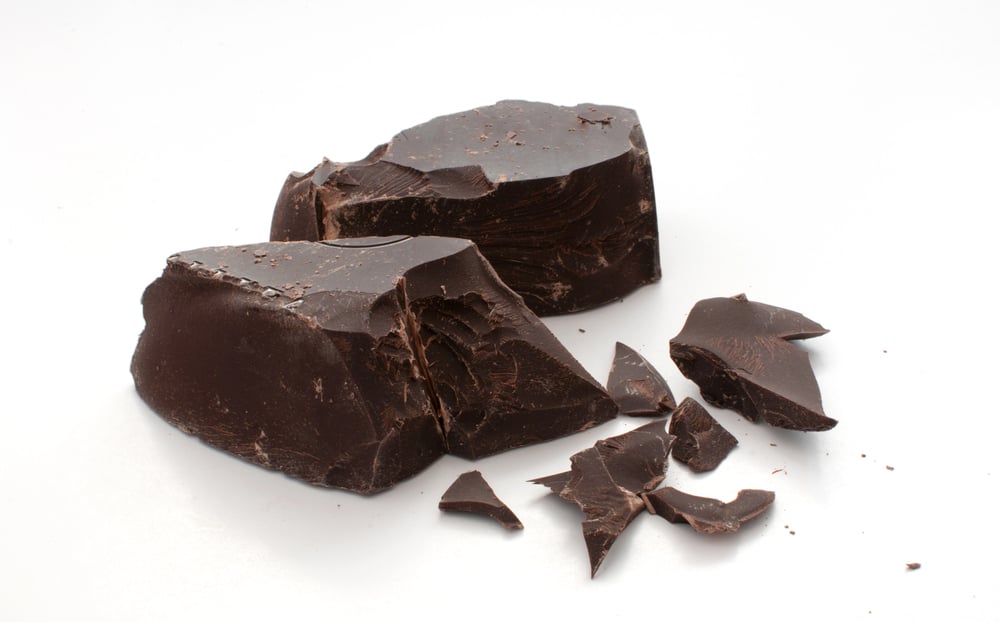
Mars released this candy bar in the late 1980s and sold it into the early 1990s, combining peanut butter, a whole peanut, oats, and chocolate into one bar. Despite reportedly strong sales, Mars discontinued it in 1993, and its exact reasoning was never fully explained publicly.
Cookies and Crème Twix
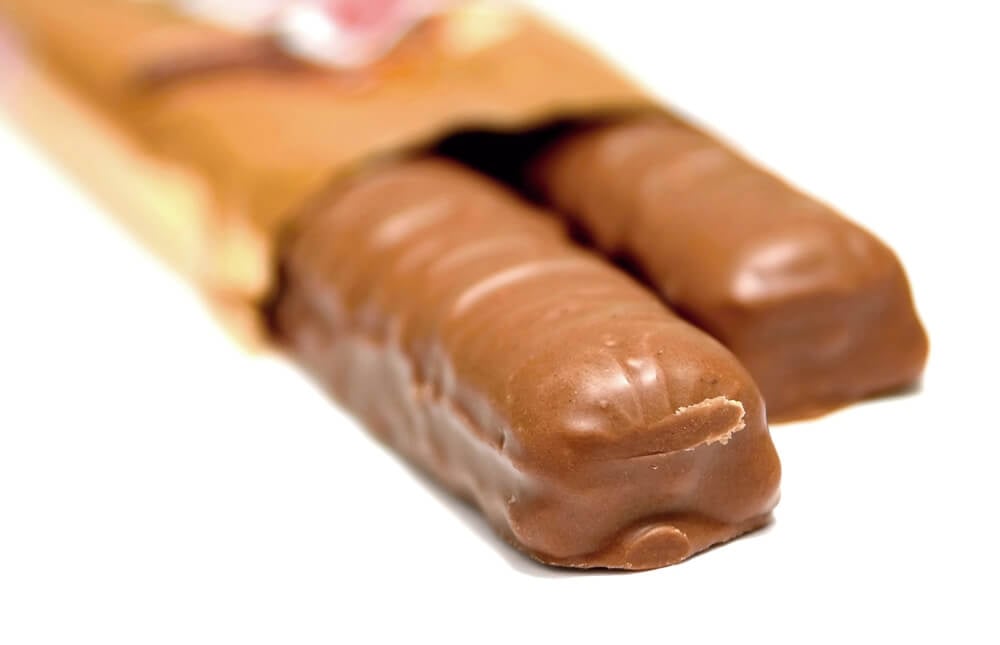
Twix released this limited variation swapping its usual caramel and chocolate for a cookies-and-cream flavor profile. It lasted only a short run before being pulled in favor of the brand’s standard caramel formula.
Bar None
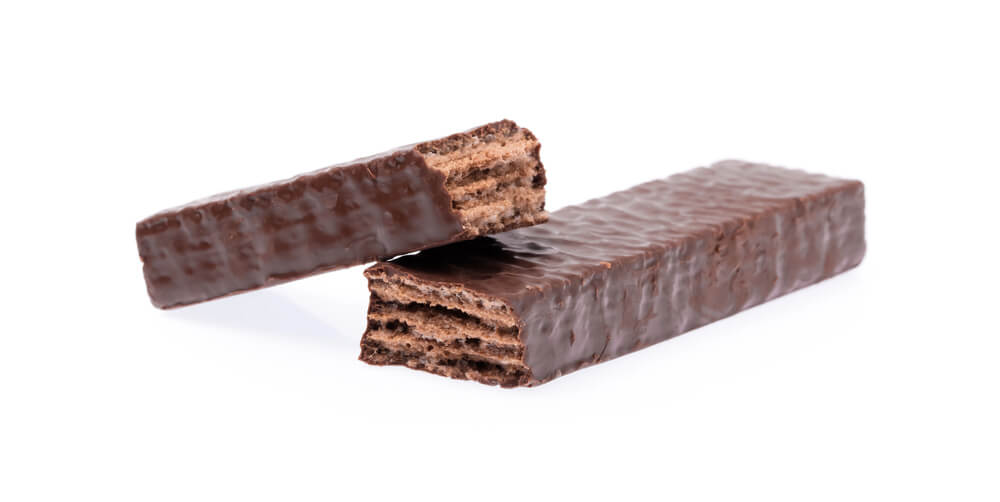
Hershey released this layered chocolate and wafer candy bar in the 1980s, and it remained on shelves through much of the 1990s before being discontinued. A version was later revived under the same name, though longtime fans generally describe it as a different product from the original.
Bonkers!
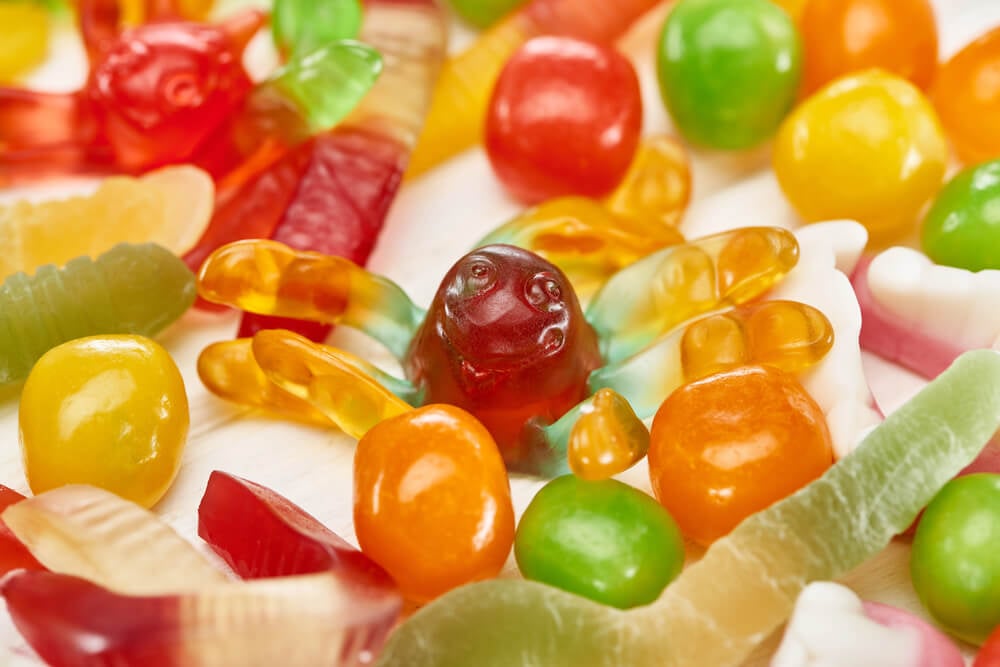
Revlon’s food division introduced this chewy, intensely fruit-flavored candy in the 1980s, and it remained popular with kids into the early 1990s. It was eventually discontinued as the company shifted focus away from the candy business entirely.
Nestle Alpine White Bars
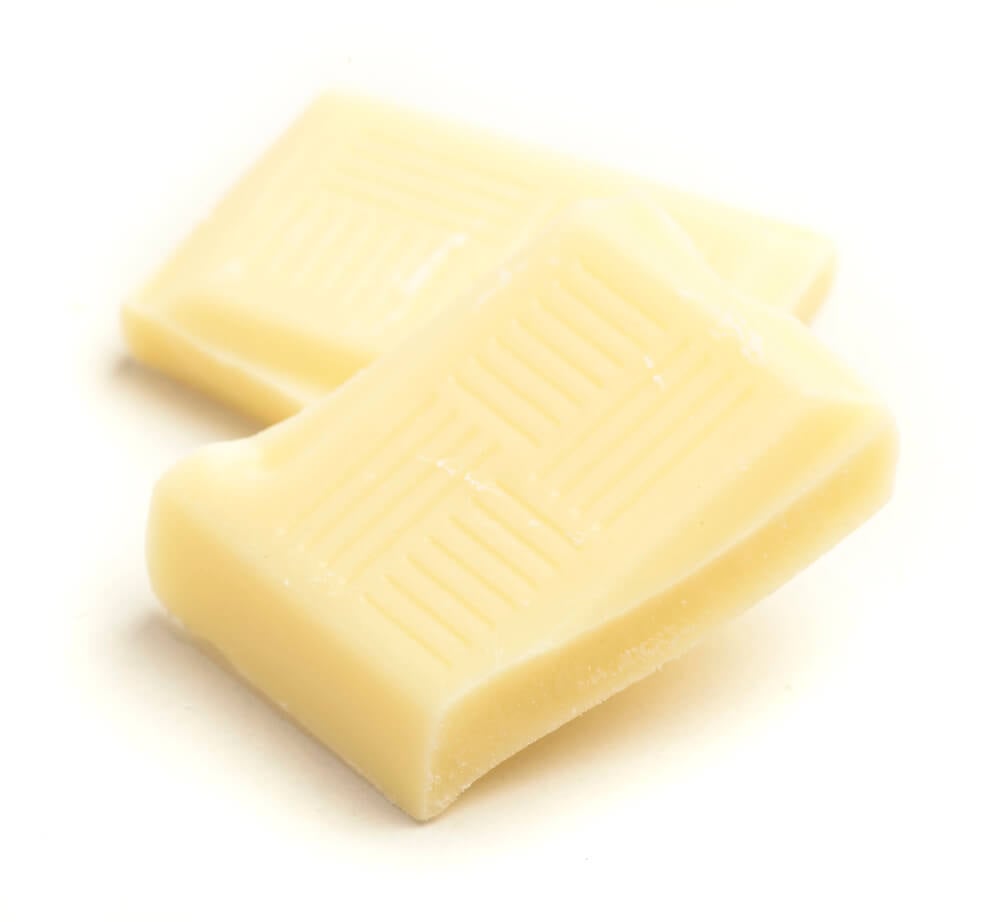
This white chocolate bar studded with almonds was a fixture of candy aisles through the late 1980s and into the 1990s. Nestlé eventually discontinued it as its candy portfolio narrowed around better-selling core products.
Summit Bars
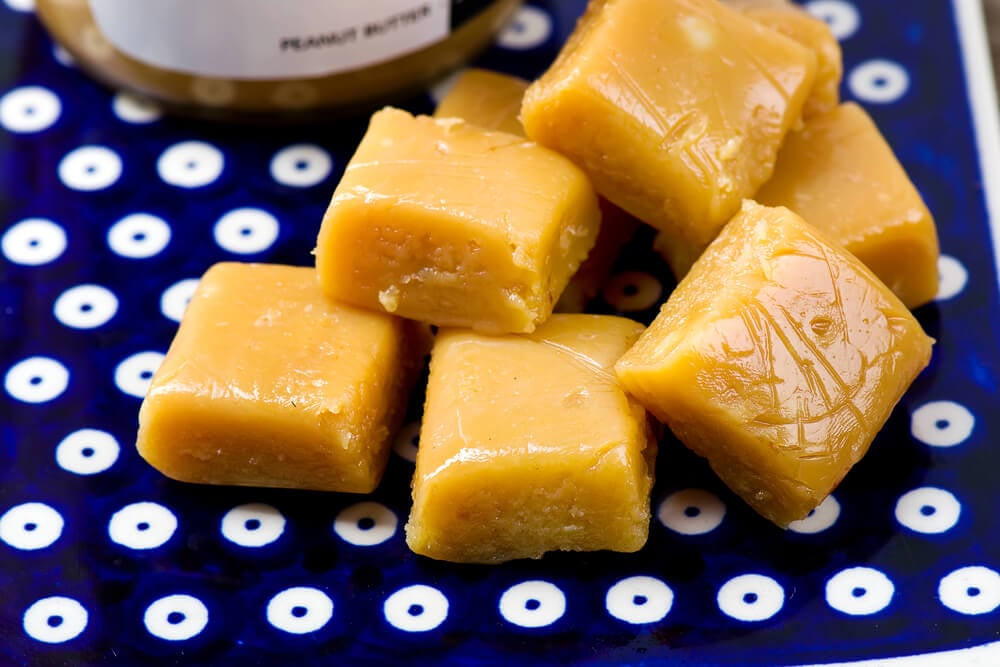
M&M/Mars sold this layered cookie, caramel, and peanut candy bar through the 1980s and early 1990s before quietly discontinuing it. It remains one of the more frequently requested candy bar revivals among fans of the era.
Peanut Butter Boppers
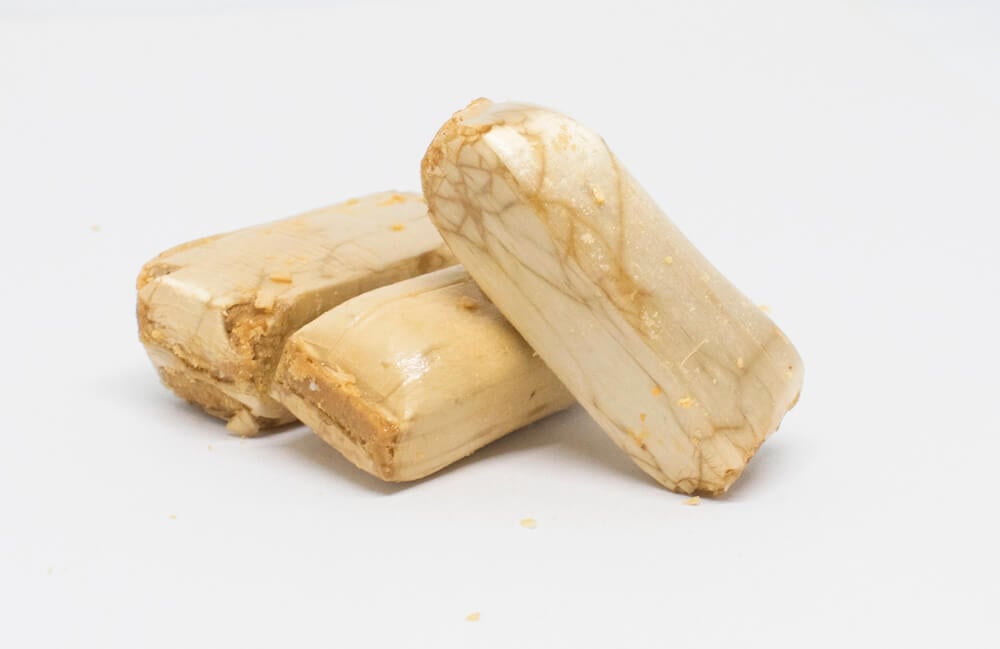
This candy bar combined a peanut butter center with a chocolate coating, competing directly against similar offerings from larger candy makers. It was discontinued as its manufacturer scaled back a broader, less successful candy lineup.
Hershey’s S’mores Bar
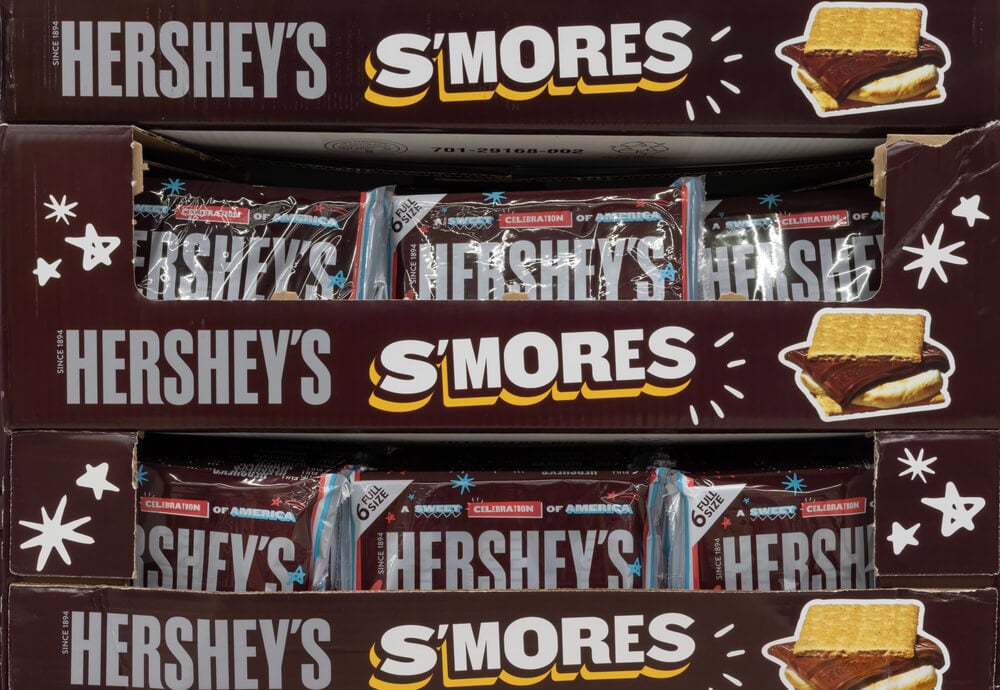
Hershey packaged the flavor of a campfire s’more directly into a candy bar format, combining chocolate, marshmallow, and a graham-flavored element. The bar was discontinued as Hershey consolidated its novelty bar offerings around better sellers.
Jell-O Pudding Pops
General Foods sold these frozen pudding-on-a-stick treats starting in the late 1970s, and they remained popular through the 1980s before being discontinued in the early 1990s. The brand has seen sporadic limited revivals since, none of which stayed on shelves permanently.
Hostess Fried Pies
Hostess sold individually wrapped, pudding-filled fried hand pies as a lunchbox and vending-machine staple for years before quietly dropping them from its regular lineup. Longtime fans still describe them as distinct from the baked pie formats that eventually replaced them.
Slimmons Snack Line
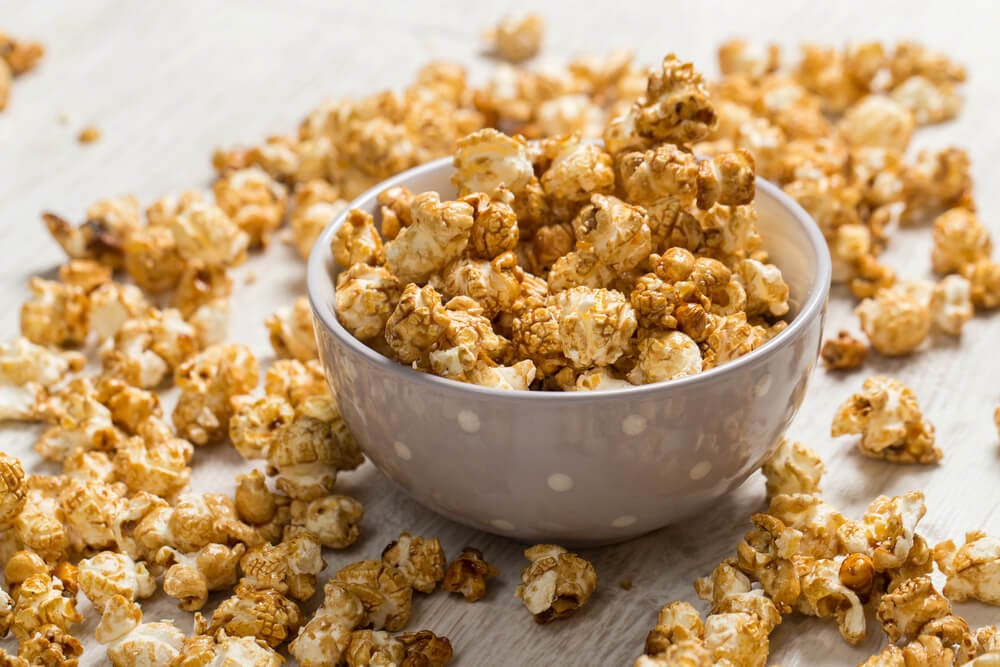
Fitness personality Richard Simmons lent his name and image to a line of reduced-fat snacks sold at Walmart starting in 1997, including cheese curls, toffee popcorn, candy bars, and pretzels. The line didn’t sell well and was discontinued not long after launch.
Garfield & Friends Fruit Snacks
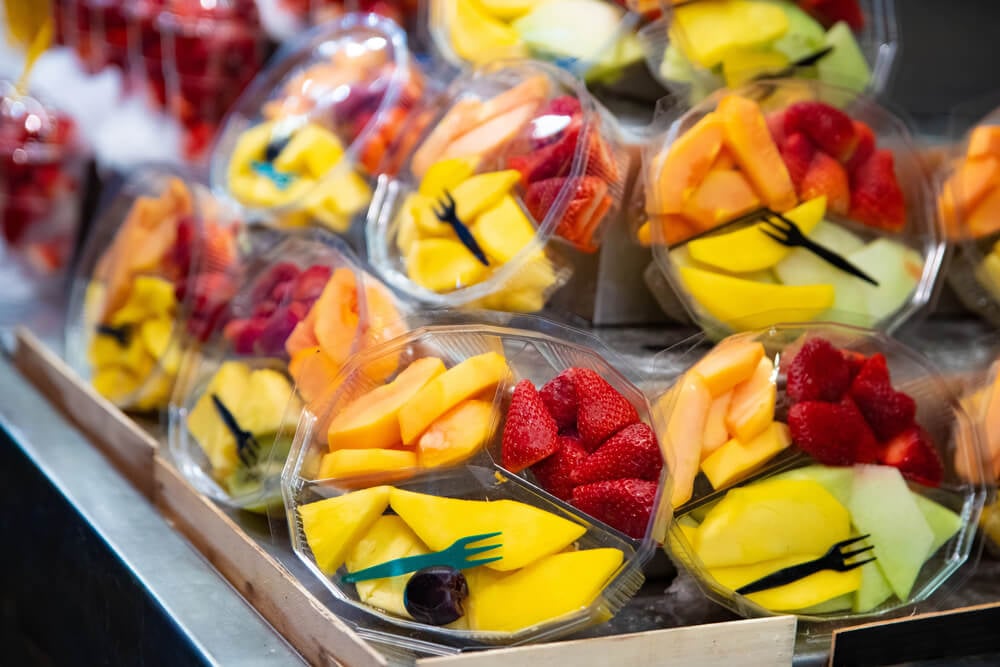
General Mills produced this fruit snack tied to the Garfield & Friends cartoon, which aired from 1988 to 1995, releasing at least two distinct product versions during the show’s run. The tie-in snack disappeared from shelves as the cartoon itself left the air.
Kudos Bars
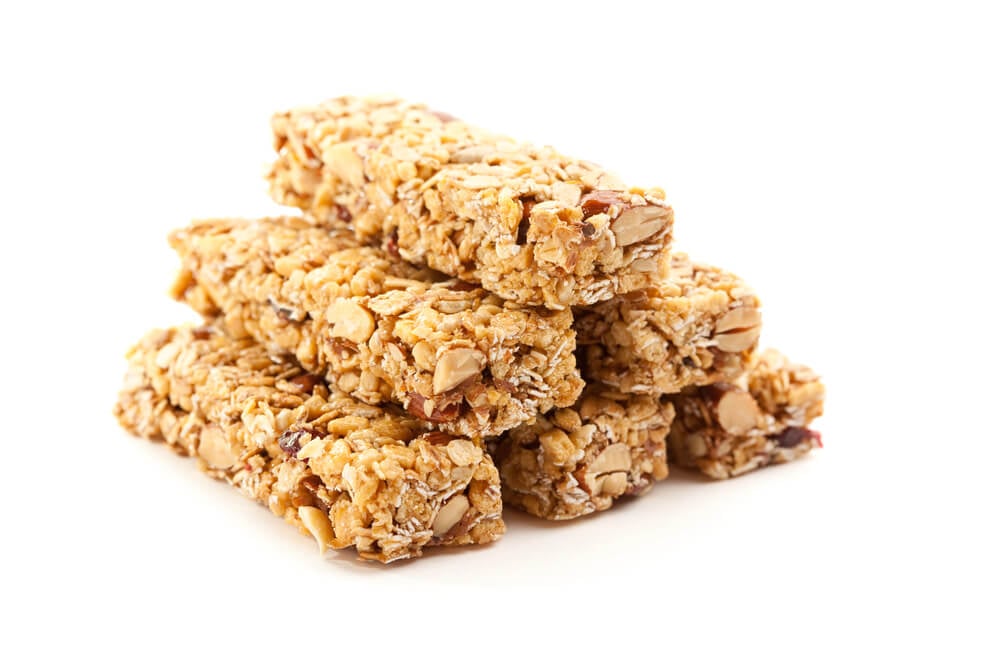
Mars marketed these granola bars, which were closer in composition to a candy bar than a health food despite their positioning, as a lunchbox staple through the 1990s. The brand was officially discontinued in 2017 after a long decline in sales.
Chip ‘n Dale Fudge Bars
This candy bar tied its packaging directly to the Disney chipmunk characters, using a rounded fudge shape and design detail referencing each character’s distinct nose color. It disappeared from shelves as licensed character candy tie-ins of that specific style fell out of favor.
IncrediBites
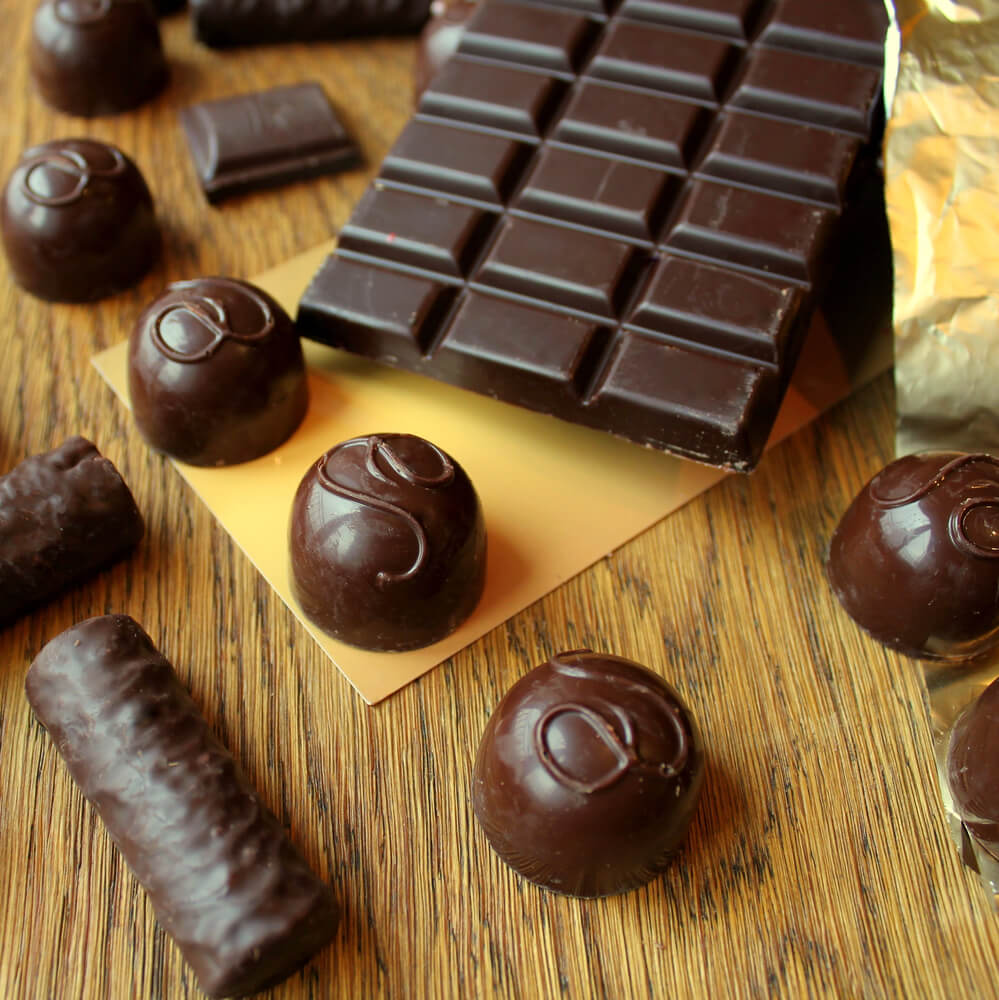
General Mills launched this snack alongside Dunkaroos in a twin 1992 product announcement, though it never achieved the same lasting popularity as its more famous sibling. It was discontinued well before Dunkaroos itself left shelves two decades later.
Big Stuf Oreo
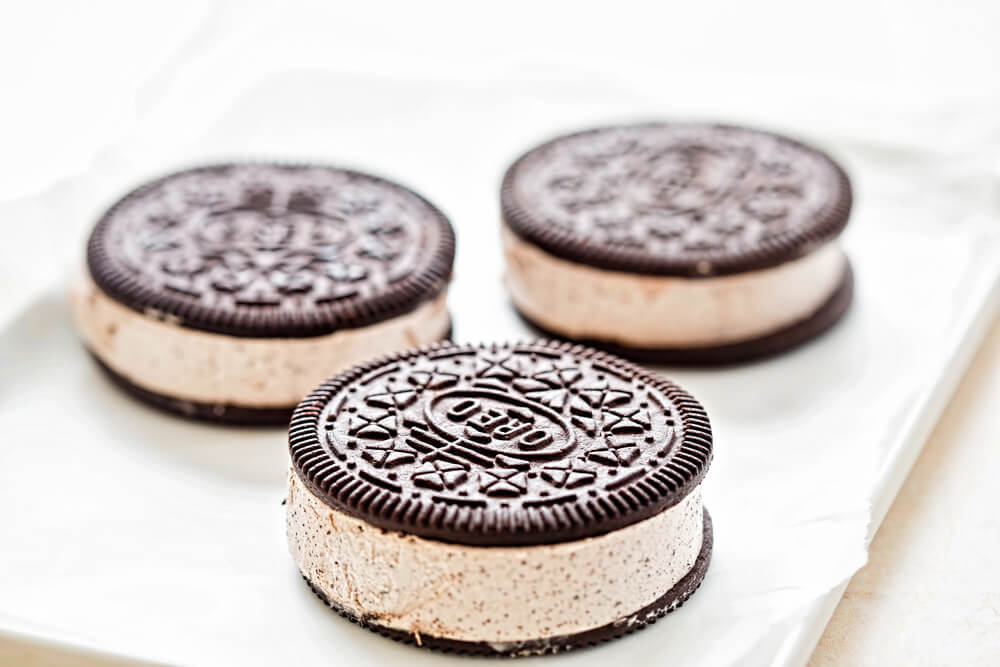
Nabisco sold this oversized single-serving Oreo, roughly the size of a small sandwich, from 1984 until 1991. Its size made it expensive to produce relative to standard packaged cookies, and Nabisco discontinued it as the decade turned over.
What the Snack Aisle Used to Reward
Nearly every item on this list won shelf space by being strange rather than simply tasty: a floating gel orb, a peelable string, a candy shaped like the leftover of another candy. That kind of novelty sells fast and burns out just as quickly, which is exactly the trade a food company accepts when a mascot and a gimmick do more work than the flavor itself.
What’s left behind isn’t really a craving for the taste, since most of these products would probably taste too sweet or too strange to an adult palate today. It’s a craving for the specific experience of choosing them off a shelf as a kid, which is a memory no reformulated relaunch has ever quite managed to recreate.
More from Go2Tutors!

- The Romanov Crown Jewels and Their Tragic Fate
- 13 Historical Mysteries That Science Still Can’t Solve
- Famous Hoaxes That Fooled the World for Years
- 15 Child Stars with Tragic Adult Lives
- 16 Famous Jewelry Pieces in History
Like Go2Tutors’s content? Follow us on MSN.



