26 Royal Scandals Covered Up for Centuries Before Historians Found the Proof
Royalty has always understood one thing above all else: controlling the story is just as important as controlling the throne. Documents got buried, witnesses got silenced, and court historians rewrote events with the kind of confidence that only comes from knowing no one will contradict them.
For centuries, it worked. Inconvenient heirs vanished from official records, lovers were scrubbed from correspondence, and entire episodes of palace life simply ceased to exist on paper.
But history has a stubborn streak. Archives get opened, letters surface in attic trunks, and forensic science keeps finding things that people in silk and ermine worked very hard to hide.
What follows are twenty-six moments where the cover-up held — until it didn’t.
Richard III and the Princes in the Tower
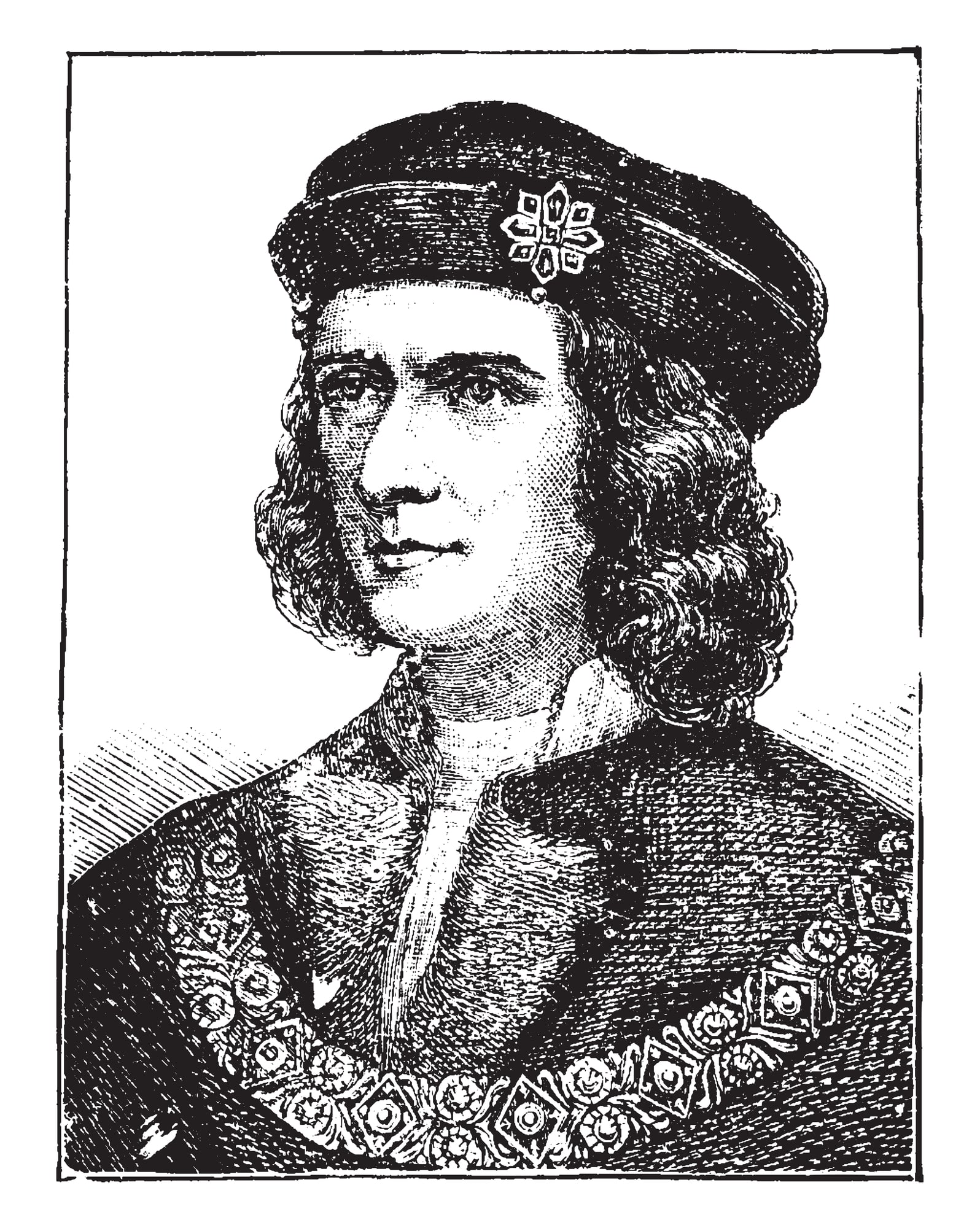
Two boys walked into the Tower of London in 1483 and never walked out. Richard III’s court insisted the princes simply… faded from public view, and for generations, the official story shrugged.
Bones discovered beneath a staircase in 1674 were quietly reinterred in Westminster Abbey without serious forensic examination — a decision that feels, in retrospect, like a second cover-up finishing what the first one started.
Anne Boleyn’s Alleged Sixth Finger
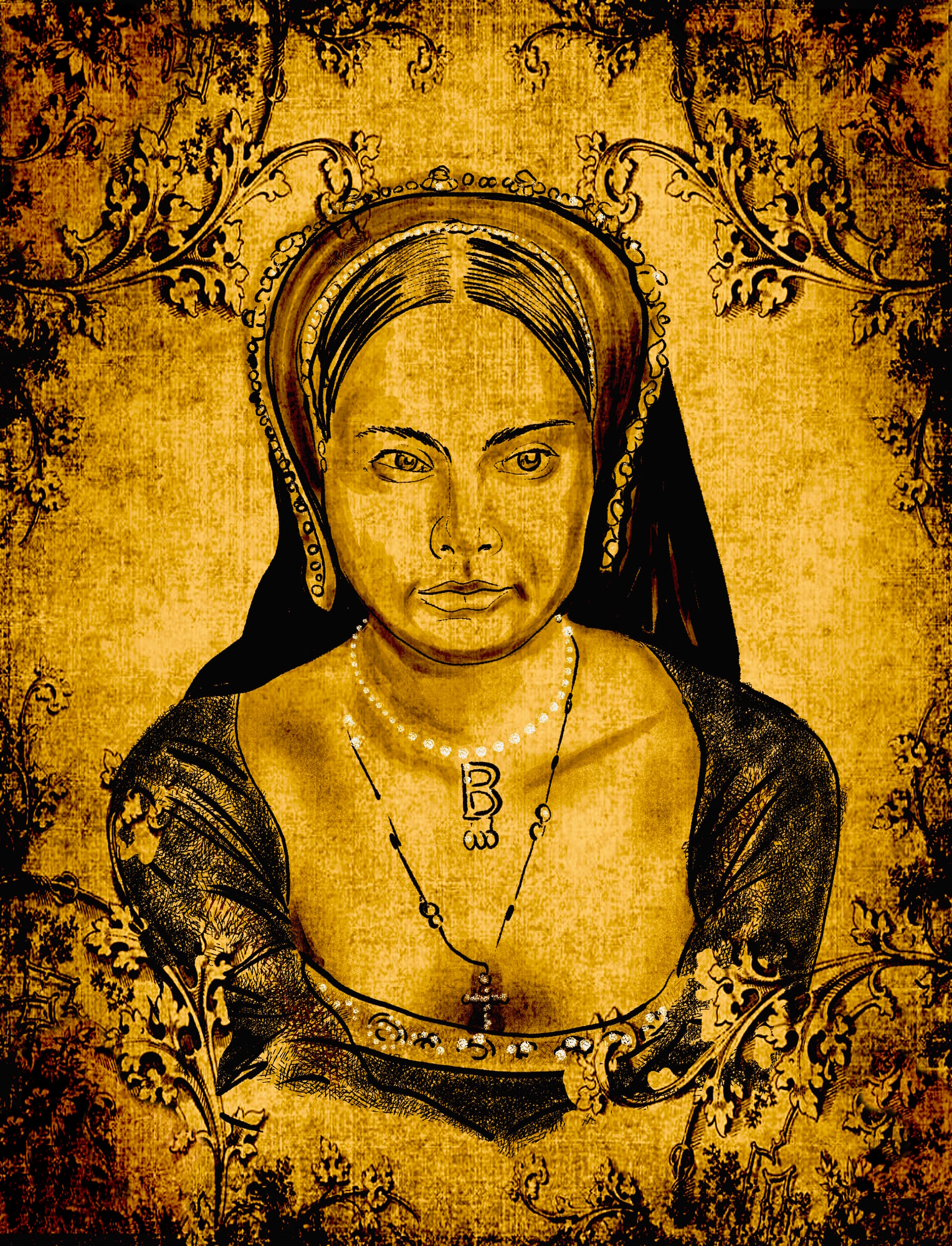
Tudor propagandists who turned against Anne Boleyn after her fall invented a sixth finger on her right hand as proof of witchcraft — a physical mark to explain why Henry VIII had been so thoroughly captivated and then so thoroughly finished with her. Modern analysis of contemporary portraits and surviving descriptions finds no credible evidence of any such deformity.
The detail was fabricated specifically to make her execution feel inevitable rather than political.
Catherine the Great’s Lover Appointments
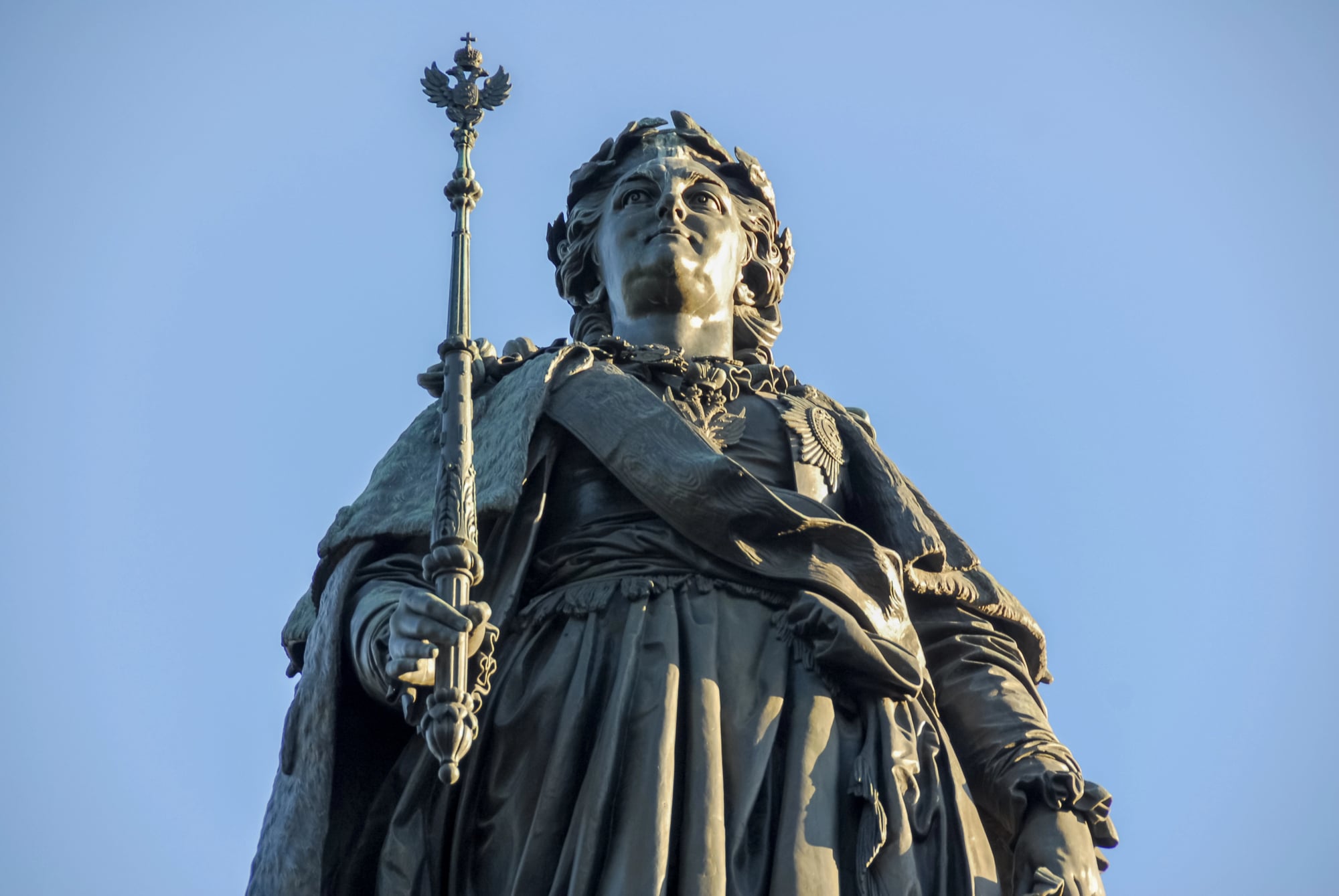
The Russian imperial court maintained, for obvious diplomatic reasons, a studious silence about the formal process by which Catherine the Great selected her companions — a process that was, in practice, rather more institutional than romantic. Historians working through the Hermitage archives and private correspondence in the nineteenth and twentieth centuries uncovered documented evidence of medical examinations conducted by court physicians before appointments were confirmed.
The bureaucracy of it all is genuinely astonishing.
The Legitimacy of Henry VIII’s Marriage to Catherine of Aragon
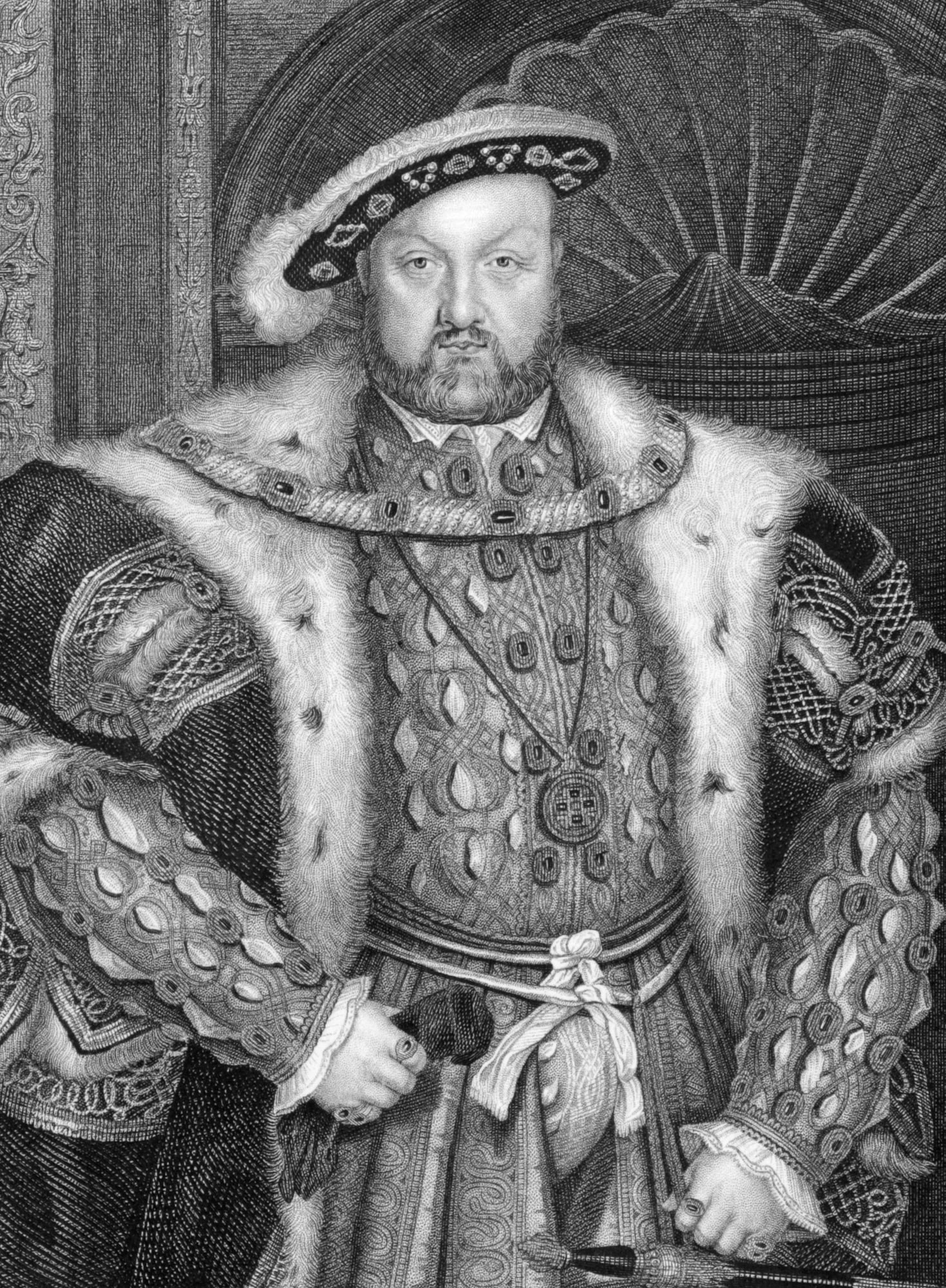
Henry VIII’s entire reformation of the English church rested on a single, enormously convenient argument: that his marriage to Catherine of Aragon had never been valid because she had previously been married to his brother Arthur. Catherine maintained, consistently and until her death, that her first marriage had never been consummated — and the Vatican believed her, which is why the annulment failed.
Letters between Spanish ambassadors, unsealed by historians centuries later, reveal that even Henry’s own council privately doubted the legal basis for the claim they were publicly advancing with such loud certainty.
Louis XIV’s Secret Marriage to Madame de Maintenon
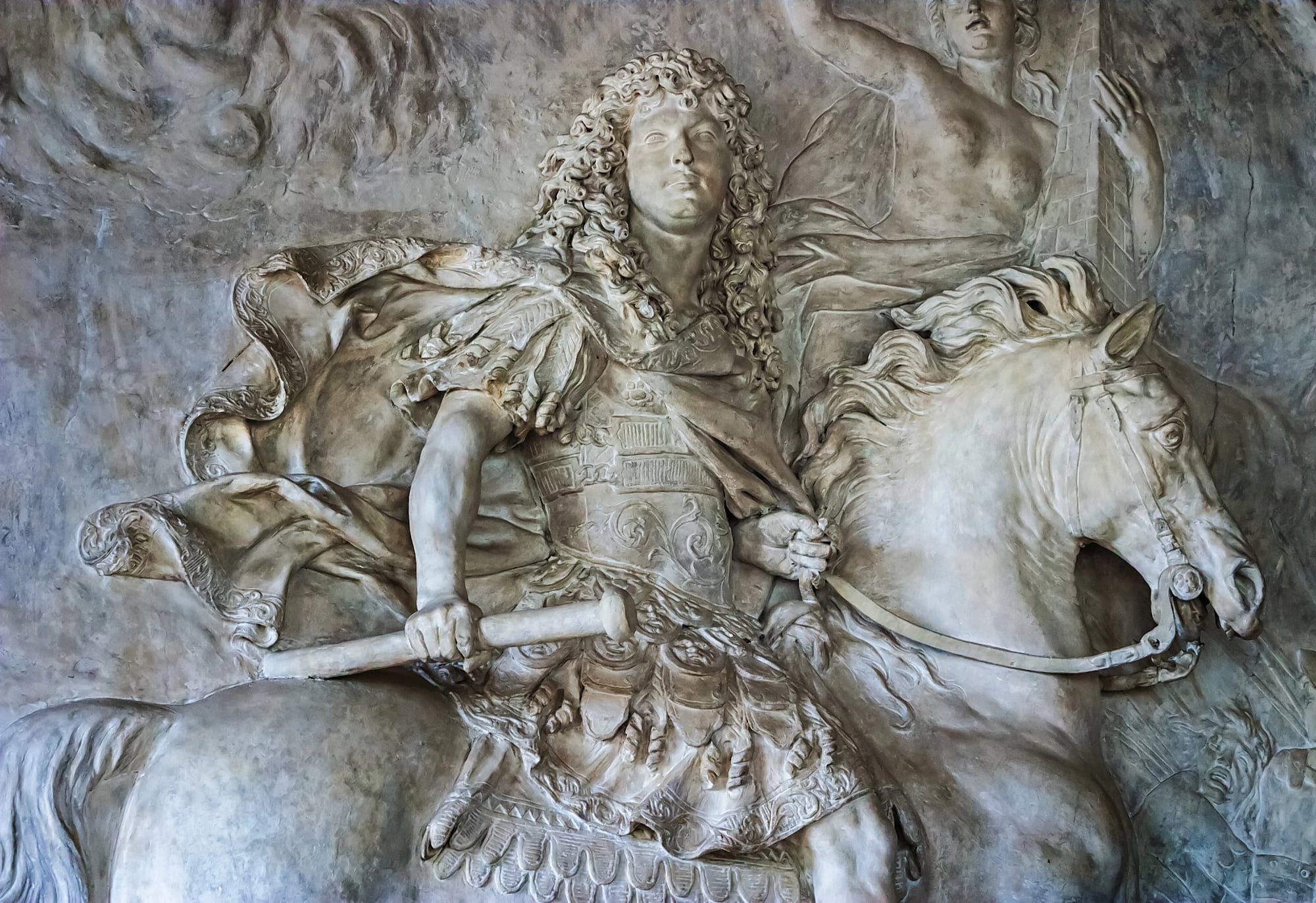
The Sun King, who had spent decades performing his reign as a kind of theatrical absolute monarchy, quietly married his mistress Françoise d’Aubigné — better known as Madame de Maintenon — sometime around 1683, almost certainly in a private morganatic ceremony. The marriage was never officially acknowledged during his lifetime, because admitting it would have required the French court to treat a governess’s daughter as queen.
Historians confirmed the union through letters and the testimony of priests recorded well after the fact.
The Hemophilia Cover-Up in the Romanov Family
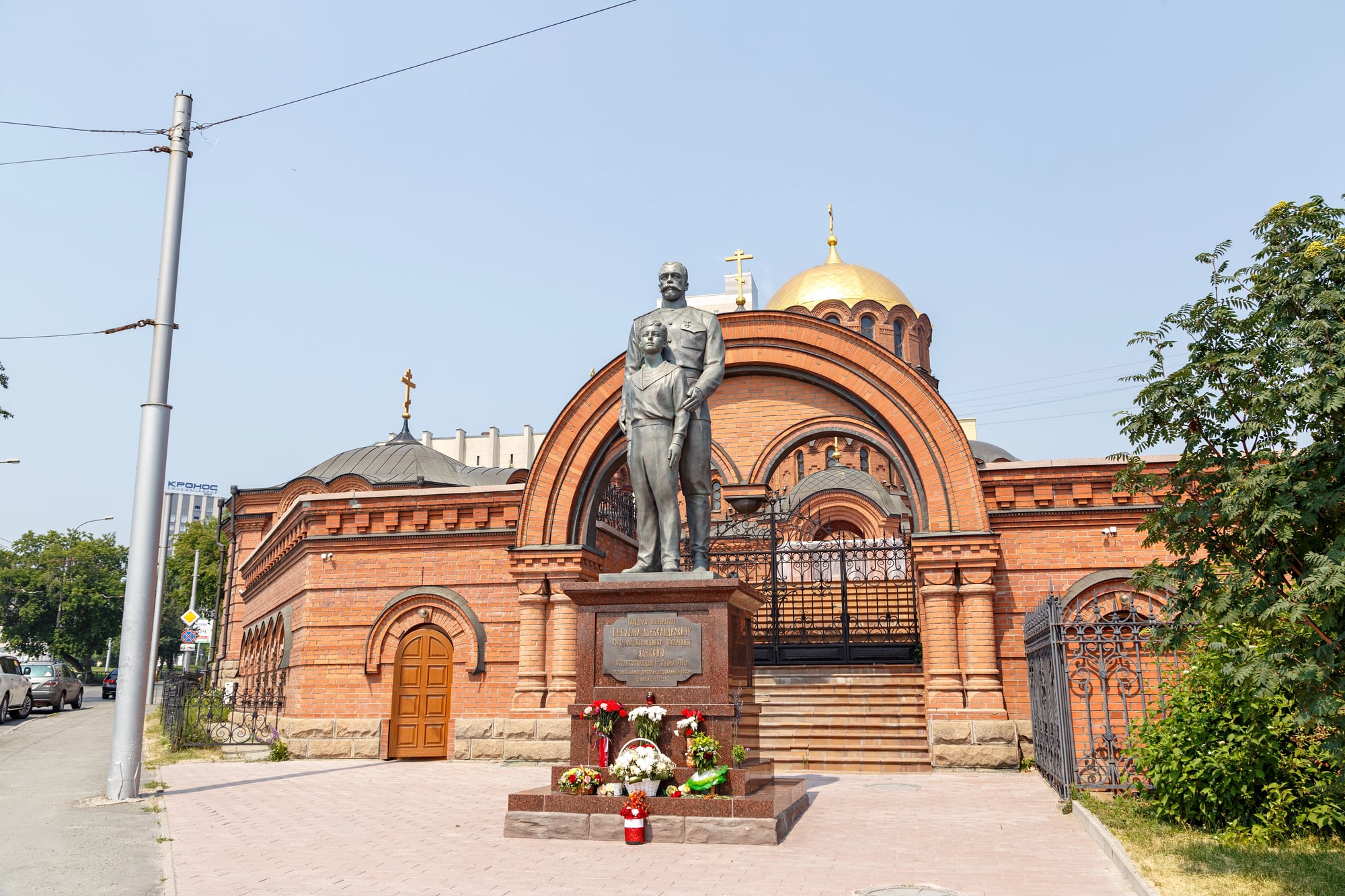
The Romanov court went to extraordinary lengths to conceal the severity of Tsarevich Alexei’s hemophilia, partly because admitting it meant admitting a potentially fatal weakness in the dynasty’s future. Rasputin’s influence over the family — which ultimately contributed to the political destabilization that ended with the Romanovs’ execution — was, to a significant degree, built on his apparent ability to calm the boy’s symptoms, a fact the court kept tightly suppressed in official communications.
DNA analysis conducted on remains after the fall of the Soviet Union finally confirmed the hemophilia diagnosis that the court had worked so hard to obscure.
Mary Queen of Scots and the Casket Letters
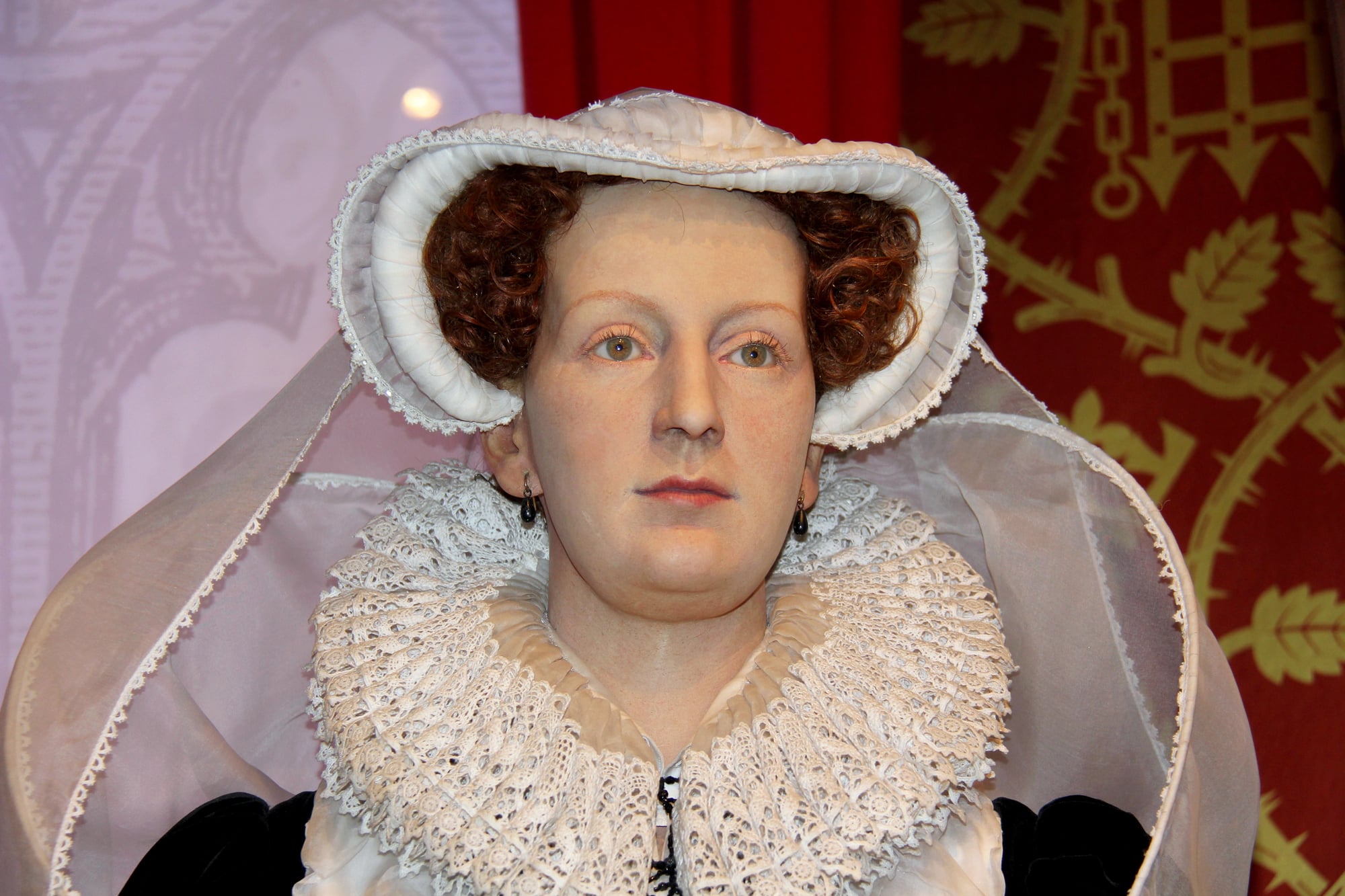
The letters produced at Mary Queen of Scots’ trial — letters allegedly proving she had conspired in the murder of her husband Lord Darnley — were almost certainly forged, or at minimum selectively edited by her enemies, and historians have suspected this for a long time. The originals disappeared conveniently after the trial, making definitive authentication impossible, which is precisely the kind of archival outcome that happens when documents are manufactured rather than found.
The cover-up here ran in both directions: fabricating evidence to destroy her, and then destroying the fabricated evidence before it could be examined too closely.
Edward IV’s Potentially Illegitimate Birth
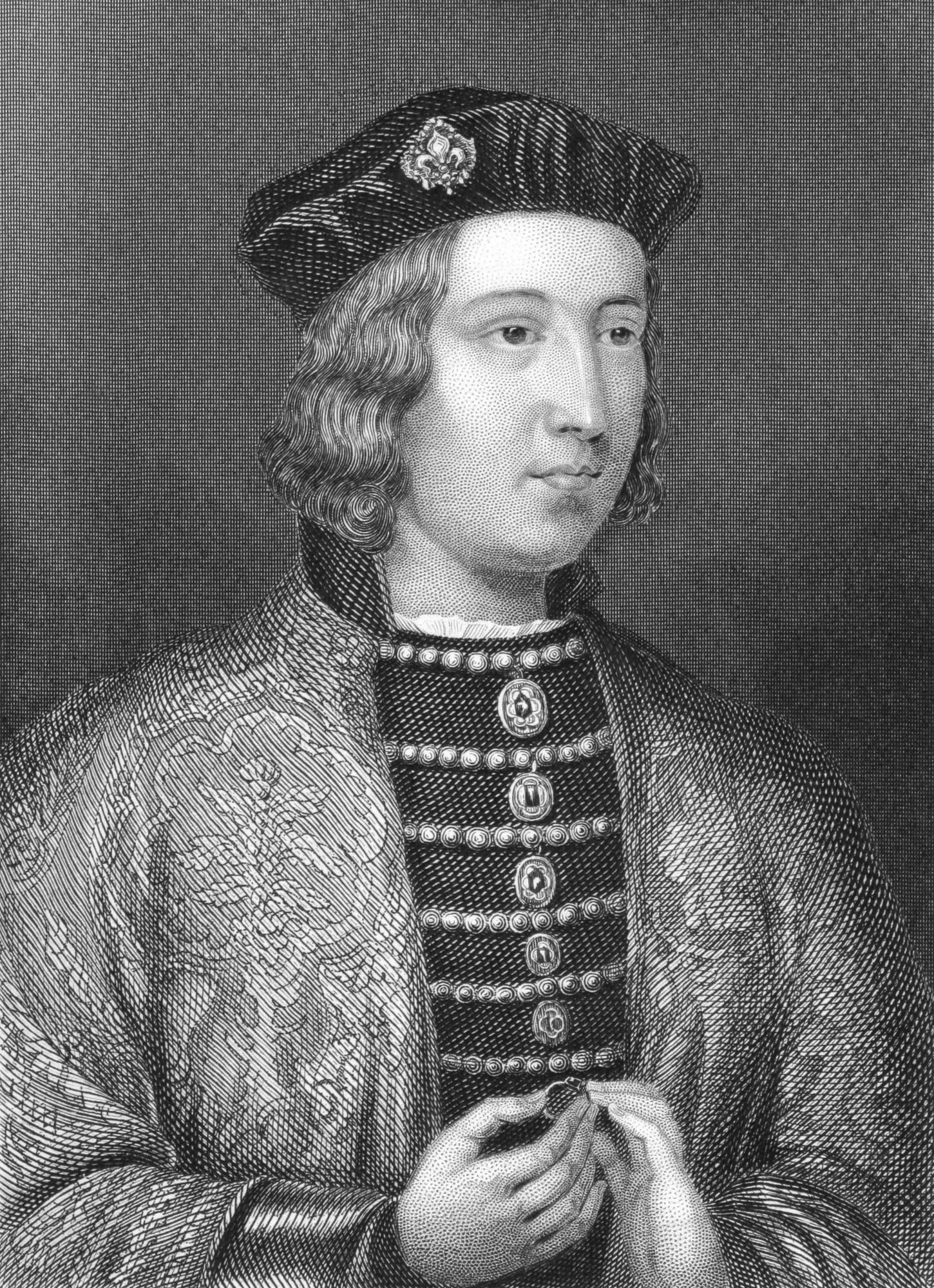
The suggestion that Edward IV was not actually the son of Richard, Duke of York — which would have made his entire reign, and by extension the Wars of the Roses, rest on a false dynastic claim — surfaced during his own lifetime and was treated by the court as slander worth suppressing at speed. Genetic genealogy research published in 2022, drawing on Y-chromosome analysis of living male-line descendants, found a break in the paternal line consistent with a non-paternity event at approximately that point in the family tree.
It doesn’t prove anything conclusively, but it doesn’t dismiss the old whispers either.
The Affair That Produced Louis XIV
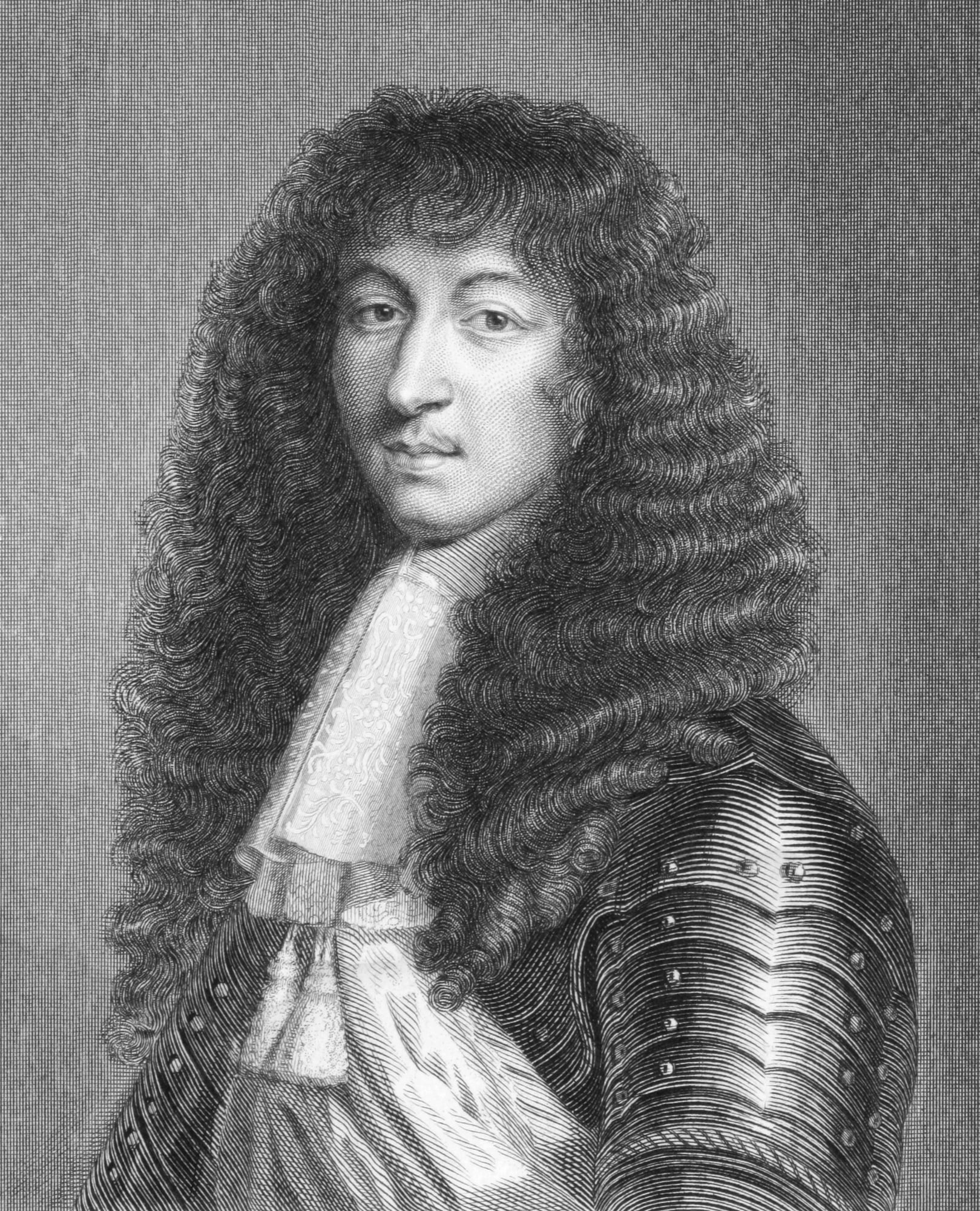
Louis XIII and his queen, Anne of Austria, had been effectively estranged for over two decades when Louis XIV was conceived — a fact that was well known at the Versailles court and quietly suppressed in official dynastic histories. What brought the royal couple together on the specific night that produced an heir after twenty-three childless years of marriage remains, diplomatically, unexplained.
Historians have speculated that a third party was involved, though the French court’s record-keeping on the subject is, perhaps not coincidentally, conspicuously thin.
George IV’s Secret Marriage to Maria Fitzherbert
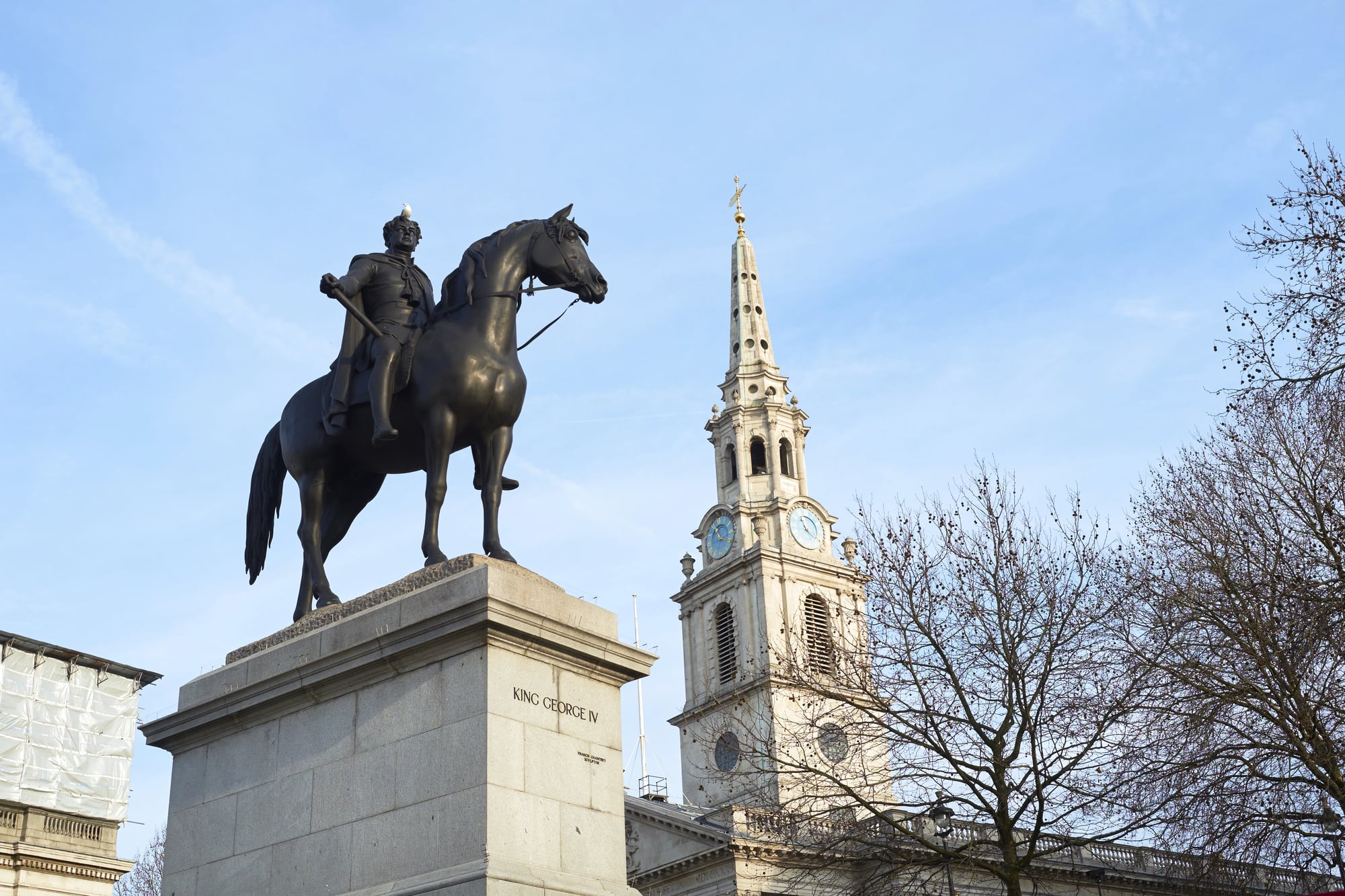
George IV married the Catholic widow Maria Fitzherbert in a private ceremony in 1785, a union that was illegal under the Royal Marriages Act and that would have disqualified him from succession under the Act of Settlement. He publicly denied the marriage when pressed, his allies denied it in Parliament, and the whole affair was managed as a matter of necessary political fiction for years.
The marriage certificate survived — it was found among Fitzherbert’s papers after her death and is now held by the Royal Archives.
The True Parentage of Frederick the Great
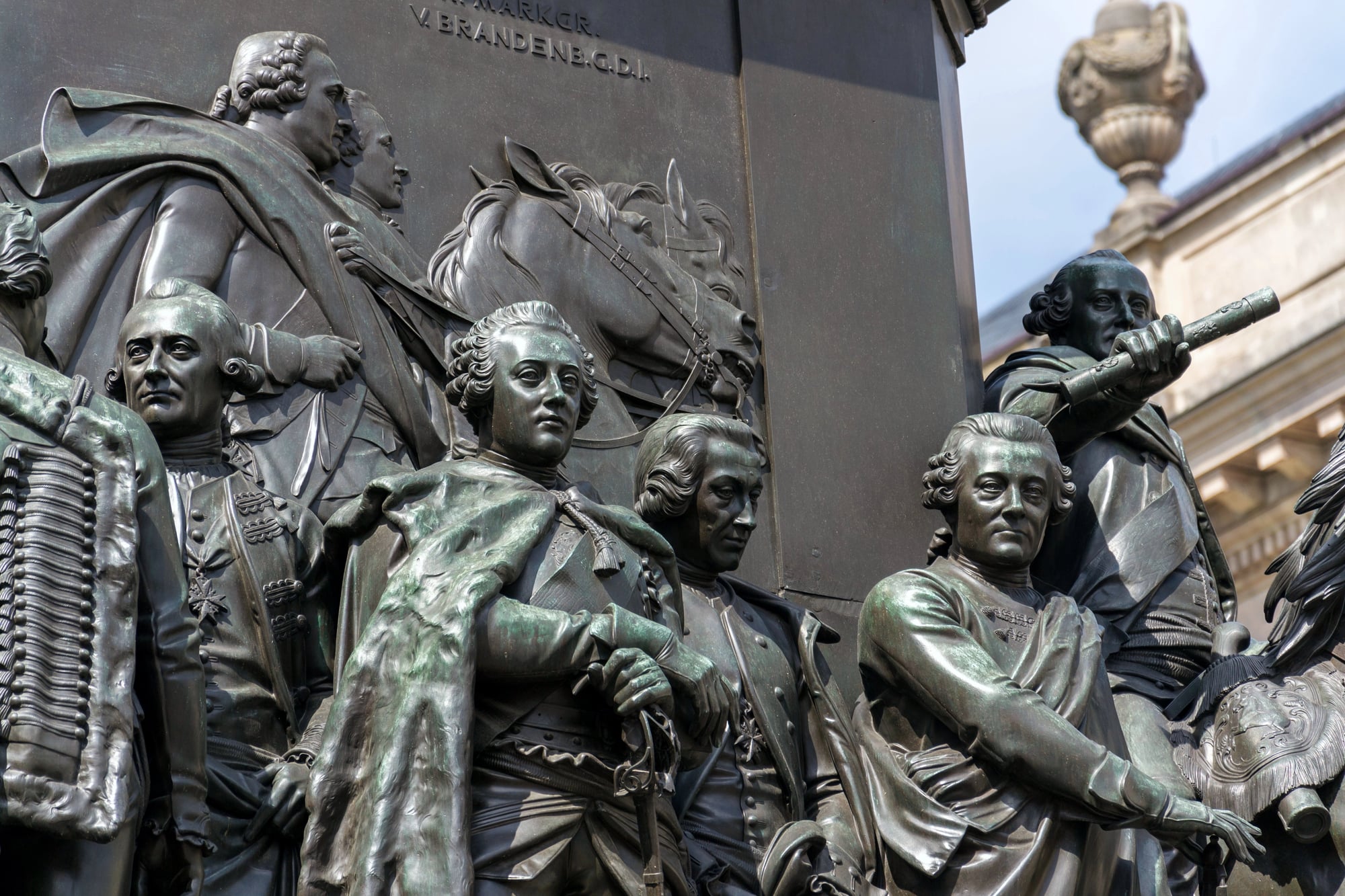
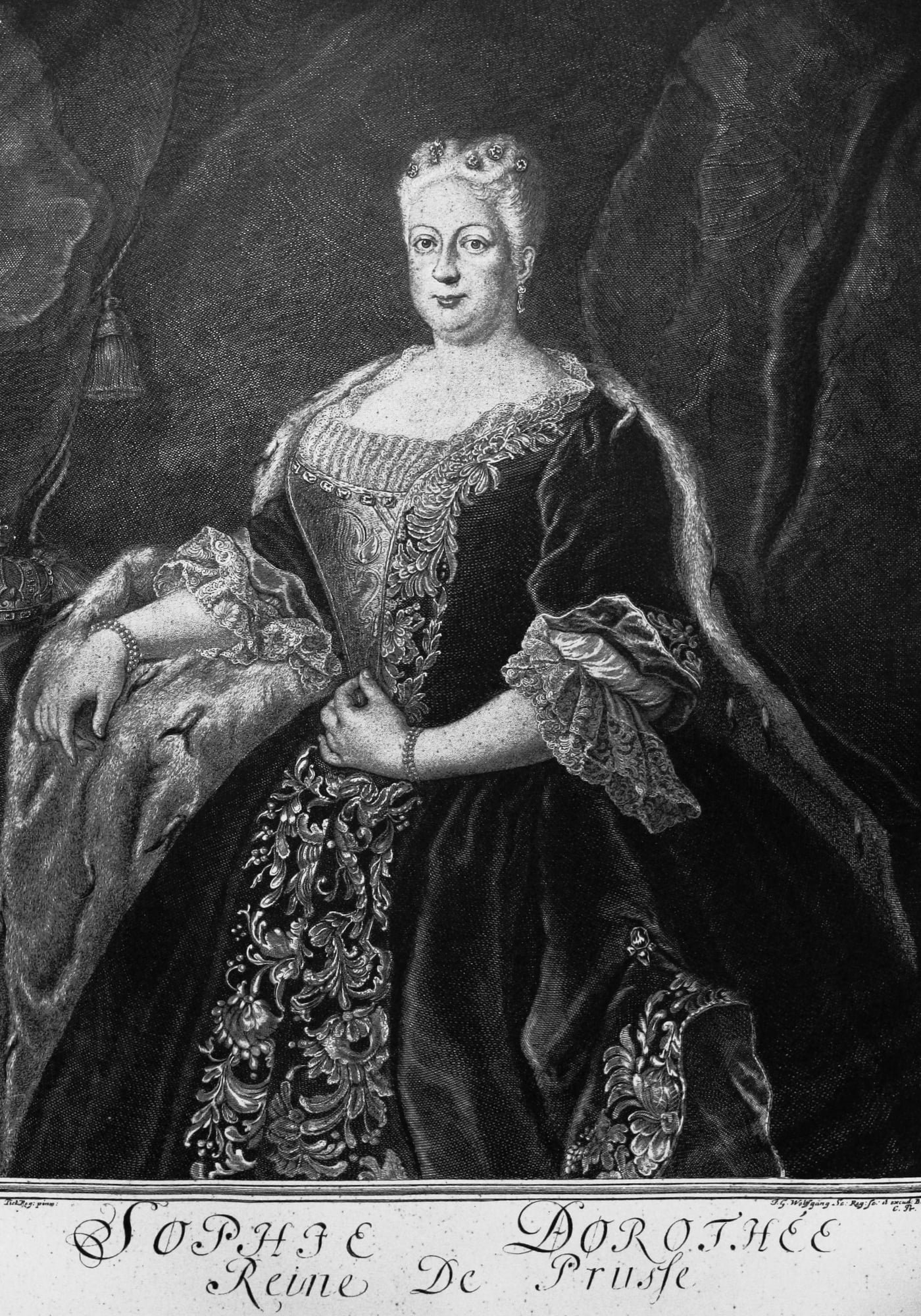
Frederick II of Prussia’s relationship with his father Frederick William I was catastrophically hostile, to the point where the elder king had Frederick’s closest friend executed in front of him as punishment for an attempted escape. What historians pieced together through court correspondence much later is that Frederick William I harbored serious private doubts about whether Frederick was actually his son — doubts rooted in the queen’s documented closeness with other men at court.
The Prussian royal household buried these suspicions with the kind of efficiency you’d expect from a dynasty that ran its kingdom like a military operation.
Isabella of France’s Role in Edward II’s Murder

Edward II’s official death at Berkeley Castle in 1327 was recorded as natural, or at least vague enough to avoid difficult questions, at a time when his wife Isabella and her lover Roger Mortimer were running the kingdom in his young son’s name. The account of his murder — involving a method too gruesome to have been invented without some basis in fact — surfaced in later chronicles and was treated as rumor for centuries.
Modern historians examining the Berkeley Castle accounts and contemporary letters have concluded that the cover-up was organized at the highest level of the English government, which in 1327 meant Isabella herself.
The Disappearance of Sophia Dorothea of Celle
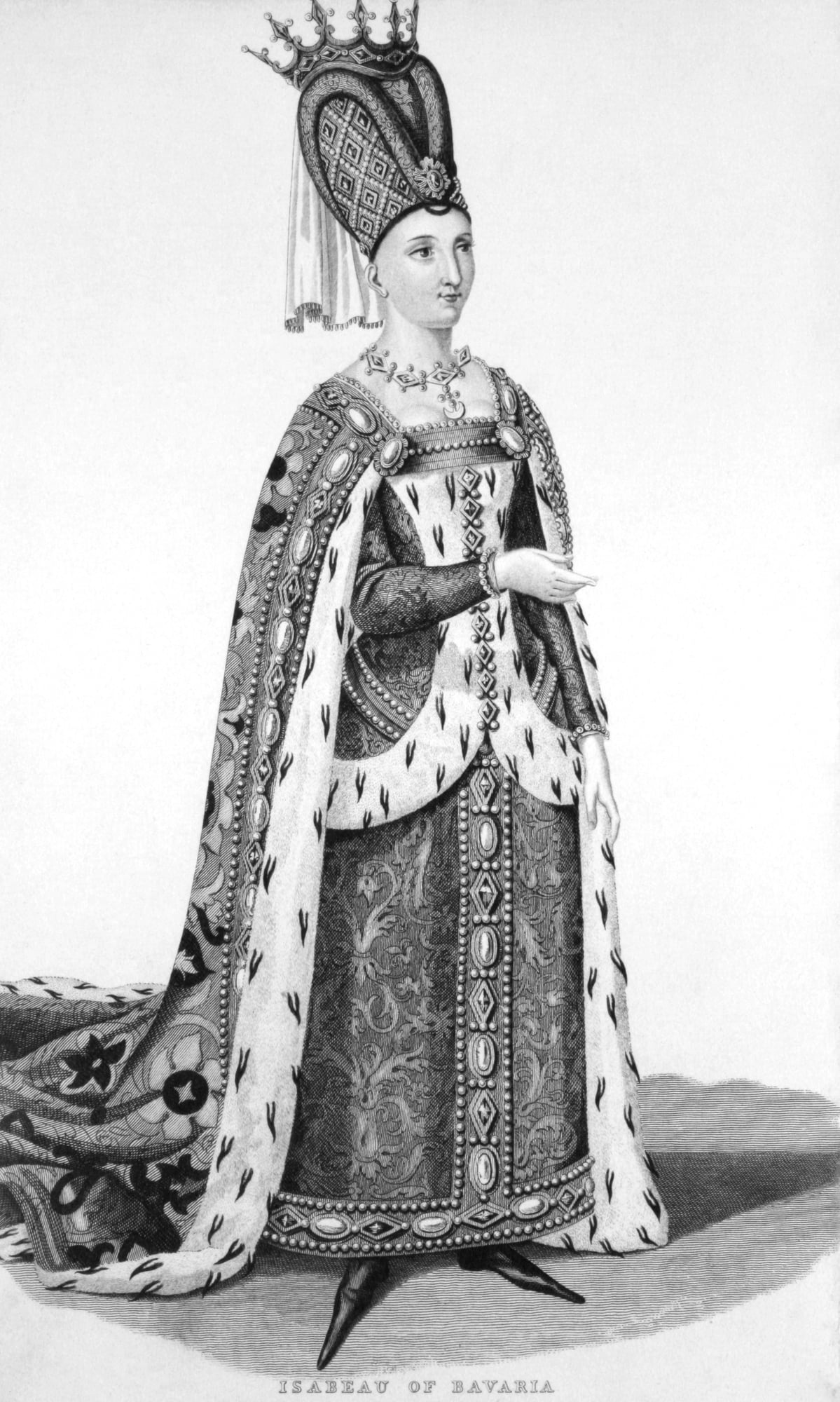
Sophia Dorothea, wife of the future George I of Britain, was imprisoned in Ahlden Castle in 1694 after her affair with Count Philip Christoph von Königsmarck, and she remained there until her death thirty-two years later. The count himself vanished the same night the affair was exposed — no body, no trial, no official explanation — and the Hanoverian court maintained silence on his fate with a thoroughness that spoke louder than any statement.
Documents unearthed in Swedish and German archives in the nineteenth century strongly suggested that Königsmarck was murdered on the orders of Sophia Dorothea’s father-in-law, with the remains disposed of beneath the floorboards of the Hanoverian palace.
Joanna of Castile’s Mental State
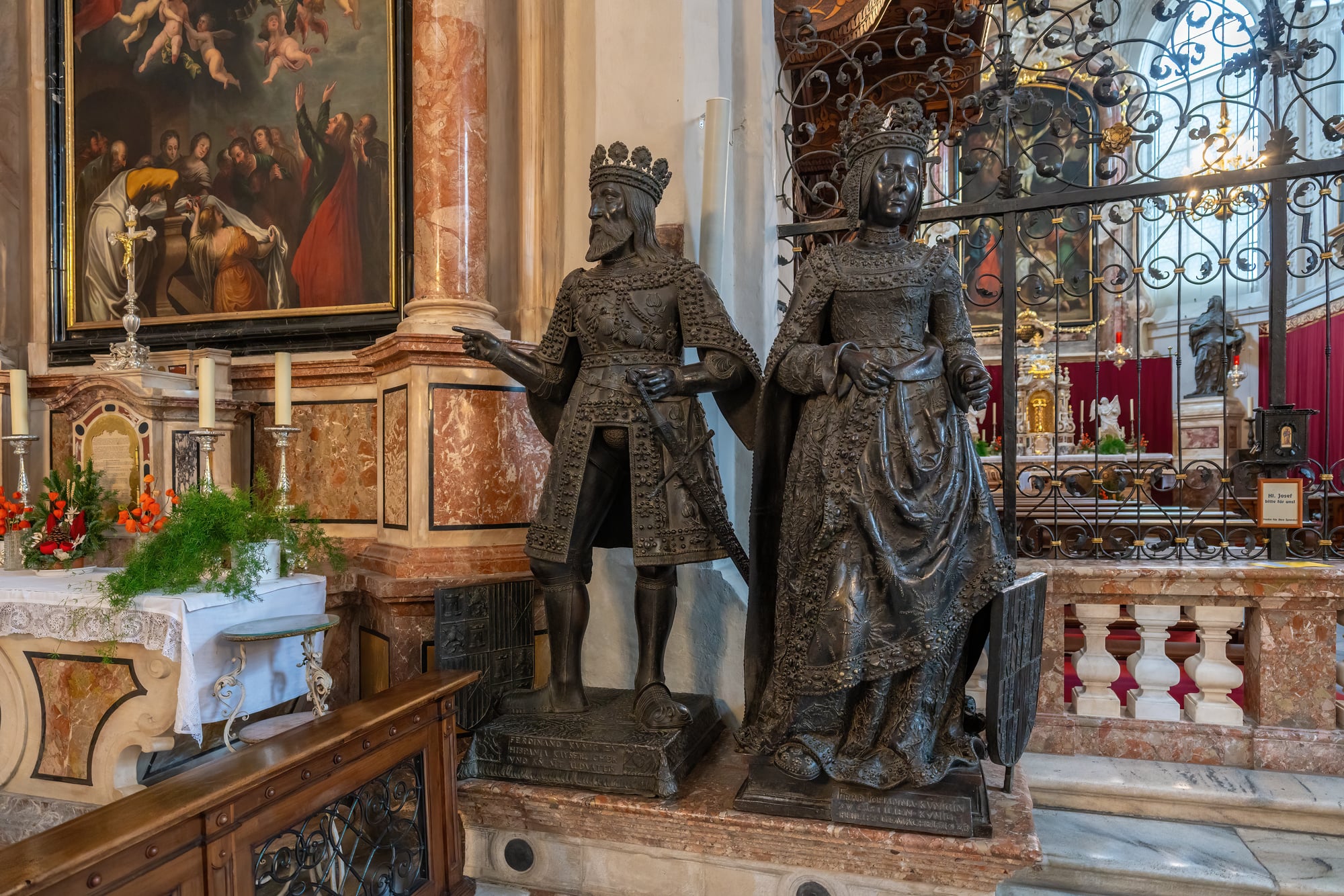
Joanna of Castile — “Joanna the Mad,” as history remembered her — was declared mentally incompetent by her father Ferdinand of Aragon and later by her own son Charles I, who kept her confined for decades. What historians working through Castilian royal documents established much later is that Joanna was, by the accounts of people who actually met her, considerably more lucid than the official diagnosis required.
Her incapacity was politically indispensable to the men who needed to govern Castile in her name, and the diagnosis was maintained well past any honest clinical justification.
The Legitimacy of James I’s Son
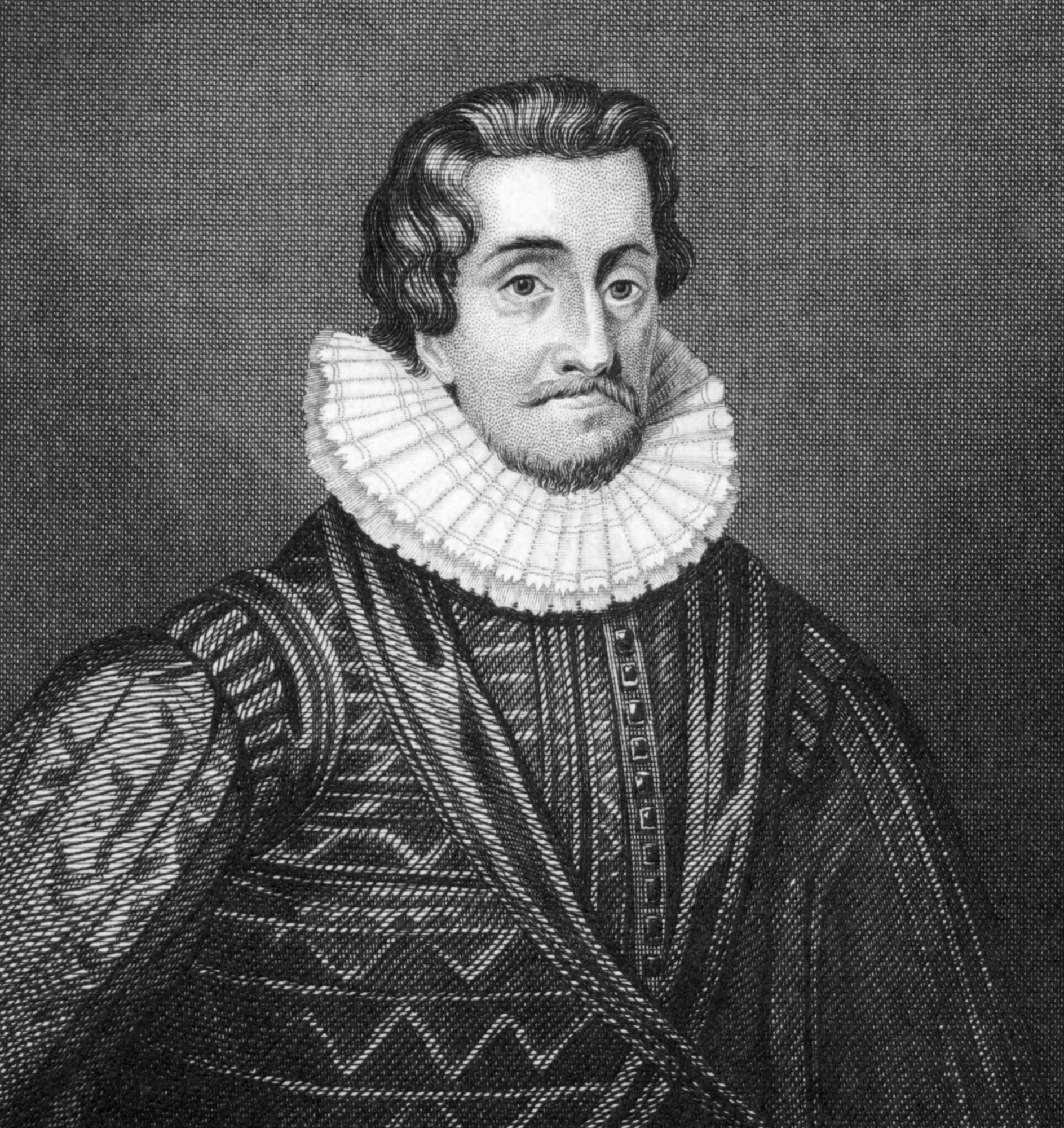
Rumors that James I of England’s son Henry, Prince of Wales — the brilliant, universally admired heir who died at eighteen — was not actually James’s biological child circulated quietly in the Jacobean court and were suppressed with notable force. The rumors connected to persistent gossip about Queen Anne of Denmark’s relationships at court, gossip that James’s government treated as sedition.
Henry’s death in 1612 rendered the question dynastic rather than merely scandalous, and it was allowed to settle quietly into the archive.
Napoleon and the Paternity of the King of Rome
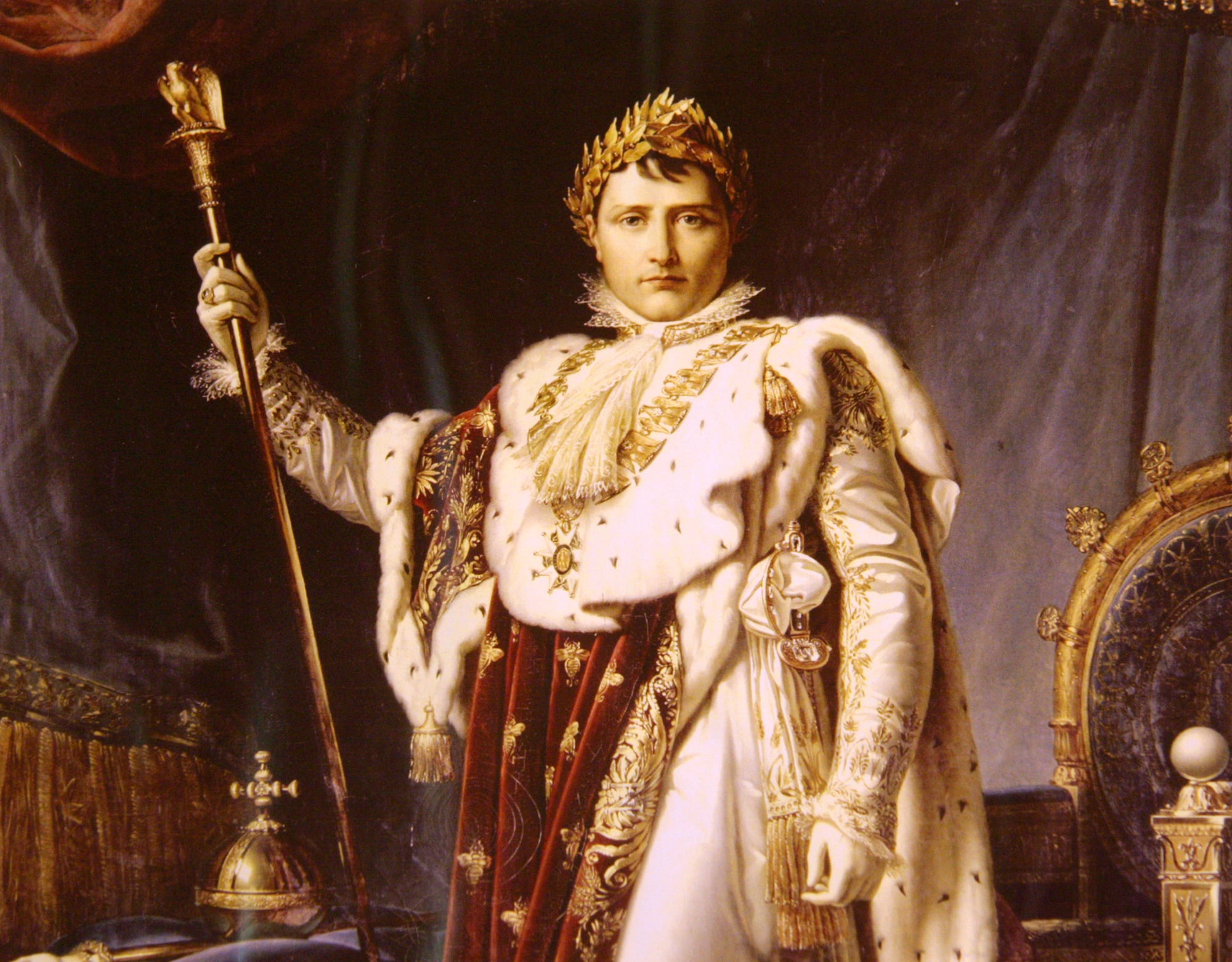
Napoleon’s son, the King of Rome, was born in 1811 when Napoleon and Marie Louise had been married for just over a year — a timeline that satisfied the court’s arithmetic. What surfaced in Austrian imperial correspondence examined by historians in the twentieth century were private doubts, expressed by Habsburg courtiers who had known Marie Louise in Vienna, about the timing of certain events before her marriage.
The Austrian court had its own reasons for keeping those doubts suppressed, since acknowledging them would have implicated the family in something worse than a paternity question.
The Affair Behind the Prince Imperial’s Birth
Empress Eugénie of France, wife of Napoleon III, was widely rumored within Second Empire court circles to have conducted a relationship with the Count of Arese that predated her son’s birth in 1856. Napoleon III was known to be in poor health, and private correspondence between Eugénie’s Spanish relatives — examined by historians long after the empire collapsed — indicates that the rumors were taken seriously enough within the family to require active management.
The Second Empire’s press controls were thorough, and the story stayed contained until there was no longer an empire worth protecting.
Edward VII’s Gambling Scandal
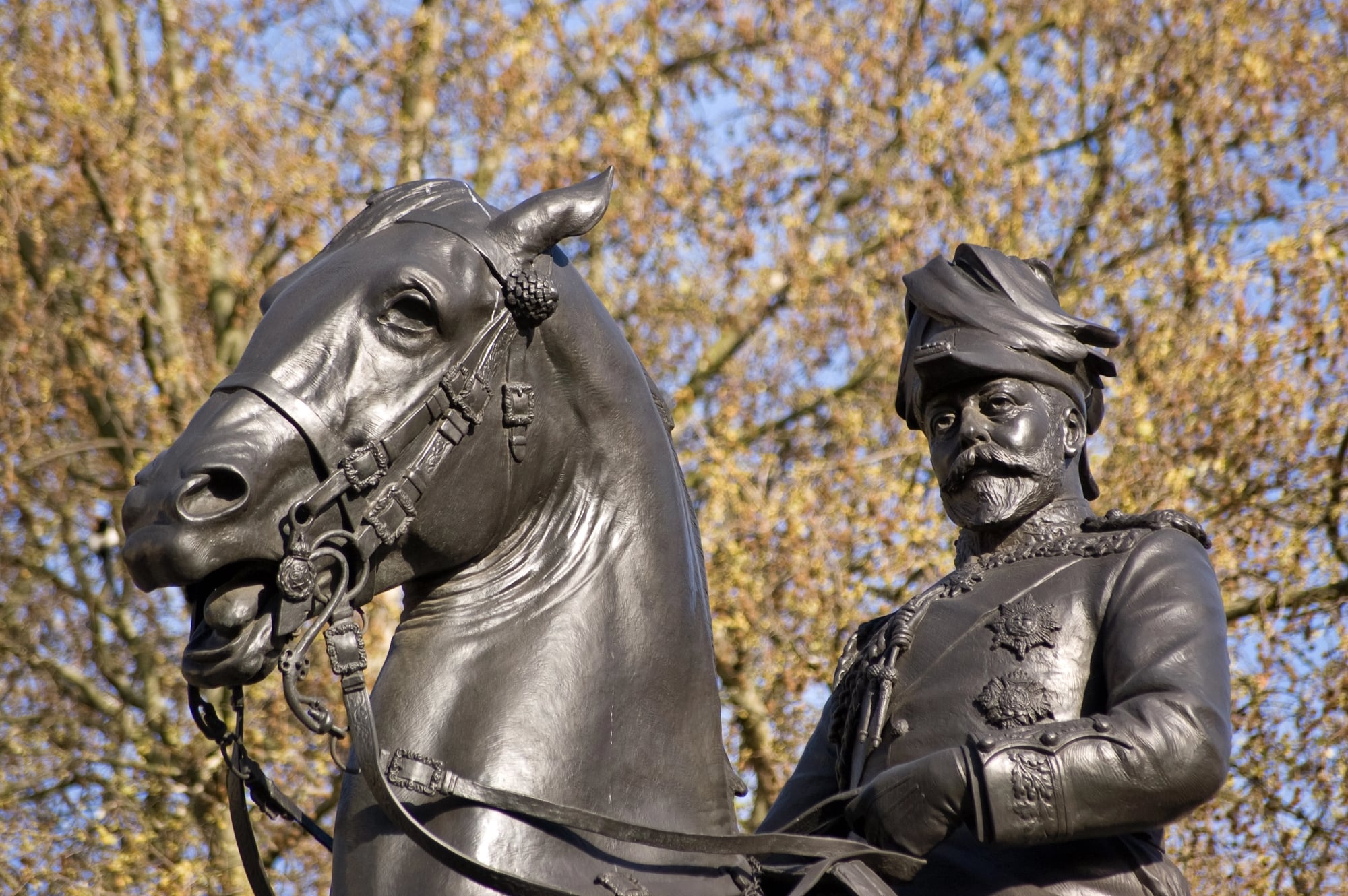
The Tranby Croft affair of 1890, in which the future Edward VII was present at an illegal baccarat game that ended in a cheating accusation, was not exactly a cover-up — it became public when the accused, Sir William Gordon-Cumming, sued for slander. What the royal household worked to suppress, and largely succeeded in suppressing until later biographical research, was the full extent of Edward’s personal gambling debts and the degree to which his private finances were being managed by a small circle of wealthy friends who expected social access in return.
The arrangement was less scandalous than transactional, which made it harder to dismiss.
The Murder of Grigori Rasputin’s Actual Details

The official British and Russian accounts of Rasputin’s murder in December 1916 — the version involving poison, shooting, and drowning in the Moika River — were sanitized almost immediately to obscure the involvement of British intelligence operative Oswald Rayner, who was present that night. Russian and British archives declassified in the late twentieth century, combined with forensic analysis suggesting the fatal shot was fired from a distance consistent with a different weapon than the ones owned by the named Russian conspirators, shifted the picture substantially.
The cover-up wasn’t about the fact of his murder; it was about whose hand actually ended it.
The Wartime Correspondence of the Duke of Windsor
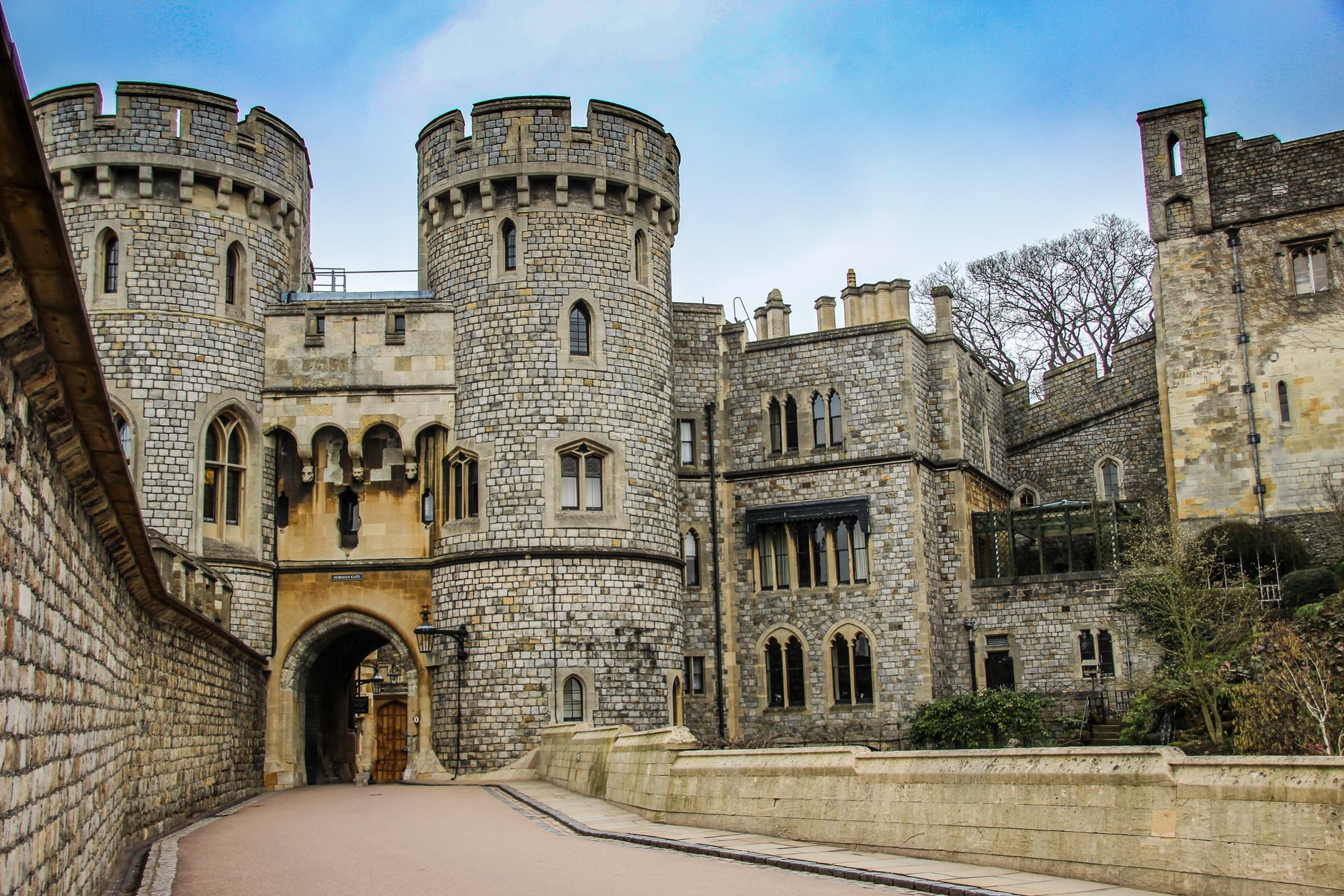
Edward VIII’s abdication in 1936 was framed entirely around the question of Wallis Simpson, which was true as far as it went. What the British government suppressed for decades — and what historians accessing declassified intelligence files from the 1990s onward confirmed — were the wartime documents showing that the Duke of Windsor, after his abdication, had engaged in communications with Nazi officials that went considerably beyond social pleasantry.
The files were classified not to protect him from embarrassment but to protect the wartime alliance from a story that would have been genuinely destabilizing.
The Health of George III
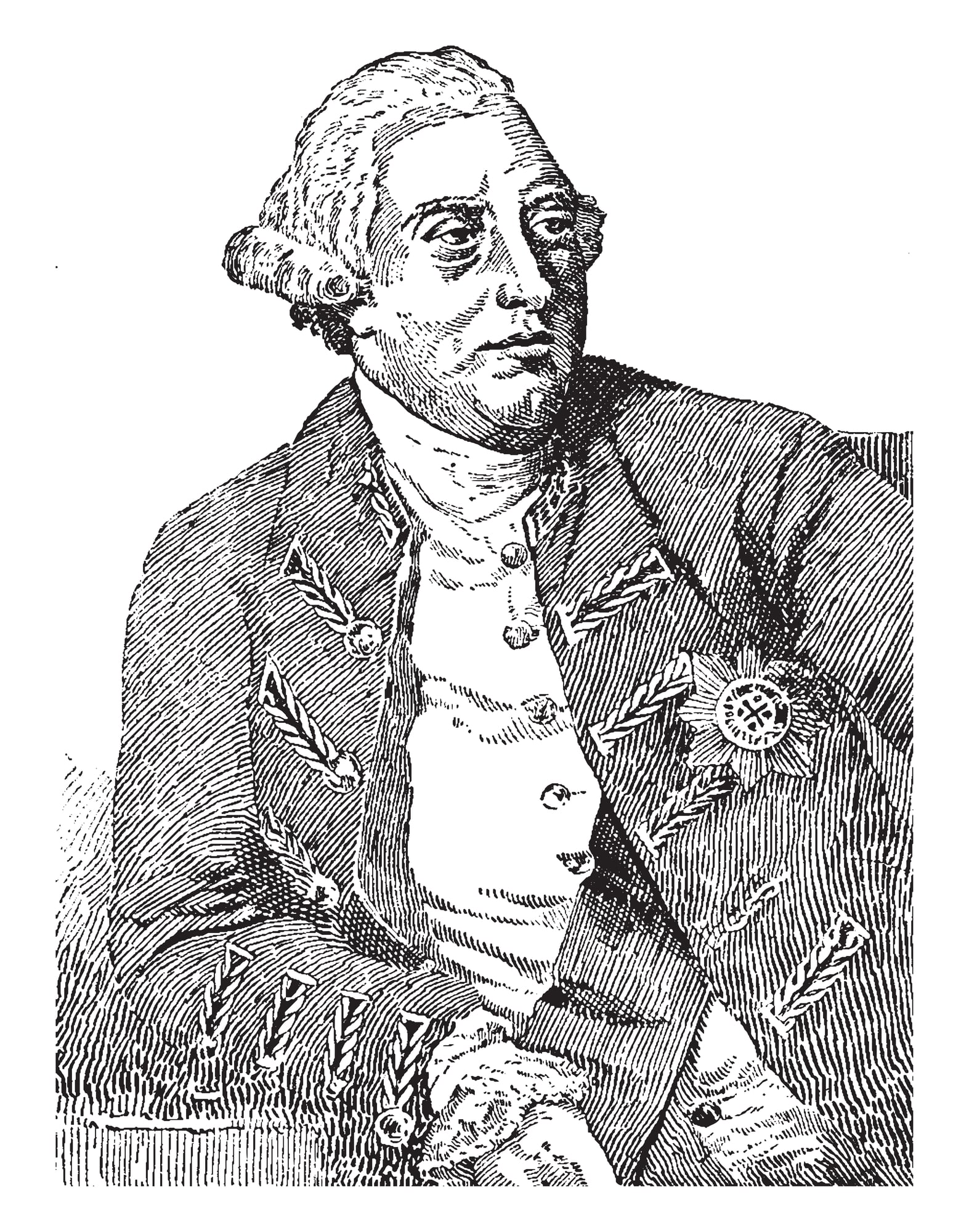
George III’s periodic collapses into incoherence were managed by the royal household as temporary indispositions for as long as that fiction could be sustained, and the political machinery around the Regency Crisis of 1788 was built almost entirely on controlling information about how severe his condition actually was. Modern medical historians, examining the case notes of his physicians published and unpublished, have argued credibly for porphyria as the underlying cause — a hereditary metabolic disorder that would have had implications for the broader royal family tree that nobody in the nineteenth century had any interest in exploring.
The Real Cause of Albert the Great’s Death
Prince Albert, Queen Victoria’s husband and the de facto co-sovereign of the British Empire, died officially of typhoid fever in December 1861, at forty-two. Victoria accepted this and grieved accordingly for the remaining forty years of her life.
Historians and physicians reviewing the contemporaneous medical records in the twentieth century noted that the symptom progression was inconsistent with typhoid and more consistent with stomach cancer or possibly chronic kidney failure — diagnoses that, in 1861, the royal physicians may have genuinely misread, or may have chosen not to name.
The Origins of the Romanov Execution Order
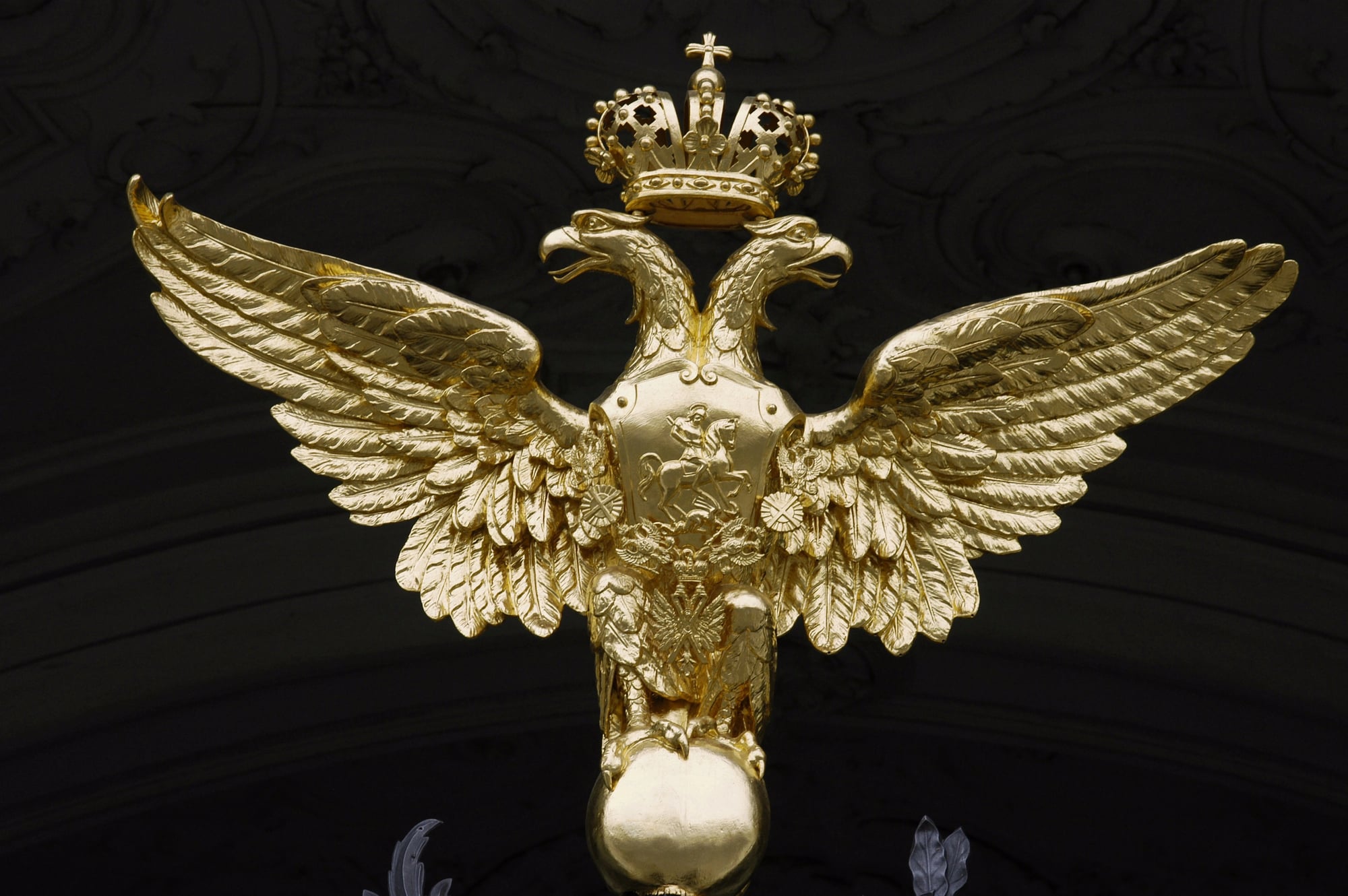
The official Soviet account for decades held that the decision to execute the Romanovs at Yekaterinburg in July 1918 was made locally, by the Ural Regional Soviet, acting on their own initiative in the chaos of the advancing White Army. Documents from the Soviet archives, examined after 1991, established that the order came directly from Moscow — specifically from Lenin and Sverdlov — and that the local-decision story was a deliberate construction designed to diffuse responsibility.
The cover-up lasted seventy-three years and was maintained through the complete suppression of the relevant telegrams.
The Locked Room Correspondence of Queen Victoria and John Brown
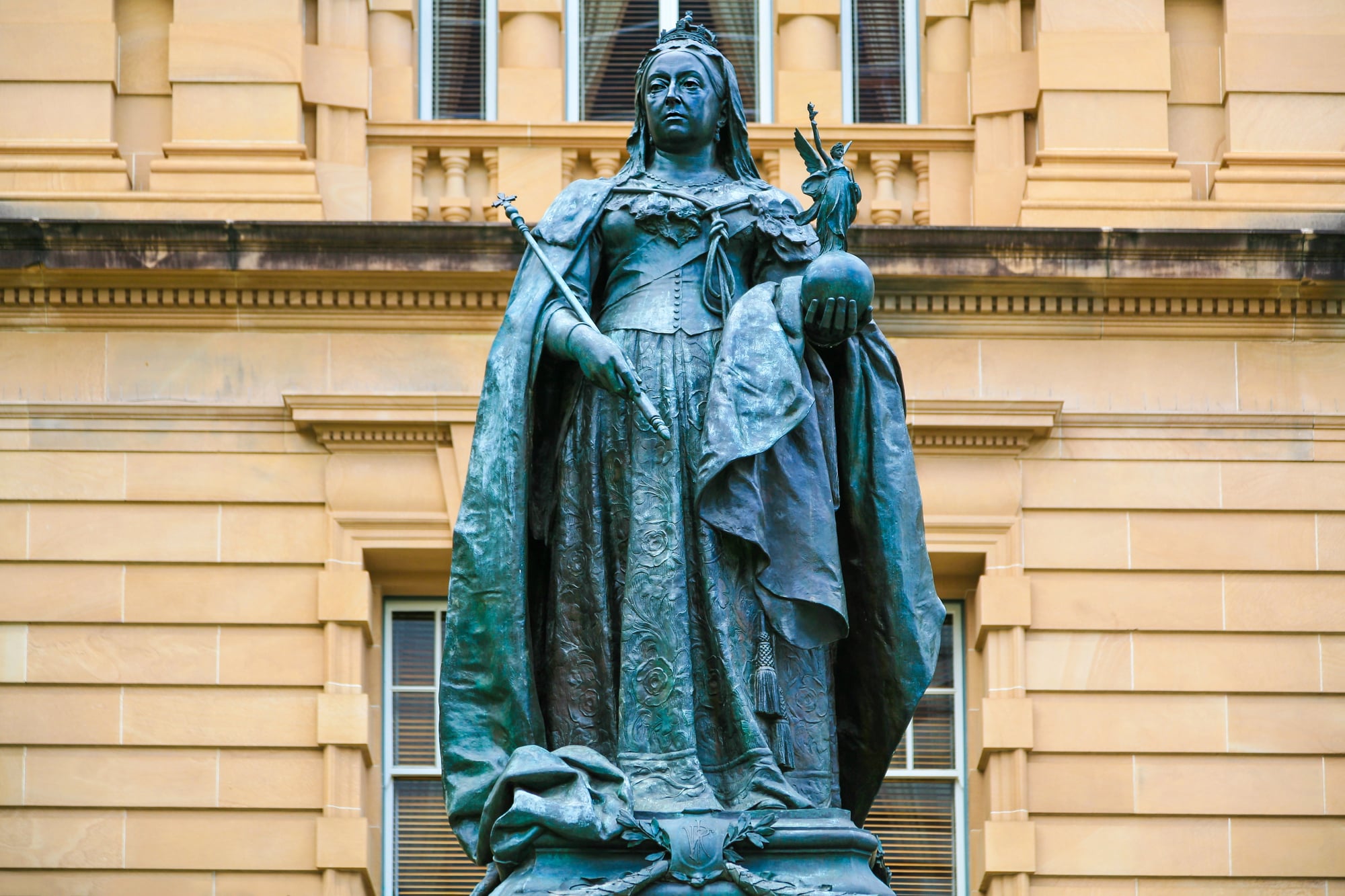
Queen Victoria’s friendship with her Highland servant John Brown was the subject of sustained gossip during her lifetime, and after her death her son Edward VII personally ordered a biographical manuscript about Brown destroyed and photographs removed from the royal collection. What survived in private correspondence, examined by biographers in the twentieth century, were letters warm enough in register to suggest a relationship that the Victorian court regarded as inappropriate to document openly — and Edward’s destruction campaign, which is itself documented, tells you everything about how seriously the family took the suppression.
The Hidden Children of Charles II
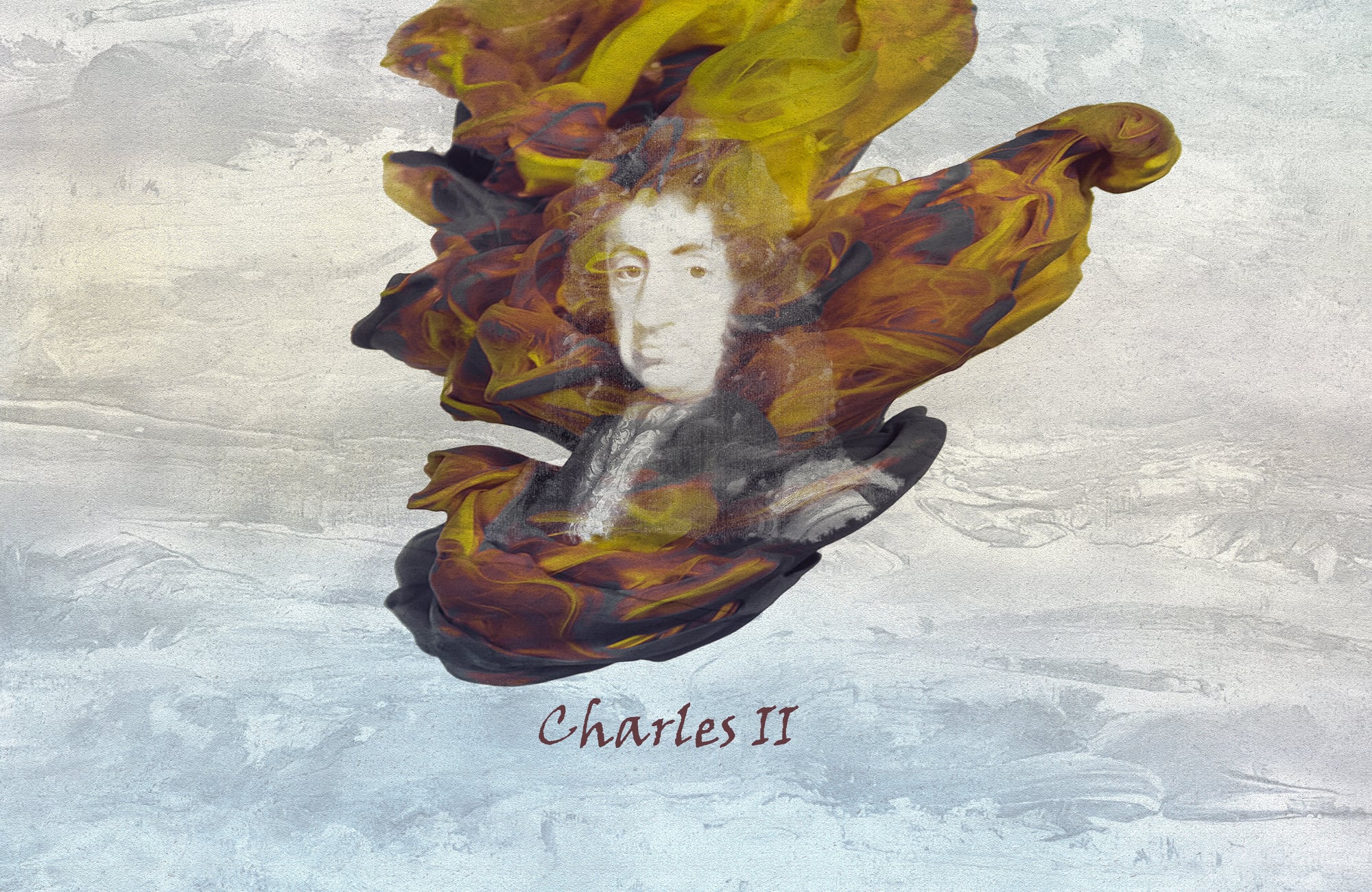
Charles II of England acknowledged a remarkable number of his illegitimate children — fourteen in the official count — but historians working through Stuart correspondence and parish records have identified further children, born to women of lower social standing than his recognized mistresses, who were quietly provided for and never acknowledged at court. The pattern suggests a deliberate distinction between relationships worth memorializing and relationships worth managing quietly, and the financial disbursements recorded in the royal accounts point toward at least a handful of additional offspring that Charles preferred to support anonymously.
The True Nature of William III’s Court Favorites
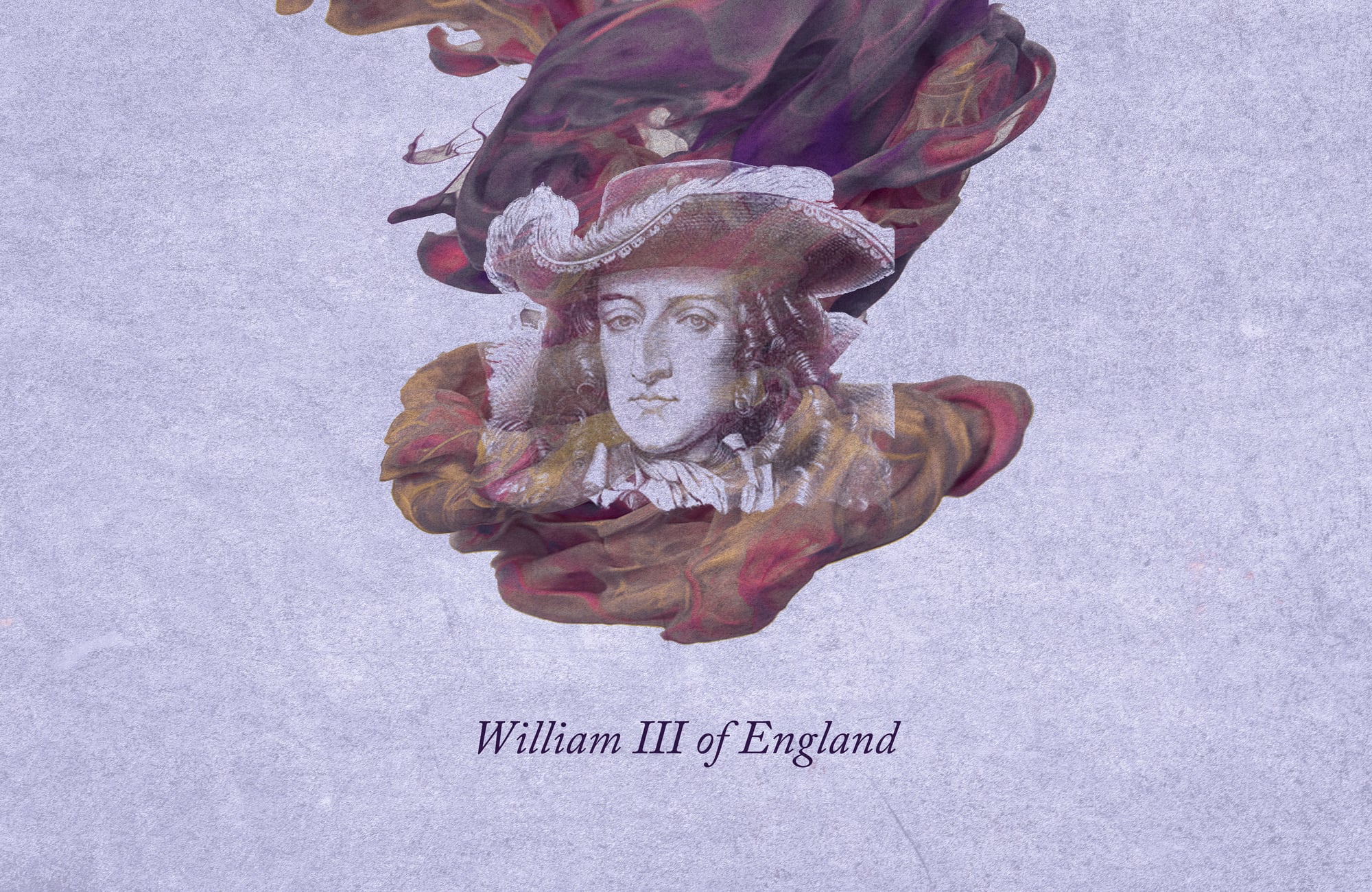
William III of England’s relationship with Arnold Joost van Keppel, his young Dutch favorite, was the subject of pointed comment at the time — Mary II is documented to have expressed unhappiness about it, and satirical verse circulated in London coffeehouses with enough specificity to suggest the rumors were widely believed. The official record maintained a diplomatic vagueness, and the Dutch royal house’s correspondence from the period, examined by historians in the twentieth century, confirmed that the relationship was understood within the inner court as significantly more than administrative patronage.
The cover-up was not total; it was simply sustained by the absence of any official acknowledgment that anyone was required to provide.
When the Archive Wins
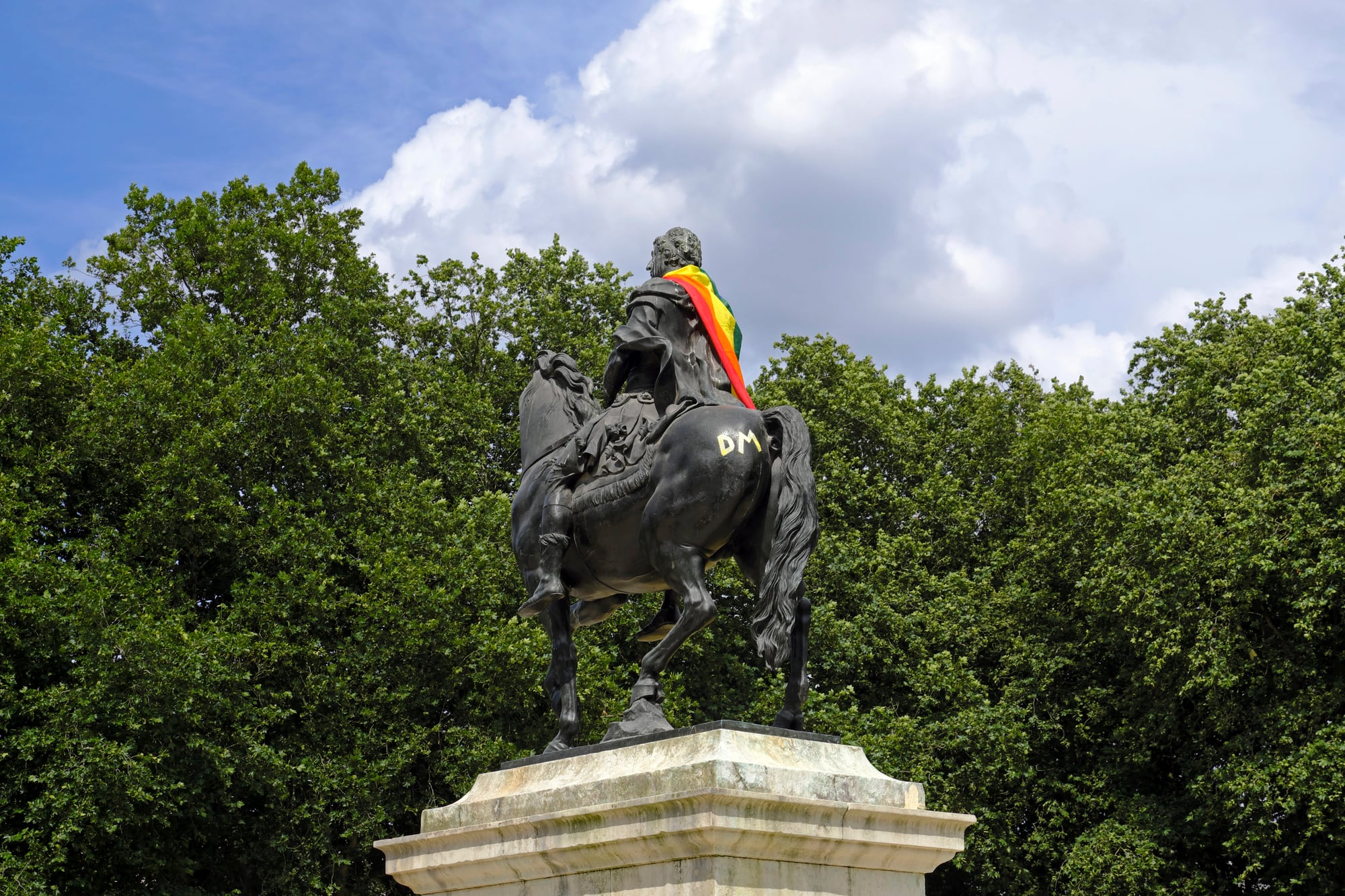
History is, at its core, a patience contest between the people who wanted something buried and the people who wanted to know. Courts had every advantage: they controlled the documents, the scribes, the access, and the narrative for as long as they were in power — and sometimes long after.
But paper is stubborn. DNA doesn’t negotiate.
And the instinct to write things down, even in private letters, even in coded language, even in the margins of account books, is apparently stronger than the instinct to keep a secret. Every scandal on this list survived because someone, somewhere, left a trace.
The throne room enforced the official version. The archive kept the real one.
More from Go2Tutors!

- The Romanov Crown Jewels and Their Tragic Fate
- 13 Historical Mysteries That Science Still Can’t Solve
- Famous Hoaxes That Fooled the World for Years
- 15 Child Stars with Tragic Adult Lives
- 16 Famous Jewelry Pieces in History
Like Go2Tutors’s content? Follow us on MSN.



