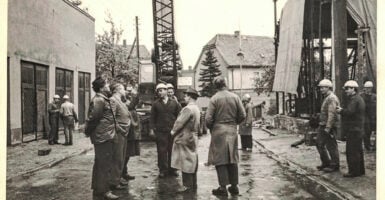
31 Inventions Kept Under Wraps Until Peacetime
Wartime secrecy has produced some of the most consequential technology in modern history, developed under classification and only revealed to the public once the fighting stopped. Many of the tools people now use without a second thought began as closely guarded military programs that governments spent years denying even existed.
Radar Was Developed in Total Secrecy Before Britain Revealed Its Role in the War
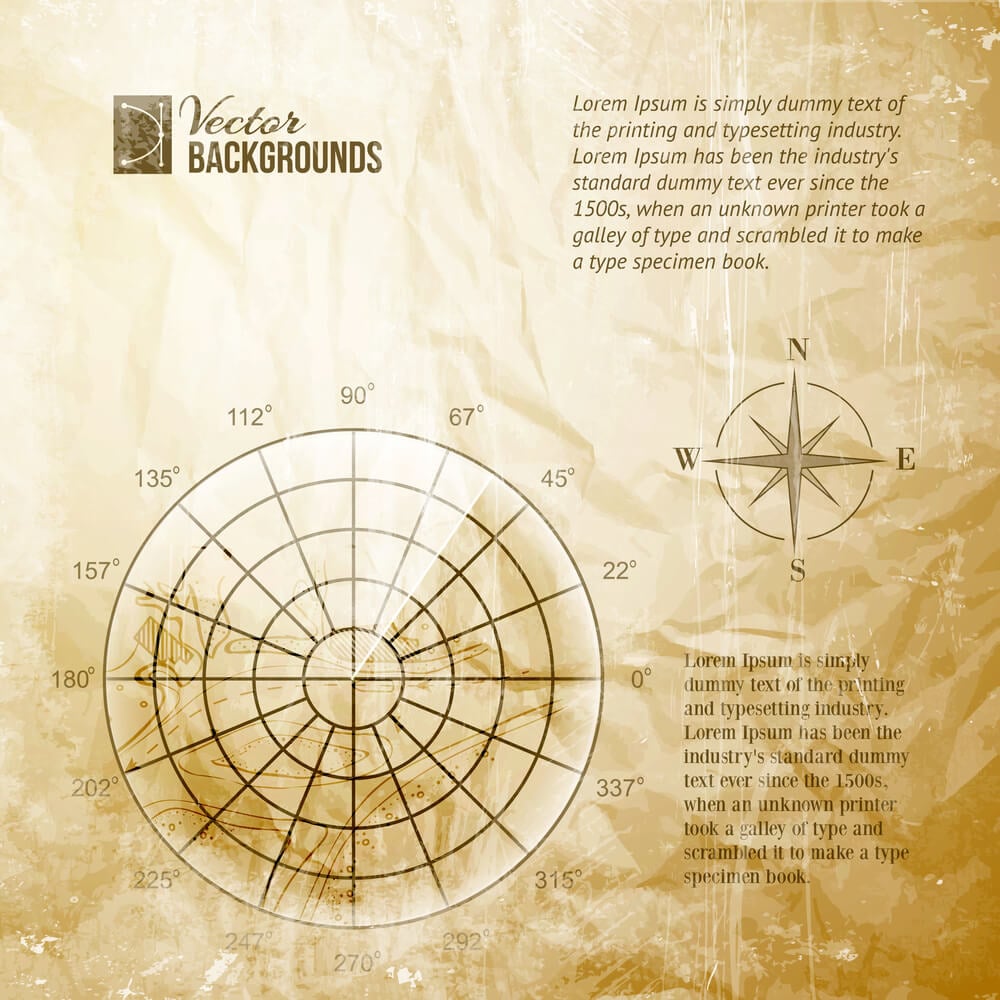
British scientists developed radar technology throughout the 1930s under strict secrecy, and its critical role in detecting incoming German aircraft during the Battle of Britain remained classified until after the war. The technology’s existence was hinted at publicly but its specific capabilities and the extent of its wartime contribution stayed hidden from both the German military and the British public for years.
Radar’s postwar civilian applications transformed aviation and maritime navigation almost immediately once declassified.
Penicillin’s Mass Production Method Was a Wartime Secret Before Reaching Civilians
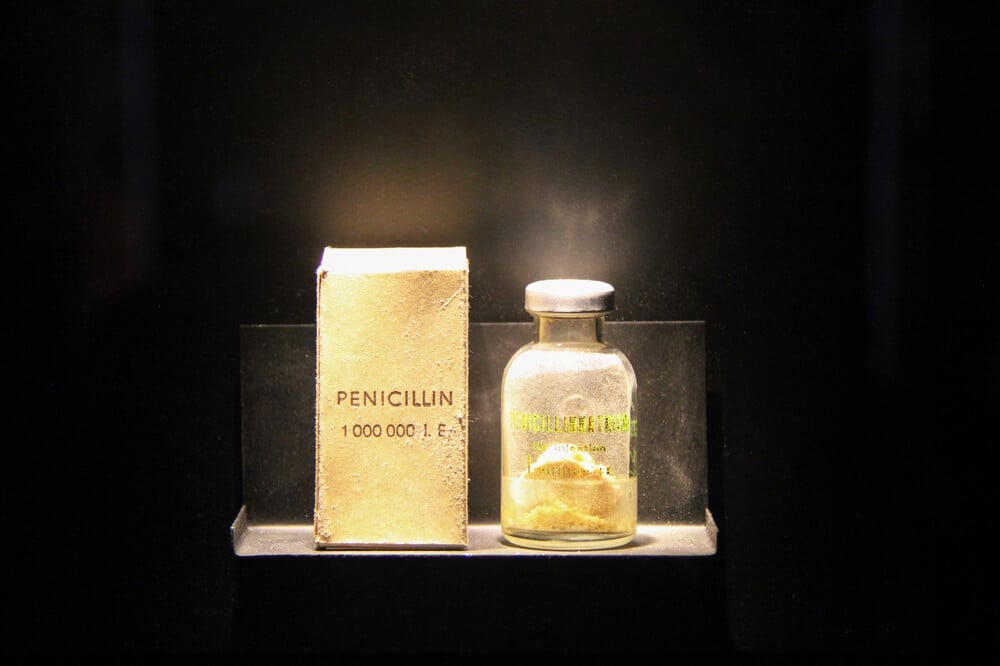
While penicillin’s antibacterial properties had been discovered earlier, the process for mass-producing it reliably was developed under wartime urgency in the early 1940s, with production details kept tightly controlled to ensure Allied forces had priority access to the limited early supply. Civilian access to the drug remained restricted throughout the war, with production almost entirely reserved for treating wounded soldiers.
Public availability only expanded significantly once peacetime manufacturing scaled up production.
The Computer Colossus Remained Classified for Decades After the War Ended
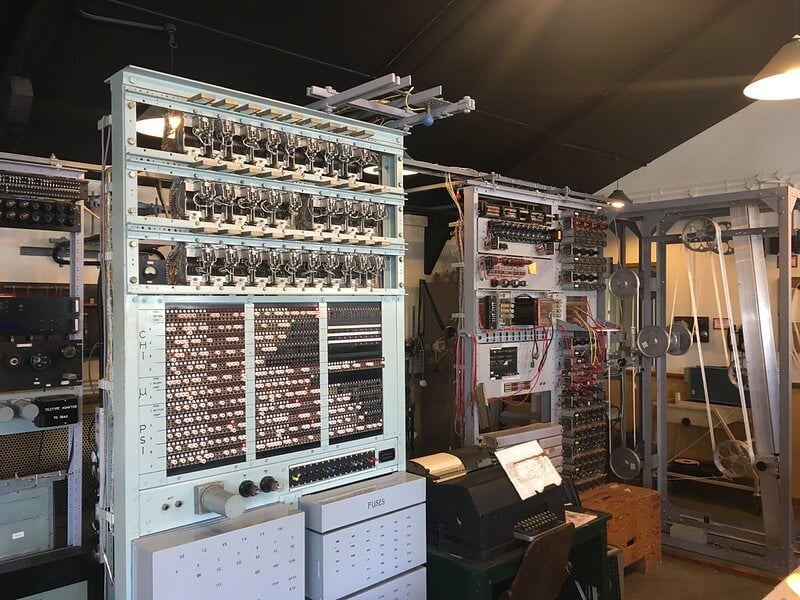
Britain’s Colossus, arguably the first programmable electronic digital computer, was built in secret at Bletchley Park to help break German codes, and its existence remained classified for roughly thirty years after the war concluded. Most of the machines were dismantled after the war specifically to preserve secrecy about their capabilities.
Public understanding of early computing history was significantly skewed for decades because Colossus simply wasn’t part of the acknowledged record.
Jet Engine Technology Stayed Secret on Both Sides Until Late in the War
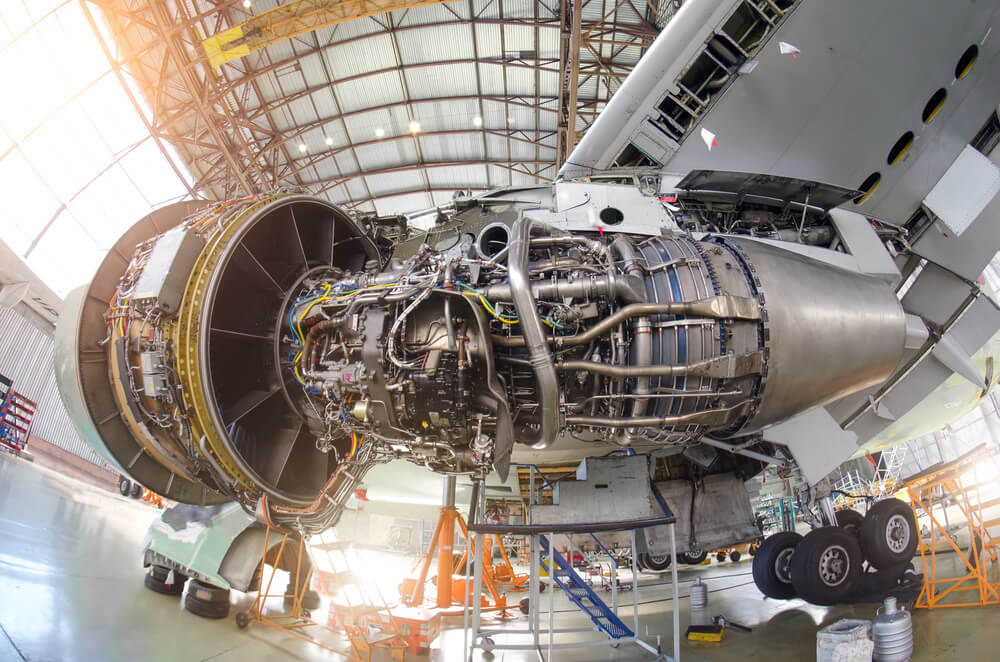
Both Britain and Germany independently developed early jet engine technology under wartime secrecy, with each side largely unaware of how far the other’s program had progressed until operational jet aircraft began appearing later in the conflict. Frank Whittle’s British jet engine work proceeded for years under classification before finally powering operational aircraft.
Commercial jet aviation only became possible once the underlying wartime engineering was declassified and adapted for civilian use.
Synthetic Rubber Production Was Rushed Under Wartime Secrecy After Natural Supplies Were Cut Off

When Japan’s wartime expansion cut off most natural rubber supplies to the United States, government-backed synthetic rubber research proceeded under significant wartime urgency and wartime industrial secrecy to solve the resulting military supply crisis. The resulting production methods scaled dramatically once peacetime industrial demand for rubber products, including tires, expanded far beyond the wartime military applications.
Details of the accelerated wartime development process were not widely publicized until years afterward.
The Proximity Fuze Was Guarded as Closely as the Atomic Bomb
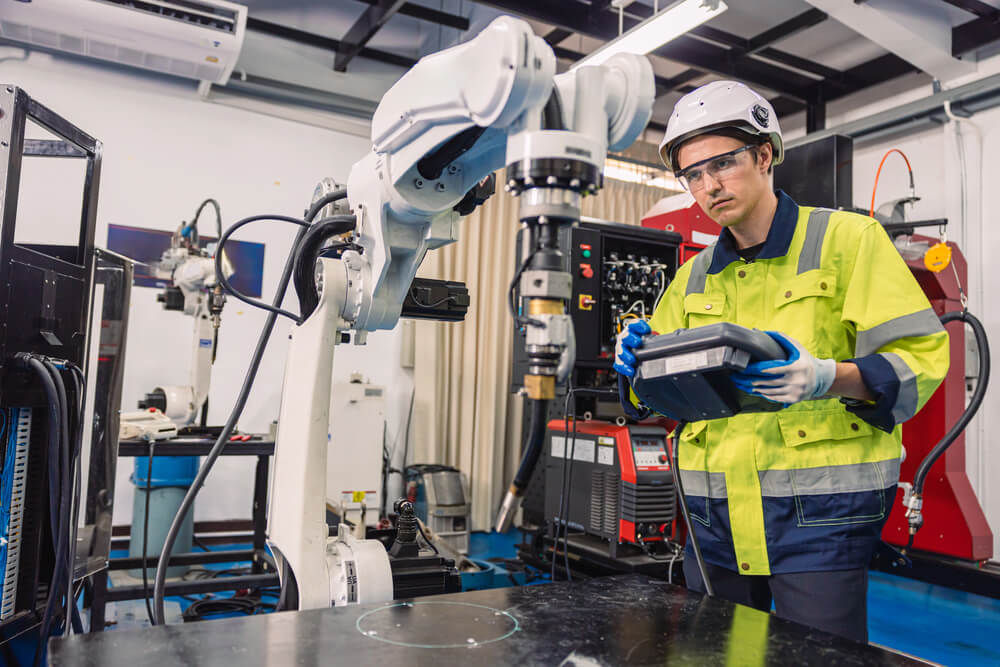
The proximity fuze, which allowed artillery shells to detonate automatically near a target rather than requiring a direct hit, was considered so strategically valuable that American commanders restricted its use over land for years out of fear a dud shell might fall into enemy hands and allow the technology to be reverse engineered. Its full battlefield deployment was delayed specifically to protect the secret.
The technology’s civilian and later peacetime military applications only became widely discussed once wartime secrecy requirements lifted.
Duct Tape Was Developed as a Classified Military Sealant
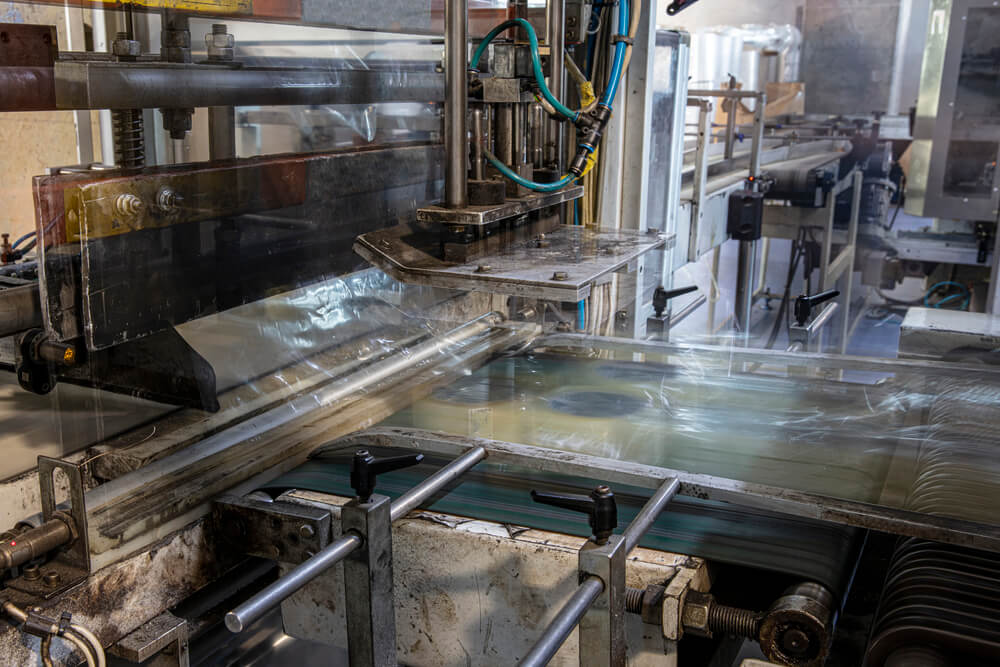
Originally developed during World War II to keep moisture out of ammunition cases under a military contract, the waterproof cloth tape that became known as duct tape was primarily a military supply item before its adhesive properties and utility became widely recognized for civilian use after the war. Returning soldiers reportedly helped popularize its household use once production shifted toward the peacetime consumer market.
Its now-common name only became standard well after the wartime origin had faded from public memory.
Microwave Cooking Technology Emerged From Classified Radar Research
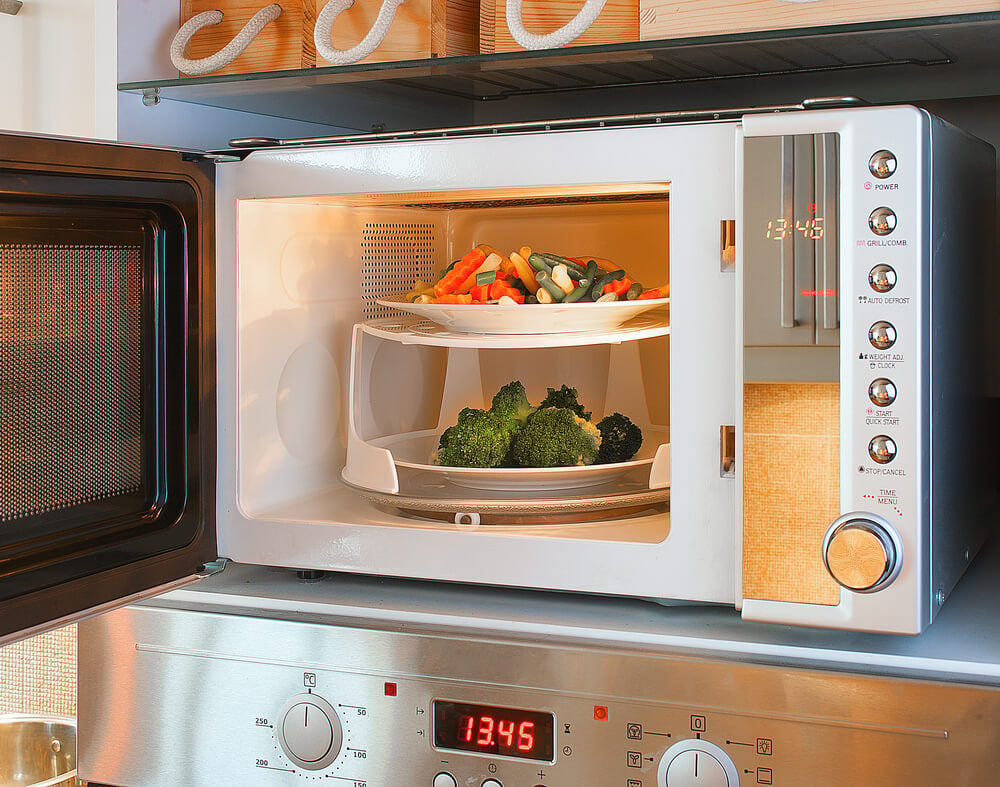
Engineer Percy Spencer discovered the heating effect of microwave radiation while working on classified radar magnetron research for the military, an observation that led directly to the postwar development of the microwave oven. The underlying radar technology itself remained under wartime secrecy at the time of the discovery.
Commercial microwave ovens only reached the consumer market years later, built on principles first observed inside a restricted military research program.
The Manhattan Project’s Nuclear Technology Was the Largest Kept Secret of the War

The Manhattan Project employed well over one hundred thousand people across multiple secret facilities in the United States, most of whom had no knowledge of the atomic bomb’s actual purpose due to extreme compartmentalization of information. The project’s full scope was revealed to the public only after the atomic bombings of Hiroshima and Nagasaki in 1945.
Peacetime nuclear energy applications developed directly from research that had been entirely classified throughout the war.
Cryptographic Machines Like the Bombe Stayed Classified Long After Victory
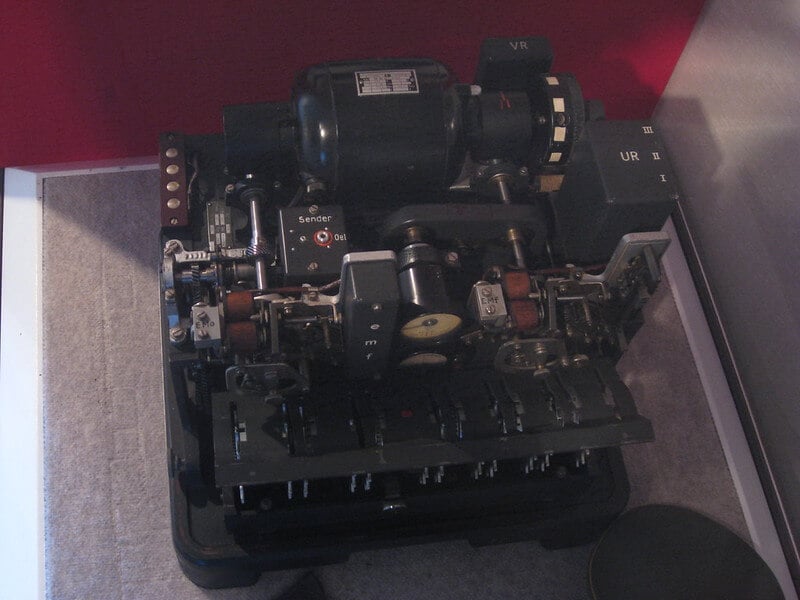
The codebreaking machines developed at Bletchley Park to crack German Enigma-encrypted communications remained classified for decades after the war, with many of the individuals involved bound by lifelong secrecy obligations that prevented them from discussing their wartime work even with close family. Public recognition of the codebreakers’ contributions, including that of Alan Turing, was significantly delayed as a direct result of this extended secrecy.
Historical understanding of the war’s intelligence dimension was reshaped once the classified details finally became public decades later.
Napalm’s Development Was Kept From Public Scrutiny During Wartime Use
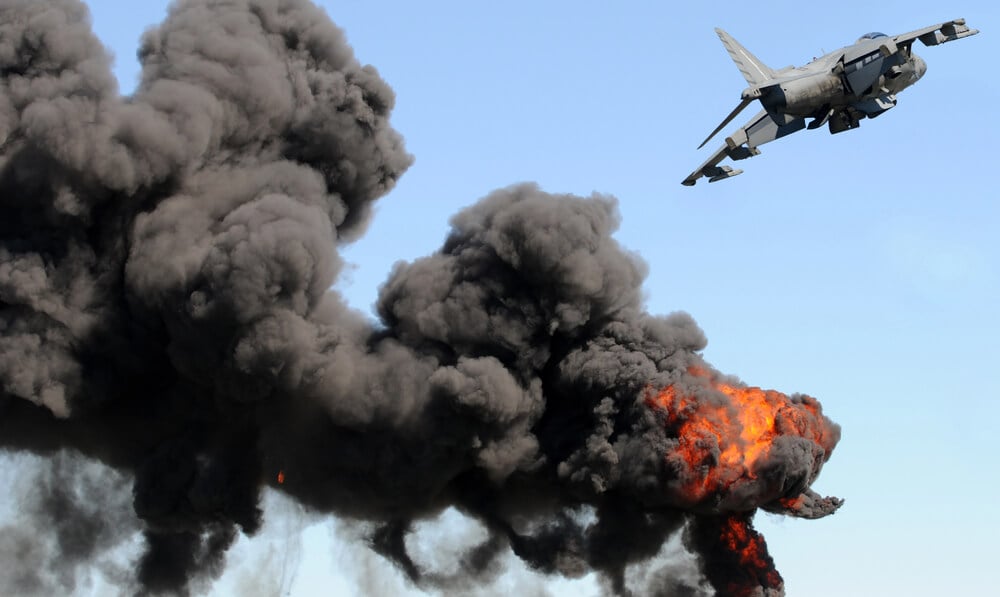
Napalm was developed under wartime research secrecy at Harvard in the early 1940s, with its specific chemical formulation and production details closely guarded even as the substance saw significant use in later stages of the war. Public understanding of its composition and effects only expanded significantly in the postwar period.
Its continued military use in subsequent conflicts eventually drew far more public scrutiny than it had received during its original secret development.
The Higgins Boat Landing Craft Design Was Refined Under Wartime Confidentiality
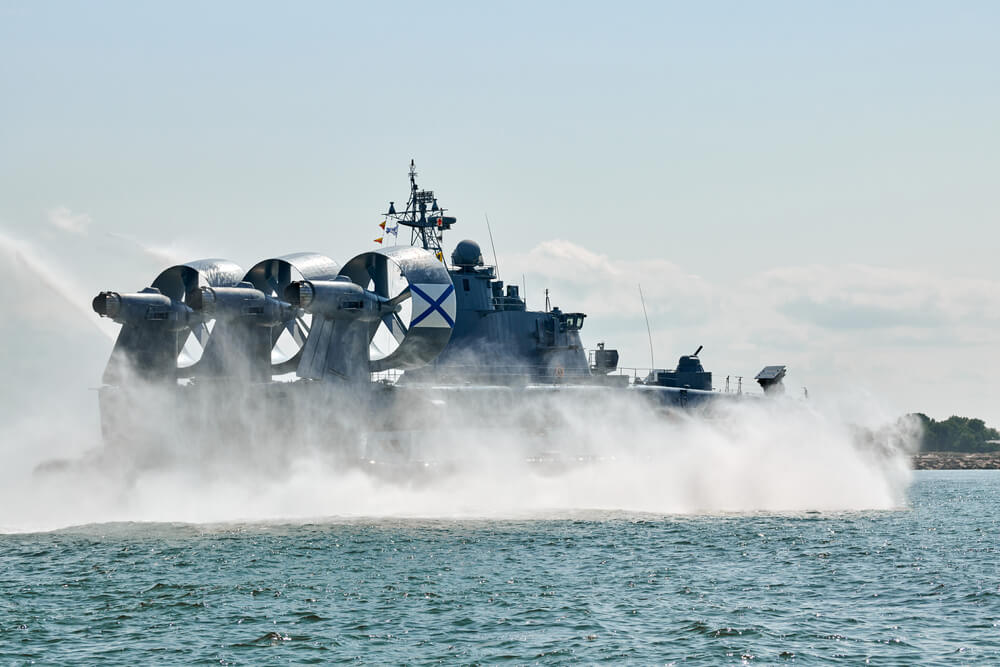
The distinctive landing craft used extensively in amphibious operations, including the D-Day invasion, was refined and mass-produced under wartime confidentiality that limited public understanding of American amphibious warfare capabilities until after major operations had already occurred. Andrew Higgins’s design process itself drew on earlier civilian boat-building experience adapted for military secrecy.
The scale of production required to support the war’s amphibious operations was not widely publicized until well after the relevant campaigns concluded.
Sonar Technology Advanced Rapidly Under Naval Secrecy

Both Allied and Axis navies significantly advanced underwater sonar detection technology throughout the war under strict operational secrecy, since revealing detection capabilities to the enemy would have undermined the technology’s battlefield usefulness. Postwar civilian and scientific applications, including oceanographic research, drew directly on techniques first refined for classified submarine detection.
The specific technical details of wartime sonar capability were not widely published until well after the war’s conclusion.
Freeze-Dried Food Technology Was Refined for Military Rations Under Wartime Research Programs

Freeze-drying technology, while not entirely new, was significantly refined during the war under military research programs aimed at producing lightweight, long-lasting rations for troops in the field. The specific process improvements developed under this research remained primarily within military applications for years before expanding into the civilian food industry.
Modern freeze-dried camping and space food both trace their production methods back to this wartime-refined process.
The Norden Bombsight Was Protected as One of America’s Most Guarded Secrets
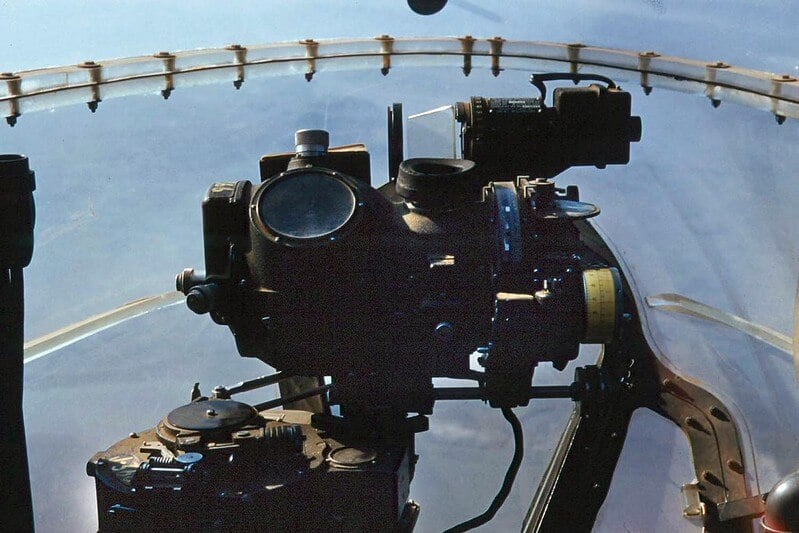
The Norden bombsight, designed to improve high-altitude bombing accuracy, was treated as one of the most closely guarded American technological secrets of the war, with bombardiers sworn to destroy the device rather than allow it to fall into enemy hands if their aircraft went down. Its actual battlefield accuracy fell considerably short of the claims made in wartime secrecy, a gap not widely acknowledged publicly until after the war.
The device’s full technical specifications remained classified for years after the fighting ended.
Synthetic Fuel Production Research Advanced Under Wartime Industrial Secrecy

Germany’s wartime synthetic fuel production research, developed to offset limited access to natural petroleum reserves, proceeded under significant industrial secrecy throughout the war given its strategic importance to sustaining military operations. Allied intelligence efforts specifically targeted understanding the scale and vulnerability of this production capacity.
Postwar analysis of the technology contributed to broader synthetic fuel research once wartime secrecy restrictions no longer applied.
Walkie-Talkie Radio Communication Was Developed Under Military Restriction Before Civilian Release
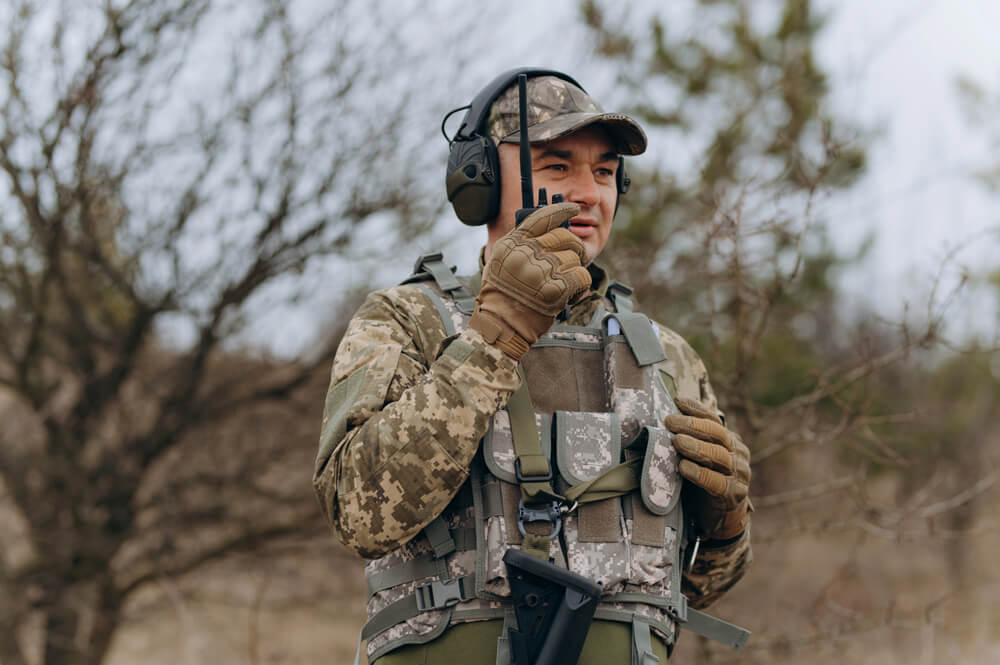
Portable two-way radio communication devices, refined significantly for battlefield use during the war, remained restricted to military applications throughout the conflict before manufacturers adapted the underlying technology for civilian and commercial markets afterward. The specific frequency and design improvements made under wartime research directly shaped the postwar consumer radio communication industry.
Amateur radio enthusiasts and later commercial users benefited directly from technology first developed under military secrecy.
Aerial Photography Reconnaissance Techniques Stayed Classified Throughout the War

Advanced aerial photography and photo interpretation techniques used for wartime reconnaissance were closely guarded throughout the conflict, since revealing the sophistication of Allied intelligence gathering capabilities risked prompting countermeasures. Postwar applications in cartography, geology, and civilian surveying drew directly on interpretation methods refined during classified wartime reconnaissance work.
The scale of the wartime photographic intelligence effort was not widely publicized until long after the war’s conclusion.
Blood Plasma Storage and Transport Methods Were Refined Under Wartime Medical Secrecy

Techniques for safely storing and rapidly transporting blood plasma to battlefield hospitals were significantly refined during the war under military medical research programs, with logistical details of the supply chain often kept restricted for operational security reasons. Postwar civilian blood banking systems adapted many of the same storage and transport principles first developed for wartime military medicine.
The scale of the wartime program, including its racially segregated collection practices in the United States, only received fuller public scrutiny well after the war ended.
The Bazooka’s Shaped Charge Technology Was Restricted Until Deployment
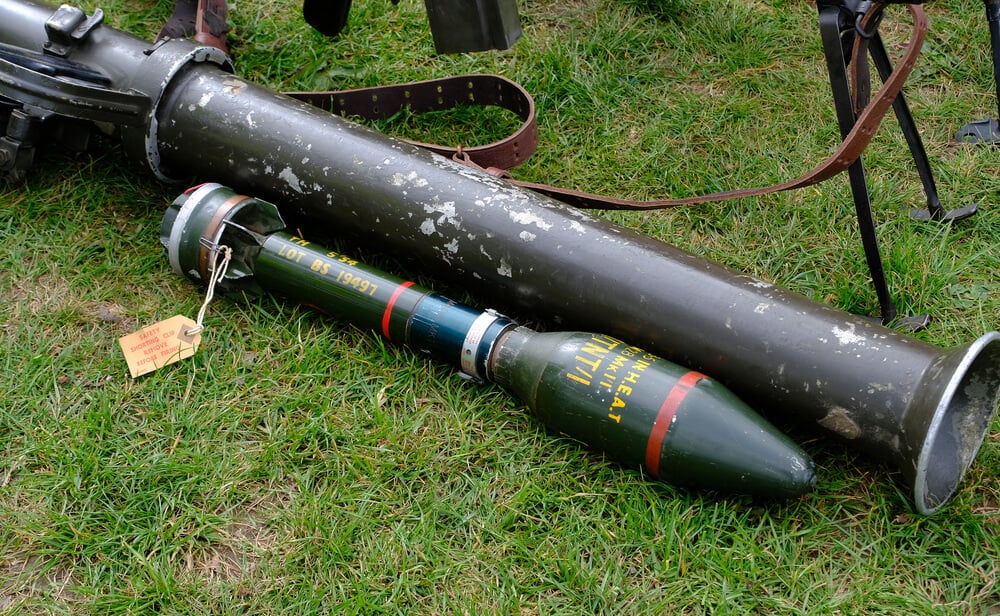
The bazooka’s shaped charge warhead technology was developed under wartime research secrecy, with its specific armor-penetrating mechanism kept restricted from public and enemy knowledge alike until the weapon’s actual battlefield deployment revealed its existence. Captured examples reportedly influenced German development of similar anti-tank weapons later in the war.
Postwar civilian and later military engineering applications of shaped charge technology expanded significantly once wartime secrecy no longer applied.
Weather Forecasting Models Improved Significantly Under Wartime Military Research
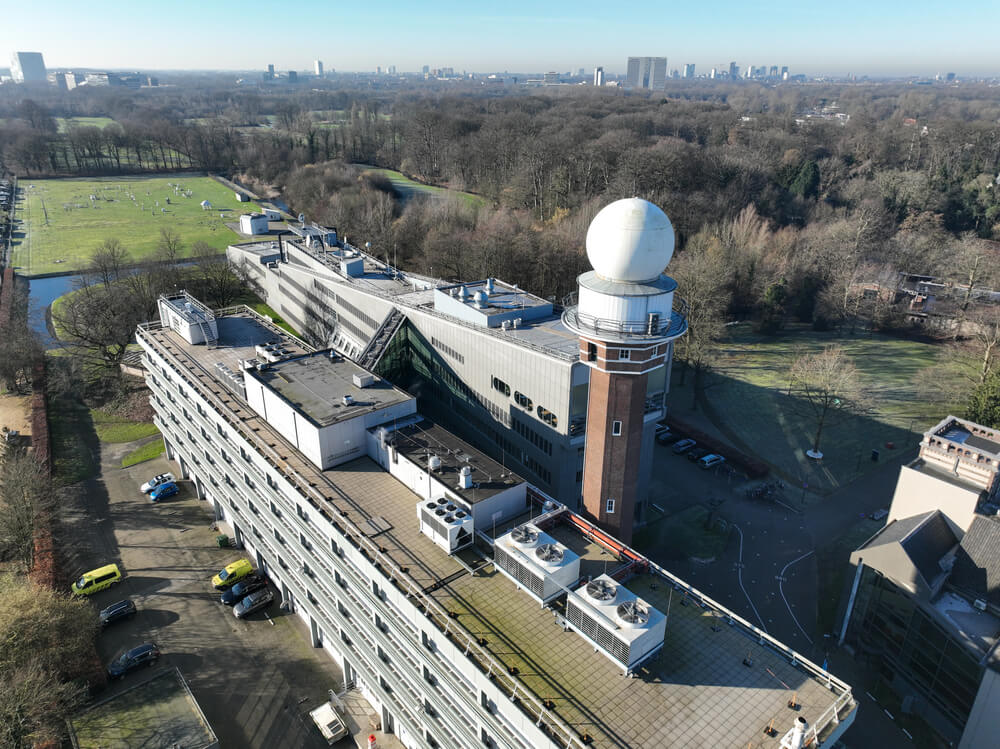
Wartime military operations, particularly aviation and amphibious planning, drove significant advances in meteorological forecasting techniques that were developed and refined under military research secrecy throughout the conflict. The specific forecasting methods used to plan operations like the D-Day invasion were not widely publicized until after the war concluded.
Postwar civilian meteorology benefited substantially from forecasting techniques first refined for classified military planning purposes.
Instant Coffee Production Was Scaled Under Wartime Military Supply Contracts
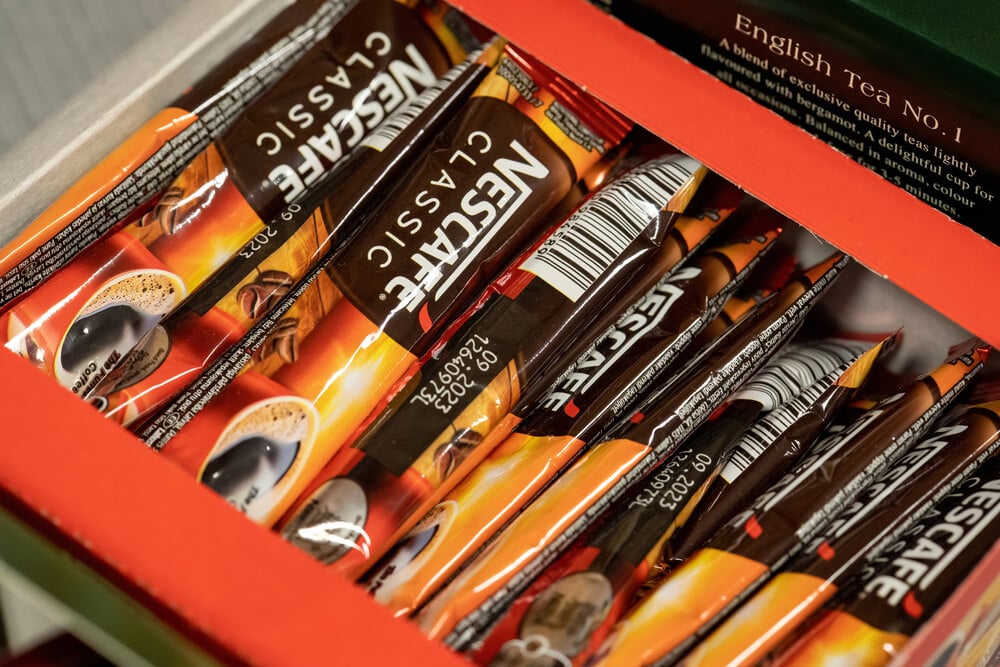
While instant coffee predated the war, its mass production was significantly scaled under military supply contracts intended to provide a lightweight, easily prepared beverage for troops in the field, with production details and capacity kept within military supply chain management. Civilian availability expanded substantially once wartime production capacity shifted toward peacetime consumer markets.
The specific processing improvements developed under wartime contracts directly shaped the postwar instant coffee industry.
The M-9 Gun Director Combined Radar and Early Computing Under Deep Secrecy
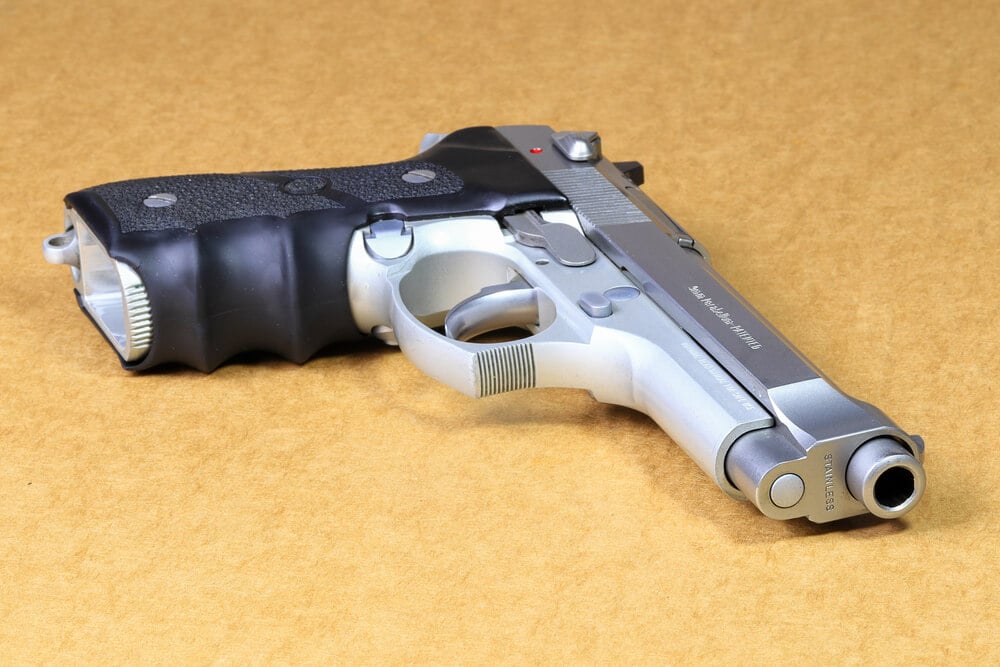
The M-9 gun director, an early analog computing system that combined radar tracking with automated anti-aircraft targeting calculations, was developed and deployed under significant wartime secrecy given its dramatic improvement to anti-aircraft accuracy. Its success against German V-1 flying bombs was not widely publicized in detail until after the war.
The underlying computational principles contributed to broader postwar advances in analog and early digital computing applications.
Parachute Silk Alternatives Were Developed Under Wartime Material Shortage Secrecy
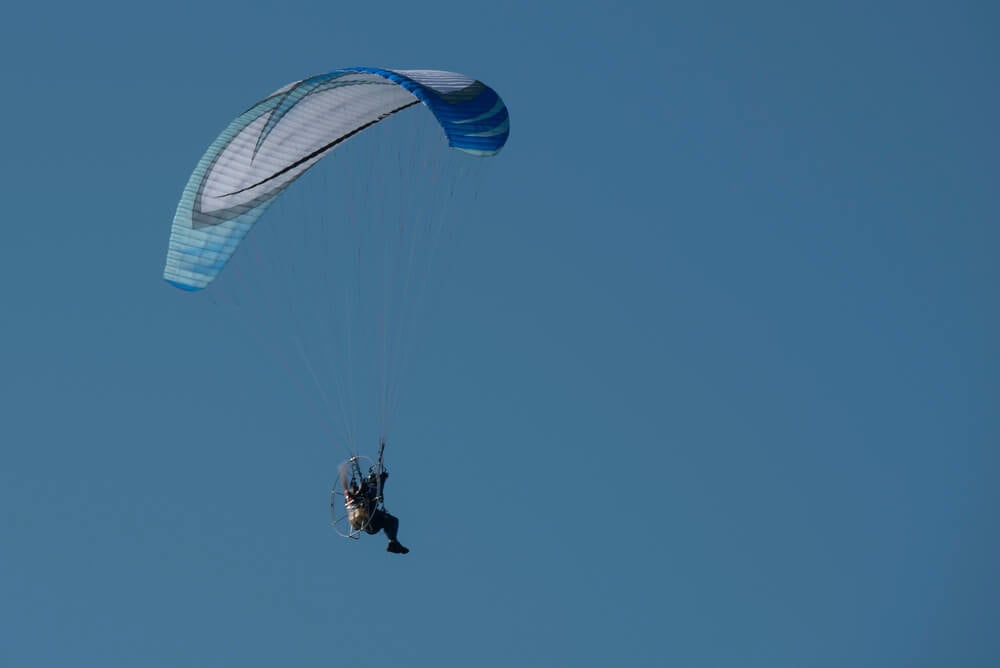
When silk supplies for military parachutes became severely restricted due to wartime trade disruptions, nylon-based alternatives were developed and scaled under significant wartime material research secrecy to maintain military production capacity. The specific manufacturing improvements made under this pressure directly benefited postwar civilian textile production once nylon became widely available commercially.
Consumer nylon products expanded rapidly once wartime military priority restrictions on the material were lifted.
Amphibious Vehicle Design Was Refined Under Wartime Operational Secrecy
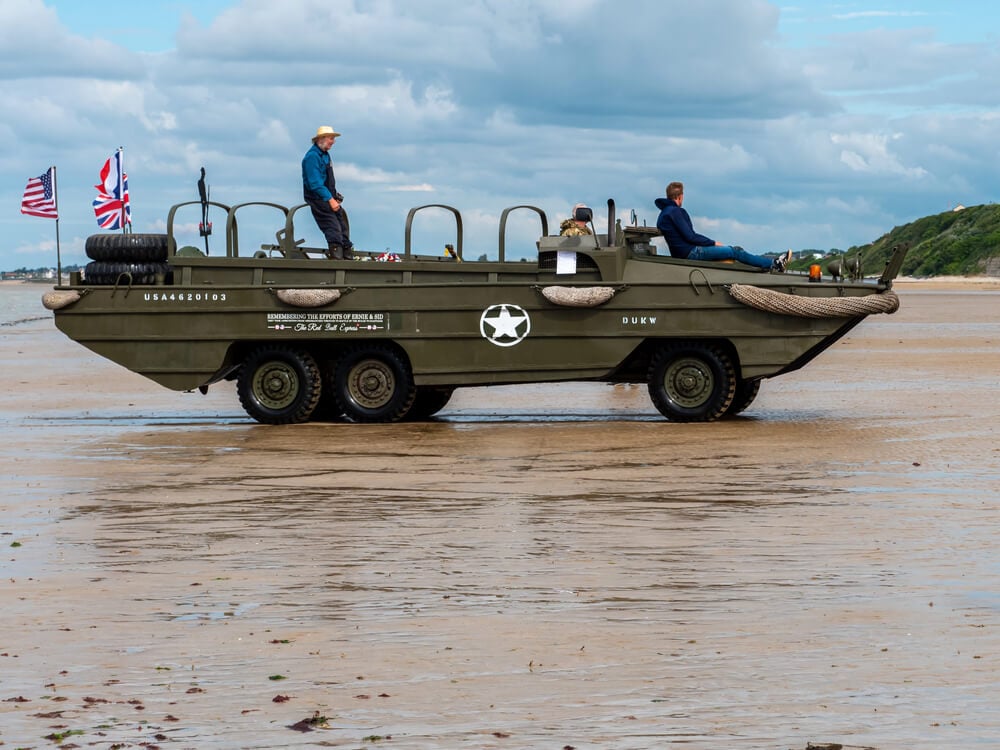
Amphibious vehicles capable of operating on both land and water were significantly refined under wartime research programs, with their operational deployment kept restricted from public knowledge until major amphibious campaigns revealed their existence and capabilities. Postwar civilian and later military applications of amphibious vehicle design drew directly on wartime engineering research.
Specific technical details of the vehicles’ capabilities were not widely published until well after their wartime combat debut.
The Higgins-Style Rubber Boat Adaptations Supported Classified Special Operations
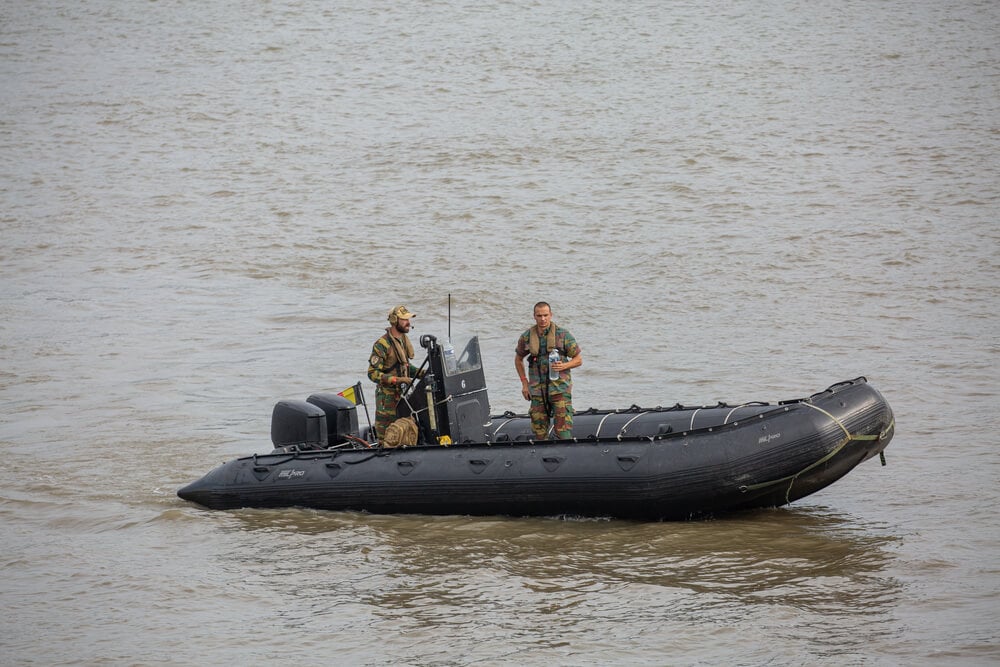
Specialized rubber assault boats developed for covert special operations forces during the war were designed and deployed under significant operational secrecy, since revealing their existence risked exposing the broader special operations programs relying on them. Postwar recreational and military inflatable boat design drew directly on the wartime research into lightweight, durable rubber construction.
Details of the specific operations these craft supported remained classified for years after the war’s conclusion.
Early Ballistic Missile Research Remained Classified on Both Sides of the Conflict
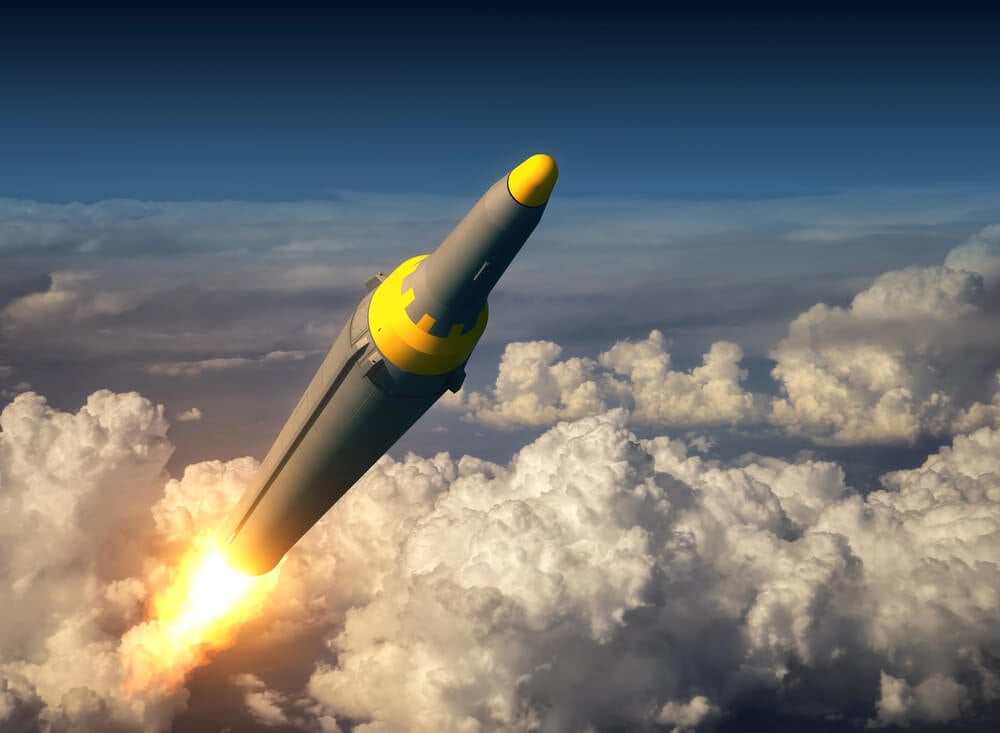
Germany’s V-2 rocket program and the Allied intelligence efforts to understand and counter it both proceeded under intense wartime secrecy, with the full scope of the rocket’s capabilities not widely understood publicly until after the war. Postwar space exploration and missile technology programs in both the United States and Soviet Union drew directly and controversially on this classified wartime research and the scientists who had developed it.
The extent to which former wartime program scientists were recruited into postwar programs was not fully disclosed to the public for years.
Infrared Detection Technology Was Developed for Classified Nighttime Military Operations

Early infrared detection and night vision technology was developed under wartime research secrecy specifically to give military forces an operational advantage during nighttime engagements, with the underlying technical principles closely guarded throughout the conflict. Postwar civilian and law enforcement applications of infrared and night vision technology expanded significantly once the wartime research was declassified.
The specific capabilities of early wartime infrared systems remained restricted from public technical discussion for years afterward.
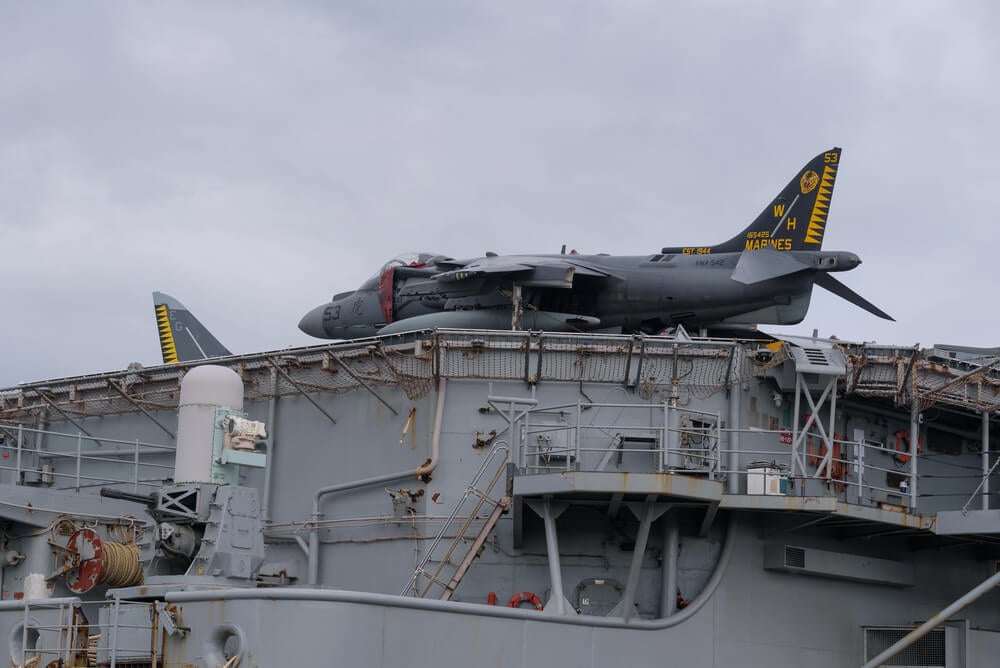
Aircraft Carrier Deck Landing Systems Were Refined Under Wartime Operational Secrecy
— Photo by photowrzesien
Techniques and equipment for safely landing aircraft on carrier decks, including early arresting gear systems, were significantly refined throughout the war under operational secrecy intended to protect the specific capabilities of carrier-based air operations from enemy intelligence gathering. Postwar commercial and military aviation both benefited from safety and control principles first developed for classified carrier operations.
The specific technical details of wartime carrier landing systems were not widely published in open literature until long after the war ended.
Waterproof Wristwatch Technology Advanced Through Classified Military Testing
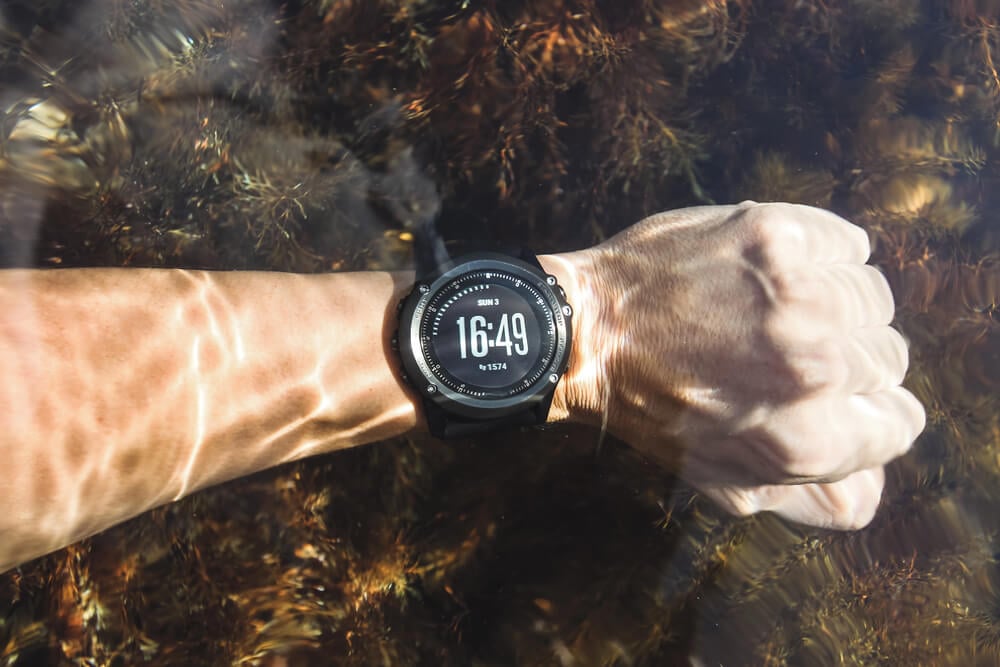
Wristwatch waterproofing and shock resistance technology advanced significantly through wartime military testing programs intended to provide reliable timekeeping for combat divers, pilots, and other specialized personnel operating under extreme conditions. Specific durability standards developed under this military testing directly shaped postwar civilian watch manufacturing standards.
The technical testing protocols themselves were not widely publicized outside military and industry circles until well after the war’s conclusion.
Silly Putty Emerged From a Failed Wartime Synthetic Rubber Research Project
During wartime efforts to develop a synthetic rubber substitute amid material shortages, a General Electric researcher created a bouncy, stretchy compound that failed to meet the military’s rubber substitute requirements and was set aside as a curiosity rather than a usable wartime material. The compound sat largely unused for several years before a marketing entrepreneur recognized its potential as a children’s toy in the late 1940s.
What began as a rejected classified material research byproduct became one of the best-selling novelty toys of the twentieth century once repackaged for peacetime consumers.
When Peacetime Finally Opened the File Cabinet

Every invention on this list existed for years, sometimes decades, before the public had any idea it was real. Governments classified these technologies not because the science was uninteresting, but because knowing what the other side could do was worth more than any single battlefield victory.
What stands out looking back is how much of ordinary postwar life, from the kitchen microwave to the phone’s GPS, was quietly assembled from military research nobody outside a classified program was ever supposed to see. Peace didn’t just end the fighting.
It opened the file cabinet.
More from Go2Tutors!

- The Romanov Crown Jewels and Their Tragic Fate
- 13 Historical Mysteries That Science Still Can’t Solve
- Famous Hoaxes That Fooled the World for Years
- 15 Child Stars with Tragic Adult Lives
- 16 Famous Jewelry Pieces in History
Like Go2Tutors’s content? Follow us on MSN.