17 Old Neighborhood Games That Lasted Until Dark
Remember when summer evenings stretched endlessly and the only rule was to come home when the streetlights flickered on? Those were the days when neighborhood kids would gather after dinner, ready to squeeze every last drop of fun from the fading daylight.
Games weren’t downloaded or plugged in—they were invented on the spot, passed down from older siblings, and modified based on who showed up and what props were lying around. Here’s a list of 17 classic neighborhood games that kept kids running, hiding, and laughing until their parents’ voices echoed through the twilight air.
Hide and Seek
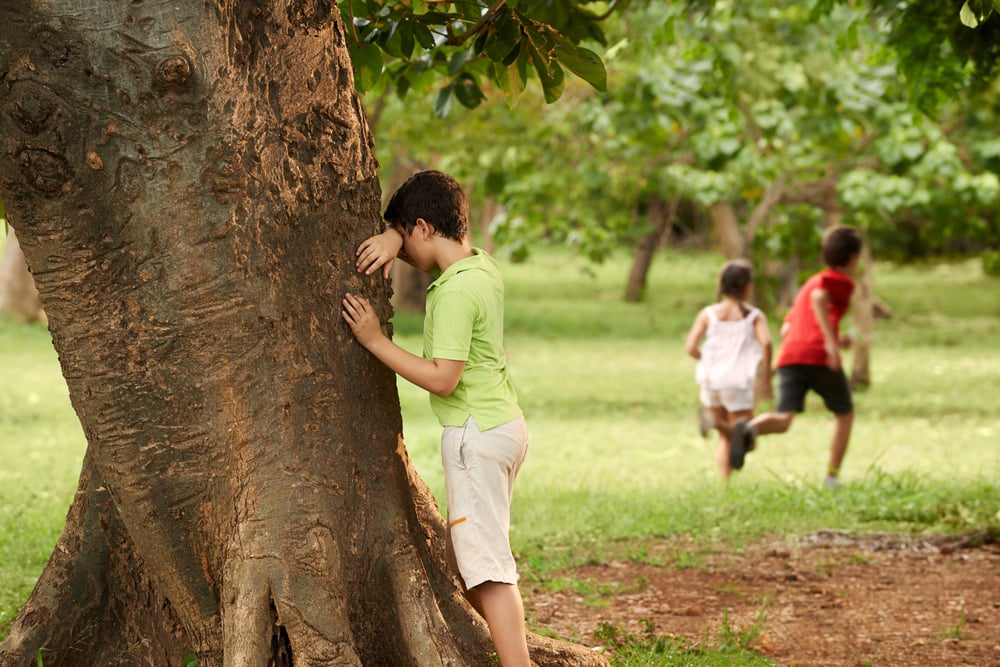
The granddaddy of all neighborhood games, hide and seek turned every backyard, garage, and front porch into potential cover. One person counted to twenty while everyone else scattered like startled birds, diving behind trash cans, squeezing under porches, or crouching in those perfect spots behind the neighbor’s hedge.
The real pros knew that the best hiding spots weren’t always the most obvious ones—sometimes standing perfectly still behind a skinny tree worked better than cramming yourself into a cramped space.
Kick the Can

This game combined the best parts of hide and seek with a dash of strategy and speed. A tin can sat in the middle of the playing area while one person guarded it and tried to spot the hidden players.
The twist came when someone could sneak back and kick that can, freeing all the captured players in one heroic moment. Nothing beat the satisfaction of a perfectly timed sprint that sent the can clattering down the street while everyone whooped and scattered again.
Like Go2Tutors’s content? Follow us on MSN.
Red Light, Green Light

Simple rules made this game perfect for mixed-age groups where little kids played alongside teenagers. When the person at the front called ‘green light,’ everyone charged forward like a stampede, but ‘red light’ meant freeze completely—even mid-step with one foot in the air.
Getting caught moving meant trudging back to the starting line, but reaching the front and becoming the new caller felt like winning the lottery.
Mother May I

The polite cousin of Red Light, Green Light, this game taught kids to ask permission before taking giant steps, baby steps, or scissors steps toward the finish line. The ‘mother’ at the front held all the power, deciding who could advance and by how much.
Forgetting to say ‘Mother, may I?’ before moving sent you right back to square one, no matter how close you’d gotten to victory.
Freeze Tag

Regular tag got an upgrade when someone invented the freeze rule—getting tagged meant you had to stop completely until another player crawled under your legs to unfreeze you. This created a constant cycle of rescues and near-misses that kept everyone involved even after getting caught.
The game only ended when the person who was ‘it’ managed to freeze everyone at once, which rarely happened before parents started calling kids inside.
Like Go2Tutors’s content? Follow us on MSN.
Flashlight Tag

When regular tag got too easy, nighttime brought flashlight tag—a game that transformed familiar neighborhoods into mysterious hunting grounds. Instead of touching someone to tag them, you had to catch them in your flashlight beam, which sounds simple until you’re running through shadows and trying to aim a bouncing light.
The darkness leveled the playing field, making speed less important than stealth and quick thinking.
Capture the Flag

This game required serious organization and turned the entire neighborhood into a battlefield divided by an imaginary line down the middle of the street. Each team defended their flag while sending brave scouts into enemy territory to steal the other team’s prize.
Getting tagged on the wrong side meant jail time until a teammate could sneak over and break you out—if they were brave enough to risk getting caught themselves.
Ghost in the Graveyard
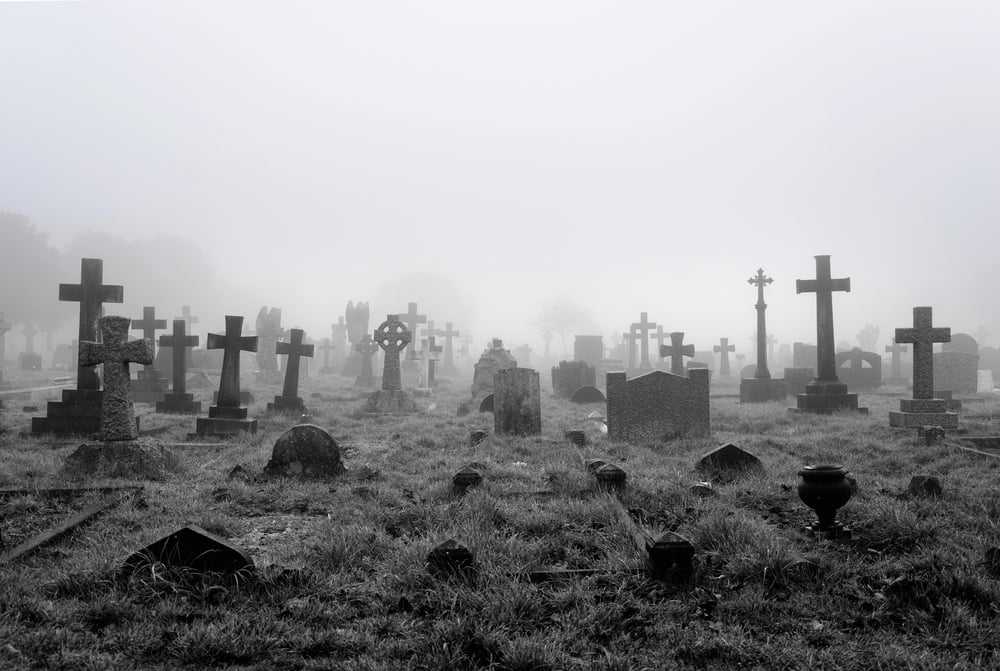
Part hide and seek, part tag, and completely thrilling in the growing darkness, Ghost in the Graveyard had one person hiding while everyone else counted at home base. When someone spotted the hidden ‘ghost,’ they’d yell the magic words and everyone would run for their lives back to safety.
The ghost’s job was to tag as many people as possible before they reached base, turning victims into new ghosts for the next round.
Like Go2Tutors’s content? Follow us on MSN.
Marco Polo (Dry Land Version)

Usually played in swimming pools, creative kids brought Marco Polo to dry land with one person closing their eyes and trying to tag others using only sound. The person who was ‘it’ would call ‘Marco’ and everyone else had to respond ‘Polo,’ giving away their general location.
Staying quiet wasn’t allowed, but moving silently between responses became an art form that separated the rookies from the masters.
Telephone

This quiet game proved that entertainment didn’t always require running around until you were breathless. Kids sat in a circle while one person whispered a message to their neighbor, who passed it along to the next person, and so on around the group.
By the time the message reached the last person and got announced out loud, it had usually transformed into something completely different and hilarious.
Sardines

The reverse of hide and seek, sardines started with one person hiding while everyone else counted. Instead of finding the hidden person and calling them out, each searcher who discovered the hiding spot had to squeeze in silently with them.
The last person still searching eventually found a ridiculous pile of kids crammed into impossibly small spaces, trying not to giggle and give themselves away.
Like Go2Tutors’s content? Follow us on MSN.
Red Rover

Two lines of kids faced each other, holding hands tightly and chanting the famous call: ‘Red Rover, Red Rover, send [someone] right over!’ The chosen person would charge at full speed, trying to break through the linked arms and earn the right to take someone back to their team.
This game separated the fearless from the cautious and occasionally resulted in scraped knees, but that just added to the excitement.
Four Square

A simple chalk square divided into four sections created endless entertainment and a clear social hierarchy. The person in the king’s square controlled the game, bouncing a rubber toy to other players who had to keep it moving without letting it bounce twice in their section.
Getting out meant joining the line of hopefuls waiting for another chance to work their way back up to the throne.
Seven Up

This indoor favorite moved outside when the weather was nice, with seven chosen kids standing at the front while everyone else put their heads down and stuck up one thumb. The seven would sneak around, each pressing down one thumb, then return to the front for the guessing round.
The kids whose thumbs got pressed had to figure out who’d chosen them—guess correctly and you got to be one of the seven in the next round.
Like Go2Tutors’s content? Follow us on MSN.
Hopscotch
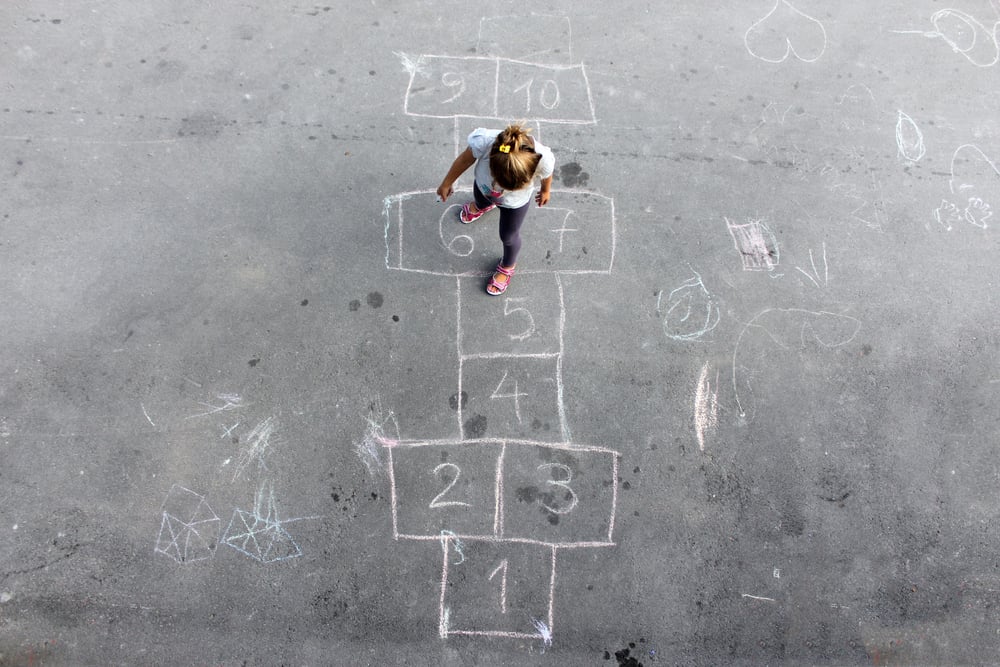
A piece of chalk and a small stone transformed any sidewalk into a hopping course that tested balance and precision. Players tossed their marker into numbered squares and hopped through the pattern, avoiding the square with their stone while maintaining perfect balance on one foot.
The simple rules masked a surprisingly challenging game that could occupy kids for hours as they invented new patterns and tried increasingly difficult throws.
Duck Duck Goose

Kids sat in a circle while one person walked around, tapping heads and saying ‘duck’ until they chose someone as the ‘goose.’ The selected goose had to jump up and chase the tapper around the circle, trying to tag them before they could steal the empty spot.
This game required no equipment and could accommodate any number of players, making it perfect for impromptu gatherings when kids just wanted to burn some energy.
Statues

When music played or someone sang, everyone danced wildly, but the moment the sound stopped, players had to freeze in whatever position they were in. The person judging would walk around, trying to make the statues laugh or move by making funny faces or silly comments.
The last person to crack became the next judge, starting the cycle all over again with fresh music and new ridiculous poses.
Like Go2Tutors’s content? Follow us on MSN.
When the Lights Came On

These games created a shared language of childhood that crossed generations and neighborhoods, teaching kids how to negotiate rules, include others, and find fun in the simplest materials. They required nothing more than imagination, energy, and the willingness to run around until your parents called you home.
Today’s kids might have more sophisticated entertainment options, but there’s something timeless about the sound of laughter echoing through a neighborhood as the sun sets and the first stars appear. The games changed over the decades, but the magic of those endless summer evenings remains exactly the same.
More from Go2Tutors!

- 16 Historical Figures Who Were Nothing Like You Think
- 12 Things Sold in the 80s That Are Now Illegal
- 15 VHS Tapes That Could Be Worth Thousands
- 17 Historical “What Ifs” That Would Have Changed Everything
- 18 TV Shows That Vanished Without a Finale
Like Go2Tutors’s content? Follow us on MSN.