Iconic Buildings With Secret Floors
Architecture keeps secrets better than most people realize. Behind marble facades and towering glass walls, some of the world’s most famous buildings hide entire floors from public view.
These aren’t just storage spaces or mechanical rooms — they’re deliberate mysteries, tucked away like chapters torn from history books that someone decided you weren’t quite ready to read. Whether they house government operations, exclusive clubs, or simply serve as retreats for the powerful, these hidden levels remind you that even in our transparent age, some spaces remain gloriously, stubbornly private.
The buildings themselves stand in plain sight, photographed by millions, yet their concealed floors maintain an almost mythical quality — known about, whispered about, but rarely seen.
The Empire State Building

The Empire State Building’s 103rd floor exists in a strange limbo between rumor and reality. Most visitors never make it past the 86th-floor observation deck, and even fewer reach the 102nd floor viewing area.
But tucked above all of that public spectacle sits a space that was originally designed as a mooring mast for dirigibles — which sounds romantic until you consider that giant hydrogen-filled airships docking to a Manhattan skyscraper was always a terrible idea. The floor remains largely inaccessible to tourists, though it’s occasionally used for VIP events and private gatherings.
And yet, here’s what makes it genuinely mysterious: the space was designed with windows that provide a 360-degree view of New York City from a vantage point that virtually no one ever experiences. So it sits there, day after day, offering perhaps the most spectacular urban view in America to an audience of mostly empty air.
The White House

The White House has more hidden levels than a conspiracy theorist’s fever dream, but the most intriguing might be the bunker complex known as the Presidential Emergency Operations Center. Built during World War II and expanded during the Cold War, this underground maze sits beneath the building like a concrete root system, complete with its own air supply, communication systems, and enough provisions to keep the government running during whatever apocalyptic scenario keeps security officials awake at night.
What makes these spaces particularly fascinating isn’t their existence — most people assume the White House has bunkers — but their scope. The complex reportedly extends far beyond the building’s footprint, connecting to other government facilities through tunnels that turn downtown Washington into something resembling a subway system for the supremely powerful.
The exact layout remains classified, naturally, which means the building that symbolizes governmental transparency sits atop one of the most secretive spaces in America.
The United Nations Headquarters

The UN building houses a private club on its fourth floor that feels like something from a different era entirely. The Delegates Dining Room operates as an exclusive restaurant where ambassadors, diplomats, and other international officials gather for meals that presumably involve more than just discussing the weather.
Non-diplomats can’t simply walk in and request a table, which creates the odd situation of a restaurant that exists inside a building dedicated to global cooperation but remains accessible only to a select few. The space itself reflects mid-century optimism about international relations: clean lines, modernist furniture, and floor-to-ceiling windows that overlook the East River.
It’s designed to facilitate the kind of informal conversations that supposedly help prevent wars, though whether any meaningful diplomacy actually happens over lunch remains an open question. Still, there’s something appealingly naive about the idea that global conflicts might be resolved over a well-prepared meal in a room that most of the world will never see.
One World Trade Center
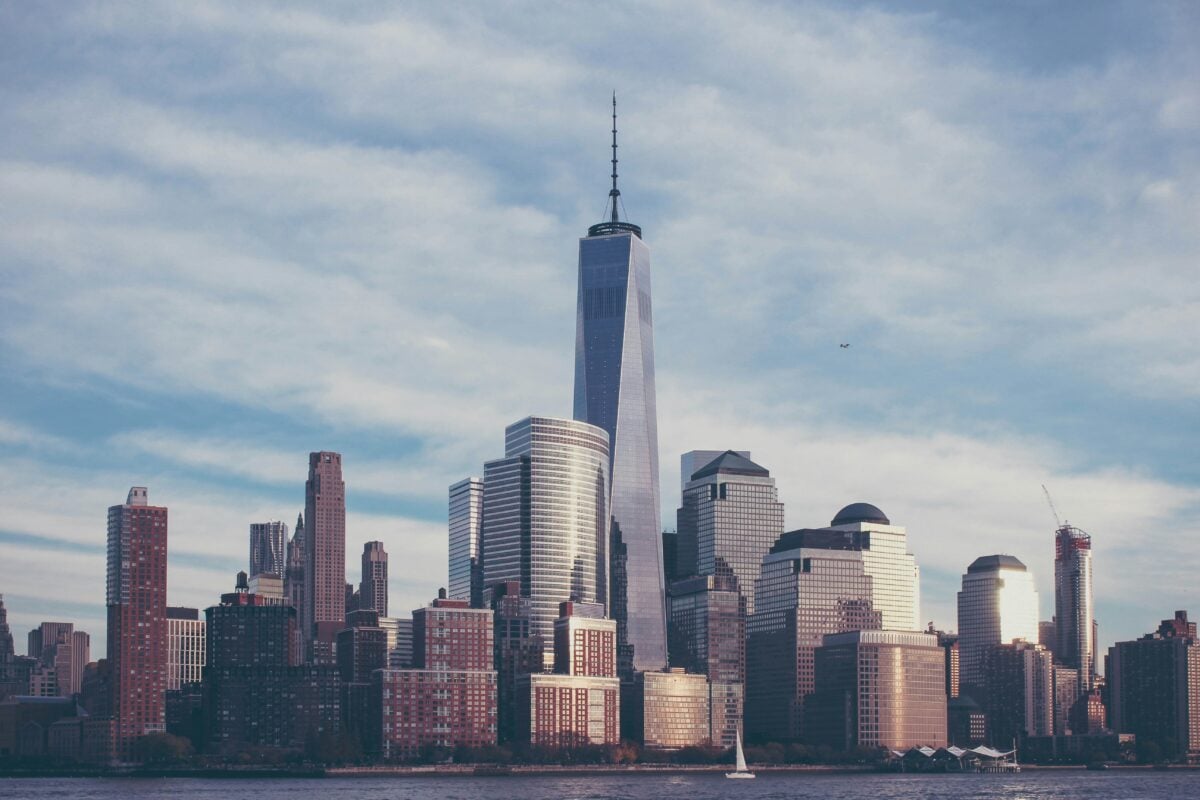
One World Trade Center contains floors that serve as a vertical fortress, and the building makes no apologies for it. Floors 200 through 285 feet above street level are essentially a concrete and steel void — no windows, no public access, no pretense that this space exists for anyone’s convenience or pleasure.
This isn’t a hidden floor so much as a deliberately blank space, designed to protect the building from the kind of attack that destroyed its predecessors. But here’s where it gets interesting (in the way that security architecture can be interesting): the building also contains floors dedicated to broadcasting equipment for television stations, creating a situation where some of New York’s most-watched media emanates from one of its most heavily secured spaces.
So while you can’t visit these floors, their contents reach into your living room every evening. It’s an oddly intimate relationship between secrecy and publicity that somehow captures something essential about how power operates in the 21st century.
The Willis Tower

The Willis Tower (still called the Sears Tower by anyone with a functioning sense of nostalgia) hides mechanical floors that serve as the building’s circulatory system, and these spaces possess an almost industrial poetry that their original designers probably never intended. Massive HVAC systems, electrical equipment, and structural supports create a landscape that feels more like the engine room of an ocean liner than part of a Chicago office building.
These floors remain off-limits to the public, but maintenance workers describe spaces so vast and complex that they require maps to navigate. The machinery runs constantly, breathing life into the office spaces above and below, yet most people working in the building never think about these mechanical floors — they simply trust that their elevators will work and their air will stay breathable.
Its infrastructure is invisible labor, keeping one of America’s tallest buildings functional while remaining entirely hidden from the people who depend on it.
The Chrysler Building
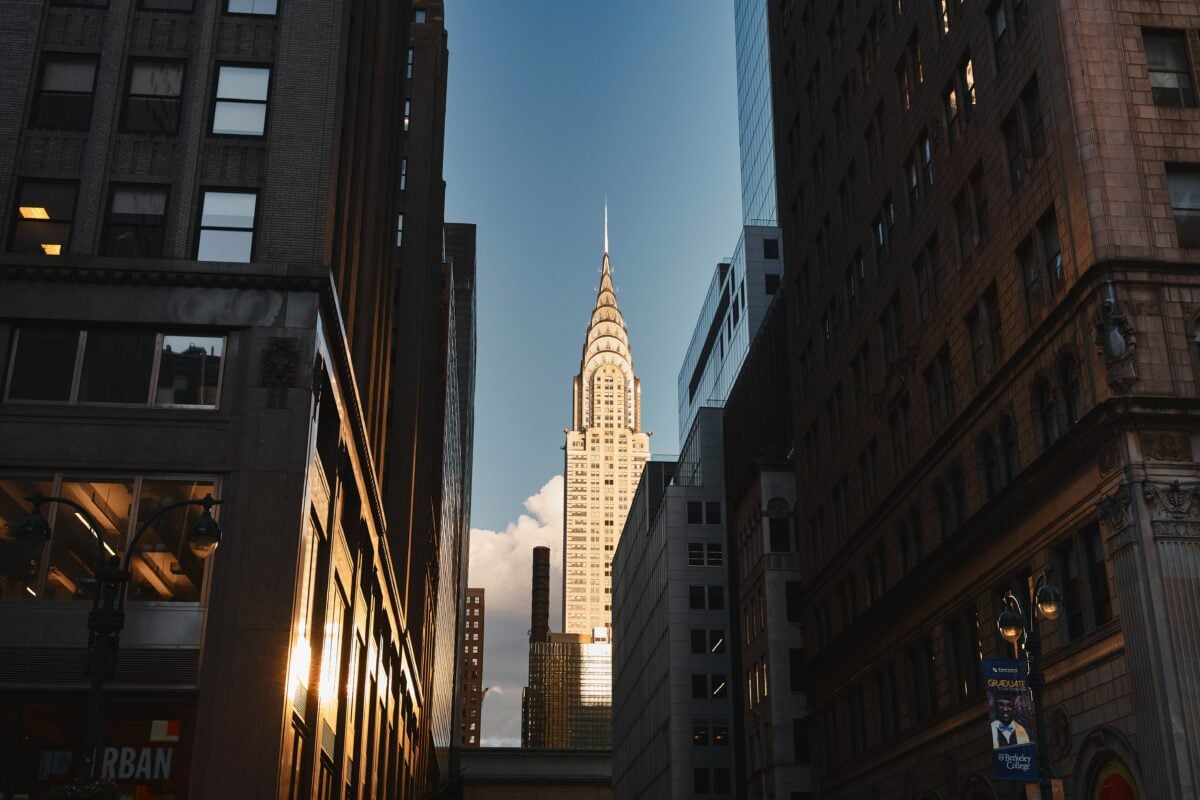
The Chrysler Building’s crown contains floors that were designed as executive offices but now serve as something closer to an architectural museum piece, and the space embodies the kind of corporate ambition that built Manhattan’s skyline during the Jazz Age. These upper floors, tucked inside the building’s famous art deco spire, were intended to house the Chrysler Corporation’s most important executives — men who apparently wanted their offices to occupy the most beautiful part of one of the world’s most beautiful buildings.
The offices were never fully utilized as intended, and today they remain largely empty, which creates an almost melancholy atmosphere. Here are spaces designed for power and prestige, complete with custom metalwork and stunning city views, that now exist primarily as reminders of an era when corporations built monuments to their own importance.
The floors can be visited on rare guided tours, but they’re not open to the public, so they sit there like time capsules — beautiful, historically significant, and almost entirely unused.
The Pentagon

The Pentagon’s sub-basement levels extend deeper into Virginia soil than most people realize, and these underground floors serve purposes that range from the mundane to the presumably terrifying. Below the building’s famous five-sided structure lies a network of storage areas, communication centers, and secure facilities that help coordinate American military operations around the world.
The exact number of basement levels remains classified, but former employees describe underground spaces that feel more like a small city than a simple basement. What makes these floors particularly intriguing isn’t their military purpose — that much is obvious — but their scale.
The Pentagon is already one of the world’s largest office buildings, so the idea that it extends significantly underground suggests a complex that dwarfs even its massive above-ground footprint. These hidden floors don’t just support the building’s operations; they multiply them, creating a facility that’s much larger and more complex than its public face suggests.
AT&T Building (33 Thomas Street)

The AT&T building at 33 Thomas Street in Manhattan looks like a monolithic concrete sculpture, which makes sense because it was designed to survive a nuclear attack while keeping America’s phone calls connected. The building contains floors that most New Yorkers walk past every day without realizing they house some of the country’s most sensitive telecommunications infrastructure — and possibly much more than that.
These floors operate with a level of security that exceeds most government buildings, yet they’re owned and operated by a private corporation. The building has few windows and no obvious public entrance, creating an atmosphere of secrecy that has inspired decades of speculation about what actually happens inside.
Recent reports suggest the building serves as a hub for government surveillance operations, but AT&T and government officials remain characteristically silent about the building’s true purpose. So it sits there in lower Manhattan, hiding in plain sight, looking exactly like what it probably is: a fortress designed to protect information that someone has decided you don’t need to know.
The Capitol Building
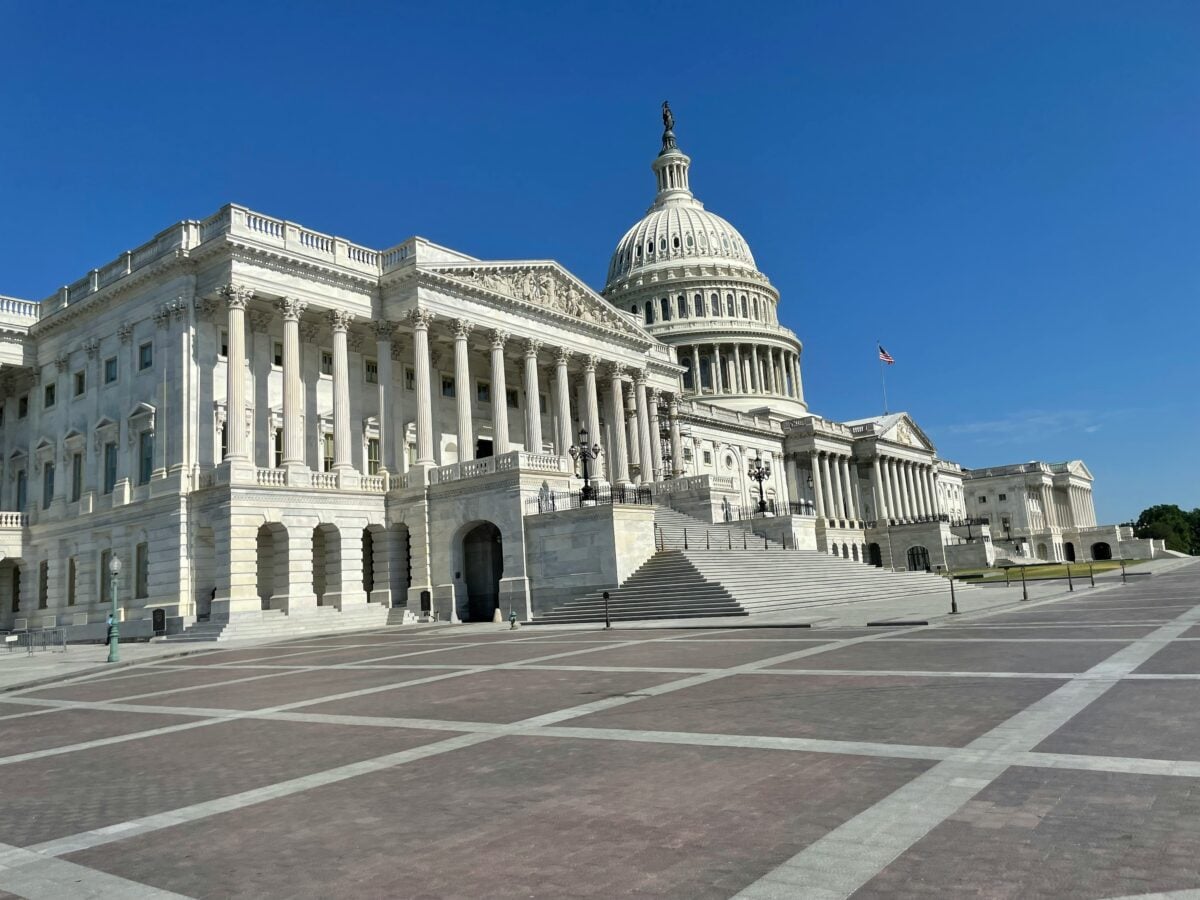
The Capitol building’s underground floors create a maze beneath Washington that most tourists never suspect exists, and these spaces serve functions that range from the practical to the ceremonially important. The building sits atop tunnels, storage areas, and secure facilities that connect it to other government buildings, creating an underground network that allows officials to move around the capital without stepping outside or being seen by the public.
One of the most interesting hidden spaces is the crypt that was originally designed to hold George Washington’s remains. Washington was never actually interred there, so the space now serves as a kind of architectural afterthought — a circular room beneath the Capitol dome that few people visit and fewer still understand.
It’s a reminder that even America’s most symbolic buildings contain spaces that have outlived their original purpose and now exist in a kind of limbo between history and functionality.
Trump Tower

Trump Tower contains floors that blur the line between residence and office space, and the building’s upper levels remain largely private despite housing one of America’s most public figures. The penthouse occupies multiple floors and reportedly contains living spaces decorated in a style that can charitably be described as “maximalist” — lots of gold, lots of marble, and lots of furniture that seems designed to impress rather than provide comfort.
But what makes these floors genuinely interesting isn’t their decoration but their function. When their primary resident served as President, these spaces became an informal extension of the White House, hosting foreign officials and government meetings in a setting that was simultaneously private and highly visible.
The floors operated as a kind of parallel government facility, complete with security measures and communication systems that allowed presidential business to be conducted from a Manhattan skyscraper. It was an unusual arrangement that highlighted how the line between public and private space can become blurred when personal wealth intersects with political power.
The Burj Khalifa

The Burj Khalifa’s mechanical floors create vertical cities within the world’s tallest building, and these spaces possess an almost science-fiction quality that their architects probably intended. The building contains multiple mechanical levels distributed throughout its height, each one housing the systems necessary to keep a supertall skyscraper functional in the Arabian desert.
These floors contain everything from water pumps to air conditioning systems to elevator machinery, all operating in spaces that most of the building’s occupants never see. The mechanical floors serve another purpose: they break up the building’s mass and help it withstand the wind loads that would otherwise make a structure this tall impossible to build.
So they’re not just hidden — they’re structurally necessary, which creates an interesting situation where the building’s most important floors are also its least accessible. Maintenance workers describe these spaces as eerily quiet despite containing massive machinery, and the views from the mechanical floors are supposedly spectacular, offering perspectives on Dubai that no tourist will ever experience.
The Statue of Liberty
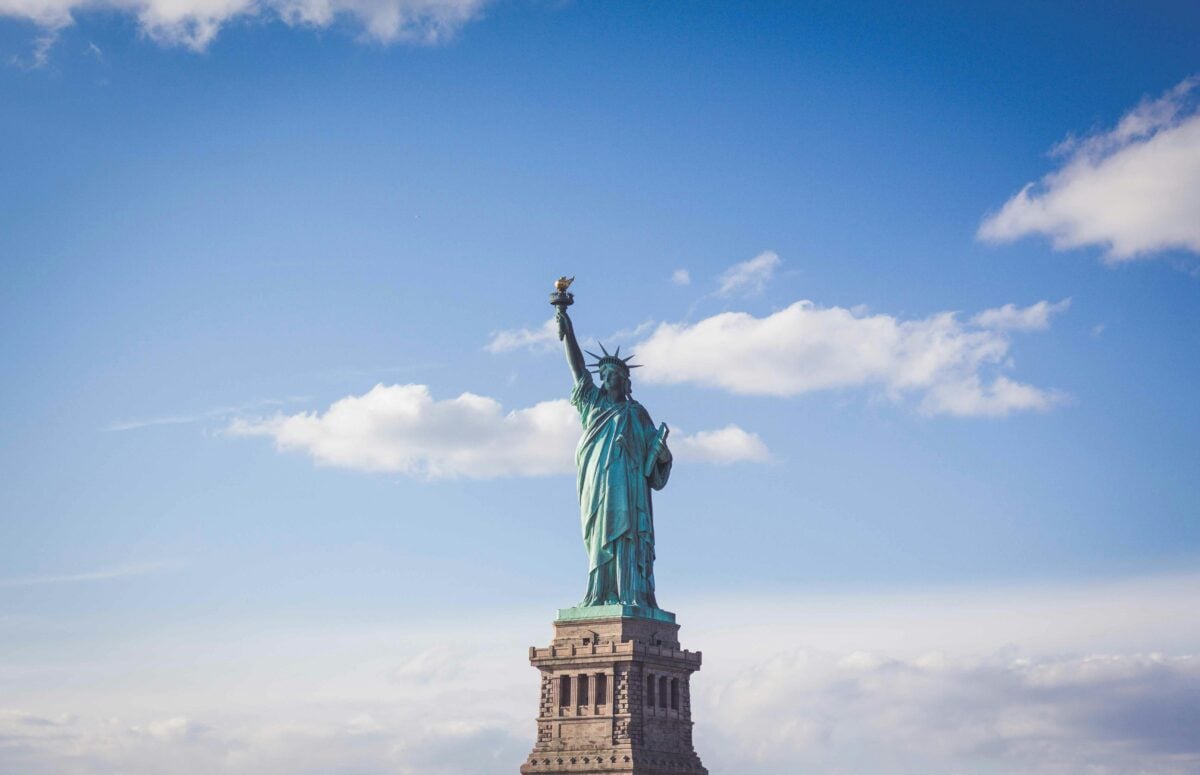
The Statue of Liberty contains floors that most visitors never reach, and these spaces feel more like the interior of a ship than part of a monument. The statue’s internal structure includes platforms and stairways that provide access to different levels, including the crown, but there are also maintenance areas and structural spaces that remain off-limits to the public.
These hidden floors serve purely functional purposes — they house the systems that keep the statue safe and stable — but they also provide intimate perspectives on one of America’s most famous symbols. The most restricted area might be the torch, which has been closed to public access since 1916 but contains a small platform that offers perhaps the most exclusive view in New York harbor.
Only National Park Service employees and occasional VIPs are allowed access, which means that dozens of people walk past the statue every day on ferries and tour boats, but almost no one gets to see the view from inside her raised arm. It’s a reminder that even America’s most welcoming symbol contains spaces that remain private, reserved for the few rather than the many.
20 Exchange Place

20 Exchange Place in lower Manhattan contains floors that were designed during the 1930s as private clubs for the financial elite, and these spaces retain an atmosphere that feels frozen in time despite decades of renovations and ownership changes. The building’s upper floors once housed exclusive dining rooms, meeting spaces, and even sleeping quarters for bankers and traders who needed to stay close to Wall Street during market crises.
Today, these floors serve various commercial purposes, but they retain architectural details that reflect their original function: wood-paneled walls, custom millwork, and formal dining areas that were designed to facilitate the kind of quiet conversations that shaped American finance. The spaces aren’t exactly secret anymore, but they’re not open to the public either, which creates an interesting middle ground between accessibility and exclusivity.
They exist as reminders of an era when financial power was more concentrated and less visible than it is today.
The Secrets We Build Above Us

These hidden floors exist for reasons that range from the practical to the paranoid, but they share something beyond their secrecy: they remind you that architecture is never as transparent as it pretends to be. Every building contains spaces that serve purposes other than their official function, and the most famous buildings often hide the most interesting secrets.
Maybe that’s appropriate. In a world where privacy has become increasingly rare, these concealed floors serve as proof that some spaces can still resist total exposure. They exist parallel to public life, supporting it, protecting it, sometimes governing it, but always maintaining their distance from it.
And perhaps that’s enough — to know that above your head or below your feet, these spaces continue their quiet work, keeping their secrets, maintaining the mystery that makes even familiar buildings feel like they might surprise you.
More from Go2Tutors!

- The Romanov Crown Jewels and Their Tragic Fate
- 13 Historical Mysteries That Science Still Can’t Solve
- Famous Hoaxes That Fooled the World for Years
- 15 Child Stars with Tragic Adult Lives
- 16 Famous Jewelry Pieces in History
Like Go2Tutors’s content? Follow us on MSN.