29 Jobs From a Century Ago That No Longer Exist
A hundred years ago, entire households and industries depended on workers whose titles would draw blank stares today. Some jobs vanished because the technology they served became obsolete overnight; others disappeared more slowly, phased out as automation and new habits took over.
Looking back at these forgotten trades says less about nostalgia and more about how quickly a “normal” job can become unrecognizable.
Knocker-Upper

Before affordable alarm clocks, factory and dock workers in industrial cities paid a knocker-upper to rap on their windows with a long pole at the correct hour each morning. Some used dried peas shot through a tube instead of tapping directly, aiming for upper-floor windows without waking the whole street.
The job persisted in parts of England well into the 1940s, only fading once cheap clockwork alarms became standard household items.
Ice Cutter

Before mechanical refrigeration reached most homes, crews cut massive blocks from frozen lakes and rivers each winter, hauling them to insulated icehouses packed with sawdust for insulation. The blocks could stay frozen for months and were delivered door to door by ice wagons through the following summer.
The trade collapsed within a generation once electric refrigerators became affordable in the 1930s and 1940s.
Lamplighter

City lamplighters walked fixed routes at dusk, using a long pole to ignite gas street lamps one by one, then returned at dawn to extinguish them. The role required intimate knowledge of a neighborhood’s layout and a strict nightly schedule that could not be missed.
Electric street lighting, rolled out across major cities through the 1920s, made the profession unnecessary almost overnight.
Switchboard Operator
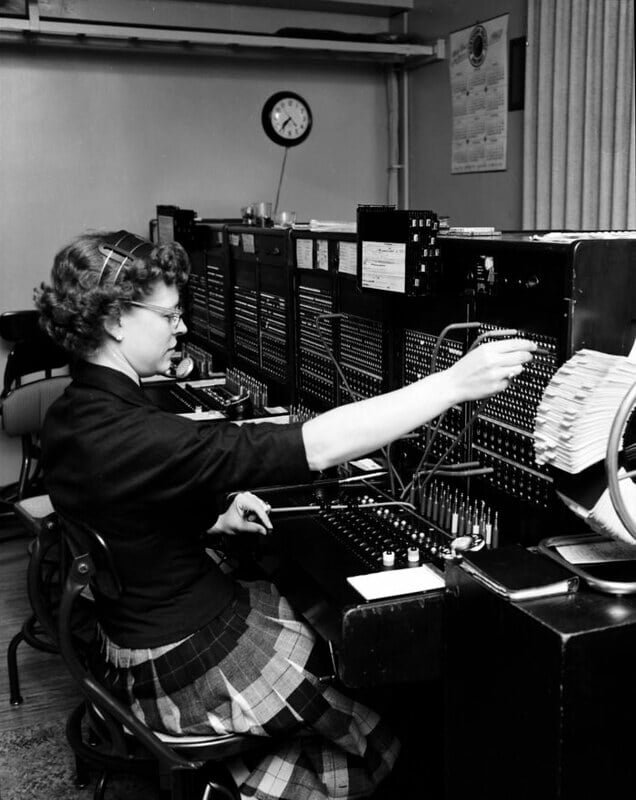
Early telephone networks required a human operator to physically connect calls by plugging cables into a switchboard, listening for the right line and manually routing every conversation. Operators, most of them young women, memorized regional codes and handled thousands of connections per shift.
Automated dial switching systems gradually replaced the role through the mid-twentieth century.
Pinsetter
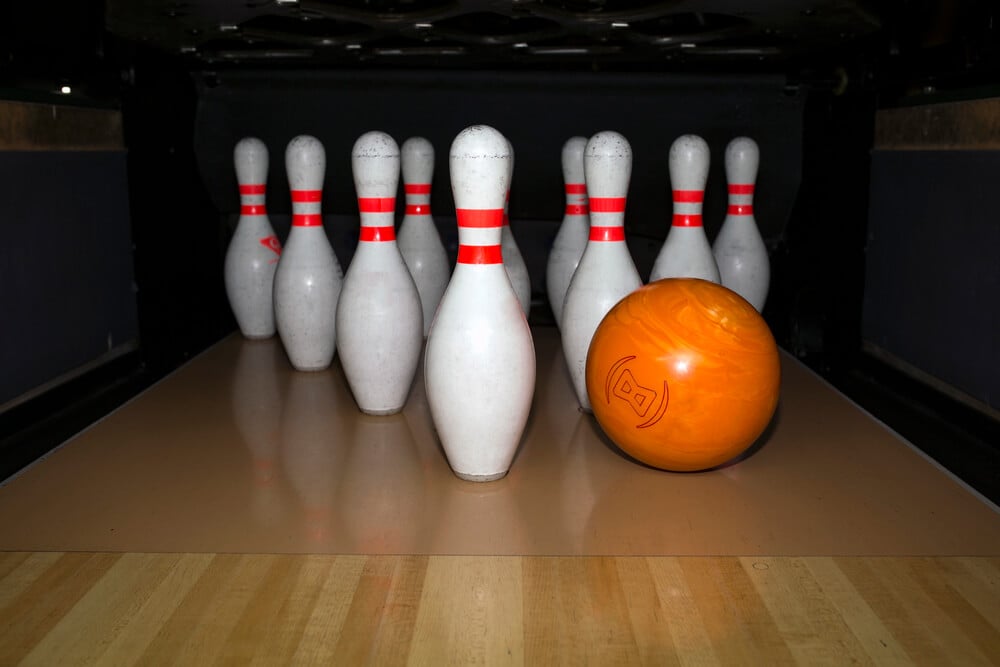
Long before automatic pinsetting machines, bowling alleys employed boys and young men to crouch at the end of the lane, clear the fallen pins by hand, and reset the rack before the next player’s turn. The work was fast-paced and mildly dangerous, with stray pins a constant hazard.
Mechanical pinsetters introduced in the 1950s eliminated the need for the job within a decade.
Rat Catcher
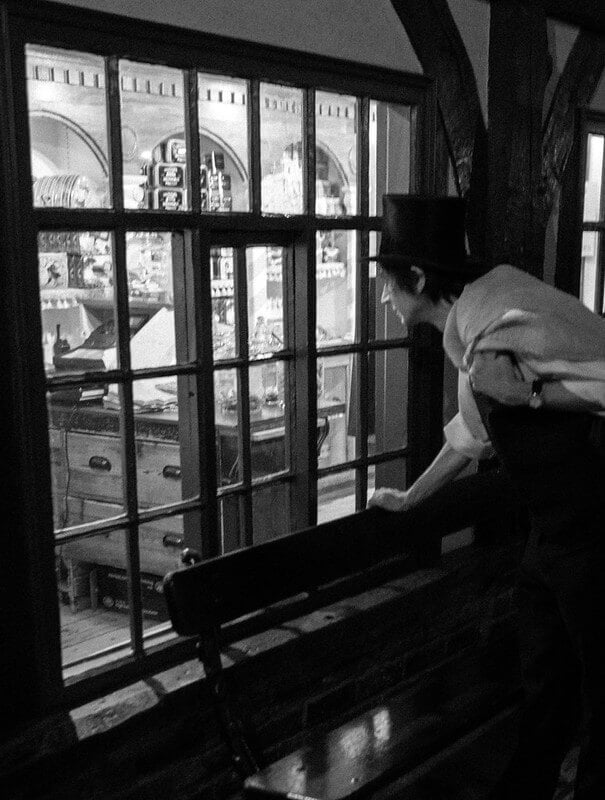
Cities employed professional rat catchers to control rodent populations in sewers, granaries, and tenement buildings, often using trained terriers alongside traps and poison. Some catchers sold captured rodents to pit-fighting venues or fur traders as a side income.
Modern pest control companies and improved sanitation infrastructure absorbed the role by the mid-1900s.
Human Alarm Clock for Trains
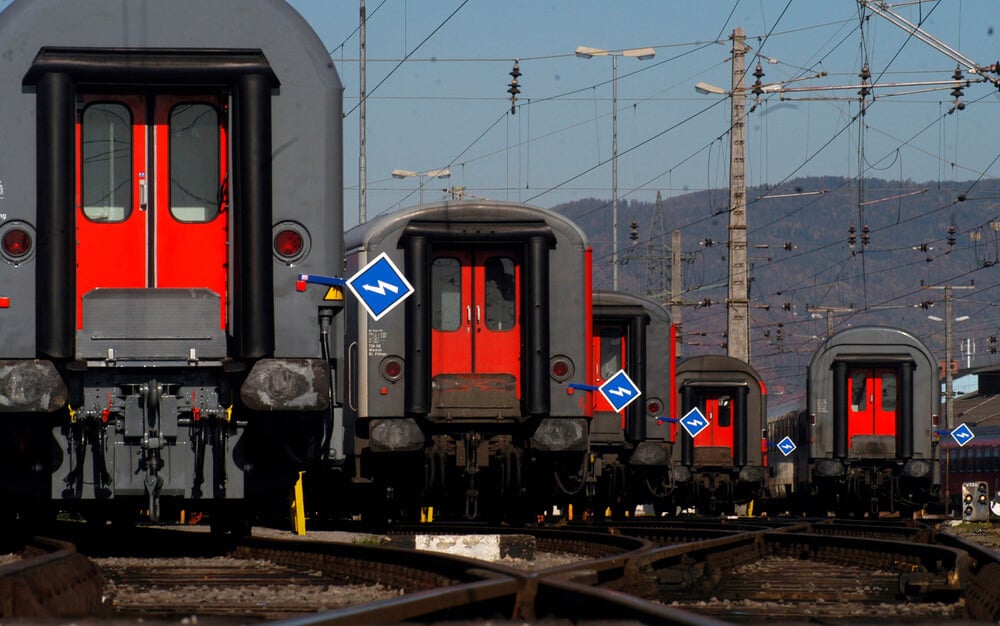
Railway companies once employed callers whose sole job was walking to the homes of engineers and conductors before dawn to physically wake them for early shifts, since missing a scheduled departure could disrupt an entire rail line. The role required a precise memory of dozens of workers’ addresses and shift times.
Improved timekeeping and telephone wake-up services phased the position out by the 1930s.
Milkman’s Horse Handler
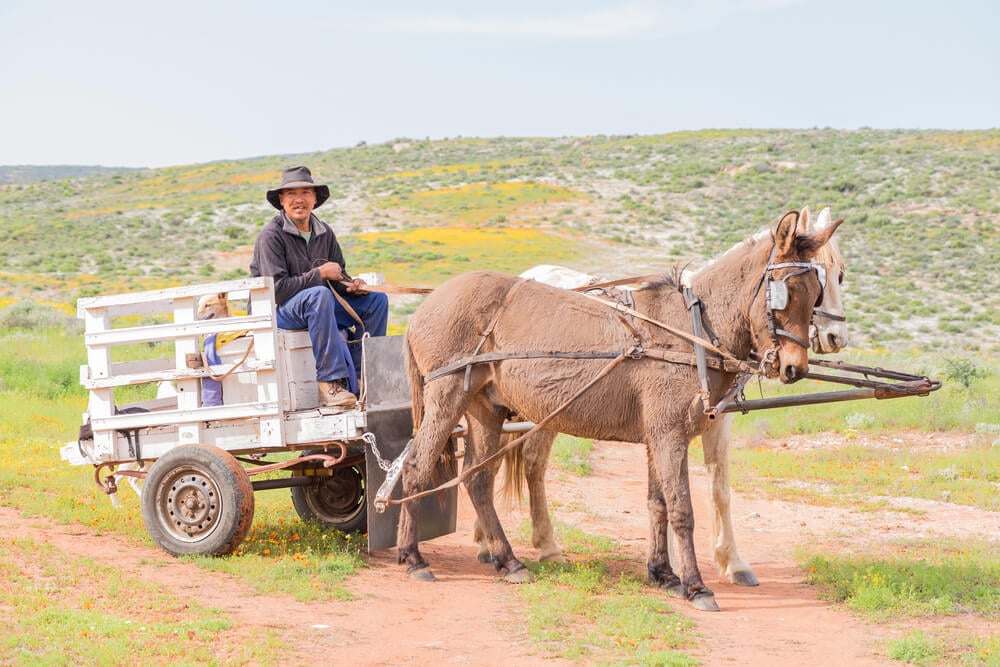
Before delivery trucks, milk rounds relied on horses trained to recognize a route so well they would stop automatically at each customer’s door while the deliveryman ran between houses. Some horses worked the same route for over a decade without needing direction.
Motorized delivery vans replaced horse-drawn rounds almost entirely by the 1950s.
Typesetter
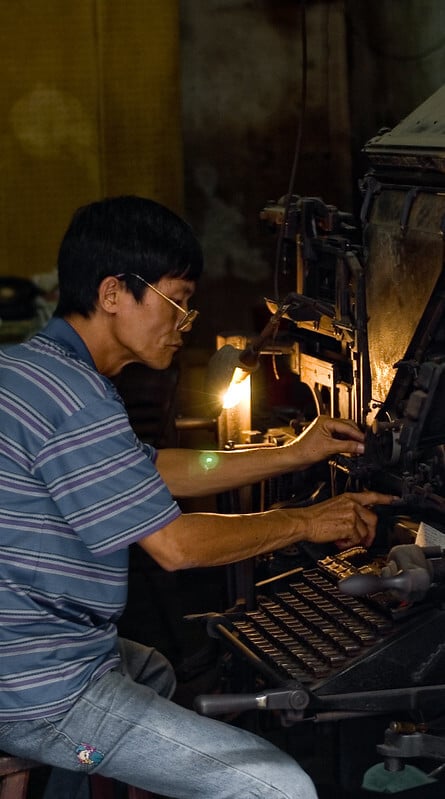
Newspapers and print shops employed typesetters who arranged individual metal letters by hand or operated Linotype machines to cast entire lines of type from molten lead. The work demanded speed, precision, and the ability to read text backward and upside down.
Offset printing and later digital typesetting eliminated most hot-metal composing rooms by the 1970s and 1980s.
Elevator Operator

Early elevators required manual control of speed and stopping position, so buildings employed dedicated operators who called out floors and managed the lever by feel to align the car with each landing. Skilled operators could stop within a fraction of an inch without looking.
Automatic push-button elevators made the profession largely unnecessary by the 1950s and 1960s.
Chimney Sweep’s Climbing Boy

Young boys, sometimes as young as six, were sent up narrow residential chimneys to scrape away soot buildup that full-sized sweeps could not reach. The practice was dangerous and led to significant public health campaigns against it.
Legislation restricting child labor and the introduction of mechanical brush systems ended the practice by the late 1800s and early 1900s.
Telegraph Operator
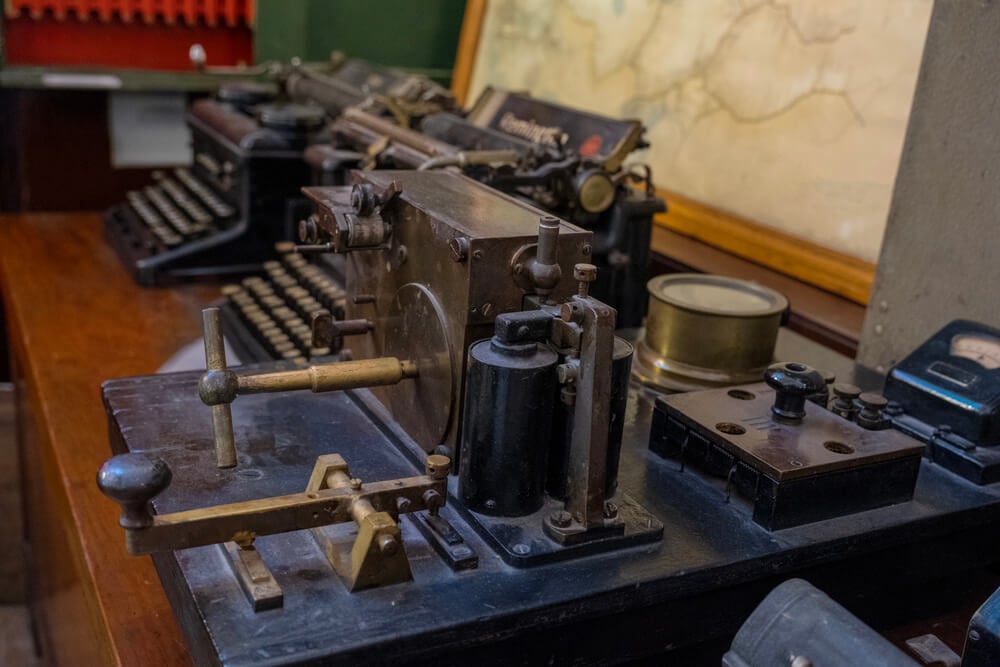
Skilled operators translated messages into Morse code and transmitted them over telegraph wires, often working in small-town railway depots and city telegraph offices around the clock. Speed and accuracy in reading incoming code by ear was considered a professional skill in its own right.
The rise of telephone networks and later fax and digital communication rendered the trade obsolete by the mid-1900s.
Boot Black

City street corners and hotel lobbies once supported full-time boot blacks who set up a stand and polished shoes for a small fee, often building a regular clientele of businessmen who stopped by the same corner daily. Many boot blacks were young boys working before or after school to help support their families.
The rise of low-maintenance footwear and the decline of formal daily shoe care reduced the trade to a rare novelty service by the mid-1900s.
Milk Bottle Washer

Dairies employed workers whose entire job was sterilizing and refilling glass milk bottles returned by customers, running them through steam washers before they went back out on delivery routes. The work was physically repetitive and required constant attention to sanitation standards.
The shift to disposable cartons and plastic jugs by the 1960s made the role unnecessary.
Ice Box Repairman
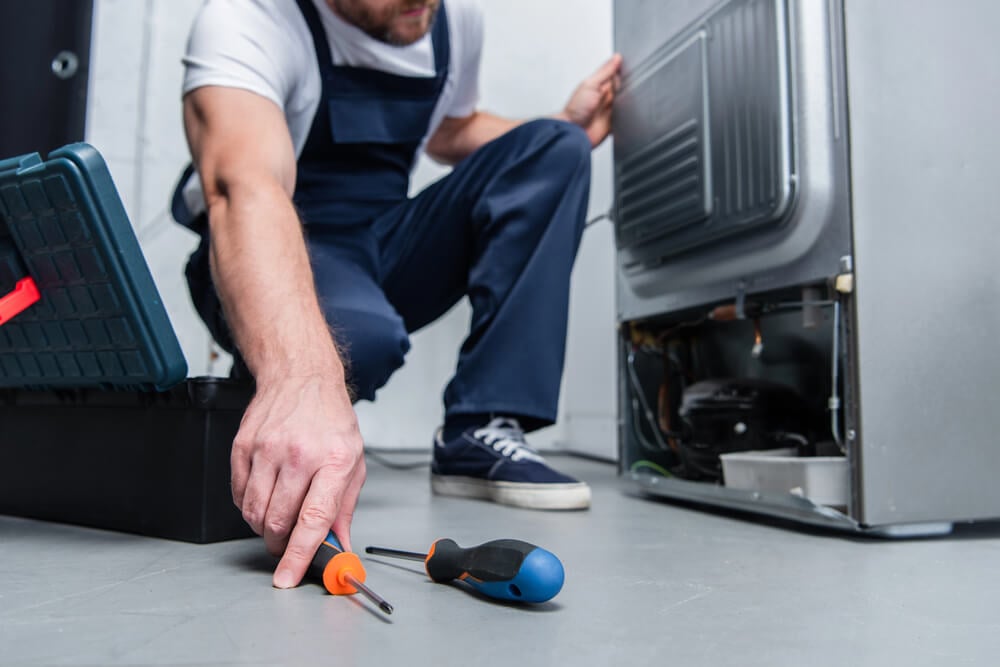
Before refrigerators, iceboxes required regular maintenance of their insulation, drainage, and hardware, and a dedicated tradesman traveled neighborhoods repairing hinges, replacing drip pans, and resealing doors. The job disappeared as households across the country switched to electric refrigeration by the 1940s.
Few of these repairmen transitioned into refrigerator repair, since the underlying mechanics were entirely different.
Copy Boy

Newsrooms employed young copy runners to physically carry typed pages between reporters, editors, and the composing room, often at a sprint against publication deadlines. It was widely considered the traditional entry point into a journalism career.
Internal computer networks and email eliminated the need for physical page-running by the 1980s and 1990s.
Soda Fountain Clerk

Pharmacies commonly built elaborate soda fountains staffed by dedicated clerks trained to mix flavored syrups, carbonated water, and ice cream into sodas and floats to exact recipes. The counter often functioned as an informal community gathering spot in small towns.
Chain drugstores phased out in-store fountains through the 1960s and 1970s as prepackaged drinks became more profitable.
Human Computer

Long before electronic computing, “computer” described a job title for workers, frequently women, who performed complex mathematical calculations by hand for engineering, astronomy, and later aerospace projects. Teams of human computers at organizations like NASA’s predecessor agency verified calculations that would later be handled by machines.
Electronic computers absorbed the role almost entirely by the 1960s.
Milk Delivery Boy
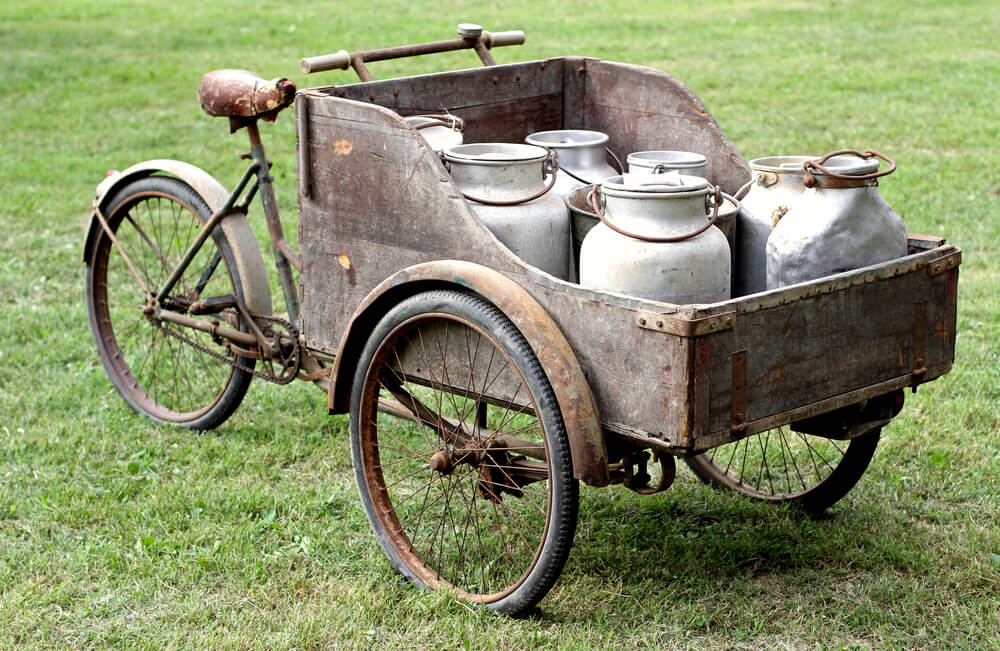
Separate from the driver, many dairies employed a young assistant who ran bottles from the delivery wagon to each doorstep while the driver kept the horse or truck moving along the route. It was often a first job for boys as young as twelve.
Home milk delivery itself declined sharply once supermarkets became the primary source of household groceries by the 1960s.
Log Driver
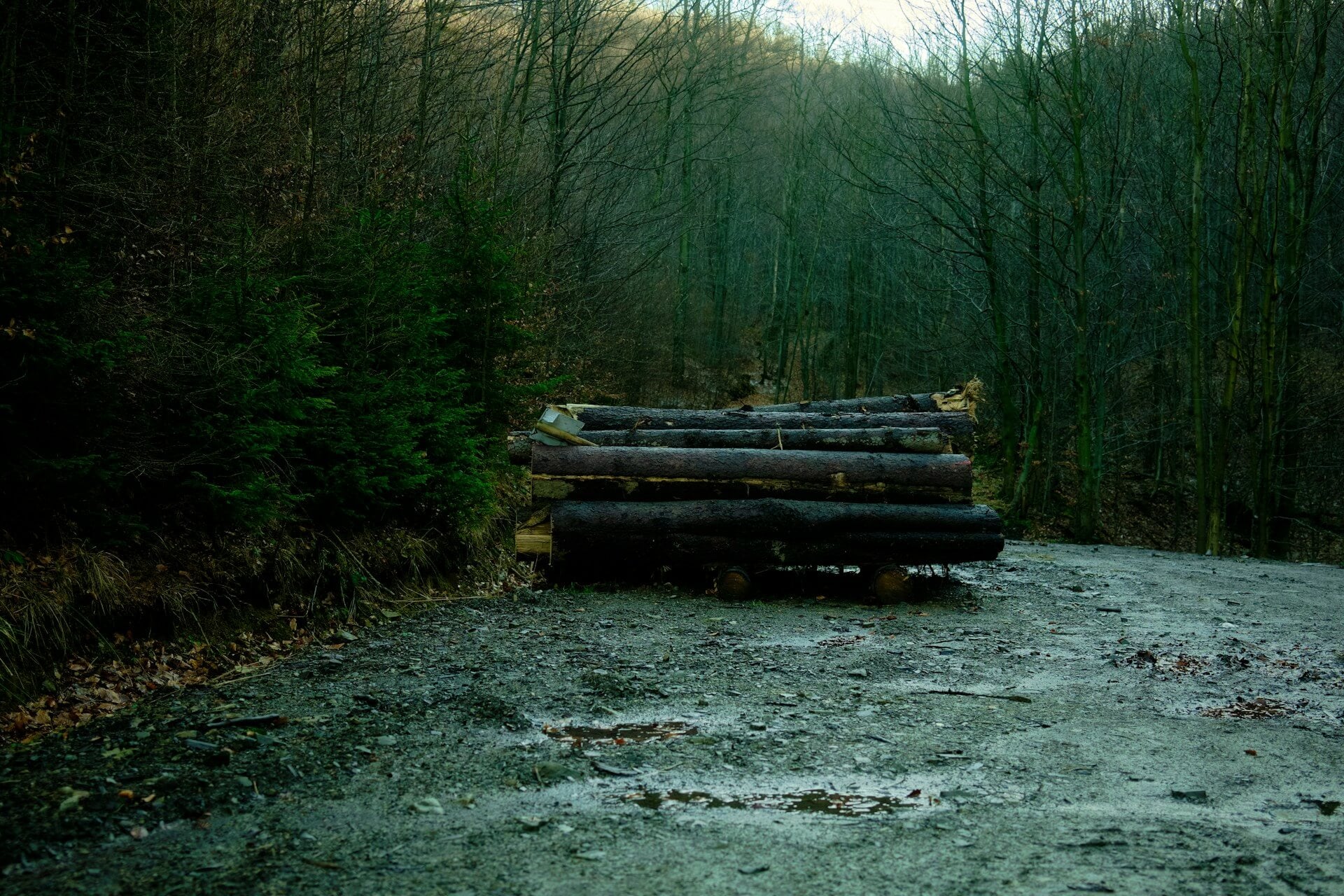
Timber companies employed log drivers who balanced on floating logs to guide massive timber drives down rivers to sawmills, using long poles called pike poles to break up jams. The work was among the most dangerous jobs of the era, with drowning and crushing injuries common.
Logging trucks and improved road networks replaced river driving by the mid-1900s.
Telephone Directory Runner

Before online listings, telephone companies employed runners to hand-deliver updated printed directories door to door each year, often working long routes across an entire town in a matter of days. The job required detailed knowledge of address numbering and building layouts.
Digital directory assistance and later internet search made printed runners unnecessary by the late twentieth century.
Powder Monkey
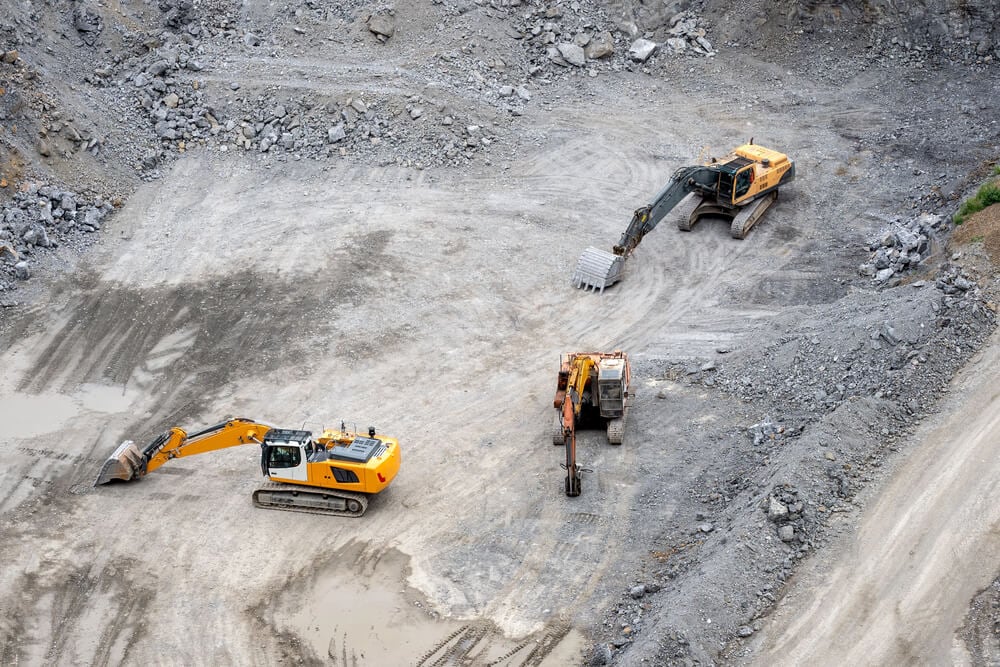
Mining and quarry operations employed powder monkeys, workers trained to handle and set explosive charges for breaking rock, often learning the trade through direct apprenticeship rather than formal training. The role demanded steady nerves and extremely precise timing.
Modern blasting is now handled by licensed specialists using far more controlled and regulated methods, ending the informal version of the job.
Resurrection Man

In the early 1800s, medical schools’ demand for cadavers created a market for men who exhumed recently buried bodies to sell to anatomy instructors, operating in a legal gray area that eventually provoked public outrage. The practice was largely driven by a shortage of legally donated bodies for medical study.
Legislation establishing formal body donation programs ended the trade by the mid-1800s in most regions, though its legacy lingered in public memory into the following century.
Milkman

The role of the milkman himself, distinct from his assistants and horse handlers, involved managing an entire delivery route, tracking customer orders, and collecting payment on a running tab system. Many milkmen worked the same neighborhood for decades and became trusted, familiar figures.
Supermarket refrigeration and changing shopping habits reduced home delivery to a niche service by the 1970s.
Turnspit Operator
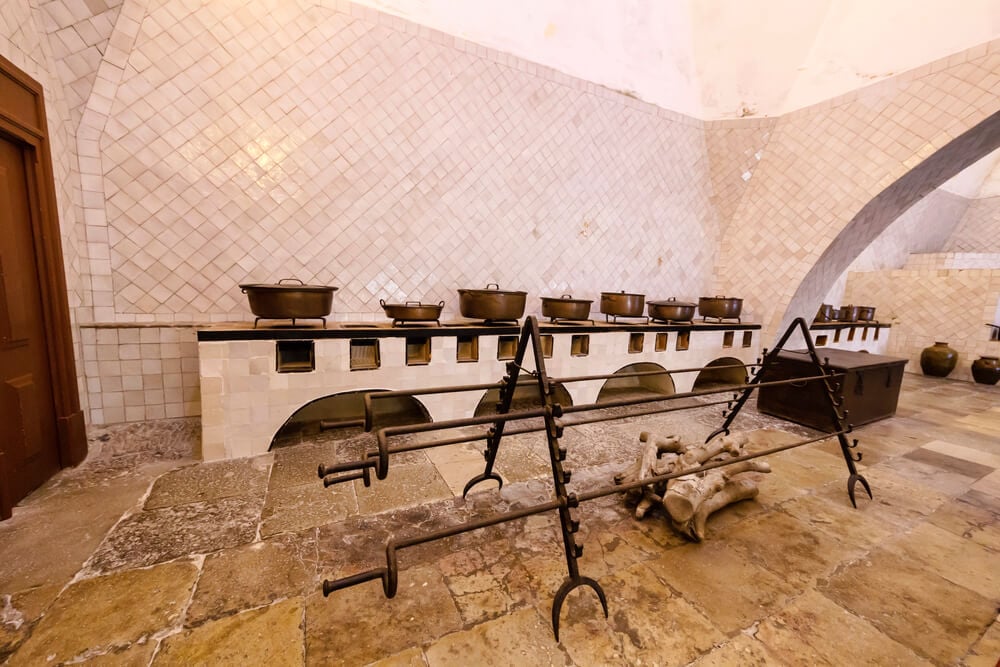
Before mechanical spits, some kitchens in earlier centuries employed a servant or a small dog bred specifically to turn a wheel that rotated meat over an open fire for even cooking. The job carried on into some households well past its origins before mechanical jacks made it unnecessary.
By the early twentieth century, gas and electric ovens had eliminated the need for spit-turning of any kind.
Newspaper Folder
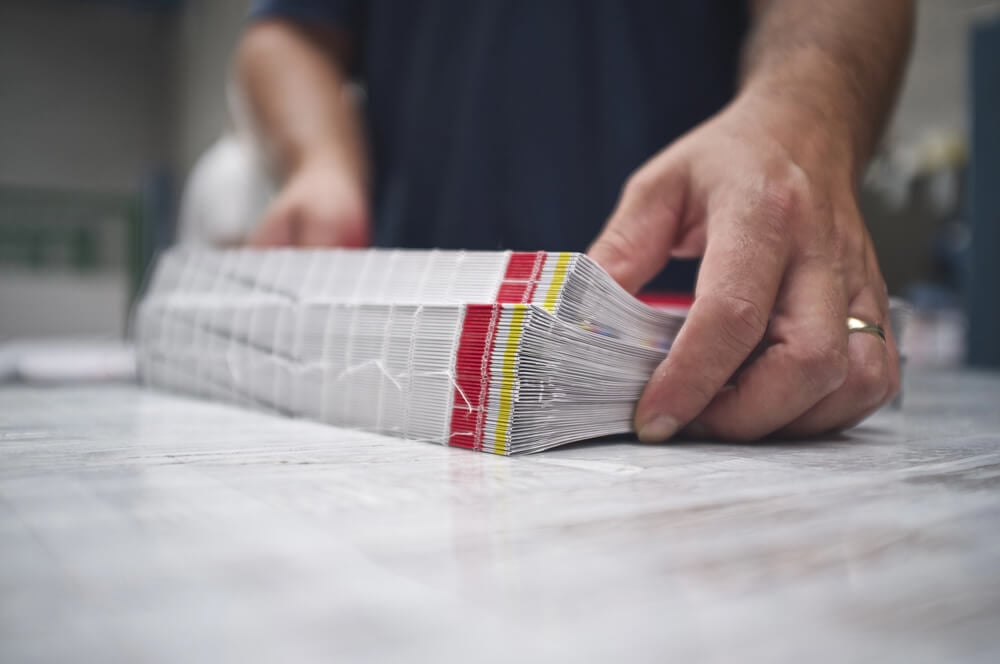
Large newspaper operations employed dedicated folding staff who worked printing presses to fold, stack, and bundle papers by hand before automated folding machines became standard. The job required physical stamina during overnight press runs to meet morning delivery deadlines.
Fully automated press lines had replaced most manual folding roles by the mid-1900s.
Bowling Alley Scorekeeper
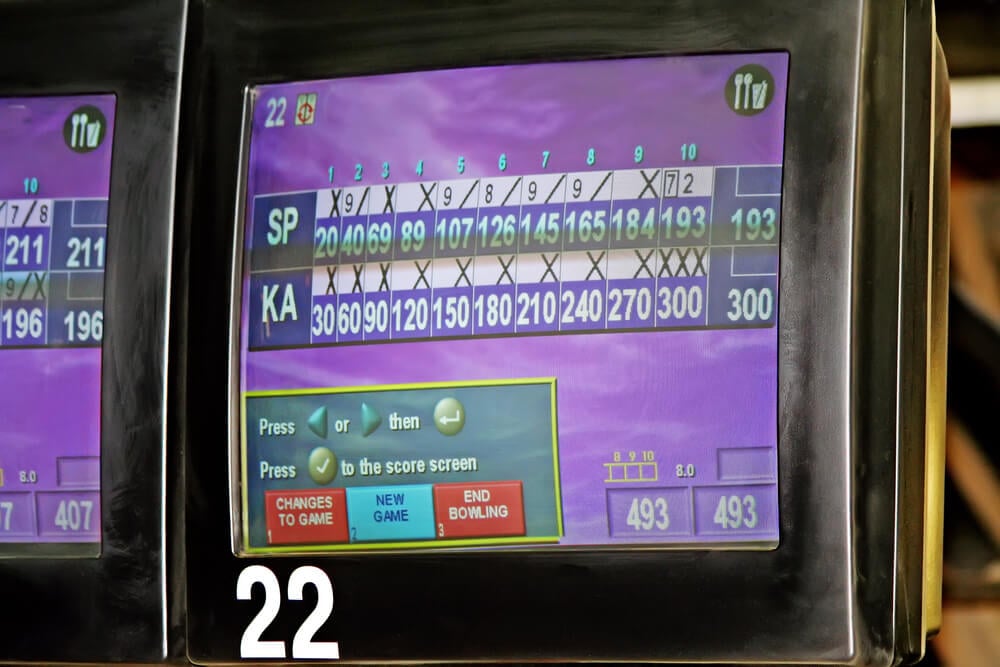
Before automatic scoring displays, alleys employed a dedicated scorekeeper to track every frame by hand on a paper sheet or overhead projector, calling out totals and settling disputes between players. The job required quick mental math and constant attention throughout a match.
Electronic scoring systems introduced widely by the 1970s made the position obsolete.
Well Digger
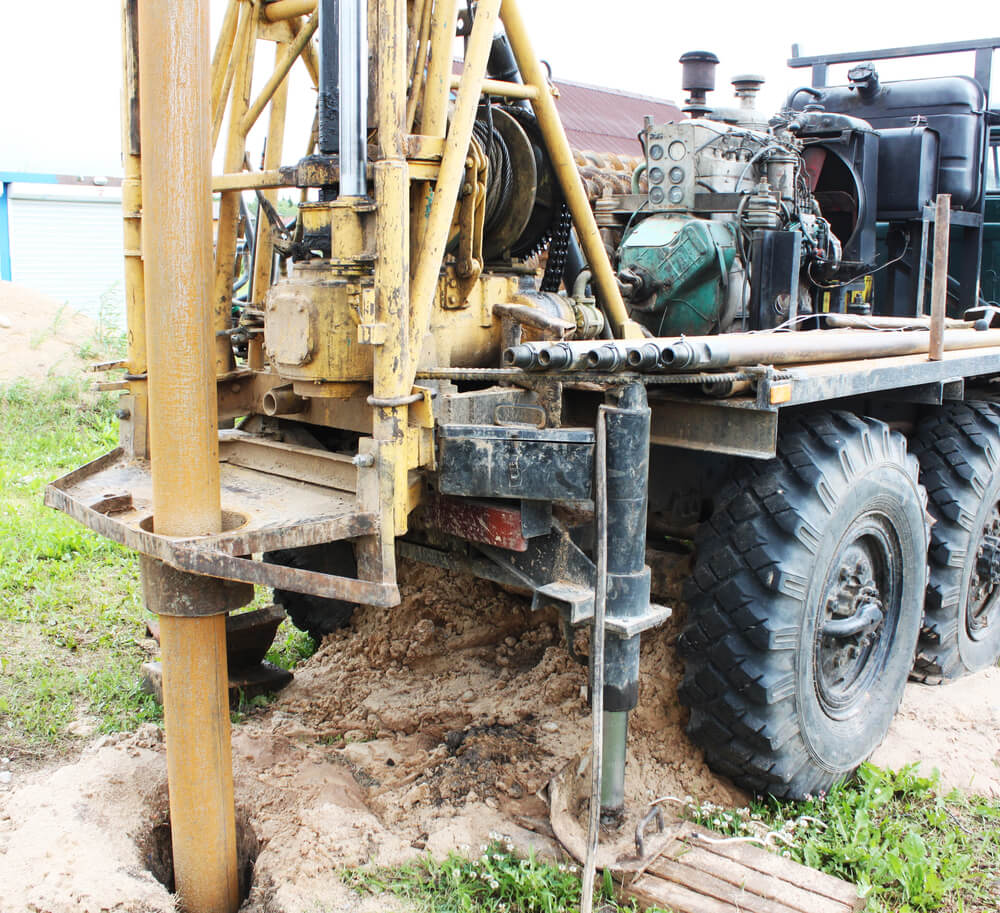
Rural communities relied on professional well diggers who used hand tools and simple derricks to dig and line drinking wells, often working for days on a single site while assessing groundwater by feel and local knowledge. The trade carried real risk of collapse and required specialized skill passed down informally.
Modern drilling rigs and municipal water systems made the traditional hand-dug well trade rare by the mid-1900s.
Elevator Boy’s Uniformed Counterpart, the Bellhop Callboy

Large hotels once staffed a dedicated callboy whose only task was relaying guest requests from the front desk to bellhops and porters stationed on different floors, running messages faster than the primitive intercom systems of the era allowed. The role vanished once in-house telephone and paging systems became standard hotel fixtures.
By the mid-1900s, most hotels had replaced runners with electronic communication entirely.
What Disappears When the Machine Learns the Job
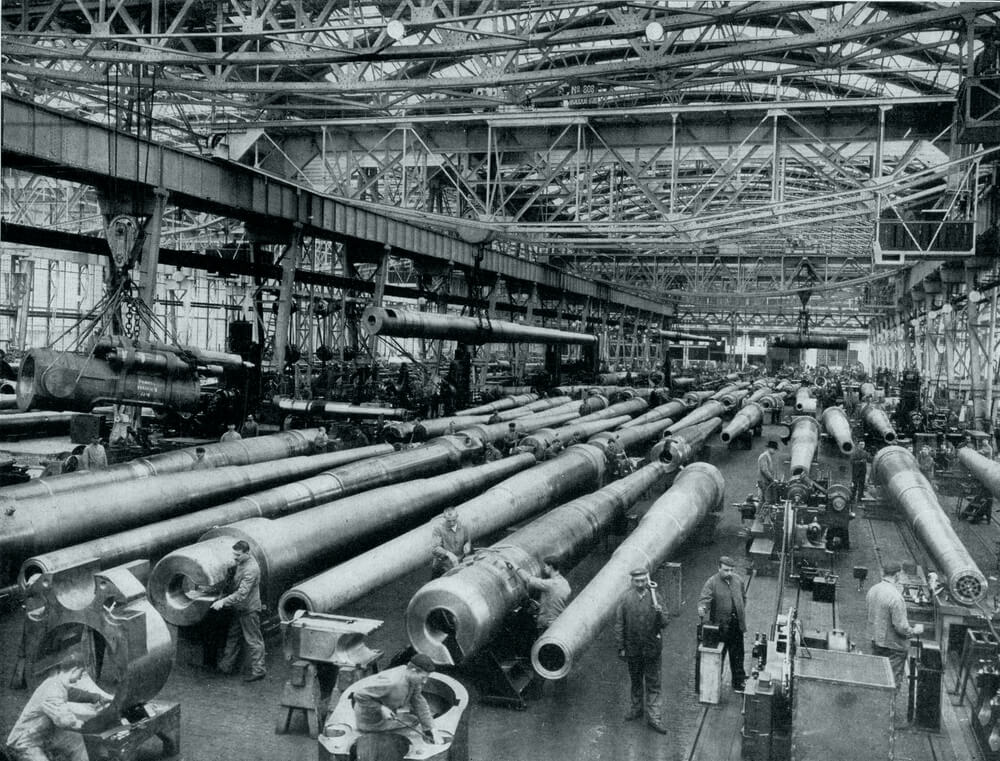
None of these roles vanished because the work stopped mattering. Ice still needs moving, messages still need delivering, calculations still need checking.
What changed was who, or what, was trusted to do it, and how quickly a skill that took years to master could be replaced by a device that took none.
The pattern repeats every few decades, just with new machines and new job titles. Looking at a list like this is less an exercise in nostalgia than an early warning: whatever job currently feels indispensable is only one invention away from becoming a curiosity for someone else’s list a century from now.
More from Go2Tutors!

- The Romanov Crown Jewels and Their Tragic Fate
- 13 Historical Mysteries That Science Still Can’t Solve
- Famous Hoaxes That Fooled the World for Years
- 15 Child Stars with Tragic Adult Lives
- 16 Famous Jewelry Pieces in History
Like Go2Tutors’s content? Follow us on MSN.