Photos of Asia’s Biggest Mall Per Country
Shopping malls in Asia have evolved into something far beyond retail spaces. They’re entire worlds under one roof, complete with ice rinks, theme parks, and sometimes even beaches.
The biggest mall in each Asian country tells a story about ambition, culture, and what happens when commerce meets imagination.
These massive complexes aren’t just about shopping anymore. They’re destinations where families spend entire weekends, where tourists plan itineraries, and where architects push the boundaries of what indoor spaces can become.
Each country’s largest mall reflects something unique about its culture and priorities.
China
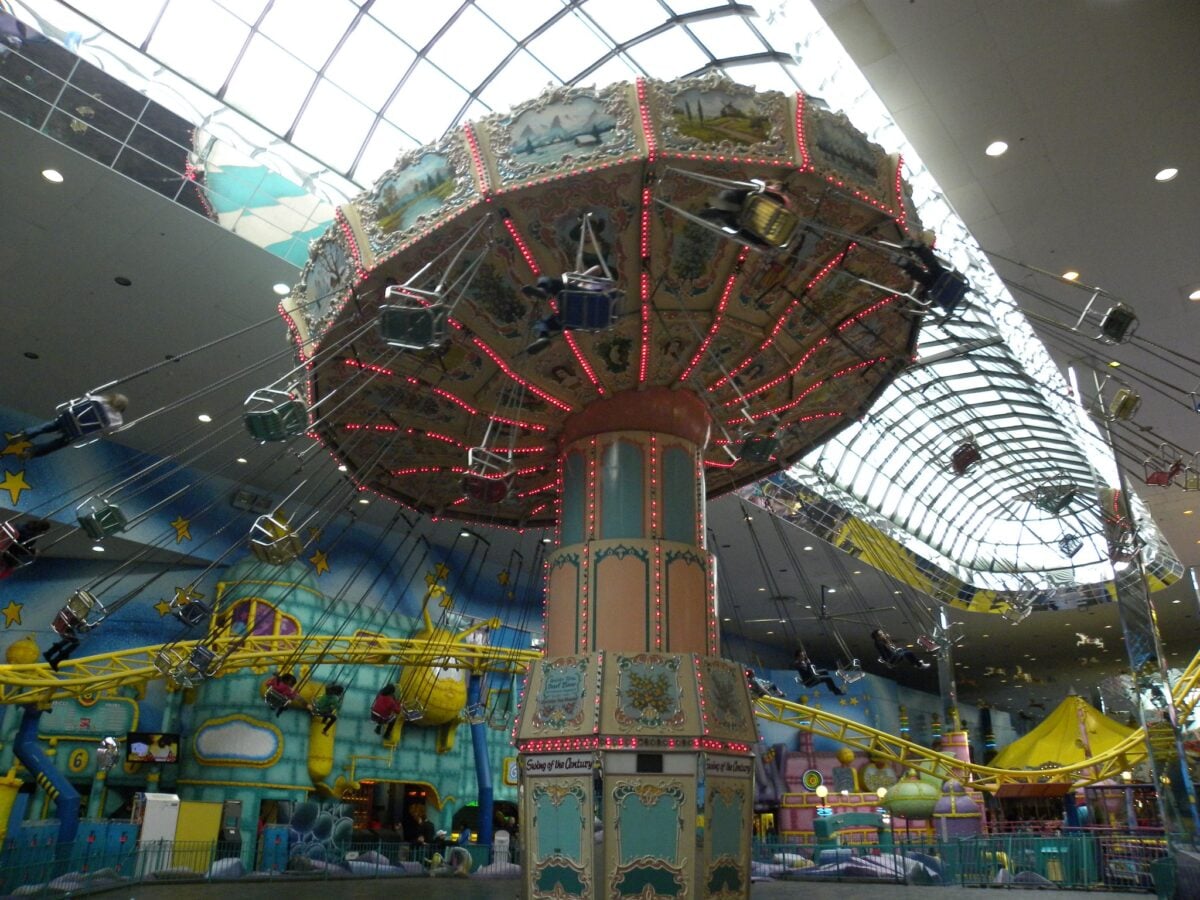
West Edmonton Mall might be famous, but China’s South China Mall in Dongguan takes the crown for sheer size. Over 7 million square feet of retail space spread across multiple zones designed to mimic different global destinations.
The irony cuts deep here. Built to house 2,350 stores, it remains largely empty despite its record-breaking dimensions.
Locals call it the “dead mall” — a monument to overambition that somehow makes it more fascinating than if it had succeeded.
India
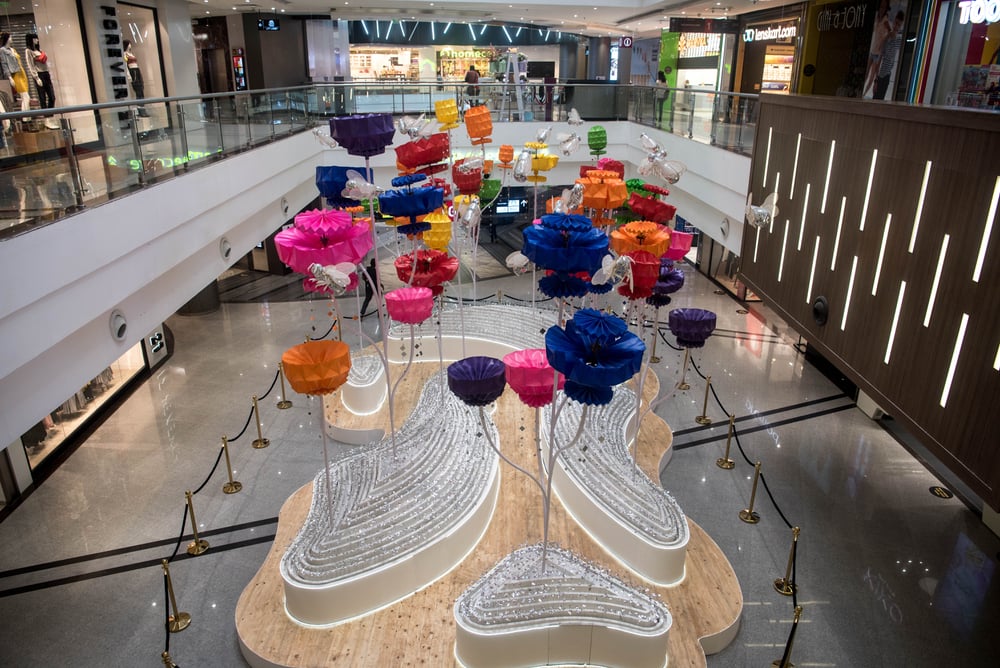
The sprawling complexes of Mumbai and Delhi compete for attention, but Phoenix MarketCity in Pune (one of several locations across India) represents the country’s mall culture at its most ambitious. These aren’t just shopping centers; they’re climate-controlled escapes from the intensity of Indian street life, complete with multiplex cinemas showing the latest Bollywood blockbusters and food courts that somehow make sense of the country’s incredible culinary diversity.
And yet there’s something almost defiant about these spaces — air-conditioned islands of international brands in a country where street markets have thrived for centuries. The contrast doesn’t diminish either experience; it just makes both feel more intentional.
Japan
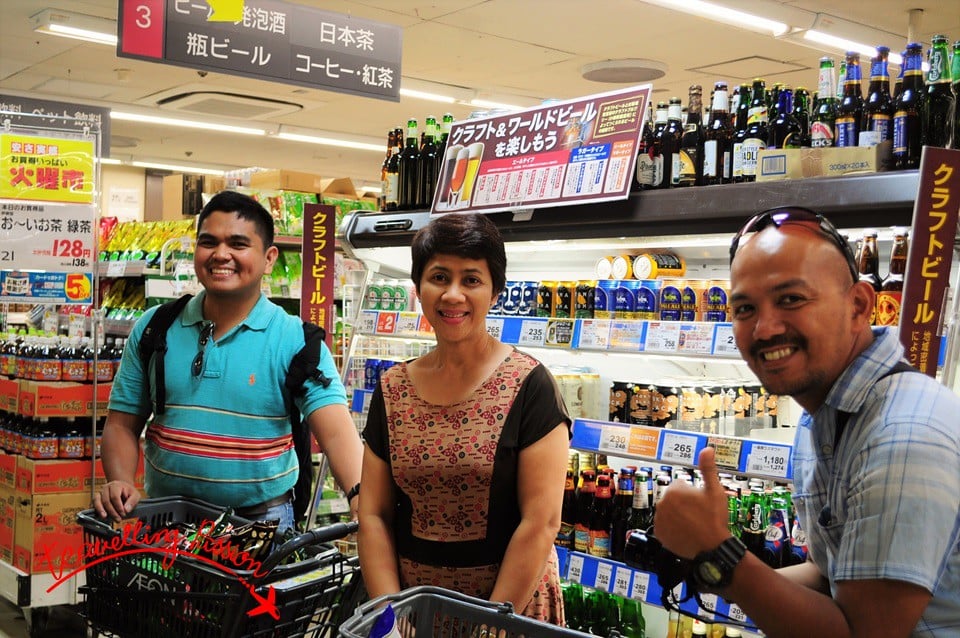
Malls in Japan operate by different rules entirely. Take AEON LakeTown in Saitama — technically the largest by floor area in the country — and what strikes visitors isn’t the size but the precision.
Every detail serves a purpose. The layout flows like water.
Even the crowds move with an efficiency that seems choreographed. This isn’t chaos contained under glass; it’s order made manifest in retail form.
South Korea
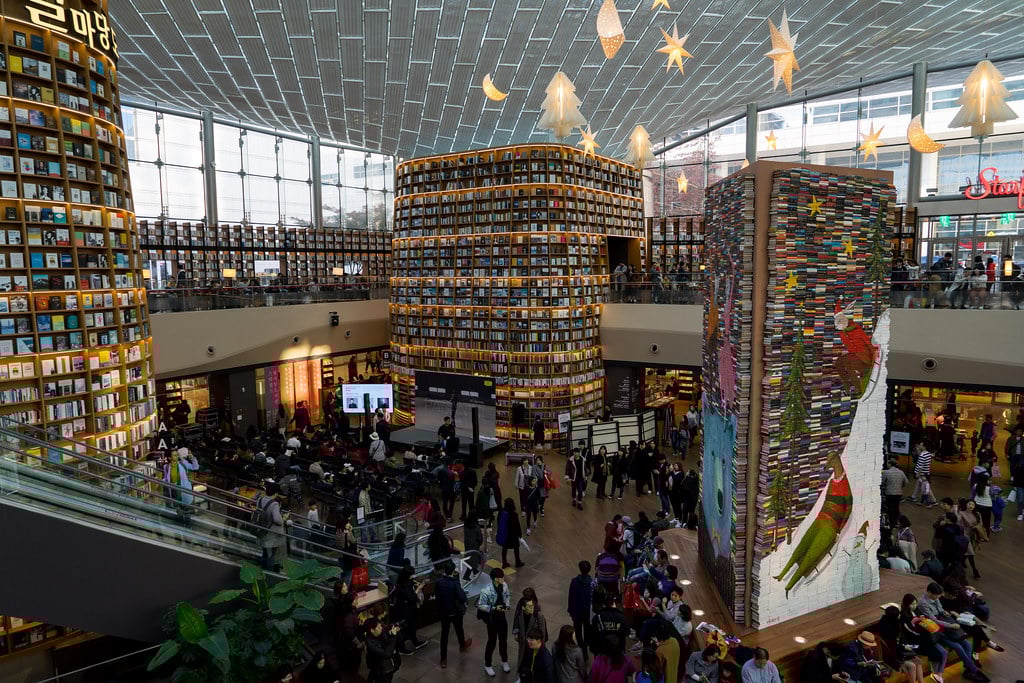
COEX Mall in Seoul burrows underground like a secret city beneath the Gangnam district. Connected to hotels, offices, and subway lines, it blurs the line between mall and urban infrastructure.
The Korean approach to mall design mirrors their technology philosophy: why build separate when you can integrate? COEX doesn’t sit apart from Seoul; it threads itself into the city’s nervous system.
Smart planning disguised as shopping convenience.
Thailand
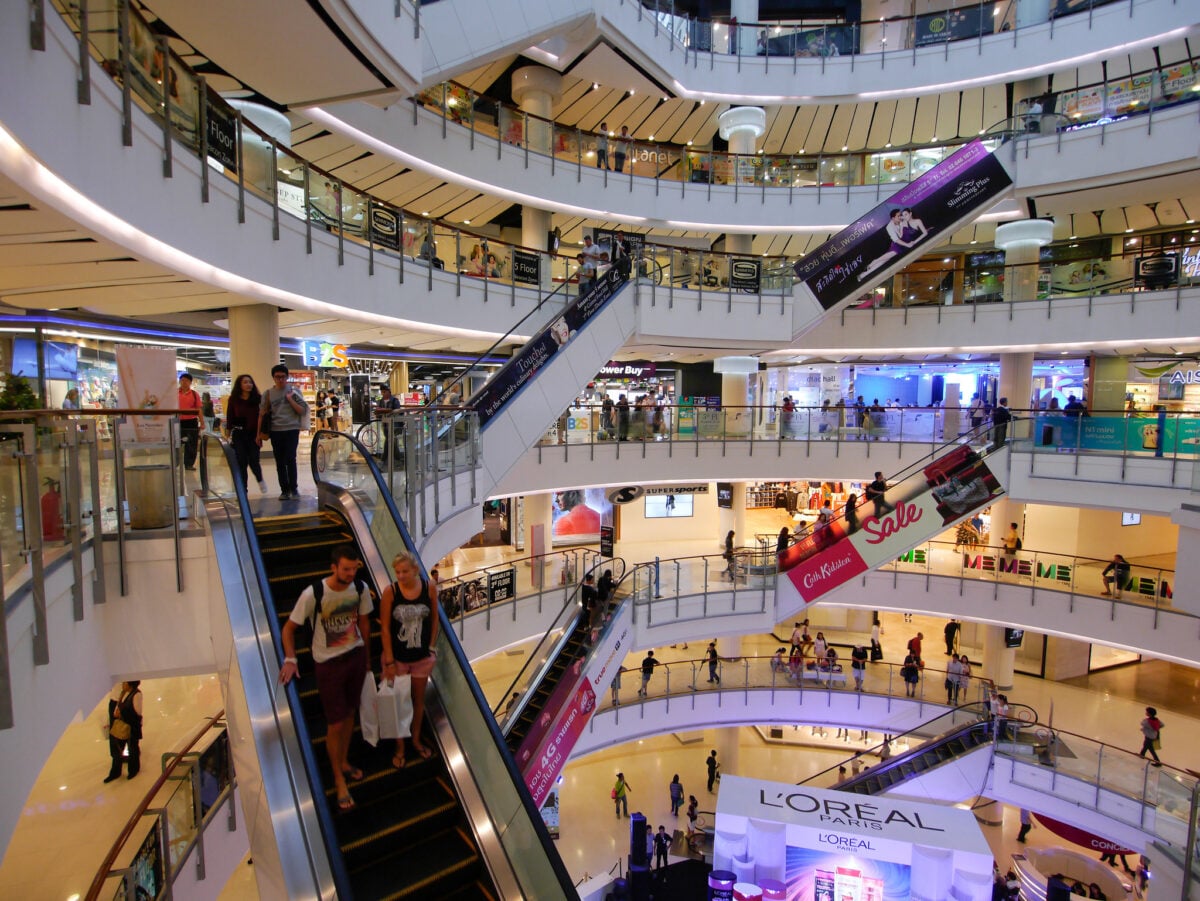
CentralWorld in Bangkok sprawls across multiple city blocks, but its real achievement lies in how it handles the heat (both temperature and cultural). Air conditioning battles Thailand’s climate while the design somehow accommodates both luxury shoppers and families looking for affordable entertainment.
The mall succeeds because it doesn’t pretend to be somewhere else — it’s definitively Thai despite housing international brands. Street food vendors operate alongside designer boutiques, and somehow this collision feels natural rather than forced.
That balance takes real skill to pull off.
Singapore
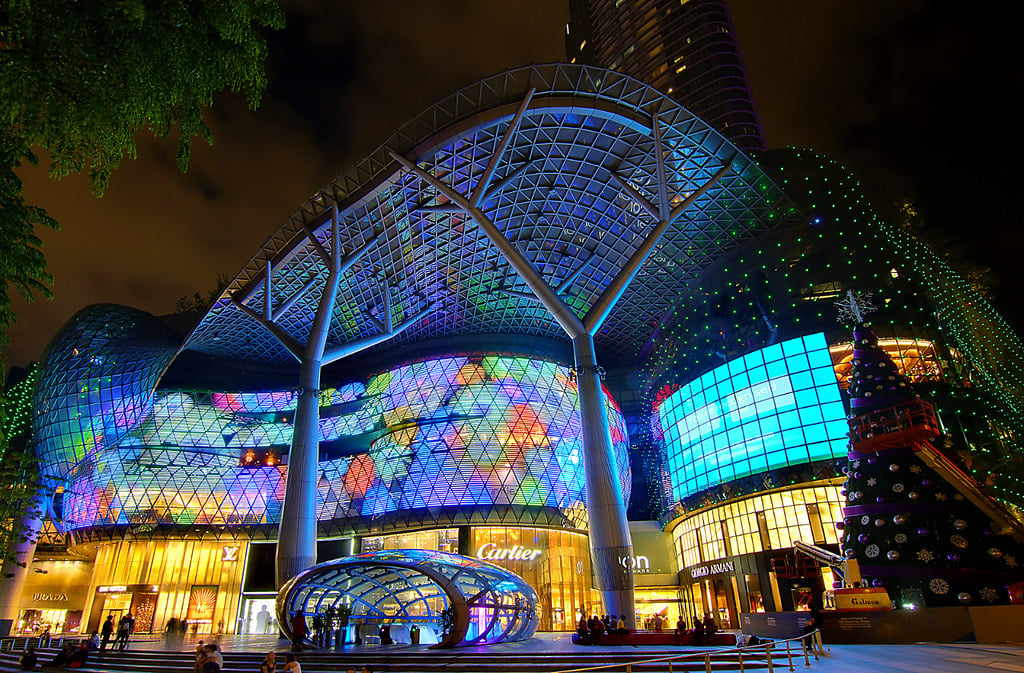
ION Orchard represents Singapore’s approach to everything: take limited space and maximize every square inch. The mall tunnels deep underground while stretching high above Orchard Road, creating retail density that would make Manhattan jealous.
What Singapore understands about malls — and most other places don’t — is that luxury isn’t about sprawl. It’s about curation and access.
ION delivers both without wasting a single square meter on unnecessary flourishes.
Malaysia
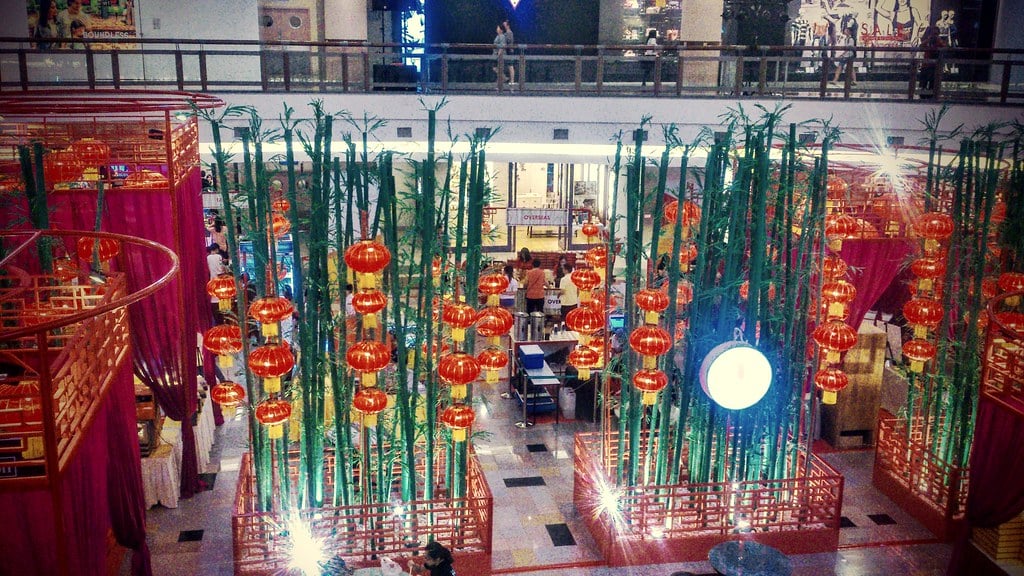
1 Utama in Petaling Jaya doesn’t just house stores; it creates ecosystems. The rooftop garden isn’t decoration — it’s a genuine green space that happens to sit on top of a shopping complex.
Malaysia’s mall culture embraces contradiction in ways that shouldn’t work but do. Traditional markets compete with international chains under the same roof.
The result feels authentically Malaysian: diverse, practical, and somehow harmonious despite containing multitudes.
Philippines
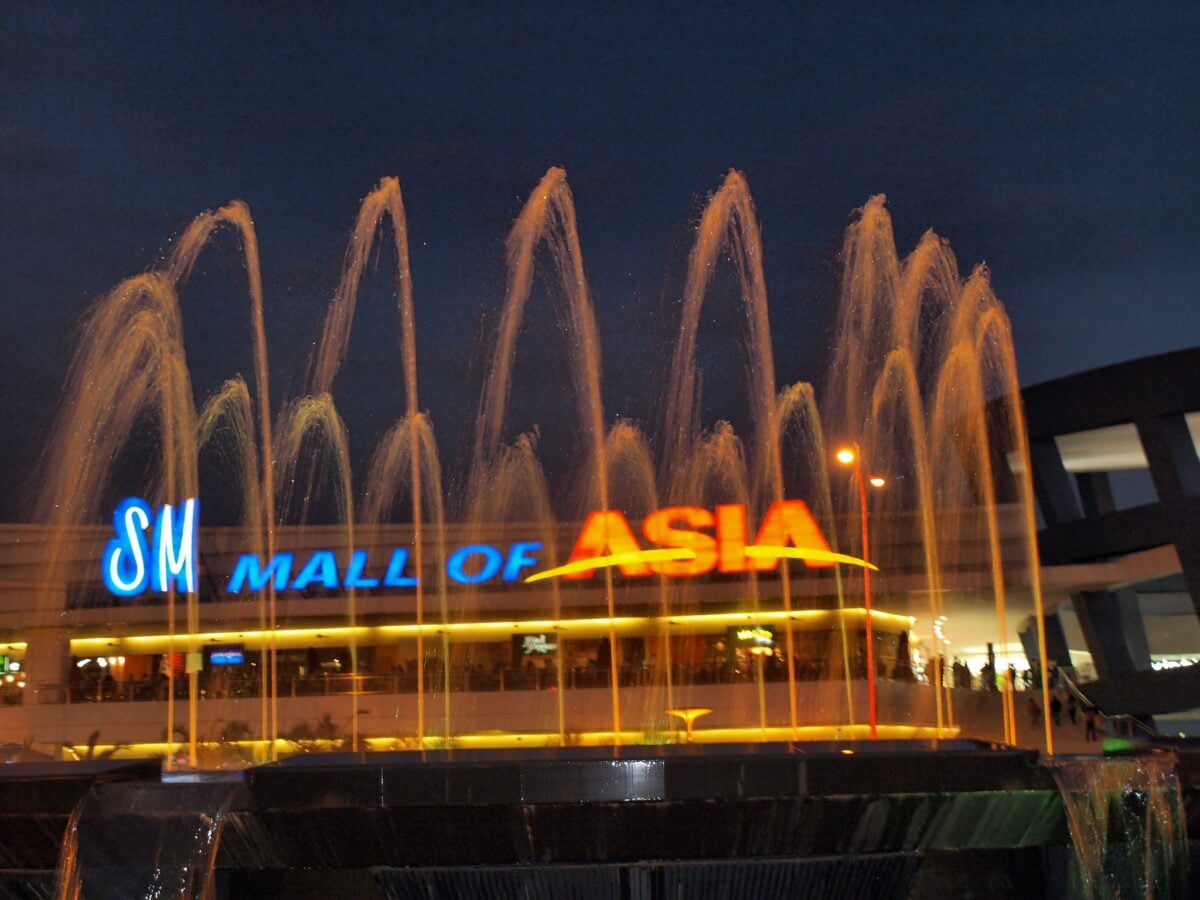
SM Mall of Asia in Pasay City sits so close to Manila Bay that visitors can watch sunsets from the upper floors. Built on reclaimed land, it represents the Filipino approach to retail: if there’s no space, make space.
The mall’s seaside location wasn’t an accident. Filipinos understand that shopping works best when it doesn’t feel like shopping — when it feels like an outing, an experience, a reason to spend time together.
The bay views make that connection literal.
Indonesia
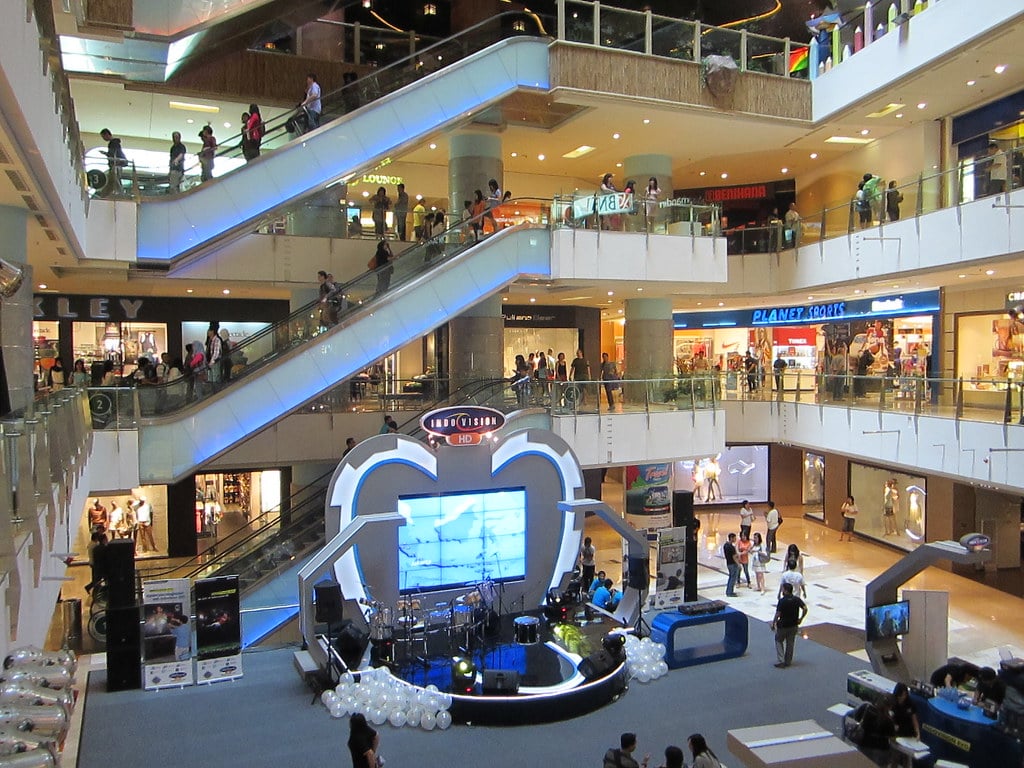
Grand Indonesia in Jakarta handles the complexity of Indonesian culture with remarkable grace. Multiple buildings connected by climate-controlled bridges accommodate everything from traditional crafts to international luxury brands.
Indonesian malls succeed by accepting rather than fighting the country’s complexity. Different areas serve different purposes and different communities, but the overall experience feels unified.
It’s pluralism made architectural.
Vietnam
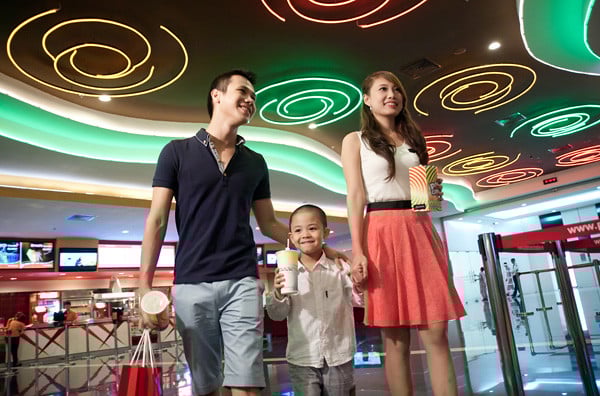
Vincom Mega Mall Royal City in Hanoi represents Vietnam’s rapid modernization in steel and glass. The complex includes residential towers, making it less a mall than a vertical neighborhood.
Vietnam’s approach to large retail spaces reflects the country’s broader development strategy: why build incrementally when you can build comprehensively? The scale feels ambitious rather than overwhelming, which says something about Vietnamese confidence in their economic trajectory.
United Arab Emirates
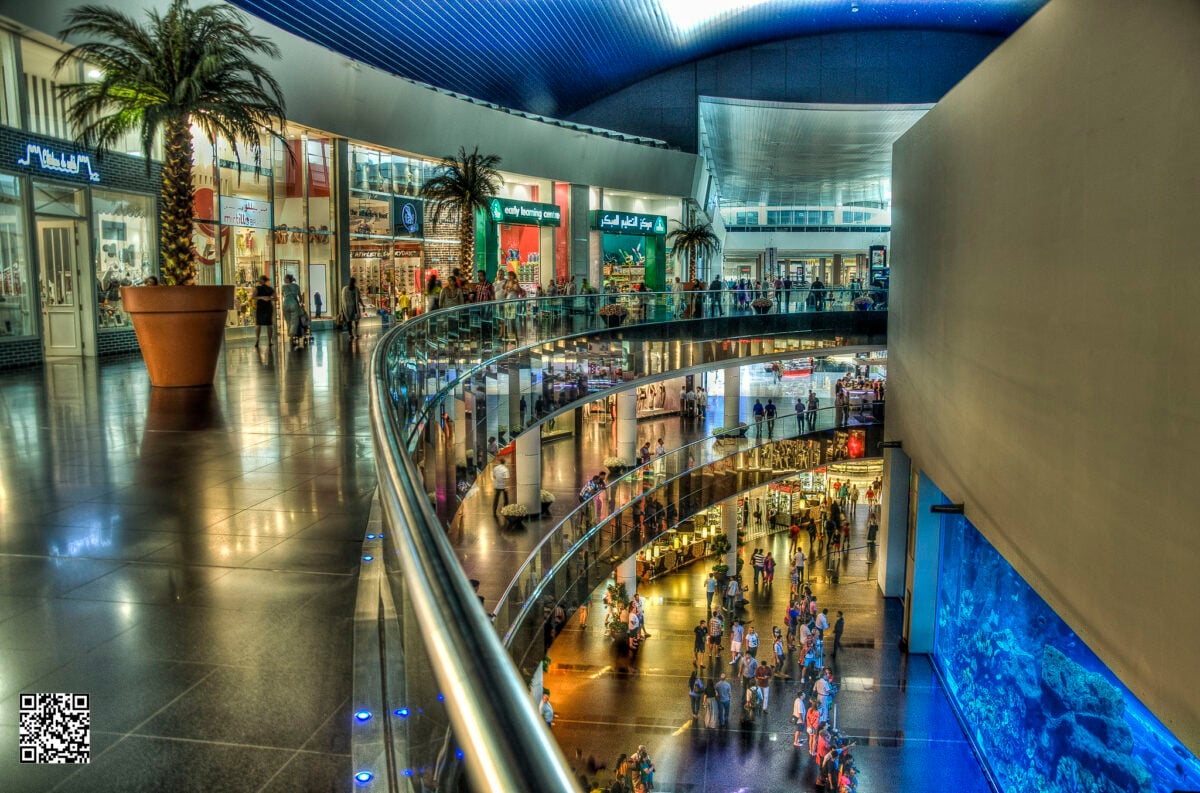
The Dubai Mall doesn’t just break records; it redefines what malls can be. Aquariums, ice rinks, and indoor waterfalls turn shopping into performance art.
Dubai’s retail philosophy operates on the principle that excess, done skillfully, becomes elegance. The Dubai Mall proves this theory works, at least for visitors willing to suspend their disbelief about what constitutes reasonable scale for buying things.
Kazakhstan
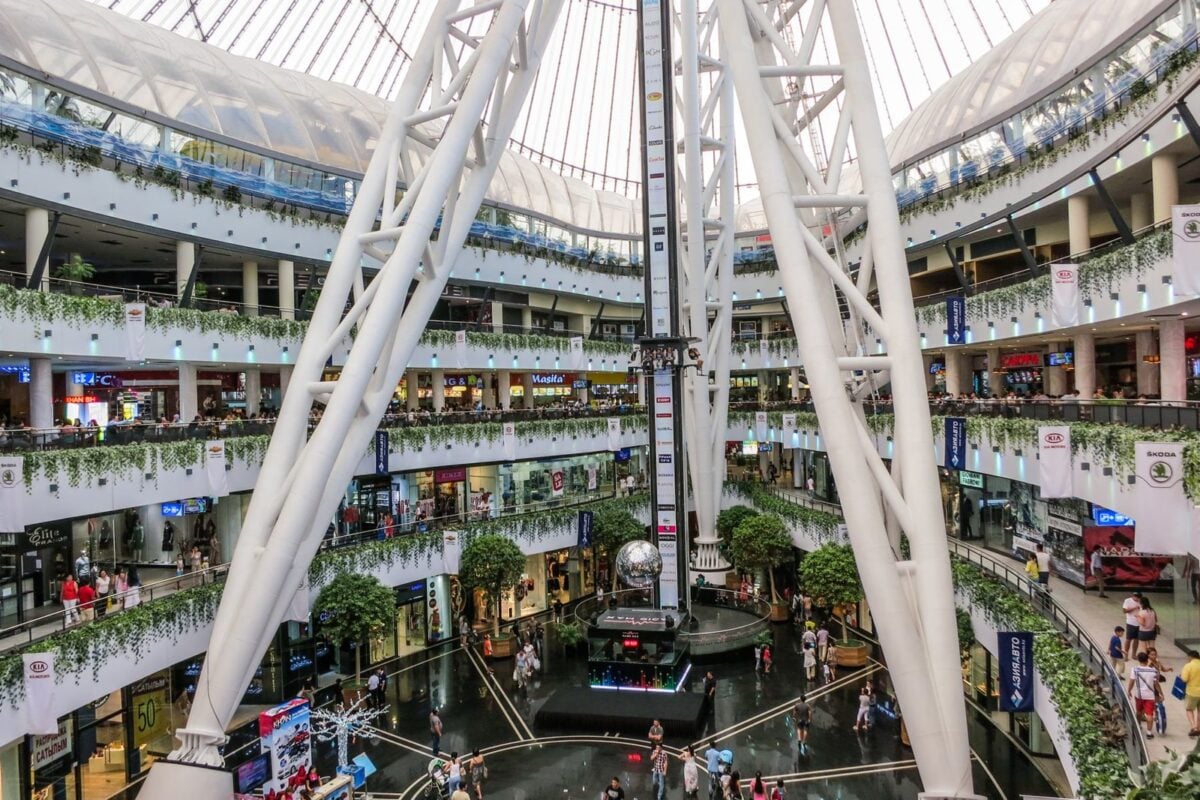
Mega Alma-Ata in Almaty brings Western-style mall culture to Central Asia with results that feel both familiar and distinctly Kazakhstani. The complex adapts international retail concepts to local preferences and climate needs.
Central Asian mall development demonstrates how global retail formats bend to accommodate local culture rather than replacing it. The architectural language might be international, but the social patterns inside remain rooted in Kazakhstani traditions of gathering and commerce.
Saudi Arabia
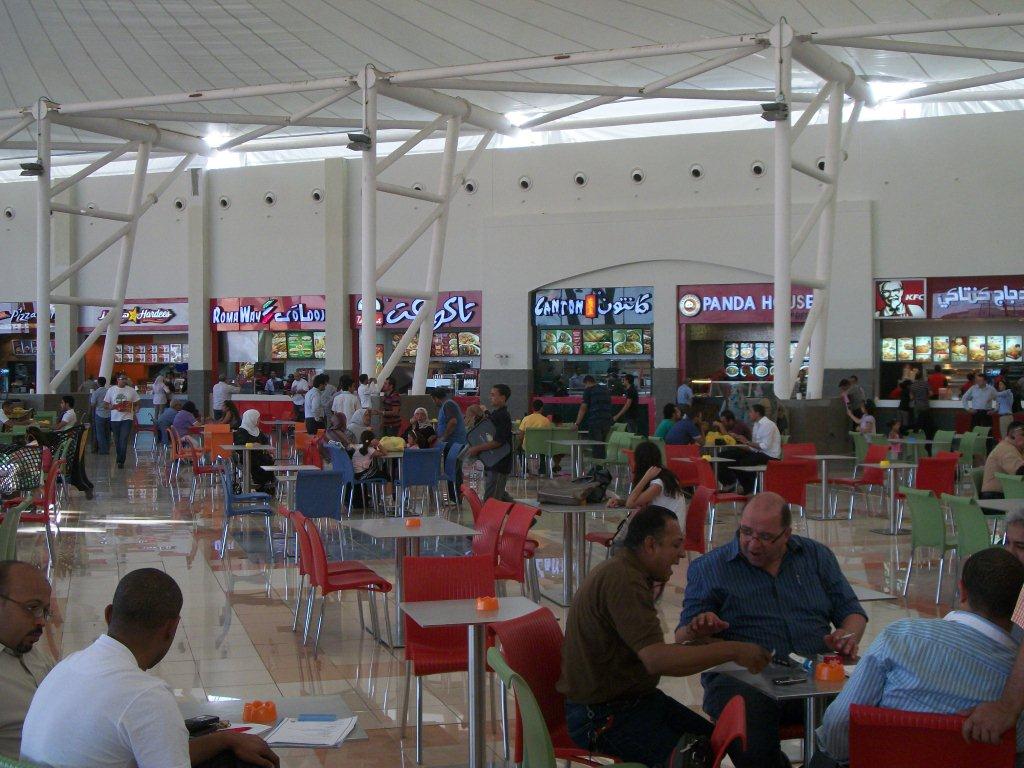
Mall of Arabia in Jeddah (part of a broader development) represents Saudi Arabia’s vision of retail as social infrastructure. These aren’t just shopping destinations; they’re family entertainment centers designed for a culture where extended family gatherings are central to social life.
Saudi mall design acknowledges cultural realities that Western retail formats often ignore: the need for family spaces, prayer facilities, and areas where different generations can spend time together comfortably. Function follows culture, as it should.
Beyond the Numbers
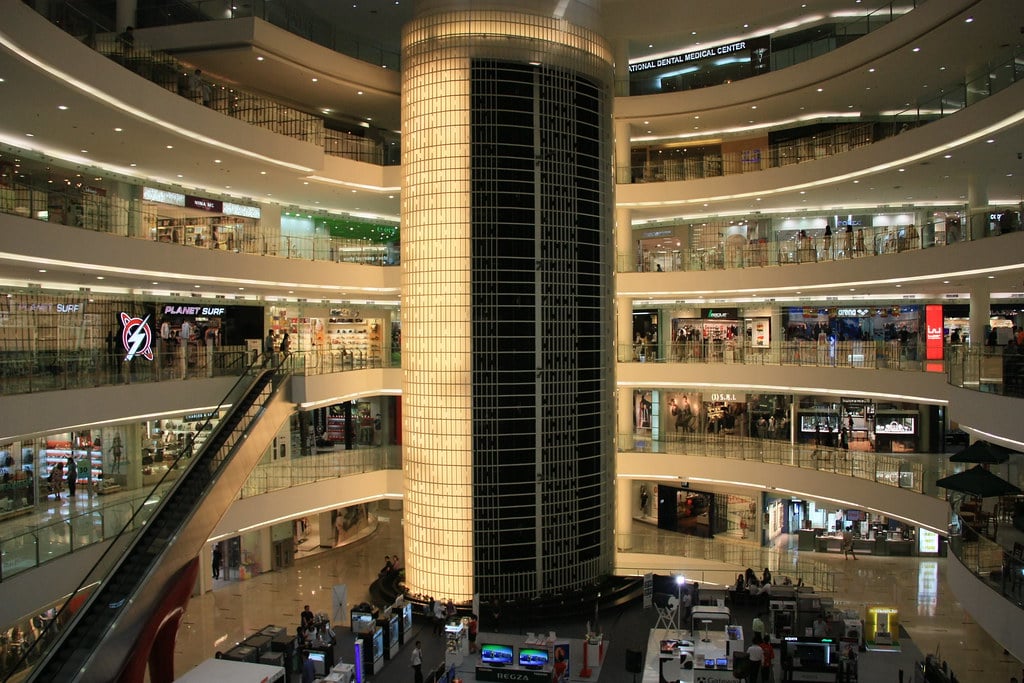
Looking at these massive retail spaces across Asia reveals something unexpected: they’re not really about shopping anymore. They’re about creating controlled environments where different cultures experiment with modernity on their own terms.
Each country’s biggest mall becomes a laboratory for social change, wrapped in the familiar language of commerce.
The photos tell stories about ambition, identity, and what happens when traditional cultures collide with global retail formats. Some embrace the contradiction, others try to resolve it, but all of them create something distinctly their own in the process.
More from Go2Tutors!

- The Romanov Crown Jewels and Their Tragic Fate
- 13 Historical Mysteries That Science Still Can’t Solve
- Famous Hoaxes That Fooled the World for Years
- 15 Child Stars with Tragic Adult Lives
- 16 Famous Jewelry Pieces in History
Like Go2Tutors’s content? Follow us on MSN.



