17 Youngest People to Achieve World Records
Age has never been a barrier for those with extraordinary determination. Throughout history, children and teenagers have shattered expectations, rewriting the record books while their peers were still figuring out homework.
These young achievers didn’t wait for permission or the “right time” — they simply pursued their passions with relentless focus and achieved what many adults never could. From artistic prodigies to athletic marvels, these 17 individuals prove that greatness doesn’t require decades of experience.
Their stories remind us that sometimes the most remarkable achievements come from those who haven’t yet learned that certain things are supposed to be impossible.
Balamurali Ambati
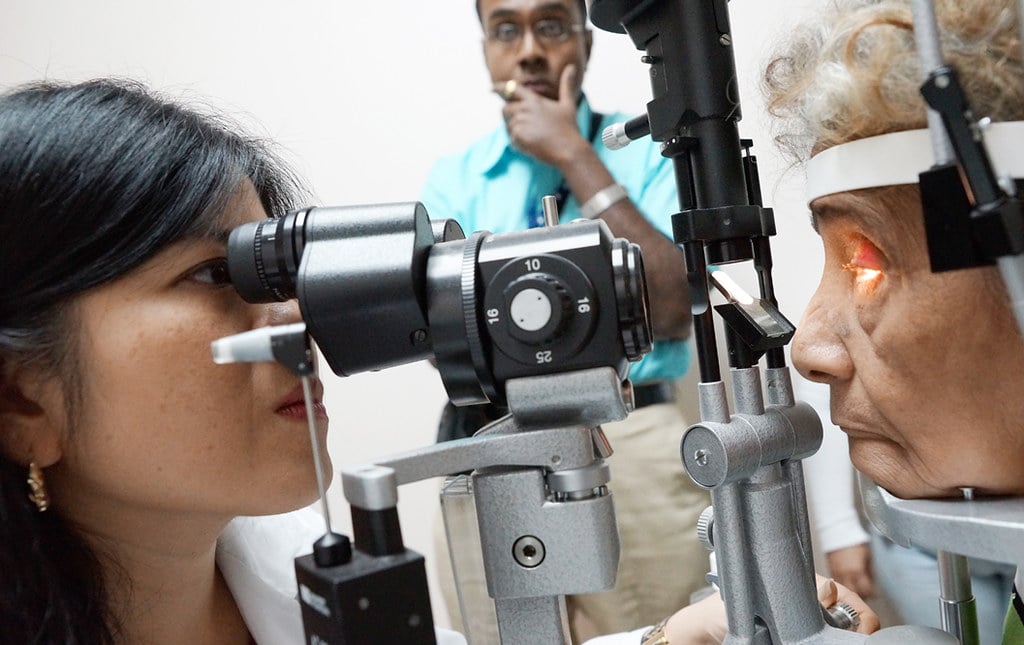
At 17 years old, Balamurali Ambati became the youngest person ever to graduate from medical school. Mount Sinai School of Medicine handed him his degree in 1995, and the Guinness World Records took notice.
Most teenagers spend their time worrying about prom dates. Ambati was learning surgical procedures.
He’d already earned his bachelor’s degree at 13, which should tell you everything about how his mind works. The achievement isn’t just about memorizing textbooks — medical school demands judgment, precision, and the ability to make life-or-death decisions under pressure.
Tafari Campbell

Campbell stepped into the kitchen at age 16 and emerged with a world record for being the youngest professional chef. His culinary skills caught attention not because of novelty, but because his food actually tasted extraordinary.
The restaurant industry chews up experienced adults and spits them out regularly (and Campbell knew this going in, which makes his success even more remarkable since professional kitchens operate on stress, split-second timing, and the kind of pressure that would make most teenagers crumble). But here’s the thing about natural talent meeting obsessive practice: it doesn’t care about your age, your experience, or what everyone else thinks is realistic.
It just works. And Campbell’s case, it worked spectacularly — so much so that established chefs twice his age were asking him for advice, which is saying something in an industry where respect typically comes with decades of burned fingers and ruined sauces.
Elaina Smith

Smith conquered the art world at 15, becoming the youngest person to have a solo exhibition at a major gallery. Her paintings weren’t displayed because she was young — they earned wall space because they belonged there.
The art world doesn’t hand out participation trophies. Gallery owners care about one thing: whether people will stop, stare, and possibly buy.
Smith’s work commanded attention in rooms full of critics who’d seen everything. Her age became secondary to her ability to capture something true on canvas.
Christian Haupt

Baseball scouts talk about “the eye” — an intangible ability to recognize talent before statistics prove it. Christian Haupt possessed something rarer: he could play at 7 years old better than kids twice his age.
He became the youngest player ever signed to a professional baseball contract. The decision wasn’t sentimental.
Teams don’t invest in cute stories — they invest in wins. Haupt’s swing, his field awareness, and his understanding of the game’s nuances suggested a future that most players never reach.
Think of learning to ride a bicycle — that moment when balance stops being a conscious effort and becomes instinct (most children experience this breakthrough around age 6 or 7, accompanied by scraped knees and the sudden realization that wobbling wasn’t actually necessary). Haupt experienced something similar with baseball, except instead of simply staying upright, he was reading pitches, anticipating plays, and making split-second decisions with a clarity that seemed borrowed from someone much older.
The orb didn’t look fast to him; the field didn’t look big. And when professional scouts — people whose careers depend on separating genuine talent from temporary flashes — started showing up at his games, it became clear that this wasn’t just a phase he’d outgrow.
Jordan Romero

Mountains don’t care about your age when you’re trying to climb them. Jordan Romero discovered this at 13 when he became the youngest person to reach the summit of Mount Everest.
The mountain kills experienced climbers regularly. Altitude sickness, avalanches, and weather that changes without warning have ended more climbing careers than most people realize.
Romero faced the same risks as every other climber — and handled them with the kind of composure that takes most mountaineers decades to develop.
Akrit Jaswal

At 7 years old, Akrit Jaswal performed his first surgery, separating the fused fingers of a local girl who couldn’t afford proper medical care. He became the youngest surgeon in medical history.
Most 7-year-olds are learning to tie their shoes. Jaswal was studying anatomy textbooks and understanding human physiology at a level that impressed medical professionals.
His surgery was successful, but more importantly, it demonstrated a level of precision and knowledge that shouldn’t exist in someone so young.
The medical community initially approached his case with skepticism (which is exactly what you’d want from people responsible for human lives, since medicine operates on evidence rather than hope). But Jaswal’s understanding of surgical procedures, his steady hands during the operation, and his post-surgical care demonstrated something that credentials couldn’t capture: an intuitive grasp of healing that seemed to bypass the usual learning curve entirely.
So when other doctors started consulting him on complex cases, it became less about his age and more about his ability to see solutions where others saw complications.
Michael Kearney

Michael Kearney graduated from college at 10 years old, earning his bachelor’s degree from the University of South Alabama. He holds the record for being the youngest college graduate in history.
College isn’t just about intelligence — it requires emotional maturity, study habits, and the ability to navigate complex social situations. Kearney managed all of this while his classmates were dealing with typical college problems like laundry and time management.
His achievement suggests a level of intellectual development that operates on a completely different timeline.
Priyanshi Somani

Mental math competitions separate the quick thinkers from the truly exceptional. Priyanshi Somani, at 11 years old, won the Mental Calculation World Cup, becoming the youngest champion in the competition’s history.
She calculated square roots of six-digit numbers in her head faster than most people could type them into a calculator. This wasn’t memorization — it was mathematical intuition combined with processing speed that defied normal cognitive development patterns.
Like watching someone solve a Rubik’s cube in seconds, Somani’s calculations seemed to bypass the usual mental steps entirely (she’d look at a complex mathematical problem and arrive at the correct answer before most observers could even understand what was being asked). Her brain processed numbers the way other people process simple addition, turning advanced mathematical operations into something that appeared effortless.
And the Mental Calculation World Cup doesn’t grade on a curve — accuracy matters more than age, speed matters more than potential, and when the final scores were tallied, Somani had outperformed competitors who’d been training for decades.
Greta Thunberg

Environmental activism typically requires years of study, political connections, and the kind of credibility that comes with experience. Greta Thunberg bypassed all of that at 15, becoming the youngest person to be featured on the cover of Time Magazine.
Her school strike for climate action sparked a global movement. World leaders started adjusting their schedules to hear what she had to say.
The impact wasn’t about her age — it was about her ability to articulate complex environmental issues in ways that cut through political nonsense and demanded immediate attention.
Tanmay Bakshi
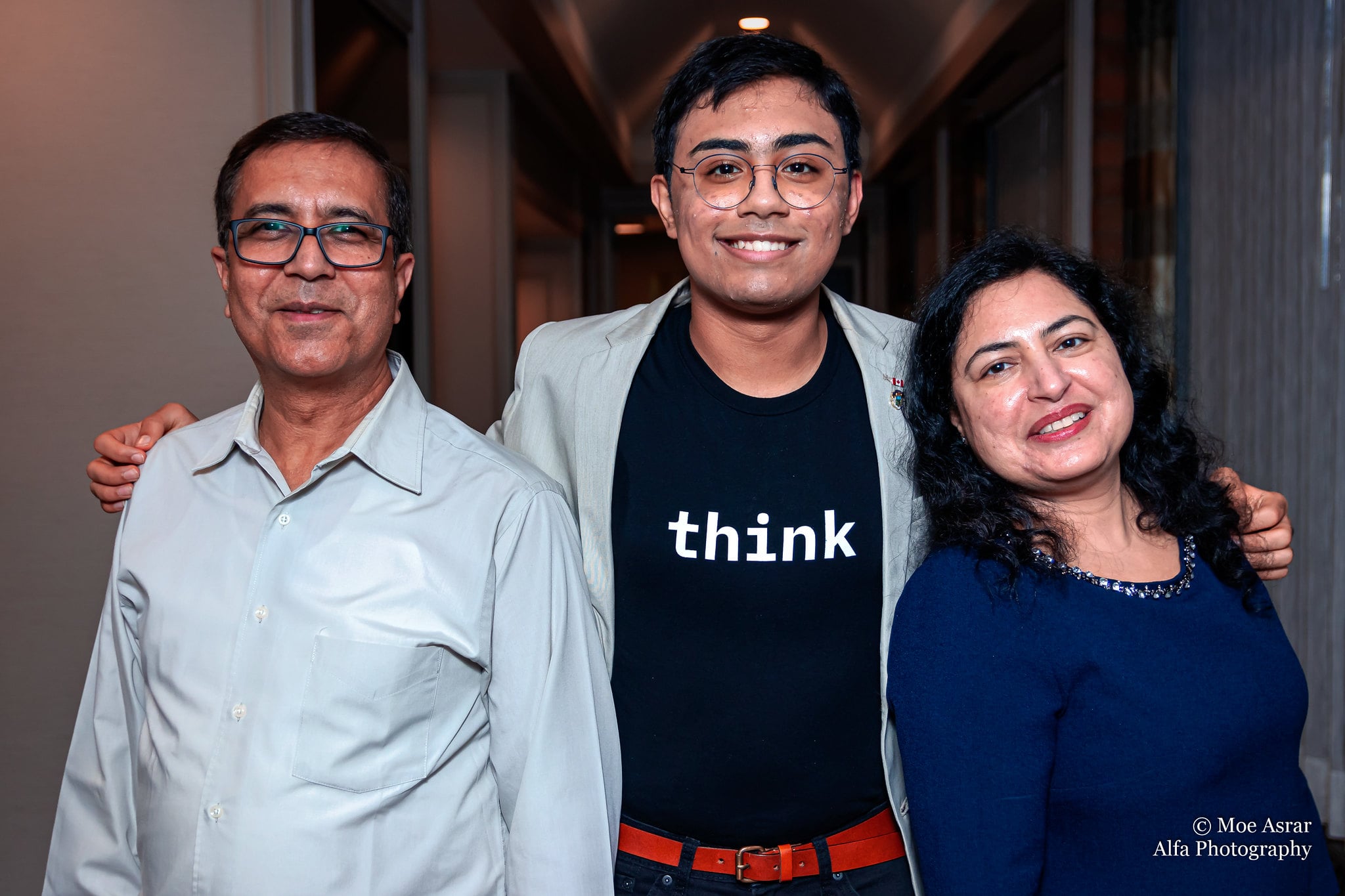
Programming languages reveal their secrets gradually, usually after years of practice and countless failed attempts. Tanmay Bakshi cracked the code at 9 years old, becoming the youngest IBM Watson programmer in history.
He wasn’t writing simple games or basic websites. Bakshi was developing artificial intelligence applications for IBM’s premier cognitive computing platform.
His code solved real business problems, and his understanding of machine learning concepts impressed senior engineers who’d spent their careers mastering these technologies.
The technology sector moves at a pace that burns out experienced professionals regularly, but Bakshi approached programming with the kind of natural fluency that usually takes decades to develop (his code was clean, efficient, and demonstrated an understanding of complex algorithms that his IBM colleagues found remarkable). So when major tech companies started recruiting him for consulting projects, it became clear that his programming abilities weren’t just impressive for his age — they were impressive, period.
And in an industry where results matter more than résumés, that distinction makes all the difference.
Malala Yousafzai

Most teenagers avoid confrontation with authority figures. Malala Yousafzai challenged an entire regime at 15, but her advocacy work culminated in winning the Nobel Peace Prize at 17 years old, making her the youngest Nobel Prize laureate in history.
Her activism in Pakistan put her life at risk, but she continued speaking out against educational restrictions. The Nobel Committee doesn’t award prizes for good intentions — they recognize individuals who create lasting change.
Yousafzai’s work transformed international conversations about education rights and demonstrated courage that most adults never display.
Bobby Fischer

Chess reveals intelligence in its purest form — no luck, no teammates, just mental calculation against an equally determined opponent. Bobby Fischer became the youngest chess grandmaster in history at 15 years old.
He didn’t just win games; he dismantled opponents with combinations that other grandmasters studied for years afterward. Fischer’s understanding of chess strategy operated at a level that redefined how the game was played.
His matches drew crowds because people recognized they were watching something extraordinary unfold in real time.
Ryan Kaji

Building a media empire usually requires business experience, marketing knowledge, and years of networking. Ryan Kaji started his YouTube channel at 3 years old and became the youngest person to earn over $10 million annually from online content.
His toy review videos attracted millions of subscribers because he possessed something that professional marketers spend fortunes trying to replicate: authentic enthusiasm. Companies started designing products specifically for his channel, and his influence on toy sales became measurable in quarterly earnings reports.
Mozart (Wolfgang Amadeus)
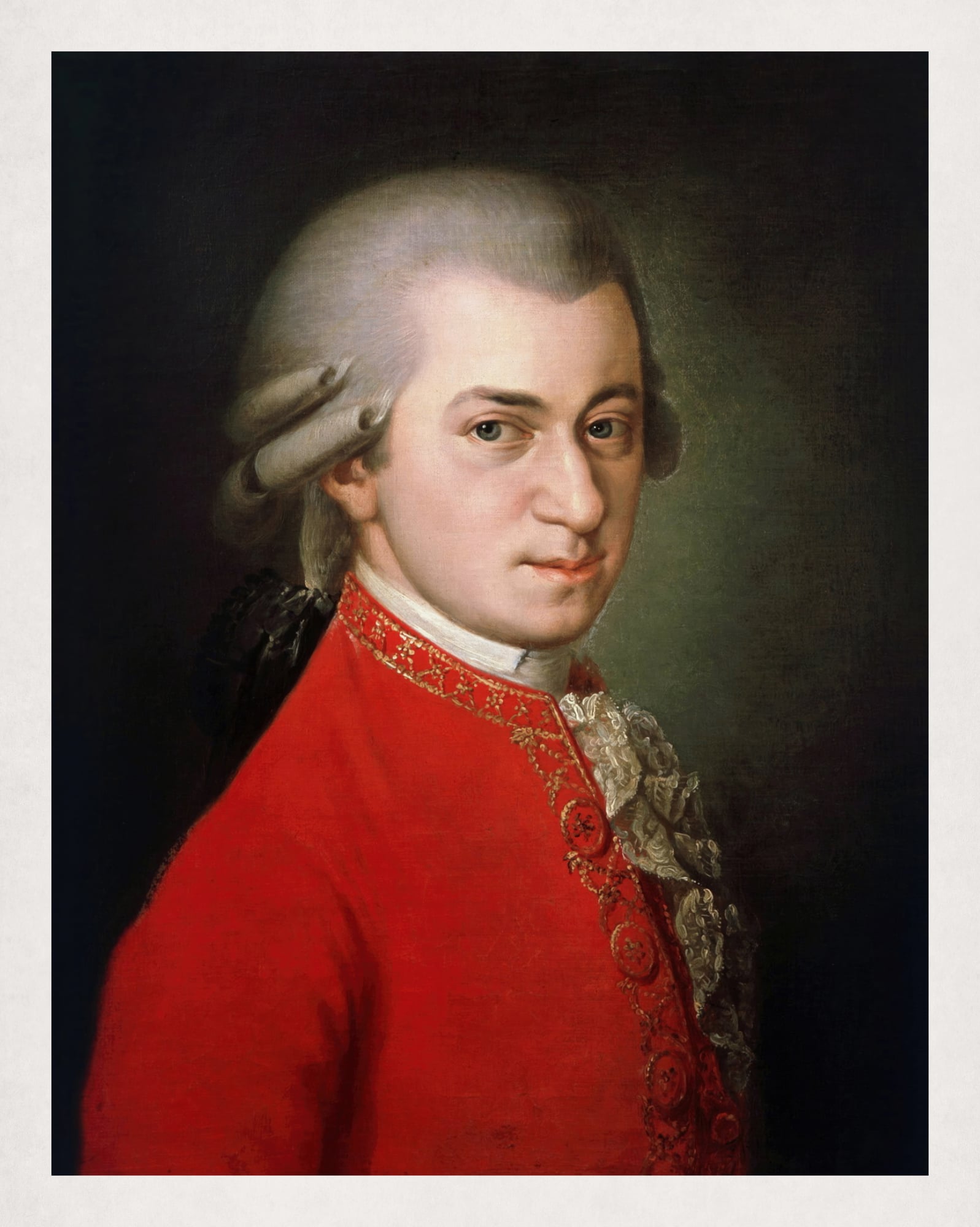
Musical composition demands technical mastery, emotional depth, and an understanding of harmonic relationships that typically develops over decades. Wolfgang Amadeus Mozart began composing at 5 years old, becoming the youngest recognized composer in classical music history.
His early compositions weren’t simplified children’s songs — they were complex musical works that displayed sophisticated understanding of musical theory and emotional expression. Professional musicians performed his pieces not out of novelty, but because they recognized genuine artistic merit that transcended the composer’s age.
Tiger Woods
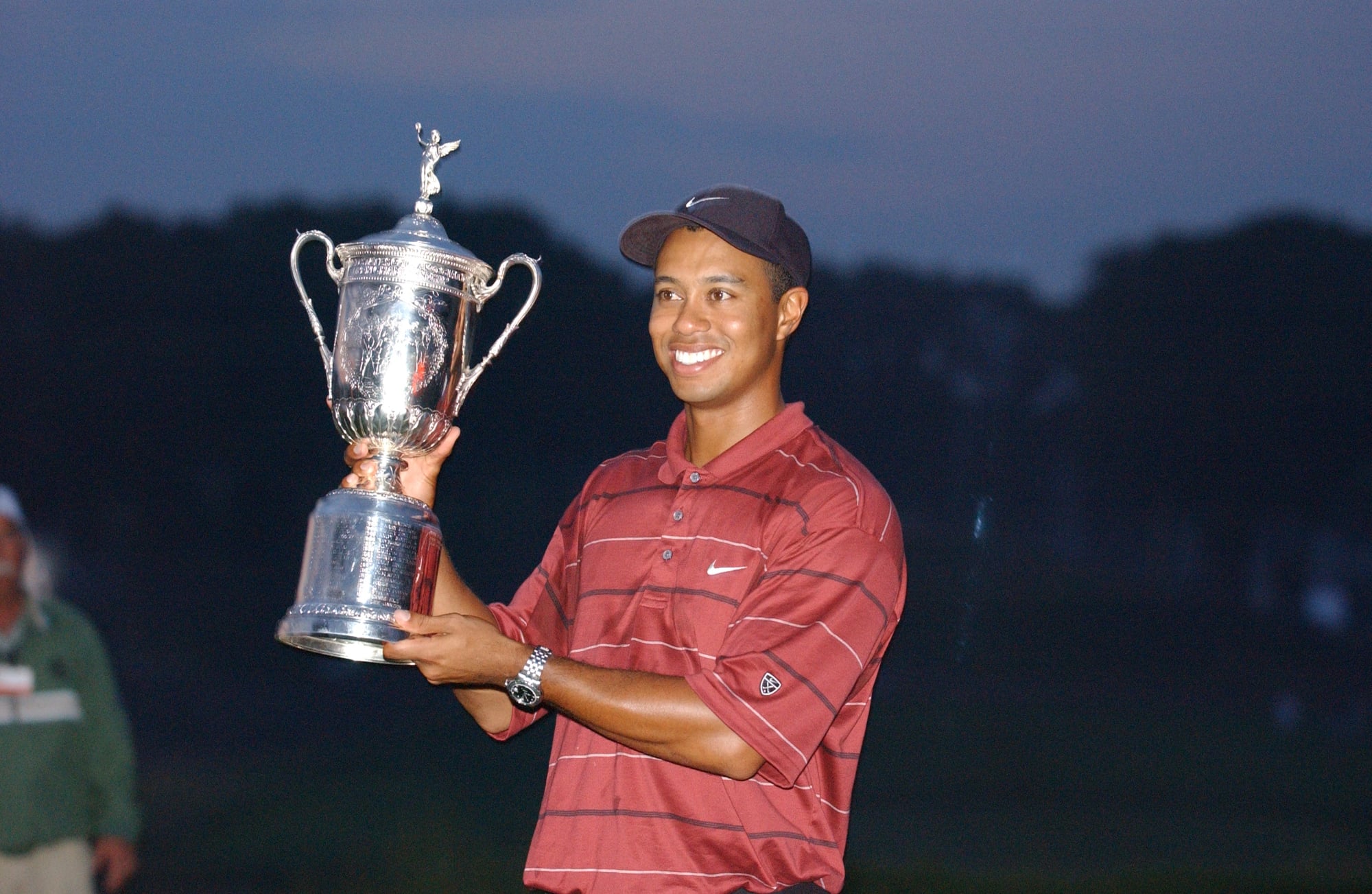
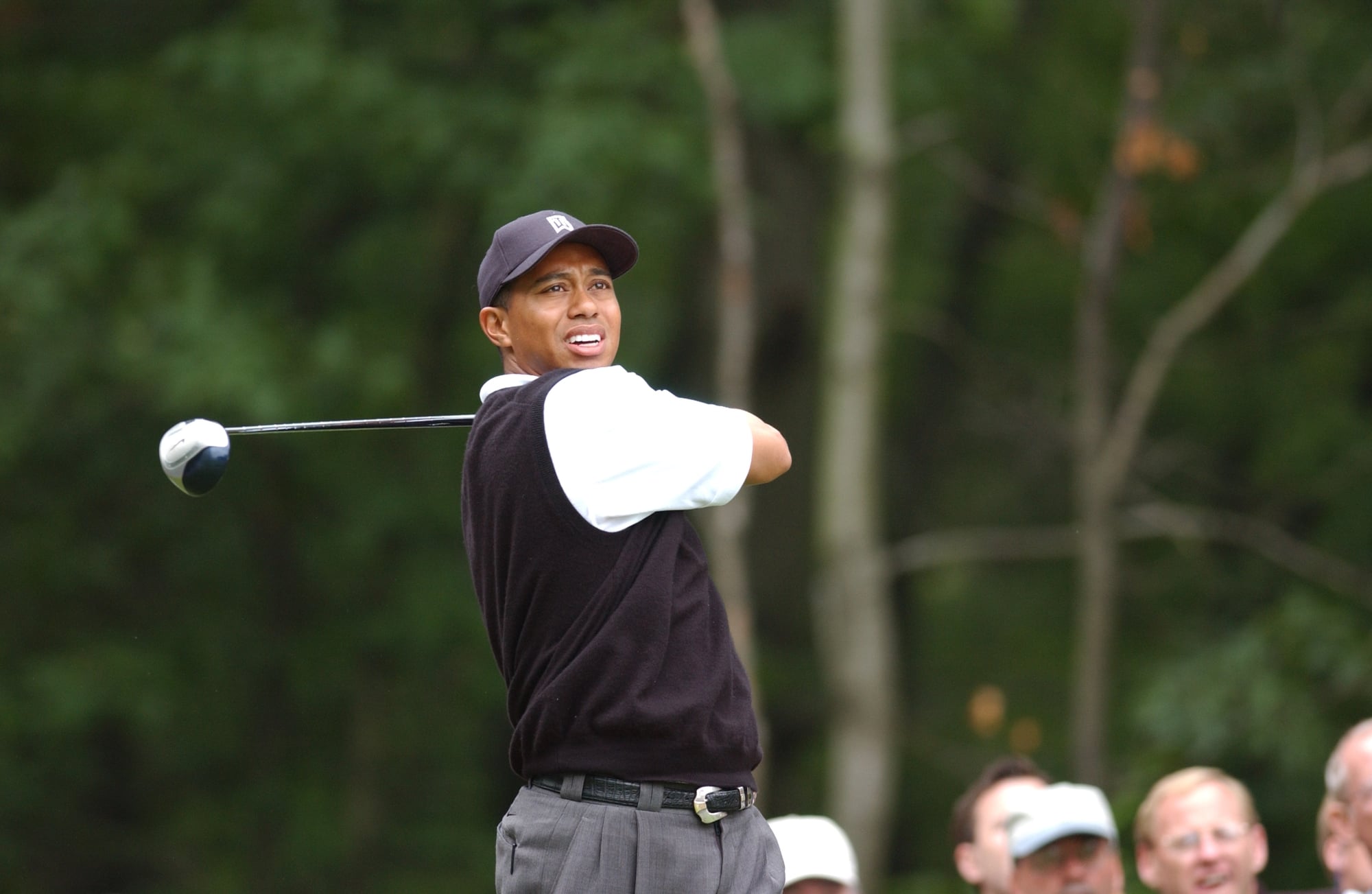
Golf punishes imperfection mercilessly, and professional tournaments separate weekend players from genuine competitors within a few pits. Tiger Woods won his first major championship at 21, becoming the youngest Masters Tournament winner in history.
The Masters isn’t won through luck or beginner’s fortune — it requires mental toughness, precise shot-making, and the ability to perform under pressure that breaks experienced professionals. Woods didn’t just win; he dominated the field by 12 strokes, announcing the arrival of a talent that would redefine professional golf.
Marjorie Gestring
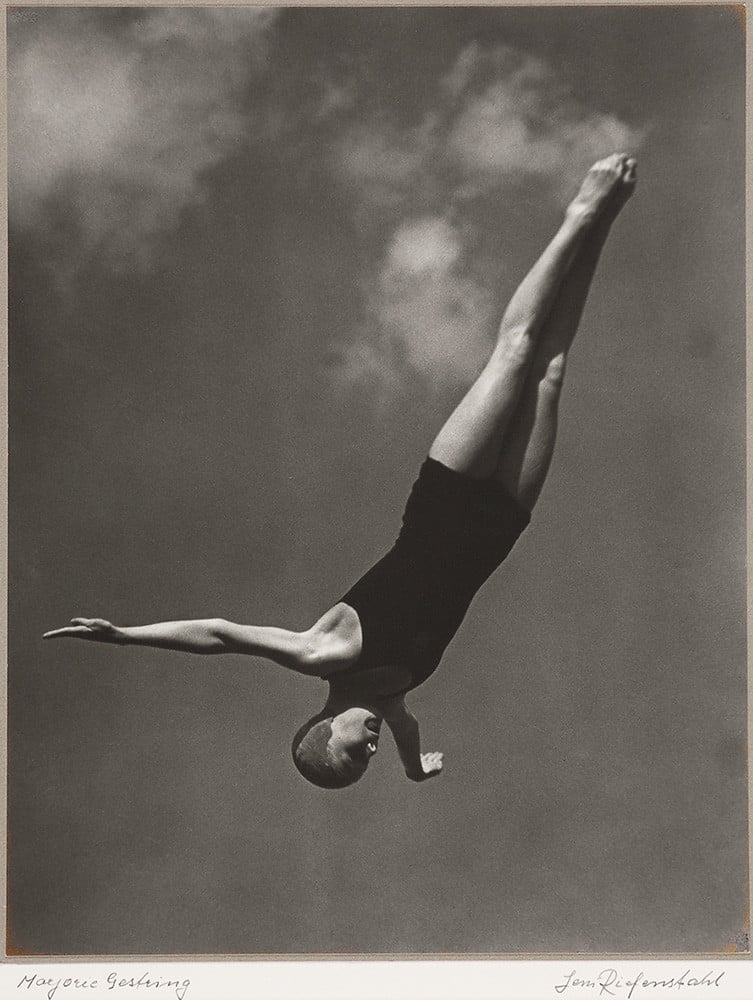
Olympic diving rewards perfection and punishes hesitation. Marjorie Gestring won gold at the 1936 Olympics at 13 years old, becoming the youngest individual Olympic champion in history.
Her dives demonstrated technical precision and competitive composure that impressed judges who’d seen the world’s best divers compete. The Olympics don’t award participation medals — Gestring earned her gold medal by outperforming competitors from around the world who’d trained their entire lives for that moment.
Nadia Comaneci

Gymnastics demands physical perfection measured to the hundredth of a point, and Olympic judges don’t curve their scores for age or potential. Nadia Comaneci scored the first perfect 10 in Olympic gymnastics history at 14 years old, becoming the youngest gymnast to achieve this milestone.
Her routine at the 1976 Olympics was flawless — every landing stuck, every movement precise, every element executed without the smallest deduction. The scoreboards couldn’t even display 10.00 because perfect scores weren’t considered possible.
Comaneci proved otherwise and changed gymnastics forever.
When Age Becomes Irrelevant
These achievements share something beyond their record-breaking nature: they transcended age entirely. Each person found their calling early and pursued it with the kind of focus that produces extraordinary results.
Their youth became secondary to their ability, their potential secondary to their performance. Watching these individuals succeed reminds us that greatness operates on its own timeline.
Sometimes the most remarkable achievements come from those who simply haven’t learned that certain things are supposed to take longer.
More from Go2Tutors!

- The Romanov Crown Jewels and Their Tragic Fate
- 13 Historical Mysteries That Science Still Can’t Solve
- Famous Hoaxes That Fooled the World for Years
- 15 Child Stars with Tragic Adult Lives
- 16 Famous Jewelry Pieces in History
Like Go2Tutors’s content? Follow us on MSN.