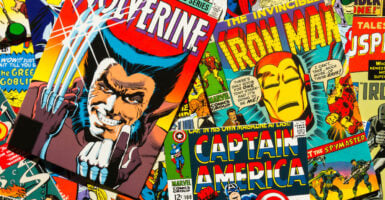
27 Saturday Morning Routines That Disappeared With Cable Television
For a few decades, Saturday morning in America ran on a rigid, unspoken script. Kids woke early, planted themselves in front of a television, and followed a schedule that existed nowhere else during the week. Cable, video games, and eventually streaming dismantled that ritual piece by piece, and most of what made it distinctive never came back in the same form.
Waking Up Before Anyone Else in the House

Kids routinely set their own alarms or simply woke on internal clocks earlier on Saturdays than school days, specifically to catch the first cartoon block before parents were up. The habit only made sense because the programming existed in a single, fixed window rather than being available on demand.
Checking the TV Guide for the Exact Lineup

Families kept printed TV Guide listings or newspaper television sections specifically to plan the Saturday cartoon schedule in advance, since each network ran a different lineup with shows airing only once. Missing the printed schedule meant genuinely not knowing what was on until the show appeared.
Racing Siblings for the Best Spot on the Couch

Because the television was a shared, single-set household resource, siblings negotiated or fought over seating position before the block started, since there was no second screen or streaming option to retreat to if you lost the argument.
Pouring Cereal Before the Local Station Even Signed On

Kids commonly had cereal poured and ready before the first cartoon began, timed to the network’s local affiliate startup, since local stations in many markets didn’t return to full programming until early morning hours.
Watching for the Network Bumper Between Shows
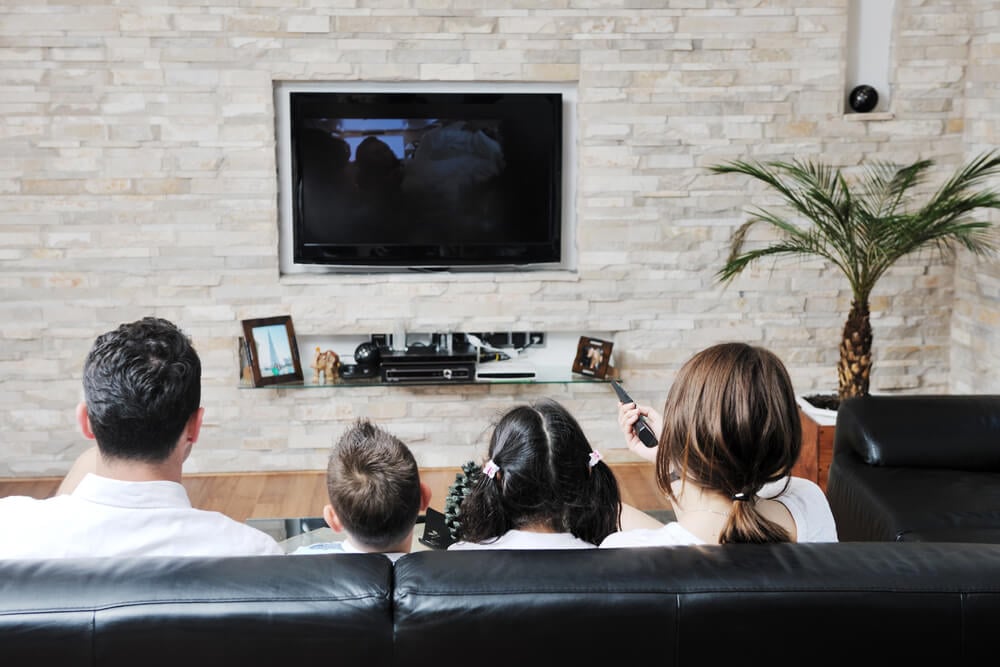
Each network aired distinct animated bumpers and IDs between cartoons, such as CBS’s and NBC’s Saturday morning branding sequences, which became recognizable markers signaling how much of the block remained.
Sitting Through the Toy Commercials as Part of the Show

Commercial breaks during the block were built around toy advertising tied directly to the cartoons airing, a relationship regulators eventually restricted, and kids treated the ads themselves as part of the viewing experience rather than an interruption.
Following a Strict Three-Network Rotation

Through most of the 1970s and 1980s, the entire ritual existed almost exclusively across ABC, NBC, and CBS, since there was no dedicated all-day children’s channel yet, which forced viewers to commit to whichever network carried their preferred lineup.
Losing the Smurfs and Chipmunks in a Single Season
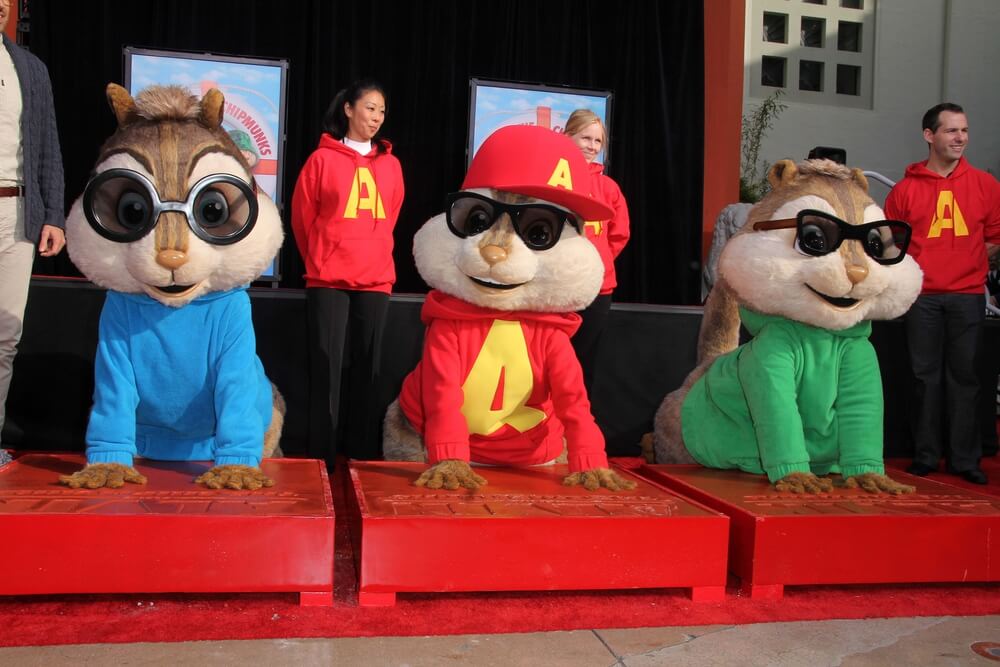
NBC dropped its Saturday morning cartoon block entirely on September 12, 1992, ending shows including The Smurfs and Alvin and the Chipmunks in favor of programming like Saturday Today, marking one of the clearest single-date endpoints of the tradition.
Watching Live-Action Shows Replace Cartoons Under New Rules
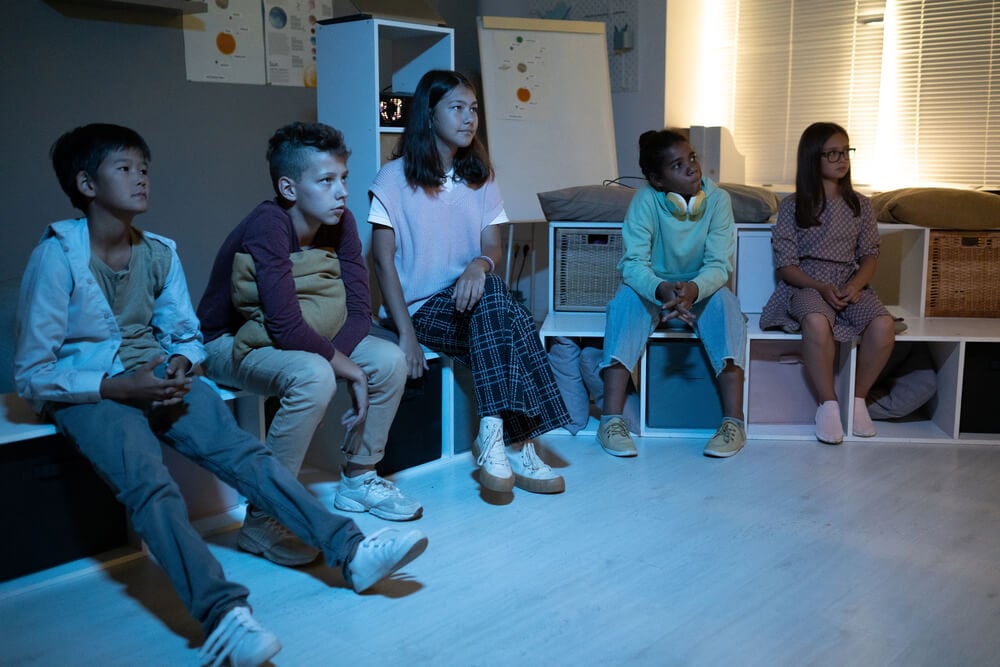
The Children’s Television Act, passed by Congress in 1990, required networks to air a minimum of educational and informational programming, which pushed stations to swap cartoons for live-action shows like Saved by the Bell knockoffs to satisfy the requirement.
Discovering Nickelodeon Aired Cartoons Every Day, Not Just Saturday
Nickelodeon launched in 1979 and gradually built a schedule that offered animated programming across the entire week, directly undercutting the idea that cartoons were a once-a-week event tied specifically to Saturday.
Watching Cartoon Network Debut as an All-Day Alternative

Cartoon Network launched in 1992, giving viewers a channel built entirely around continuous animation, which removed any reason to wait for a single weekly block when the same shows, and others, ran constantly.
Recording the Block on a VCR to Rewatch Later
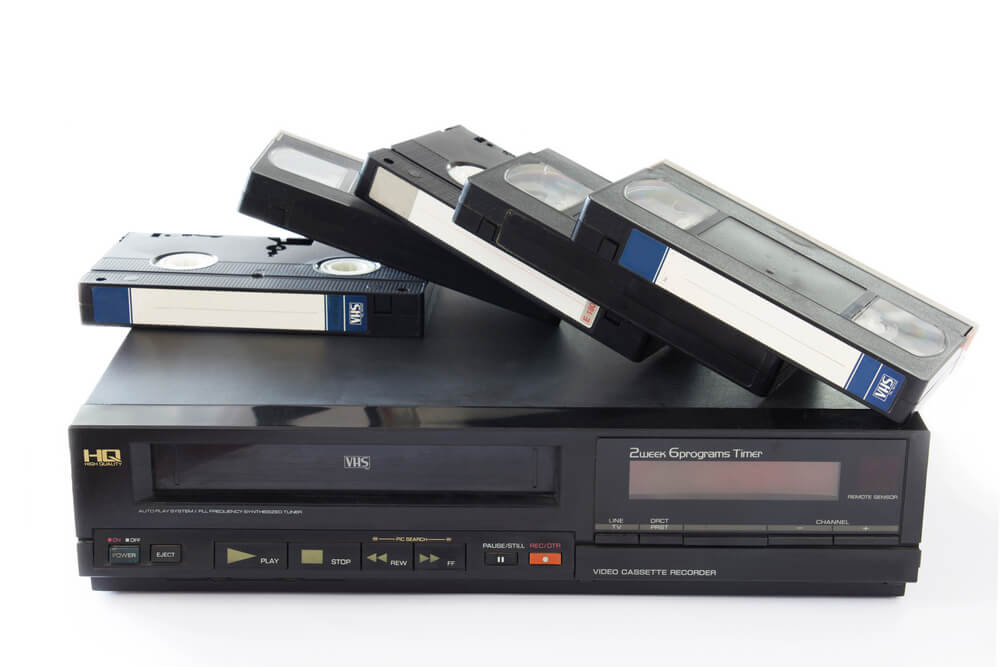
Families with VCRs began taping the Saturday lineup specifically so children could rewatch it later in the week, an early workaround that foreshadowed on-demand viewing and slowly reduced the urgency of watching live.
Talking About Cartoons at School the Following Monday

Because the entire viewing audience watched the same lineup at the same time, cartoons became a shared reference point for playground conversation, a phenomenon that faded once viewing became staggered across cable channels and time zones.
Watching ABC’s Branded “One Saturday Morning” Block

ABC rebranded its lineup as “One Saturday Morning” starting in 1997 under Disney ownership, adding host segments and interstitials between shows in an attempt to make the block feel more like appointment television as ratings declined.
Negotiating Chores Around the Cartoon Schedule

Parents commonly used the fixed timing of the block as a scheduling anchor, allowing children to watch until the lineup ended, typically around noon, before requiring chores or errands, a negotiation that lost its structure once cartoons became available at any hour.
Waiting Weeks for a Mail-In Cereal Box Prize

Saturday morning viewing was tightly linked to cereal advertising, and kids who mailed in box tops for advertised prizes experienced a distinctly analog waiting period that had no equivalent once instant, on-demand entertainment became standard.
Catching Reruns on Local UHF Stations

Independent UHF stations in many markets filled early Saturday hours with older syndicated cartoons, giving kids in different cities slightly different rituals depending on which reruns their local station carried before the network block began.
Watching Parents Sleep In While Kids Self-Supervised

The predictability and self-contained nature of the block meant many parents used it as a built-in babysitter, sleeping later on Saturdays specifically because the schedule reliably held a child’s attention for hours without supervision.
Losing the Ritual to Video Games and VCR Libraries

By the early 1990s, personal computers, home video game consoles, and expanding VCR tape libraries gave kids competing morning activities, and industry figures at the time directly pointed to this shift as eroding the appointment-viewing habit.
Watching Reality and Game Shows Take Over the Slot

As networks filled mandated educational hours, some replaced cartoons with format shows like Name Your Adventure, a program NBC used in its 1992 Saturday lineup overhaul, changing the tone of the morning from animated to studio-based programming entirely.
Treating the Disney Channel as a Premium Alternative
Because Disney Channel was a paid add-on rather than basic cable in its earlier years, families who subscribed effectively bought their way out of the free-network Saturday ritual, previewing the shift toward paying directly for children’s content.
Watching Boomerang Repackage the Old Block as Reruns
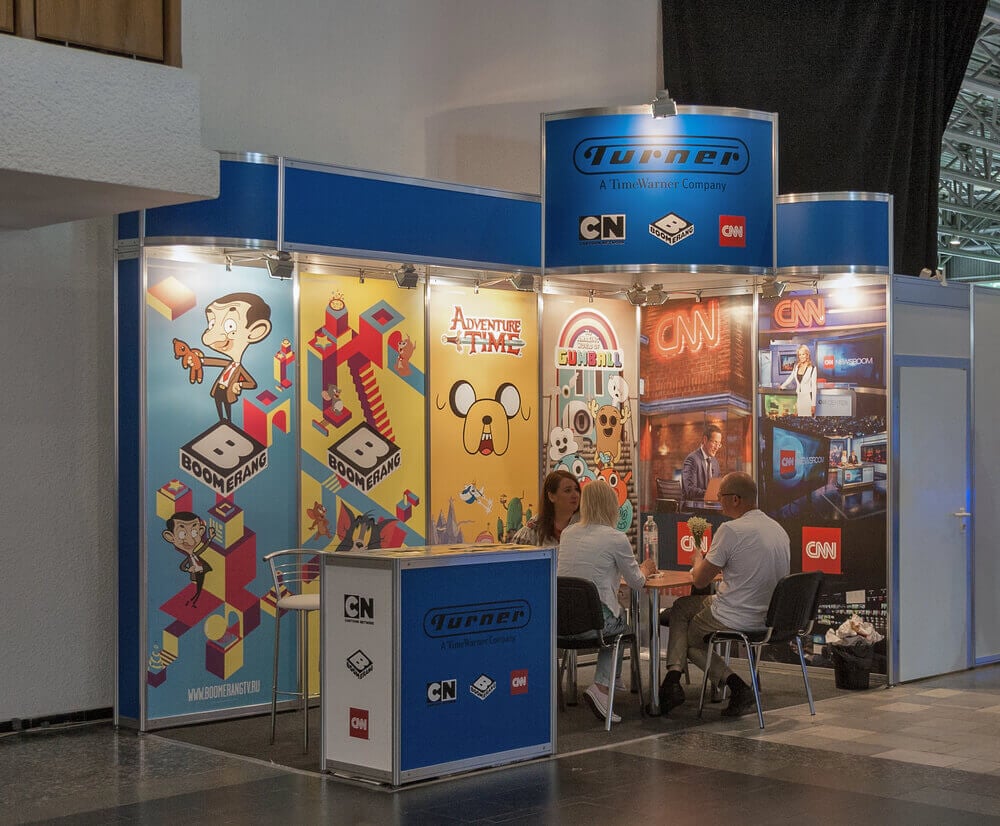
Once cable fully took over, Turner’s Boomerang channel launched in 2000 specifically to rerun the older cartoon library that used to define Saturday mornings, turning what had been a live weekly event into an always-available archive.
Hearing Parental Advocacy Groups Push Back on Content

Saturday morning cartoons faced organized criticism through the 1980s and 1990s from parent groups and child psychologists concerned about violence and advertising aimed at children, pressure that directly influenced the regulatory changes that ended the format.
Watching Local News Anchors Introduce the Block

Some local affiliates had on-air personalities specifically introduce or bridge the Saturday cartoon lineup, a small production detail that disappeared once cartoons moved to dedicated channels with no local branding at all.
Treating the End of the Block as the End of the Morning
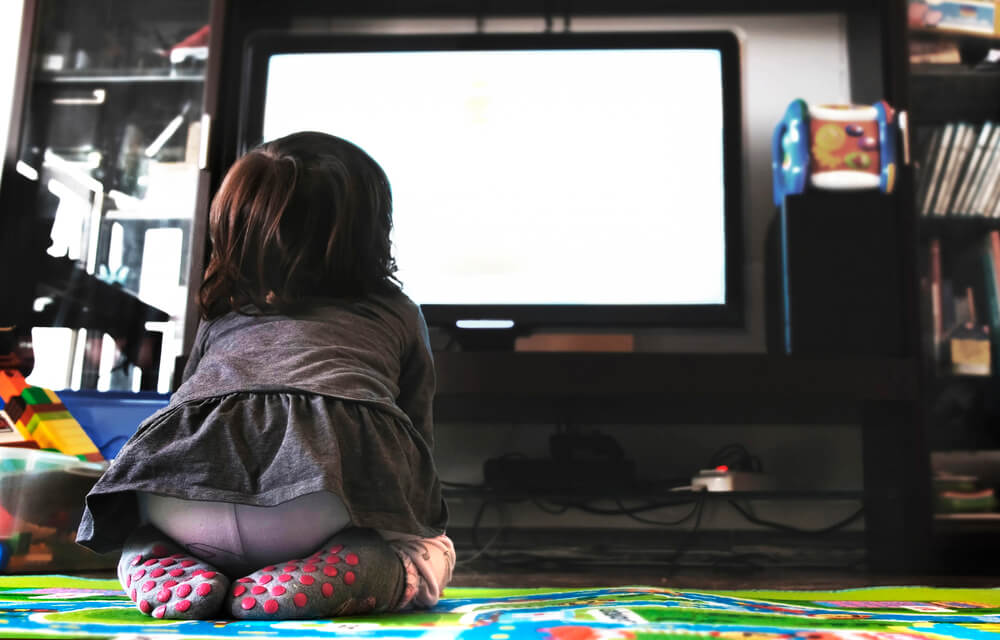
Once the network lineup concluded, typically by early afternoon, the specific “cartoon morning” ritual ended for the day, a hard stop that doesn’t exist on cable or streaming, where children’s programming runs continuously.
Watching MeTV Attempt to Revive the Format Decades Later

MeTV launched a dedicated “Saturday Morning Cartoons” block airing classic shows from Looney Tunes from 7 to 10 a.m. Eastern, an attempt to recreate the format for nostalgic adult viewers rather than the original child audience it once served.
The Ritual Itself Becoming the Nostalgic Product

Fan sites, retrospective articles, and revival programming blocks now treat the Saturday morning routine itself as the object of nostalgia, separate from any individual show, reflecting how thoroughly cable and streaming replaced the format rather than merely competing with it.
What the Schedule Actually Gave Kids

The specific shows mattered less than the structure surrounding them. A fixed, unrepeatable weekly window created urgency and a shared cultural clock that an entire generation of children set their mornings by, and that structure disappeared well before most of the individual cartoons did.
Cable didn’t kill Saturday morning cartoons by making better shows. It killed the scarcity that made the ritual feel special in the first place, replacing a single appointment with an endless buffet, which is a trade most people watching today would still take, even while missing what got lost in the swap.
More from Go2Tutors!

- The Romanov Crown Jewels and Their Tragic Fate
- 13 Historical Mysteries That Science Still Can’t Solve
- Famous Hoaxes That Fooled the World for Years
- 15 Child Stars with Tragic Adult Lives
- 16 Famous Jewelry Pieces in History
Like Go2Tutors’s content? Follow us on MSN.