27 Space Race Moments Most People Never Learned About
Sputnik, Gagarin, and the moon landing get all the attention in textbooks, but the Space Race was stitched together from hundreds of smaller, stranger episodes. Some were nearly catastrophic, some were oddly funny, and some stayed classified for decades after the fact.
The Soviet Chief Designer Nobody Was Allowed to Name

Sergei Korolev, the engineer behind Sputnik, Vostok, and much of the early Soviet space program, was never publicly identified by name while he was alive. The government treated him as a state secret to protect him from assassination or defection pressure, and he was only referred to in Soviet press as the anonymous “Chief Designer.” His identity was revealed to the public only after his death in 1966.
Laika Was Not the First Dog the Soviets Meant to Fly That Way

Laika became famous as the first animal to orbit Earth aboard Sputnik 2 in November 1957, but the mission had no plan to bring her home. Soviet officials misrepresented her cause of death for decades, claiming she survived several days in orbit, before Russian scientists confirmed in 2002 that she died from overheating within hours of launch.
Vanguard TV3 Exploded on Live Television

In December 1957, weeks after Sputnik’s launch, the United States attempted to answer with the Vanguard TV3 satellite. The rocket rose about four feet off the pad before losing thrust and collapsing into a fireball, an embarrassment broadcast live and mocked in the press with nicknames like “Kaputnik” and “Flopnik.”
Apollo 1 Killed Its Crew Before the Rocket Ever Launched
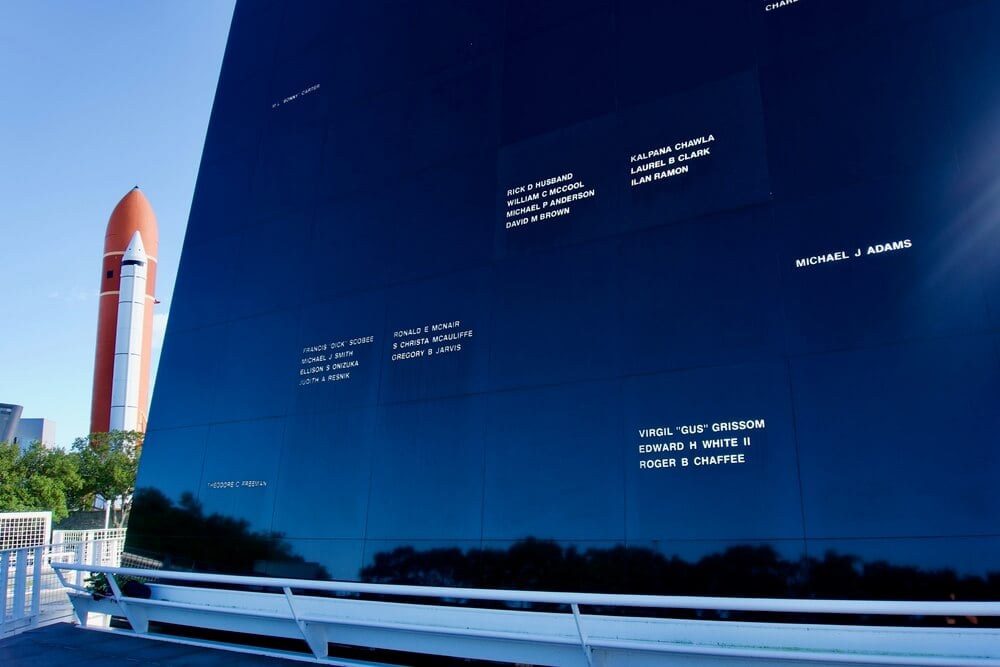
Astronauts Gus Grissom, Ed White, and Roger Chaffee died in January 1967 when a fire swept through their command module during a launch pad test, not during an actual flight. The pure-oxygen cabin environment and a hatch that opened inward rather than outward contributed to the disaster, and both were redesigned before any further crewed Apollo missions flew.
Yuri Gagarin Ejected From His Capsule Before Landing
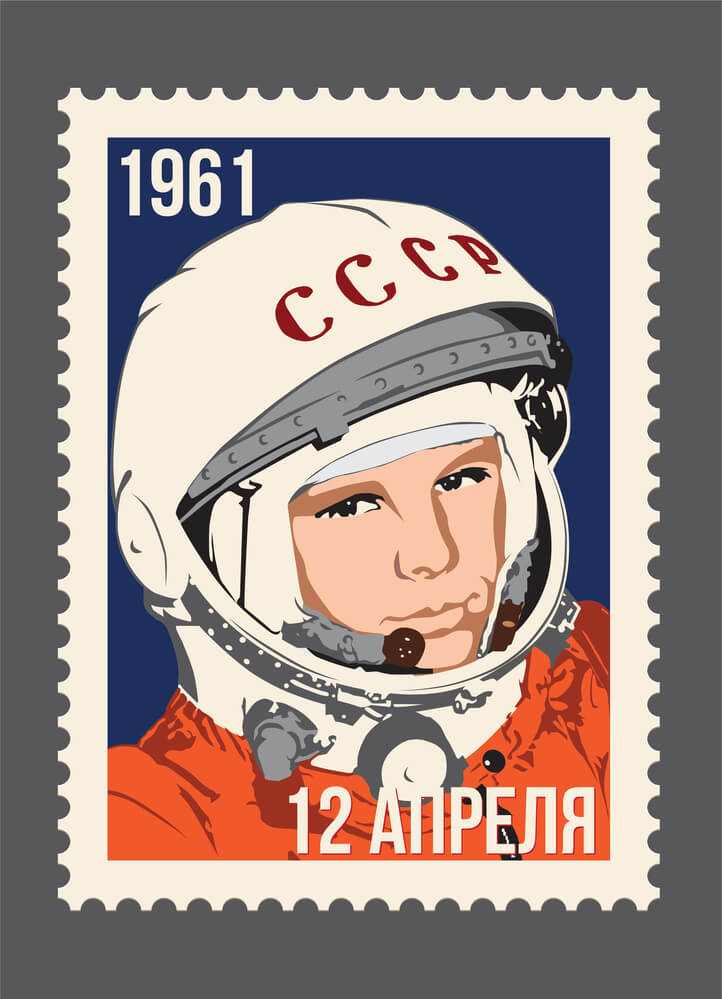
Gagarin’s 1961 flight made him the first human in space, but Soviet officials hid a key detail for years: he did not land inside his Vostok 1 capsule. Soviet spacecraft design at the time required the cosmonaut to eject and parachute down separately, which technically would have disqualified the flight from some early aviation records had it been disclosed at the time.
A Tortoise Beat Americans Around the Moon

Before any human circled the moon, the Soviet Zond 5 mission carried a pair of Russian tortoises, along with other biological specimens, on a loop around the moon and back to Earth in September 1968. Both tortoises survived the trip, becoming the first Earth creatures to travel to the moon and return alive.
Apollo 8’s Christmas Eve Broadcast Was Almost Scrapped
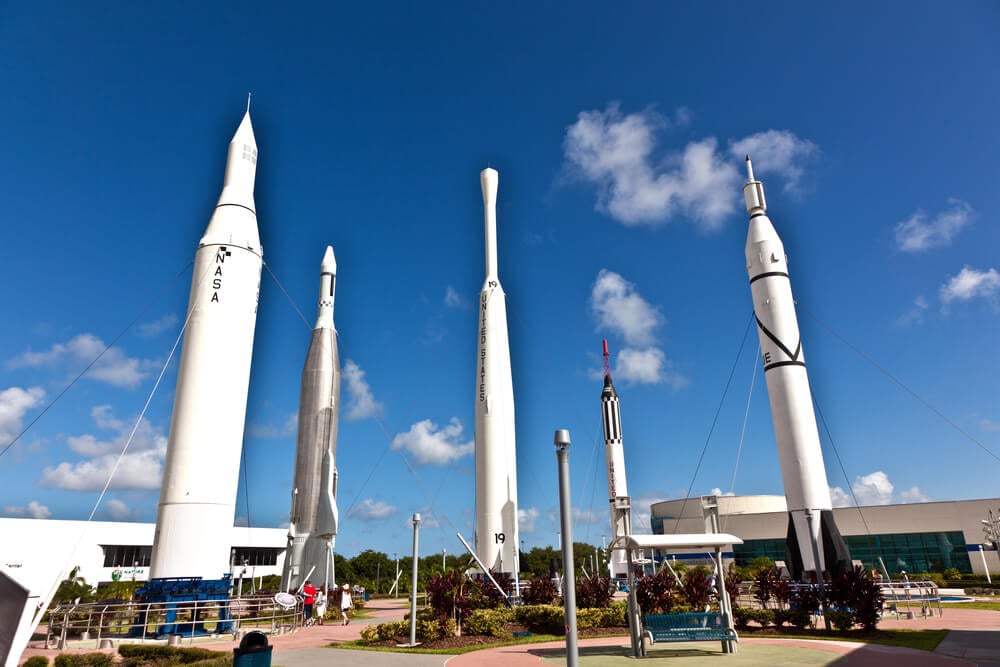
The crew of Apollo 8 read from the Book of Genesis during a live broadcast from lunar orbit on Christmas Eve 1968, a moment that became one of the most watched television broadcasts in history at the time. NASA had left the content of the broadcast largely up to the astronauts, and the reading was chosen by crew member Frank Borman with input from a friend just weeks before launch.
Neil Armstrong Nearly Died Three Years Before Apollo 11
During a 1966 Gemini 8 mission, Armstrong and pilot David Scott became the first crew to dock two spacecraft in orbit, but a stuck thruster sent their combined craft into a violent spin shortly afterward. Armstrong regained control by shutting down the docking system and using reentry control thrusters, a decision that likely saved both astronauts’ lives and forced an emergency splashdown far from the planned recovery zone.
Apollo 11’s Computer Kept Interrupting the Landing
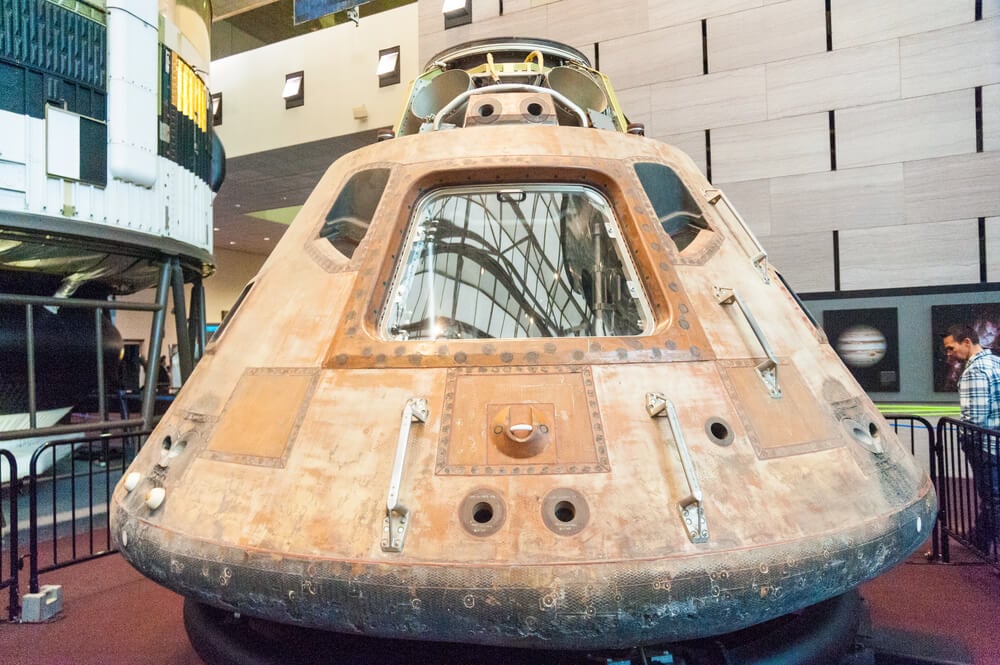
As the lunar module Eagle descended toward the moon’s surface in July 1969, its guidance computer repeatedly triggered 1202 and 1201 program alarms, warnings that it was overloaded with data. A backup room engineer recognized the alarms as non-fatal and cleared the crew to continue, allowing Armstrong to land the module manually with only about 25 seconds of fuel remaining.
Buzz Aldrin’s Boot Solved an Awkward Engineering Gap
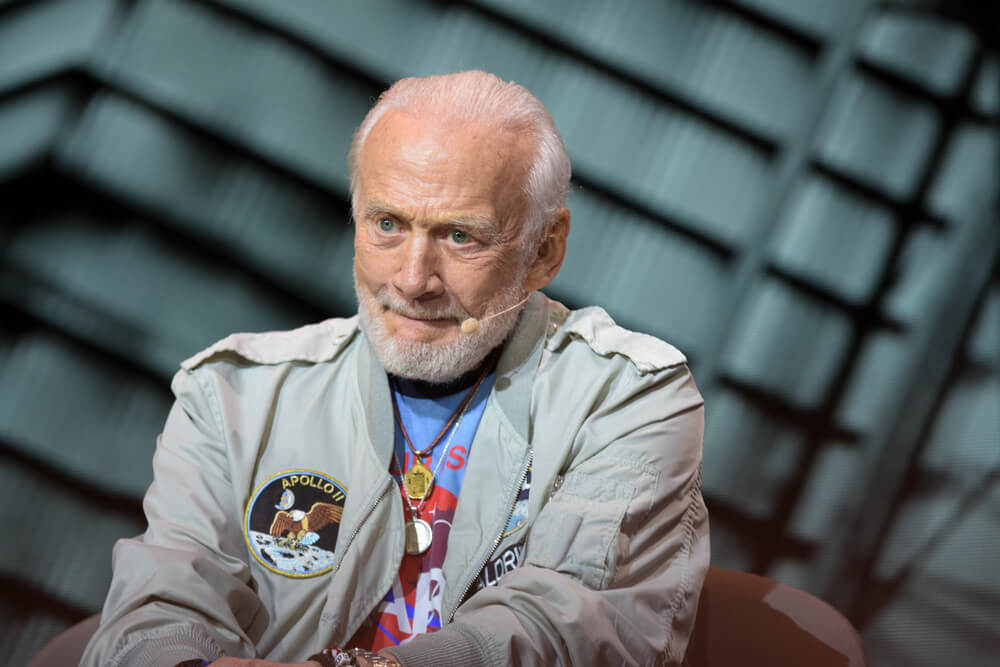
The Apollo 11 lunar module’s urine collection system malfunctioned during the moon landing, leaving Aldrin’s boot as an improvised backup. The detail went unmentioned in official mission summaries for years and only became widely known through later interviews and retrospectives.
The White House Wrote a Speech in Case Apollo 11 Failed
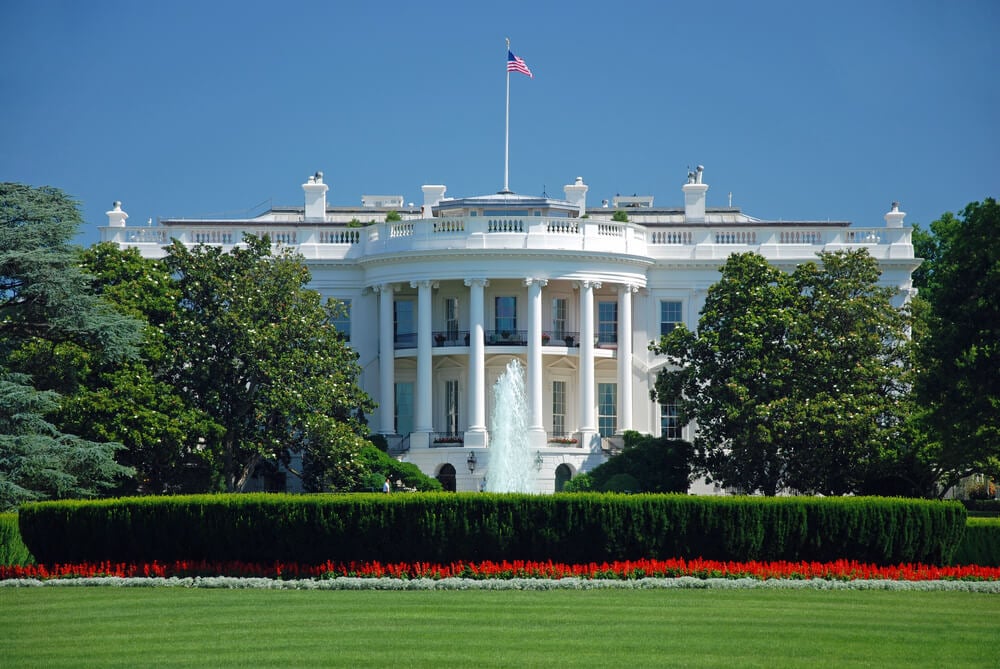
Speechwriter William Safire prepared a contingency statement for President Nixon titled “In Event of Moon Disaster,” intended for delivery if Armstrong and Aldrin had become stranded on the lunar surface with no way home. The speech was never used and remained largely unknown to the public until it surfaced in presidential archives decades later.
A Soviet Cosmonaut’s Spacesuit Nearly Trapped Him in Orbit

During the first spacewalk in history in March 1965, cosmonaut Alexei Leonov found that his suit had ballooned in the vacuum of space, making it too rigid to fit back through the airlock hatch. He was forced to partially depressurize the suit, risking decompression sickness, in order to squeeze back inside the Voskhod 2 capsule.
Apollo 12 Was Struck by Lightning Twice During Launch
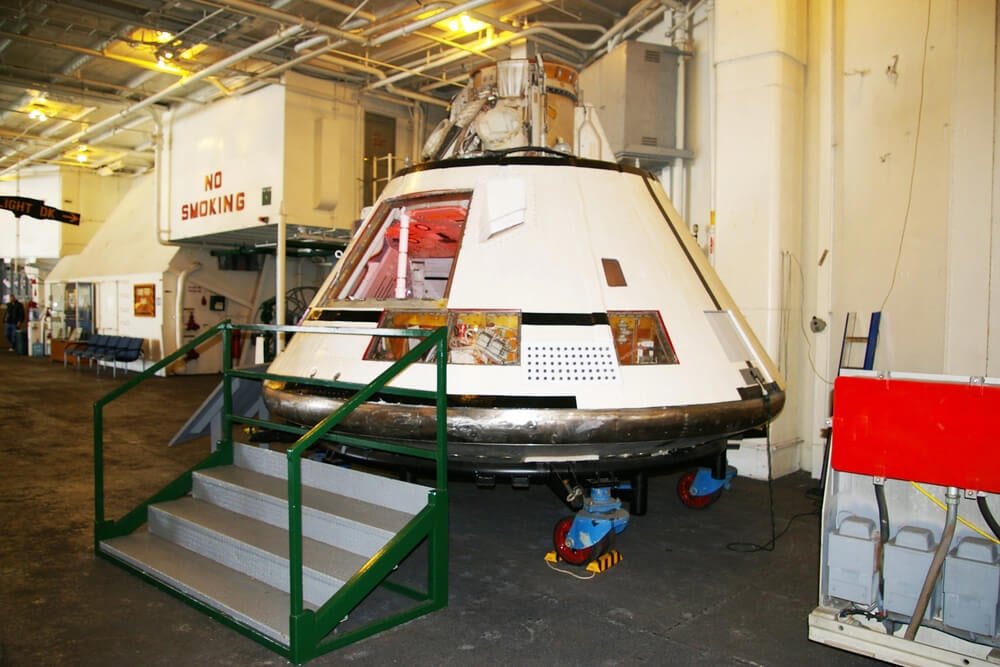
Seconds after liftoff in November 1969, Apollo 12’s Saturn V rocket was struck by lightning twice in quick succession, knocking out onboard instrumentation and nearly forcing an abort. A young flight controller’s suggestion to switch a specific power configuration restored the systems in time for the mission to continue successfully to the moon.
Skylab Fell From Orbit and NASA Could Not Steer It
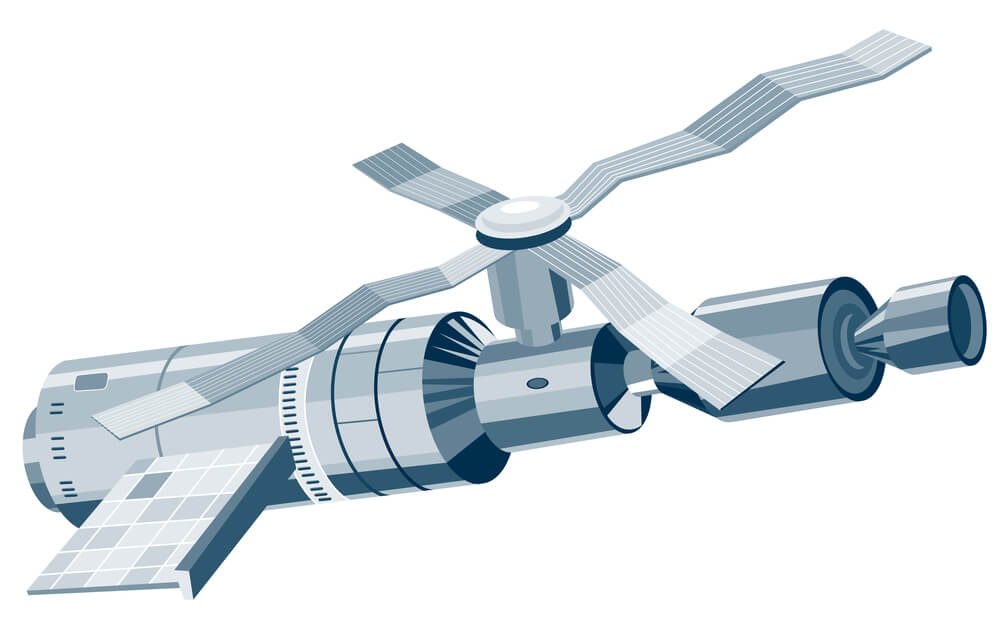
The United States’ first space station, Skylab, reentered the atmosphere uncontrolled in July 1979 after its orbit decayed faster than expected. Debris scattered across the Indian Ocean and parts of Western Australia, and the Shire of Esperance in Australia later issued NASA a symbolic littering fine that went unpaid for decades until a radio station raised the money to cover it.
A Golf Shot Actually Happened on the Moon
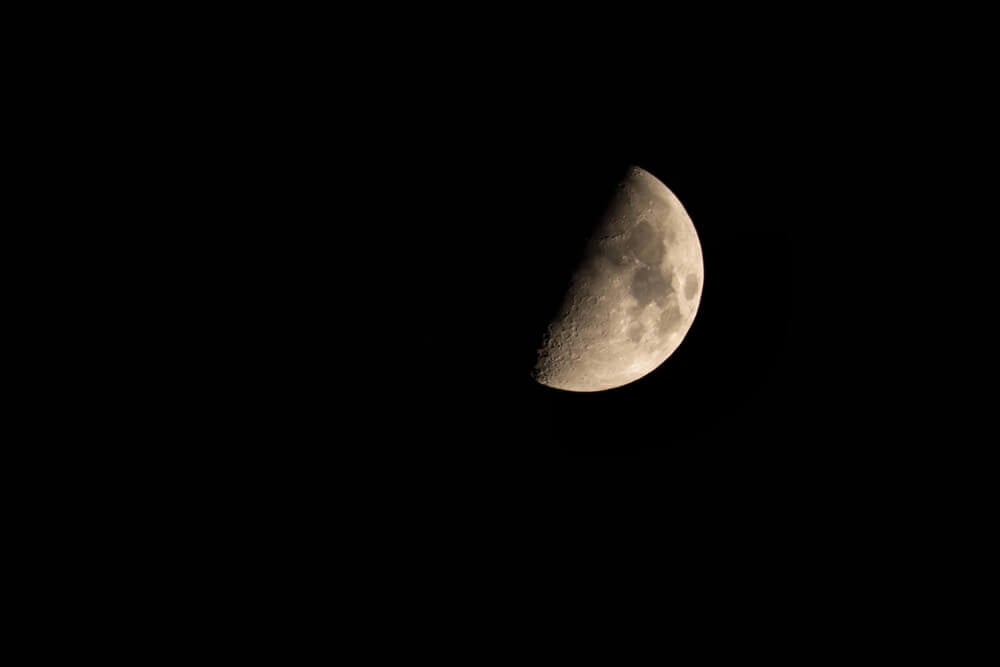
Apollo 14 astronaut Alan Shepard smuggled a modified six-iron head and a couple of golf shots aboard the mission in February 1971 and took several one-handed swings on the lunar surface during a break in official activities. His first two attempts missed entirely, but a later swing sent his shot traveling a real, if modest, distance across the low-gravity surface.
The Soviets Armed a Space Station With a Cannon

The military Salyut 3 station, launched in 1974, carried a modified aircraft autocannon bolted to its exterior, making it the only crewed spacecraft known to have carried a weapon designed to fire projectiles. Ground controllers test-fired the gun after the crew had departed to see whether the recoil would damage the station, a fact that stayed secret until after the Soviet Union’s collapse.
Astronauts and Cosmonauts Docked in Orbit at the Height of the Cold War

The Apollo-Soyuz Test Project in July 1975 saw an American Apollo spacecraft and a Soviet Soyuz capsule dock together in orbit, allowing crews from both nations to shake hands and share meals in space. The joint mission was largely a diplomatic gesture and marked the last flight of the original Apollo spacecraft design.
A Czechoslovak Pilot Beat Every Nation But Two Into Space

Vladimír Remek became the first person outside the United States and Soviet Union to reach orbit when he flew aboard the Soviet Soyuz 28 mission in March 1978 as part of the Soviet Union’s Intercosmos program. The program was designed partly as a propaganda tool to demonstrate solidarity between the USSR and allied nations during the Cold War.
Valentina Tereshkova Flew Solo With No Backup Plan for Her Safety
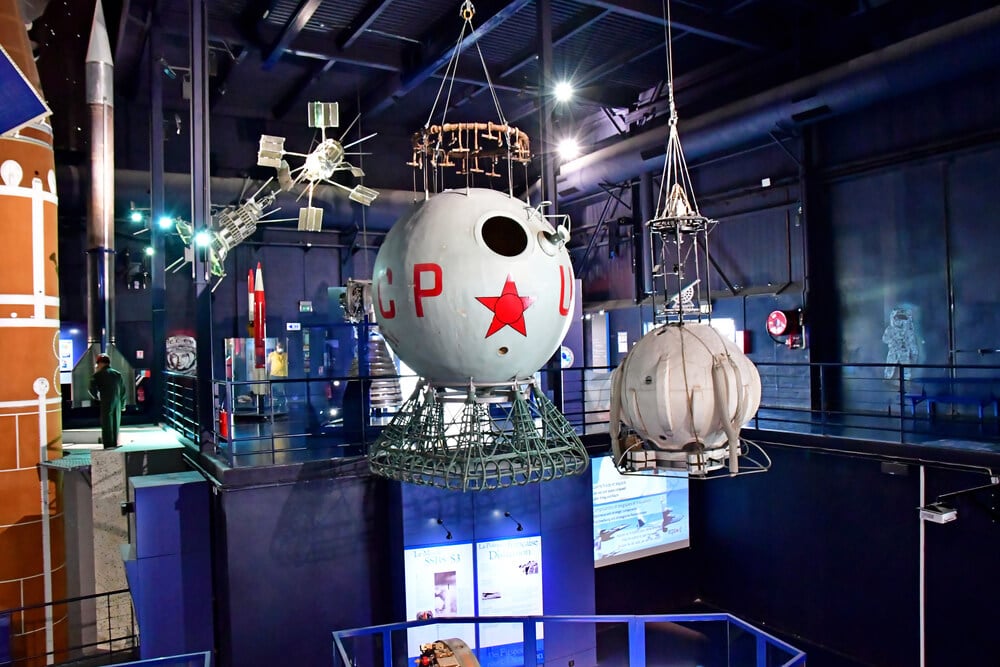
Tereshkova became the first woman in space in June 1963 aboard Vostok 6, spending nearly three days in orbit entirely alone. She has said in later interviews that a manual reentry programming error nearly stranded her in orbit, a mistake she claims she reported but that the Soviet space program kept quiet for years.
America’s Winged Spaceplane Flew Years Before the Shuttle
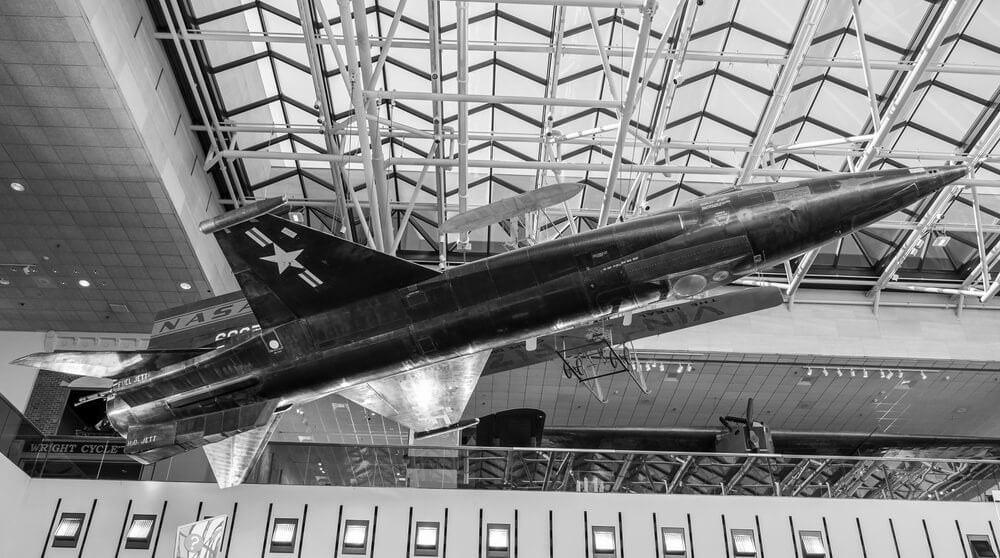
The X-15 rocket-powered aircraft, flown by the U.S. Air Force and NASA throughout the 1960s, reached altitudes high enough that several of its pilots were awarded astronaut wings years before the Space Shuttle program began. The program tested many of the high-speed reentry and control concepts later used in shuttle design.
Apollo 13’s Explosion Happened on the Way to the Moon, Not on Reentry
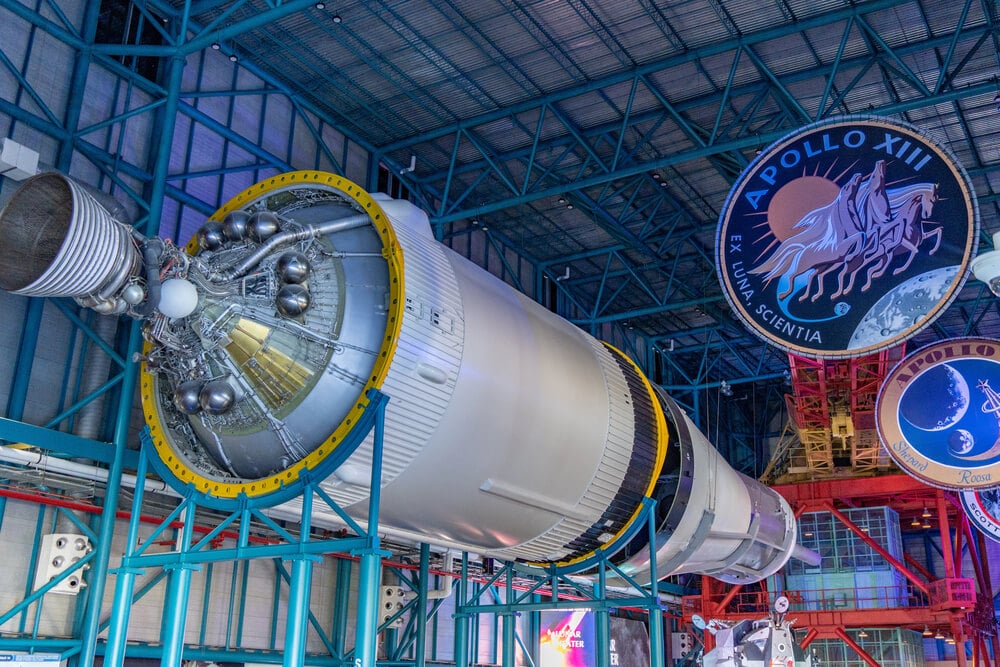
An oxygen tank explosion crippled Apollo 13 in April 1970 roughly 200,000 miles from Earth, forcing the crew to abandon their moon landing and use the lunar module as a makeshift lifeboat. Ground engineers had to improvise a carbon dioxide filter fix using materials available onboard, assembled from parts including plastic bags, cardboard, and tape.
A Chimpanzee Outperformed His Human Backup Crew

Ham the chimpanzee flew a suborbital test flight in January 1961 ahead of America’s first crewed missions, completing assigned levers-and-lights tasks in space just fractions of a second slower than he had on the ground. His success gave NASA the confidence needed to clear Alan Shepard for the first American human spaceflight three months later.
A Second Chimp Made It All the Way to Orbit

Enos, another chimpanzee trained by NASA, orbited Earth twice aboard a Mercury capsule in November 1961, several months before John Glenn’s historic orbital flight. Equipment malfunctions during the mission caused Enos to receive incorrect electric shocks meant to test his responses, though he completed his assigned tasks despite the faulty signals.
The Soviet Union Quietly Buried Its Own Moon Rocket Failures

The USSR’s N1 rocket, intended to carry Soviet cosmonauts to the moon, failed catastrophically in all four of its uncrewed test launches between 1969 and 1972. The program’s existence and failures were kept secret from the public for years, and the effort was quietly cancelled without an official announcement once the United States had already landed astronauts on the moon.
A Cosmonaut Died From a Cabin
Depressurization No One Detected in Time
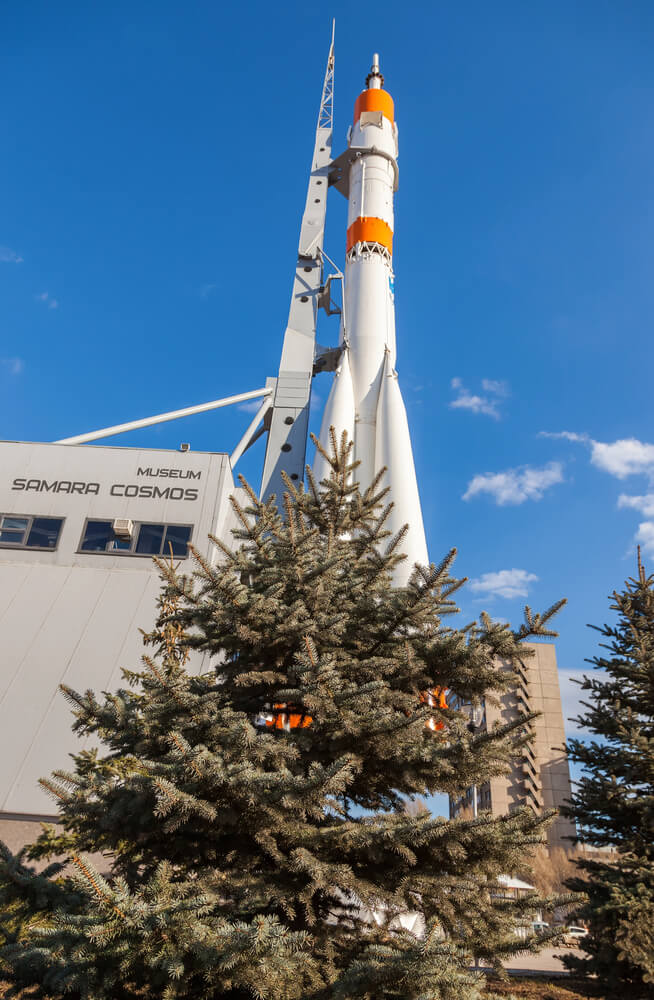
The crew of Soyuz 11 completed a record-setting stay aboard the Salyut 1 space station in 1971, but a valve failure during their return to Earth caused their capsule to depressurize before reentry. All three crew members died silently in their seats, and to date they remain the only humans confirmed to have died in the vacuum of space rather than during launch or landing impact.
Apollo Astronauts Left a Small Memorial No One Announced at the Time
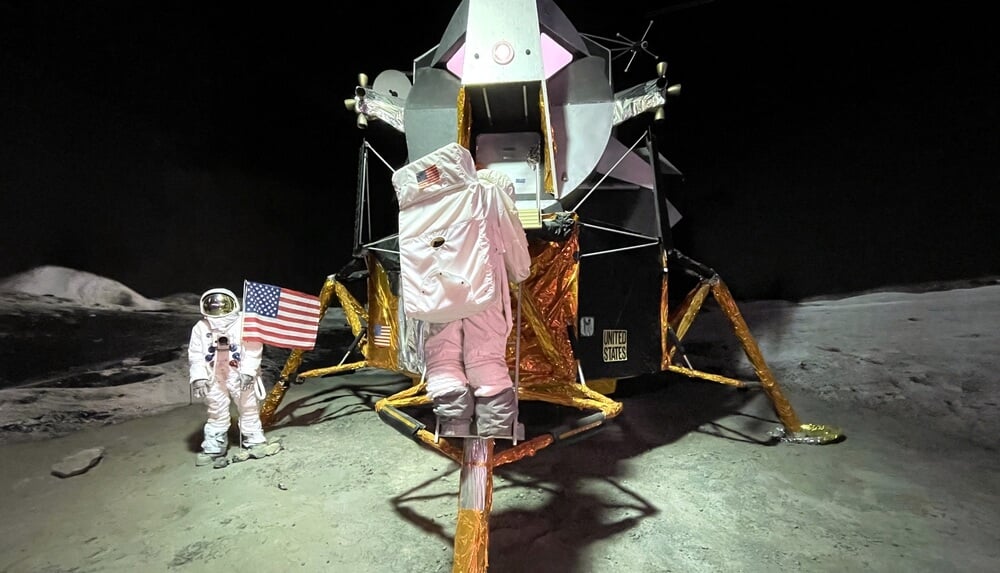
Before departing the moon in 1971, Apollo 15 astronaut David Scott placed a small aluminum sculpture called “Fallen Astronaut” on the lunar surface along with a plaque listing the names of astronauts and cosmonauts who had died in the line of duty. The tribute was not publicly disclosed until after the crew had returned to Earth, since NASA had not approved the personal memorial in advance.
The First American Woman in Orbit Waited Twenty Years for Her Turn
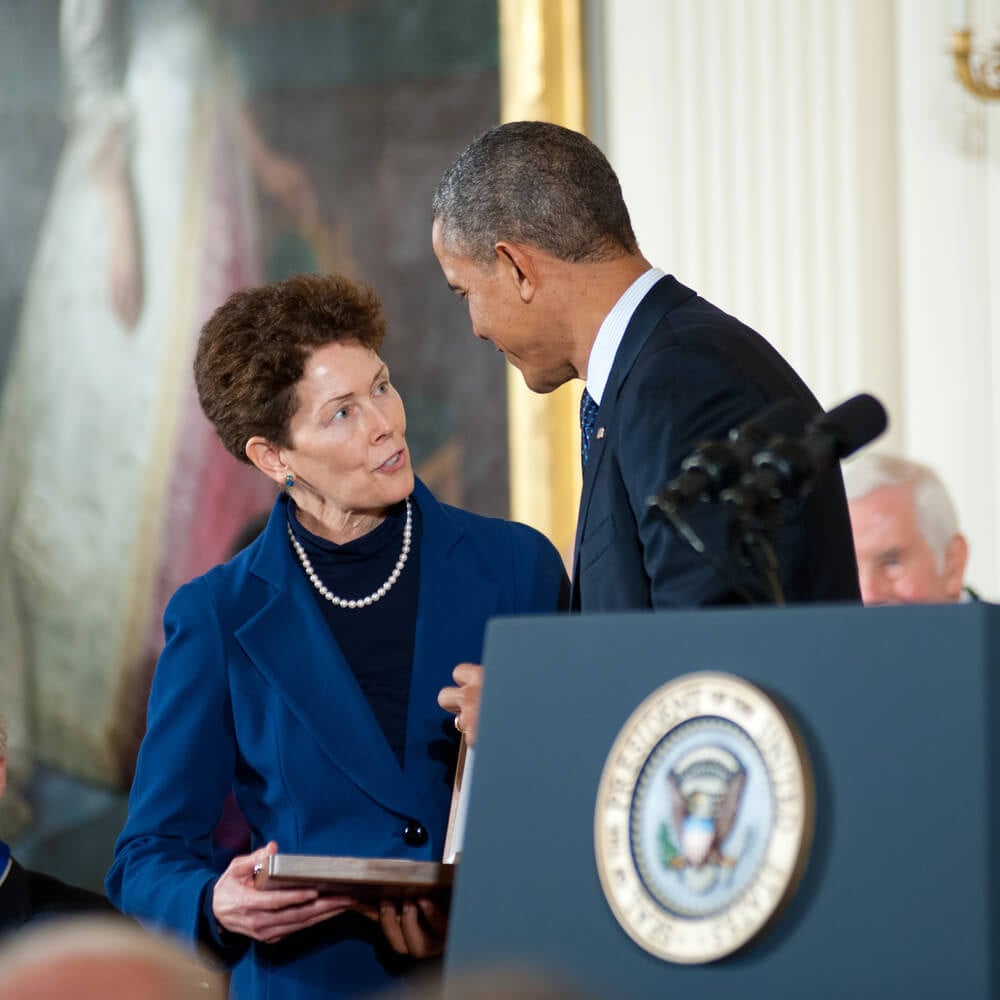
Sally Ride became the first American woman in space in June 1983, a full twenty years after Valentina Tereshkova’s Soviet flight. NASA had not selected any women for astronaut training until 1978, reflecting a gap between the two nations’ space programs that had little to do with technical capability and much to do with institutional policy.
What the Race Actually Left Behind
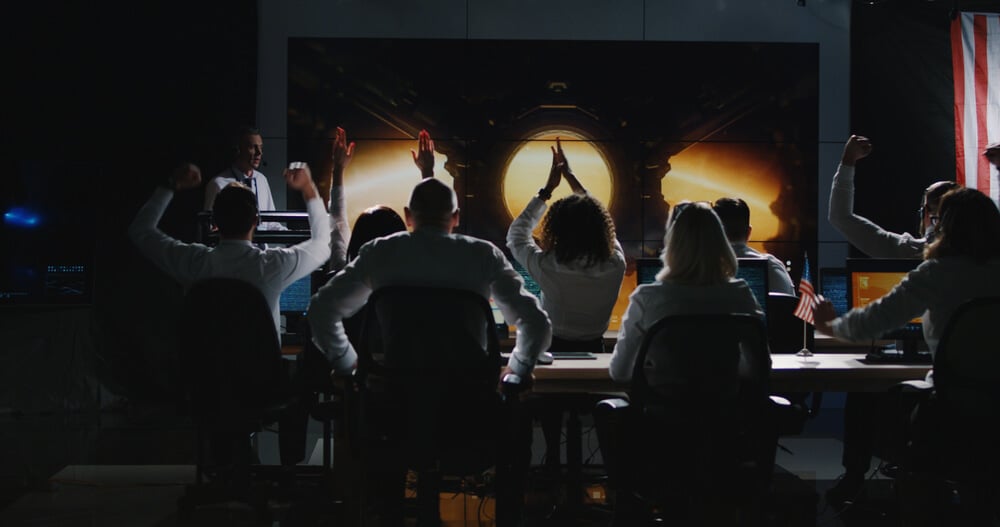
Strip away the flags and the speeches, and the Space Race reads less like a triumphant march to the moon and more like a decade and a half of engineers gambling with human lives under enormous political pressure. Nearly every headline achievement had a hidden near-miss, cover-up, or improvisation sitting just behind it, quietly edited out of the official record to preserve the appearance of inevitability.
That gap between the polished narrative and the messier reality is worth remembering now that a new generation of countries and companies is racing toward orbit again. The technology has changed considerably since the 1960s, but the instinct to hide the failures and highlight only the triumphs has not.
More from Go2Tutors!

- The Romanov Crown Jewels and Their Tragic Fate
- 13 Historical Mysteries That Science Still Can’t Solve
- Famous Hoaxes That Fooled the World for Years
- 15 Child Stars with Tragic Adult Lives
- 16 Famous Jewelry Pieces in History
Like Go2Tutors’s content? Follow us on MSN