25 Hit Toys From 1960s Christmas Mornings
The living room floor on December 25 in the 1960s was a crowded place. Wrapping paper drifted across the carpet, batteries were scarce, and somewhere a parent was already reading instructions aloud.
The toys that came out of those boxes were louder, brighter, and stranger than anything earlier generations had seen.
Many of them were built by a handful of companies that treated television commercials as seriously as engineering. The result was a decade of playthings that still turn up in attics, in collector guides, and on store shelves in updated form.
Chatty Cathy
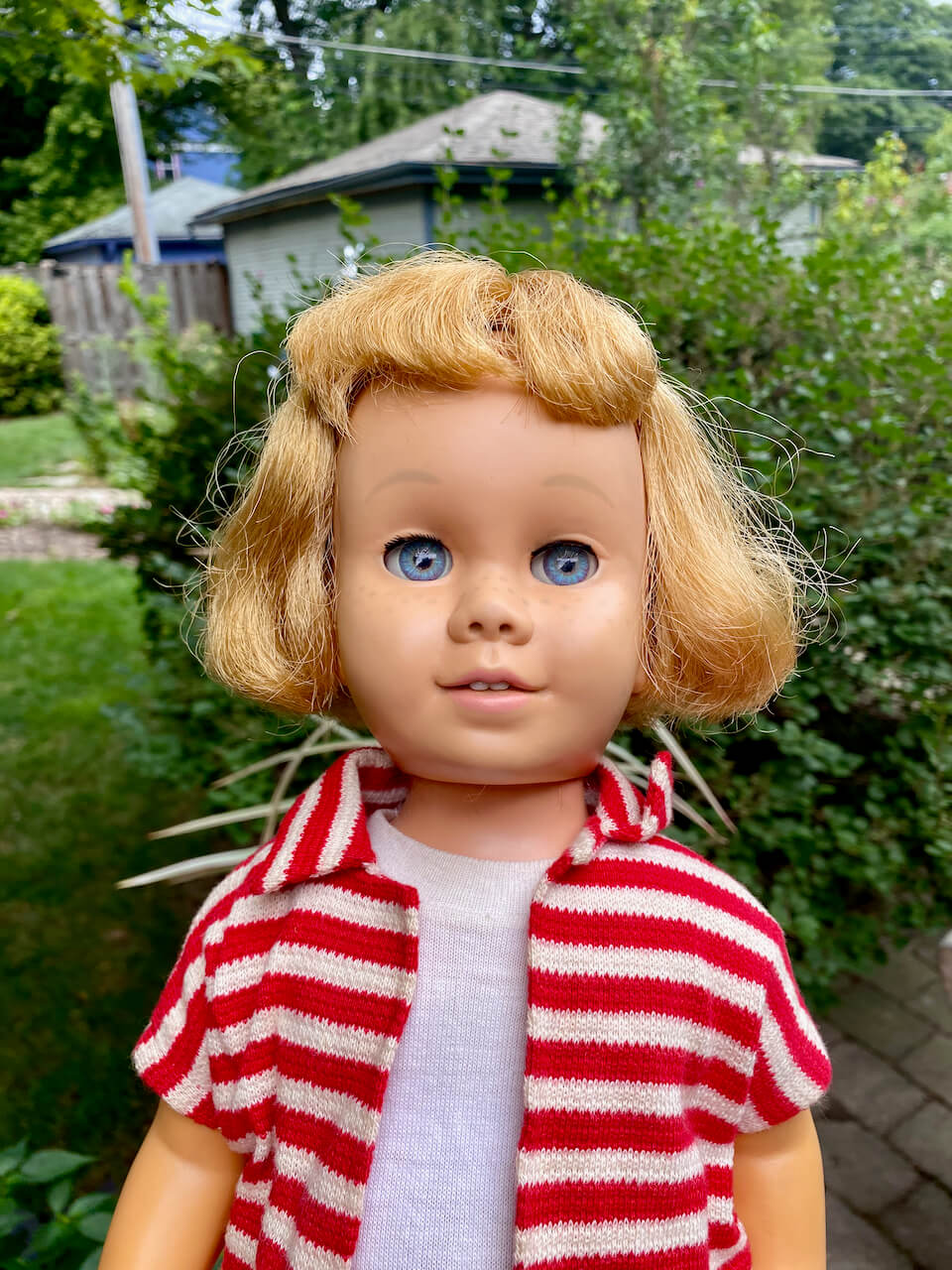
Mattel released Chatty Cathy in 1960, and a pull ring at the neck made her say a handful of phrases at random. Voice actress June Foray, who also voiced Rocky the Flying Squirrel, supplied the voice.
The doll was an immediate hit, and her name eventually became a nickname for anyone who talks too much. Surviving dolls with working voice boxes and original clothing are worth considerably more than ones with silent mechanisms or missing outfits.
Etch A Sketch
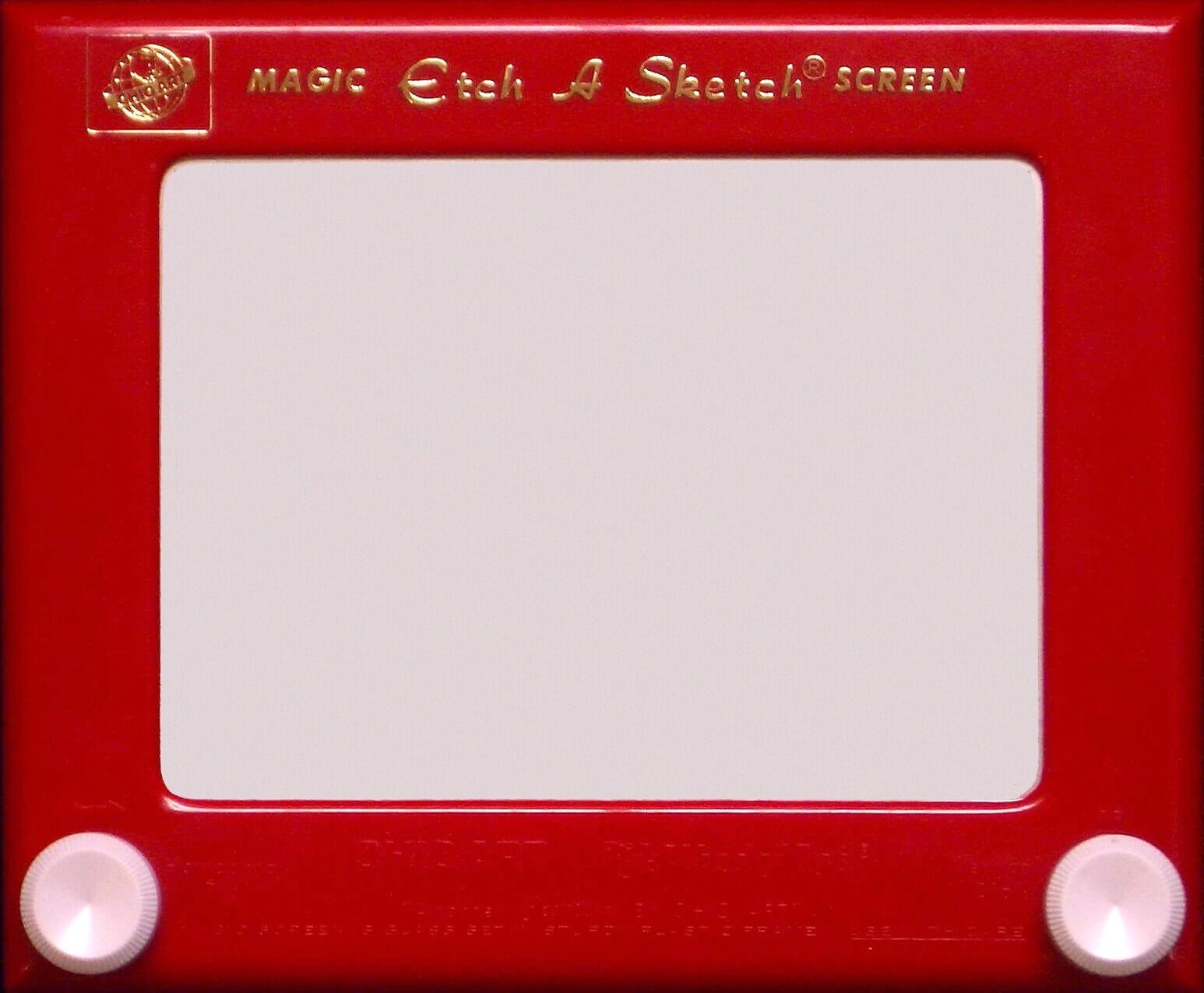
Ohio Art of Bryan, Ohio, put the Etch A Sketch on shelves in 1960, based on a French invention by André Cassagnes originally known as L’Écran Magique. Two knobs steer a stylus that scrapes a line through aluminum powder on the back of the screen.
Flipping the toy over and shaking it redistributes the powder and erases the drawing, which is the entire eraser system. Kids learned quickly that drawing a diagonal required patience and both hands.
Easy-Bake Oven
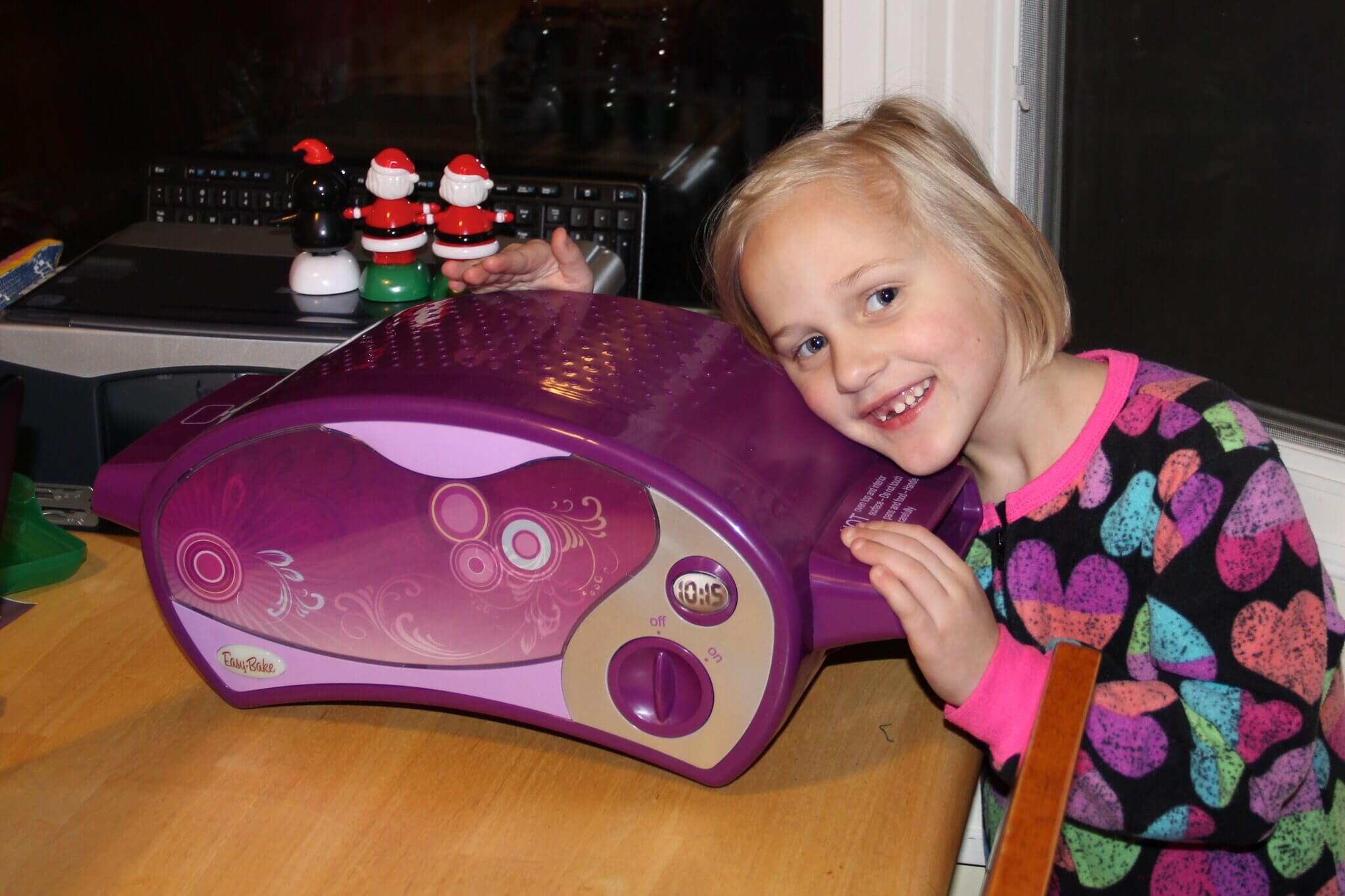
Kenner introduced the Easy-Bake Oven in 1963, and it baked tiny cakes using the heat of an ordinary incandescent light bulb. Pre-measured mixes arrived in small packets, and a pan slid through the oven on a small stick.
Hundreds of thousands of ovens moved during its first year, which made it one of the biggest launches in the company’s history. The bulb-powered design stayed in production for decades until the phaseout of high-wattage incandescent bulbs forced a redesign.
Mouse Trap
Ideal’s Mouse Trap game appeared in 1963 and asked players to assemble a Rube Goldberg style contraption piece by piece as the game went on. The finished machine, with its crank, boot, bathtub, and diving figure, was meant to drop a cage over an opponent’s mouse.
The fun was in the construction, since the trap rarely worked as smoothly as the box art suggested. Missing plastic pieces are the most common reason a thrift-store copy is incomplete.
G.I. Joe
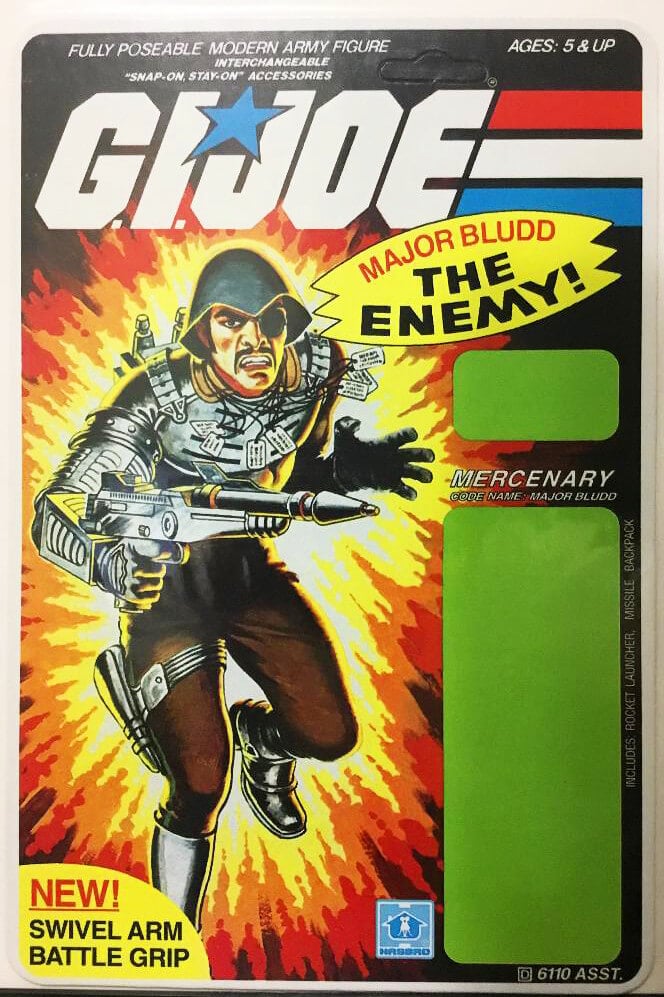
Hasbro introduced G.I. Joe in 1964 as an eleven-and-a-half-inch fully poseable soldier. Executive Don Levine and his team described the product as an action figure, partly so that boys would not think of it as a doll.
The original line covered the Army, Navy, Marines, and Air Force, with each branch sold in a different uniform. Accessory sets, from jeeps to footlockers, turned a single figure into an expensive hobby.
Creepy Crawlers
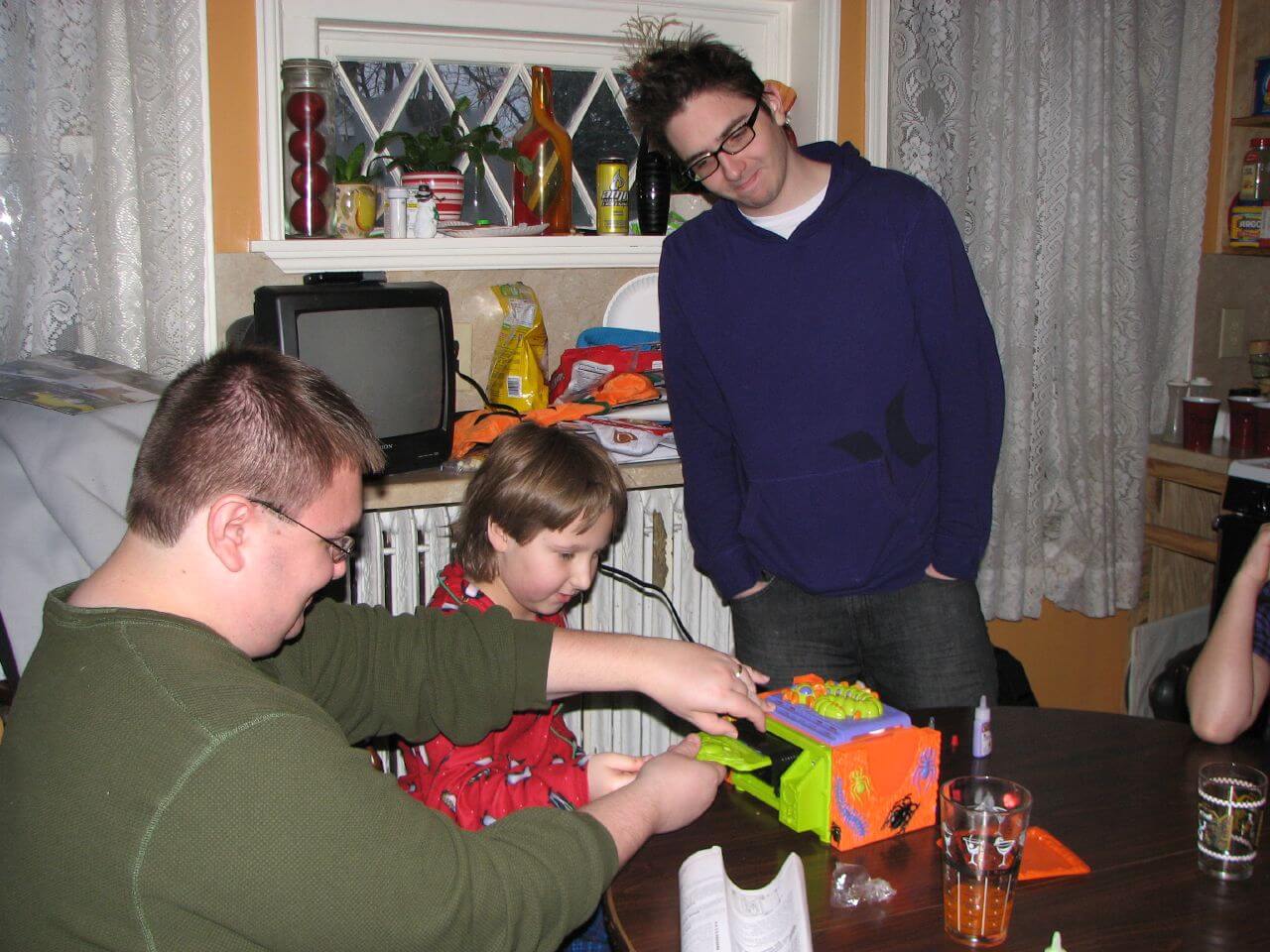
Mattel’s Thingmaker, which launched in 1964 with Creepy Crawlers as its signature set, turned a hot plate into a factory for rubbery bugs. Kids poured a liquid called Plastigoop into metal molds, heated them, and pulled out spiders, beetles, and worms.
The molds got hot enough that the toy became a frequent subject of safety discussion in later decades. Few Christmas gifts delivered such a satisfying mix of mess and fright.
Operation
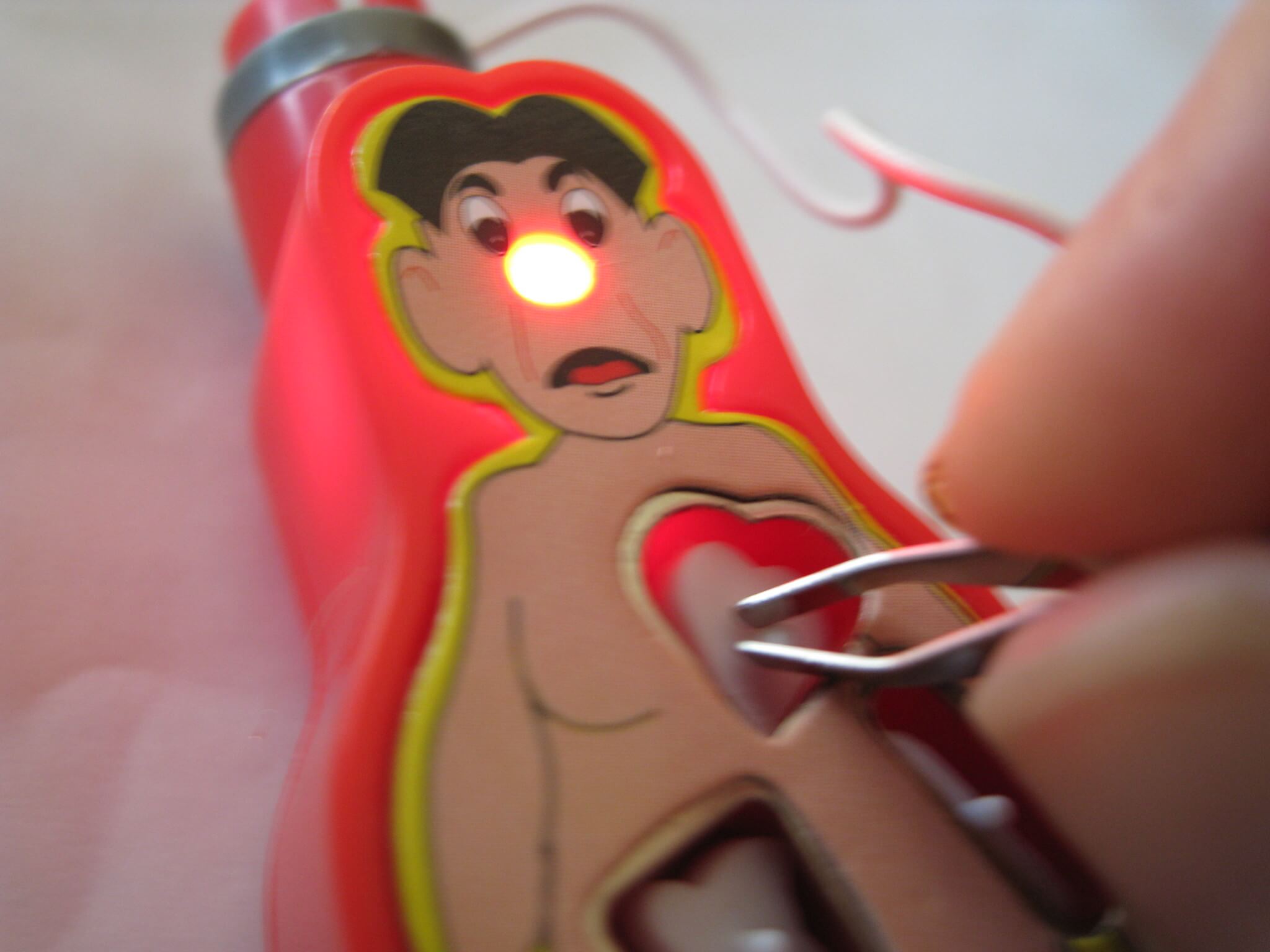
Milton Bradley released Operation in 1965, and its patient was a cartoon figure named Cavity Sam with a bright red nose. Players used tweezers to lift out tiny plastic ailments, and touching the metal edge triggered a buzzer.
The idea reportedly came from a college student, John Spinello, who sold it for a modest sum of around five hundred dollars rather than receiving royalties. Players still jump when the buzzer sounds, a reflex that has outlasted the decade.
Barrel of Monkeys
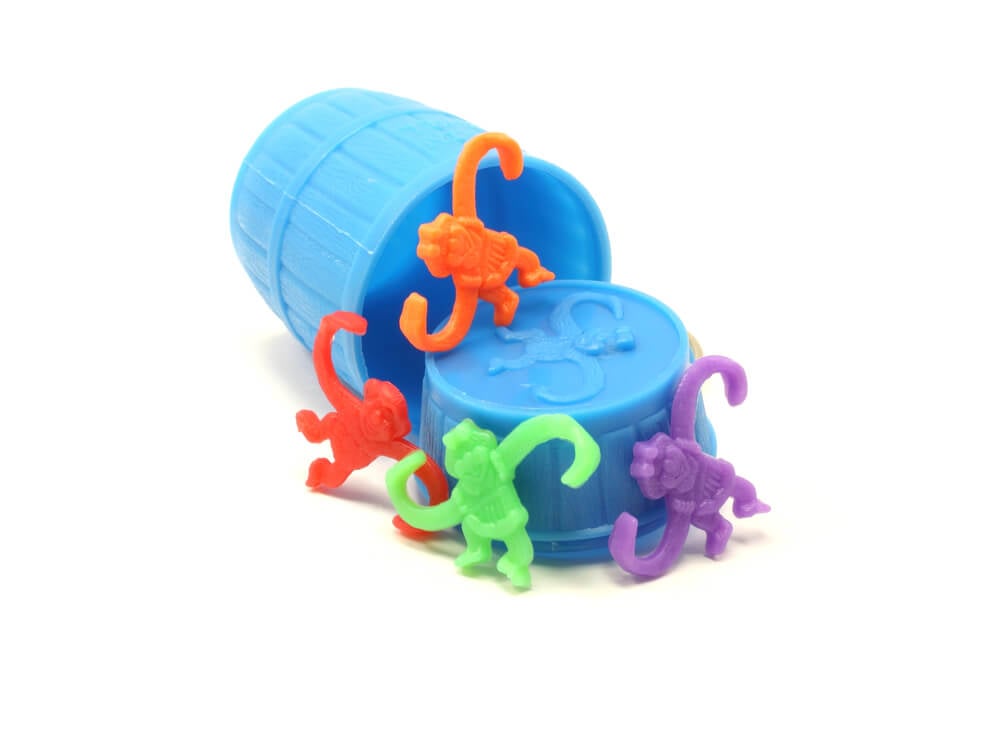
Lakeside Toys of Minneapolis put Barrel of Monkeys on the market in 1965. A plastic barrel held twelve small monkeys, each with curved arms designed to hook onto the next.
The challenge was to lift one monkey and see how long a chain could hang from it. The toy has stayed in production nearly unchanged, and its name entered everyday speech as shorthand for chaotic fun.
Mattel See ‘n Say
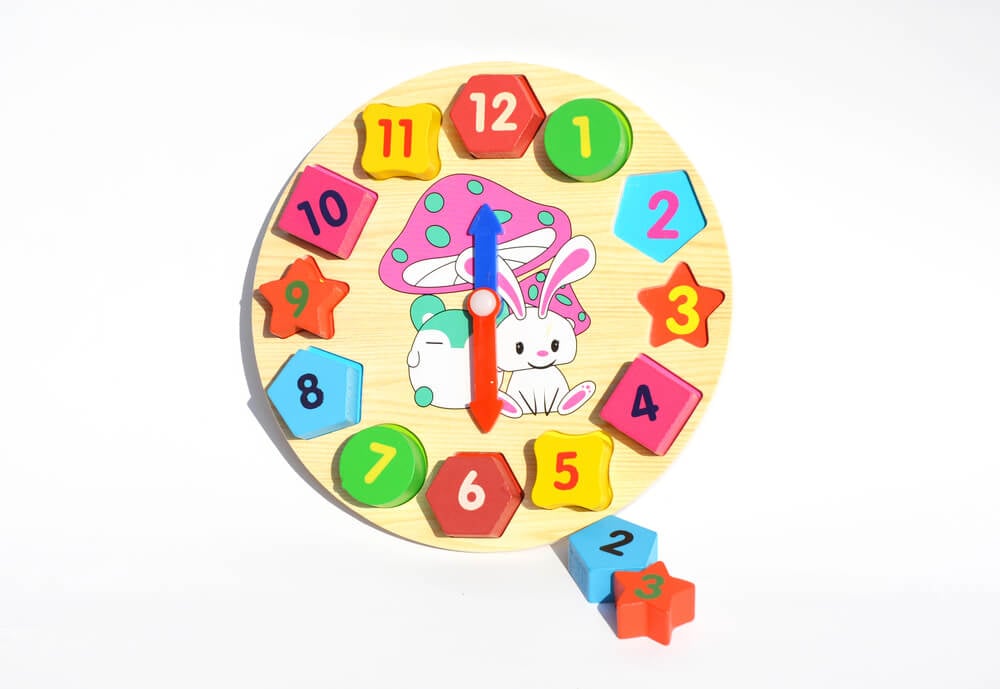
8Mattel launched See ‘n Say in 1965 with a simple concept: spin a pointer to a picture, pull a cord, and hear the toy name the animal and its sound. The first version, The Farmer Says, featured farm animals, and a long line of themed editions followed.
The toy remained popular for years as an early talking educational gadget. Vintage units with intact cords and clear sound are the ones that collectors prize.
Twister
Milton Bradley’s Twister arrived in 1966, designed by Charles Foley and Neil Rabens, and it used the players’ own bodies as game pieces. A plastic mat with colored circles lay on the floor while a spinner called out which hand or foot went where.
Sears reportedly refused to carry the game, and sales took off only after Johnny Carson and Eva Gabor played it on The Tonight Show. The game proved that a parlor activity could become a television sensation overnight.
Spirograph
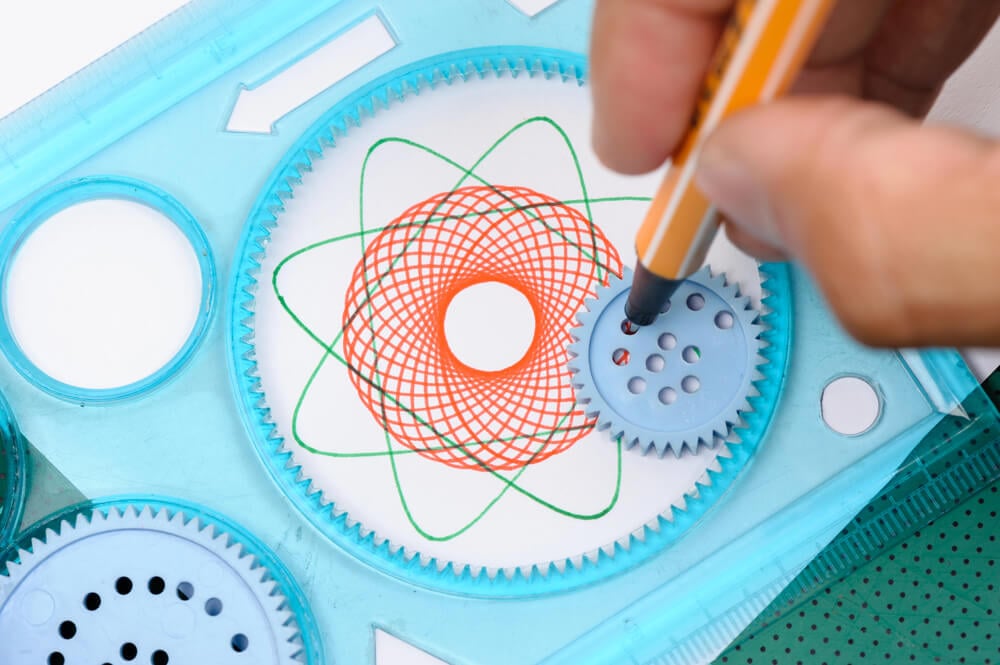
Spirograph came from British engineer Denys Fisher, and Kenner brought it to the American market in 1966. Plastic gears with pen slots rolled around rings or inside frames, producing looping geometric designs.
The toy was a quiet success because it made children feel like artists without any drawing skill. Its patterns look strikingly like the ones produced by mathematical curves known as hypotrochoids and epitrochoids.
Rock ‘Em Sock ‘Em Robots
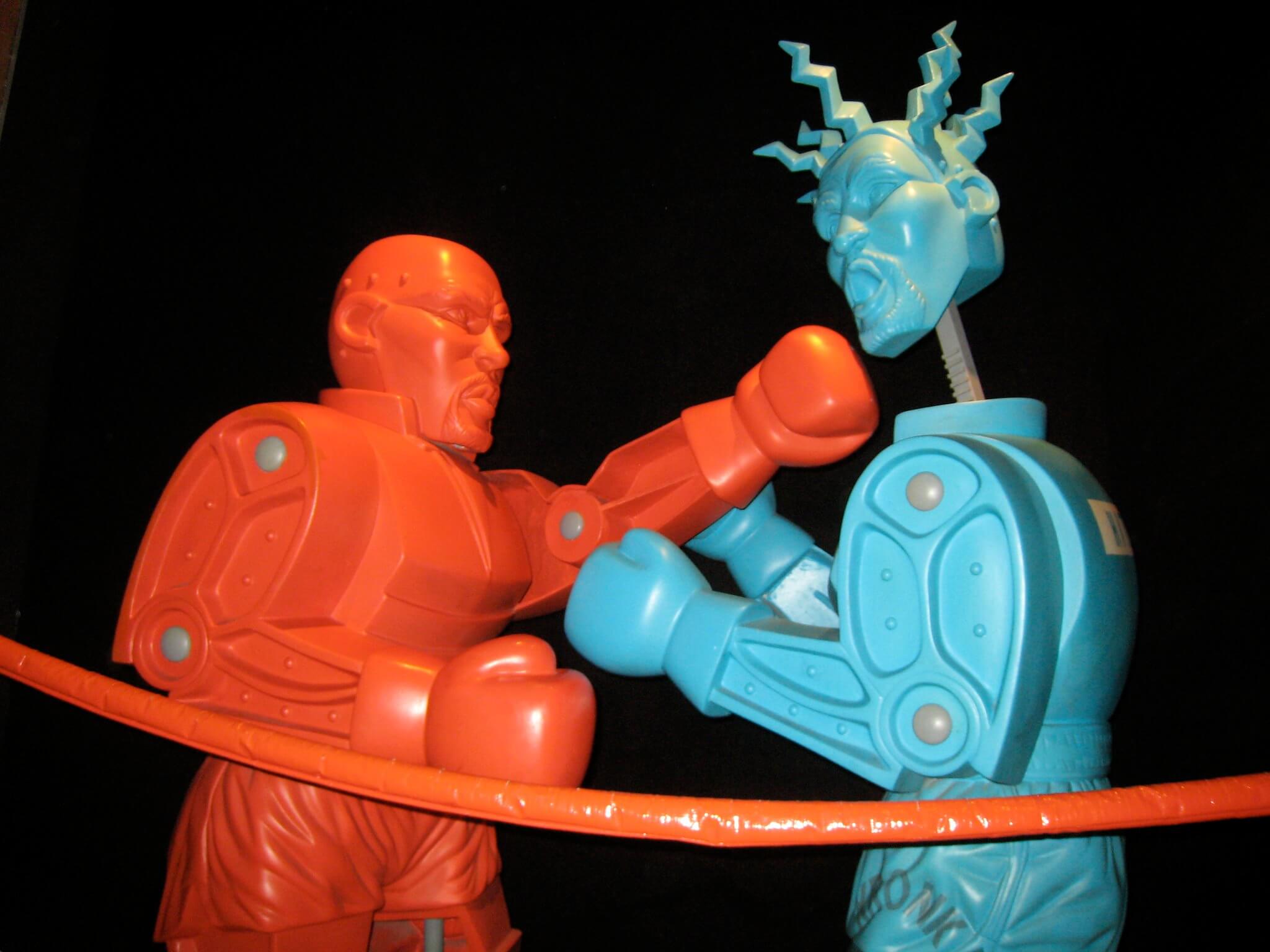
Marx Toys released Rock ‘Em Sock ‘Em Robots in 1966, pitting Red Rocker against Blue Bomber in a plastic boxing ring. Two players worked control sticks, and a well-timed punch popped the opponent’s head upward to declare a knockout.
The toy needed no batteries, only fast thumbs and a stubborn desire to win. Original sets with intact springs and unfaded paint remain popular among collectors.
Lite-Brite
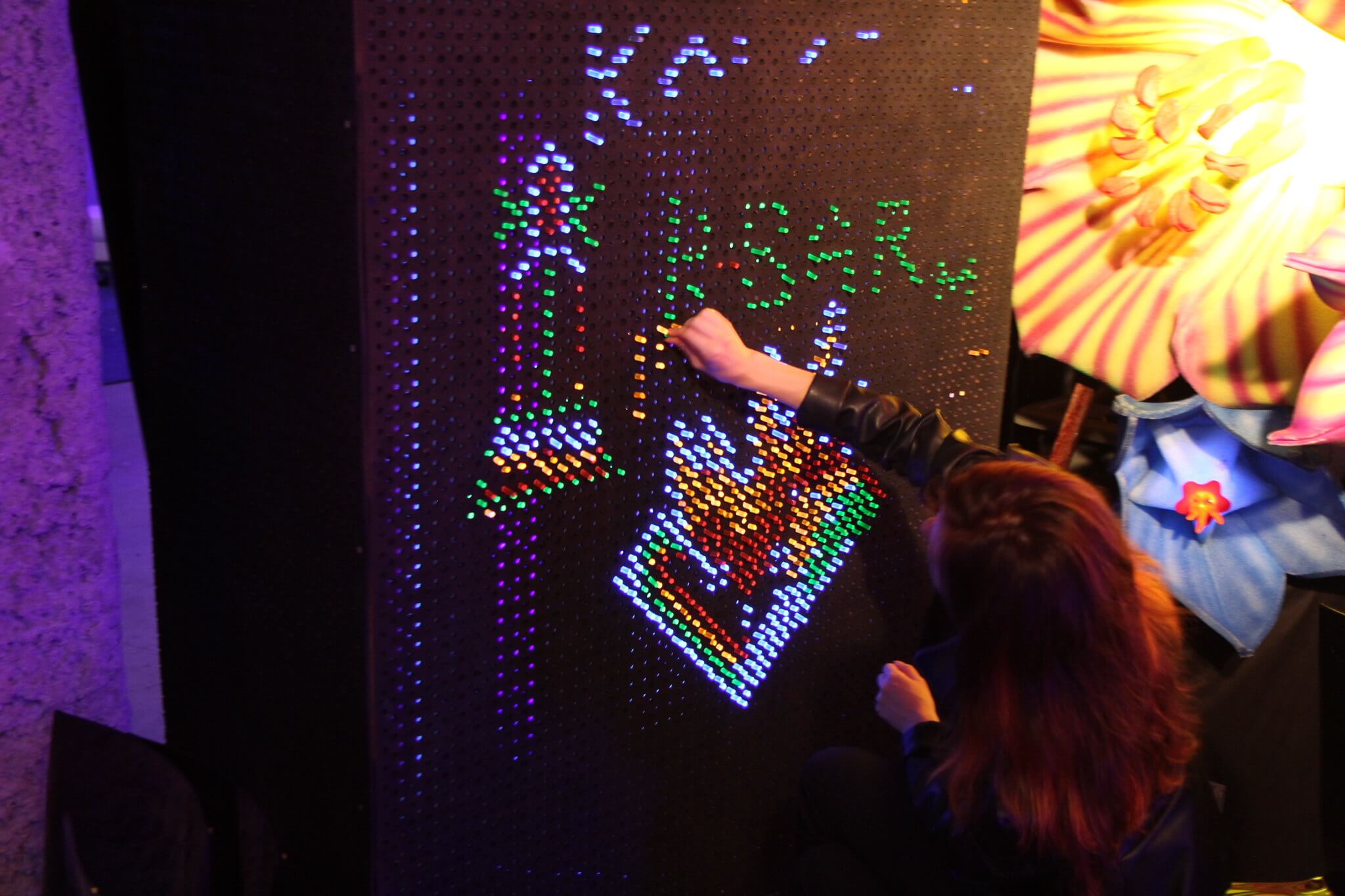
Hasbro launched Lite-Brite in 1967. Children pushed colored plastic pegs through black paper sheets, and a bulb inside the box lit each peg from behind.
Pre-printed templates guided the picture, though many kids ignored them and made abstract designs. The toy glowed in darkened bedrooms across the country and has been rereleased many times since.
Hot Wheels
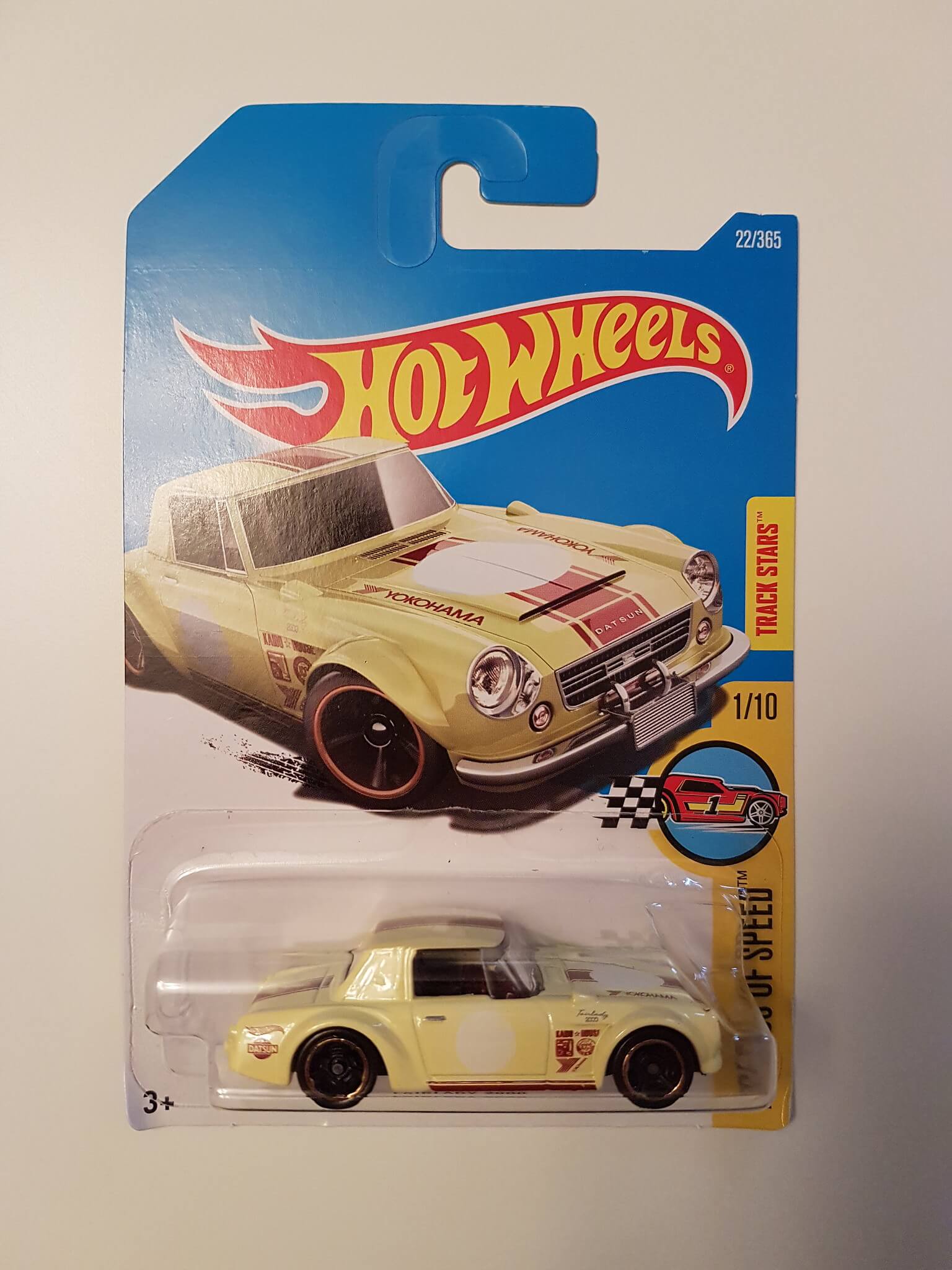
Mattel unveiled Hot Wheels in 1968, an effort driven by co-founder Elliot Handler to create die-cast cars that looked wild and rolled fast. The first lineup consisted of sixteen cars, led by the Custom Camaro, finished in a glossy Spectraflame paint over zinc bodies.
Orange track that looped and twisted turned any hallway into a stunt course. Collectors today pay far more for early cars in unopened packages than for loose, scratched ones, so condition determines almost every price.
Johnny Seven O.M.A.
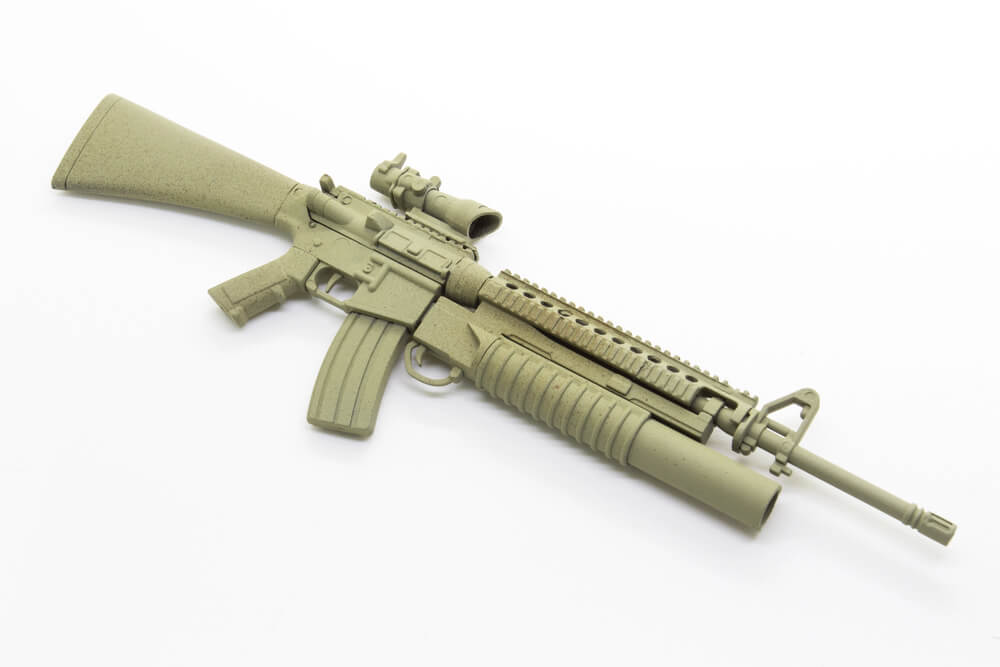
Topper Toys introduced the Johnny Seven One Man Army in 1964, a large plastic weapon that bundled seven toy guns into a single launcher. Its parts included a grenade launcher, an anti-tank rocket, and a bipod, all folded into one shoulder-fired frame.
Television ads convinced a generation of boys that no yard was safe from a single determined soldier. Surviving examples with all their small plastic pieces are rare, since the accessories vanished quickly.
Kerplunk
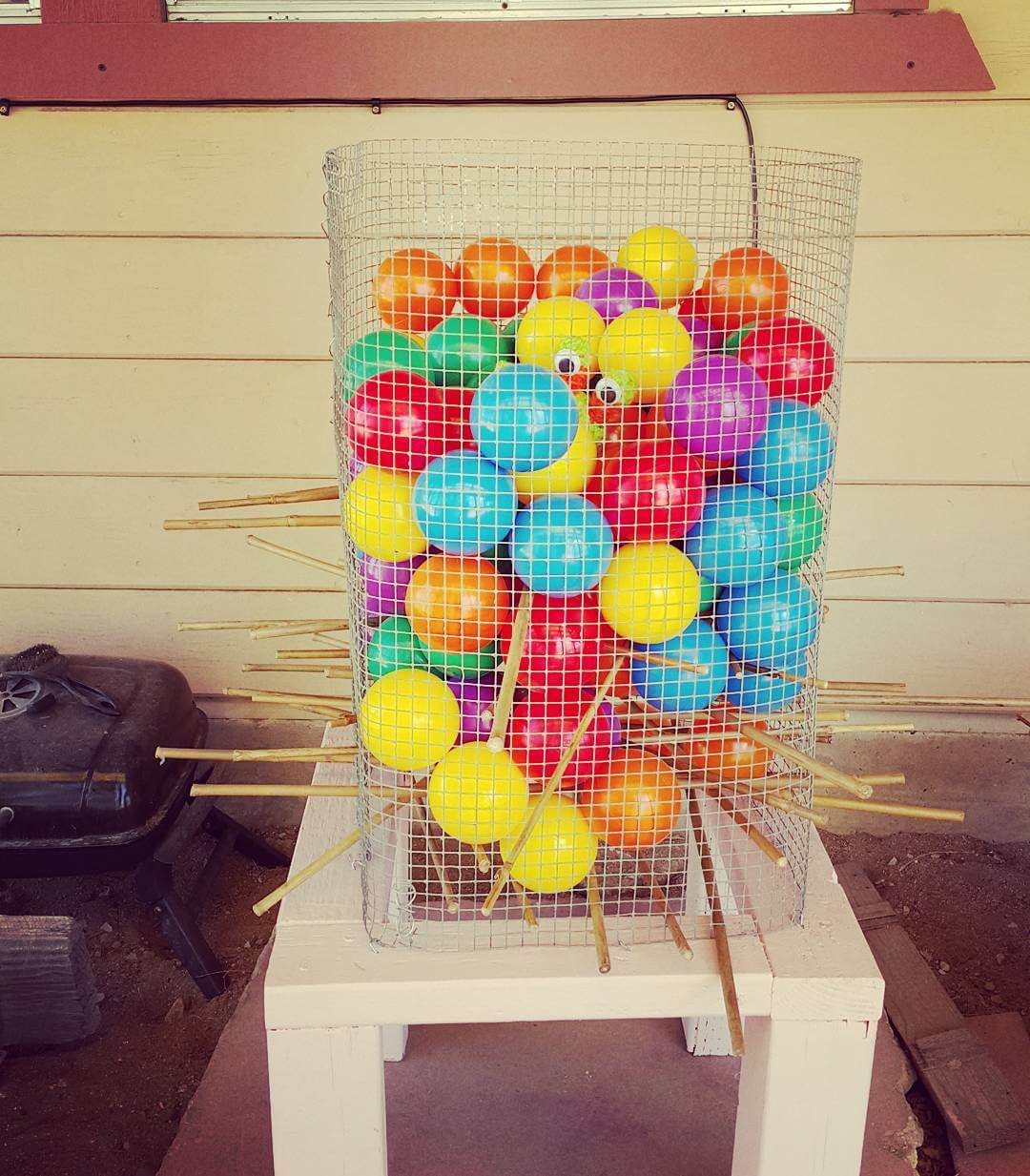
Ideal brought Kerplunk to stores in 1967, and the premise was easy to grasp. Players pushed sticks through a clear tube to hold up a pile of marbles, then took turns pulling the sticks out without letting too many marbles fall.
The clatter when the pile collapsed was half the appeal. Its simple, noisy tension made it a family favorite for decades.
Major Matt Mason
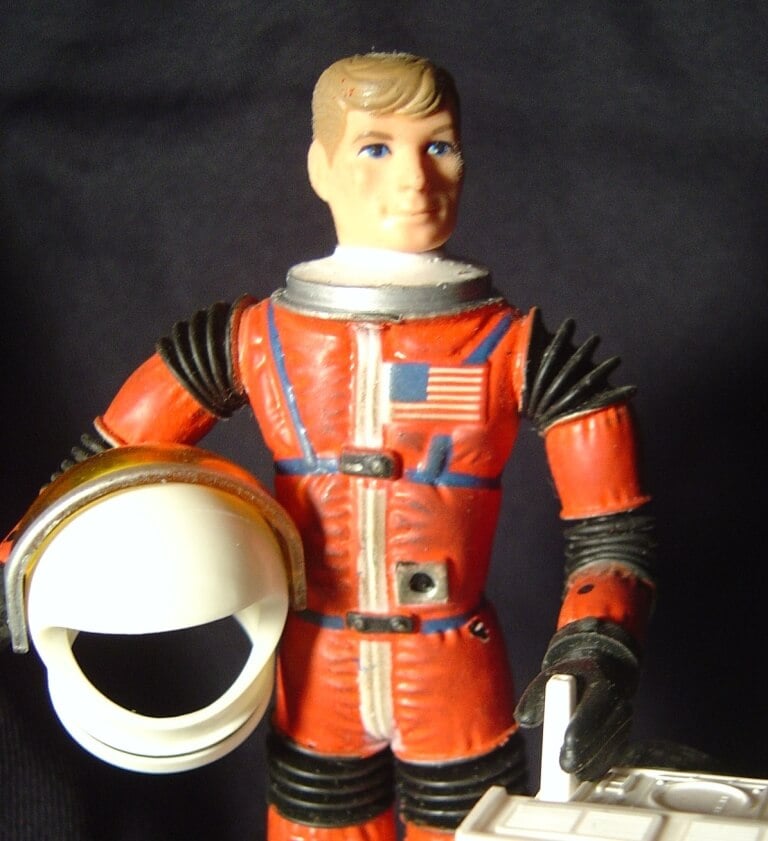
Mattel launched Major Matt Mason in 1966, a six-inch astronaut whose bendable limbs contained wire so he could be posed in space-race stances. The line grew to include vehicles, a space station, and aliens, timed with the real moon missions then dominating the news.
The toy captured the optimism of the Apollo era in a form that fit in a pocket. Early figures with intact spacesuits and accessories fetch the best prices, and loose ones with missing gear sell for far less.
Ken
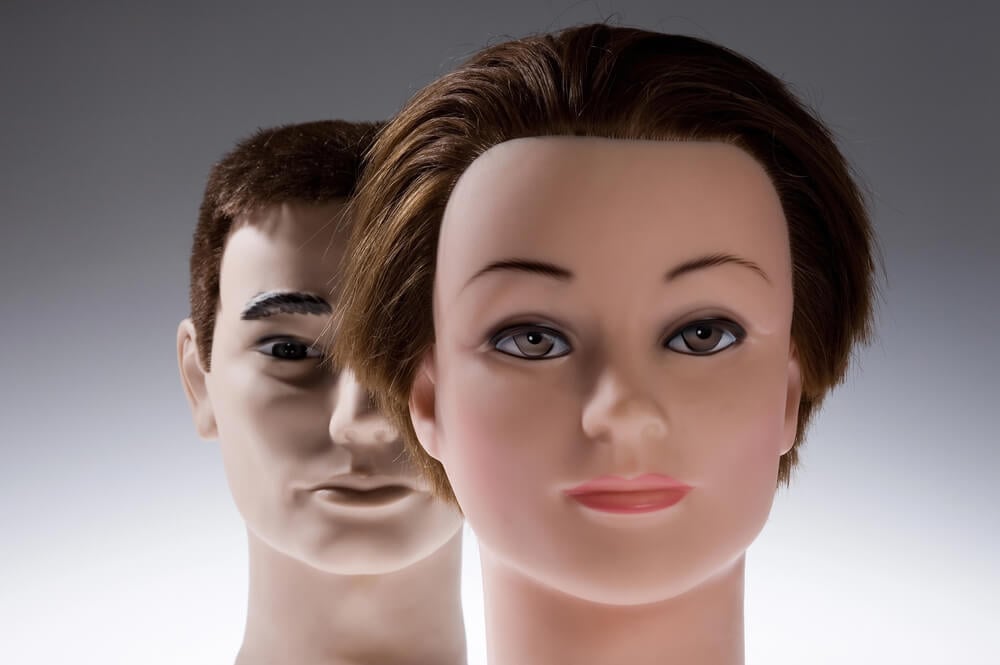
Mattel introduced Ken in 1961 as Barbie’s boyfriend, naming him after Ruth and Elliot Handler’s son Kenneth. His early version had flocked, painted hair and a plain swimsuit, and fashion packs quickly expanded his wardrobe.
The doll proved that a fashion toy could support an entire social circle on the toy shelf. Kens from that first year in good condition remain desirable among doll collectors.
Mr. Machine
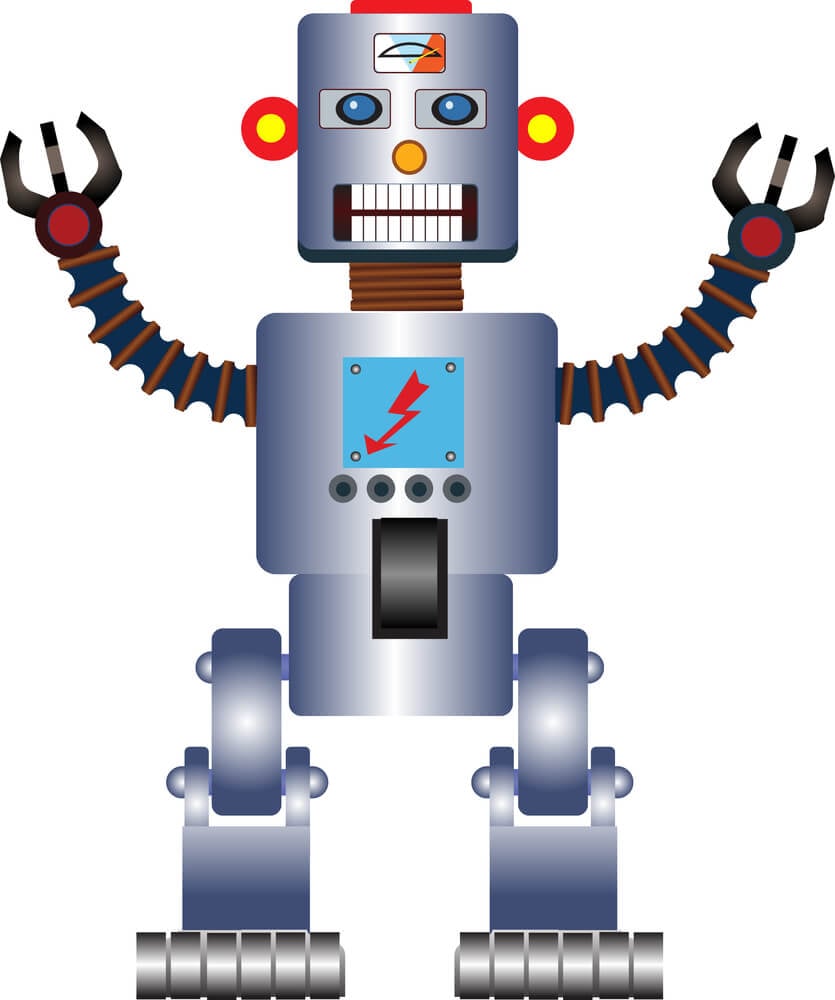
Ideal released Mr. Machine in 1960, a wind-up plastic robot with a transparent body that let children watch its gears move. A key in the back powered his walk, and his parts could be taken apart and reassembled with a screwdriver.
The toy blended play with a first lesson in how mechanisms work. Television ads gave the robot a catchy personality that stuck in memory long after the toy wore out.
Fisher-Price Chatter Telephone
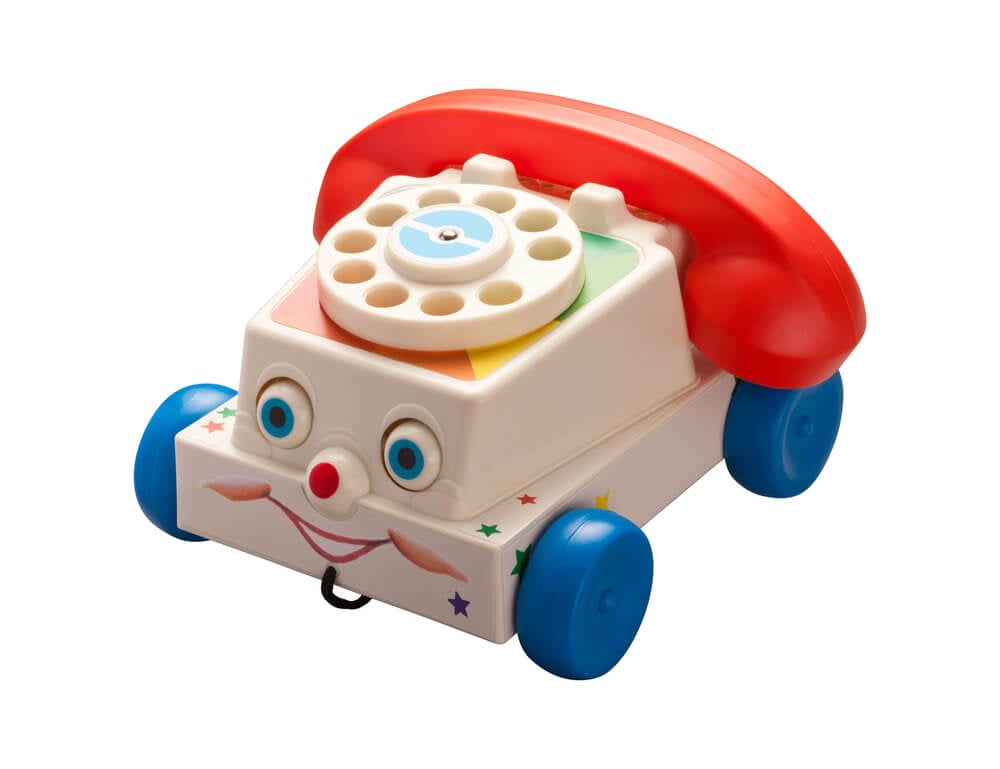
Fisher-Price began selling the Chatter Telephone in 1962, and its pull-along design remains one of the best-known preschool toys ever made. A rotary dial spun on the front, and the eyes on its face bobbed as the wheels rolled along the floor.
The toy made a pleasing clacking sound that parents learned to tolerate. Wooden-faced early versions are widely collected, and prices depend heavily on whether the paint and decals survived.
Skipper
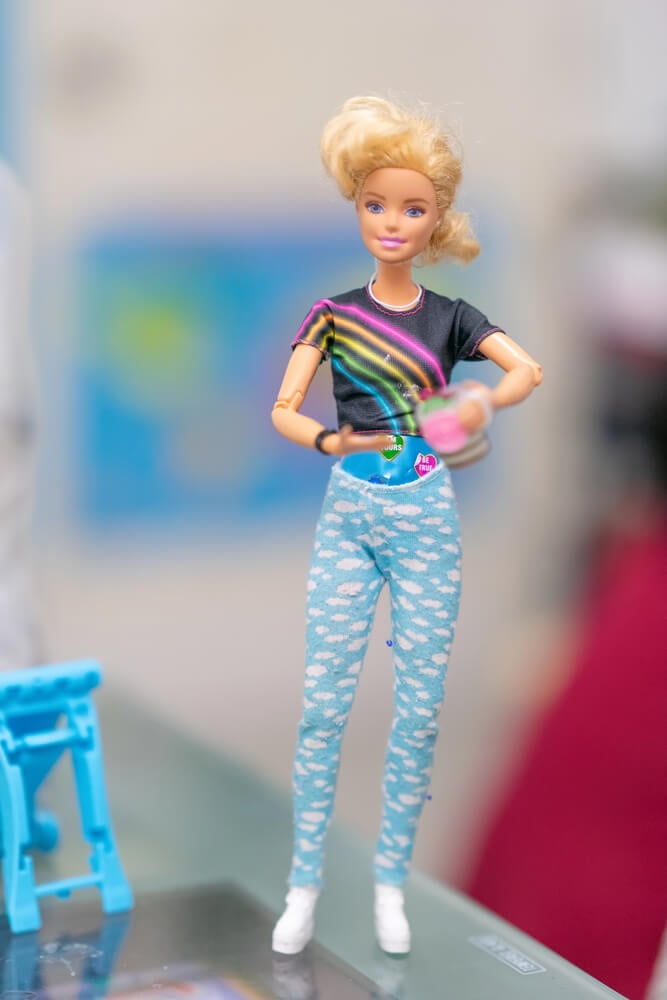
Mattel introduced Skipper in 1964 as Barbie’s younger sister, giving the Barbie line its first family member. She was shorter than Barbie and had a younger, simpler look, with outfits in matching styles.
The doll expanded the Barbie universe and gave girls a way to play out sibling stories. Mint examples in original boxes command the highest prices from vintage doll collectors.
Captain Action
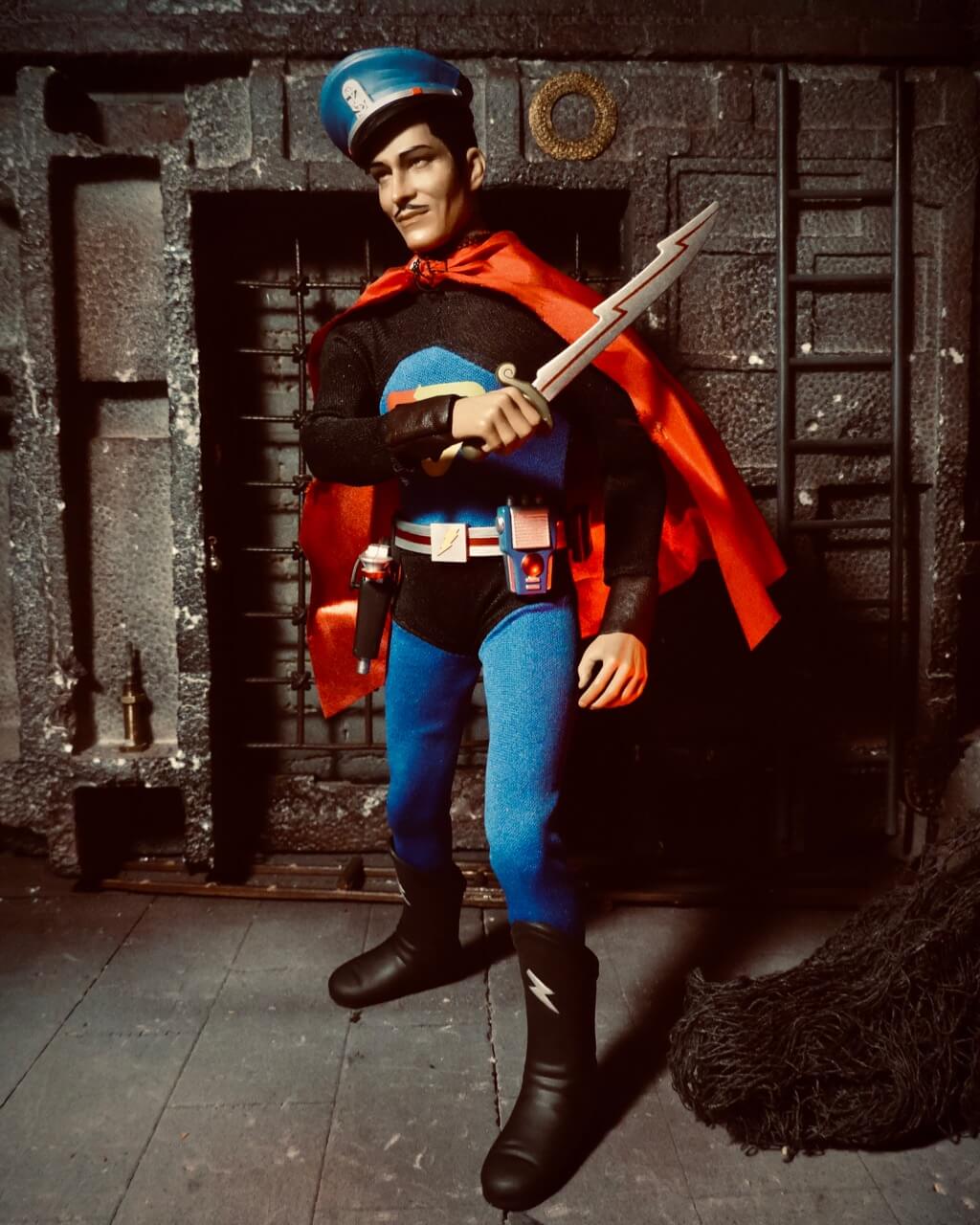
Ideal launched Captain Action in 1966, a figure who could become other heroes by switching costumes. Boxed outfits allowed him to transform into Superman, Batman, Captain America, and other comic icons.
Parents were buying one toy and several costume sets, which turned out to be a profitable strategy for the manufacturer. Complete sets in good condition are especially sought after by collectors of superhero memorabilia.
Big Wheel

Marx introduced the Big Wheel in 1969, a molded plastic tricycle with a huge front wheel and low seat. Kids pedaled the front wheel directly and could slide into turns on the driveway, producing a satisfying scraping noise.
The low design made it feel like a miniature chopper and kept riders close to the ground. Sales proved that a plastic ride-on toy could rival a metal tricycle for Christmas morning attention.
Aurora Monster Models
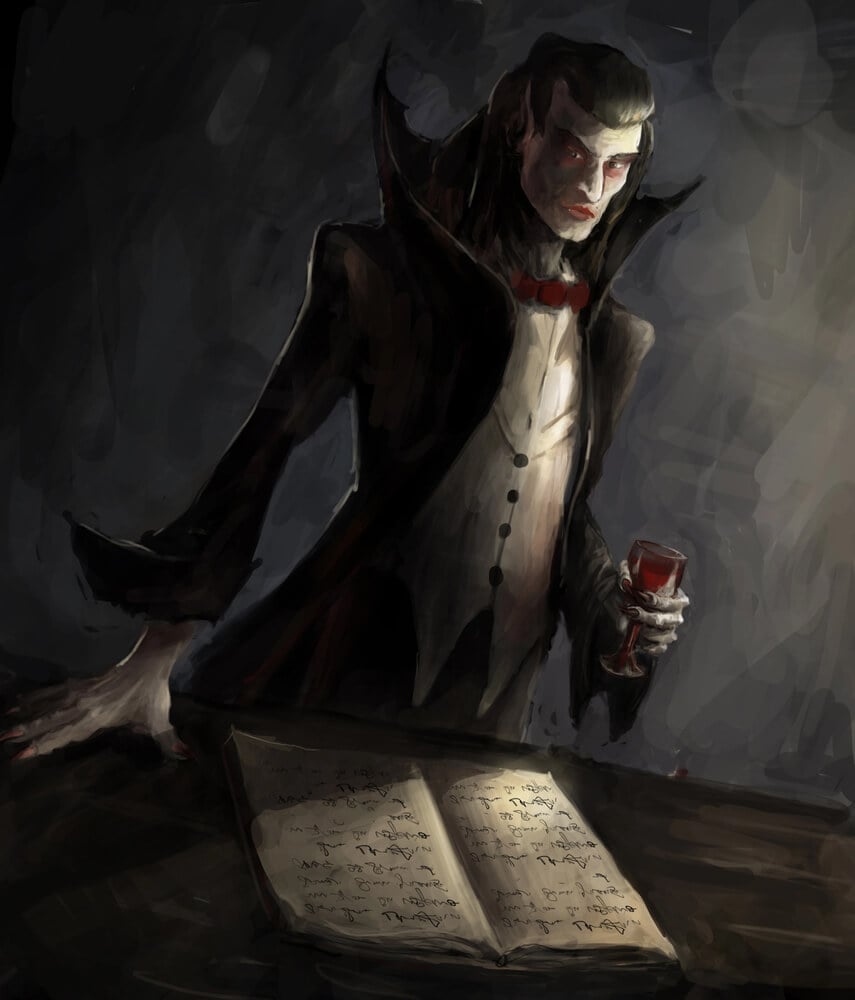
Aurora began selling its Frankenstein model kit in 1961, with Dracula and the Wolf Man following in 1962. The plastic kits let kids glue together their own movie monsters, and the box art helped fuel the decade’s monster craze.
Many models were painted badly, a fact that makes well-built originals more interesting today. Sealed or carefully assembled kits vary widely in value depending on condition and completeness.
Mystery Date
Milton Bradley released Mystery Date in 1965, and players opened a plastic door to reveal which date was waiting on the other side. A handsome date meant success, while the dud meant the player had to begin again.
The game combined fashion, luck, and a little social anxiety in a pink box. Intact game boards and colorful date figures are the details collectors look for most.
The Gifts That Shaped Play
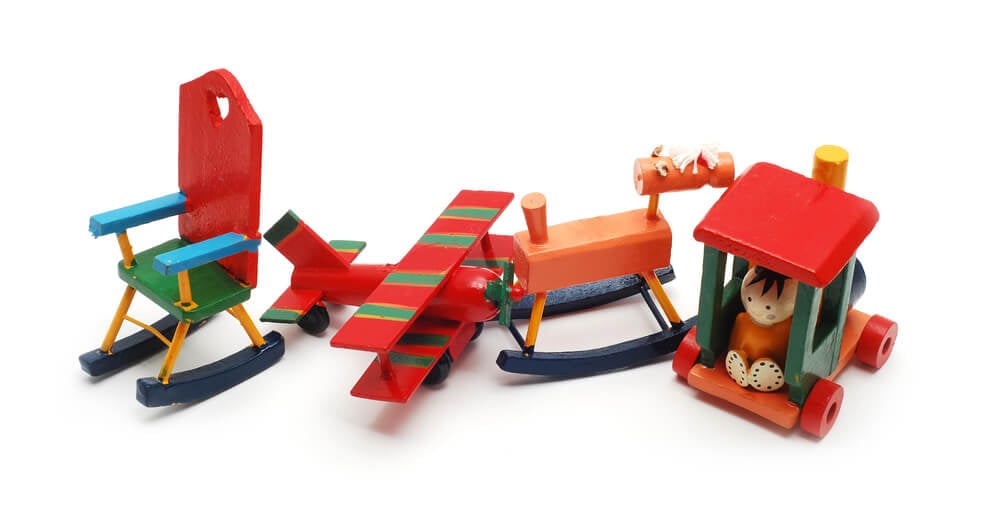
Taken together, the toys of the 1960s reveal a decade fascinated by space, television, and novelty. Companies like Mattel, Hasbro, and Milton Bradley used television commercials to make children demand a product by name.
The result was a holiday ritual that revolved as much around anticipation as around the gifts themselves.
Many of these toys survived because their basic ideas were hard to improve. A pair of knobs, a pull string, or a handful of plastic monkeys can still hold a child’s attention in a way that screens sometimes cannot.
The boxes may be yellowed now, but the delight of unwrapping them endures.
More from Go2Tutors!

- 27 Silver Dollars and Half Dollars Worth Keeping
- 28 Restaurant Menu Items Nobody Orders Anymore
- 17 Places Built in Seemingly Impossible Spots
- 27 Vintage Rings Worth More Than They Look
- 25 Restricted Sites Tourists Can’t Enter
Like Go2Tutors’s content? Follow us on MSN.