30 Vintage Watches Found in Drawers That Command Strong Prices
Most inherited watches end up in a junk drawer rather than a jewelry box, tossed in with old keys and spare batteries because nobody bothered to check what the case back said. Some of those forgotten pieces are worth a genuine appraisal, and prices for all of them swing enormously based on originality, documentation, and mechanical condition.
Rolex Submariner
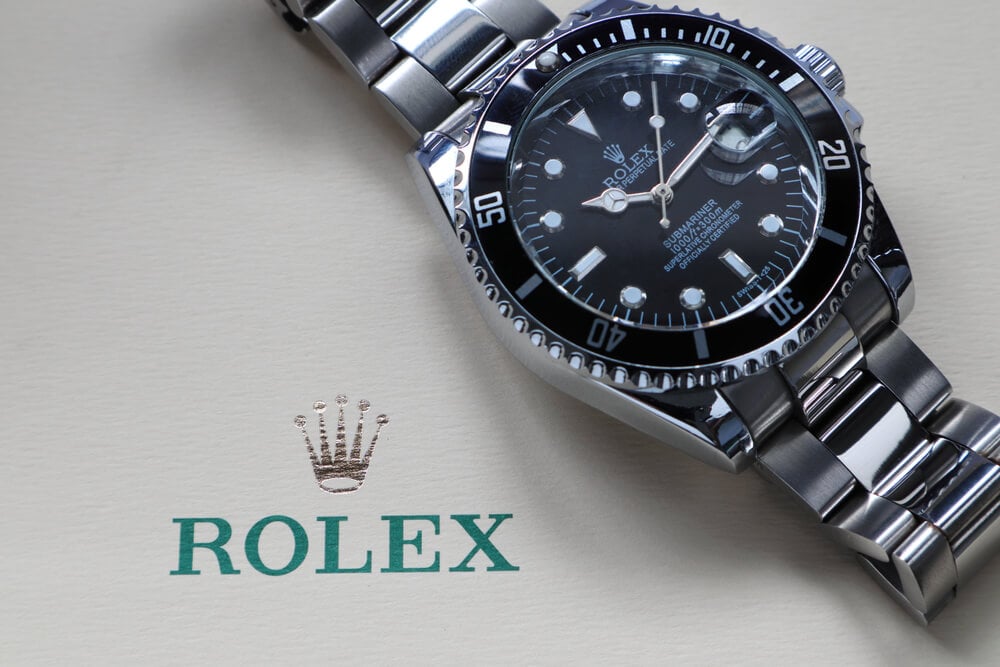
Introduced in 1953 as one of the first watches rated for serious diving depths, the Submariner has gone through numerous dial and bezel variations that specialist dealers track closely. Values depend heavily on whether the dial, hands, and bezel insert are original to the watch rather than replaced during a past service, since unmatched parts can cut a price dramatically.
Even a well-worn example in fully original condition typically outsells a pristine-looking piece with mismatched components.
Rolex Daytona (Paul Newman)
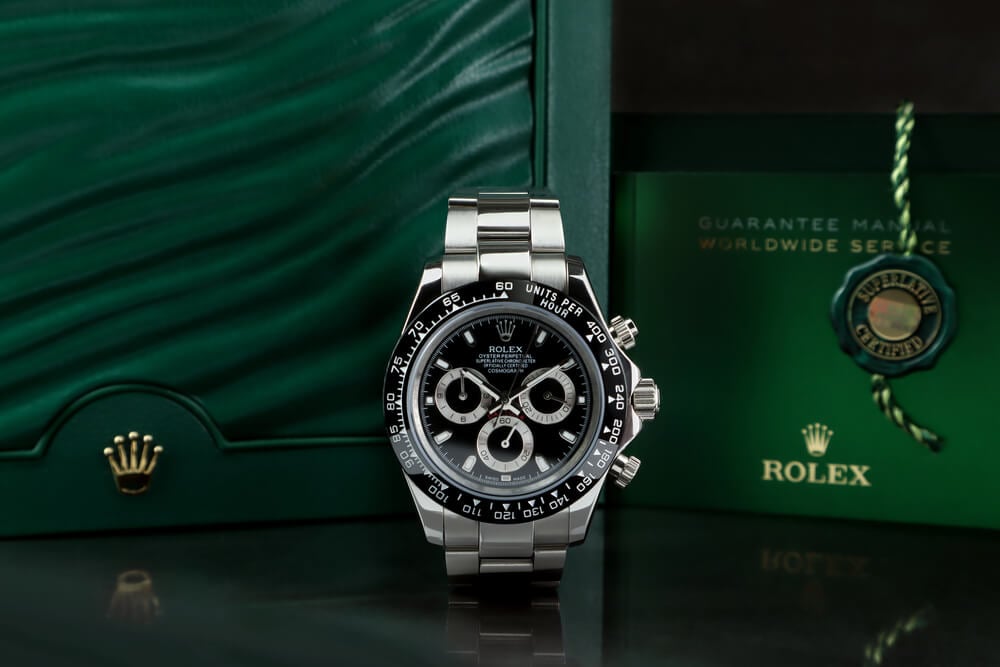
The Rolex Daytona chronograph, particularly examples with the exotic dial configuration nicknamed the “Paul Newman” dial after the actor was frequently photographed wearing one, has become one of the most closely watched categories in the entire vintage watch market. Genuine examples with the correct dial variant can bring prices far beyond a standard vintage Daytona, while the rarity has also attracted a significant number of fakes and later dial swaps.
Because of the sums involved, buyers rely on specialist authentication rather than casual inspection alone.
Omega Speedmaster (Moonwatch)
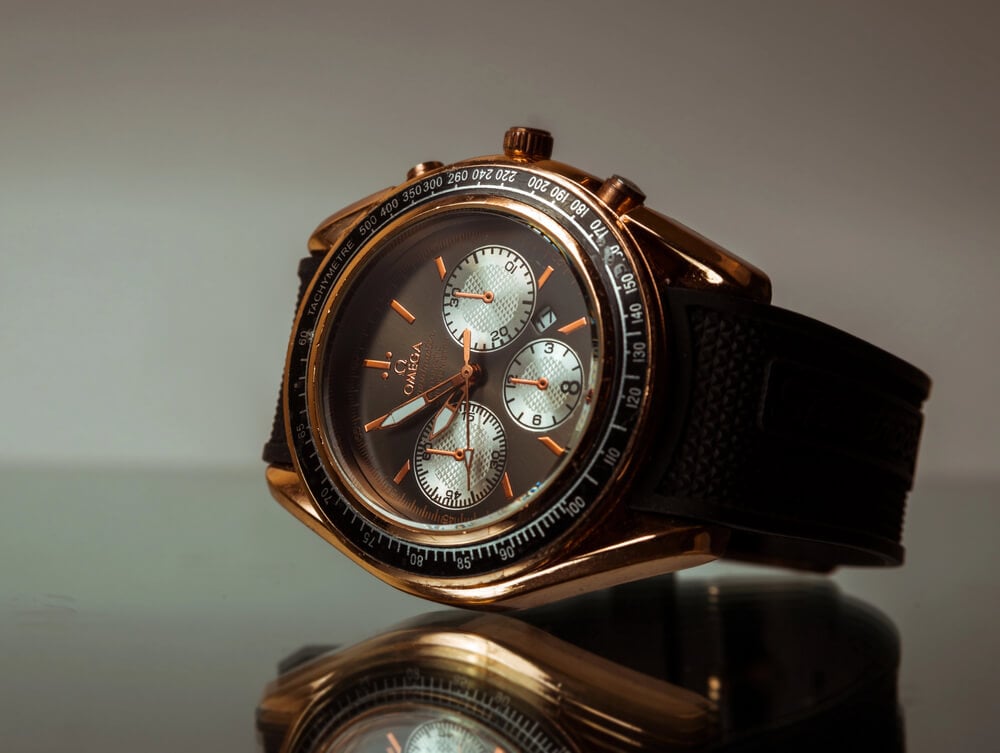
Selected by NASA after independent testing for use during crewed spaceflight missions, the Omega Speedmaster earned its “Moonwatch” nickname after being worn during the Apollo 11 mission in 1969. Early pre-Moon examples and specific reference numbers tied to the testing and qualification period carry particular significance for collectors.
Even later production Speedmasters, made largely unchanged for decades, hold value well due to the model’s continuous historical association with the space program.
Patek Philippe Calatrava
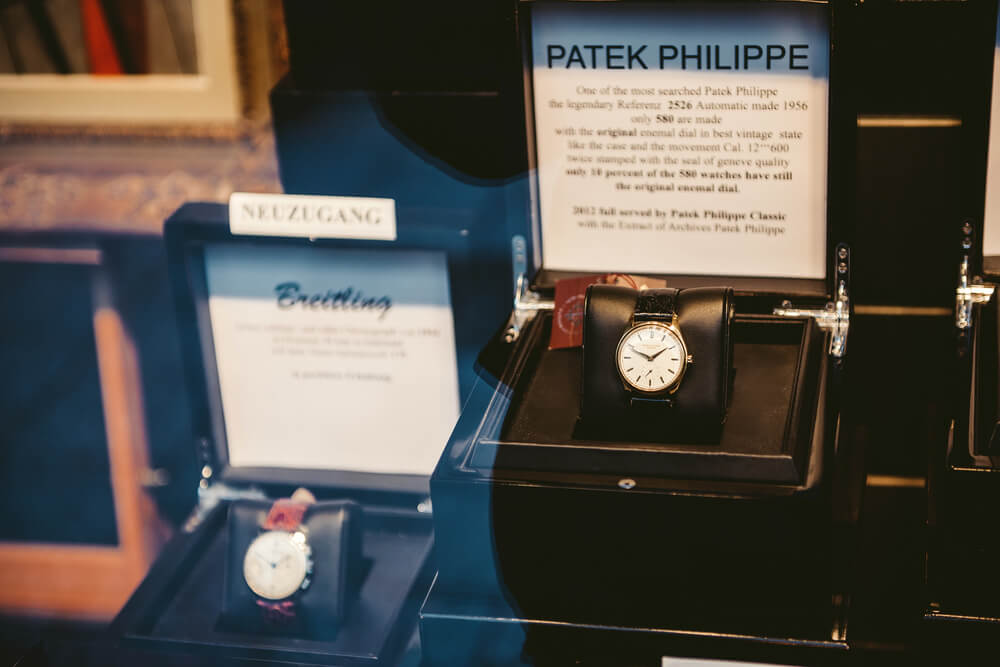
Patek Philippe’s Calatrava line, first introduced in the 1930s, established the brand’s signature minimalist round dress watch design that the company has continued producing in various forms ever since. Vintage examples in solid gold cases with original dials in good condition can be worth a substantial multiple of a similar watch with a replaced dial or refinished case.
Buyers typically seek original documentation and service history given the brand’s high per-unit values even at the entry level of its vintage catalog.
Cartier Tank
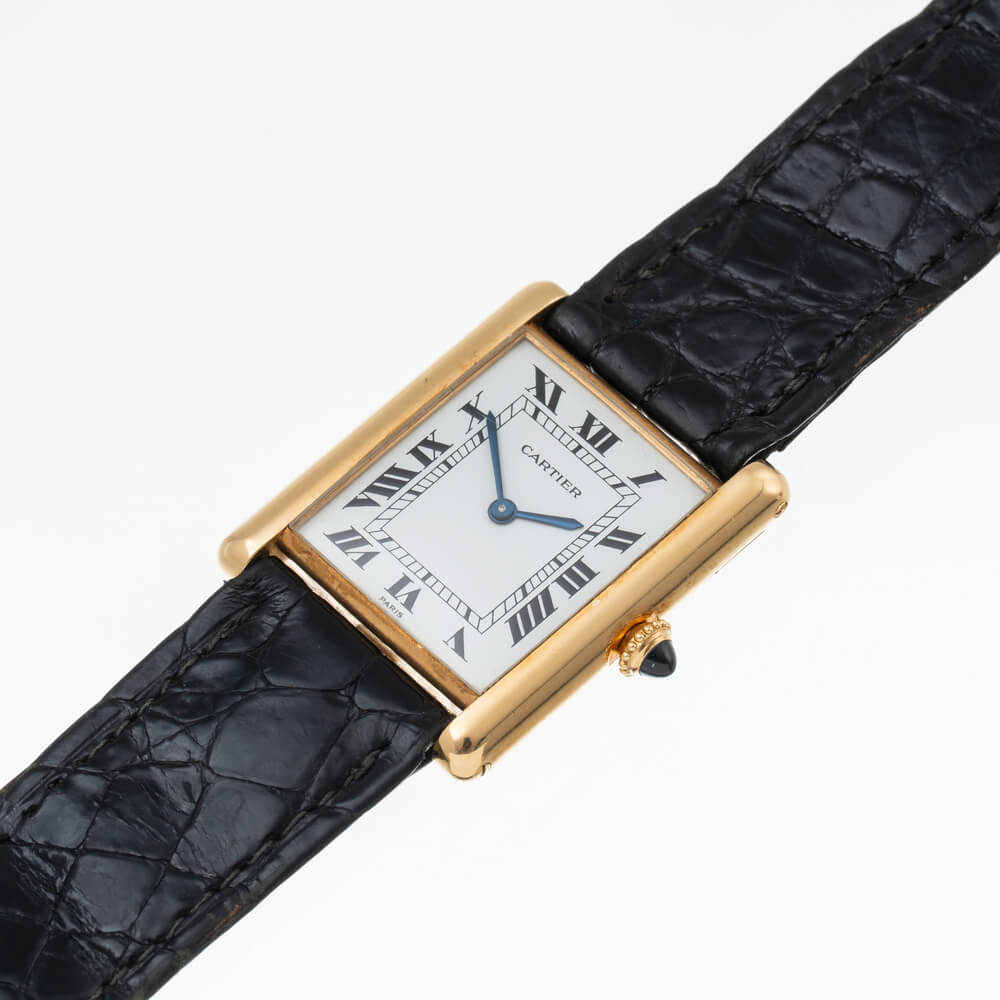
Designed in 1917 and reportedly inspired by the shape of military tanks viewed from above, the Cartier Tank has remained in continuous production in various forms for over a century. Vintage examples from earlier decades, particularly in solid gold with original movements, are valued distinctly from the brand’s more common later steel and quartz versions.
The model’s design has been worn by a long list of prominent public figures, which continues to support strong resale demand.
Longines Vintage Chronographs
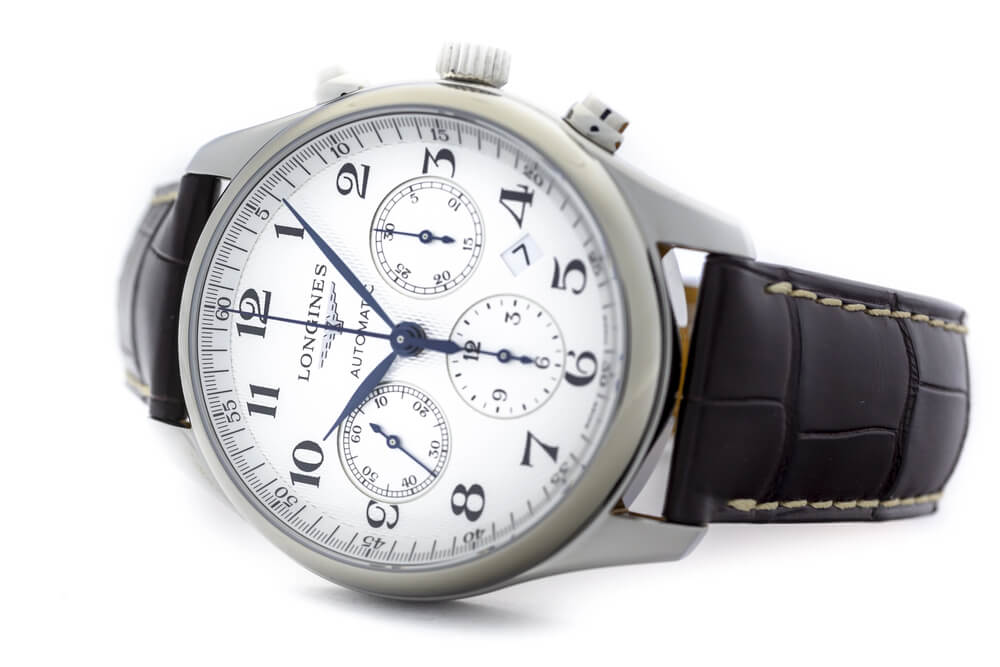
Longines produced highly regarded mechanical chronographs through much of the twentieth century, some using in-house movements now considered historically significant by watch specialists. Because Longines watches were generally priced well below the very top luxury brands when new, well-preserved vintage examples can represent comparatively strong value relative to their mechanical quality.
Original dials with minimal restoration are the primary driver of value within the category.
Seiko 6139
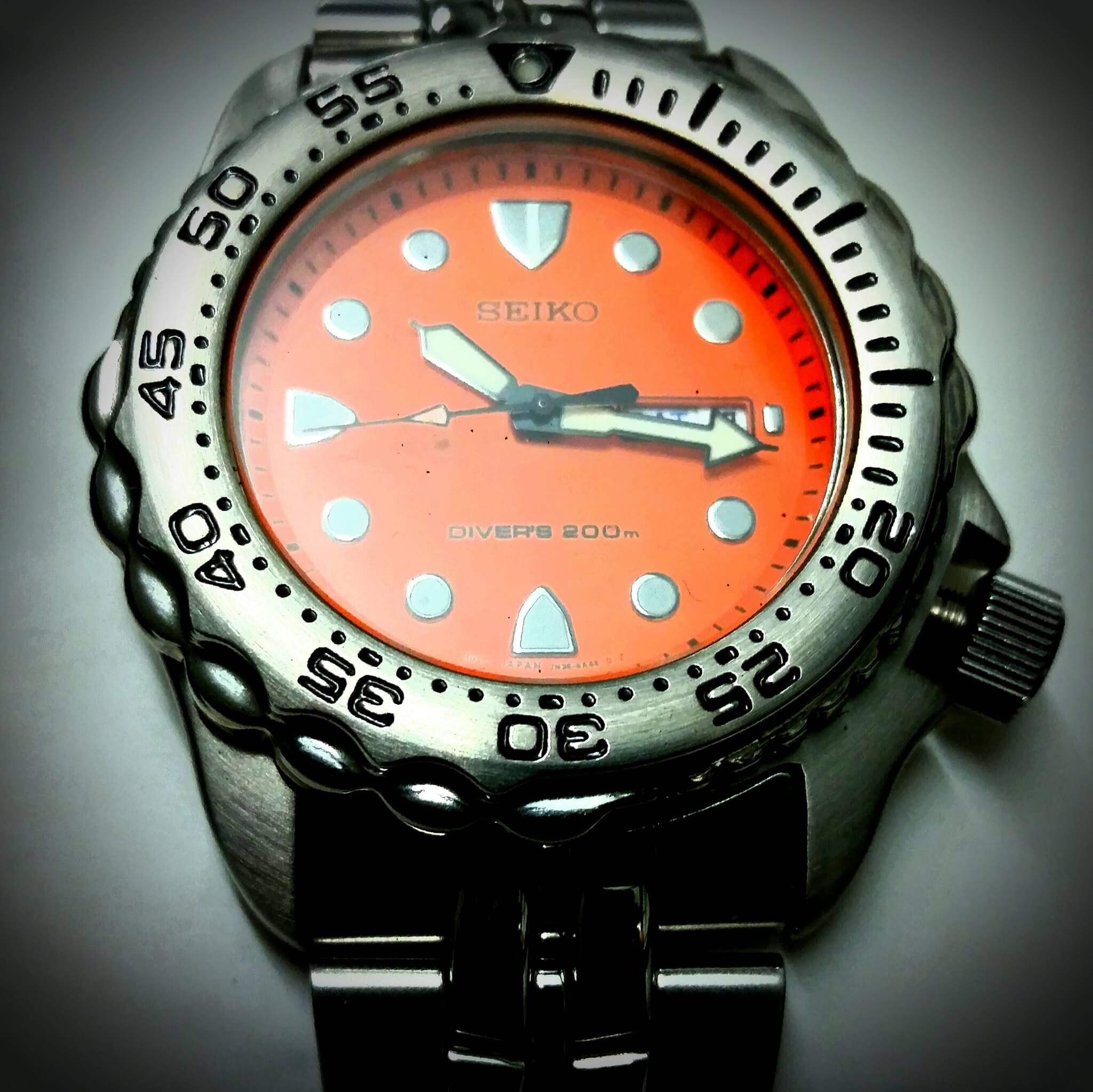
Released in 1969, the Seiko 6139 is recognized by collectors as one of the earliest automatic chronograph movements to reach production, arriving around the same time as several Swiss automatic chronograph calibers developed in the same period. Certain reference numbers within the line are specifically sought after, including versions associated with period motorsport branding.
Because Seiko produced the model in large numbers, condition and completeness of the original bracelet or strap significantly affect price more than scarcity alone.
Heuer Carrera
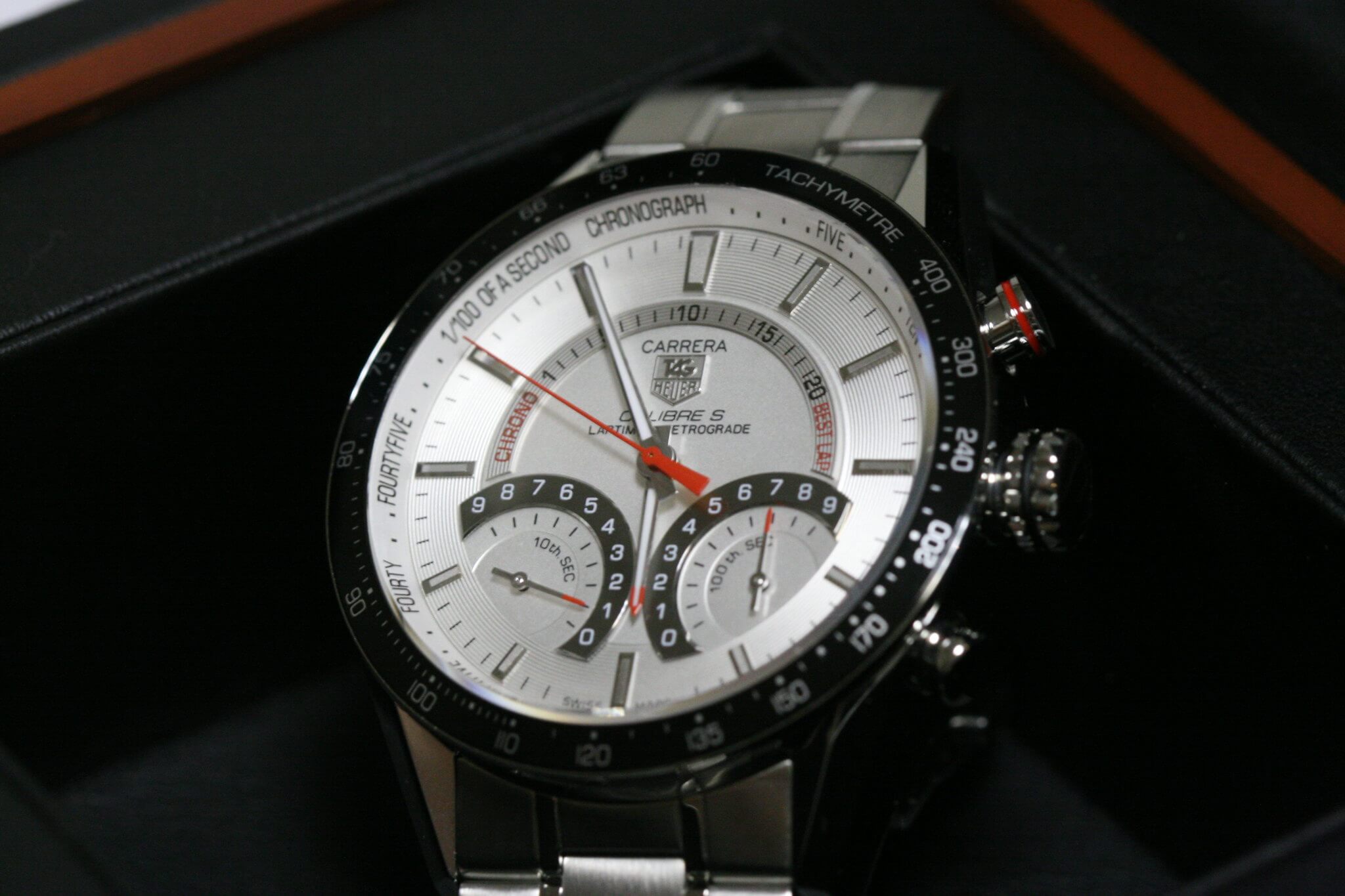
Introduced in 1963 and named for the dangerous Carrera Panamericana road race, the Heuer Carrera chronograph became one of the defining motorsport watches of its era before the company was later absorbed into what is now TAG Heuer. Early examples with the original Heuer branding, rather than later TAG Heuer-era reissues, are valued distinctly and generally command stronger prices.
Dial condition and the presence of original luminous material are closely scrutinized by collectors in this category.
Breitling Navitimer
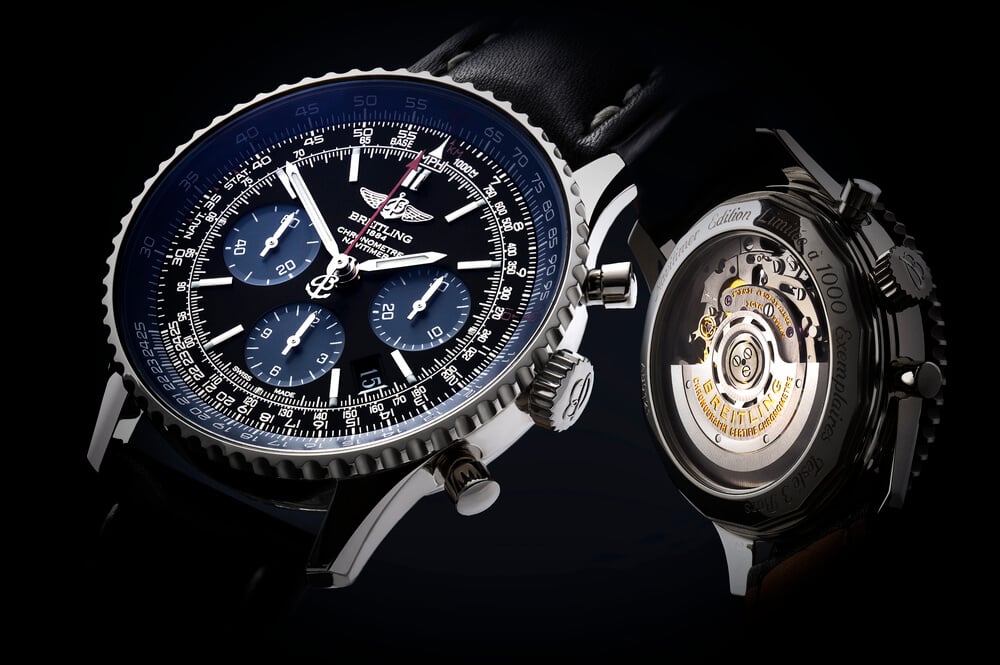
Breitling’s Navitimer, introduced in the early 1950s, was built around a circular slide rule bezel designed for aviation calculations, a functional feature that became the model’s defining visual signature. Early examples, particularly those from before the brand’s later production changes, are valued for their smaller case size and specific dial and bezel details compared to later reissues.
The model’s continuous production history means dating and identifying a specific vintage reference requires close attention to small design changes over the decades.
Jaeger-LeCoultre Reverso
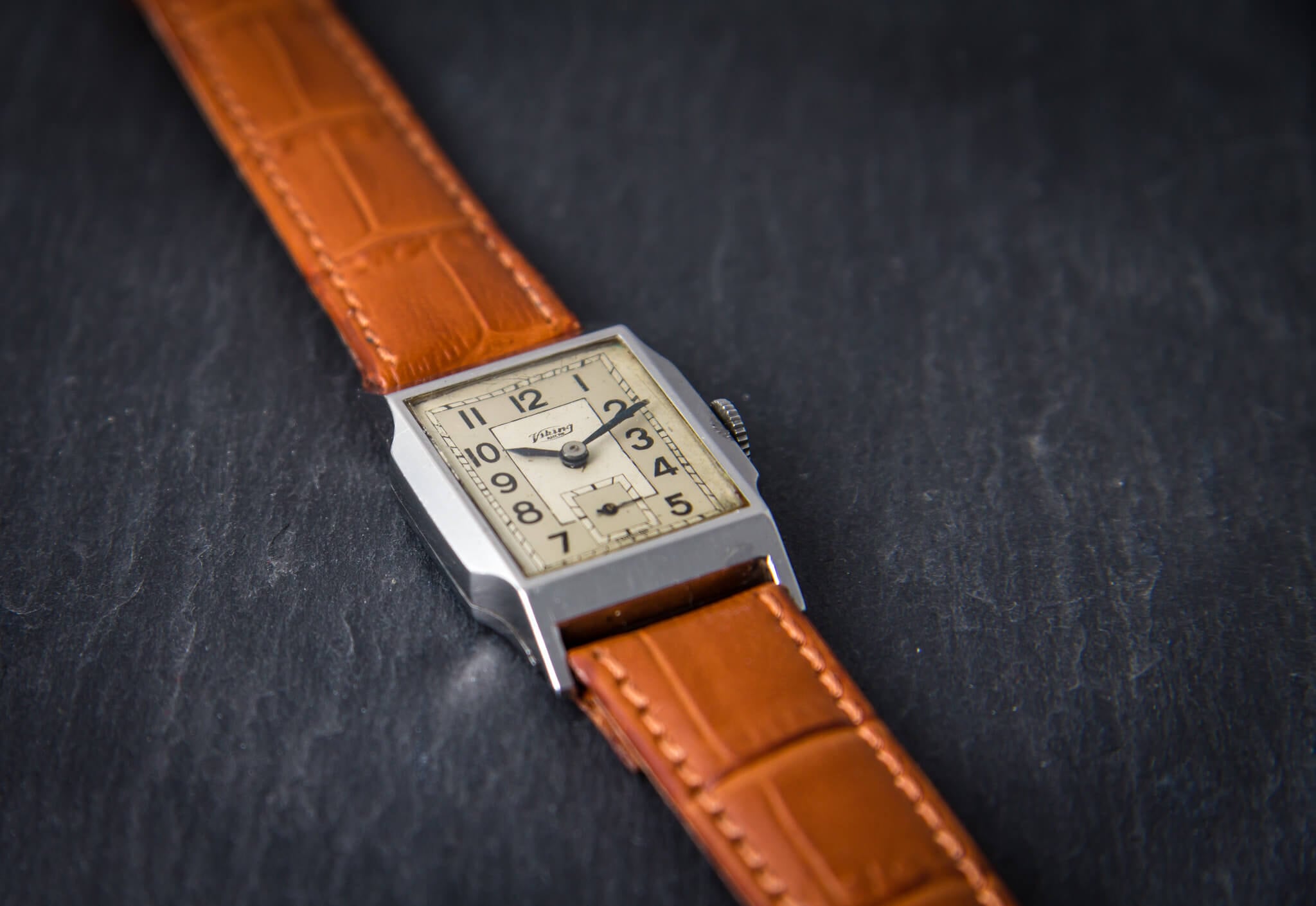
Introduced in 1931 and designed with a case that flips within its frame to protect the crystal during polo matches, the Reverso remains one of the most recognizable Art Deco watch designs still in production. Vintage examples from the model’s earlier decades, particularly with original engine-turned or engraved case backs, are valued distinctly from later reissues.
The design’s rectangular case shape, unusual for the period, remains part of its enduring collectibility.
Vacheron Constantin Vintage Dress Watches
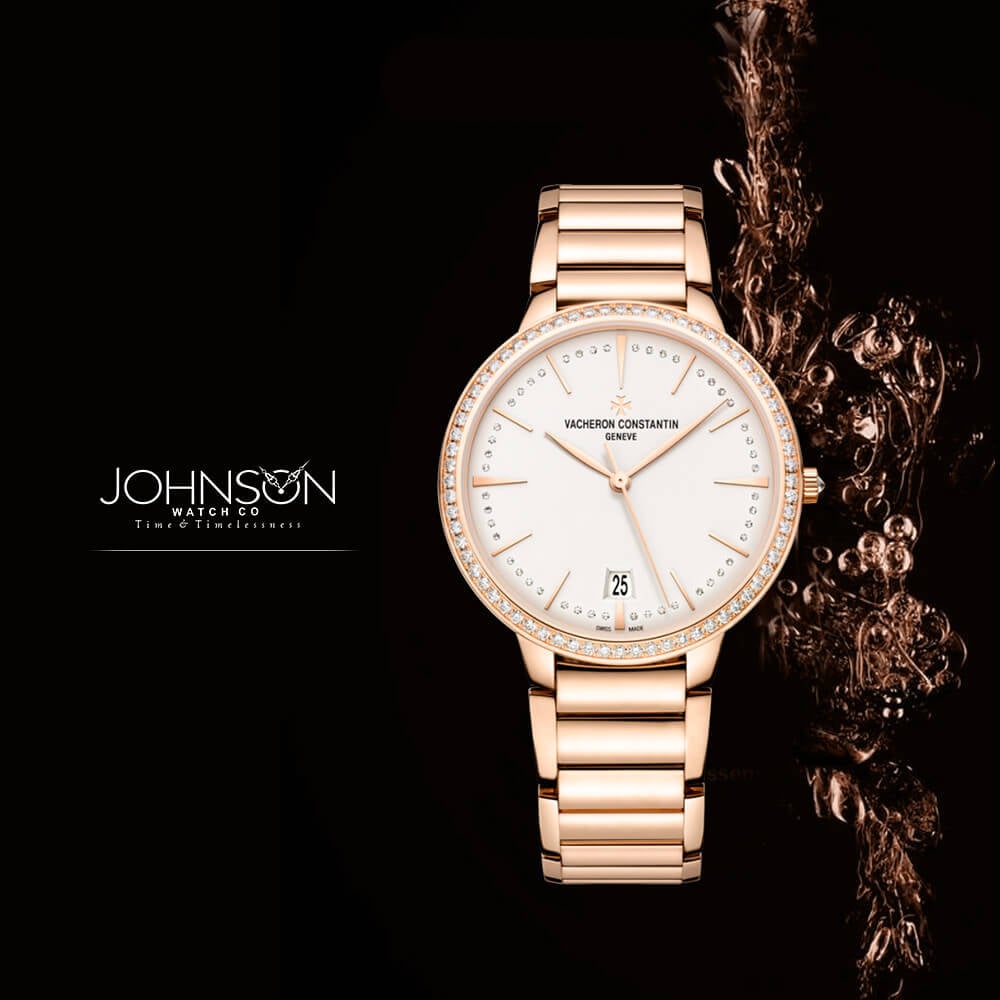
As one of the oldest continuously operating watch manufacturers, Vacheron Constantin’s vintage dress watches from the mid-twentieth century are prized for restrained design and historically significant in-house movements. Because the brand produced far fewer watches annually than larger competitors, individual vintage references can be genuinely scarce rather than merely marketed as such.
Original dial condition and documentation of service history weigh heavily on price given the high values involved even at entry-level vintage examples.
Universal Genève Polerouter
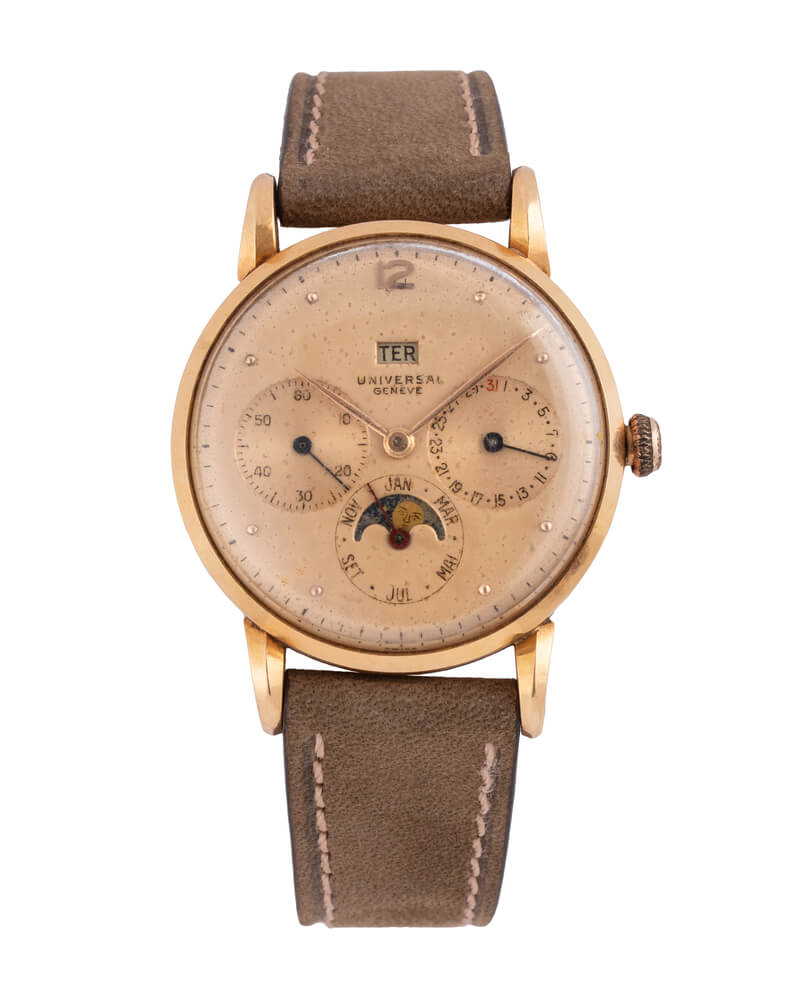
Designed in the 1950s in part by a young Gérald Genta, who would later design iconic watches for other major houses, the Polerouter was created to commemorate a polar flight route and featured an early automatic movement engineered to resist magnetic interference from aircraft instrumentation. The model has drawn increasing collector interest partly due to renewed appreciation for Genta’s broader design legacy.
Because the brand is less universally recognized than some competitors, well-informed buyers can sometimes find strong examples at lower relative prices than comparably significant watches from bigger names.
IWC Portugieser Vintage
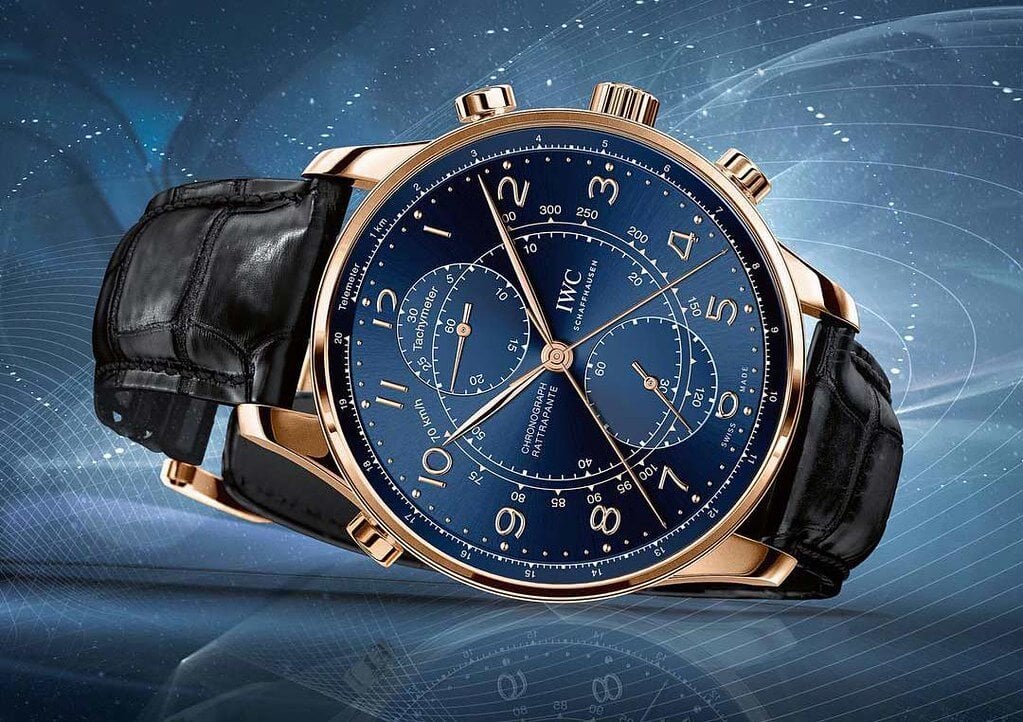
Originally developed in the late 1930s at the request of Portuguese clients who wanted a wristwatch with the timekeeping precision of a marine chronometer, the IWC Portugieser established a large-case, clean-dial design that the brand has continued producing for decades. Early vintage examples are considerably scarcer than the brand’s larger modern production runs.
Original hands and dial finish are closely examined given how frequently the model has been reissued with only subtle design differences.
Zenith El Primero
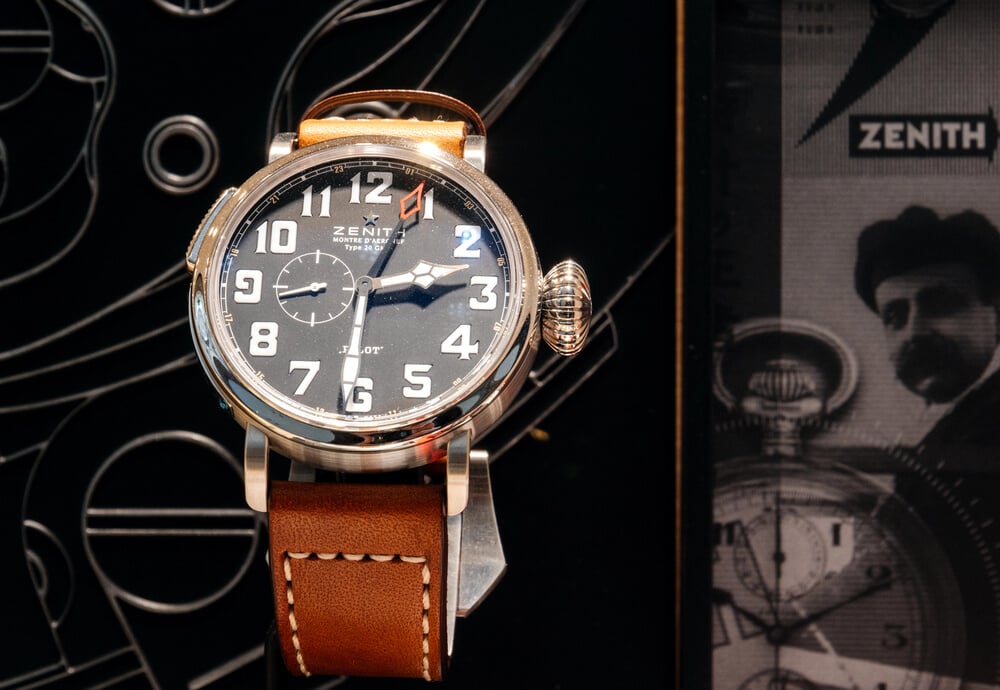
Released in 1969, the Zenith El Primero was among the first automatic chronograph movements to reach the market and remains notable for its high-frequency movement, which allowed for more precise time measurement than many contemporaries. The movement’s design proved durable enough that it was later used, with modifications, by other major watch brands.
Early examples with original dials in good condition are particularly valued by movement-focused collectors.
Elgin Vintage Wristwatches
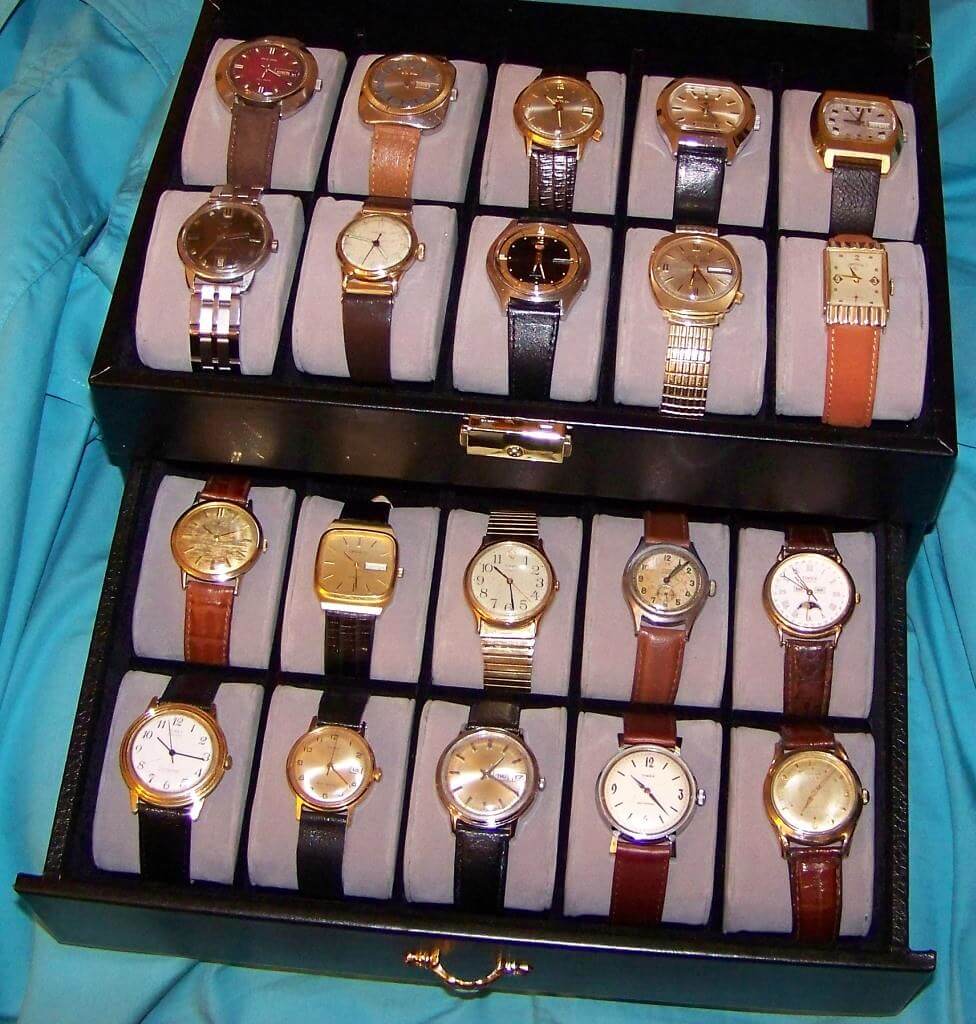
The Elgin National Watch Company, based in Elgin, Illinois, was one of the largest American watch manufacturers of the late nineteenth and early twentieth centuries before shifting from pocket watches to wristwatches in the following decades. Because Elgin produced watches in huge volumes across many price tiers, values vary enormously depending on case material, movement grade, and rarity of a specific model.
Solid gold cases and unusual dial variants bring meaningfully higher prices than the brand’s more common steel and gold-filled models.
Hamilton Vintage American-Made Watches
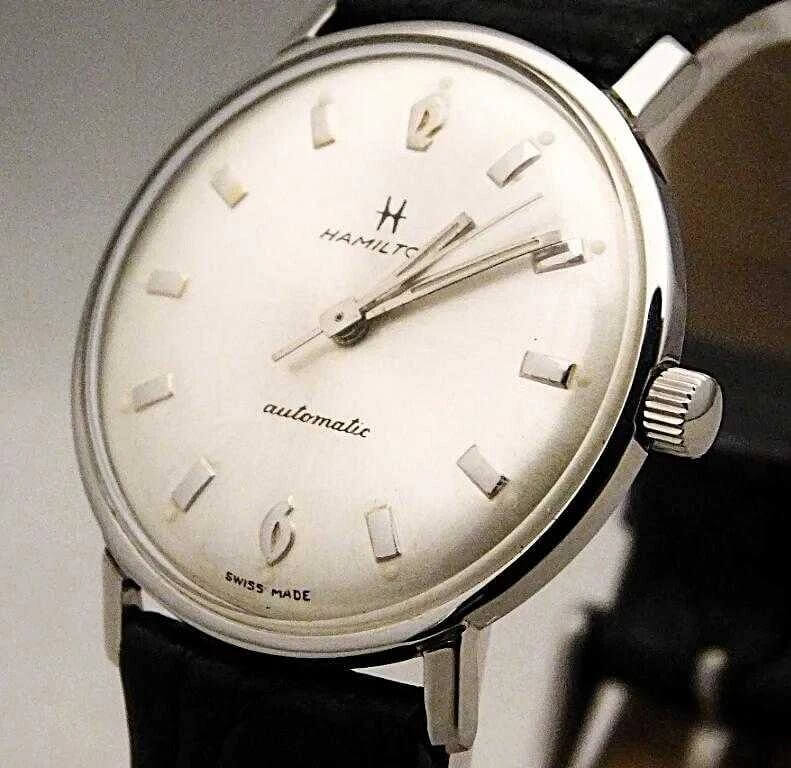
Hamilton, founded in Lancaster, Pennsylvania, produced watches domestically for much of the twentieth century, including models supplied to the United States military, before later shifting production overseas. Watches from the company’s American manufacturing period are generally valued higher by collectors than the brand’s later production.
Military-issue models with documented issue markings command a particular premium tied to their verified service history.
Bulova Accutron
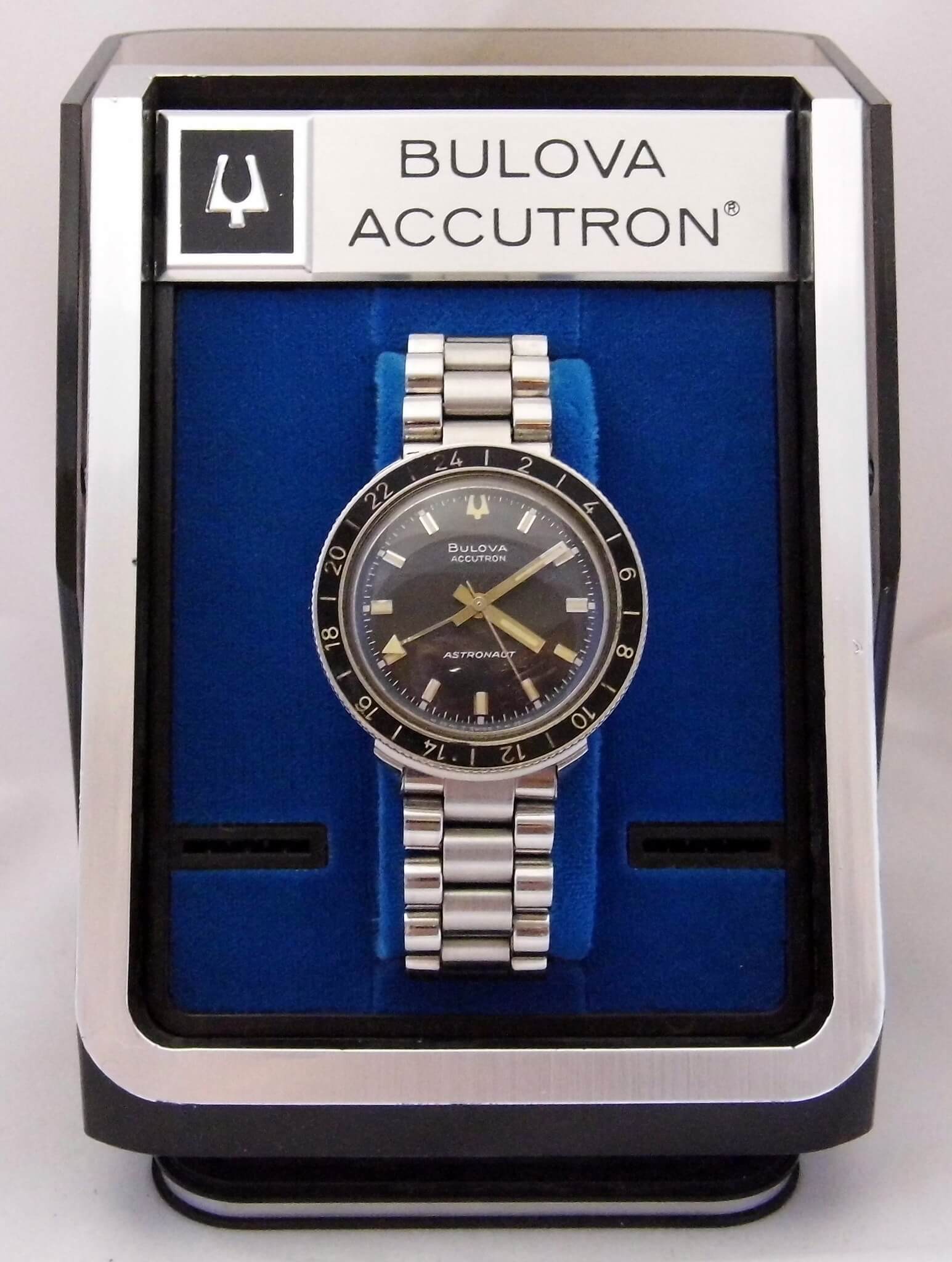
Introduced in 1960, the Bulova Accutron used a tuning-fork movement powered by a battery rather than a traditional mechanical mainspring, making it one of the first electronic watches to reach mass production. The distinctive humming sound of the tuning-fork movement, audible when the watch is held close to the ear, remains a signature feature collectors specifically test for.
Because the movement requires specialized servicing that fewer watchmakers still perform, a fully functioning example in good condition can be harder to find than the watch’s original production numbers might suggest.
Waltham Pocket Watches
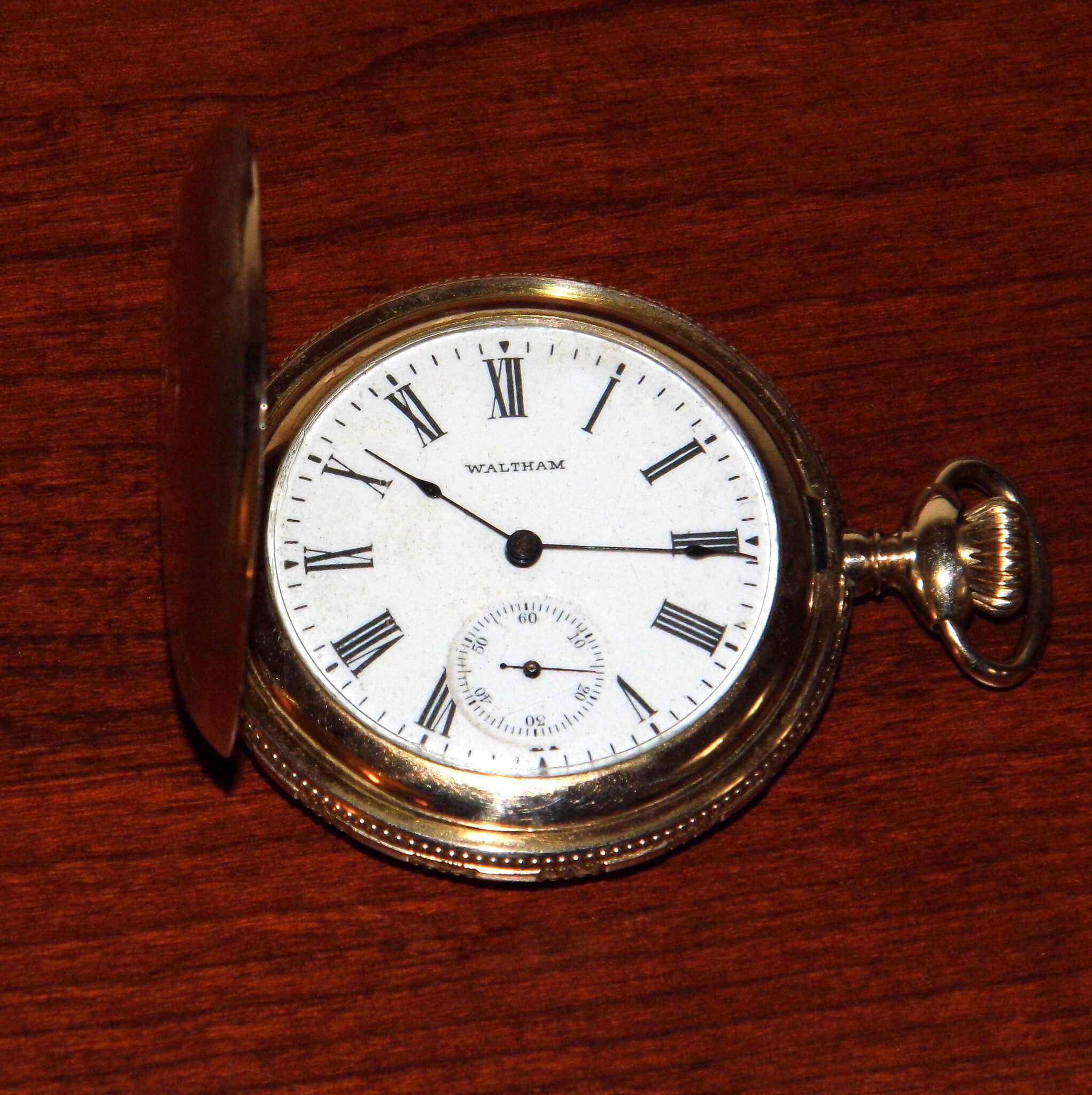
The American Waltham Watch Company, established in Massachusetts in the mid-nineteenth century, was one of the pioneers of mass-produced, interchangeable-part watchmaking in the United States. Because the company operated across such a long span and wide range of quality tiers, values for surviving pocket watches vary enormously depending on movement grade, case material, and railroad-grade certification where applicable.
Railroad-approved models, built to strict accuracy standards for use by train conductors, are generally the most sought-after within the Waltham range.
Gruen Curvex
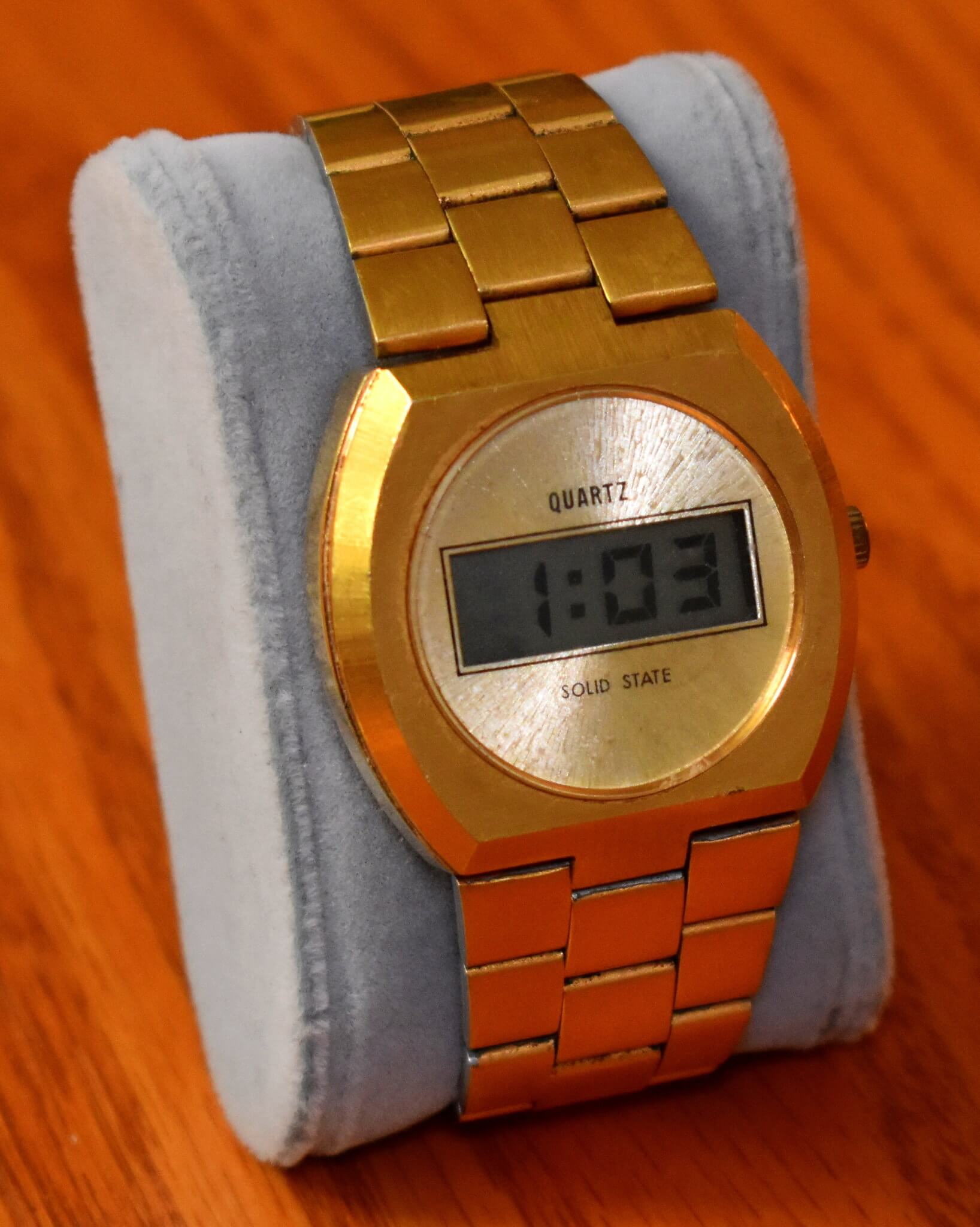
Gruen’s Curvex line, introduced in the 1930s, featured a movement specifically engineered to curve along with the case, allowing for the elongated, wrist-hugging shapes popular in Art Deco-era watch design. The curved movement was a genuine engineering achievement for the period, since fitting working components into a non-flat shape required specialized manufacturing.
Original curved crystals, which are more fragile and harder to source as replacements than standard flat crystals, significantly affect the value of surviving examples.
Longines Lindbergh Hour Angle
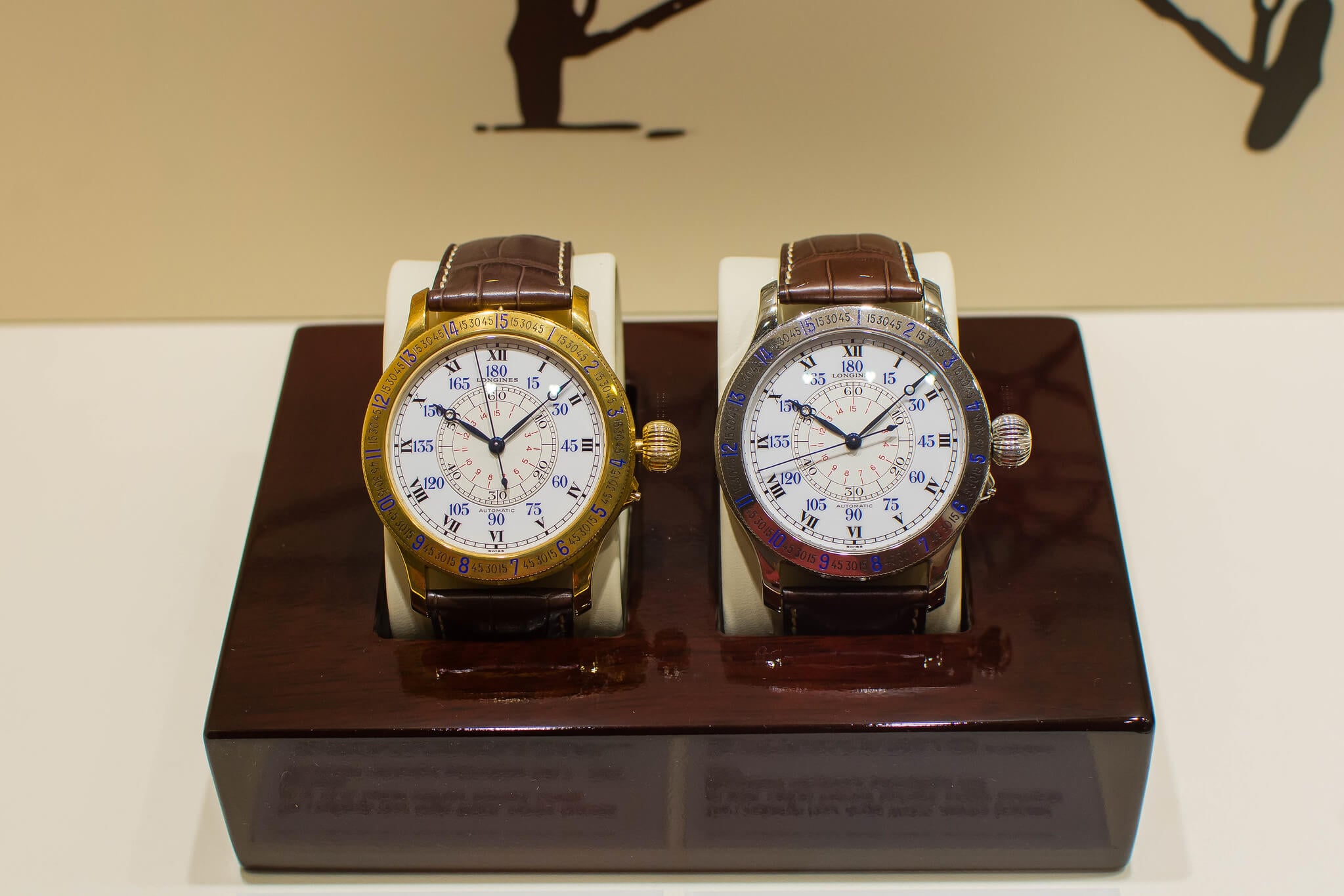
Developed in the late 1920s in consultation with aviator Charles Lindbergh, the Longines Hour Angle watch was designed to assist with celestial navigation calculations during long-distance flights. The model’s rotating bezel and detailed dial markings reflect a specific, functional navigational purpose rather than a purely decorative complication.
Original examples from the watch’s early production are considerably scarcer than later commemorative reissues produced by Longines in subsequent decades.
Movado Museum Watch
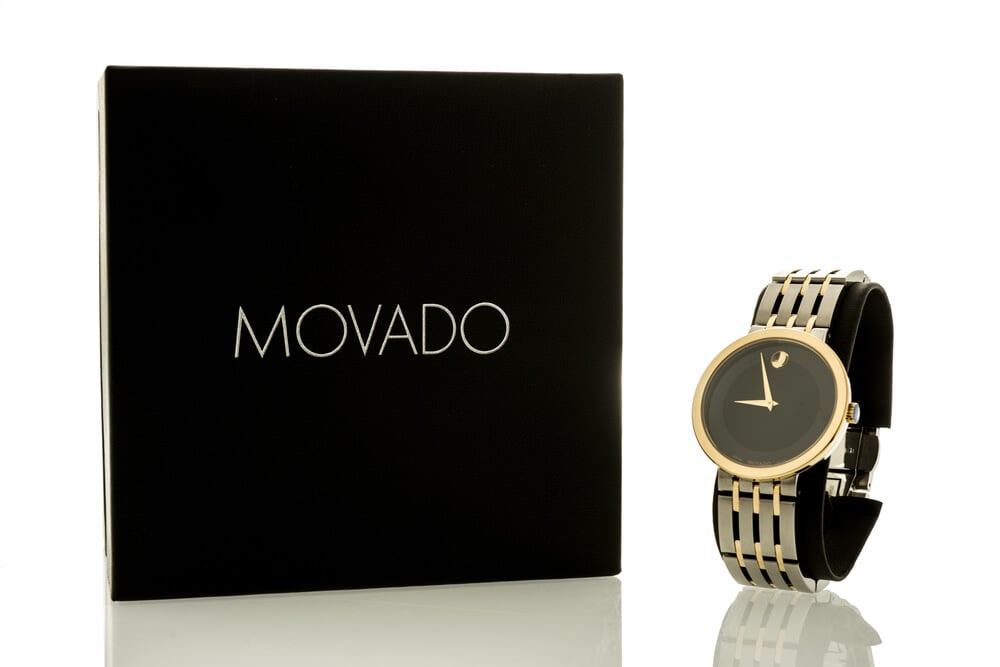
Designed by artist Nathan George Horwitt and first produced by Movado in 1947, the Museum Watch features a single gold dot at the twelve o’clock position on an otherwise bare dial, a minimalist design later acquired for the permanent design collection of the Museum of Modern Art. Early examples, particularly with period-correct dials and hands, are valued distinctly from the brand’s much larger volume of later production.
The design’s continued relevance in minimalist watchmaking has kept demand for well-preserved vintage examples relatively steady.
Rolex Explorer
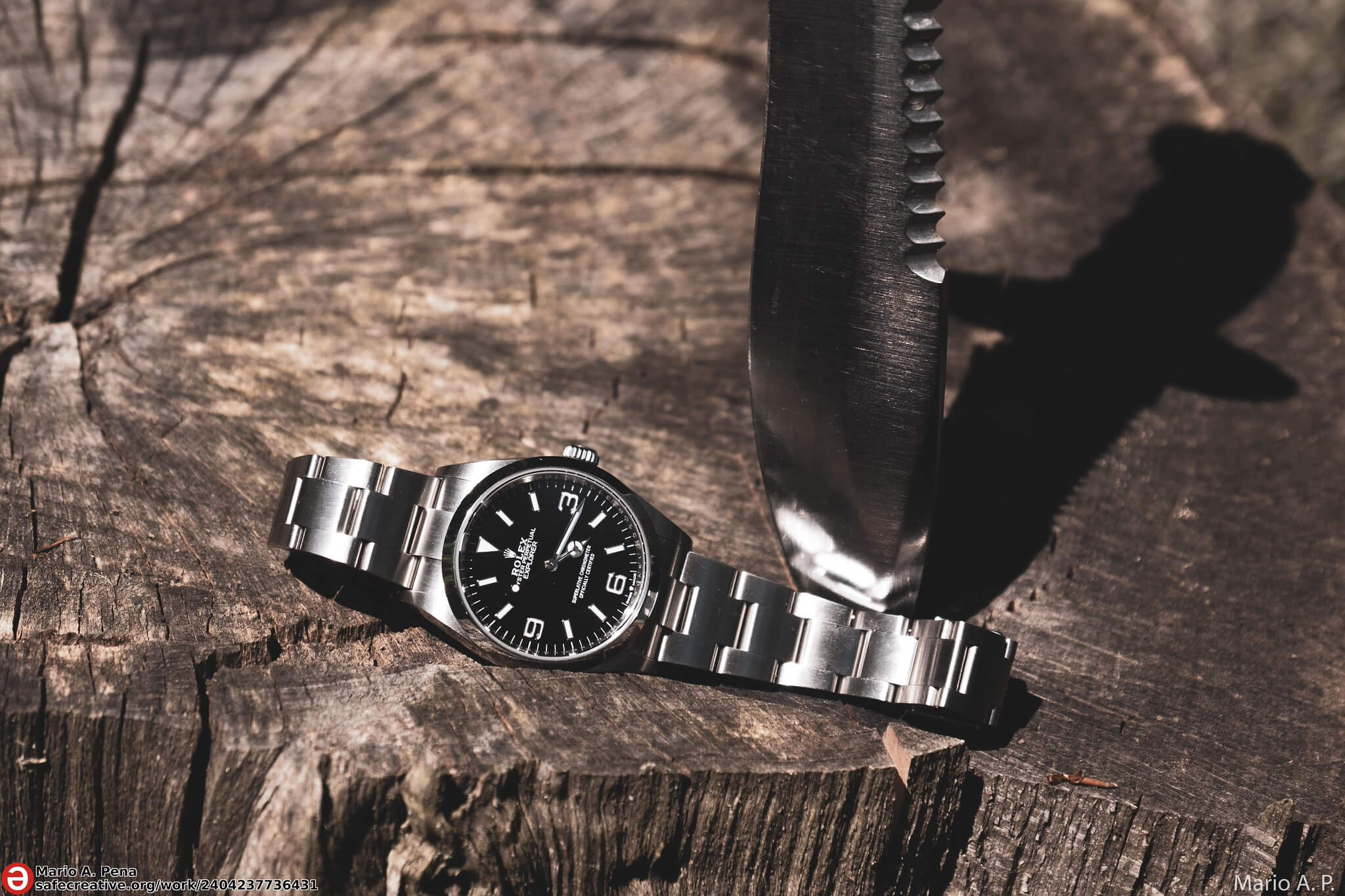
Developed with input tied to the successful 1953 British expedition that first reached the summit of Mount Everest, the Rolex Explorer was designed for durability and legibility under extreme conditions rather than for dress use. Early examples with specific vintage dial configurations are particularly sought after among Rolex sports watch collectors.
As with other vintage Rolex sports models, originality of the dial and hands weighs heavily on price relative to case condition alone.
Rolex GMT-Master “Pepsi”
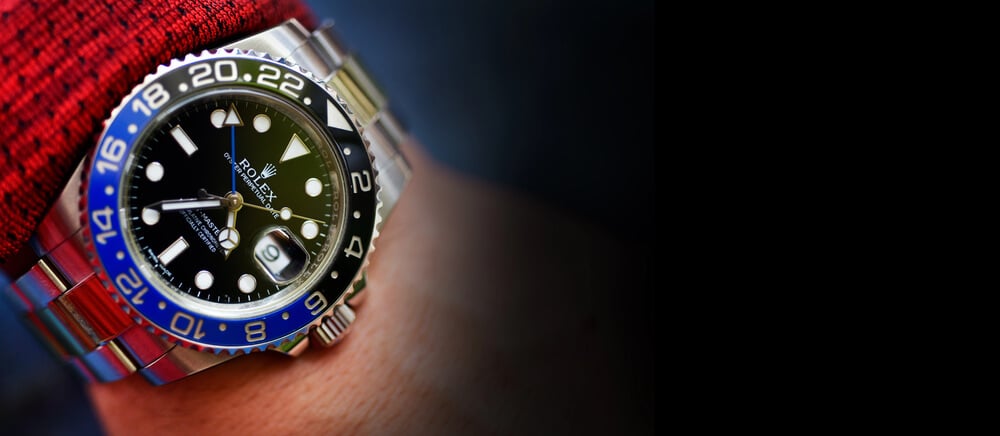
Developed in partnership with an early commercial airline in the 1950s to help pilots track two time zones simultaneously, the Rolex GMT-Master became known by the nickname “Pepsi” for the red-and-blue bezel color combination used on many examples. Vintage examples with original bakelite bezel inserts, used only in the model’s earliest production years, are especially rare and valuable compared to later aluminum-bezel versions.
As with other vintage Rolex sports models, unmatched or replaced parts can significantly reduce a watch’s value even if the case itself is in excellent condition.
Omega Seamaster
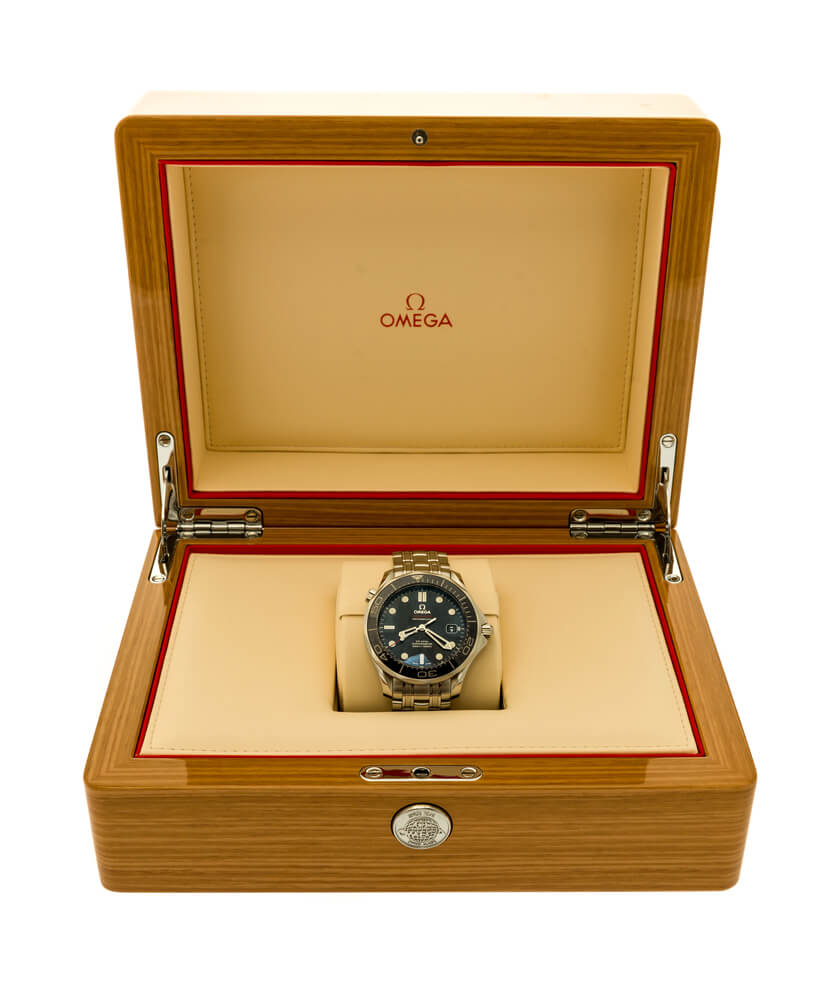
Introduced in 1948, the Omega Seamaster line predates the more famous Speedmaster and established Omega’s early reputation for water-resistant sports watches. Vintage Seamaster references vary widely in value depending on specific model, movement, and dial configuration, with some early examples considerably scarcer than the brand’s larger later production runs.
Because the Seamaster name has been used across a very wide range of watches over many decades, correctly identifying a specific vintage reference is an important step before assessing value.
Tudor Submariner
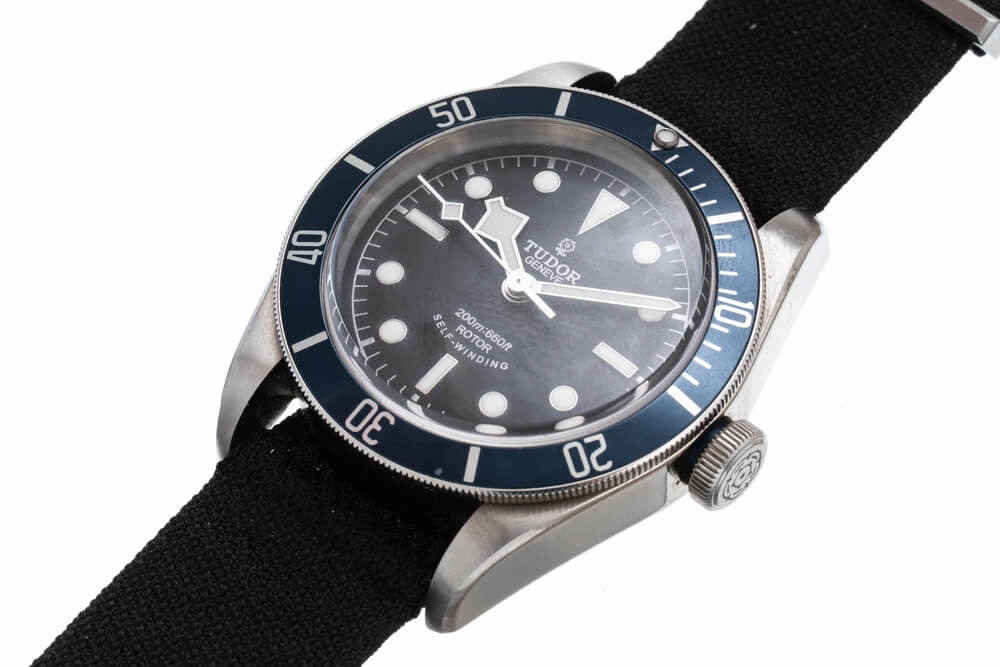
Founded by Rolex as a related but separate brand, Tudor produced its own dive watch line beginning in the 1950s, sharing case designs with contemporary Rolex models while using different movements. Vintage Tudor Submariners have drawn increasing collector attention in recent years, partly as buyers priced out of vintage Rolex sports models look for comparable design history at a different price point.
Original bezel inserts and dial condition remain the primary factors separating strong examples from more heavily worn ones.
Breguet Vintage
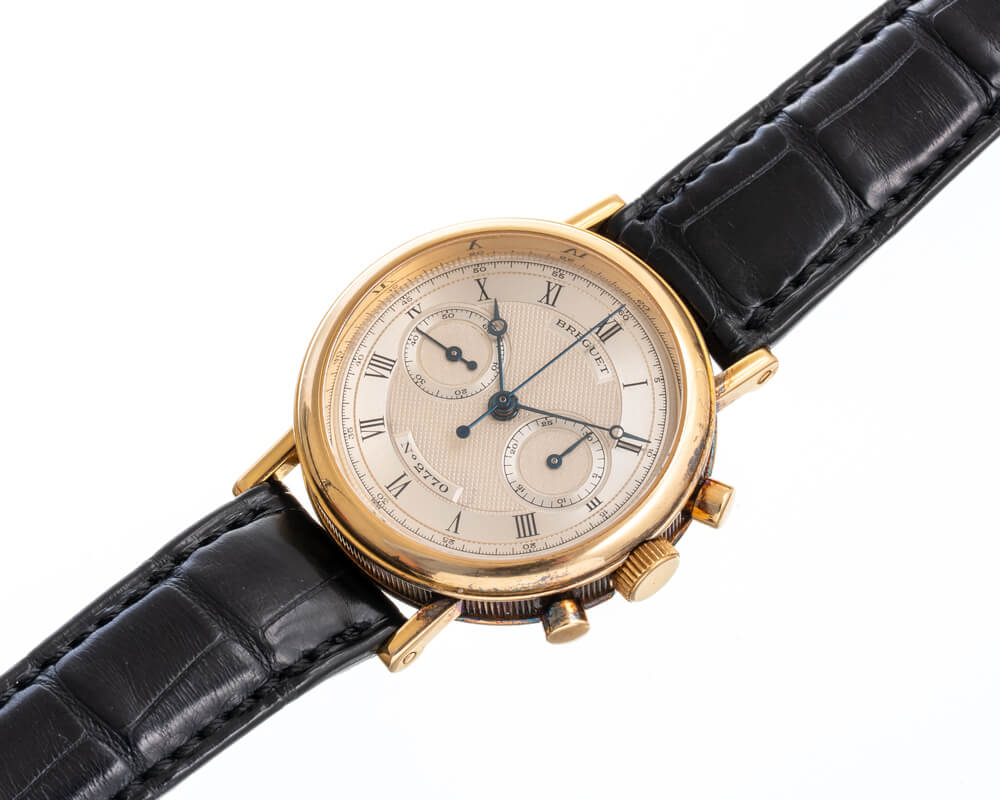
Breguet, one of the oldest watchmaking houses still in operation, produced vintage wristwatches through the twentieth century carrying design details tracing back to innovations from its eighteenth-century founder, including the signature Breguet numeral style still used today. Because the brand’s history spans both pocket and wristwatch eras, correctly dating and attributing a specific vintage piece often requires expert documentation.
Given the significant sums involved, buyers typically insist on verified provenance before purchase.
Girard-Perregaux Vintage
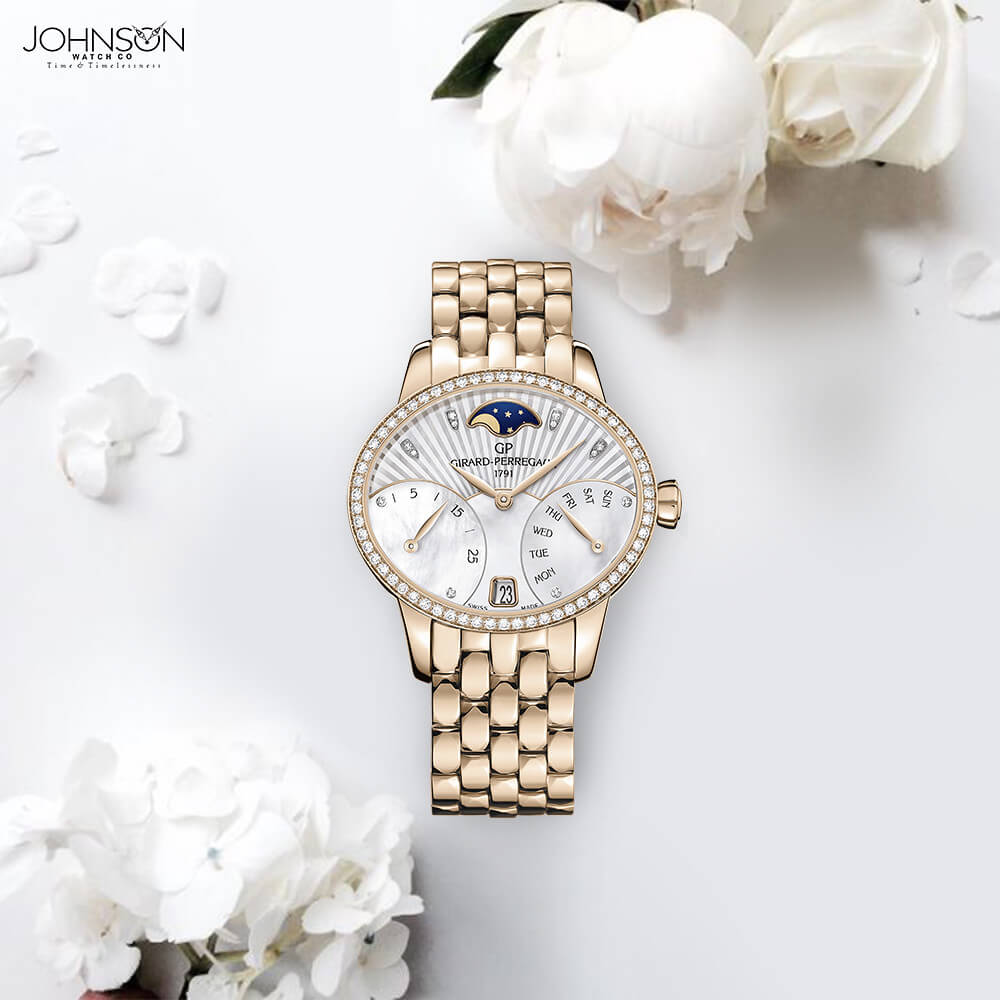
Girard-Perregaux, known among specialists for early technical innovations in movement design during the nineteenth and twentieth centuries, produced vintage wristwatches that remain comparatively underappreciated relative to some better-known Swiss competitors. That relative obscurity has made certain vintage models attractive to collectors seeking historically significant watchmaking without the highest-tier price levels associated with more famous brand names.
Original movement condition is a particular focus given the brand’s reputation for technical craftsmanship.
Doxa Sub
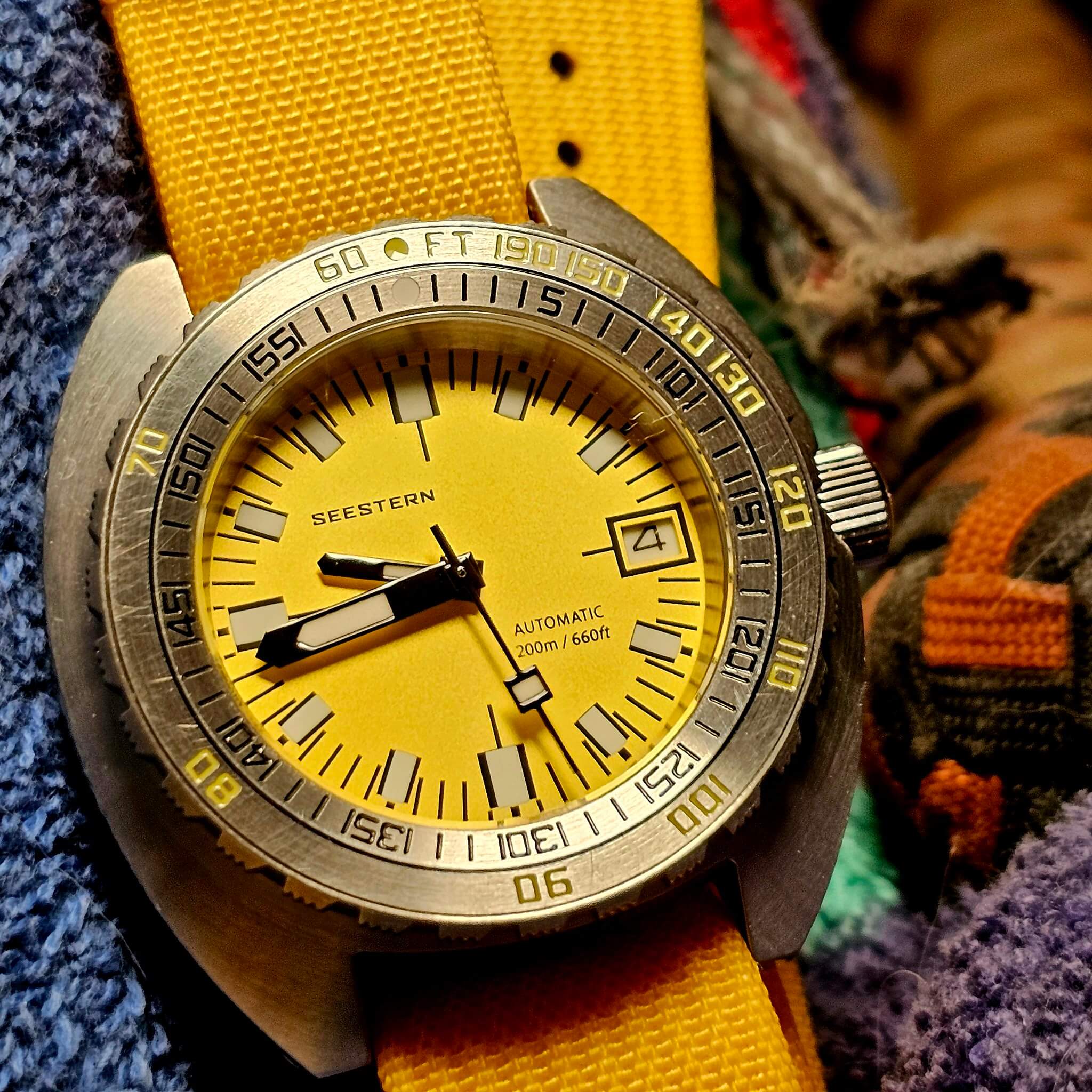
Doxa’s Sub dive watch, introduced in 1967 with a distinctive bright orange dial designed for underwater visibility, became closely associated with recreational and technical diving culture in the years that followed. The unusual dial color, uncommon among dive watches of the period, remains the model’s most identifiable feature.
Original examples with the correct period dial and bezel markings are valued considerably higher than later reissues using the same design cues.
Timex Marlin
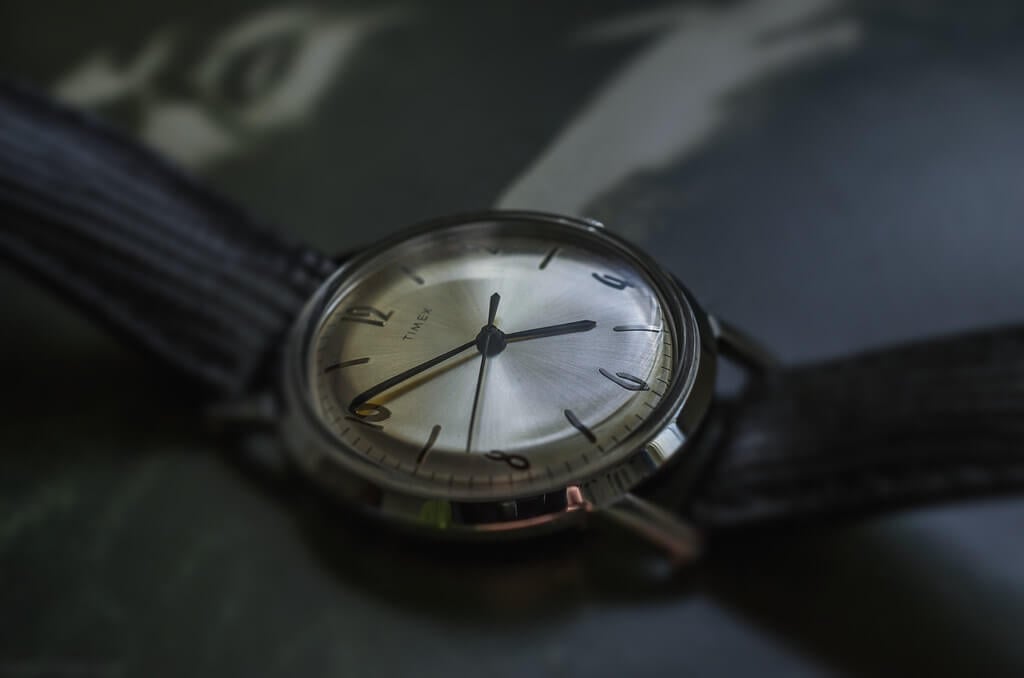
Introduced in the 1960s as an affordable mechanical watch, the Timex Marlin has seen renewed collector interest in recent years, partly driven by Timex’s own modern reissue of the design, which drew fresh attention to surviving vintage originals. Unlike most watches on this list, the Marlin was never a luxury item when new, which makes its recent rise in collector interest something of an outlier in the category.
Even so, well-preserved vintage originals with clean dials can be worth notably more than their modest original retail price once suggested.
Wittnauer Vintage Chronographs
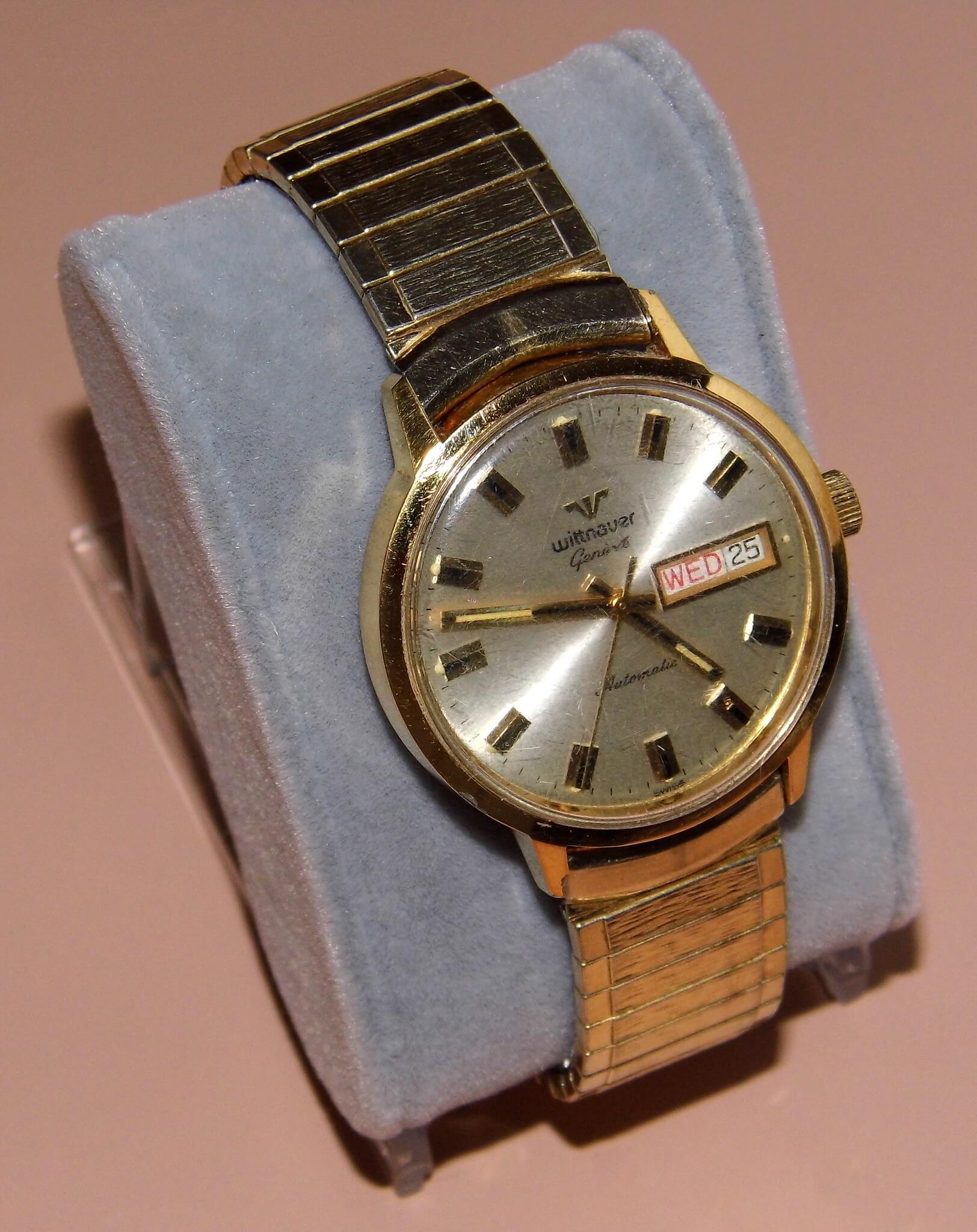
Wittnauer, historically linked to the Longines company through a shared business relationship, produced mechanical chronographs through the mid-twentieth century that are generally valued below equivalent Longines models despite comparable build quality. That price gap has made certain Wittnauer chronographs attractive to collectors seeking similar mechanical sophistication at a more accessible price point.
As with most vintage chronographs, originality of the dial and pushers has an outsized effect on final value.
What a Drawer Can Actually Hide
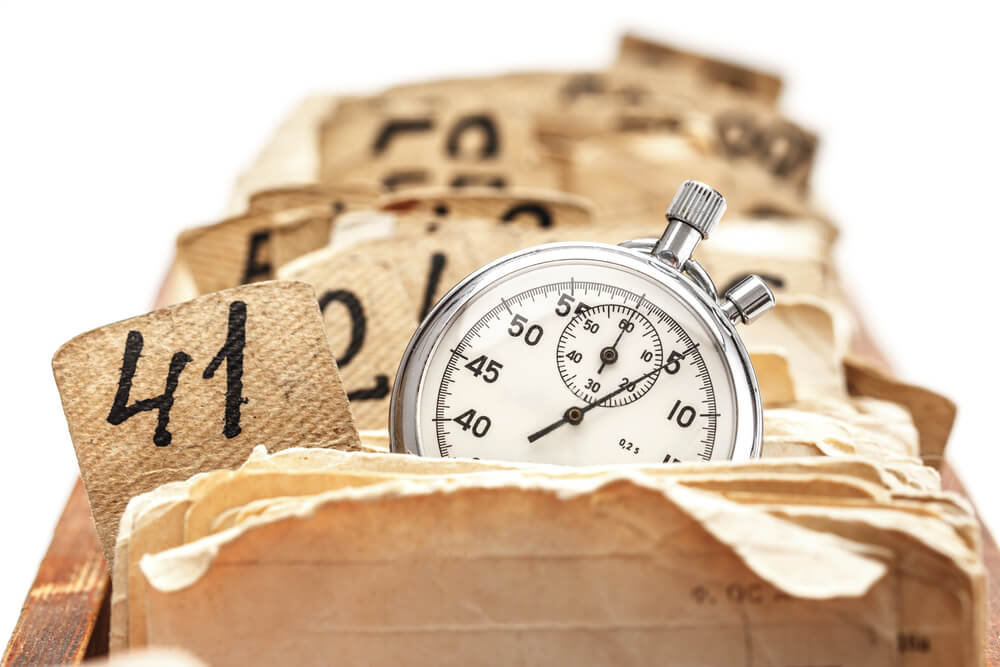
None of these watches announce their value on the surface. A tarnished case, a stopped movement, and a scratched crystal can sit on top of a genuinely significant piece of watchmaking history, which is exactly why so many valuable examples turn up during estate cleanouts rather than through deliberate collecting.
Pricing for every watch on this list depends enormously on originality and condition rather than age alone, since a beautifully preserved example with all its original parts can be worth many times more than an identical model that has been polished, refinished, or fitted with replacement components over the decades. Anyone who suspects they are holding something significant is generally better served by a specialist appraisal than a guess based on the name alone.
More from Go2Tutors!

- The Romanov Crown Jewels and Their Tragic Fate
- 13 Historical Mysteries That Science Still Can’t Solve
- Famous Hoaxes That Fooled the World for Years
- 15 Child Stars with Tragic Adult Lives
- 16 Famous Jewelry Pieces in History
Like Go2Tutors’s content? Follow us on MSN.