Unusual Foods Found In Desert Communities
When you think of deserts, your mind probably goes straight to sand dunes, scorching heat, and maybe a cactus or two. But these harsh landscapes are home to people who’ve learned to survive and even thrive by eating foods that would make most of us do a double take.
From insects to plants that look like they belong on Mars, desert dwellers have turned their environment into a surprisingly diverse pantry. Let’s dig into some of the most unexpected things people eat in these dry, unforgiving places.
Prickly pear cactus

The pads of this cactus, called nopales, have been a staple in desert diets for thousands of years. People carefully remove the spines and cook them like vegetables, often grilling or boiling them until they’re tender.
The taste is a bit like green beans mixed with okra, with a slightly tangy flavor that works great in tacos or scrambled eggs. In parts of Mexico and the southwestern United States, you’ll find these cactus pads at almost every market, and they’re packed with fiber and vitamins that help people stay healthy in tough conditions.
Mesquite pods
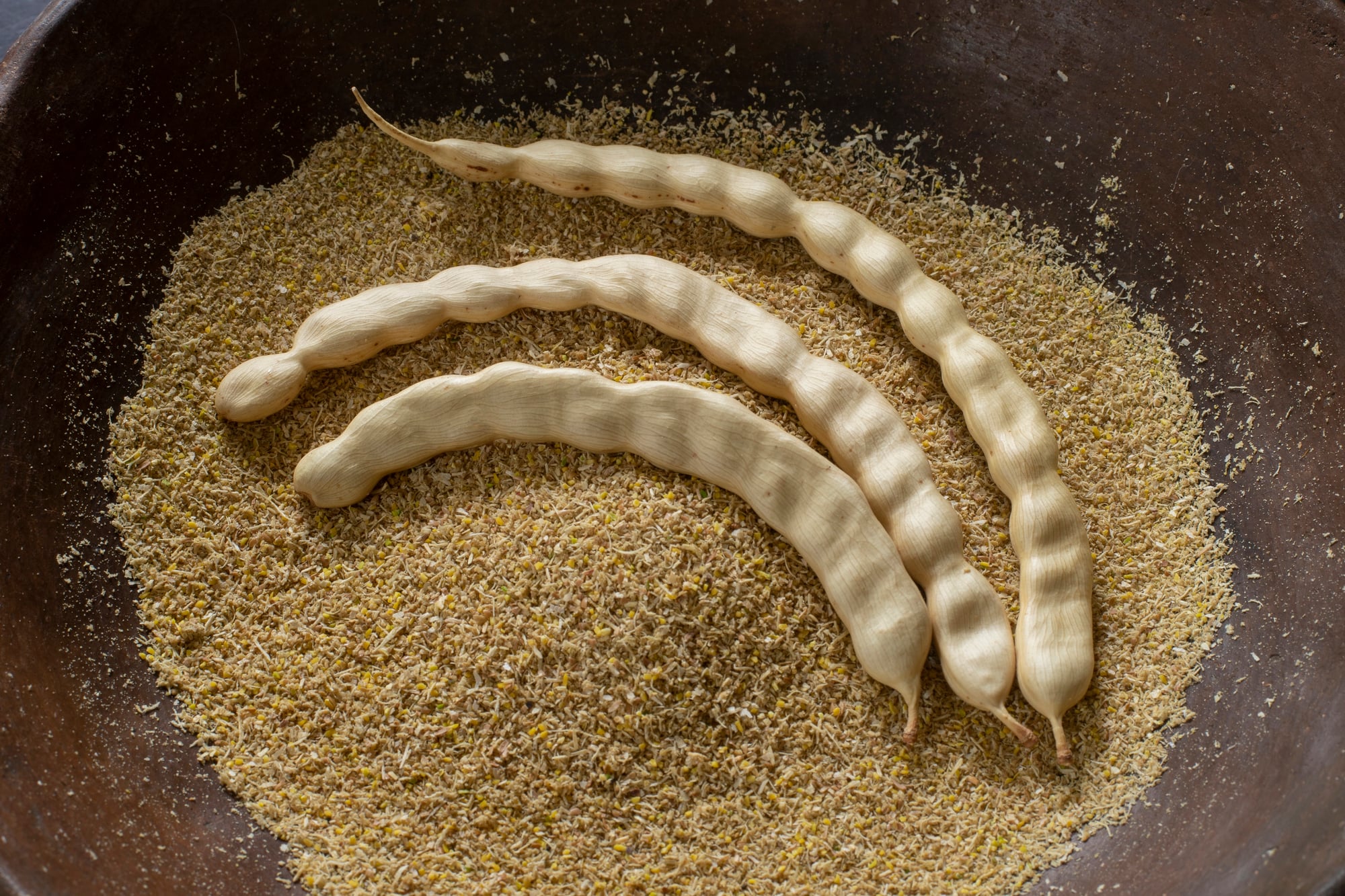
These long, twisted bean pods grow on mesquite trees scattered across American and Mexican deserts. Native communities have ground them into flour for centuries, creating a sweet powder that tastes a bit like caramel or molasses.
The pods can be eaten raw when they’re ripe, though they’re pretty tough and fibrous. People use mesquite flour to make bread, pancakes, and even smoothies, and it’s becoming trendy in health food stores because it doesn’t spike blood sugar like regular flour does.
Agave hearts
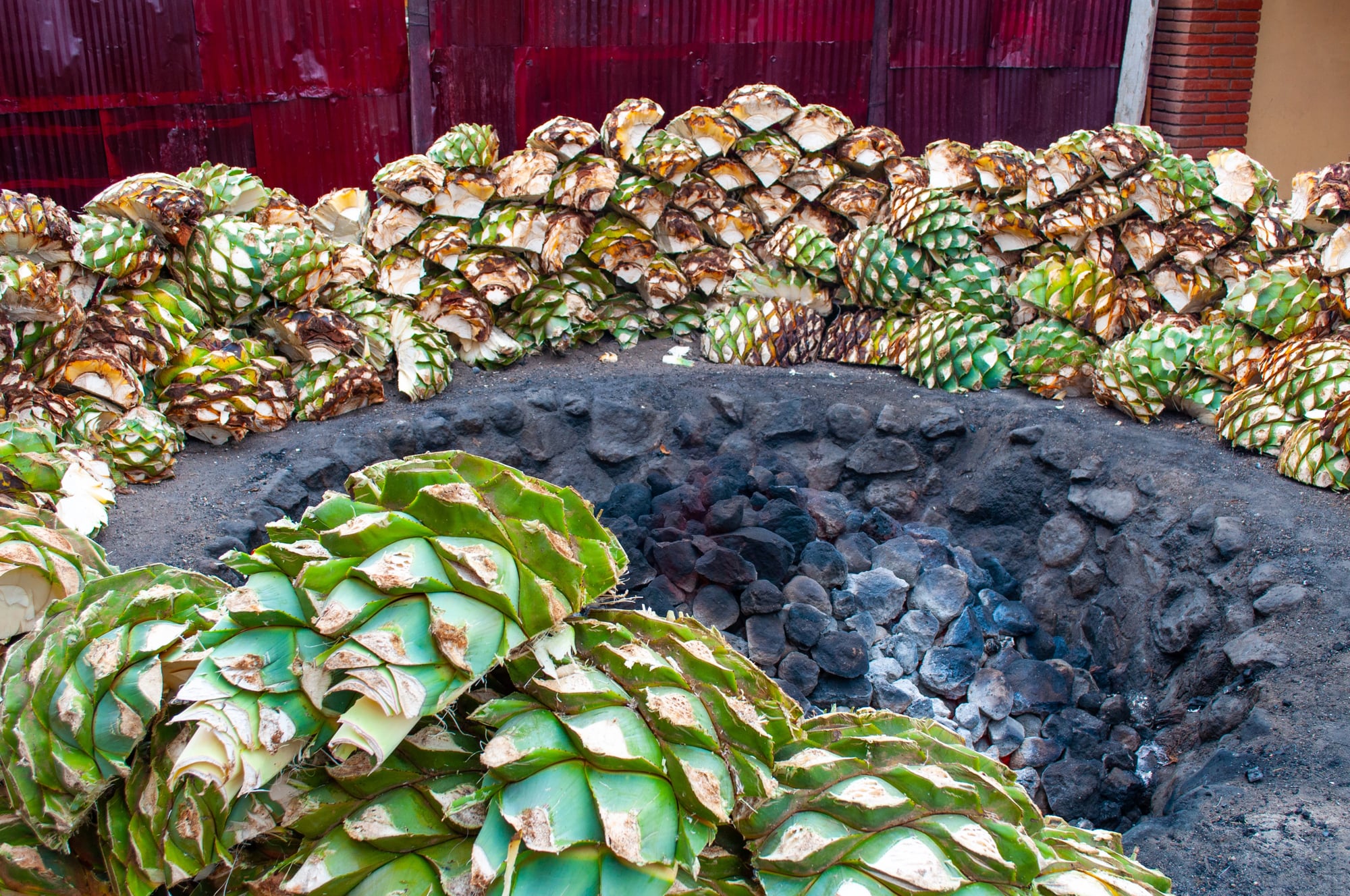
Long before tequila became a party drink, desert communities were roasting the massive hearts of agave plants in underground pits. The process takes days and transforms the tough, bitter core into something sweet and chewy, almost like a cross between pineapple and sweet potato.
These roasted hearts provided crucial calories and nutrients to people living in areas where regular crops wouldn’t grow. Today, some indigenous groups still prepare agave the traditional way, though most of it now gets turned into syrup or alcohol instead.
Desert truffles

Hidden beneath the sand in parts of North Africa and the Middle East, these lumpy fungi pop up after rare rainstorms. They don’t look like much on the outside, sort of like dirty potatoes, but they’re considered a delicacy by Bedouin communities who know exactly where and when to find them.
The flavor is earthy and mild, nothing like the intense taste of European truffles. People slice them thin and fry them with onions or toss them into stews, and they’re a welcome source of protein in places where meat can be scarce.
Acacia seeds

Various species of acacia trees produce seed pods that desert communities collect and process into food. The seeds themselves are hard as rocks when dry, so people usually grind them into flour or roast them until they’re easier to chew.
In parts of Australia and Africa, aboriginal groups have relied on these seeds as a source of protein and carbohydrates for generations. The flavor is nutty and slightly bitter, but it fills you up and provides energy for long treks across empty landscapes.
Chuckwalla lizards
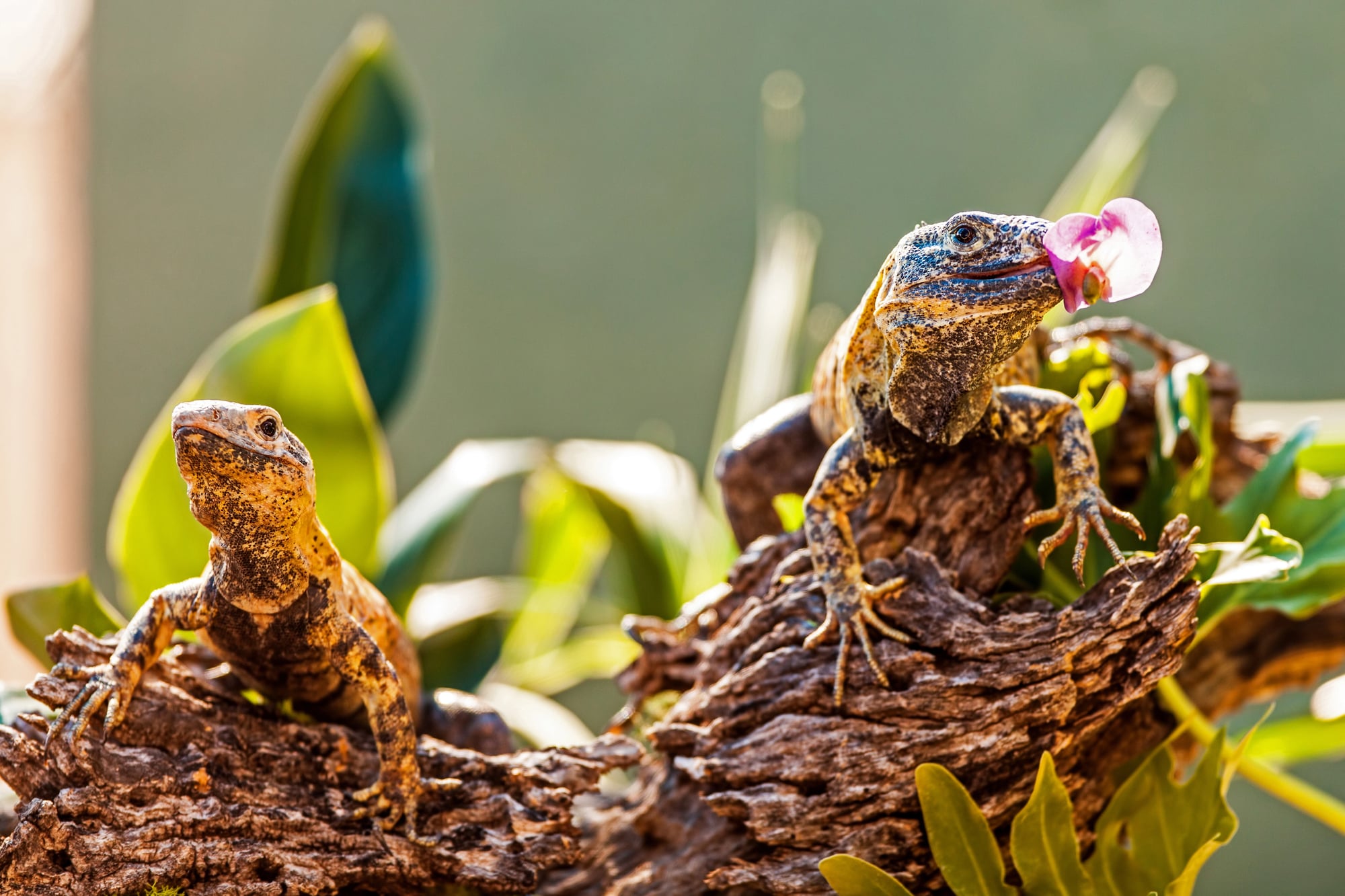
Indigenous people in the Mojave and Sonoran deserts have hunted these chunky reptiles for food when other options were limited. The meat is light in color and supposedly tastes similar to chicken, though a bit tougher and gamier.
Hunters traditionally smoked the lizards out of rock crevices where they hide during the day by squeezing their bodies into tight spaces. While it’s not a common meal anymore, some communities still consider chuckwalla a traditional food worth preserving.
Barrel cactus fruit
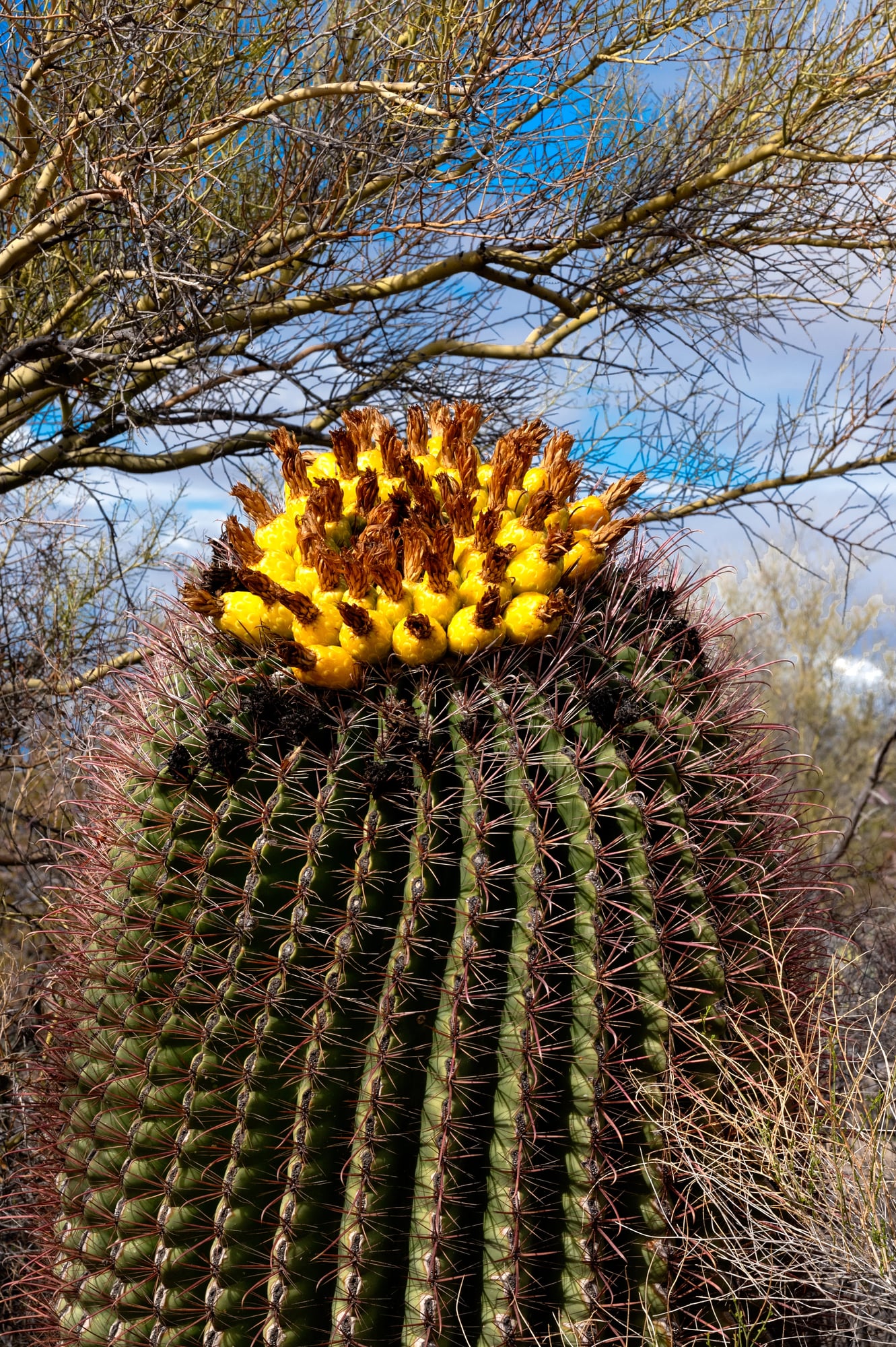
The bright yellow or red fruits that crown these round cacti might look decorative, but they’re actually edible and pretty tasty. People wait until late summer when the fruits ripen and turn soft, then carefully harvest them while avoiding the cactus’s fierce spines.
The pulp inside is sweet and tangy, loaded with tiny black seeds that you can eat or spit out. Desert communities often turn the fruits into jams or syrups, and some people eat them fresh as a rare treat in an environment where sweet foods don’t grow easily.
Ironwood seeds

The ironwood tree produces small pods filled with seeds that desert dwellers roast and eat like nuts. The trees themselves are tough as their name suggests, surviving in some of the driest parts of the Sonoran Desert where almost nothing else grows.
People traditionally gathered the seeds in late summer and stored them for months, providing a reliable food source during lean times. The flavor is mild and slightly oily, and the seeds pack enough protein and fat to keep someone going during hard physical work.
Yucca flowers and fruit
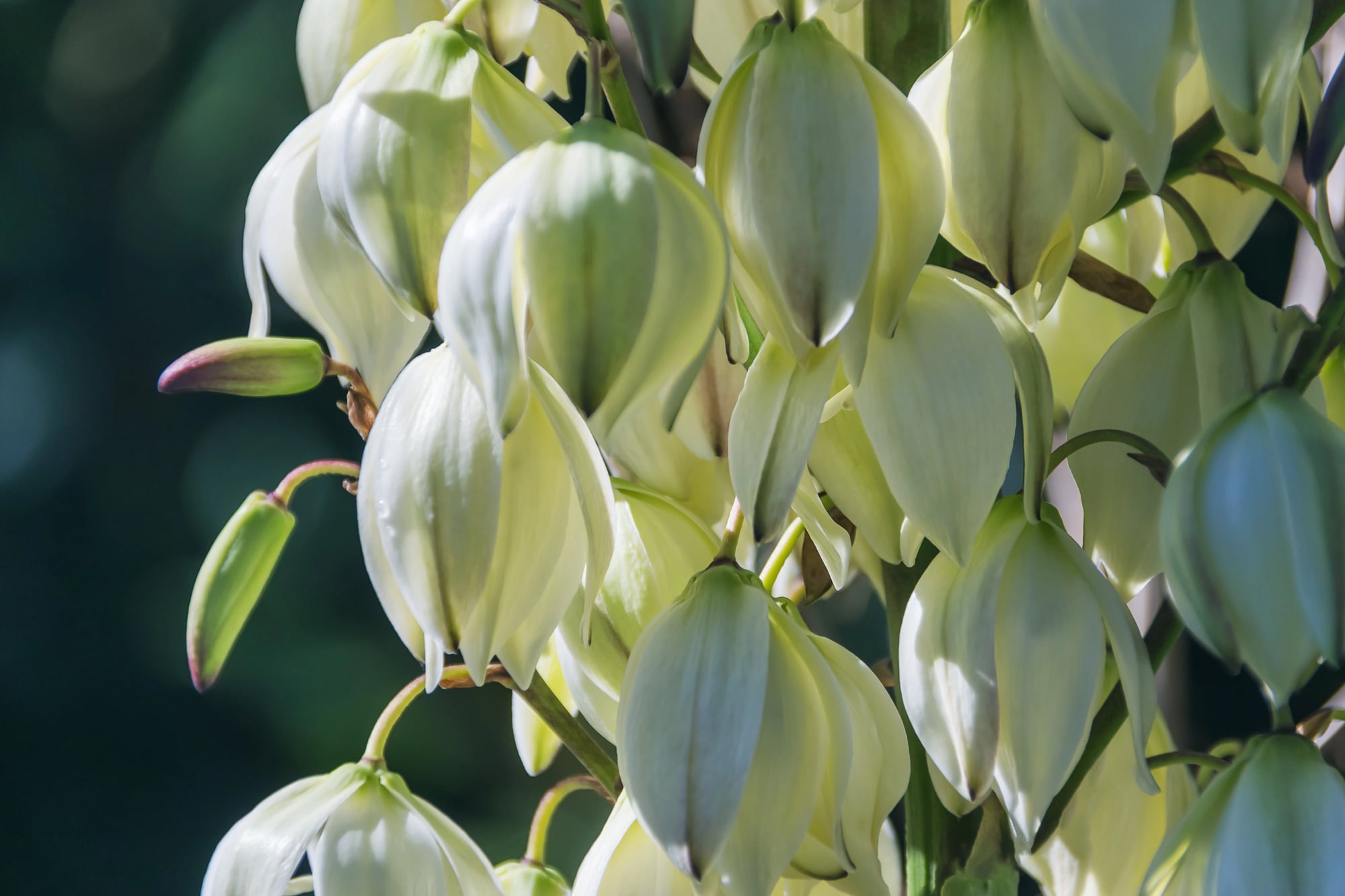
Both the white blossoms and the fleshy fruits of yucca plants have fed desert communities for centuries. The flowers taste slightly sweet and crunchy when eaten raw, or people cook them like any other vegetable.
The fruits look a bit like short, fat bananas and can be roasted, boiled, or dried for later use. Some species of yucca produce fruits that are sweeter than others, and knowing which ones to harvest takes years of experience passed down through families.
Chia seeds
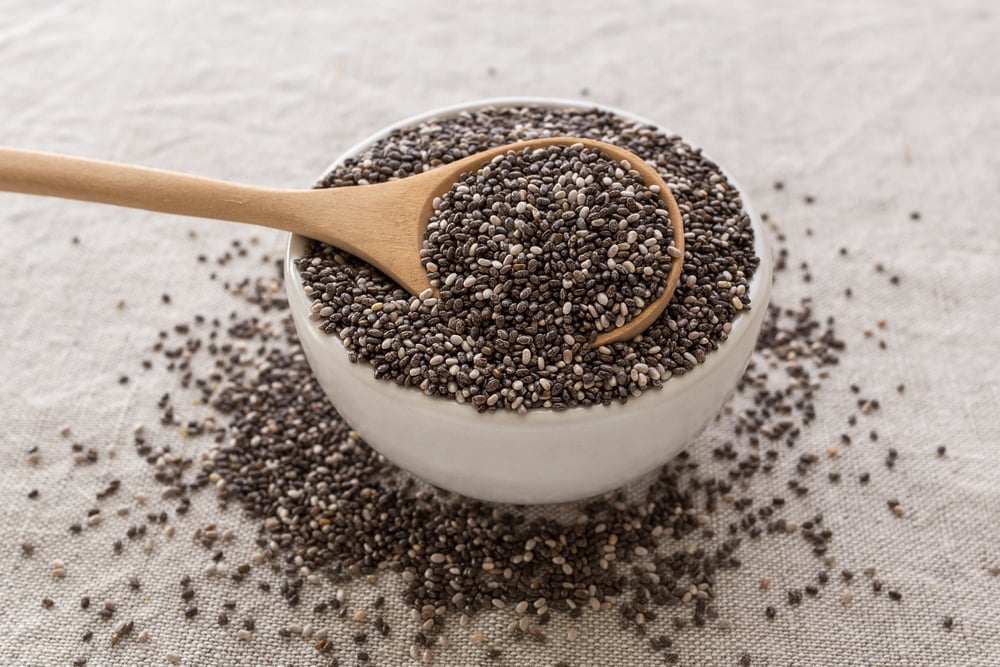
Long before they became a health food trend, these tiny seeds were a crucial part of the diet for people living in Mexican and southwestern American deserts. Chia plants grow wild in dry regions, and their seeds can be stored for years without spoiling.
Desert runners would carry small pouches of chia mixed with water, which gave them sustained energy for long distances. The seeds absorb liquid and form a gel, which sounds weird but actually helps keep you hydrated in extreme heat.
Wolfberries
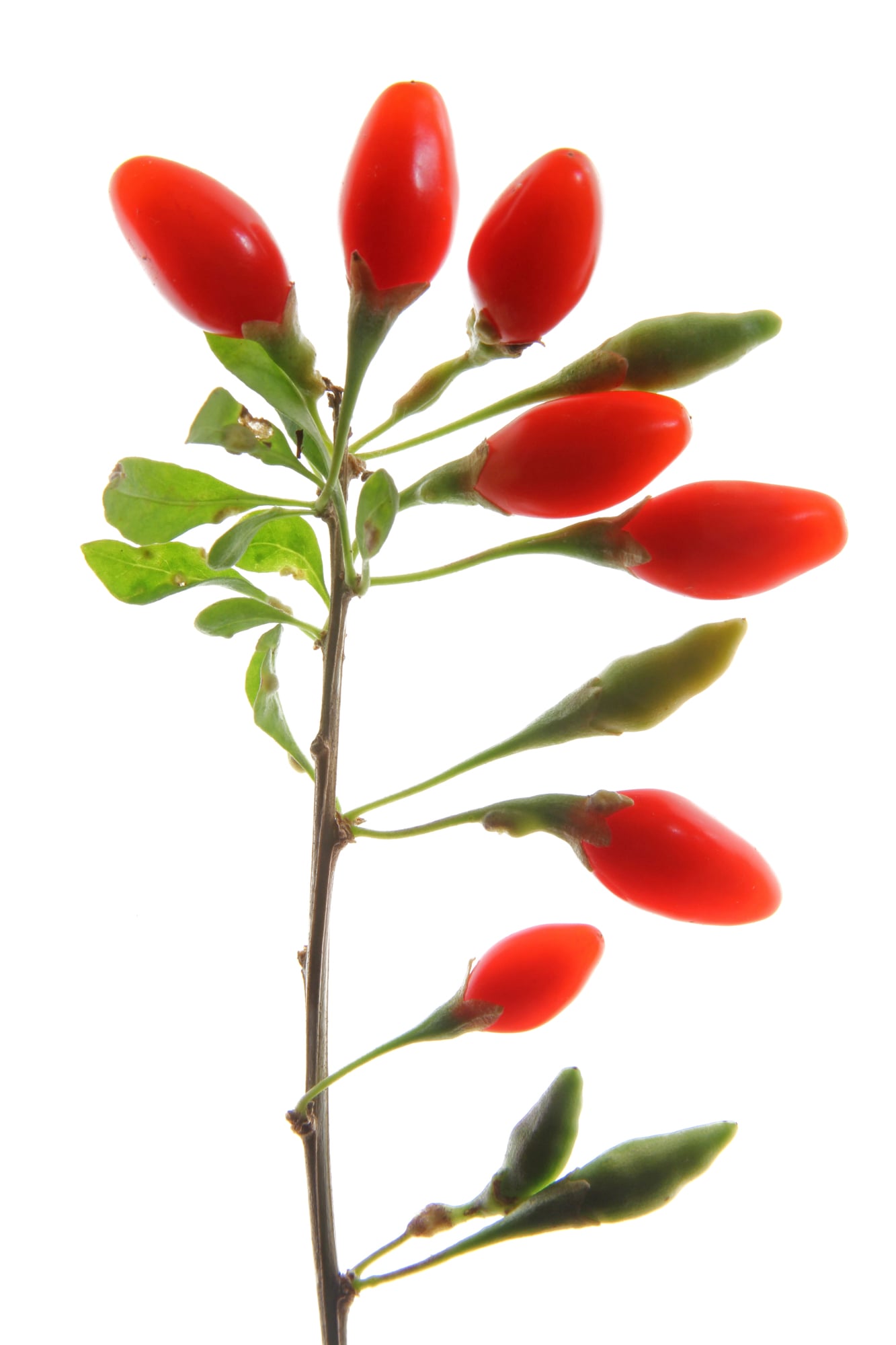
Also called goji berries in fancy grocery stores, these small red fruits grow on scrubby bushes in Asian deserts. Chinese communities have eaten them for thousands of years, both fresh and dried.
The taste is sour and slightly sweet, somewhere between a cranberry and a cherry. People traditionally added them to soups and teas, believing they had special health properties.
White grubs

Various beetle larvae that live in desert soil have been a protein source for indigenous Australians and other desert cultures. These fat, cream colored grubs might look unappetizing to outsiders, but they’re actually packed with nutrients and have a nutty flavor when cooked.
Aboriginal groups traditionally roasted them in hot ashes or ate them raw. The texture is soft and slightly crunchy, and they provided crucial protein in environments where hunting large animals wasn’t always possible.
Ocotillo flowers
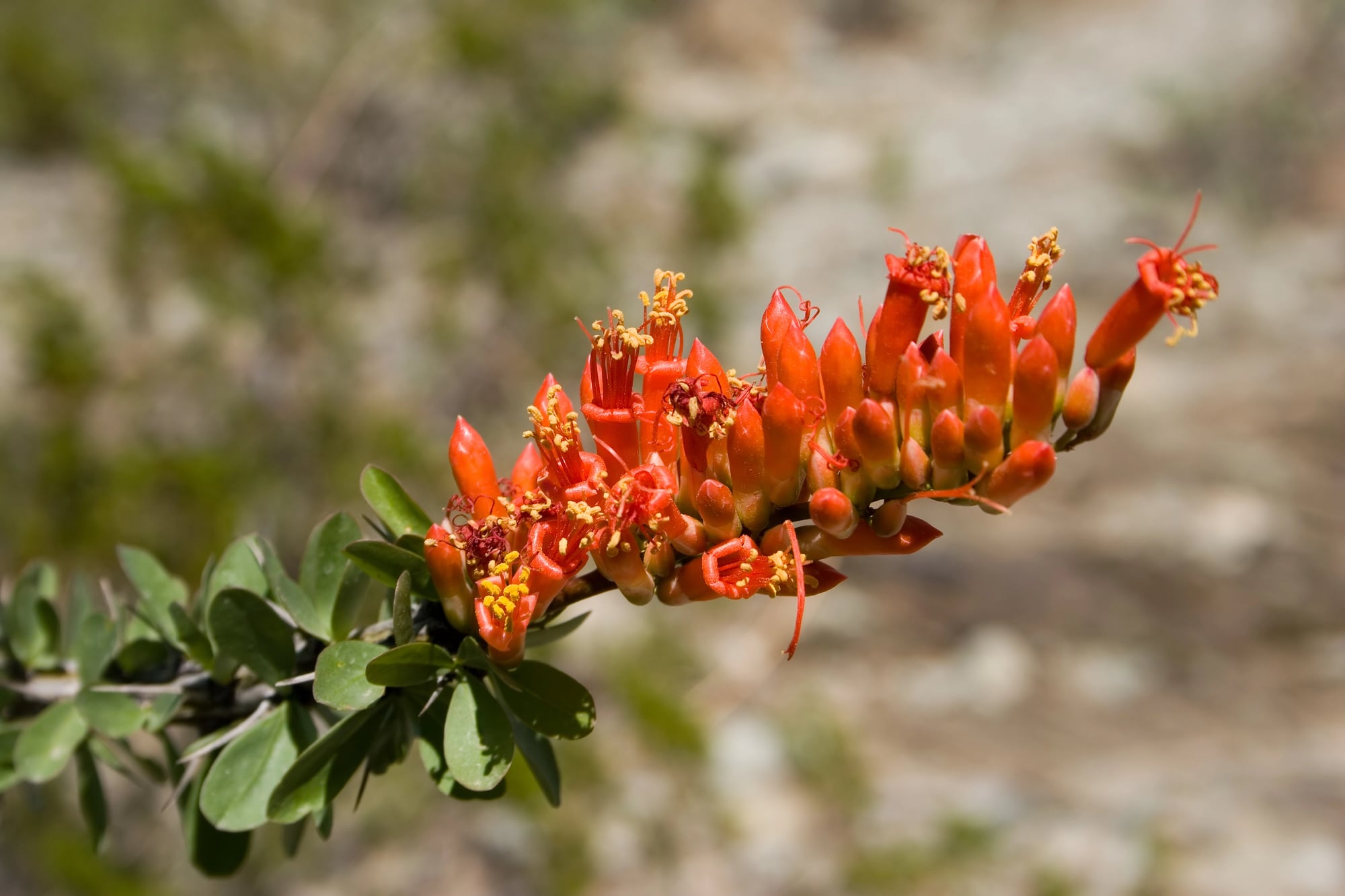
The bright red tubular flowers that appear on ocotillo plants after desert rains are both beautiful and edible. People eat them fresh or dry them for later use, and they have a slightly sour taste.
Indigenous groups also made drinks from the flowers by steeping them in water. The plants themselves look like bundles of dead sticks most of the year, then suddenly burst into leaf and flower when moisture appears, making the brief harvest window something to watch for carefully.
Date palm fruits
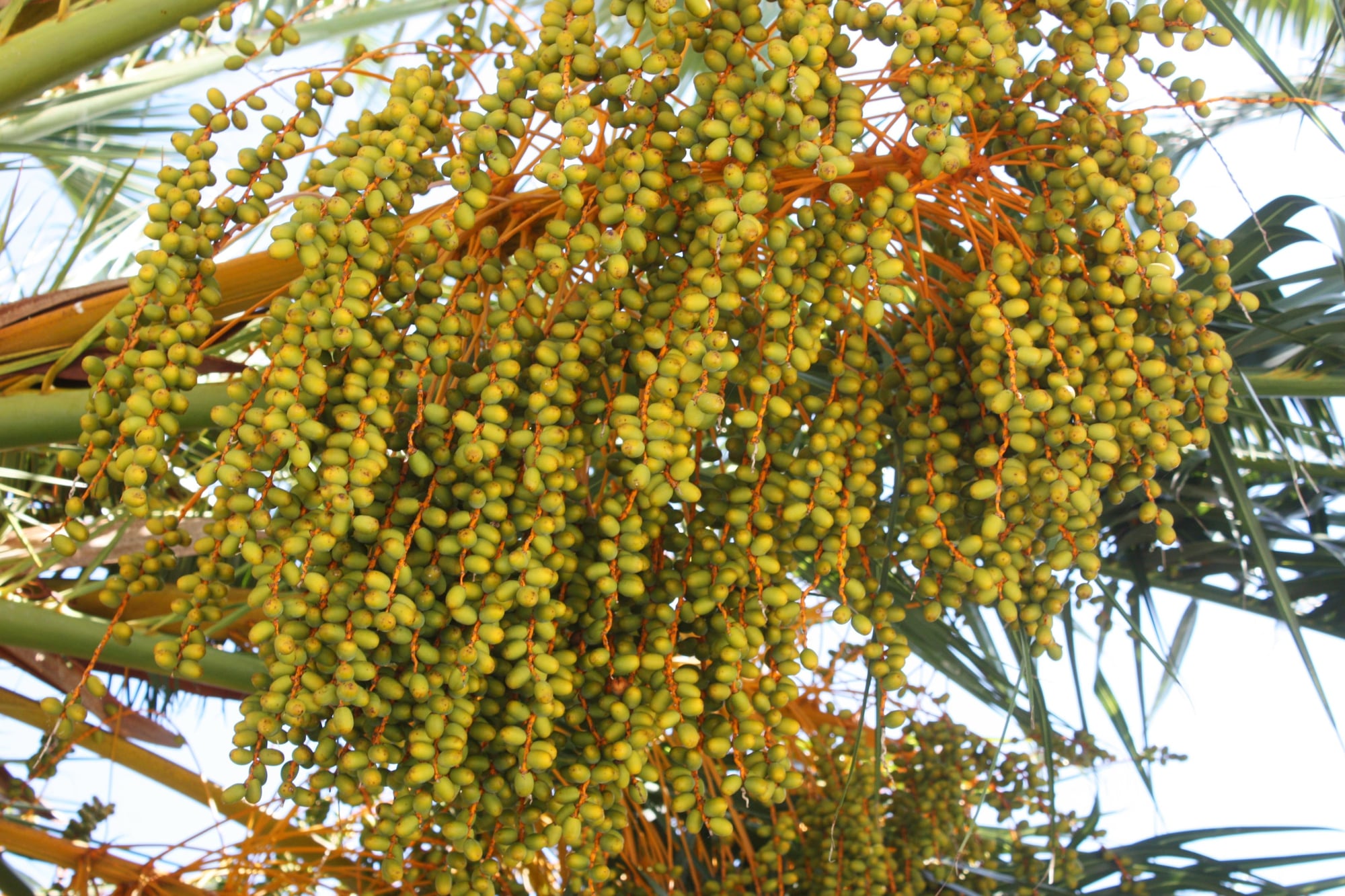
In Middle Eastern and North African deserts, date palms have been the difference between survival and starvation for countless communities. These trees produce massive quantities of sweet, energy dense fruits that can be dried and stored for months.
A handful of dates provides enough sugar and calories to keep someone going through a day of hard work. The trees need very little water once established and can handle temperatures that would kill most other fruit bearing plants.
Pinyon pine nuts
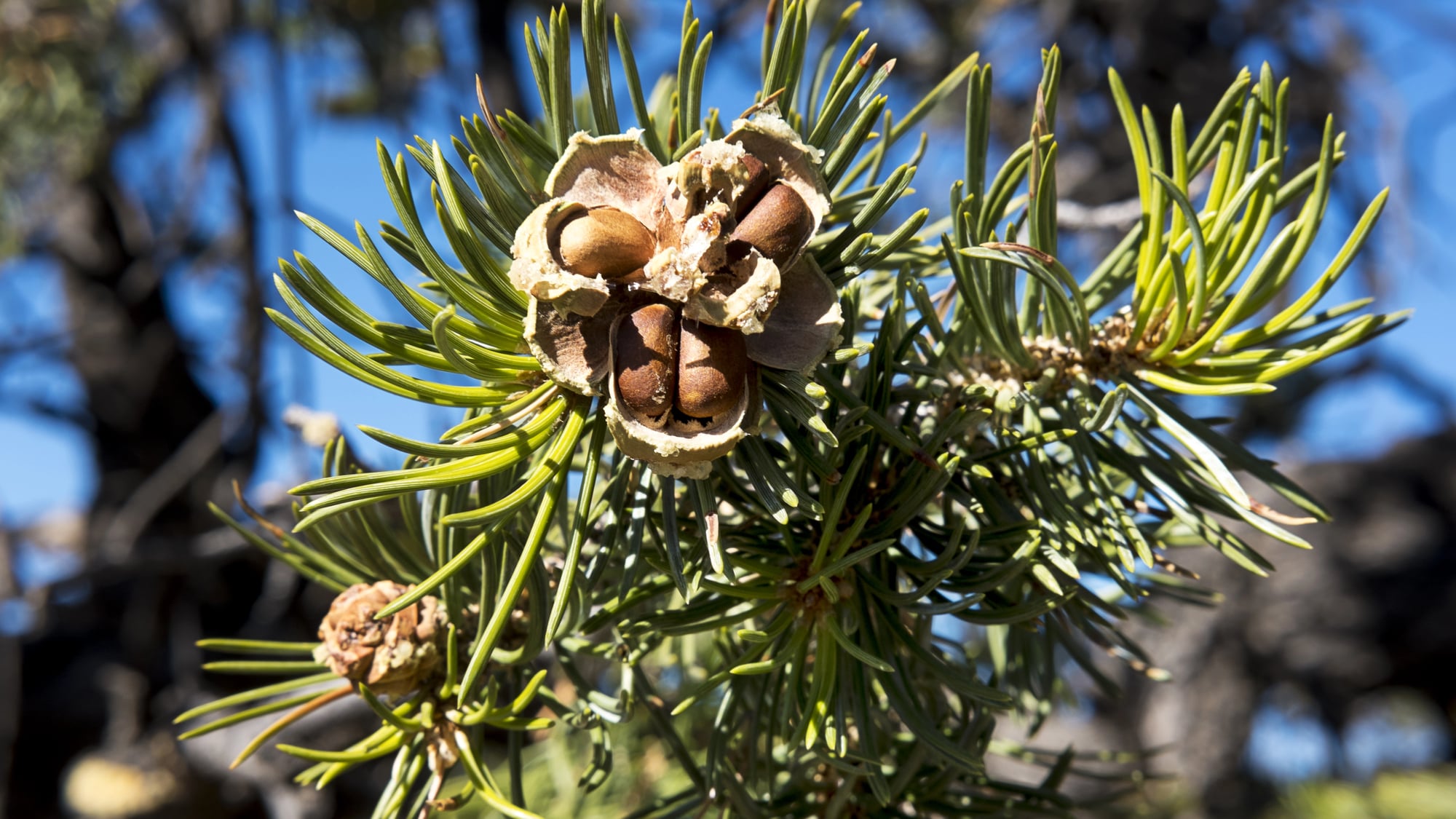
High desert regions in the American Southwest are home to pinyon pines that produce small, flavorful nuts every few years. Native American groups timed their seasonal movements around the pine nut harvest, gathering massive quantities when the trees produced.
The nuts are rich in fat and protein, with a buttery taste that makes them valuable for trading as well as eating. Harvesting them takes patience because the cones have to be collected at just the right time and then processed to extract the tiny nuts inside.
Honeypot ants

Inside dark tunnels beneath the red earth, some ants grow round with stored nectar, fed by others until they swell like tiny fruits. Hanging upside down from nest ceilings, their bodies become natural jars of sweetness.
When people find these colonies, they gently unearth them, taking care not to crush the fragile chambers. Each plump ant bursts with flavor – sharp sugary notes laced with hints of wild blossoms.
Tepary beans

For more than five millennia, people in the Sonoran Desert have grown these resilient little beans, needing hardly any water at all. Where others see barren land, just a bit of rain is enough for them to thrive.
Packed with more protein than many familiar varieties, their taste turns rich – earthy, slightly nutlike – with slow cooking. Even now, farmers follow old ways, sowing seeds where floodwater pools briefly after storms.
What still grows today

Still, desert families stick to old ways of eating, even if supermarkets and new farming methods shifted life fast. Because times change, younger generations dig into meals once seen as mere need – now they see roots, history, self.
As weather turns wilder, plants that survive little water catch attention far beyond sandy lands. What was overlooked before – the skill to feed oneself where land gives little – might matter more than folks thought possible years back.
More from Go2Tutors!

- The Romanov Crown Jewels and Their Tragic Fate
- 13 Historical Mysteries That Science Still Can’t Solve
- Famous Hoaxes That Fooled the World for Years
- 15 Child Stars with Tragic Adult Lives
- 16 Famous Jewelry Pieces in History
Like Go2Tutors’s content? Follow us on MSN.



