30 Board Games Families Played Until the Boxes Fell Apart
Some board game boxes in a family closet were held together with tape and rubber bands long before anyone considered replacing them. The corners had softened, the lids no longer sat flush, and somewhere inside a hand-drawn replacement piece stood in for one that had been lost a decade earlier.
These were not the newest or flashiest games on the shelf. They were the ones pulled out often enough that wear became part of the object itself.
Monopoly
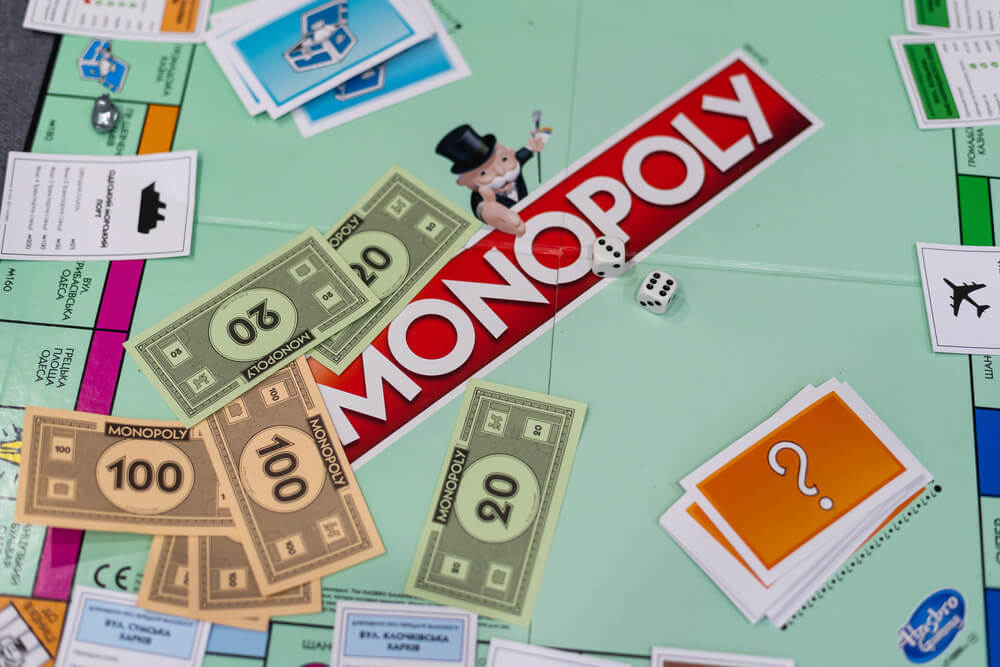
Introduced commercially by Parker Brothers in 1935, Monopoly became a fixture in family game closets for its property trading, its notoriously long play sessions, and its tendency to produce genuine arguments over house rules involving Free Parking cash. Nearly every long-owned set eventually lost its thimble or its dog token, replaced with a button or a spare game piece from an entirely different box.
Games could stretch across multiple sittings, sometimes paused and resumed over several days with the board left standing on a table.
Scrabble
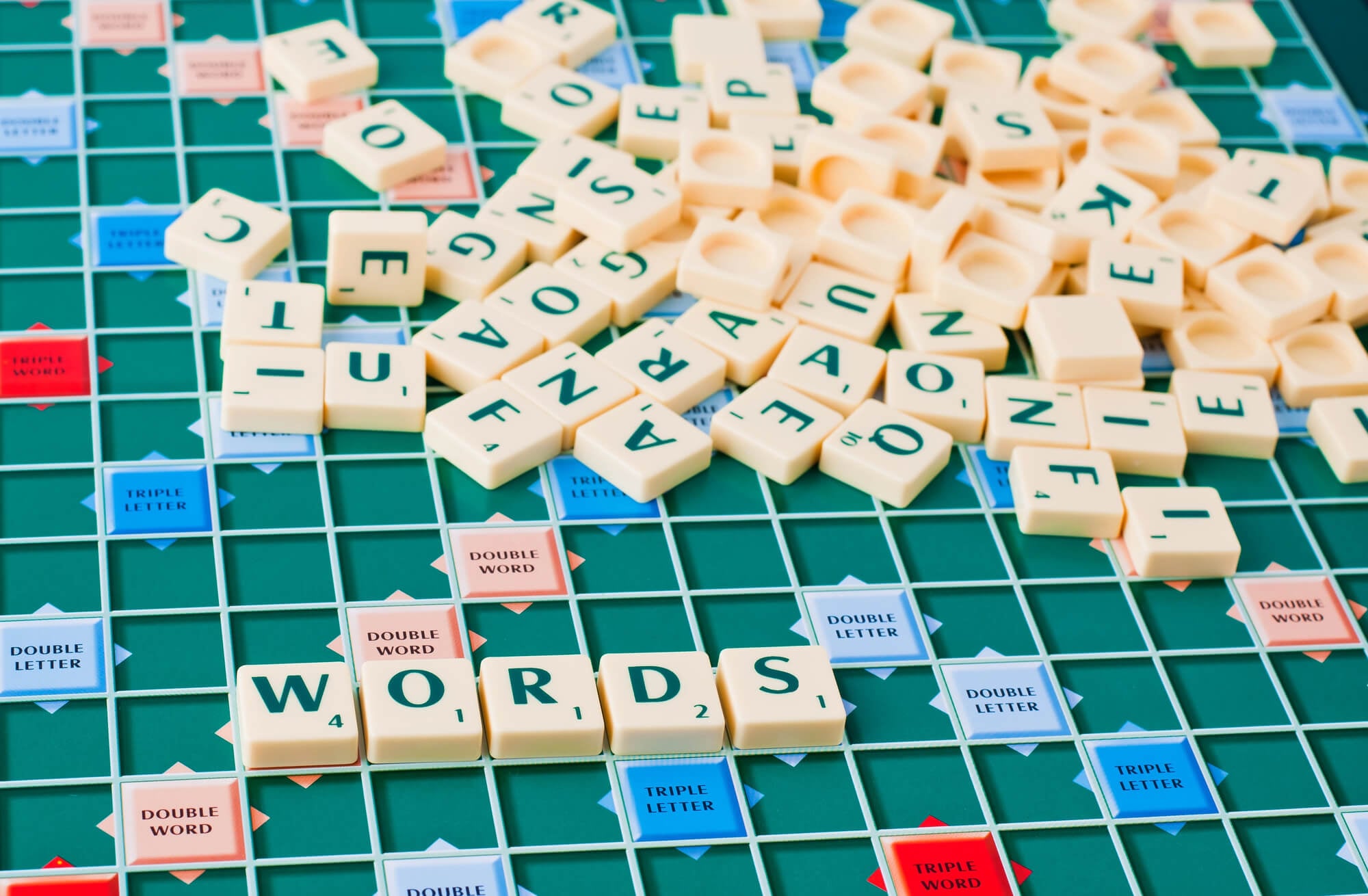
Scrabble’s tile-based word building format, refined and marketed by James Brunot in the 1940s, turned into a household staple for families who valued a slower, more cerebral pace than most other board games offered. Well-loved boards often developed a permanently worn felt surface, and tile bags frequently went missing entirely, replaced by whatever container was handy.
Disputes over whether a word was legitimate frequently sent someone scrambling for a dictionary kept specifically near the game shelf.
Clue
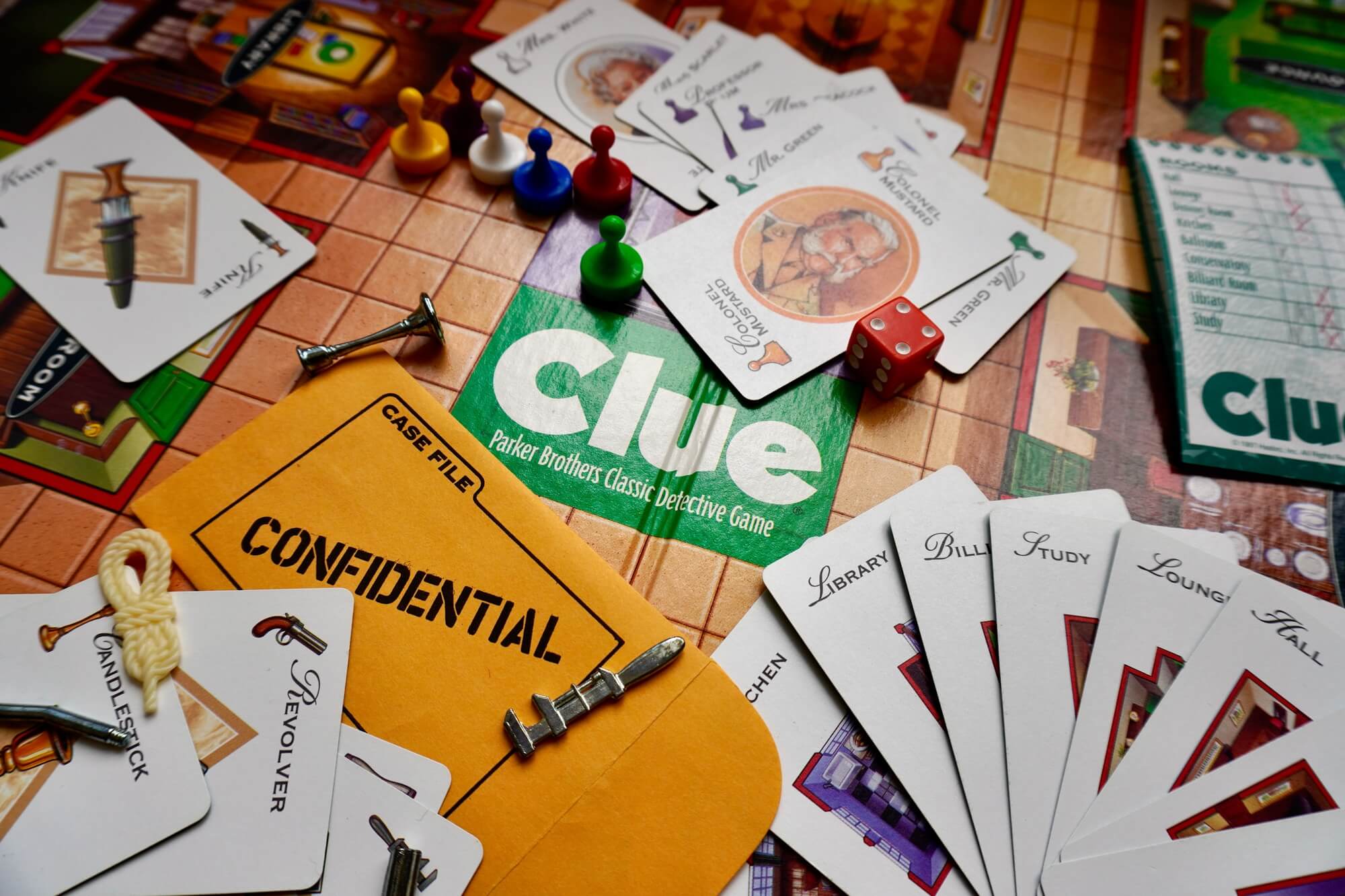
Clue, known as Cluedo outside North America, built its entire appeal around a locked-room murder mystery that players solved through a structured process of elimination across the mansion’s rooms and weapons. The game’s small die-cut weapon pieces, particularly the lead pipe and the tiny wrench, were disproportionately likely to go missing over years of play.
Long-owned sets often had a slightly warped board from repeated folding and unfolding, with crease lines running permanently across several rooms.
Sorry!
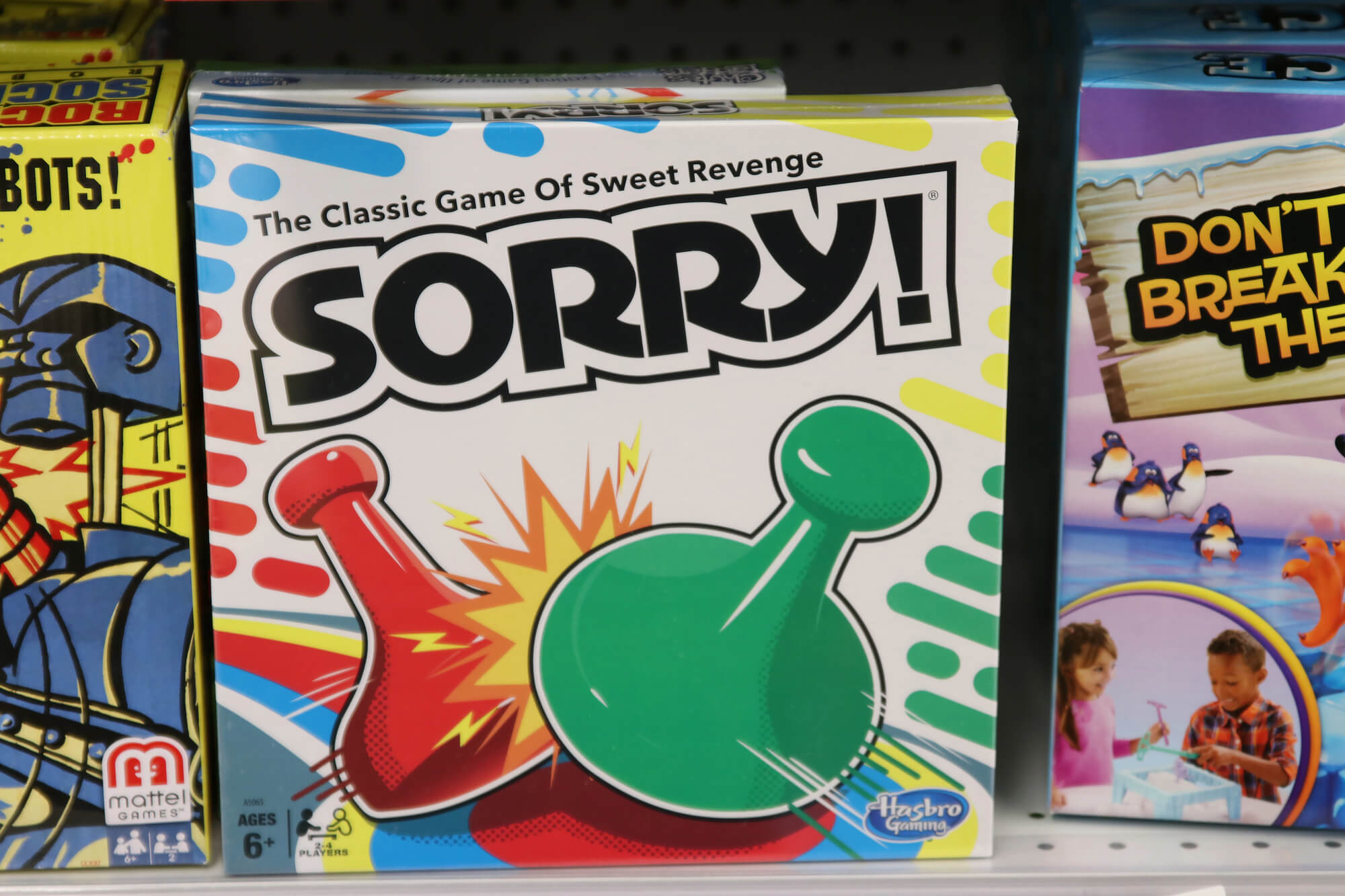
Sorry! combined a simple card-driven movement system with the specific, satisfying cruelty of sending an opponent’s piece back to start, a mechanic that gave the game its name and its enduring appeal for younger players. The small plastic pawns were easy to lose under couches and between floorboards, leading many long-owned sets to include a mismatched collection of substitute pieces.
The card deck itself often became soft and rounded at the corners from years of shuffling by small hands.
Trouble
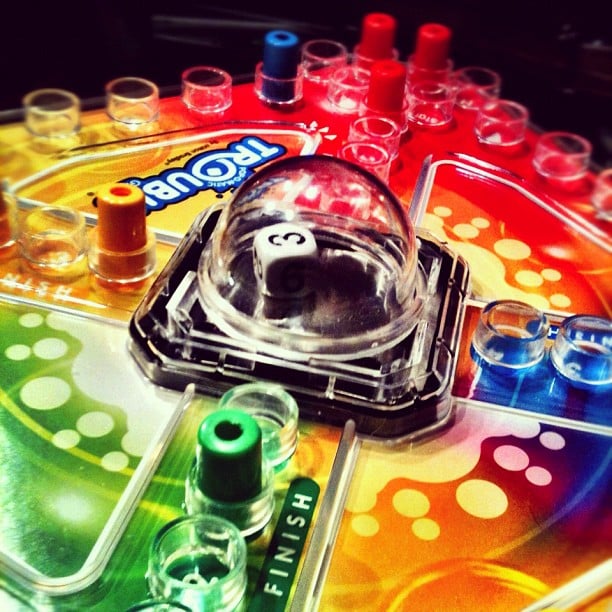
Trouble’s signature feature, a clear plastic dome housing a set of dice that popped when pressed, made it instantly recognizable and gave the game its distinct sound, a satisfying click that could be heard from another room. Years of enthusiastic popping eventually wore down the dome’s spring mechanism in many households, producing a weaker and weaker pop that became a running family joke.
The game’s simple movement rules made it one of the earliest board games many children learned to play independently.
Life
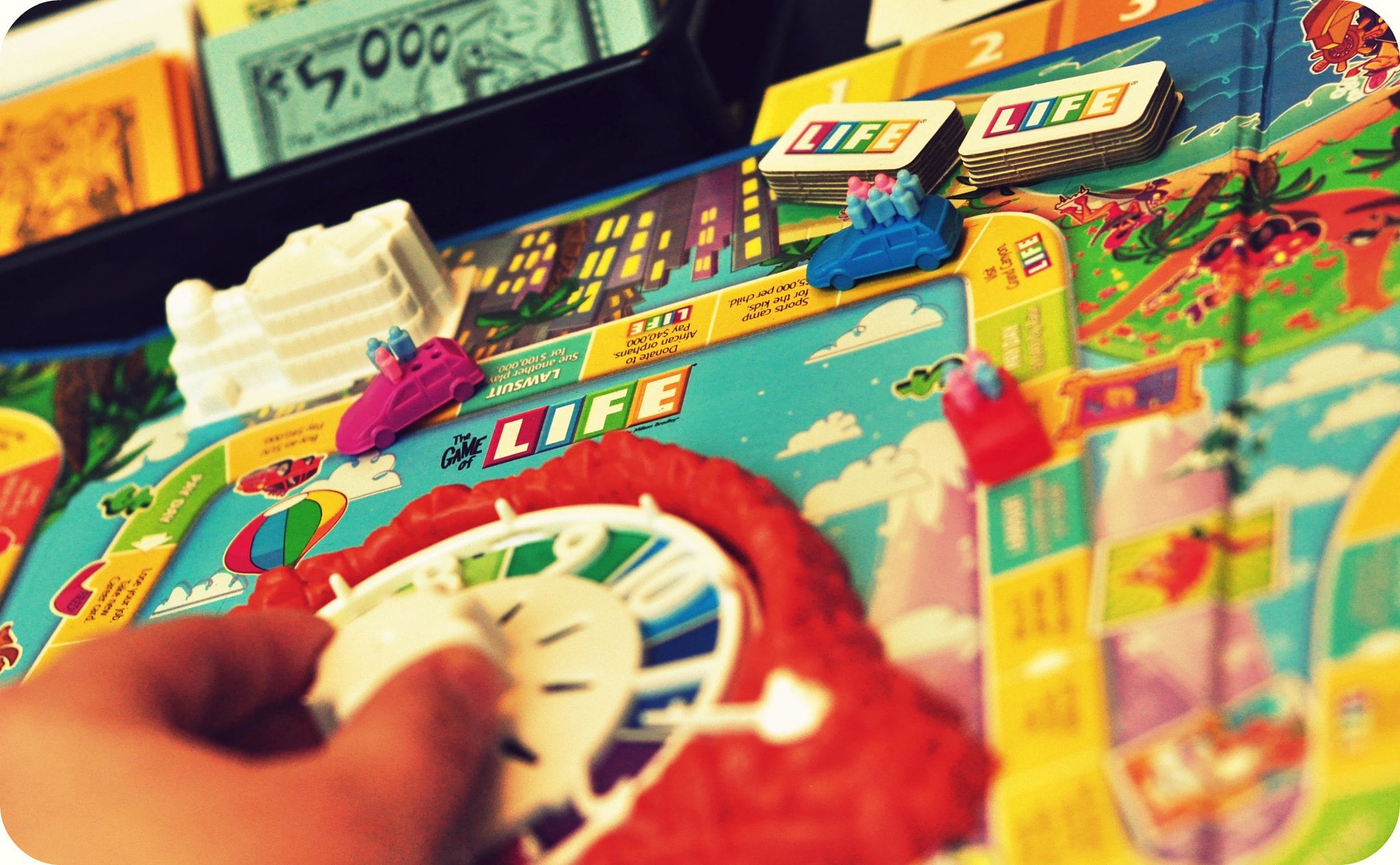
The Game of Life, updated repeatedly since its original 1860 version by Milton Bradley, sent small plastic cars loaded with pink and blue peg passengers spinning around a track representing career choices, marriage, and retirement. The spinning wheel at the game’s center, rather than dice, was a mechanical point of failure in many long-owned sets, eventually sticking or spinning unevenly after years of use.
Losing the tiny passenger pegs, meant to represent children accumulated during play, was such a universal experience that most families kept a small dish of loose substitute pegs nearby.
Candy Land
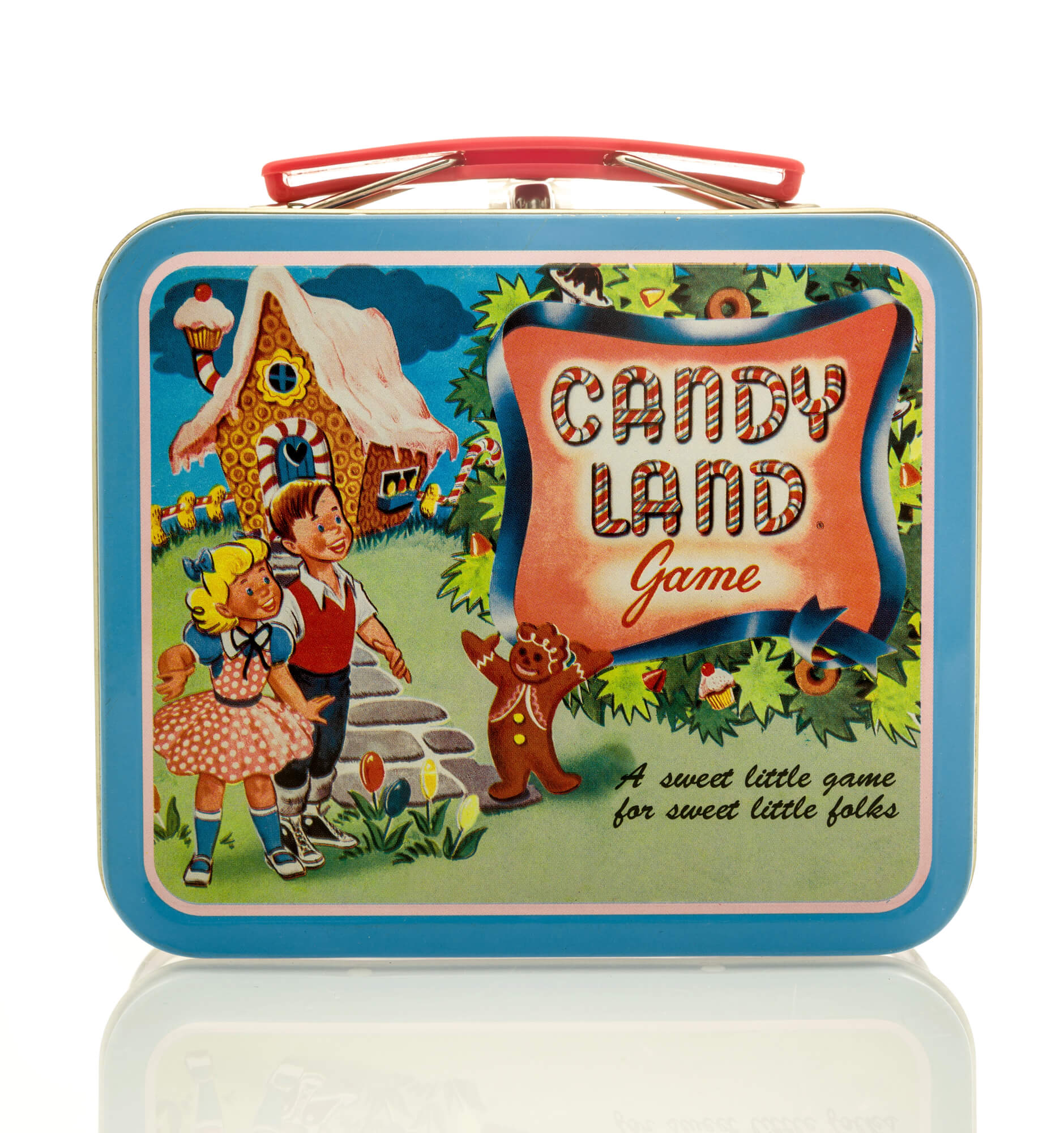
Designed originally in 1949 by Eleanor Abbott while recovering from polio, Candy Land relied entirely on colored cards rather than dice, making it accessible to children too young to read or count reliably. The brightly colored board faded unevenly with sun exposure over years sitting on a shelf, leaving one edge noticeably more vivid than the other.
It frequently served as a child’s literal first board game, played long before any rules more complex than matching colors made sense.
Chutes and Ladders
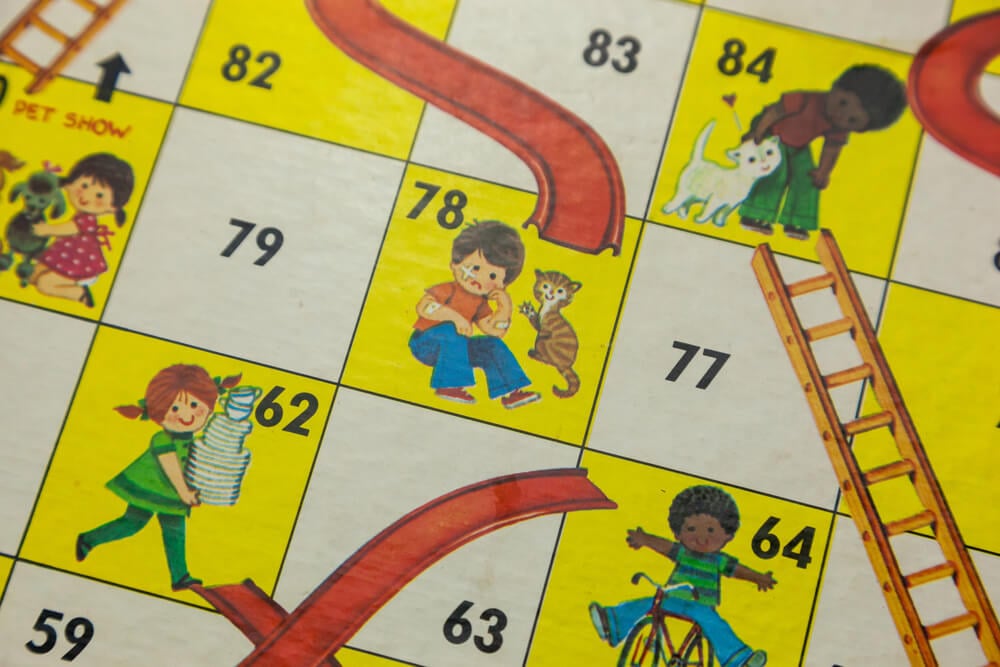
Based on the ancient Indian game of Snakes and Ladders, the American version replaced snakes with chutes and paired each square with a small moral illustration showing a consequence for good or bad behavior. The spinner, rather than dice, was a common point of mechanical failure after years of enthusiastic spins by small hands.
The game’s total reliance on chance, with no strategic decisions at all, made it a frequent choice specifically for very young children just old enough to understand turn-taking.
Battleship
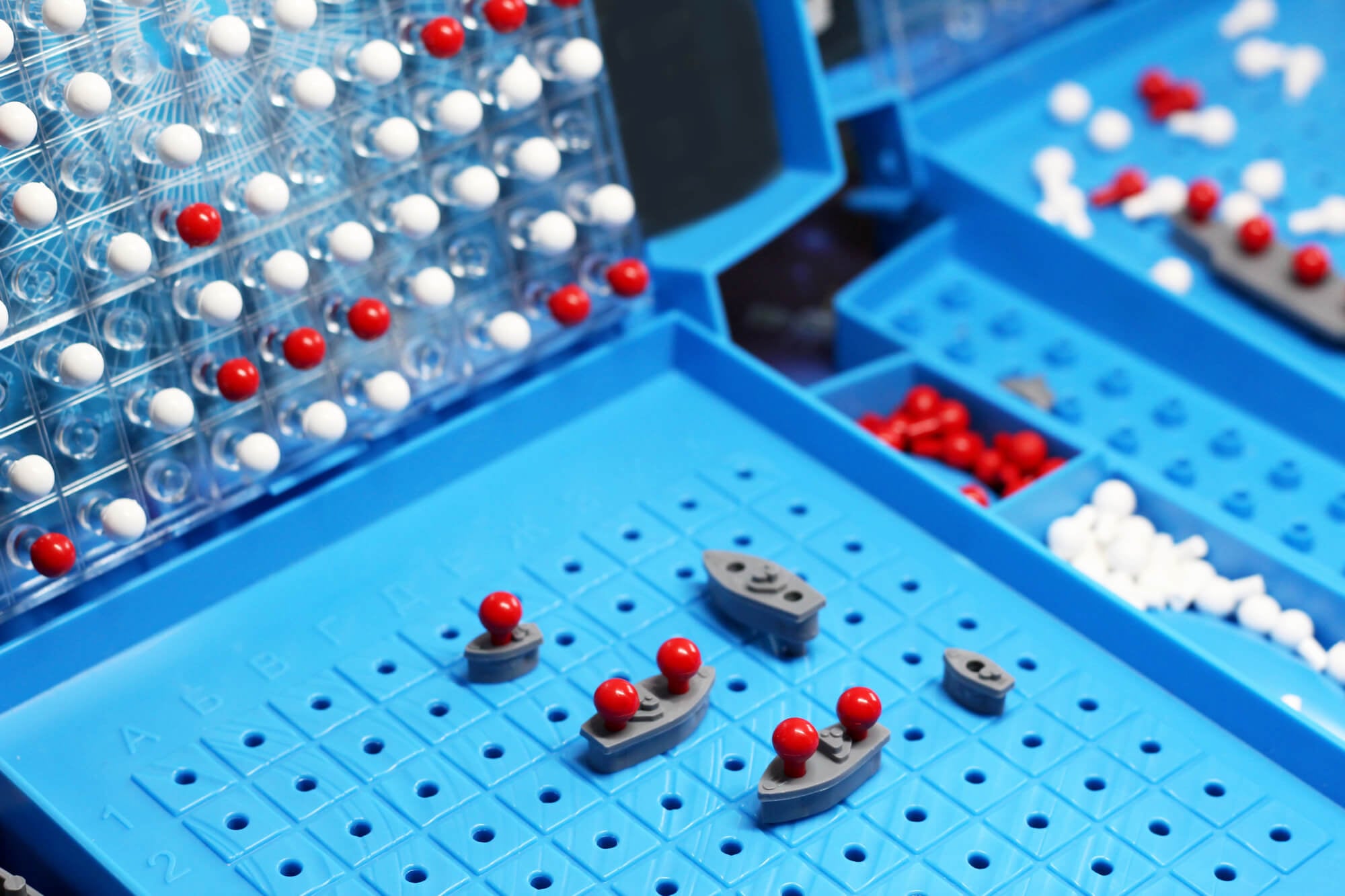
Battleship’s two-player format, with each player hiding a fleet on a private grid and calling out coordinates to guess the opponent’s ship locations, made it a favorite of siblings looking for head-to-head competition rather than a full family group activity. The small red and white pegs marking hits and misses were notorious for scattering across the floor when a case was knocked over.
Well-used sets often had a cracked or permanently ajar plastic case hinge from years of snapping shut.
Risk
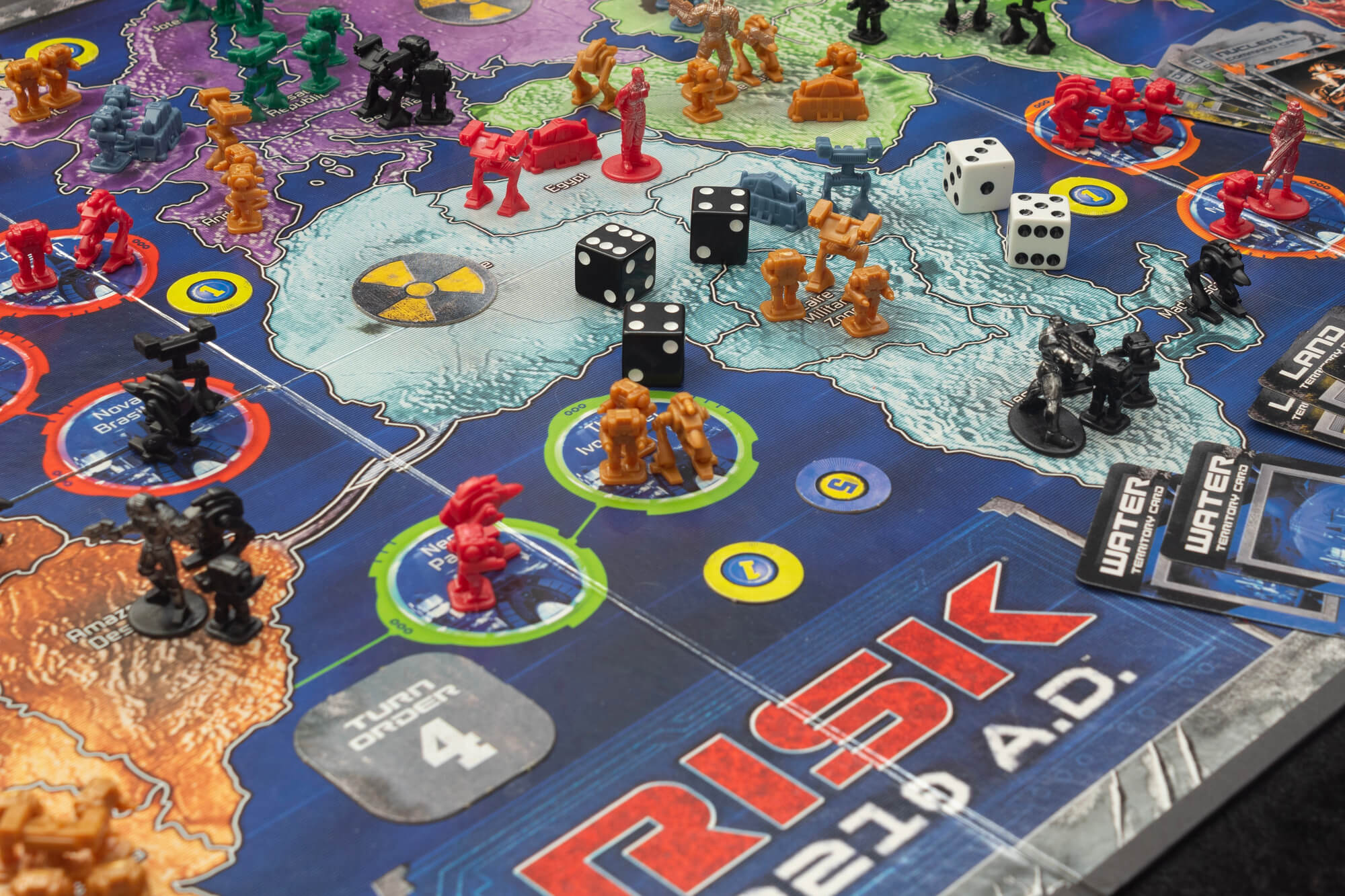
Risk turned a map of the world into a battlefield for control, with players moving armies of small plastic pieces across continents in sessions that could run for several hours and, in some households, multiple days. The game’s tiny plastic army pieces were extraordinarily easy to lose, and most long-owned sets eventually supplemented the original pieces with mismatched substitutes from other games.
Alliances formed and broken mid-game were a frequent source of genuine, if temporary, sibling conflict.
Yahtzee
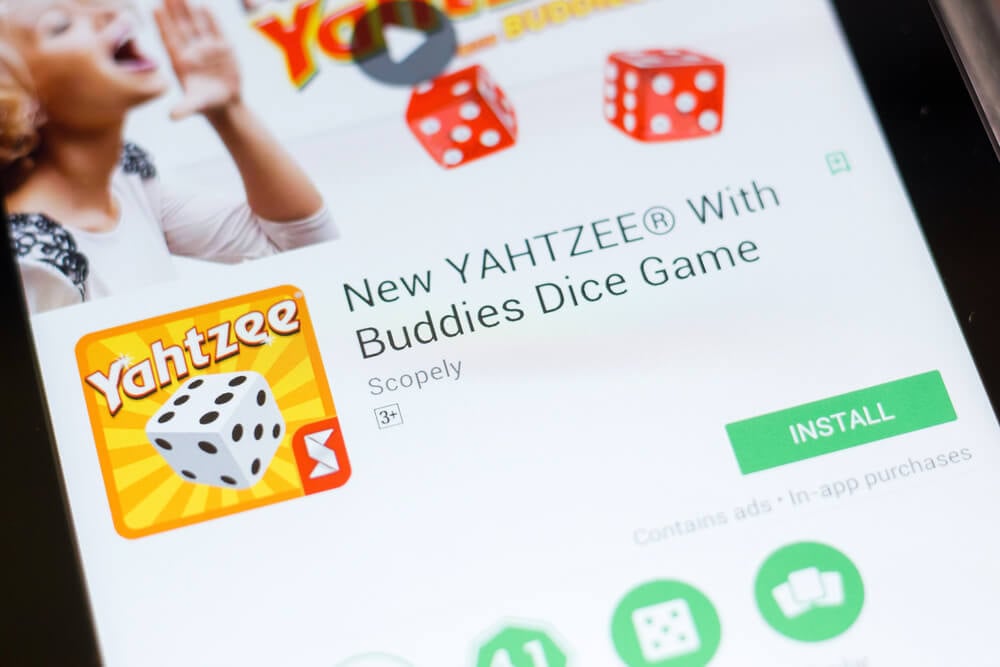
Yahtzee’s simple dice-rolling and scorecard format made it portable and quick enough for a single evening, requiring nothing more than five dice, a cup, and a pad of scorecards that families went through steadily over years of play. Losing the original scorecard pad was common enough that many families eventually photocopied or hand-drew replacement sheets to keep the game going.
The distinctive rattle of dice being shaken in the plastic cup became a recognizable household sound in its own right.
Operation
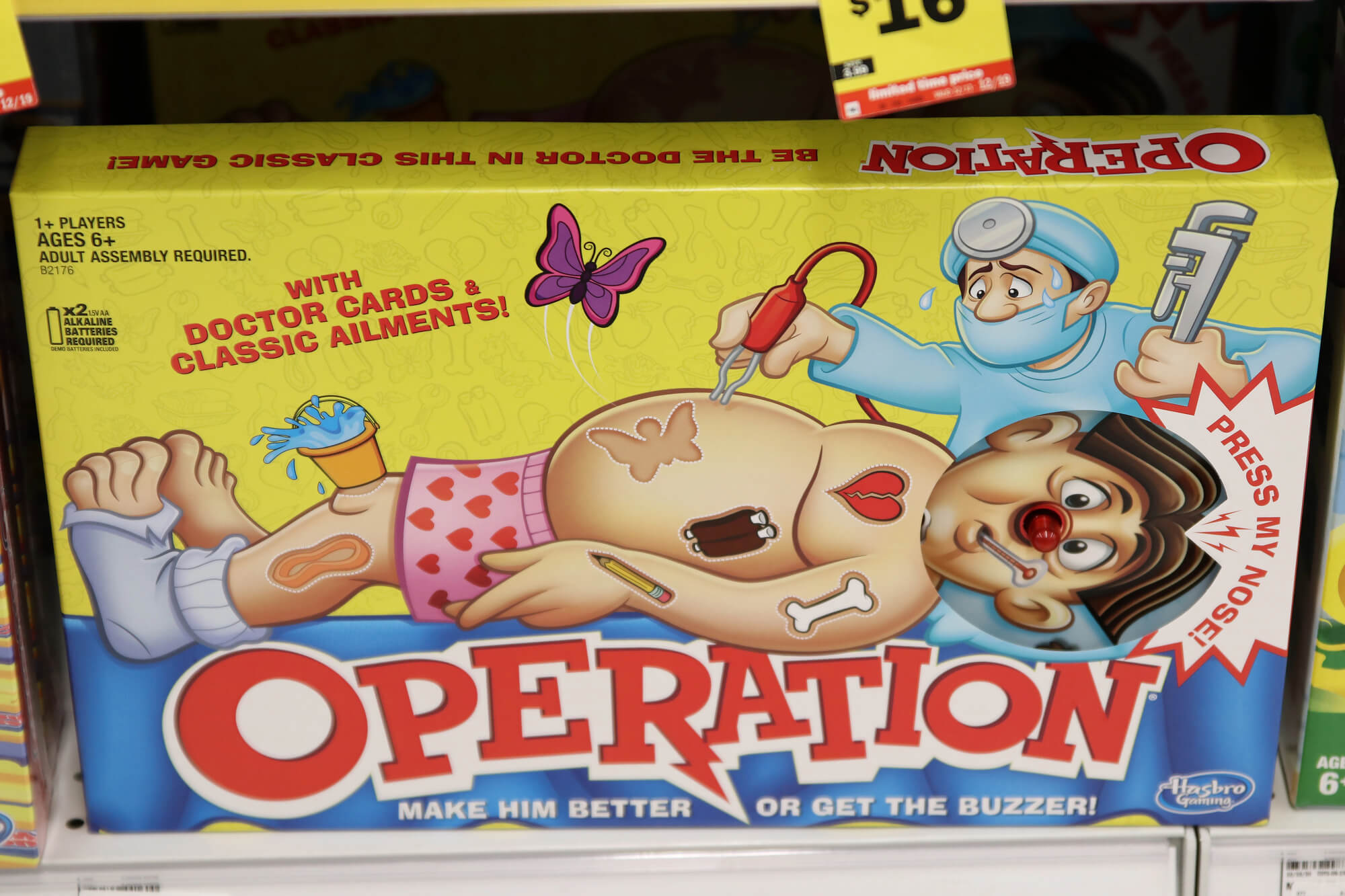
Operation challenged players to remove small plastic ailments from a game-board patient’s body using tweezers without touching the metal edges, a task that triggered a loud buzz and the patient’s nose lighting up red if a player’s hand slipped. The battery-powered buzzer mechanism was notoriously unreliable, and troubleshooting a dead battery or a stuck buzzer became its own minor family ritual before most play sessions.
Small ailment pieces, like the wrenched ankle and the funny bone, were frequently lost, leaving gaps in the board that everyone simply learned to play around.
Guess Who?
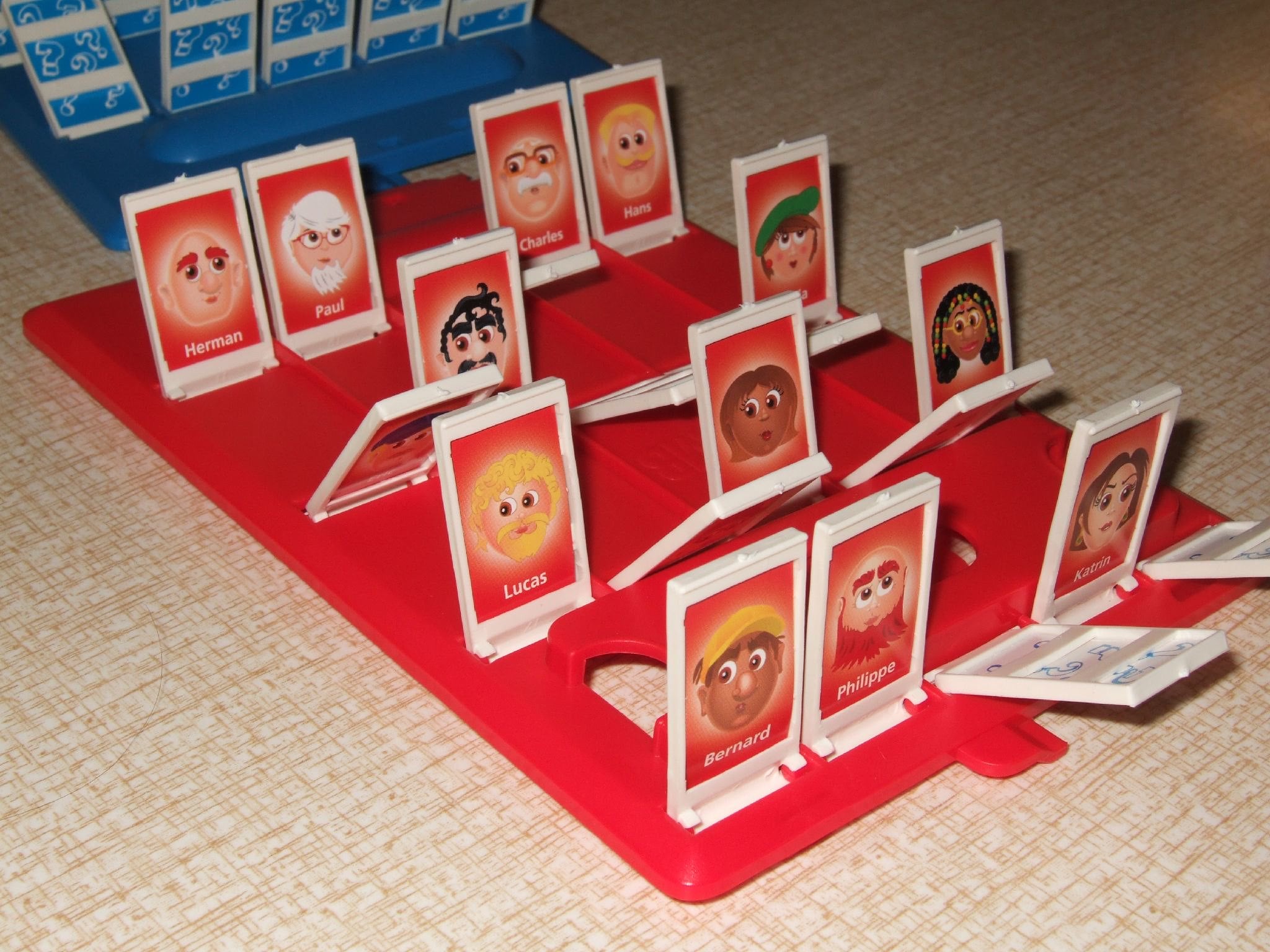
Guess Who? built its entire gameplay around a simple yes-or-no questioning process, as two players tried to deduce which of twenty-four illustrated faces their opponent had secretly selected by flipping down eliminated guesses one at a time. The plastic flip-down mechanism for each face card occasionally jammed after years of repeated use, requiring a firm but careful manual reset.
The specific characters on the cards became so familiar to repeat players that entire family in-jokes formed around particular faces.
Connect Four
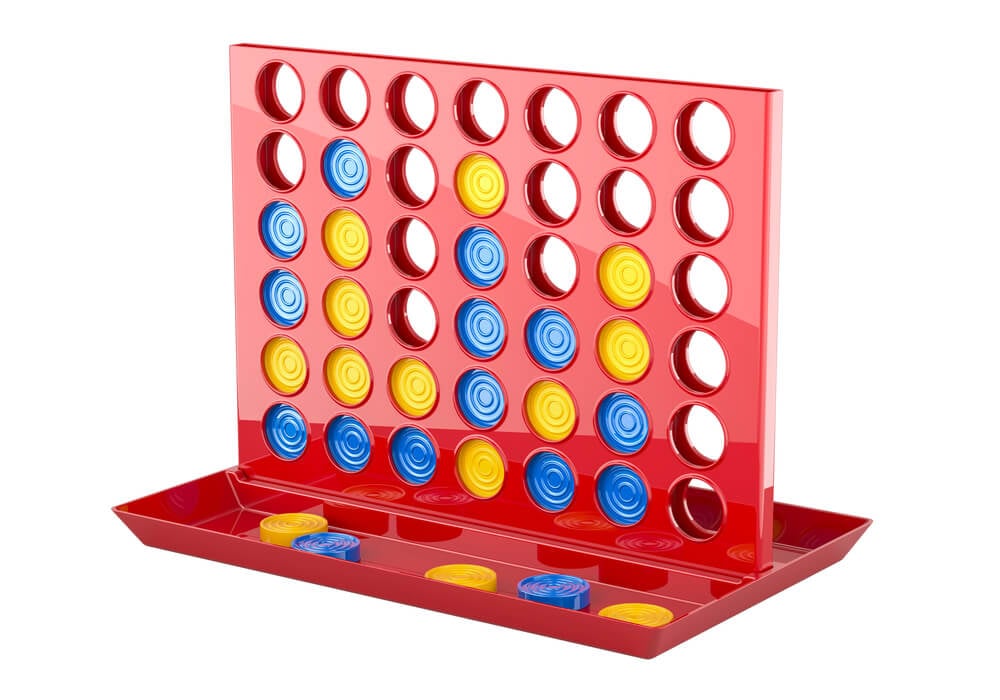
Connect Four’s vertical grid, into which players dropped colored discs trying to align four in a row before their opponent, was simple enough for young children while still offering enough strategic depth to genuinely interest adults. The plastic grid frame occasionally cracked at a corner after years of enthusiastic disc-dropping, requiring careful handling to avoid the frame coming apart entirely.
Clearing the board between games, by sliding open a mechanism at the base, sent all the discs clattering out at once in a sound every player of the game instantly recognizes.
Mouse Trap
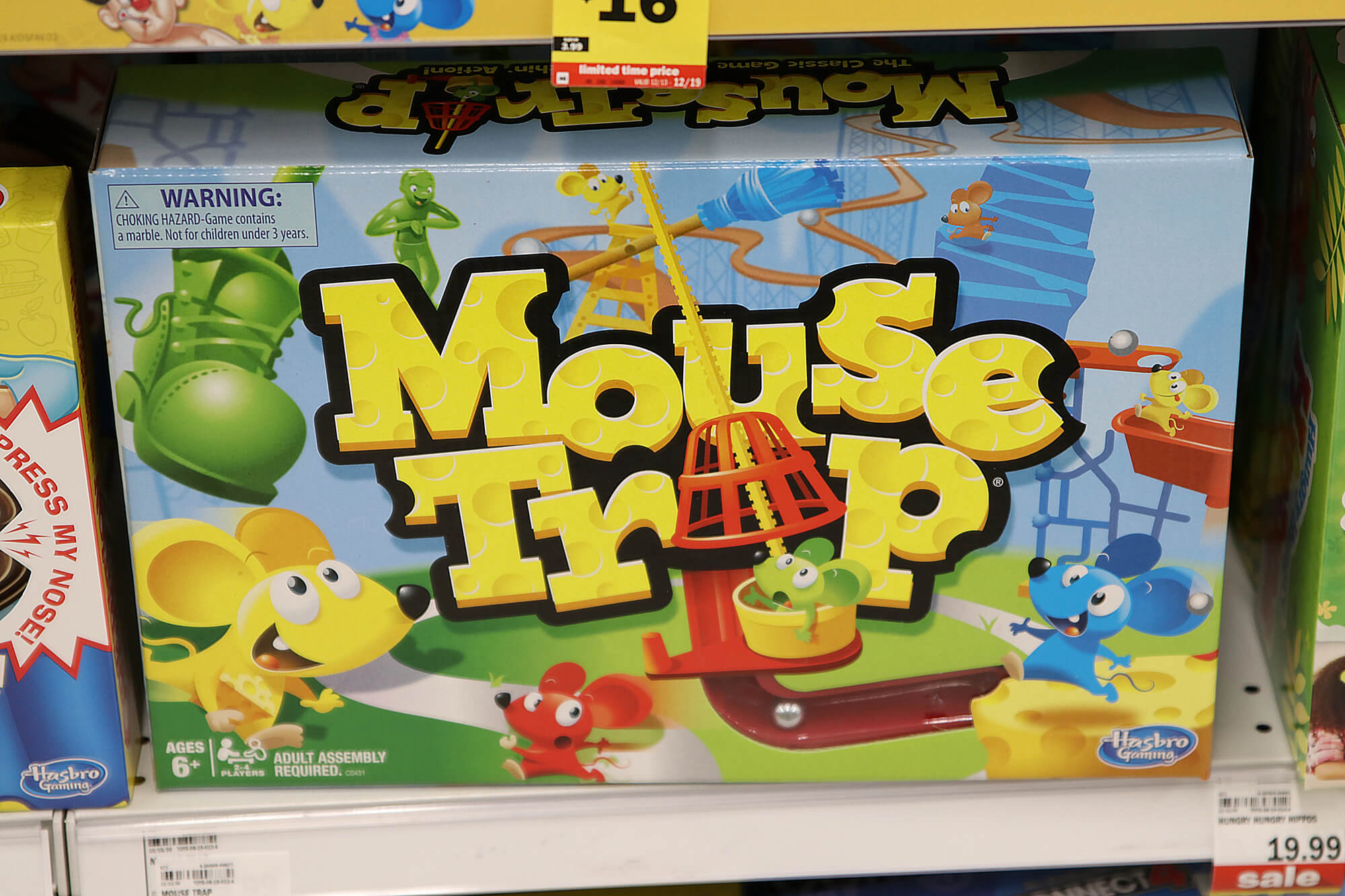
Mouse Trap’s elaborate Rube Goldberg-style contraption, assembled piece by piece over the course of the early game, eventually triggered a chain reaction meant to trap a plastic mouse under a small cage. The intricate plastic pieces were notoriously fragile and easy to lose or break, and most long-owned sets eventually had at least one part of the chain reaction that no longer functioned correctly.
Families often kept playing anyway, simply skipping or manually completing whatever step had stopped working.
Aggravation
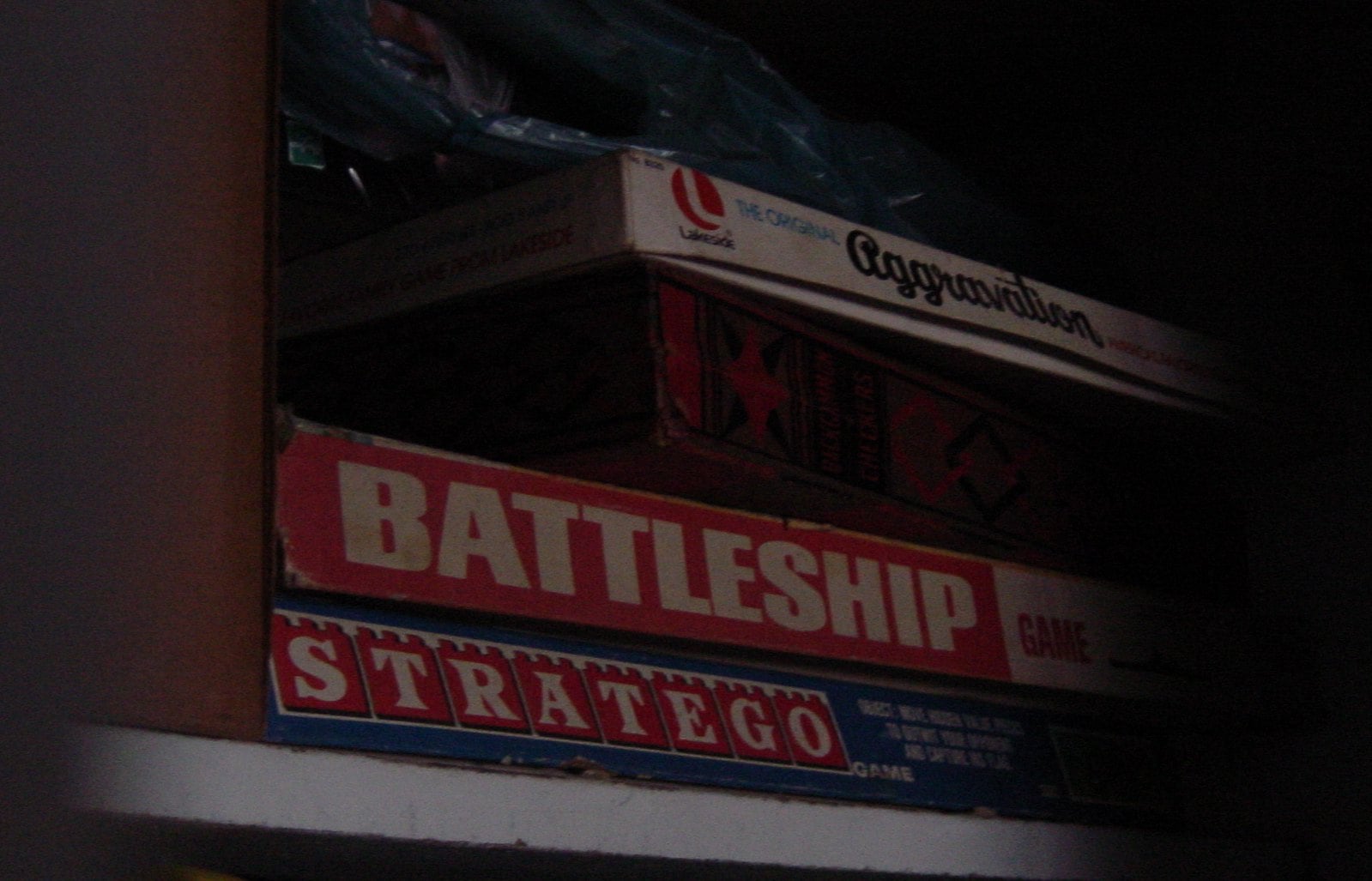
Aggravation combined elements of a traditional marble race game with a shared central board, sending players’ marbles around a track while trying to send opponents’ marbles back to their own starting area. Losing individual marbles down the sides of a couch or across a floor was so common that most long-owned sets eventually contained a mismatched rainbow of replacement marbles from other games or a hardware store.
The game’s cross-shaped board made it a natural fit for exactly four players, making it a frequent choice for family game nights with two parents and two children.
Trivial Pursuit
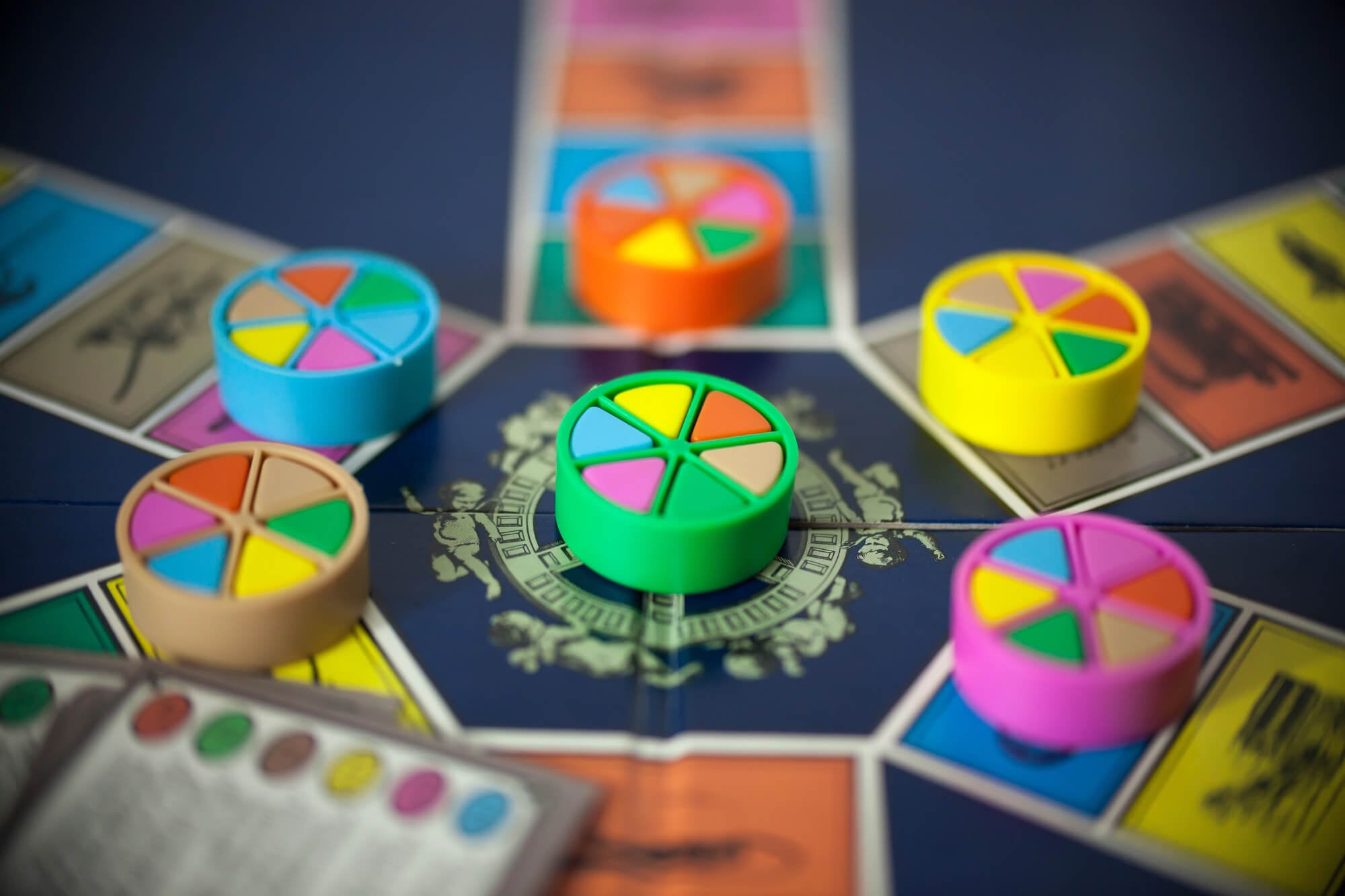
Trivial Pursuit’s wedge-collecting format across six categories of questions turned into an adult-oriented staple for family gatherings once players were old enough to genuinely compete on general knowledge. Card boxes for each expansion edition accumulated in a growing stack over years, with some households mixing questions from multiple decades’ worth of card sets into a single game.
The small plastic pie pieces that held each player’s collected wedges were prone to popping open and scattering wedges across the table mid-game.
Sequence
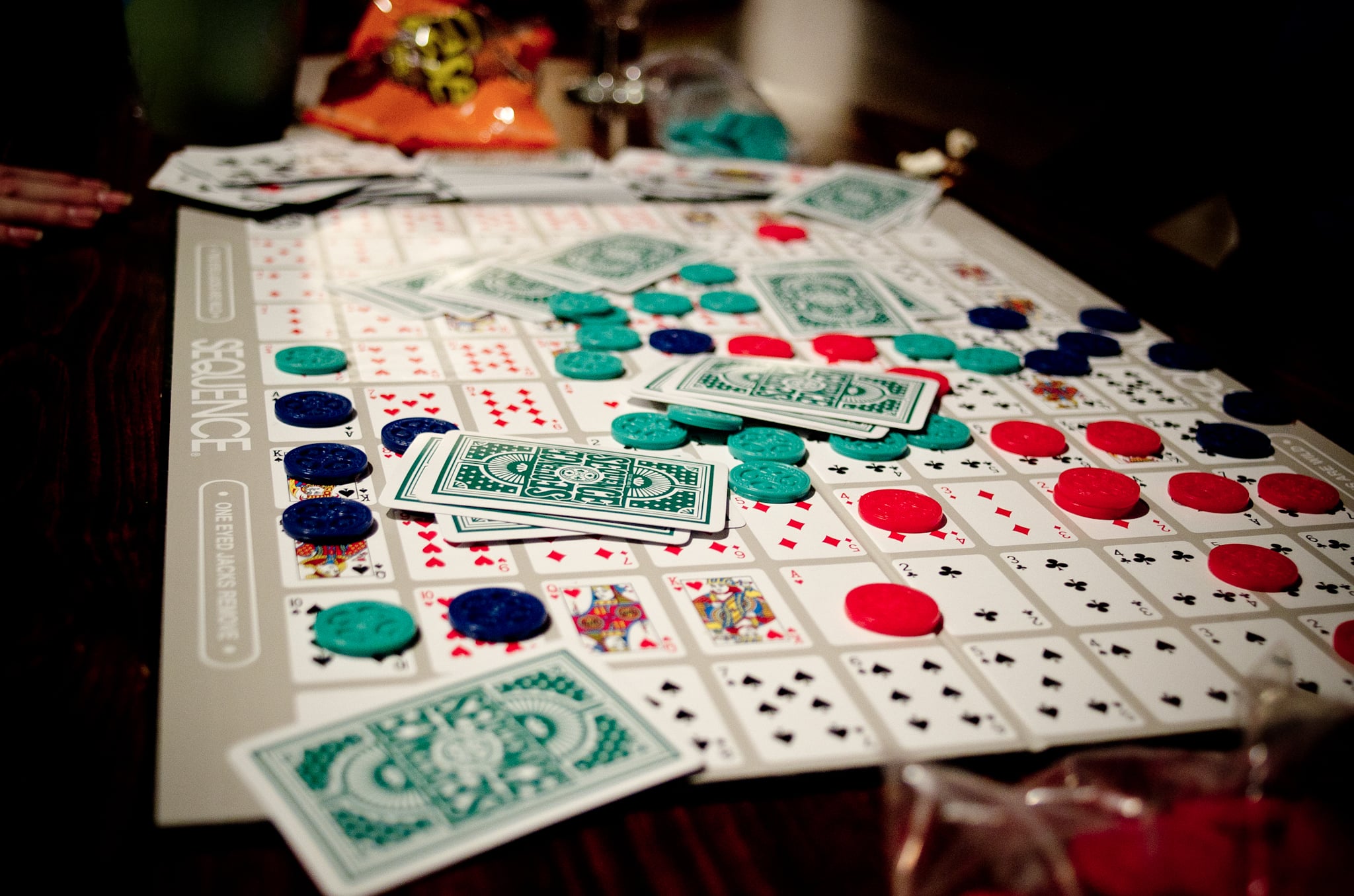
Sequence combined a standard deck of playing cards with a grid board, requiring players to place chips on matching cards to build a line of five in a row while managing a hand that had to be played strategically across multiple turns. The board’s specific two-cards-per-square layout meant a single card could be played in two different spots, a rule that new players frequently forgot until reminded by more experienced family members.
Loose plastic chips scattering across the floor during setup or cleanup was a near-universal minor annoyance of ownership.
Stratego
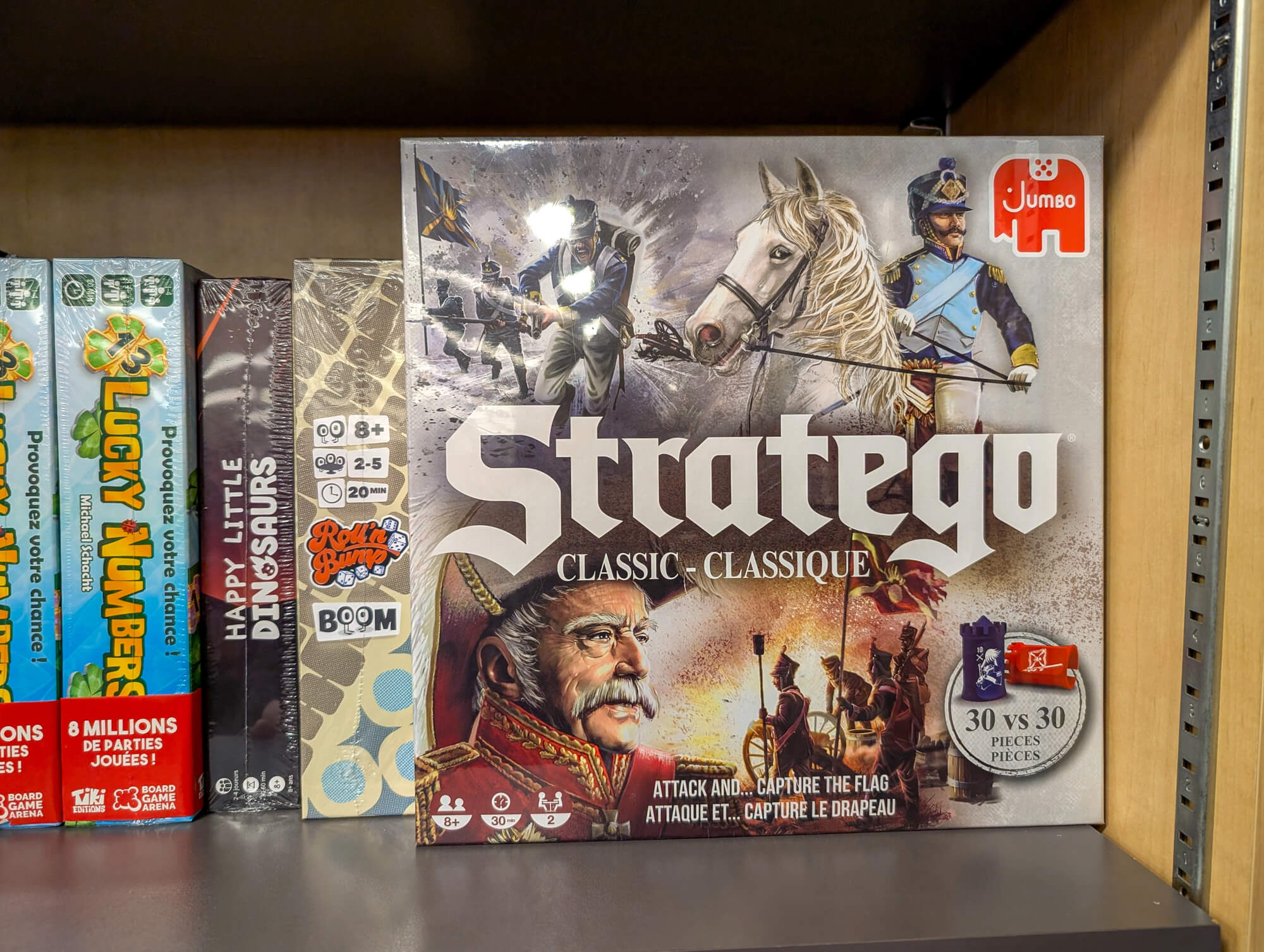
Stratego set two armies of rank-based pieces against each other on a grid, with each piece’s identity hidden from the opponent until an attack revealed it, rewarding both memory and bluffing over the course of a long game. The game demanded a level of patience and strategic thinking that made it a favorite specifically among older children and adults rather than younger siblings.
Setting up the full army of forty pieces per side at the start of each game was, on its own, a meaningful chunk of the total time commitment.
Parcheesi
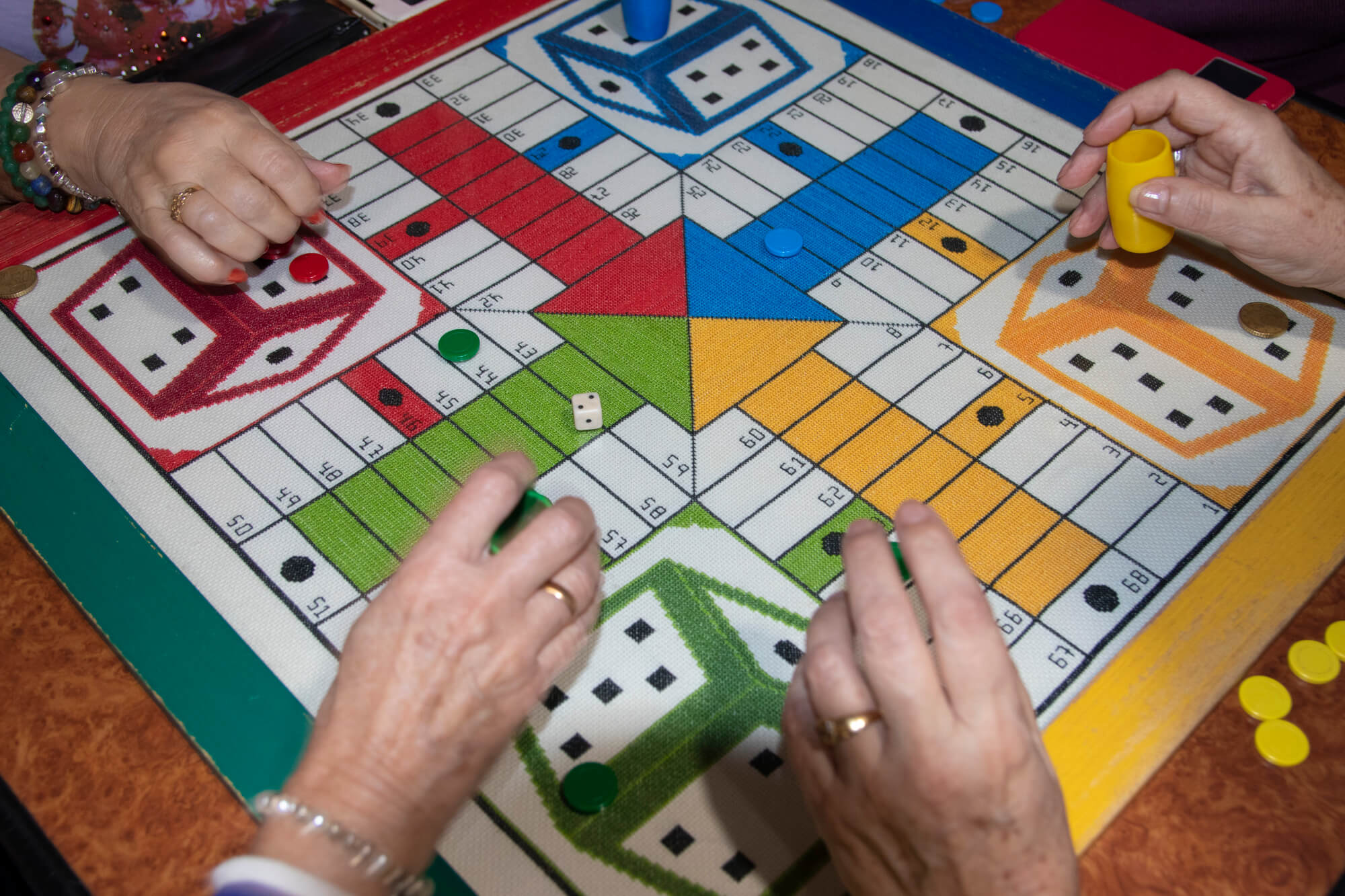
Adapted from the ancient Indian game of Pachisi, Parcheesi sent colored pawns around a cross-shaped board toward a home space, with dice rolls determining movement and the ability to send opponents’ pawns back to start. The game’s format made it a natural fit for family groups of up to four players, and its relatively simple ruleset made it accessible across a wide age range within a single household.
Older, cloth-mounted board versions in particular developed a soft, worn texture along the fold lines after years of repeated use.
Uno
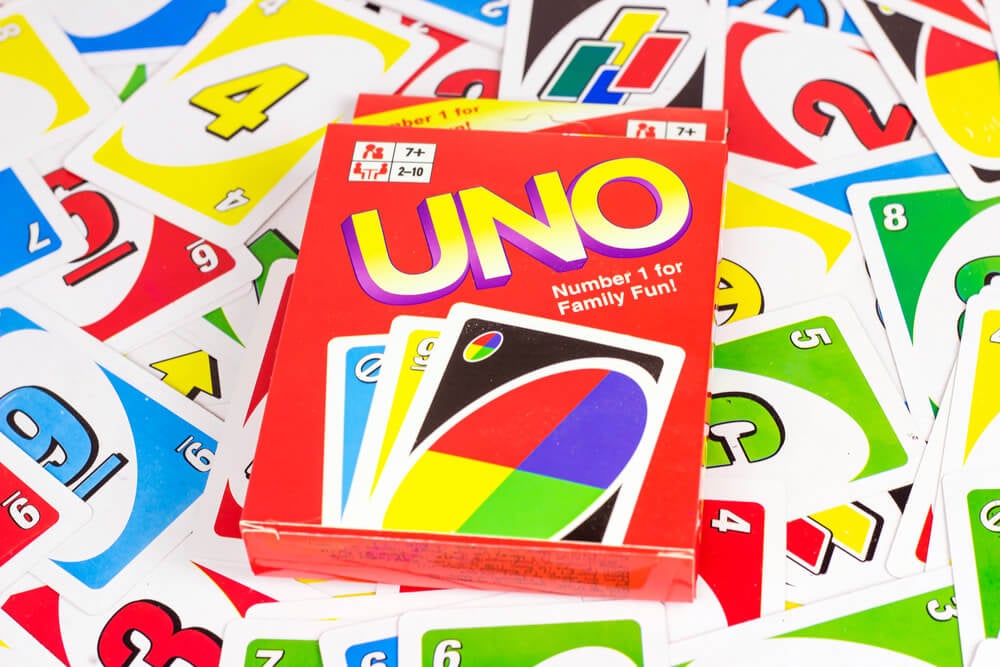
Though a card game rather than a traditional board game, Uno earned its place on the same shelf as board games in most households, with its colored number cards and action cards like Draw Four and Reverse producing fast-paced rounds that rarely lasted more than fifteen minutes. Well-loved decks became soft and easy to identify by touch alone, an issue serious enough that some families eventually enforced a rule against holding cards too close to the chest.
The game’s simple rules made it one of the few games genuinely enjoyed across a full range of ages within one family.
Boggle
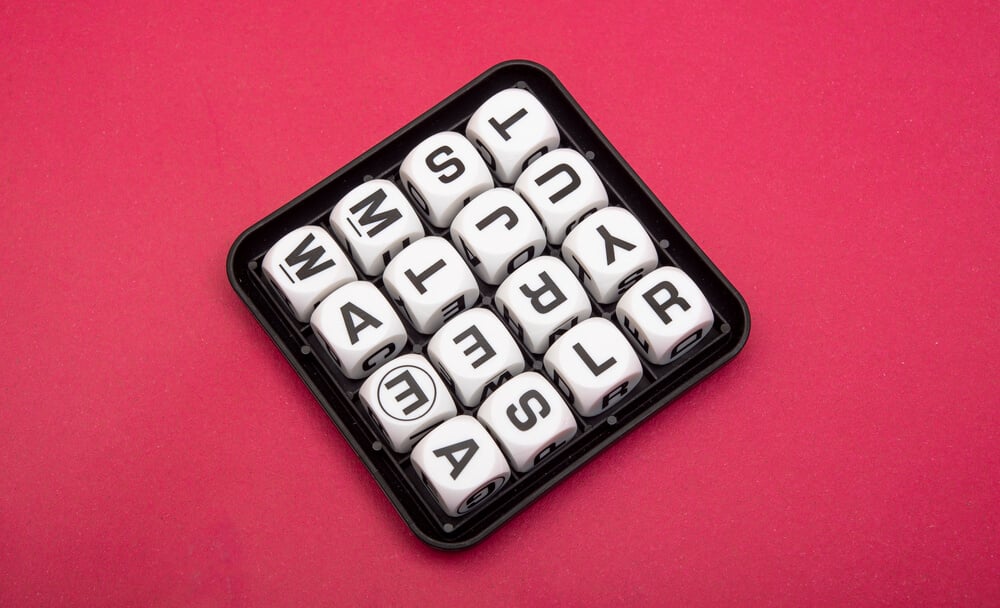
Boggle challenged players to find as many words as possible within a fixed time limit by tracing adjacent letters on a grid of shaken dice, using a small sand timer that became a recognizable object in its own right. The specific plastic dome covering the letter dice occasionally cracked after repeated shaking, and replacement domes were rarely sold separately, forcing continued use of a visibly damaged one.
Disputes over whether a found word was valid frequently sent someone to the same household dictionary used for Scrabble arguments.
Rummikub
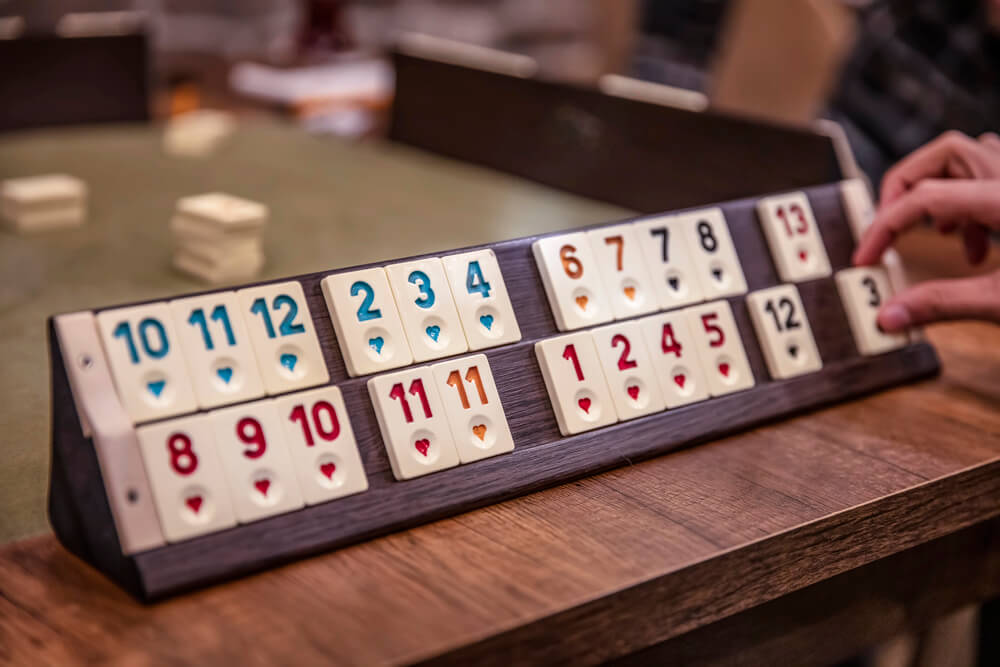
Rummikub combined elements of the card game rummy with numbered tiles, requiring players to build and rearrange sets and runs on a shared table using small plastic tile racks. The numbered tiles themselves were durable enough to survive decades of play, though the racks holding them in place were more prone to cracking after repeated use.
The game’s relatively long playtime and moderate strategic depth made it a particular favorite for extended family gatherings involving grandparents.
Pictionary
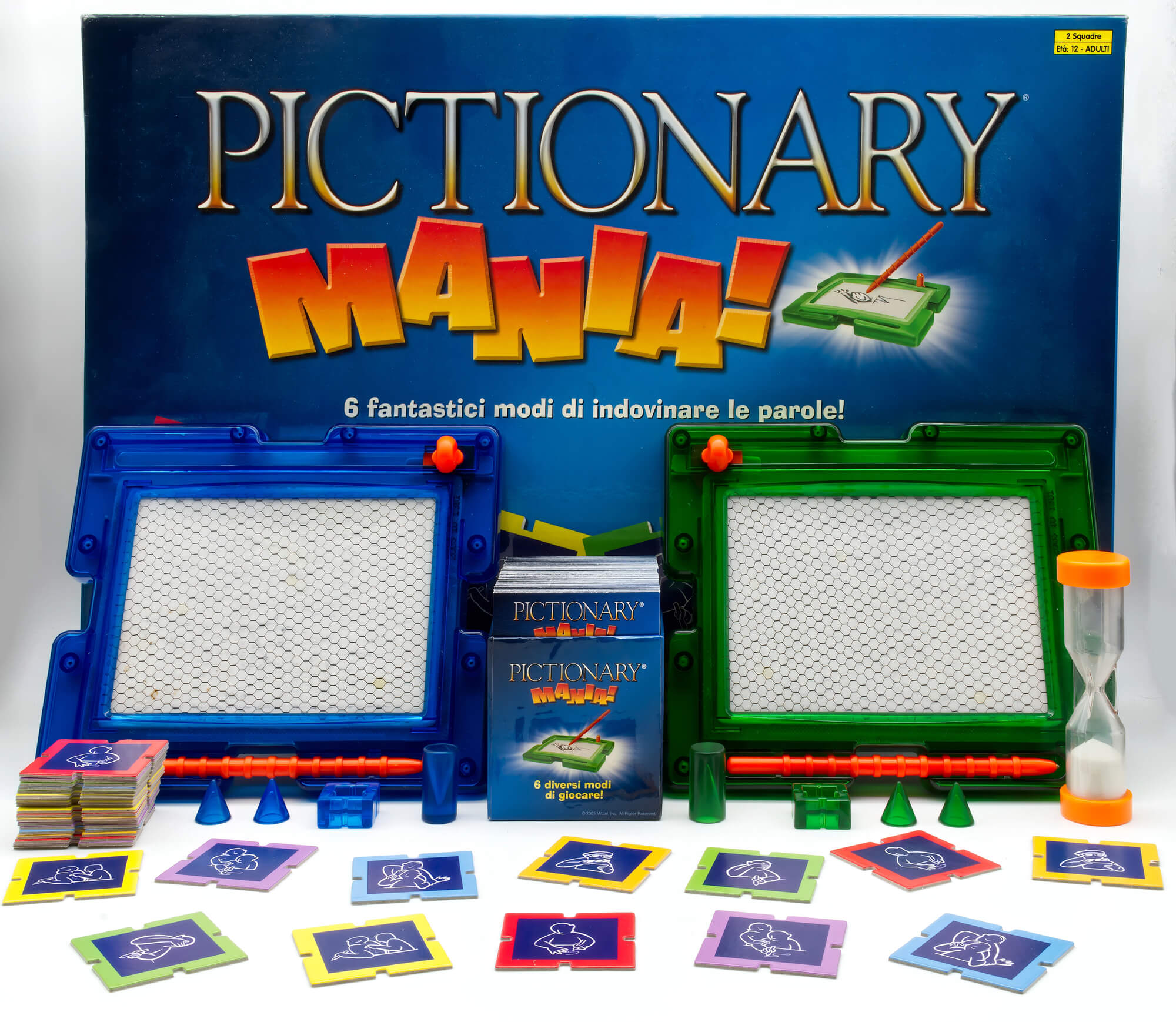
Pictionary turned drawing into a timed team competition, with players sketching clues on a small whiteboard or paper pad while teammates raced against a sand timer to guess the word before time ran out. The included drawing die, with its symbols for categories like all-play and pyramid shapes, was a frequent source of confusion for new players trying to remember what each face actually meant.
Old drawing pads accumulated in the box over years, with faint ghost impressions of previous rounds still visible on the top sheet.
Chinese Checkers
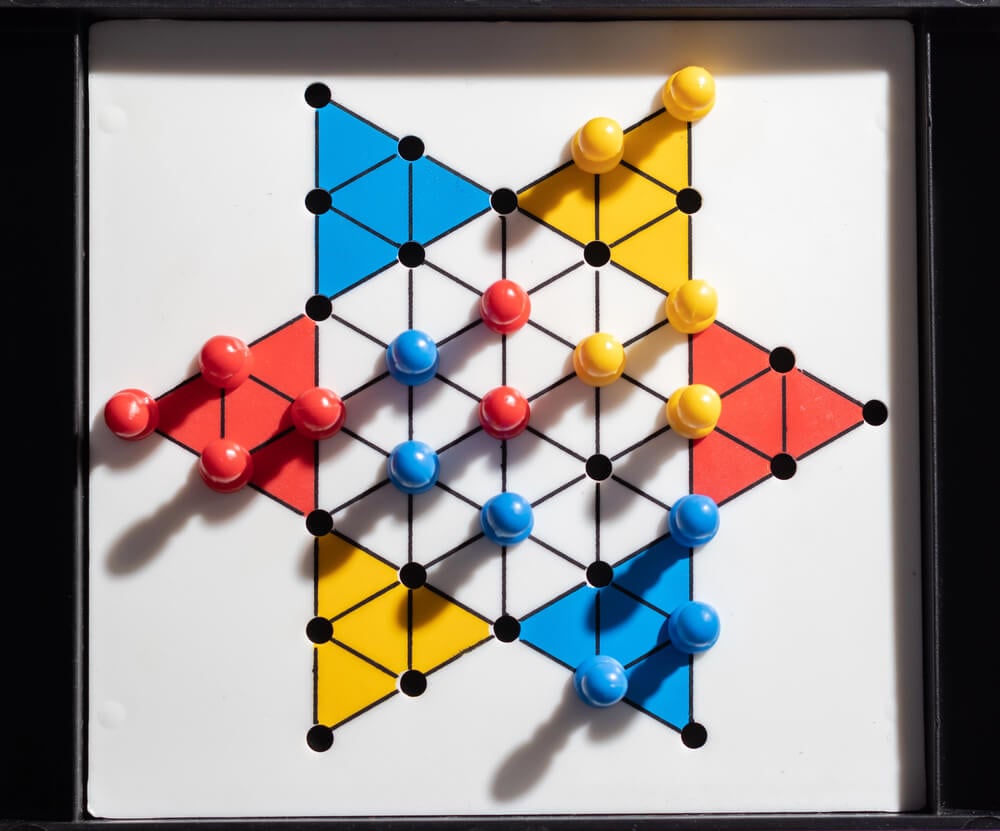
Chinese Checkers used a distinctive six-pointed star board and small marbles, allowing between two and six players to race their pieces across the board by hopping over other marbles in single or multiple jump sequences. The board’s metal or wooden versions in particular were prized for their durability, often outlasting the cardboard boxes of nearly every other game on the same shelf.
Marbles scattering during setup or an accidental bump of the board was a near-universal minor frustration shared across generations of players.
Backgammon
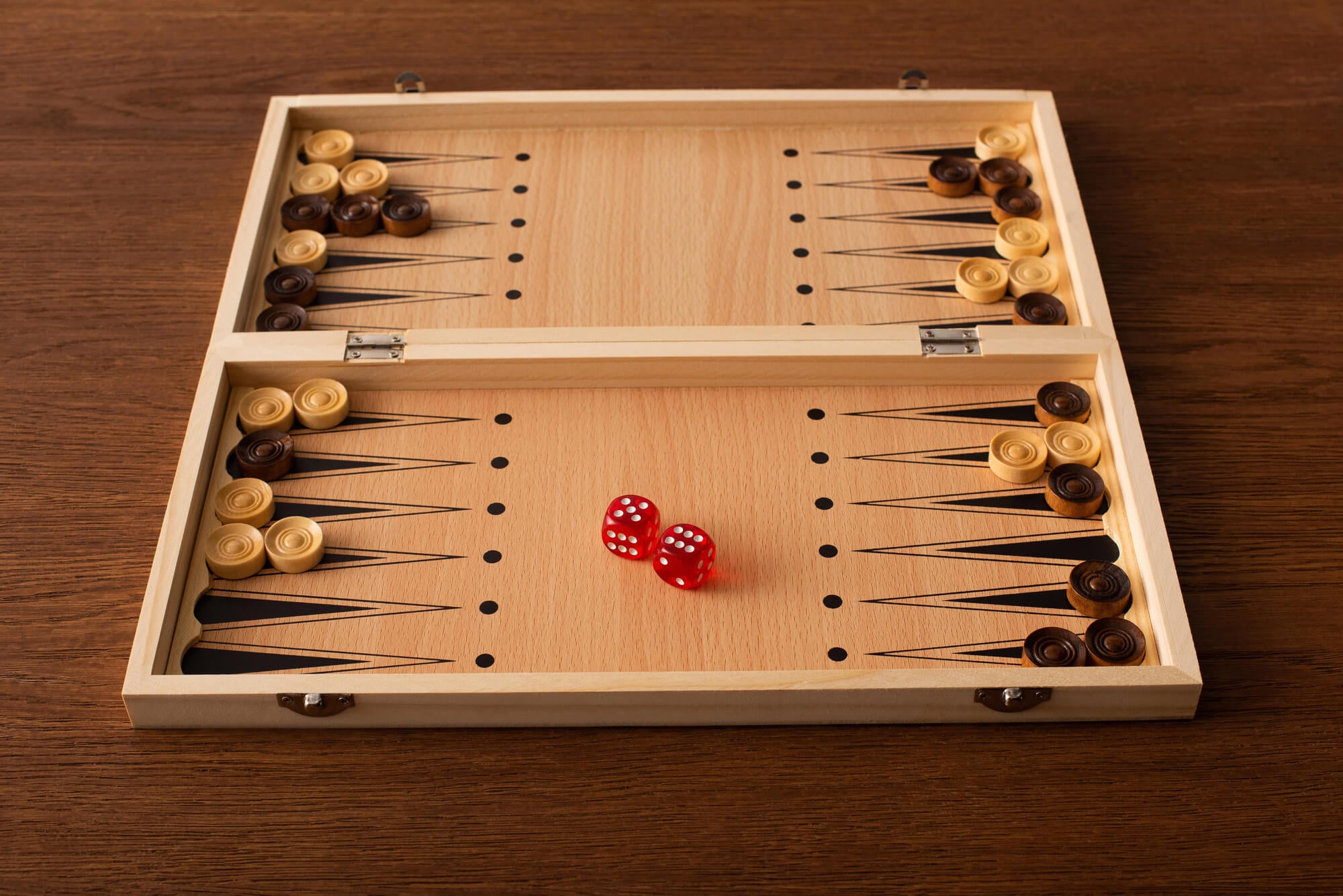
One of the oldest board games still commonly played, Backgammon combined dice rolls with genuine strategic decision-making as players raced their checkers around the board while trying to block or capture an opponent’s pieces. Many households owned a folding wooden backgammon set doubling as a briefcase-style travel case, with the doubling cube frequently going missing from sets that saw heavy use.
The game’s steady popularity across generations made it one of the few titles regularly played by both grandparents and grandchildren using the exact same rules.
Checkers
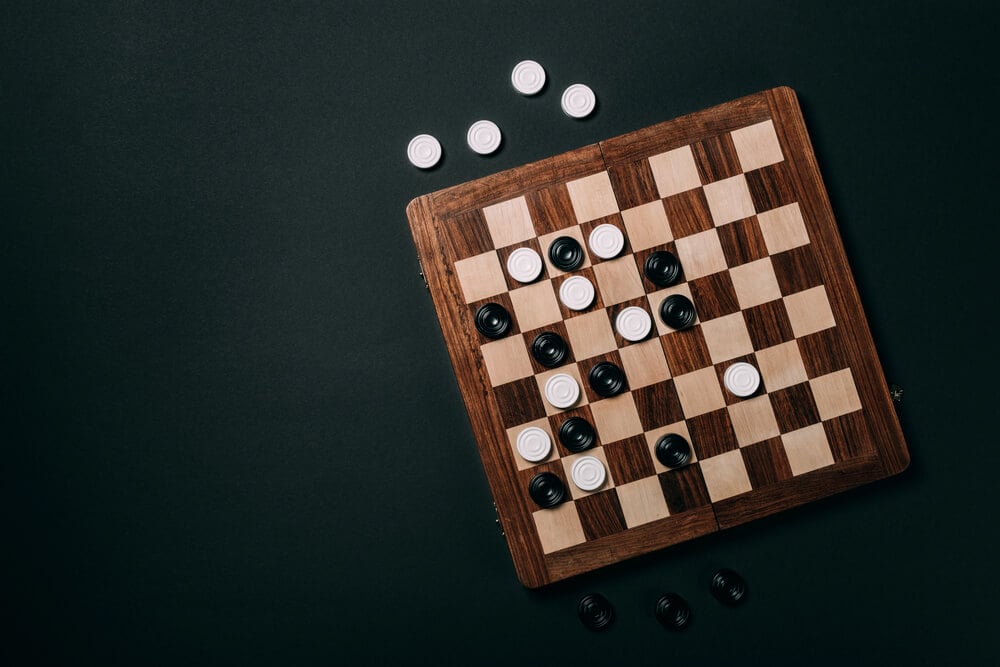
Checkers, played on the same board as chess but with simpler rules involving diagonal moves and mandatory jumps, was often a child’s first introduction to strategic board games before graduating to chess itself. Wooden or plastic checker pieces were sturdy enough to survive decades of use, though a full matching set of twenty-four pieces in a single household was surprisingly rare after years of gradual loss.
The game’s simple rules made it a common choice for quick rounds squeezed between other activities rather than a dedicated evening’s entertainment.
Chess
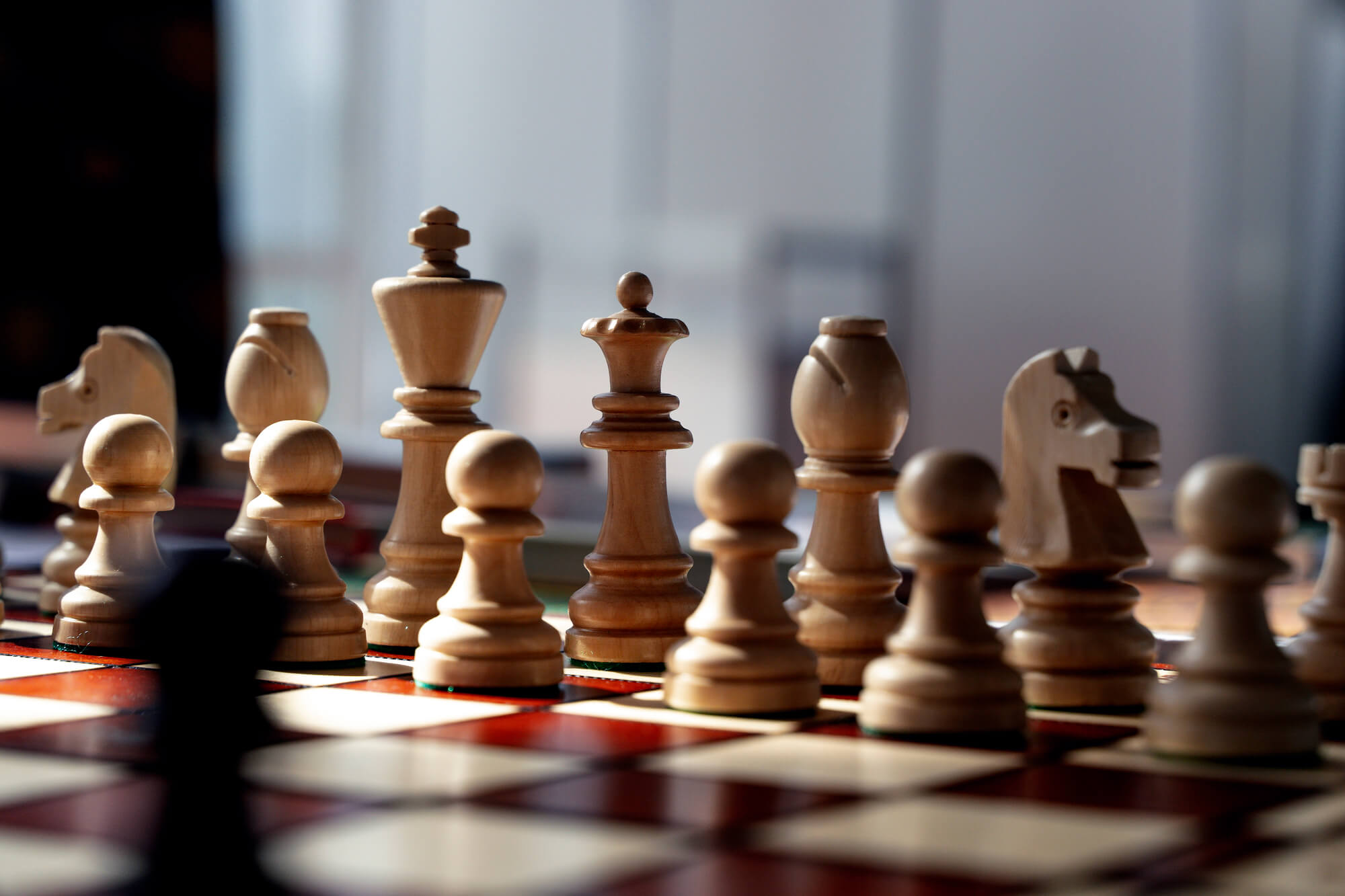
Chess required significantly more time investment to learn than most other games on a family shelf, and many households owned a set that sat mostly unused except for a small number of family members who had actually taken the time to learn proper strategy. Wooden sets in particular were treated with noticeably more care than plastic game pieces from other boxes, often stored in a felt-lined case rather than tossed into a shared game closet.
A missing pawn, replaced by a button or a coin, was common enough in long-owned sets that most families barely noticed the substitution after a while.
Dominoes
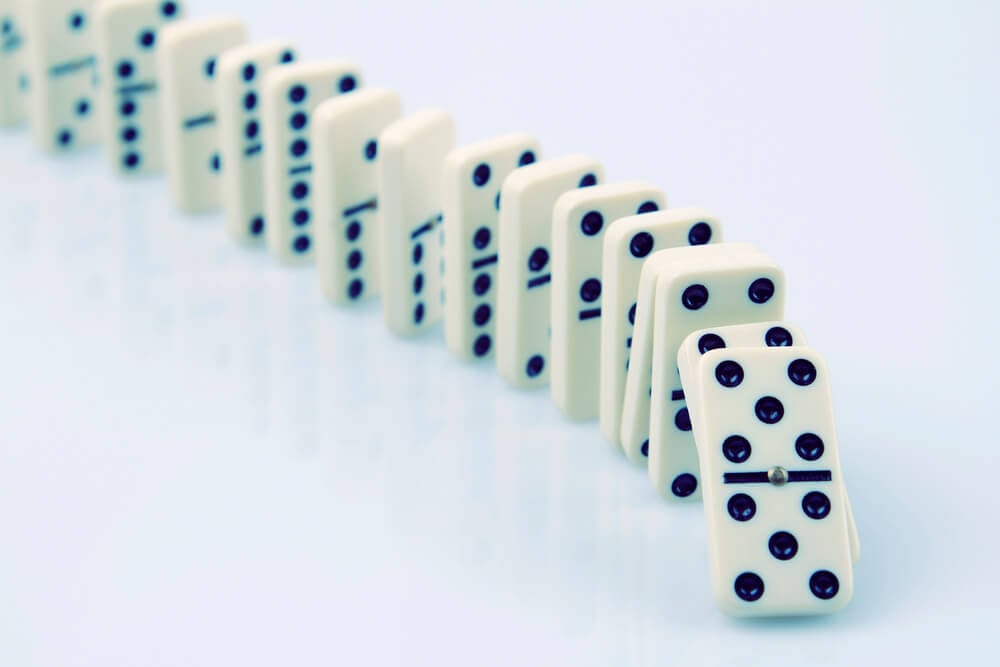
A double-six or double-nine set of dominoes served multiple purposes in many households, used for structured games like Mexican Train as well as informal building and knocking-down play by younger children entirely separate from any actual game rules. The small wooden or plastic tiles were durable enough to survive years of handling, though a full complete set became genuinely rare after a decade or more of use.
The satisfying clack of tiles being shuffled face-down on a table before a game began was a distinct and recognizable sound of its own.
Mastermind
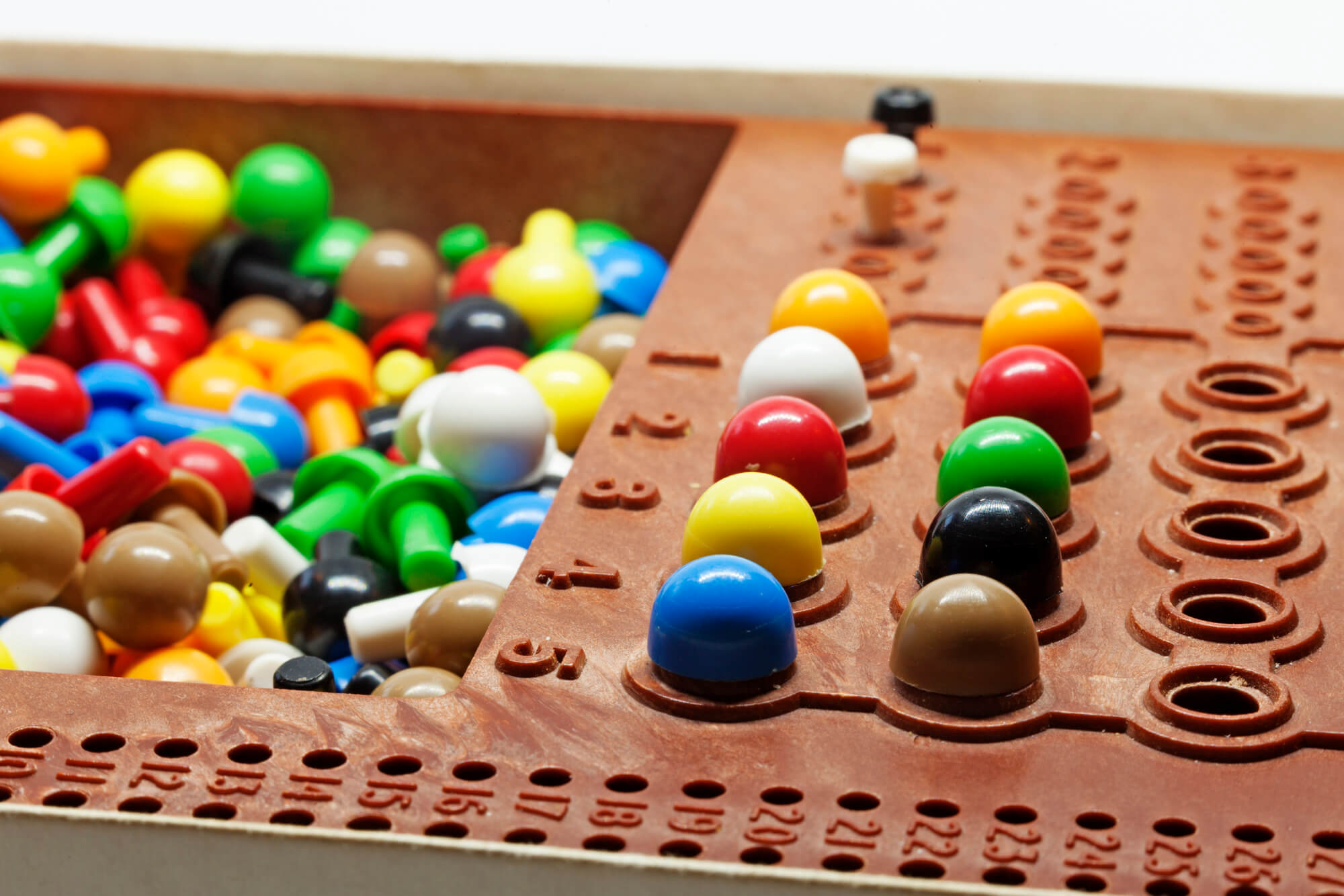
Mastermind challenged two players in a code-breaking duel, with one player setting a hidden sequence of colored pegs and the other using logical deduction across repeated guesses to identify it, tracked with small black and white feedback pegs. The tiny feedback pegs were exceptionally easy to lose, and most long-owned sets eventually ran short, forcing players to keep closer track of remaining pieces than the game originally required.
The format’s purely logical, two-player structure made it a favorite specifically for quieter one-on-one sessions rather than larger group game nights.
The Weight of a Well-Worn Box
None of these games survived because they were the newest or most sophisticated option available. They survived because a family kept choosing them, year after year, until the box itself became a record of exactly how many times it had been opened.
A taped corner, a mismatched playing piece, a scorecard photocopied because the original ran out, these were not signs of neglect. They were evidence of a game that had actually been played, repeatedly, by people who kept coming back to the same table.
More from Go2Tutors!

- The Romanov Crown Jewels and Their Tragic Fate
- 13 Historical Mysteries That Science Still Can’t Solve
- Famous Hoaxes That Fooled the World for Years
- 15 Child Stars with Tragic Adult Lives
- 16 Famous Jewelry Pieces in History
Like Go2Tutors’s content? Follow us on MSN.