28 Famous Artists Whose Personal Lives Were Wilder Than Their Work
There’s a tendency to think of great artists as quiet, solitary figures — people who channel everything into their work and live otherwise unremarkable lives. That version of the story is almost always wrong.
The painters, sculptors, writers, and composers who left the deepest marks on culture were frequently also the people making the biggest messes of their personal lives: feuding with rivals, collecting lovers at an alarming rate, spending fortunes they didn’t have, or simply behaving in ways that would have ended careers in any other profession. Some of their stories are tragic.
Some are genuinely absurd. All of them are more interesting than the myth.
Salvador Dalí
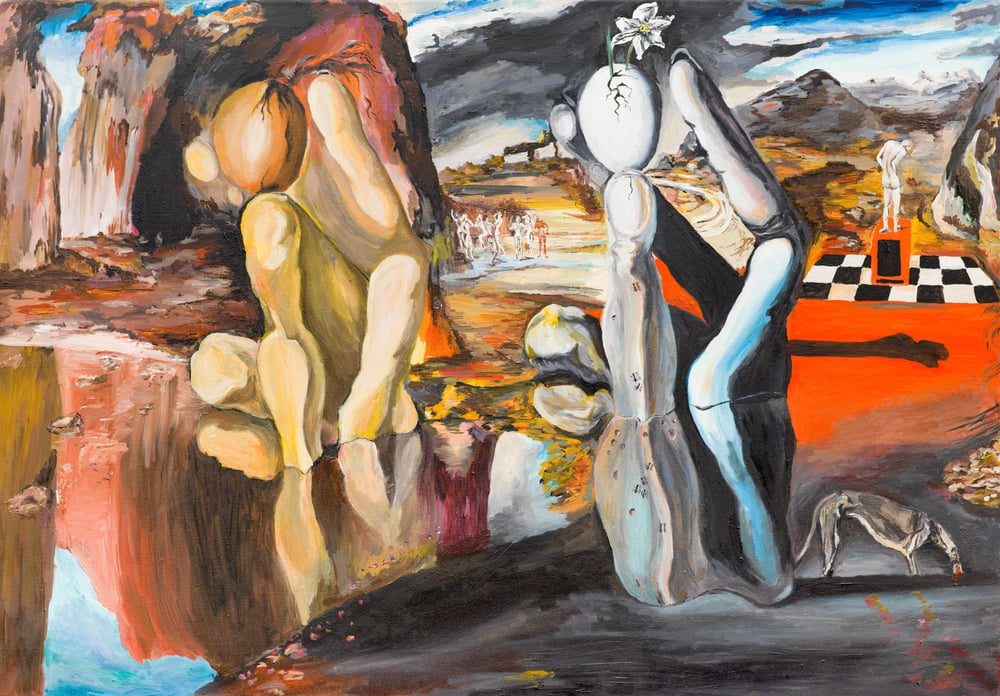
Dalí’s relationship with his wife and muse Gala was one of the strangest arrangements in art history — she was ten years older, previously married to surrealist poet Paul Éluard, and by most accounts ran Dalí’s career with iron control while he performed the role of eccentric genius for an audience that never seemed to tire of it. He gifted her an entire castle in Púbol, Spain, and required a written invitation to visit her there.
And yet when she died in 1982, he was so devastated that he stopped eating and had to be hospitalized.
Pablo Picasso
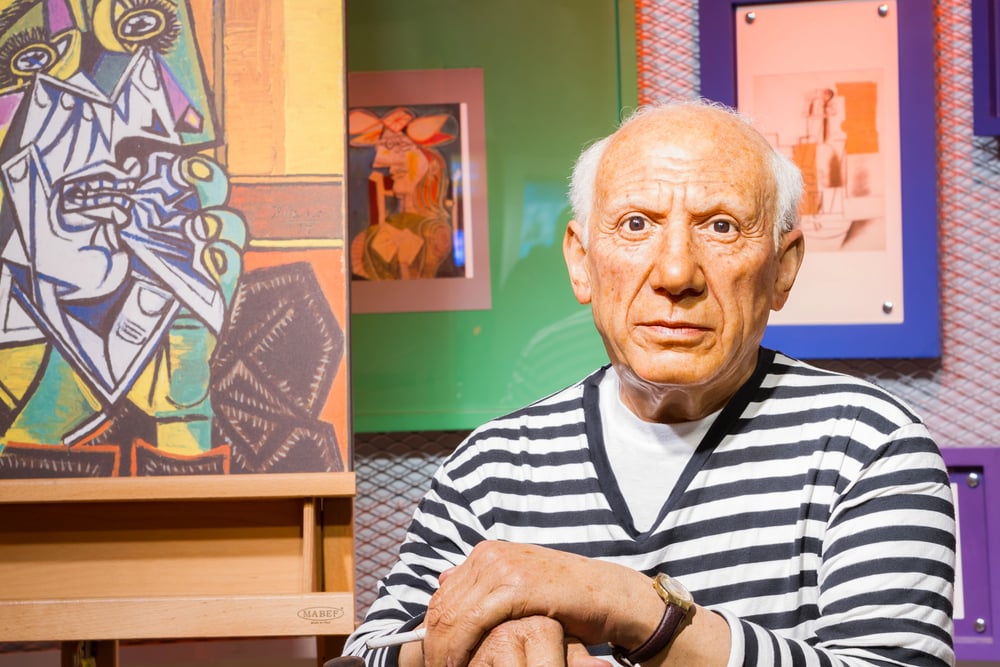
Picasso treated the people in his life like raw material — useful until they weren’t. He had two wives, numerous long-term mistresses, and left a trail of psychological wreckage behind him that his survivors documented in painful detail.
Two of the women closest to him died by their own hand; his grandson committed the same act on the anniversary of his death.
Frida Kahlo
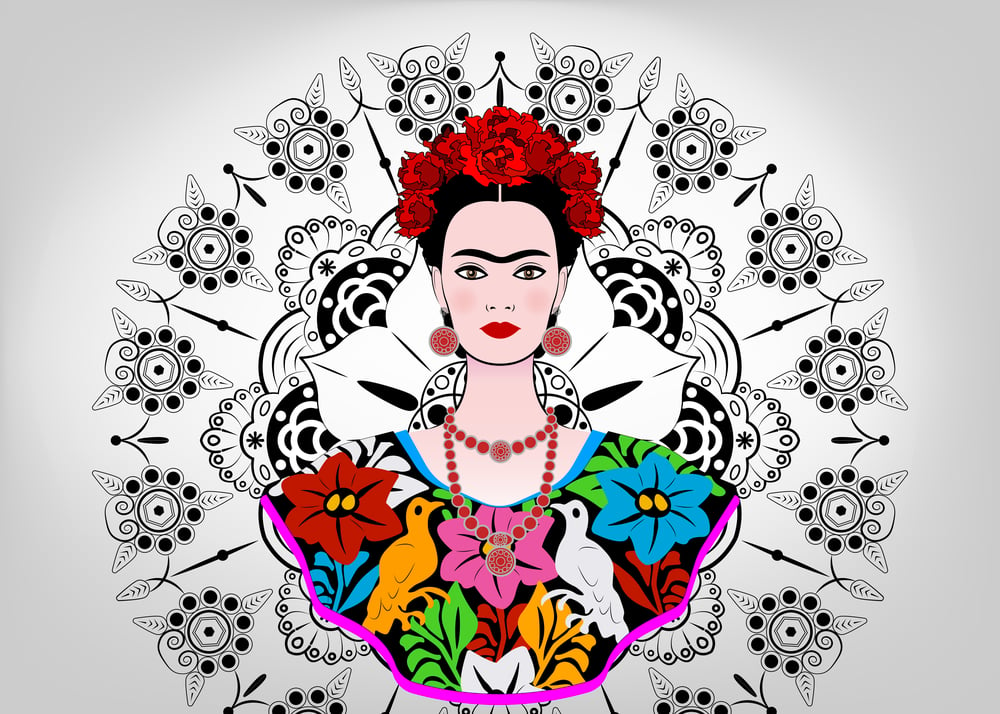
Frida Kahlo’s marriage to Diego Rivera was a structure held together by equal parts devotion and damage — they married, divorced, remarried, and spent years conducting parallel affairs, including Kahlo’s relationships with both men and women and Rivera’s affair with Kahlo’s own sister. Kahlo painted her suffering so directly that her canvases function almost as a medical and emotional diary, which makes her life and her work nearly impossible to separate.
The bus accident that shattered her spine when she was eighteen set the physical context for everything that followed.
Vincent van Gogh
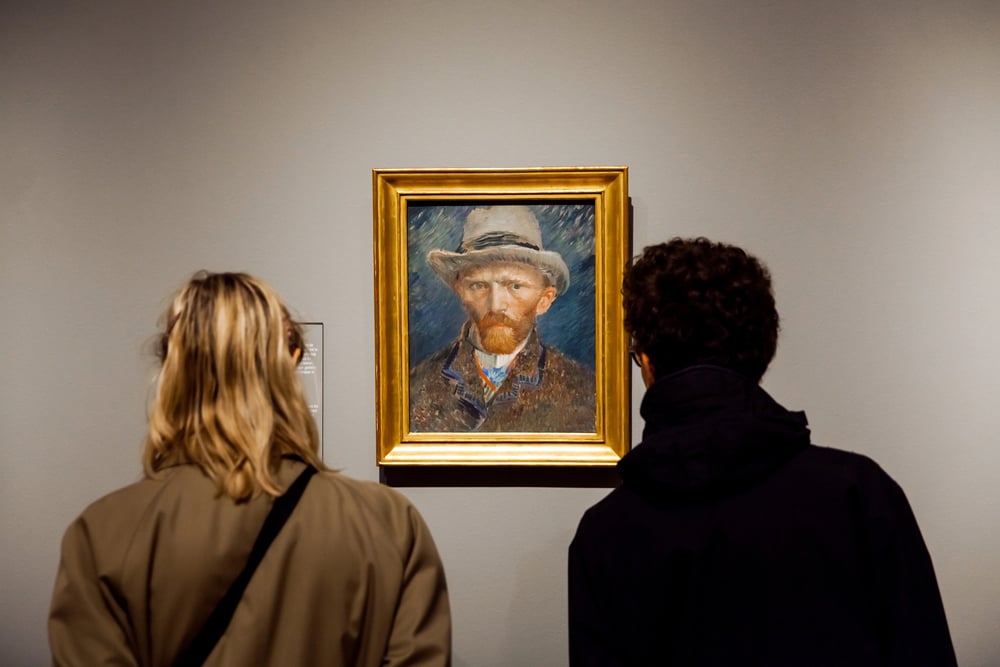
Van Gogh sent his ear — wrapped in newspaper — to a woman named Rachel at a brothel in Arles, France, after severing it during a mental breakdown that followed a violent argument with Paul Gauguin. He spent time in the Saint-Paul-de-Mausole asylum voluntarily, painted some of his most celebrated work there, and died at thirty-seven from a gunshot wound, possibly self-inflicted and possibly not.
The mystery around his death has never been fully resolved.
Caravaggio
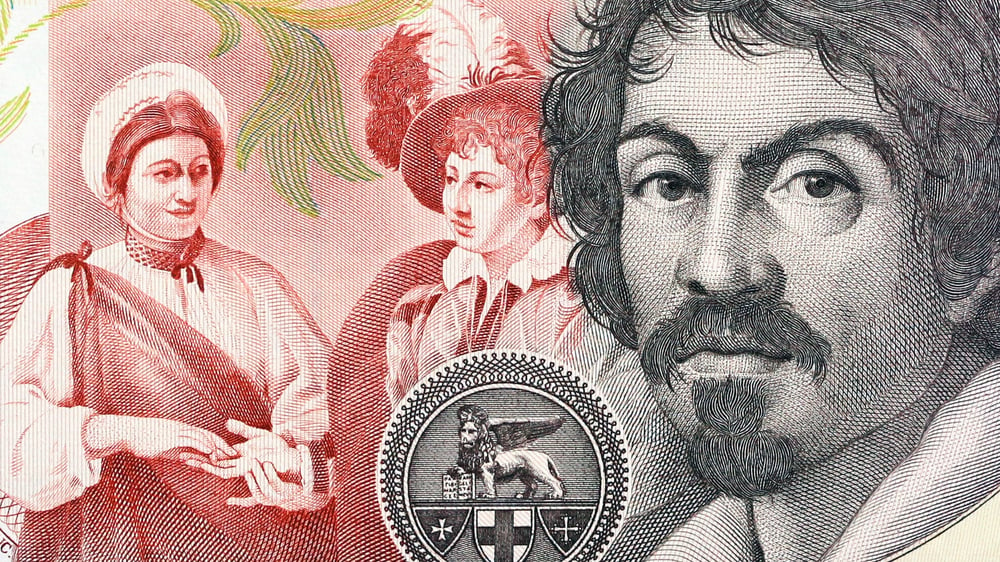
Caravaggio actually killed a man. In 1606, he stabbed a young man named Ranuccio Tomassoni during a brawl in Rome — possibly over a disputed tennis match — and spent the rest of his life as a fugitive, moving between Naples, Malta, and Sicily while continuing to produce some of the most technically brilliant paintings of the seventeenth century.
He died at thirty-eight under circumstances that remain murky, fleeing in the direction of Rome after being granted a papal pardon that arrived too late.
Lord Byron
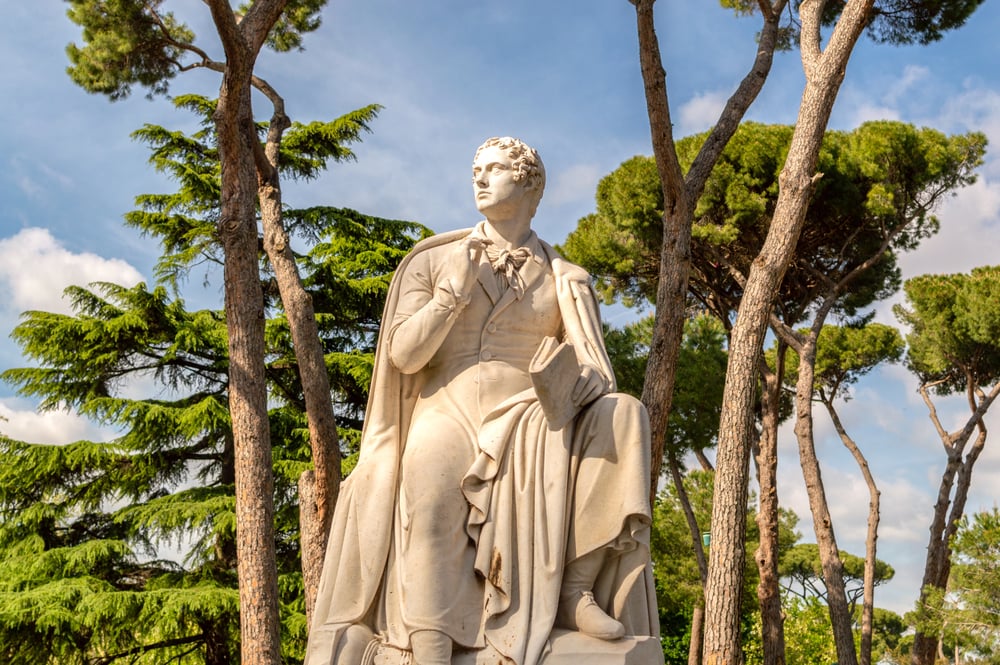
Byron was banned from polite society for a reason. The rumors about him — relations with his half-sister Augusta Leigh being the most persistent — eventually made England too uncomfortable for him to stay in, and he left in 1816 and never returned.
He burned through money, collected a menagerie of animals including a bear he kept at Cambridge because the rules only prohibited dogs, and died at thirty-six in Greece while trying to fund a war of independence.
Egon Schiele
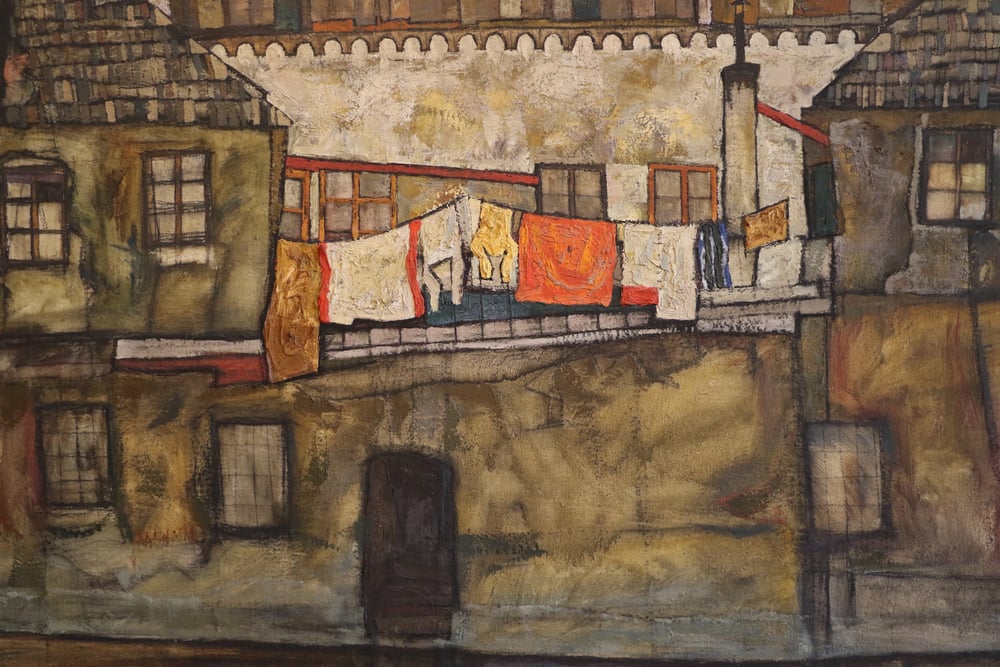
Egon Schiele was briefly imprisoned in 1912 on charges related to his work and his relationships with young models — twenty-four of his drawings were burned in a courtroom as obscene, which remains one of the more dramatic reviews an artist has ever received. His work depicted the human figure in ways that contemporary Vienna found deeply unsettling, and his personal life was correspondingly chaotic, involving complicated entanglements with models, patrons, and his own ambition.
He died at twenty-eight, three days after his pregnant wife, in the influenza pandemic of 1918.
Edvard Munch
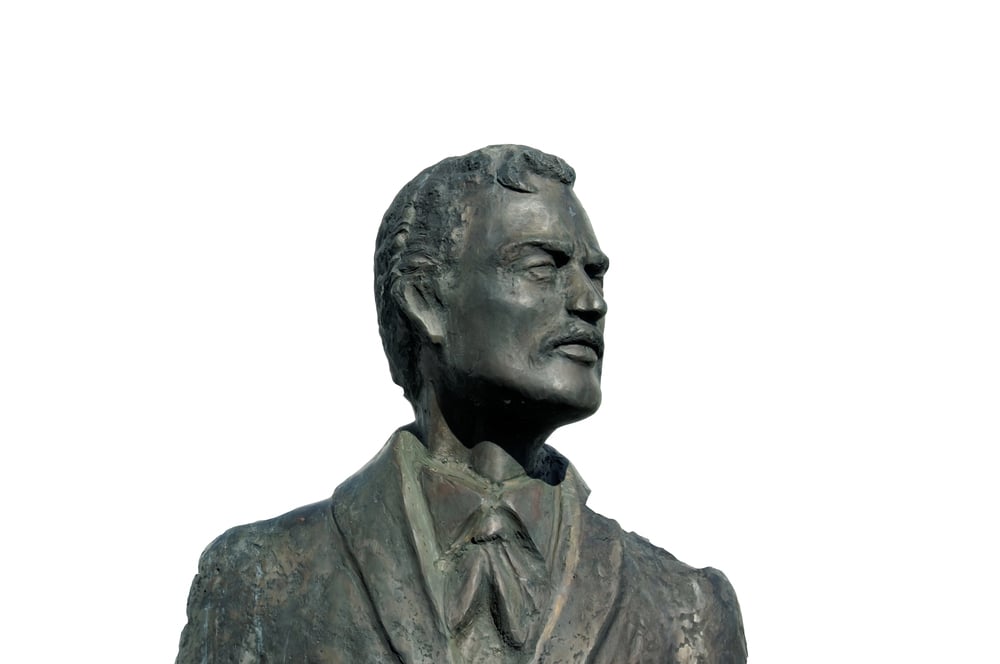
Munch had a breakdown in 1908 that was severe enough to require eight months in a Copenhagen clinic, and he emerged from it a changed man — more reclusive, more controlled, and more prolific, which is saying something given how much he’d already produced. He never married, kept his emotional distance from nearly everyone, and left his entire estate to the city of Oslo when he died.
The famous scream in his most recognized painting reportedly came from a moment when he felt the sky had turned “blood red” and sensed “an infinite scream passing through nature.”
Francisco Goya
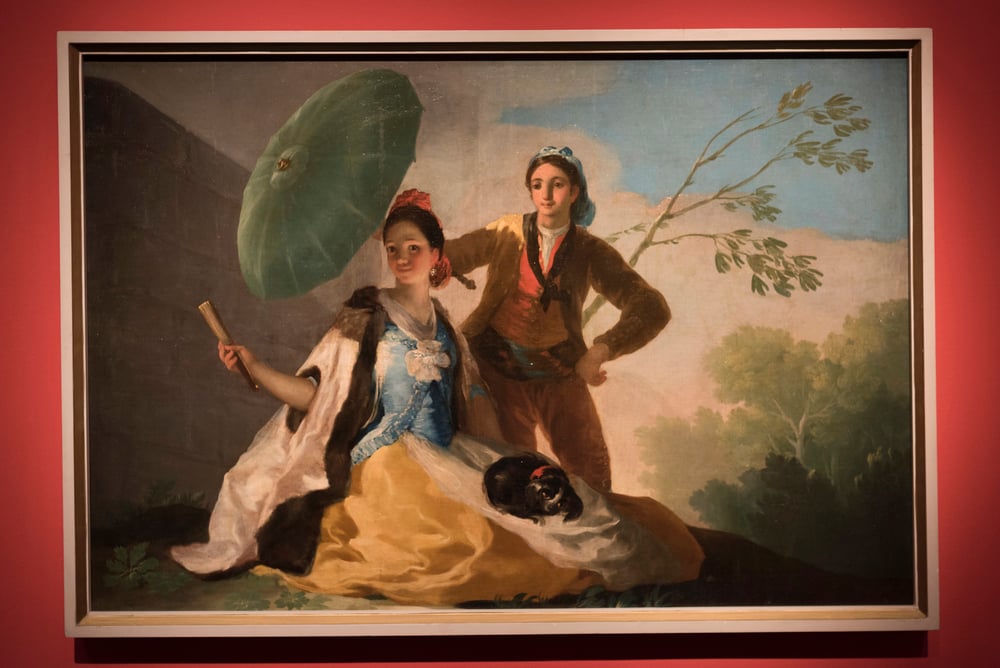
Goya went profoundly deaf at forty-six from an illness that changed him in ways visible in his work — the warm, decorative court paintings gave way to the dark, nightmarish visions now called the Black Paintings, which he made directly onto the walls of his own house with no apparent intention of ever showing them publicly. His relationship with the Duchess of Alba generated enormous speculation for centuries, with some historians convinced they were lovers and the evidence remaining persistently inconclusive.
He died in self-imposed exile in Bordeaux at eighty-two, still painting.
Michelangelo
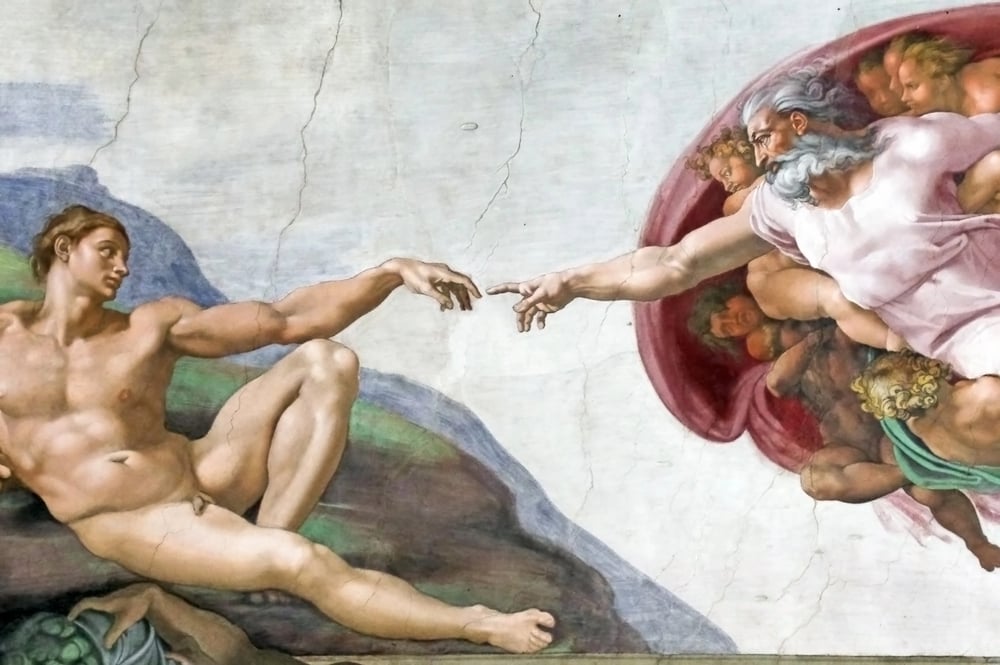
Michelangelo is a complicated figure to read across five centuries, but the contours are fairly clear: he was deeply devoted to a young nobleman named Tommaso de’ Cavalieri, wrote him hundreds of poems of unmistakable emotional intensity, and spent years corresponding with him in terms that went considerably beyond professional admiration. He was famously difficult to work with, physically reclusive, chronically underpaid relative to the value of his output, and reportedly so committed to the work that he slept in his clothes and rarely bathed.
The ceiling of the Sistine Chapel took four years and cost him his eyesight at close range.
Gustav Klimt
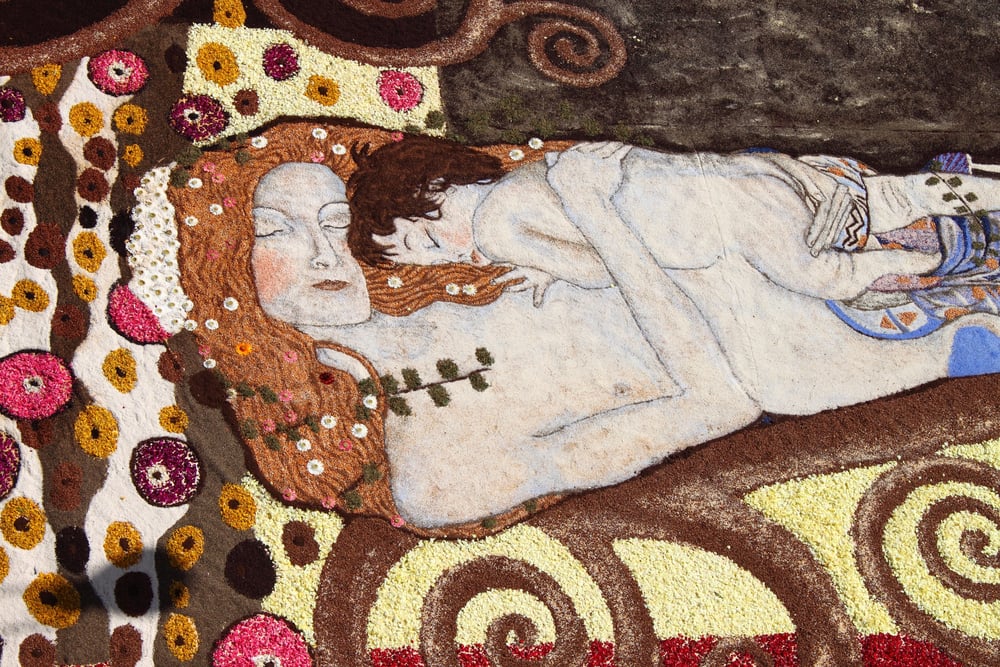
Klimt fathered at least fourteen children with different women — the number is contested but fourteen is the conservative estimate — while never marrying and maintaining a central relationship with fashion designer Emilie Flöge for twenty-seven years that defies any conventional label. He worked in a studio filled with cats, wore a long monk-like robe instead of conventional clothing, and refused to discuss his personal life with almost anyone.
The women he painted were mostly models and patrons whose own stories he absorbed without crediting.
Henri de Toulouse-Lautrec
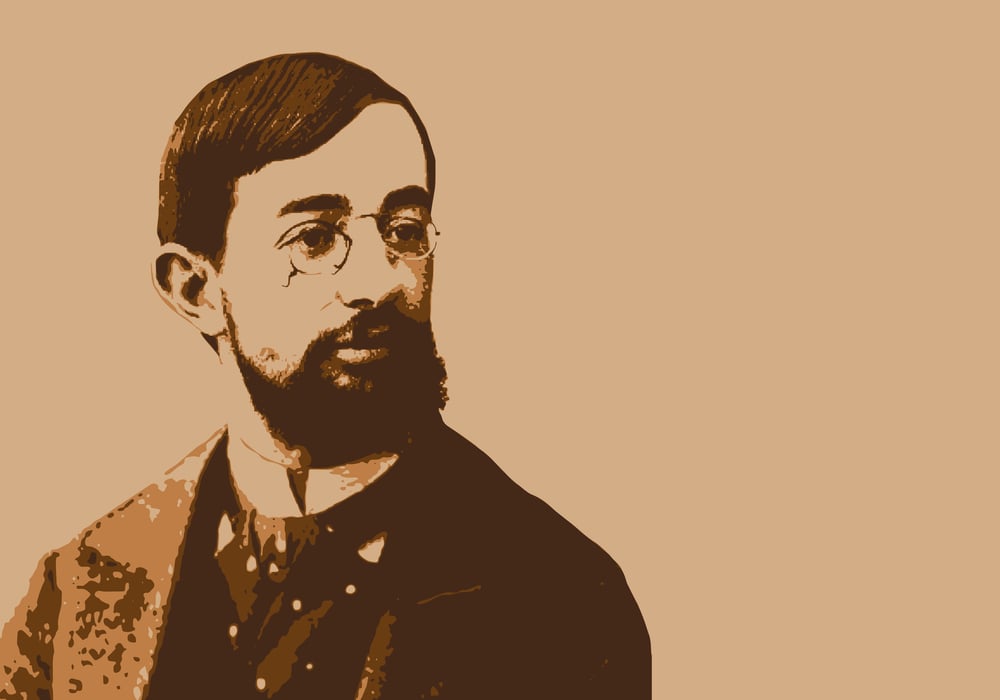
Toulouse-Lautrec was born into one of France’s oldest aristocratic families and spent most of his adult life in the cabarets and brothels of Montmartre, which was either a dramatic fall or a deliberate choice depending on how you read him. He was four feet eight inches tall as an adult, the result of a genetic condition compounded by two childhood leg fractures that permanently stunted his growth, and he drank at a scale that eventually destroyed him — he died at thirty-six from complications of alcoholism and a related illness.
His absinthe consumption was so extreme that he reportedly carried a hollowed-out cane filled with spirits.
Jackson Pollock
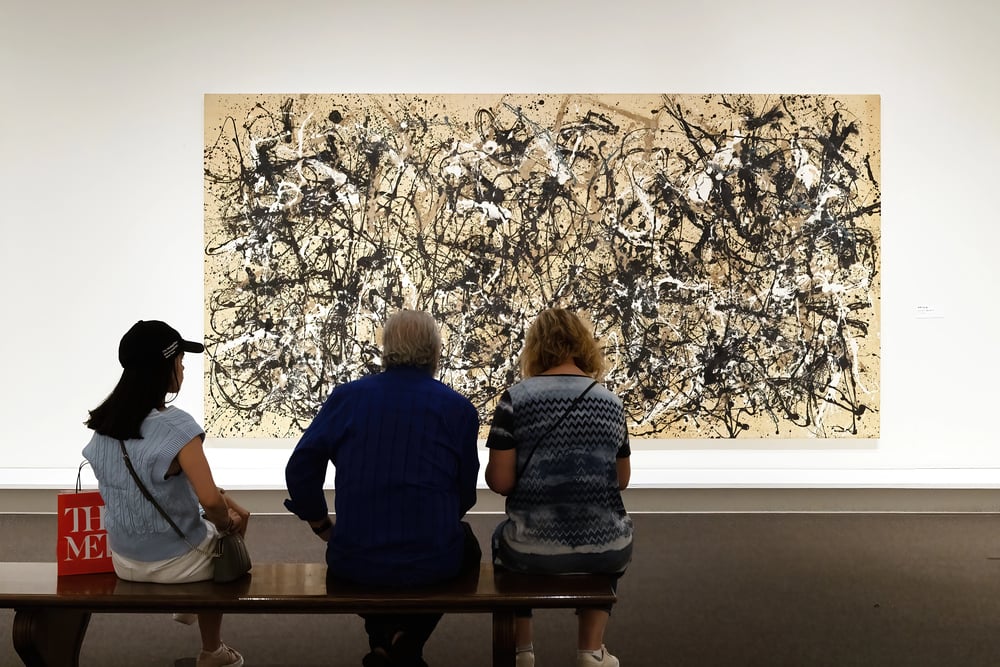
Pollock was a violent, self-destructive alcoholic who was also, for a window of years in the late 1940s, making work that genuinely changed the trajectory of Western painting. His marriage to Lee Krasner — herself a significant artist who largely subordinated her career to his — was a study in asymmetric sacrifice, and he repaid it poorly.
He died at forty-four when he drove his car into a tree at high speed while drunk, killing himself and a passenger named Edith Metzger.
Amedeo Modigliani
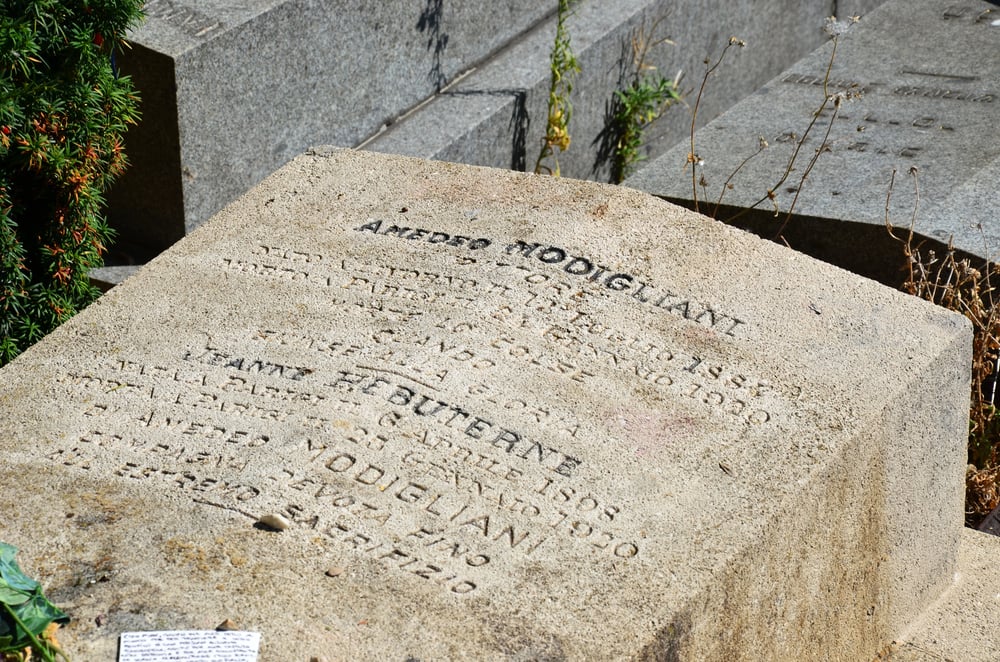
Modigliani arrived in Paris in 1906 and spent the next fourteen years drinking heavily, using hashish with consistency, and producing a body of work — those long necks, those tilted faces — that felt unlike anything else happening in the city at the time. His partner Jeanne Hébuterne was nine months pregnant when he died of tubercular meningitis at thirty-five, and she died the following day, having thrown herself from a fifth-floor window.
The tragedy is real and the mythology around it has only grown since.
Arthur Rimbaud

Rimbaud wrote the poetry that made him famous before he turned twenty, then abandoned literature entirely and spent the rest of his life as a trader and gunrunner in East Africa, mostly in what is now Ethiopia. He apparently wanted nothing more to do with the literary world that idolized him, and the feeling seems to have been sincere rather than performative.
His affair with Paul Verlaine ended when Verlaine shot him in the wrist during an argument in Brussels and was subsequently imprisoned.
Richard Wagner
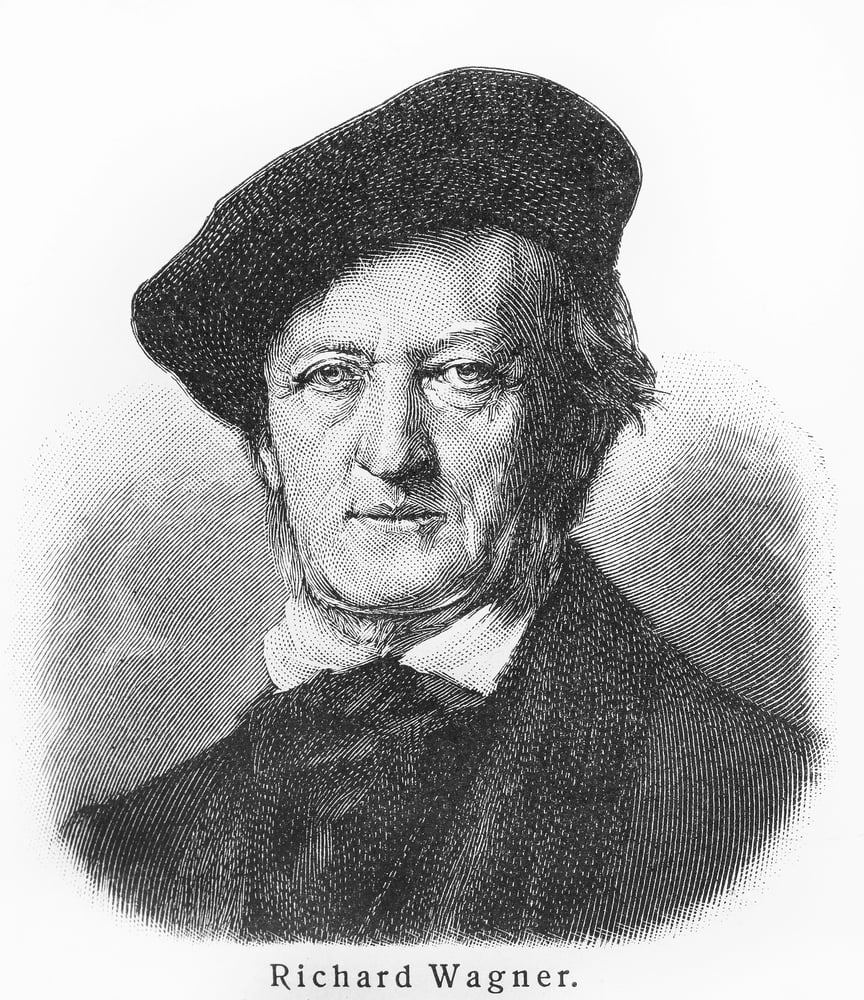
Wagner was, by most accounts, exhausting. He borrowed money from everyone — including his patron King Ludwig II of Bavaria, who effectively funded his existence for years — rarely repaid it, held views that were virulently antisemitic even by the standards of his era, and conducted an affair with Cosima von Bülow while she was married to his friend and conductor Hans von Bülow.
He eventually married Cosima, but the path there involved a staggering amount of betrayal compressed into a small circle of people who had been loyal to him.
Edgar Allan Poe
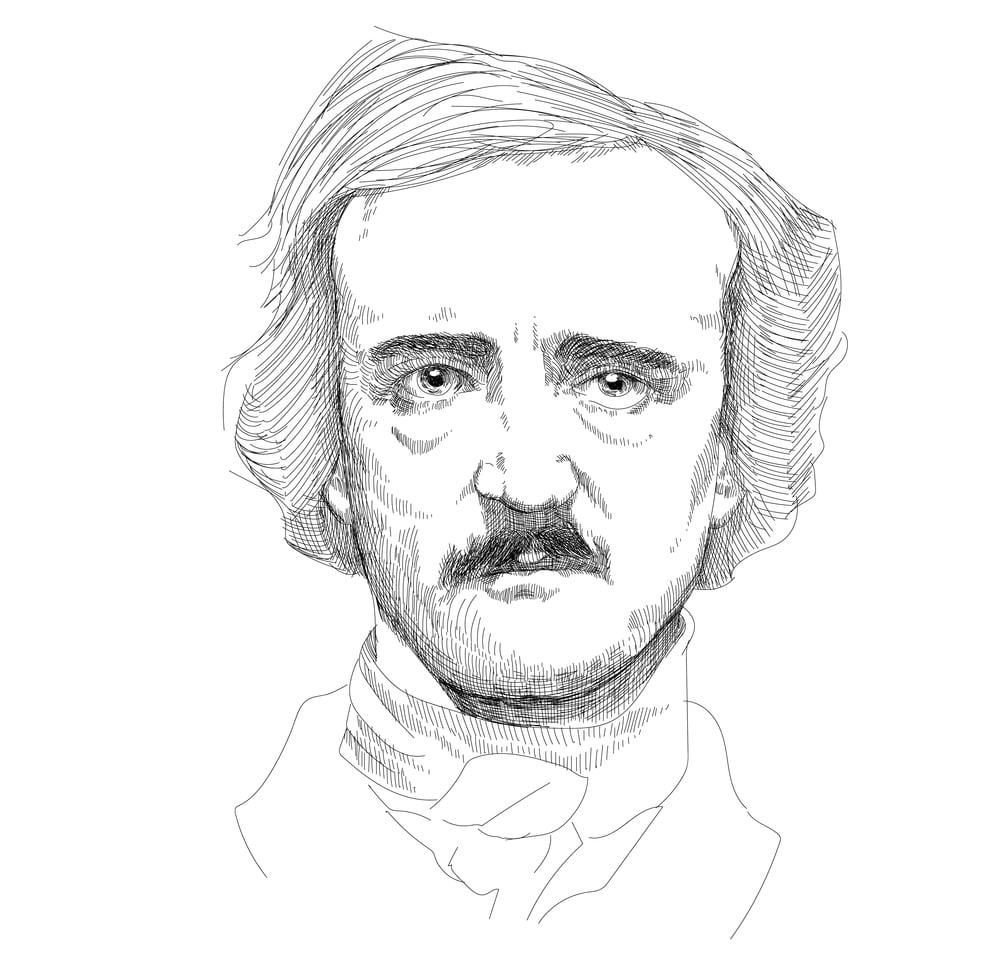
Poe married his first cousin Virginia Clemm when she was thirteen years old and he was twenty-seven — a fact that is impossible to set aside, whatever the cultural context of the 1830s. Virginia died of tuberculosis at twenty-four, and Poe spent the remaining two years of his life in increasingly erratic decline, found delirious on a Baltimore street in someone else’s clothes in 1849, and dead four days later from causes that have never been definitively established.
The theories include rabies, cooping, and heart disease, and none of them fully satisfy.
Percy Bysshe Shelley
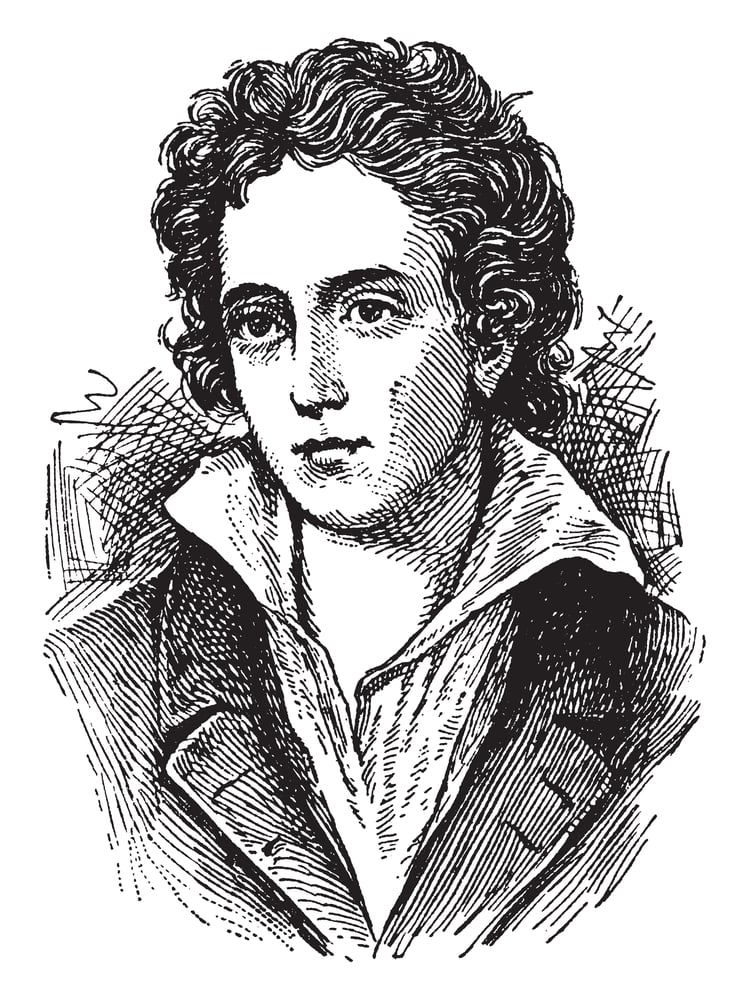
Shelley abandoned his first wife Harriet — who was pregnant — for Mary Godwin, who would go on to write Frankenstein. Harriet drowned herself in the Serpentine in Hyde Park two years later.
He and Mary, along with Byron and others, gathered at the Villa Diodati on Lake Geneva for the famous summer of 1816 that produced both Frankenstein and the foundations of “The Vampyre.” Shelley himself drowned at twenty-nine when his boat sank in a storm off the coast of Italy, and his body was burned on the beach — Byron reportedly waded into the sea to avoid watching.
Sandro Botticelli
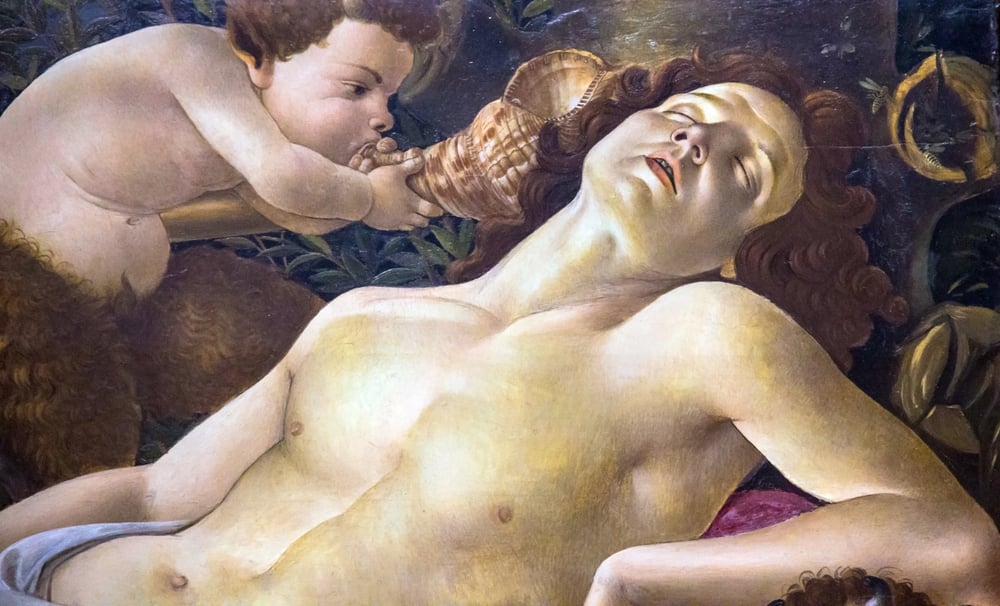
Botticelli’s later years remain one of art history’s stranger subplots — under the influence of the firebrand Dominican friar Girolamo Savonarola, he reportedly threw some of his own paintings into the Bonfire of the Vanities in Florence in 1497, repudiating the Renaissance humanism that had made him. Whether this was genuine religious conversion, social pressure, or something more psychologically complicated is a question that has never been cleanly answered.
He spent his final years largely forgotten, barely working, dependent on the Medici family’s charity.
Paul Gauguin
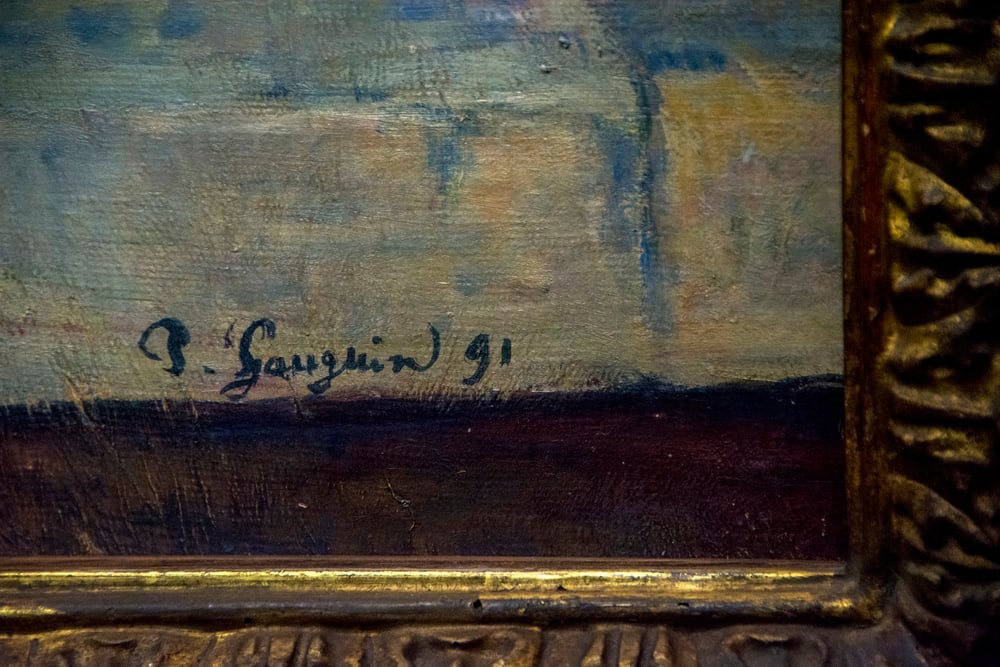
Gauguin abandoned his wife and five children in Copenhagen in 1884, moved to Tahiti in 1891 in pursuit of an imagined primitivism, and entered into relationships with girls as young as thirteen — a fact that contemporary audiences have, correctly, refused to bracket off from assessments of his legacy. He contracted syphilis, attempted to poison himself in 1897, moved to the Marquesas Islands, and died in 1903 leaving behind work that the art market would make enormously valuable and a personal history that the art market spent decades ignoring.
Dante Alighieri
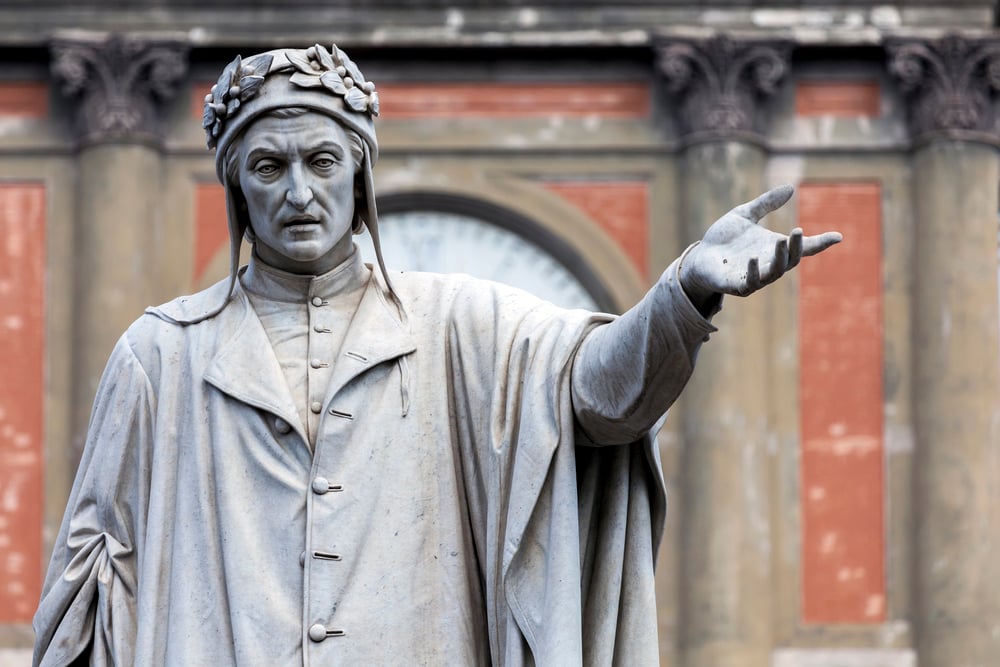
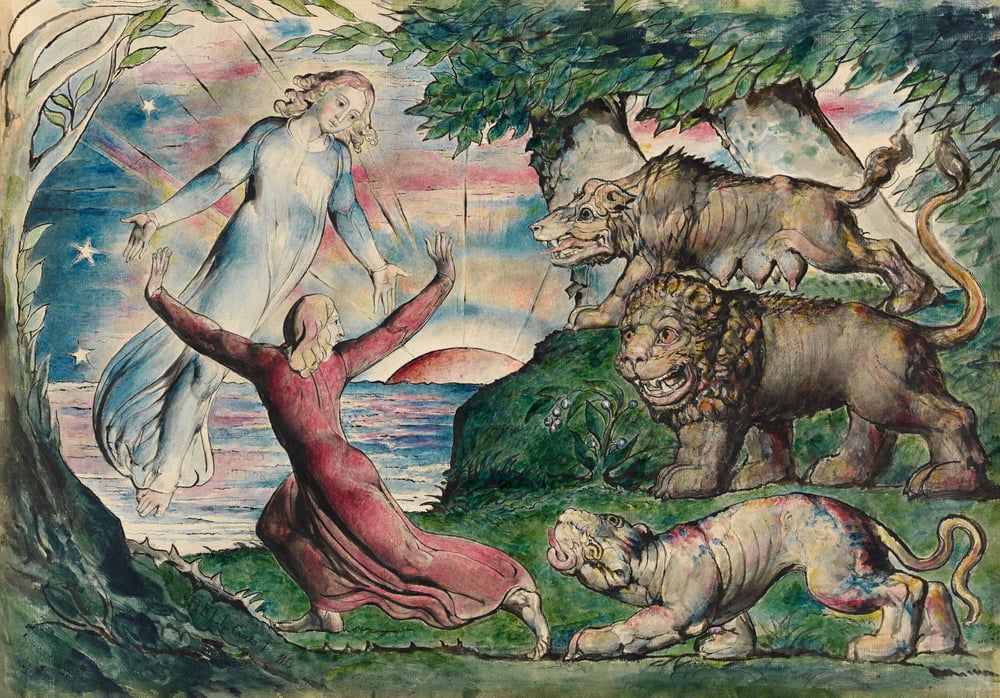
Dante wrote his entire divine vision of heaven, hell, and purgatory while in political exile from Florence — exiled on pain of death, accused of corruption, and unable to return to the city he had served for years. His central muse, Beatrice Portinari, was a woman he had met twice in his life, loved from a distance, and never spoken to at length, and she was dead by the time he began the Commedia.
The whole thing is, in its way, a monument to unrequited devotion built in the ruins of a political career.
Pyotr Ilyich Tchaikovsky
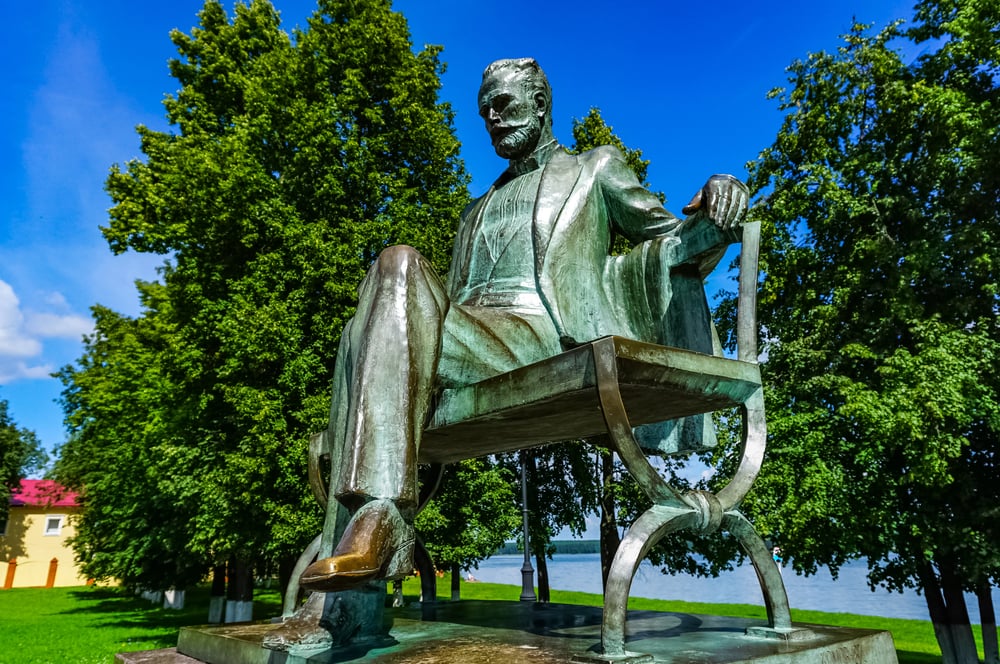
Tchaikovsky married Antonina Miliukova in 1877, apparently to deflect speculation about his personal life, and the marriage collapsed within weeks — he reportedly waded into an icy Moscow river afterward in an attempt to become fatally ill, which is an extraordinary response to a bad marriage. He had a long, financially sustaining correspondence with the widow Nadezhda von Meck, who sent him money for thirteen years on the strict condition that they never meet in person, and they apparently honored that arrangement.
Von Meck abruptly ended the correspondence in 1890, and Tchaikovsky died three years later.
Jean-Michel Basquiat

Basquiat went from sleeping on park benches in New York City to selling paintings for tens of thousands of dollars before he was twenty-five, which sounds like a triumph and functioned, in practice, as an accelerant. The art world absorbed him as a phenomenon and offered very little protection or stability in return.
He died of a heroin overdose in his Great Jones Street loft in 1988 at twenty-seven, and the works he left behind now sell for hundreds of millions.
William Blake
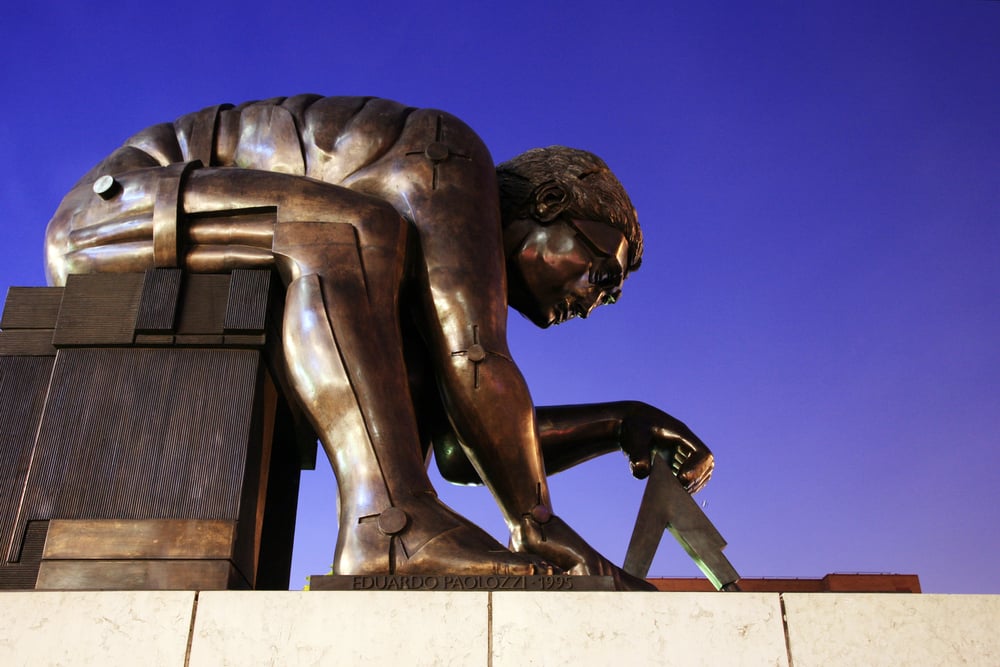
Blake reported visions from childhood — he told his parents he had seen the prophet Ezekiel sitting under a tree, and a tree full of angels at Peckham Rye — and these visions never stopped, informing everything he wrote and engraved until his death. He and his wife Catherine were famously devoted, though he once reportedly proposed that she share their household with another woman, presenting the idea as a matter of spiritual principle, which did not go over well.
He died singing hymns of his own composition, reportedly in a state of complete peace.
Honoré de Balzac
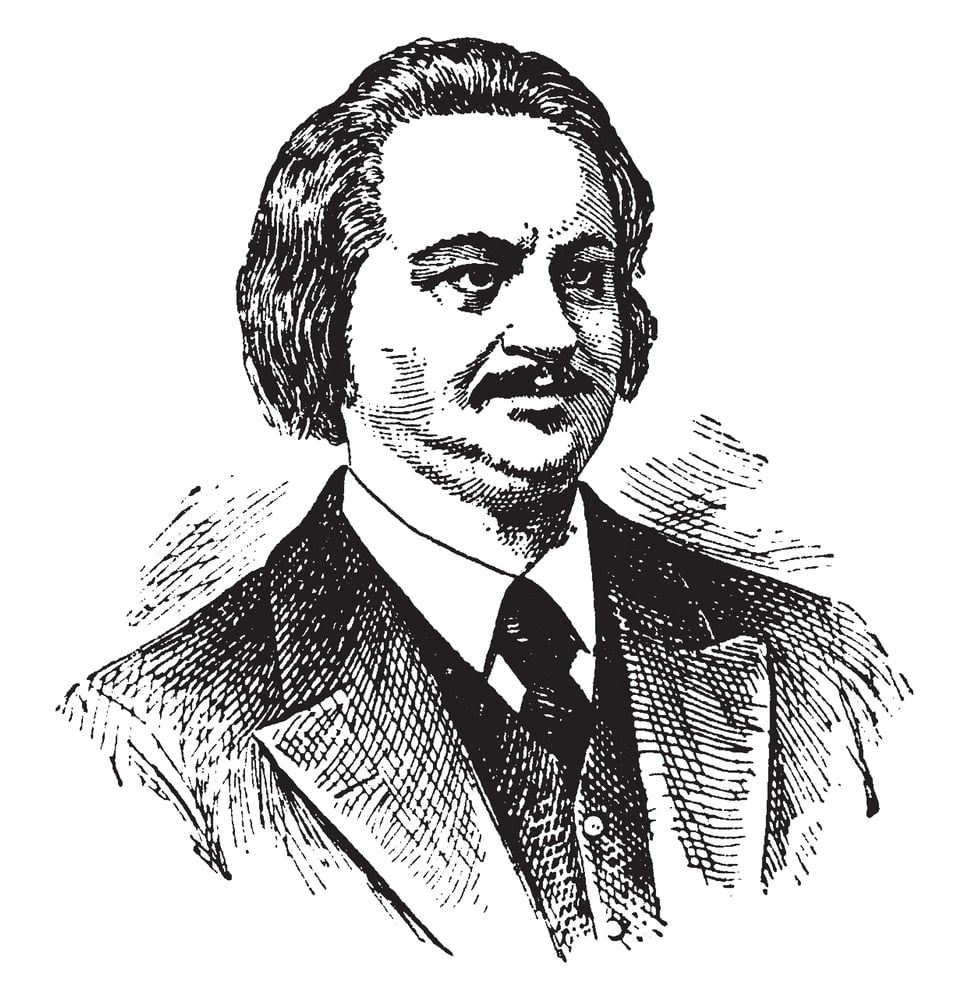
Balzac wrote for fifteen to eighteen hours a day, fueled almost entirely by enormous quantities of coffee — estimates range from forty to fifty cups daily, which is less a caffeine habit than a medical condition. He spent decades in ruinous debt, partly from failed business ventures and partly from a lifestyle that ran well ahead of his income, and he carried on a correspondence with a Polish noblewoman named Ewelina Hańska for seventeen years before she agreed to marry him.
He died five months after the wedding, his body apparently finished with the effort.
Nikola Tesla

Tesla is better known as an inventor than as a traditional artist, but his ideas about electrical systems and energy transmission were as creatively speculative as any painter’s vision — and his personal life was, in its particular way, just as strange. He claimed to have fallen in love with a pigeon, a specific white female pigeon he fed in Bryant Park, and described the feeling in terms that were both literal and completely earnest.
He died alone in the New Yorker Hotel in 1943, having given away his patents, spent his fortune, and produced work that his contemporaries profoundly underestimated.
Judy Garland
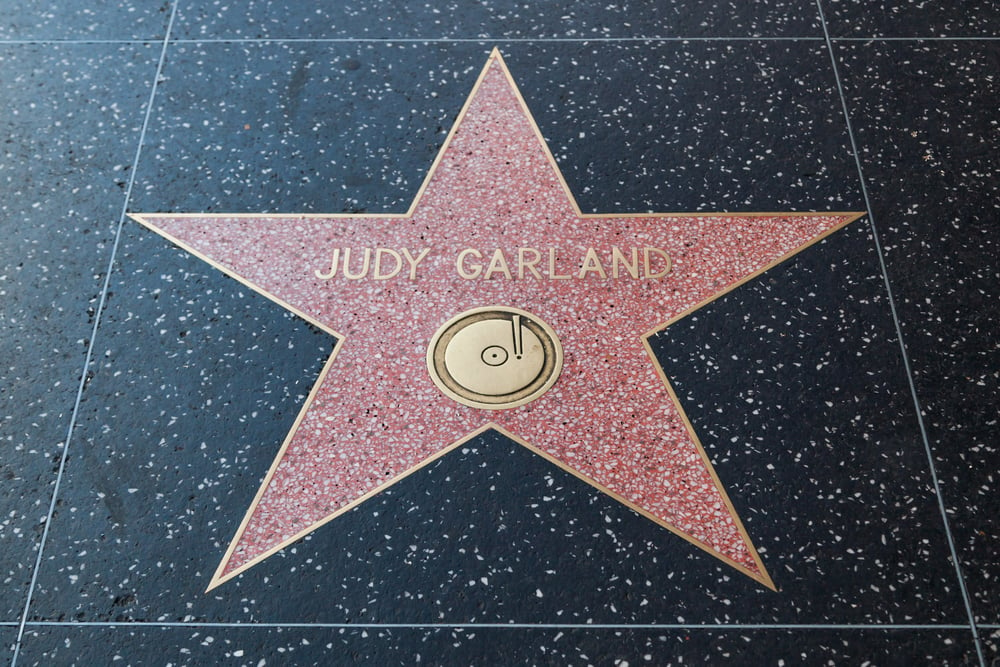
Garland’s life was managed and then dismantled by the same industry that made her — MGM kept her on amphetamines to control her weight and barbiturates to help her sleep, starting when she was a teenager, and the addiction that resulted never released her. She married five times, gave memorable concerts in her forties that reviewers described as witnessing both genius and collapse simultaneously, and died at forty-seven from what a coroner ruled an accidental overdose.
The version of her life that gets romanticized and the version that actually happened are not entirely compatible.
Josephine Baker
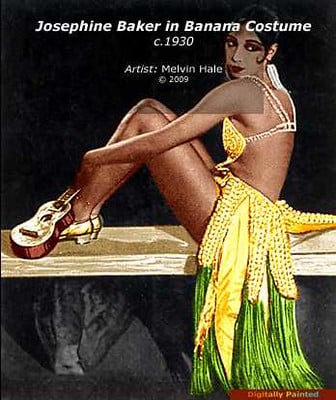
Josephine Baker was an American expatriate who became the most celebrated entertainer in Paris by the late 1920s, a French Resistance operative during World War II, and a civil rights activist who refused to perform for segregated audiences in the United States at significant personal cost. She adopted twelve children from different countries, whom she called her “Rainbow Tribe,” in an attempt to demonstrate that racial harmony was possible — a project that was both sincere and financially catastrophic, eventually costing her the château in the Dordogne she had spent decades building.
She was rehabilitated into the Panthéon in Paris in 2021, the first Black woman accorded that honor.
The Quiet Ones Never Were
The artists who changed what it’s possible to see, hear, or feel in the world were almost never the people living quietly behind the work. Their lives were the same material as their art — chaotic, excessive, occasionally monstrous, and lit from the inside by something that refused to behave itself.
That doesn’t make the personal wreckage romantic or excusable. But it does suggest that the clean separation between the person and the work has almost always been a convenient fiction, maintained by people who needed it to be true.
More from Go2Tutors!

- The Romanov Crown Jewels and Their Tragic Fate
- 13 Historical Mysteries That Science Still Can’t Solve
- Famous Hoaxes That Fooled the World for Years
- 15 Child Stars with Tragic Adult Lives
- 16 Famous Jewelry Pieces in History
Like Go2Tutors’s content? Follow us on MSN.



