17 Famous Volcanic Islands Worldwide
Volcanic islands showcase some of Earth’s most spectacular geological artistry. These landmasses emerge from ocean depths through explosive eruptions and persistent lava flows, creating extraordinary ecosystems and stunning landscapes. From tropical havens to wild, untamed territories, volcanic islands reveal the tremendous power of our planet’s internal forces.
Every volcanic island carries its own tale of creation, destruction, and rebirth. Here’s a list of 17 famous volcanic islands that highlight the remarkable diversity of landscapes shaped by volcanic activity across our globe.
Hawaii’s Big Island
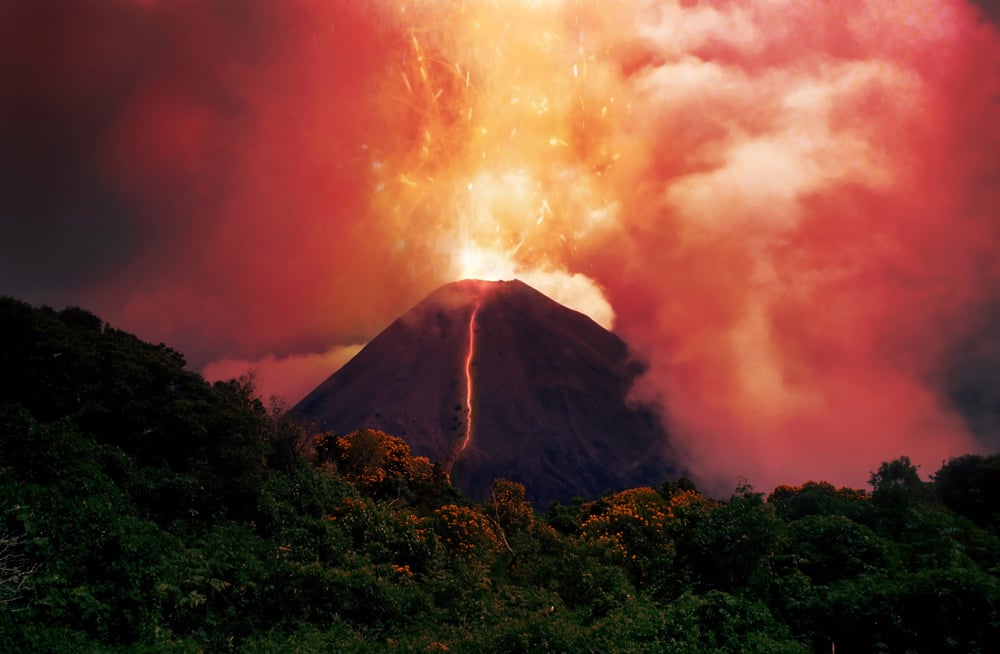
Hawaii’s Big Island stands as the world’s most active volcanic island — Kilauea volcano has been erupting almost nonstop since 1983. This enormous island actually comprises five major volcanoes, though Mauna Loa takes the crown as Earth’s largest volcano by volume.
The island keeps expanding today, adding roughly 42 acres of fresh land annually when lava meets ocean water.
Santorini
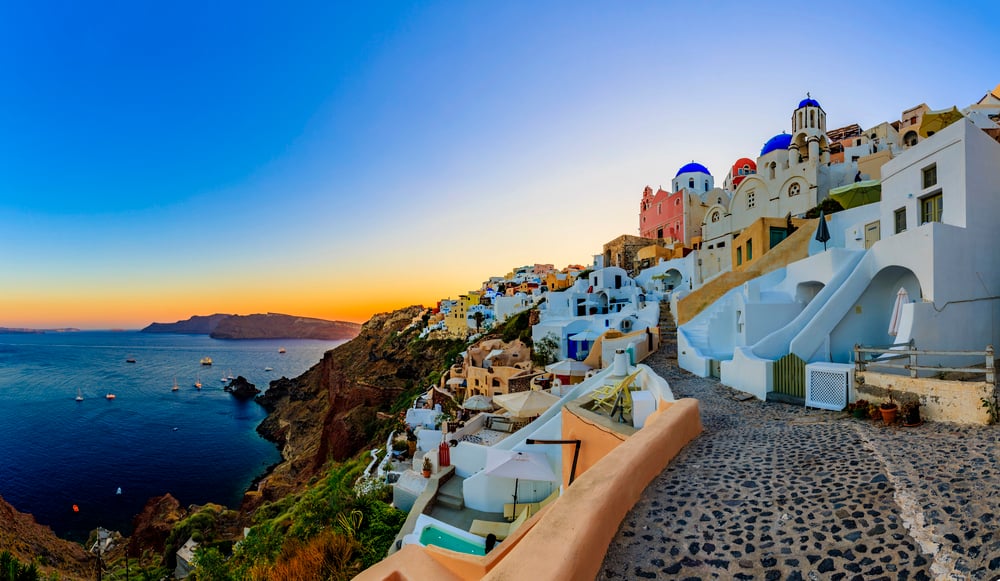
Santorini’s famous white buildings perched on volcanic cliffs create one of the Mediterranean’s most photographed scenes. The island’s distinctive crescent shape came from a catastrophic eruption around 1600 BCE that obliterated most of the original landmass.
This same eruption likely contributed to the Minoan civilization’s collapse — and may have inspired Atlantis legends.
Like Go2Tutors’s content? Follow us on MSN.
Stromboli
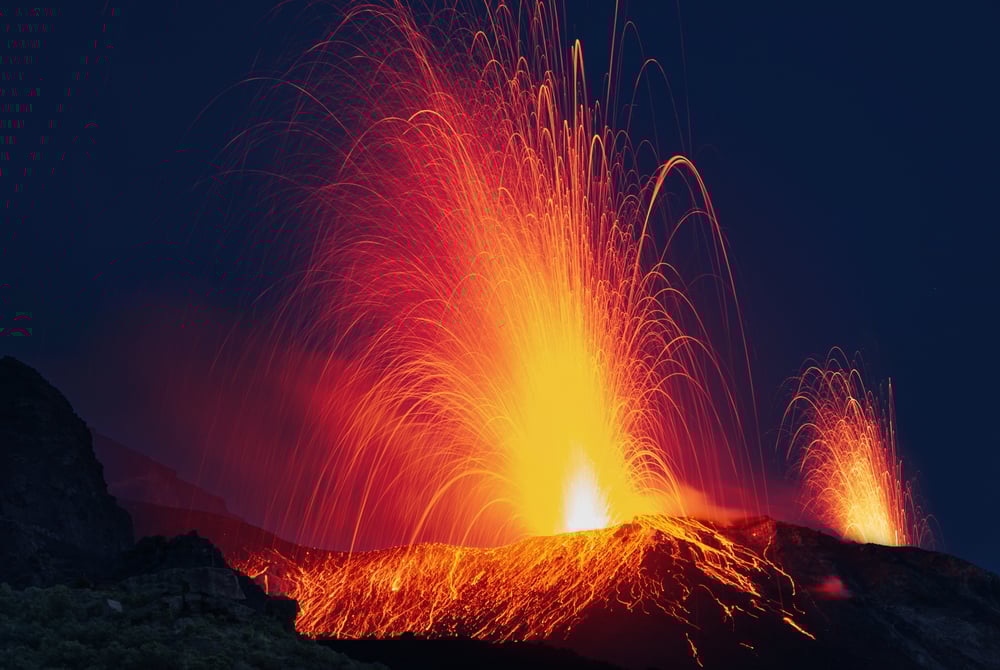
Nicknamed the ‘Lighthouse of the Mediterranean,’ Stromboli has maintained nearly continuous eruptions for over 2,000 years. Its regular, dramatic eruptions happen every 15-20 minutes, hurling glowing lava bombs hundreds of feet skyward.
The island’s reliable activity makes it among the most predictable volcanic destinations for visitors wanting nighttime lava shows.
Mount Fuji
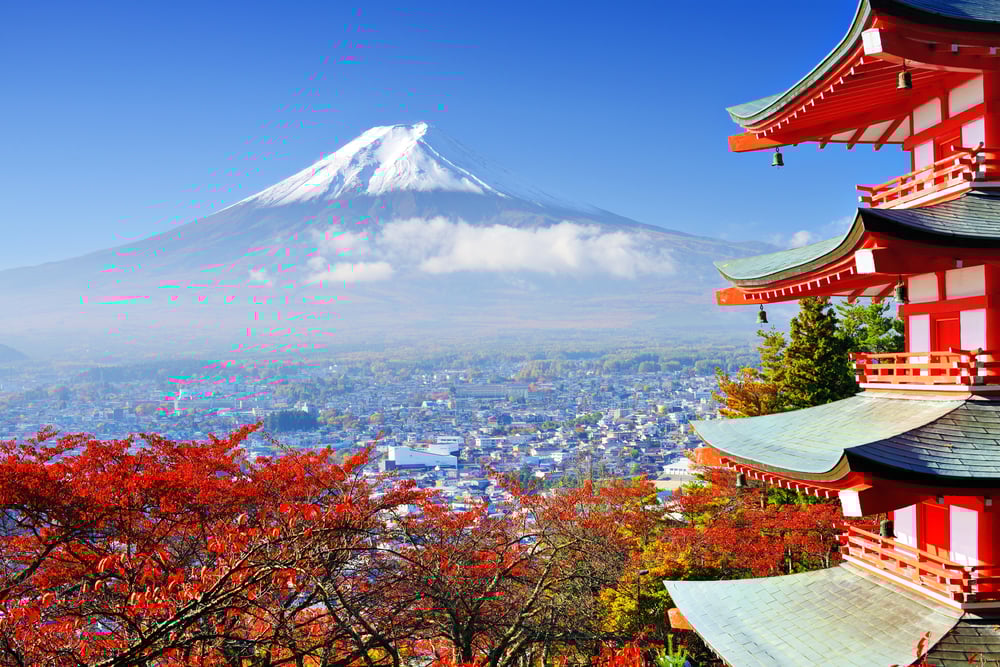
Japan’s Mount Fuji dominates Honshu Island as the country’s tallest peak and most beloved symbol. This perfectly cone-shaped stratovolcano last erupted in 1707 — creating a second crater while burying Tokyo under several inches of ash.
Though dormant for over three centuries, scientists still classify Mount Fuji as active due to ongoing seismic activity beneath its foundation.
Iceland’s Westman Islands
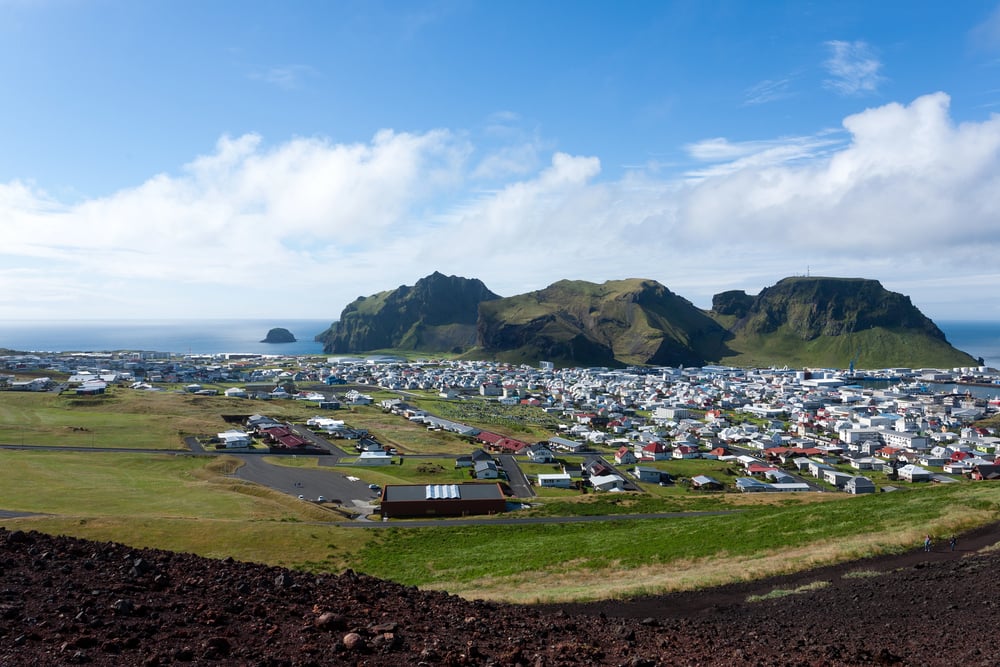
The Westman Islands grabbed global attention in 1973 when Heimaey town nearly vanished under lava and ash from Eldfell volcano. Residents fought back ingeniously — spraying seawater on advancing lava flows to successfully redirect them away from their harbor.
The archipelago’s youngest member, Surtsey, burst from the Atlantic in 1963 and became a living laboratory for studying how life colonizes virgin land.
Like Go2Tutors’s content? Follow us on MSN.
Krakatoa
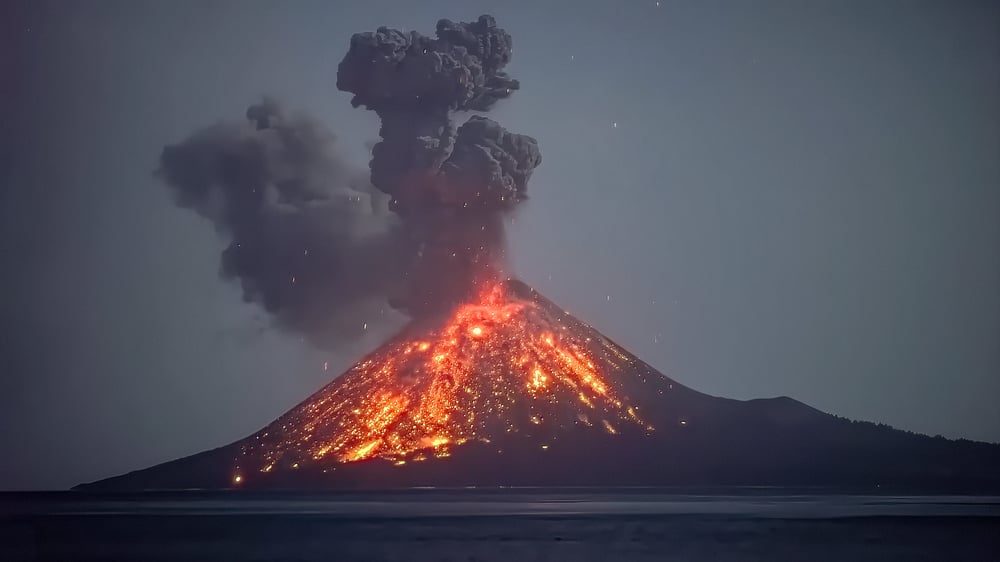
Krakatoa’s name became forever linked with explosive volcanic fury after its 1883 eruption produced the loudest sound in recorded human history. The blast echoed 3,000 miles away — generating tsunamis that claimed over 36,000 lives across the region.
Today, a new volcanic cone called Anak Krakatau (‘Child of Krakatoa’) has risen in the identical spot and continues regular eruptions.
Galápagos Islands
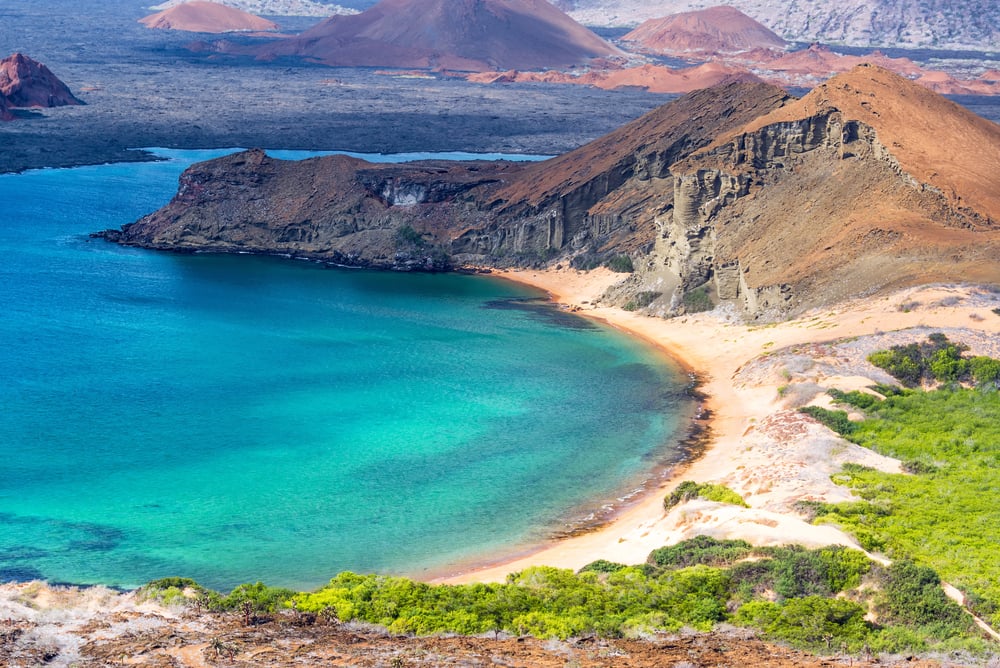
The Galápagos archipelago features 13 major volcanic islands that sparked Charles Darwin’s evolutionary theory. These islands developed over a volcanic hotspot, with westernmost islands being the youngest and most volcanically active.
Isabella Island houses six active volcanoes, yet the eastern islands have stayed dormant long enough to nurture unique ecosystems teeming with endemic species.
Sicily
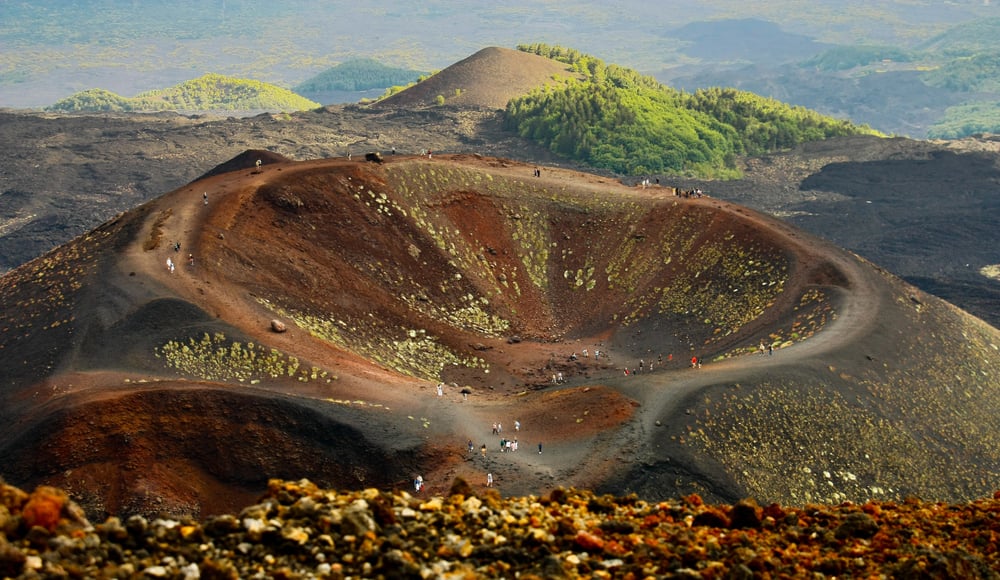
Sicily hosts Mount Etna — Europe’s most active volcano and among the world’s most extensively studied volcanic systems. Etna towers over 10,900 feet above sea level, having erupted for at least 500,000 years.
This makes it one of Earth’s longest-lived volcanoes. The rich volcanic soil surrounding Etna supports flourishing agriculture — including internationally acclaimed wine production on the volcano’s slopes.
Java
Like Go2Tutors’s content? Follow us on MSN.
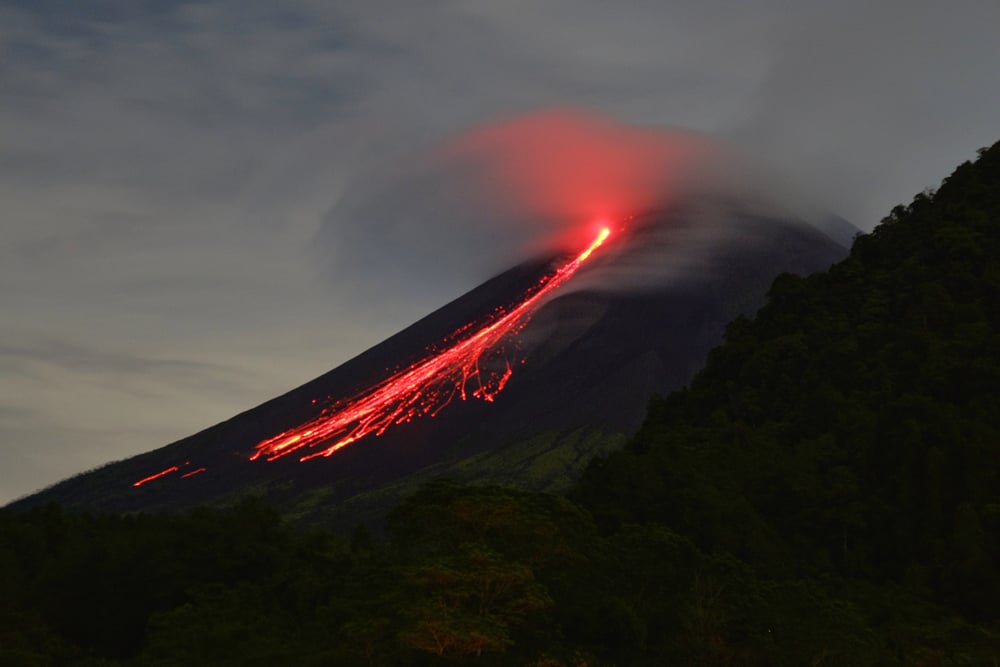
Indonesia’s Java Island contains more active volcanoes than anywhere else on Earth, with 45 volcanoes currently considered active. Mount Merapi, dubbed the ‘Fire Mountain,’ ranks among the world’s most hazardous volcanoes due to frequent eruptions and proximity to crowded population centers.
The island’s volcanic activity stems from its position along the Pacific Ring of Fire — where tectonic plates clash violently.
Martinique
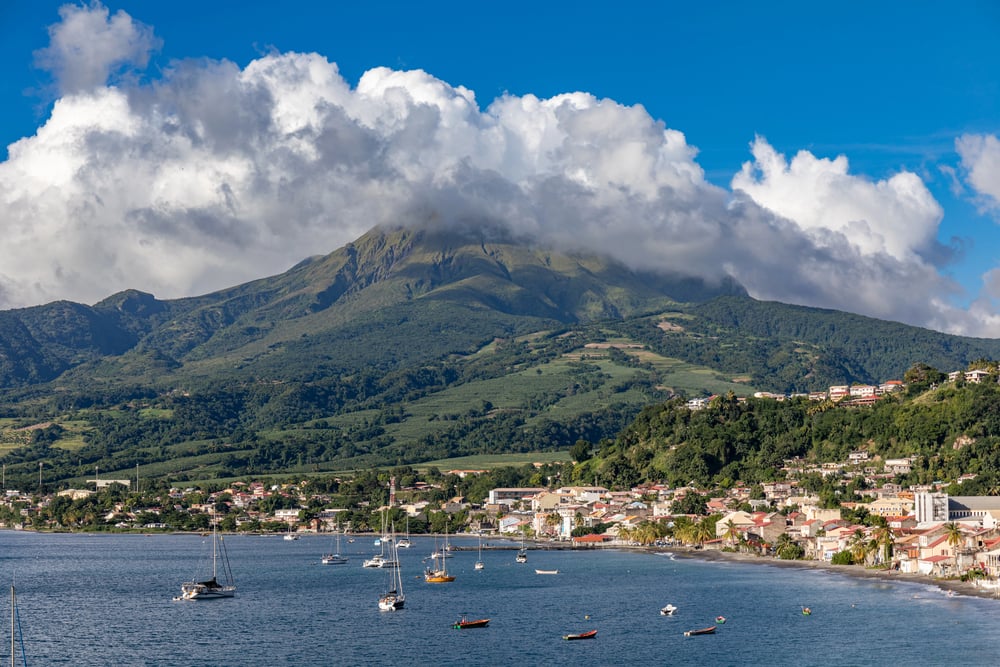
Martinique’s Mount Pelée gained notorious fame for completely annihilating Saint-Pierre city in 1902 — killing nearly 30,000 people within minutes. This eruption introduced scientists to pyroclastic flows: deadly clouds of superheated gas and volcanic debris that barrel down mountainsides exceeding 100 mph.
The island’s abundant tropical vegetation has since reclaimed many areas devastated by past eruptions.
Tenerife
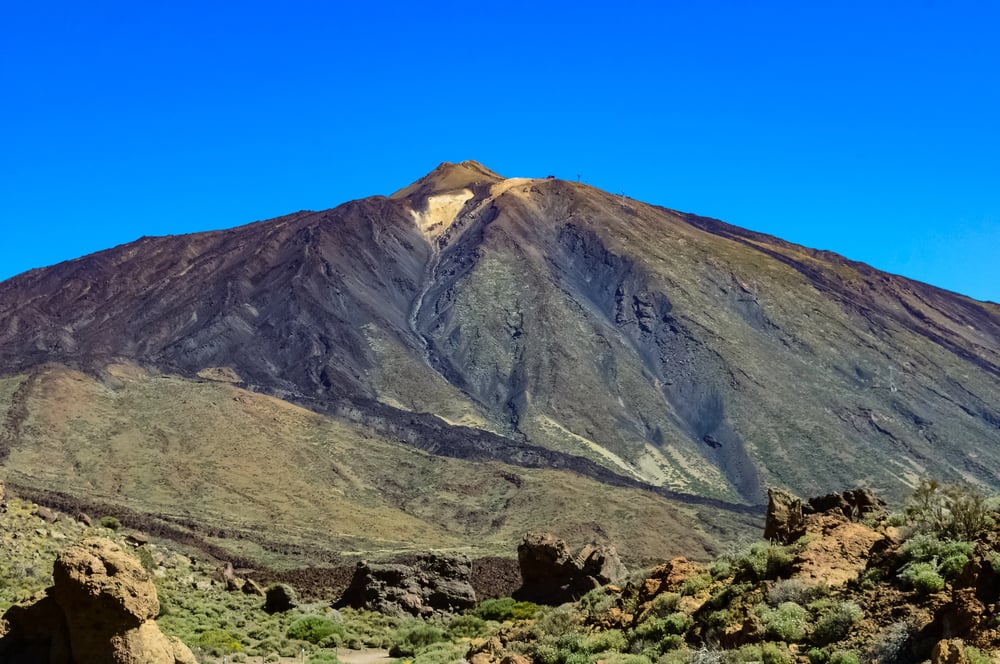
Spain’s Tenerife showcases Mount Teide, the world’s third-tallest volcanic structure when measured from ocean floor to peak. The massive volcano generates its own weather systems, with snow frequently crowning the summit while beaches stay warm throughout the year.
Teide’s alien landscape has doubled for Mars in countless Hollywood productions due to its otherworldly appearance.
Like Go2Tutors’s content? Follow us on MSN.
Réunion
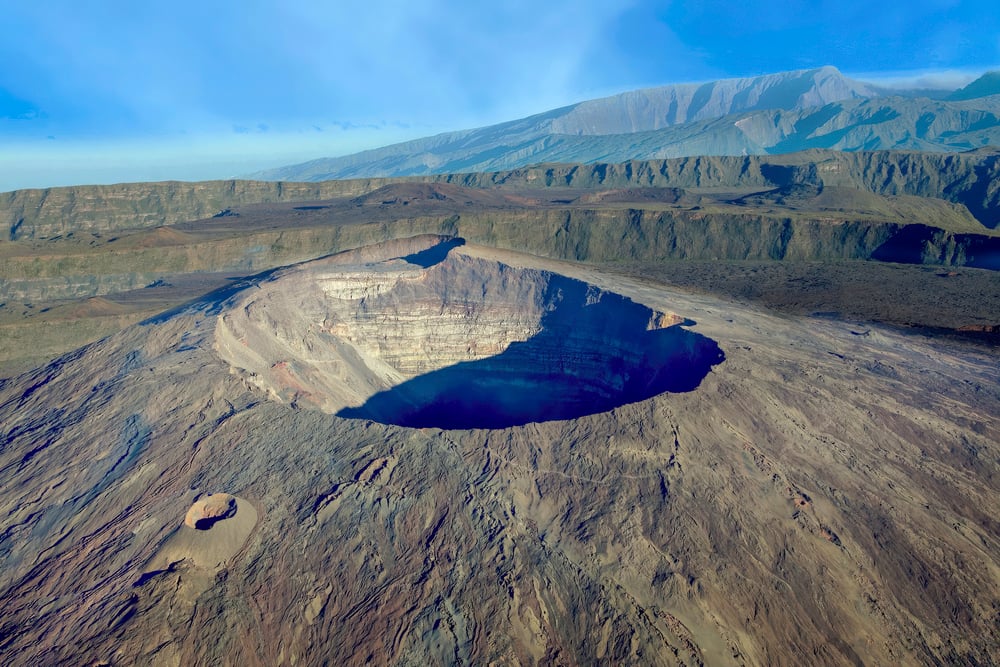
Réunion Island in the Indian Ocean features Piton de la Fournaise, one of our planet’s most active yet accessible volcanoes. This shield volcano erupts so regularly that locals maintain a relaxed attitude toward volcanic activity, often hiking to observe fresh lava flows.
The island’s striking landscape encompasses active lava tubes, vibrant volcanic beaches, and steep volcanic cliffs known as cirques.
Azores
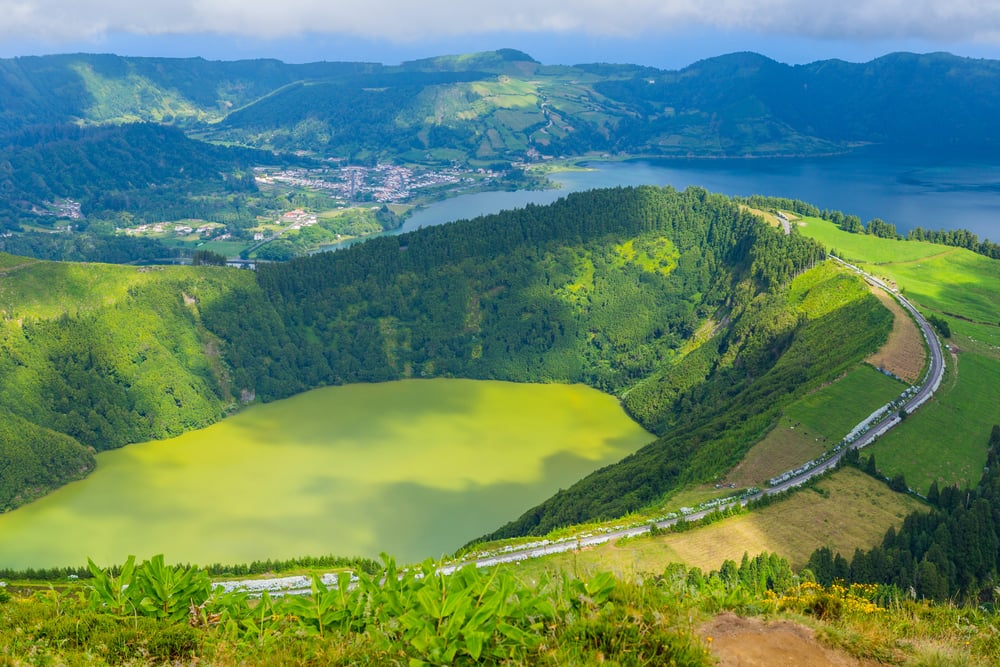
Portugal’s Azores archipelago consists of nine volcanic islands positioned atop the Mid-Atlantic Ridge where three tectonic plates converge. São Miguel Island contains Sete Cidades, a colossal volcanic crater housing twin lakes of contrasting colors due to different mineral content and light reflection.
The islands’ volcanic activity supplies geothermal energy for hot springs and heating systems across the region.
Jeju Island
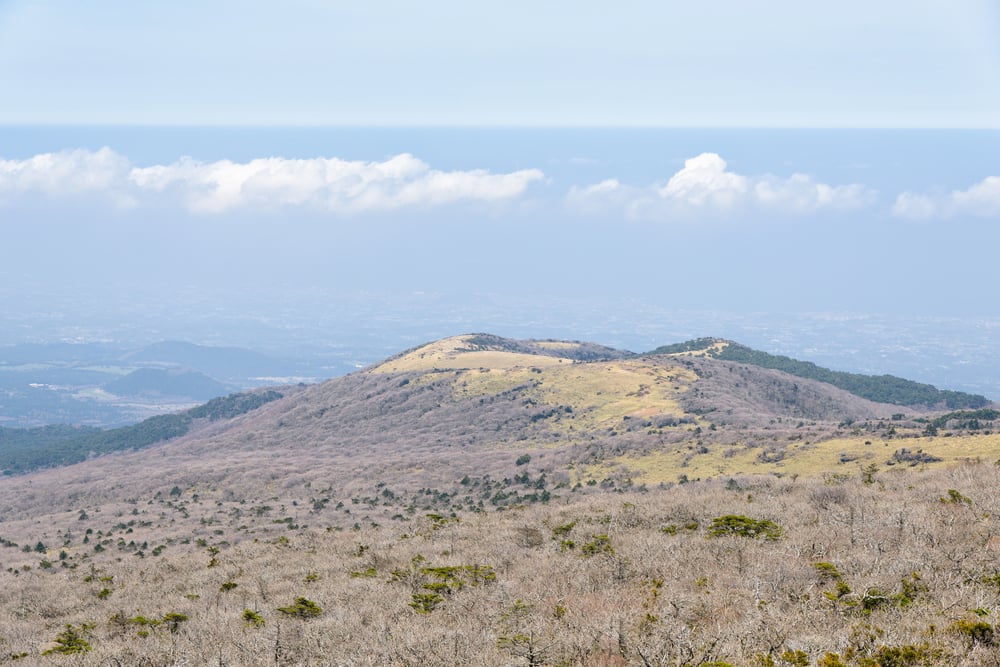
South Korea’s Jeju Island emerged from volcanic activity and features Hallasan, a shield volcano that shaped the island’s characteristic form. The island’s volcanic tubes, especially Manjanggul Cave, extend for miles underground and draw visitors worldwide.
Jeju’s volcanic rock sculptures called ‘dol hareubang’ have become cultural icons scattered throughout the island as traditional protectors.
Like Go2Tutors’s content? Follow us on MSN.
Vulcano
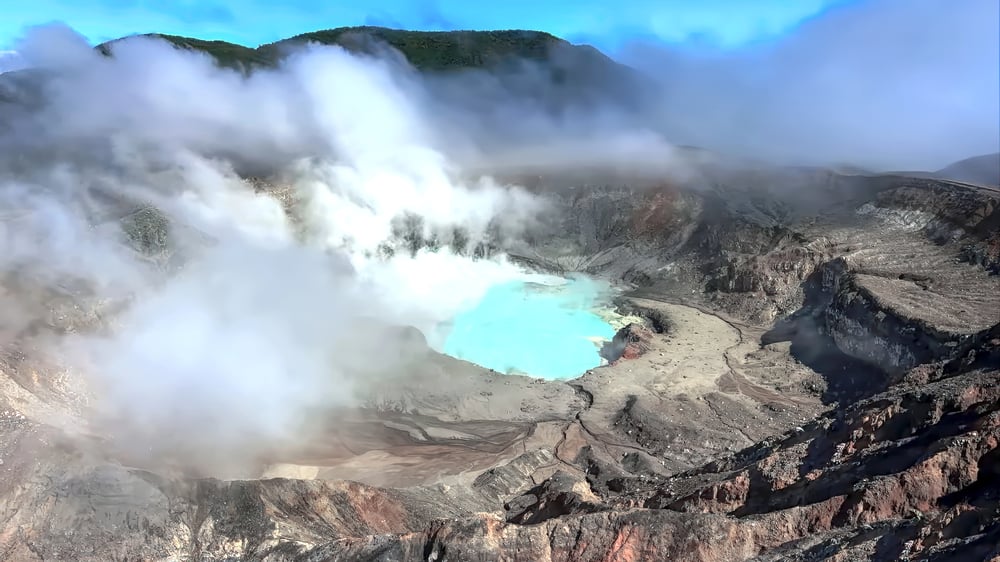
Italy’s Vulcano Island lent its name to all volcanoes and has been noted for volcanic activity since ancient Roman times. The island’s sulfur-rich hot springs and mud baths have drawn visitors for centuries, despite the pungent hydrogen sulfide gas aroma.
Vulcano’s last major eruption ran from 1888 to 1890, though the island continues producing volcanic gases while maintaining active fumaroles.
Saba
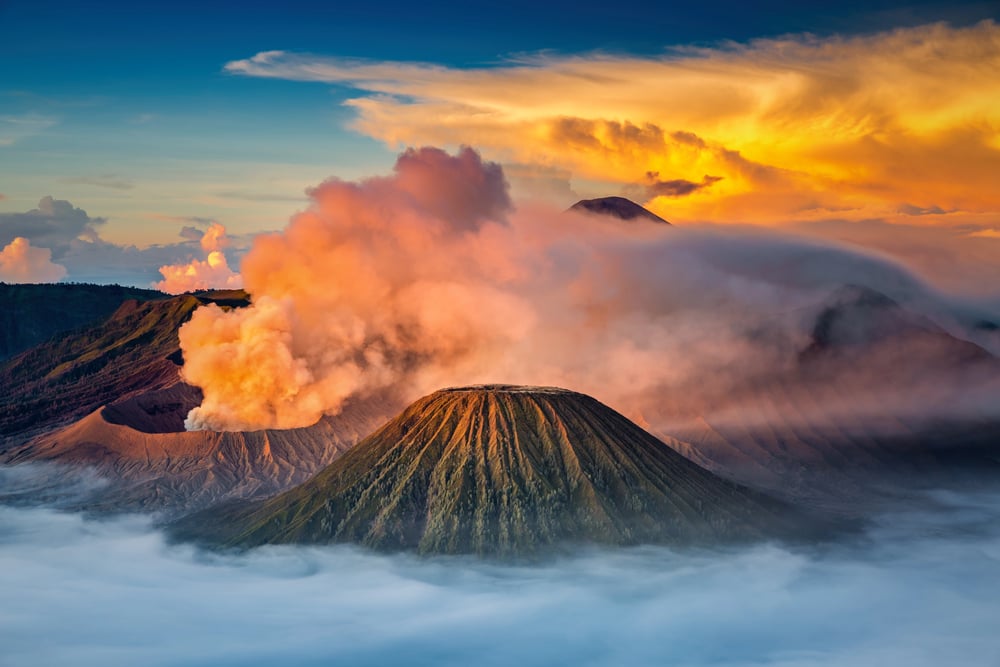
The Dutch Caribbean island of Saba represents a solitary volcanic peak jutting directly from ocean depths. Mount Scenery, the island’s summit, stands as the tallest point in the Kingdom of the Netherlands despite the island covering merely 5 square miles.
The precipitous volcanic terrain has preserved much of Saba’s original rainforest while creating some of the Caribbean’s most demanding hiking routes.
White Island
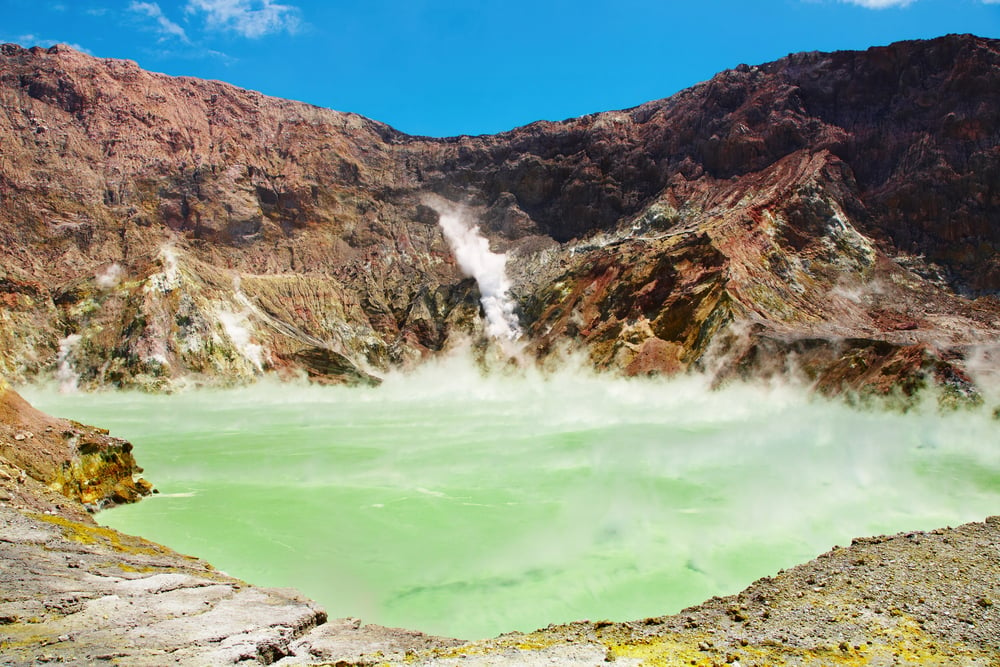
New Zealand’s White Island ranks as the country’s most active marine volcano and provides visitors with the exceptional chance to walk inside an active volcanic crater. The island’s constant volcanic activity produces a continuously shifting landscape of sulfur deposits, acid lakes, and steam vents.
Despite its isolated location 30 miles offshore, White Island draws thousands of tourists yearly who helicopter or boat to this active geological marvel.
Like Go2Tutors’s content? Follow us on MSN.
Where Fire Meets Water Today
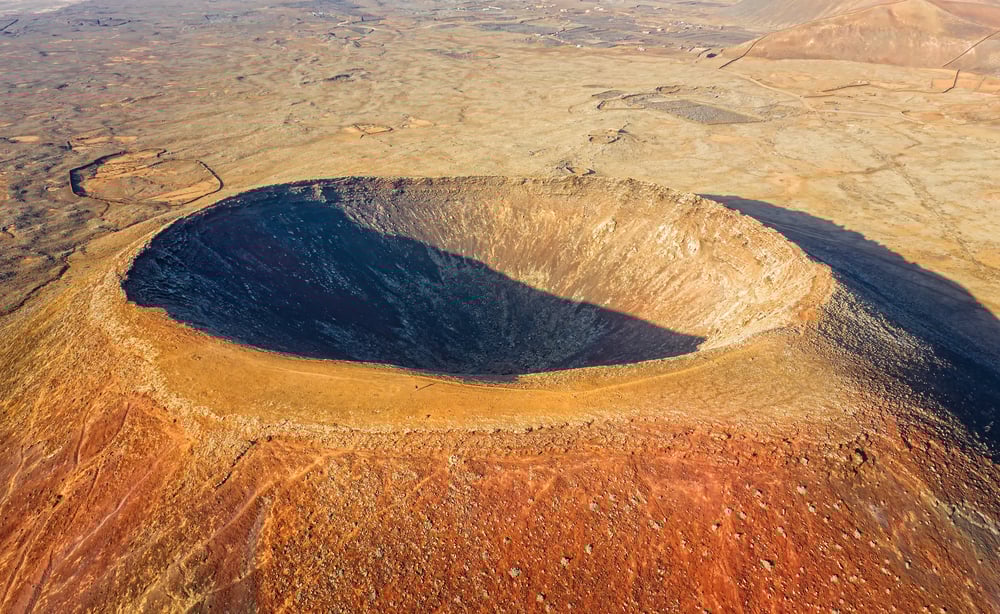
These volcanic islands serve as powerful reminders that our planet remains a dynamic, constantly evolving system where geological forces keep sculpting new landscapes. Many of these islands still experience regular eruptions, creating fresh land while occasionally threatening nearby communities.
The identical volcanic processes that forged these spectacular destinations millions of years ago continue operating today, ensuring that Earth’s collection of volcanic islands will persist in growing and transforming. Whether functioning as natural laboratories for scientific research or simply offering magnificent destinations for travelers, these fiery islands demonstrate the remarkable creative power concealed beneath our ocean floors.
More from Go2Tutors!

- 16 Historical Figures Who Were Nothing Like You Think
- 12 Things Sold in the 80s That Are Now Illegal
- 15 VHS Tapes That Could Be Worth Thousands
- 17 Historical “What Ifs” That Would Have Changed Everything
- 18 TV Shows That Vanished Without a Finale
Like Go2Tutors’s content? Follow us on MSN.



