28 Sports Cards Families Kept That Now Sell High
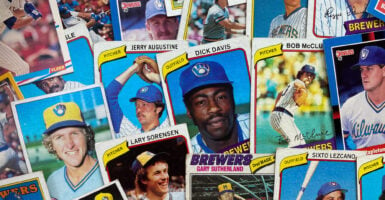
For most of the twentieth century, trading cards came packaged with bubblegum and were treated exactly like the disposable product they were sold alongside. Kids clipped them to bicycle spokes, flipped them in matching games, and stored them in shoeboxes without much thought for preservation.
That casual treatment is precisely why surviving cards in strong condition have become so valuable. A crease, a soft corner, or a bit of gum residue can separate an ordinary card from one worth a genuine fortune, which makes condition the single biggest factor in this entire category.
1909 T206 Honus Wagner
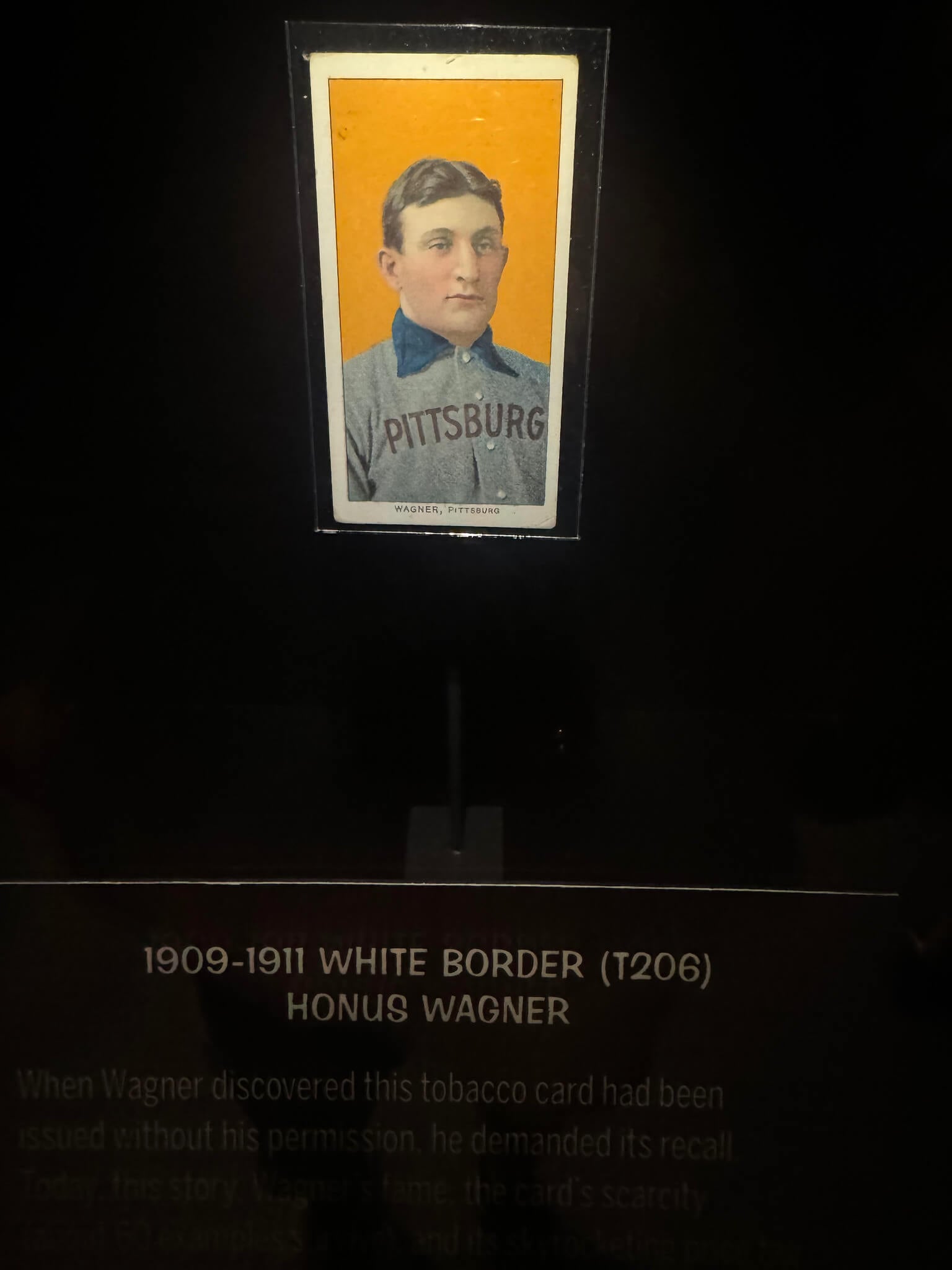
Produced as part of a widely distributed promotional card set in the early twentieth century, this card of Pittsburgh shortstop Honus Wagner is the single most famous card in the hobby, largely because Wagner reportedly objected to his image being used and had production halted early. That scarcity, combined with his Hall of Fame career, has made surviving examples legendary among collectors.
Even heavily worn copies have sold for sums that dwarf almost anything else in the hobby.
1952 Topps Mickey Mantle
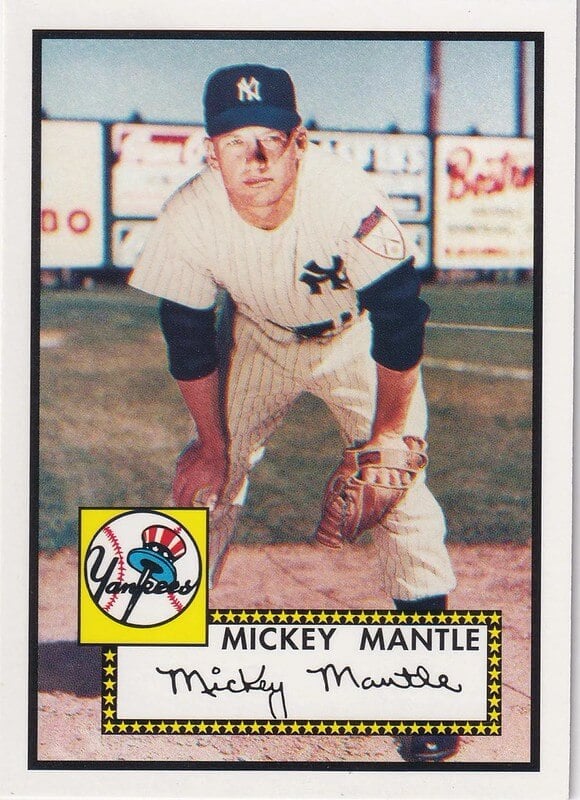
Part of Topps’ landmark 1952 set, this card is considered by many collectors the most iconic post-war baseball card ever produced. A famous story involving a large quantity of unsold high-number cards from the set being discarded into the ocean has only added to the mystique around surviving examples.
Strong-condition copies remain among the most consistently valuable cards in the entire hobby.
1933 Goudey Babe Ruth
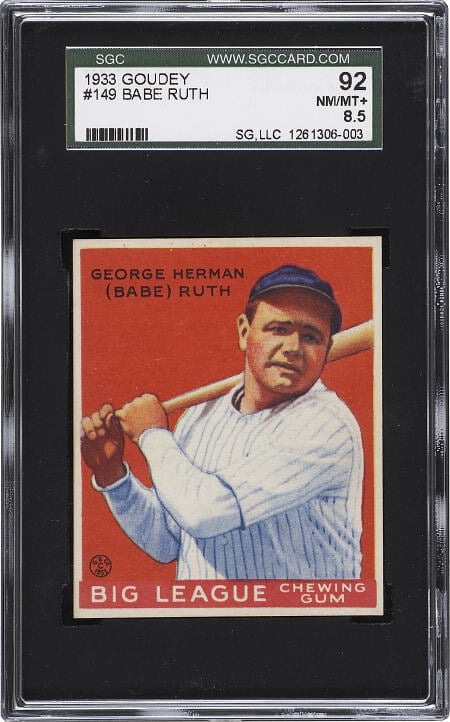
The Goudey Gum Company’s 1933 set featured several different Babe Ruth cards, produced during the final years of his playing career. As one of the most recognizable athletes in American history, Ruth’s cards from this era carry significance well beyond typical vintage cardboard.
Well-preserved examples remain among the most desirable pre-war baseball cards available.
1957 Topps Mickey Mantle
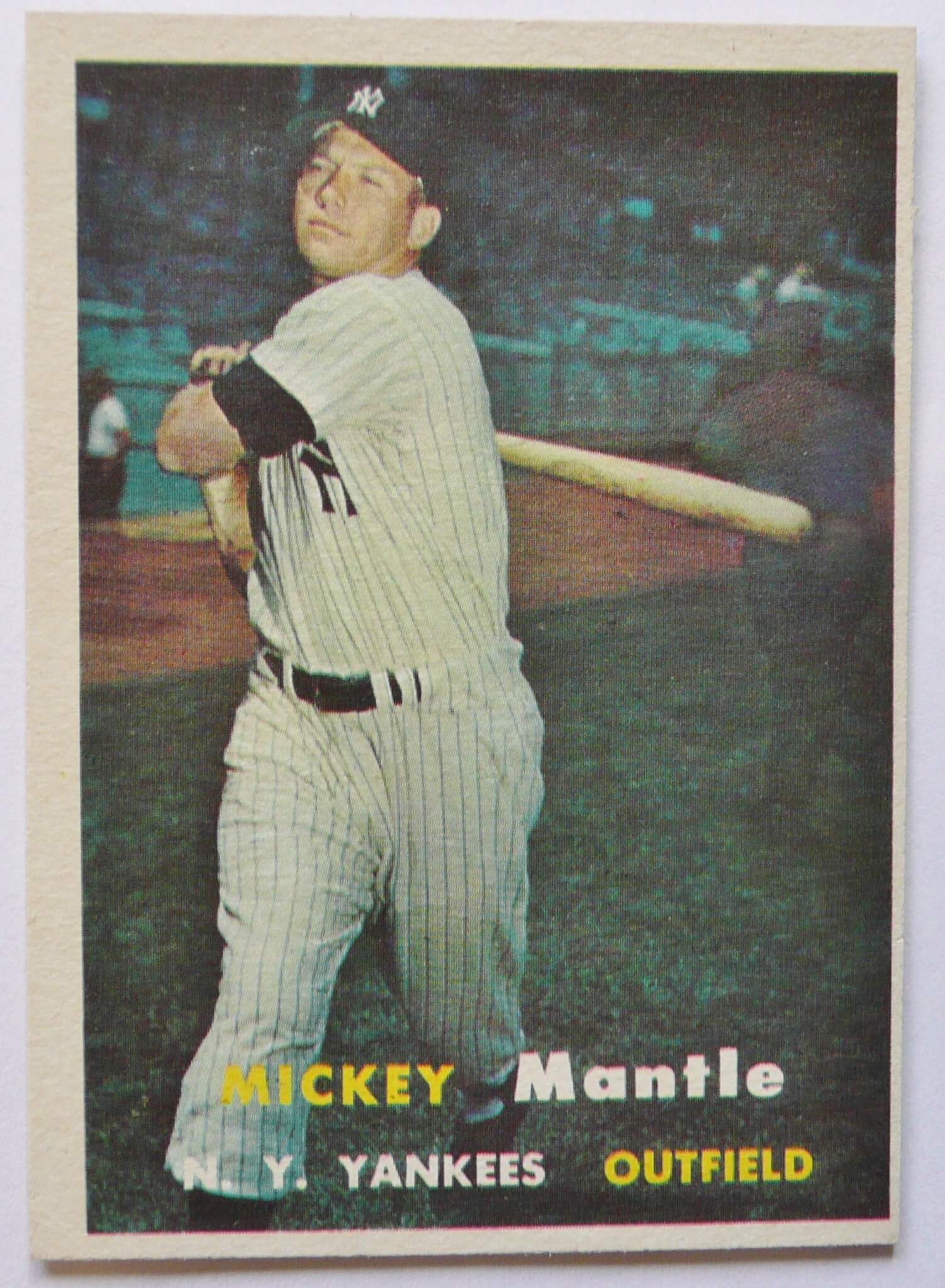
Following his 1952 debut card, Mantle’s 1957 Topps issue features a cleaner, more modern design and remains a favorite among collectors specifically chasing his career across different eras. Its slightly later production run means more examples survive than the 1952 issue, though top-condition copies are still genuinely scarce.
It’s often considered a more attainable entry point into serious Mantle collecting.
1968 Topps Nolan Ryan Rookie Card
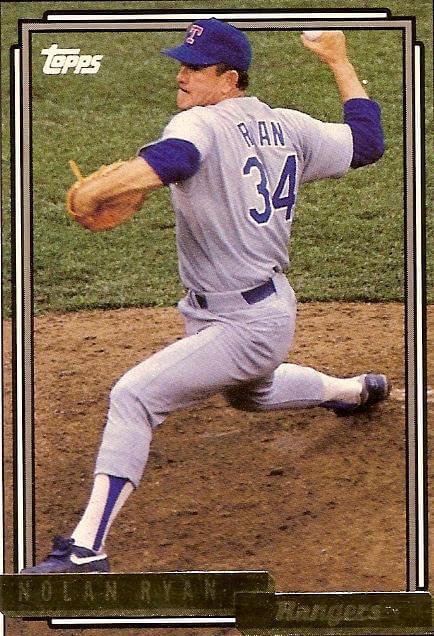
Featured as part of a shared rookie card alongside a fellow young pitcher, this issue marks the first Topps card of a pitcher who would go on to set numerous career strikeout records over more than two decades. Its shared format makes it a distinctive piece within rookie card collecting.
Strong-condition copies remain a cornerstone of any serious baseball rookie card collection.
1979 O-Pee-Chee Wayne Gretzky Rookie Card
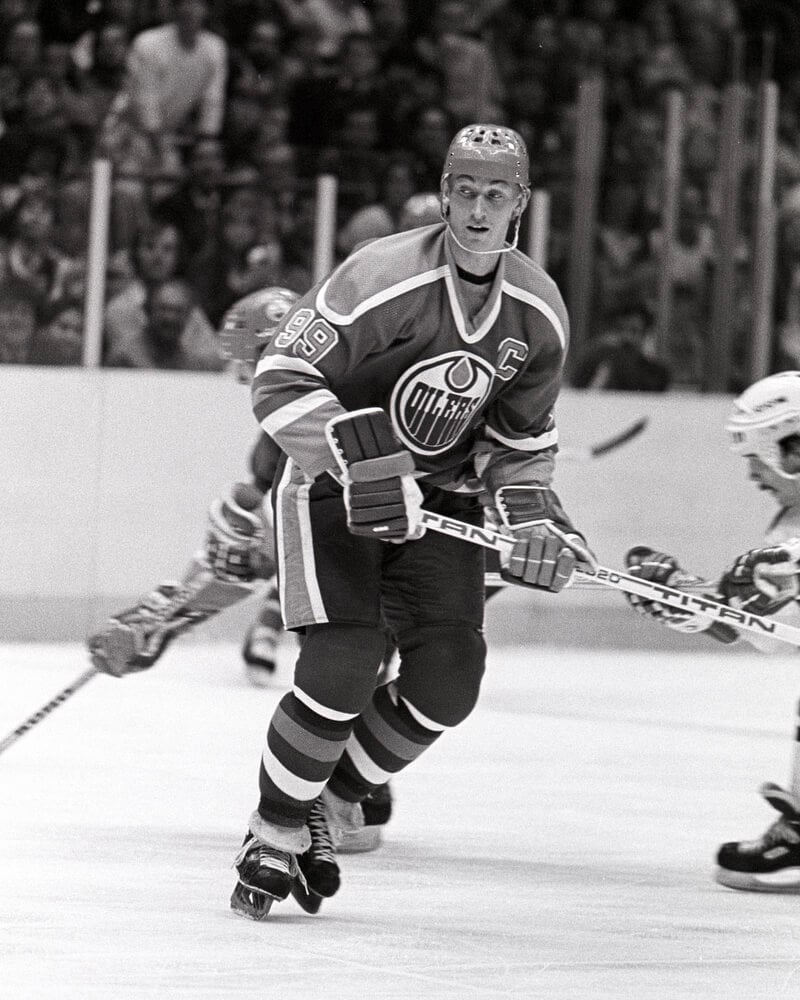
While Gretzky’s more commonly referenced rookie card came from Topps that same year, the O-Pee-Chee version, produced for the Canadian market, is considered scarcer due to a smaller print run. Gretzky’s status as arguably the greatest player in hockey history has kept demand for both versions extremely strong.
Condition matters enormously given the card’s notoriously fragile, thin card stock.
1986 Fleer Michael Jordan Rookie Card
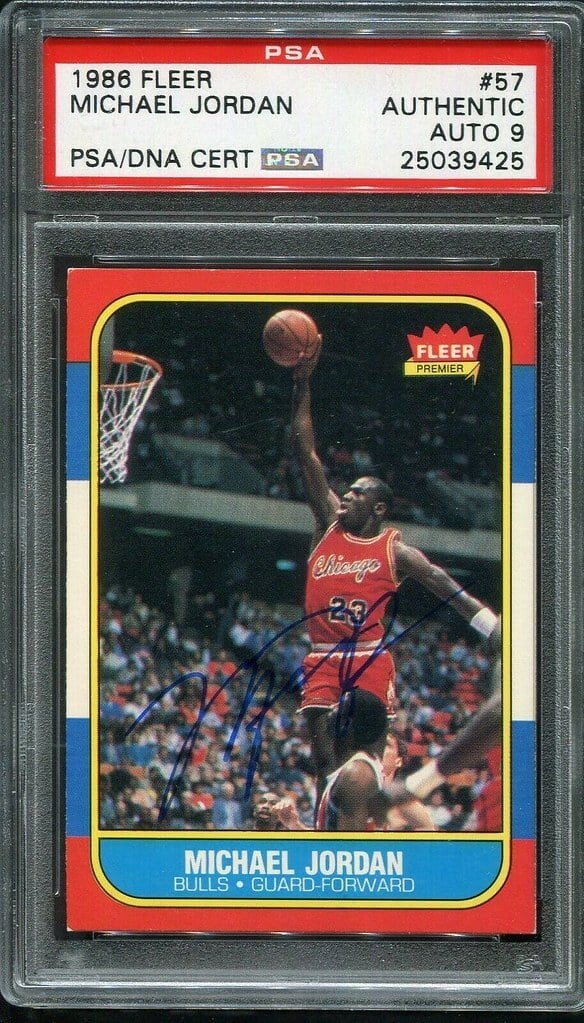
Produced during Jordan’s first professional season, this card has become one of the most recognized rookie cards across any sport, driven by his subsequent rise to global superstardom. Its relatively small original print run compared to modern production standards adds to its scarcity in top condition.
It remains one of the most consistently in-demand cards in the basketball collecting market.
1989 Upper Deck Ken Griffey Jr. Rookie Card
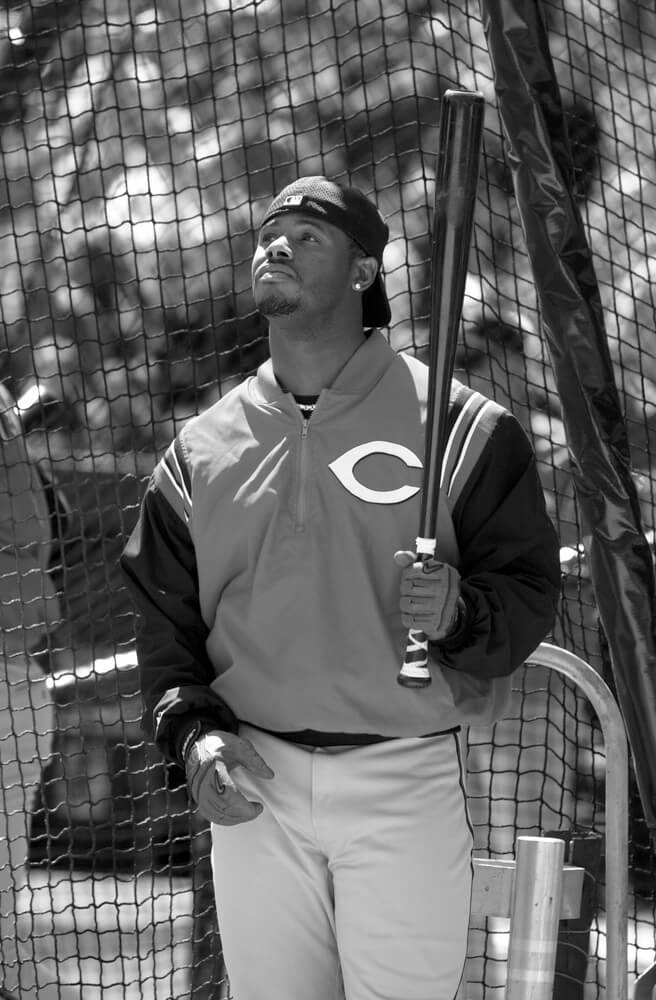
Marking Upper Deck’s debut as a premium card manufacturer, this issue combined higher production quality with a genuinely popular young player, a combination that made it an instant hit with collectors. Its number one card position in the set has given it a distinct identity within the hobby.
Strong-condition copies remain a reliable staple of vintage rookie card collecting.
1993 SP Derek Jeter Rookie Card
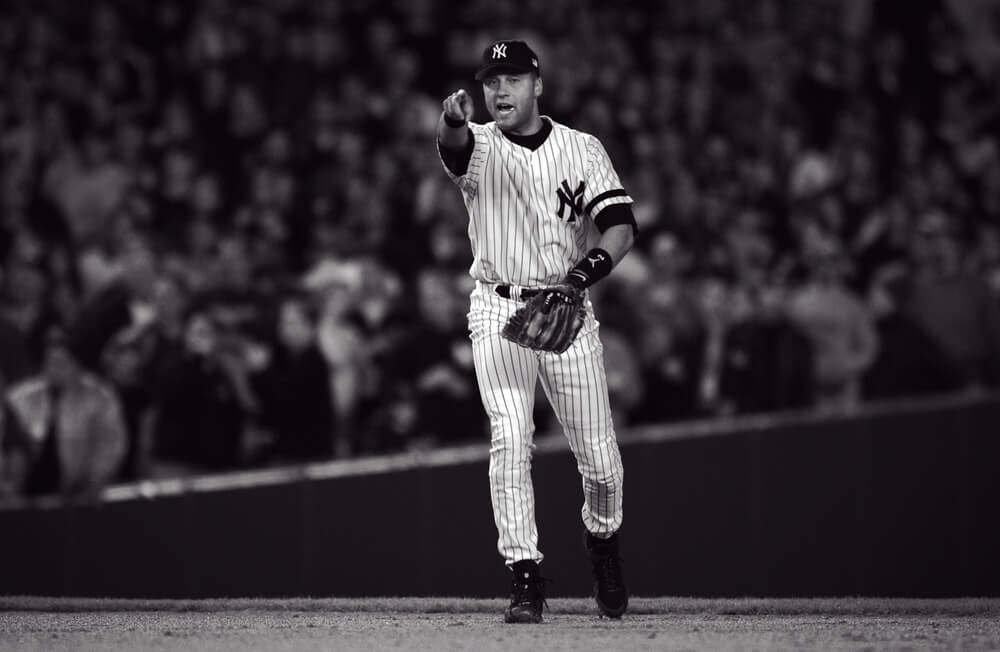
Produced in the Upper Deck SP premium set, this card became closely associated with Jeter’s rise as a career-long Yankee and eventual Hall of Famer. Its relatively low print run compared to standard base sets of the era has made high-grade examples genuinely scarce.
Demand has remained consistently strong throughout Jeter’s playing career and afterward.
1951 Bowman Mickey Mantle
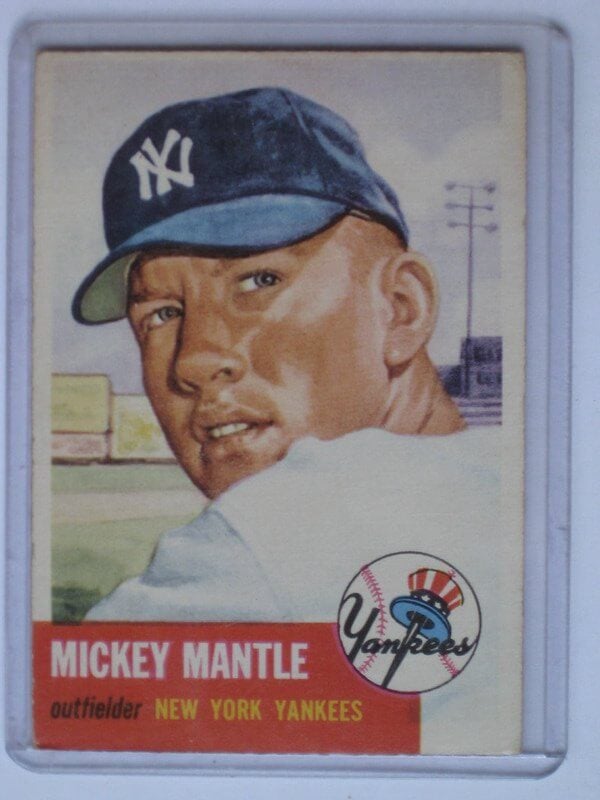
Predating his more famous 1952 Topps issue, this Bowman card represents Mantle’s true rookie card and carries significant weight among serious vintage collectors for that reason alone. Its earlier production run means fewer examples have survived in strong condition.
It’s often considered the more historically significant of Mantle’s early cards, even if less broadly recognized by casual collectors.
1948 Leaf Jackie Robinson
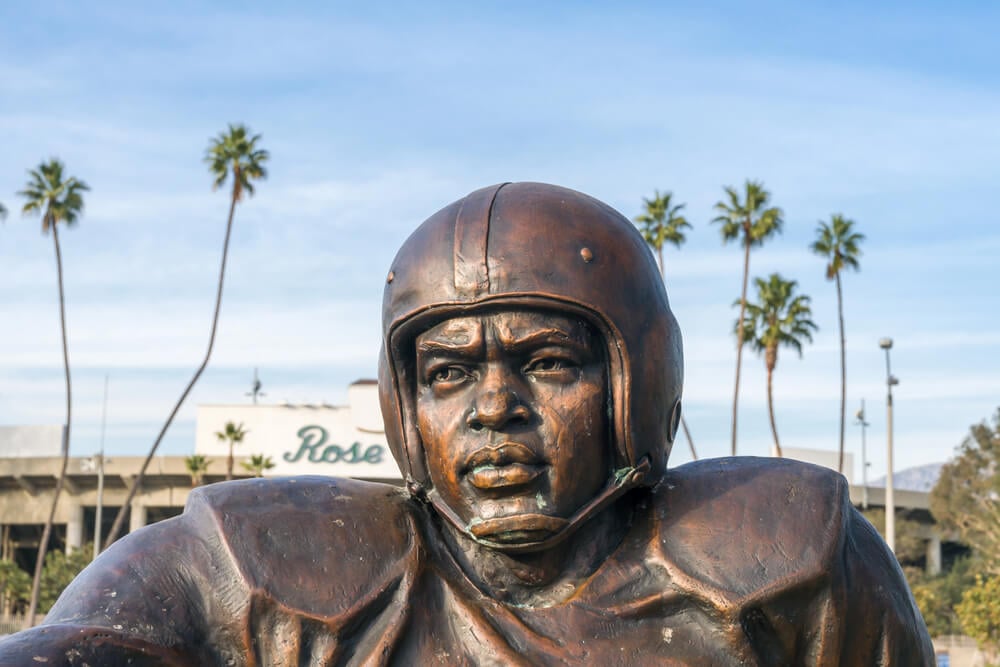
Produced during Robinson’s rookie season after breaking Major League Baseball’s color line, this card carries historical weight well beyond typical sports memorabilia. Leaf’s set from this era is known for inconsistent print quality, which makes well-centered, sharp examples especially scarce.
Its combination of historical and athletic significance keeps demand strong across multiple collector categories.
1954 Topps Hank Aaron Rookie Card
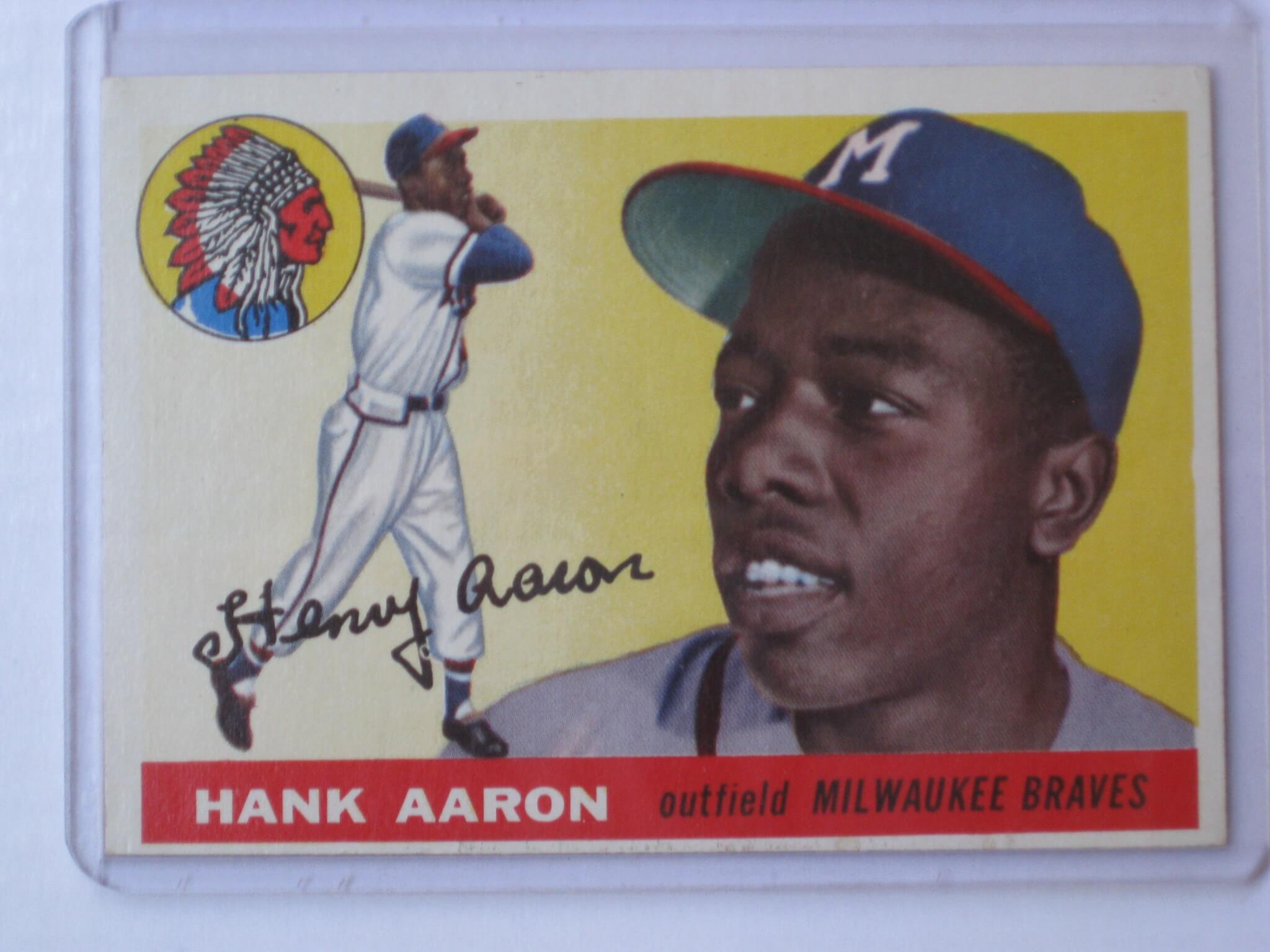
Featuring a young Hank Aaron early in a career that would eventually produce one of the most significant home run records in baseball history, this rookie card remains a staple of vintage collecting. Its colorful, portrait-style design is considered one of the more visually appealing cards of its era.
Strong-condition copies consistently perform well among serious vintage collectors.
1963 Topps Pete Rose Rookie Card
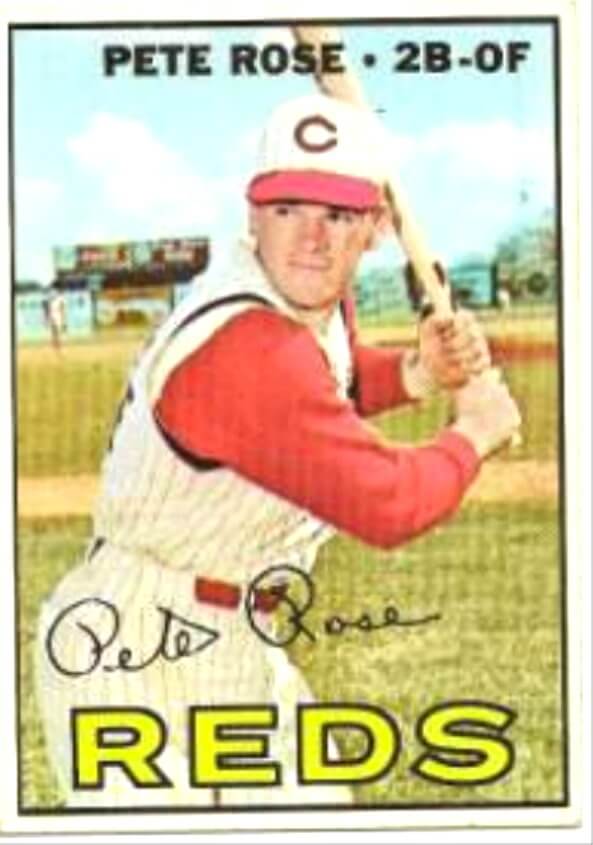
Shared among four young players on a single rookie card, this issue marks Pete Rose’s entry into the hobby before he became the sport’s all-time hits leader. Its shared format and Rose’s complicated later history have both shaped how collectors approach the card.
It remains a significant and consistently discussed piece within vintage baseball collecting.
1965 Topps Joe Namath Rookie Card
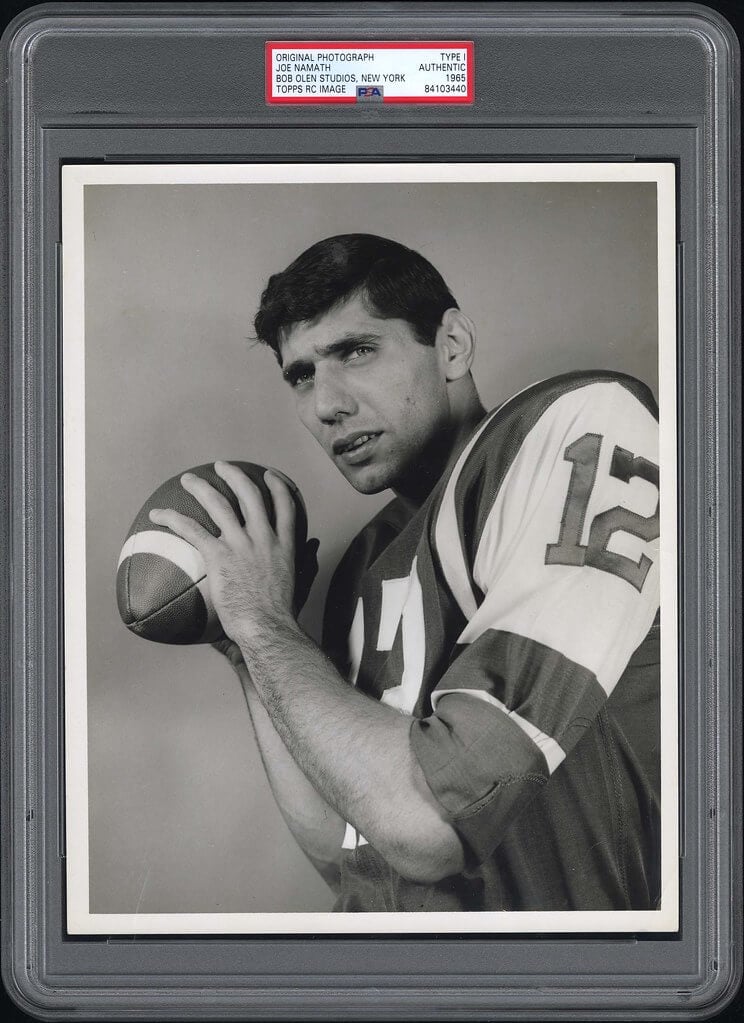
Produced during Namath’s rookie season, this card captures a quarterback who would go on to guarantee and deliver a Super Bowl victory that helped legitimize the American Football League. Its bold, colorful design is considered emblematic of mid-1960s Topps football issues.
Strong-condition copies remain one of the most sought-after football rookie cards of the era.
1980 Topps Rickey Henderson Rookie Card
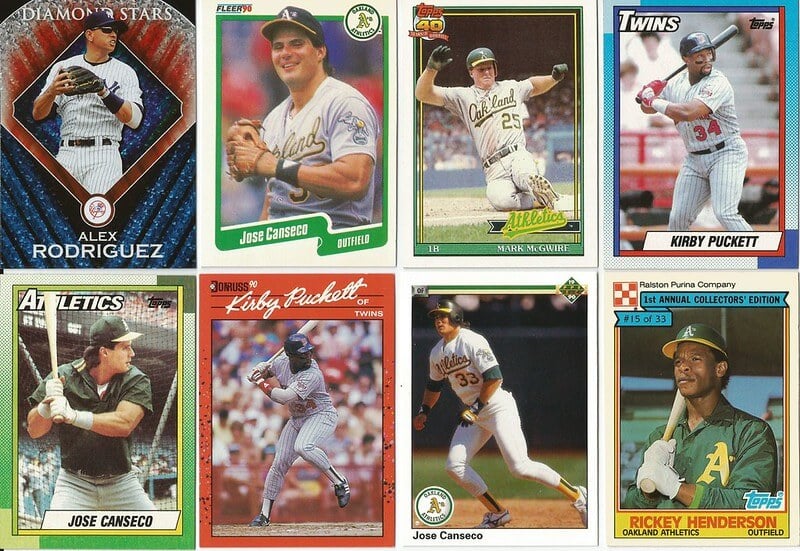
Marking the rookie card of a player who would go on to become baseball’s all-time stolen base leader, this issue has grown steadily in significance as Henderson’s career accomplishments became fully appreciated. Its relatively large original print run means well-centered, sharp copies stand out more than raw scarcity alone.
It remains a foundational piece for collectors focused on the era.
1986 Fleer Michael Jordan Sticker Insert
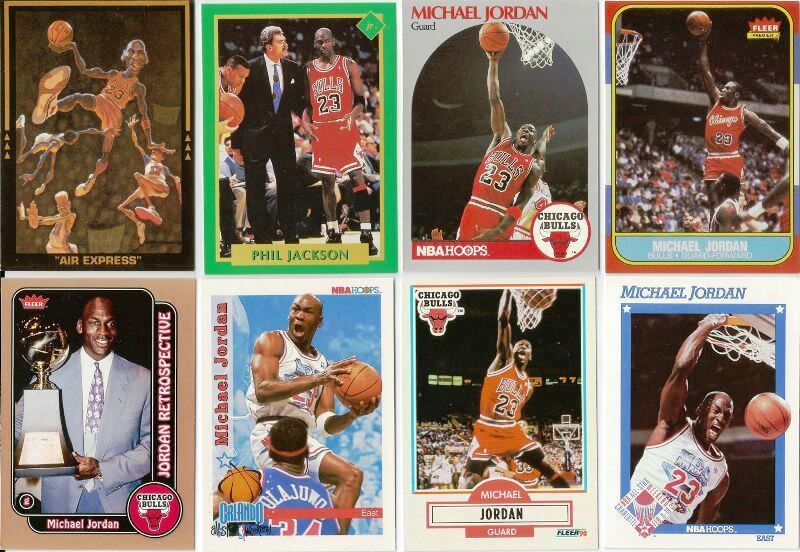
Distinct from his Fleer rookie card, this sticker insert from the same set has developed its own dedicated following among Jordan collectors specifically chasing every format tied to his rookie season. Its smaller, less durable sticker format means far fewer examples survive in strong condition.
It occupies a specific niche within the broader, extremely active market for Jordan’s earliest cards.
1990 Score Bo Jackson
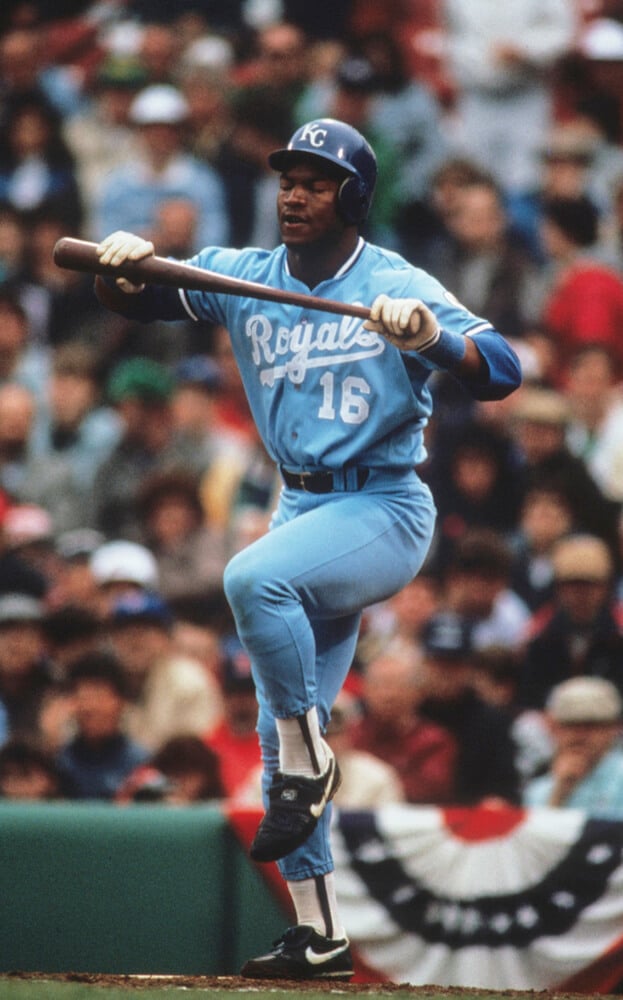
Featuring Jackson during his unusual dual career as both a professional football and baseball player, this card captures a genuinely unique moment in American sports history. Its widely circulated, dramatic action photograph made it one of the most recognizable cards of its era regardless of print run size.
Nostalgia for Jackson’s crossover athletic career has kept interest in the card steady.
1997 Metal Universe Precious Metal Gems Michael Jordan
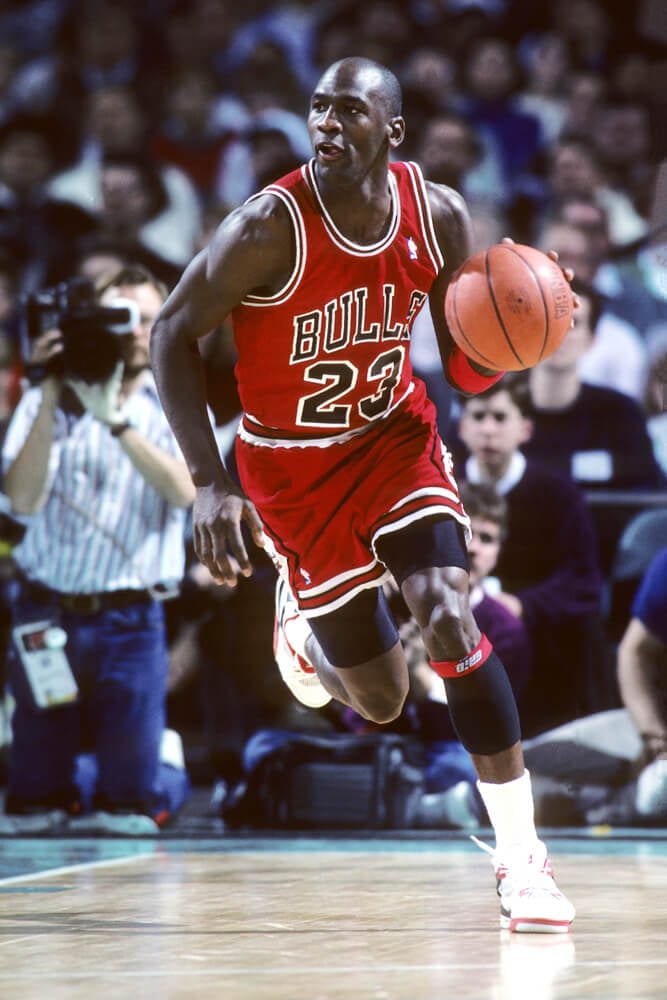
An extremely limited parallel insert produced in a very small print run, this card is considered one of the rarest modern-era Jordan cards in existence. Its scarcity, combined with Jordan’s enduring collector appeal, has made it a genuine hobby legend despite its relatively recent production date.
Very few examples are known to exist in top condition.
2000 Playoff Contenders Tom Brady Rookie Autograph

Featuring an on-card autograph from Brady’s rookie season before he became one of the most decorated quarterbacks in NFL history, this card is widely considered the most significant modern football card in the hobby. Its relatively small original print run has only become more significant as Brady’s career accomplishments piled up.
Strong-condition examples with a clean autograph consistently rank among the most valuable modern sports cards.
1990 Leaf Frank Thomas Rookie Card (No-Name Error)
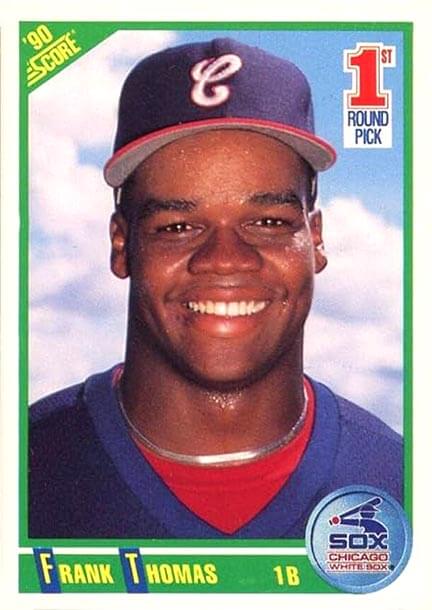
Due to a printing mistake, an early version of this card was released without Thomas’s name printed on the front, creating a genuine, documented error variation collectors specifically seek out. The mistake was corrected in subsequent print runs, making the error version notably scarcer.
It remains a favorite example within the hobby of how a simple printing mistake can create lasting collector demand.
1975 Topps George Brett Rookie Card
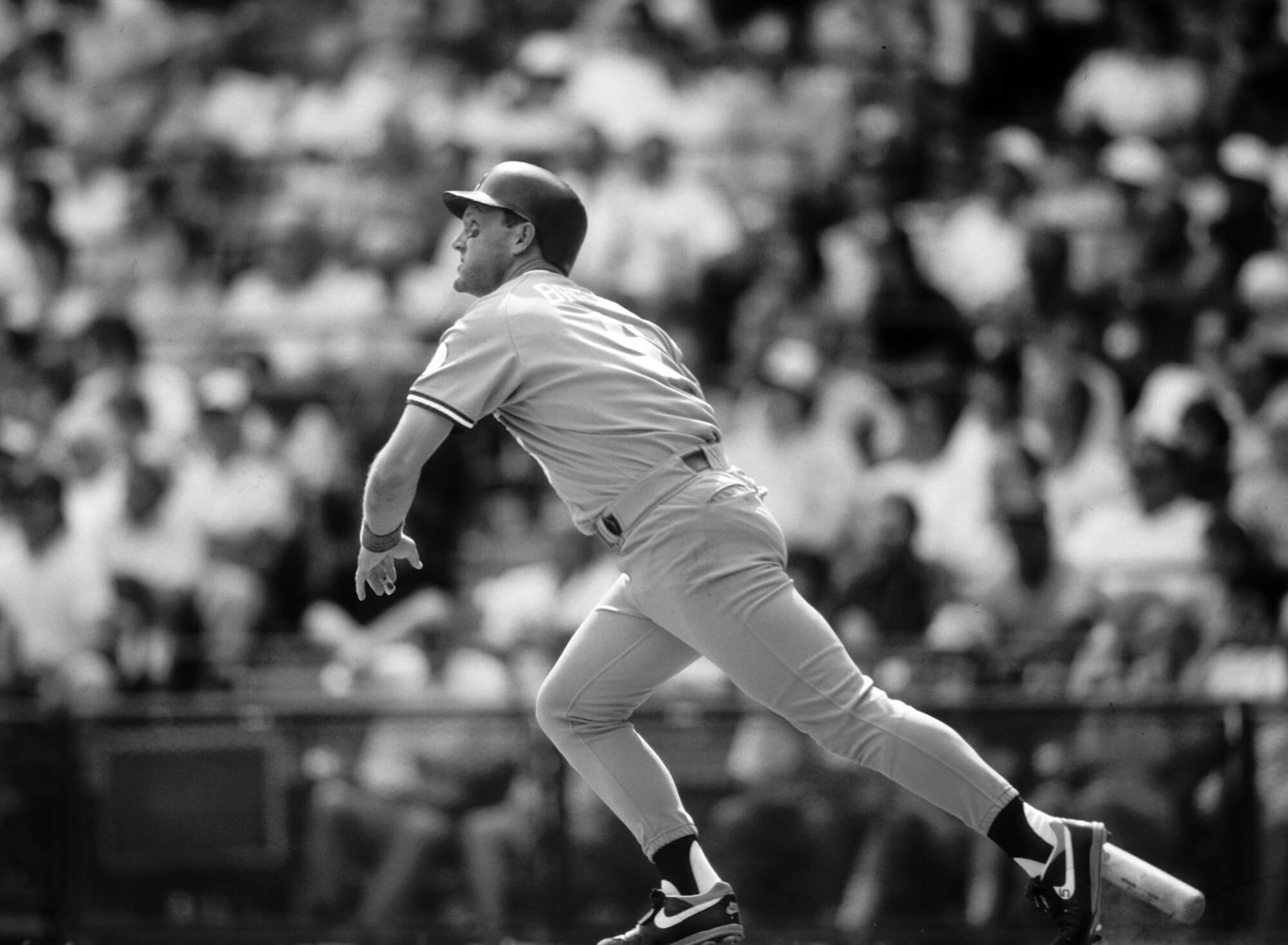
Marking the rookie card of a player who would go on to a Hall of Fame career largely spent with a single franchise, this issue is a staple of 1970s baseball card collecting. Its bright, colorful design is representative of Topps’ aesthetic during that decade.
Strong-condition copies remain consistently desirable among vintage collectors.
1969 Topps Reggie Jackson Rookie Card
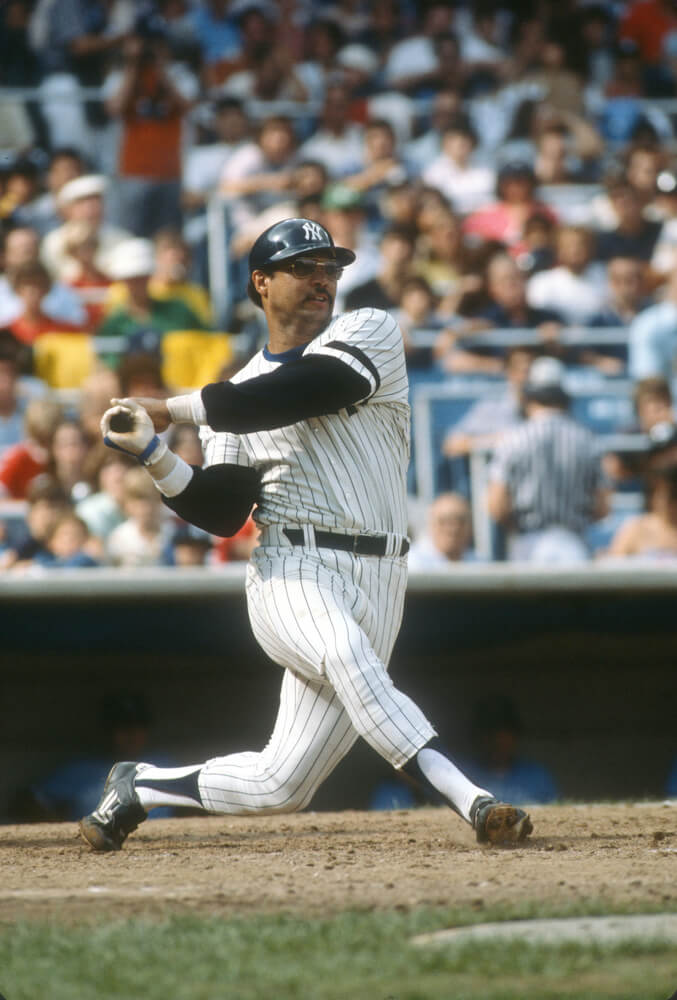
Featuring Jackson early in a career that would eventually earn him the nickname “Mr. October” for his postseason performances, this rookie card is a cornerstone of late-1960s baseball card collecting. Centering issues, common to Topps production from this era, make well-centered examples considerably scarcer.
It remains a benchmark card for collectors focused on the period.
1981 Topps Ozzie Smith Rookie Card

Marking the debut card of a shortstop later inducted into the Hall of Fame largely on the strength of his defensive skill, this issue has grown in appreciation as collectors increasingly value defensive-minded careers alongside offensive statistics. Its relatively large print run keeps most examples affordable, though top-condition copies still draw genuine interest.
It remains a popular entry point for collectors focused on defensive standouts.
1961 Topps Roger Maris
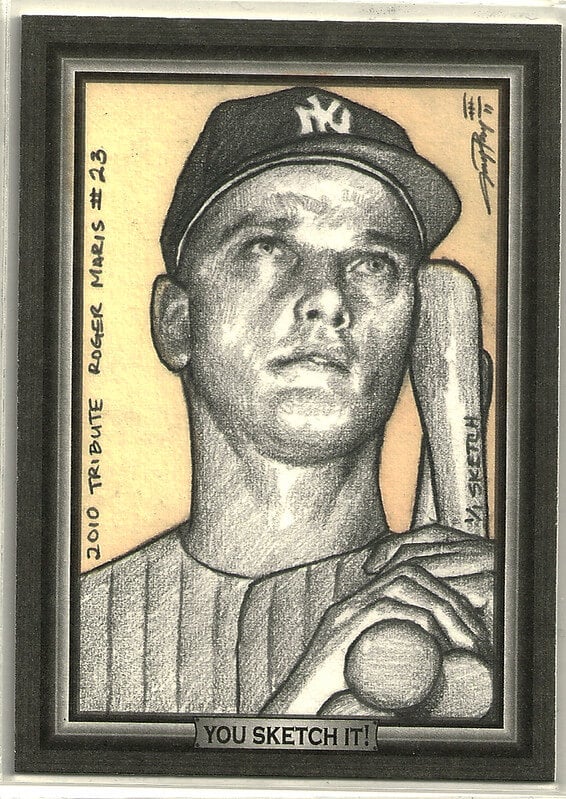
Produced during the same season Maris broke Babe Ruth’s single-season home run record, this card captures a genuinely historic moment in baseball history on cardboard. The controversy and pressure surrounding his record-breaking season have only added to the card’s historical resonance.
Strong-condition copies remain a significant piece of any serious vintage collection.
1993 Finest Refractor Set

Topps’ Finest brand introduced the refractor technology in this set, a shimmering, rainbow-effect card treatment that fundamentally changed how premium cards were designed going forward. Its influence on the broader hobby’s aesthetic direction makes it historically significant beyond any single featured player.
Refractor versions of star players from this set remain particularly sought after.
1952 Topps Willie Mays
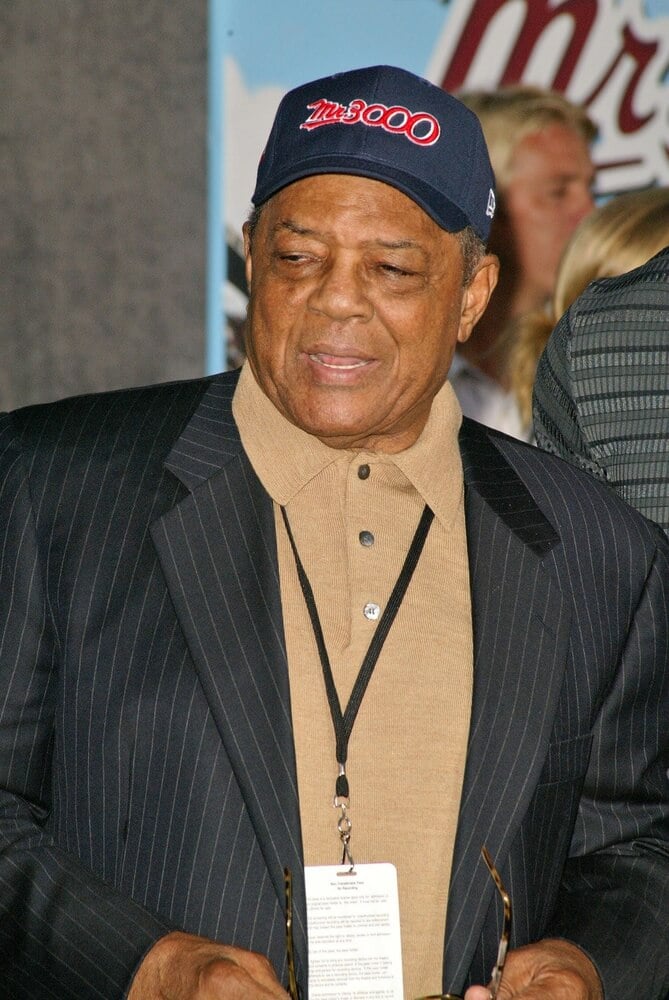
Part of the same landmark 1952 Topps set that produced the famous Mantle card, this Mays issue captures a player widely regarded as one of the greatest all-around talents in baseball history. Its shared design language with the Mantle card ties it closely to that set’s overall legendary status.
Strong-condition copies remain a cornerstone of vintage baseball card collecting.
1957 Topps Brooks Robinson Rookie Card
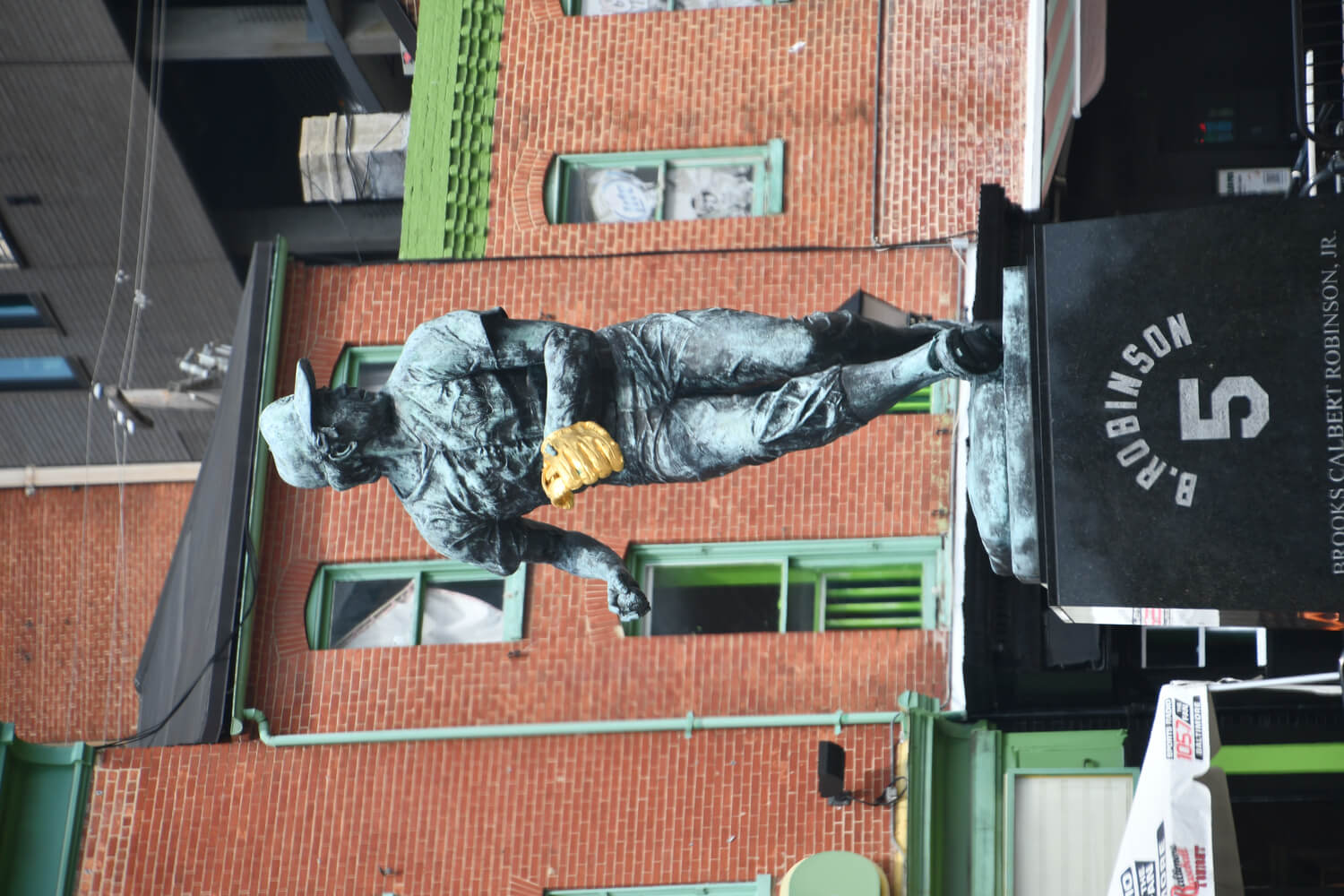
Marking the debut card of a third baseman later celebrated as one of the finest defensive players at his position in baseball history, this rookie card has steadily grown in collector appreciation. Its production during a particularly strong overall Topps design year adds to its visual appeal.
It remains a respected, if sometimes overlooked, piece among 1950s rookie card collectors.
1990 Leaf Wave-Effect Insert Cards
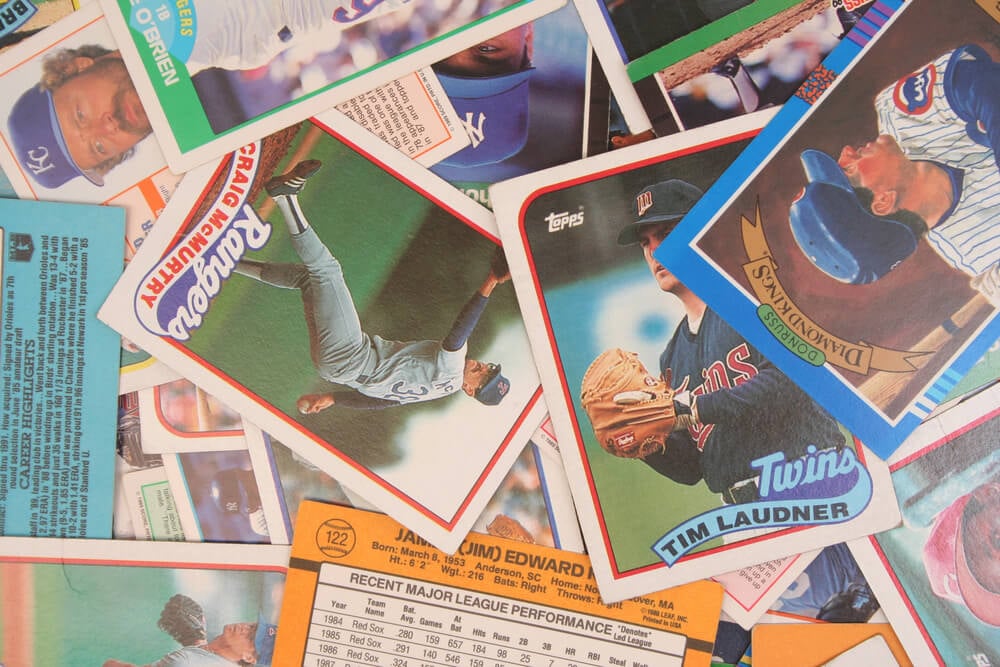
Introduced as a premium alternative to standard cardboard stock, Leaf’s higher-quality card design in this set helped signal a broader industry shift toward more polished, collector-focused production values. Its improved print quality made colors and photography noticeably sharper than typical cards of the era.
The set is often cited by hobbyists as a turning point in how manufacturers approached card quality.
Cardboard That Outlasted the Gum
None of these cards were treated as investments when they were new; they were treated as a bonus tucked inside a wax pack, worth exactly as much as the stick of gum that came with them. The eventual value attached to specific cards had almost nothing to do with anyone’s foresight at the time.
What separates a valuable card from a forgotten one usually comes down to a decision nobody remembers making: whether a kid kept a card in a shoebox instead of a bicycle spoke, and whether that shoebox happened to survive the intervening decades untouched.
More from Go2Tutors!

- The Romanov Crown Jewels and Their Tragic Fate
- 13 Historical Mysteries That Science Still Can’t Solve
- Famous Hoaxes That Fooled the World for Years
- 15 Child Stars with Tragic Adult Lives
- 16 Famous Jewelry Pieces in History
Like Go2Tutors’s content? Follow us on MSN.